
 USD
USD GBP
GBP
 EUR
EUR
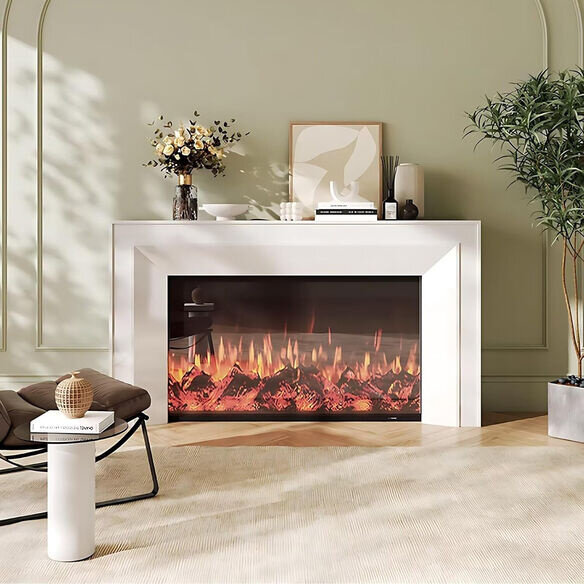
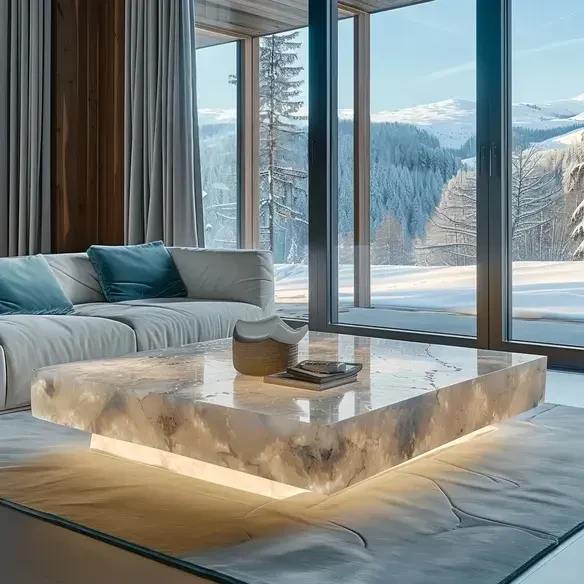
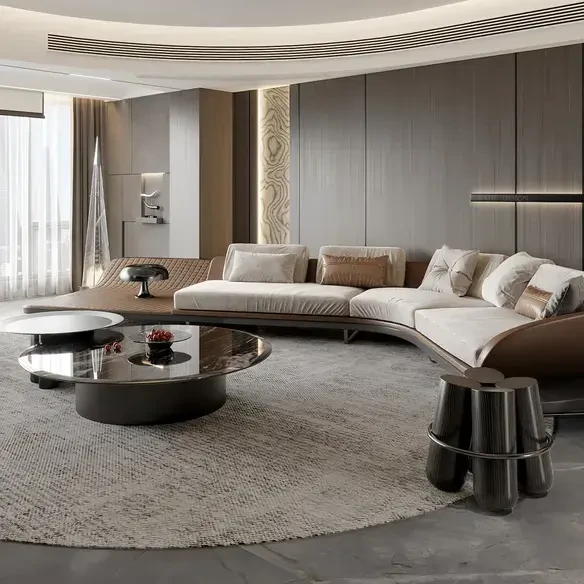
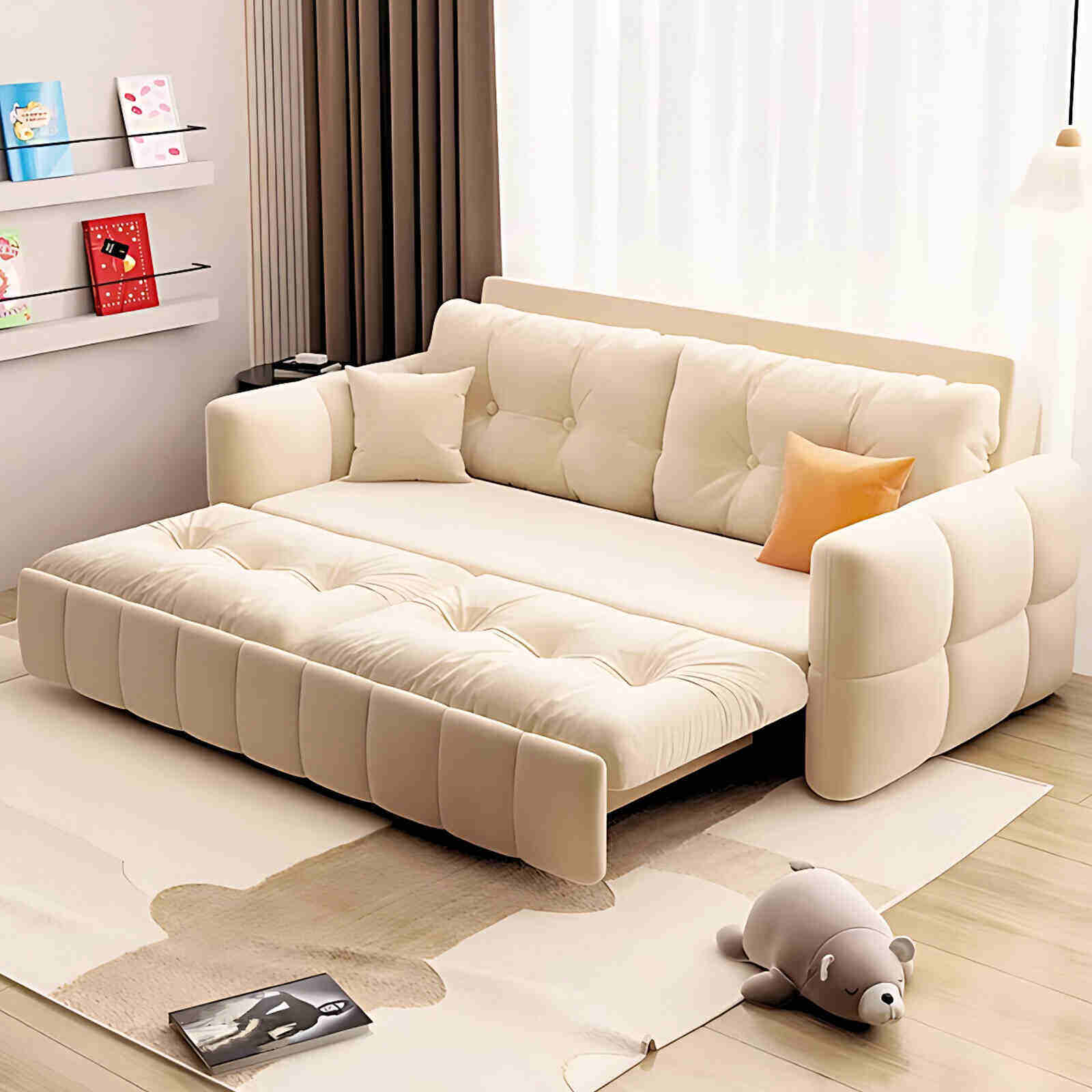
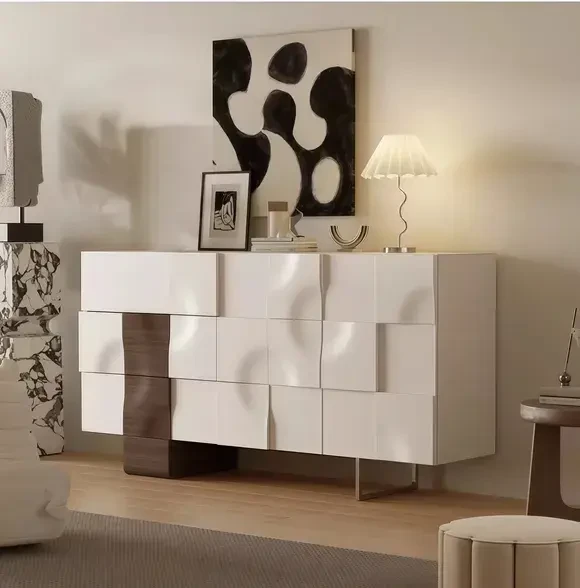
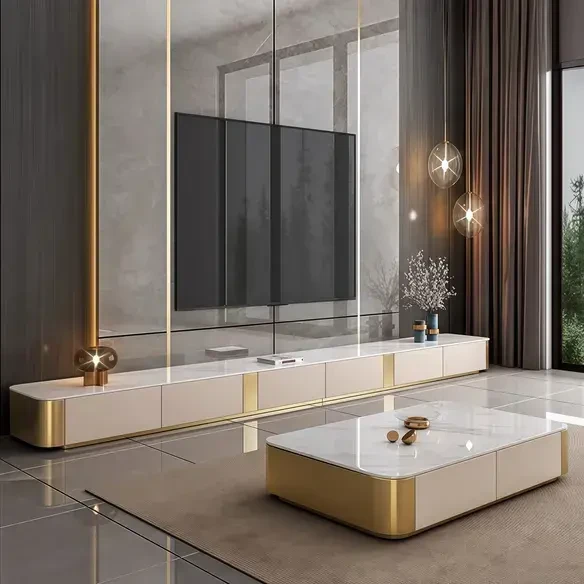
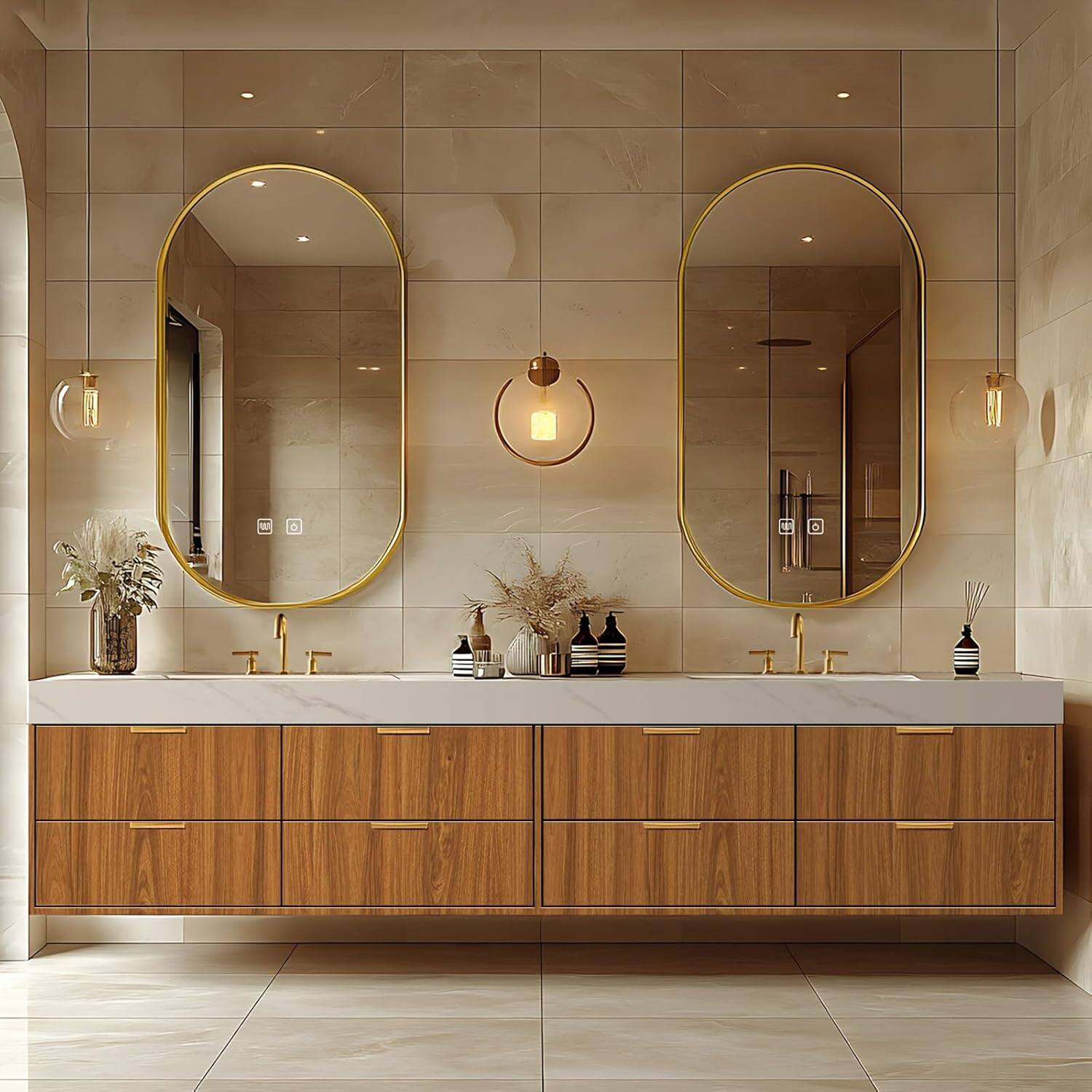
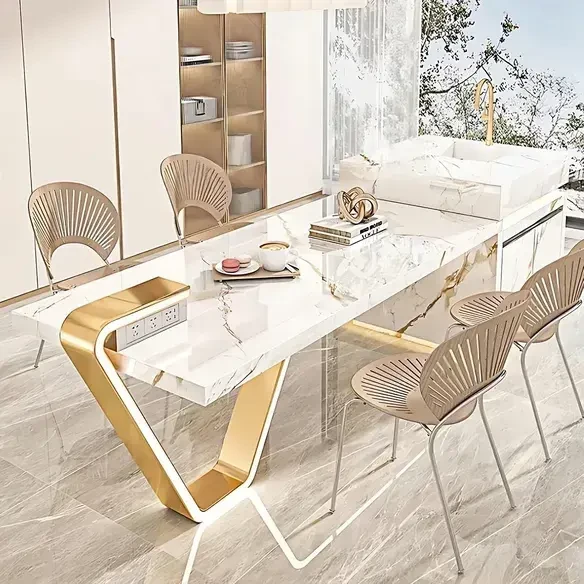
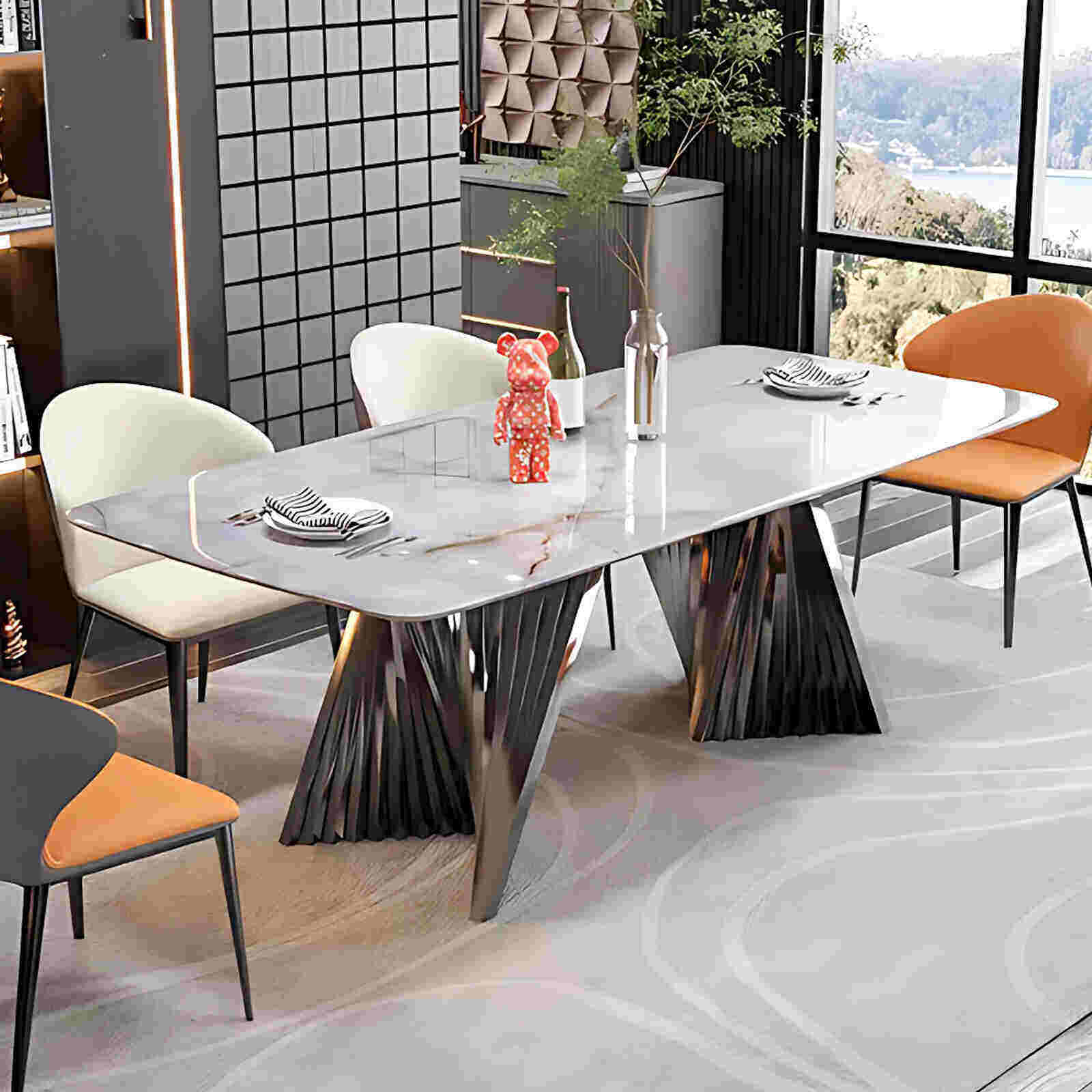
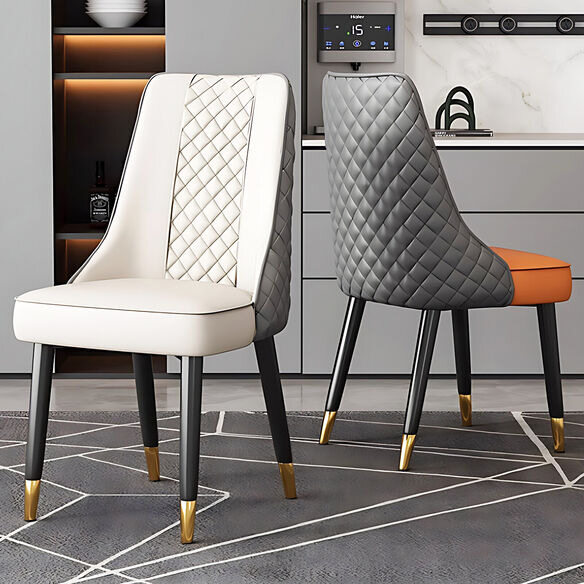
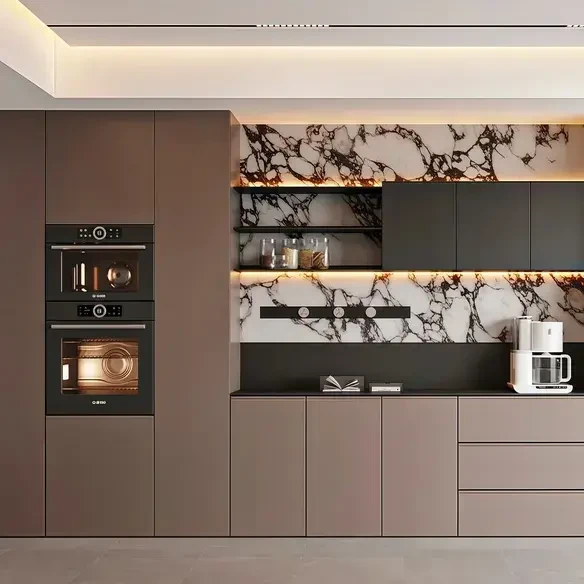
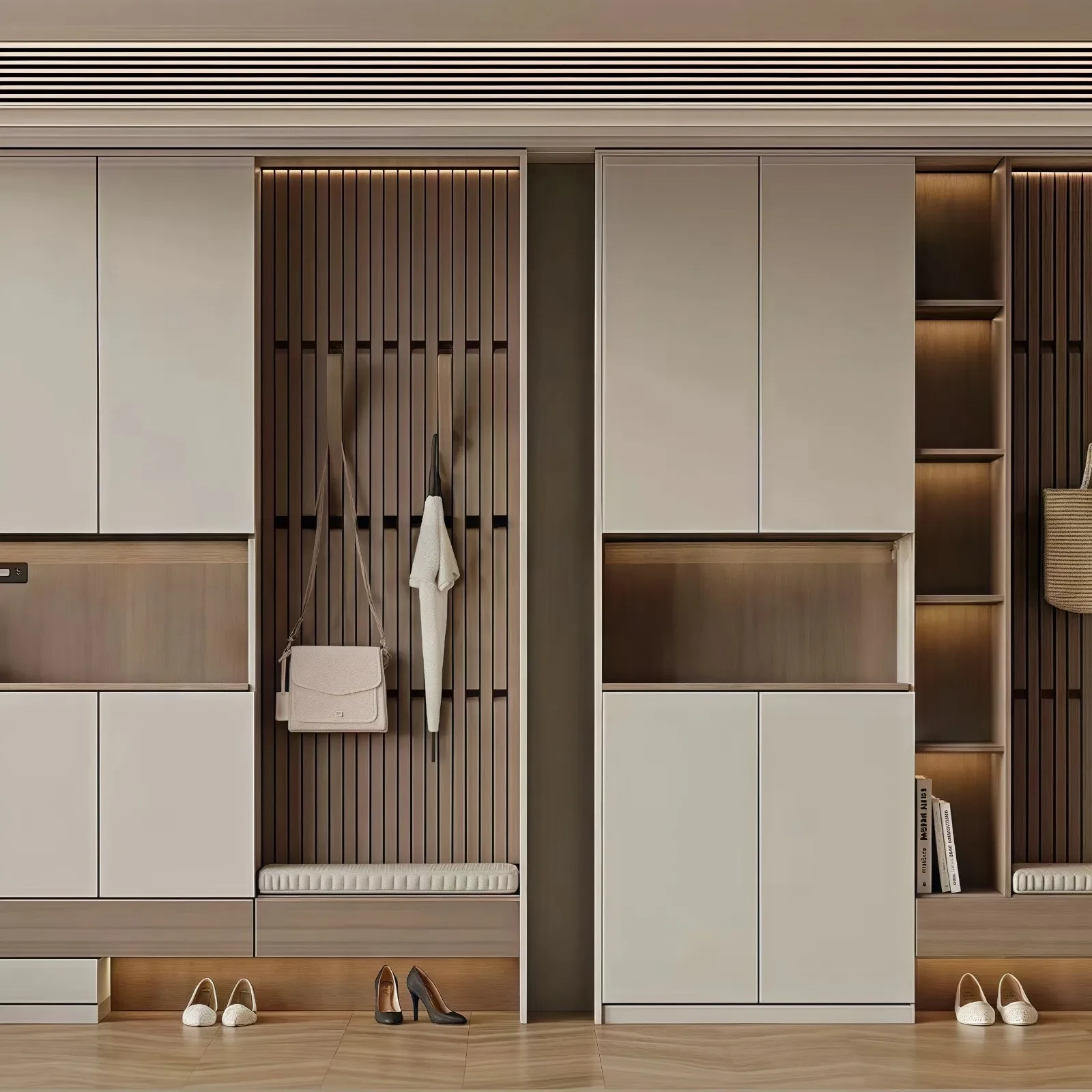
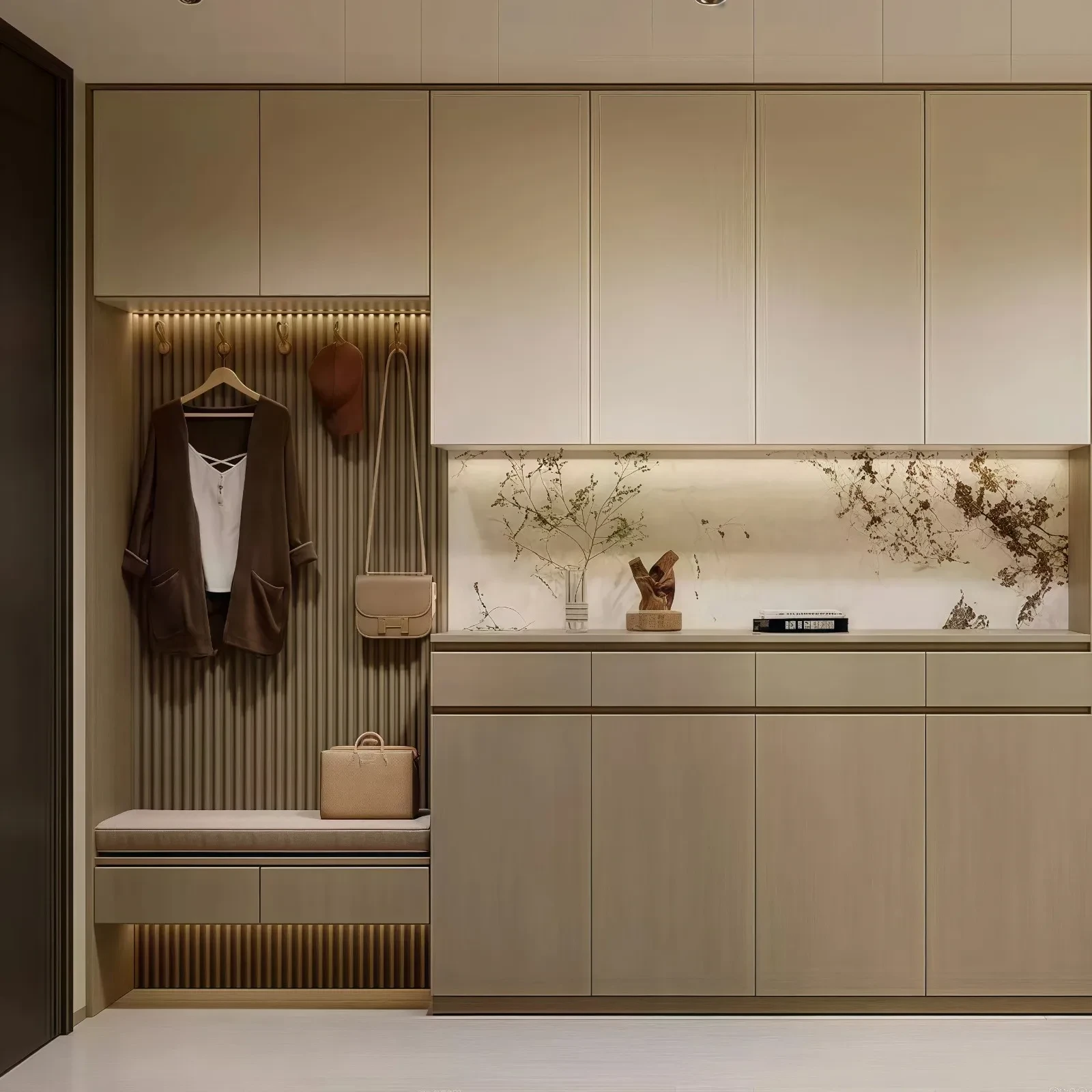
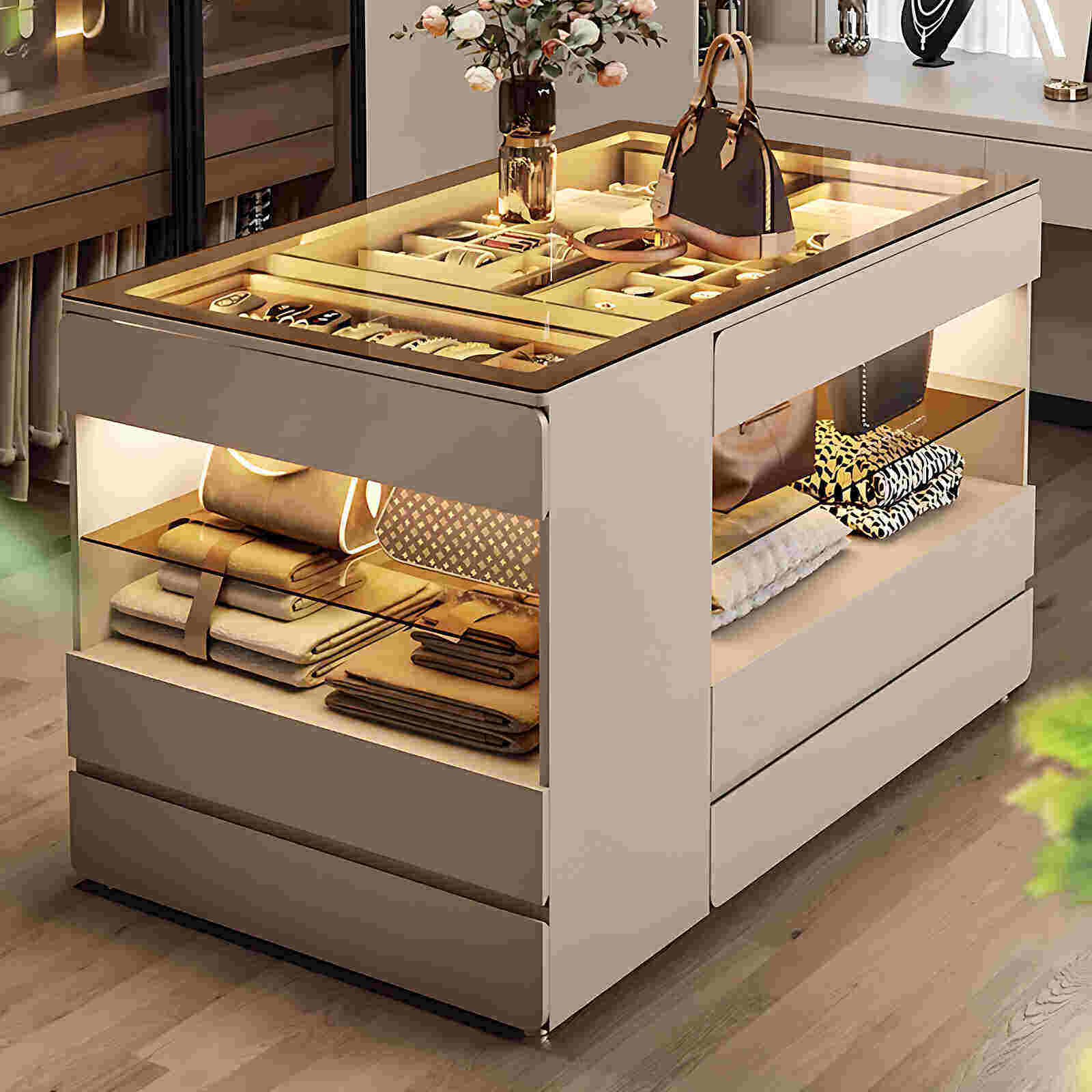

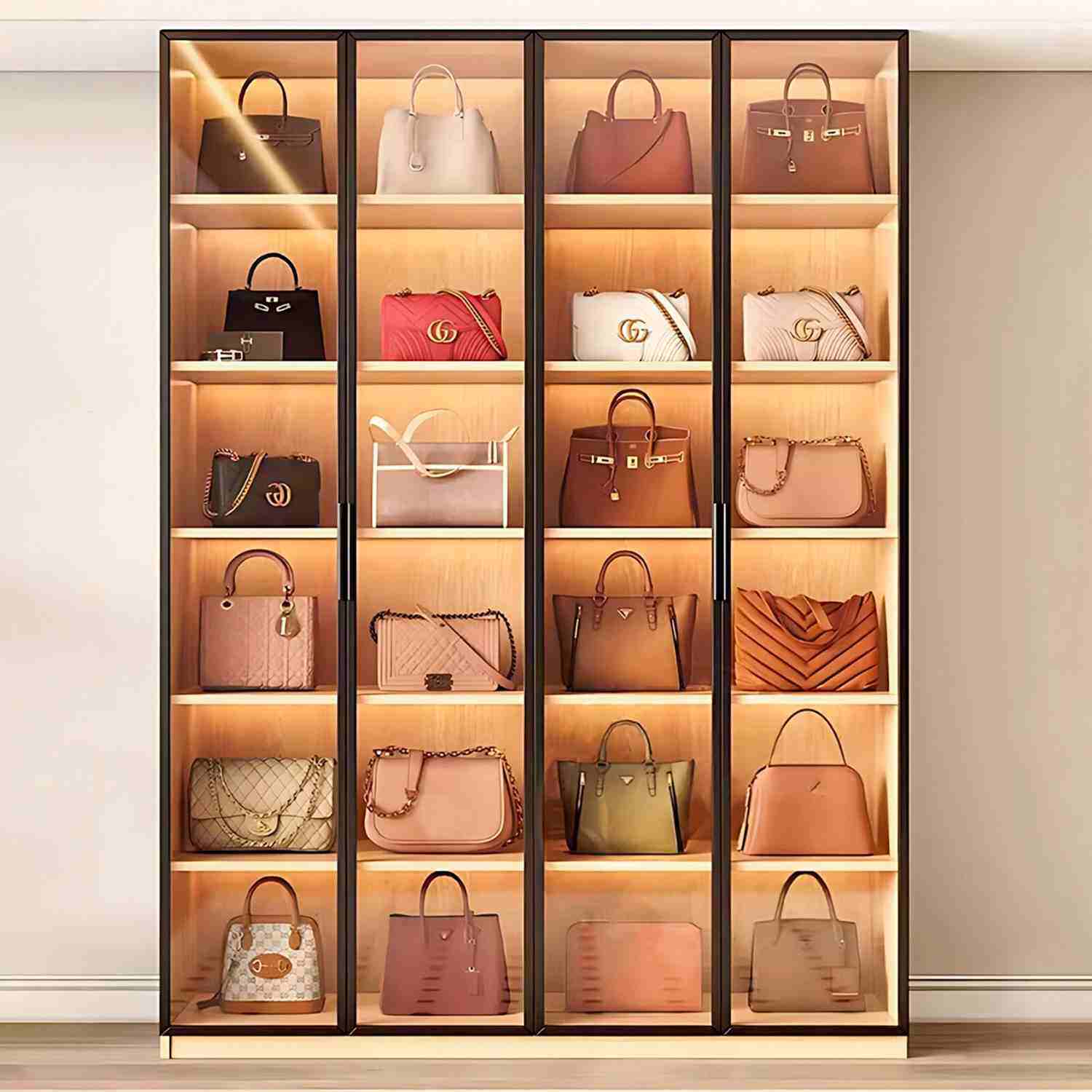

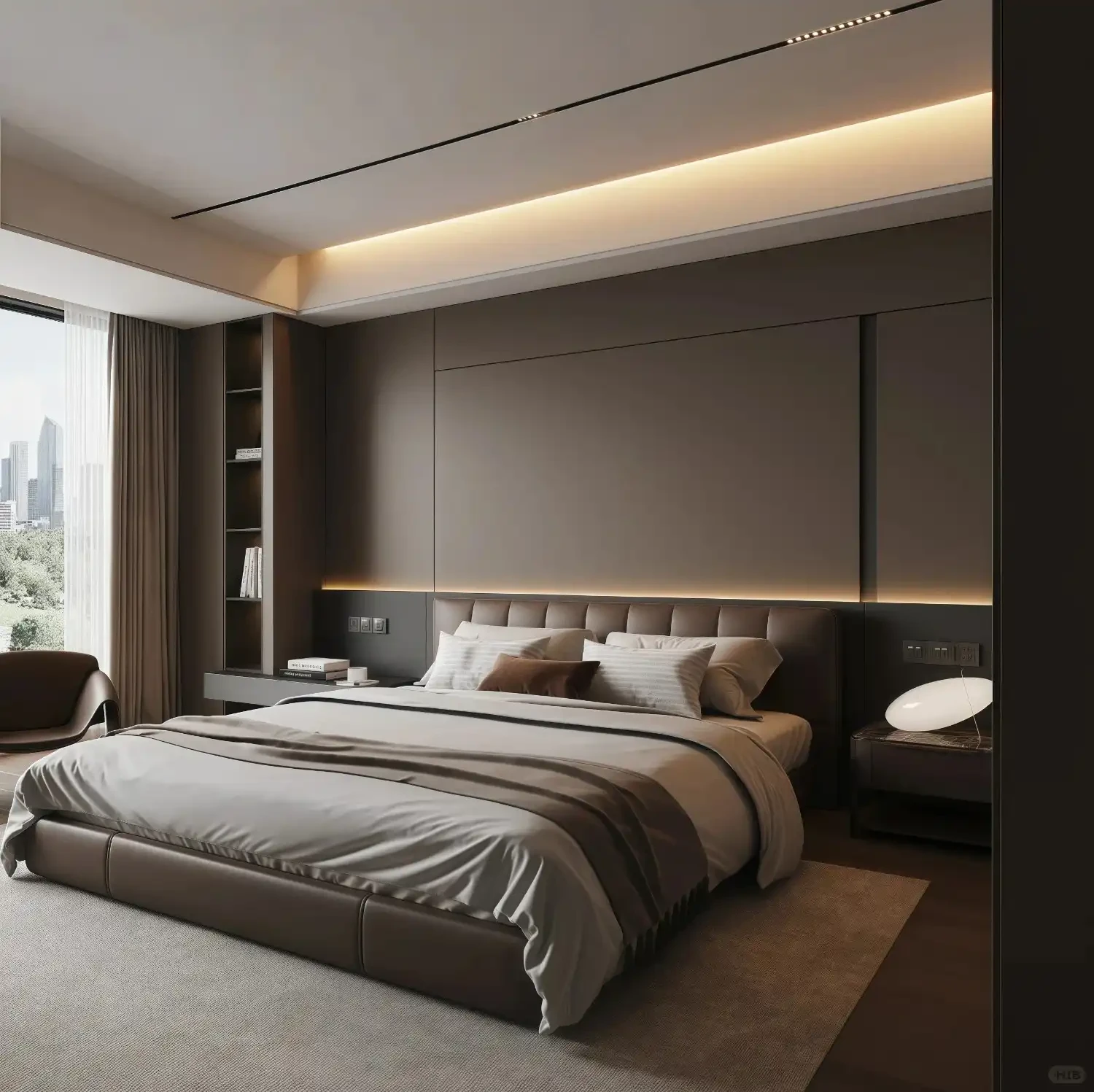
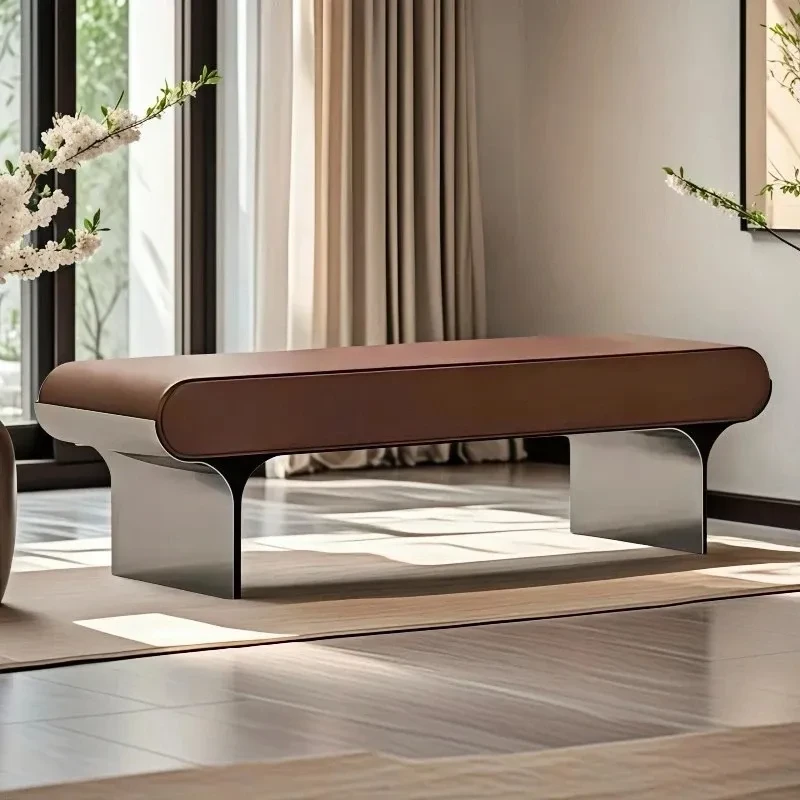
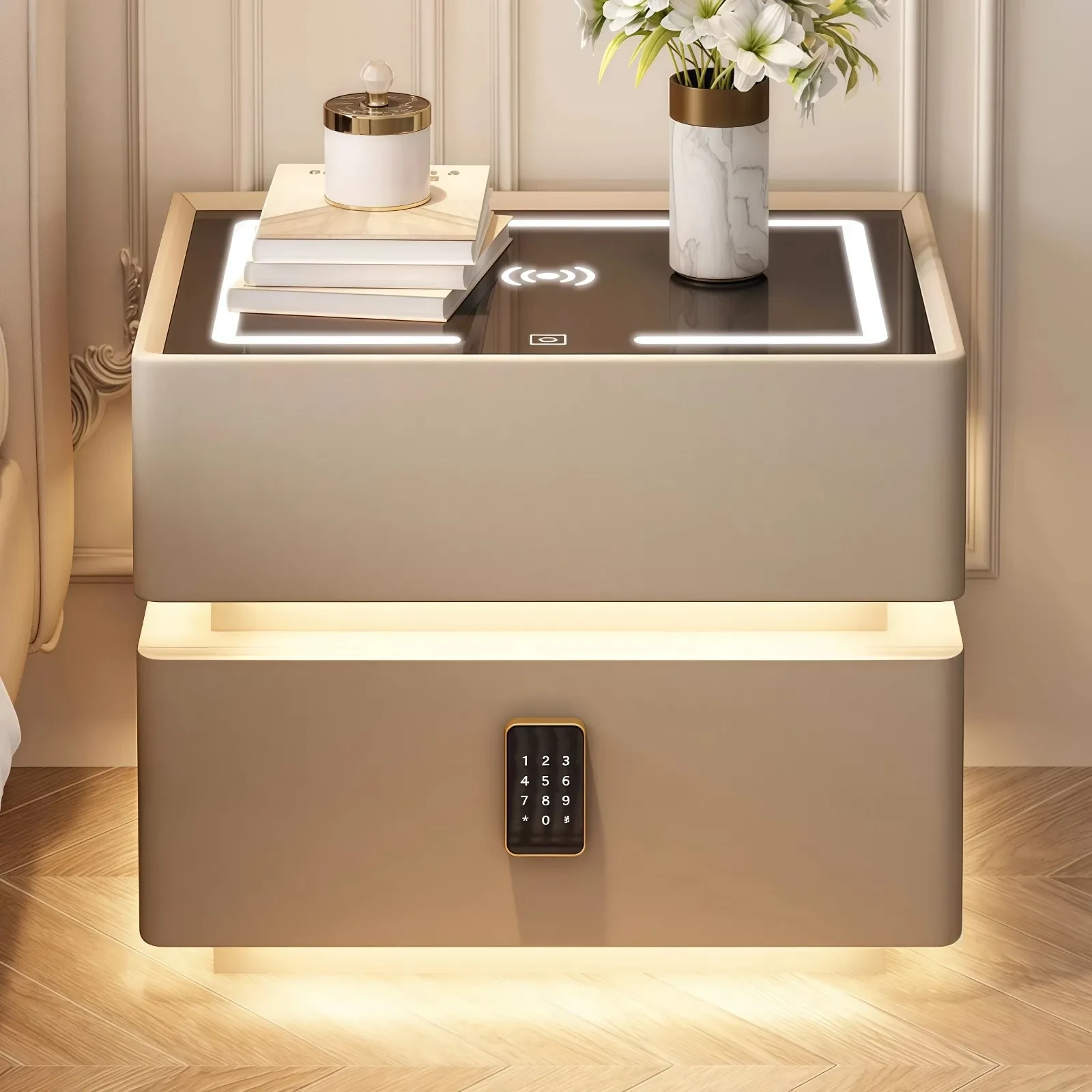
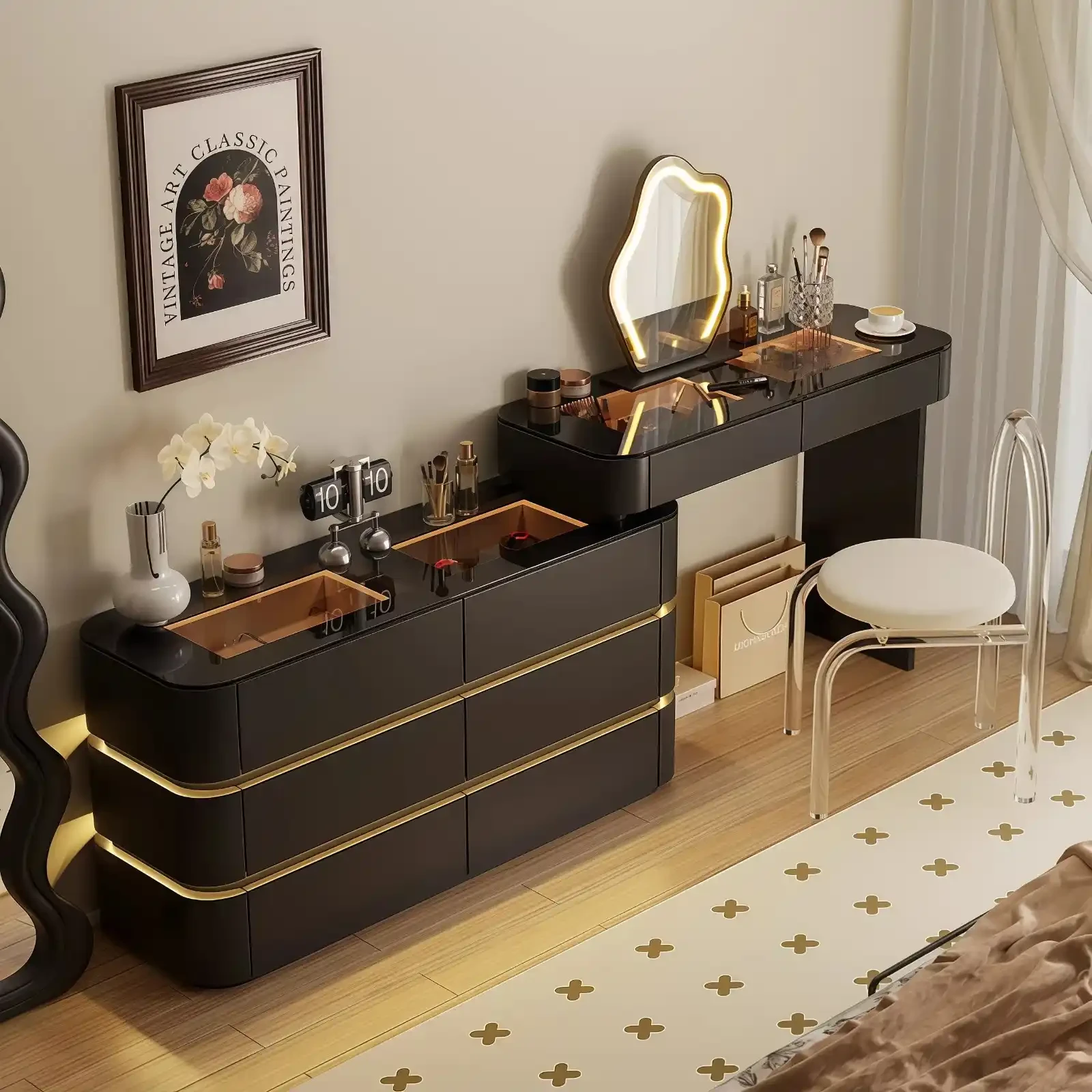


Malacca plywood is a type of eco-friendly board and holds a significant market share. Below, we'll analyze the advantages and disadvantages of Malacca plywood and what types of furniture it's suitable for. Interested readers are welcome to take a look.
1. Advantages of Malacca timber
Malacca planks have a solid inner layer, making them very strong. They also have excellent tensile, compressive, and torsional resistance, and can maintain their flatness even when nailed or drilled.
Because Malacca lumber is relatively hard, it needs to be shaped in one go during processing, without adding any scraps or offcuts. Malacca lumber is fully kiln-dried, making it highly malleable and less prone to cracking.
Malacca lumber is made from fast-growing timber, taking only 5-8 years to mature for processing. Before gluing, the core panels of Malacca lumber undergo a chemical treatment, containing sufficient chemicals to prevent insect infestation.
2. Disadvantages of Malacca timber
Malacca plywood typically emits a distinctive and relatively strong odor during processing, but it is harmless to the human body, so it needs to be left to dry. If the workers' processing techniques are inadequate, the finished furniture will have a stronger odor.
Malacca plywood has relatively poor nail-holding power and becomes very unstable when exposed to moisture, making it unsuitable for furniture making in damp environments such as bathrooms. Malacca plywood also has relatively weak corrosion resistance.
3. What kind of furniture is suitable to be made from Malacca planks?
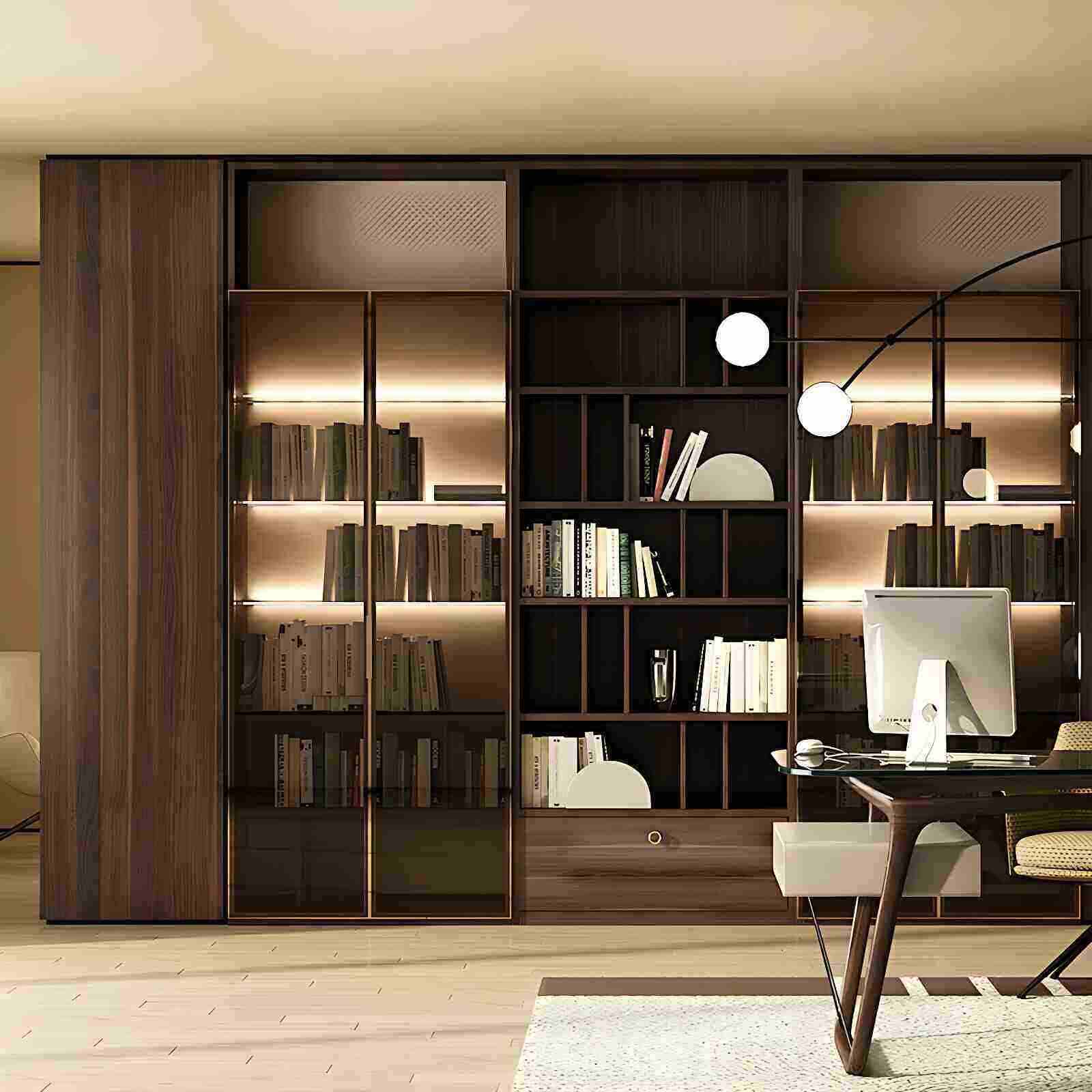
In summary, Malacca plywood is more suitable for making furniture such as wall panels, tabletops, and bookshelves, but not for making furniture in damp places such as kitchens and bathrooms.