
 USD
USD GBP
GBP
 EUR
EUR

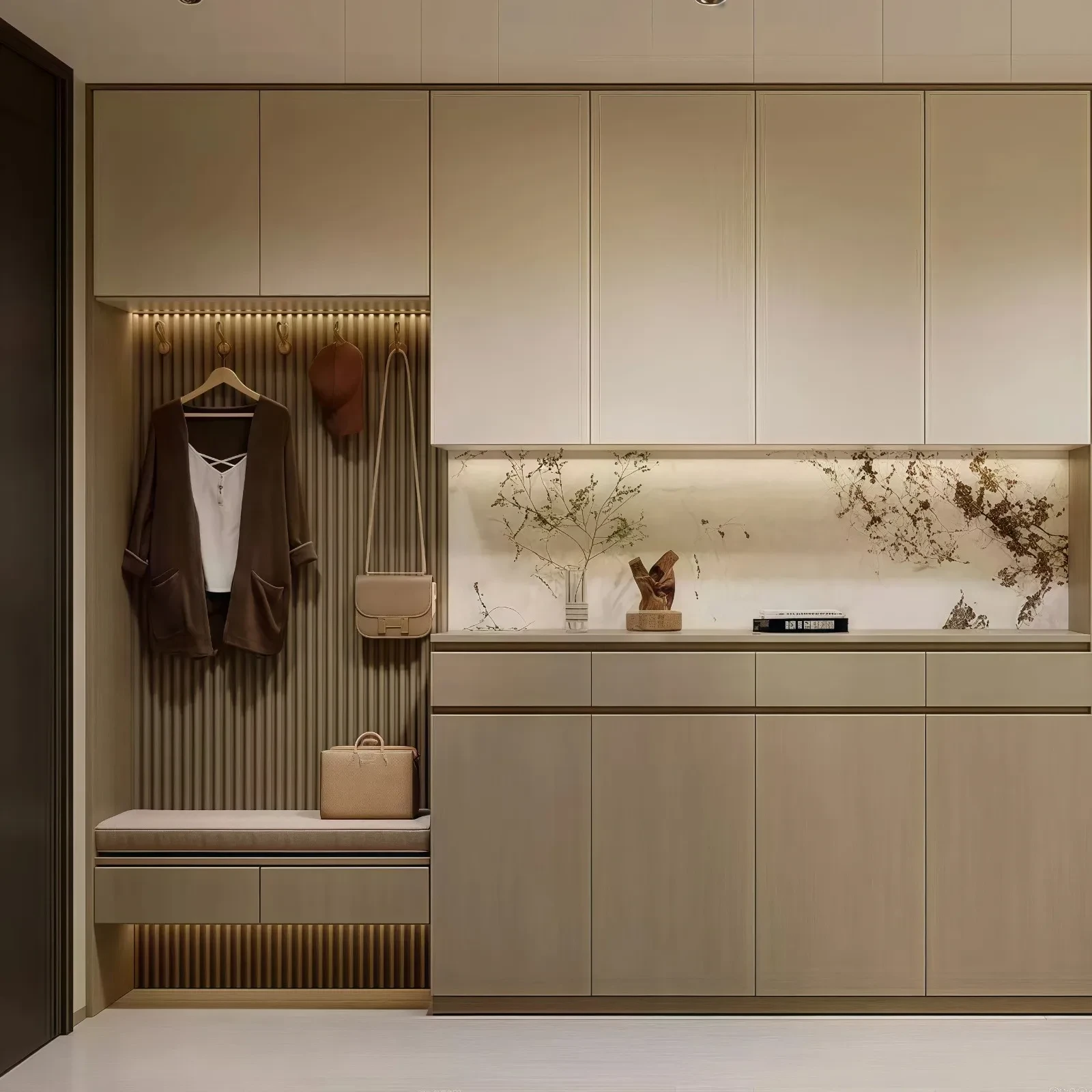
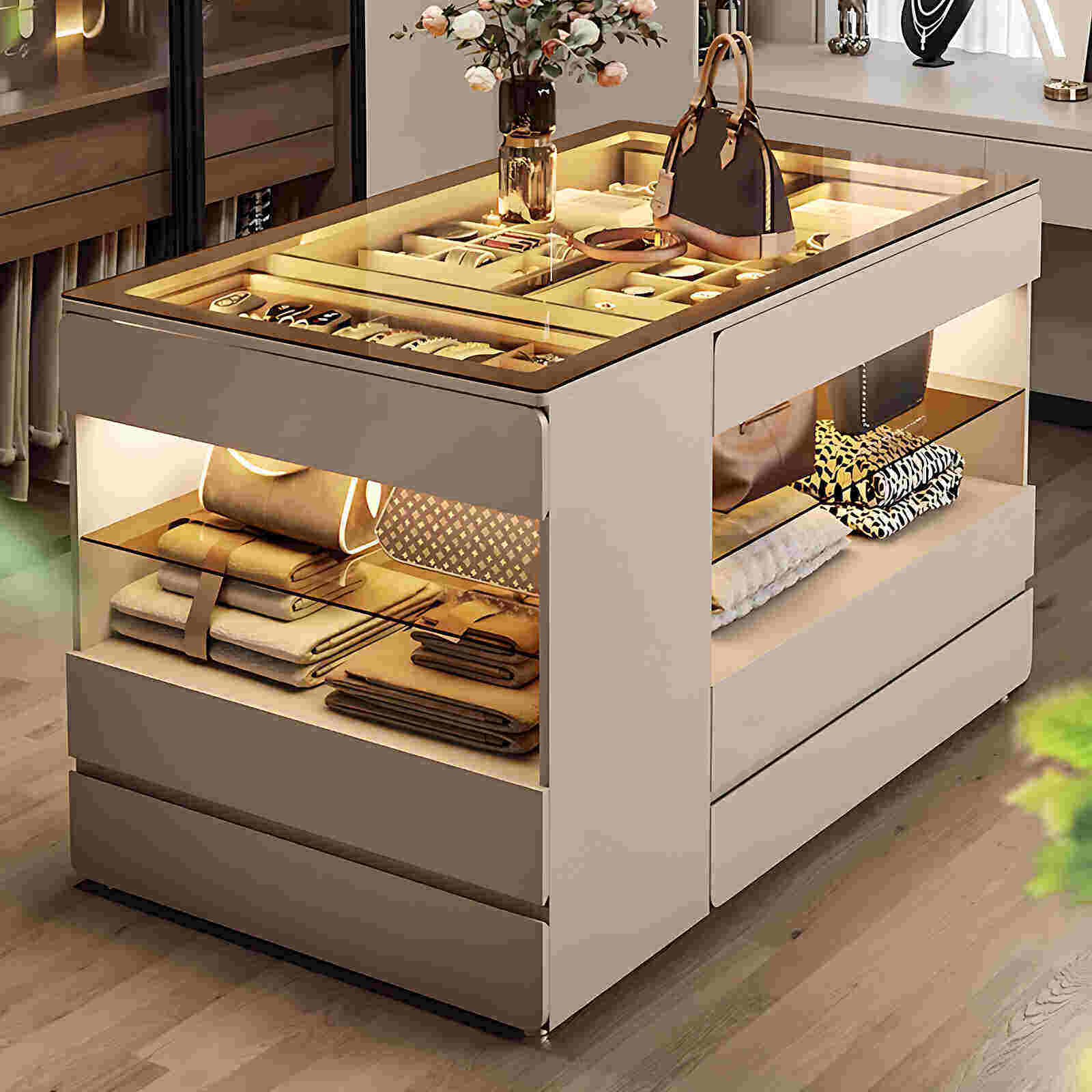
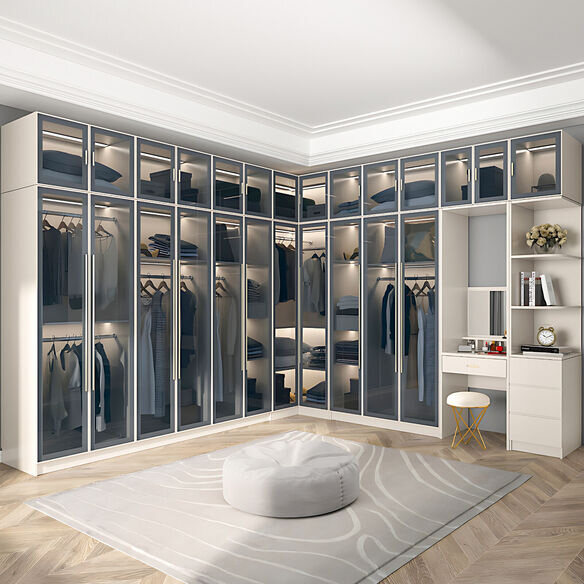
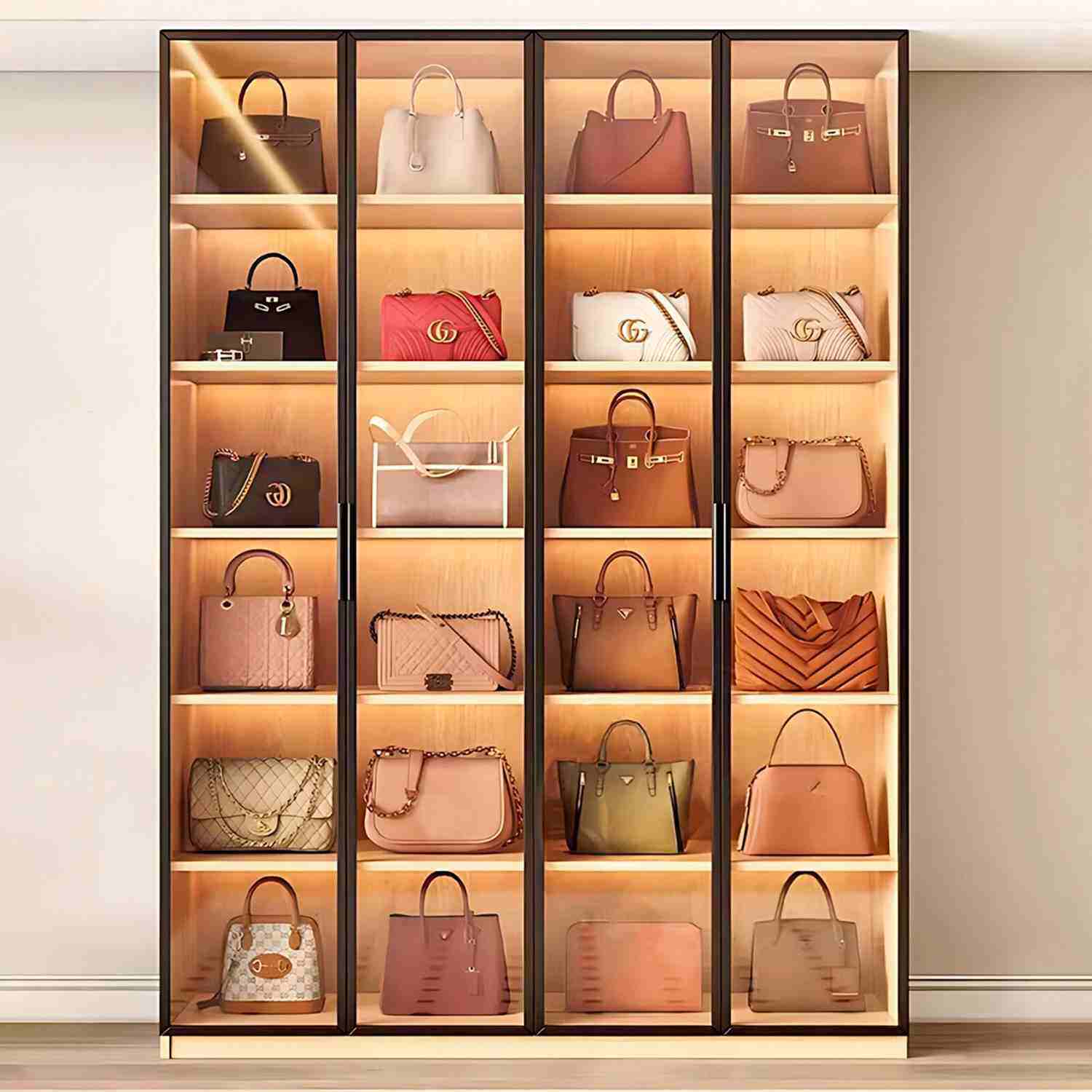
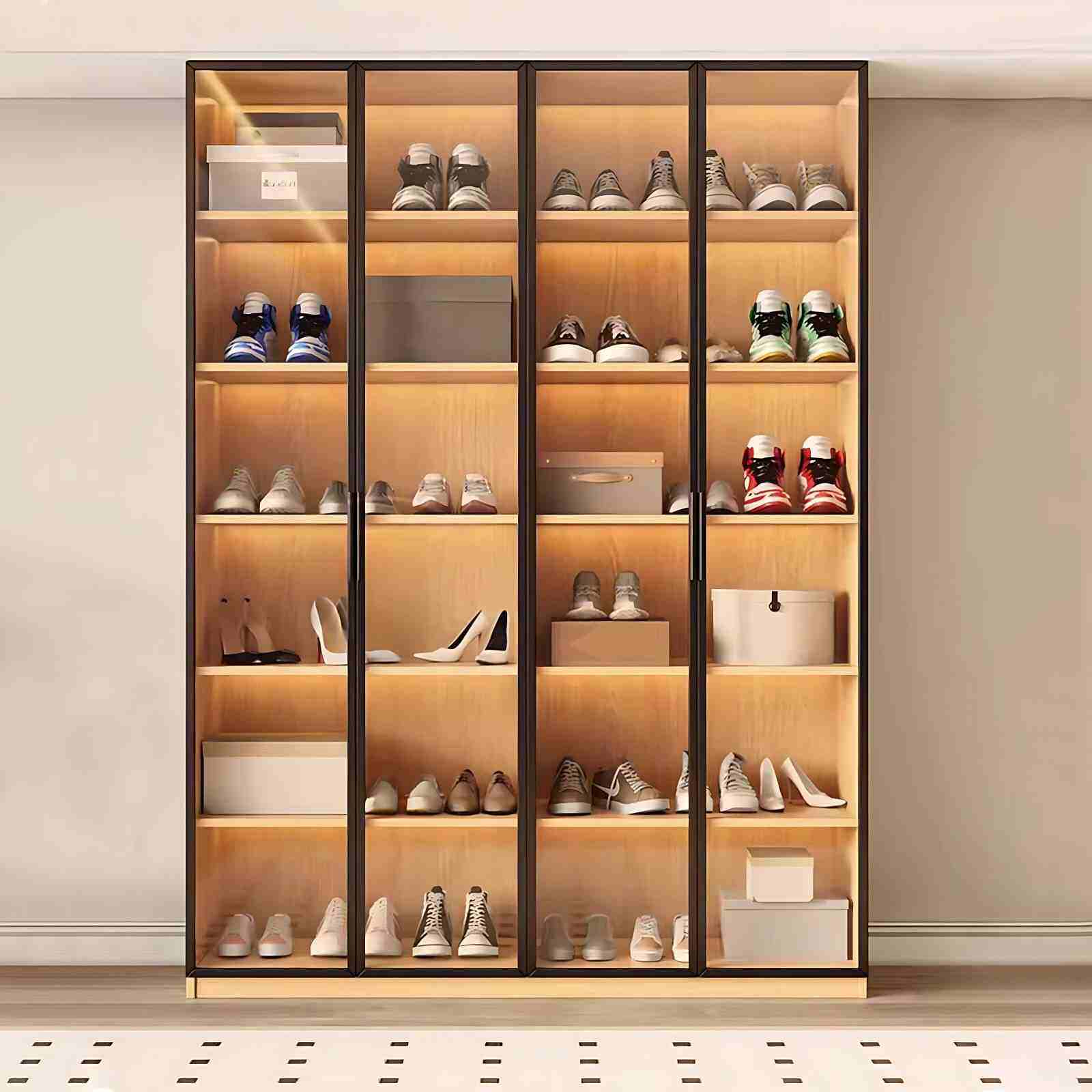

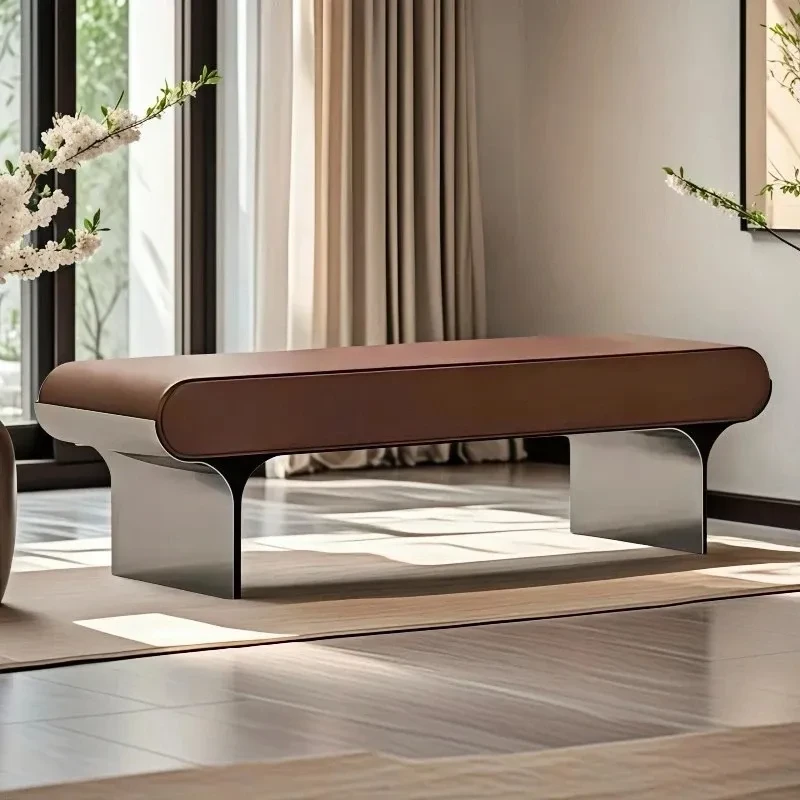

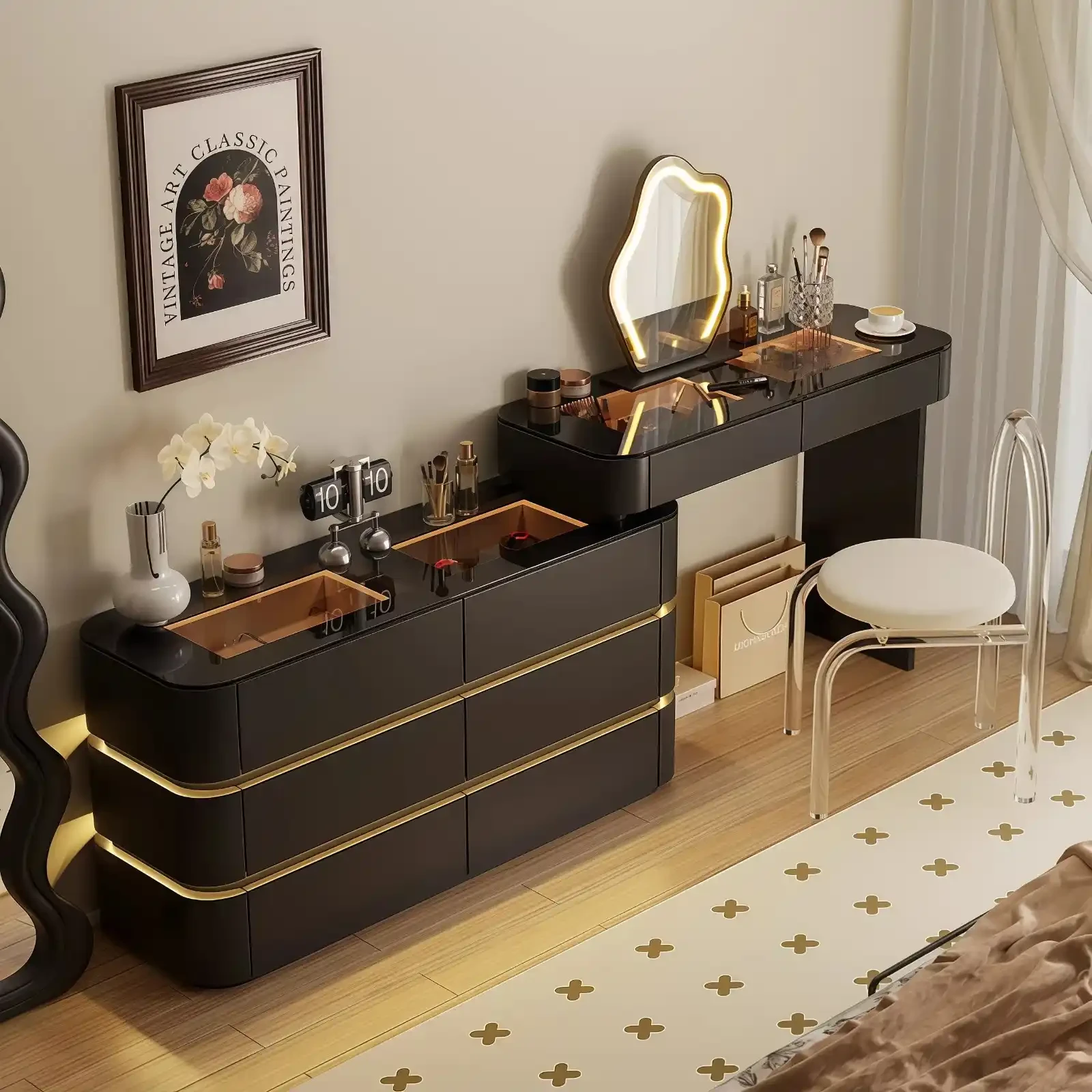
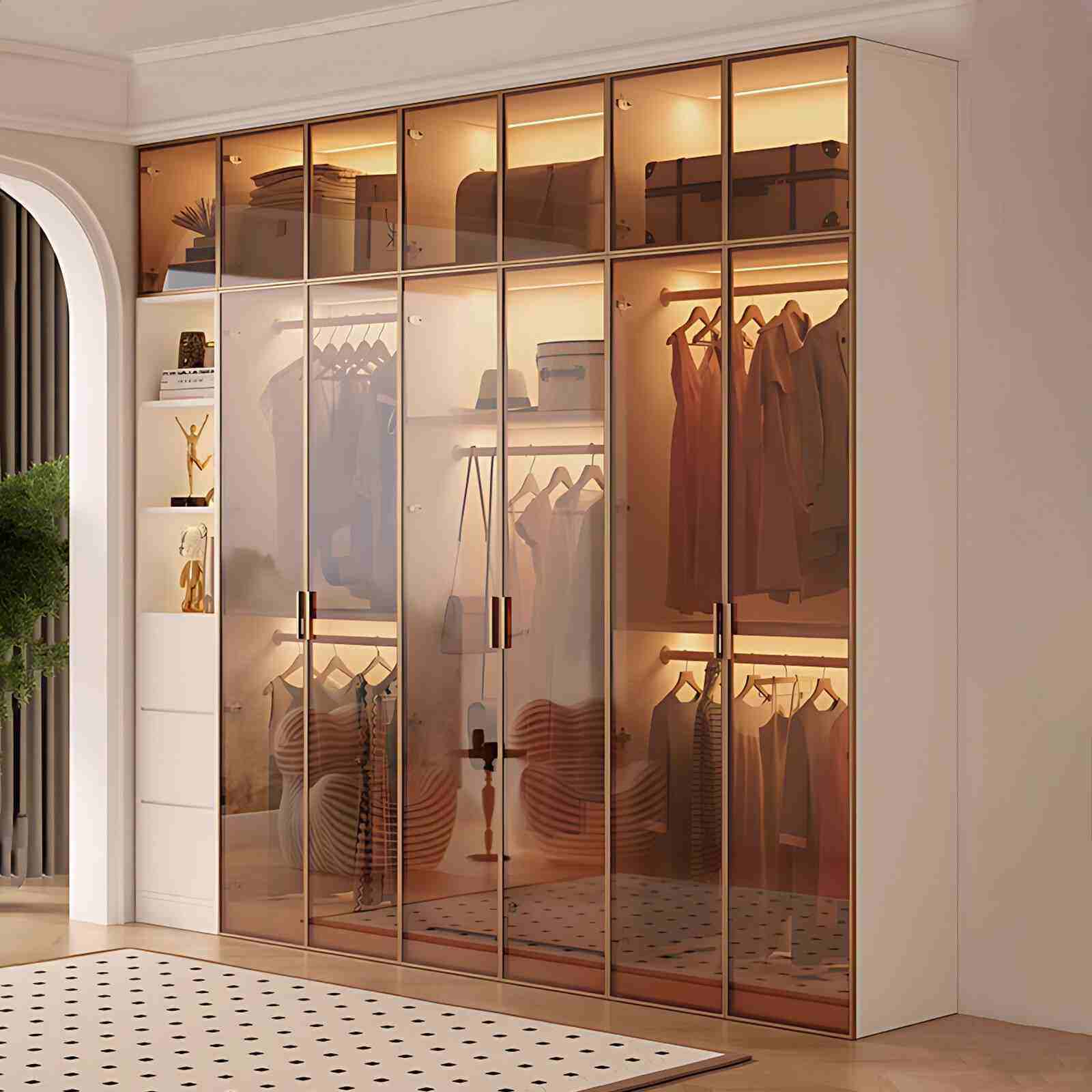
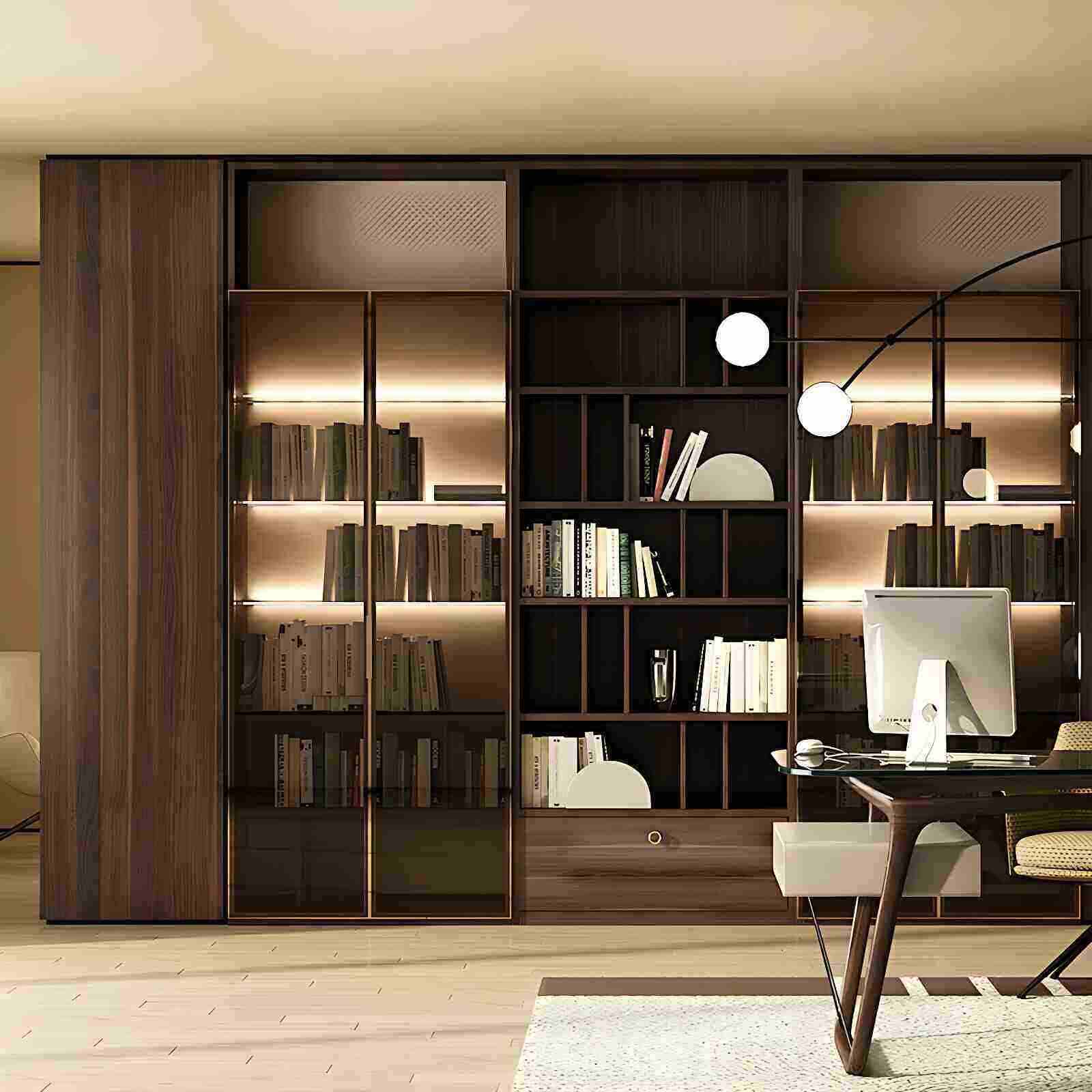
During the home renovation process, consumers often choose skilled carpenters to build wardrobes or opt for custom-made options, which involves issues such as wardrobe design, material selection, and edge banding. But is edge banding important? I've already chosen E0 eco-friendly boards, which meet environmental standards; is edge banding still necessary?
The answer is yes. As the saying goes, "details determine success or failure." Edge banding is a crucial step in furniture making. The quality of edge banding not only affects the lifespan and environmental performance of the furniture, but also its overall aesthetic appeal.
Make the furniture more beautiful
After the edges of the board are banded, the internal structure and material are not visible from the side, and the banding is usually done with the same color edge banding. This makes the furniture look more aesthetically pleasing with a uniform appearance. The edge banding uses imported UV varnish, with customized original matching patterns, and the surface texture is almost identical to that of the eco-board, making it an indispensable accessory for eco-boards.
The boards can be reinforced.
Adhesive is needed between the edge banding and the board. This method of reinforcing the edges from the side makes the board less prone to peeling and cracking. It's a perfect match for 20mm eco-friendly boards, resulting in a strong three-dimensional effect and a full, tight seal after edge banding.
Effectively prevent moisture intrusion
Moisture can cause boards to warp and delaminate, affecting the usability of furniture. Edge banding effectively prevents moisture absorption, which is especially important in humid southern regions. Our edge banding features three-color printing, making it fade-resistant, and is thickened for wear and corrosion resistance!
Prevent the release of harmful substances
Lower-grade environmentally friendly boards release a lot of formaldehyde, easily leading to excessive indoor formaldehyde levels. Edge banding can slow down formaldehyde release. Consumers using these boards can rest assured about their environmental friendliness; edge banding primarily focuses on enhancing the aesthetics and harmony of the product.