
 USD
USD GBP
GBP
 EUR
EUR
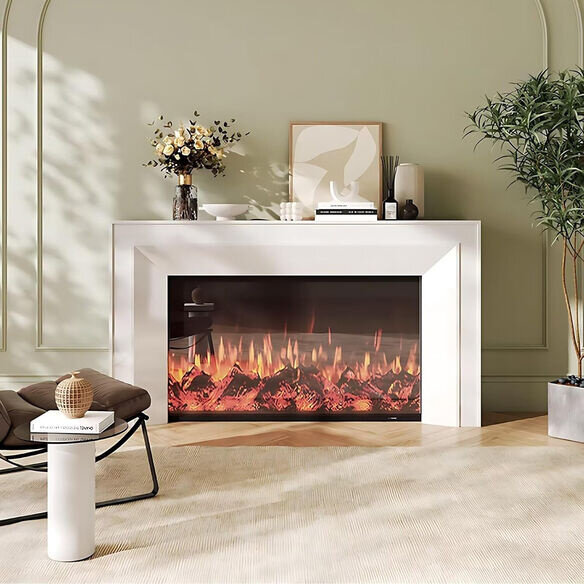
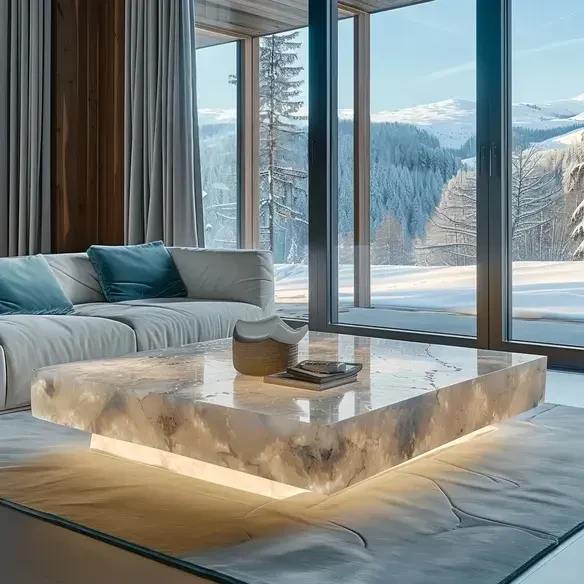
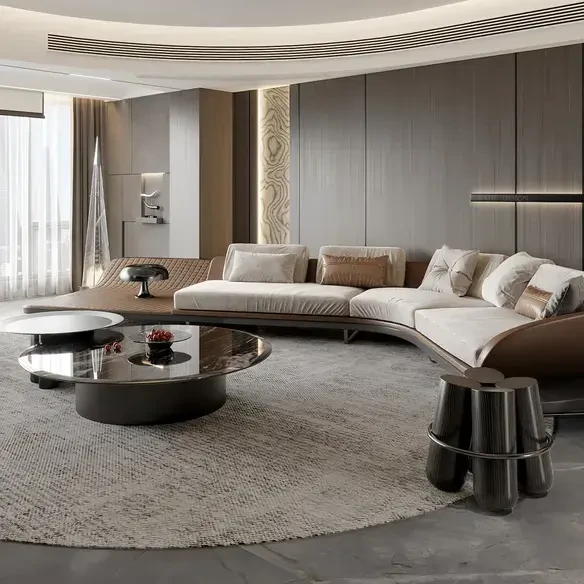
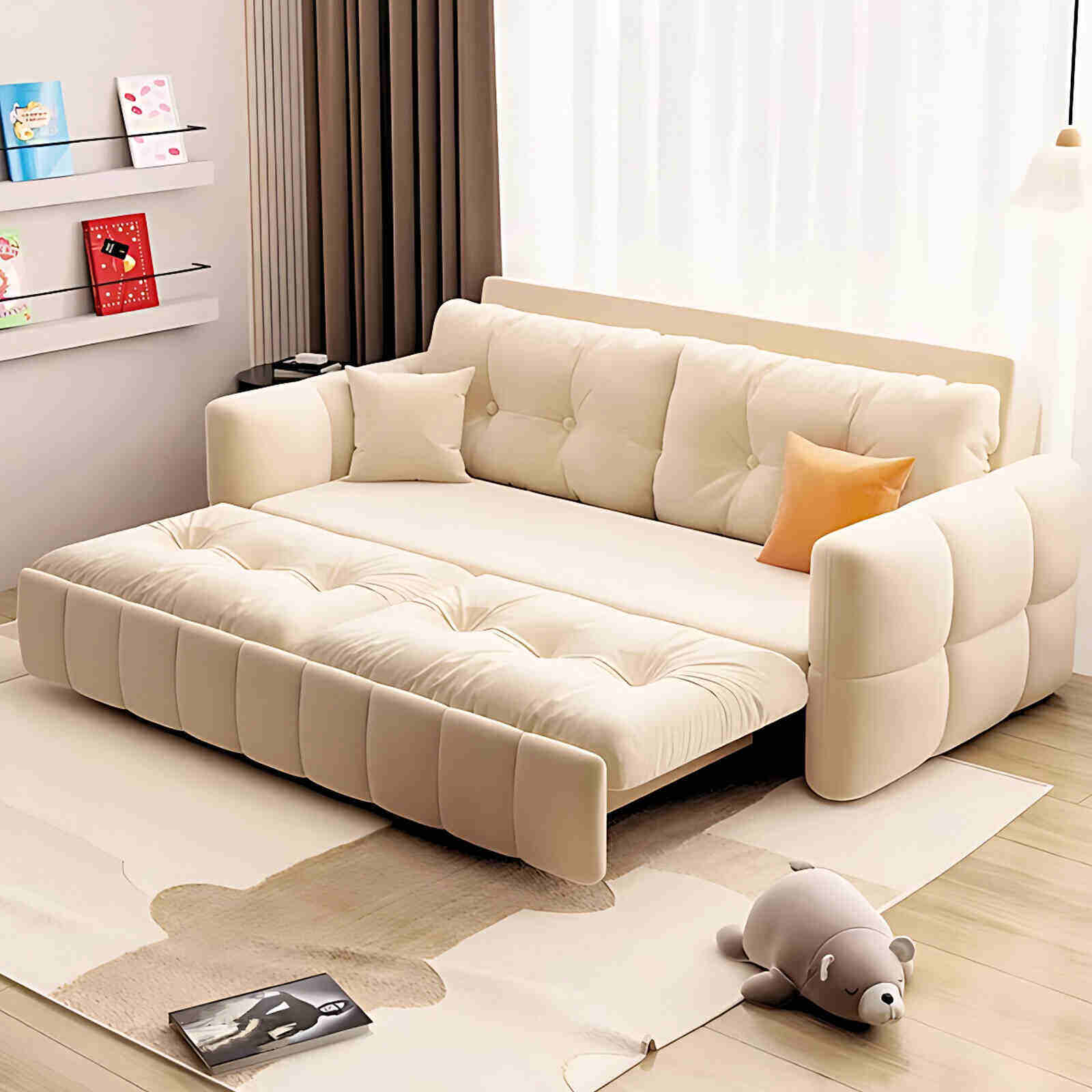
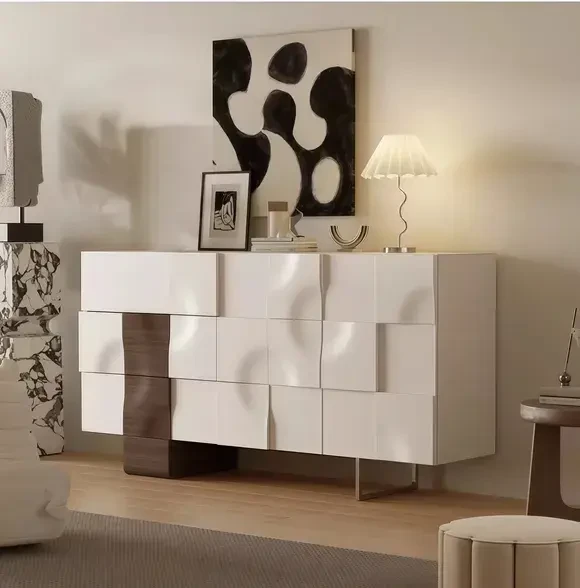
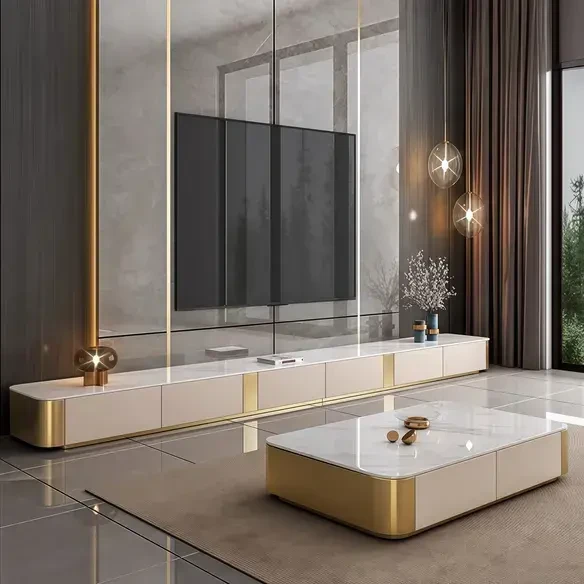
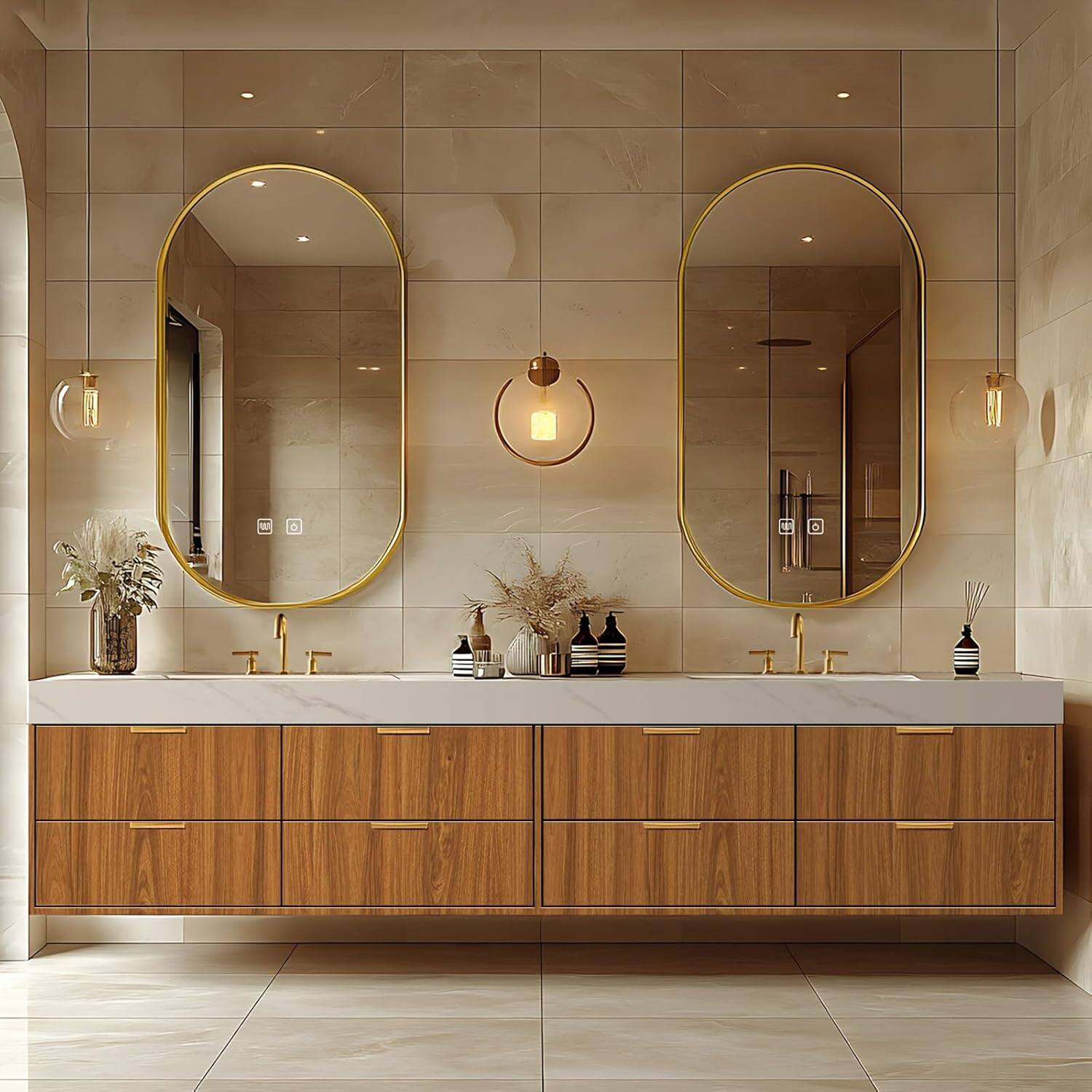
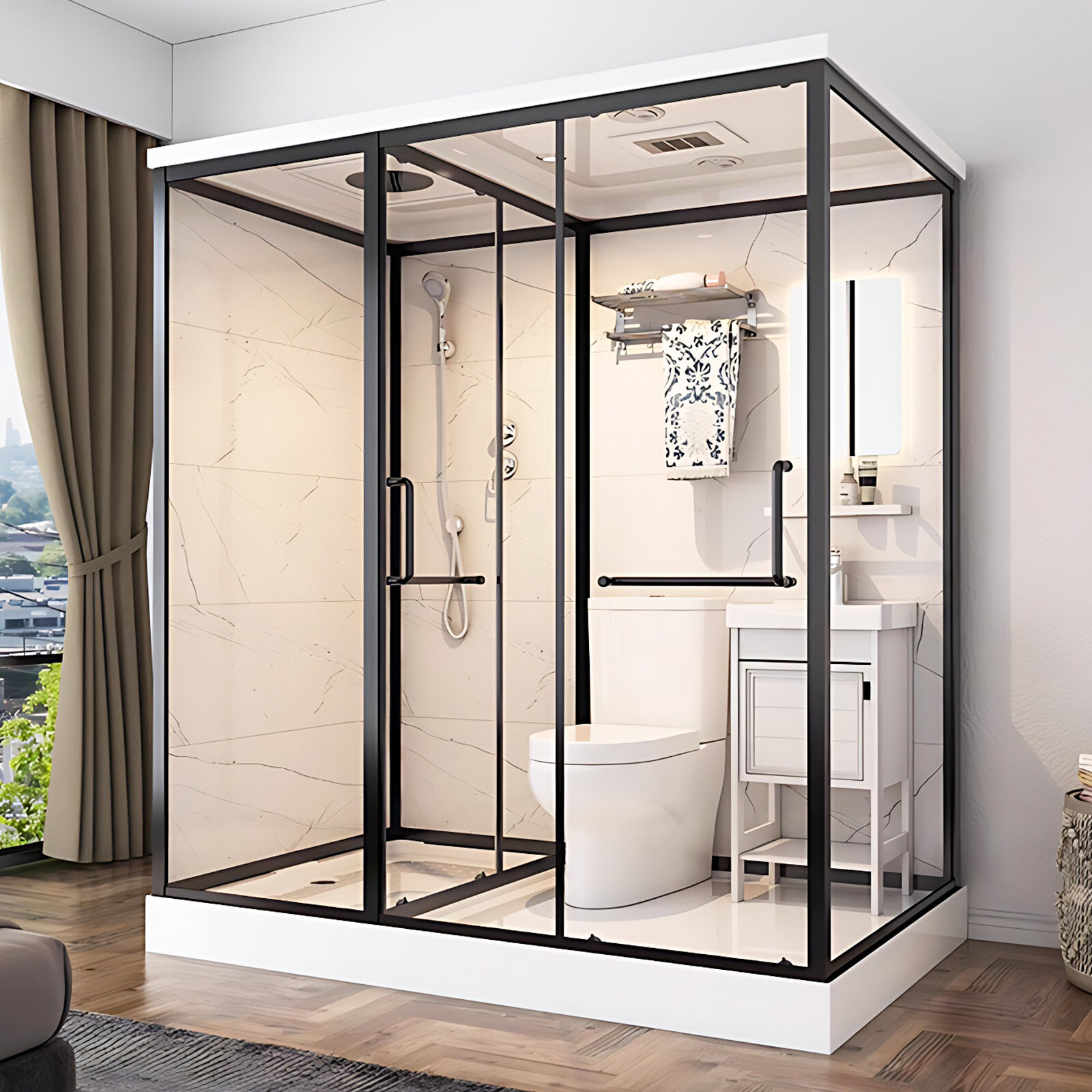
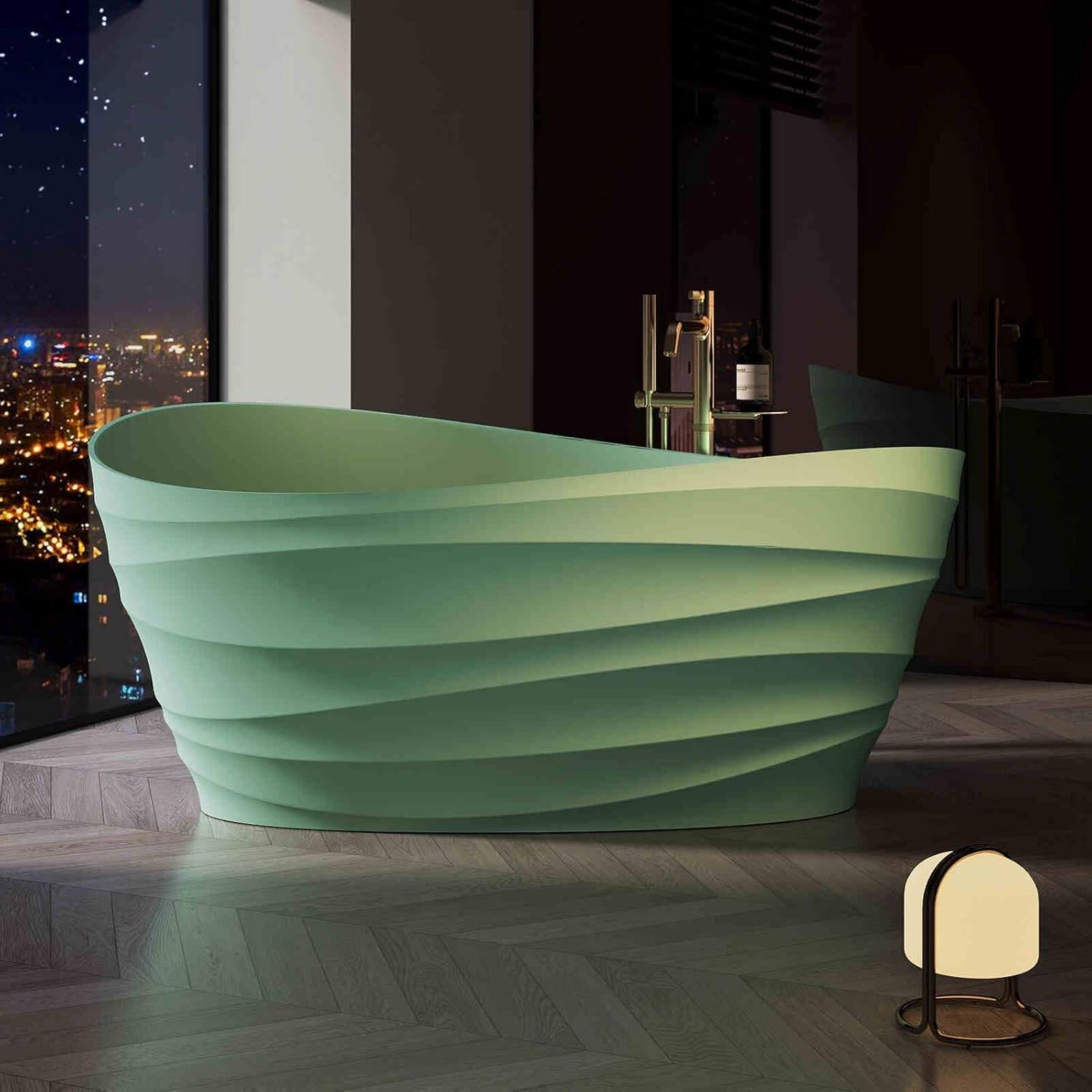
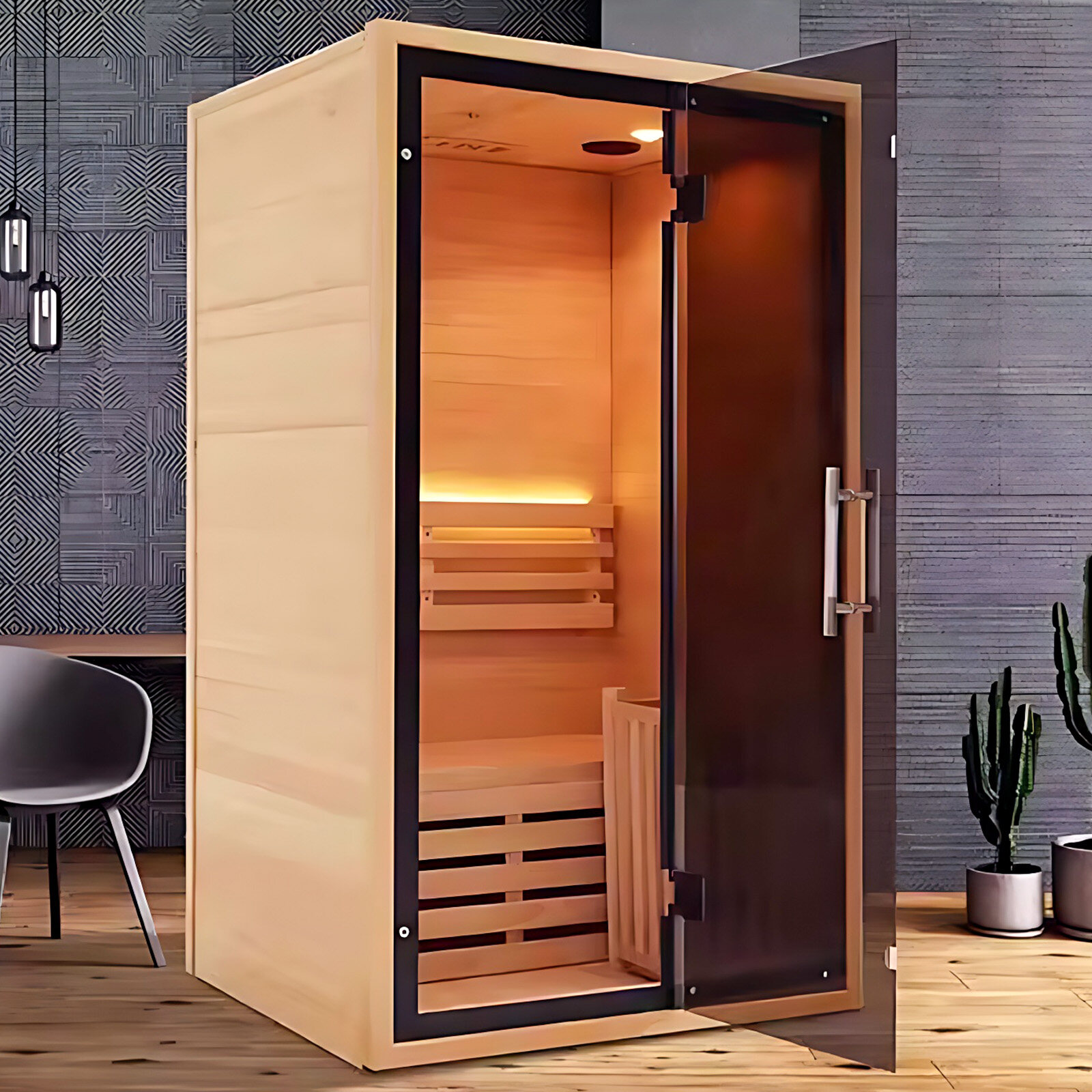
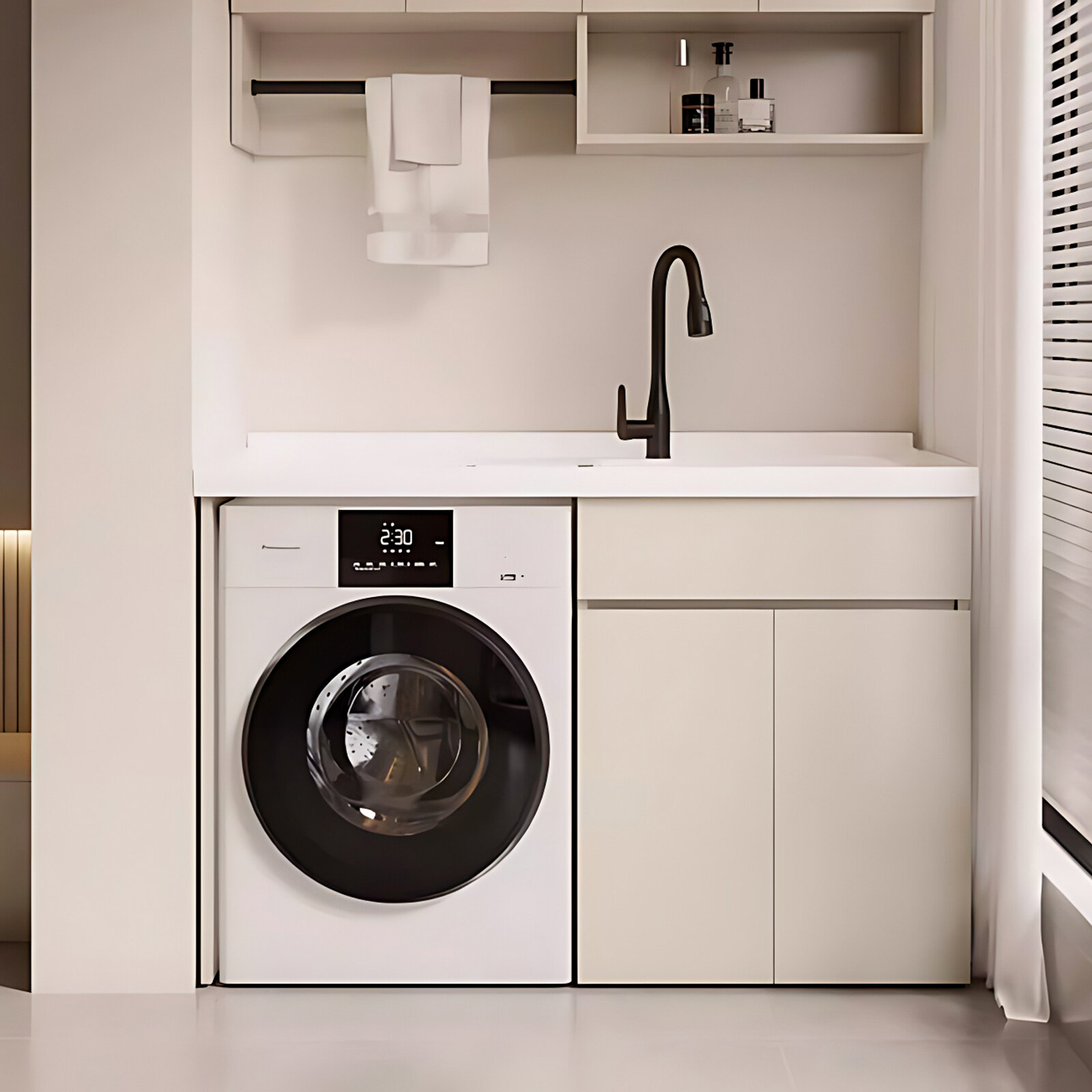
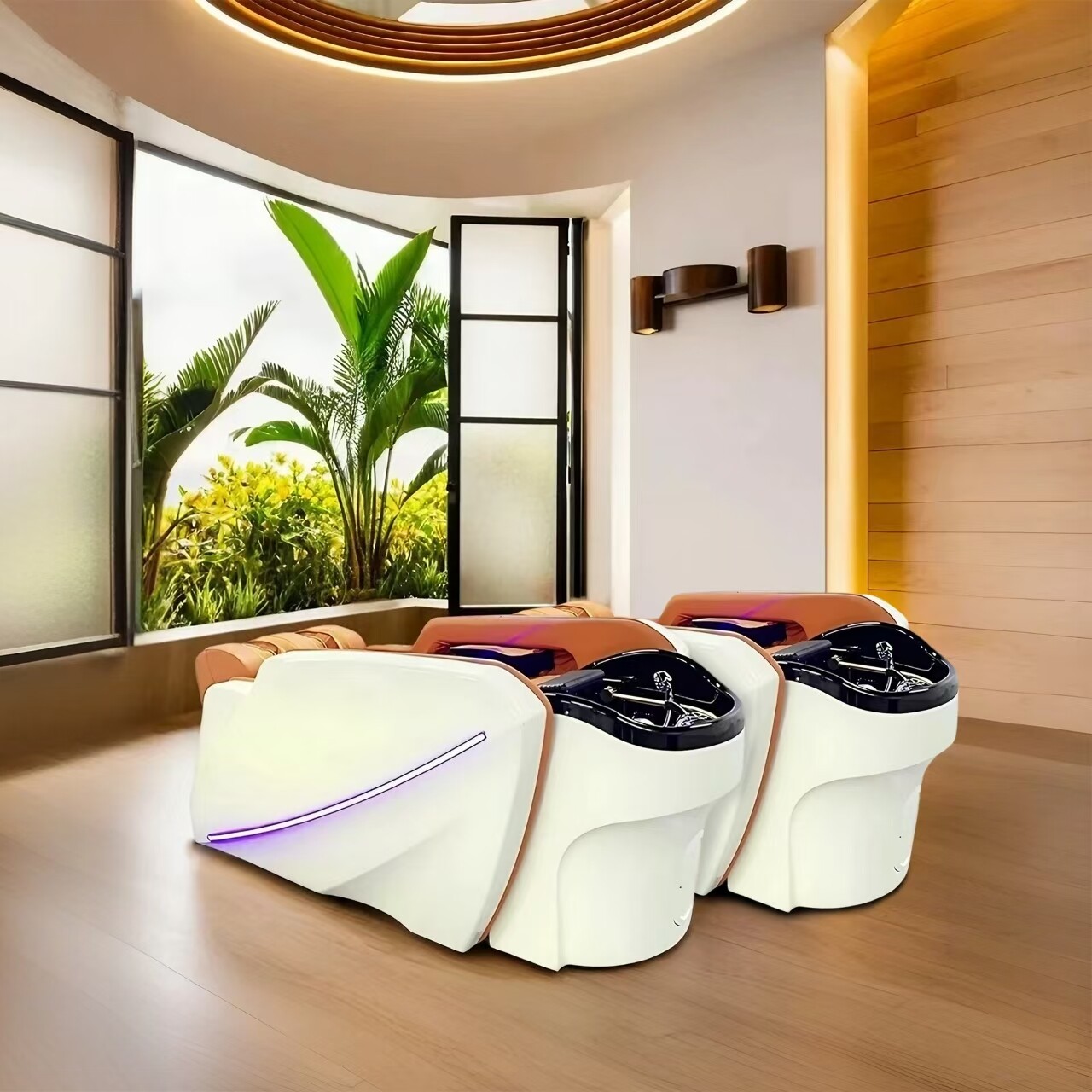
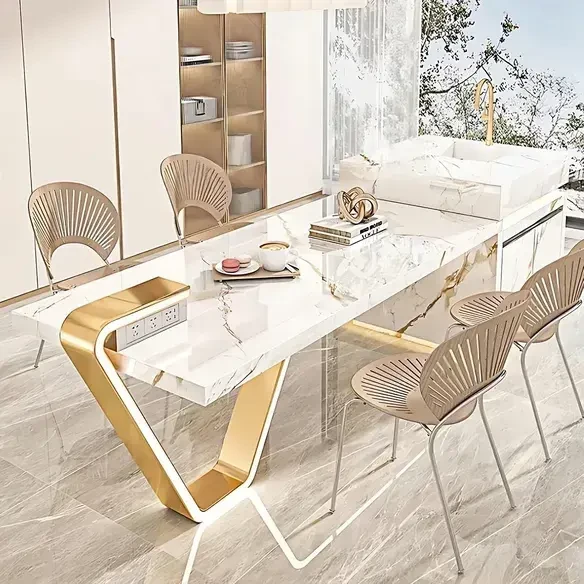
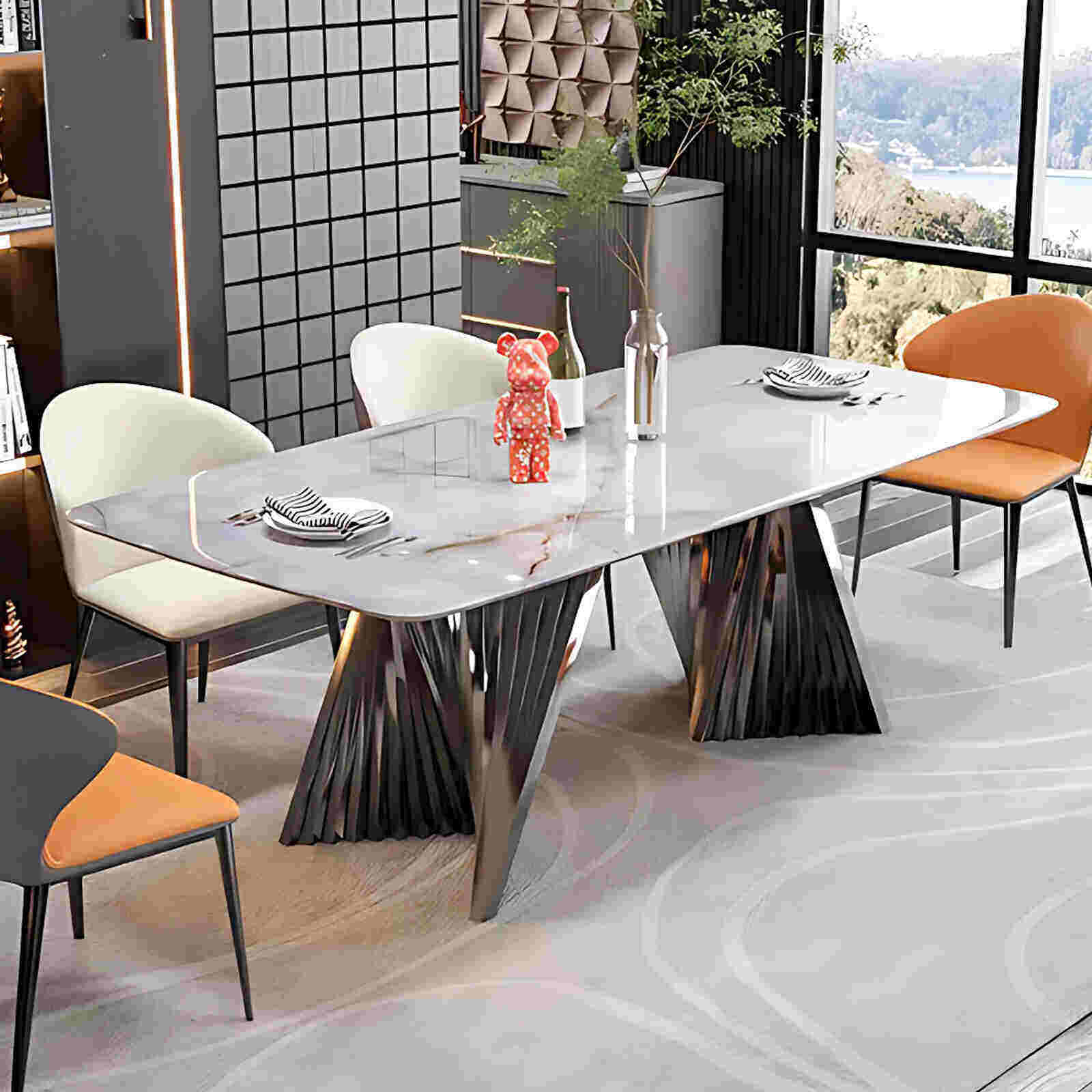
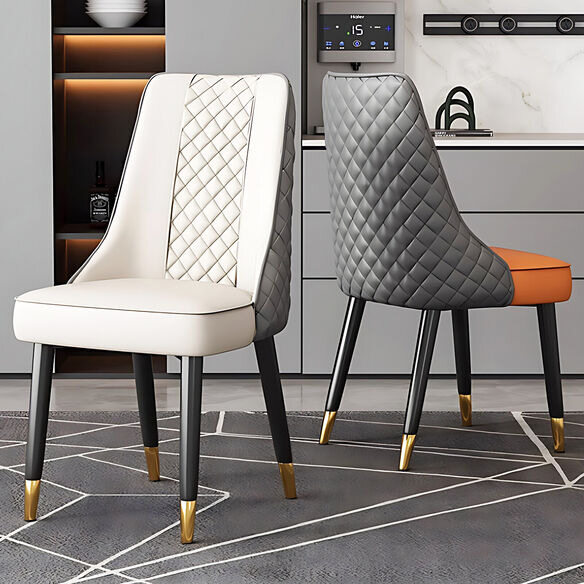
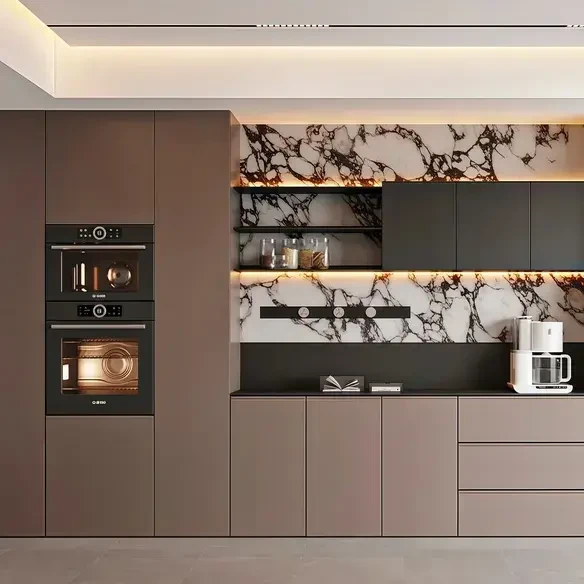
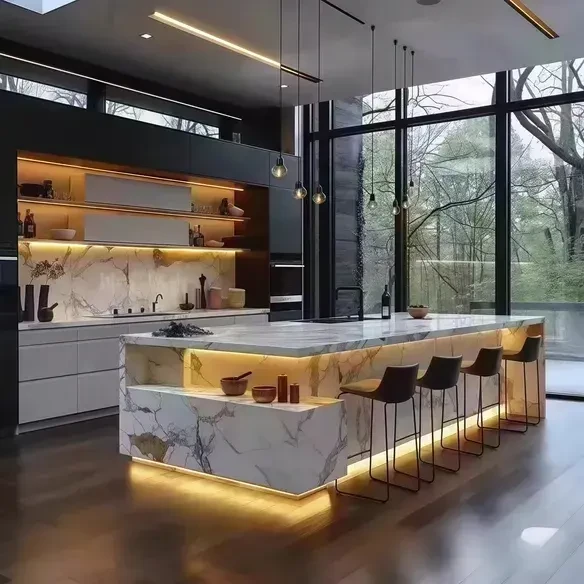
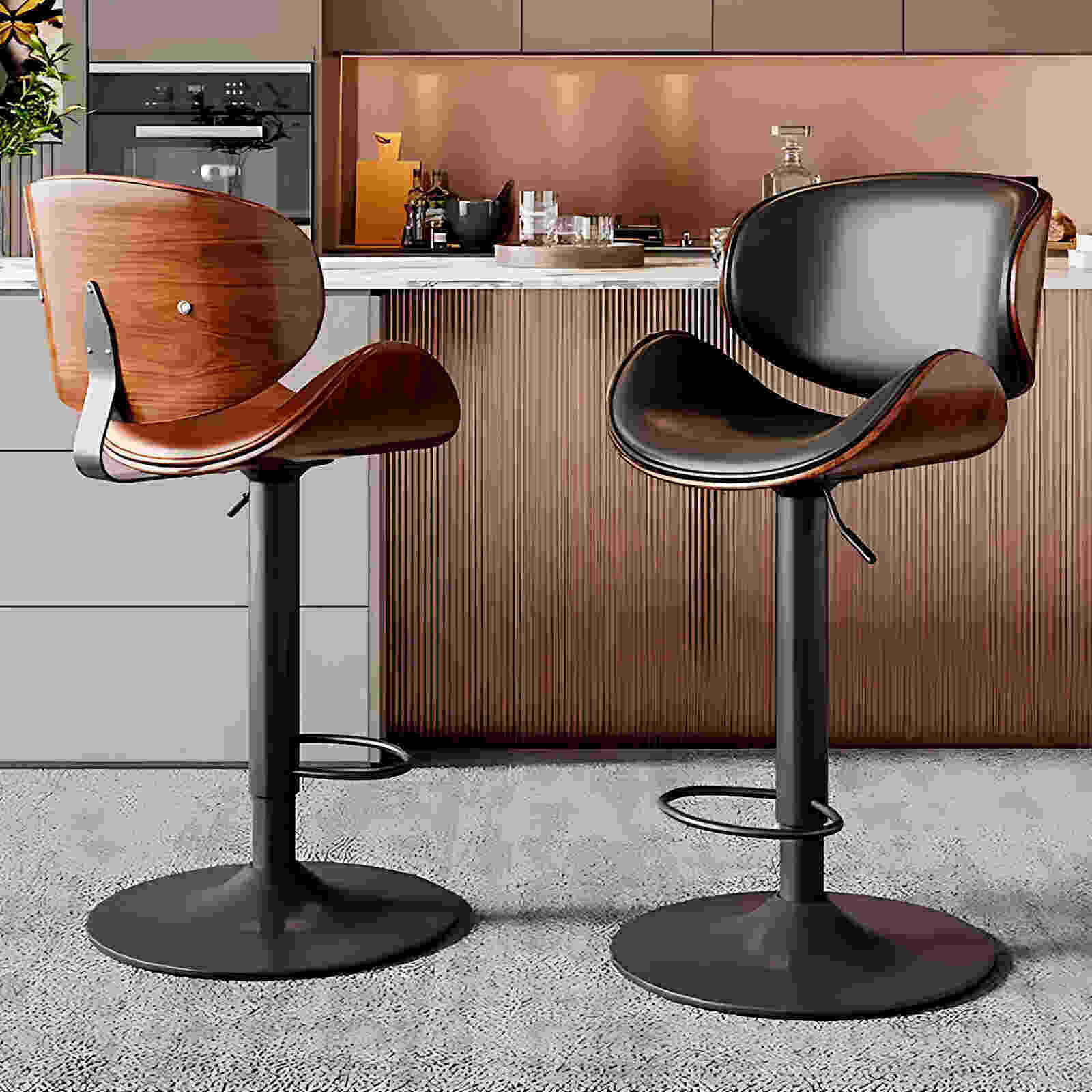
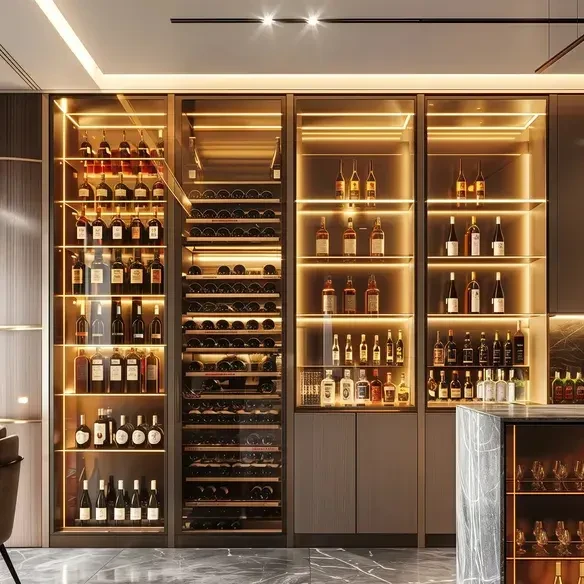
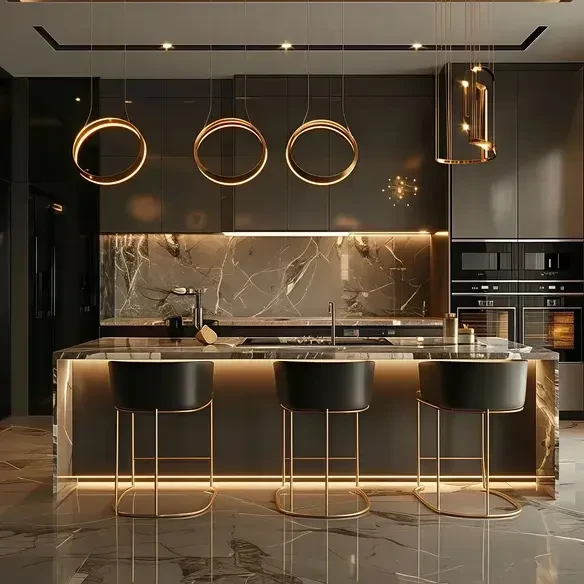
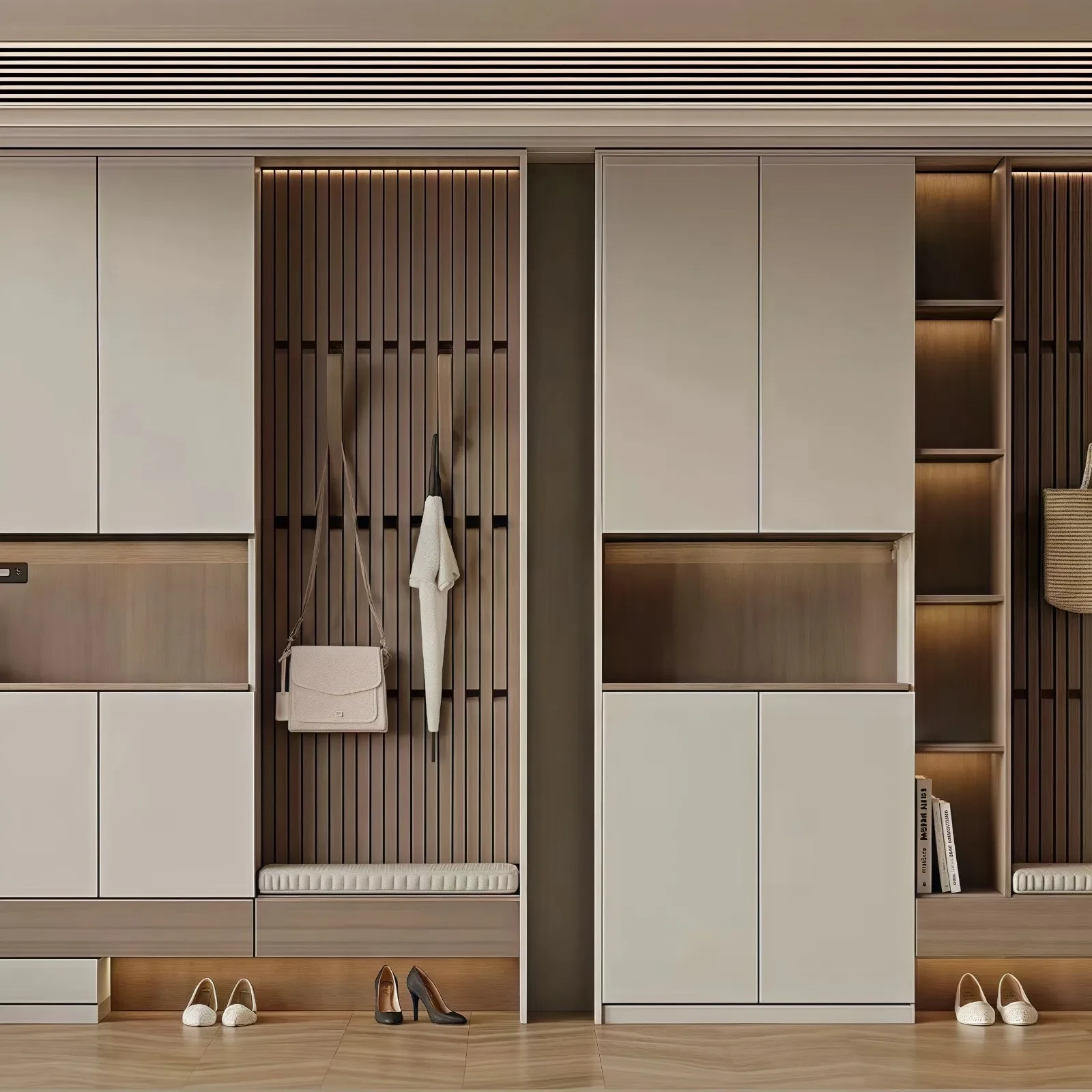
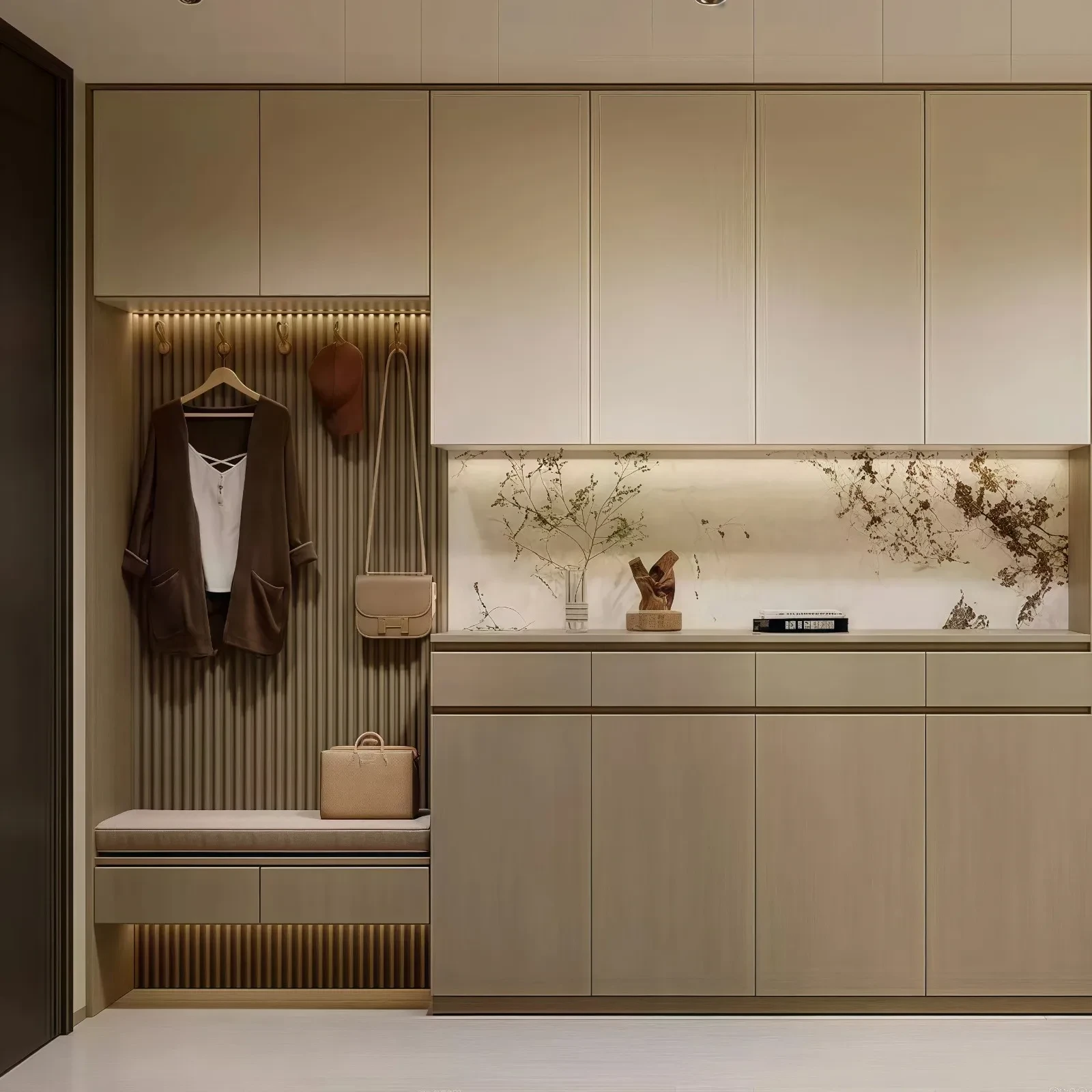
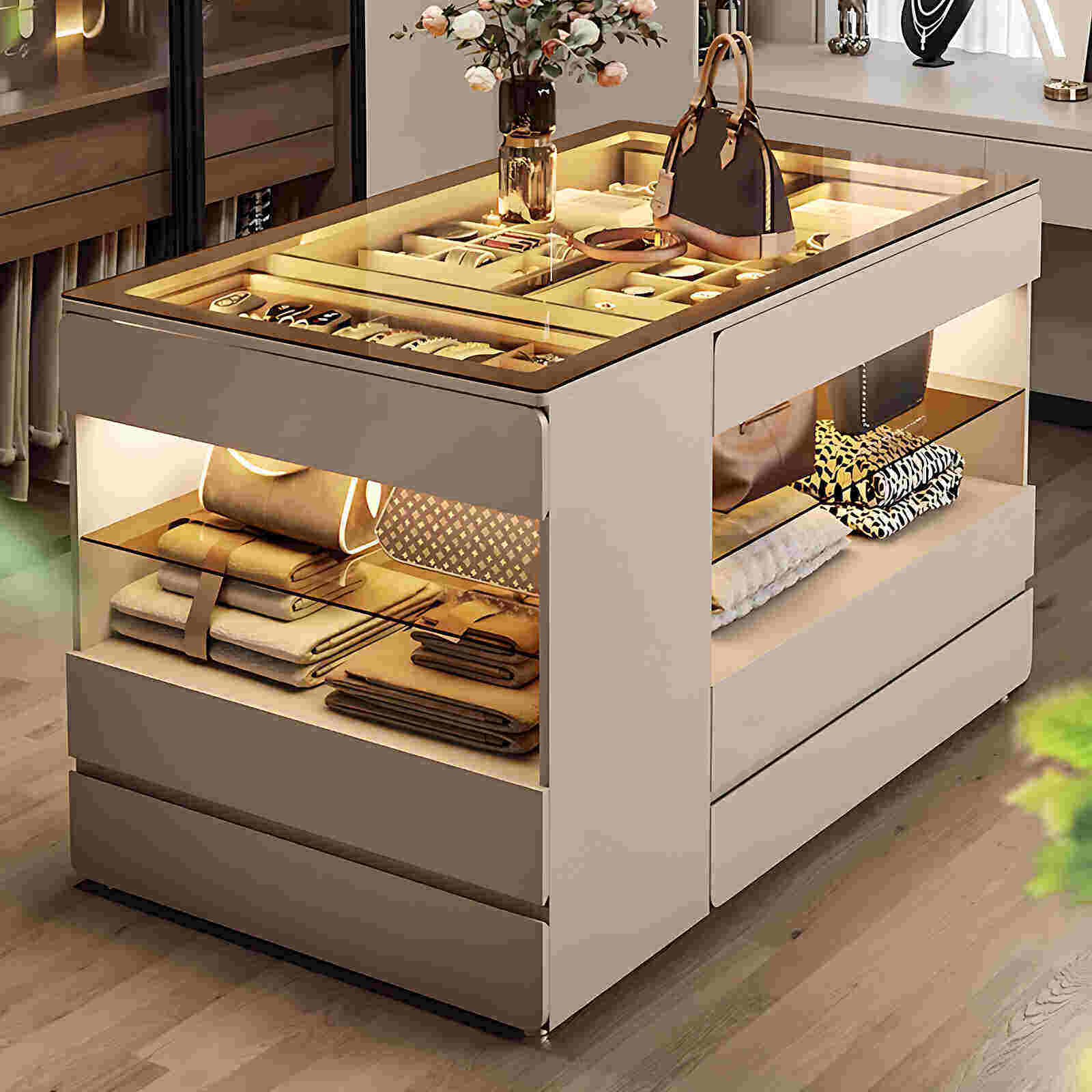
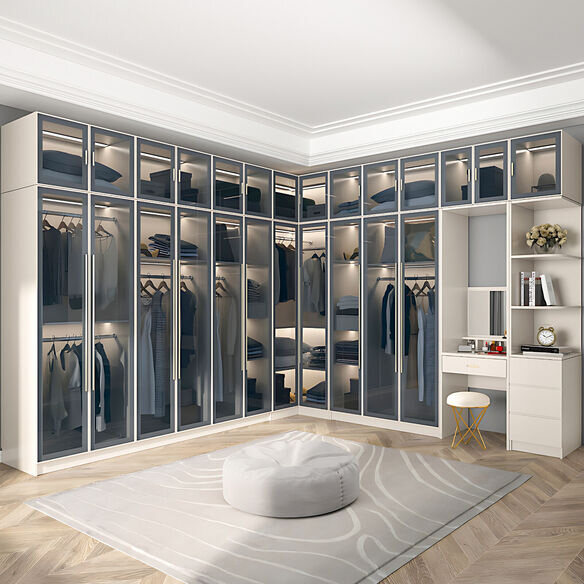
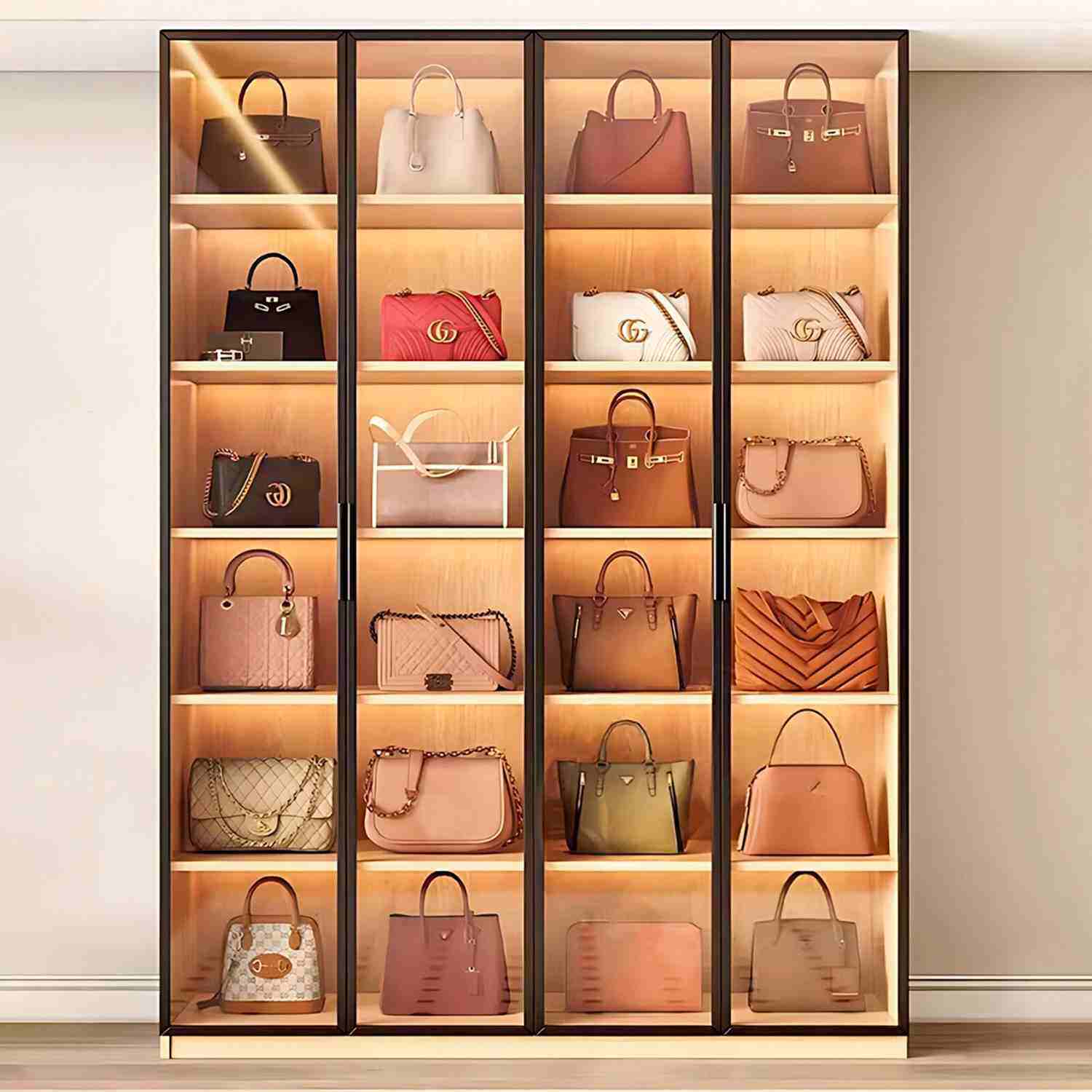
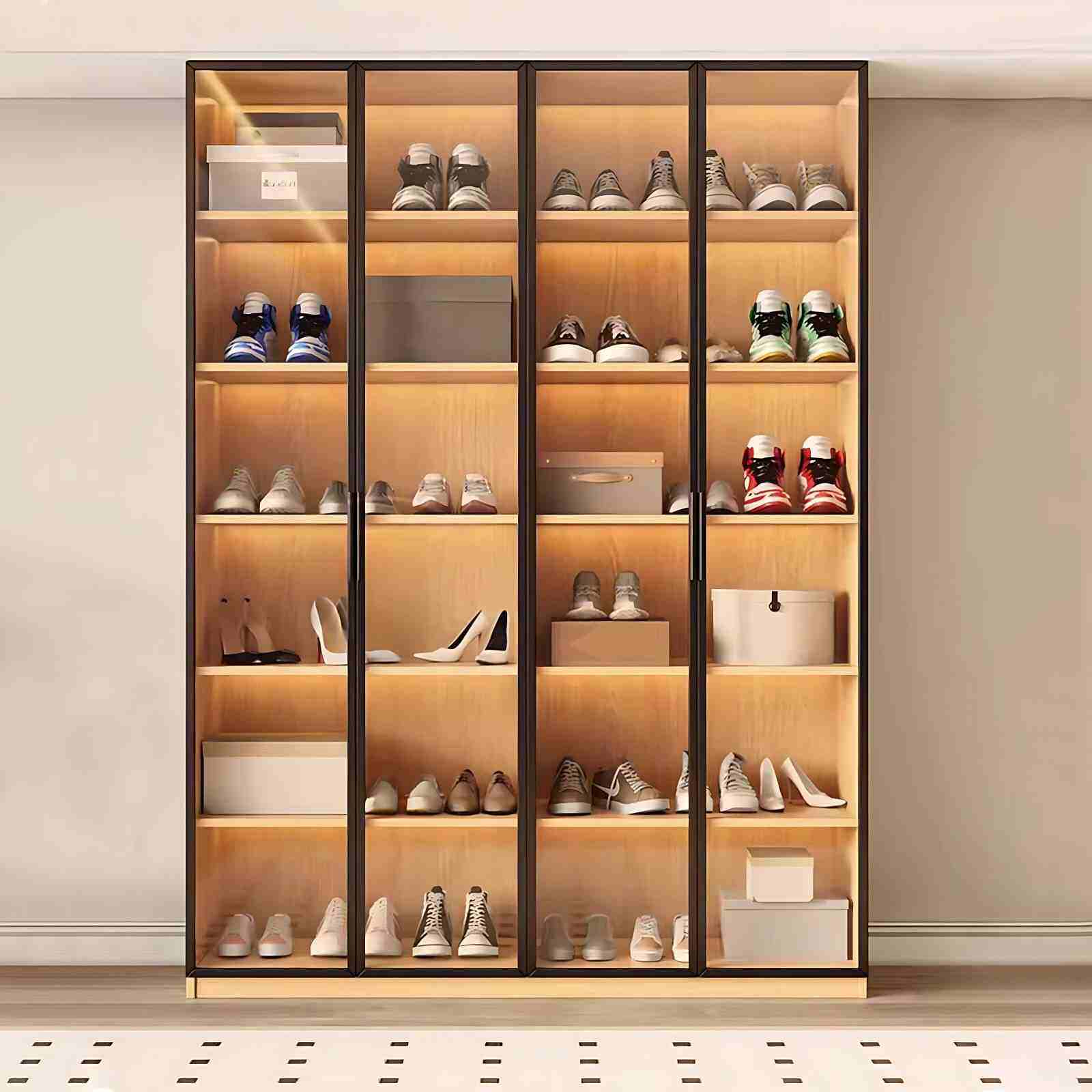
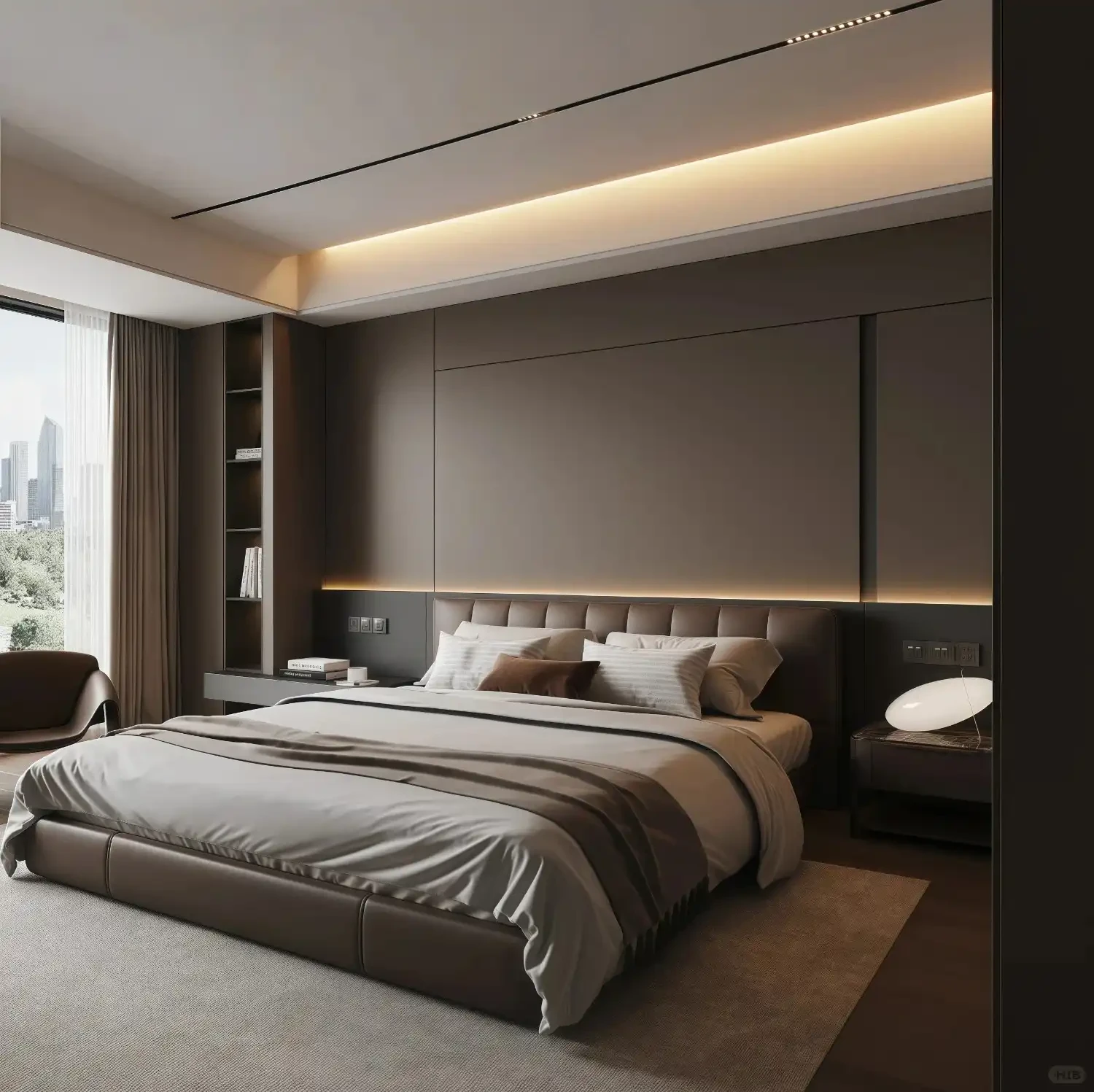
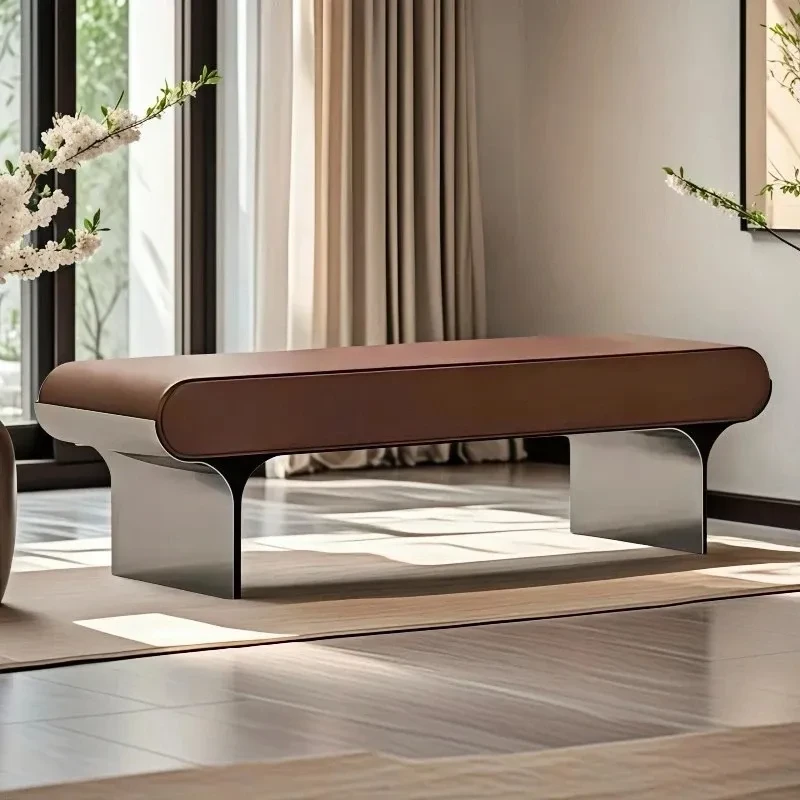
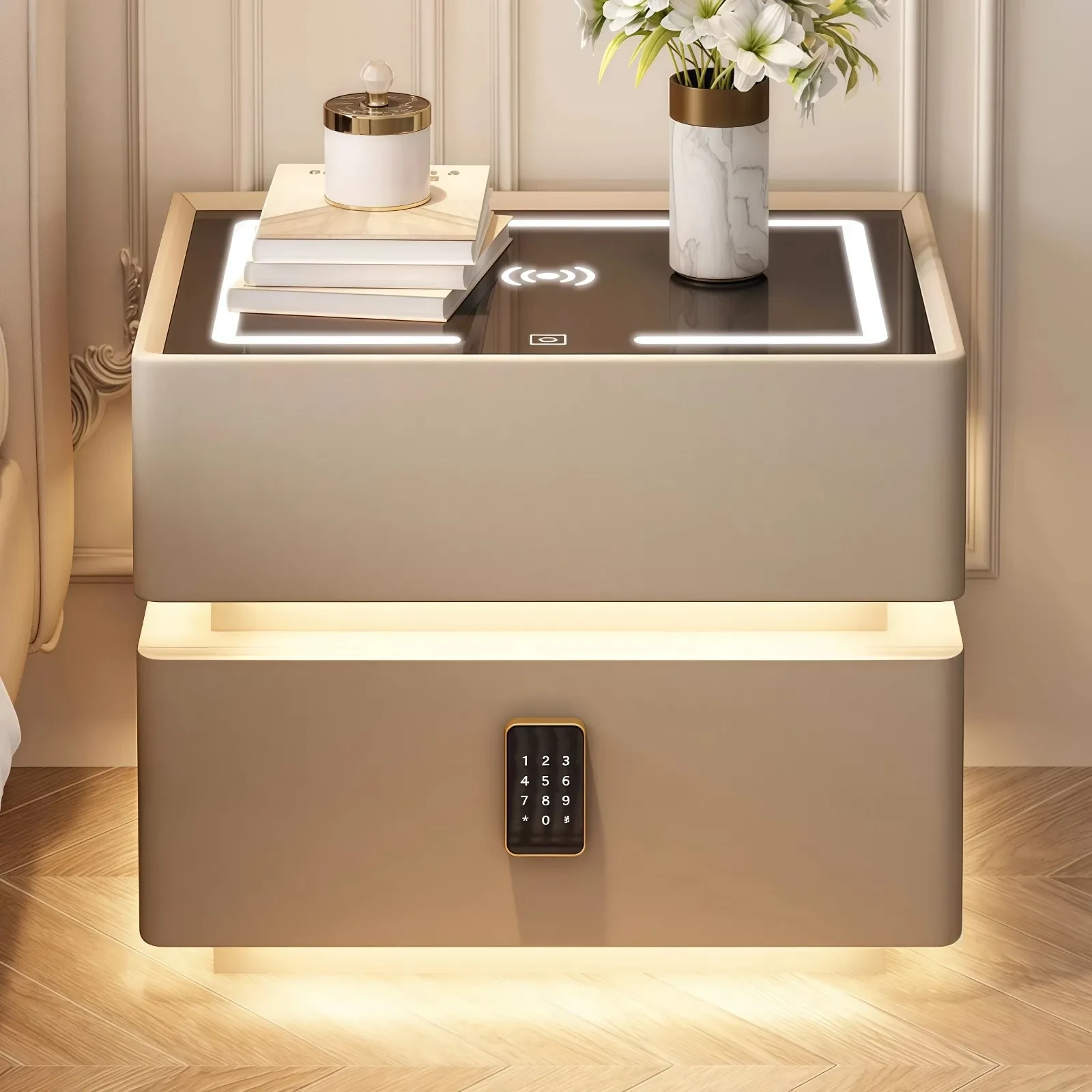
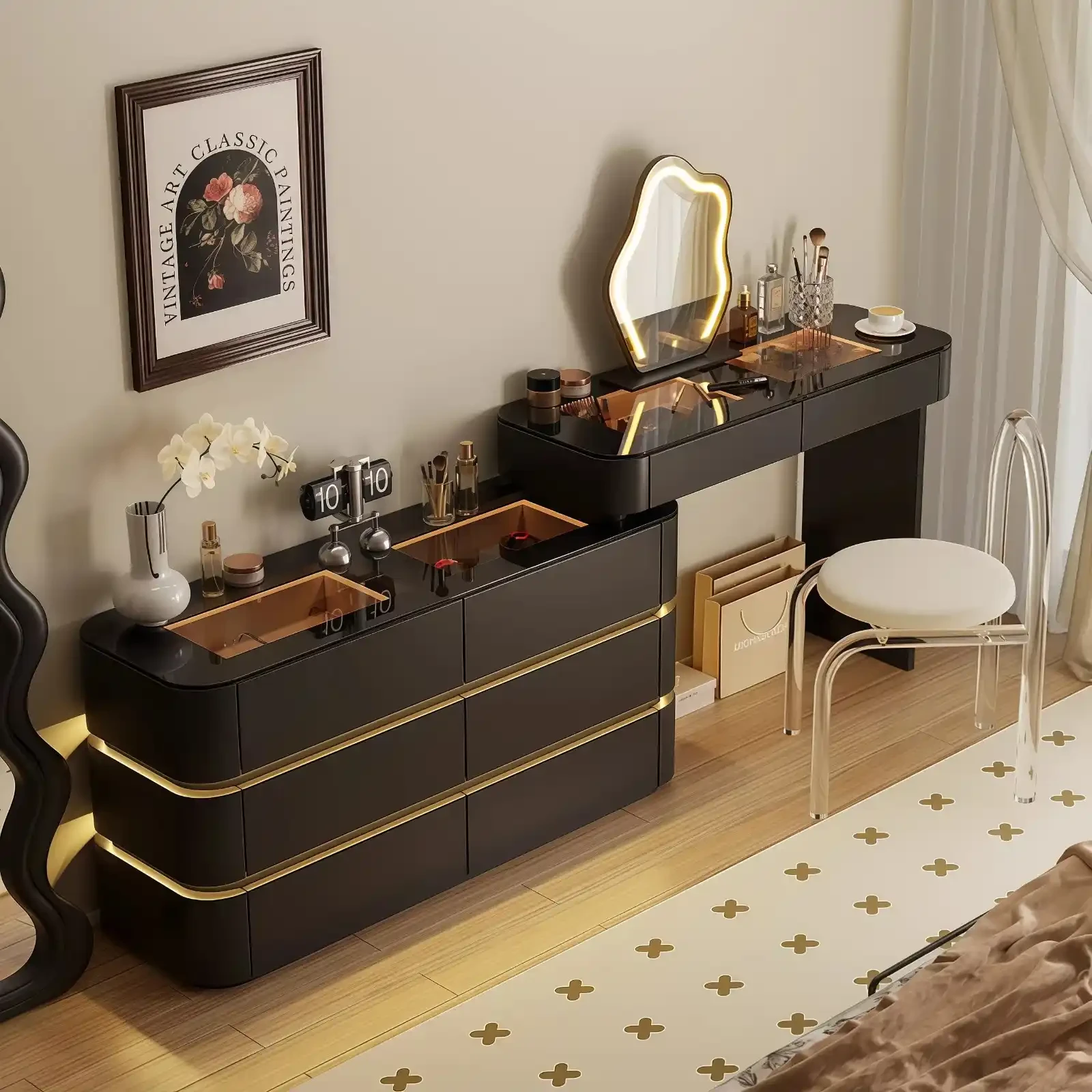
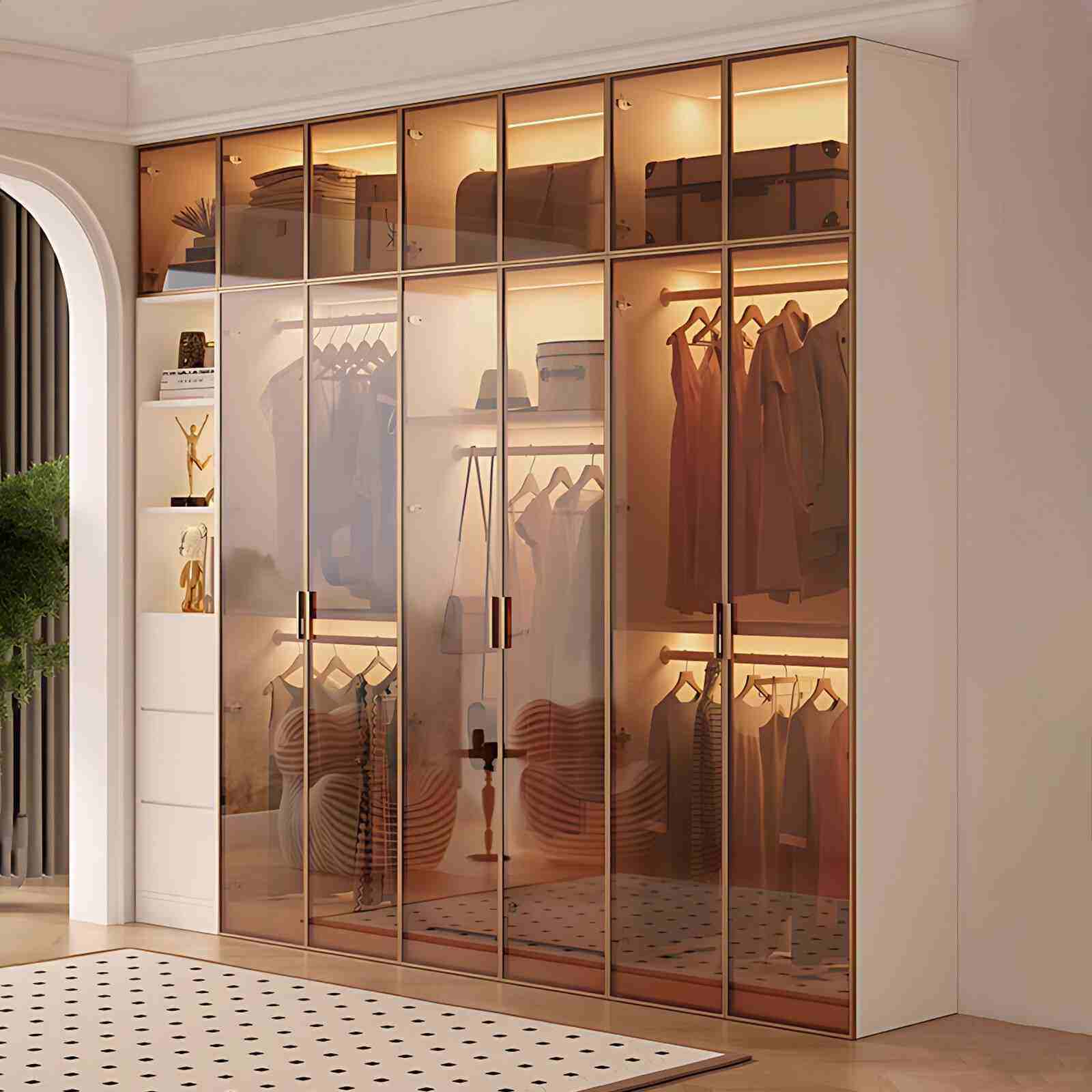
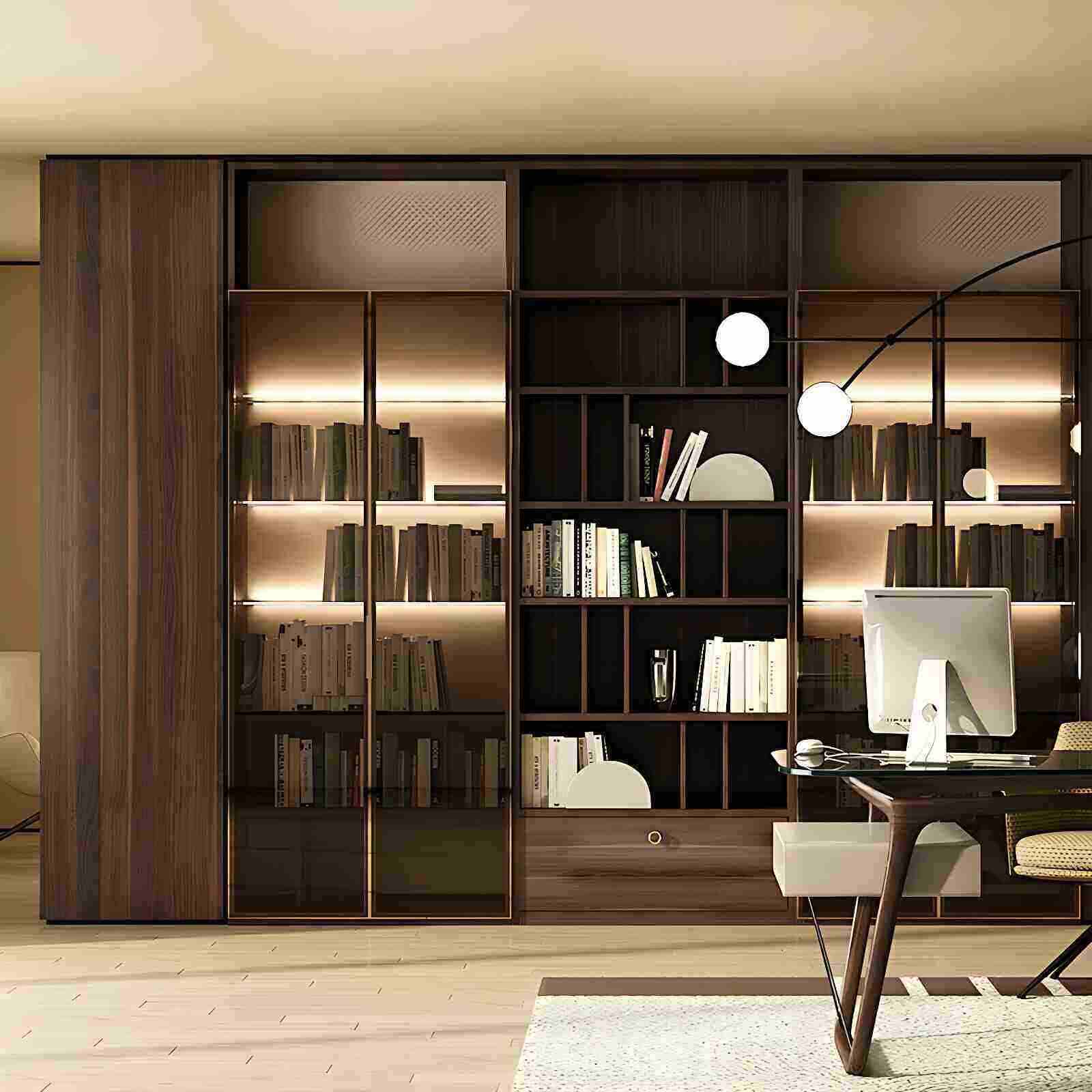
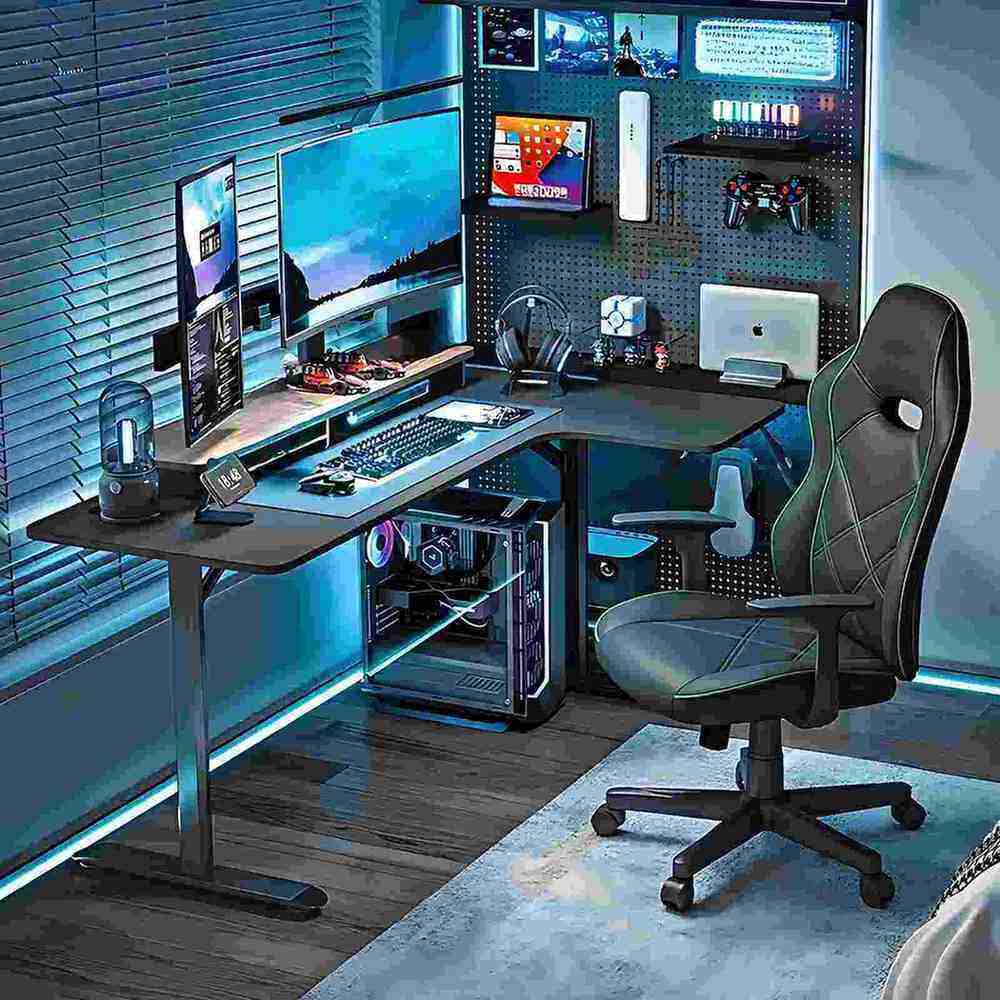
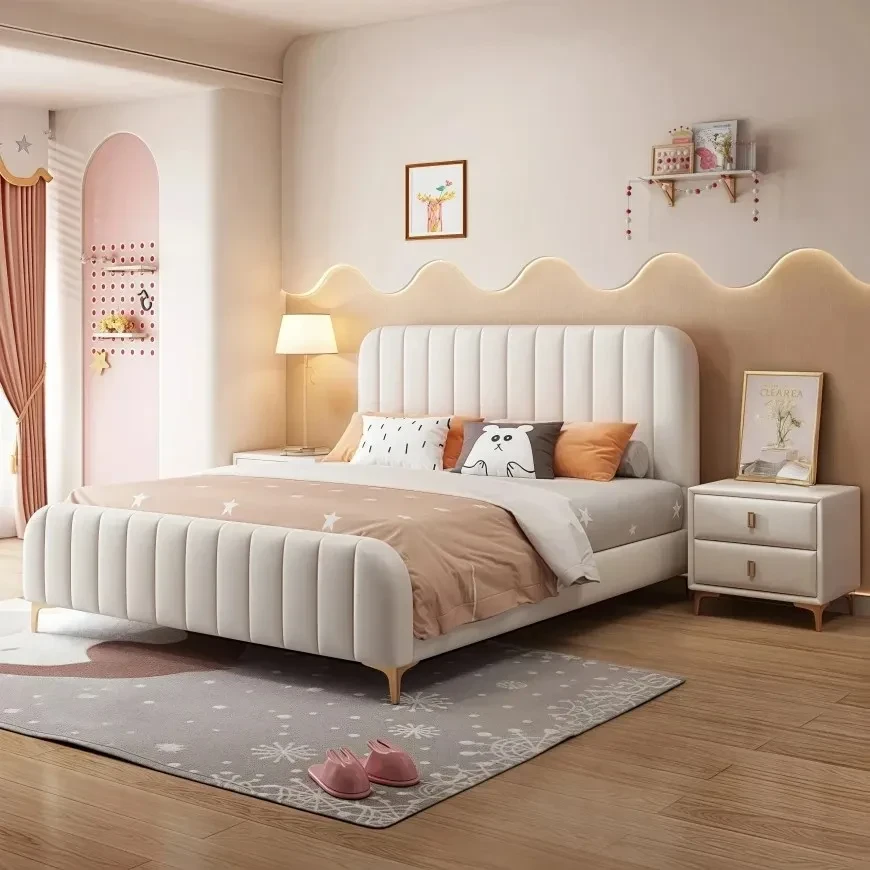
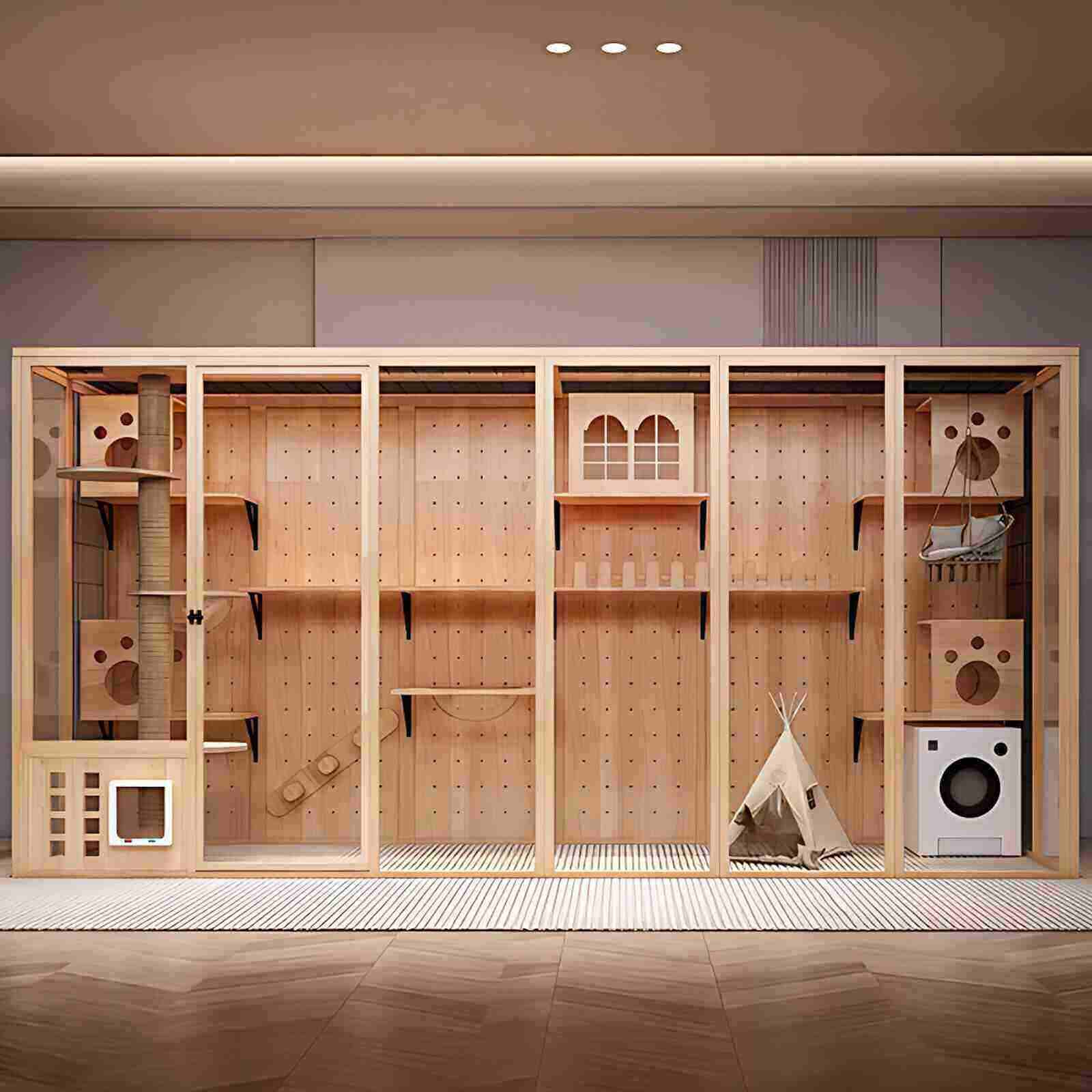
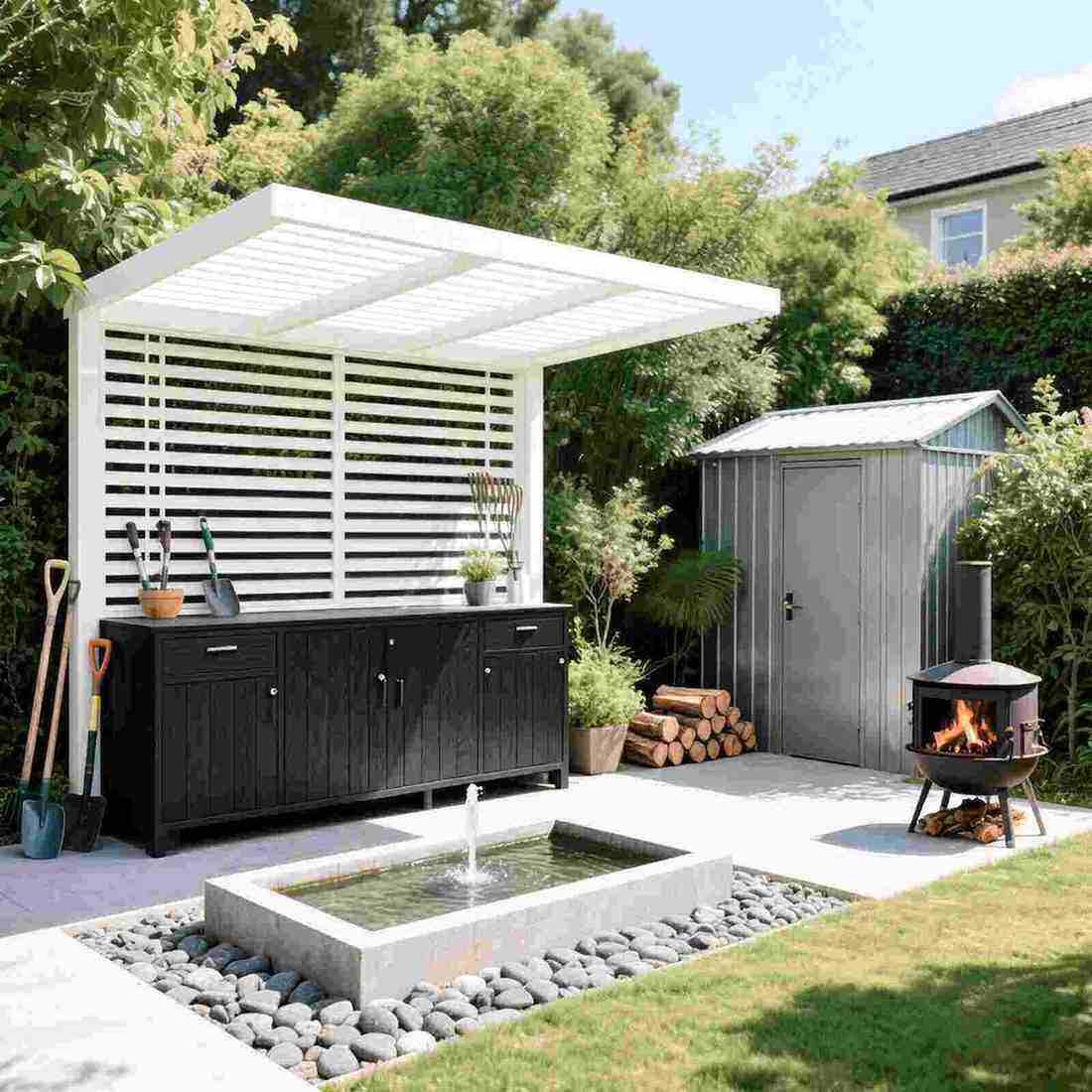
Eco-friendly paint-free boards are a type of board with inherent advantages. They are recyclable, offer some waterproof, anti-corrosion, and insect-proof properties, and are easy to use and maintain, making them particularly popular among young consumers. In just a few years, they have become a new favorite in the board market. To adapt to the market, research and innovation have been carried out on the original eco-friendly boards, leading to diversification. For example, there are 360° formaldehyde-removing eco-friendly boards that absorb and remove formaldehyde, making them a lifesaver for children's room decoration.
Eco-friendly paint-free boards have two very obvious advantages:
1. Practicality: Eco-friendly paint-free boards have no color difference on the surface, have a natural texture, fine grain, uniform structure, and exquisite shape. They also have excellent wear resistance, washability, corrosion resistance, and acid and alkali resistance, making them a good material for furniture manufacturing.
2. Environmental friendliness: Eco-friendly paint-free boards do not require paint, thus avoiding indoor air pollution caused by paint.
Even with such excellent board materials, there are still some drawbacks. For example, eco-friendly boards are very prone to cracking during cutting and edge banding. Therefore, extra care must be taken during construction to avoid bumps and knocks, otherwise the melamine board can be easily damaged. Once the melamine board is damaged, it is permanent and difficult to repair. Also, please note that although eco-friendly boards are moisture-proof and waterproof, they can still warp if exposed to damp environments for extended periods, such as humid bathrooms.
However, when we encounter these problems, we must also learn some professional knowledge about wood-based panels.
1. Board deformation and delamination are caused by factors such as moisture content, bonding strength, and immersion peeling.
2. The breakage of the board is caused by the transverse static bending strength.
Analysis of the factors affecting the moisture content of boards
1. Low solids content in adhesives
2. Short hot pressing time, low hot pressing temperature, and inadequate ventilation after hot pressing.
3. The moisture content of the raw materials is too high.
Analysis of factors affecting the bonding strength of boards
1. The moisture content of the raw material (veneer) is too high.
2. Poor veneer quality, different veneer materials, or alkaline veneer pH value.
3. The glue is too thin, too little, or the coating is uneven; the flour used for mixing the glue is of poor quality.
4. The aging time is too long or too short.
5. Low hot pressing temperature, short time, insufficient pressure, or unreasonable pressure reduction process.
6. Blank spots in the adhesive coating, veneer contamination, and debris.
Reasons affecting the peeling of impregnation on boards
1. The glue is of poor quality, has insufficient viscosity, and is applied unevenly.
2. Poor flatness of the substrate material (such as cedar wood or Malacca core).
3. The board surface is not cleaned by scraping and sanding, and the surface coating material is relatively thick.
4. If the temperature is too low or the time is too short during hot pressing, the adhesive cannot be fully cured, resulting in poor bonding quality. If the hot pressing cycle is too long, the adhesive will be pre-cured in advance.
Analysis of the factors affecting transverse static bending strength
1. If the eucalyptus or poplar core board is too thin, the strength of the upper and lower parts will be maintained by the tensile strength of the core board.
2. The core board is thick enough, but the sanding is uneven, and there is no tensile strength in the areas where the sanding is heavy.
3. Insufficient hot pressing pressure.
4. The width-to-thickness ratio of the core does not meet the standard requirements, or the core quality is poor, such as poor flatness (high-low difference) or loose wood fibers in fir or Malacca wood cores.
5. Poor quality glue, uneven application.
After reading this, you might realize there's so much to know about wood-based panels. While we should take this knowledge with a grain of salt, consumers ultimately want to buy products that meet their needs. Therefore, we recommend purchasing wood-based panel products from reputable brands and through official channels.