
 USD
USD GBP
GBP
 EUR
EUR



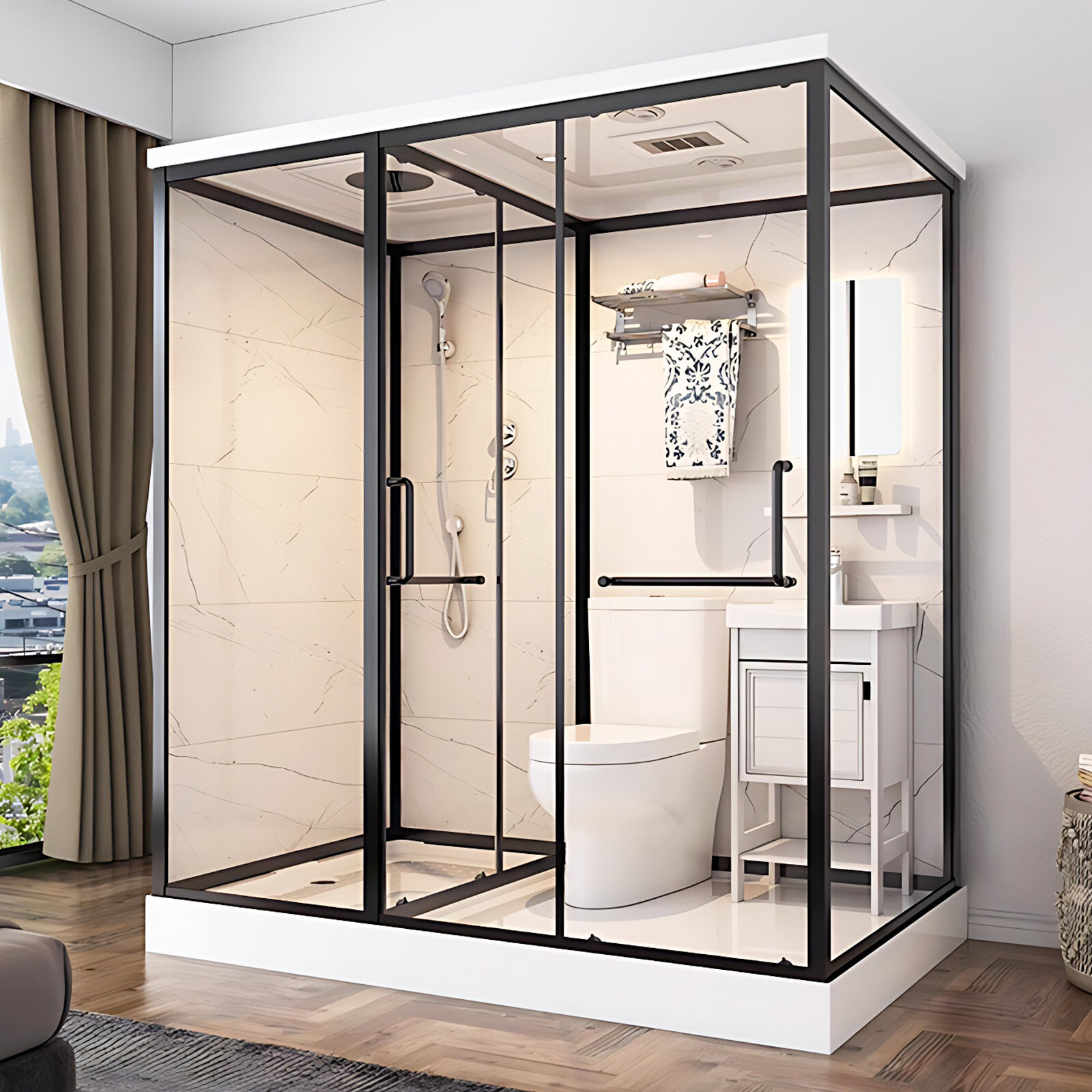
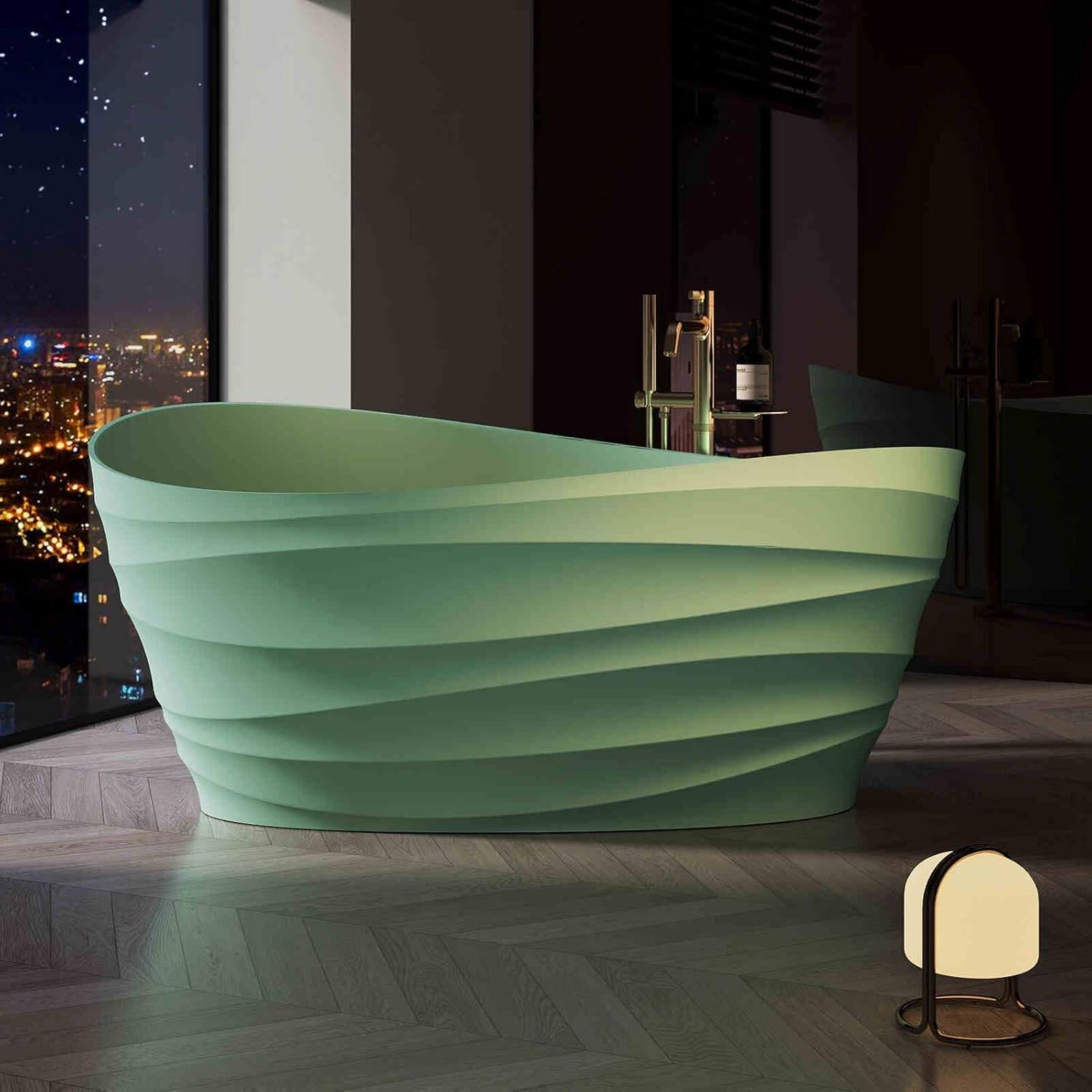
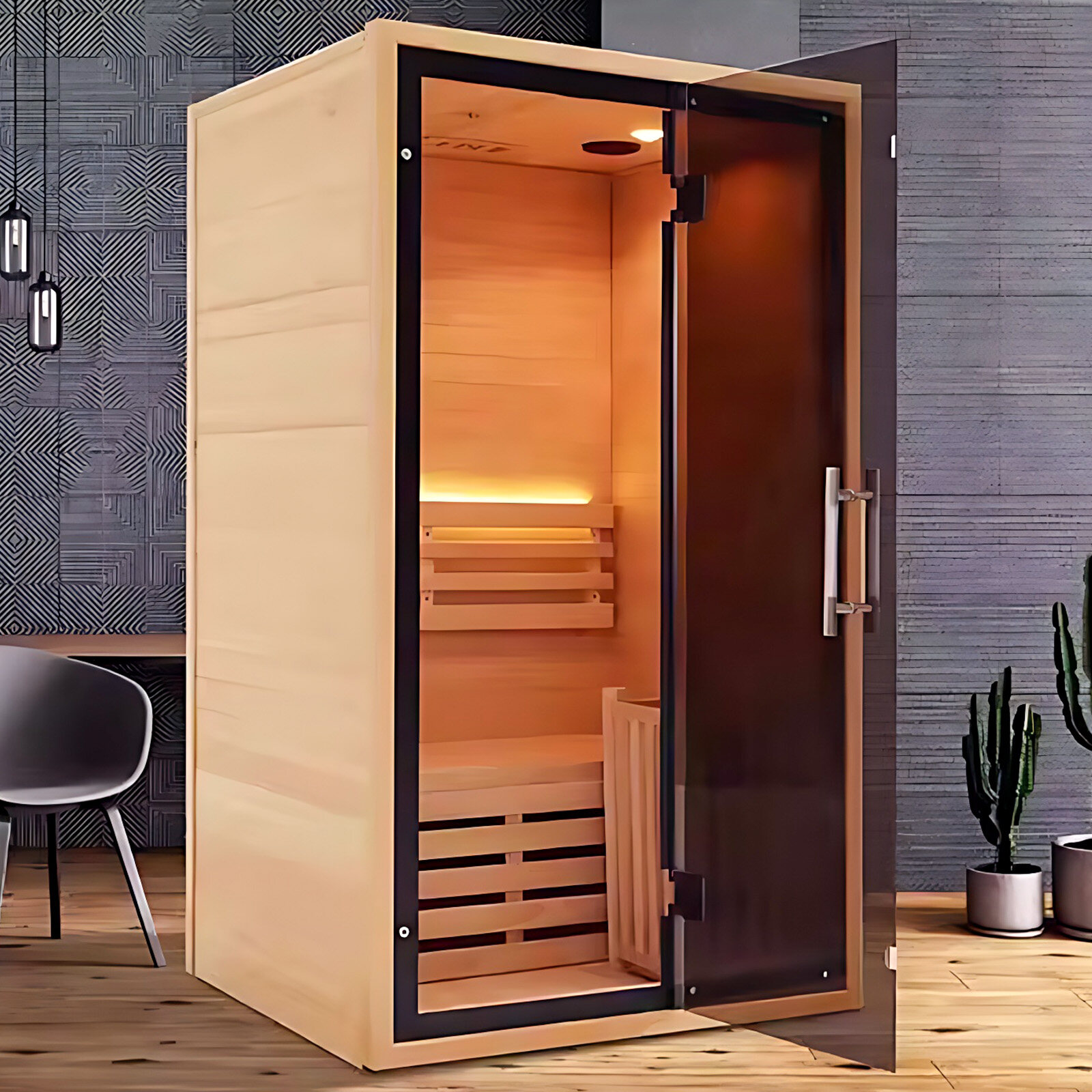
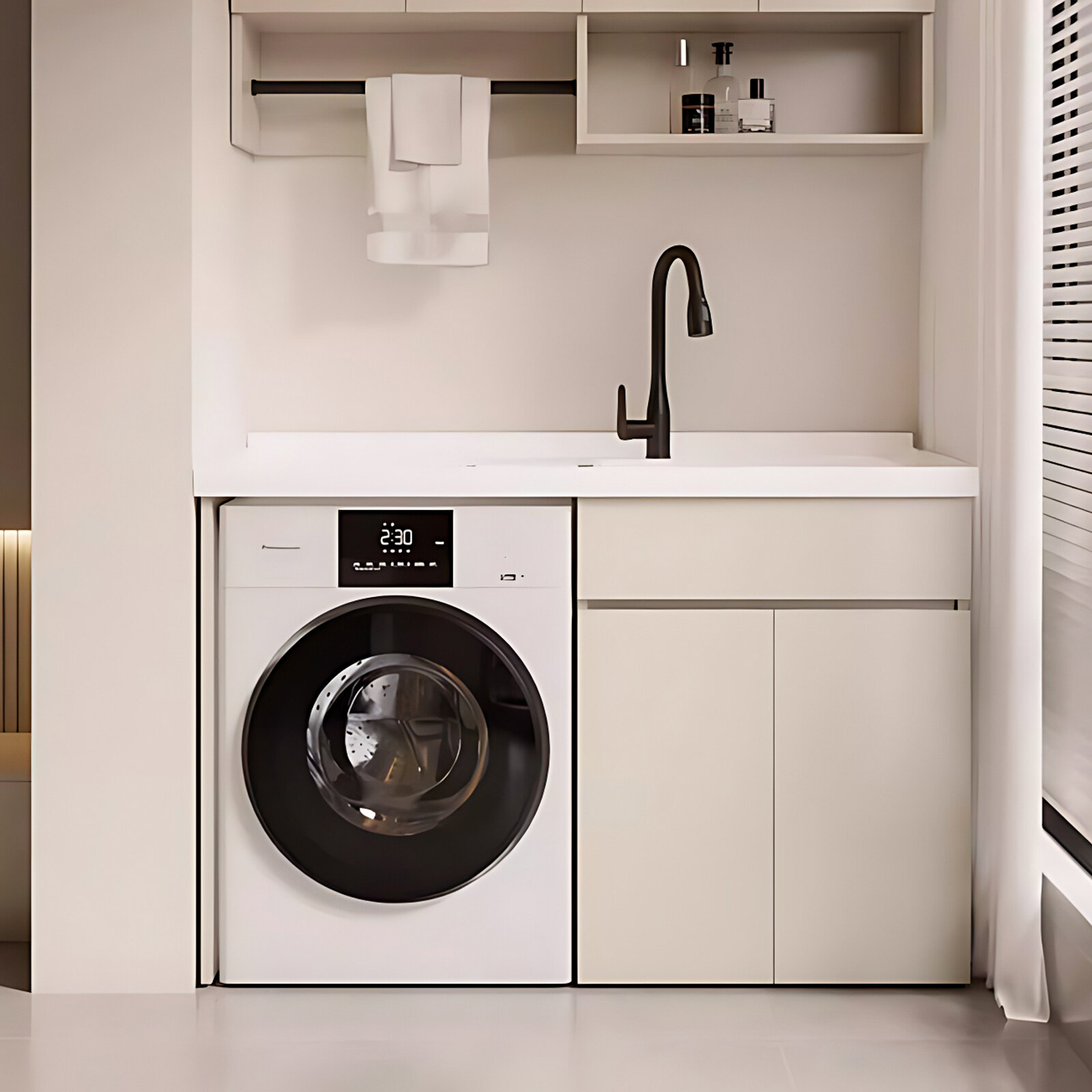














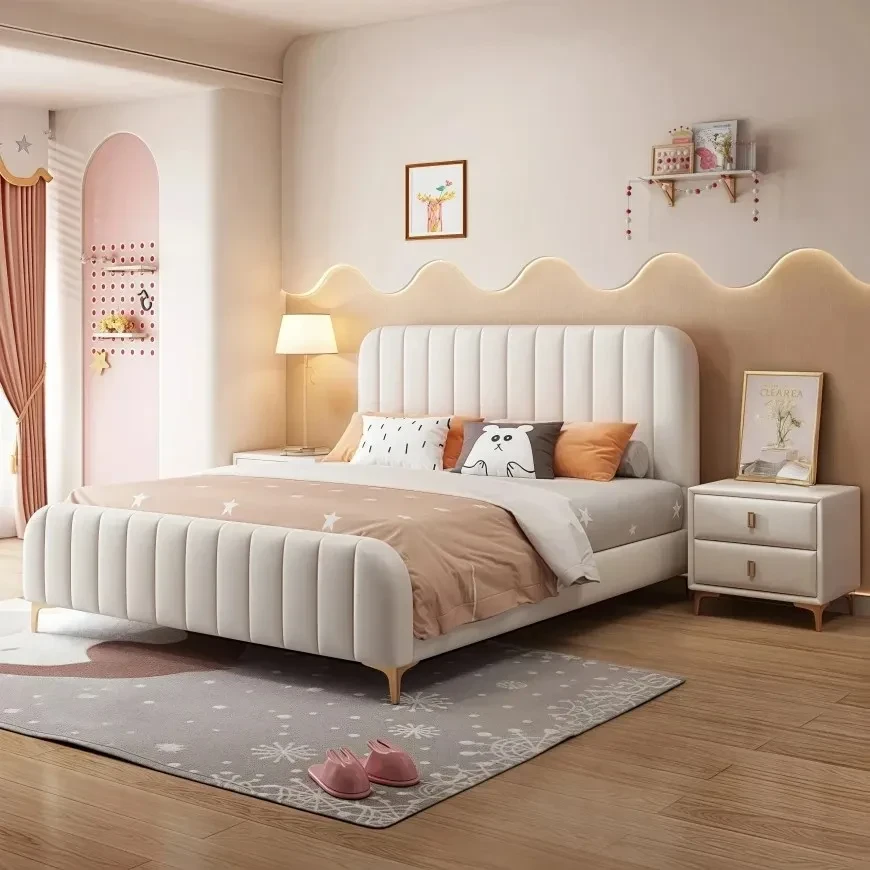

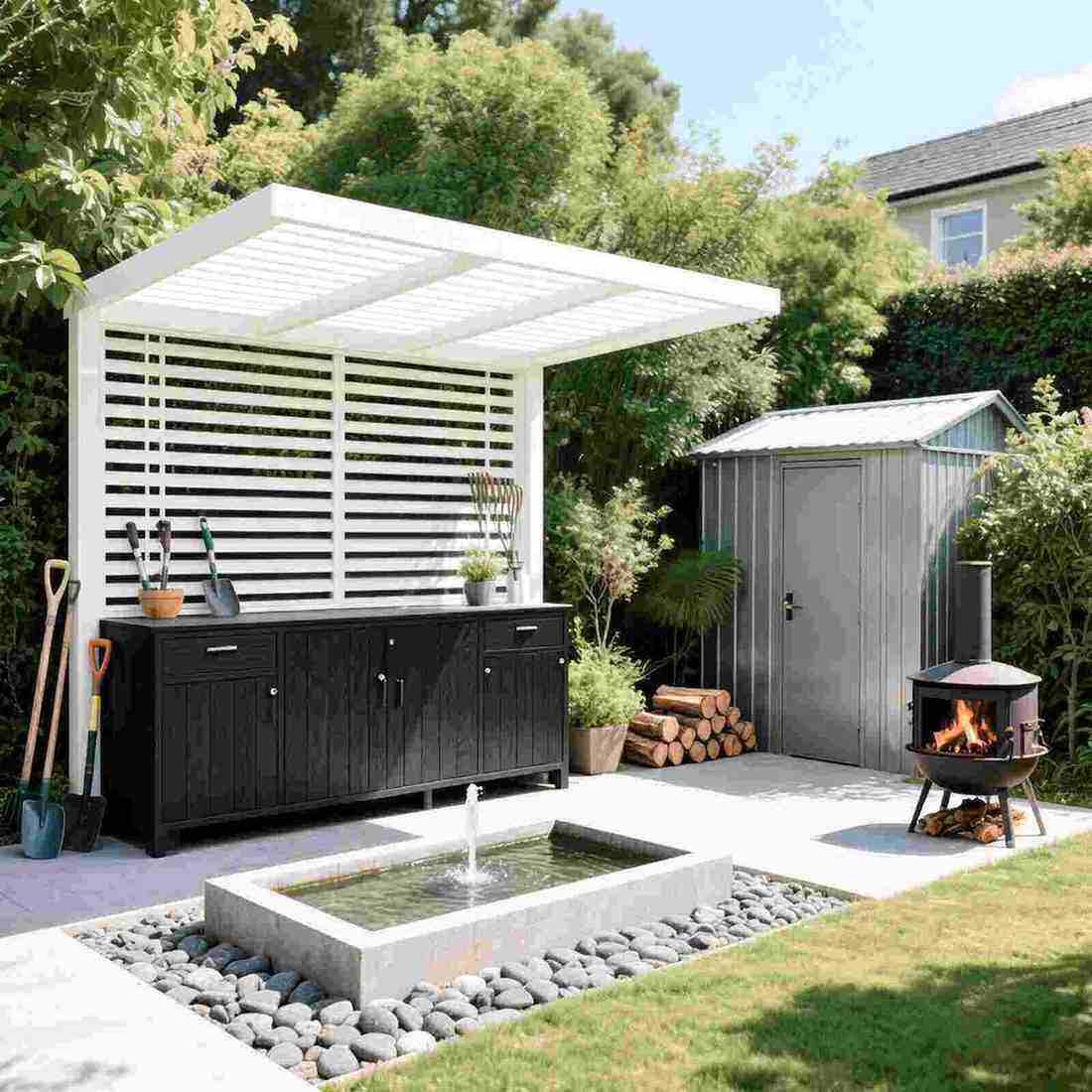
Faced with a constantly changing external environment, ordinary wood cannot withstand the corrosion of mold, rainwater, and other factors, resulting in a relatively short lifespan. However, using preservative-treated wood can significantly reduce external erosion. Preservative-treated wood can be divided into natural preservatives (such as Canadian red cedar) and materials treated with chemical agents (such as ACQ) or carbonized. Preservative treatment generally involves subjecting the wood to high pressure under vacuum, allowing ACQ and other preservatives to penetrate into the wood's cells and fully mix with its cellular fiber structure.
1. Natural preservatives
Examples of natural woods include Canadian and American red cedar (considered the most suitable wood for sauna and bathroom fixtures), and Balau wood from Southeast Asia. These woods undergo no treatment. Natural preservative-treated wood, being the most environmentally friendly material, is generally more expensive. However, if the environment does not require high levels of preservative treatment, Canadian hemlock can be used as an alternative.
2. Artificial anti-corrosion materials
There are various types of artificially treated wood. For example, the emerging variety, Scots pine, has fine texture and straight grain. Although its quality is not as high as imported treated wood, its moderate price gives it a certain market share in China's treated wood market. Another option is Southern pine, which grows in the southern United States. Due to its unique cell arrangement, preservative treatment can reach the heartwood, and it has good bending resistance, making it suitable for interior design. Nordic red pine, a favorite in Europe, is characterized by its slender, upright growth, dense and strong wood, clear and beautiful grain, low resin content, and porous structure, making it ideal for preservative impregnation treatment and a good material for manufacturing treated wood.
Compared to the preservatives used in the early days of preservative-treated wood, the preservatives used today are environmentally compliant, and the treated wood is an environmentally friendly material, so we don't need to worry about its harmful effects.
How to check the effectiveness of preservative treatment: Visually, you can check the surface smoothness of the preservative-treated wood. Poorly treated surfaces will have powdery impurities and uneven color. Alternatively, you can directly split a sample of preservative-treated wood to check the depth of treatment. Good treatment can reach the heartwood, at least 1 cm deep, for optimal preservative effect.
In addition, it is important to check the wood surface for knots, cracks, warping, or other defects. Knots not only affect the appearance of the wood but are also a major pathway for fungi and insects to corrode it. Cracks and warping are usually caused by improper treatment, as wood that has undergone preservative treatment generally has a moisture content below 18% and will not crack or warp when exposed to air.
Despite the many desirable features of preservative-treated wood, it is still necessary to maintain its surface with wood wax oil as needed during later use to enhance its waterproof and stain-resistant properties.