 USD
USD GBP
GBP
 EUR
EUR
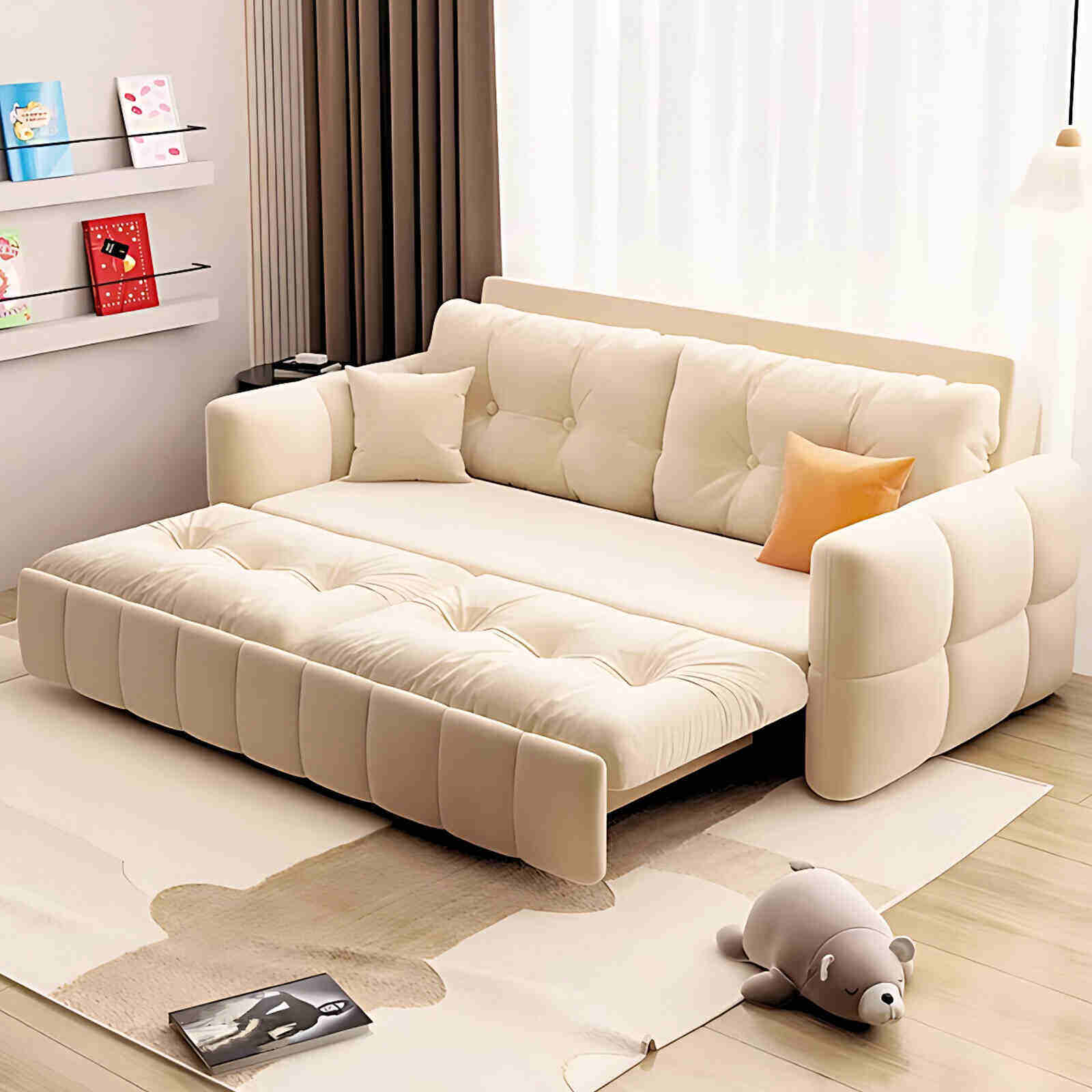
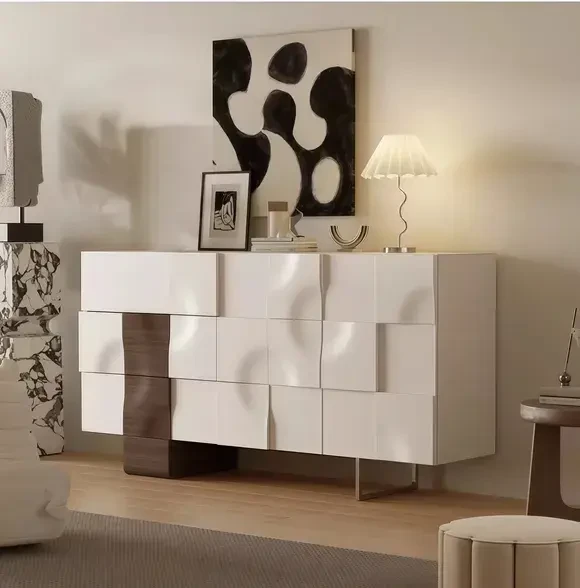
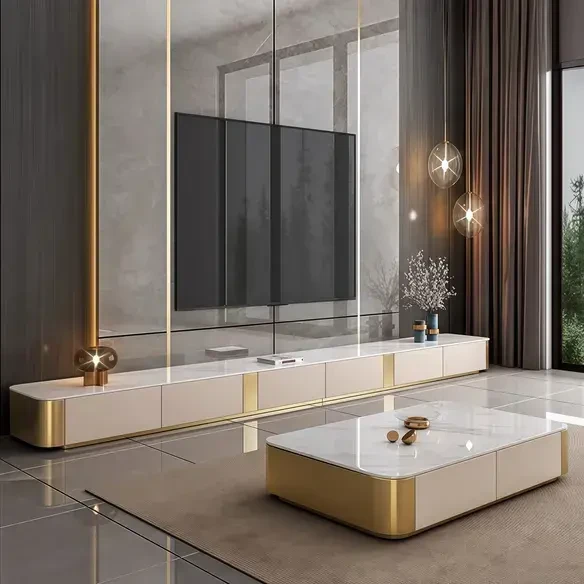
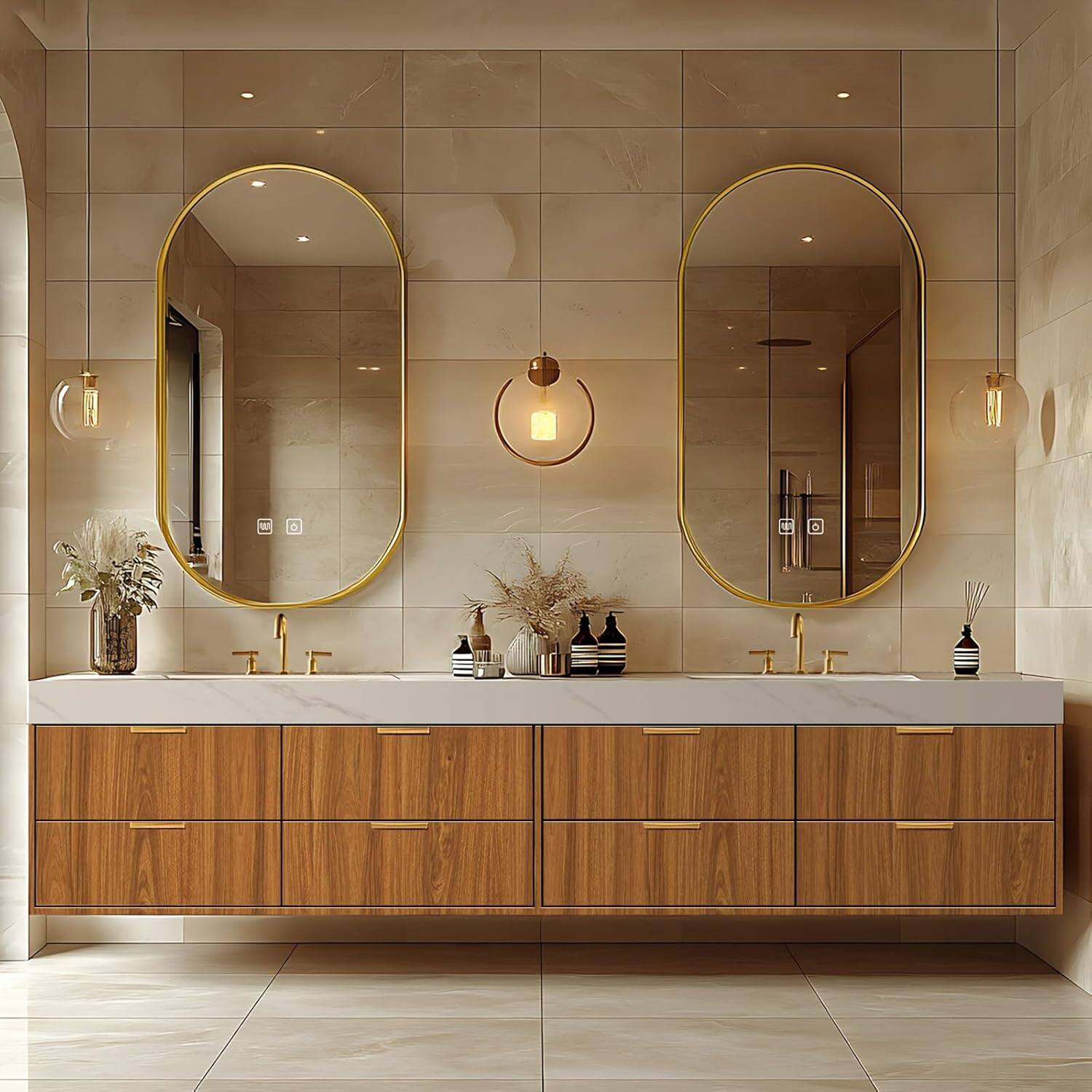
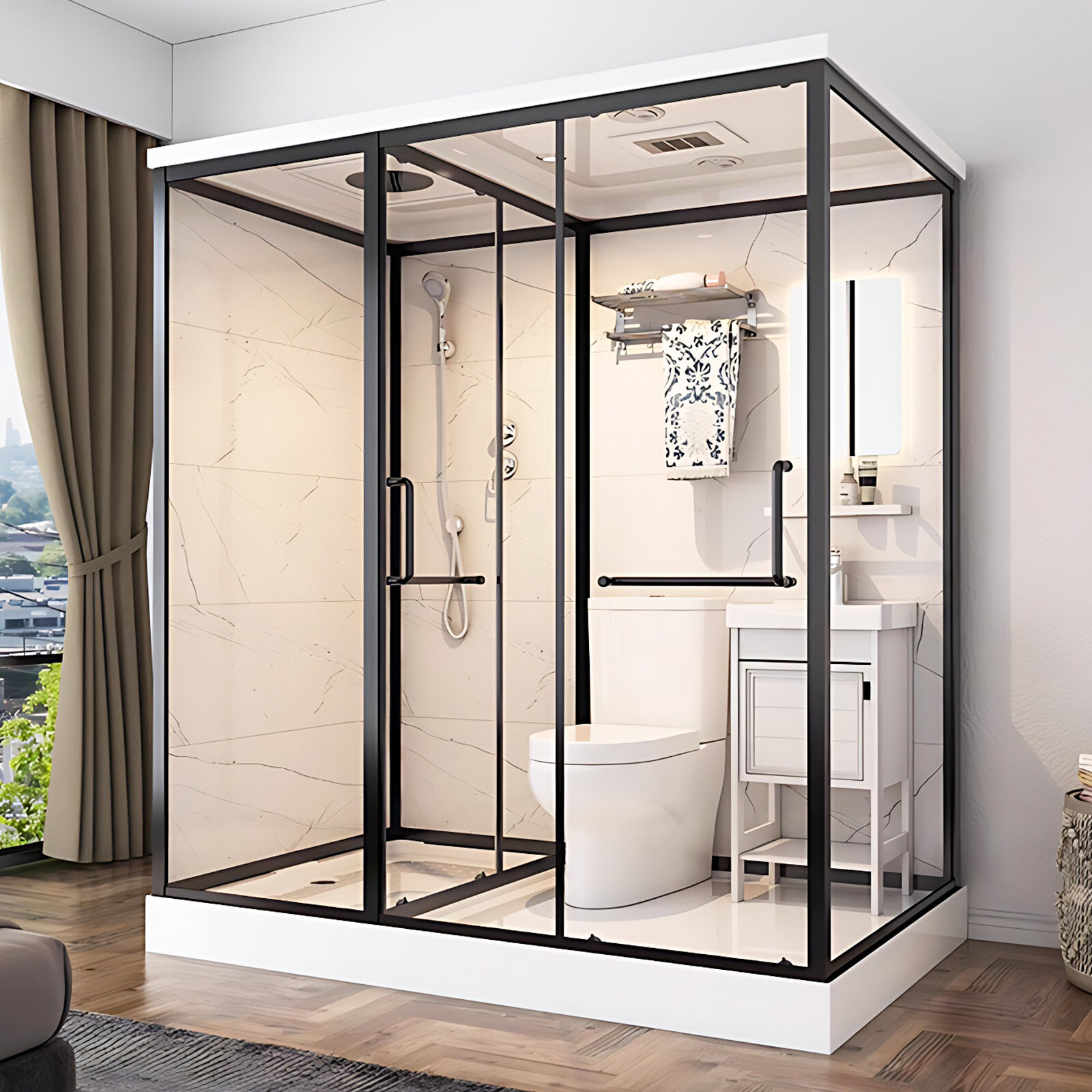
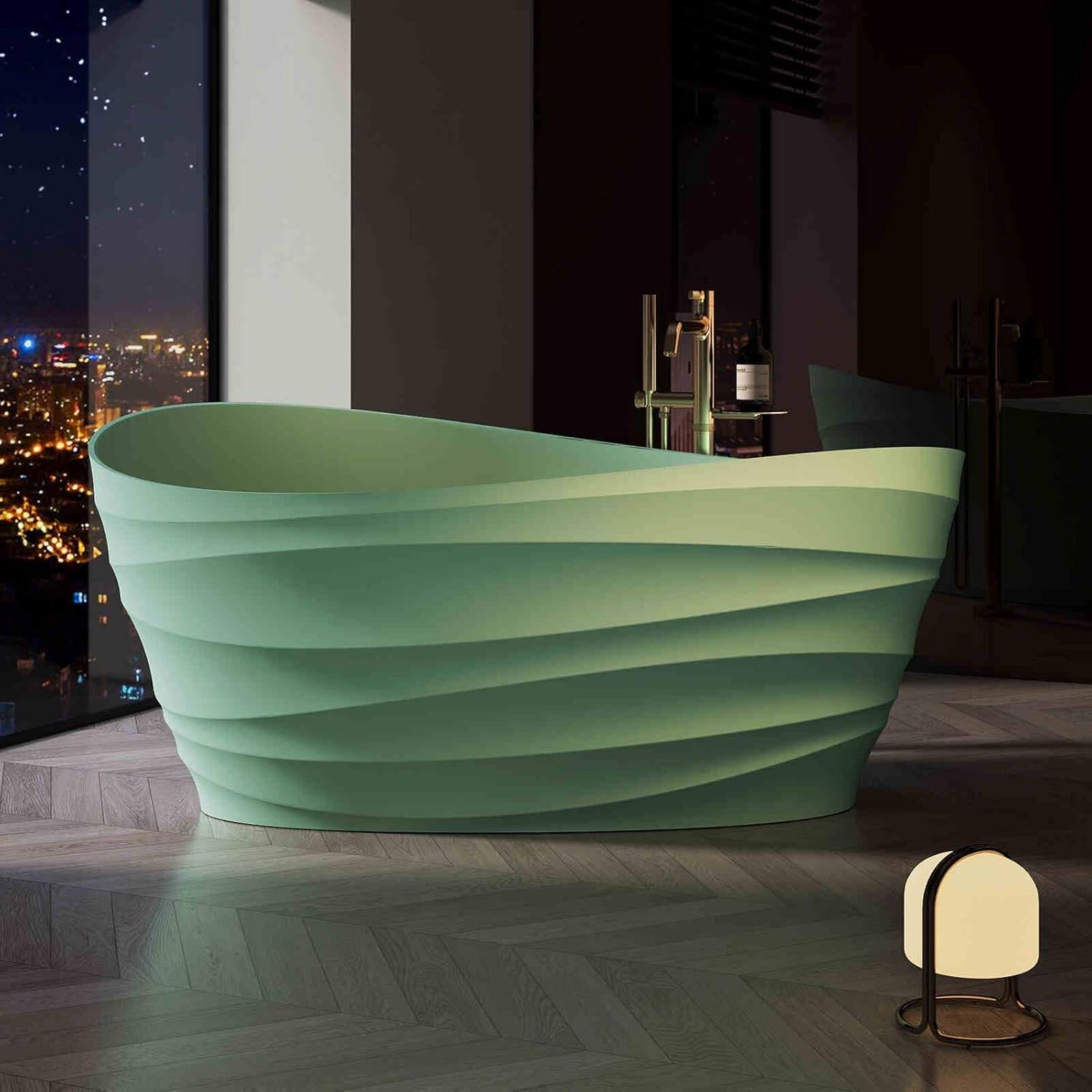
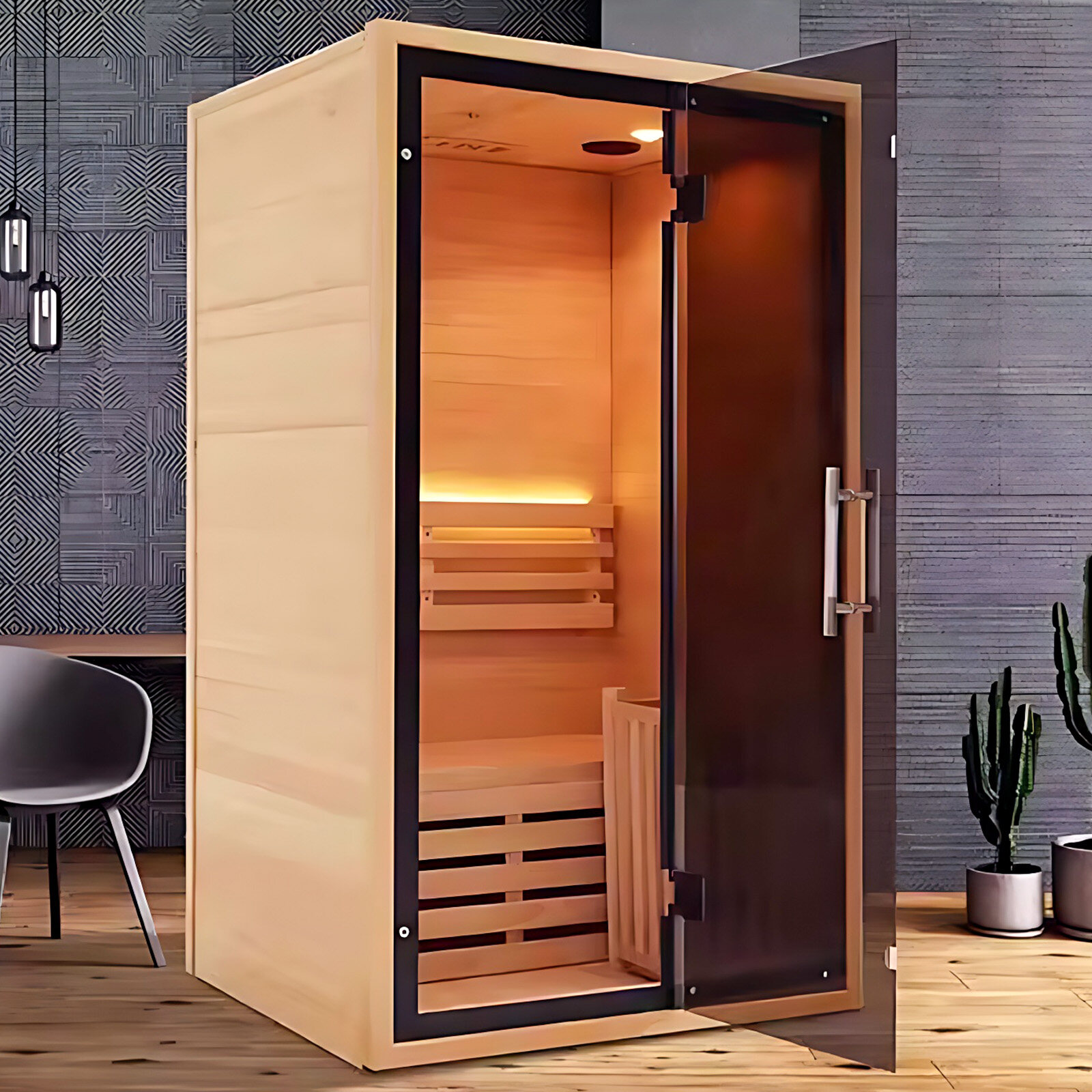
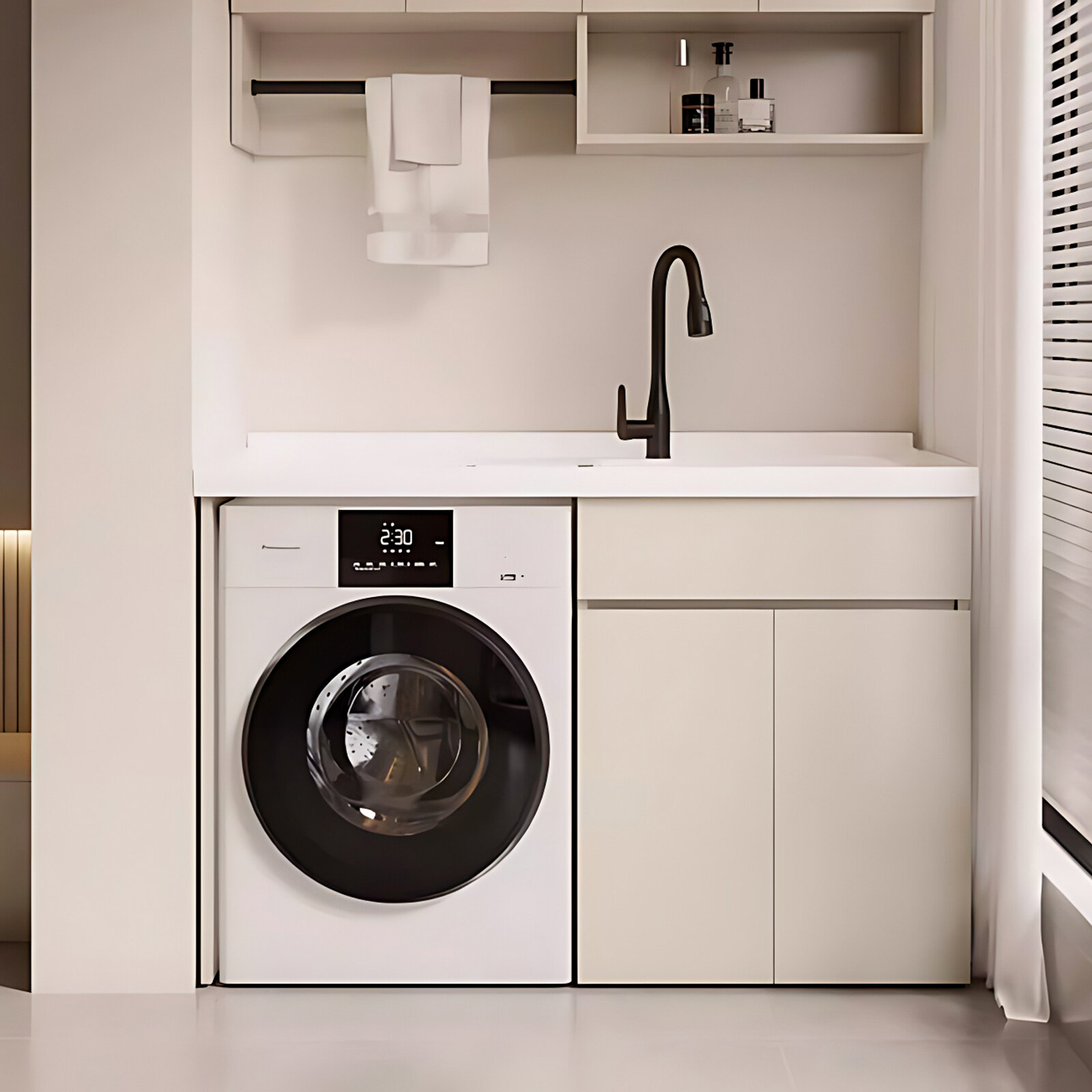
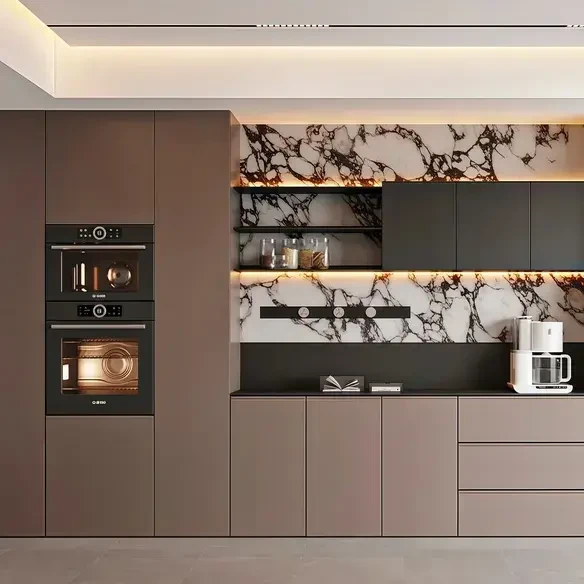
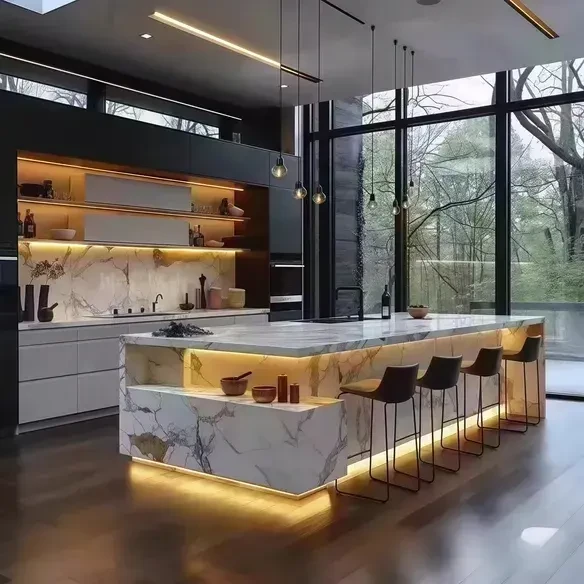
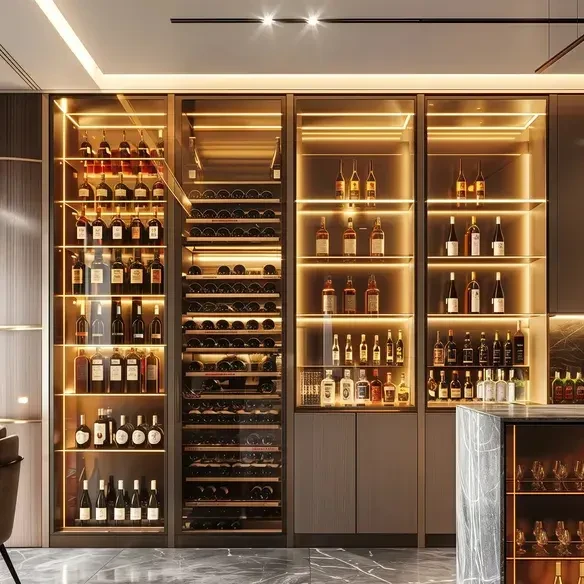
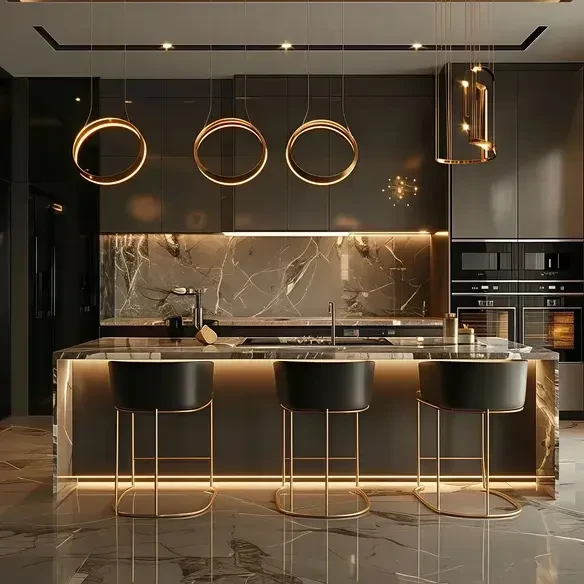
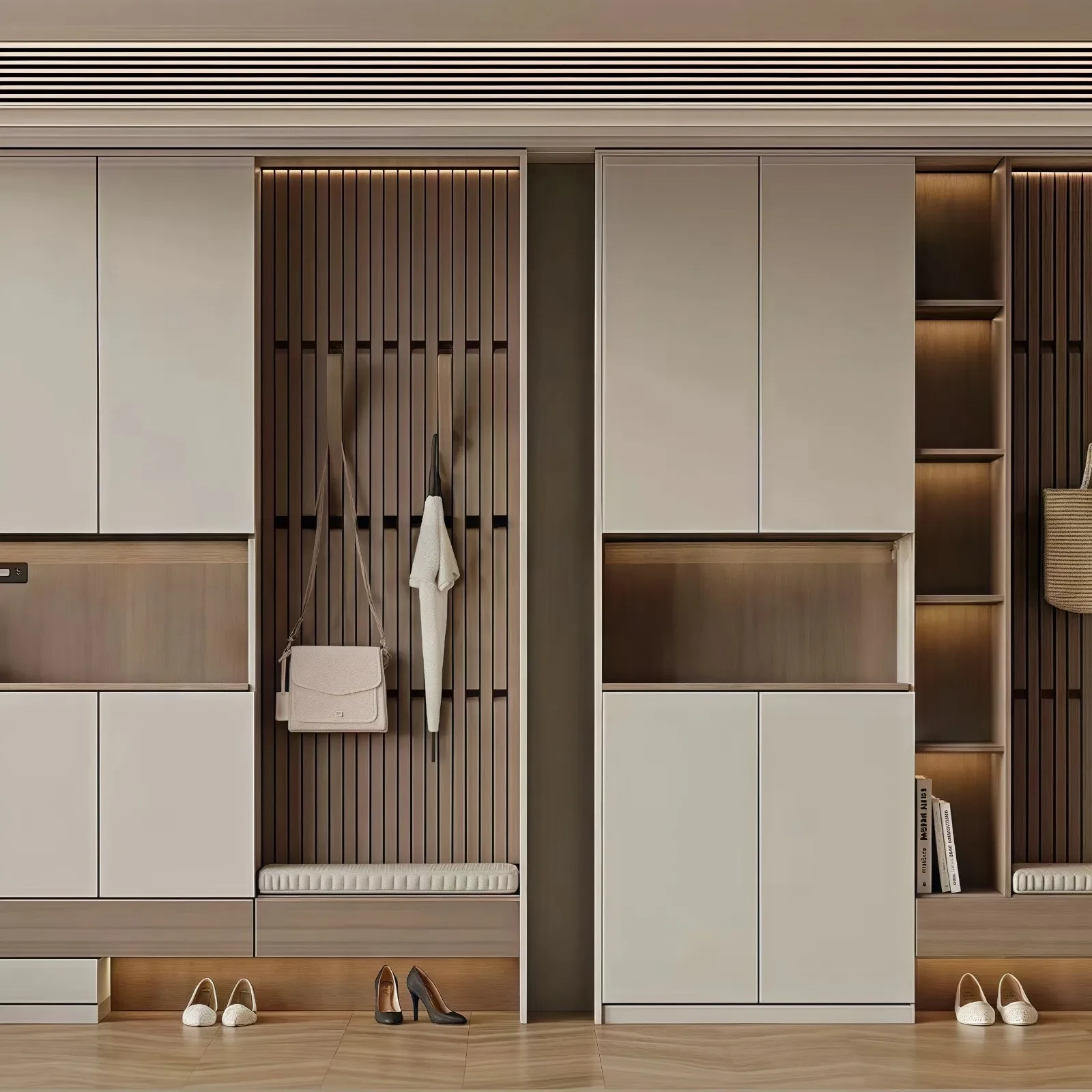
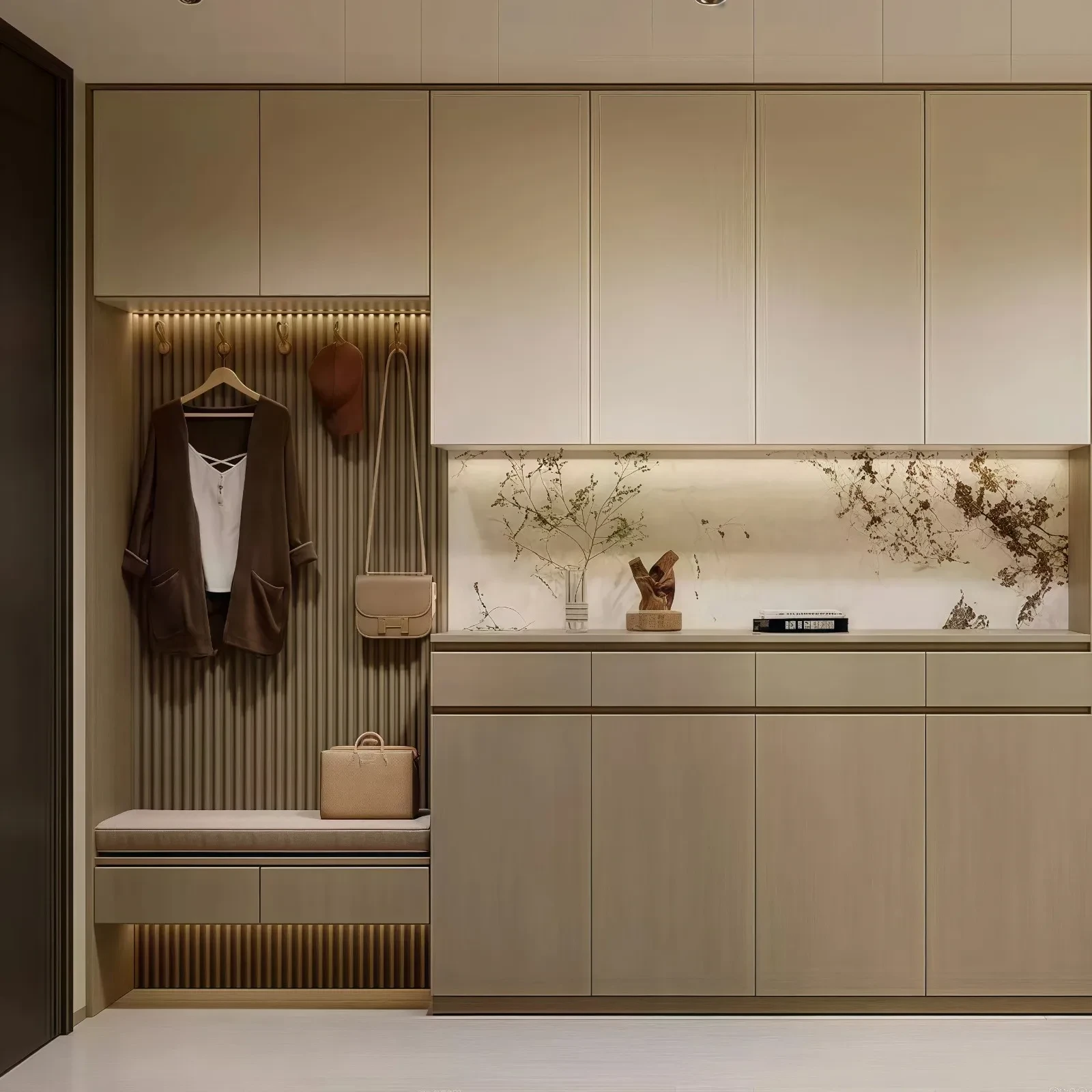
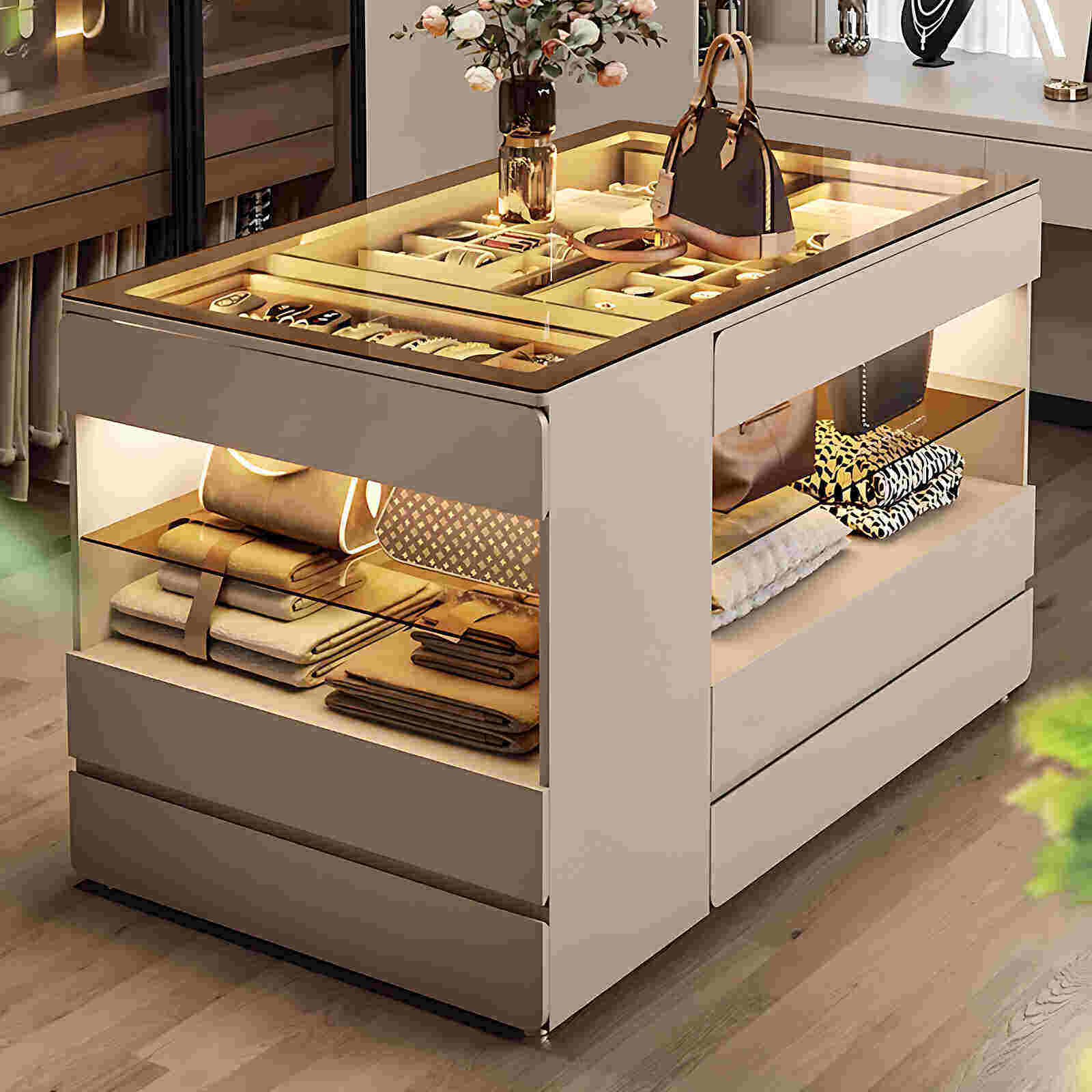
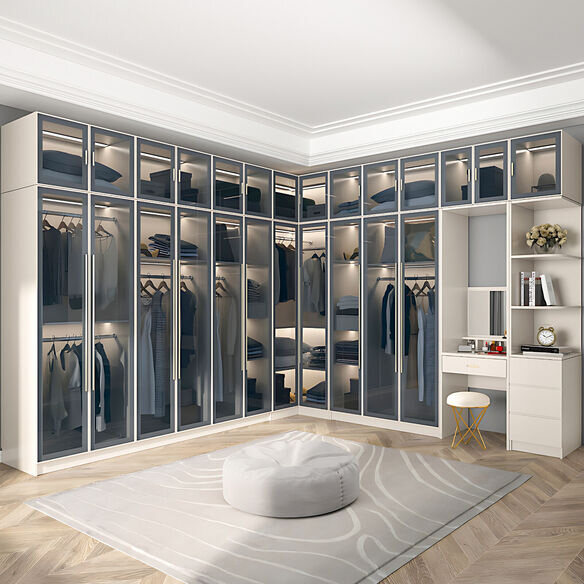
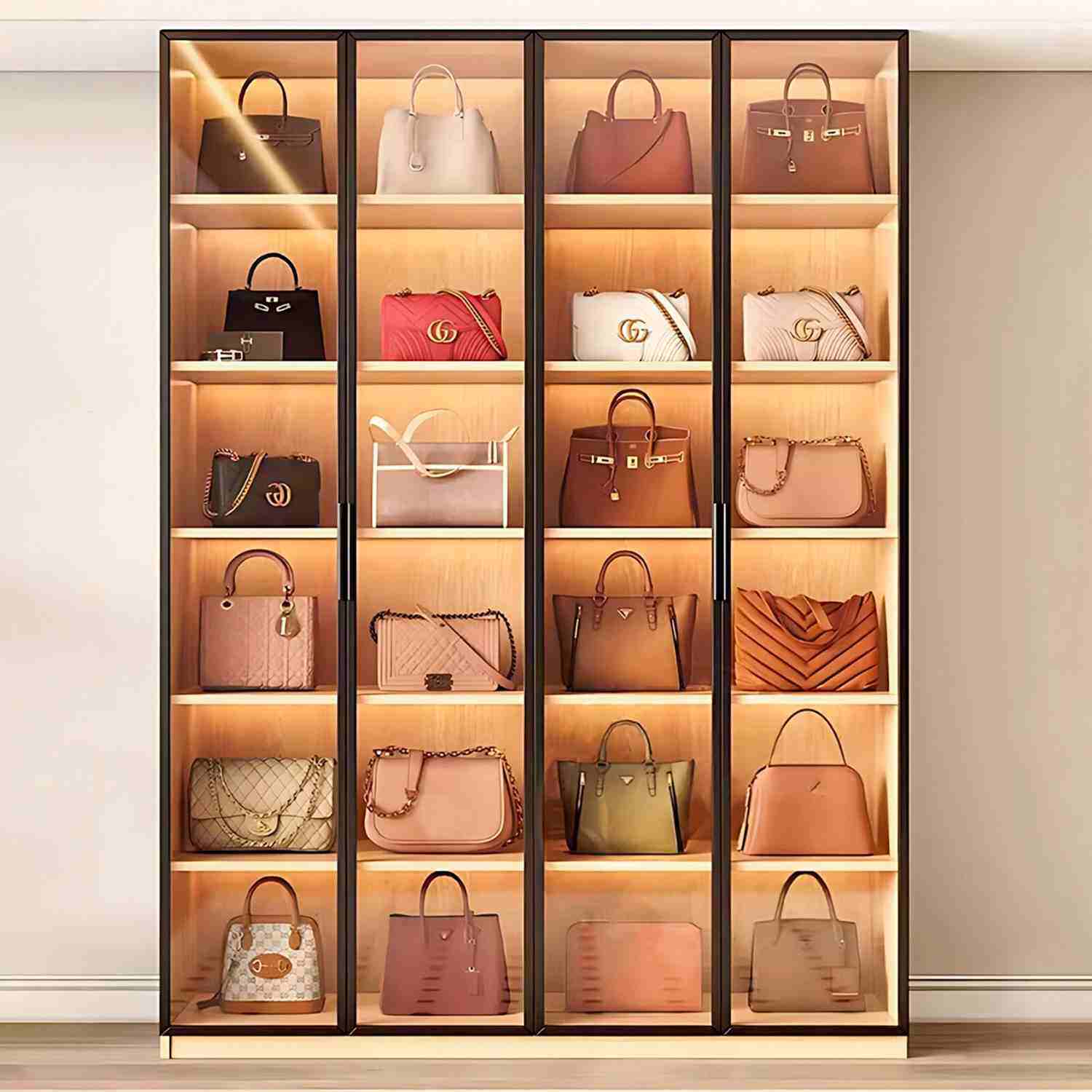
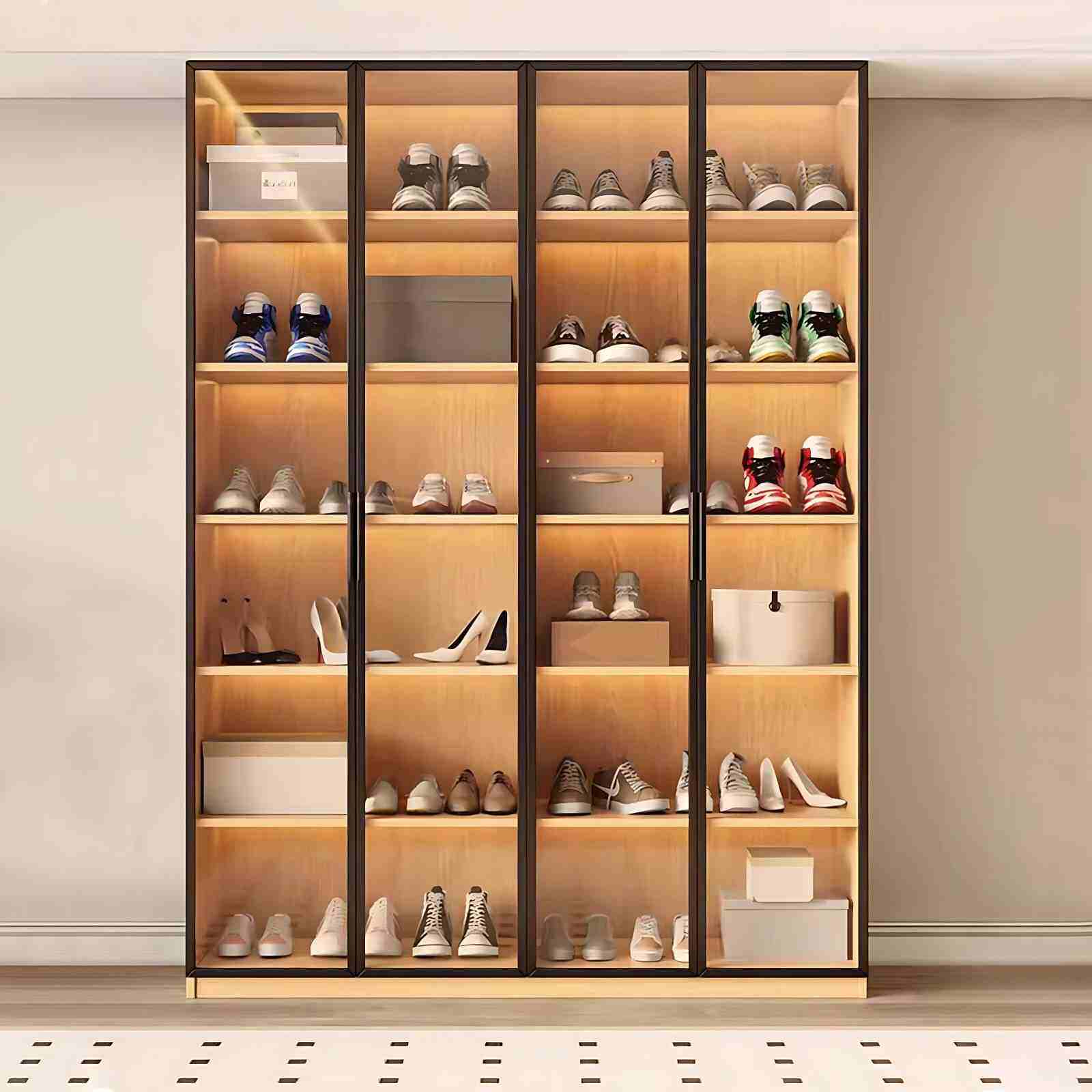
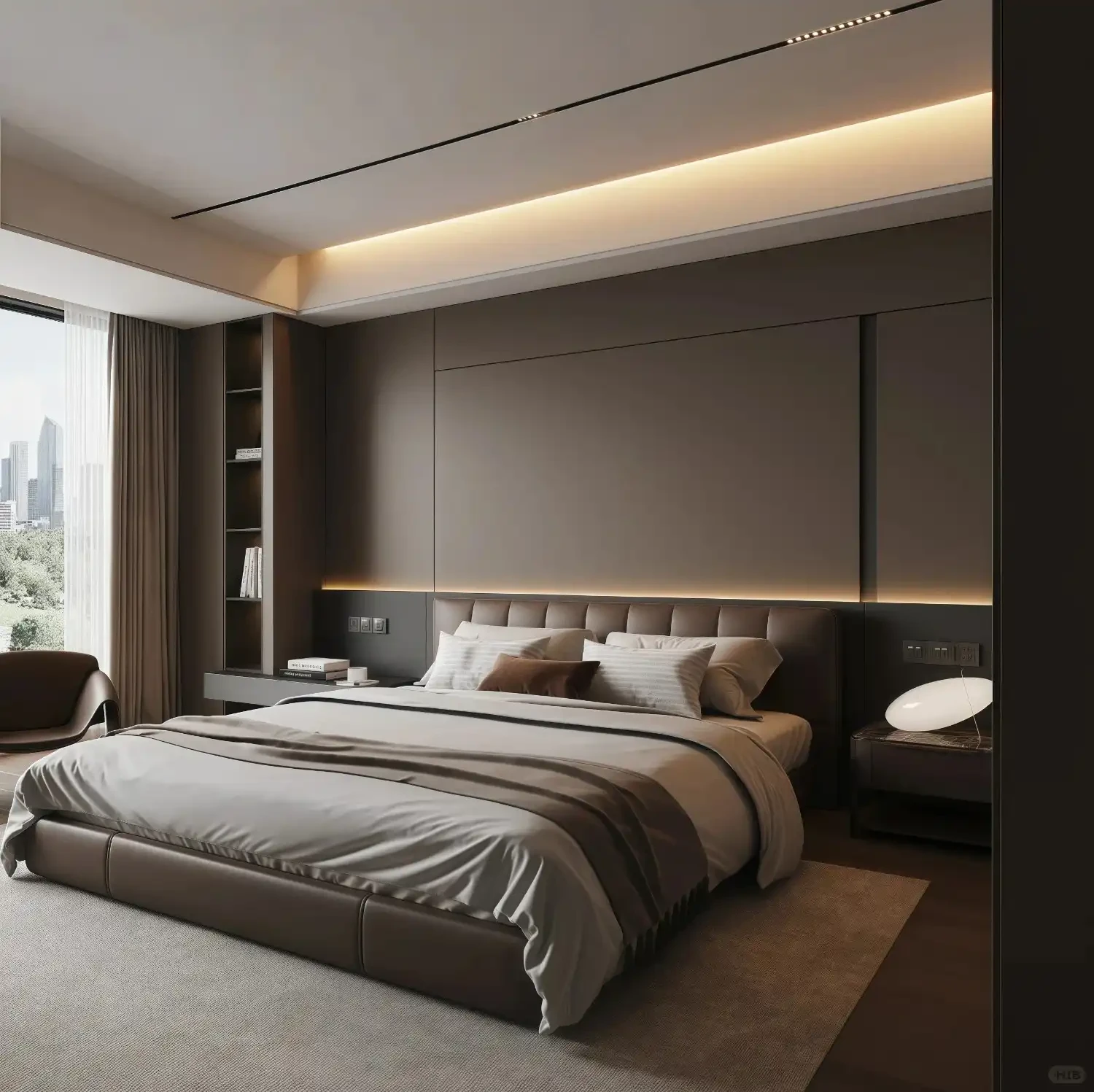
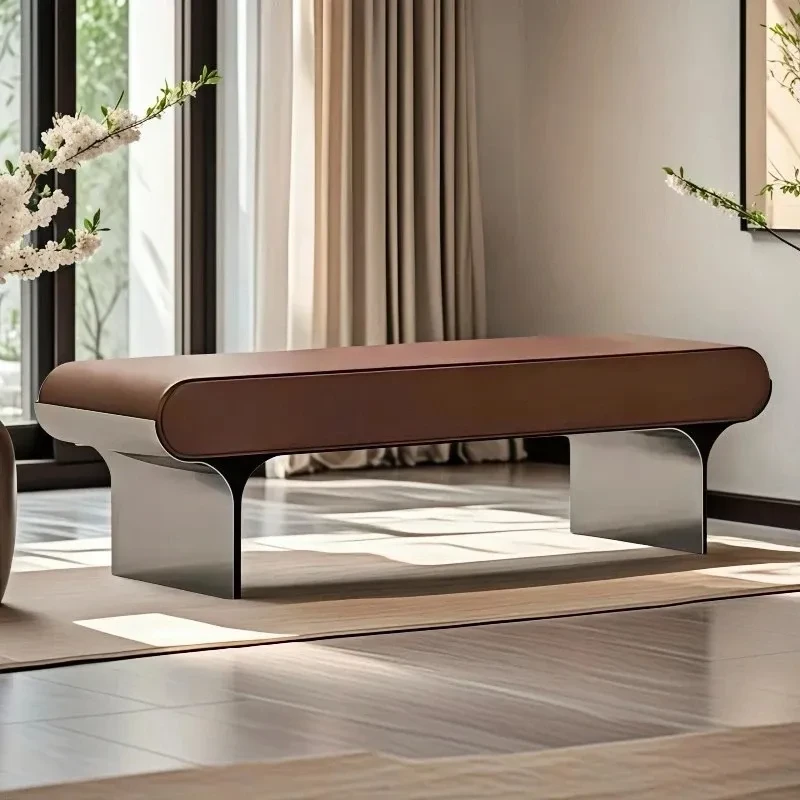
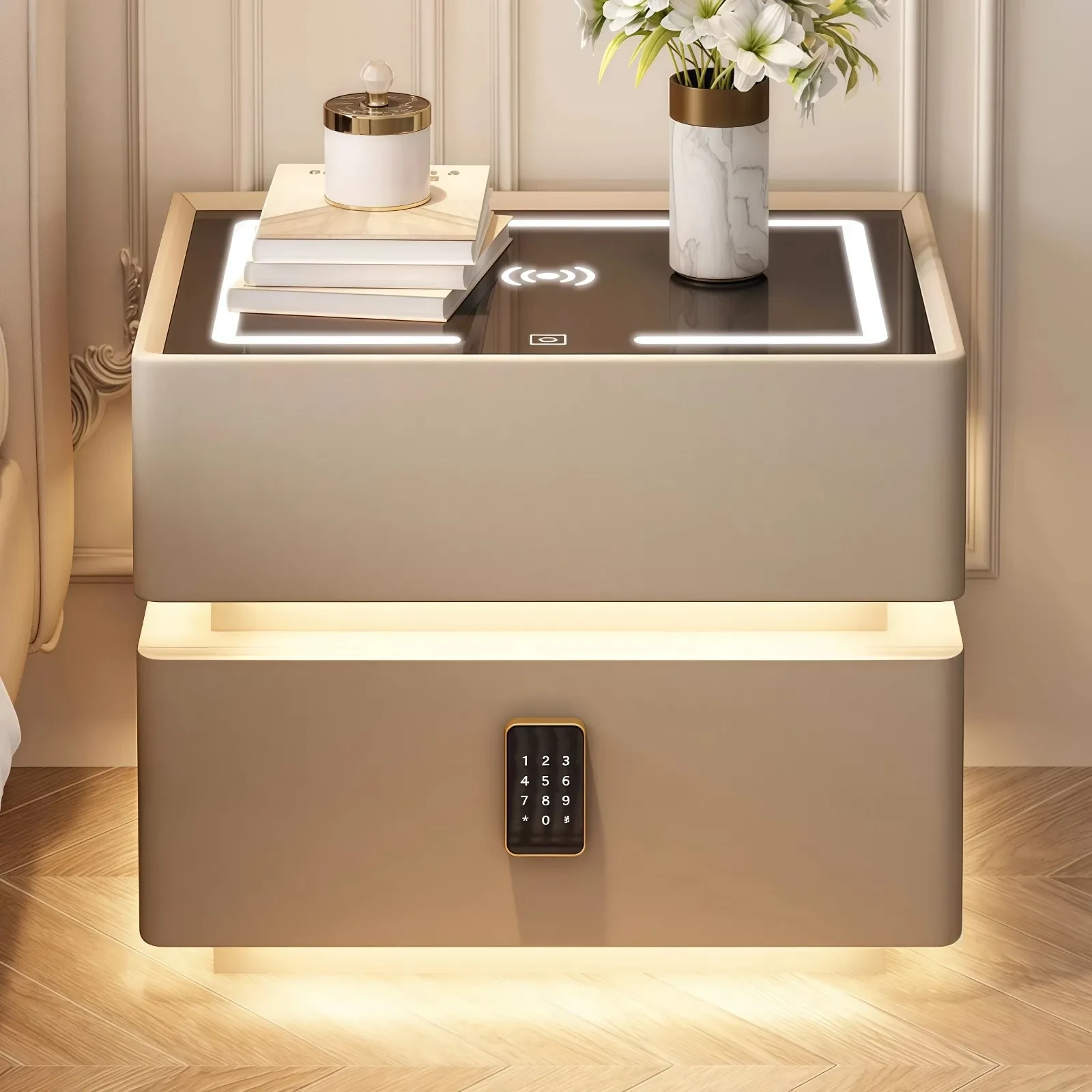
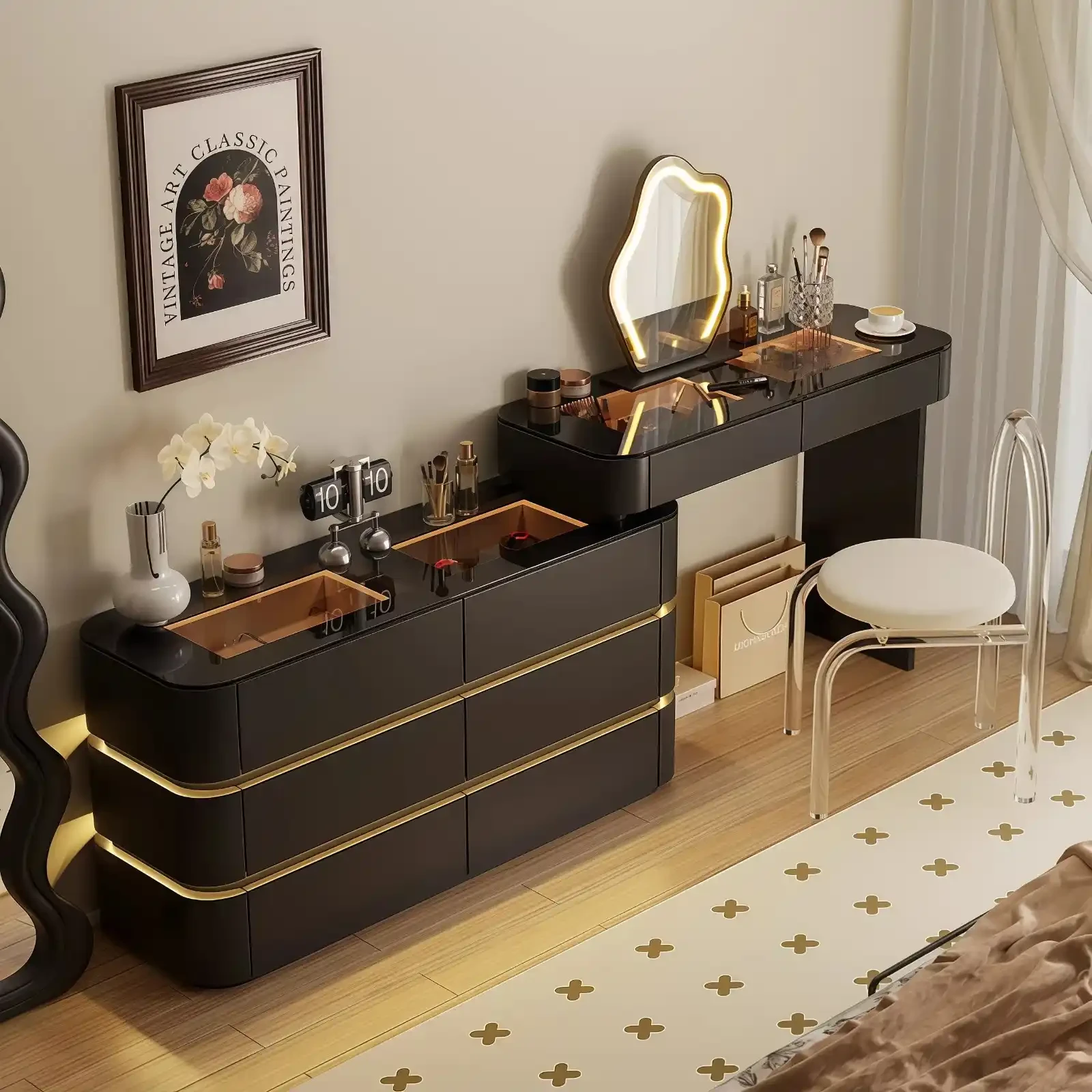
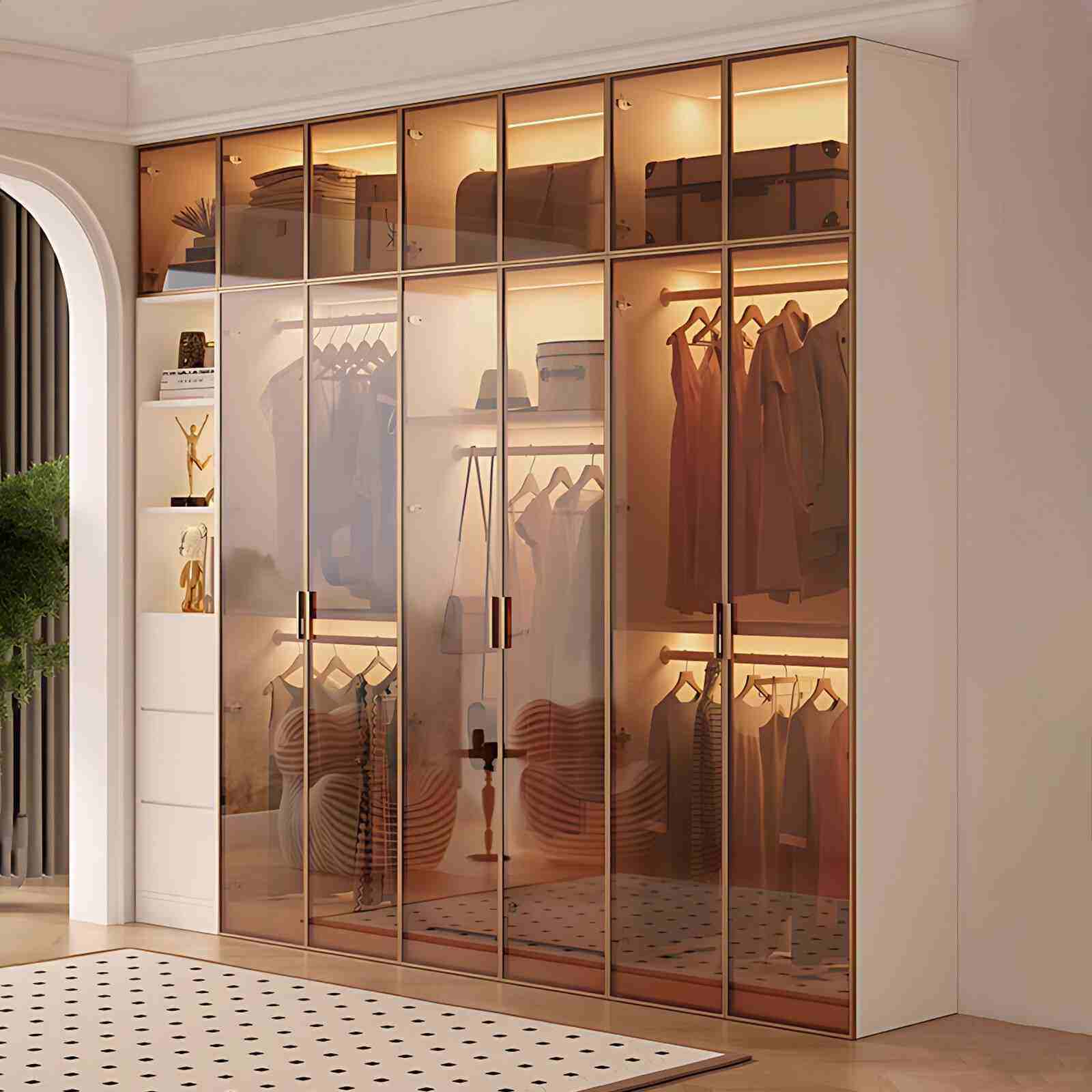
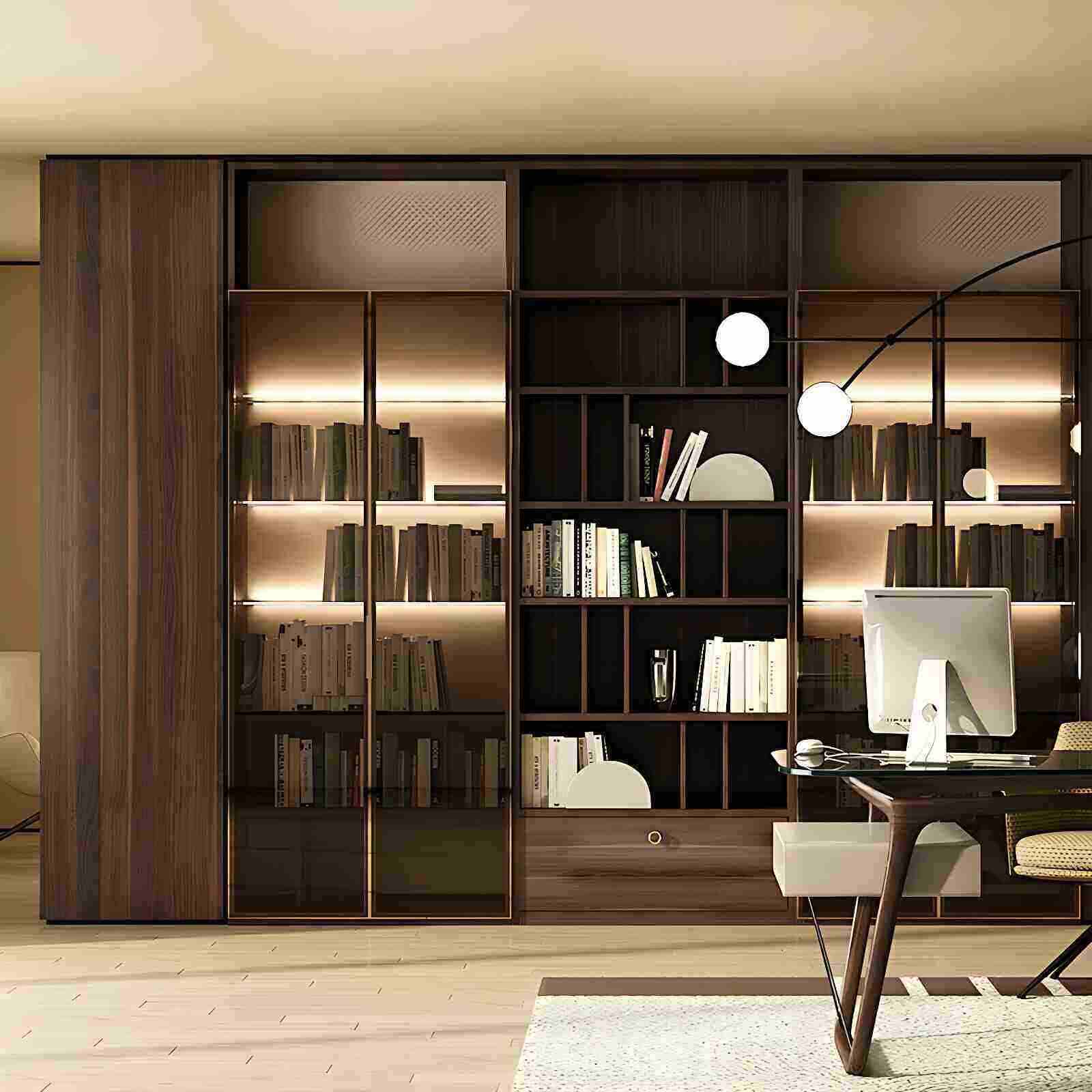
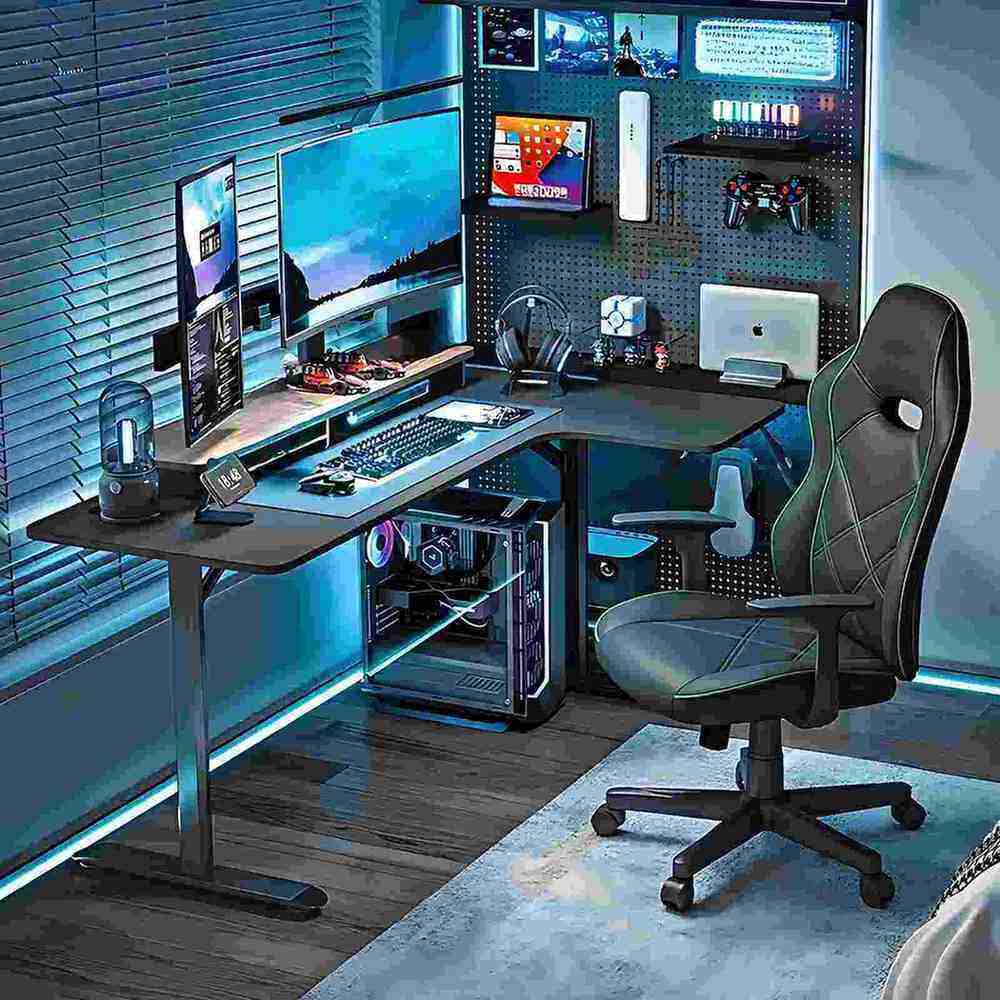
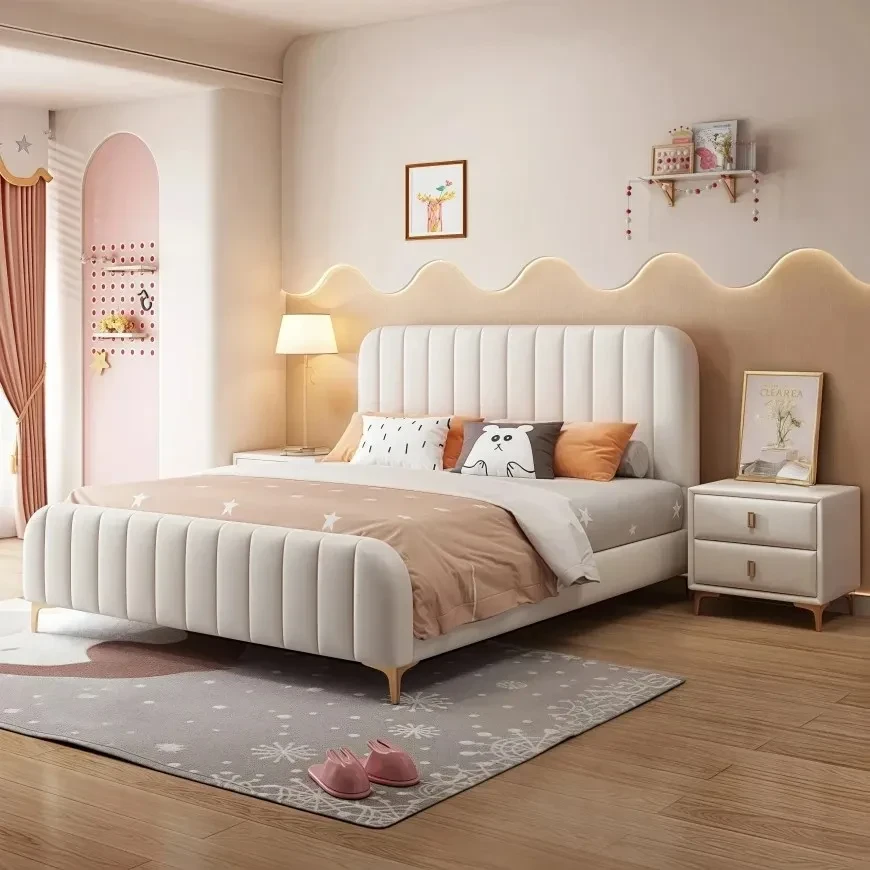
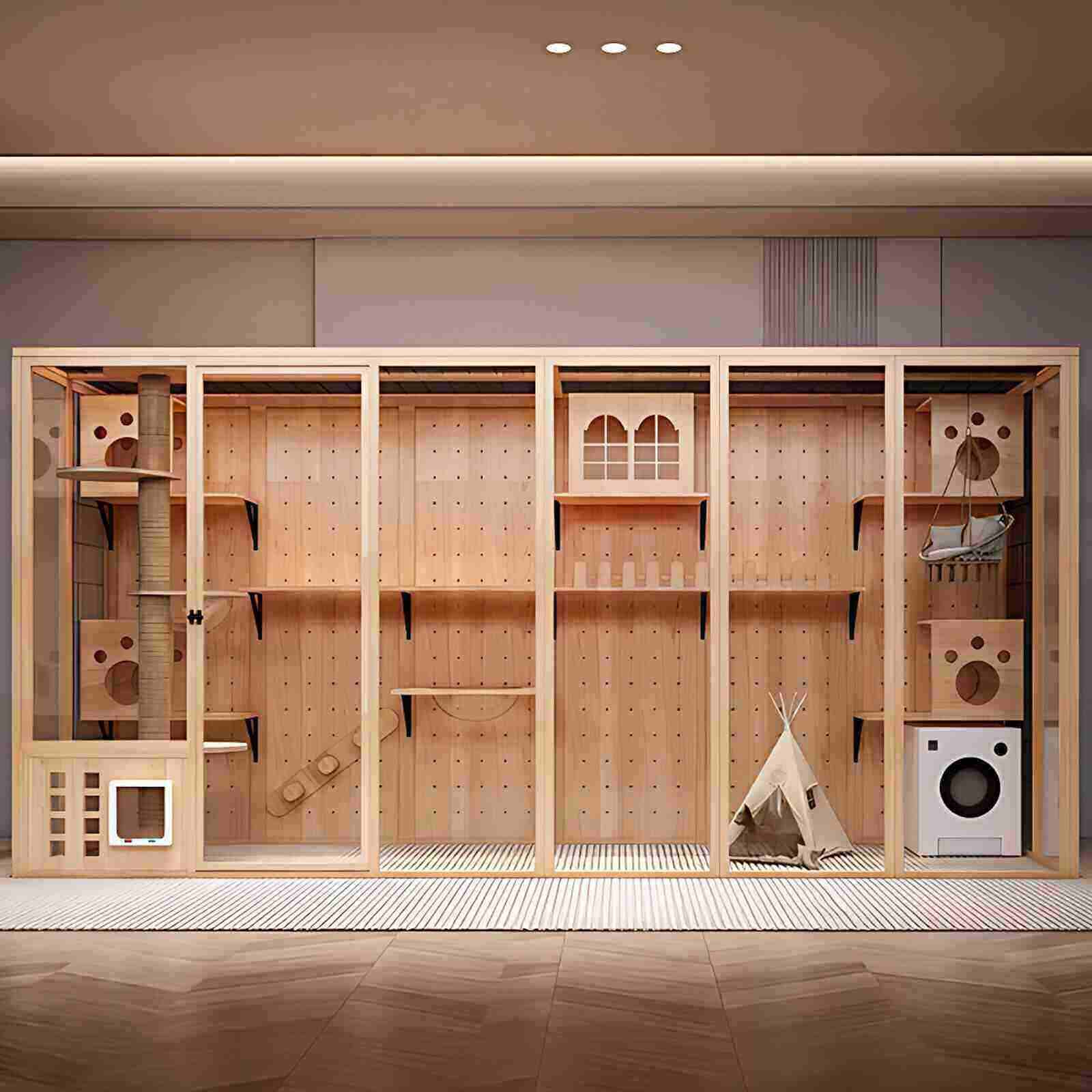
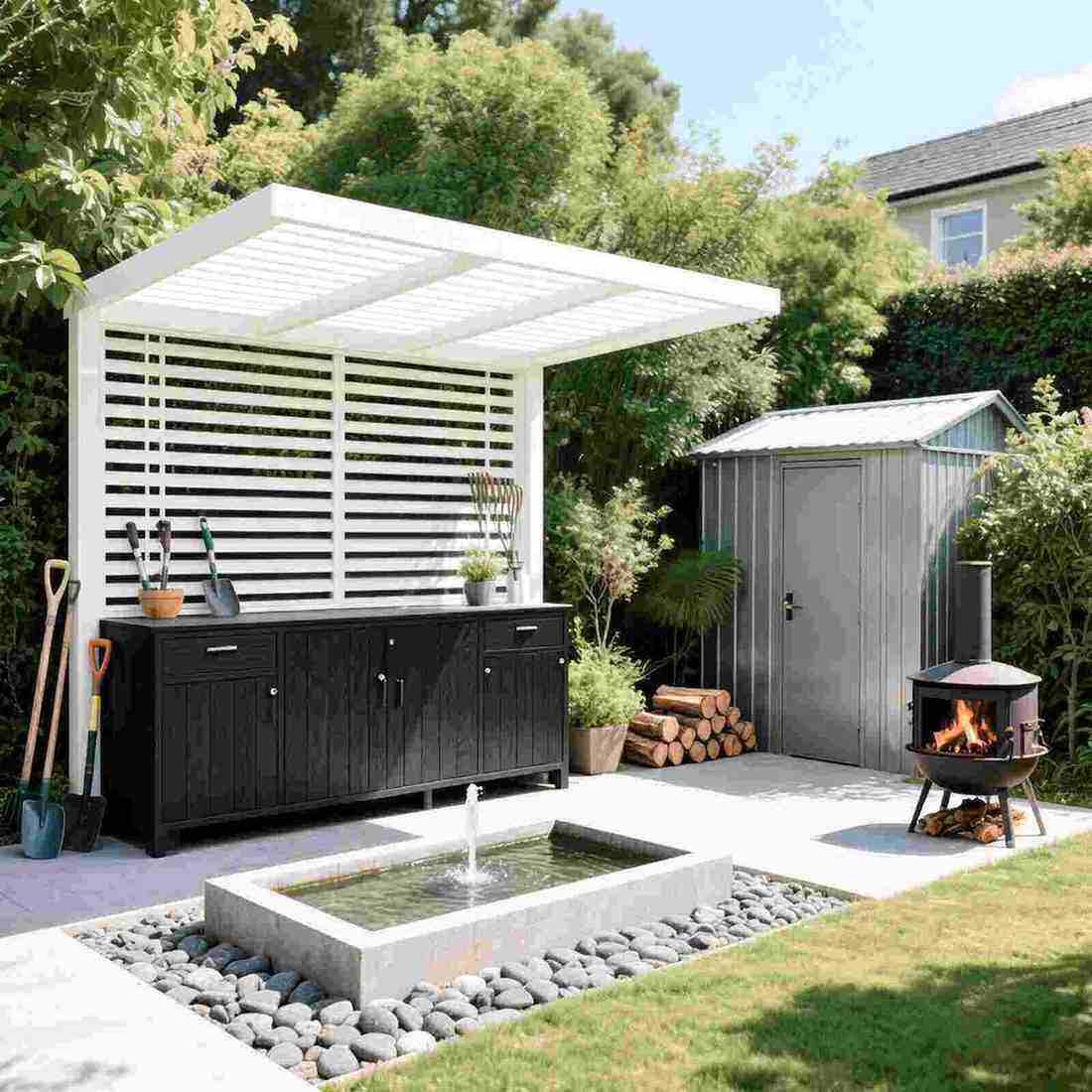
There are many types of core materials for eco-friendly boards on the market, such as cedar core, Malacca core, and mixed wood core. Different core materials result in different characteristics. Next, we'll introduce the different types of eco-friendly board core materials and their respective characteristics. Let's take a look.
1. Fir core ecological board
The fir core ecological board combines the advantages of cedar and plywood. It is relatively hard, not easily deformed, durable, wear-resistant, and corrosion-resistant. It can also absorb sound and insulate heat. However, its moisture resistance is not very good, so it is not suitable for making kitchen and bathroom furniture.
2. Malacca Eco-board
Malacca eco-board has a high density and a solid wood inner layer, making it sturdy, durable, and relatively lightweight. It is also easier to control the flatness of the board during processing. However, the board has a strong odor and poor nail-holding power.
3. Poplar core ecological board
Poplar core ecological boards are relatively resistant to decay, not easily deformed, have clear grain, beautiful patterns, and excellent decorative effect. However, the wood is relatively soft and prone to shrinkage.
4. Mixed wood core ecological board
Mixed wood core ecological boards are relatively inexpensive and come in many varieties. However, the wood in mixed wood core ecological boards is too soft and not resistant to water immersion, making them prone to mold and rot. Hard mixed wood core ecological boards are also prone to cracking.
5. Pine core ecological board
Pine core eco-board is relatively resistant to decay, has good moisture resistance, is easy to process, is very practical, has good thermal conductivity, is easy to maintain, and is durable. However, it is relatively expensive and prone to cracking.
5. Paulownia wood core ecological board
Paulownia wood core eco-board has a relatively strong substrate, good nail-holding power, and is not prone to cracking. It is also relatively inexpensive, making it very cost-effective. However, the material is loose and not dense, has a high water absorption rate, and the wood is less stable.
The above is a summary of the different types of core materials used in eco-friendly boards and their characteristics. Hopefully, this information is clear to everyone.