
 USD
USD GBP
GBP
 EUR
EUR


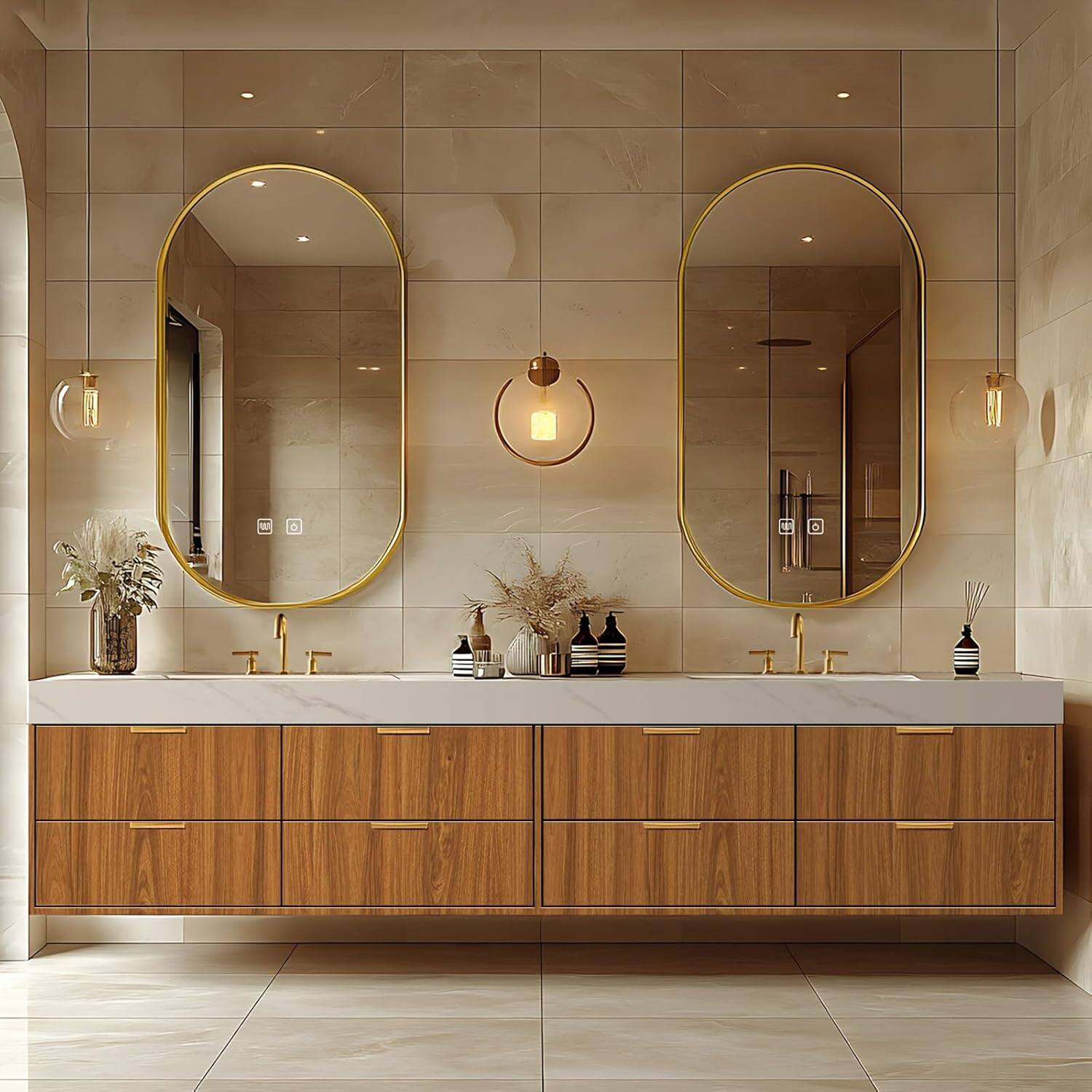
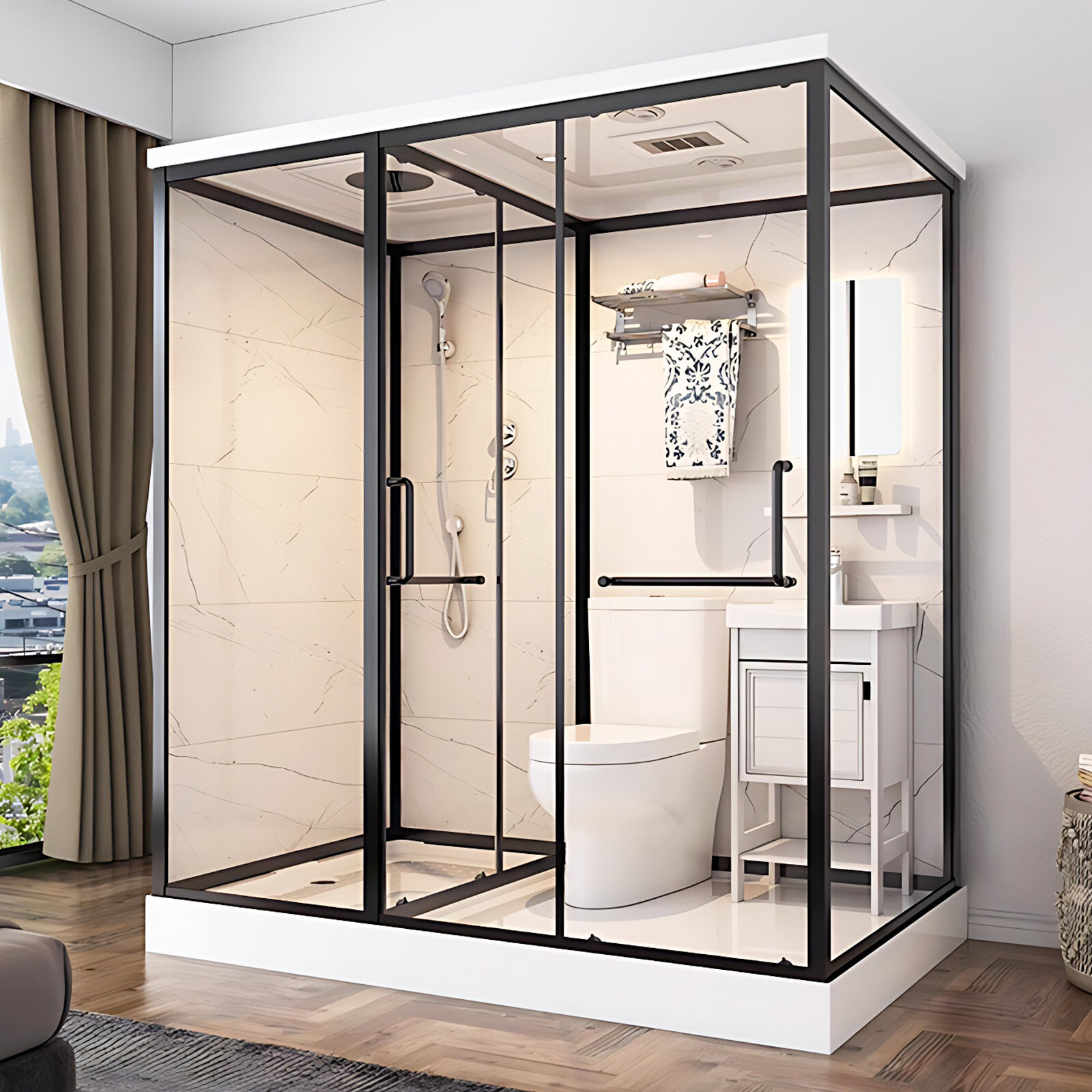
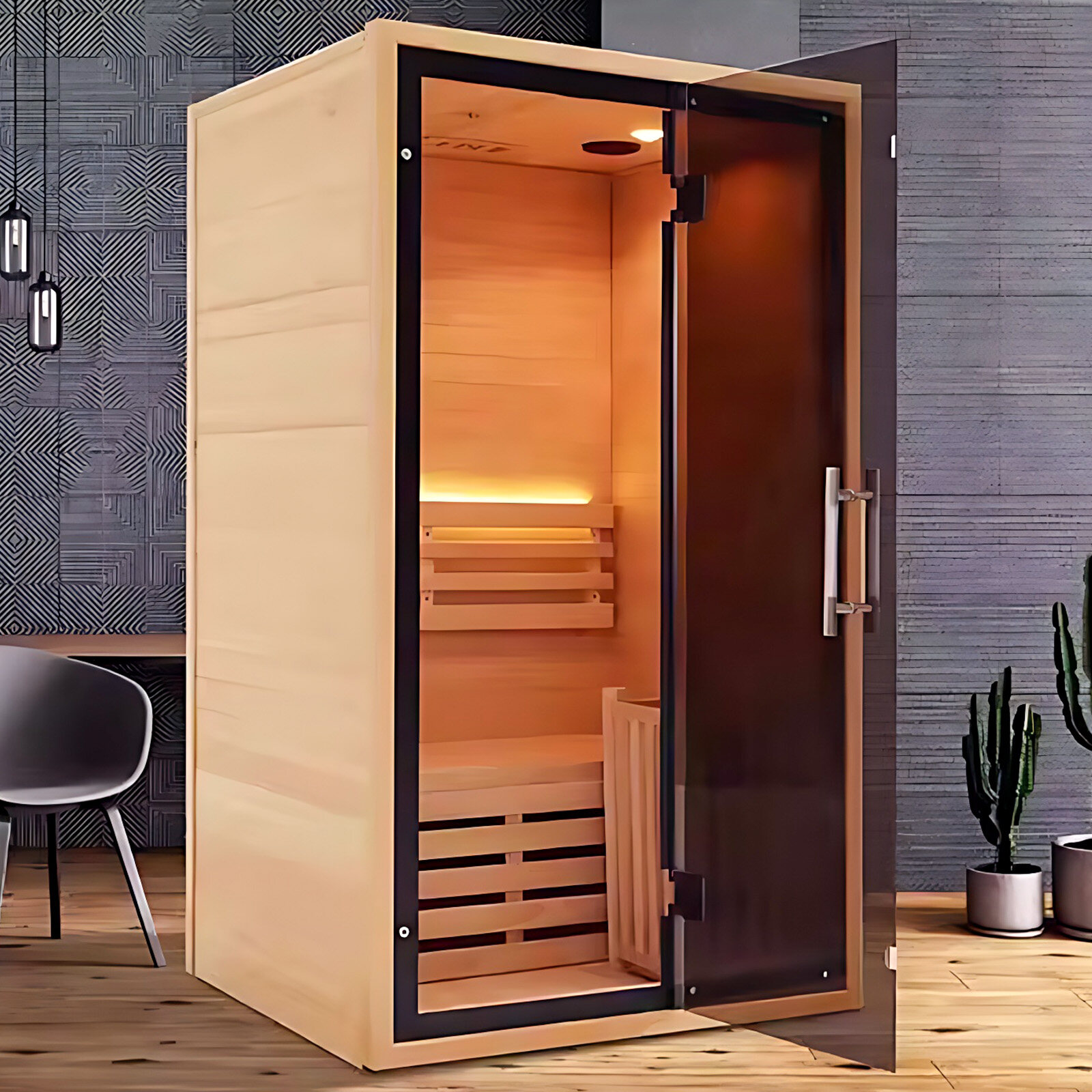
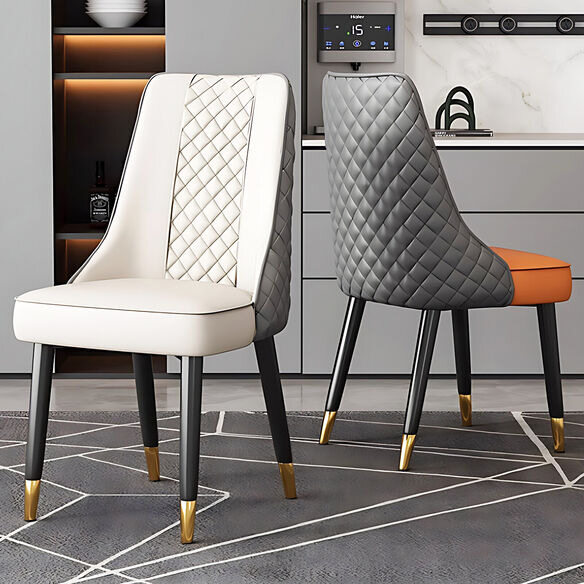
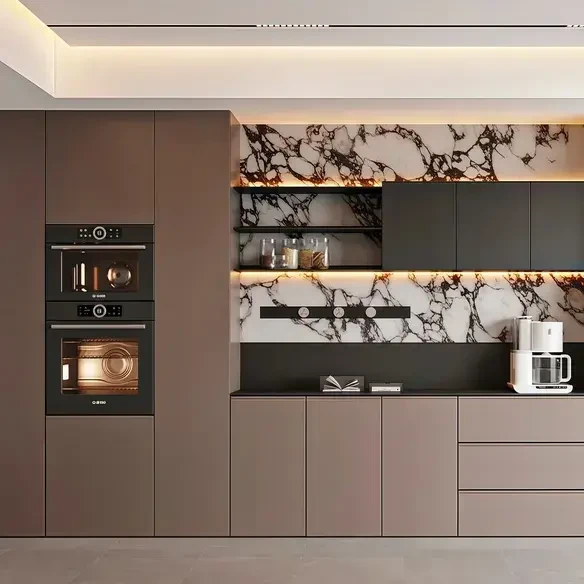
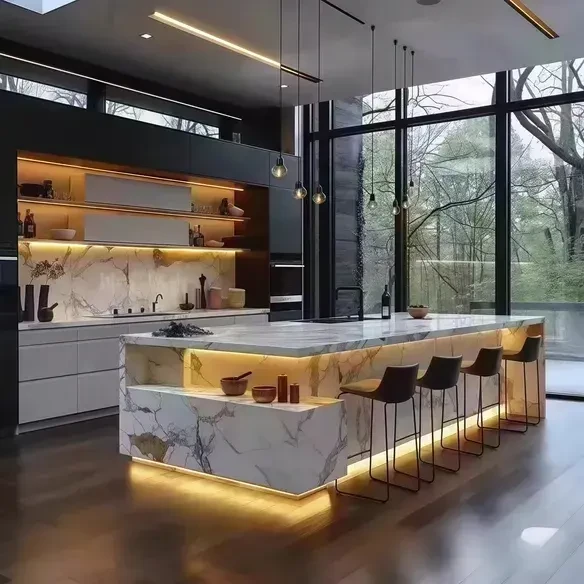
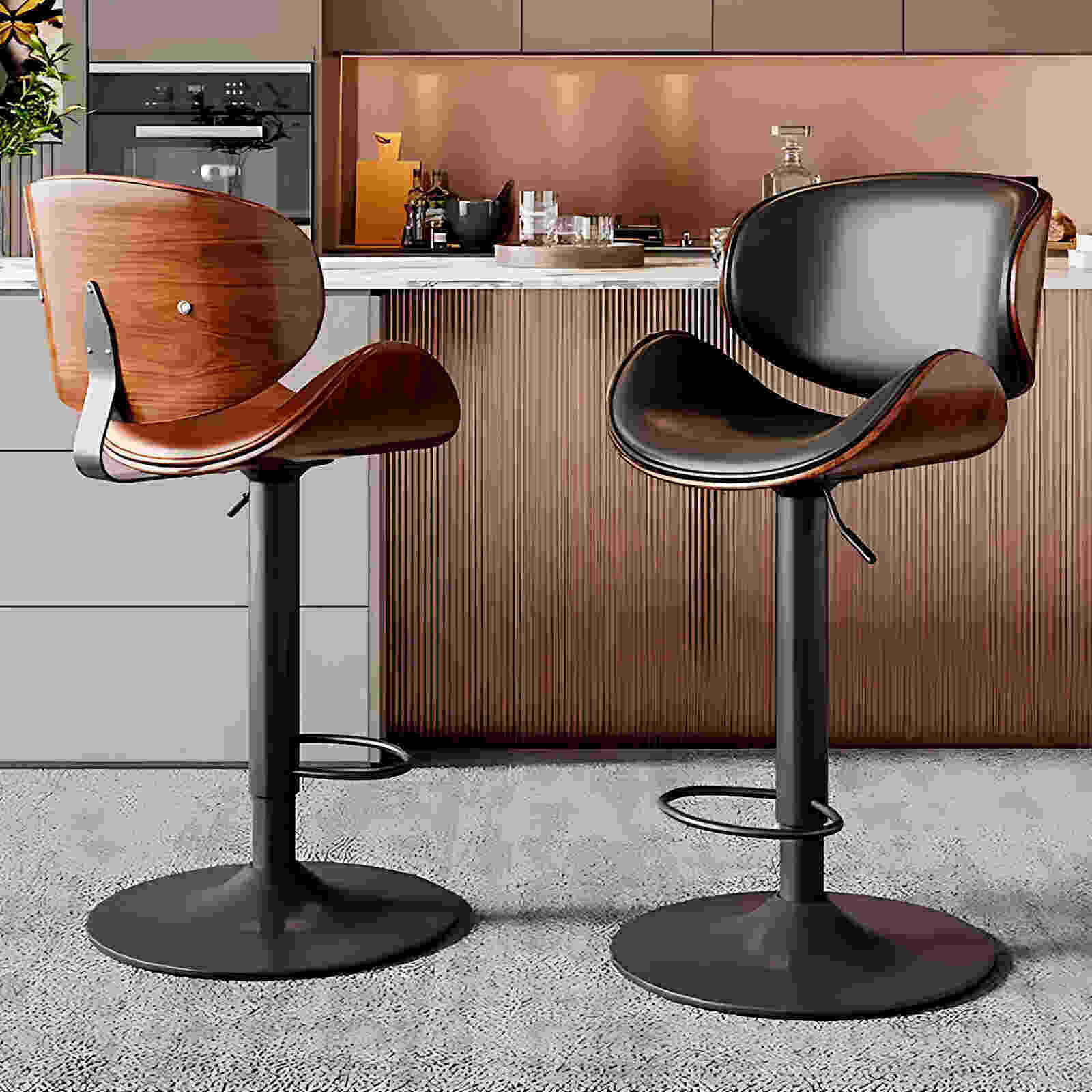
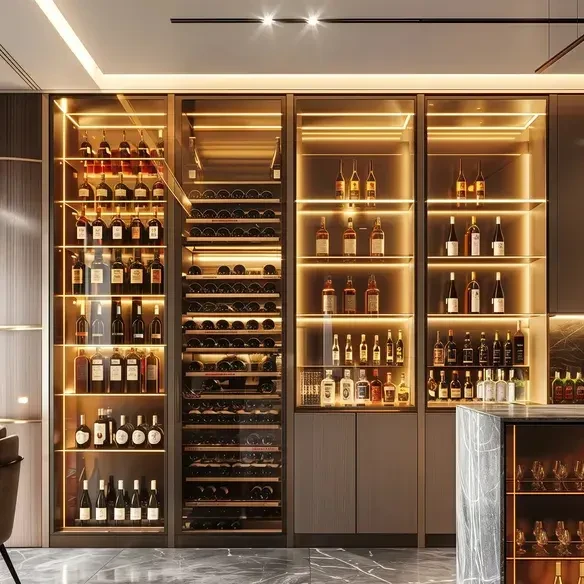

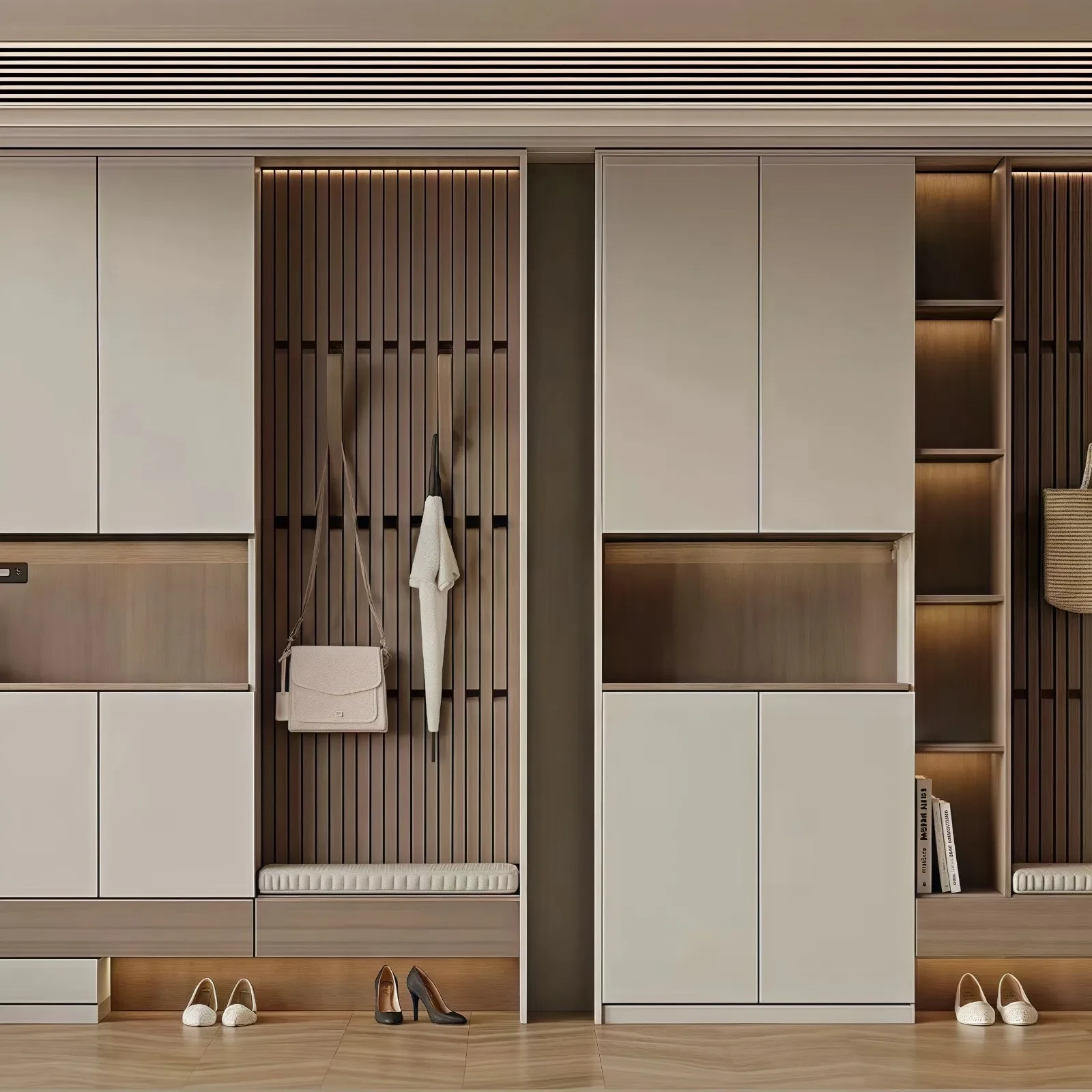
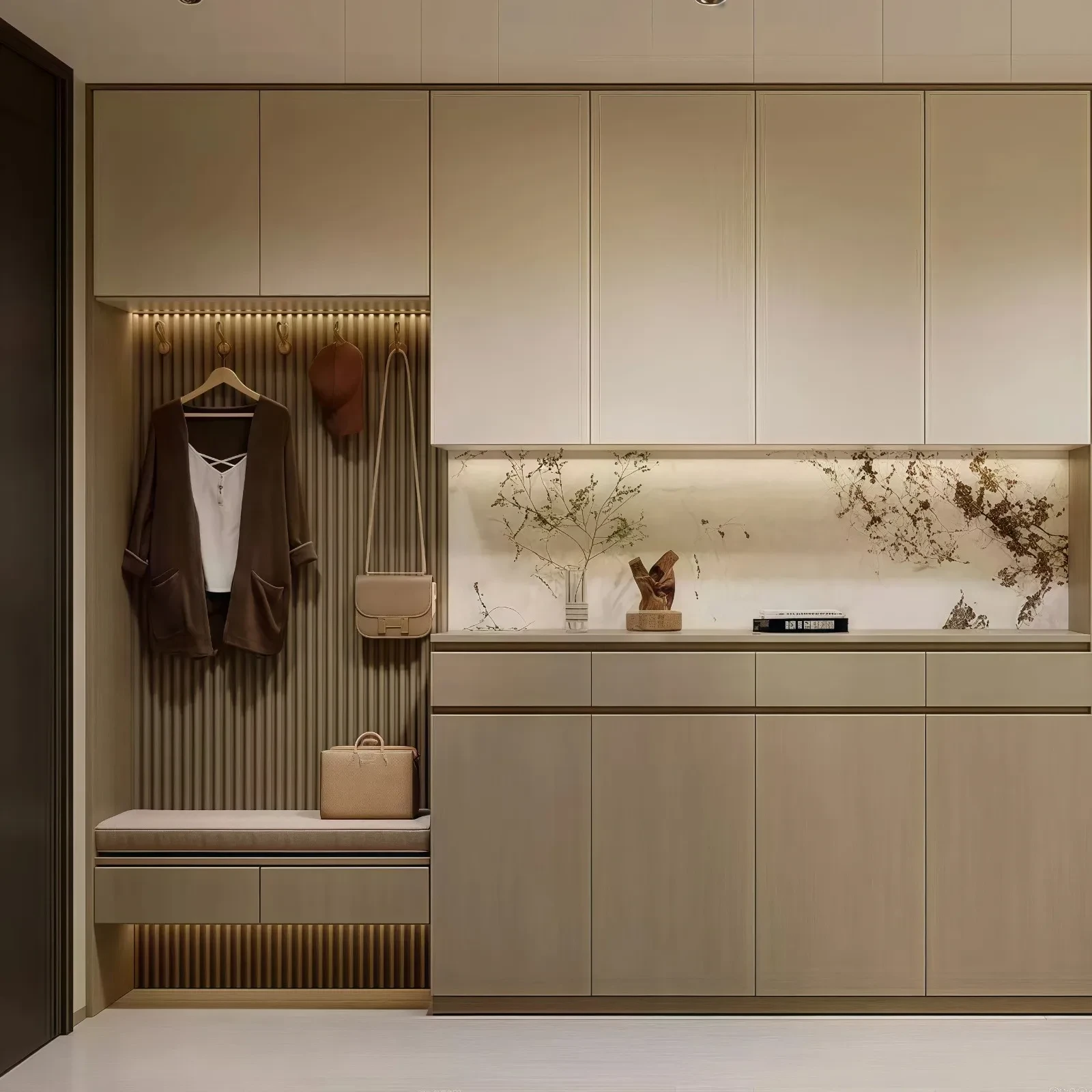
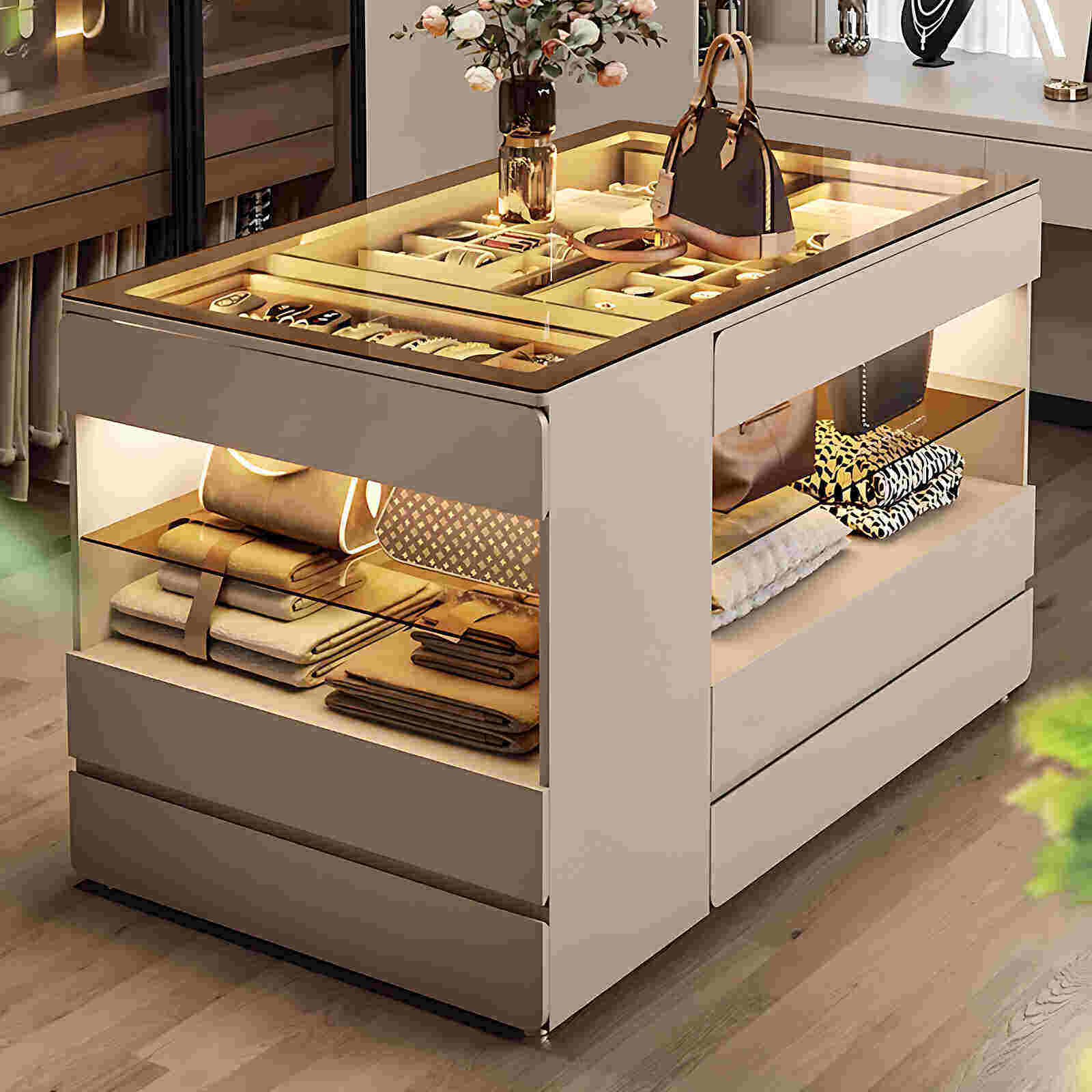
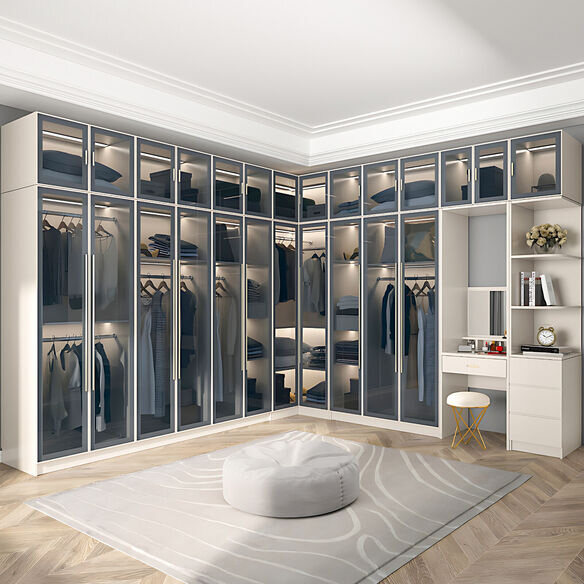
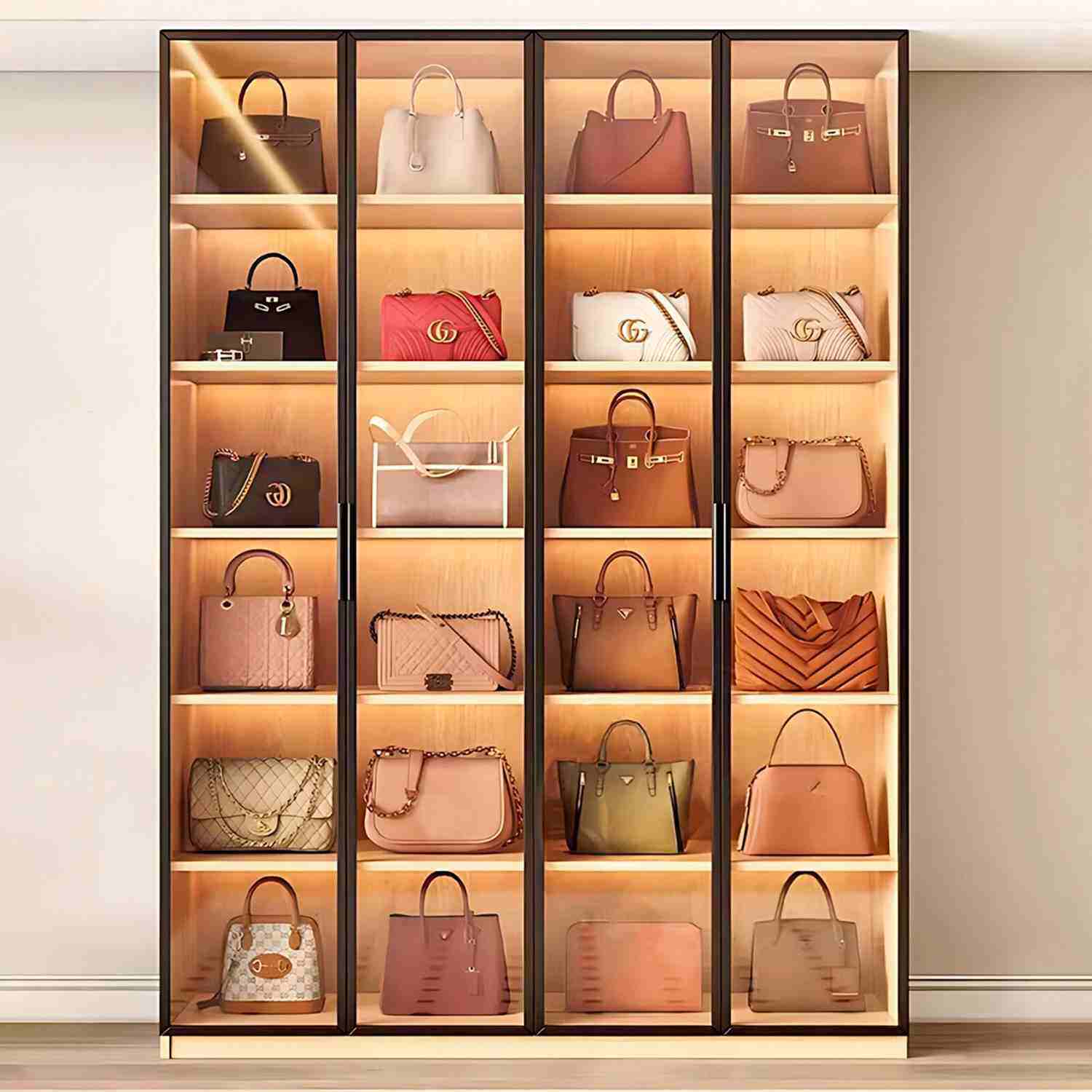
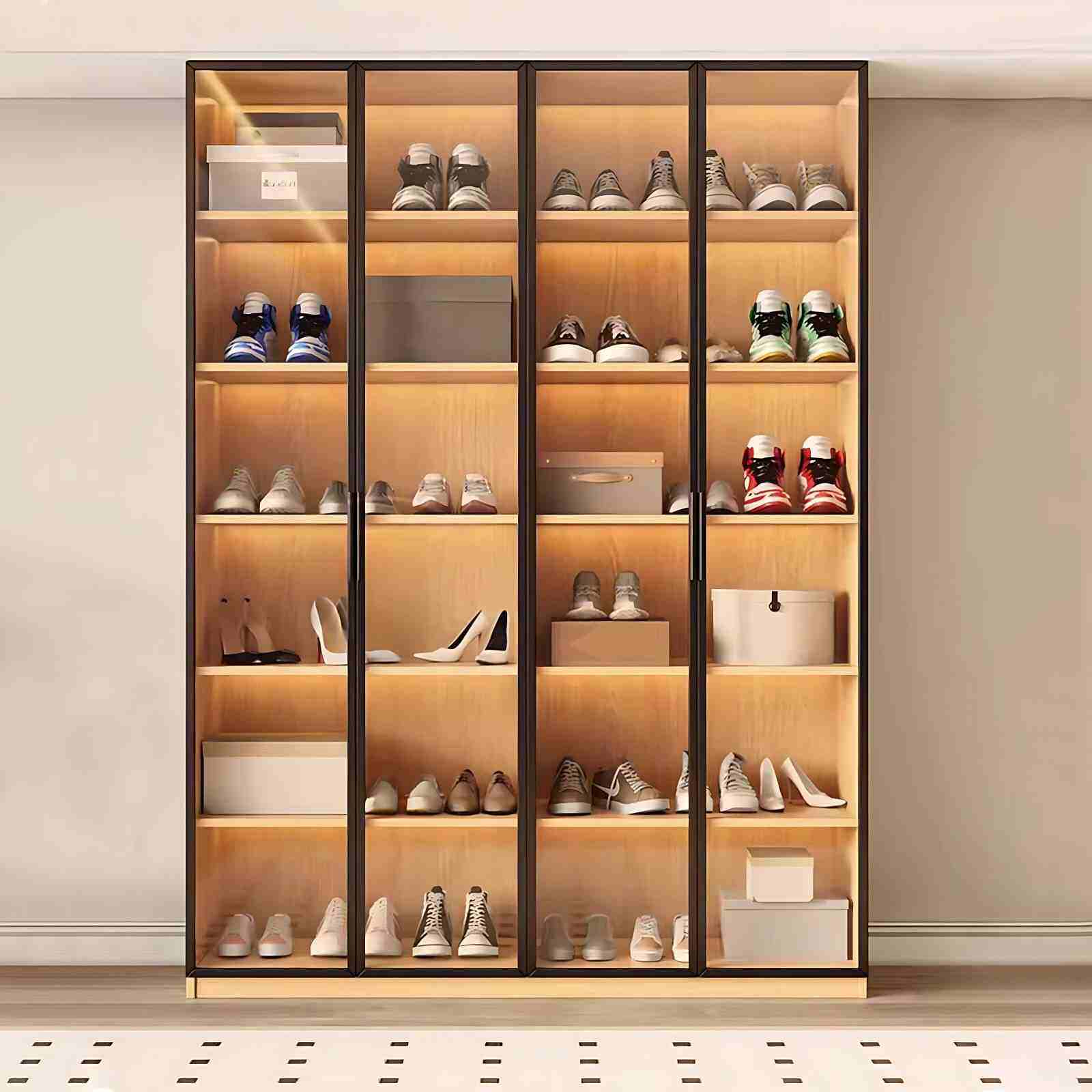
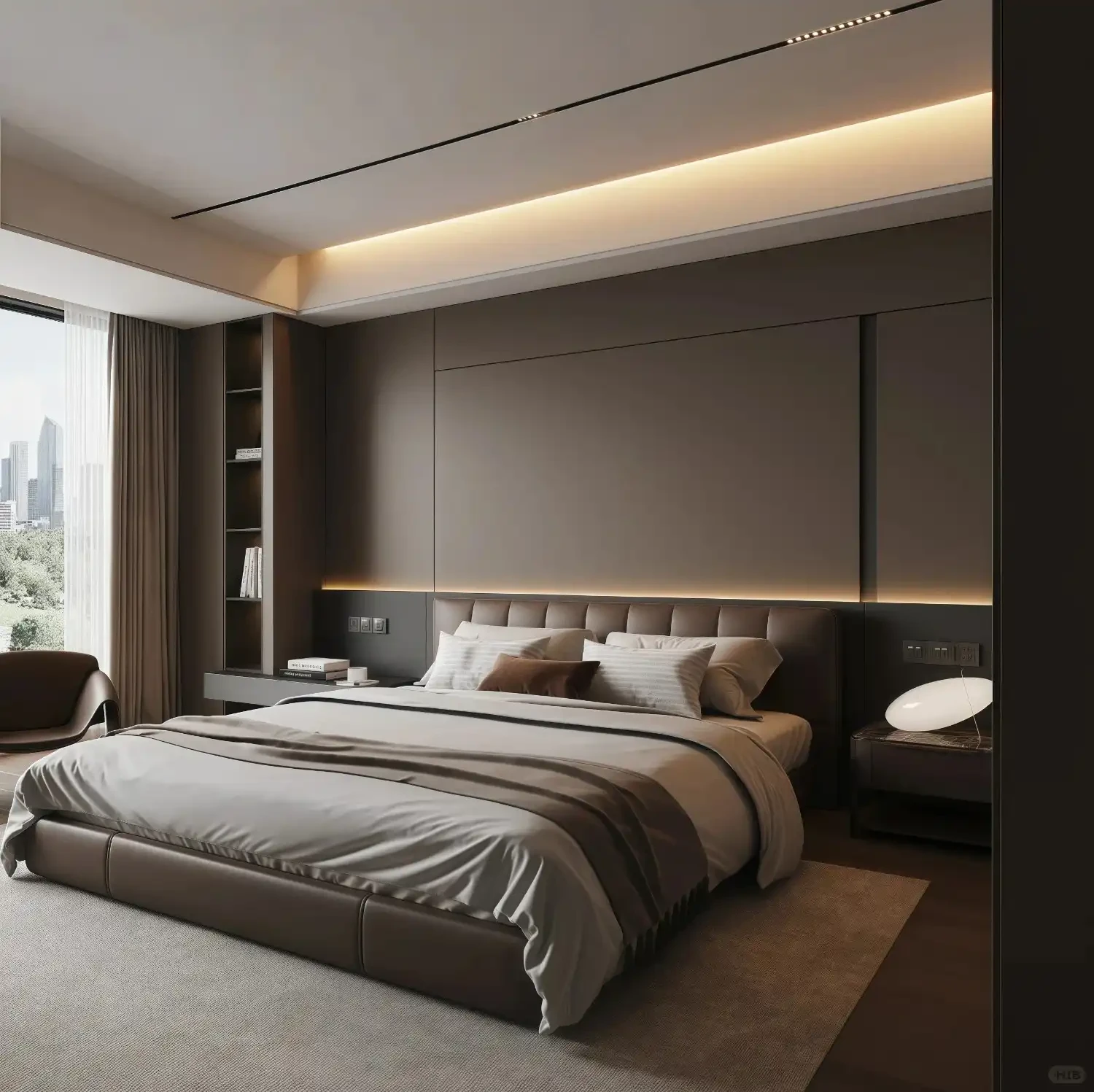
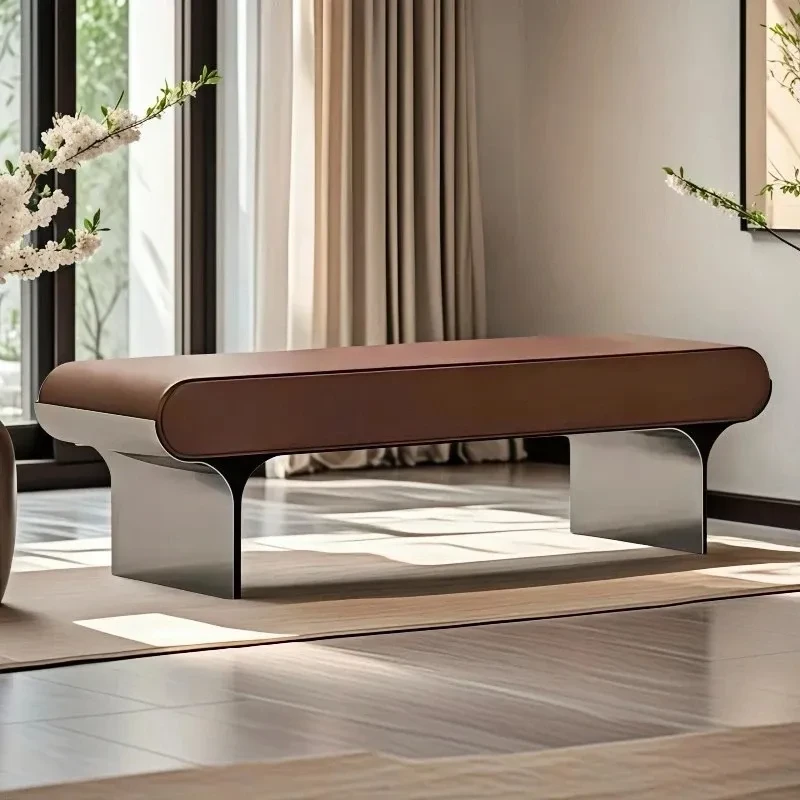


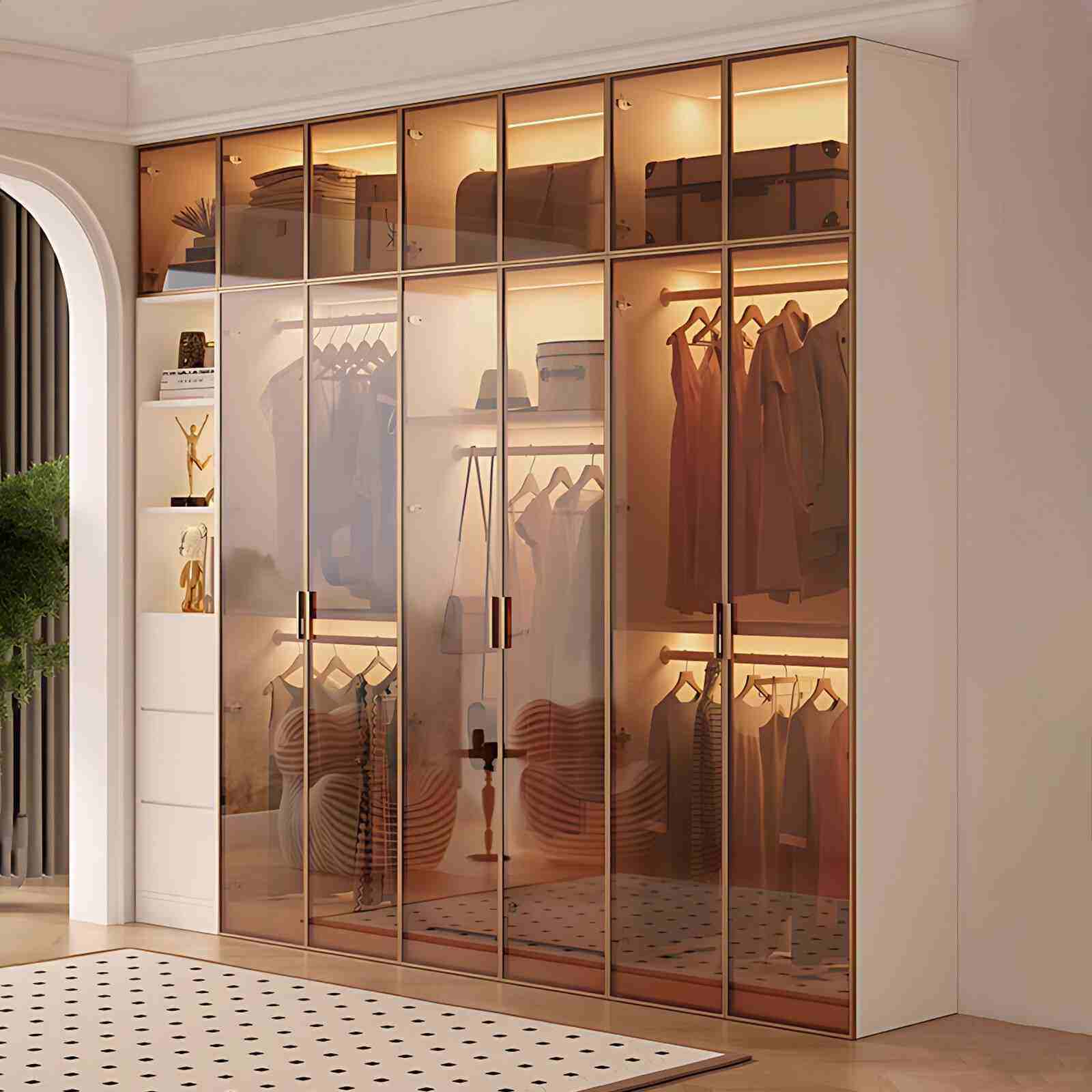
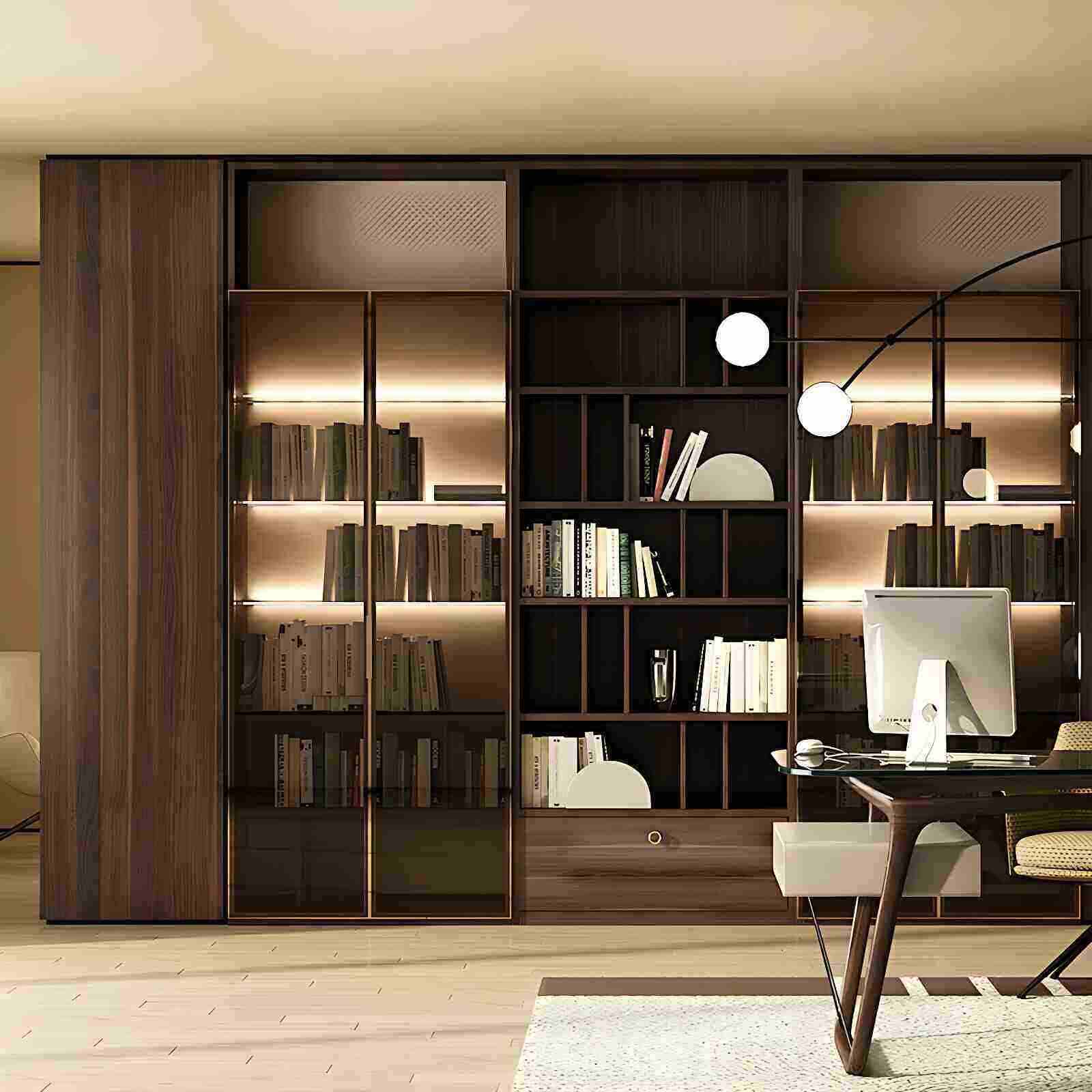

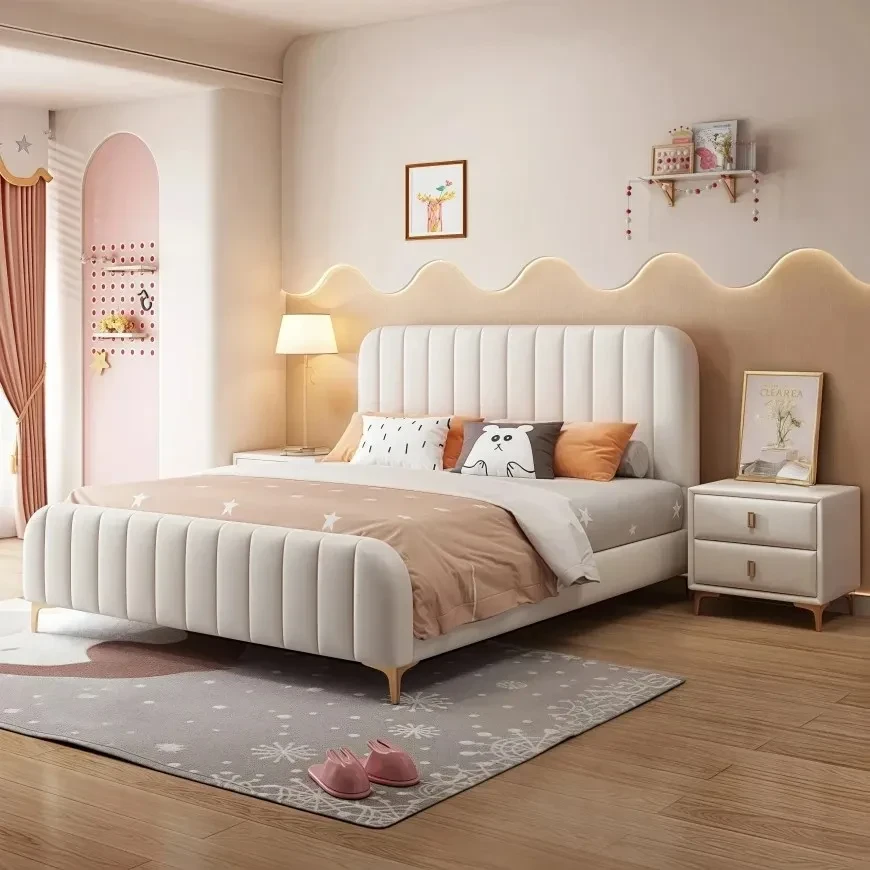
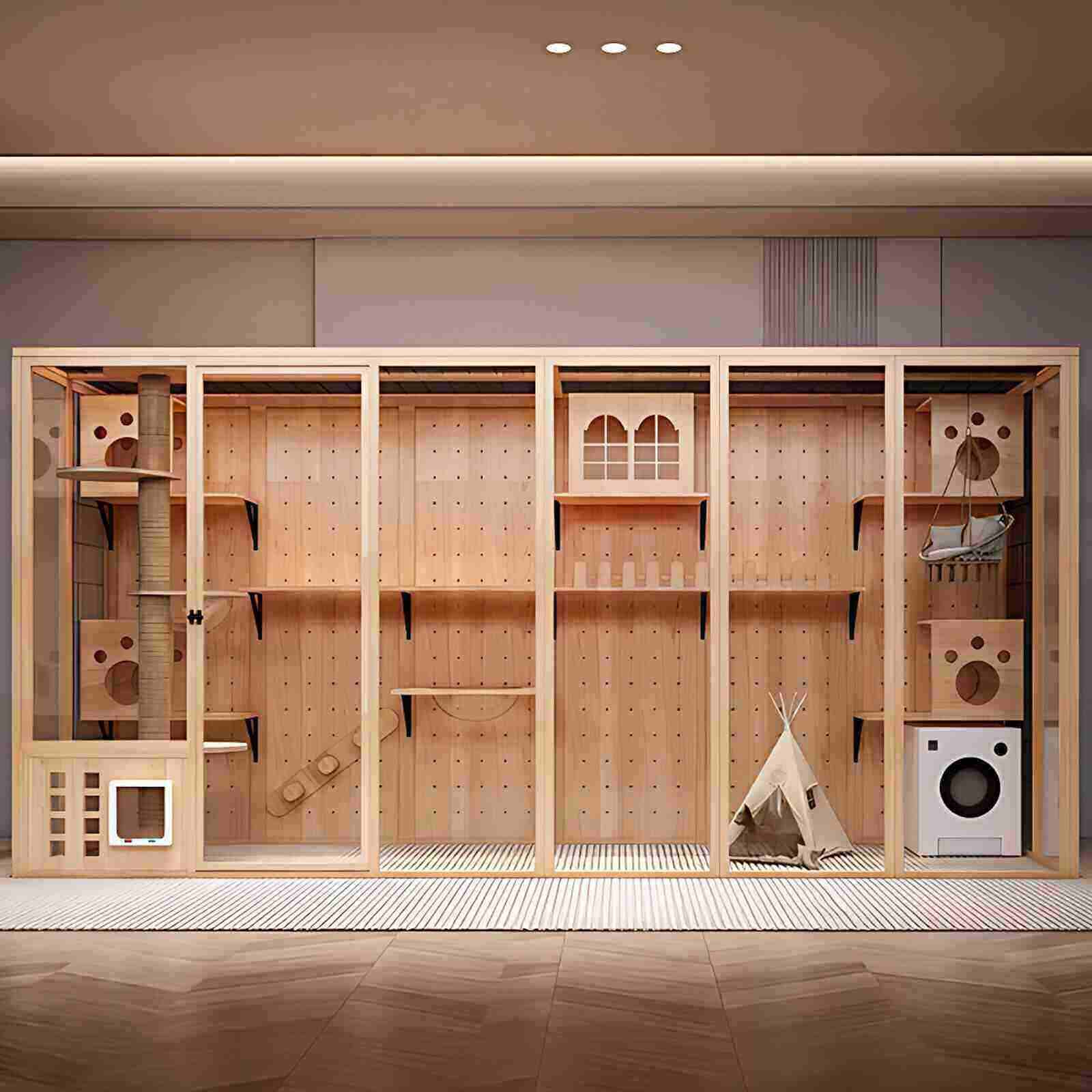
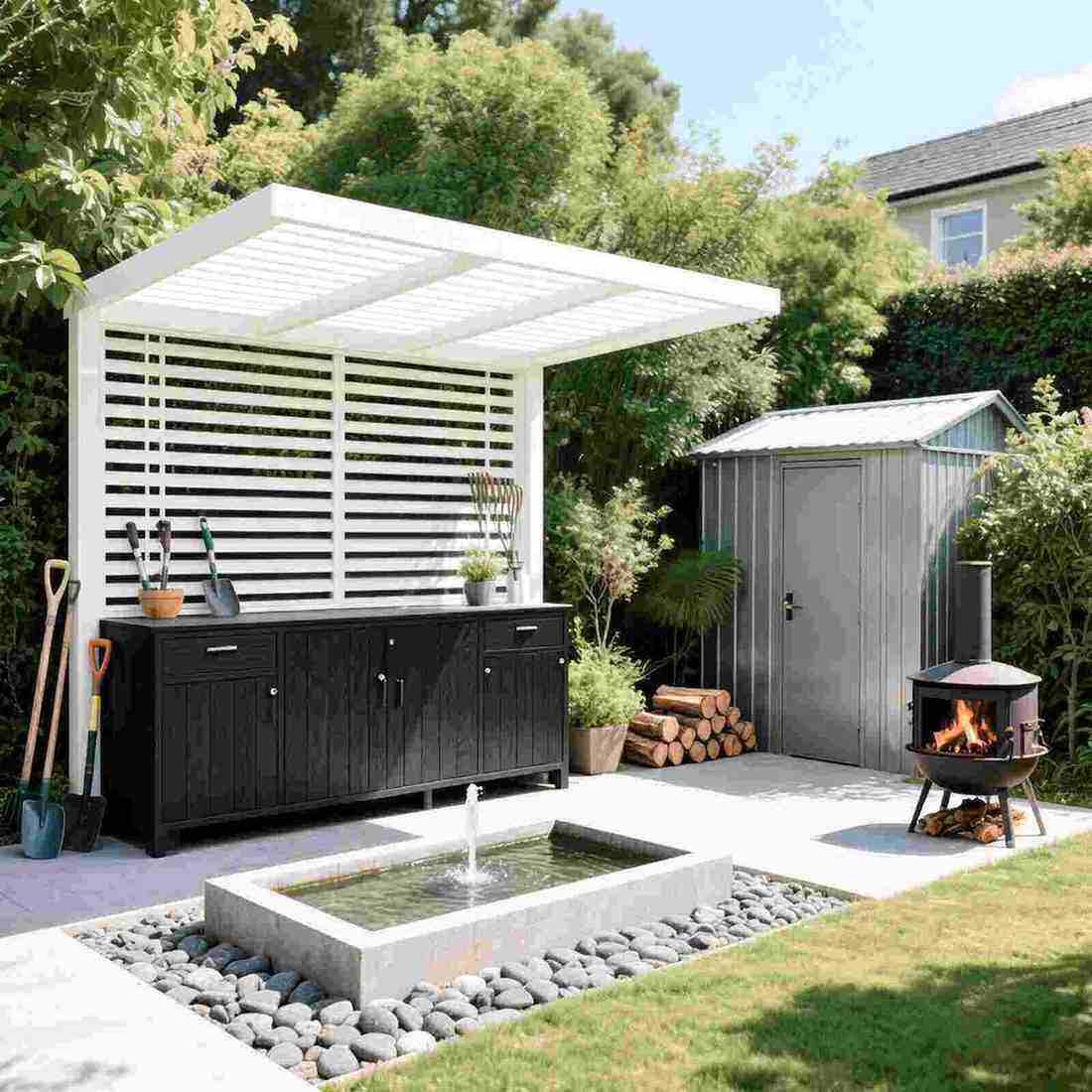
2019 was a year of strategic brand development and product innovation for our board industry. Leveraging years of accumulated expertise and strong product R&D capabilities, we launched a new cedar ecological board. This wood species is compact, with a smooth and lustrous surface after planing, and is moisture-proof and wear-resistant. The cedar series of ecological boards has moderate weight, strength, and density, low shrinkage, high stability, and is easy to nail.
Chinese cedar prefers sunlight and a warm, humid climate: an average annual temperature of 14-19℃ and an average annual rainfall of over 1000 mm. It is vertically distributed between 300-1000 meters above sea level. Chinese cedar has demanding soil requirements, preferring soils rich in parent materials such as limestone, purple sandstone, and shale. Due to geographical limitations, its growth cycle is long. Chinese cedar possesses excellent timber qualities, including hardness, straight grain, fine texture, resistance to decay and water, and a fine texture.
Manufacturing process
The core of the board is processed into standard square timber through multiple processes such as sawing, cutting, and sanding using modern intelligent equipment. Then, it undergoes seamless splicing of the boards and a second sanding treatment, involving 26 production processes to achieve an exceptionally smooth surface. Utilizing a fully kiln-dried process and ultra-high temperature biological formaldehyde removal technology, the product achieves advantages such as high environmental friendliness and strong nail-holding power.
Features
1. Cedar wood is light and tough: When evaluating the quality of wood, density and strength are important standards. The greater the strength and the lighter the density, the better the quality. Lightness and toughness are the greatest advantages of cedar wood.
2. It does not warp, curl, or deform: Because of its low shrinkage coefficient, cedar wood does not warp, curl, or deform.
3. Moisture-resistant and moisture-proof: Dried cedar wood does not easily absorb moisture and humidity, and has a high degree of preservation.
4. Fire-resistant, corrosion-resistant, acid and alkali-resistant: Cedar wood has a lower thermal conductivity than other woods. While the combustion point of ordinary wood is around 270 degrees Celsius, the combustion point of cedar wood is as high as 425 degrees Celsius, which is a rare characteristic.
5. Chinese cedar wood is of high quality and has a wide range of uses. It is one of the lightest woods in my country, with a density as high as 460 kg/m³ and an air-dry density of 0.23-0.40 g/cm³, which is about 40% lighter than ordinary wood. It has good material properties, is easy to saw and plane, produces a smooth surface with the grain, dries quickly, and has minimal deformation. Its fibers are about 1.49 mm long, making it an ideal raw material for fiberboard, plywood, and eco-friendly boards.
advantage
The finished board surface is very smooth, with a high-end and elegant texture, making it both practical and aesthetically pleasing. It also boasts excellent waterproof and moisture-proof properties, as well as wear and scratch resistance, resulting in a long service life and higher cost-effectiveness compared to other boards. Its performance in all aspects is stable and durable, and its processing performance is also good. It can be further processed using techniques such as nailing, drilling, and planing, yielding excellent results. Its raw materials have excellent environmental performance, making it a green and environmentally friendly board.
The most crucial factor in wood panel production is moisture content, which determines its stability. While this varies depending on the environment, cedar and Malacca wood have more stable moisture content than fir. For example, in cold northern regions, fir core boards may crack and warp. Cedar and Malacca wood, on the other hand, adapt better to the same dry and cold climate. For the same volume, cedar is heavier than Malacca wood, with a density 13-50% higher and greater strength. Cedar trees typically grow to a diameter exceeding 30cm, while Malacca wood averages 15cm. Therefore, cedar wood offers the best overall performance.
Main uses
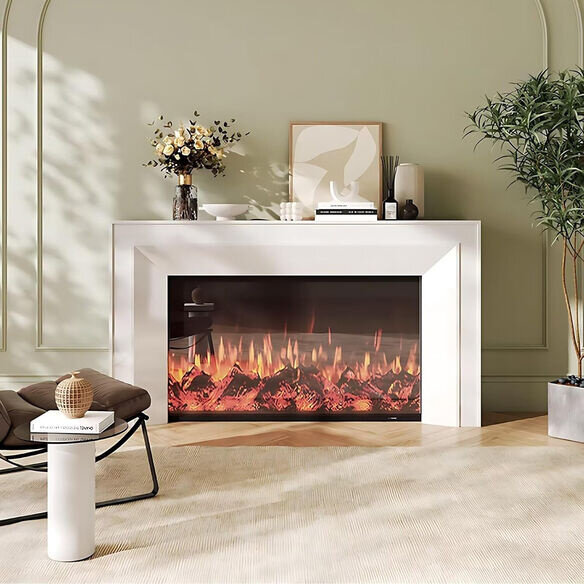
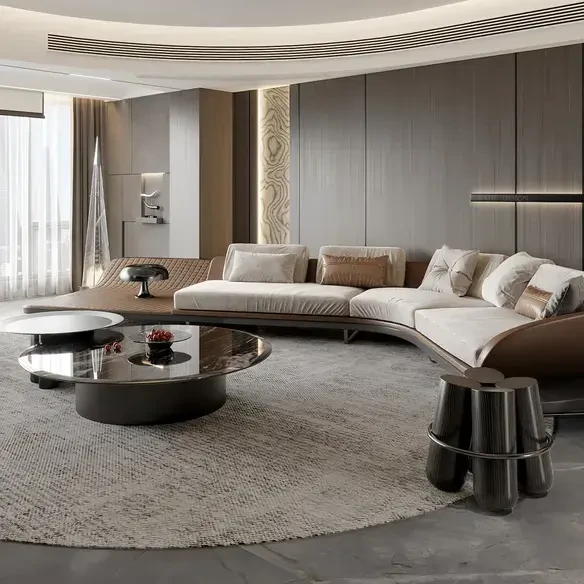
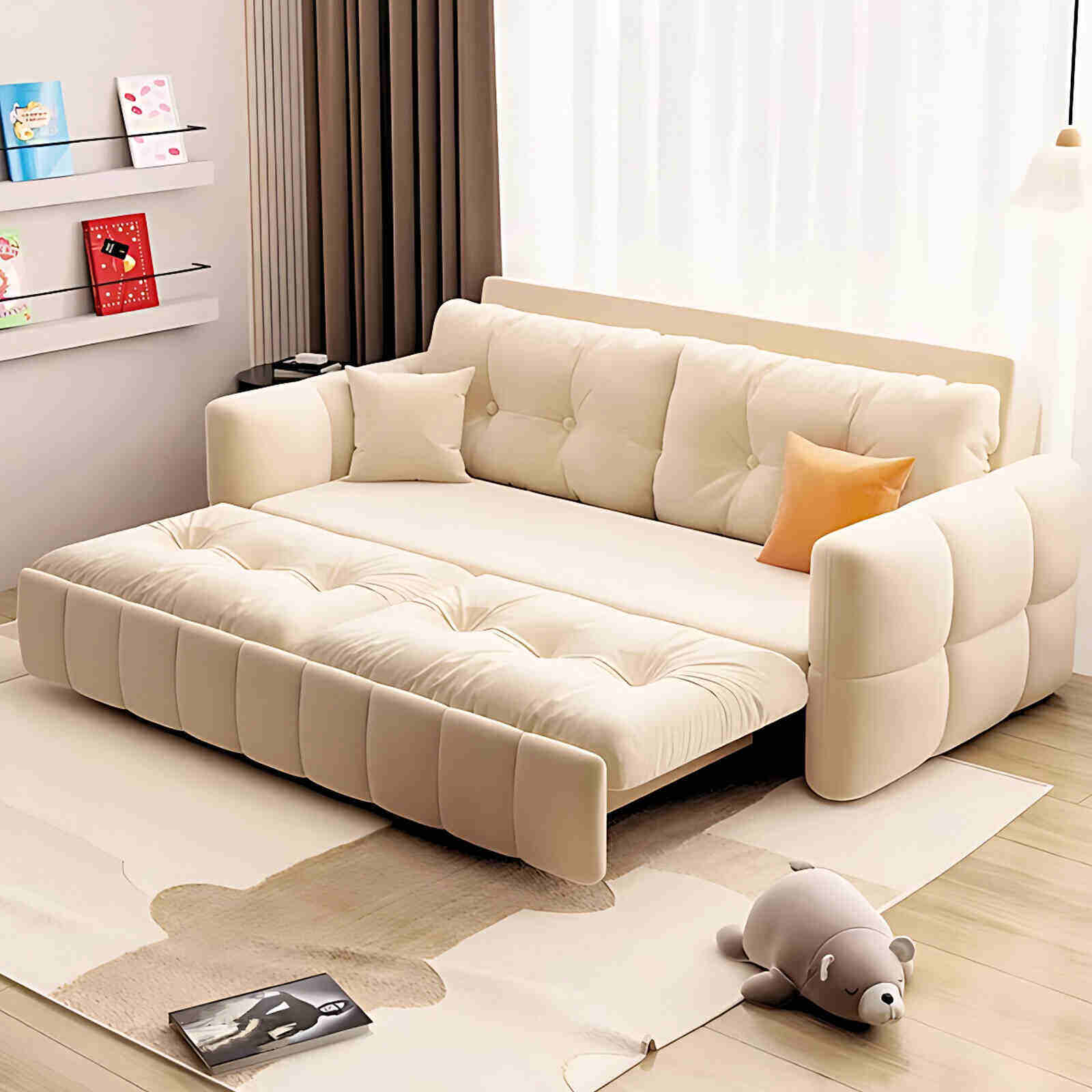
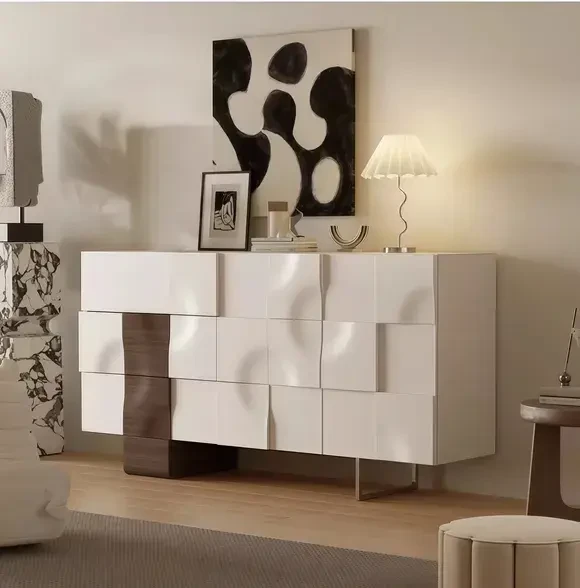
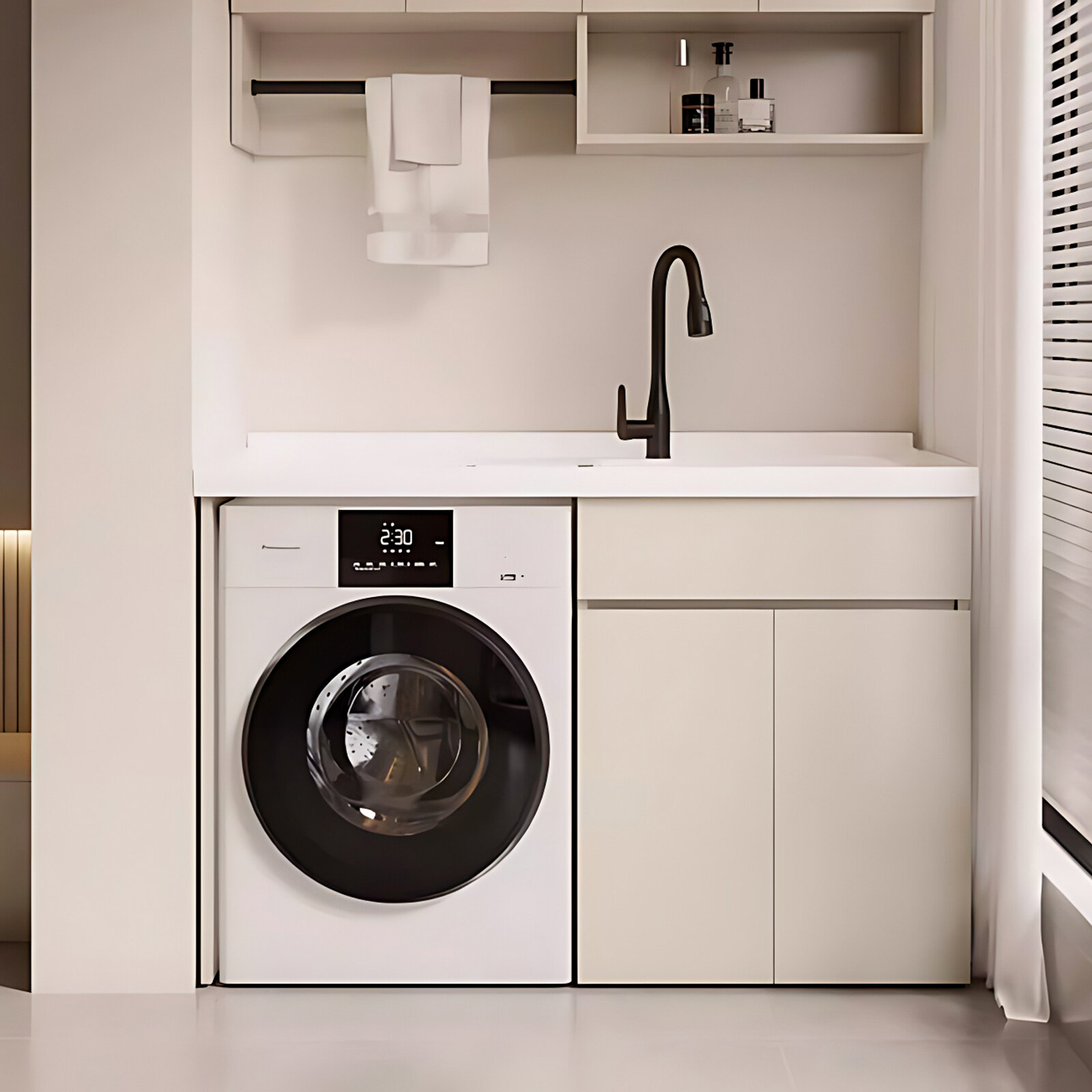
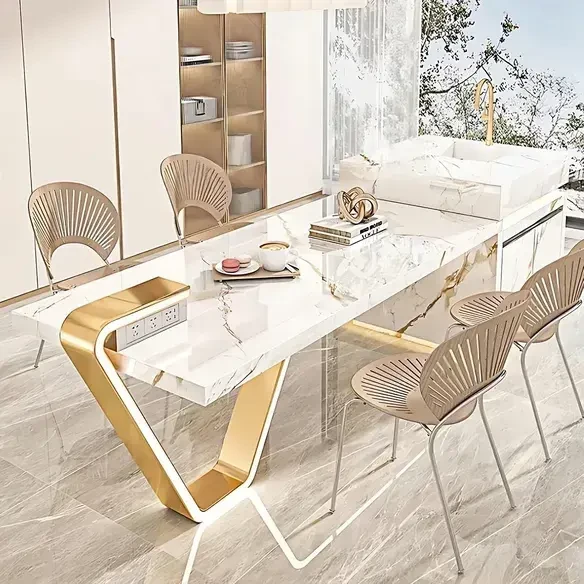
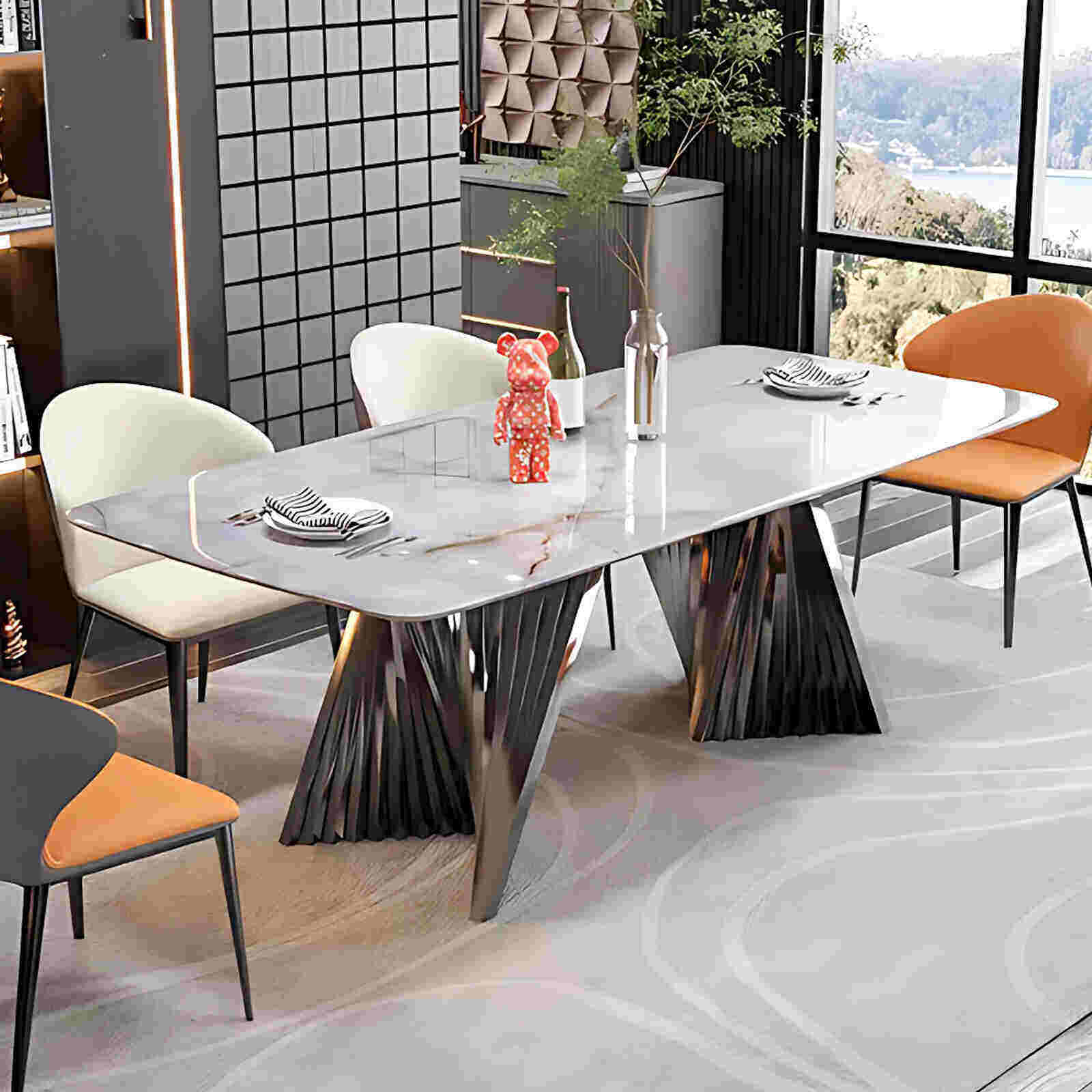
It can be used in dressing rooms, wardrobes, wall decorations, ceilings, closets, bookcases, tables and chairs, shoe cabinets, bathroom cabinets, wine cabinets and other interior furniture.