
 USD
USD GBP
GBP
 EUR
EUR
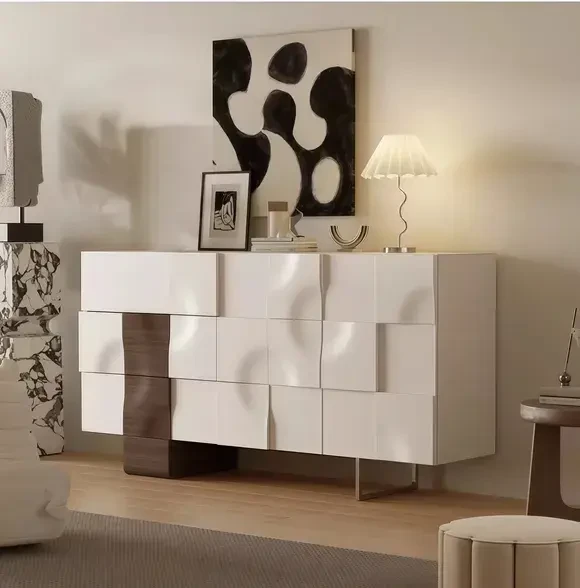
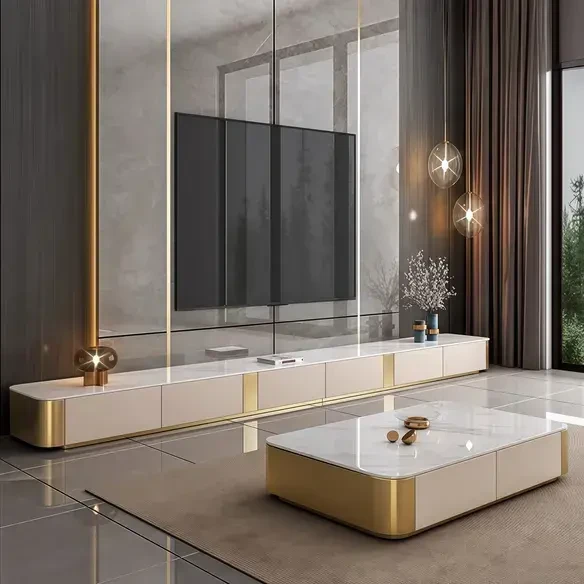
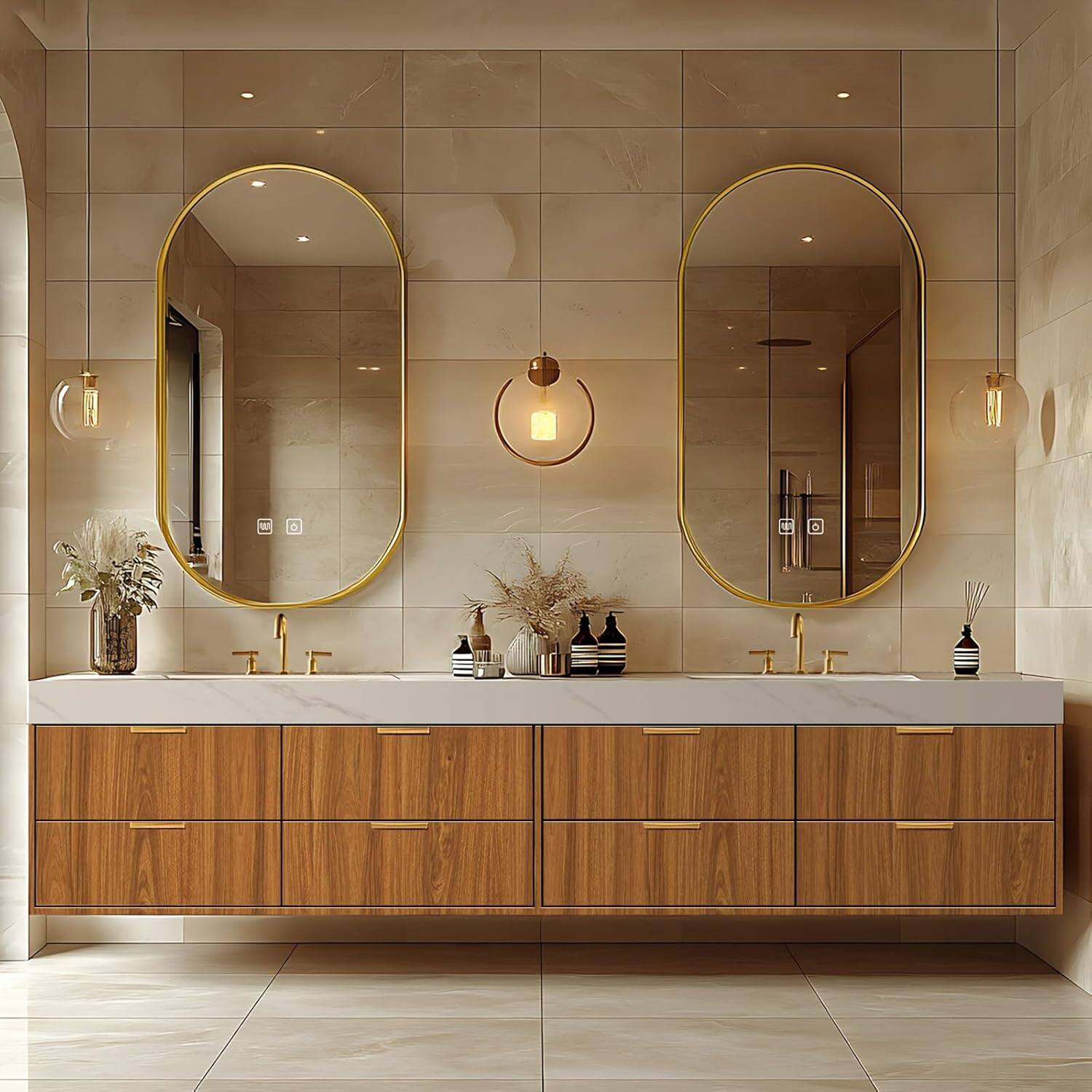
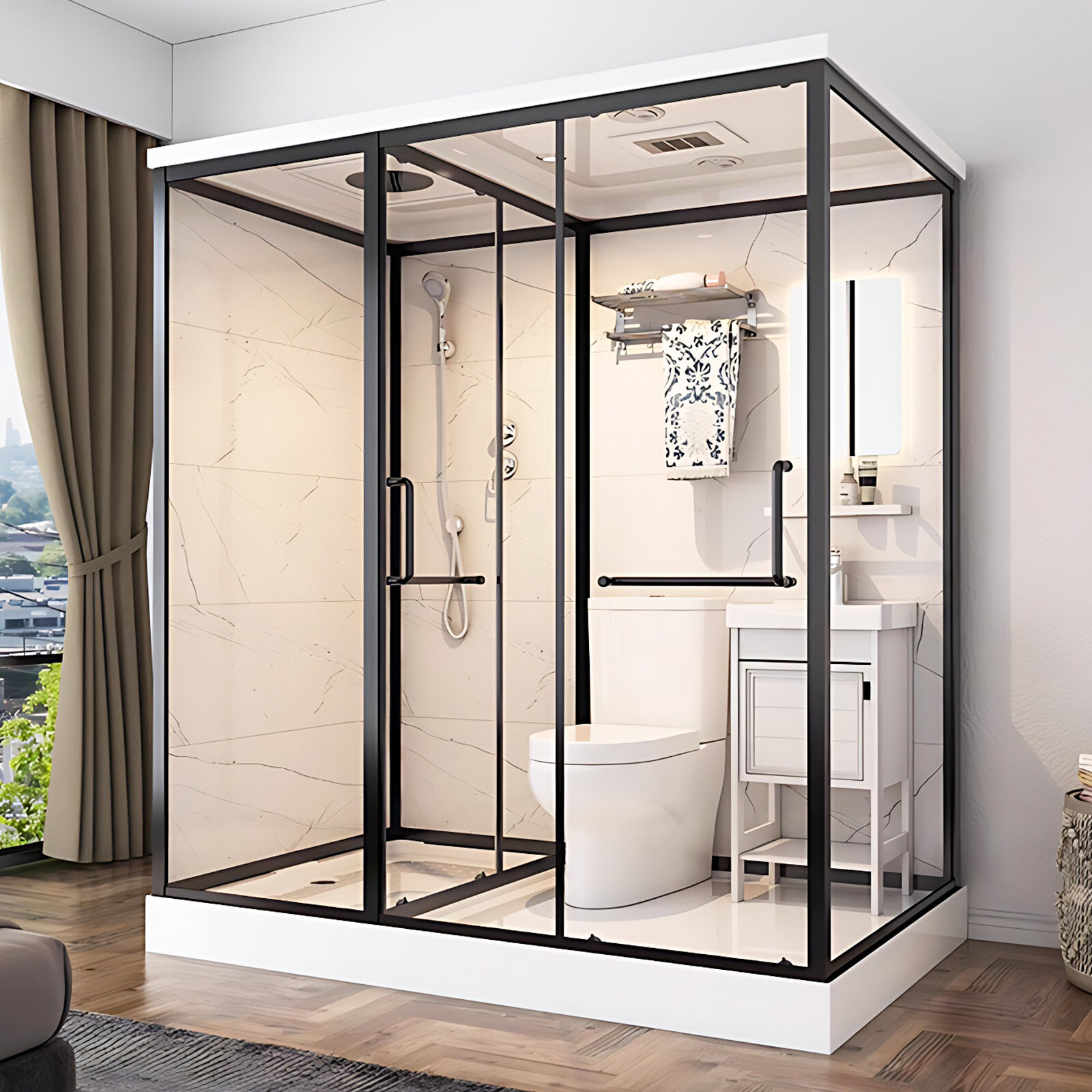
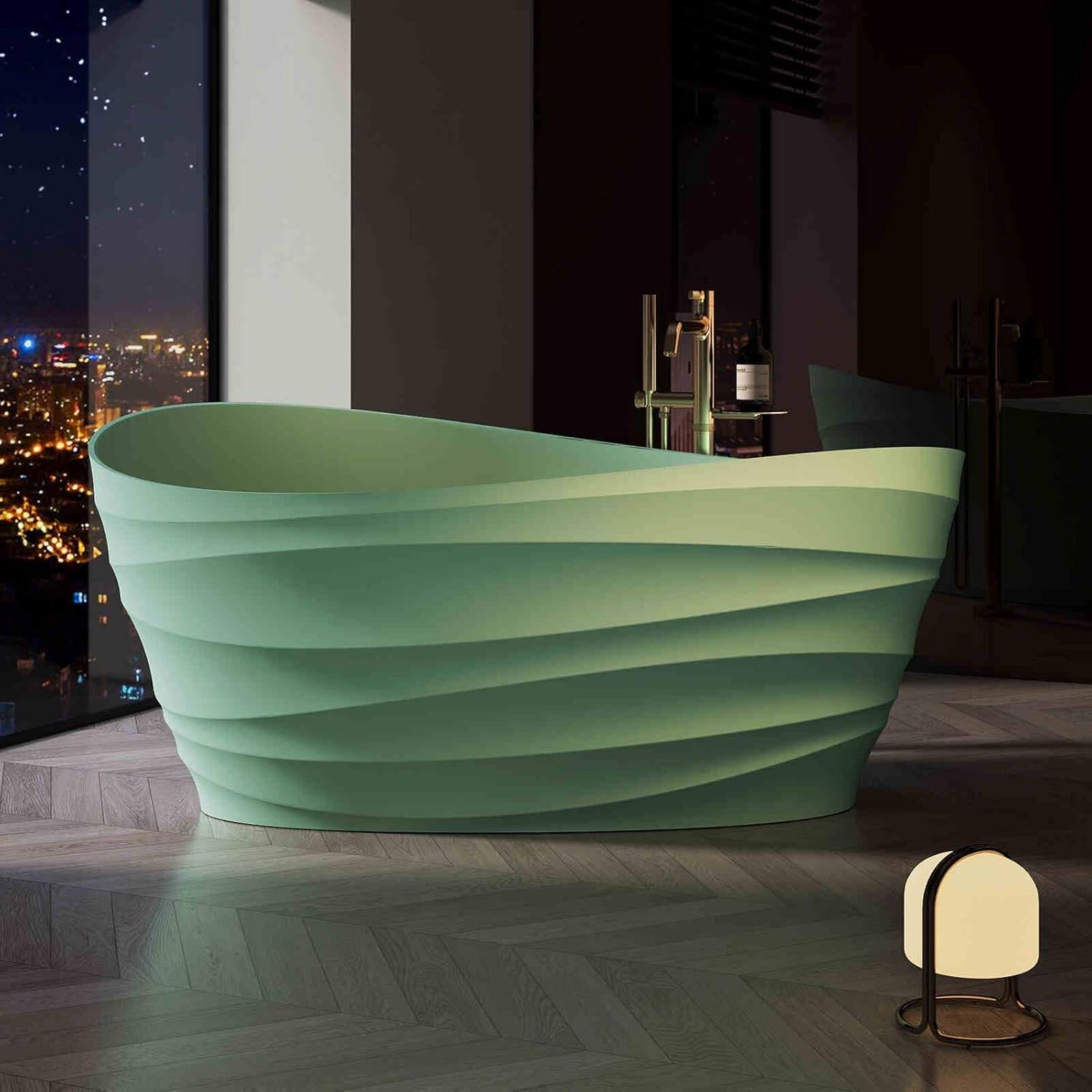
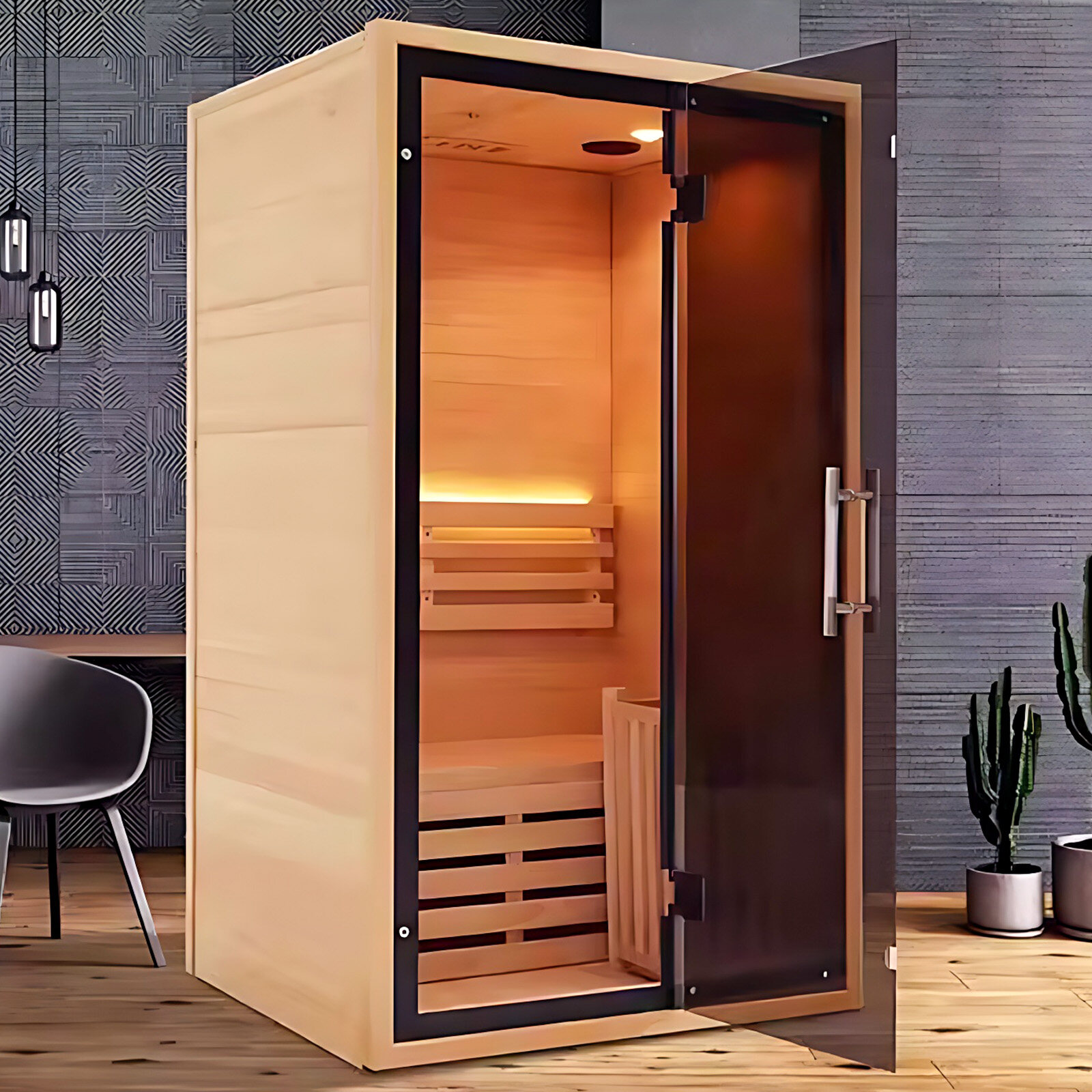
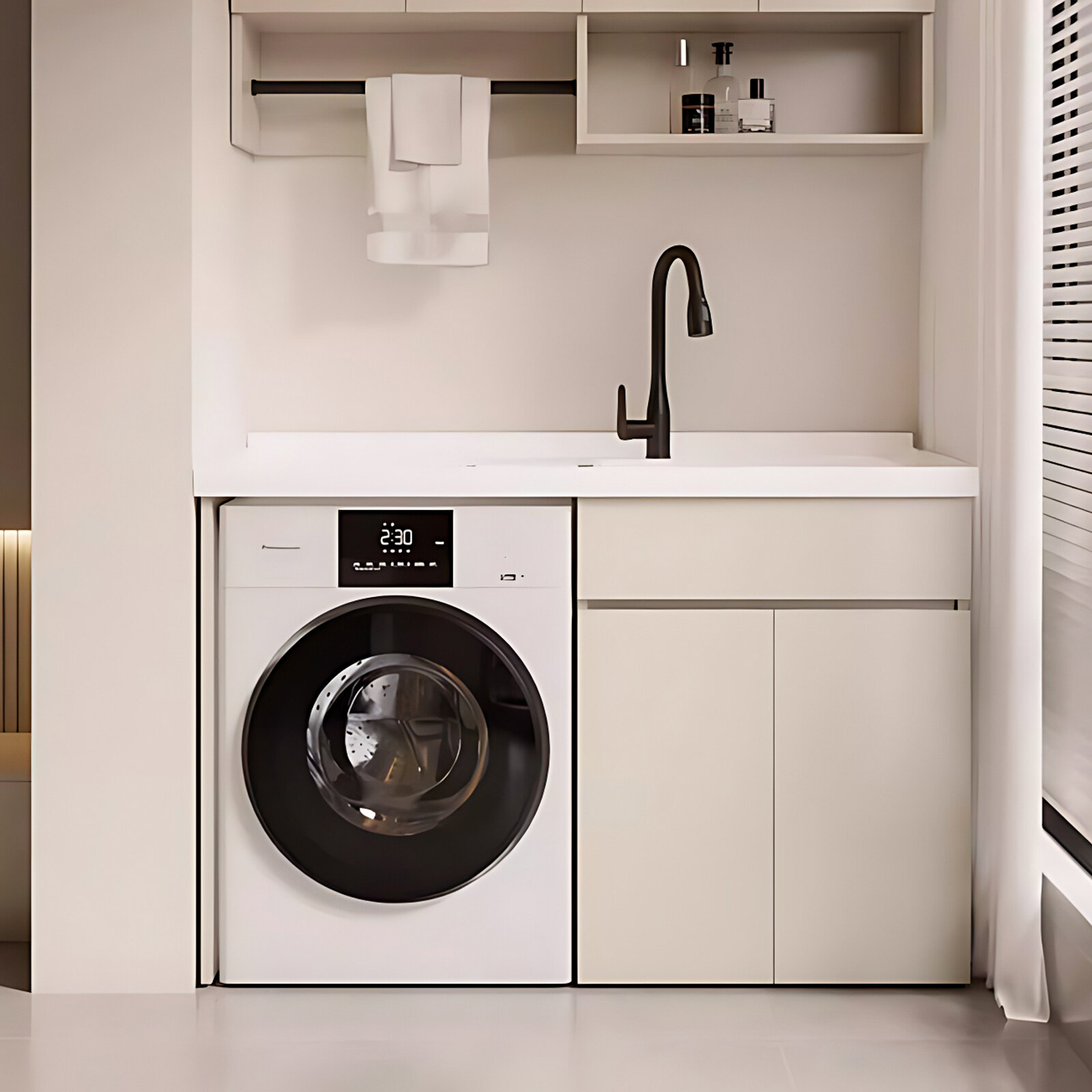
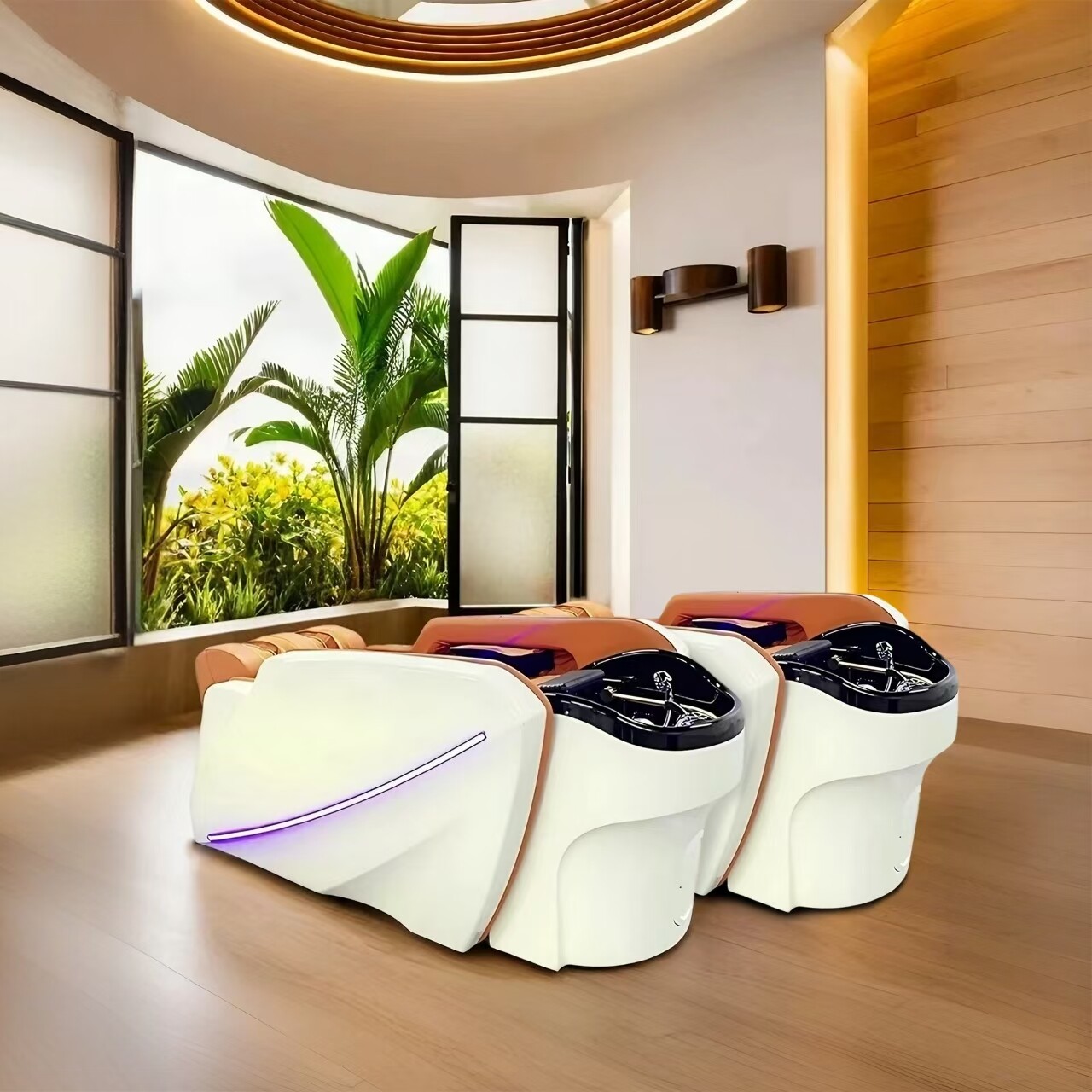
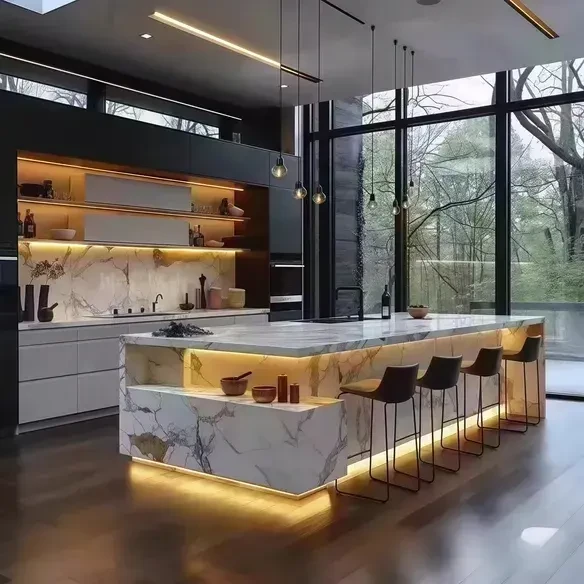
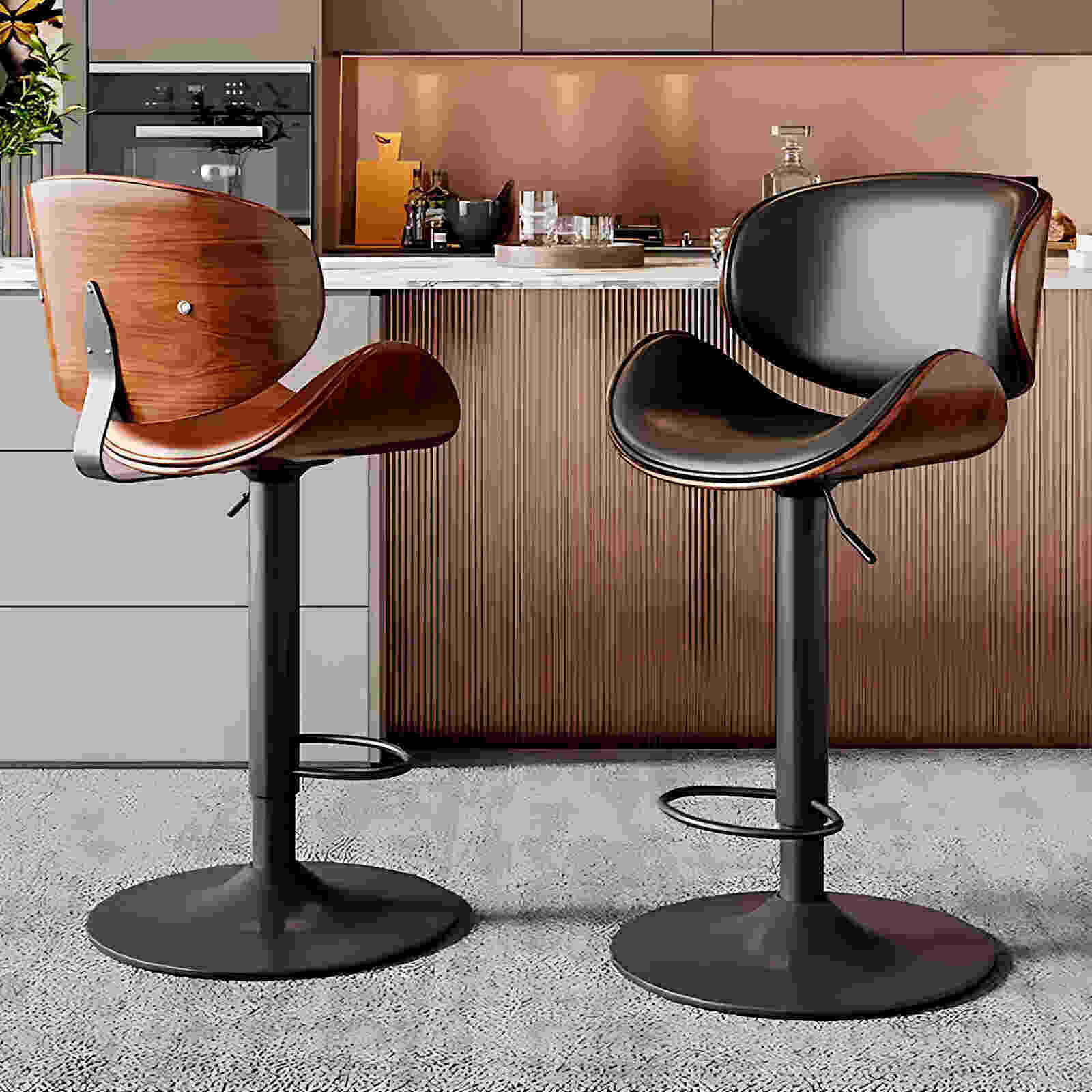
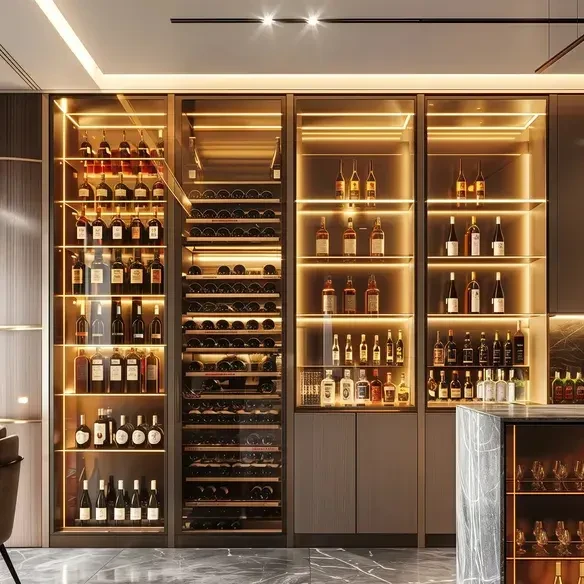
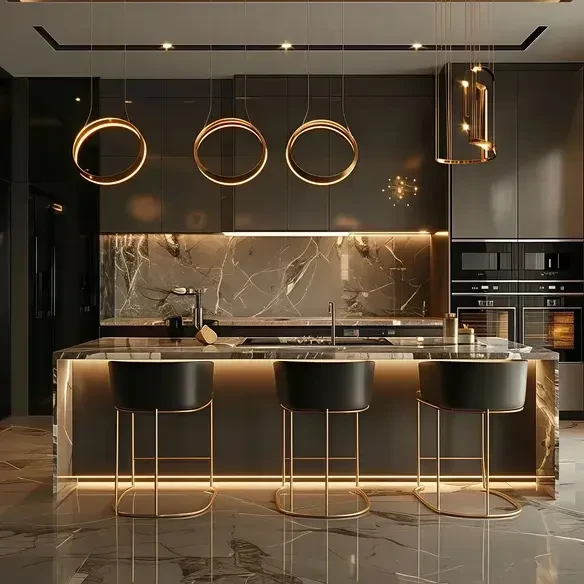
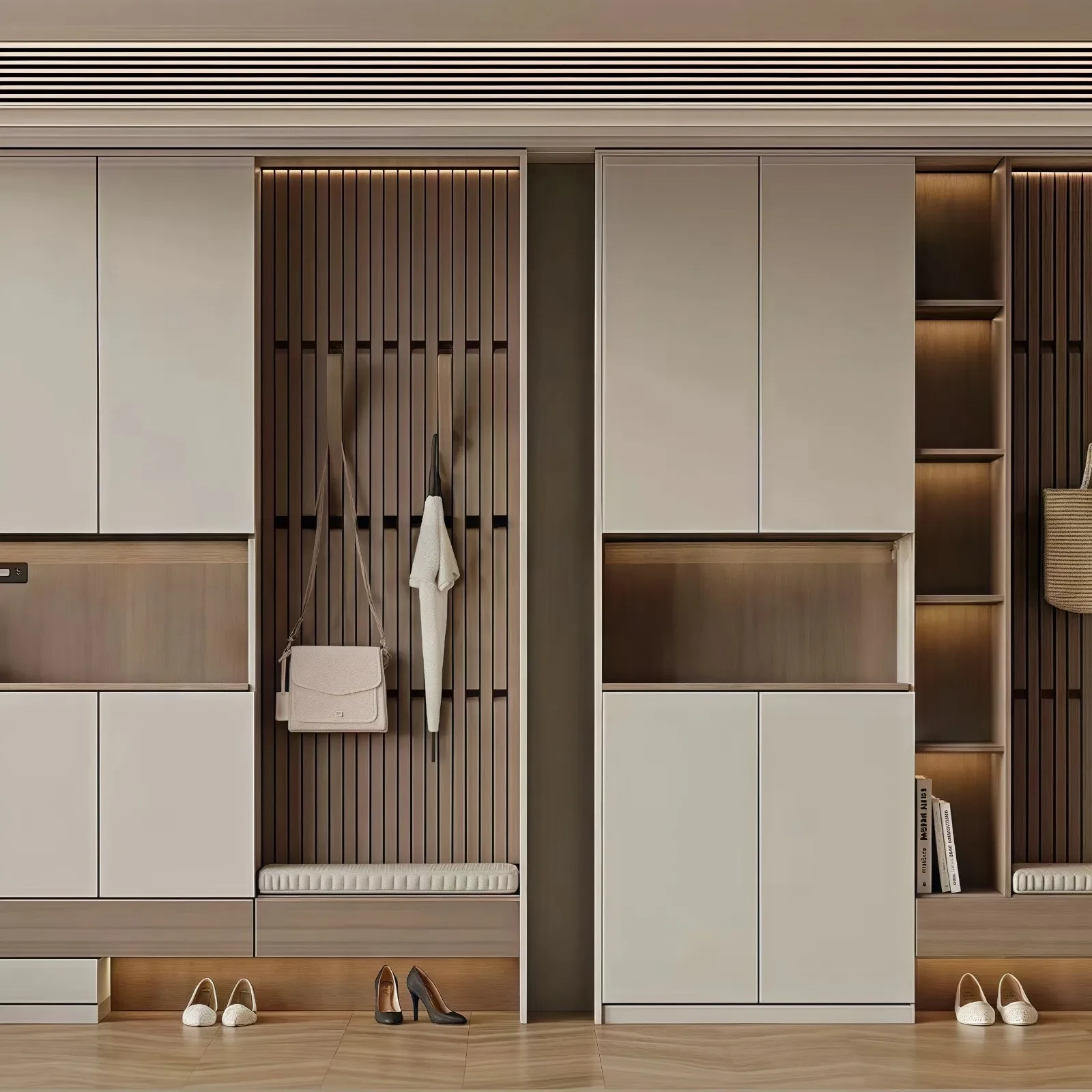
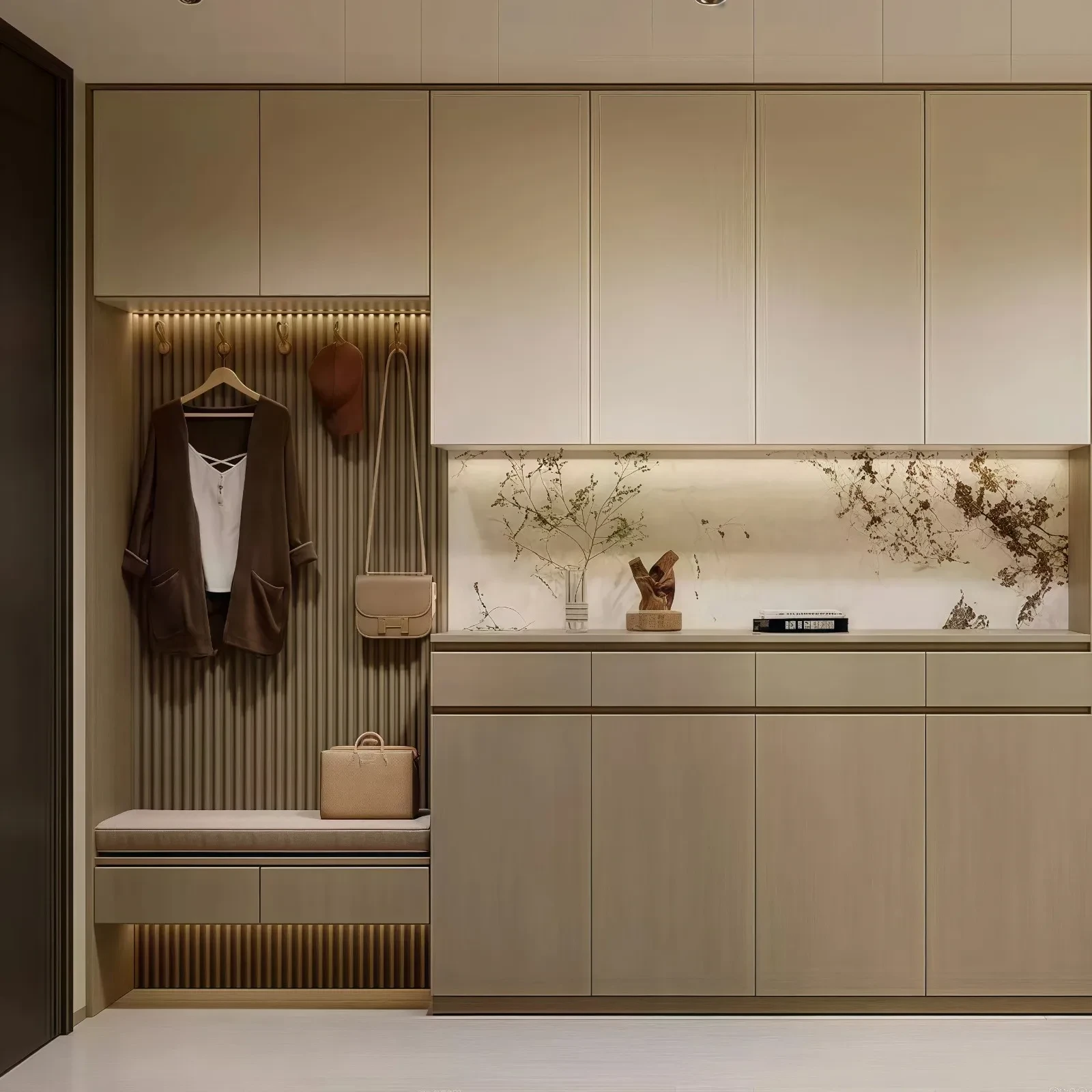
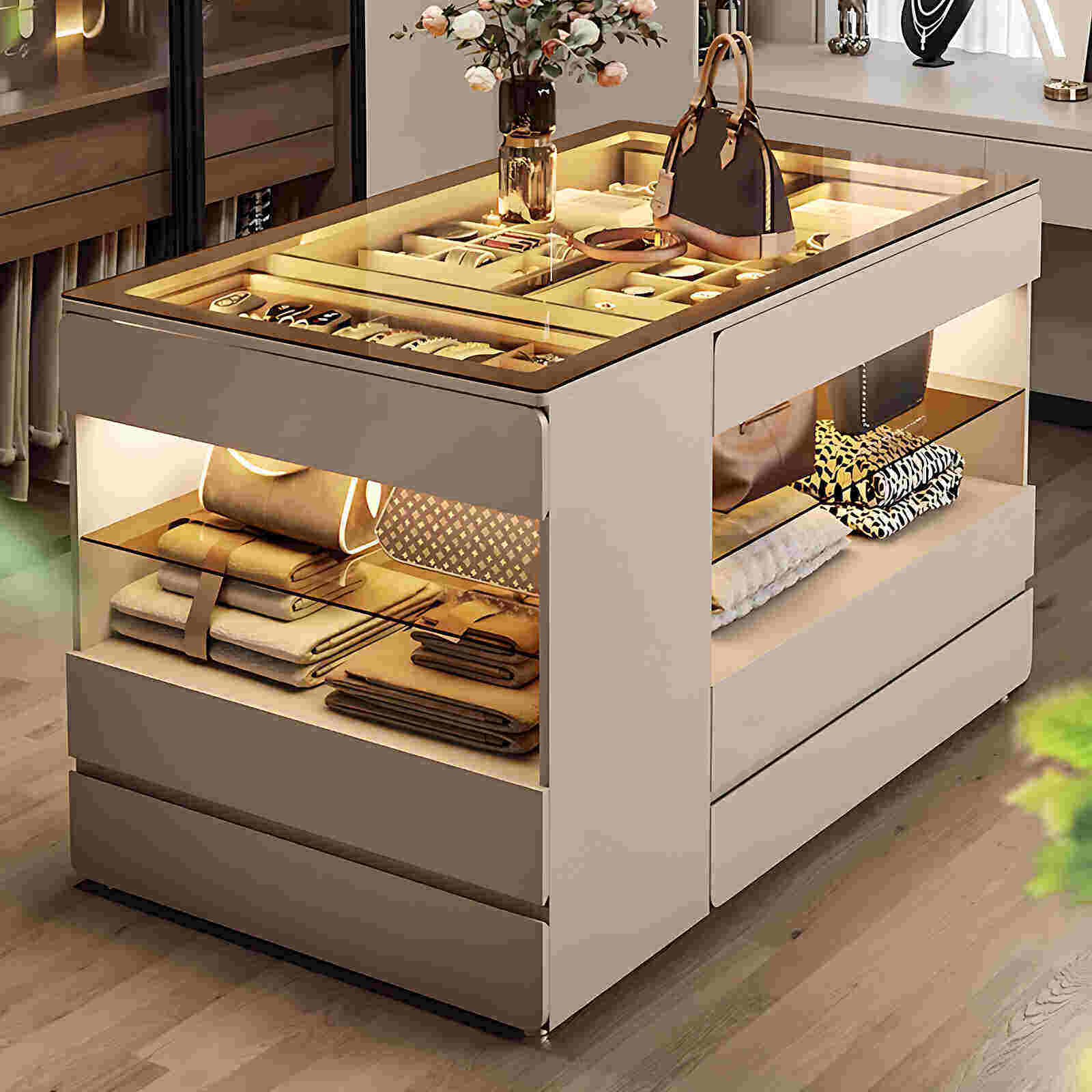
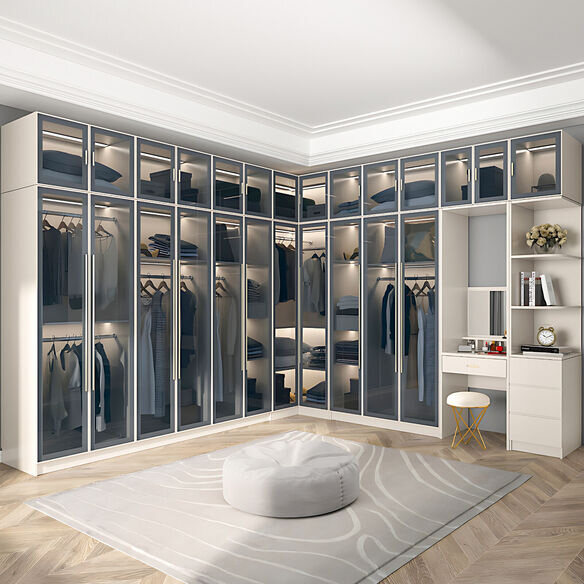
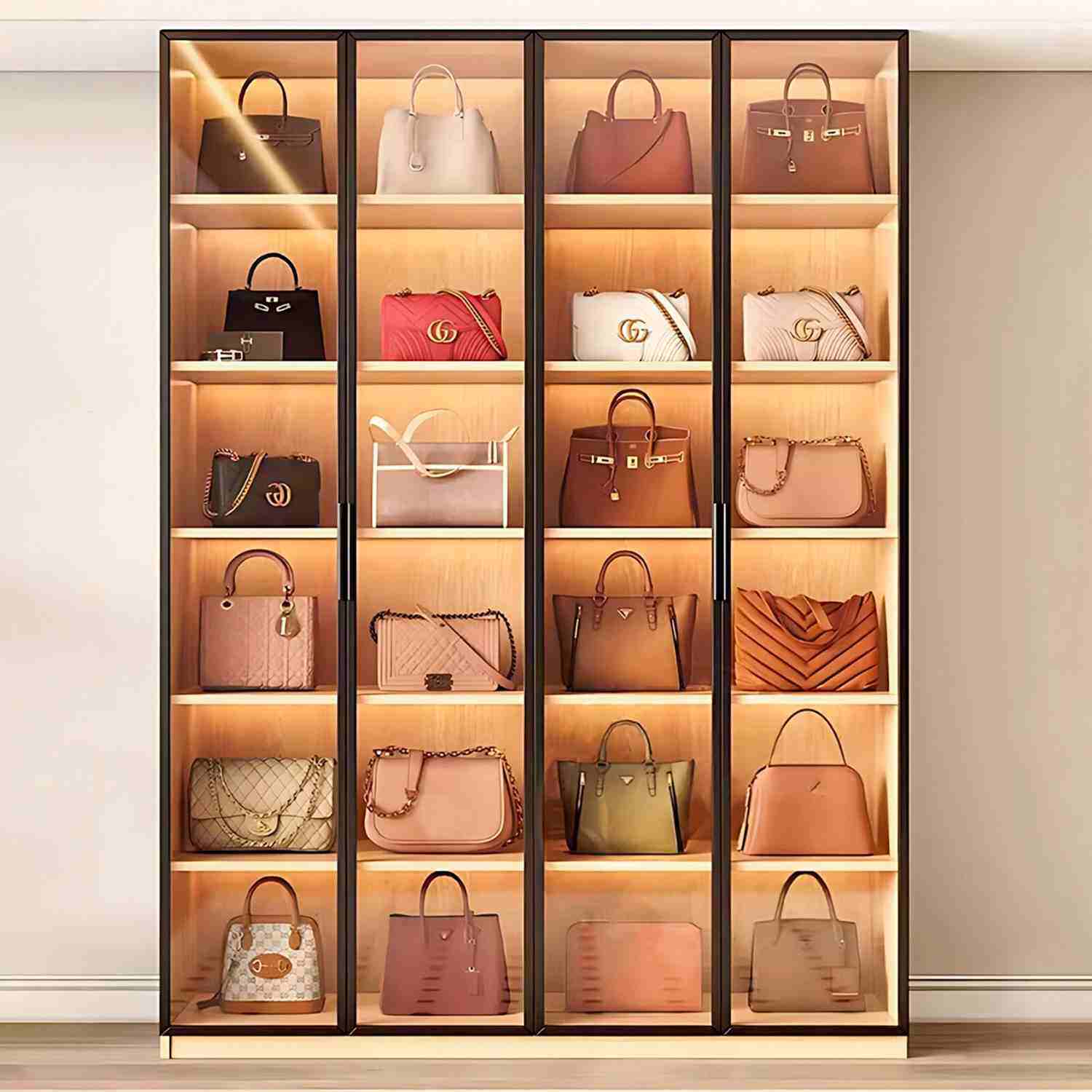
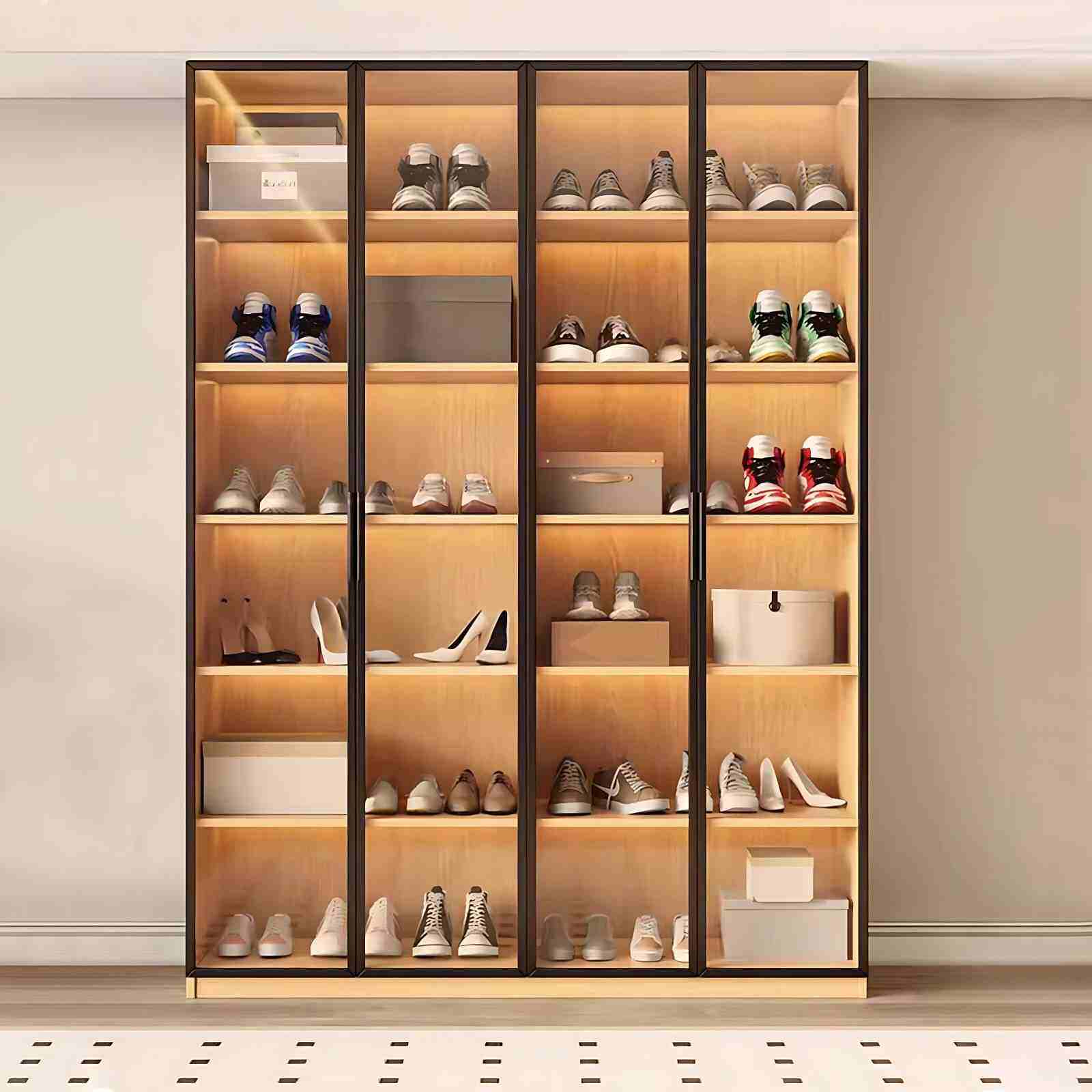
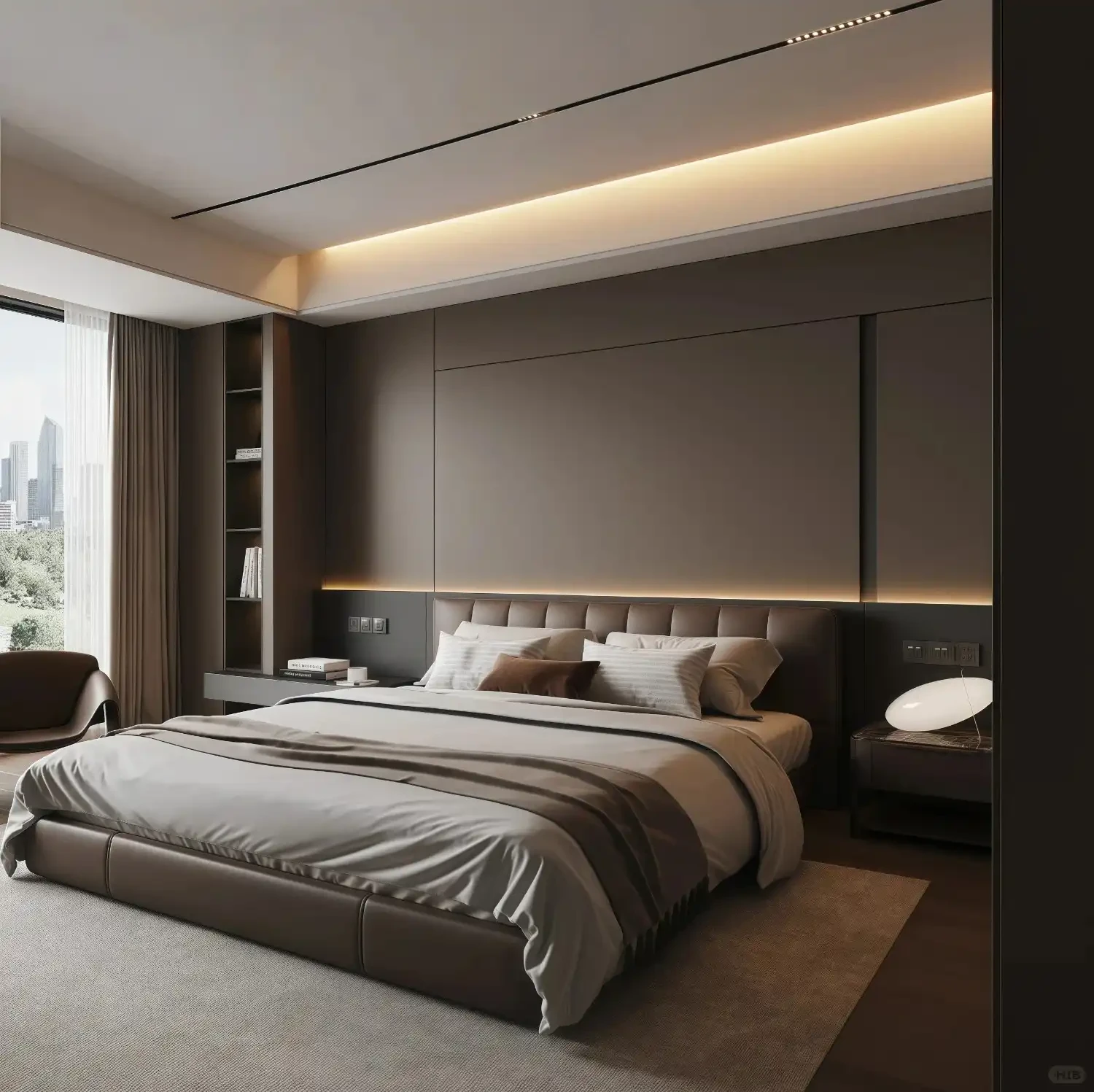
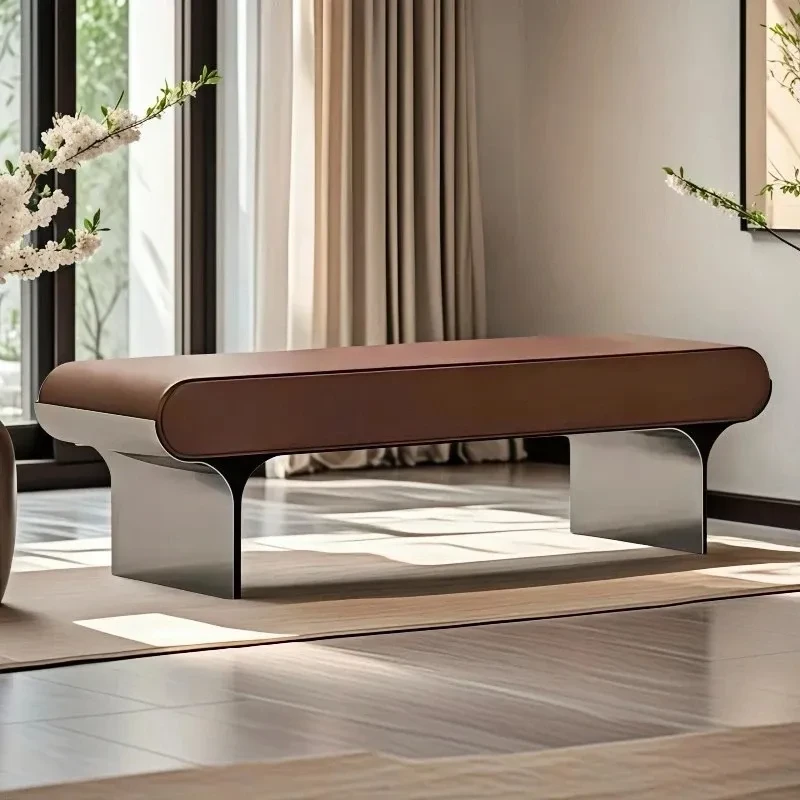
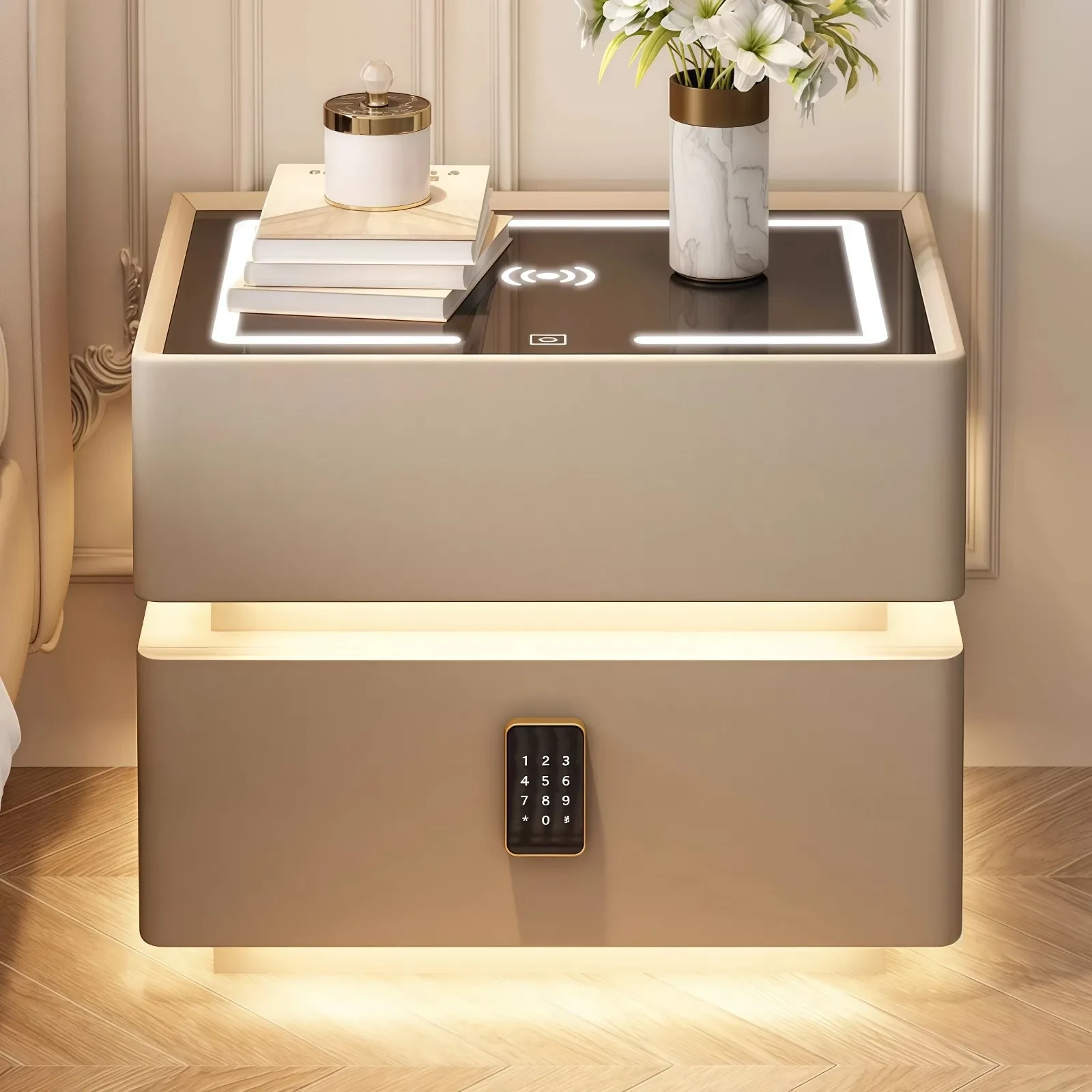
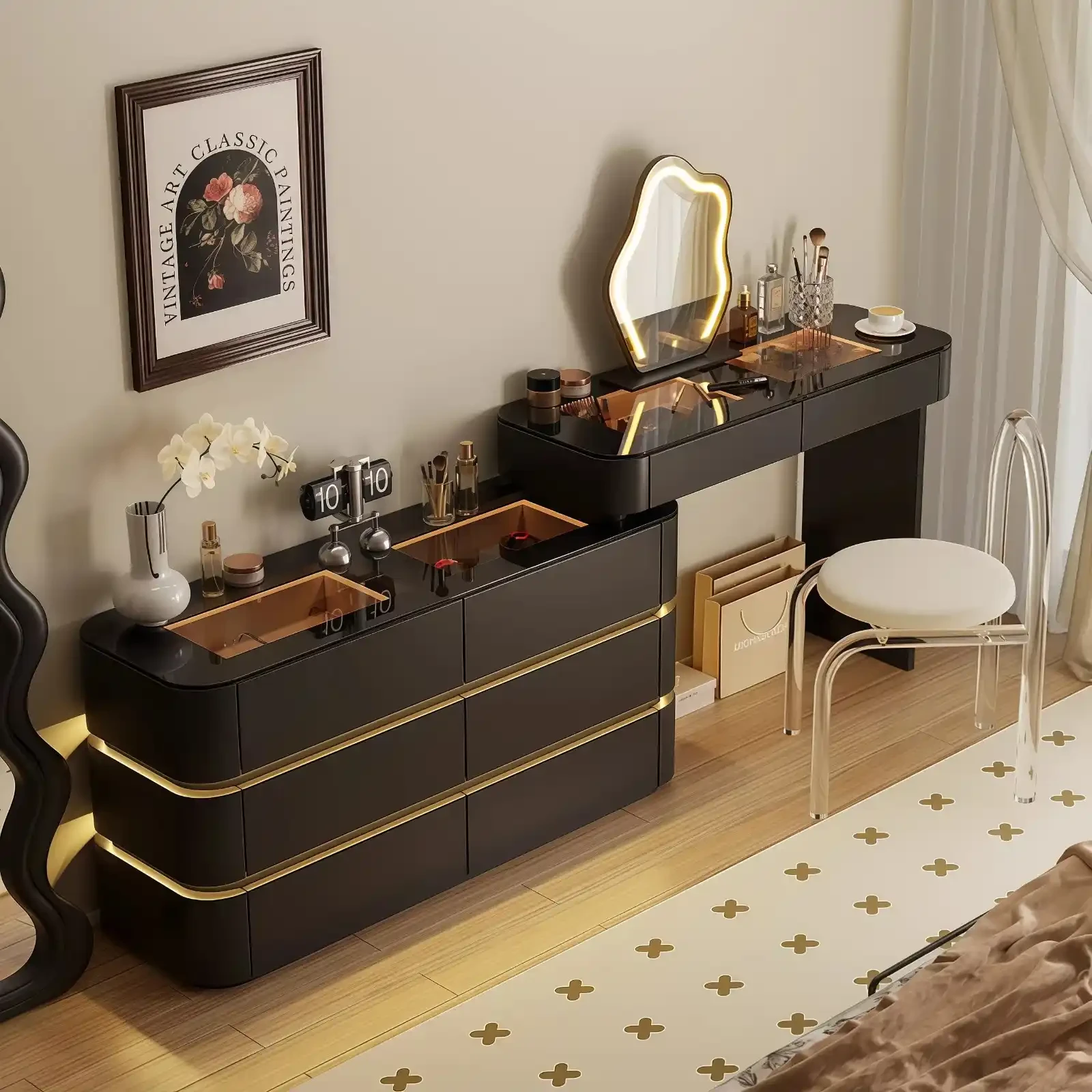
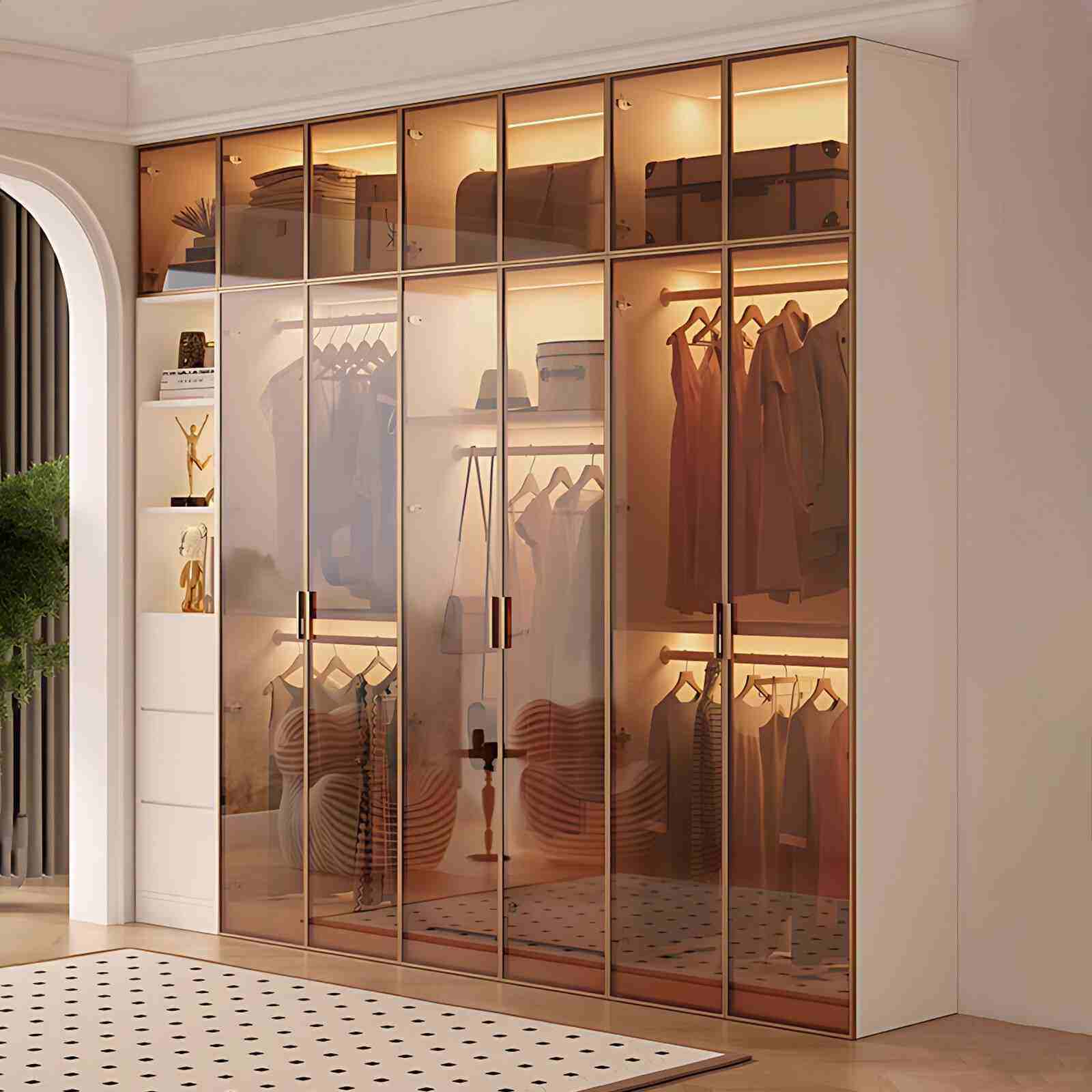
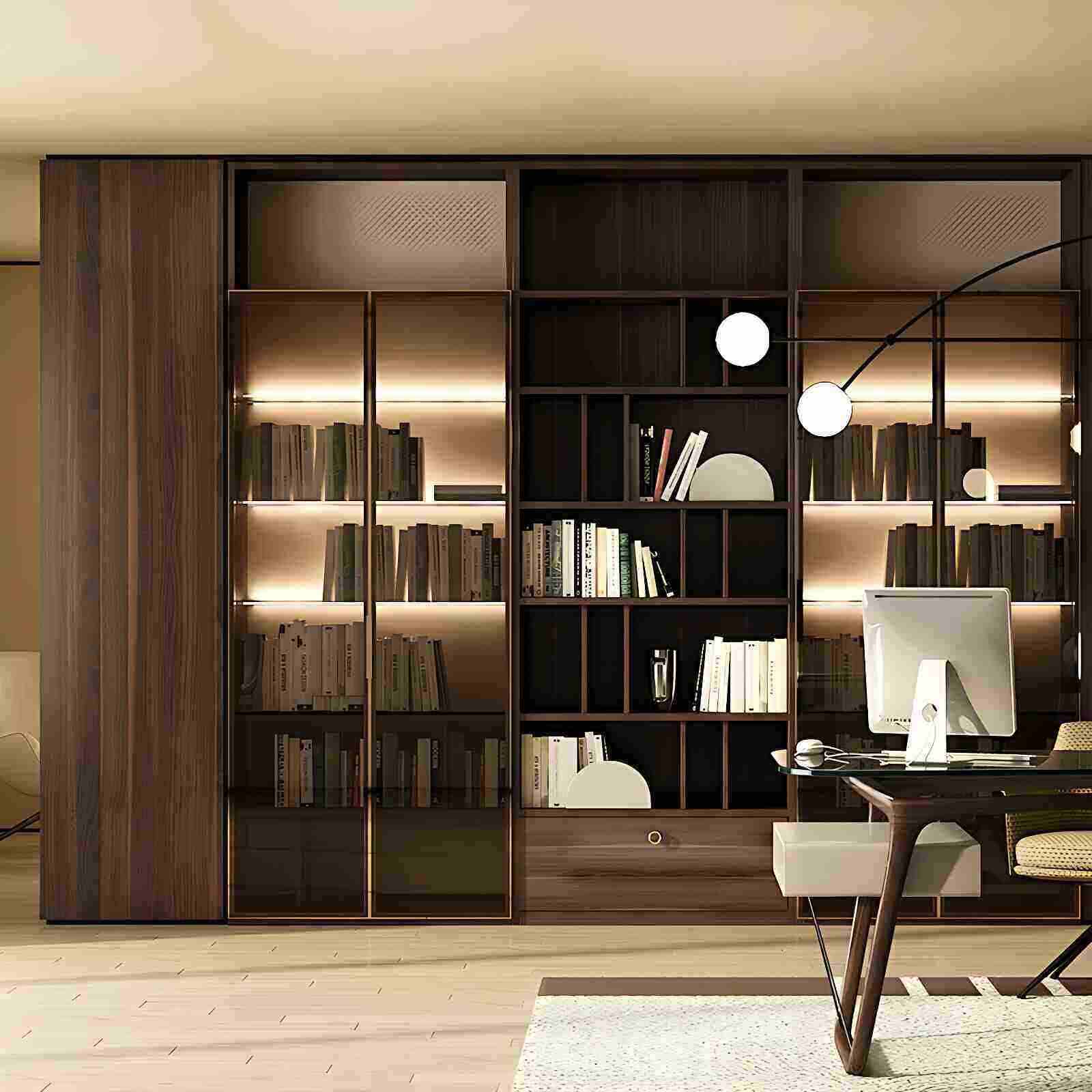
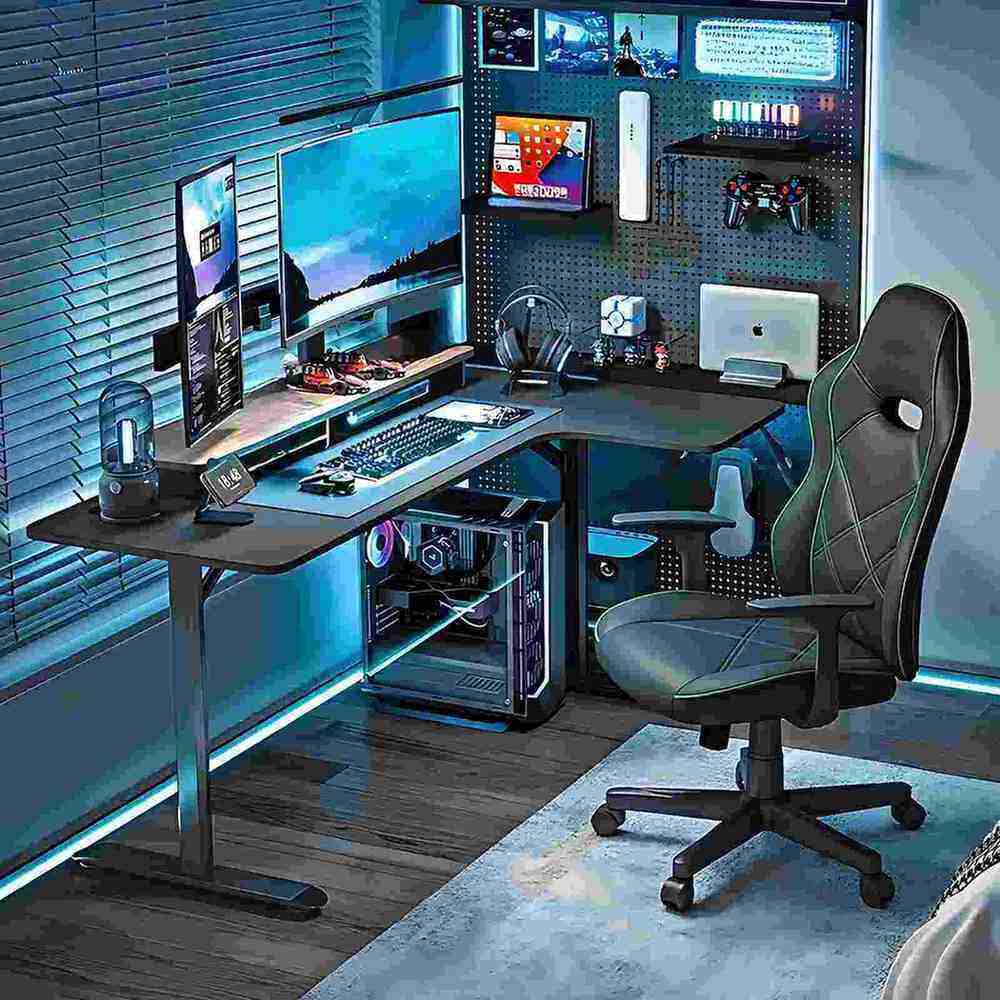
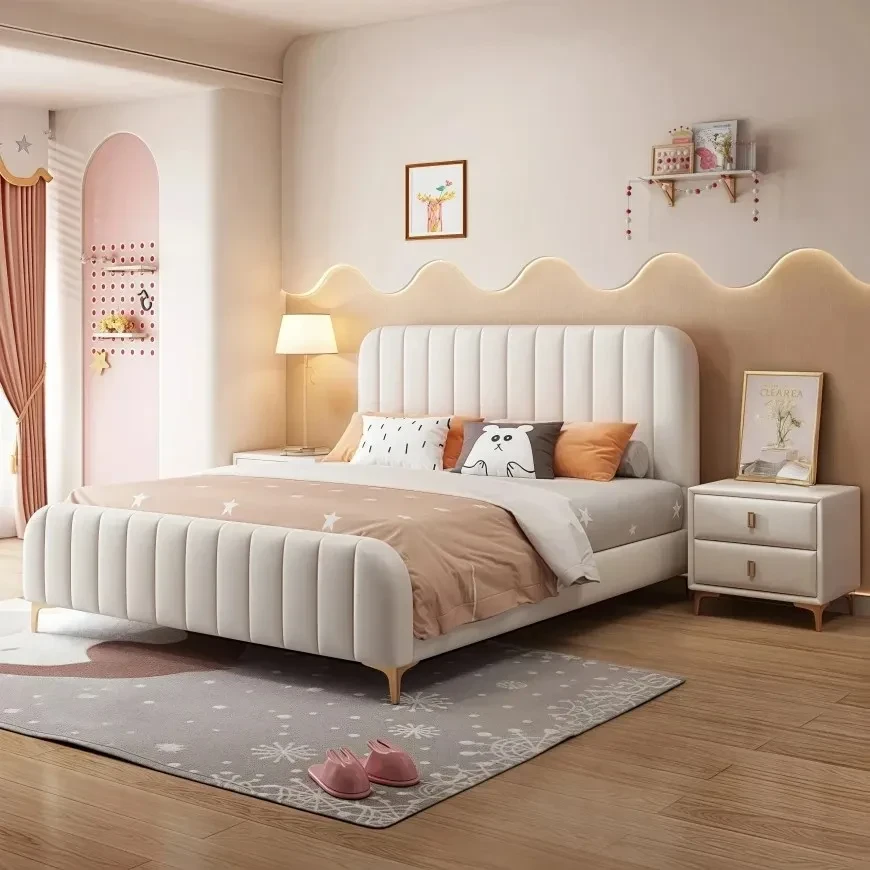
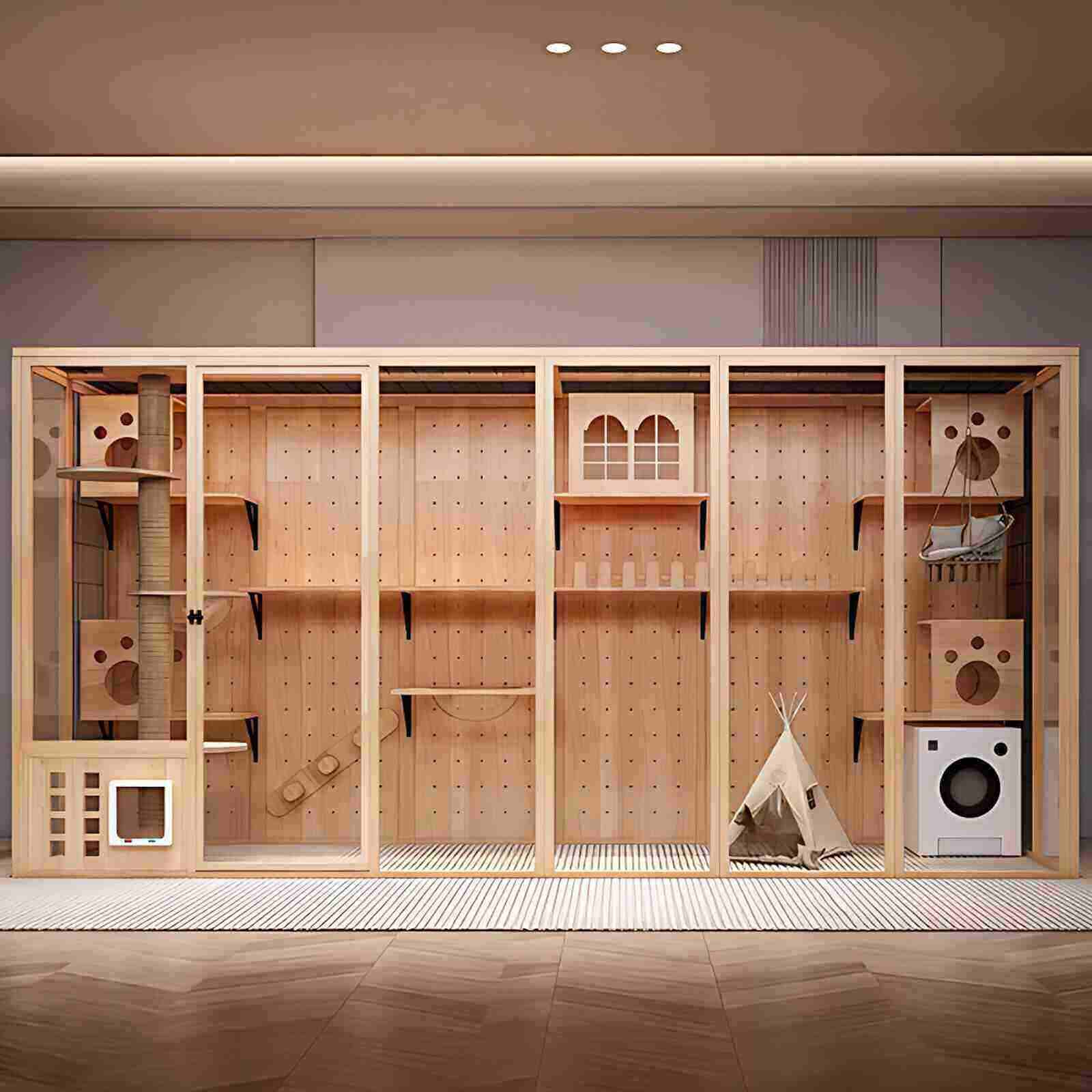
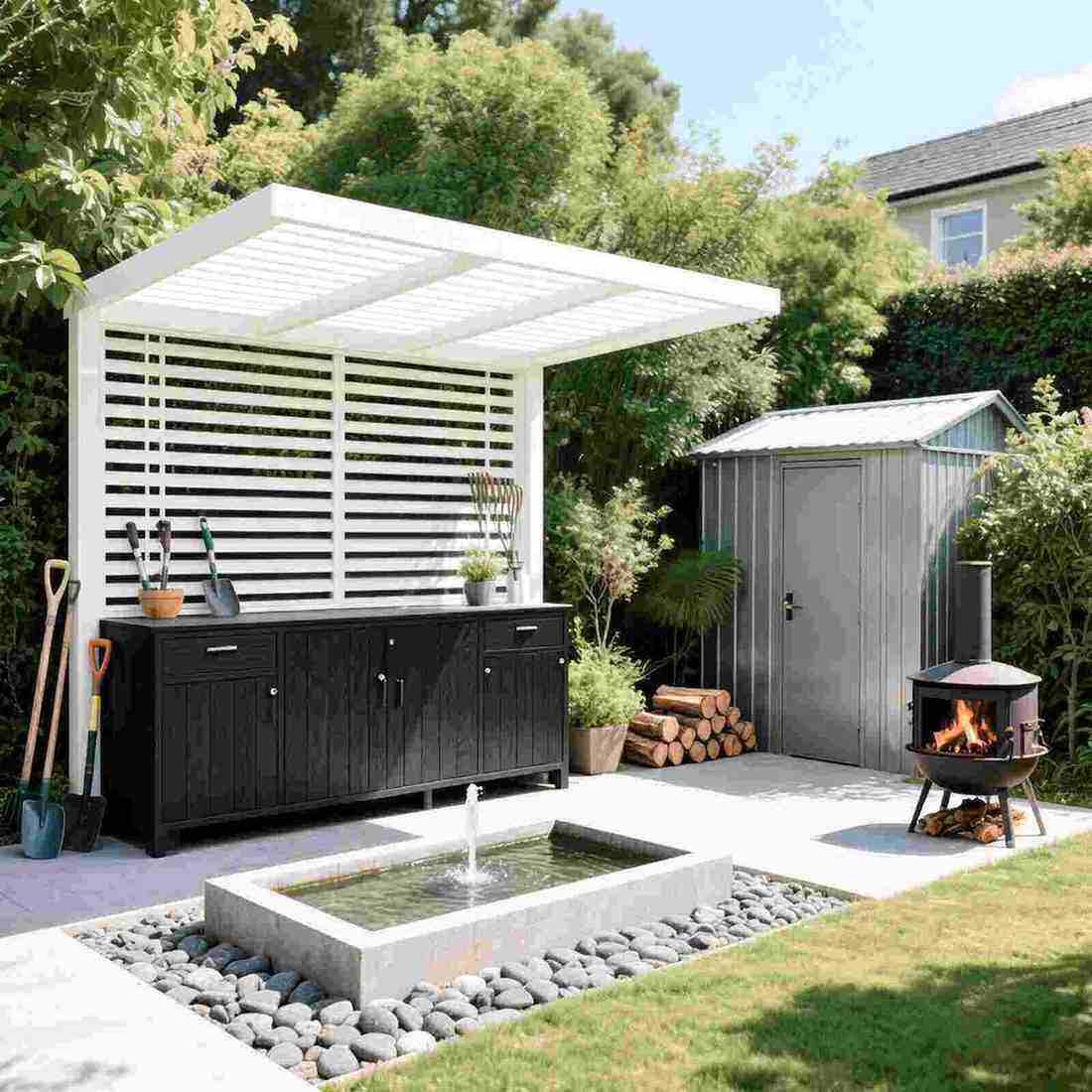
Most people spend at least one-third of their time at home. An environmentally friendly, healthy, and cozy home can greatly enhance one's sense of well-being.
Wood-based panels are widely used in home decoration, and formaldehyde, the number one killer of health, is hidden in wood-based panels. Whether it is MDF, particleboard, or composite board, they all require the use of amino resin adhesive (formaldehyde + urea), i.e. glue.
Formaldehyde is slowly released over time, and the higher the temperature, the more it is released... According to surveys, some boards are still releasing formaldehyde even after ten or twenty years of use.
Understanding the formaldehyde content in different types of boards will help you avoid falling into the "formaldehyde trap" during your home renovation.
Ranking of formaldehyde content in wood-based panels
First place, MDF (Medium-density fiberboard)
Medium-density fiberboard (MDF), also known as fiberboard, is a type of engineered wood product made by pressing wood chips or other plant fibers with a large amount of urea-formaldehyde resin or other adhesives under certain temperature and pressure conditions.
Based on density, boards can be divided into: high-density boards, medium-density boards, and low-density boards.
The dense board is soft, impact-resistant, and easy to reprocess.
However, MDF (medium-density fiberboard) uses the most glue, so it has the highest formaldehyde content in the board.
Second place: Plywood
Blockboard, also known as core board, is a type of engineered wood product made by gluing two layers of plywood together with a small strip of wood in the middle. The core is made of natural wood, and thin wood veneers are glued to both sides.
Its vertical bending strength (distinguished by the direction of the core board) is poor, while its transverse bending and compressive strength is relatively high.
Most of the boards on the market are solid, glued, double-sided sanded, and five-layer plywood, which is one of the most commonly used boards in home decoration.
Third place, plywood
Plywood, also known as multi-layer solid wood plywood, is made by cutting logs into veneers or thin wood, arranging them in a cross pattern to form the core, adding solid wood or high-tech wood veneer, and then gluing three or more layers together with adhesive. It is then processed through several steps such as cold pressing, hot pressing, sanding, and curing.
Multi-layer solid wood boards are not easily deformed, have a strong ability to regulate indoor temperature and humidity, and have a realistic and natural wood texture and feel, making them very popular with consumers.
Fourth place: Multi-layer finger-jointed board
Multi-layer finger-jointed boards are suitable for: furniture, cabinets, wardrobes, etc.
The "finger joints" use a lot of adhesive, most of which are exposed to the air, making them prone to formaldehyde volatilization.
Fifth place: Solid wood finger-jointed board
Finger-jointed boards, also known as engineered wood, are made by splicing together small pieces of solid wood that have undergone extensive processing. The boards are joined together with a serrated joint, similar to the interlocking of fingers, hence the name.
Urea-formaldehyde resin adhesive applied to the tooth surface and then fixed by extrusion is the main source of formaldehyde pollution in solid wood furniture.
Many consumers believe that solid wood furniture is equivalent to healthy and harmless, but this is not the case. Most solid wood furniture on the market is made of spliced solid wood, and the glue and other adhesives used in splicing contain formaldehyde, making it difficult to guarantee that it is non-toxic and formaldehyde-free!
Formaldehyde-free water-based Ketech boards
Formaldehyde pollution has long been a major concern, with people well aware of the significant health risks it poses. These risks include allergic dermatitis, respiratory damage, even asthma, the production of carcinogens, and in severe cases, the potential to cause leukemia, birth defects, and other serious problems.
The choice of board material becomes particularly important; formaldehyde-free board material is a responsible choice for the health of yourself and your family!
With the mature application of water-based polymer technology and formaldehyde-free adhesive and formaldehyde-free board technology, Waterborne Science & Technology has successfully created core products such as formaldehyde-free ecological boards, formaldehyde-free particleboard, KT high-polymer ecological boards and non-toxic customized boards, realizing the formaldehyde-free, non-toxic and industrialized production and application of a full range of artificial boards, and has become a high-quality supplier of formaldehyde-free boards, formaldehyde-free flooring, non-toxic home decoration materials and furniture materials in China.
It can provide comprehensive, efficient, and non-toxic support for whole-house customization, providing consumers with a non-toxic, odorless, and ready-to-move-in home environment.