
 USD
USD GBP
GBP
 EUR
EUR
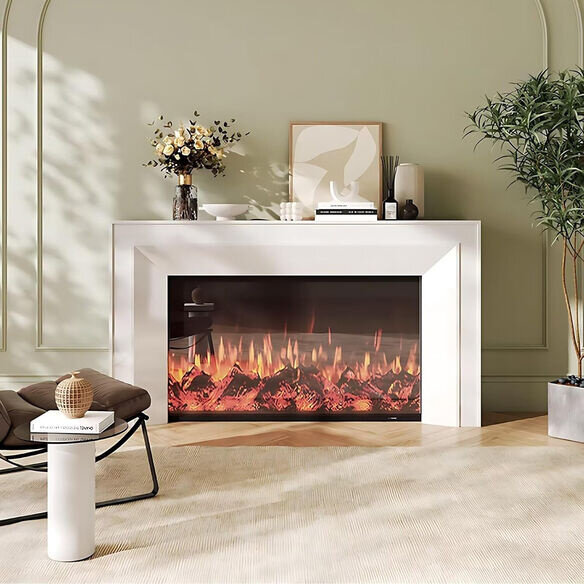
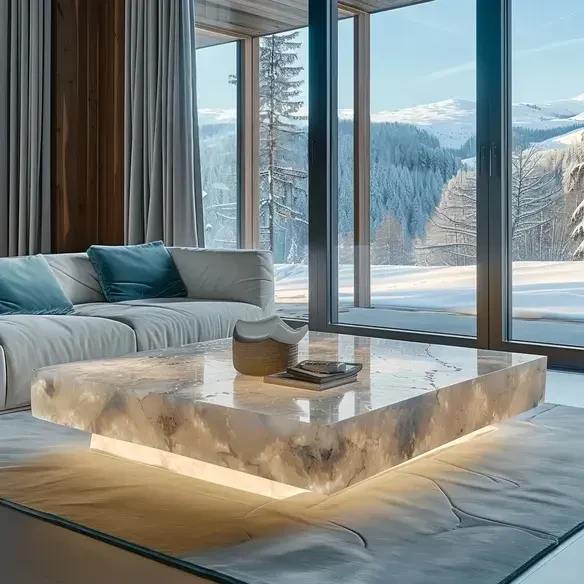
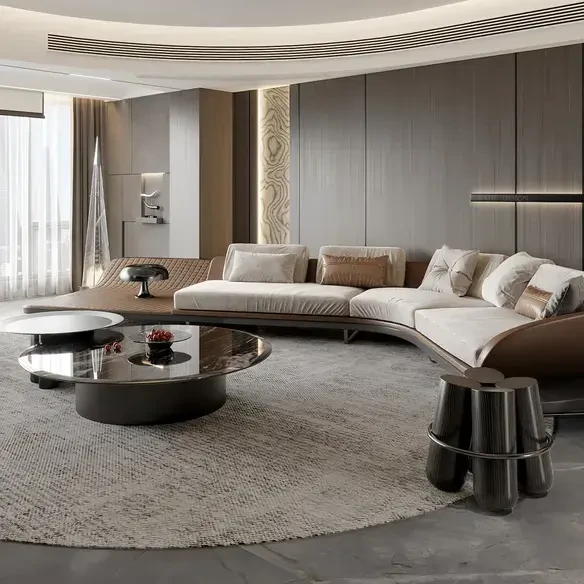
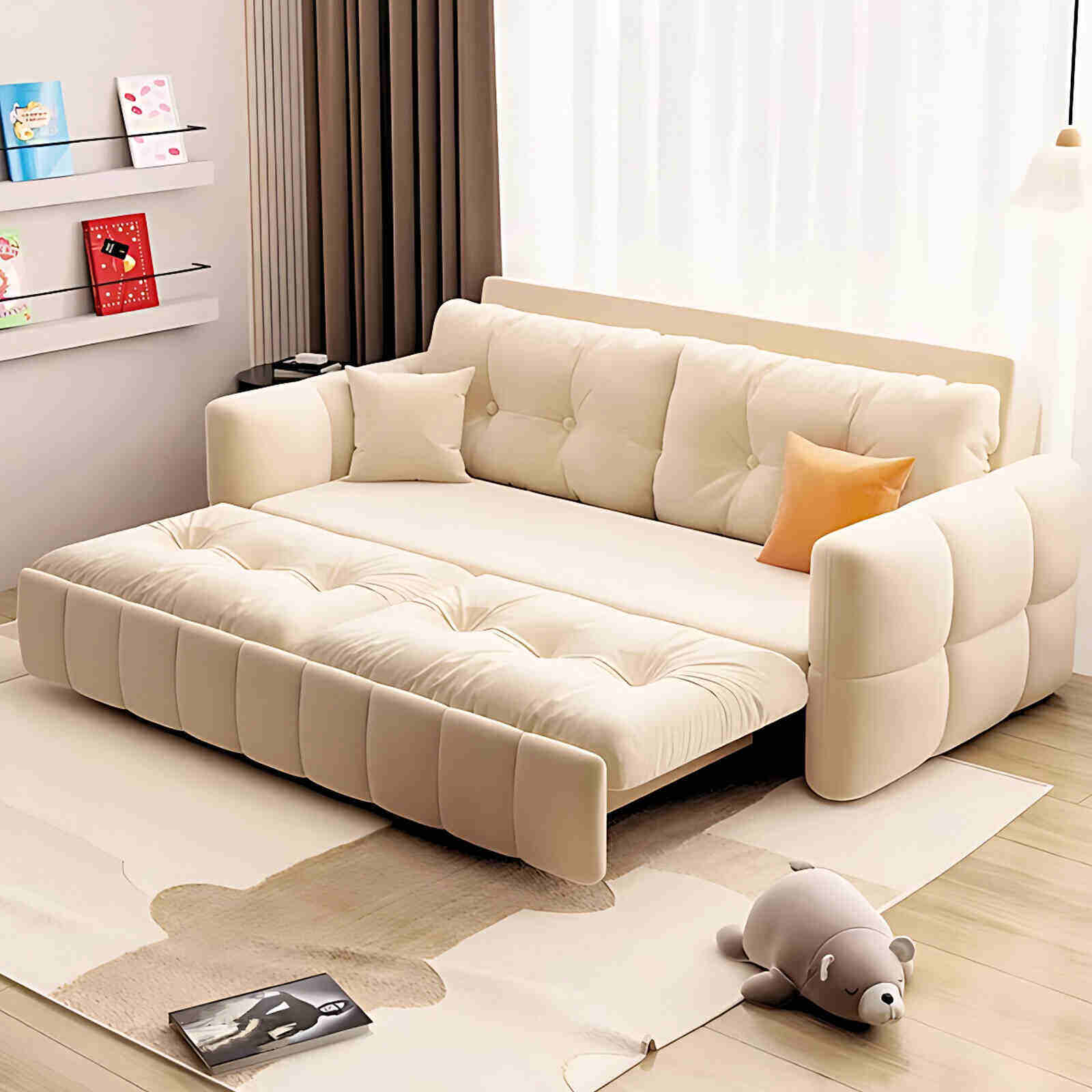
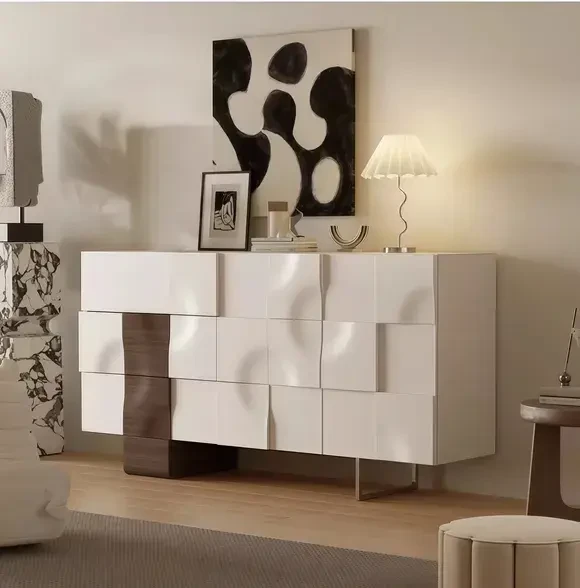
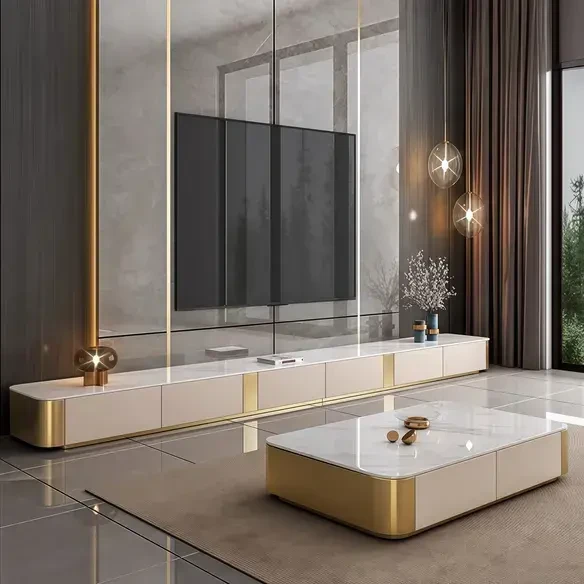
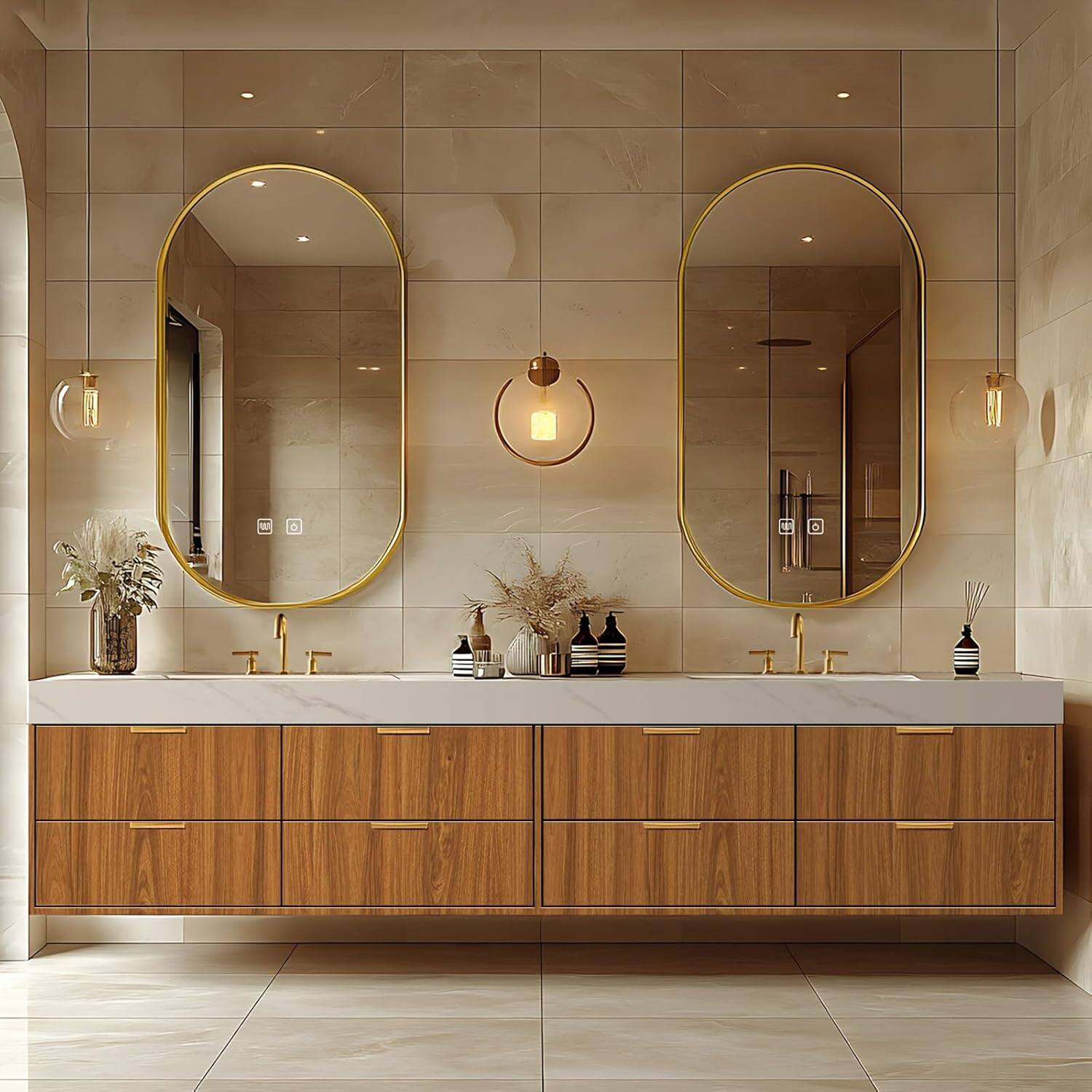
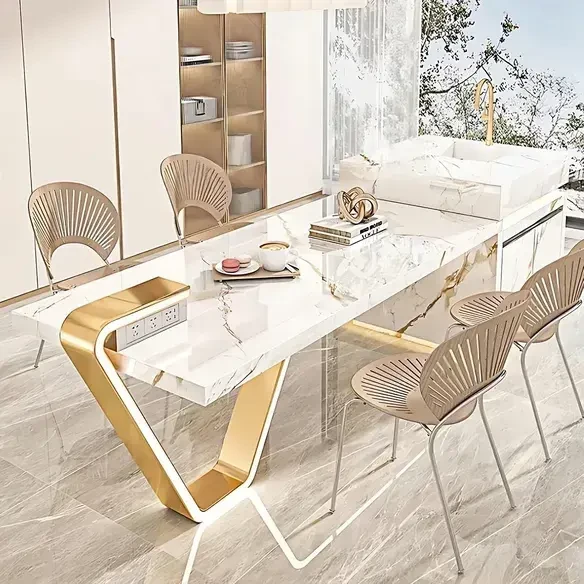
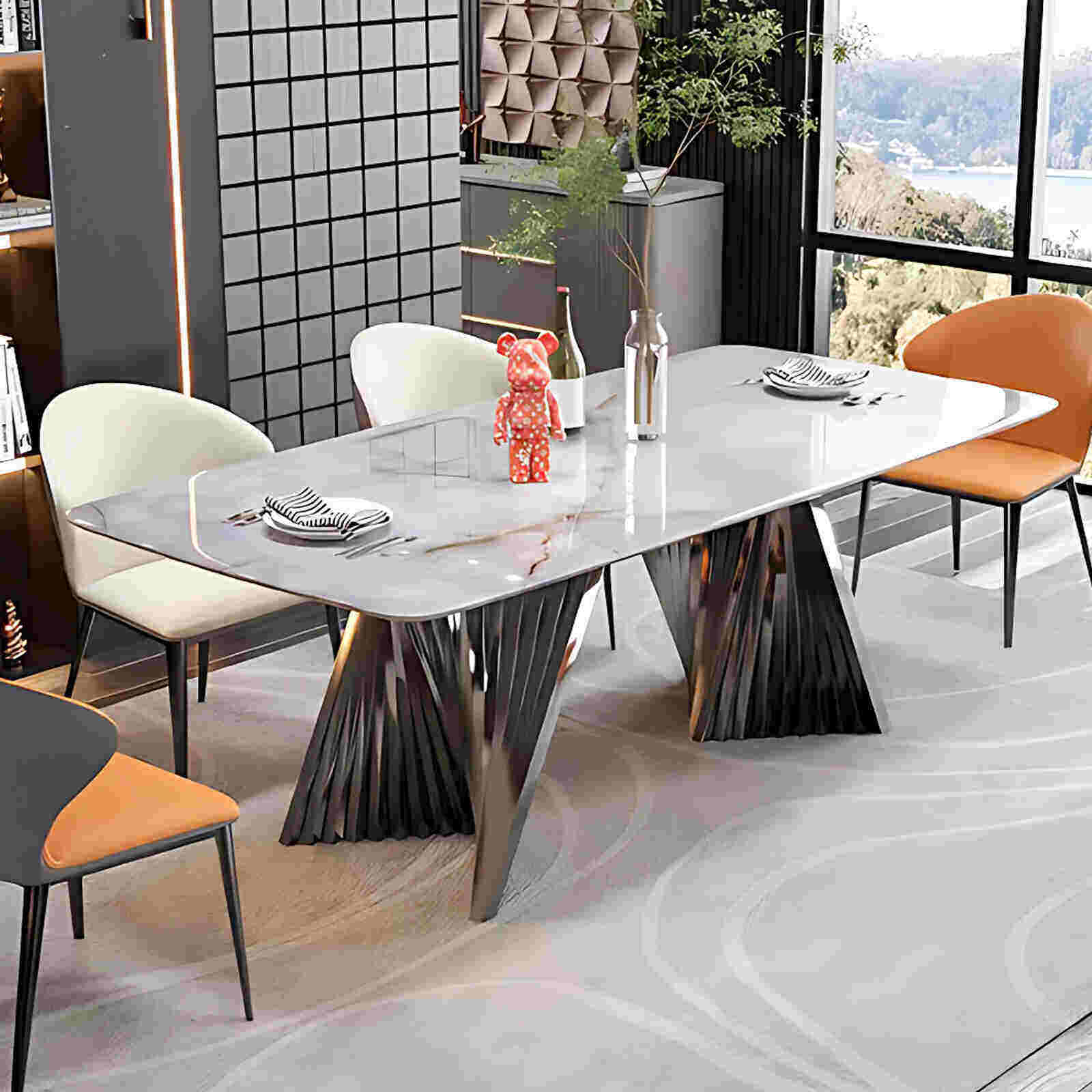
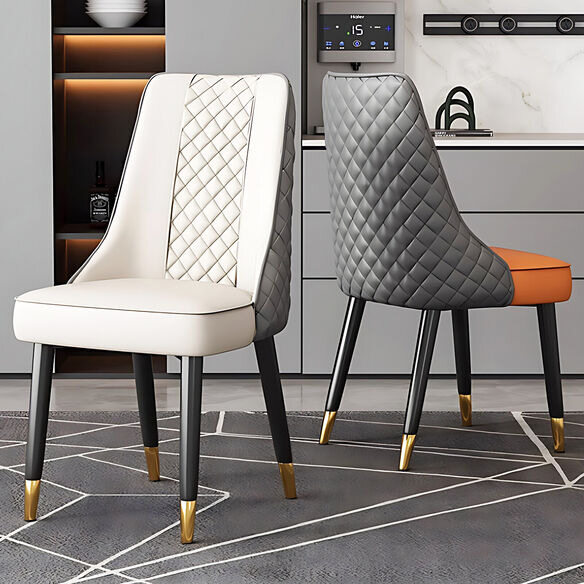
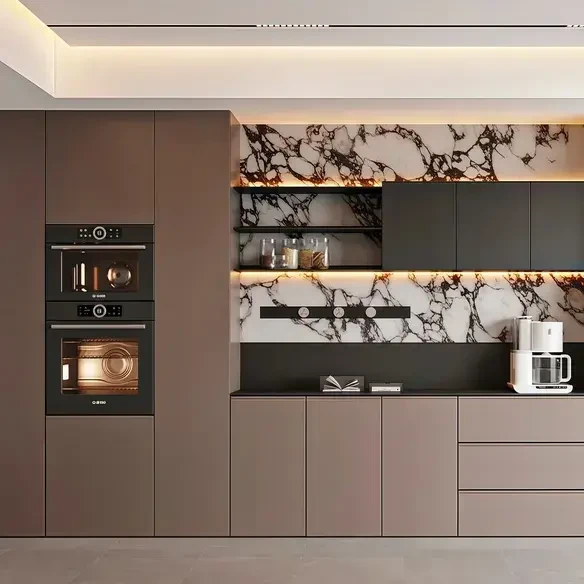
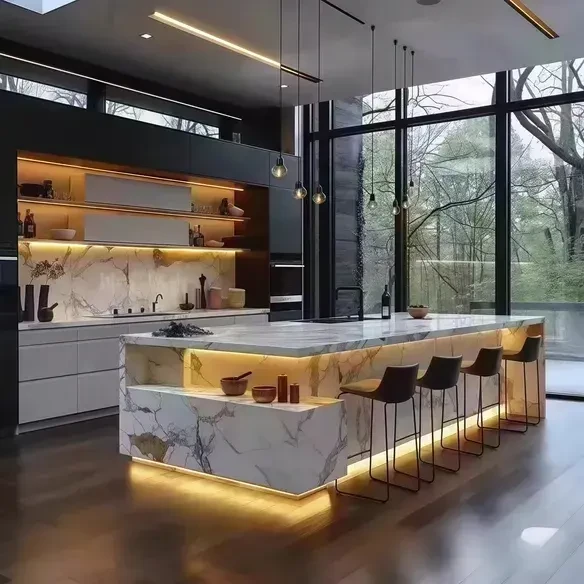
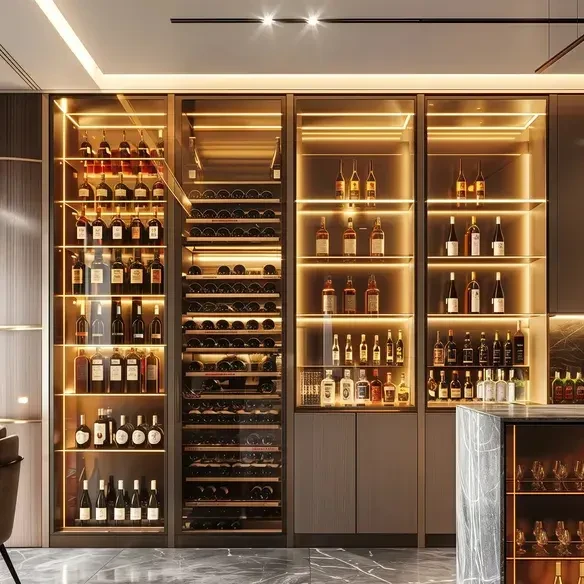
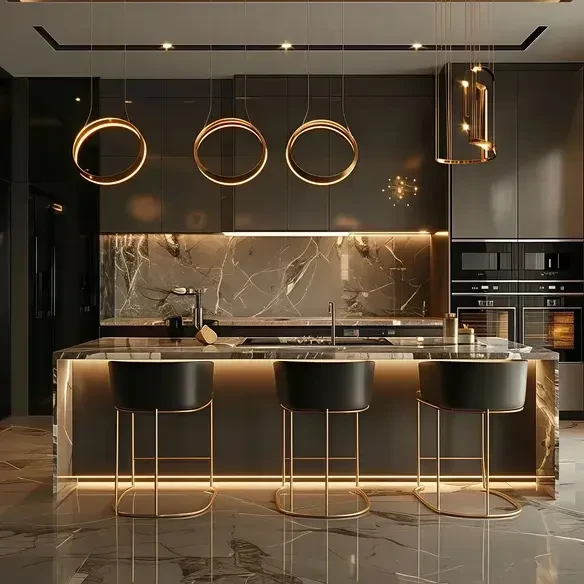
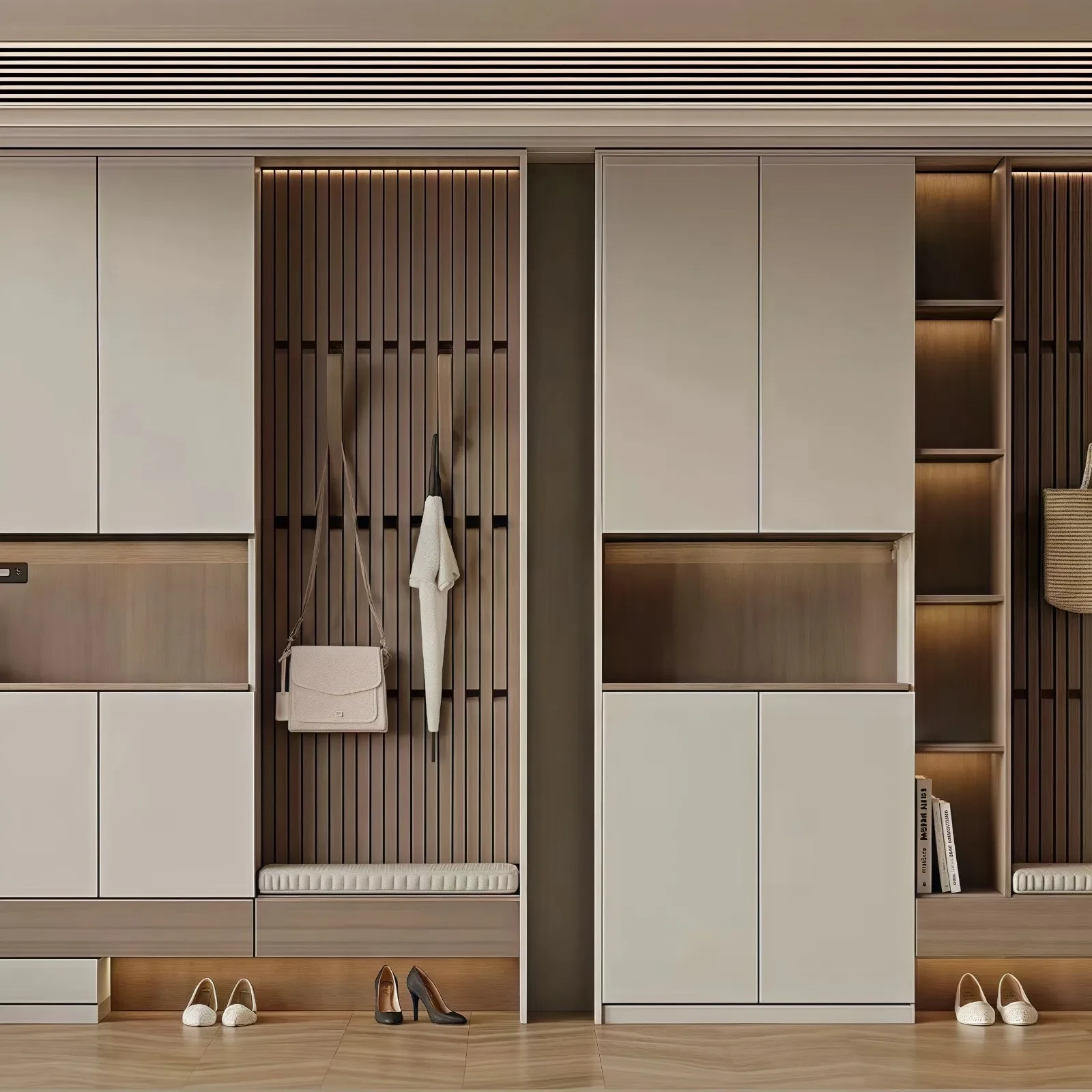
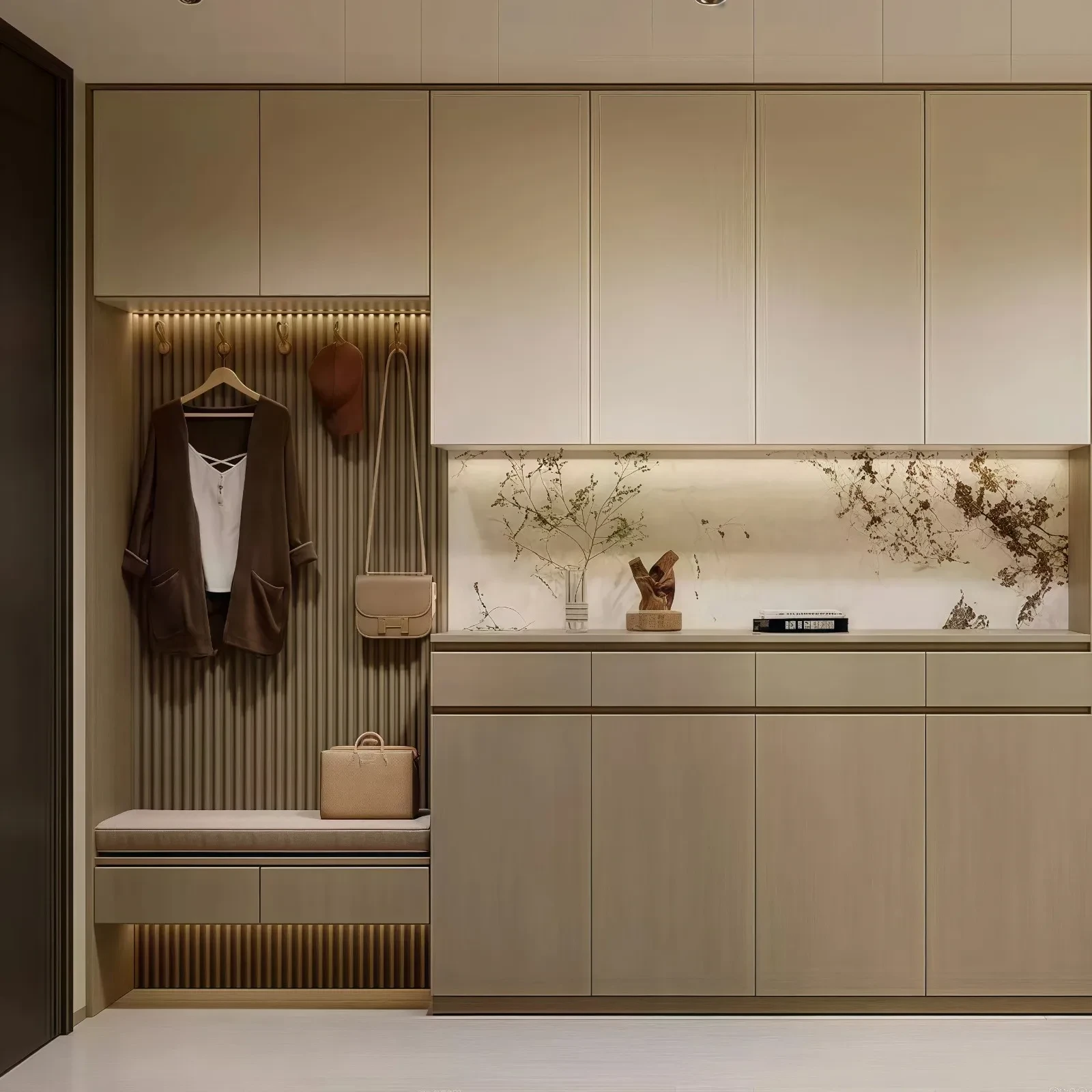
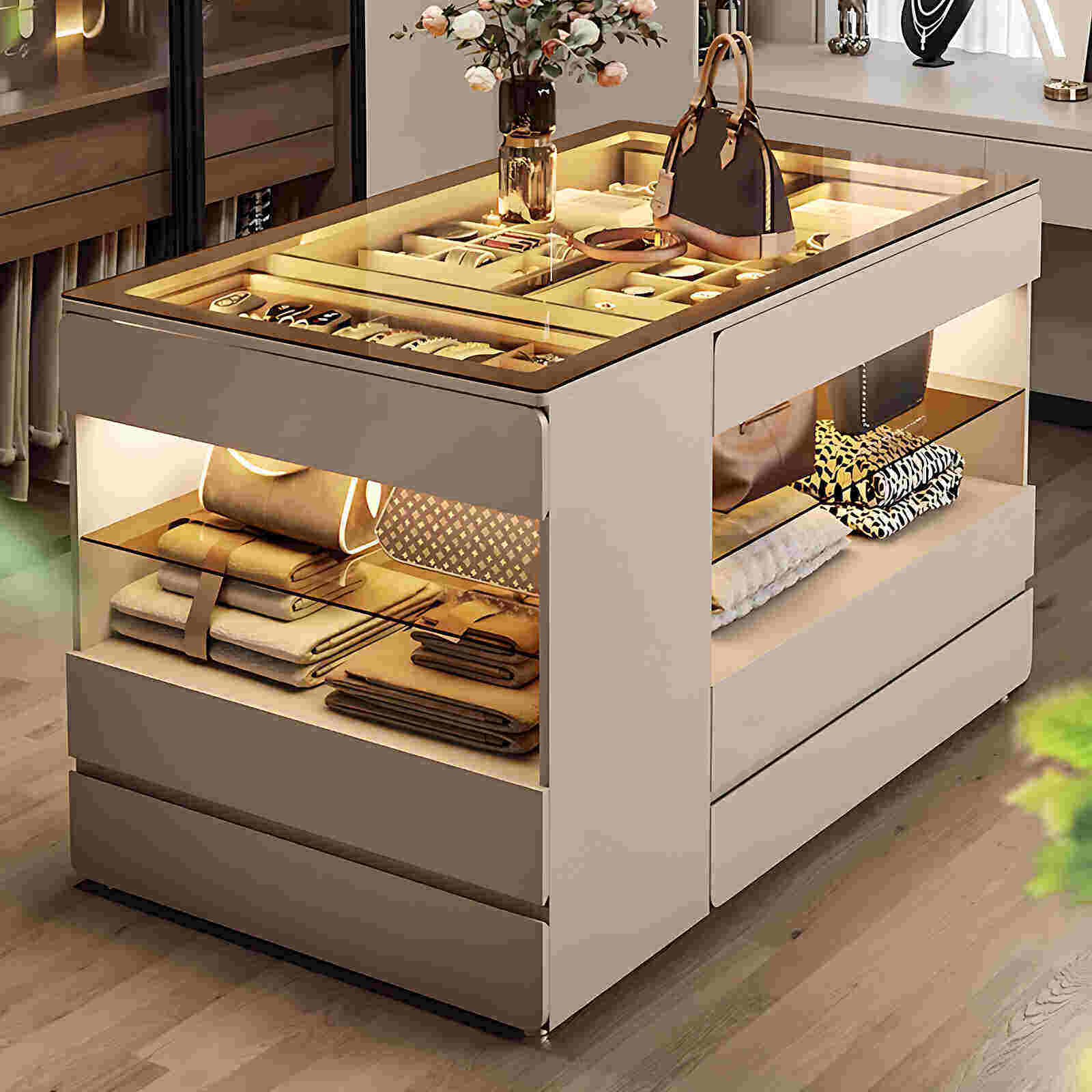
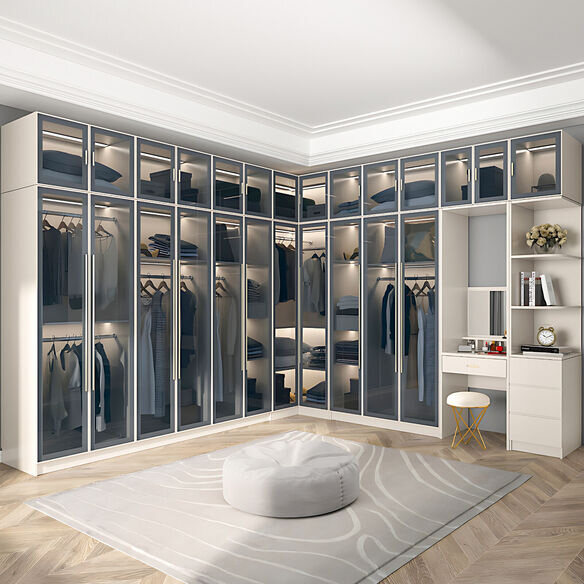
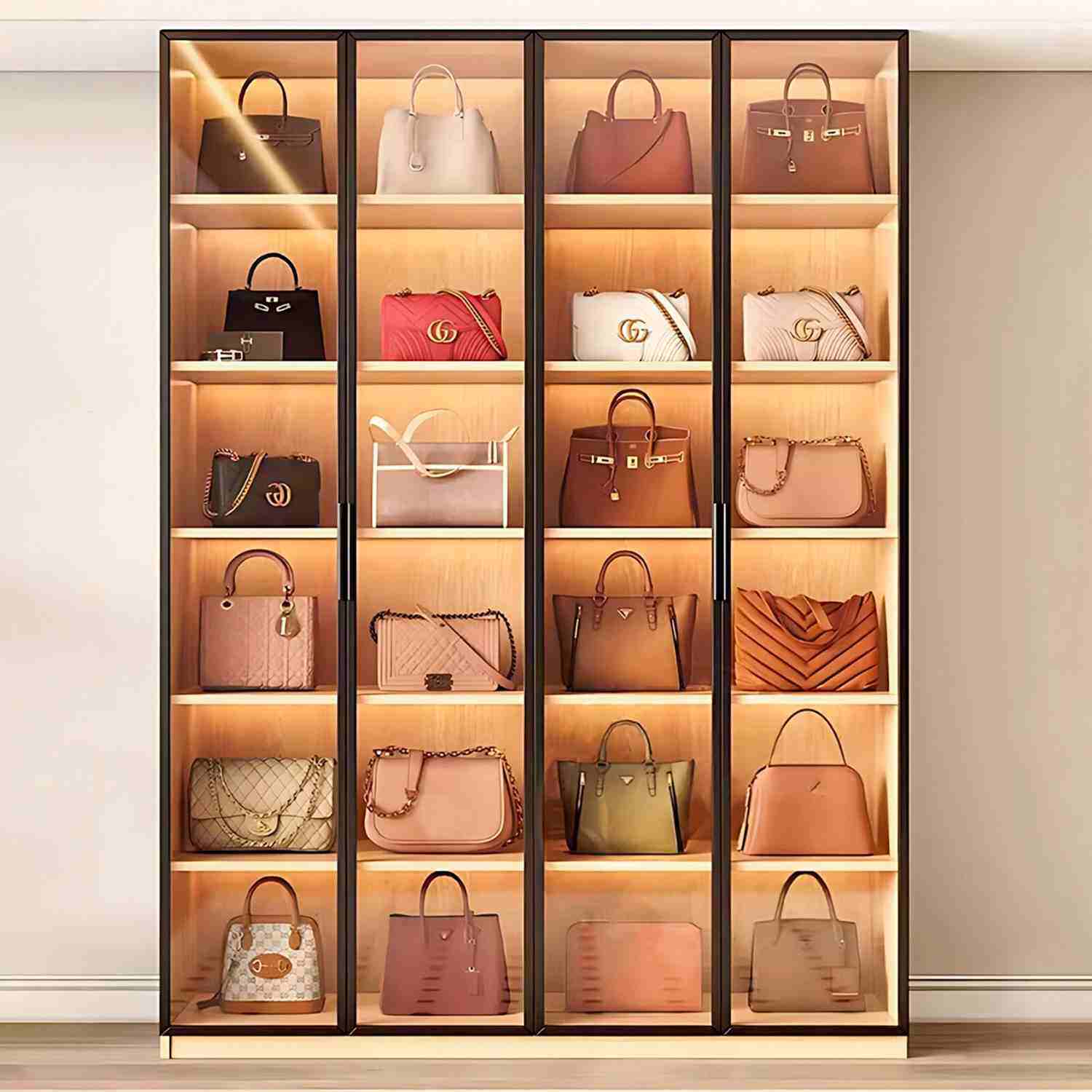
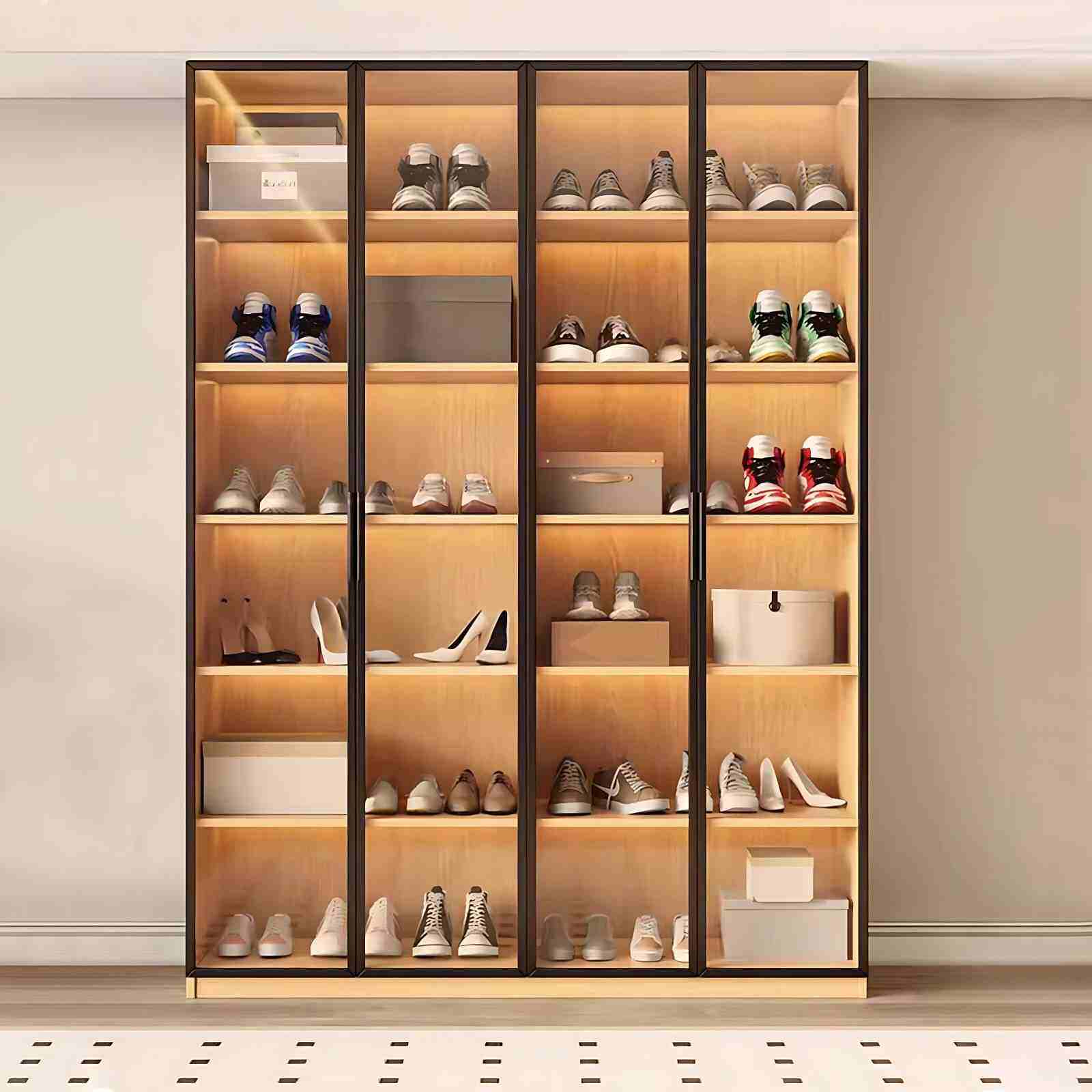
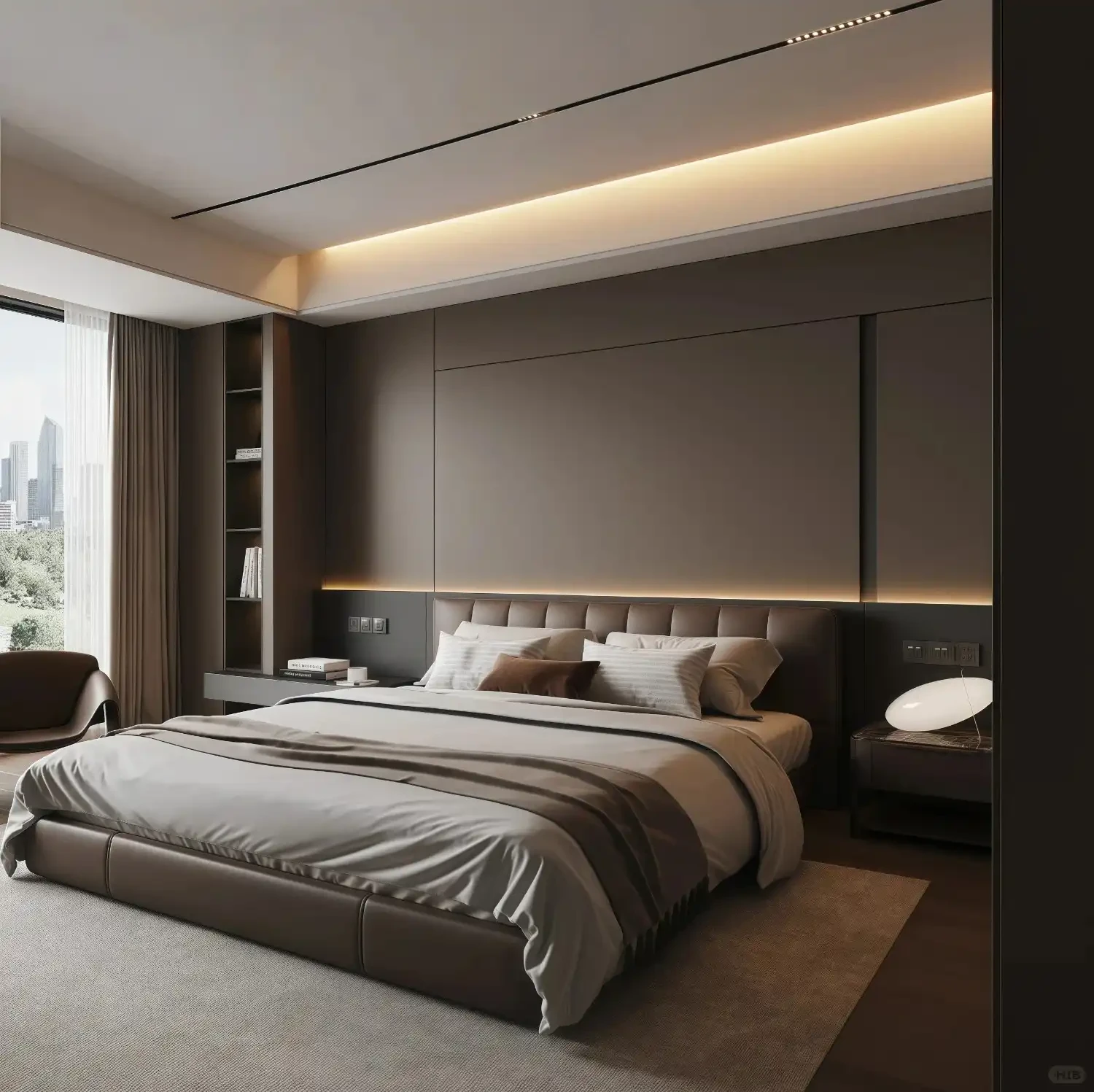
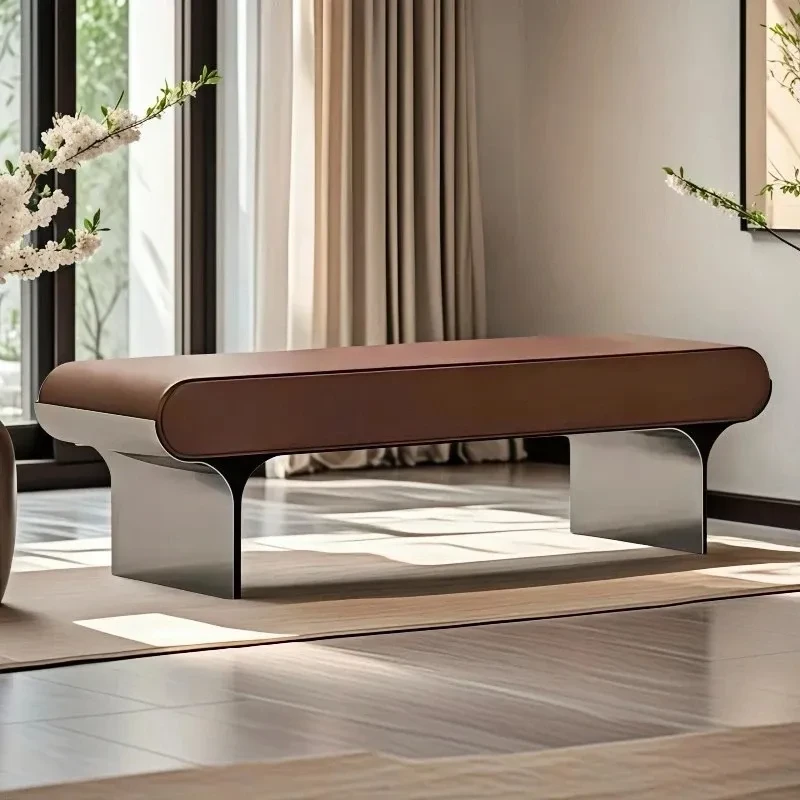

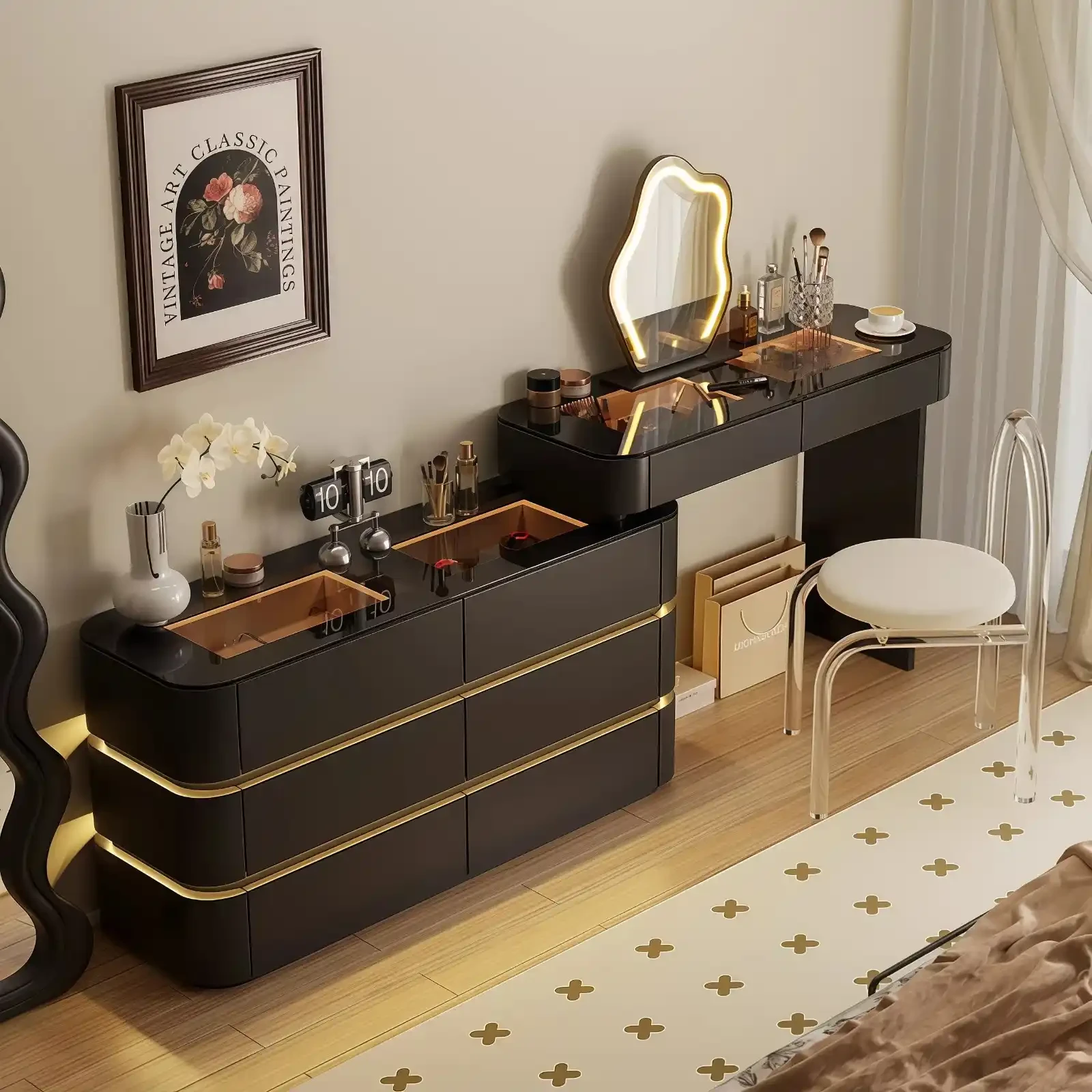
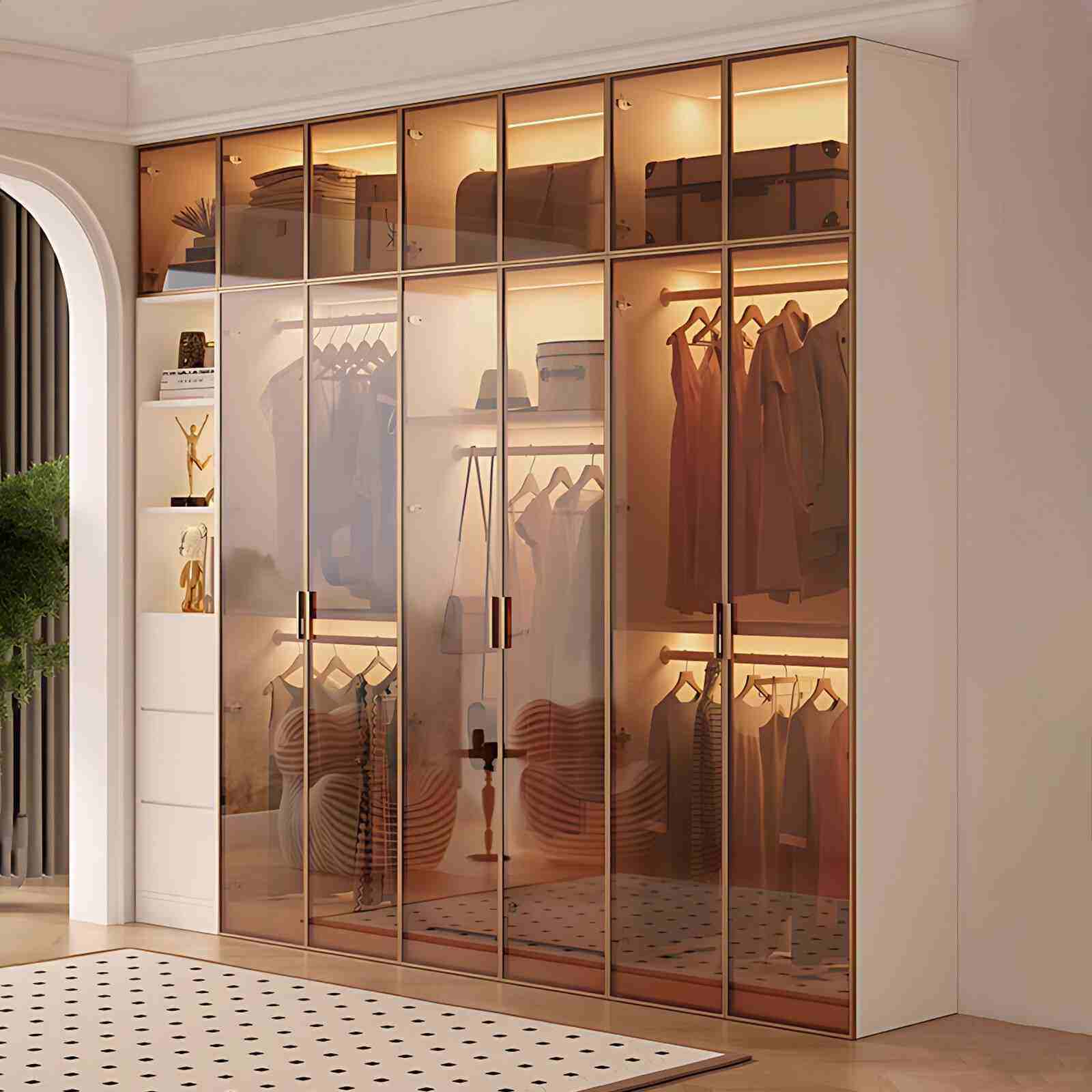
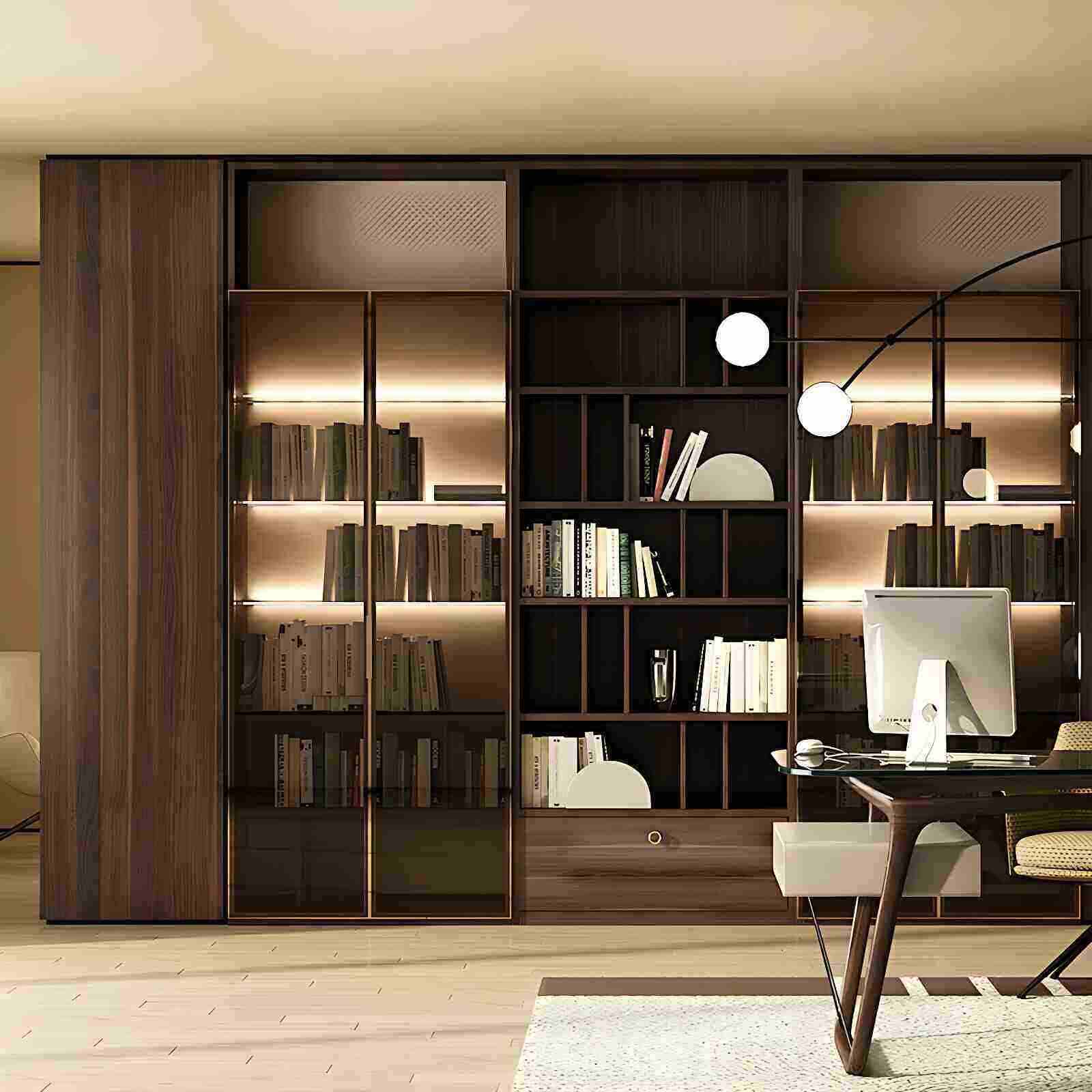
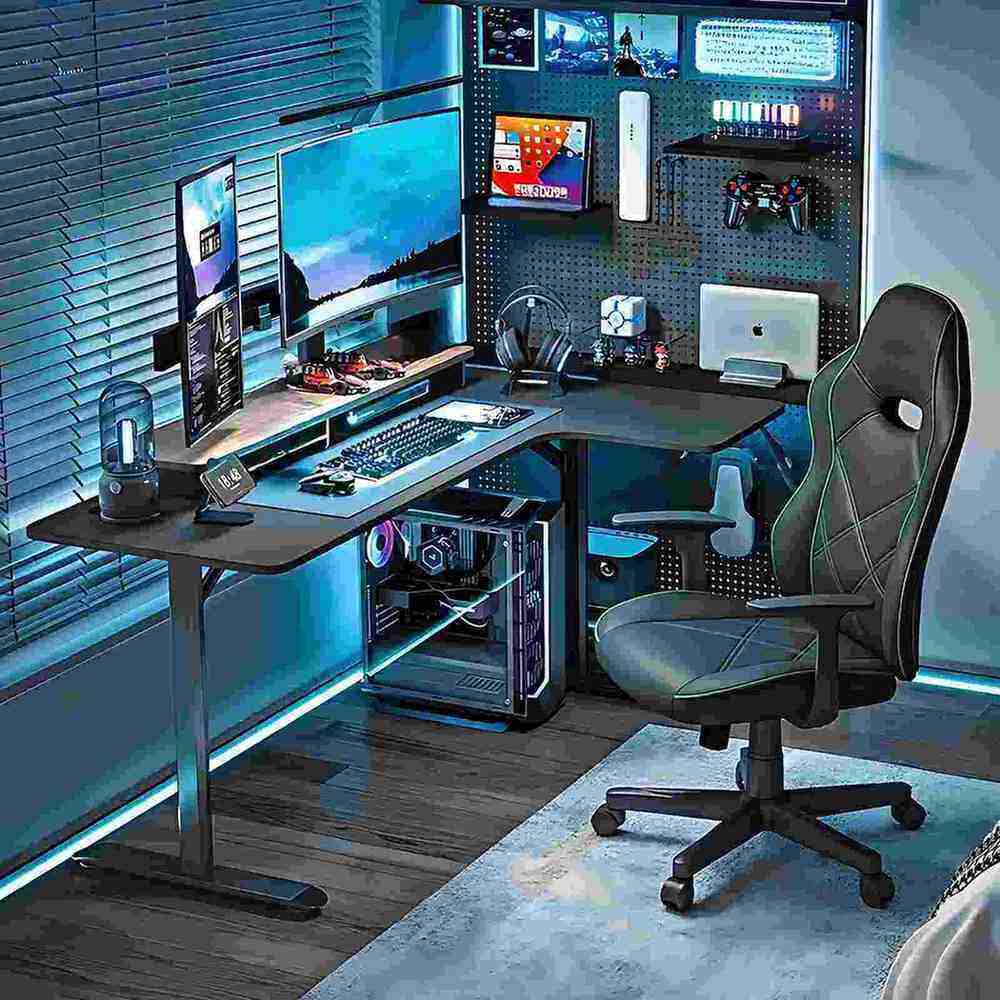
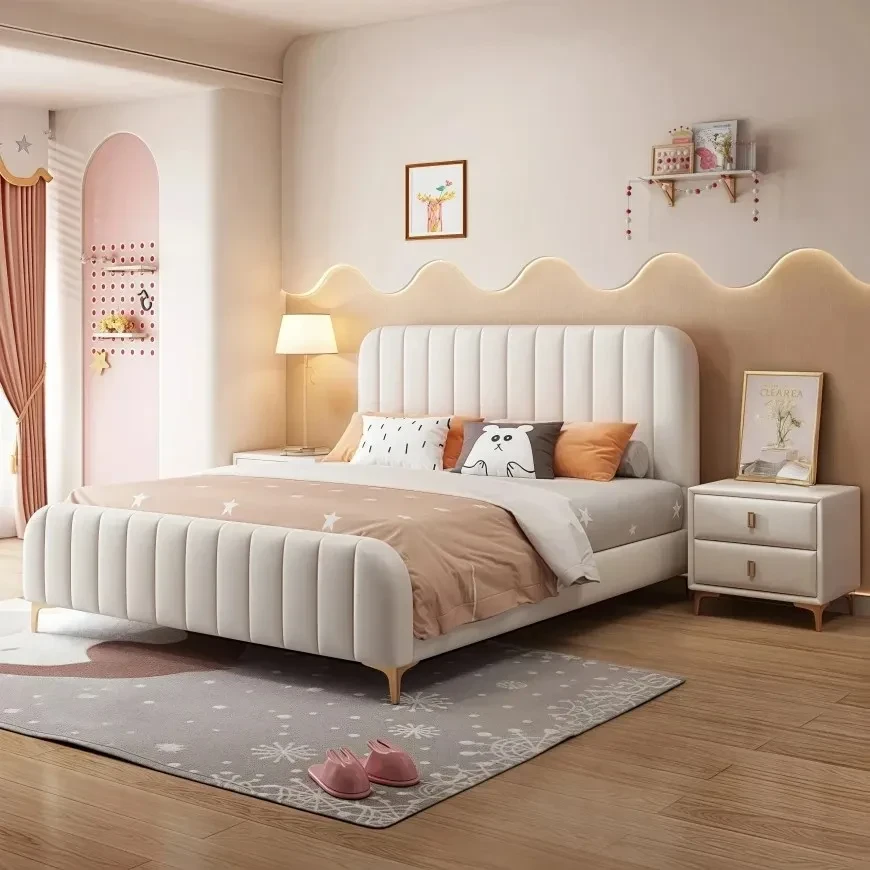
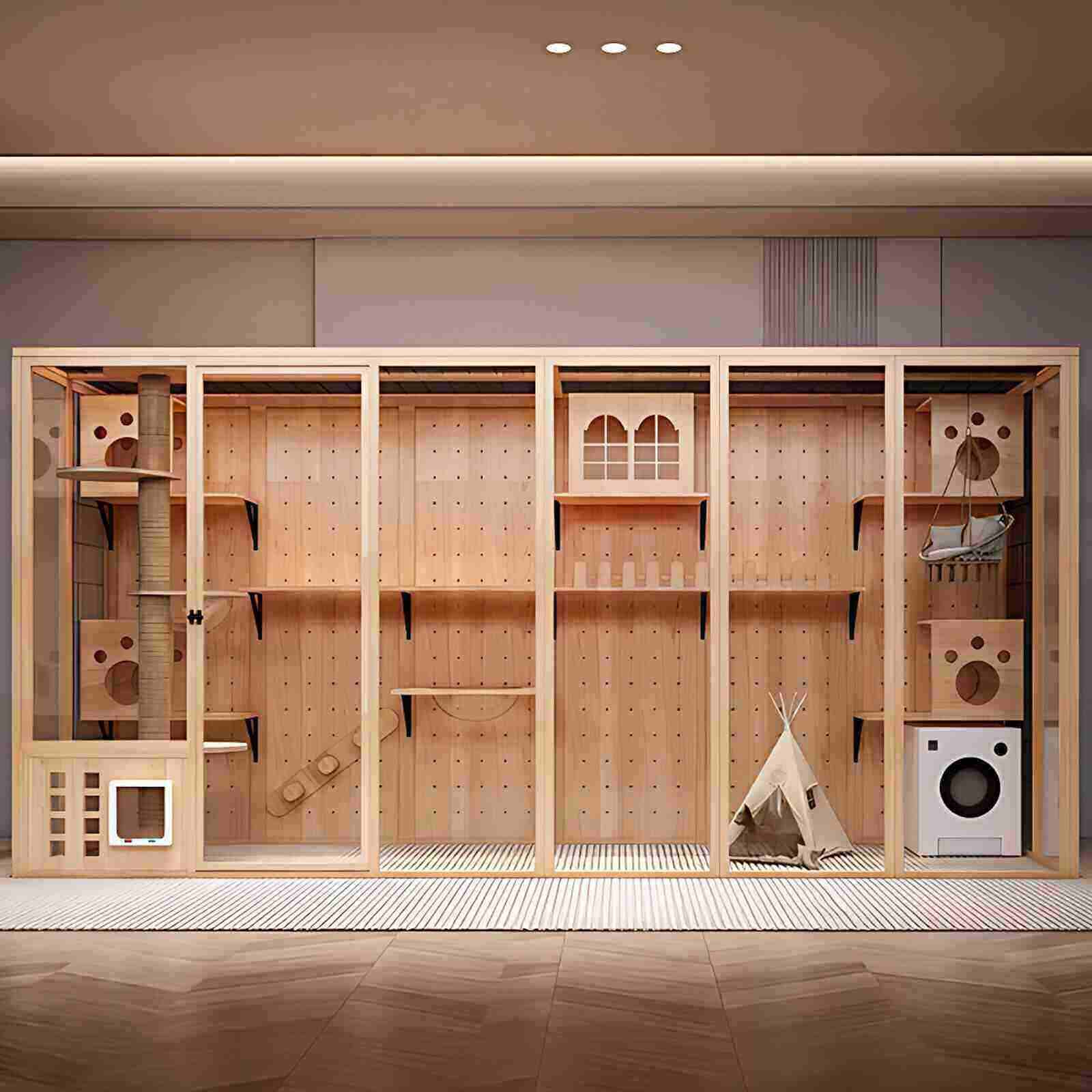
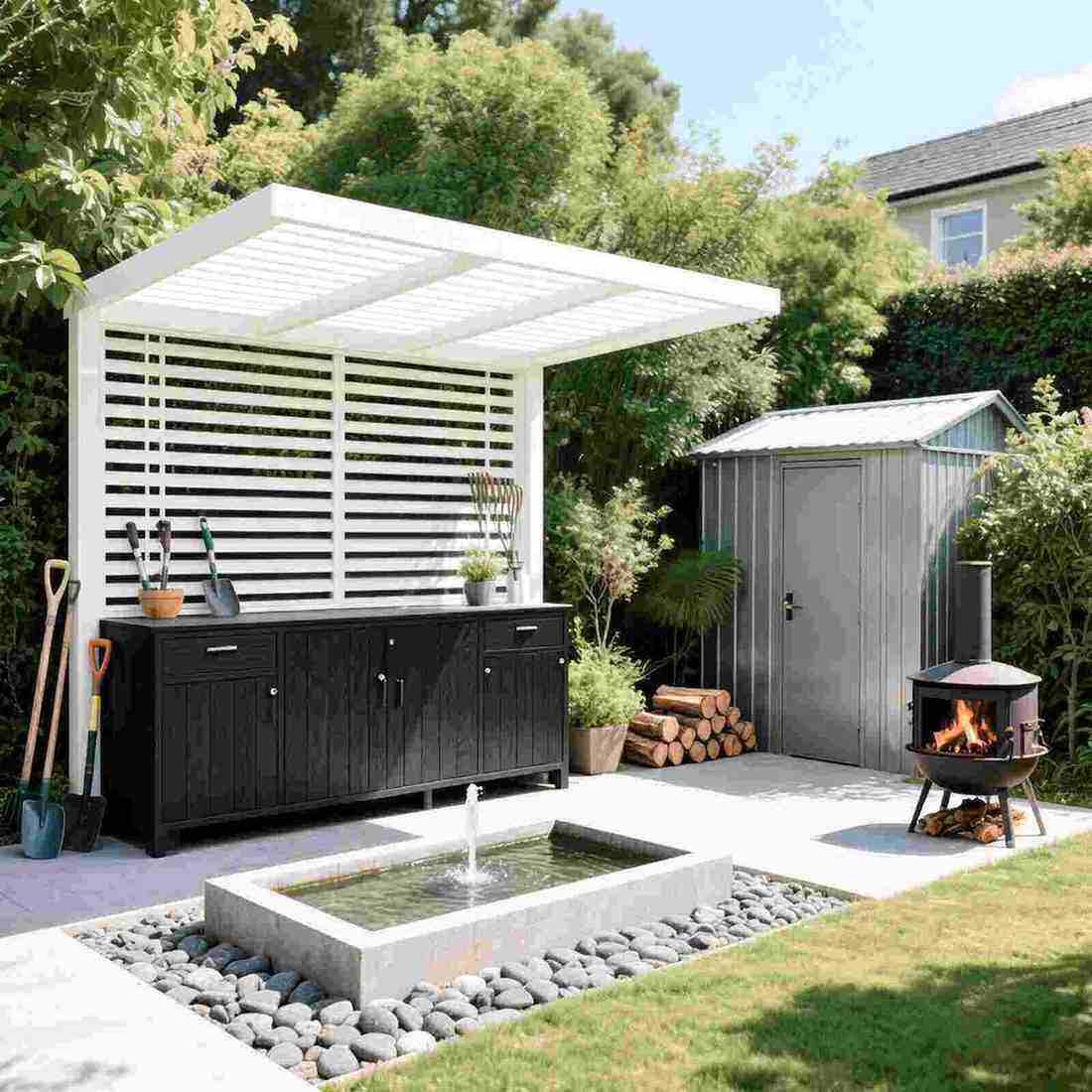
There are countless types of wood-based panels on the market. They can be broadly categorized into MDF, plywood, particleboard, and multi-layer board, among others. However, the finishes available on these panels are incredibly diverse!
The high-end appearance of boards mainly depends on the surface finish. Although the surface patterns are colorful and diverse, the types of finishes can be roughly divided into the following four categories.
Category 1
Melamine-impregnated adhesive paper
Melamine veneer is produced by printing patterns on decorative paper, impregnating it with melamine resin, and then hot-pressing it onto a substrate. Because it requires a high degree of surface flatness from the substrate, it is commonly used for particleboard and medium-density fiberboard (MDF). Boards with melamine-laminated veneers are generally called melamine boards. They have a wear-resistant, realistic surface texture, are scratch-resistant, and waterproof, making them widely applicable.
Category 2
PVC film finish
The biggest advantage of PVC lamination is its softness! Therefore, it's often used to cover fiberboard with good shaping capabilities. It helps enhance the fiberboard's moisture resistance and allows for the creation of Western classic designs. However, the biggest drawback of PVC lamination is that double-sided lamination is too expensive. Generally, only the front is covered, while the back is usually finished with white melamine.
Category 3
Painted finish
Unlike the previous types of board finishes, baked enamel finishes are sprayed directly onto the substrate, covering all six sides of the board. This results in good waterproof and moisture-proof properties and easy cleaning. However, the disadvantages are a complex and time-consuming manufacturing process and a higher price. Baked enamel boards are made by covering fiberboard with a baked enamel finish and are mainly used in kitchen cabinets, dining cabinets, and other furniture.
Category 4
solid wood veneer finish
Solid wood veneer is applied to MDF/particleboard/multi-layer solid wood panels using a high-temperature hot press to create solid wood veneer decorative panels.
Because wood veneers are divided into imported and domestic, and precious wood and ordinary wood, there is a wide range of choices. Therefore, the quality of solid wood veneer panels is determined by the type and thickness of the solid wood veneer.
Solid wood veneer boards require a surface painting treatment. Because the veneer and painting processes are different, the same type of wood veneer can easily produce different effects. Therefore, solid wood veneer has higher requirements for both the veneer and painting processes.
Solid wood veneer is a popular finish for high-end furniture both domestically and internationally due to its realistic and natural feel and high quality, but it is relatively expensive in terms of materials and cost.
Currently, a type of engineered wood veneer is popular in China, favored by consumers for its realistic and natural texture, diverse patterns, lack of color difference, and large sheet size.