
 USD
USD GBP
GBP
 EUR
EUR
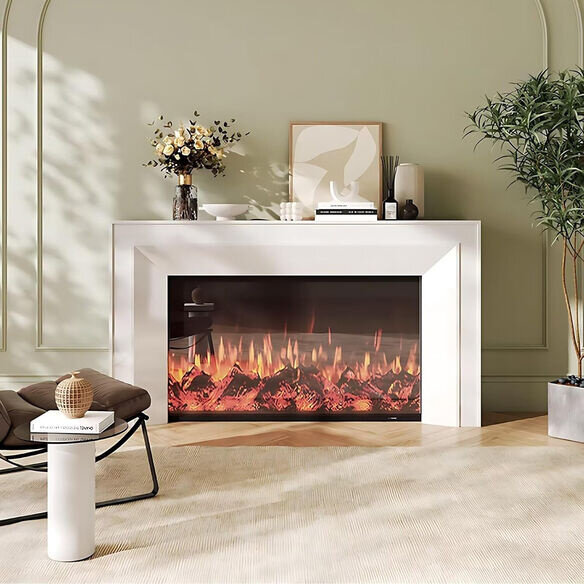


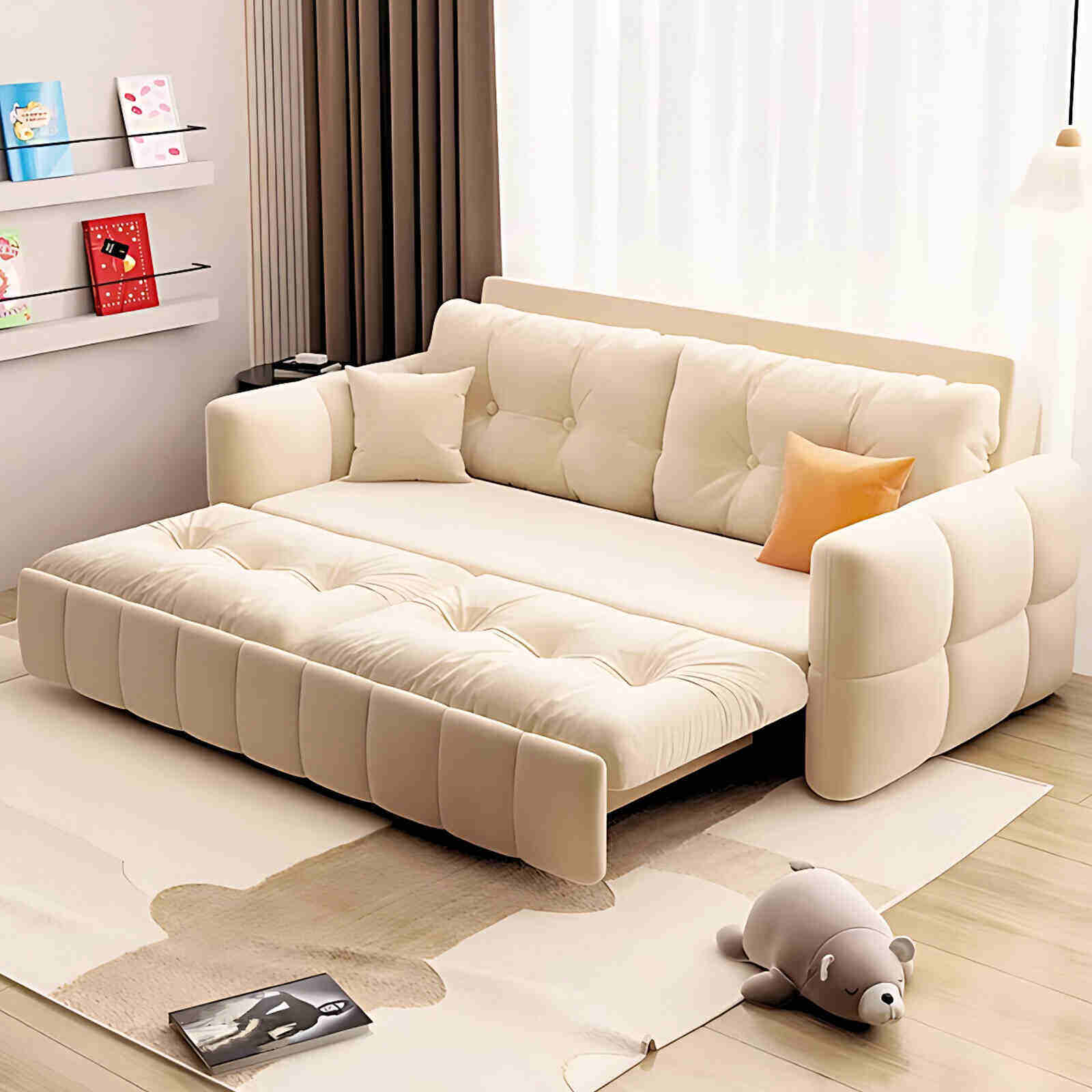
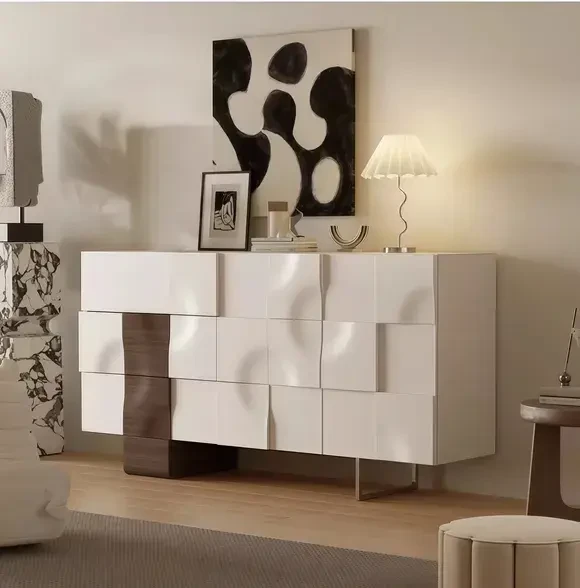

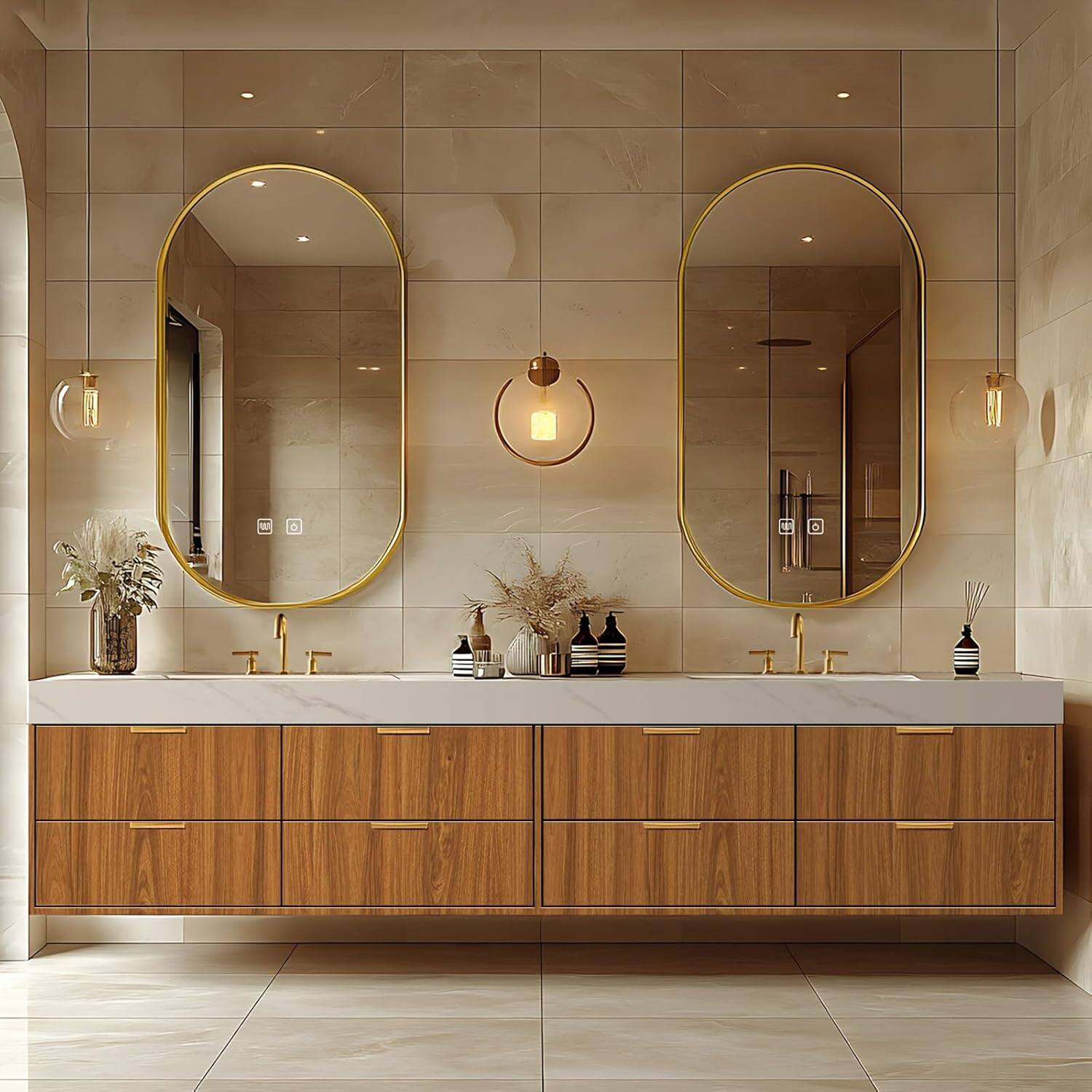
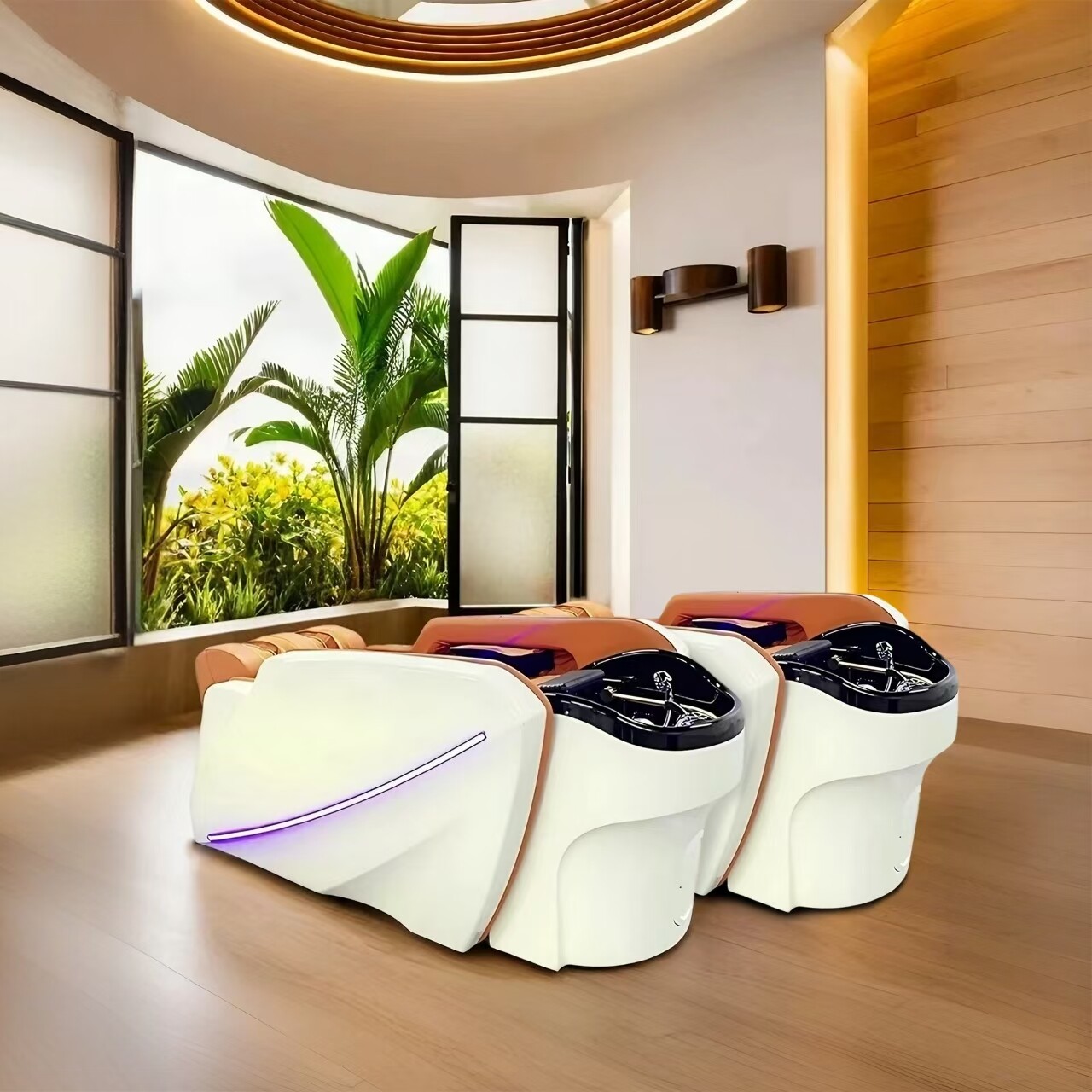
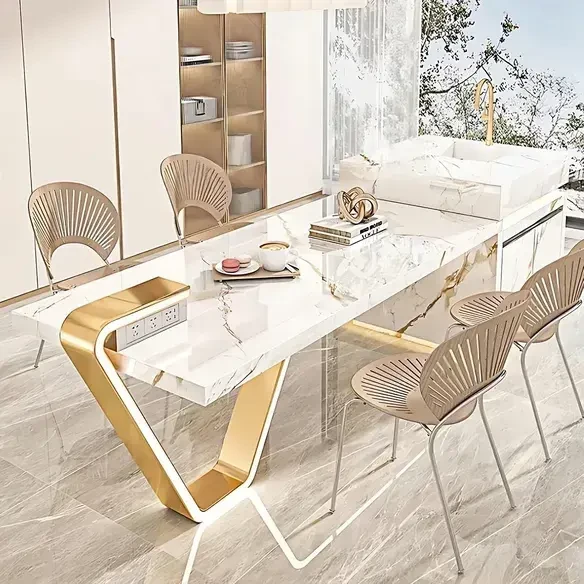
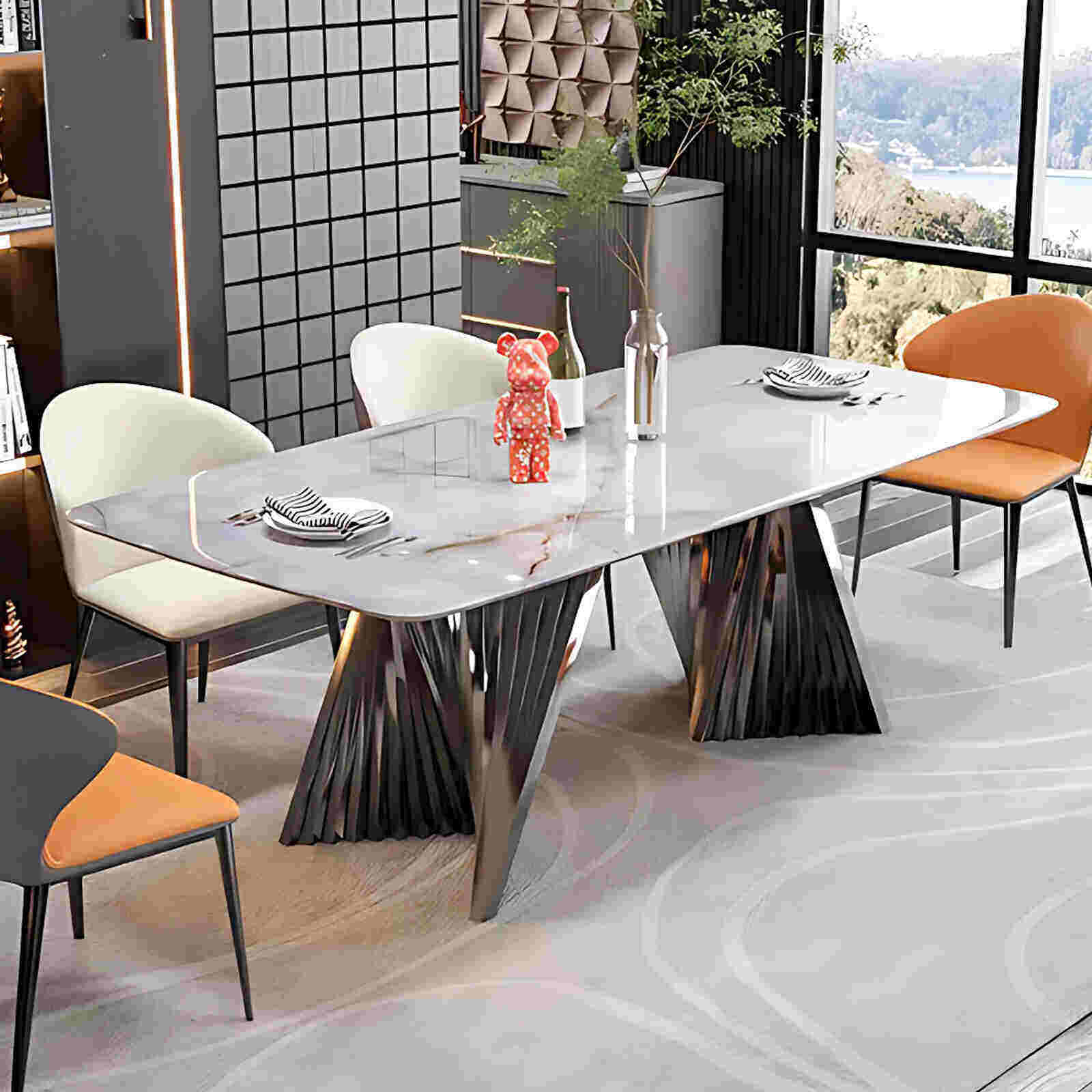
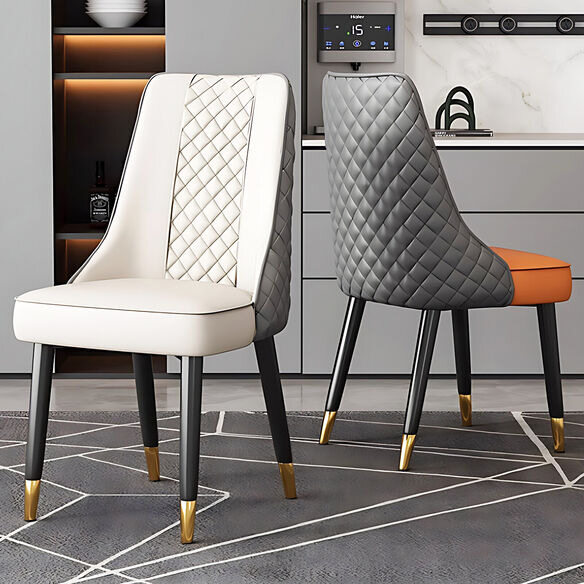
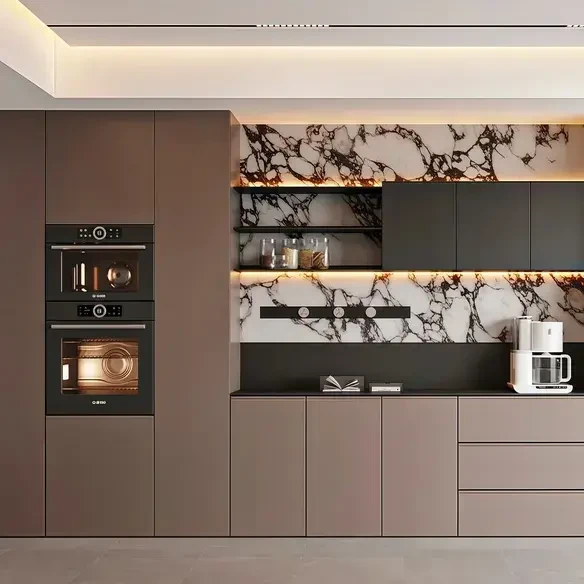
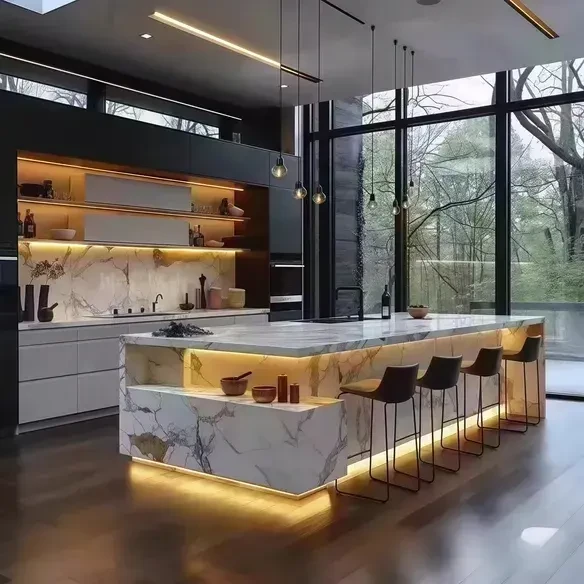
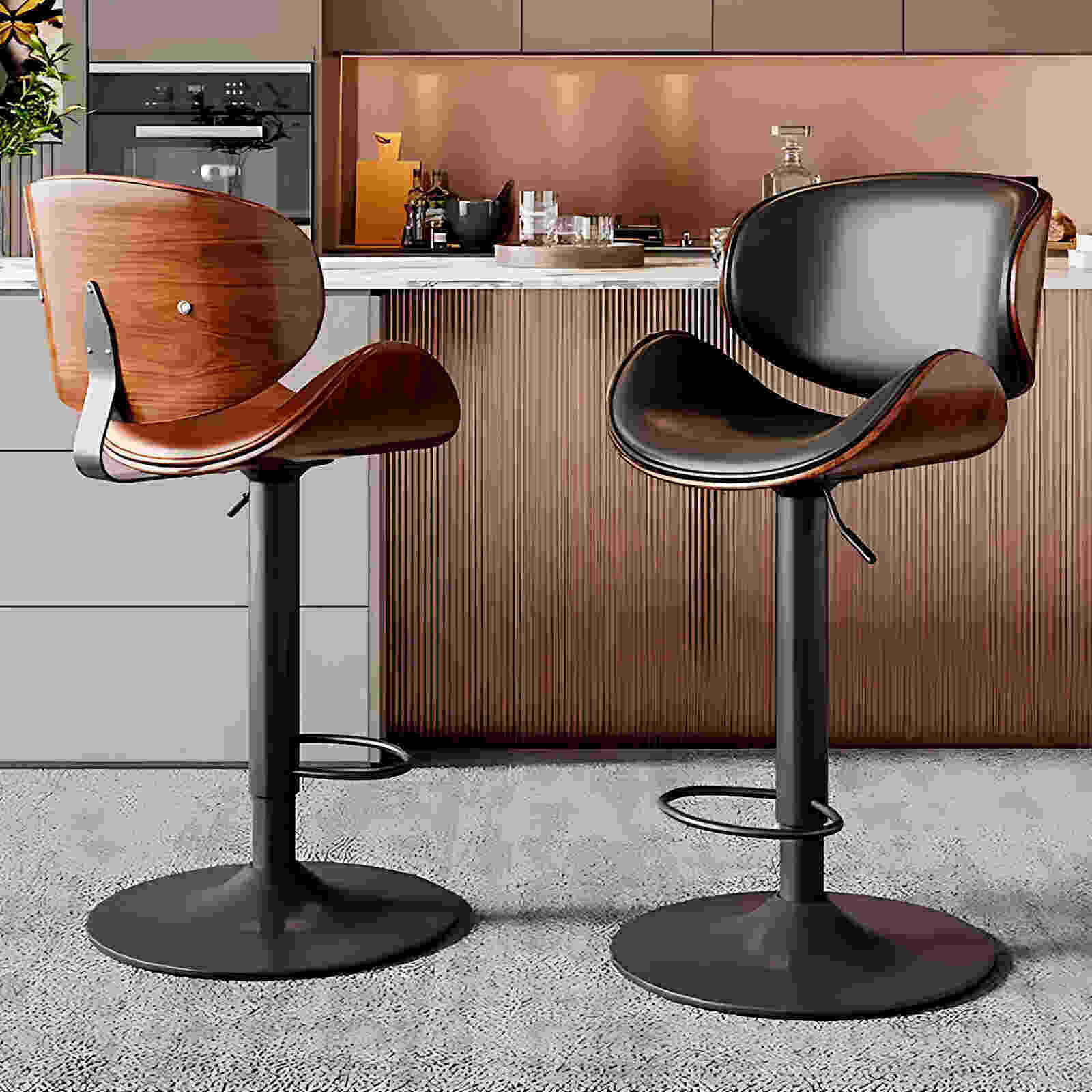
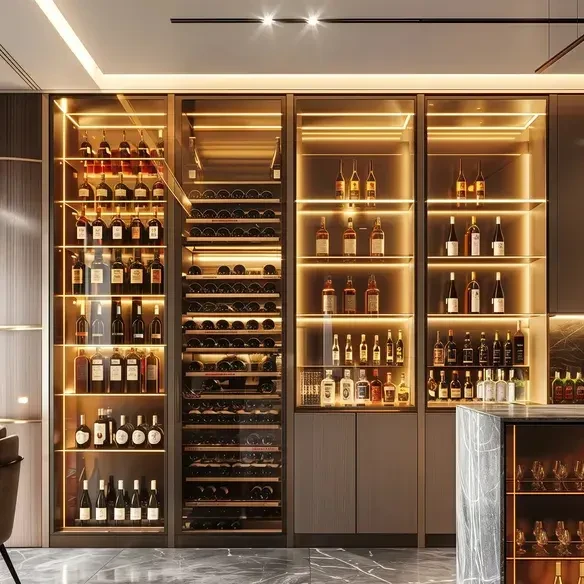


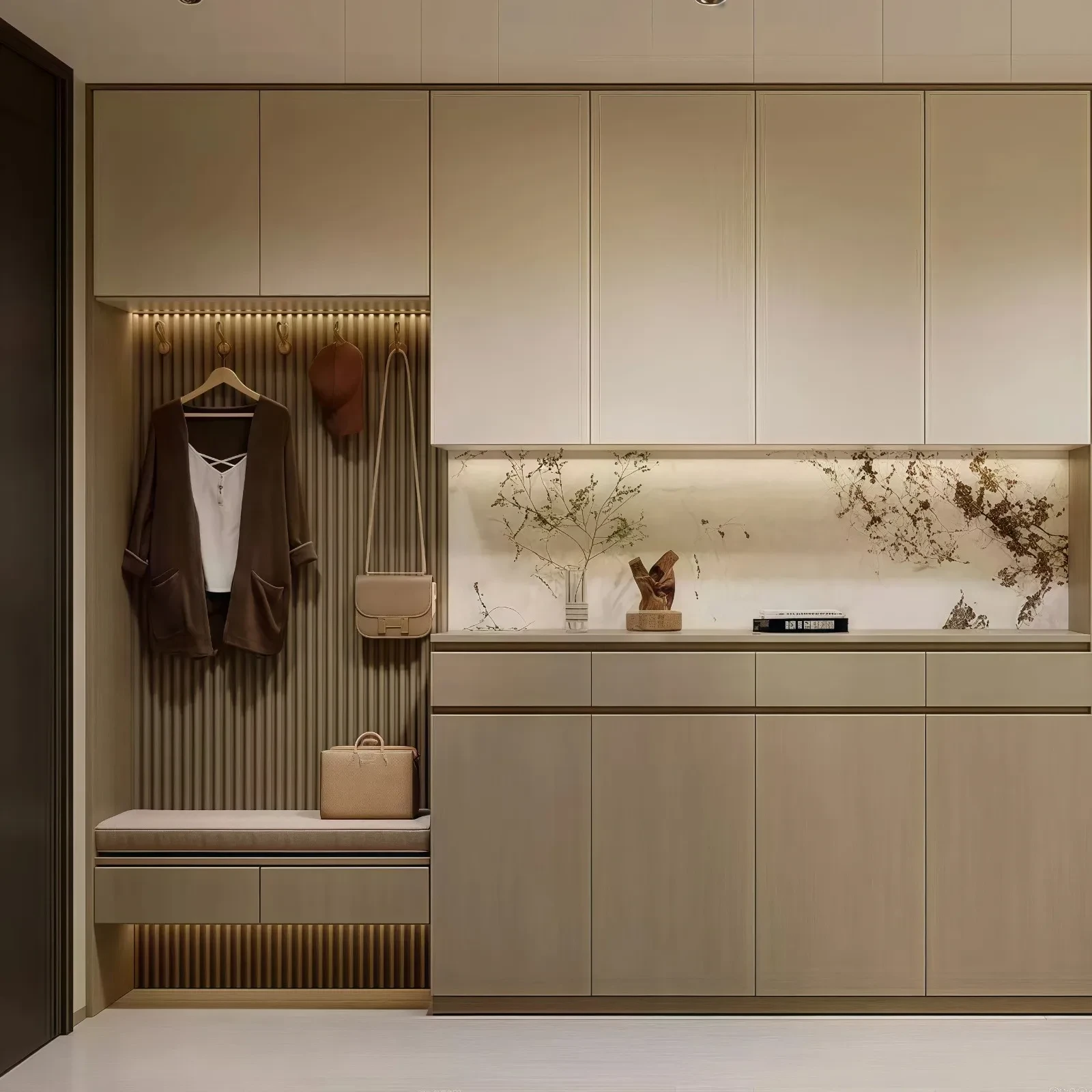
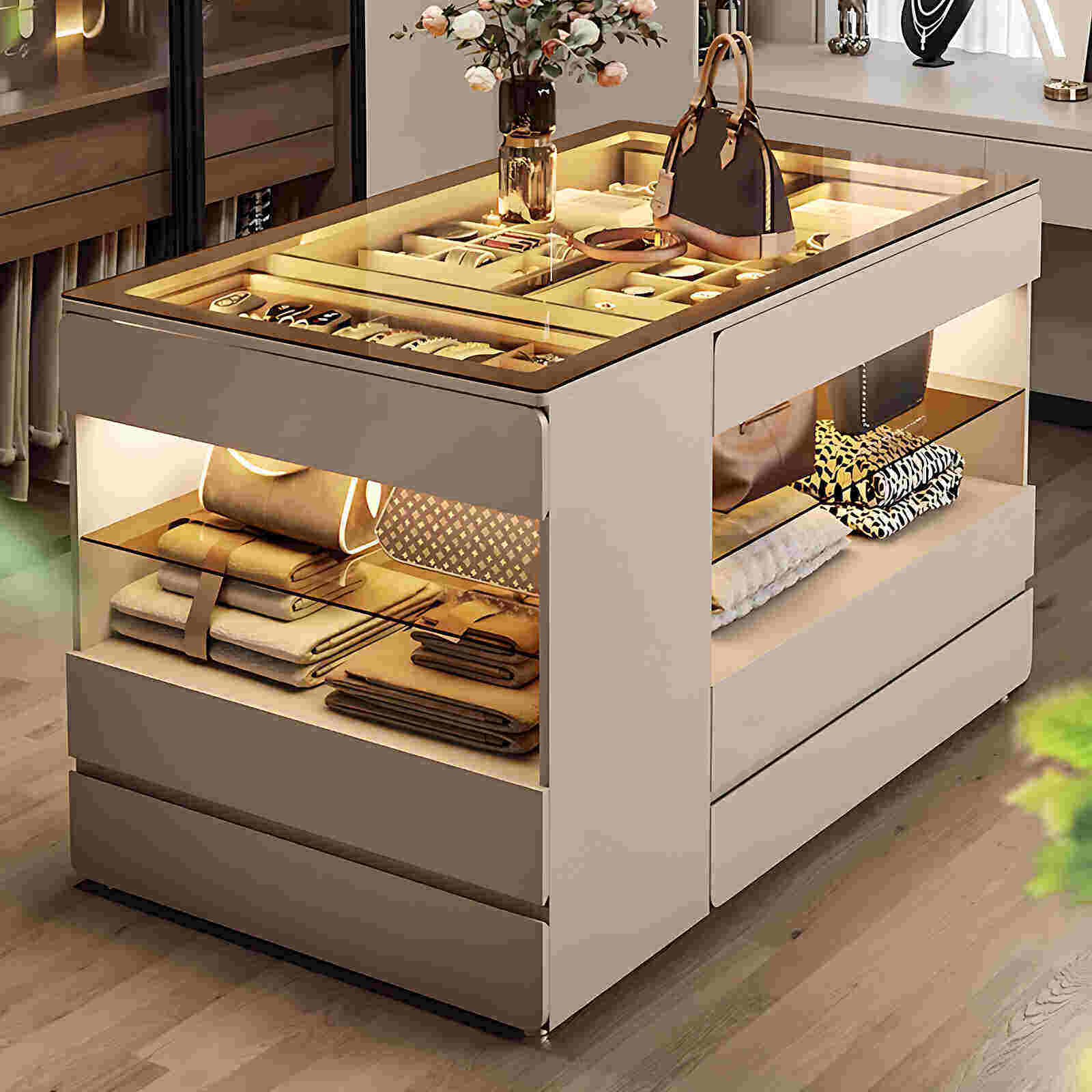
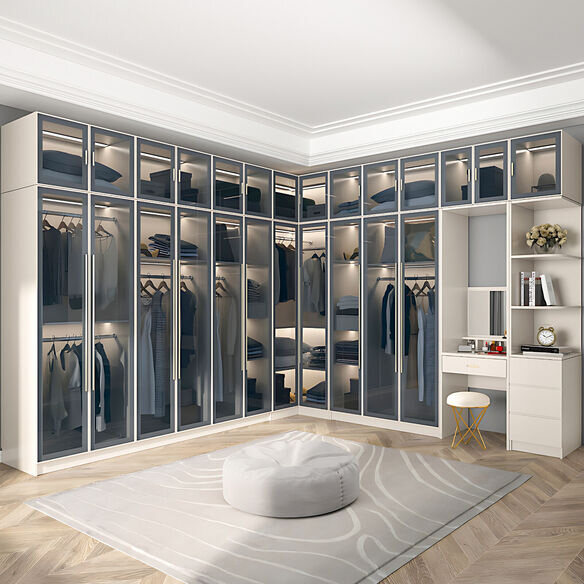
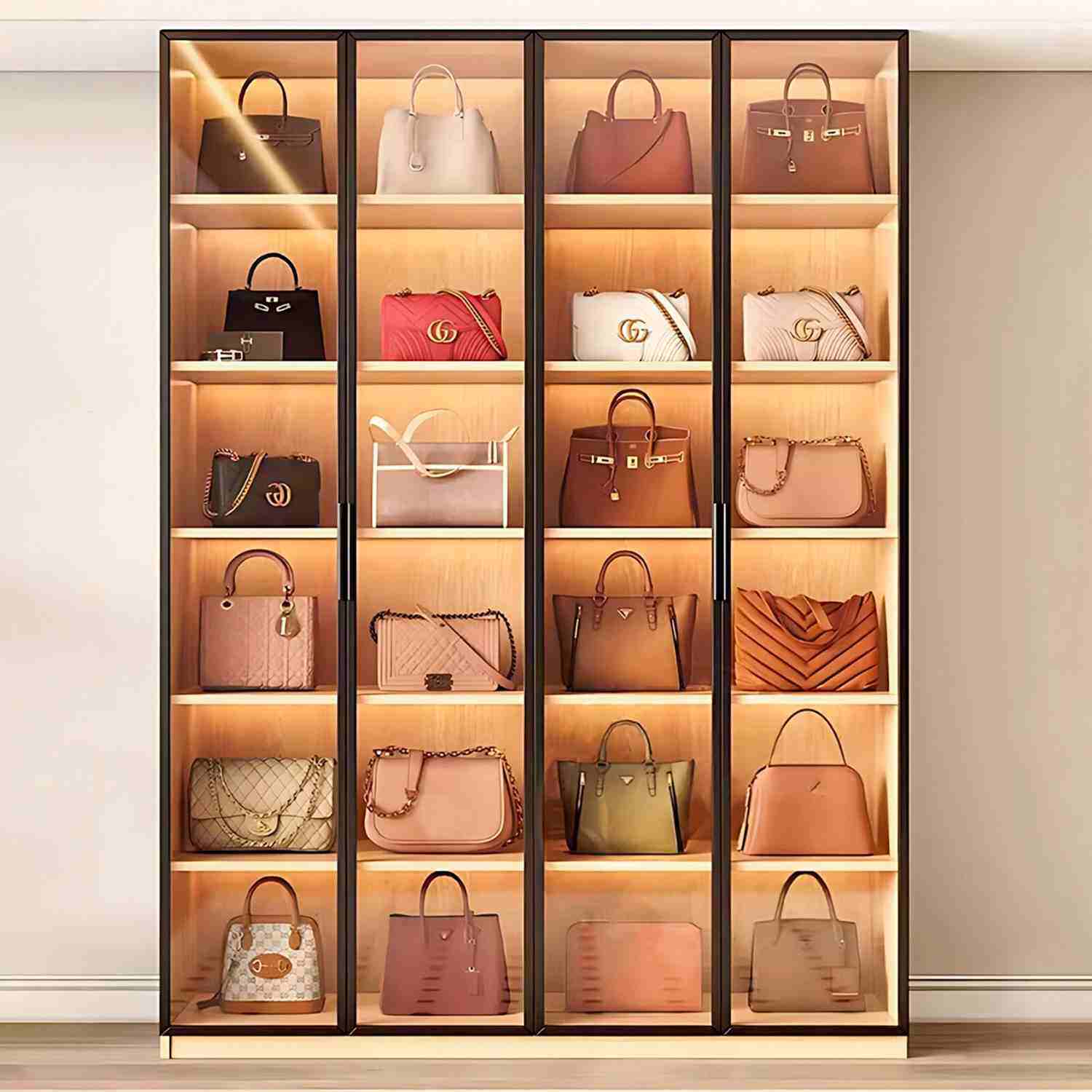
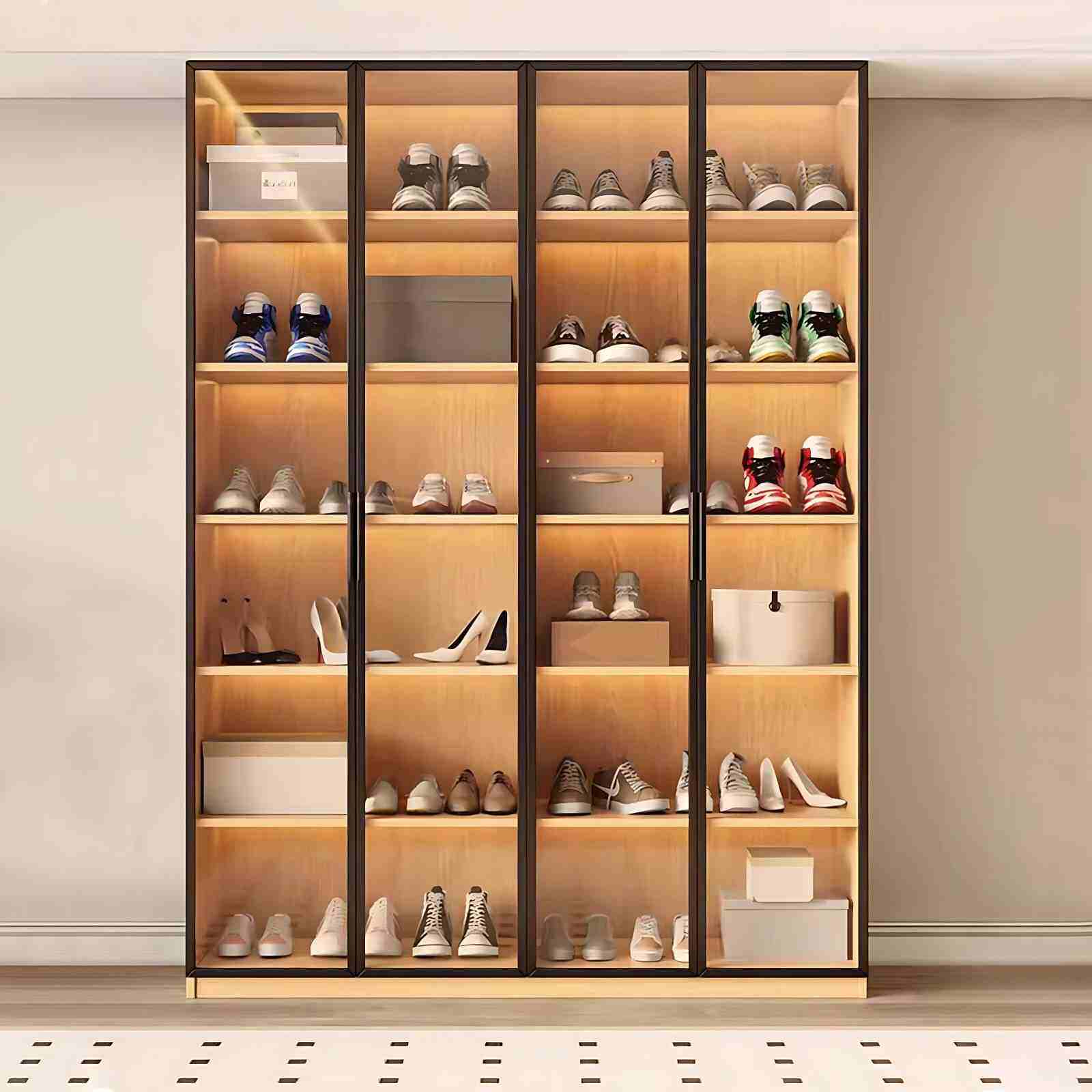



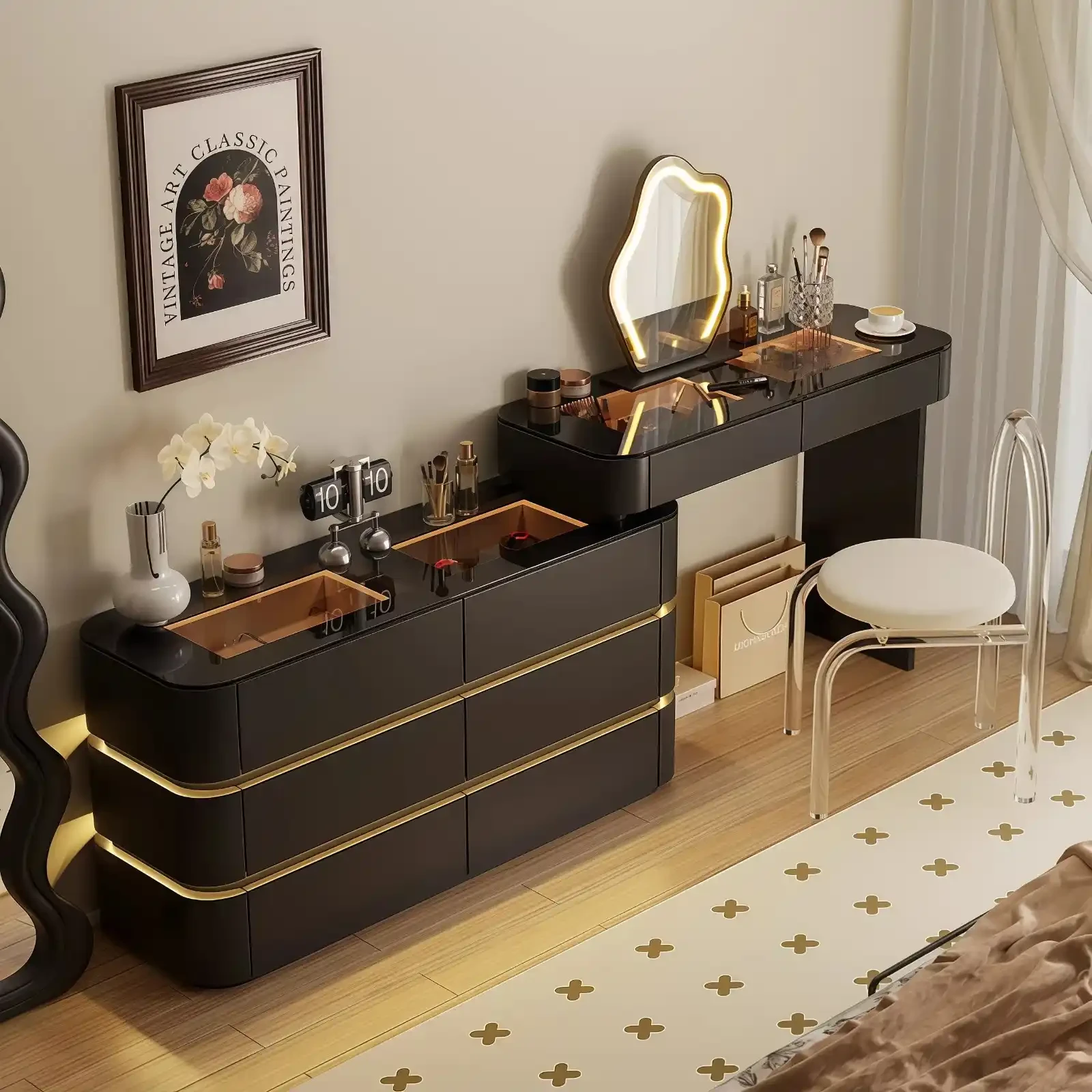
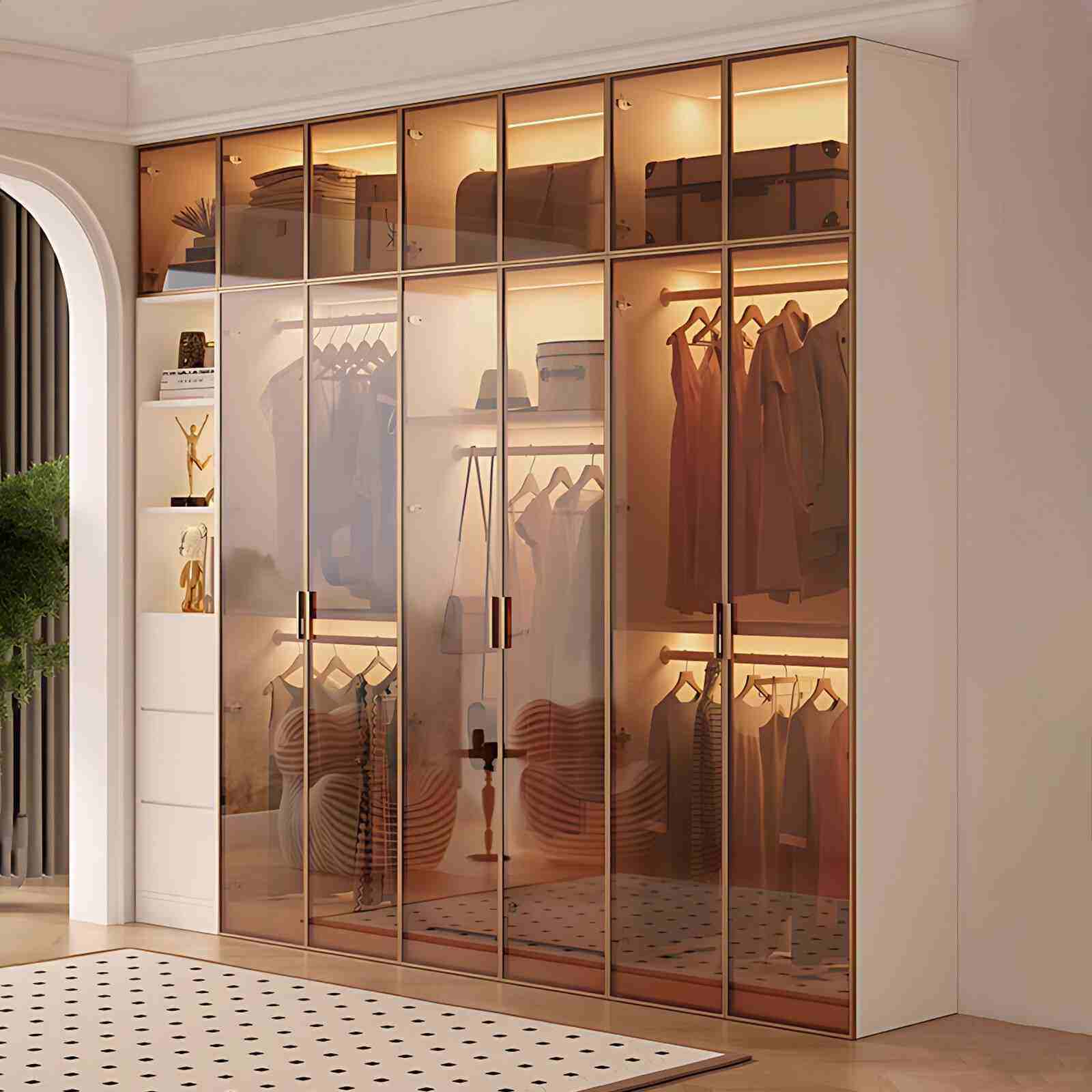
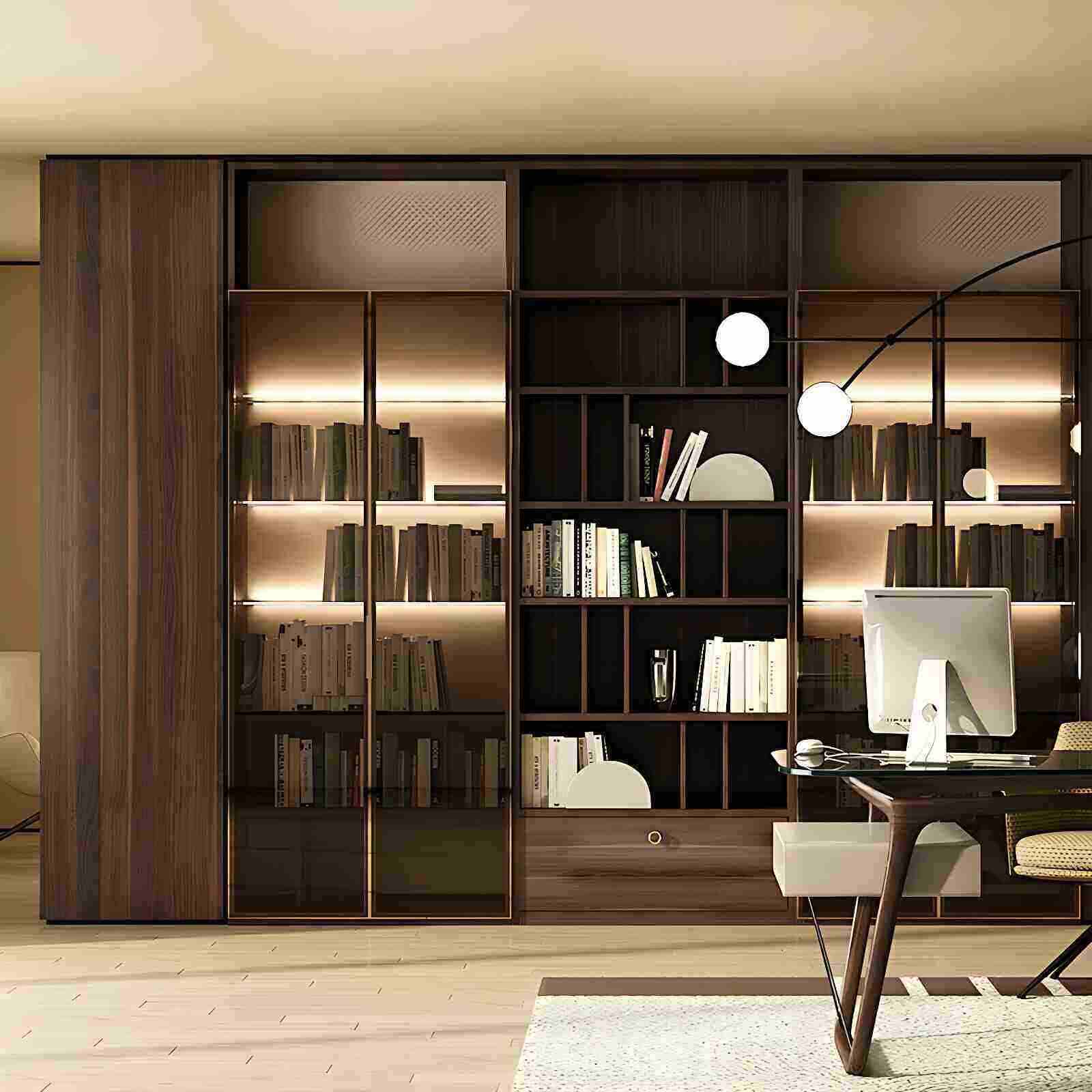

Faced with a chaotic board market, how can you choose a suitable and high-quality board product? Below, we'll look at the uses of various boards to help you quickly find the board you need in the market, saving you time, effort, and money. Let's take a look!
Uses of solid wood boards
Solid wood panels are currently the least common type of wood-based panel on the market. They are made from whole pieces of wood. While solid wood panels have numerous advantages, their high price deters many consumers. Solid wood panels are indeed more durable and sturdy than engineered wood panels, and they possess the most natural grain, making them very beautiful. However, they require high-level craftsmanship to install, resulting in a higher cost in renovations, but the final effect is excellent. Their most common uses are in flooring and doors. For better cost-effectiveness, most consumers still choose engineered wood panels for other renovation materials.
Uses of blockboard
Blockboard is a commonly used type of engineered wood product. It's a type of plywood with a solid wood core. Many types are commonly seen, such as solid, glued, double-sanded, and five-layer blockboard. These boards share common characteristics: hardness, heat insulation, and, importantly, good screw-holding power. Compared to solid wood boards, it's one of the most widely used engineered wood products, offering excellent stability. It's generally safe to use, as long as it's not used in kitchen renovations. Many consumers use blockboard in furniture making, false wall partitions, or door and window frames because it has a faint, pleasant fragrance, indicating good quality. Such boards contain very little formaldehyde, posing no harm to human health. A small amount of formaldehyde may be released, but this is negligible.
Uses of plywood
Plywood is a commonly used type of engineered wood product. It's typically made of three or more layers of thin veneer bonded together with adhesives under heat and pressure. This type of board boasts excellent stability. However, it's crucial to note that plywood has a high glue content, so the edge banding must be meticulously done. Poorly done edge banding can release large amounts of formaldehyde, harming consumers' health. Currently, plywood on the market is mostly used for making baseboards or backboards.