
 USD
USD GBP
GBP
 EUR
EUR
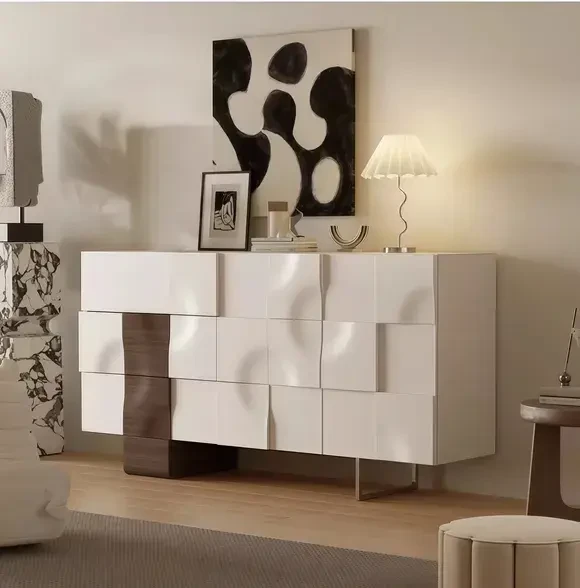
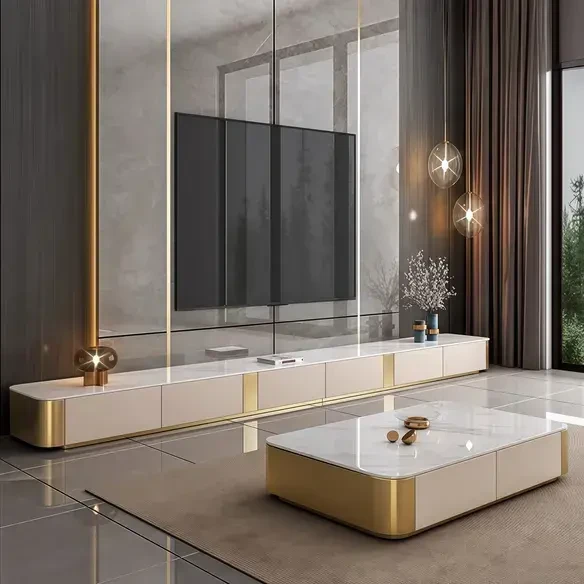
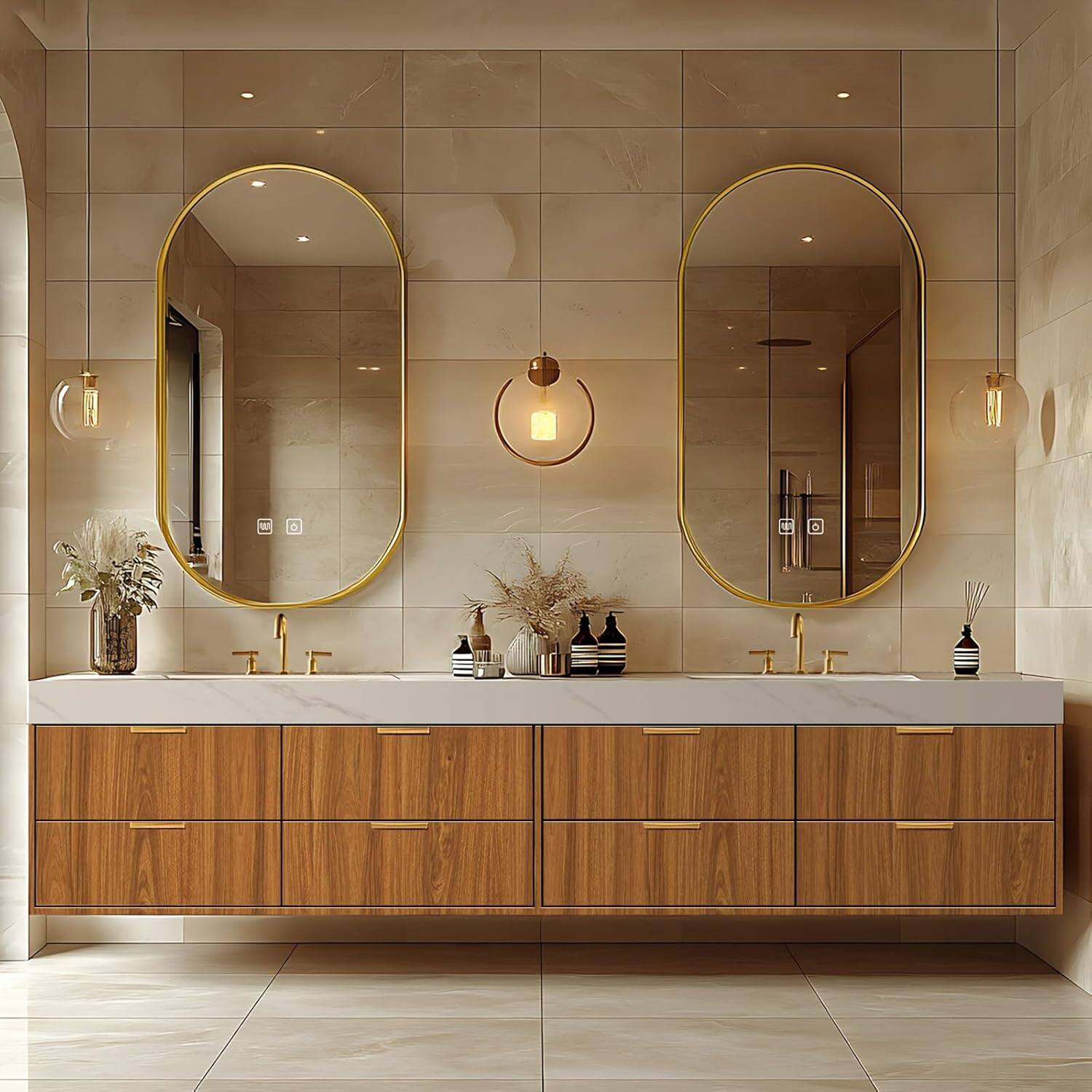
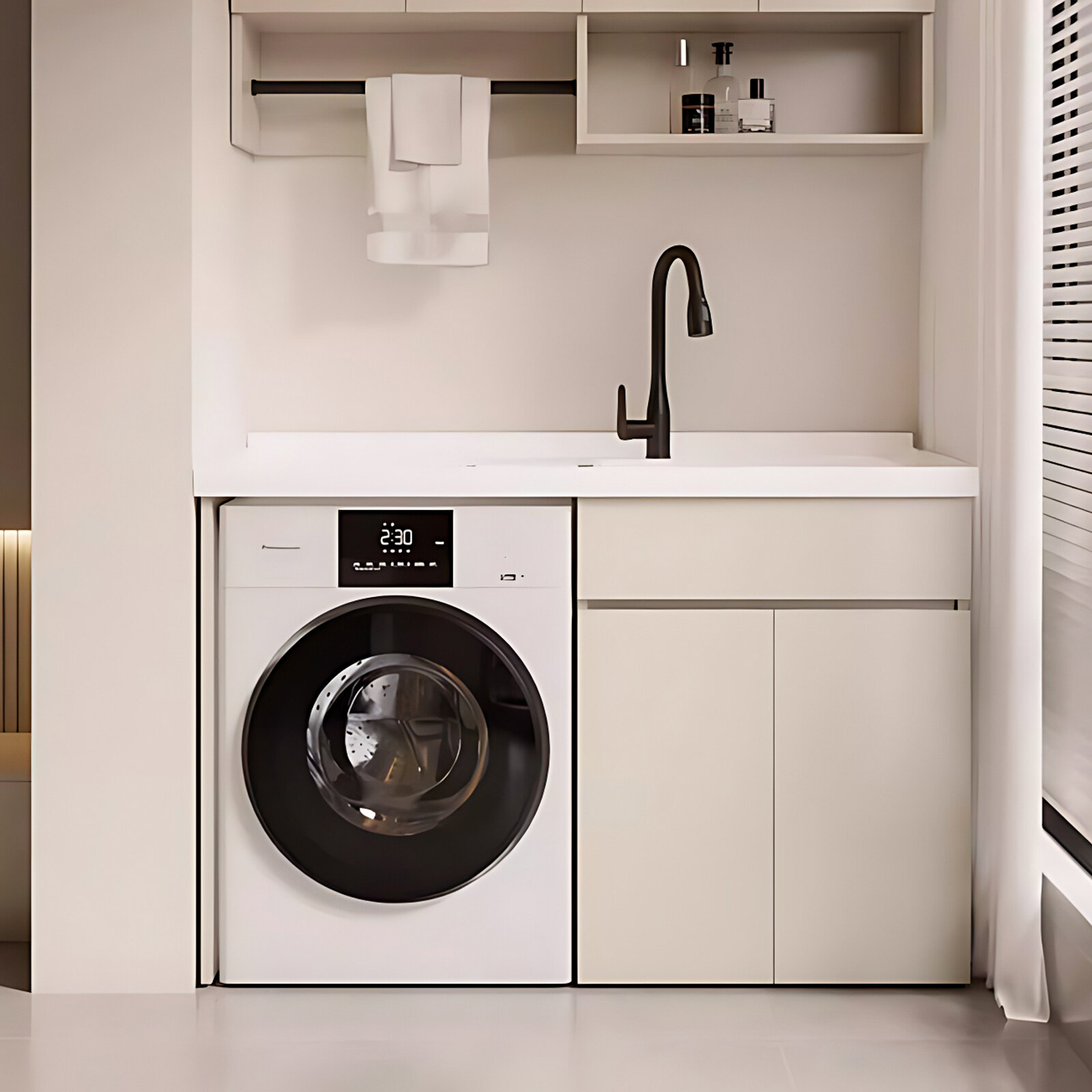
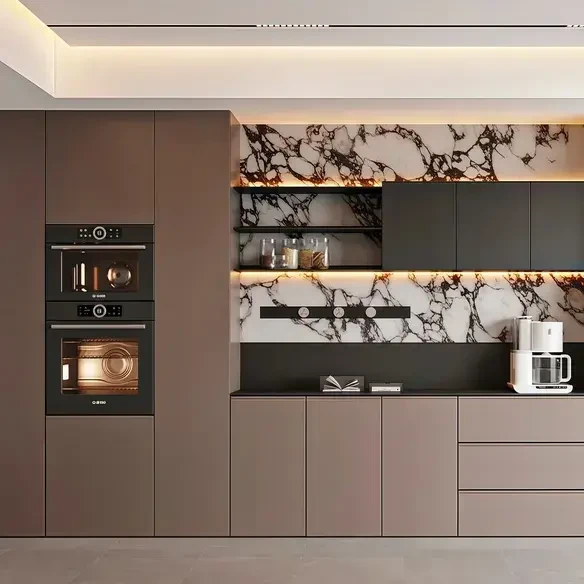
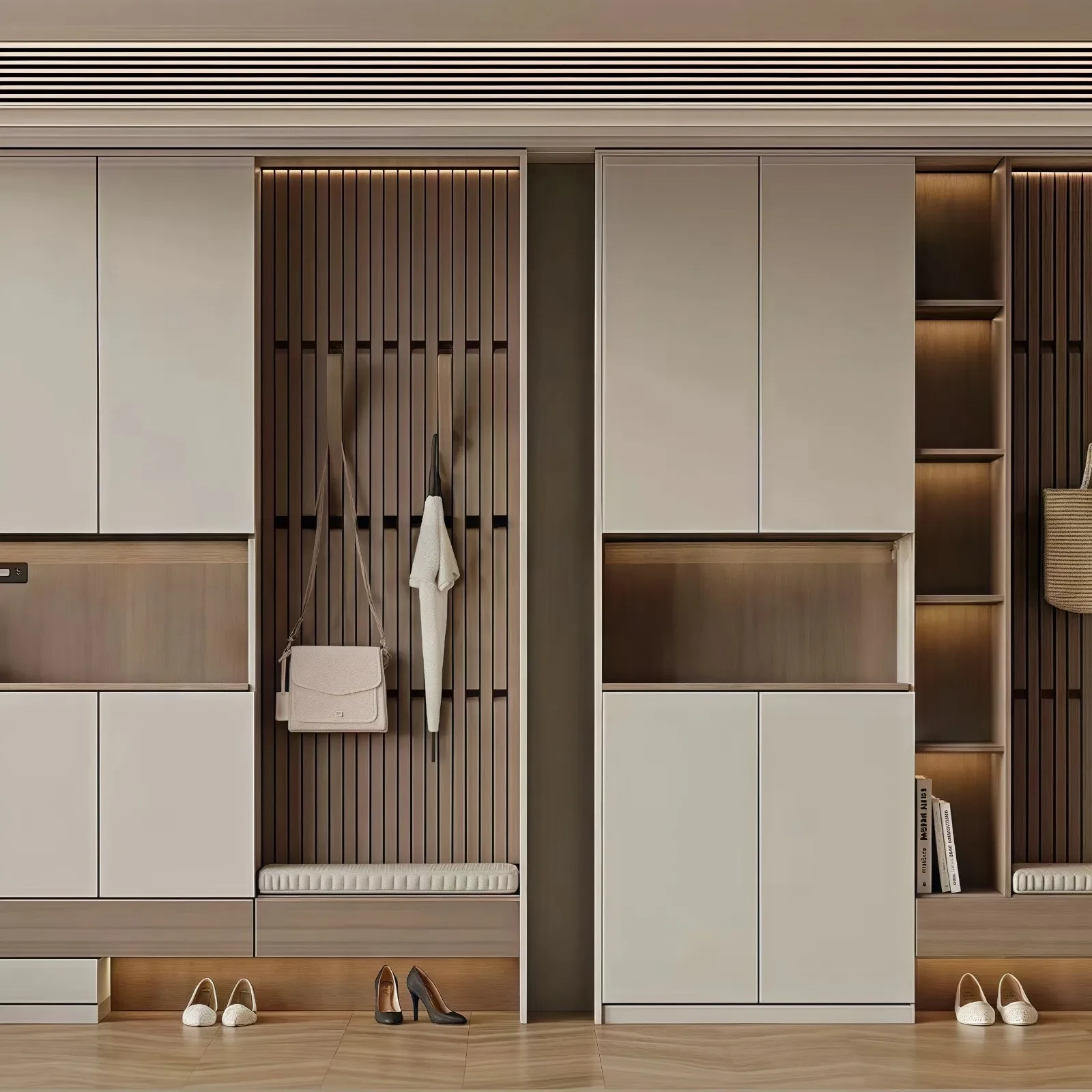
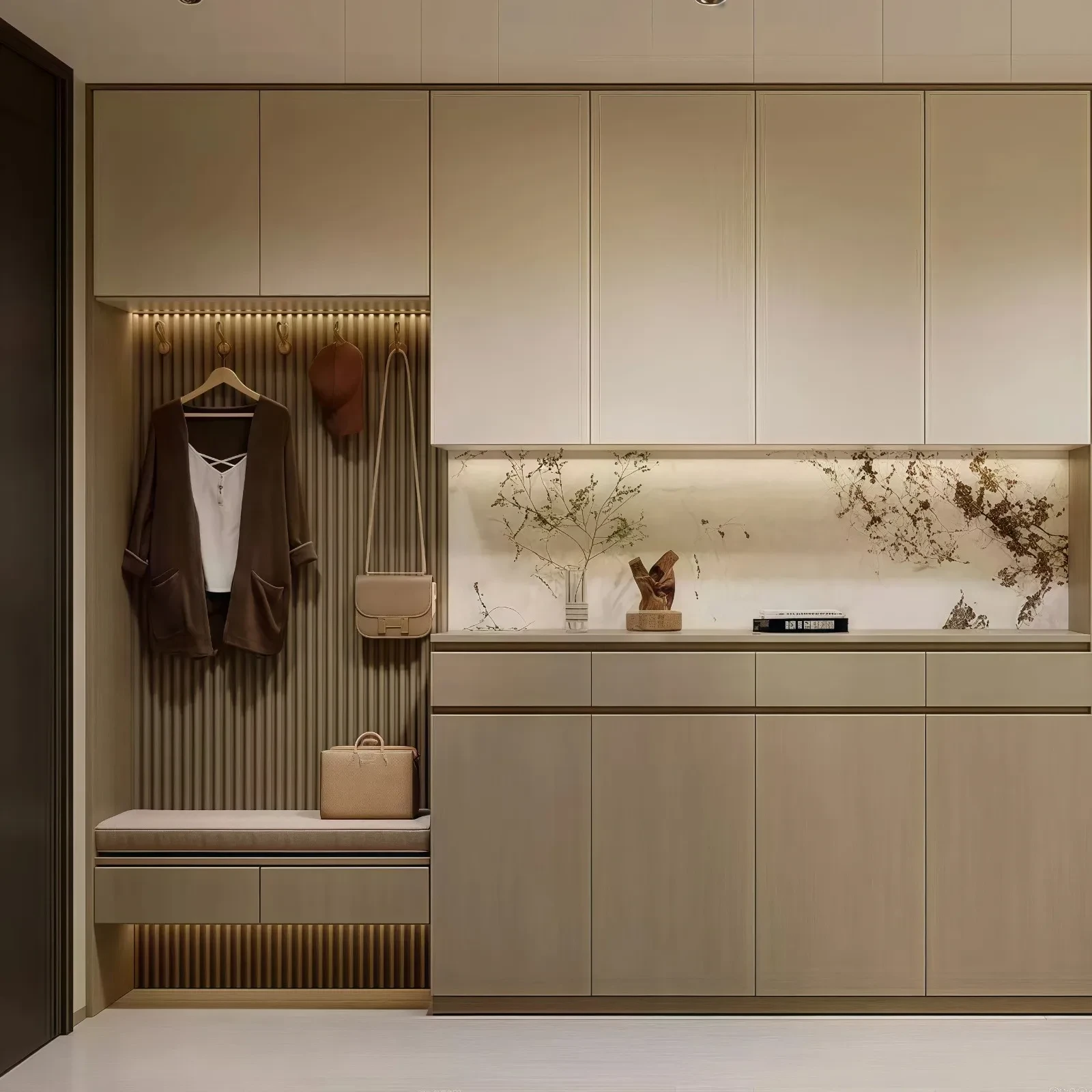
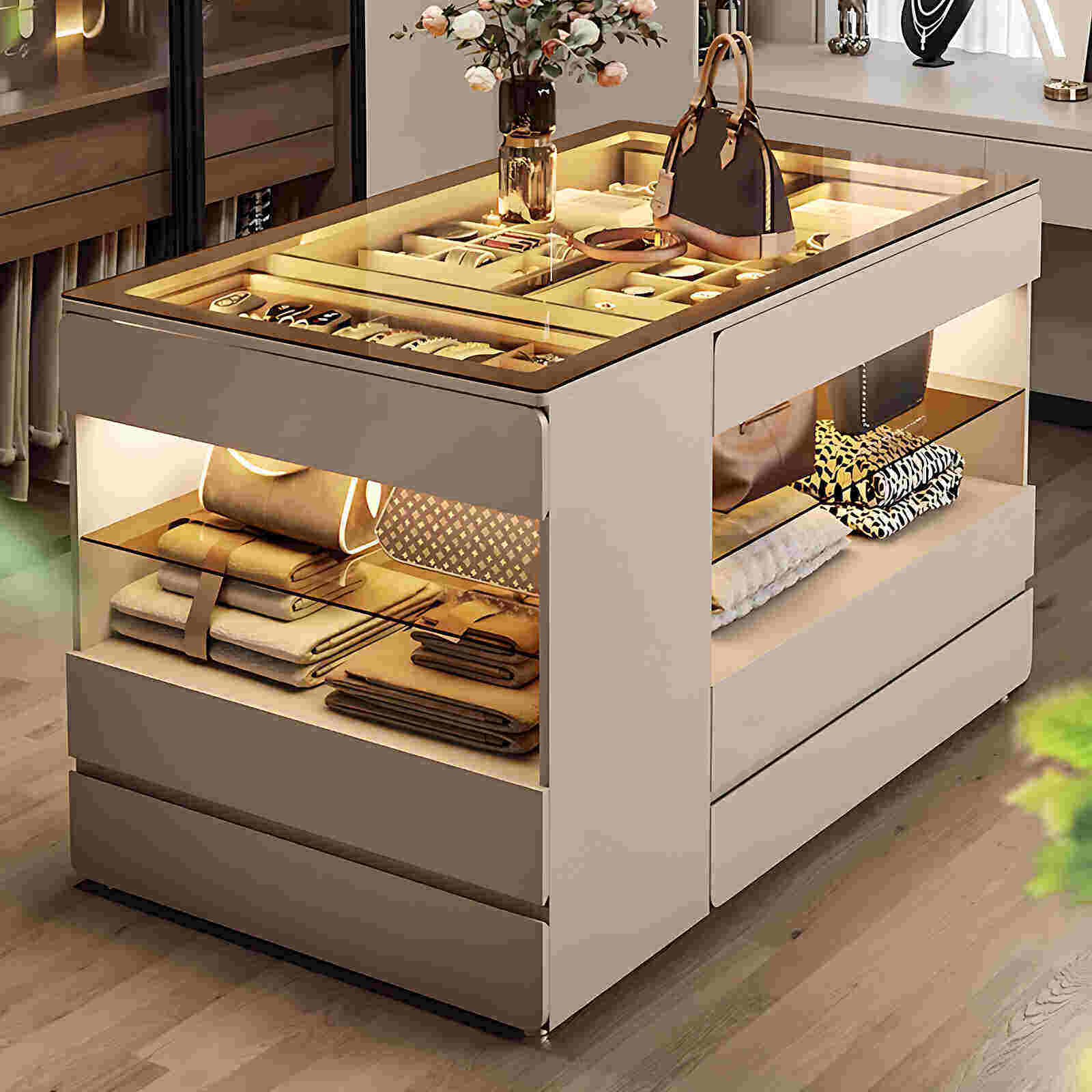
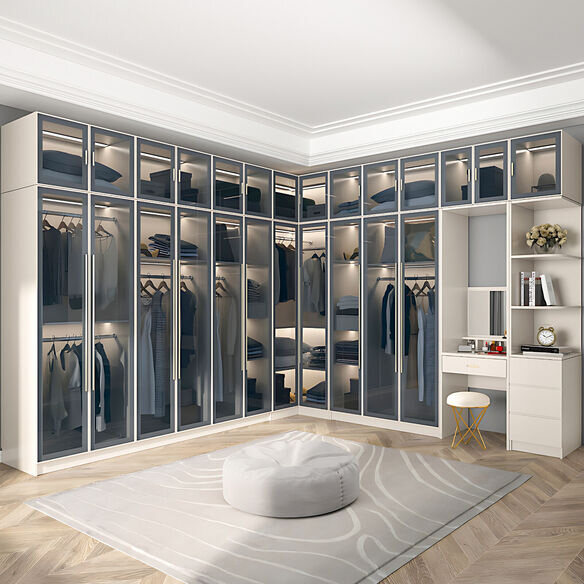
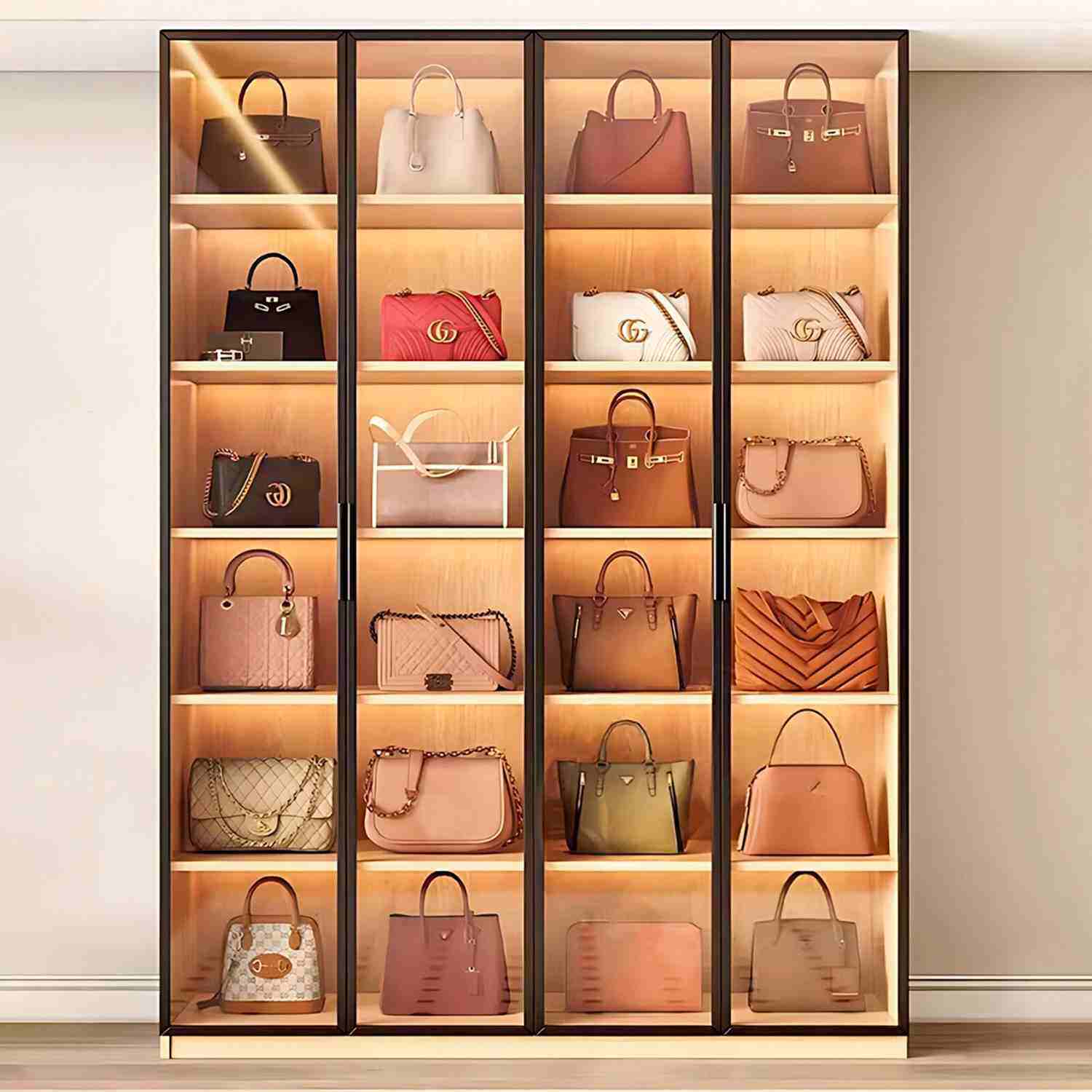
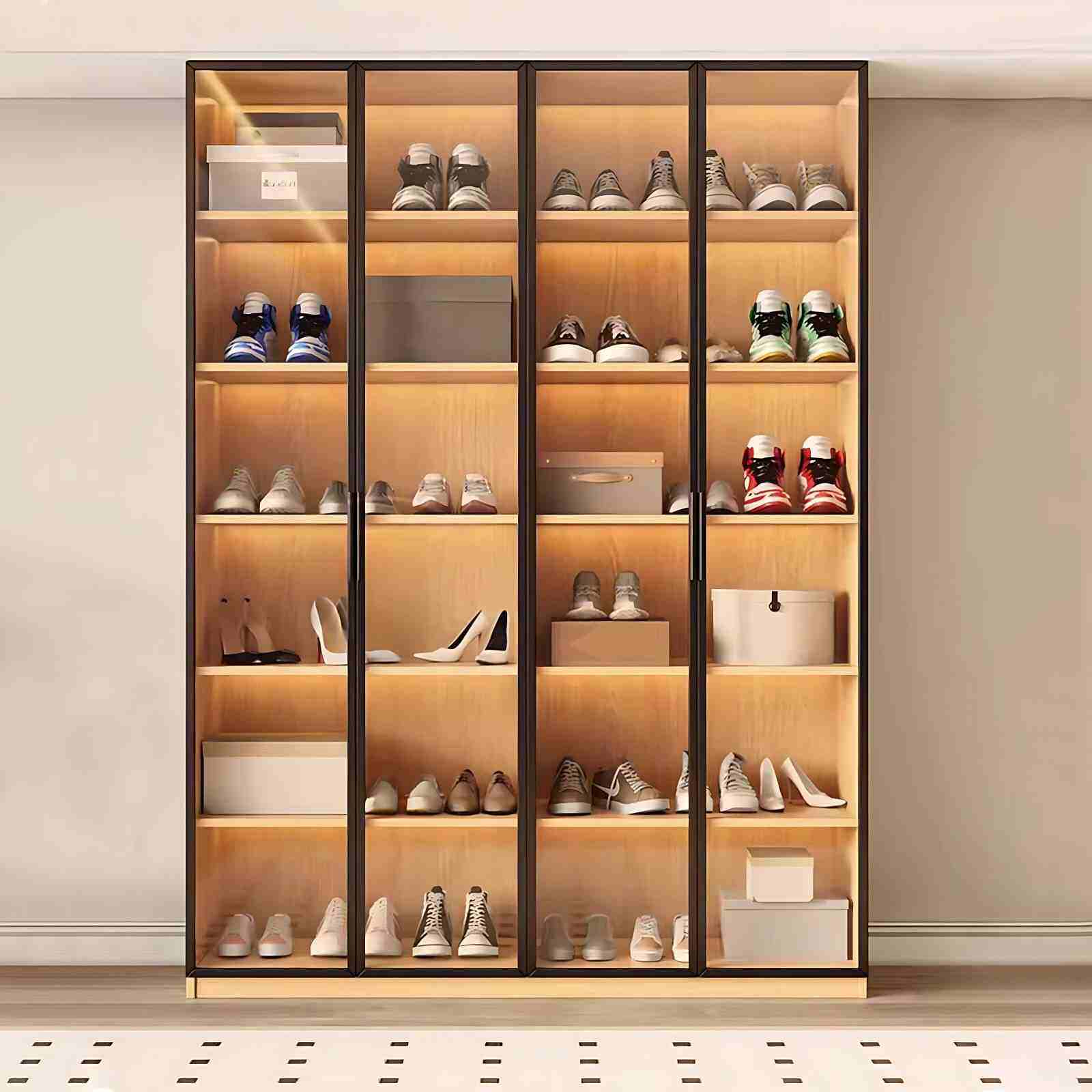
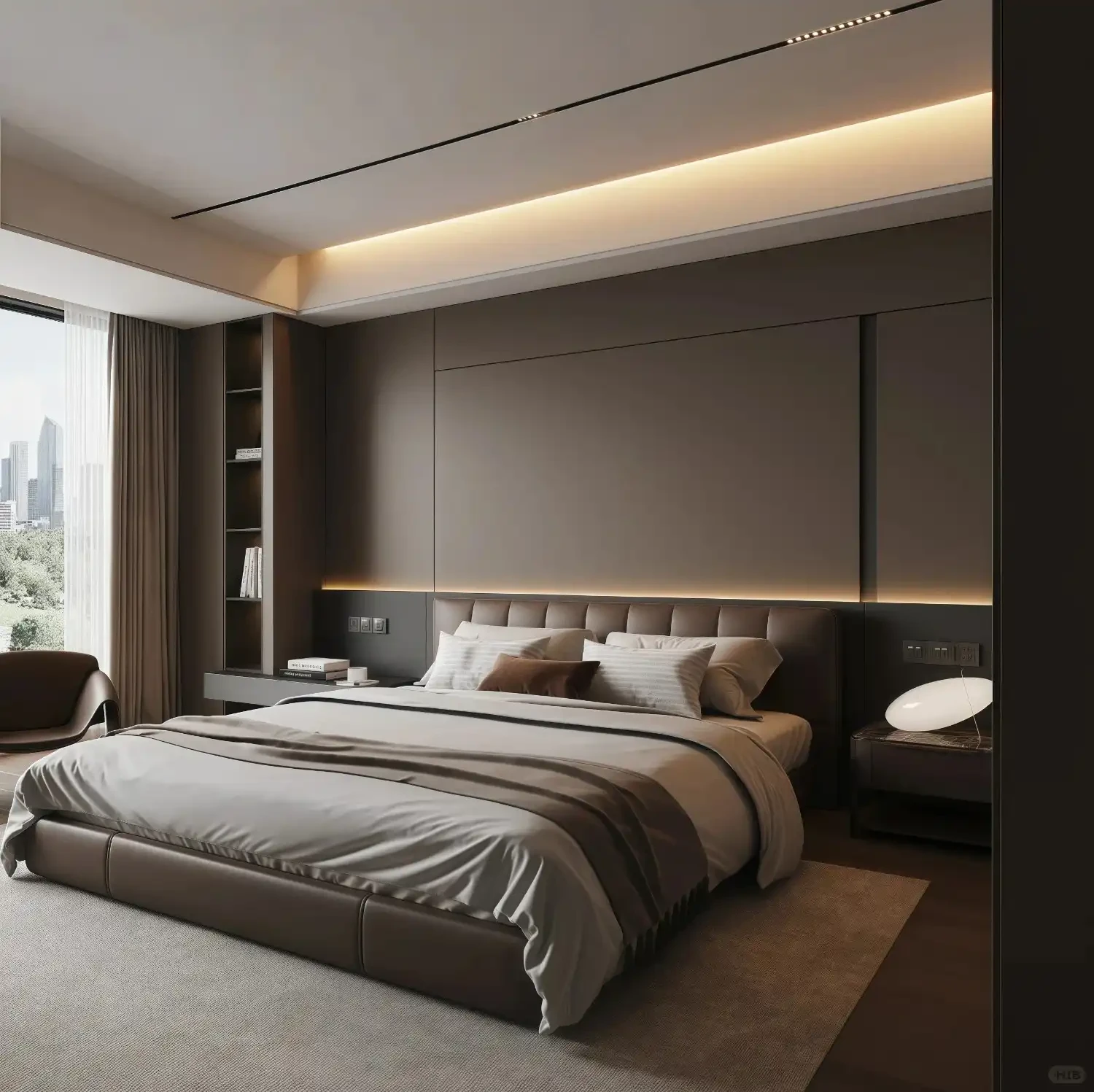
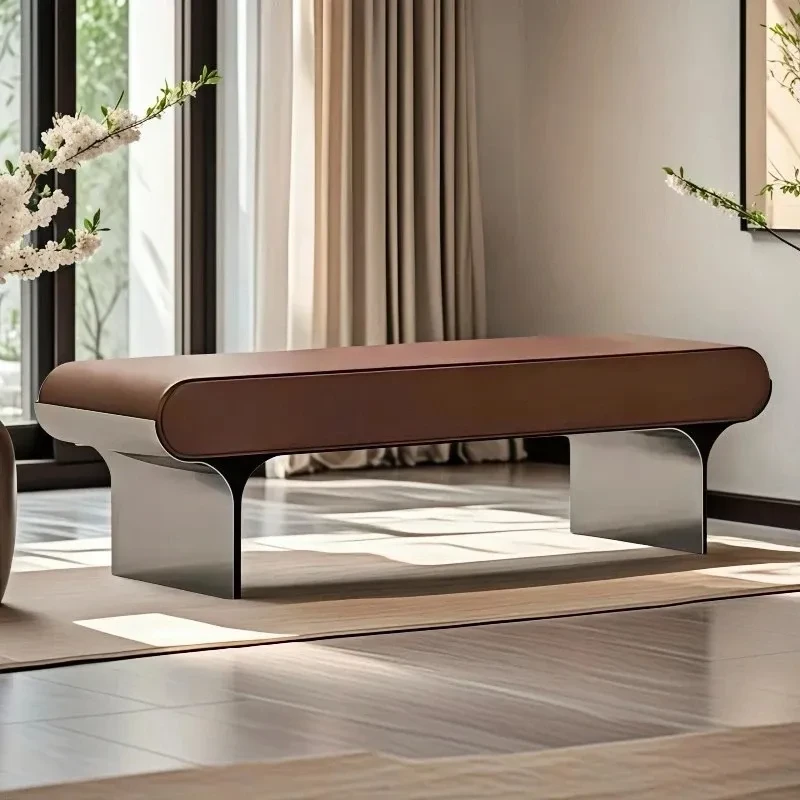
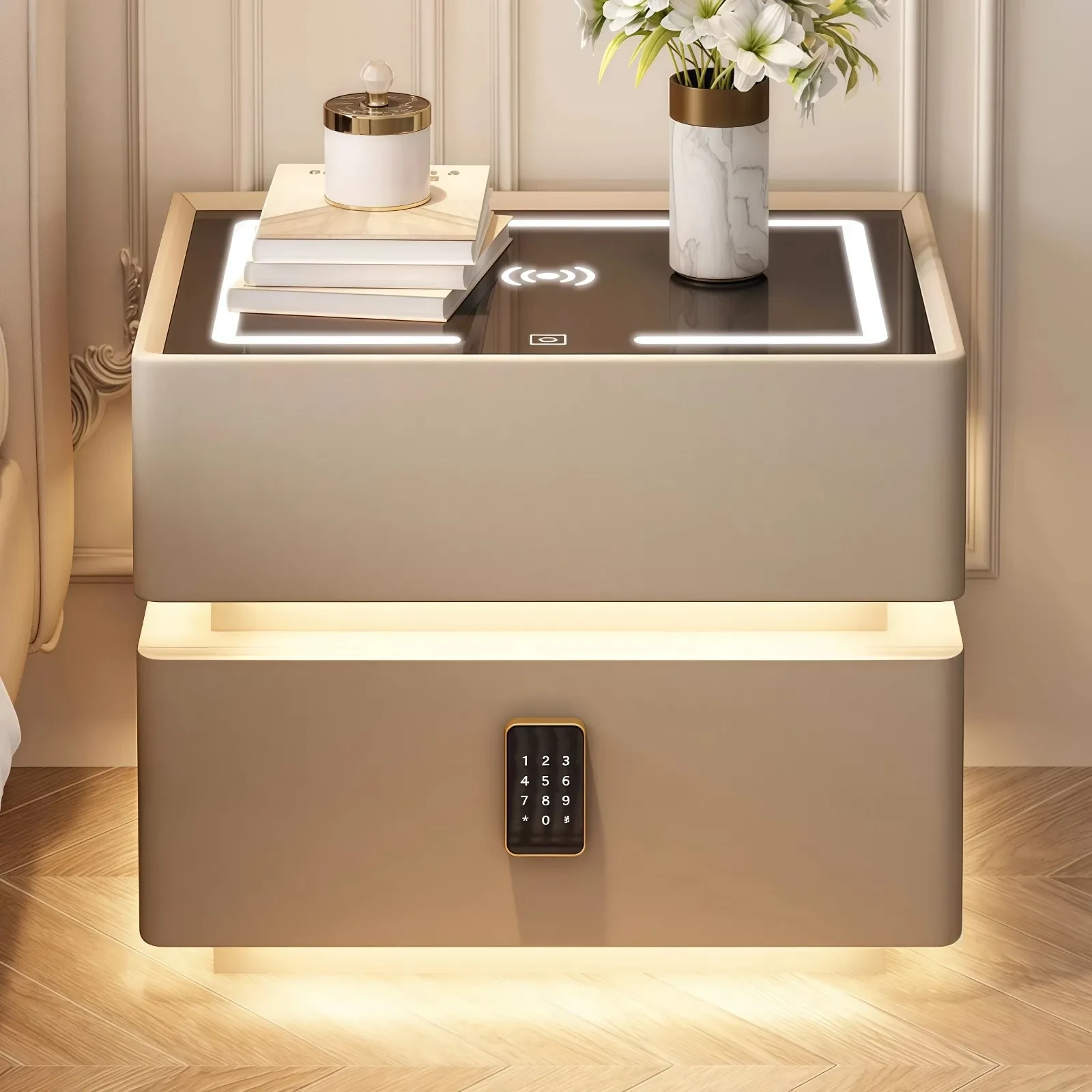
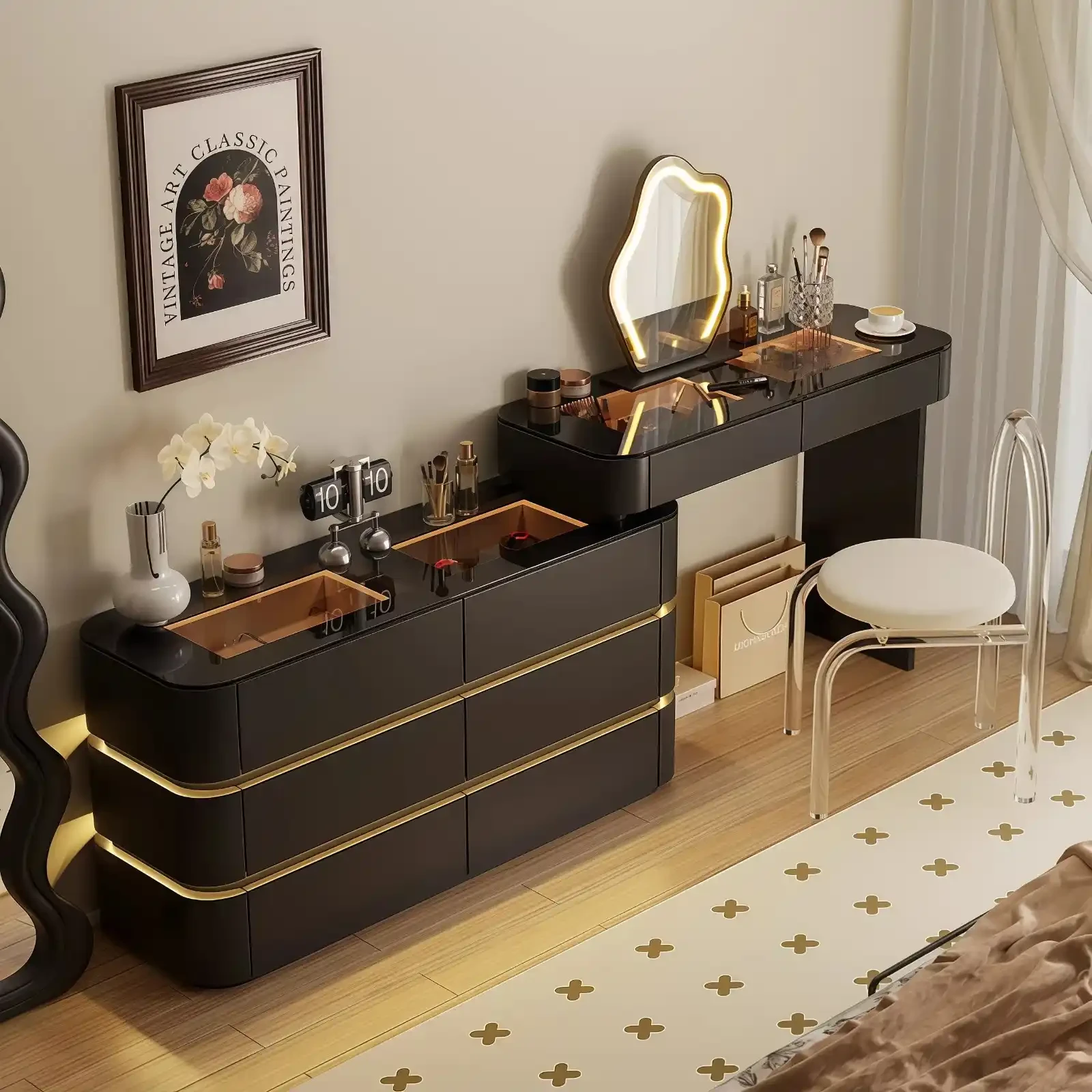
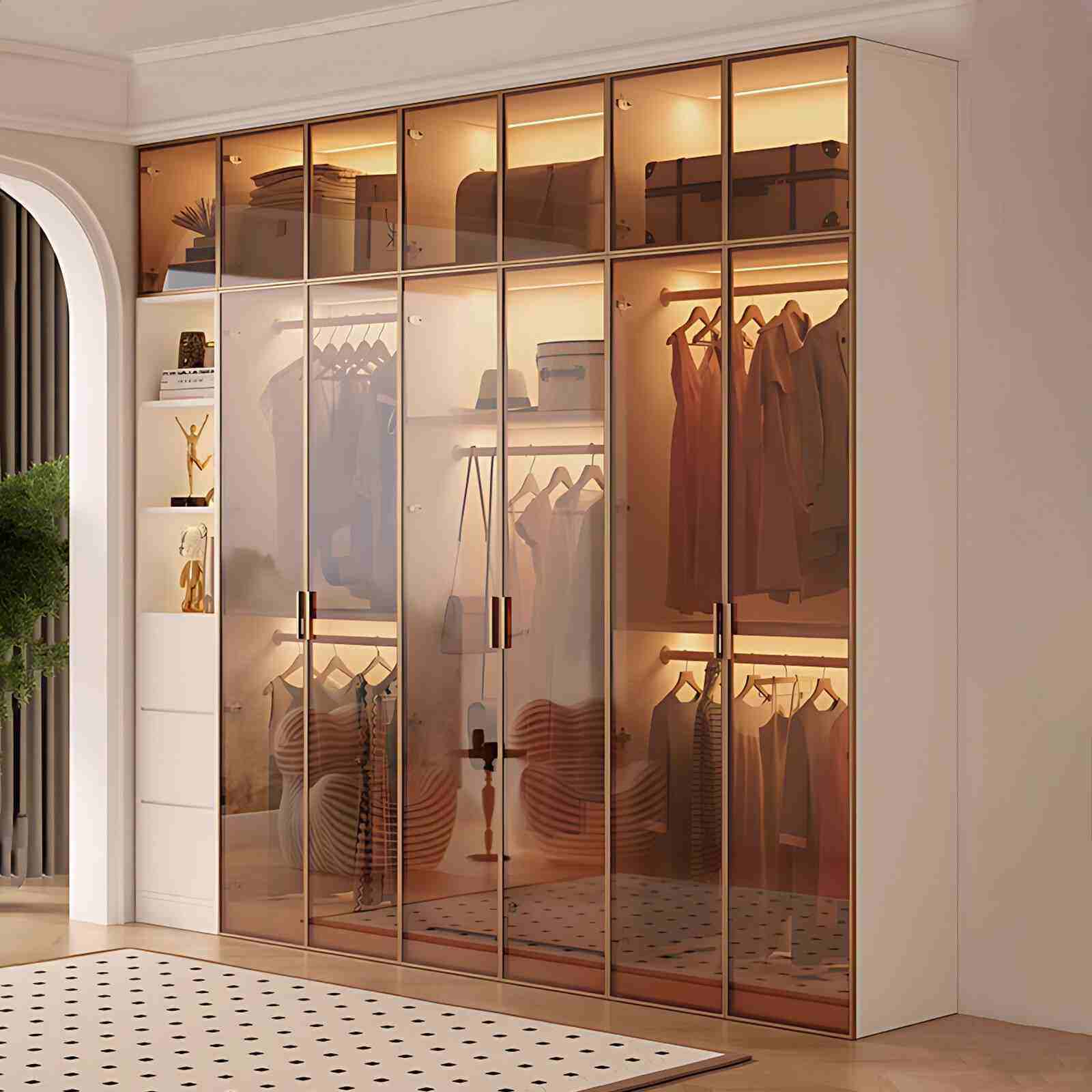
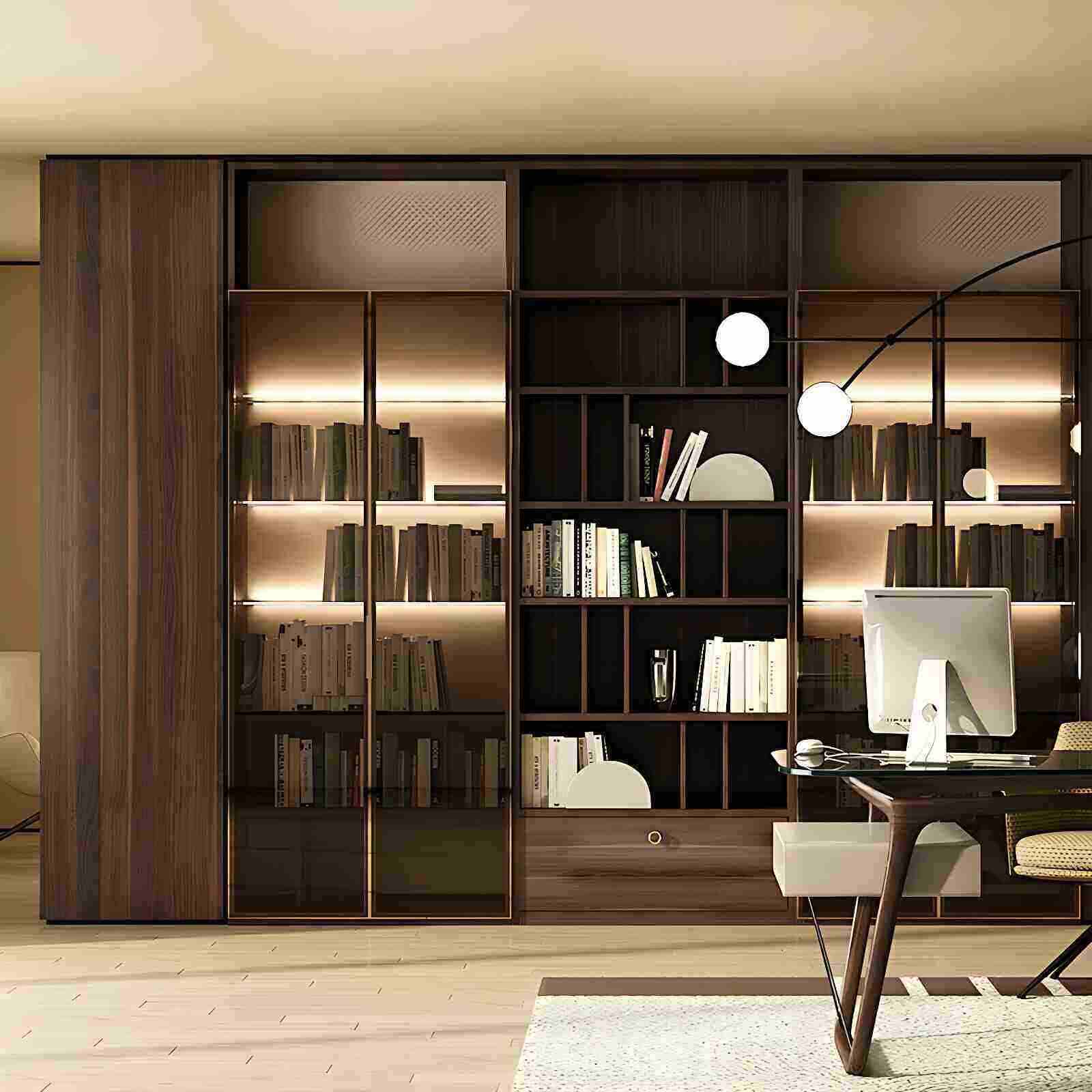
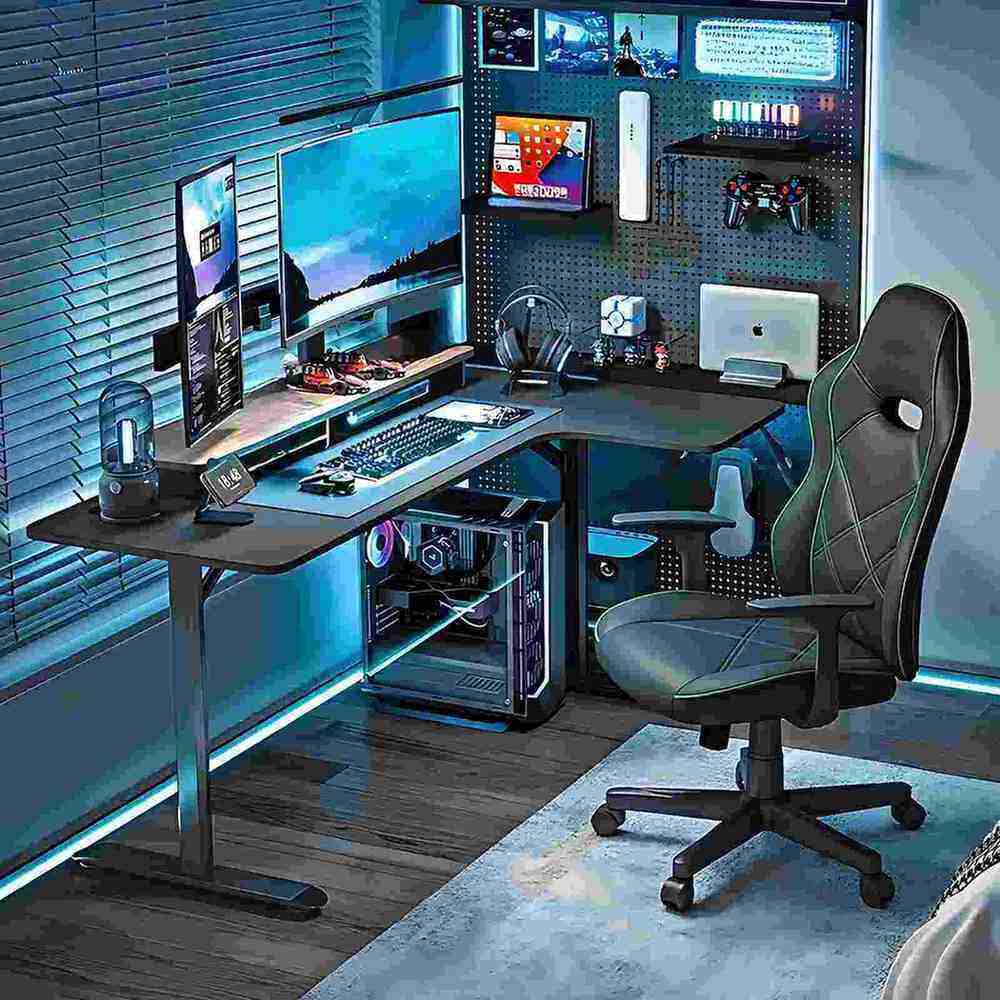
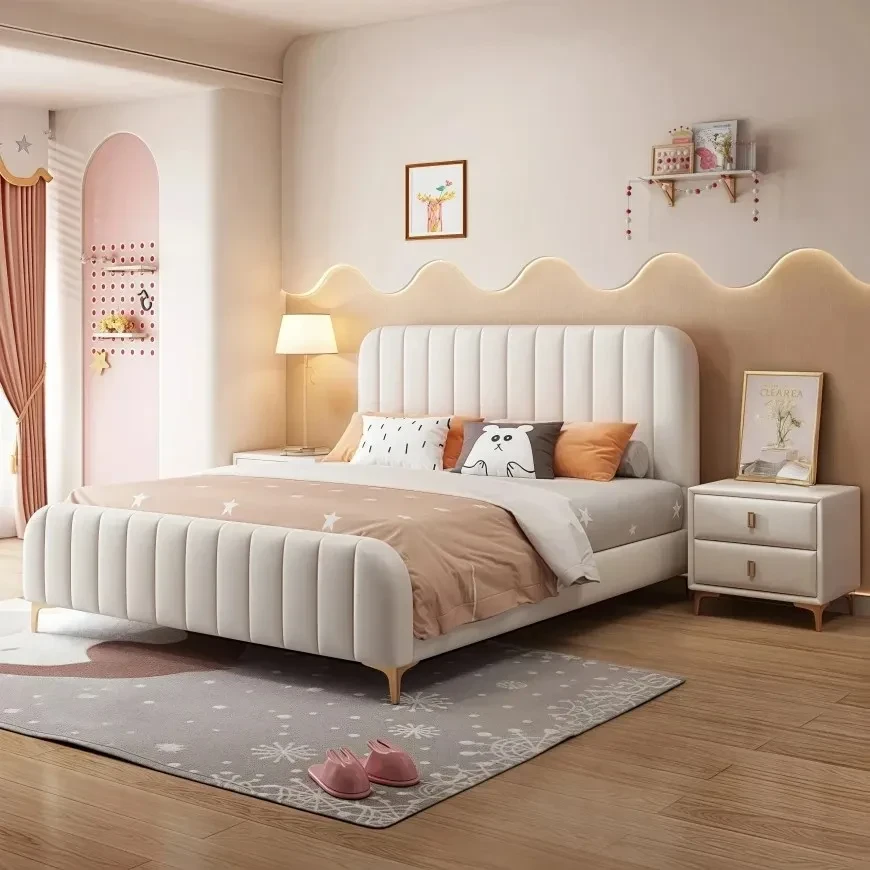
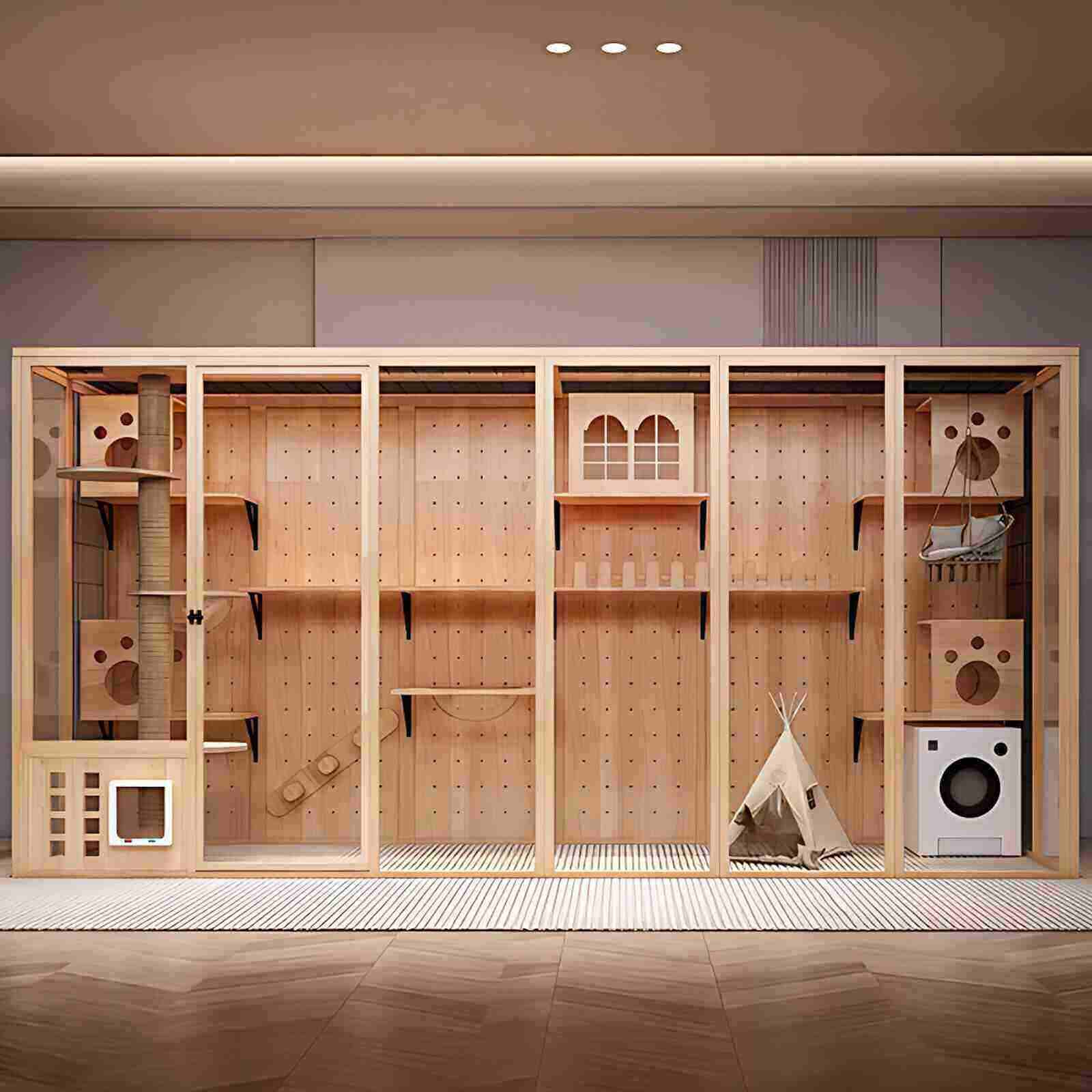
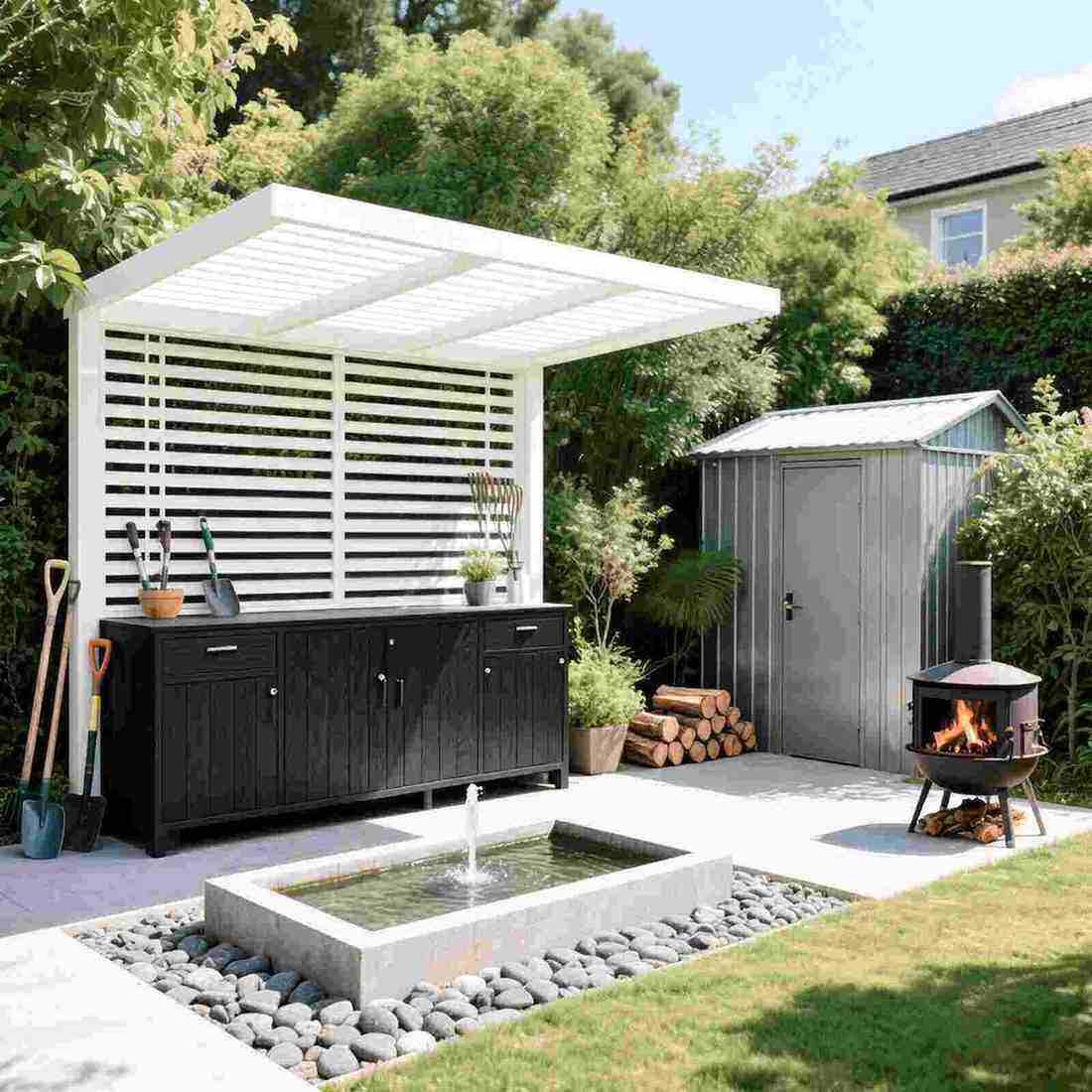
The quality of the edge banding on the boards determines the lifespan of a cabinet. Good, rigorous edge banding not only makes the cabinet look more beautiful and feel smoother, but also effectively controls formaldehyde release, prevents moisture intrusion, and reinforces the board. Industry insiders can often tell whether a cabinet is well-made simply by touching the edge banding.
Edge banding is a manufacturing process, and the quality of the manufacturing process depends heavily on the equipment used. A good edge banding machine can cost tens of millions of dollars. For example, the Italian Biasys edge banding machine used in kitchen cabinets has functions not found in other brands' similar equipment, such as preheating, anti-stick spraying, horizontal cutting, and cleaning liquid spraying. This results in a more refined, clean, and beautiful edge banding effect, with a smooth feel to the edges of the boards. The arc tracking system uses a dual-motor design to ensure no omissions in the processing; it also features a quick glue cylinder change system; the inner wall of the glue cylinder is treated with a Teflon non-stick coating; and an edge banding tape depletion alarm device.
Small workshops often use a method where glue is applied with a brush, then manually pressed and sealed. Finally, the edges are trimmed with a utility knife and polished with a manual polishing machine. This method produces boards with uneven edges, making them prone to peeling and detachment within a short period. Once the sealant falls off, water can seep in, causing swelling. Large amounts of toxic gases, such as formaldehyde, are released into the air, making the boards extremely susceptible to deformation and damage.
The cabinet panels use imported PUR hot melt adhesive for edge banding. The edge banding tape and adhesive line are perfectly sewn together, and the edges of the edge banding tape are perfectly bonded to the panel, seamlessly integrating with it. PUR hot melt adhesive itself is formaldehyde-free, and its strong adhesion effectively prevents the release of free formaldehyde inherent in the panel. Because the adhesive has an irreversible property when exposed to air, it will not delaminate even after prolonged immersion in water. PUR is a moisture-reactive hot melt adhesive that cures irreversibly, even in humid environments. Water only strengthens its adhesion, and it will not melt when heated. Therefore, PUR is more water-resistant, corrosion-resistant, and resistant to both high and low temperatures.
Even with good edge banding equipment and adhesive, it is still necessary to completely seal the edges. Otherwise, the cross-section of the board will easily expand and deform when exposed to moisture, and harmful substances such as formaldehyde will easily volatilize from there.
All the boards used in the cabinets are fully edge-sealed, including the drawer bottoms and other unseen corners. This process ensures the product's aesthetics and moisture resistance, reduces formaldehyde release, and increases the product's lifespan.