
 USD
USD GBP
GBP
 EUR
EUR
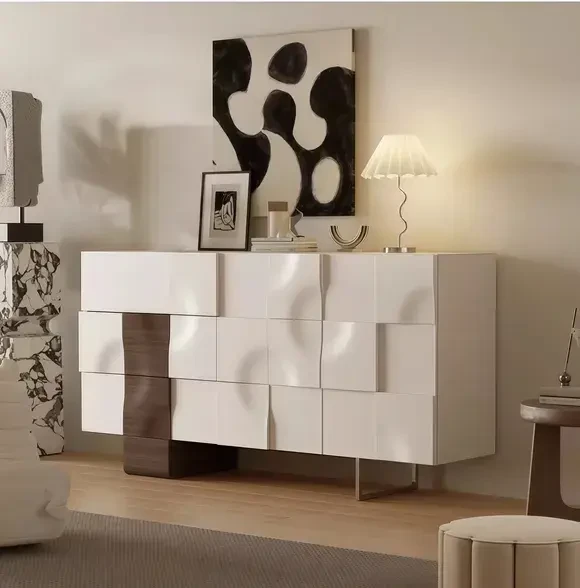
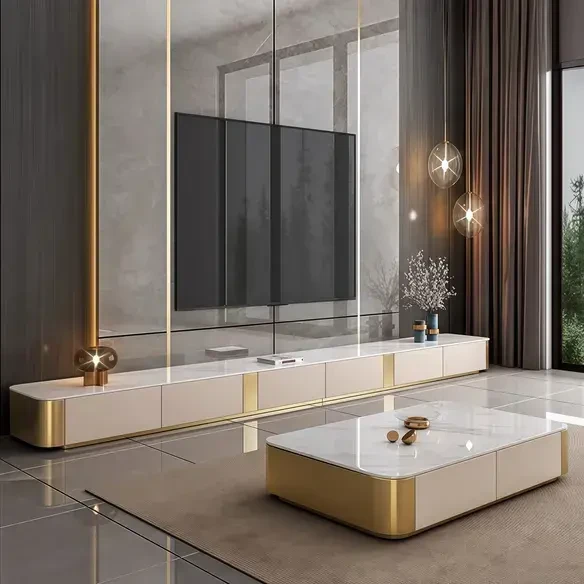
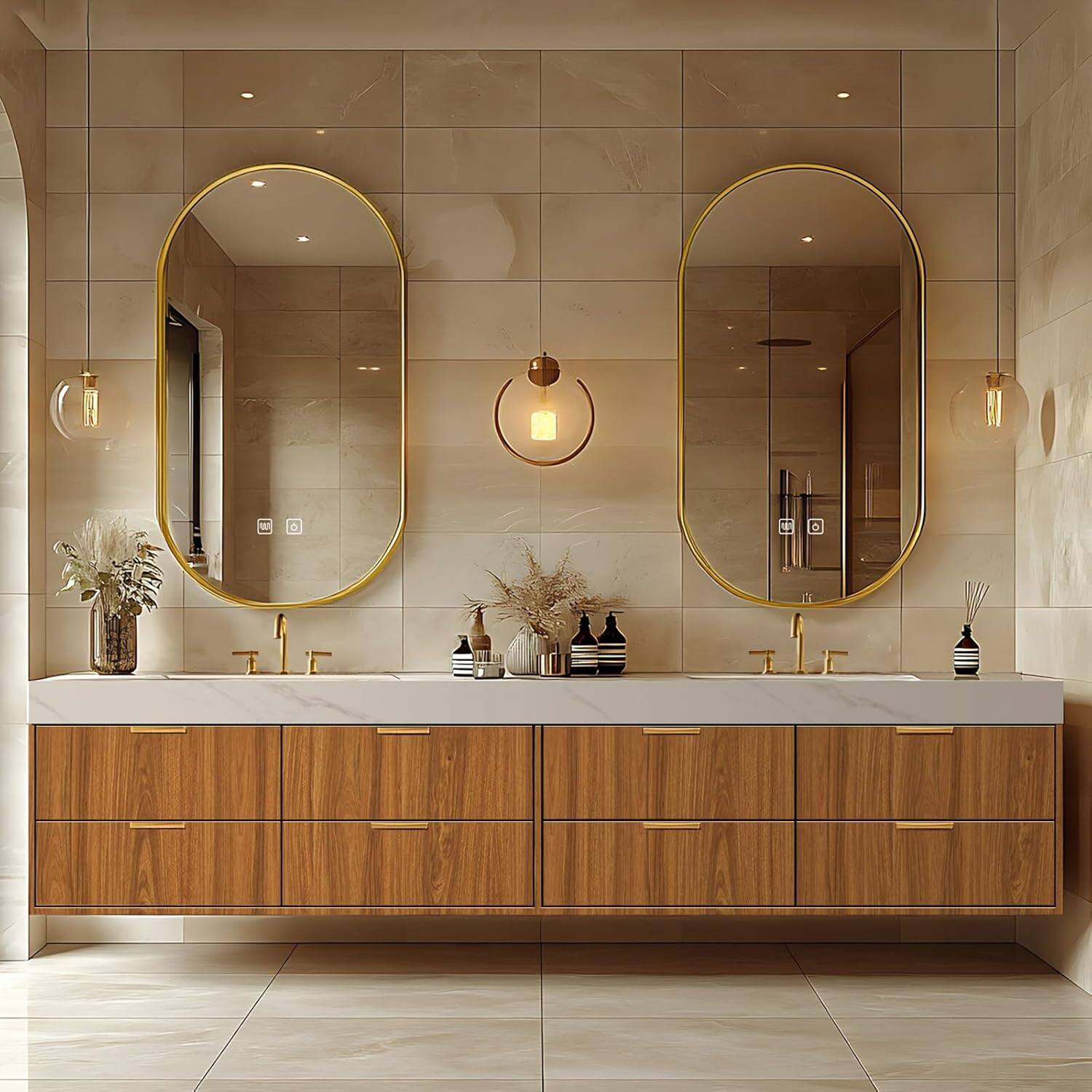
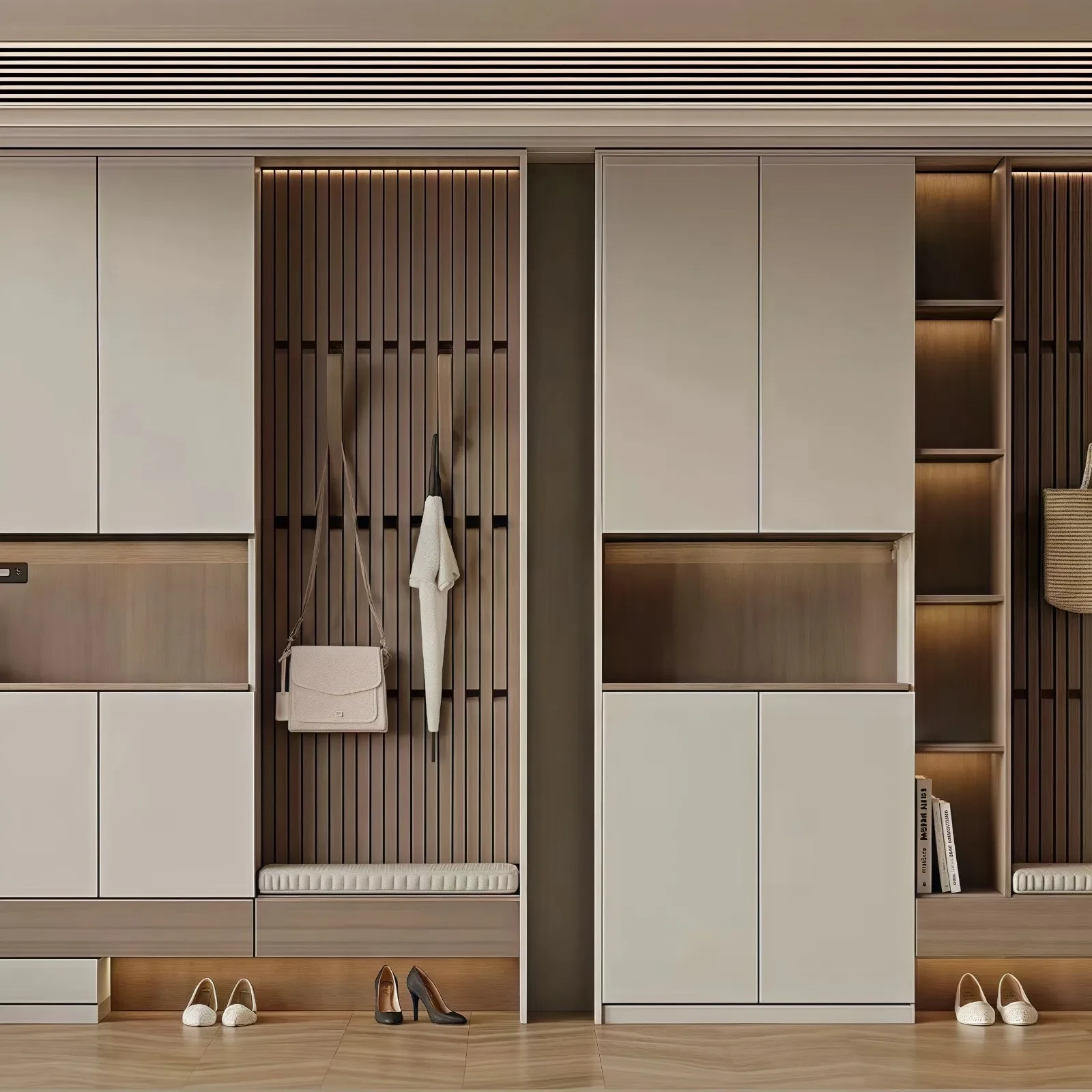
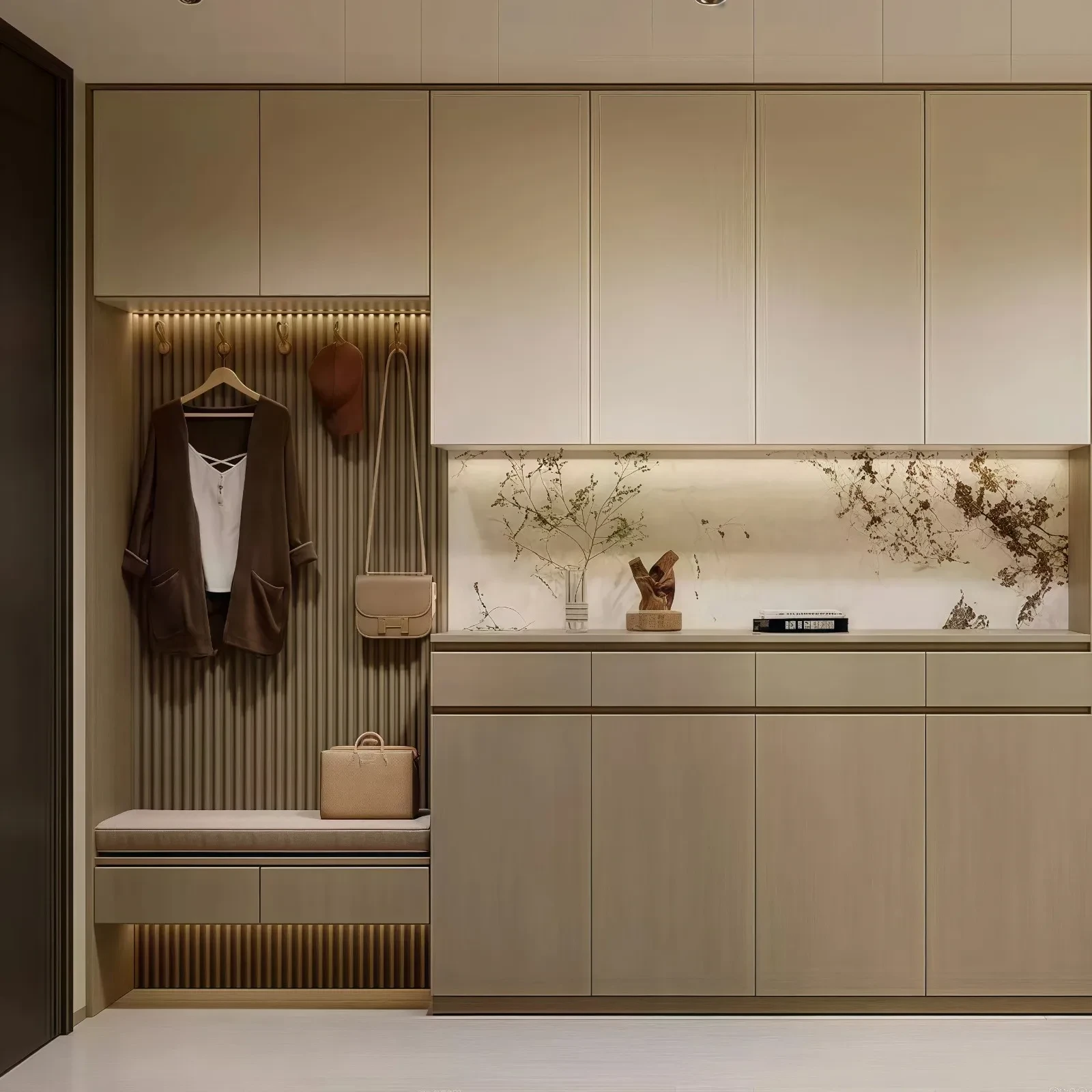
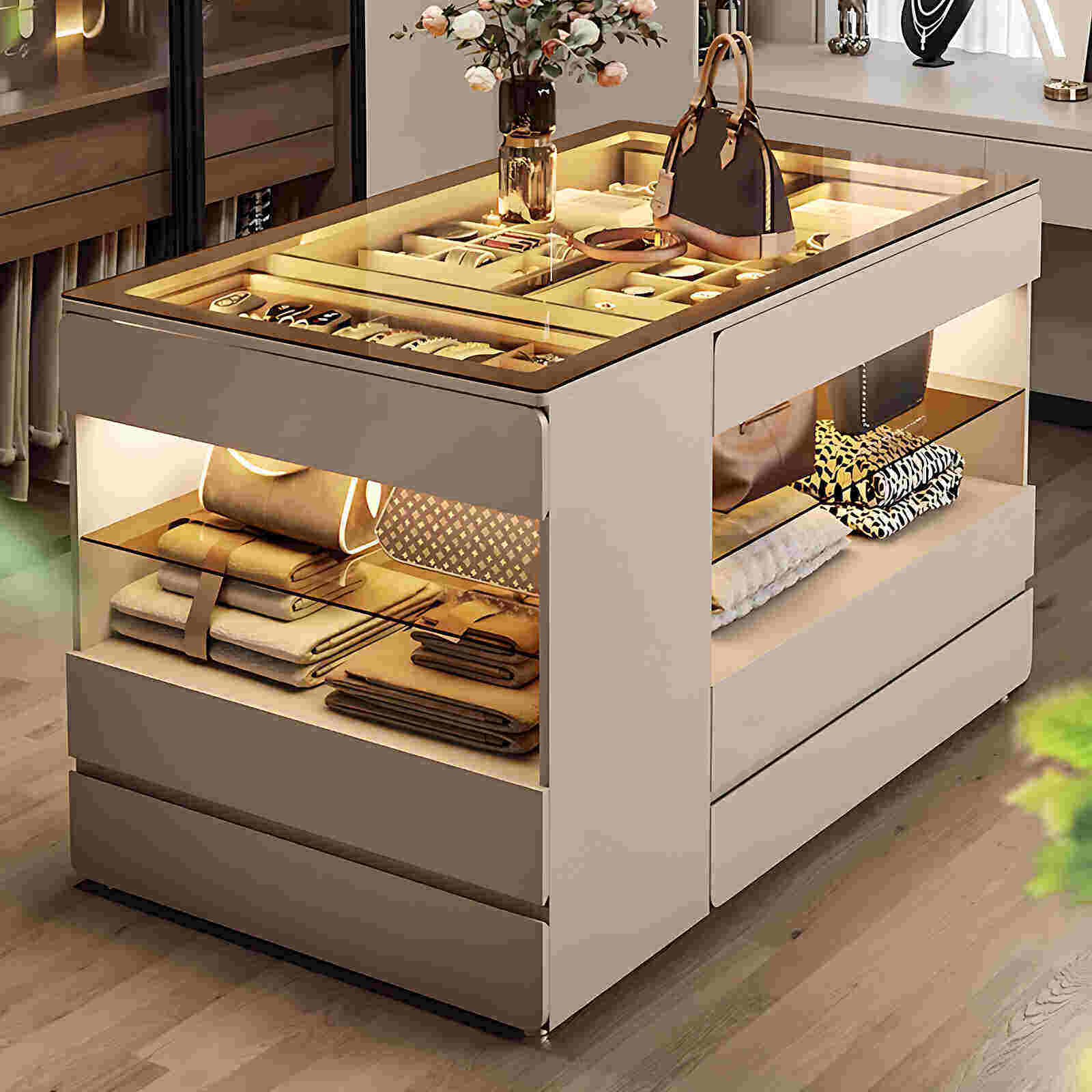
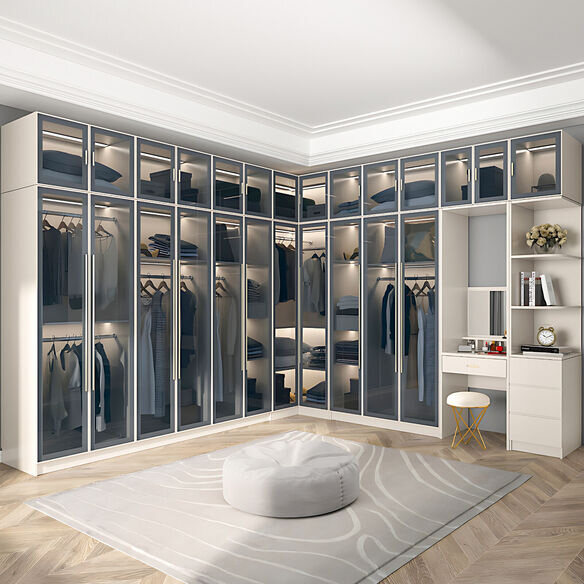
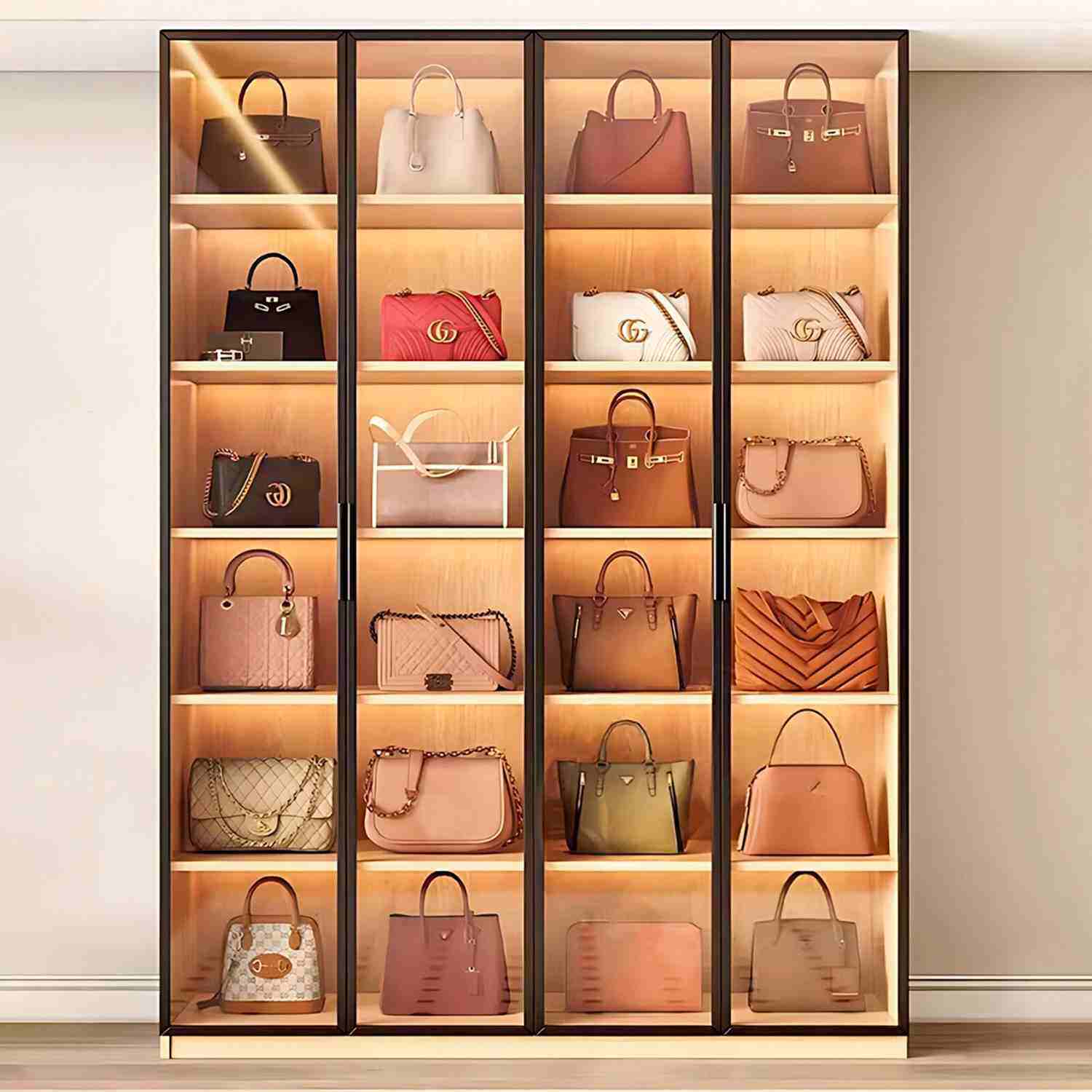
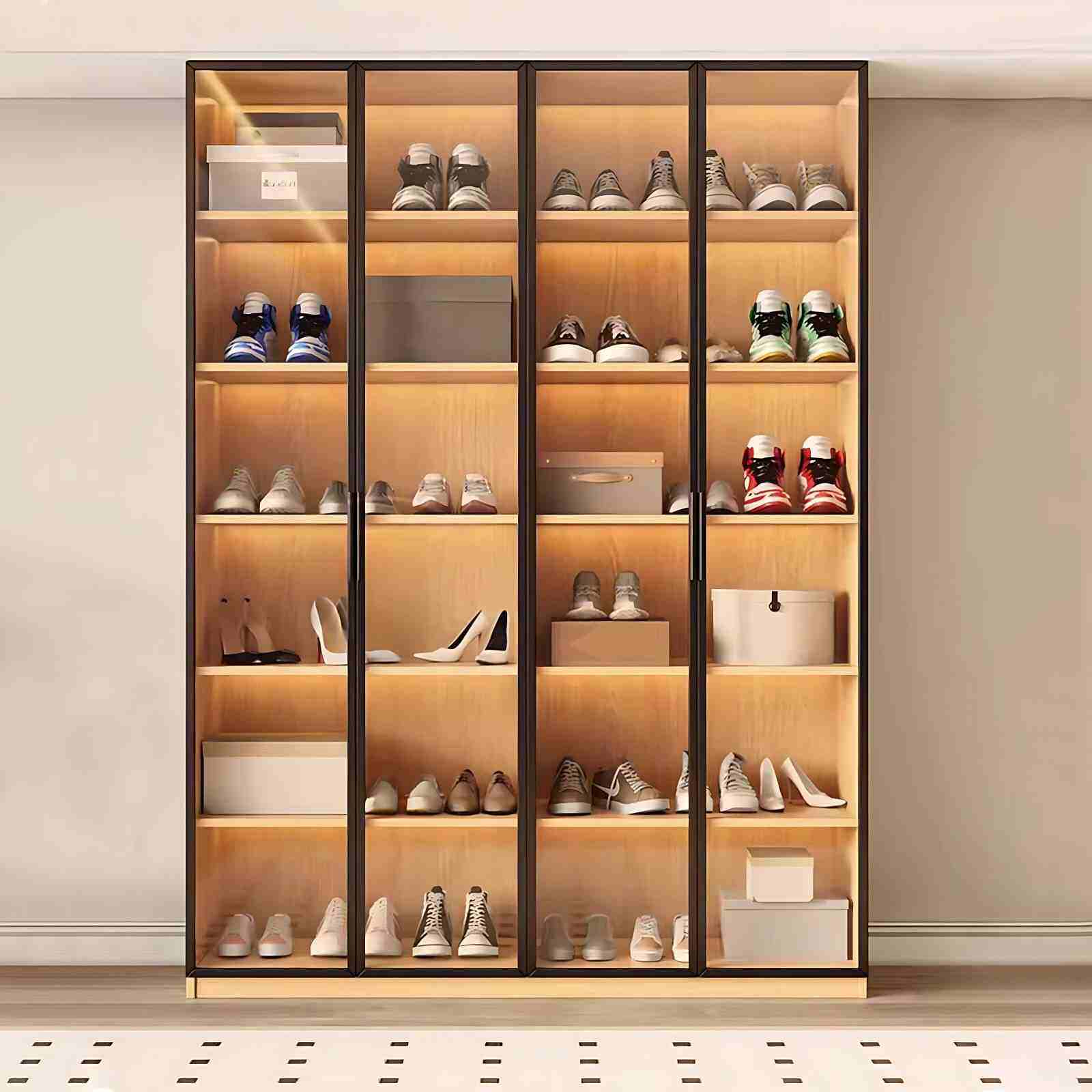
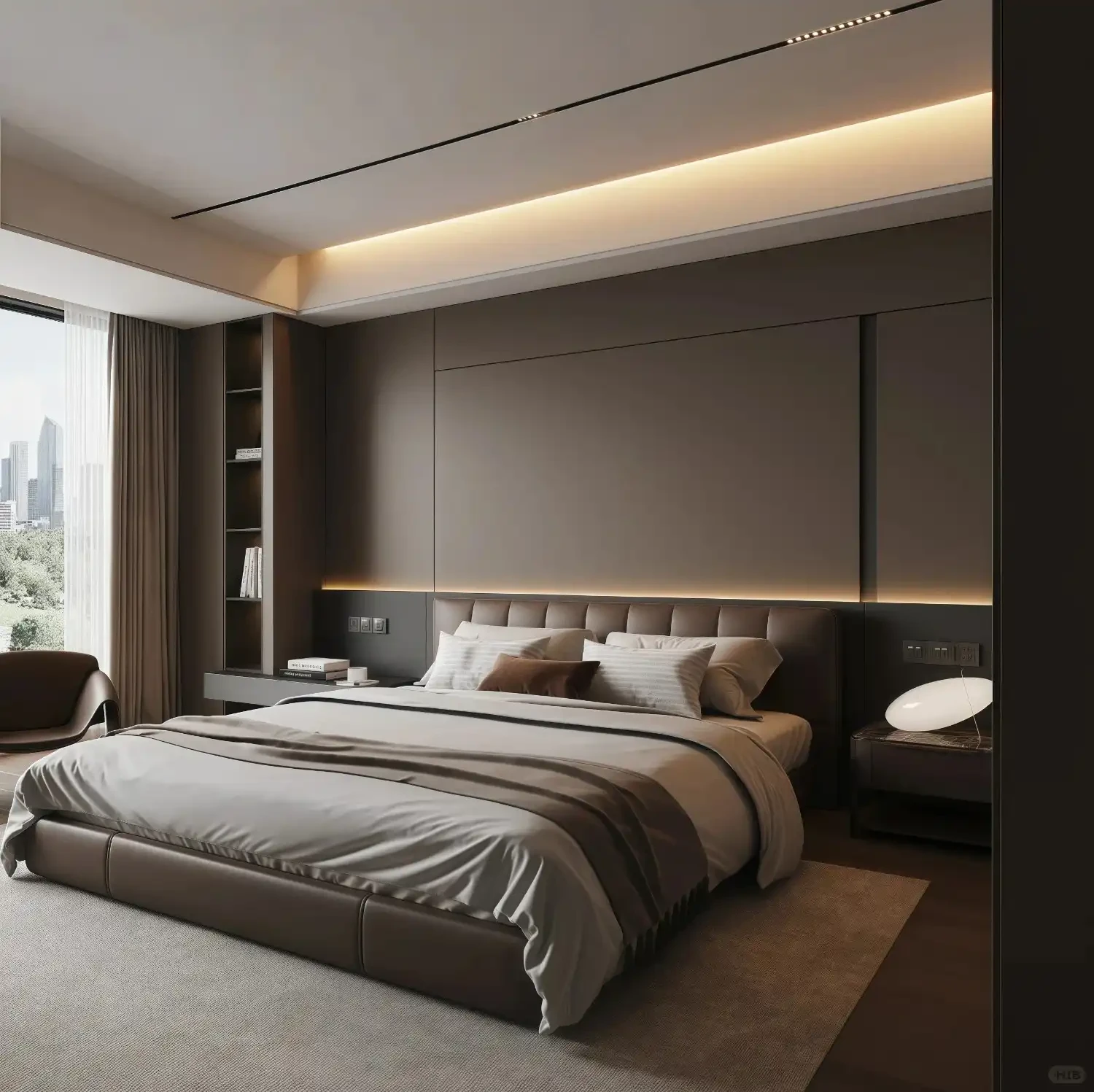
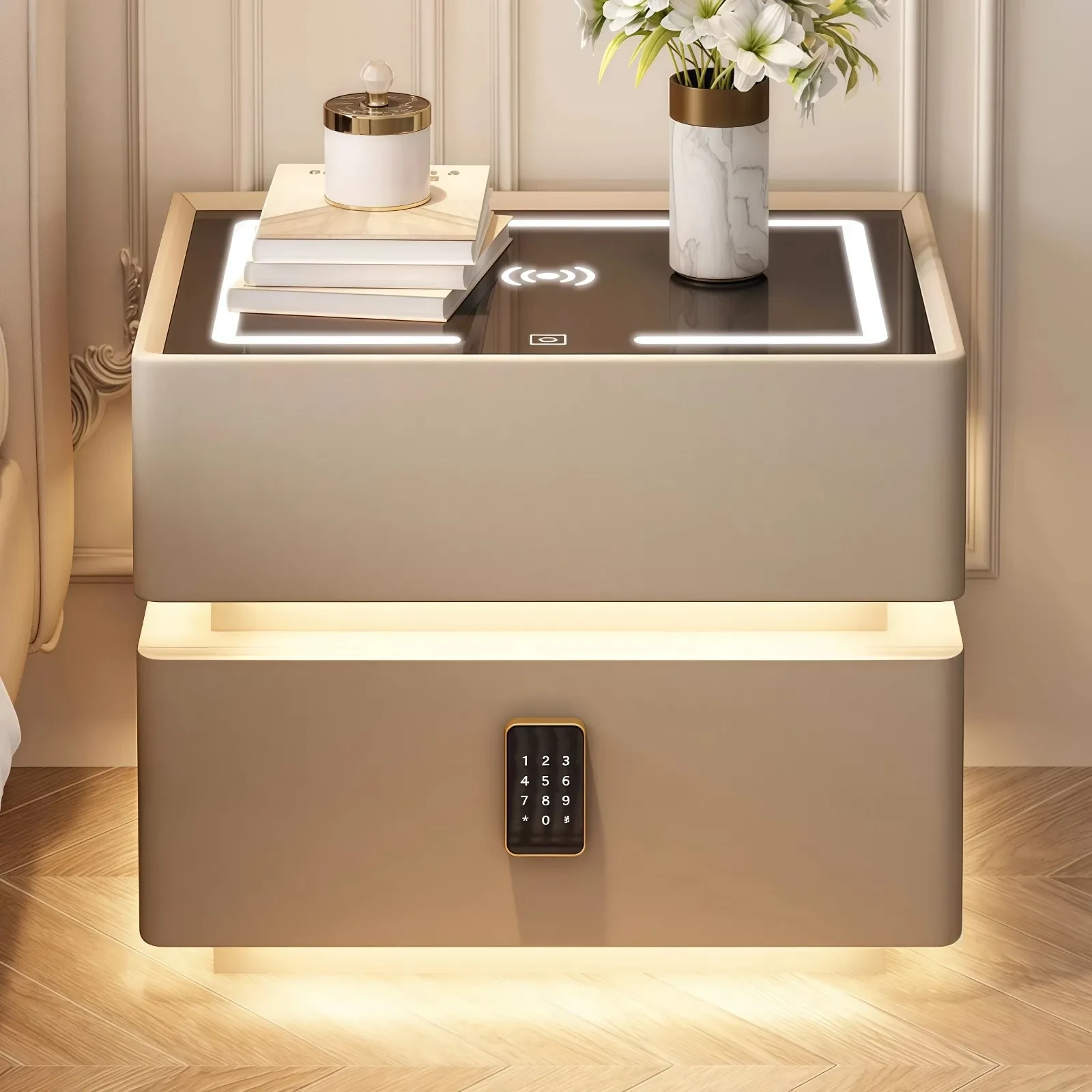
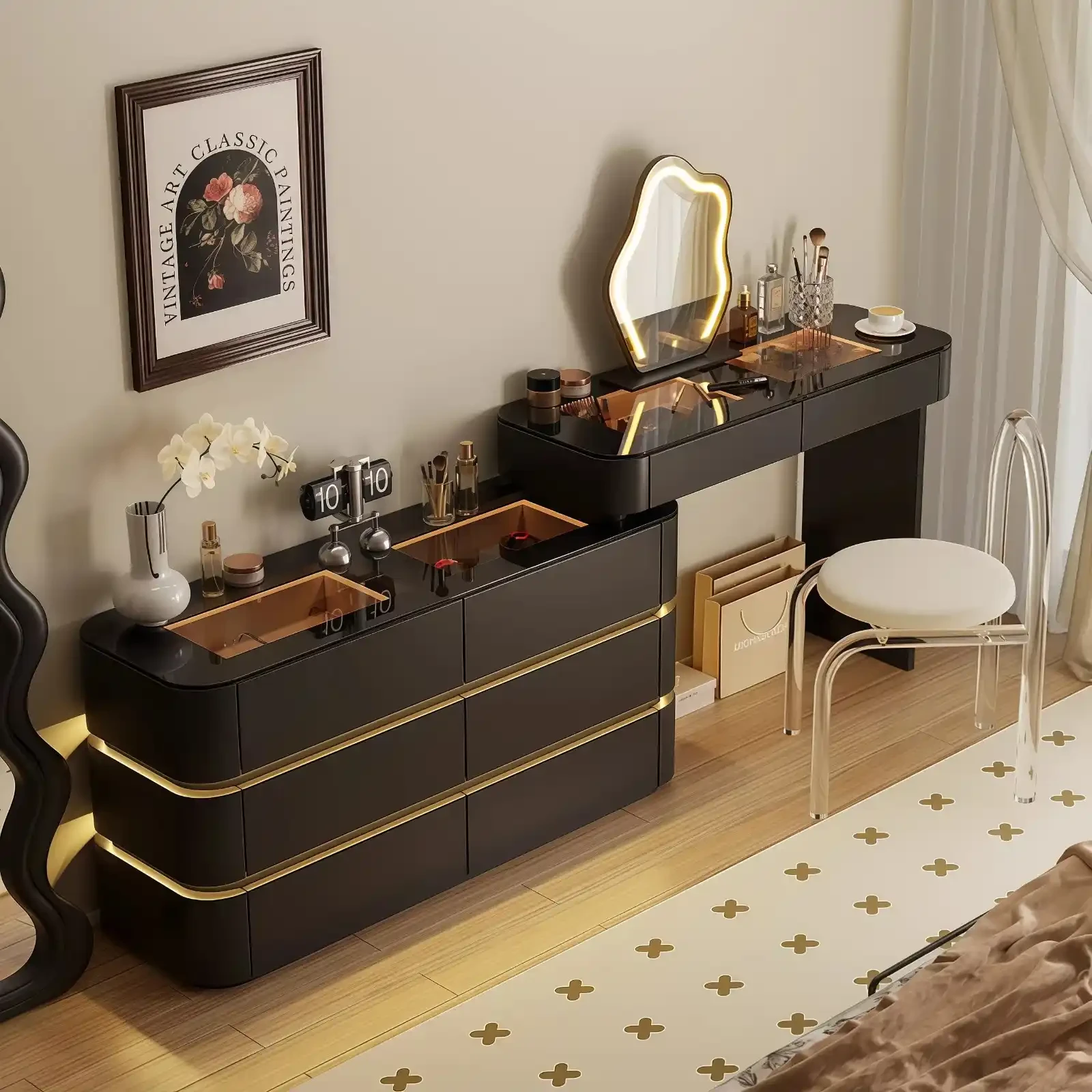
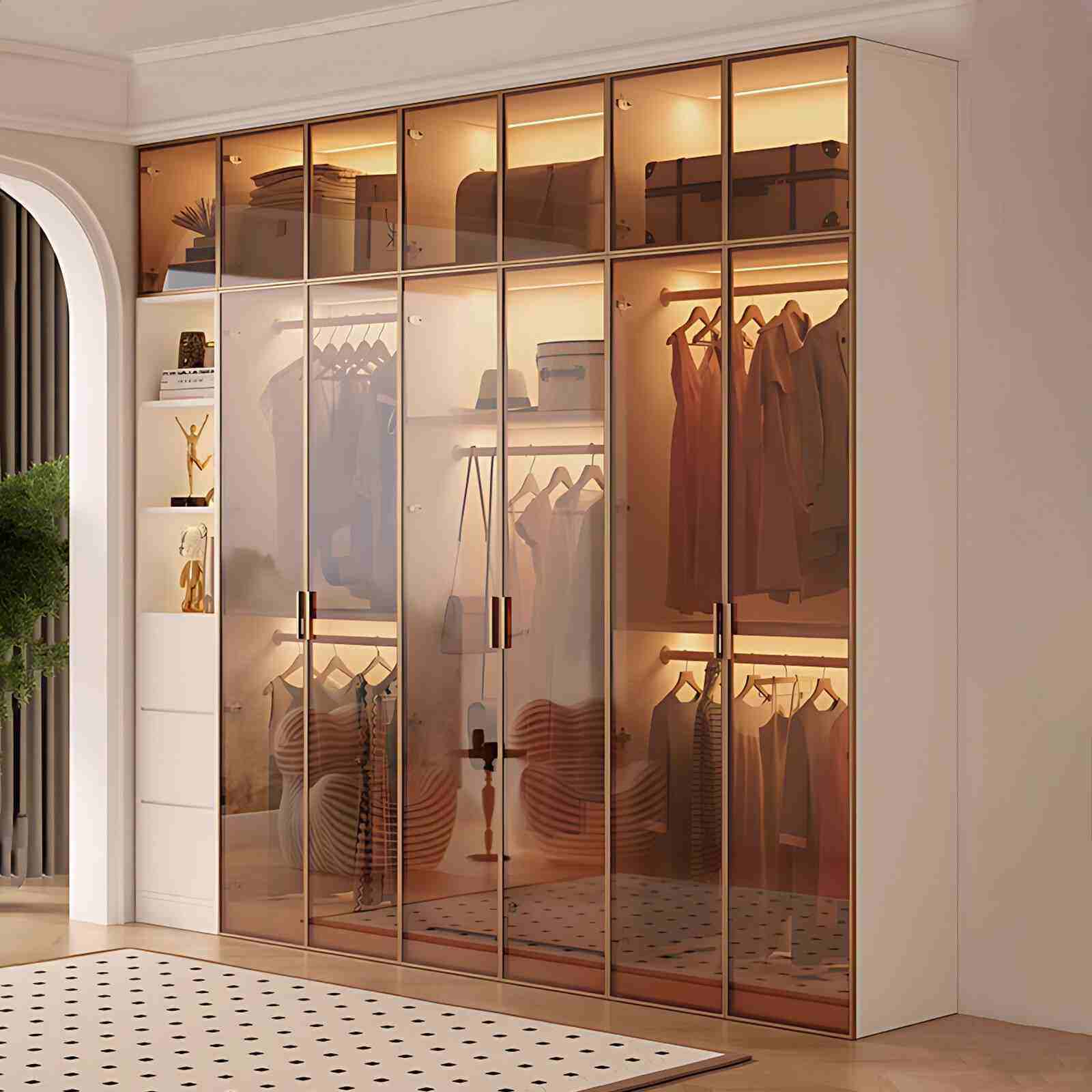
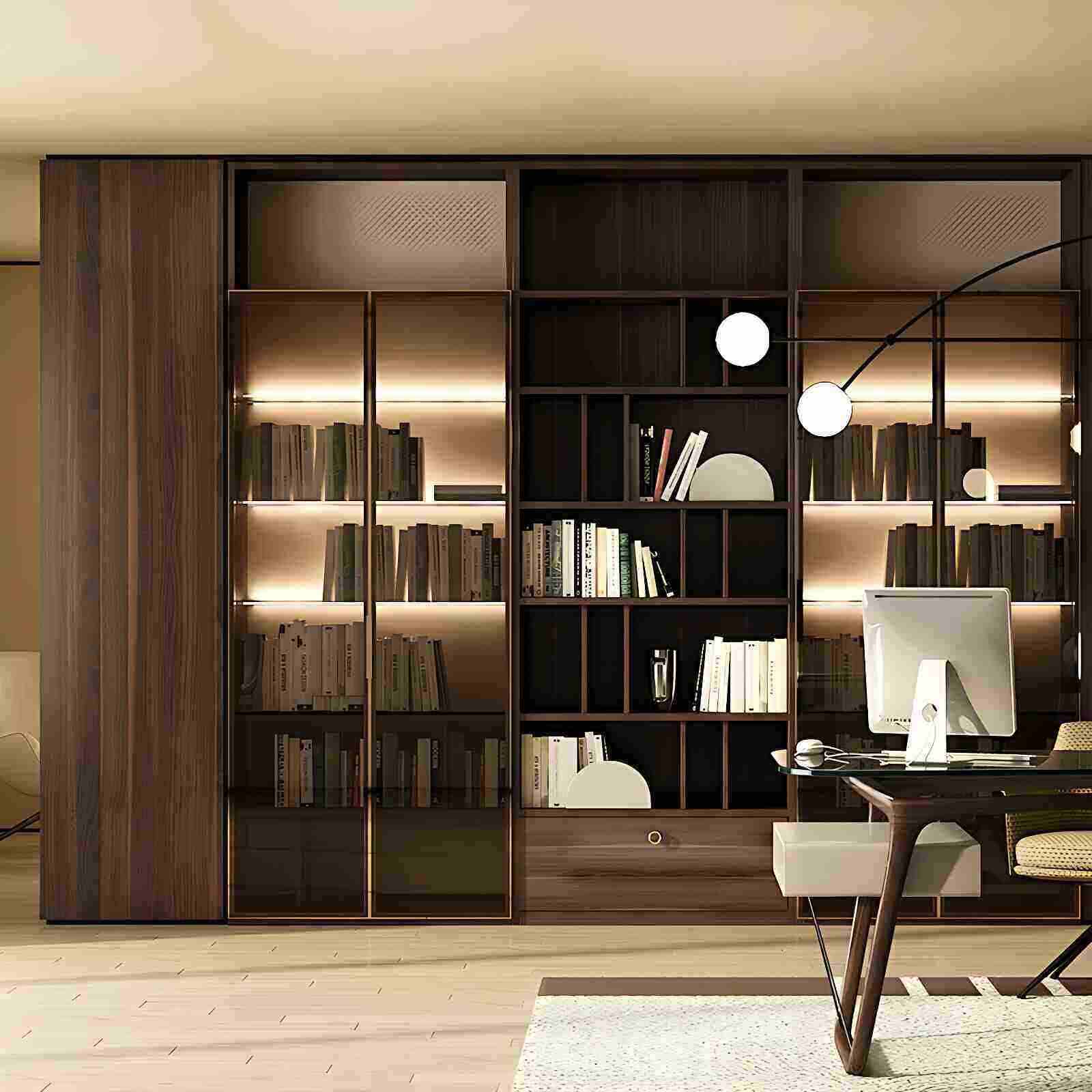
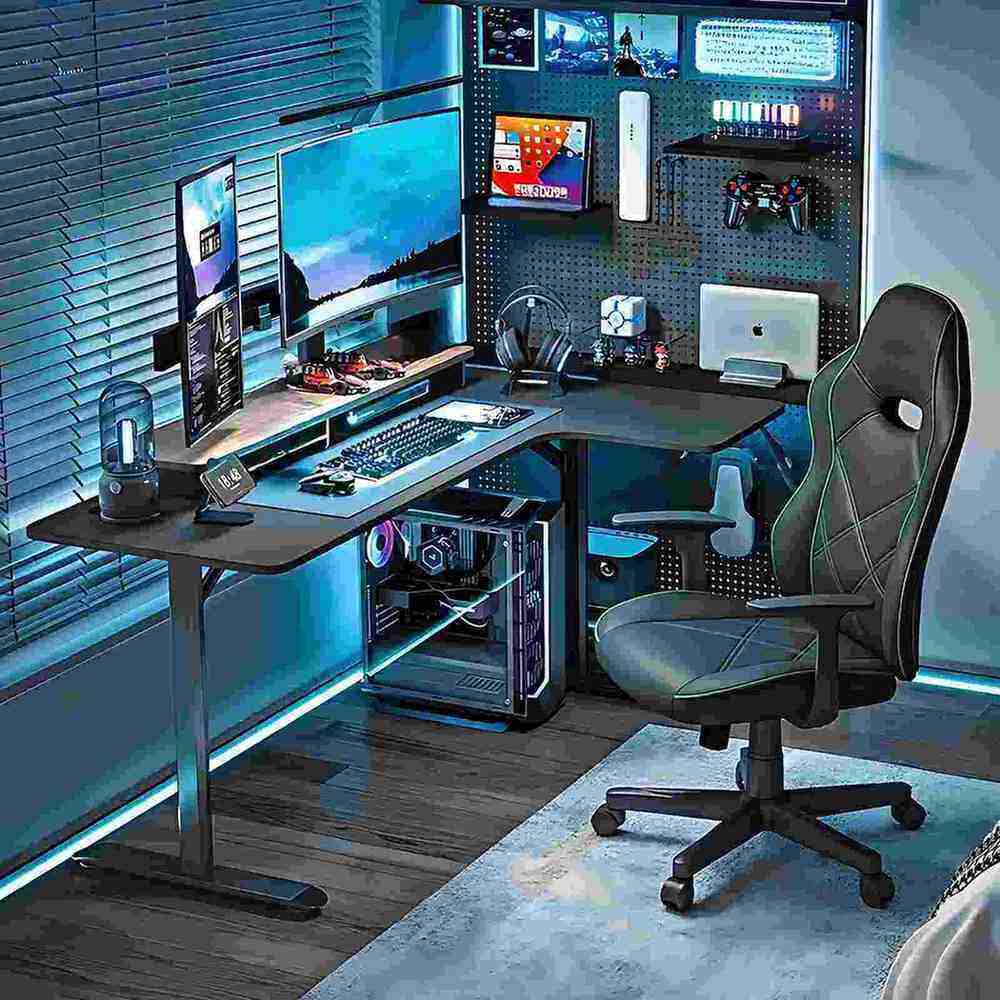
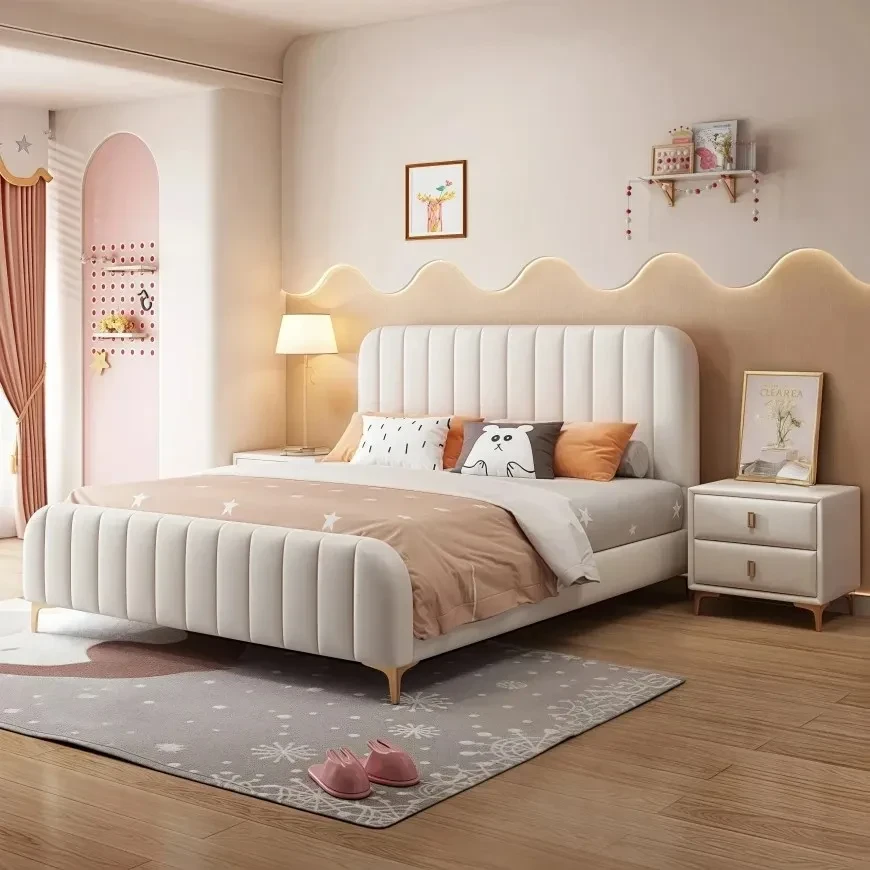
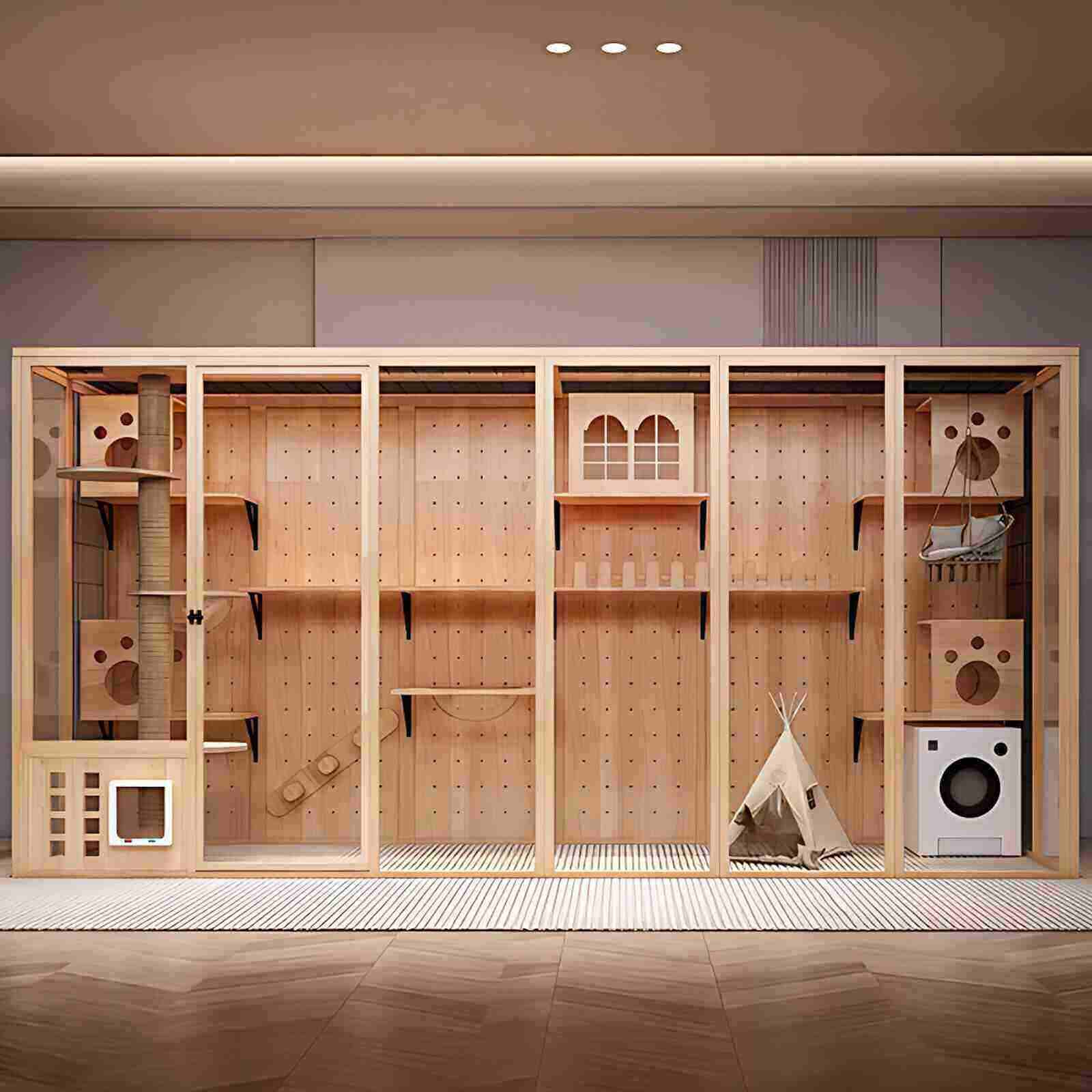
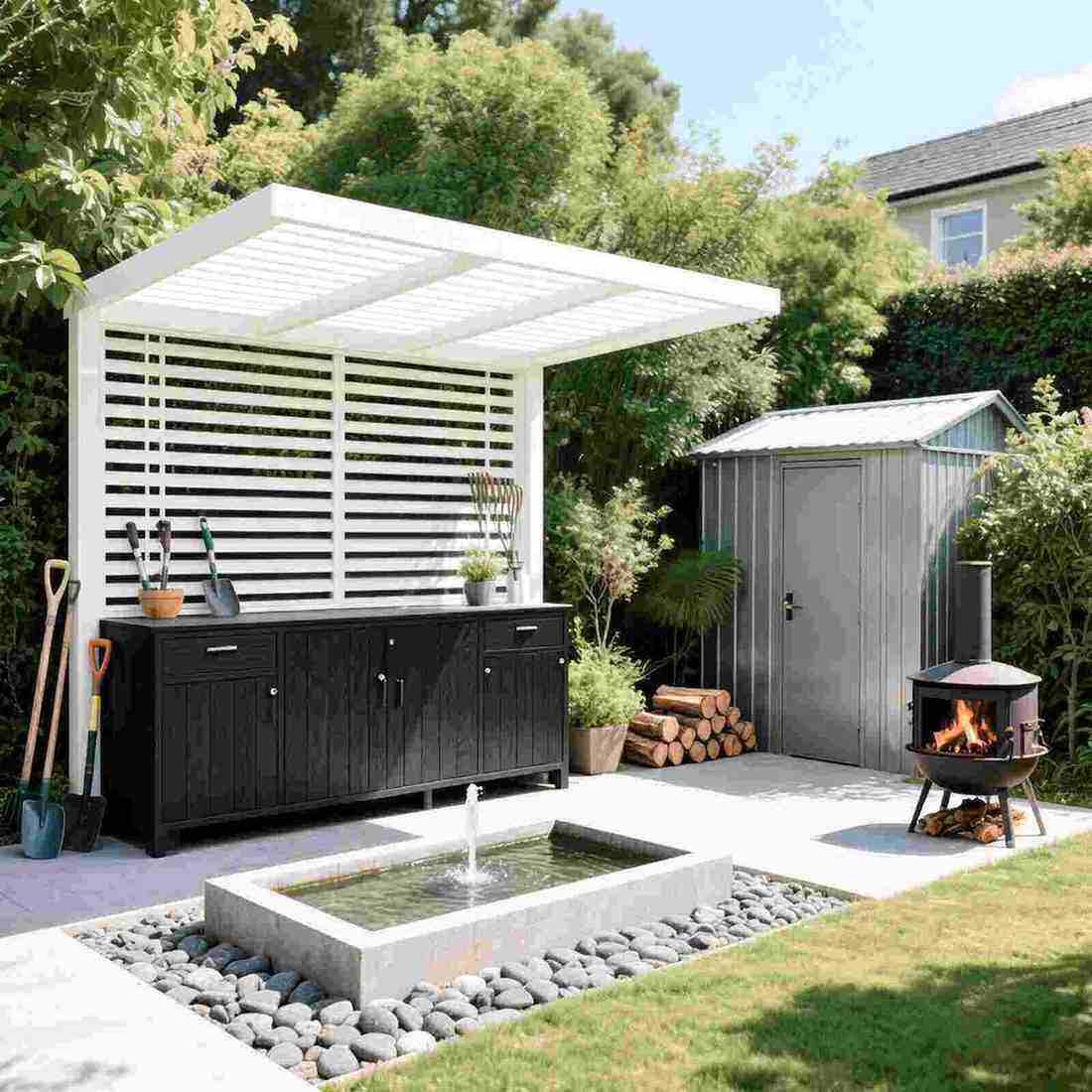
During the renovation process, you'll often hear the term "back panel." So what kind of material is a back panel? Where is a back panel usually needed? Today, let's talk about "back panels."
Every year, southern China experiences the plum rain season, when the air is quite humid. If a wardrobe has poor moisture-proofing, clothes and bedding will become damp and moldy. The back panel generally refers to the board material of the part of the wardrobe that rests against the wall. It is usually non-load-bearing and mainly serves to prevent dust and moisture damage and provide stability. Its thickness varies from 5mm to 18mm, and the materials include particleboard, chipboard, and multi-layer solid wood board. In order of stability, multi-layer solid wood board > chipboard > particleboard.
Back panels of different thicknesses:
5mm back panel: Suitable for cabinets between 1 and 2 meters in length. Due to the lower stress, the back panel is less likely to deform. It is not recommended to use this type of back panel for cabinets exceeding 2 meters in length, as this thickness of board cannot withstand excessive stress, otherwise it may cause cracking or deformation.
9mm back panel: 9mm is one of the most common back panel thicknesses currently available. Unless there are special circumstances, 9mm is a good choice, offering sufficient stability and affordability. Furthermore, a 9mm thickness will not cause the cabinet to protrude, shorten the depth, or reduce the usable interior space of the wardrobe. Overall, this thickness offers high cost-effectiveness and is suitable for general renovation needs.
12-18mm back panel: Back panels exceeding 10mm are relatively thick. Thicker panels are typically chosen due to the special structural requirements of the cabinet. The appropriate thickness depends on the specific needs of the cabinet. There's a common misconception that thicker panels offer better moisture resistance. In reality, moisture resistance doesn't increase with thickness, but rather depends on the panel structure and edge banding.
Let's compare the appropriate thickness for the back panel of a custom cabinet.
① A 5mm back panel is suitable for small cabinets;
② For custom wardrobes, it is recommended to use 9mm back panels, which are cost-effective and can basically meet the requirements for the stability and moisture resistance of the wardrobe;
③ For cabinets where heavy items are placed, a back panel with a thickness of 12mm or more is more stable, but the cost is slightly higher.
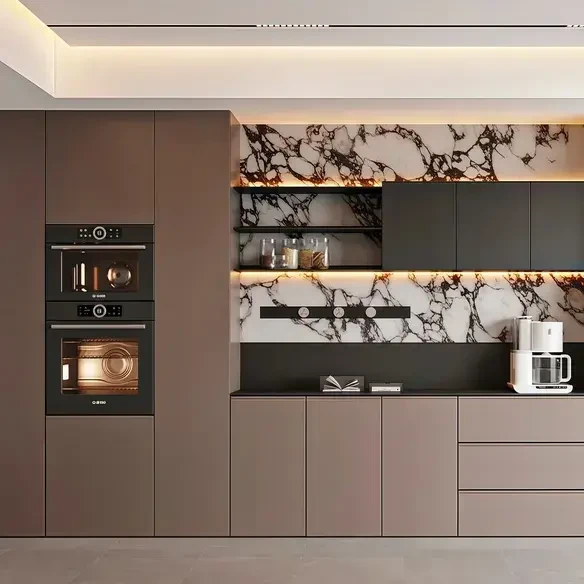
Generally, thin boards are sufficient for cabinet back panels. However, for cabinets with special structures, thicker boards can be chosen. Many people also choose not to use back panels for kitchen cabinets because kitchens are humid and contain sinks, gas pipes, and small water heaters; not having a back panel makes future repairs and cleaning easier. Ultimately, whether or not to use a back panel for kitchen cabinets is a matter of personal preference and there are no strict rules.