
 USD
USD GBP
GBP
 EUR
EUR
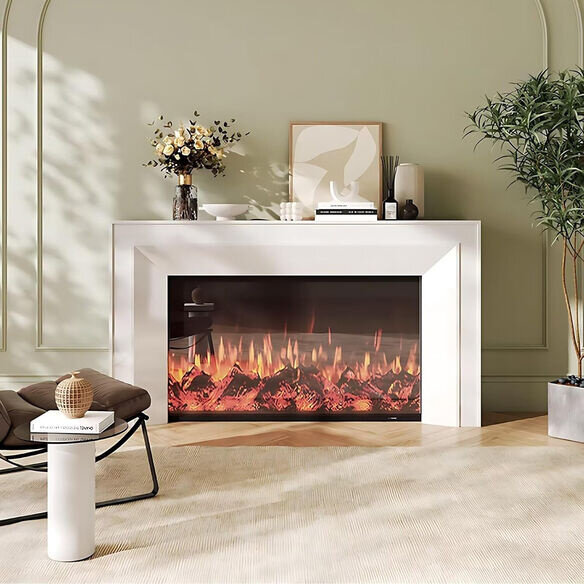
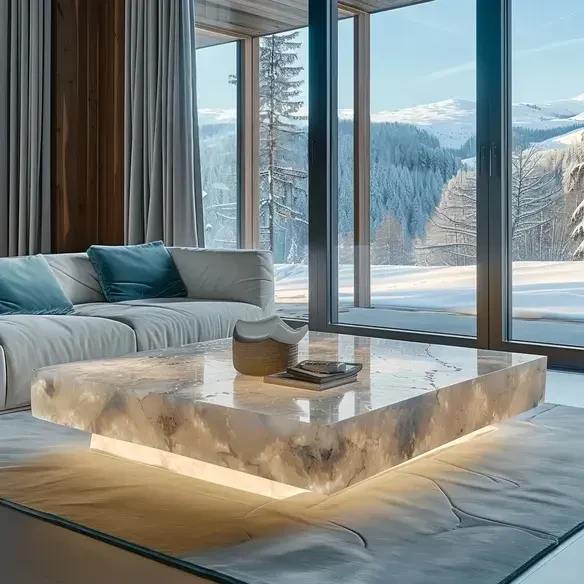
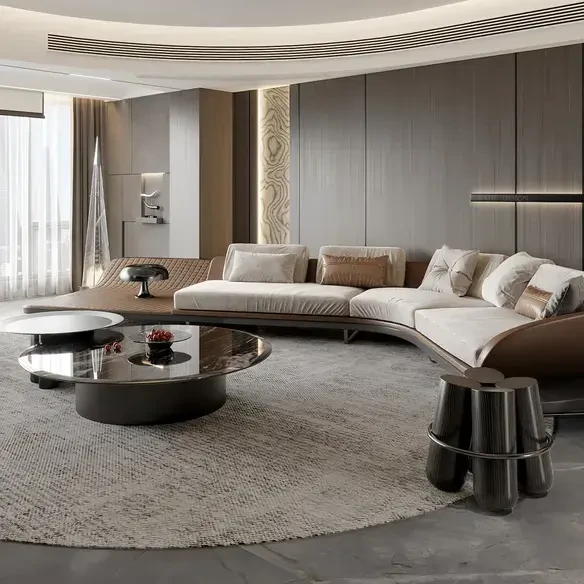
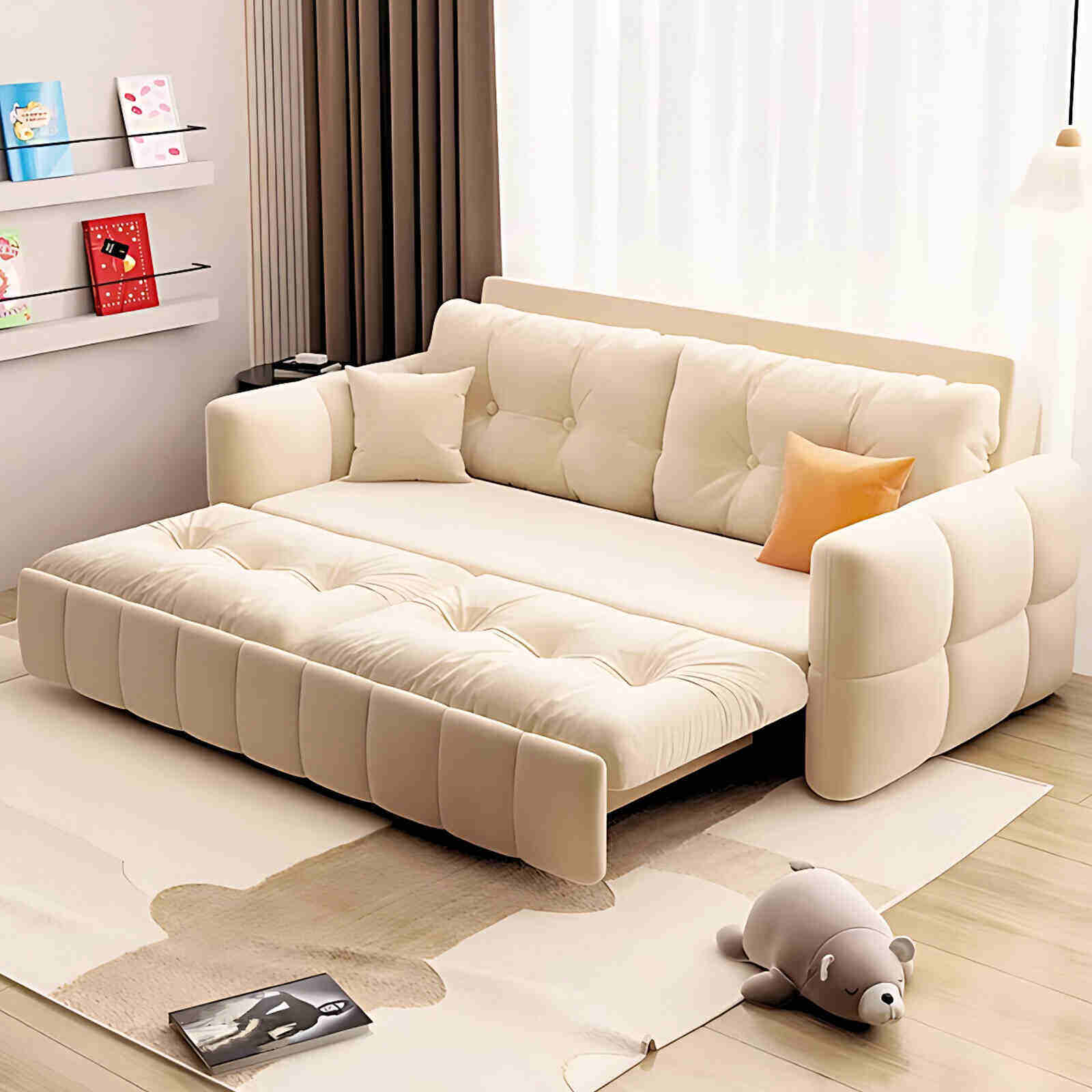
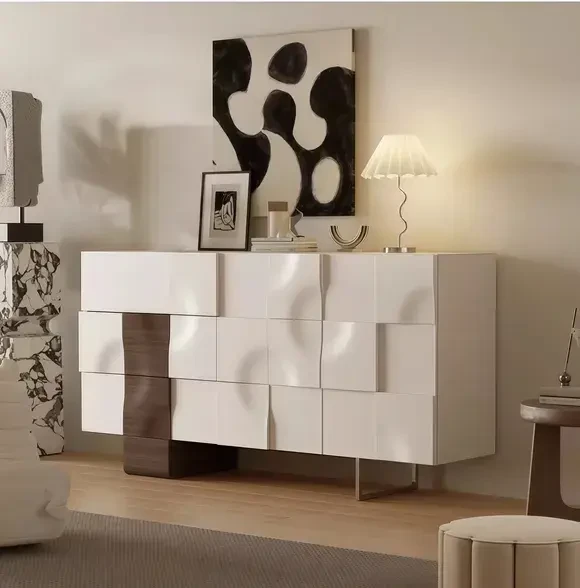
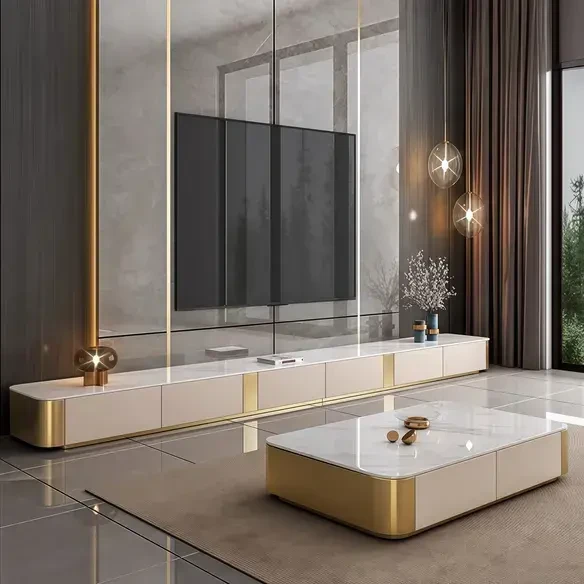
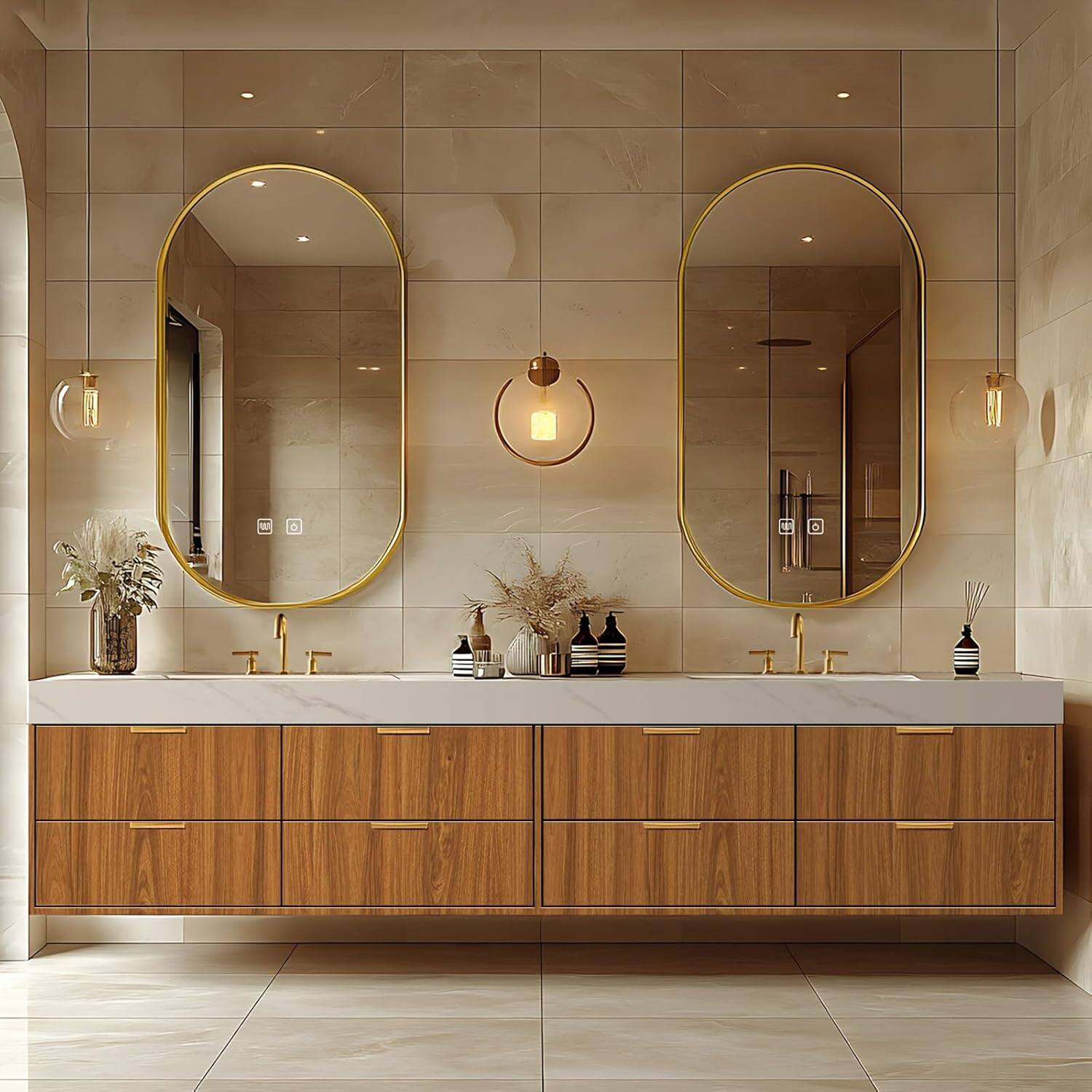
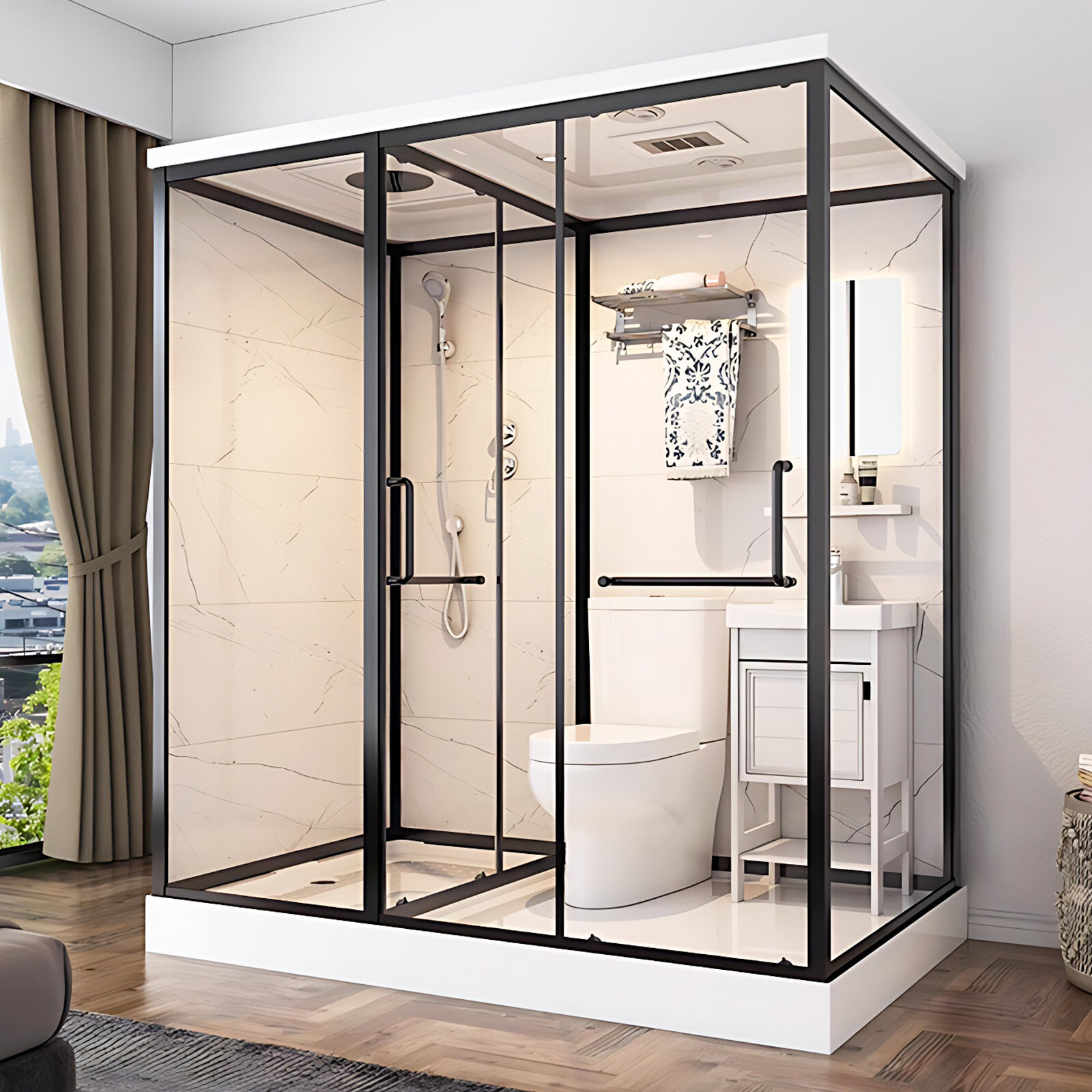
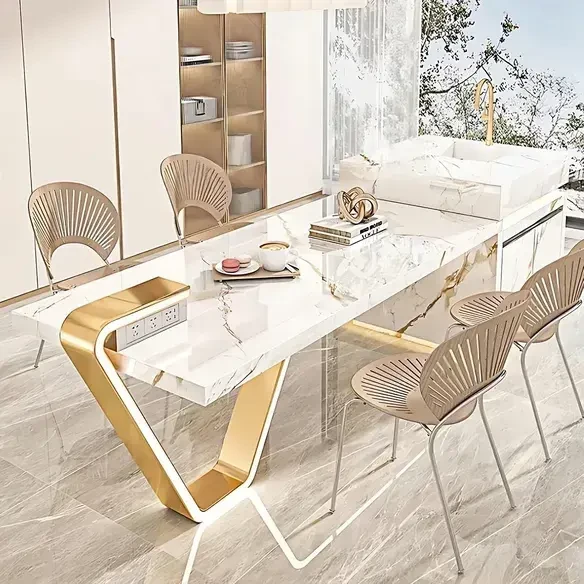
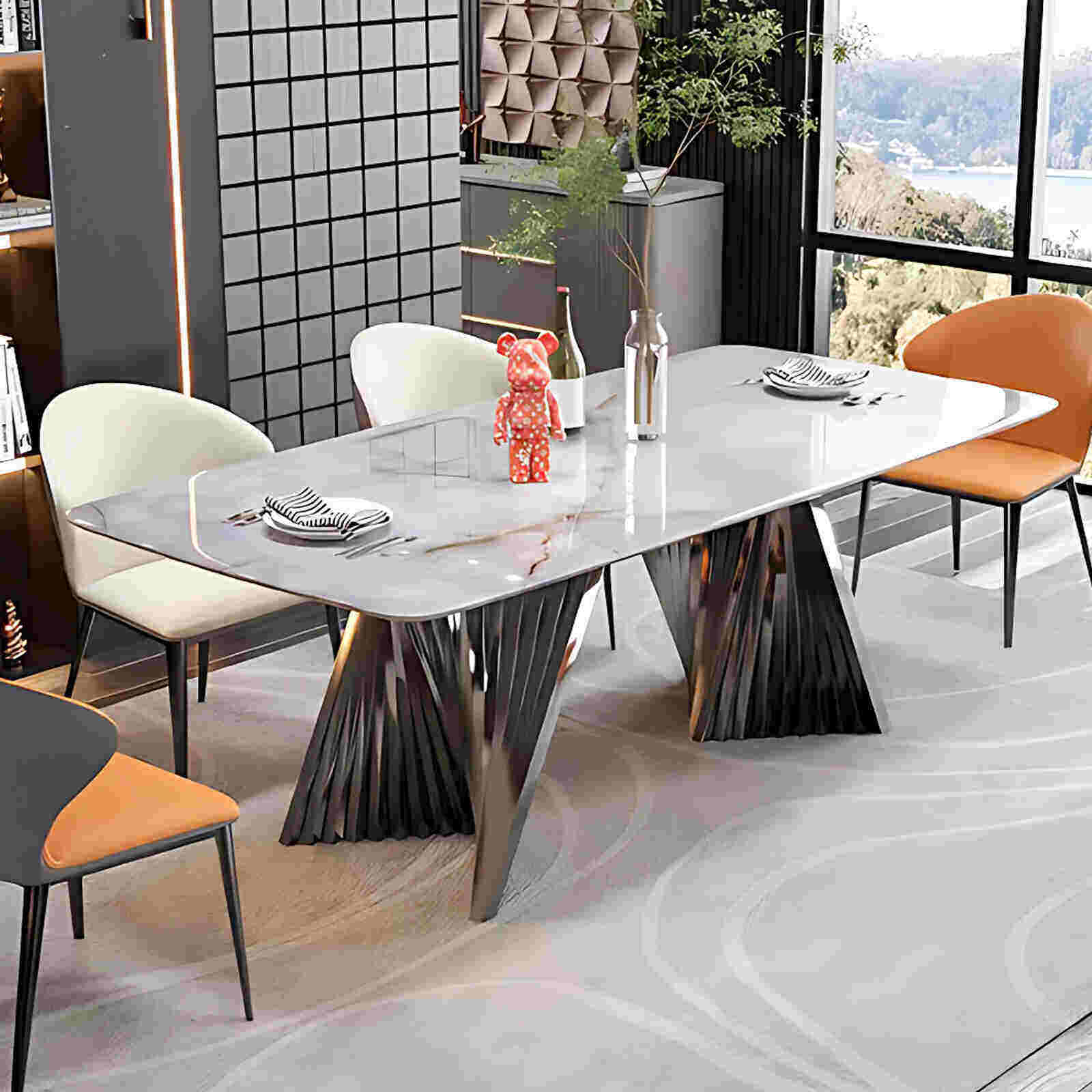
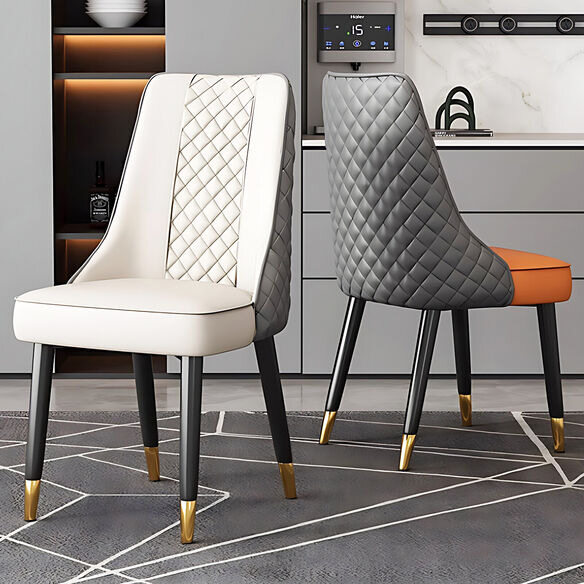
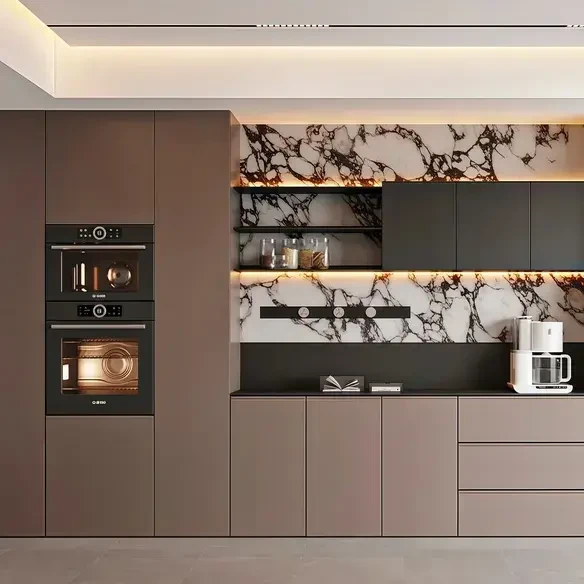
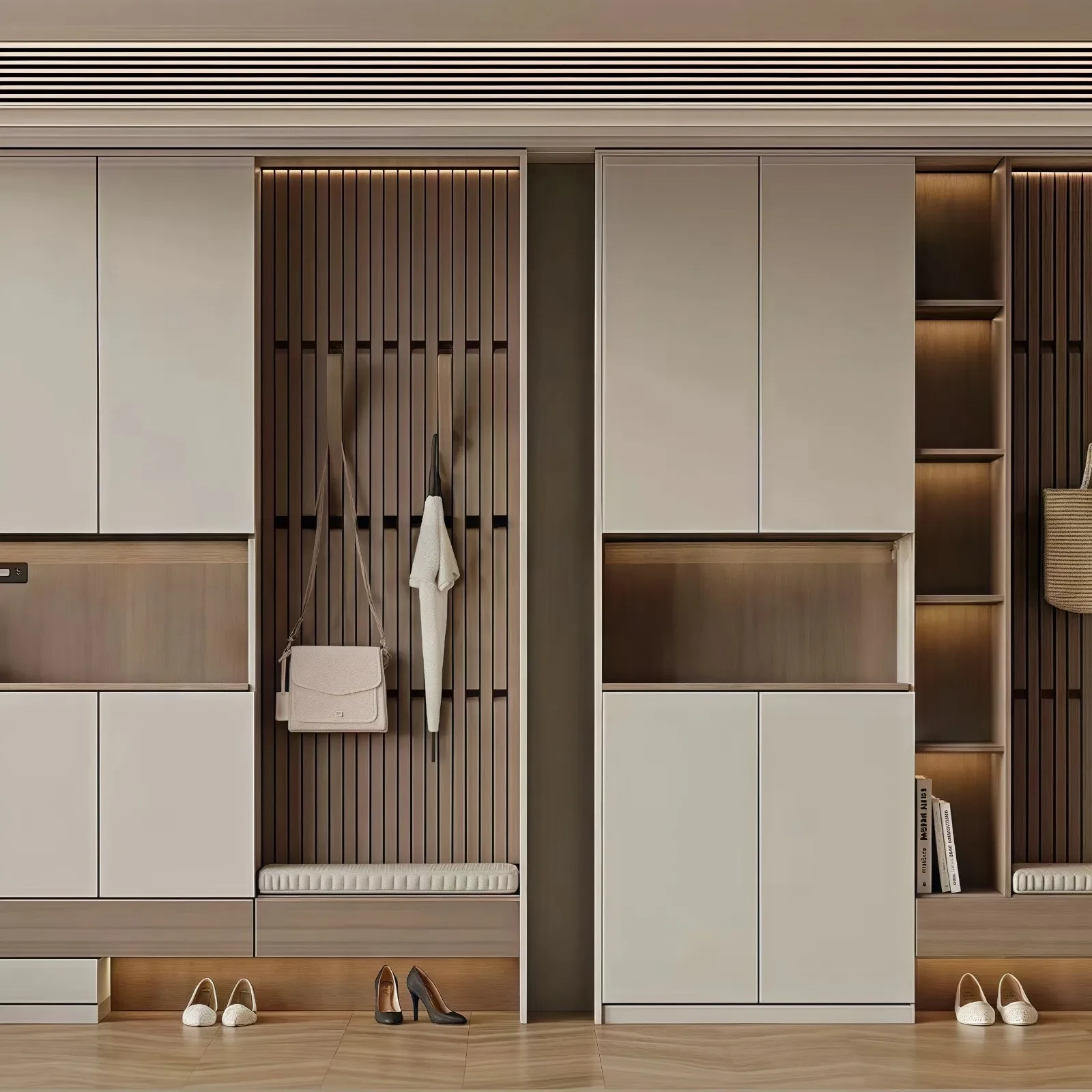
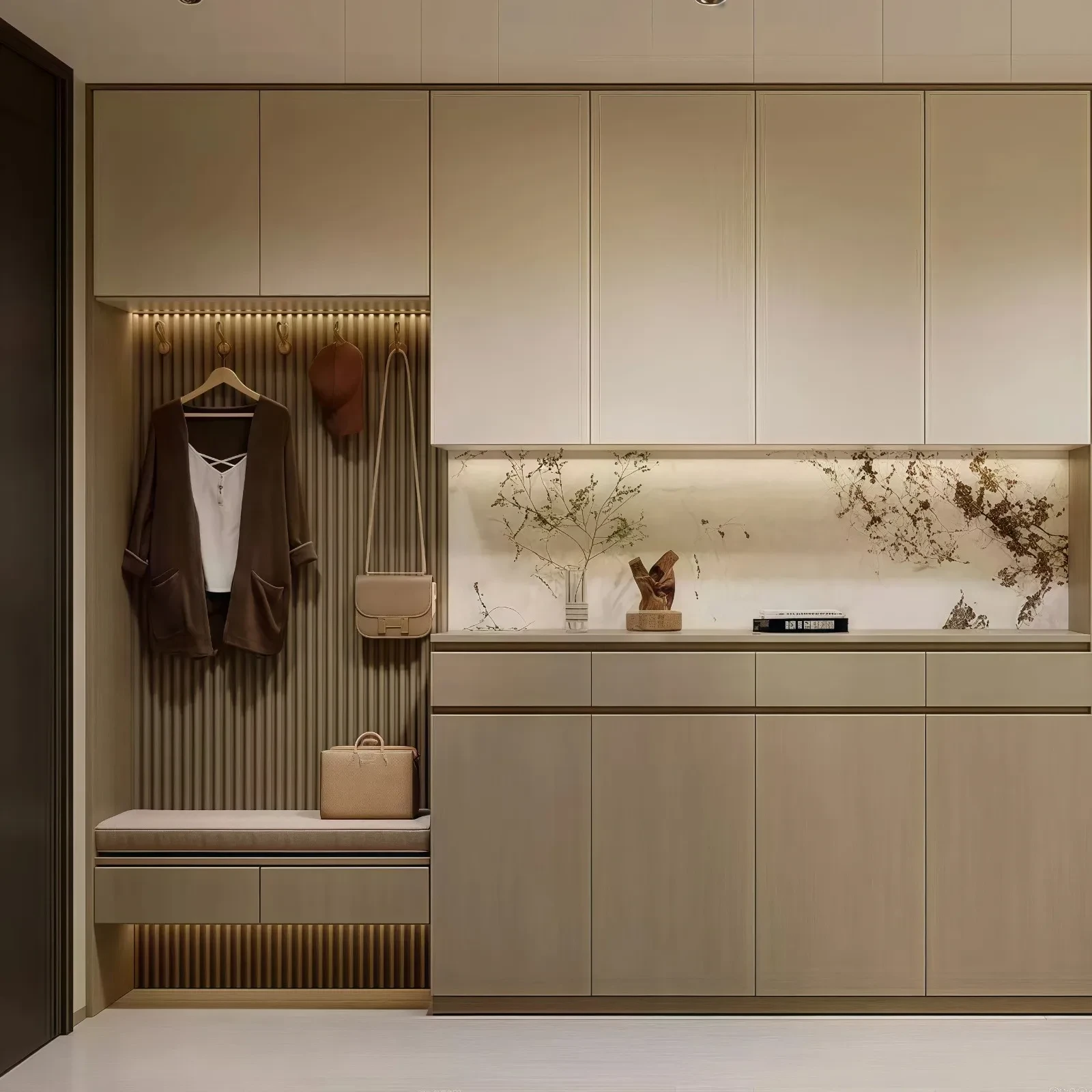
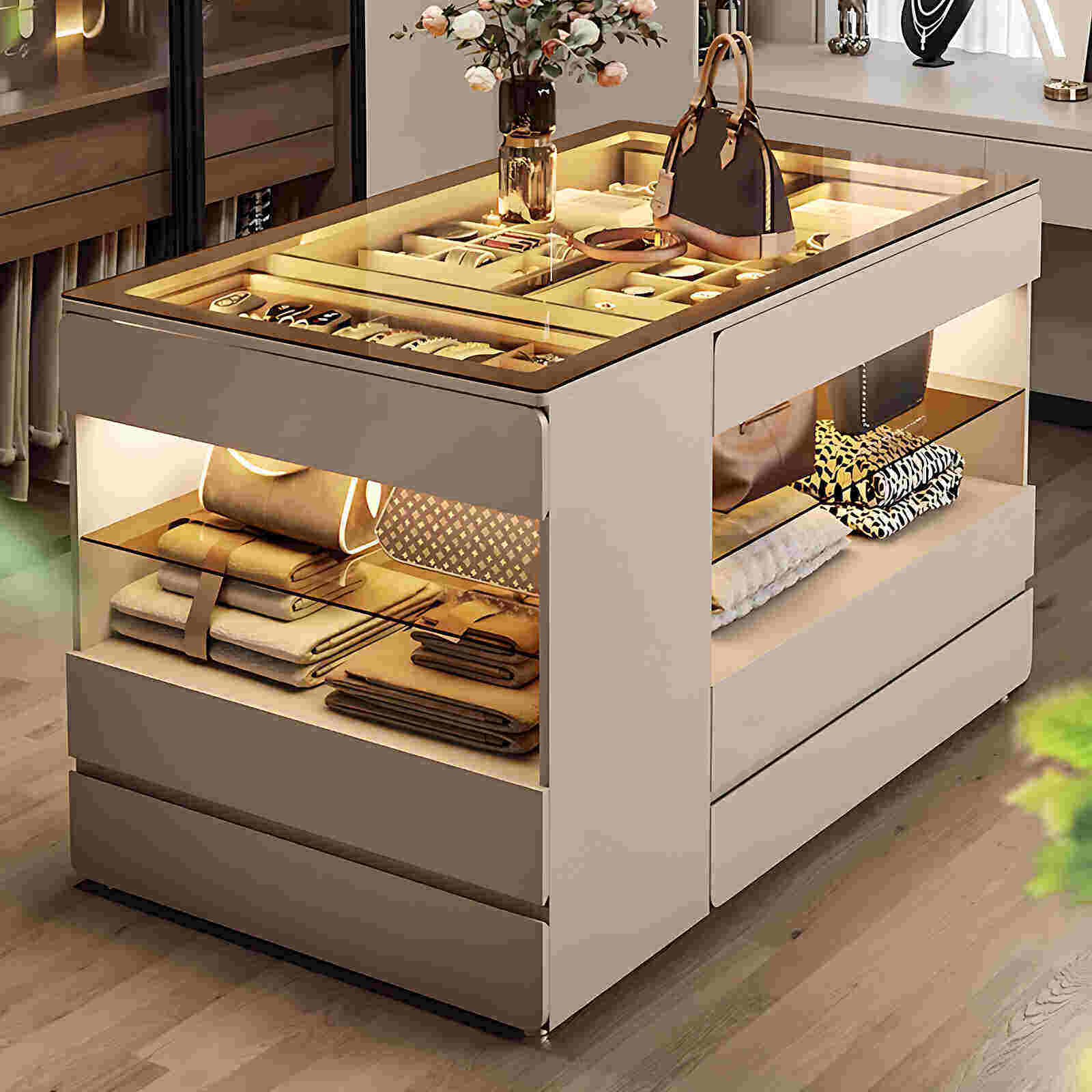
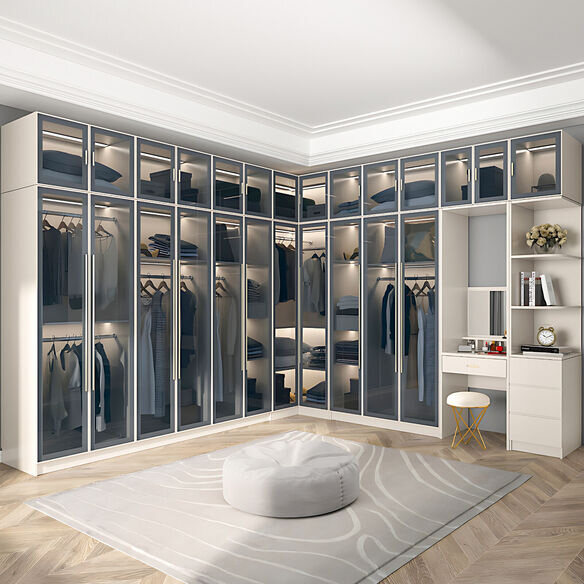
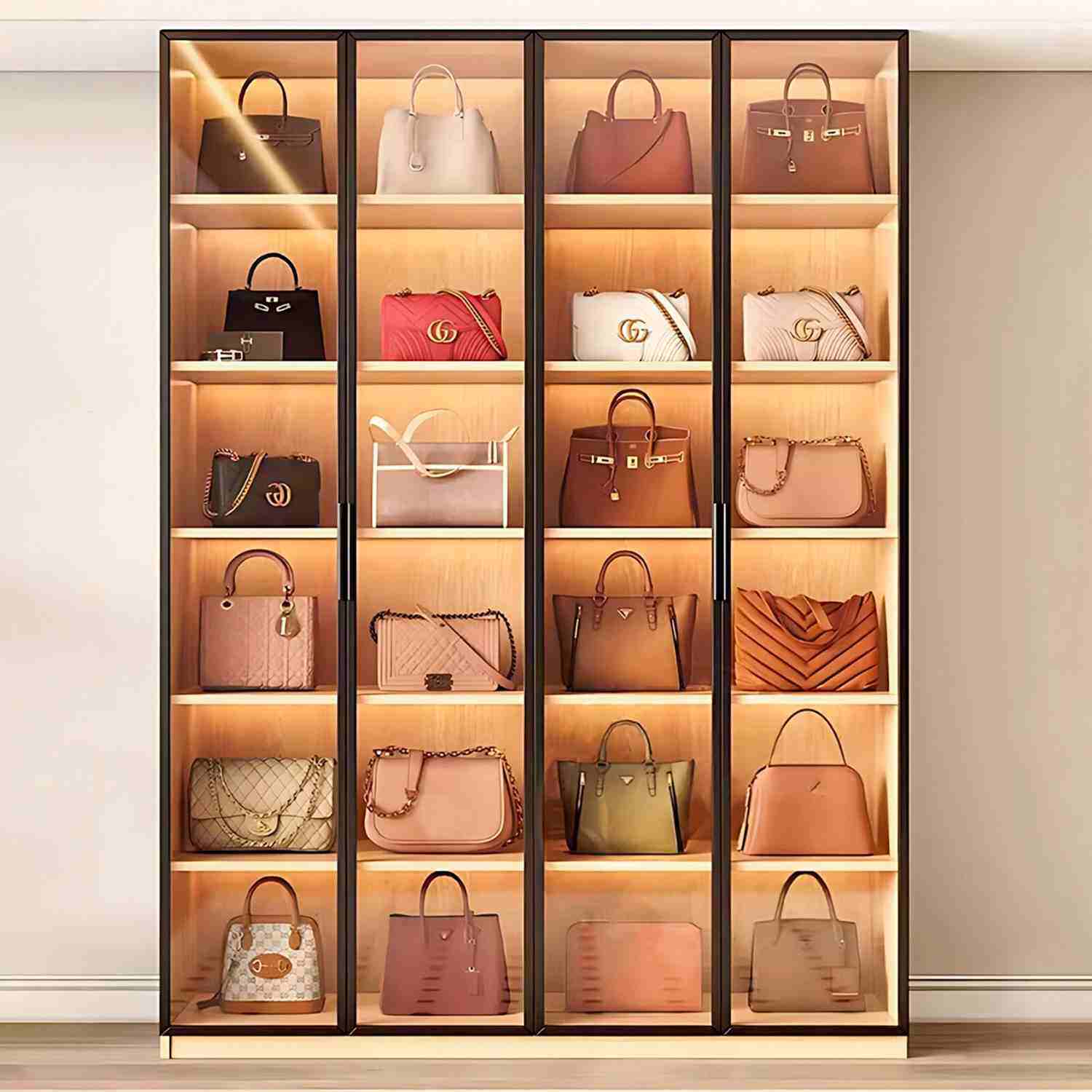
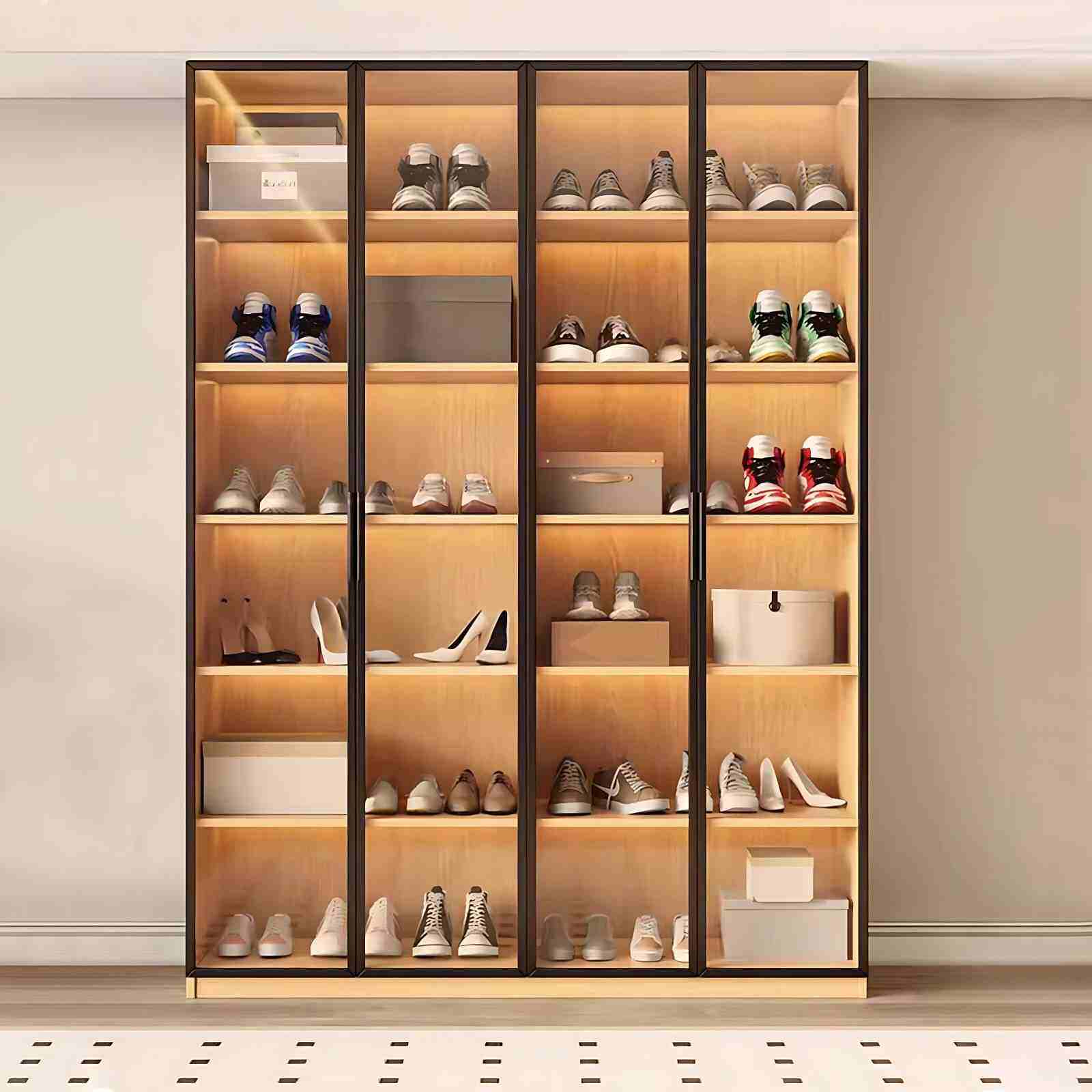
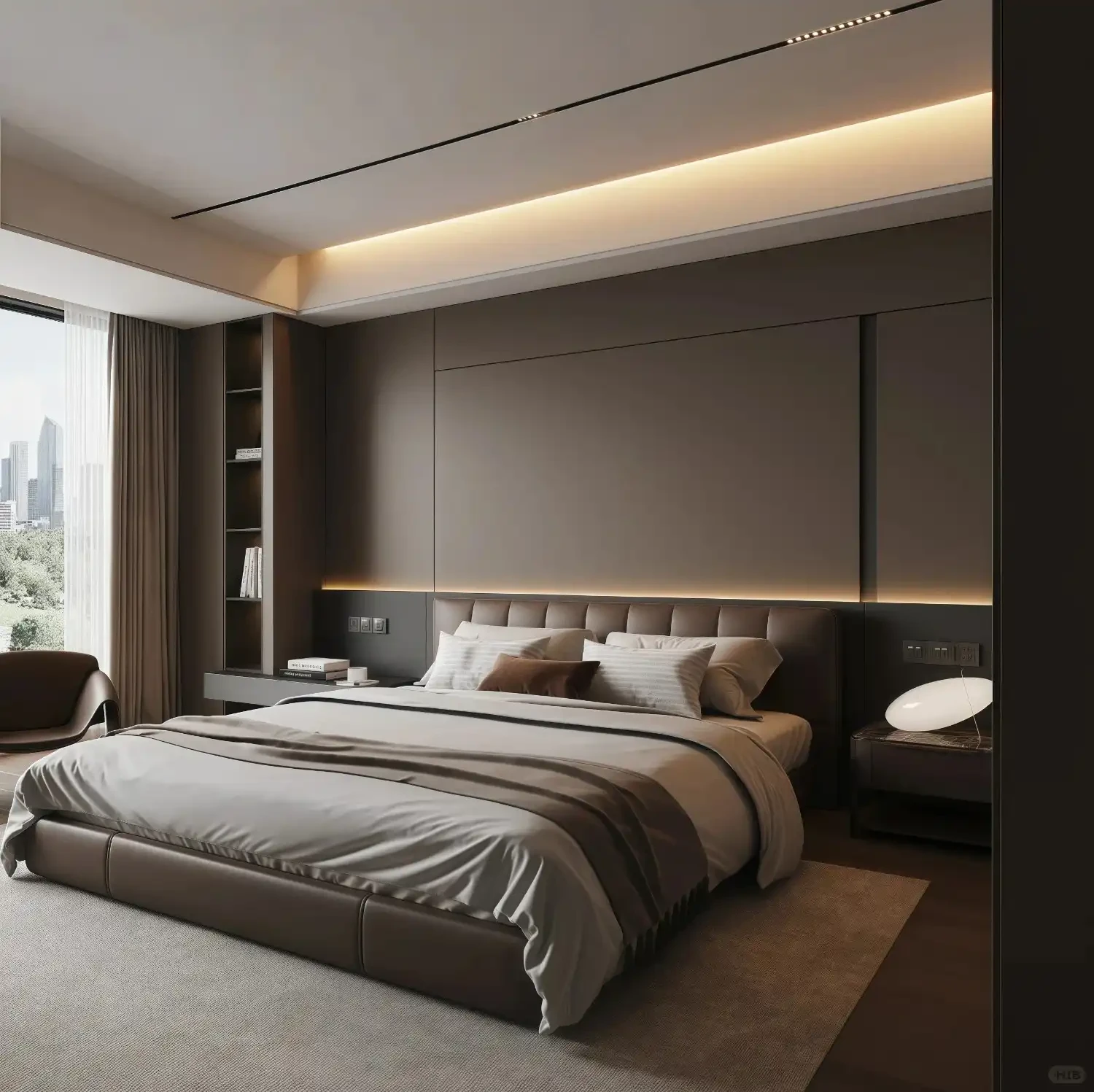
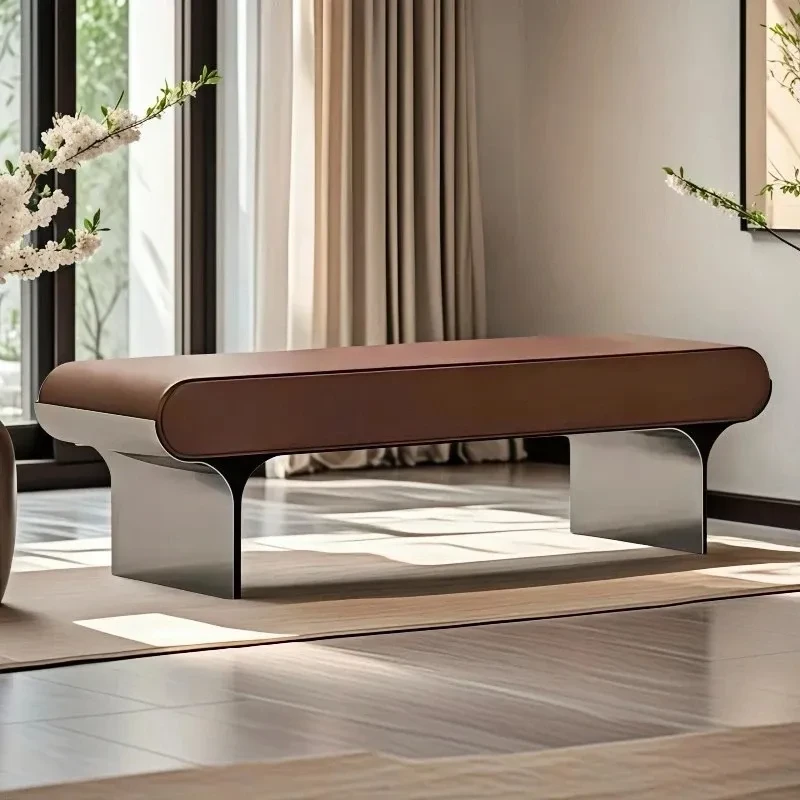
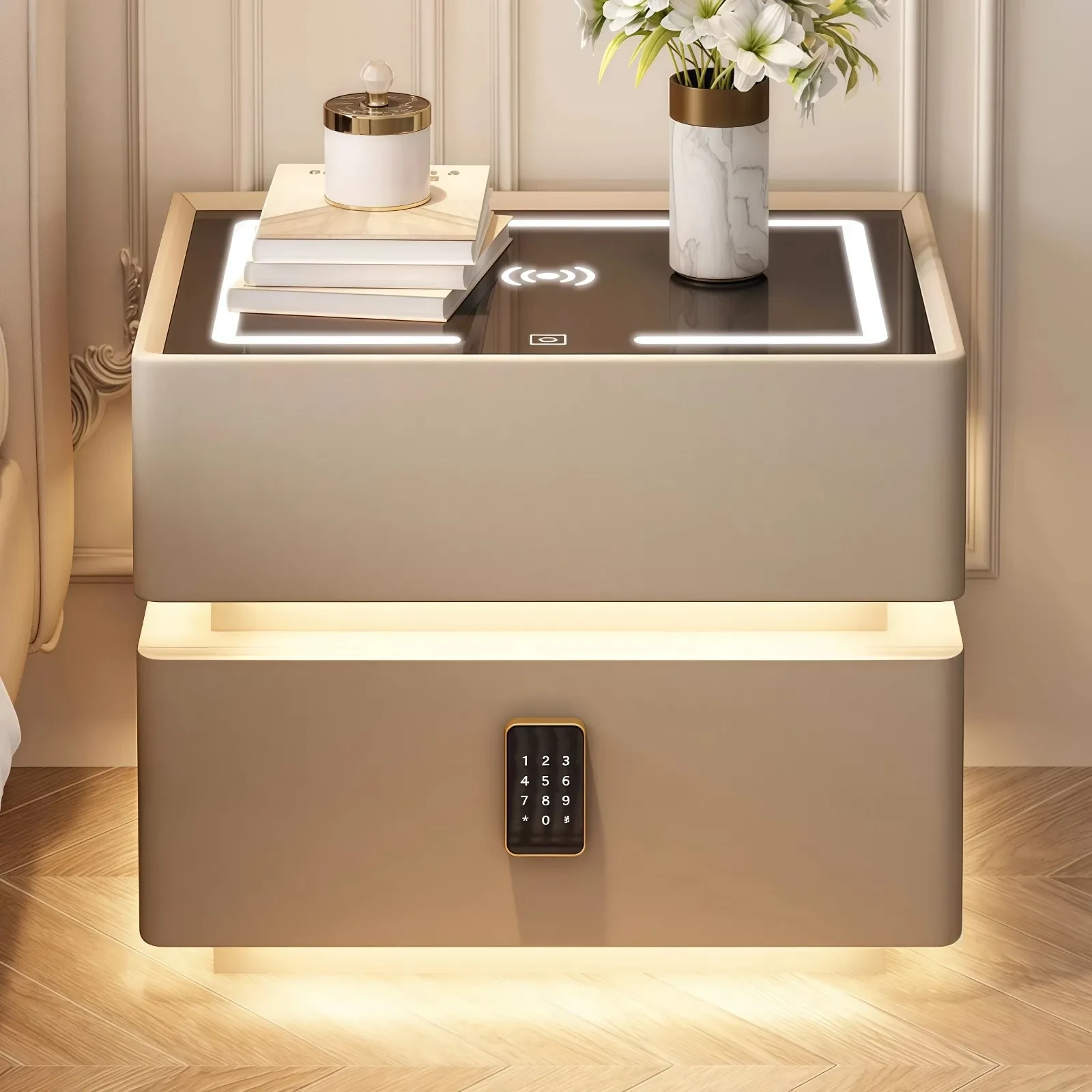
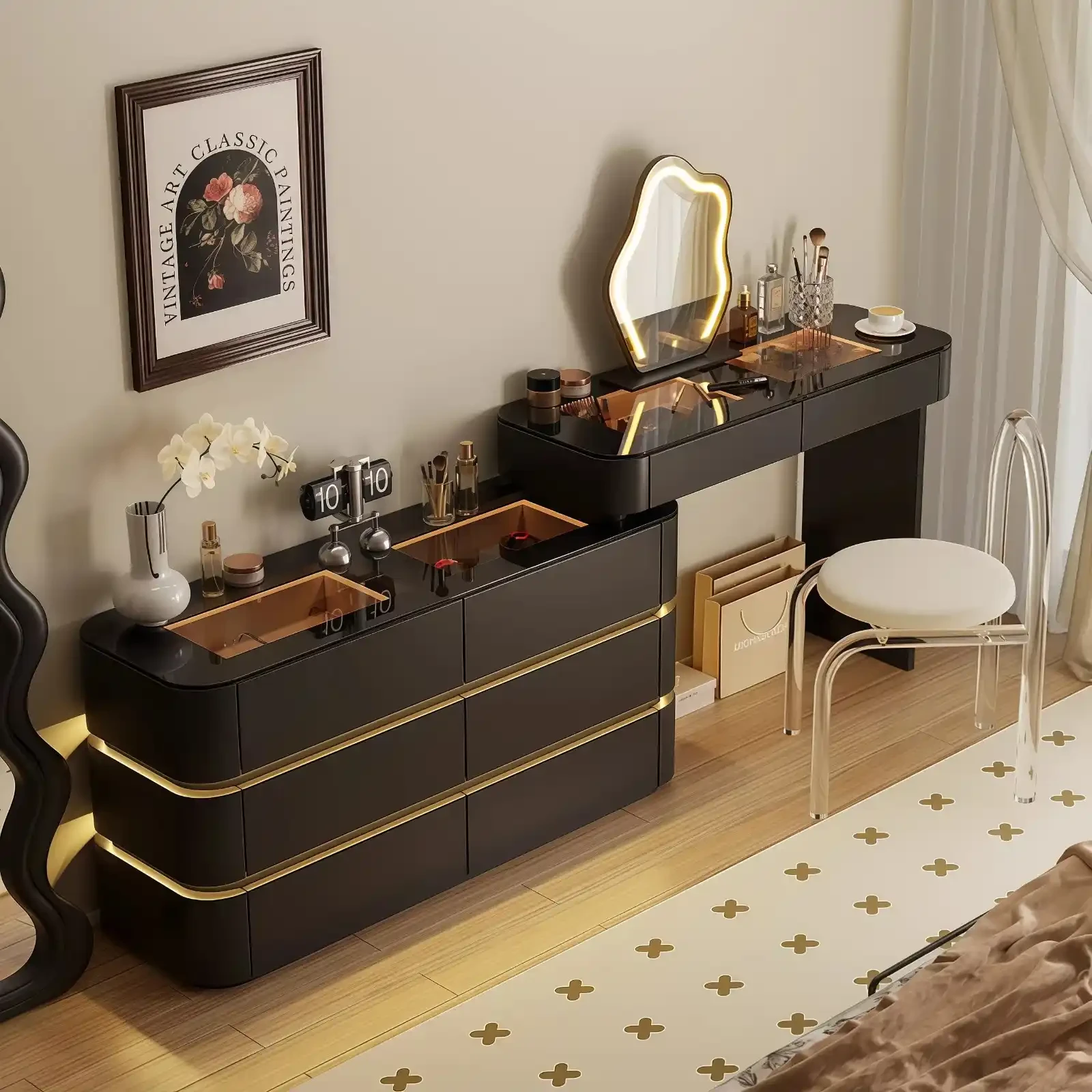
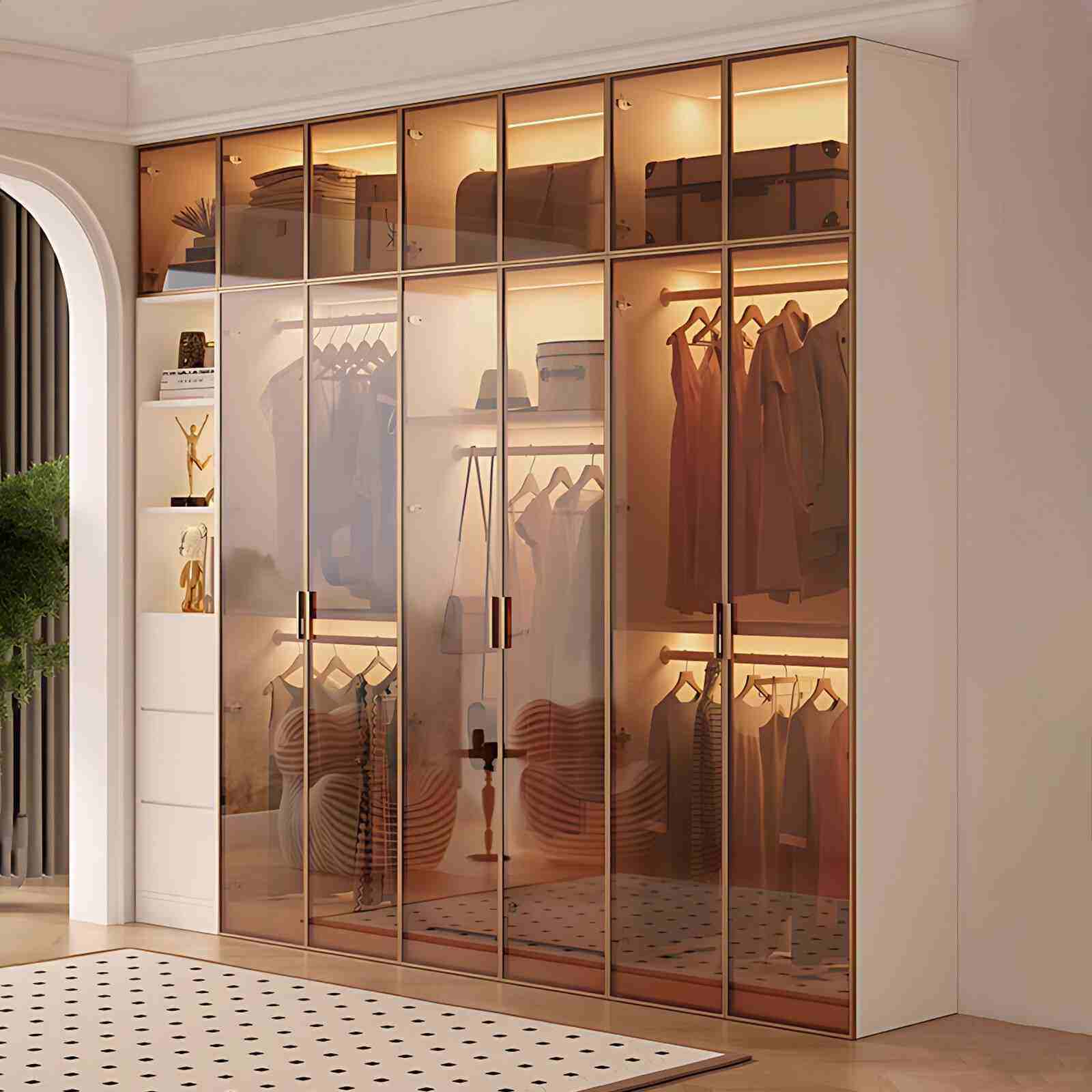
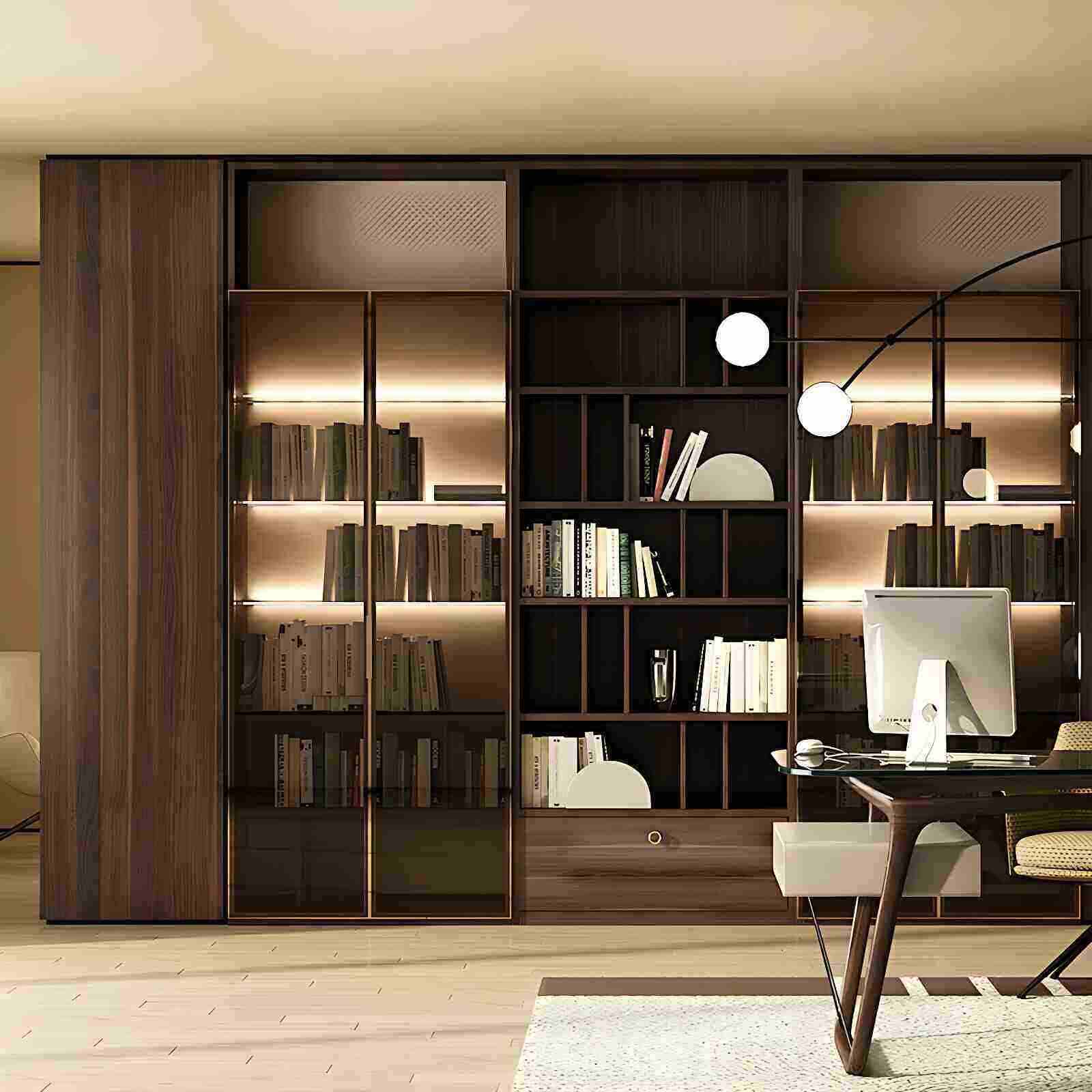
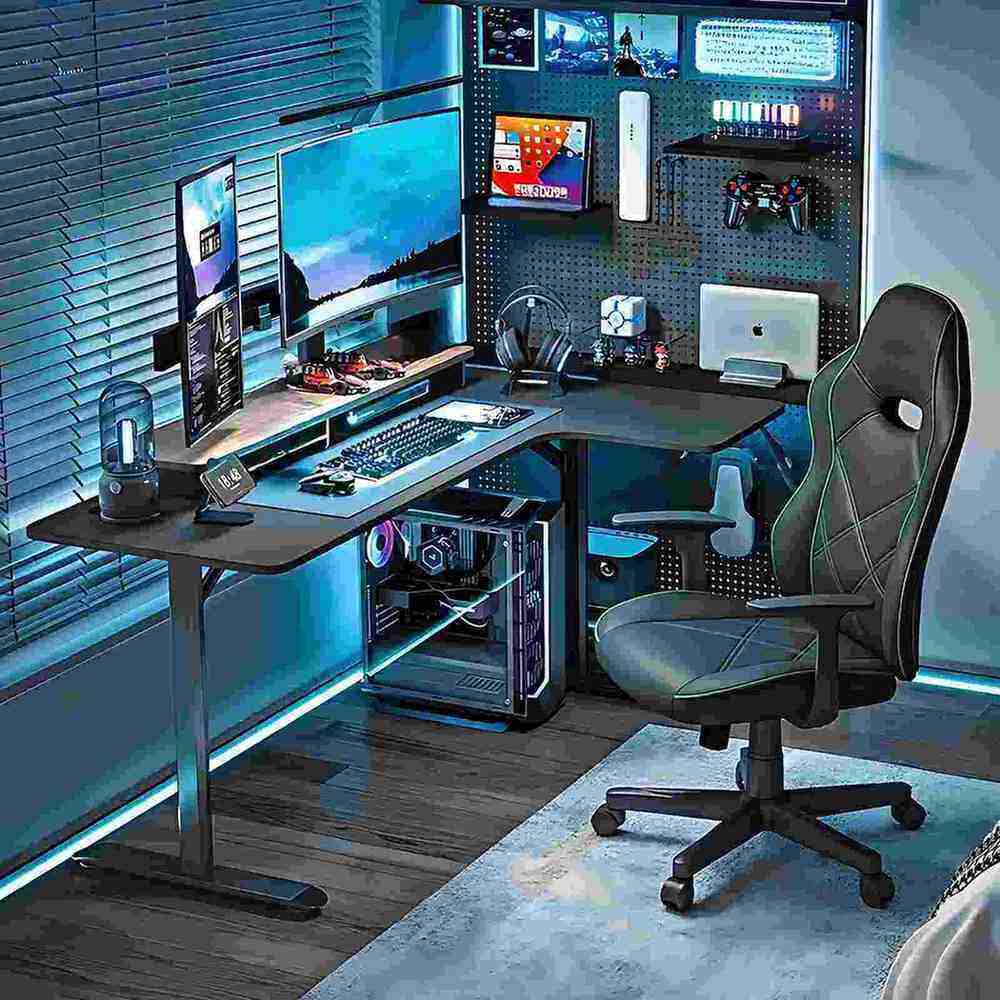
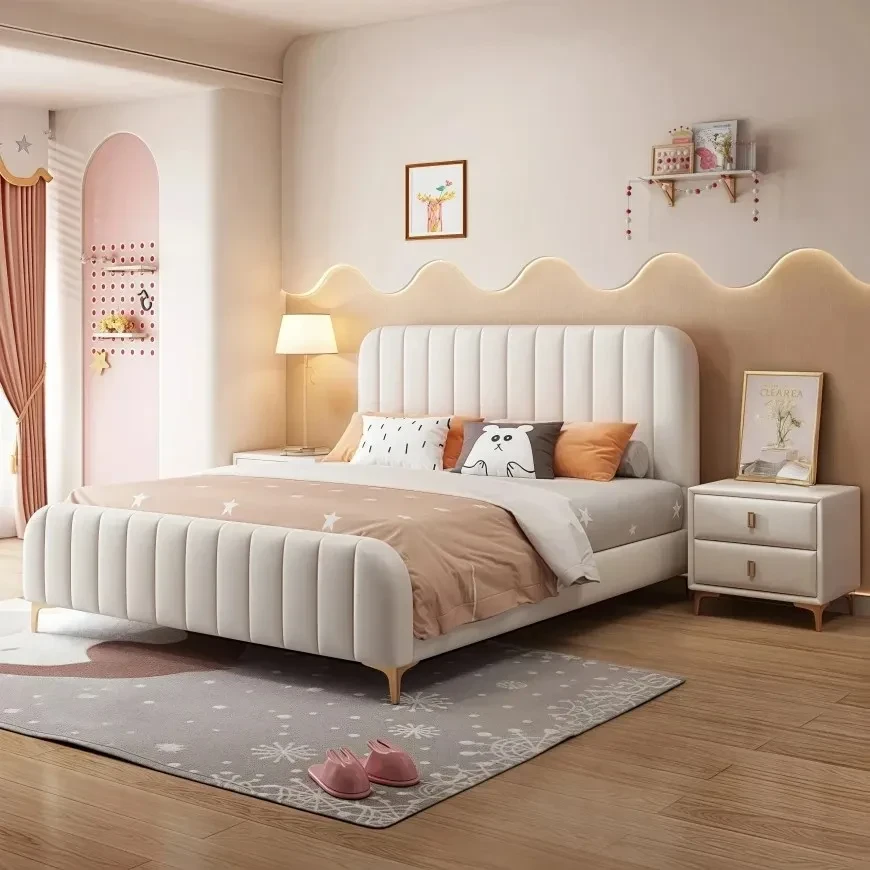
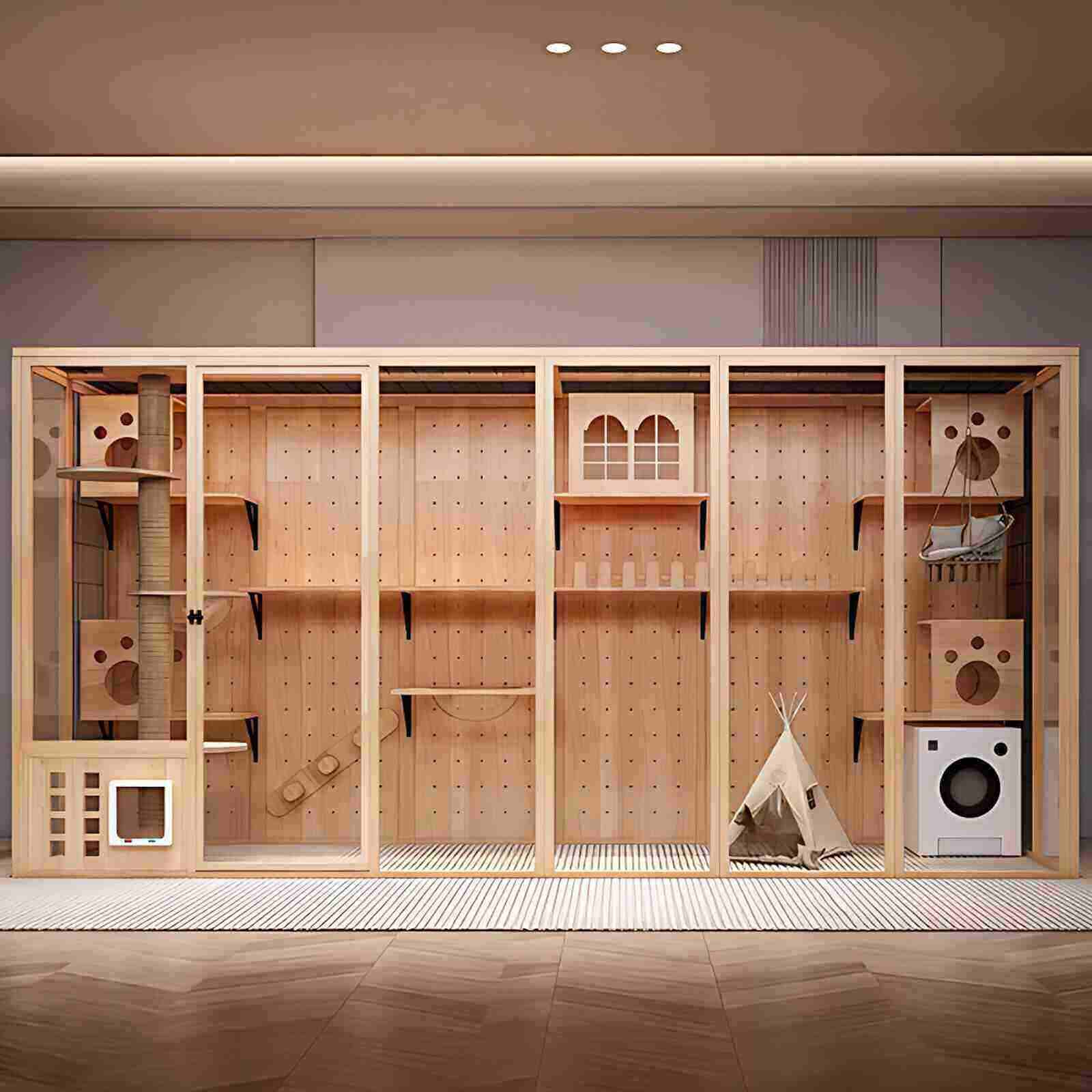
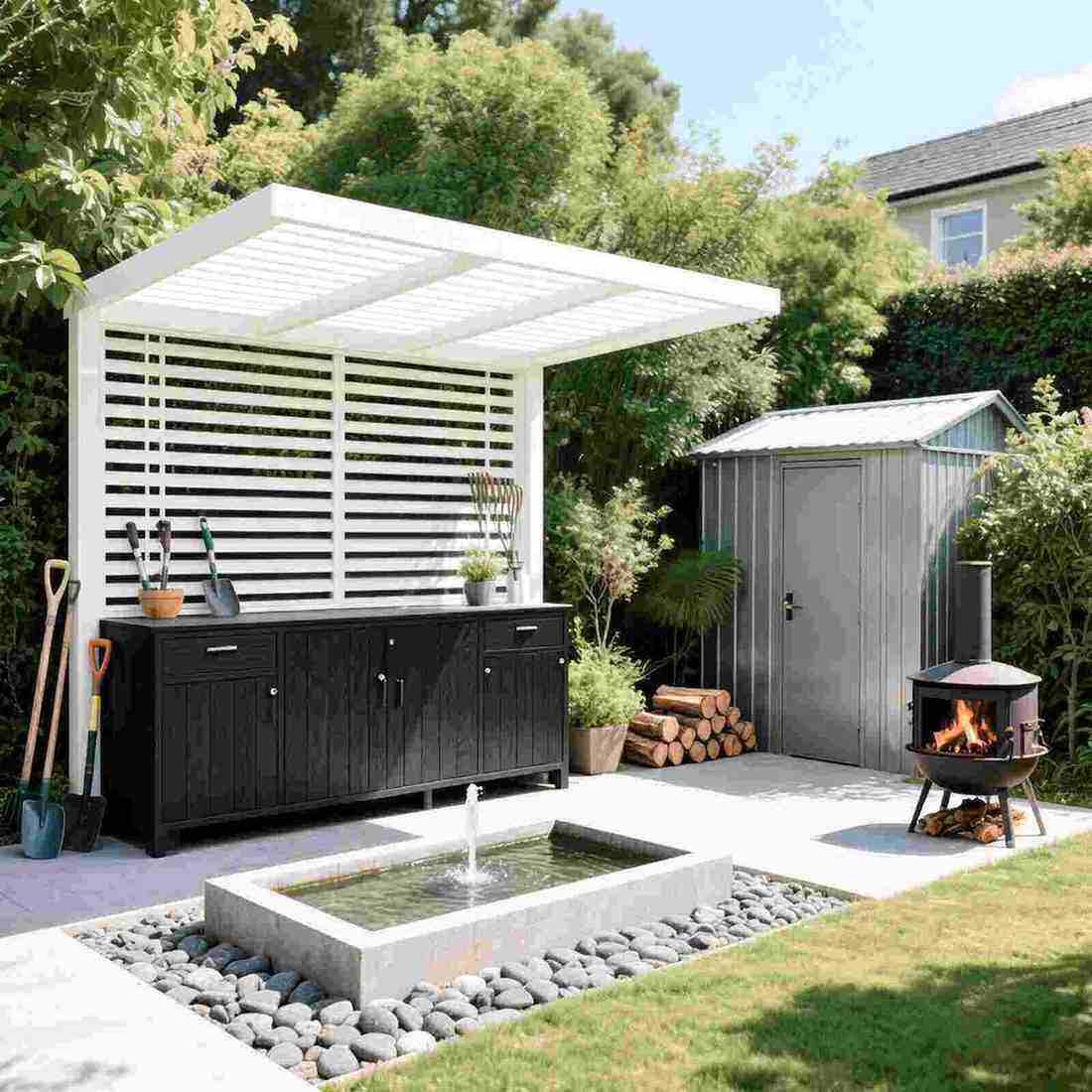
Some experts say that when decorating, people buy the boards themselves to make the furniture in their cabinets. Everyone finds it more economical than buying ready-made furniture. More importantly, the materials are guaranteed to be environmentally friendly, which is reassuring. However, many people have their own purchasing plans, but they don't know which type of board to choose for different purposes.
I. How to Choose Environmentally Friendly Building Materials for Home Decoration
In the national standard for plywood released last year, formaldehyde limits are divided into three levels: E2 ≤ 5.0 mg/L, E1 ≤ 1.5 mg/L, and E0 ≤ 0.5 mg/L. E1 is a mandatory national health standard, which is a mandatory "safety standard line." E0 is currently the highest environmental protection standard value, and its formaldehyde content is even lower than that of drinking water.
Currently, many families only use plywood, as its numerous advantages make it suitable for home decoration. Plywood is made by gluing and pressing together two veneers with wood panels. From an environmental perspective, E1 grade is sufficient for ordinary households, and the price difference between E1 grade and the core material is quite significant. The splicing of the wood core can also be done by hand or machine.
II. In addition to being environmentally friendly, other advantages are also needed.
Good quality wood planks, besides meeting environmental protection requirements, should also have a dense core, ideally without any excess space. This can be seen from the sawn sections. Laminated wood (finger-jointed boards) are also called plywood. In the market, it is common to use fir wood to splice boards through finger joints and grooves. Direct finger-jointed boards are also called finger-jointed boards.
This type of board has high utilization rate and good processing capabilities, allowing it to be directly shaped into straight and curved forms, resulting in a natural and aesthetically pleasing appearance. It is primarily used for making cabinets. The thickness is typically 18 mm, but 16 mm is also available. Generally, good quality fingerboard has fewer knots, a more uniformly rounded wood color, and a denser interface. Prices vary depending on the thickness of the board, with 18 mm being the most common thickness.
We help Chinese board manufacturers transform and upgrade, creating a brand-new industrial chain and building a harmonious ecosystem. A healthy environment is more valuable than gold and silver; a life of spirit is worse than a life of poverty or wealth. We should know the standards for environmentally friendly boards and how to buy them! This concludes our introduction to the environmental standards for board materials; we hope you find it useful!