
 USD
USD GBP
GBP
 EUR
EUR
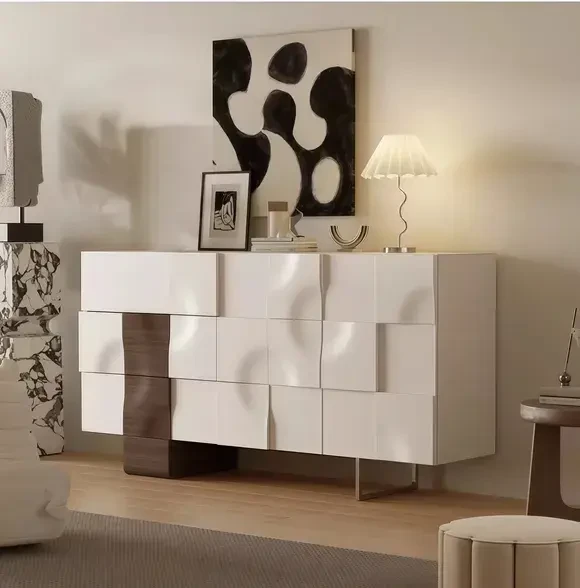
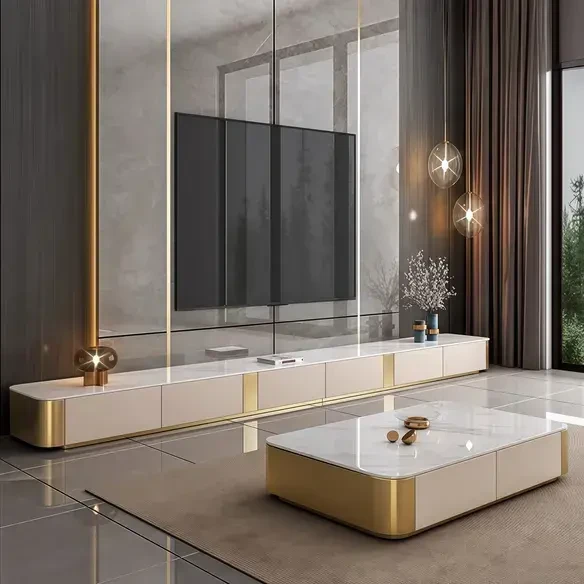
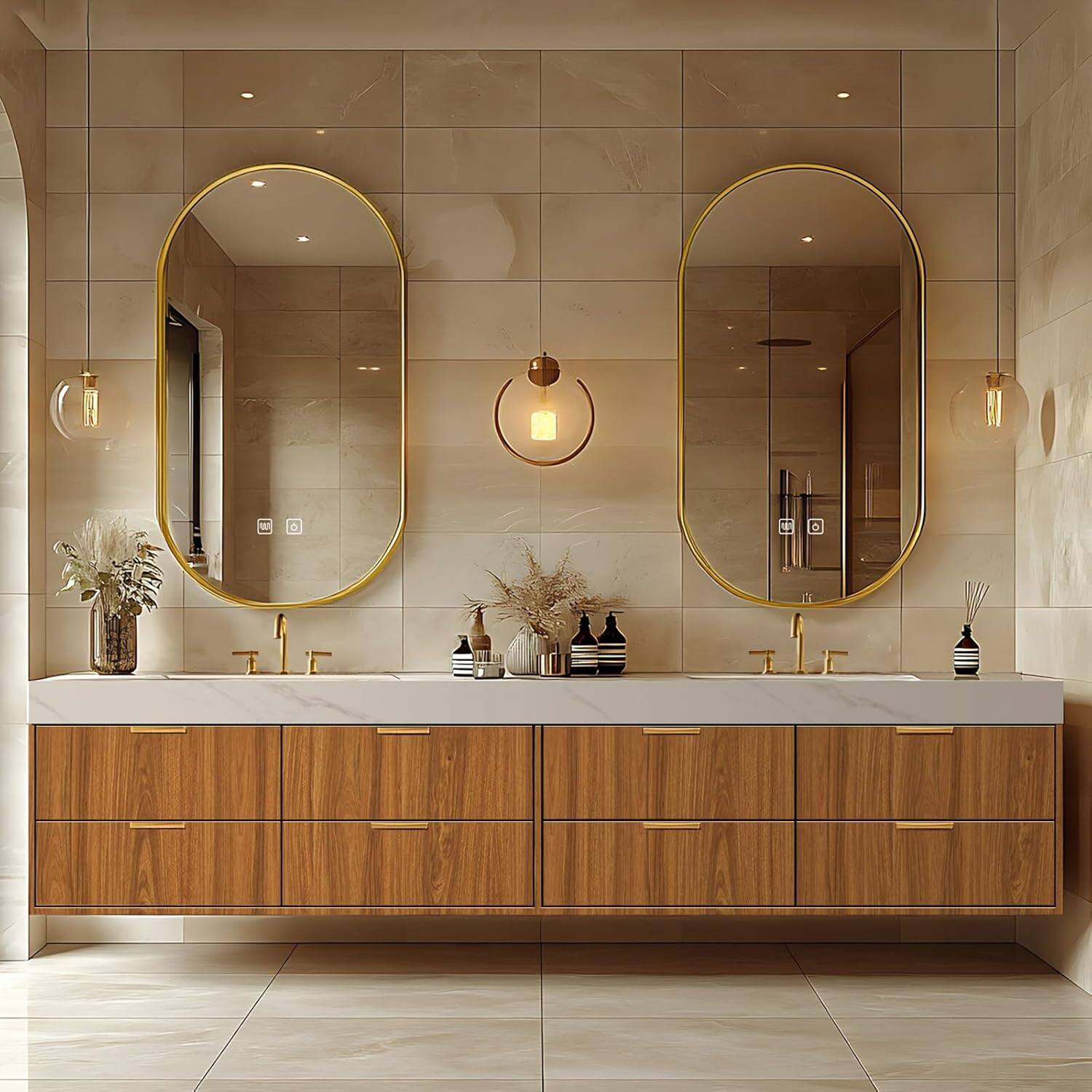
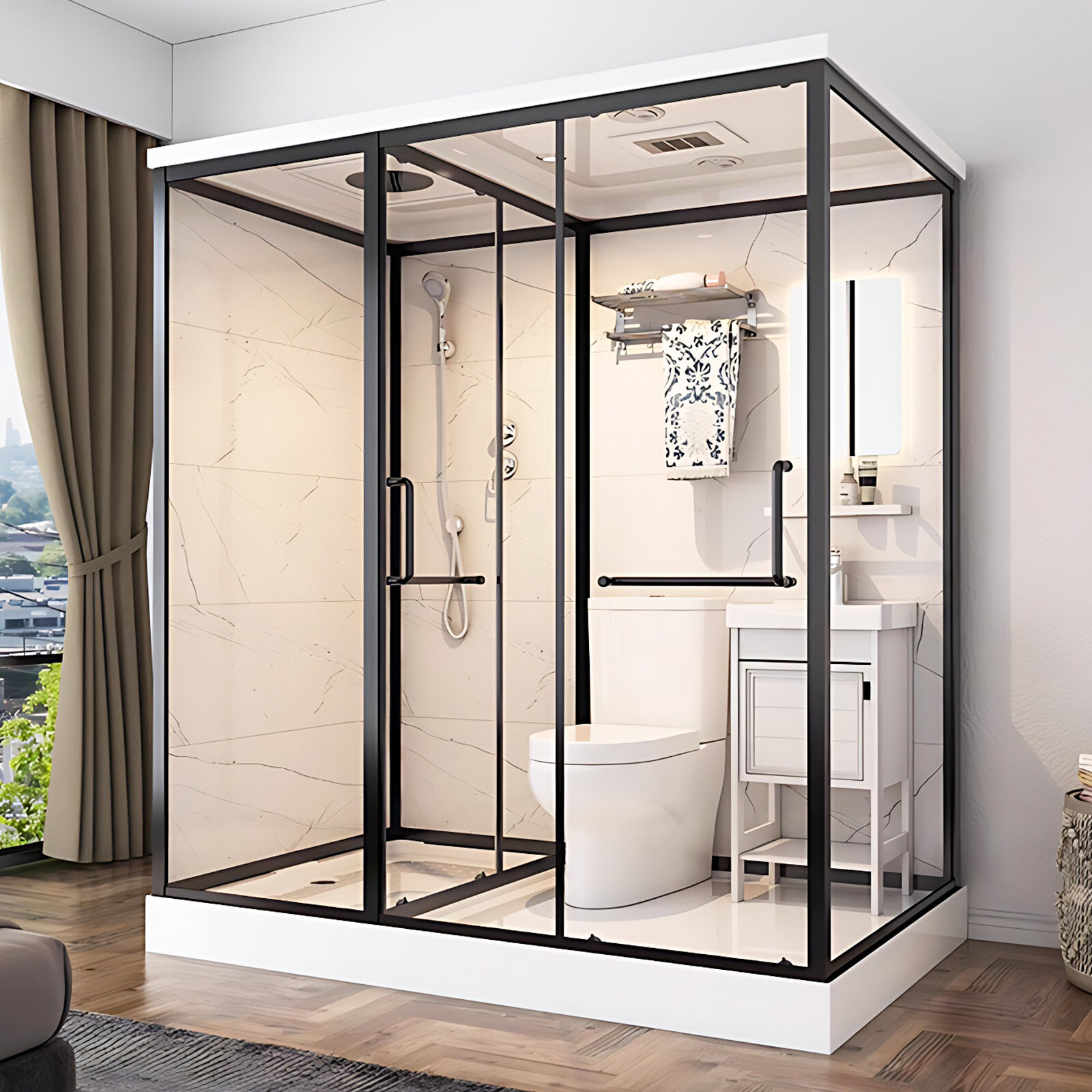
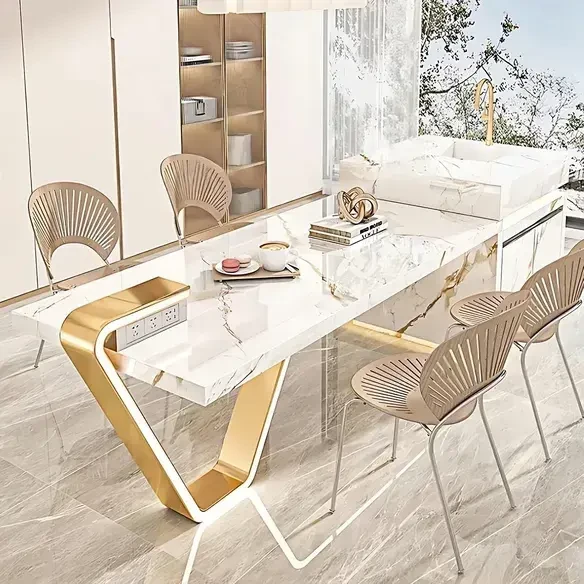
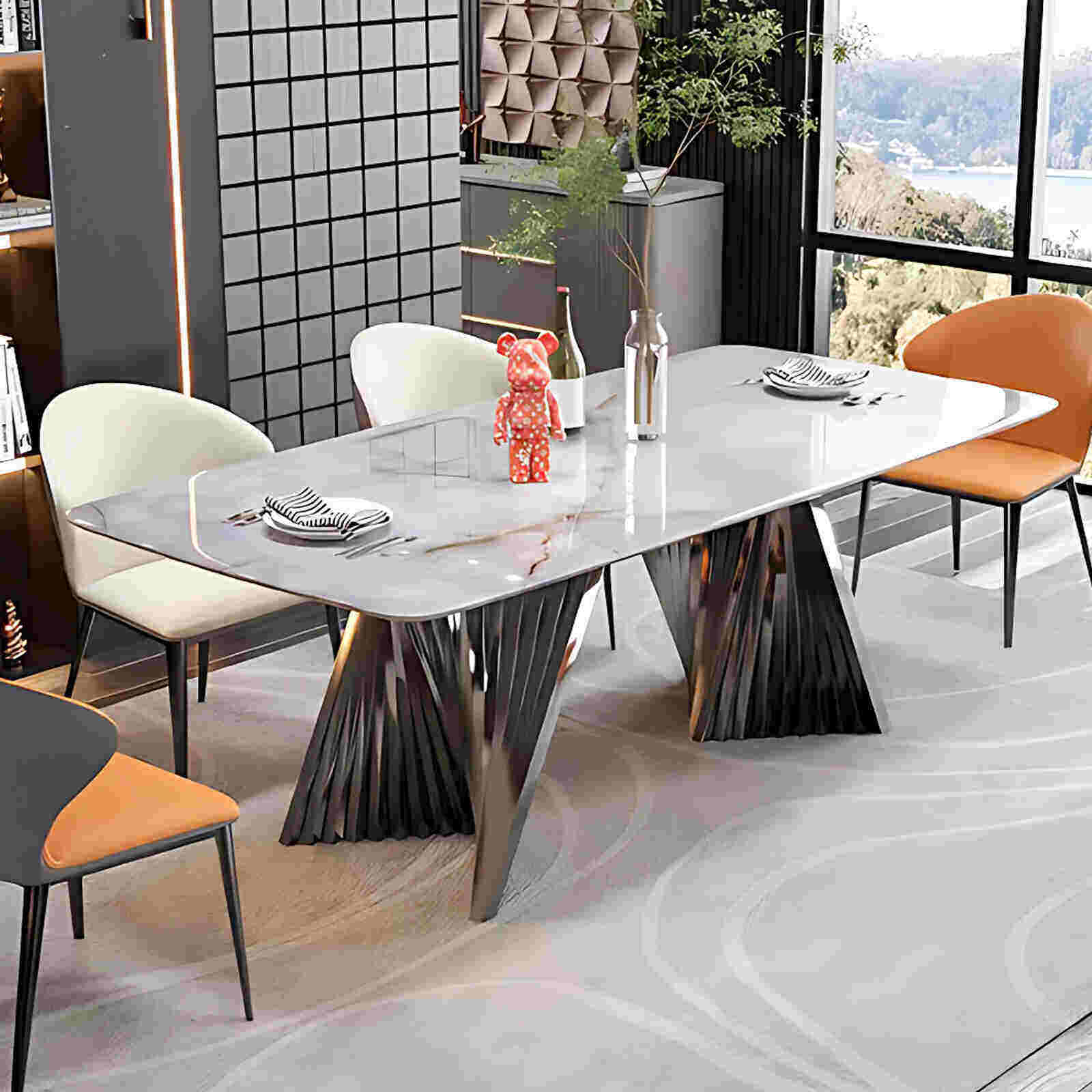
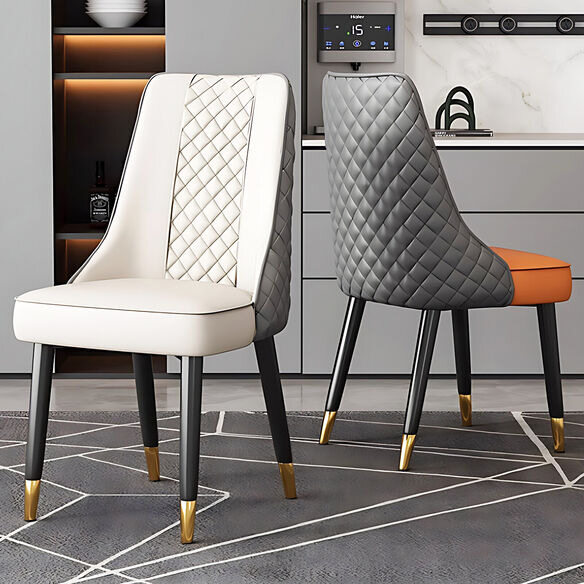
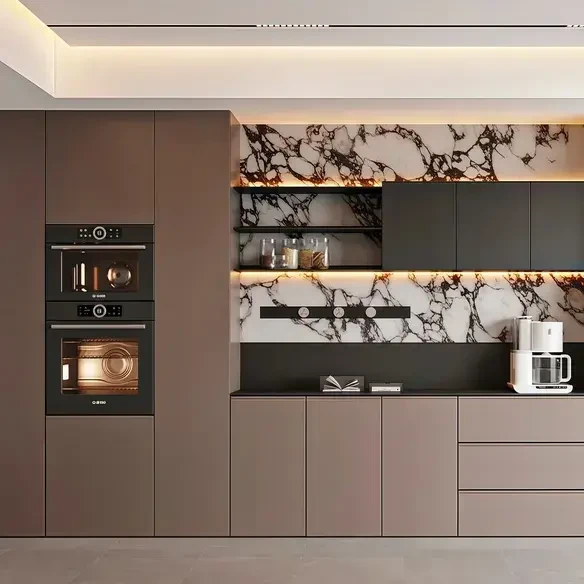
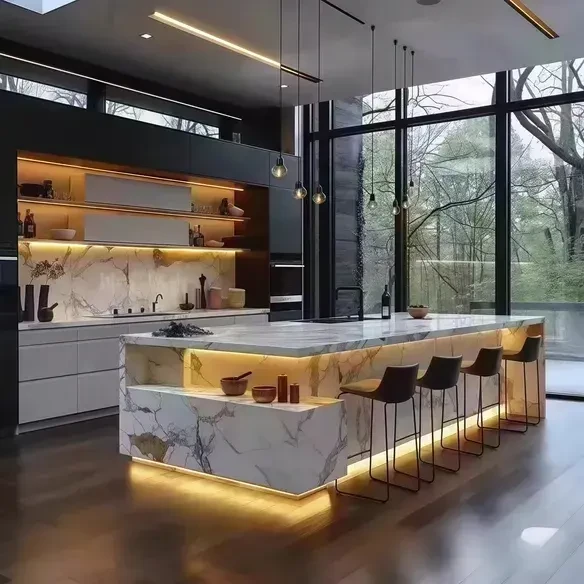
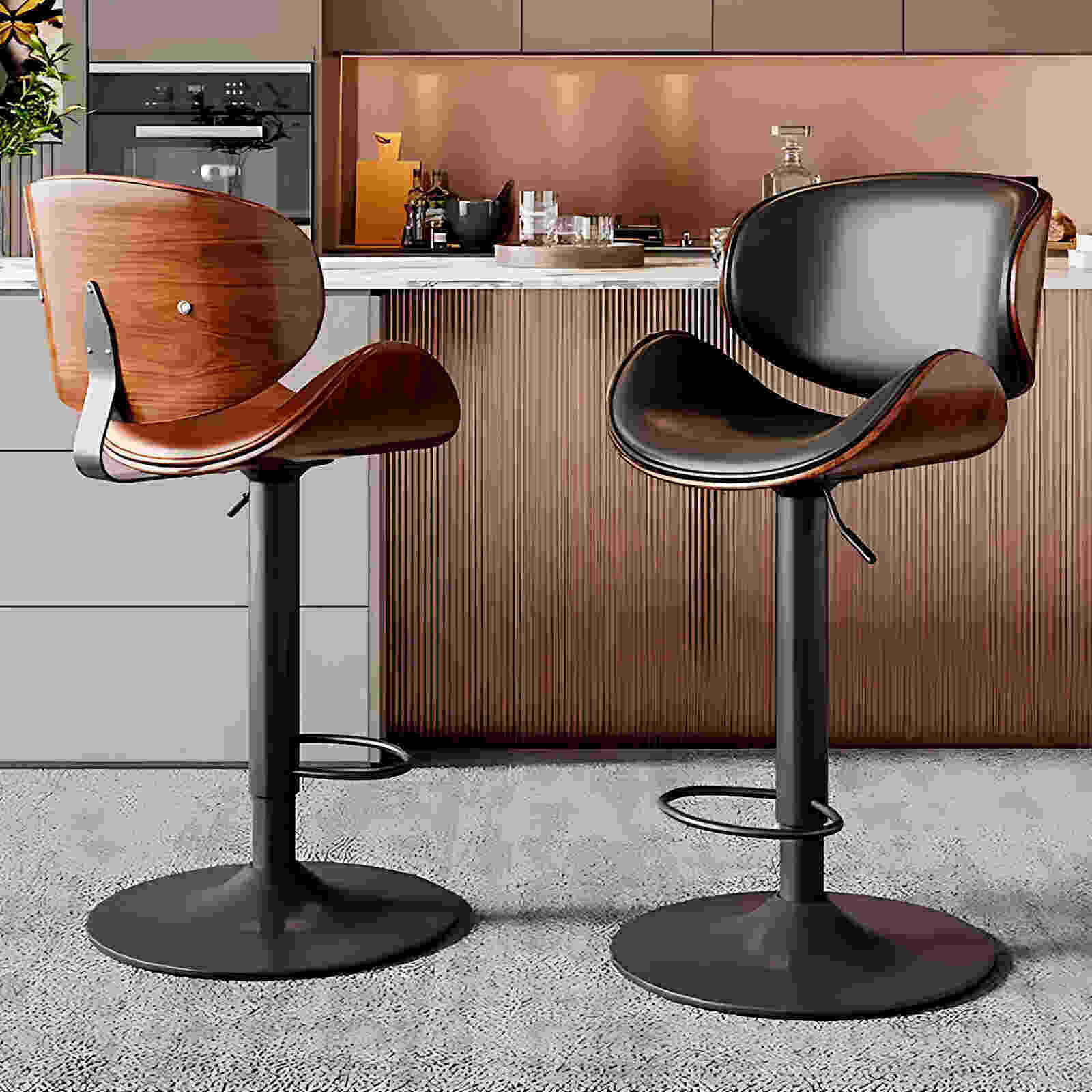
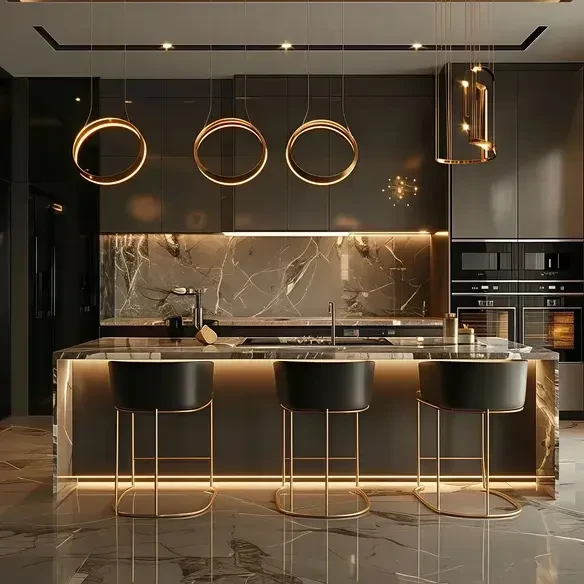
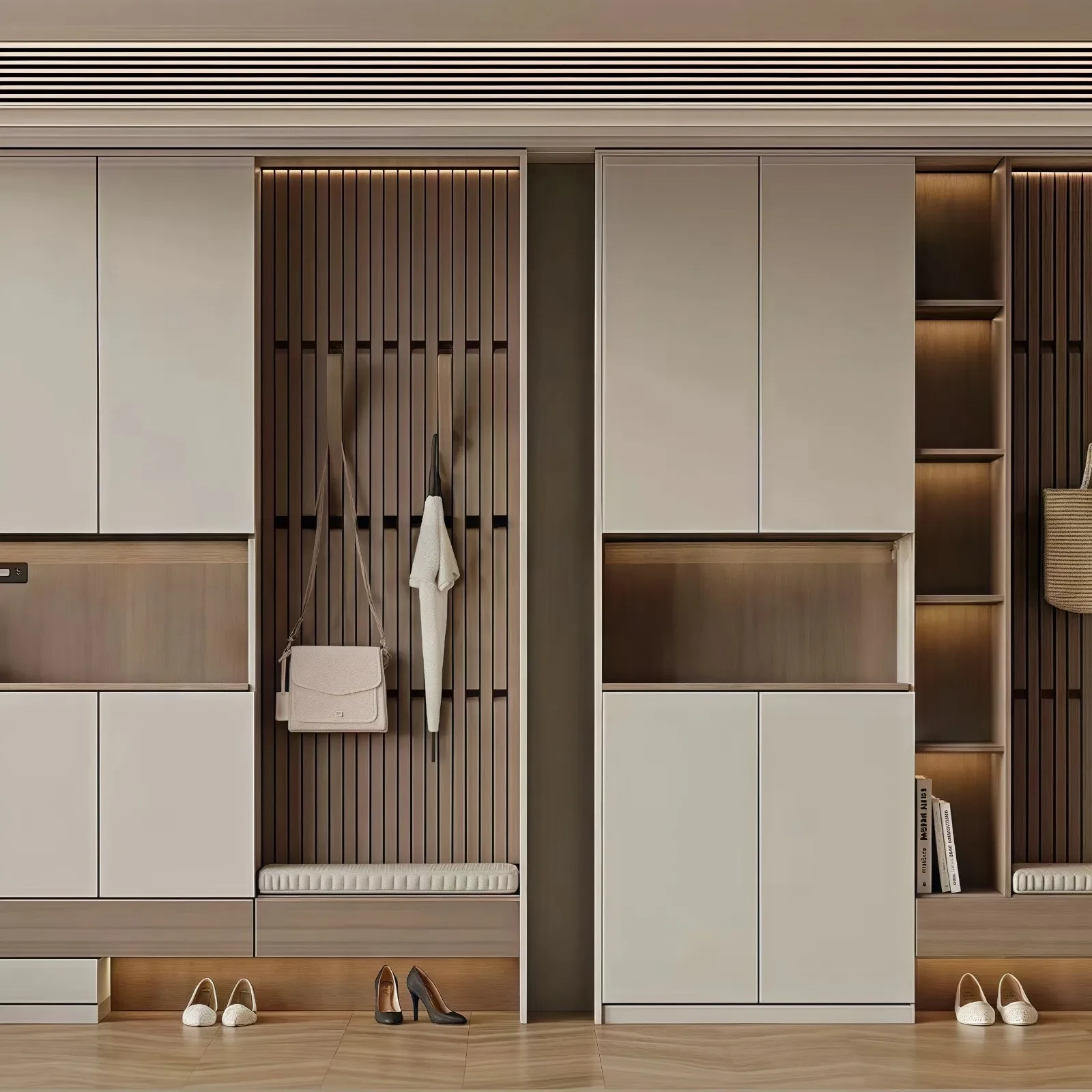
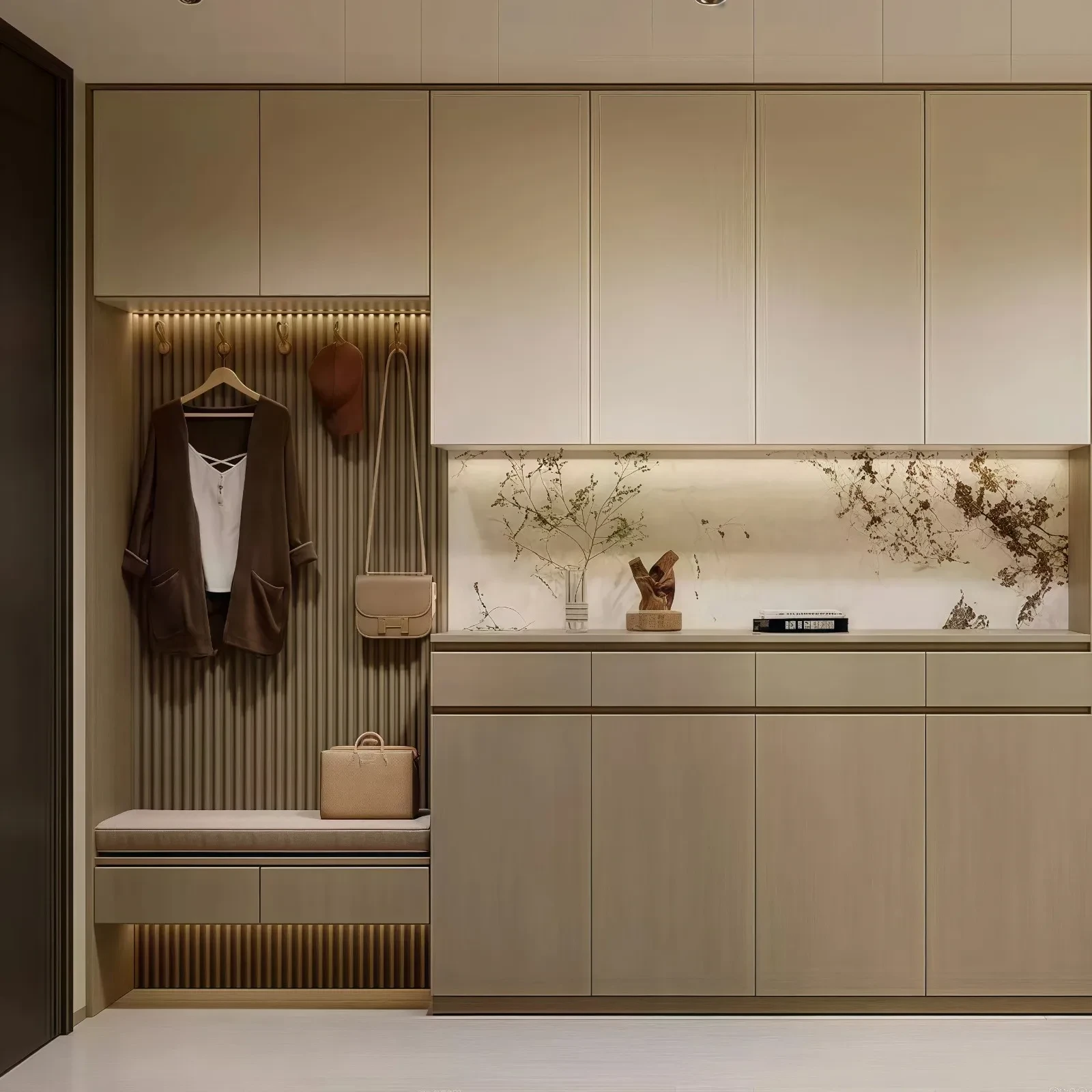
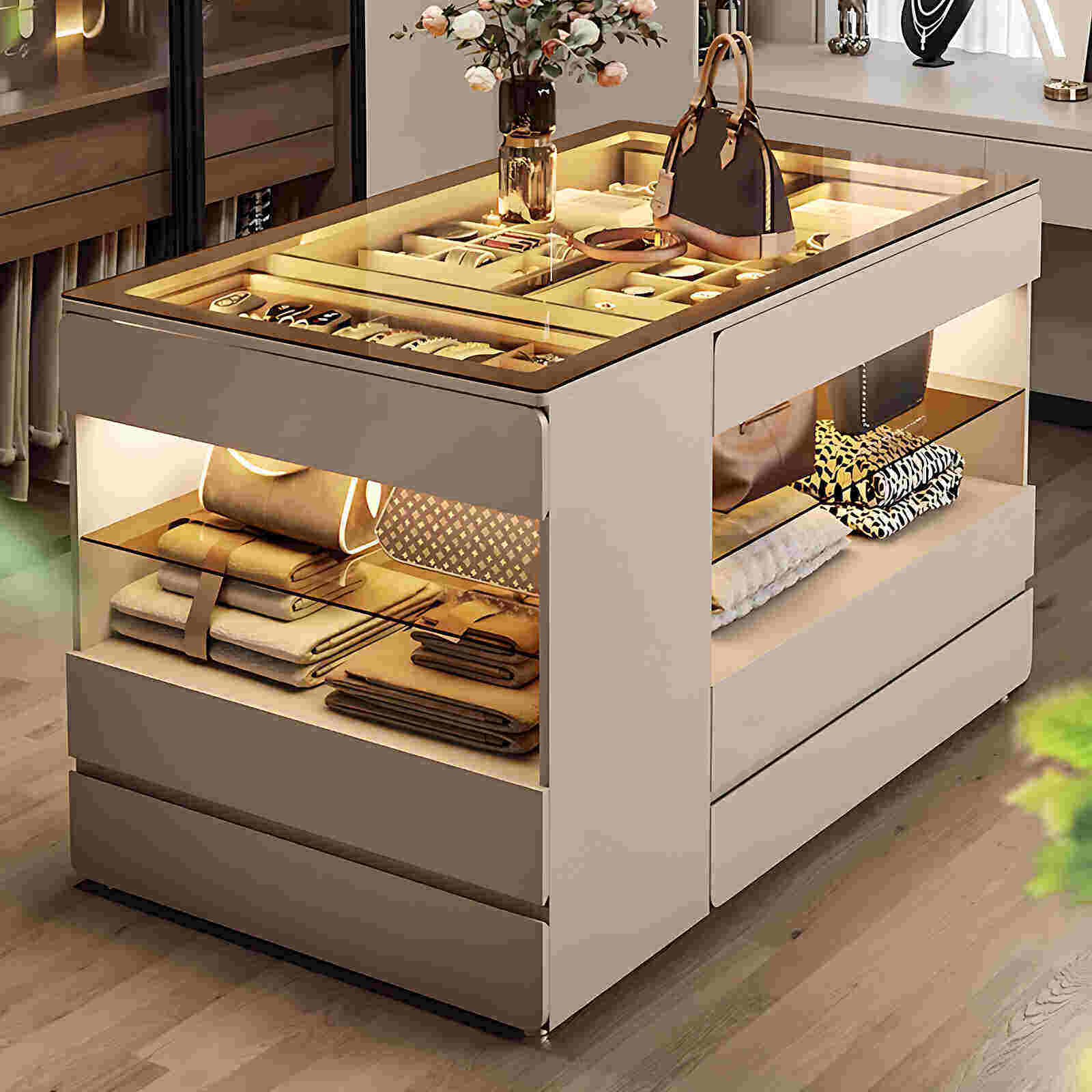
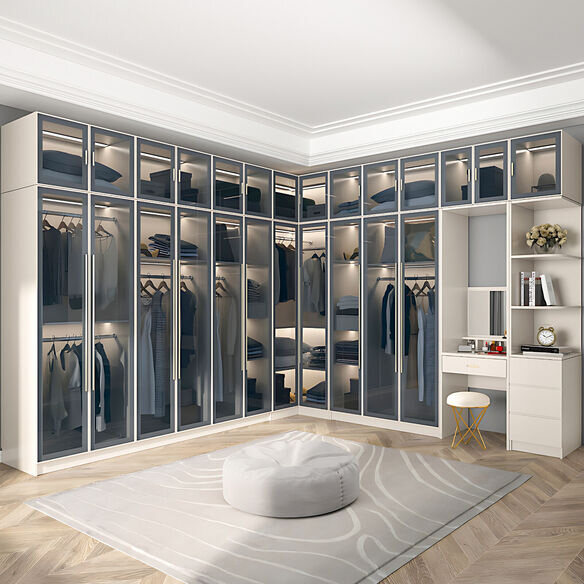
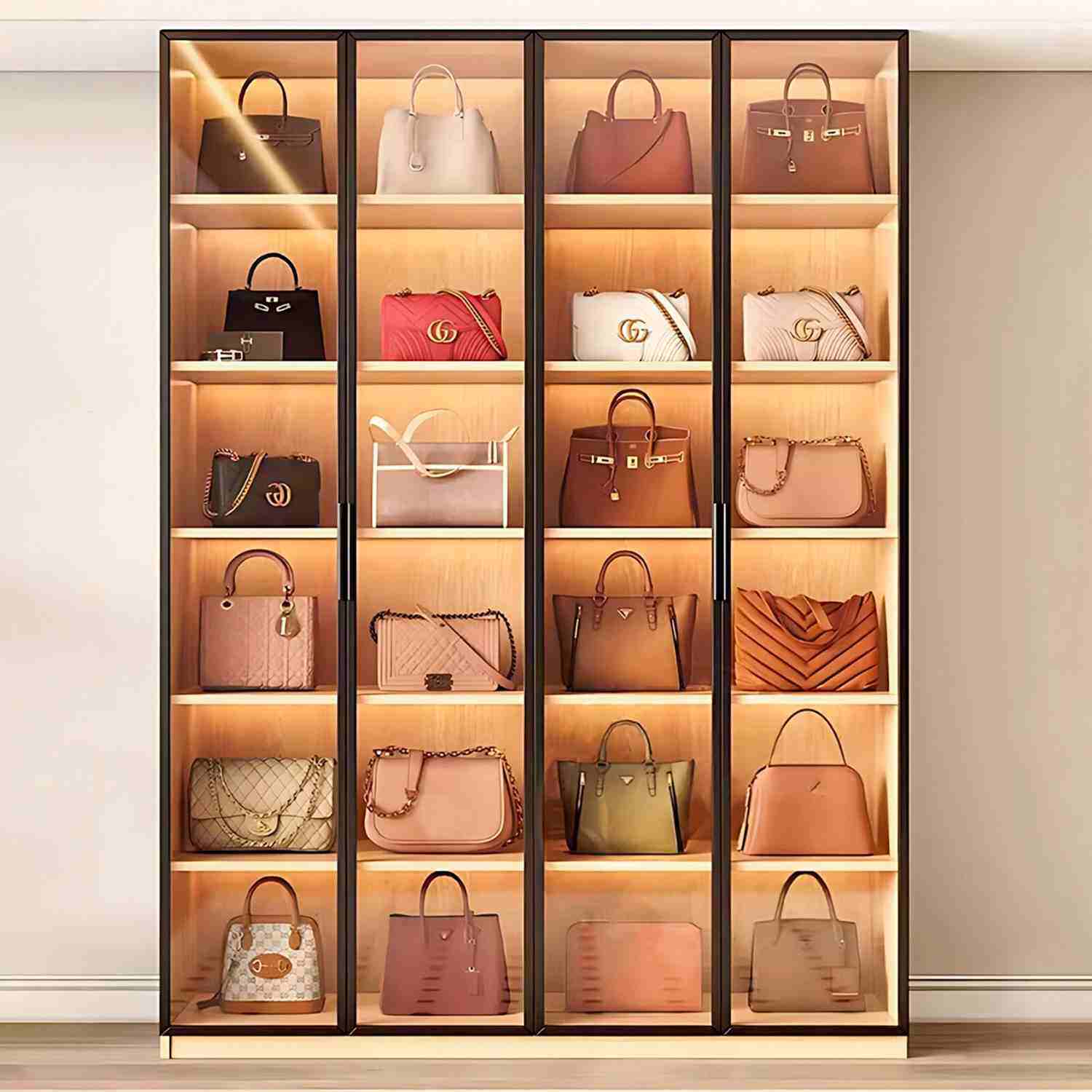
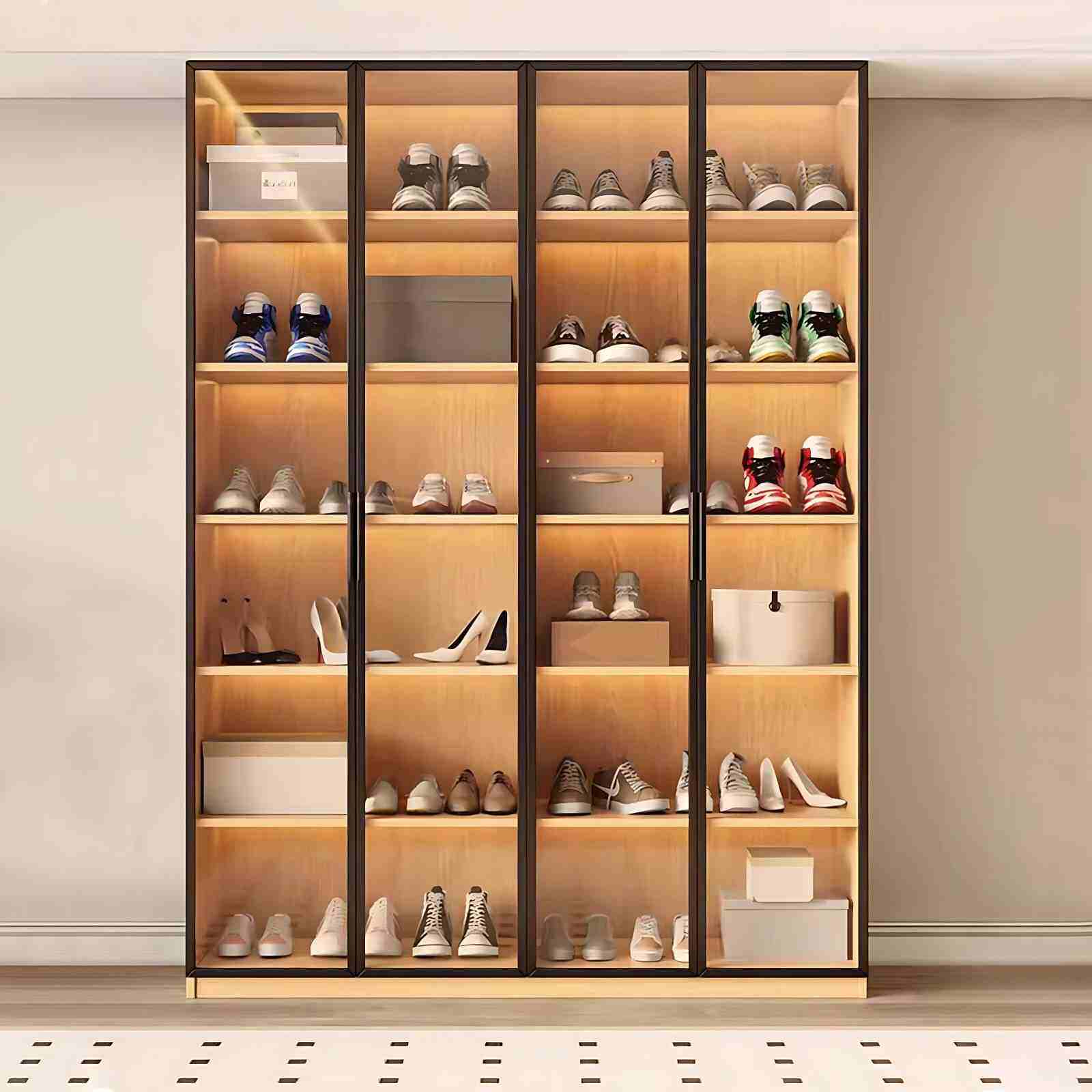
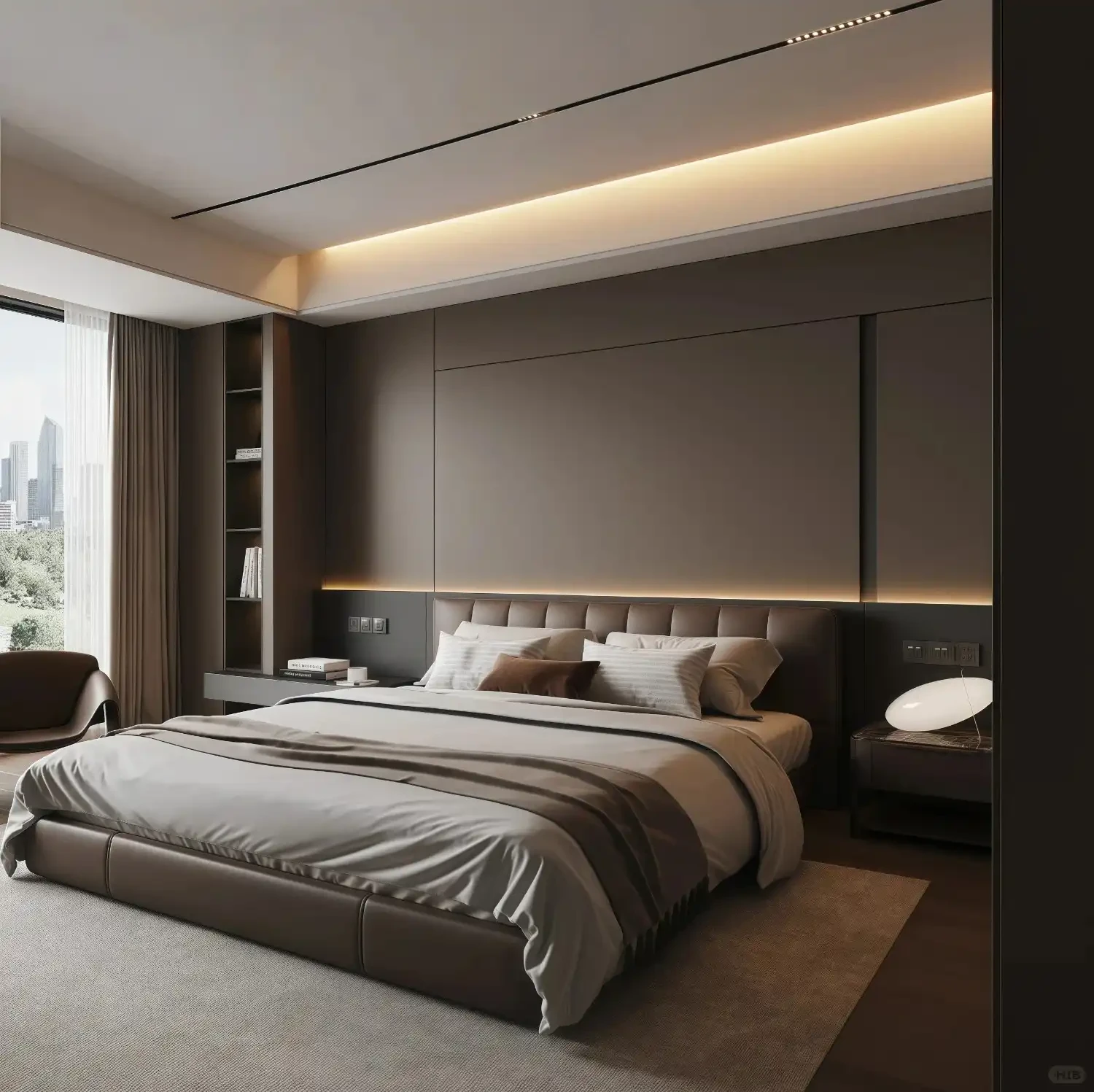
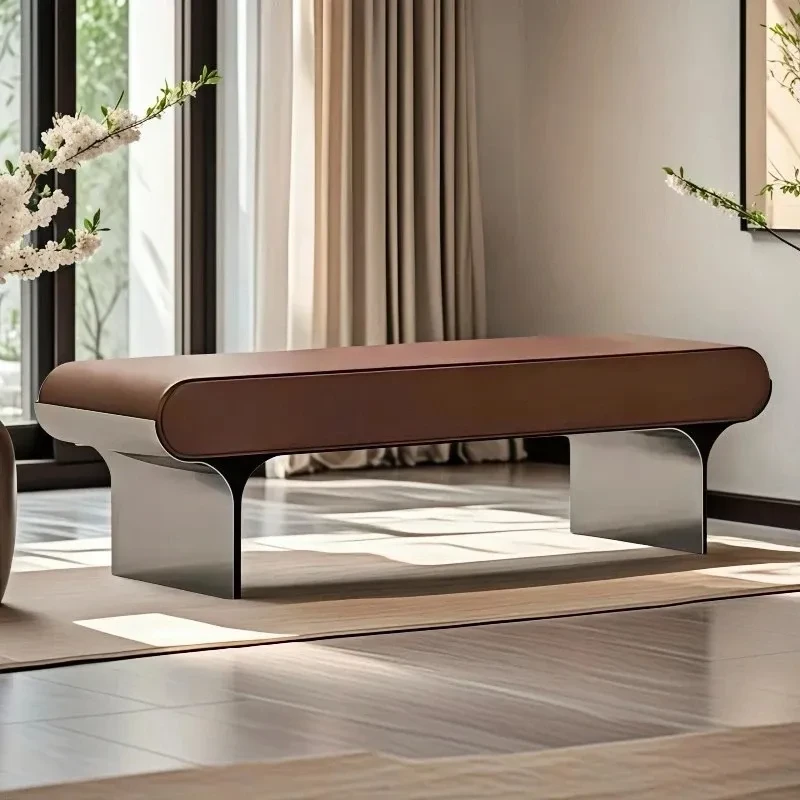

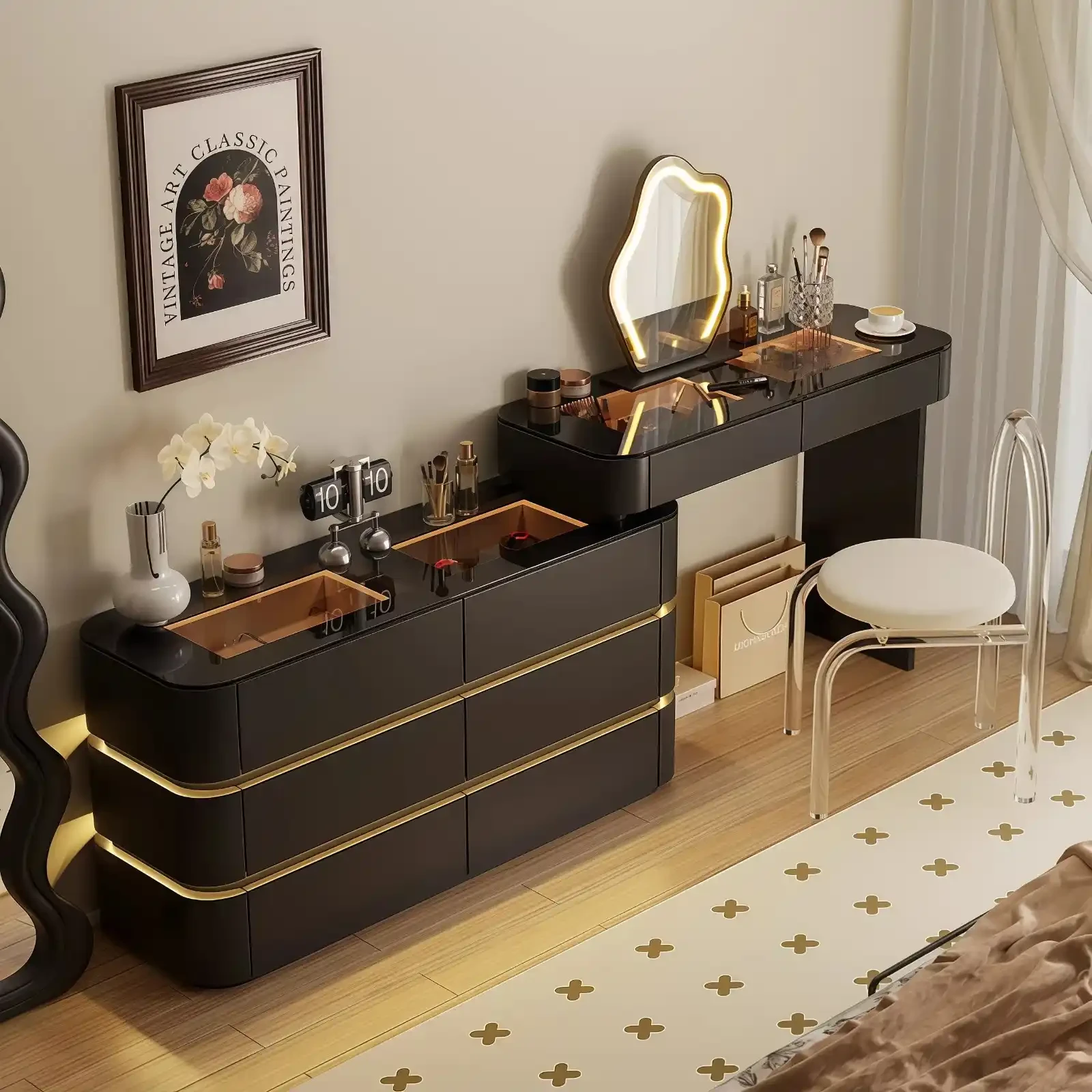
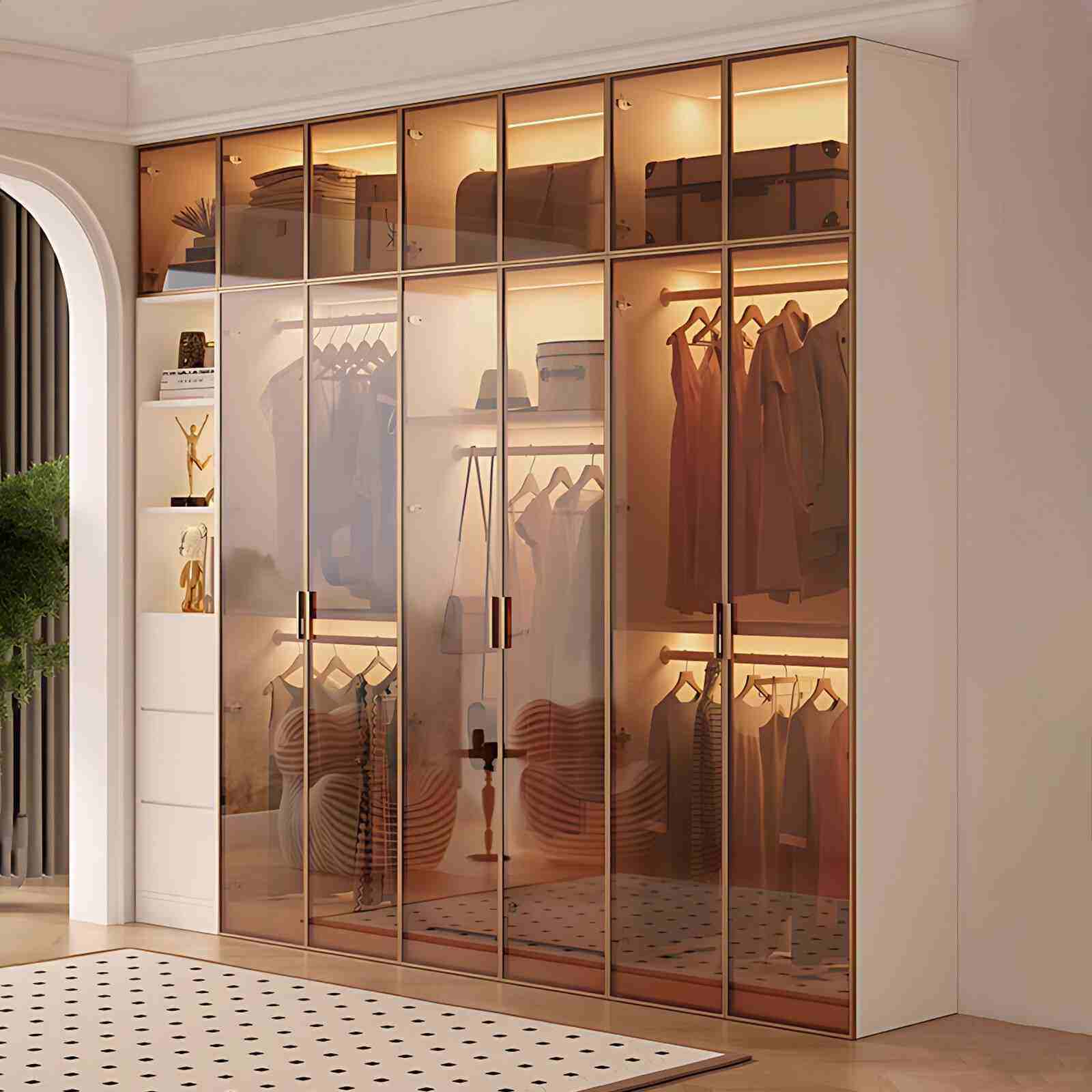
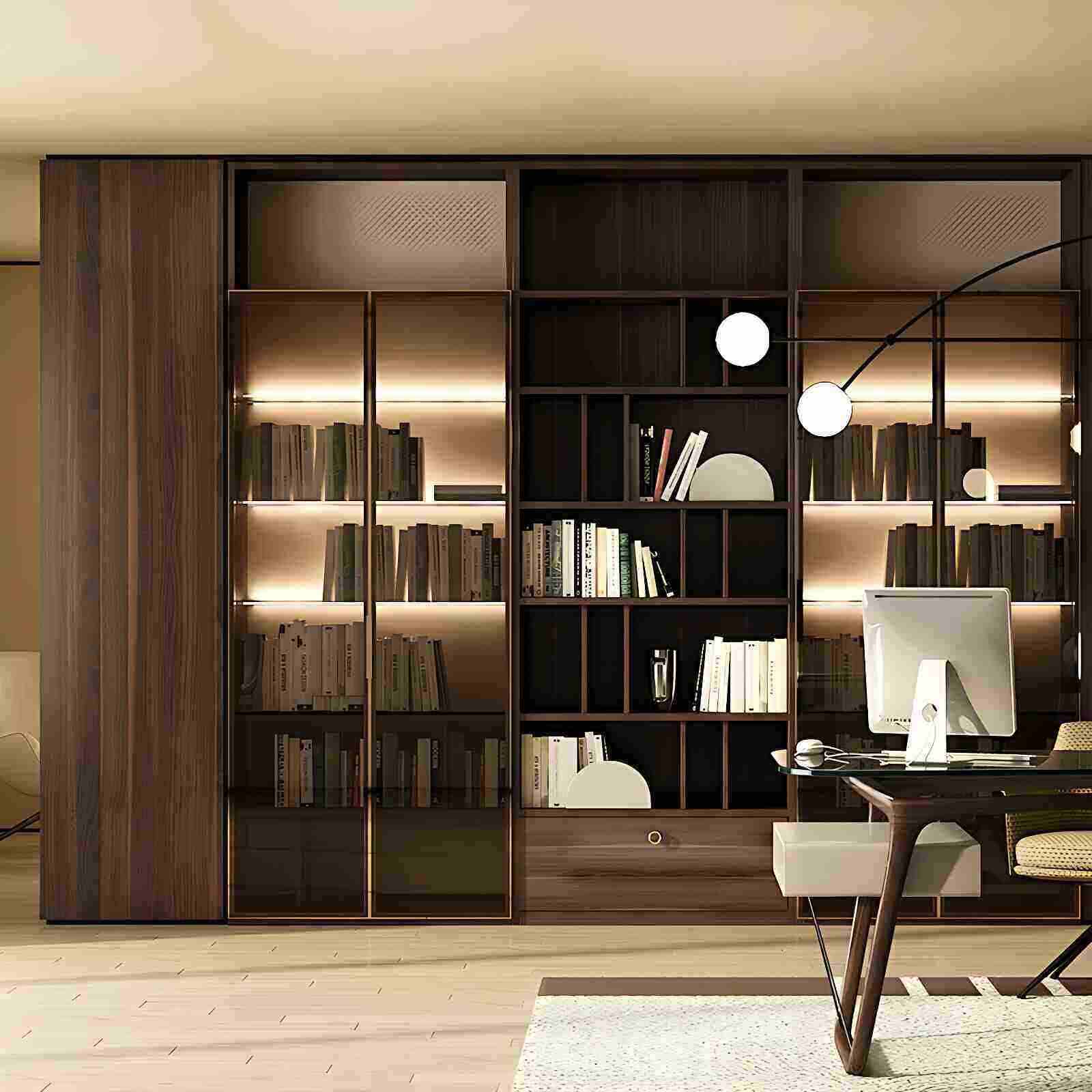

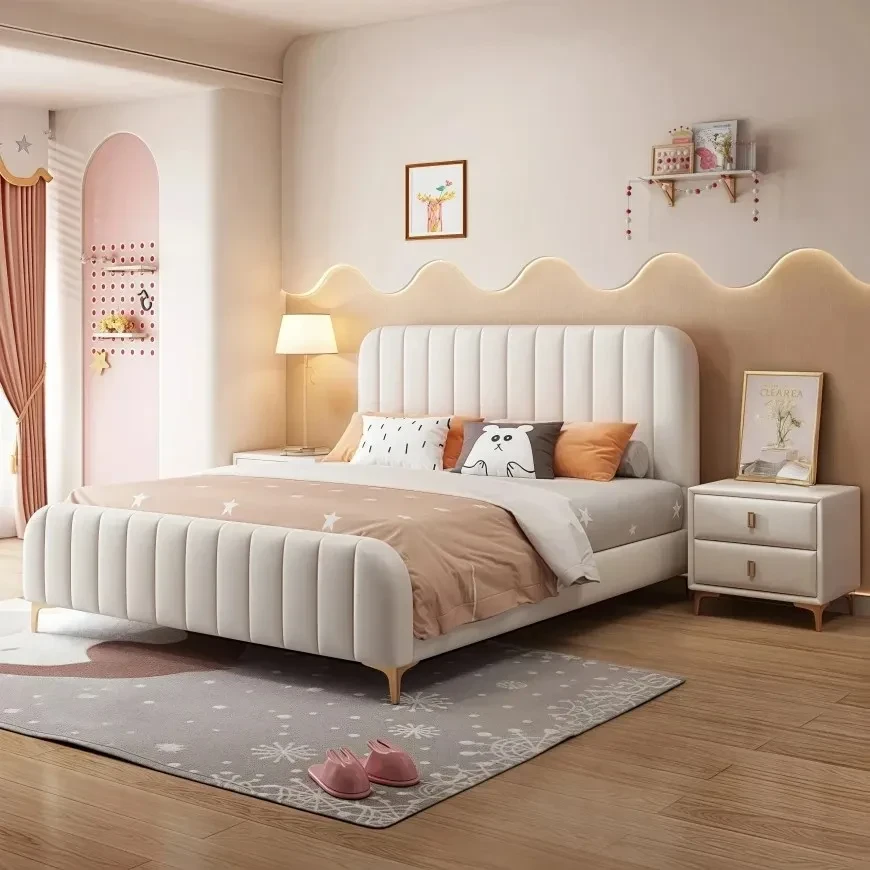
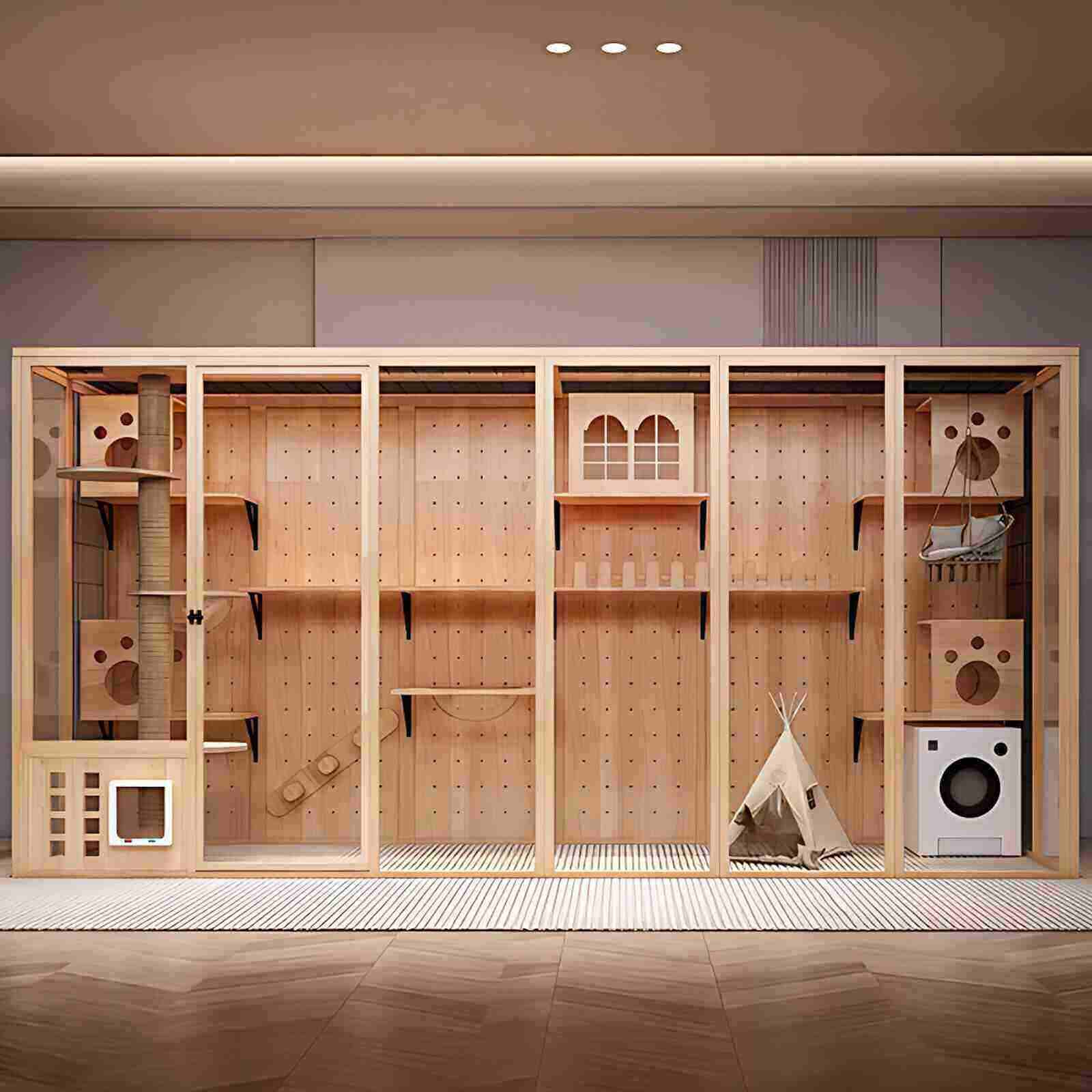

Many people are familiar with plywood, composite board, and solid wood boards, but many may not be as familiar with multi-layer boards. Today, we'll discuss the advantages and disadvantages of multi-layer boards. Let's take a look.
1. Advantages of multi-layer boards
Multi-layer plywood is very popular with consumers, and many people choose it as their first choice when making furniture. It's a multi-layered plywood, very hard and sturdy, with a beautiful and elegant appearance and a pleasant feel. Another significant advantage of multi-layer plywood is its ability to effectively regulate indoor temperature and humidity. Furthermore, it uses environmentally friendly adhesives, making it relatively environmentally friendly.
The production process of multi-layer solid wood boards is highly resource-efficient because it utilizes all the original wood without producing sawdust or any waste. During production, it also generates a significant amount of medium-density fiberboard (MDF) and particleboard, which are excellent raw materials for furniture making, maximizing the utilization of wood materials.
2. Disadvantages of multilayer boards
The main disadvantages of multi-layer boards are twofold. First, the manufacturing process of multi-layer boards requires high precision, such as sanding and cold pressing. If the process is not up to standard, the results will not be good. Therefore, multi-layer boards produced by factories with low-level technology are generally of low quality. So, you must be careful when purchasing them.
After reading the above introduction, do you have a better understanding of plywood? Plywood has many advantages, especially in terms of environmental protection, it is indeed much better than other types of boards. The above is a summary of the advantages and disadvantages of plywood; we hope it has been helpful.