
 USD
USD GBP
GBP
 EUR
EUR

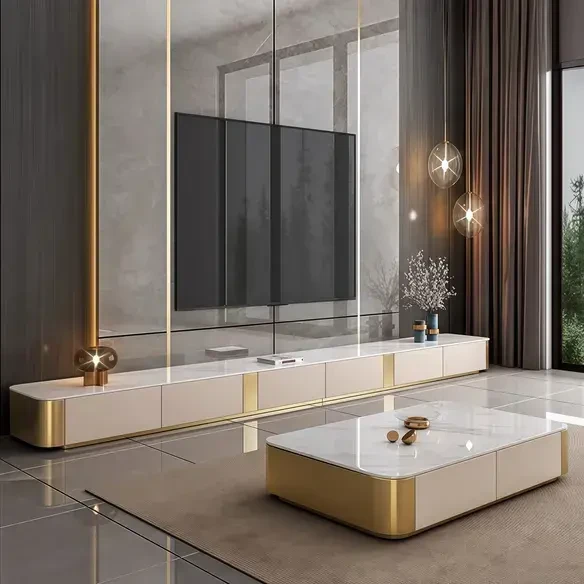
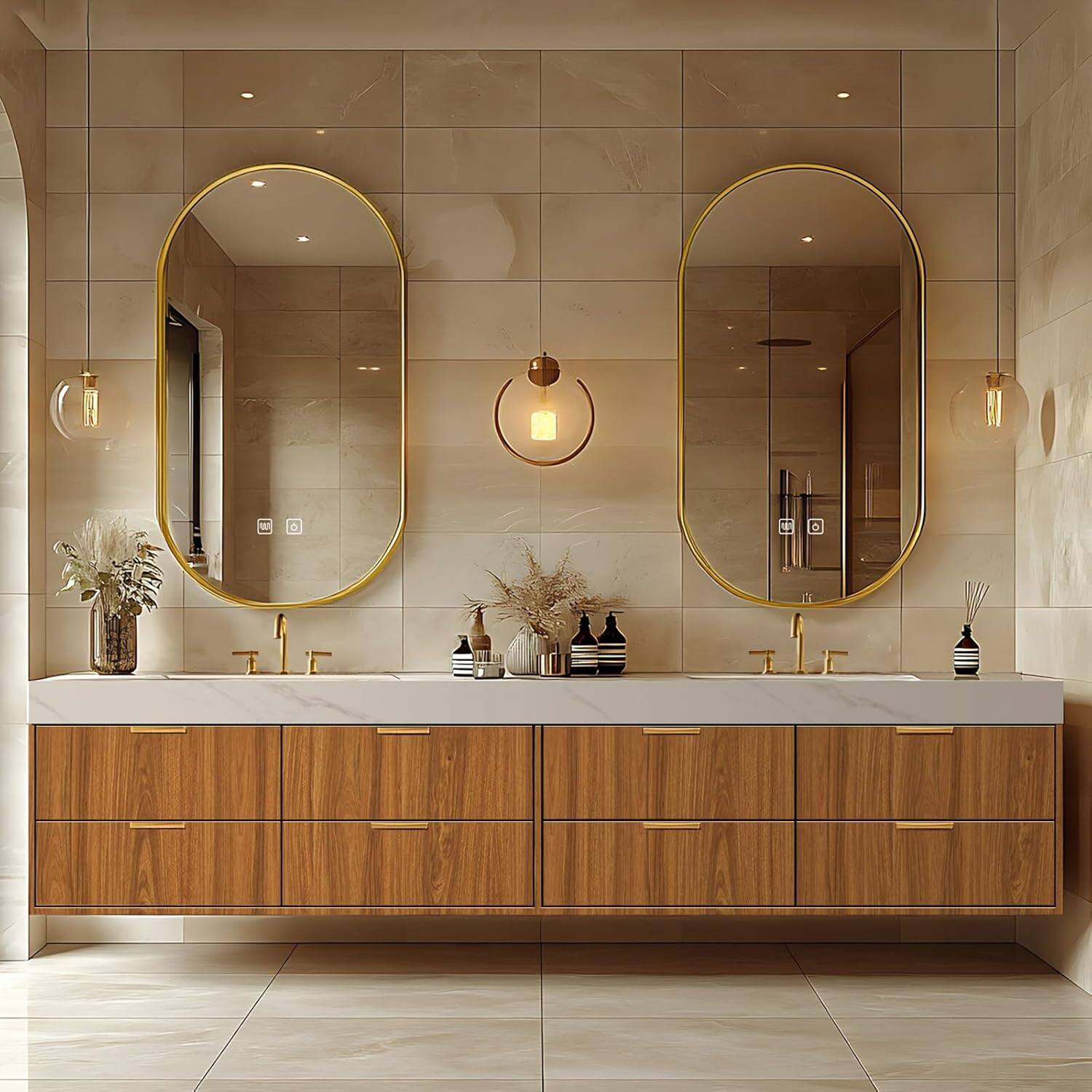
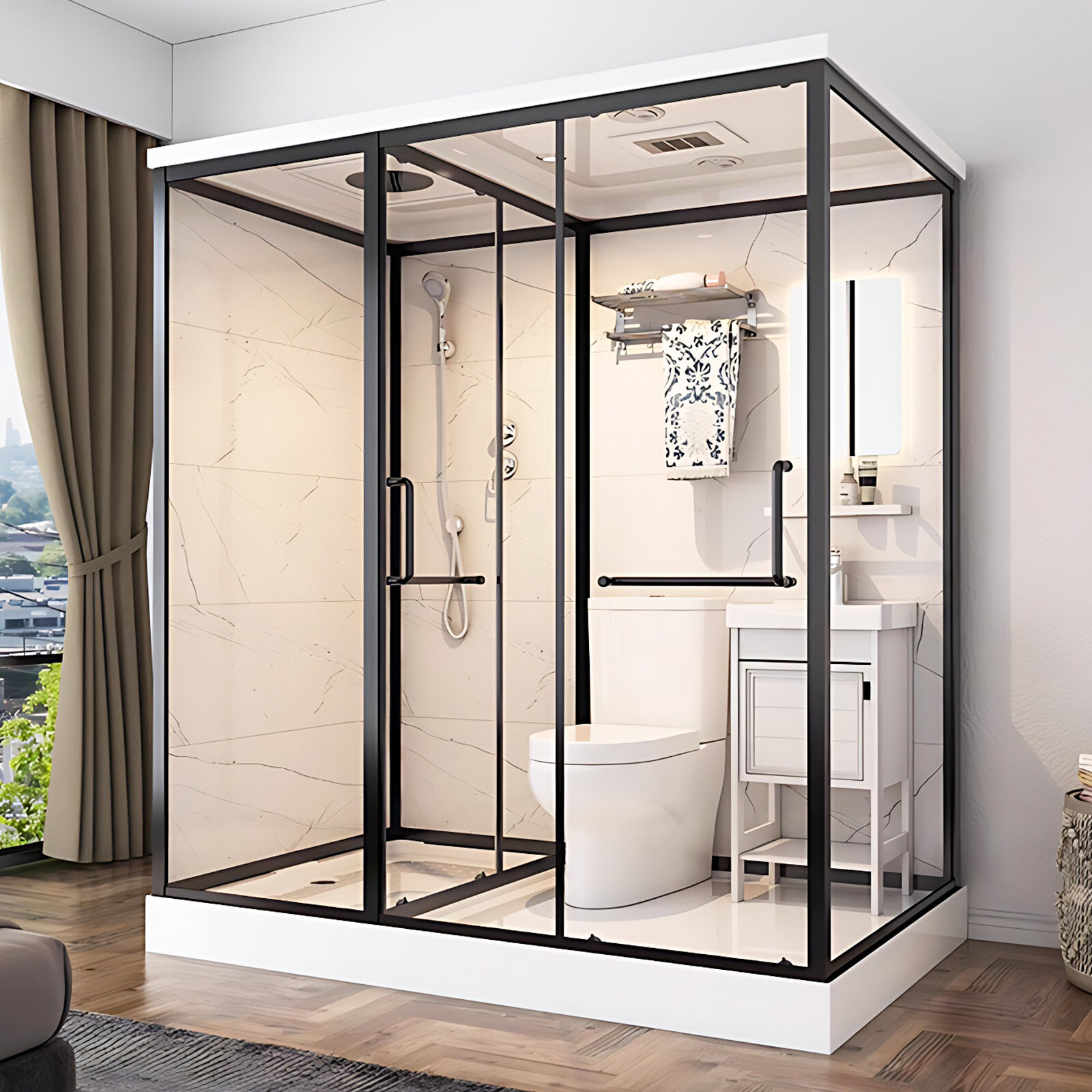
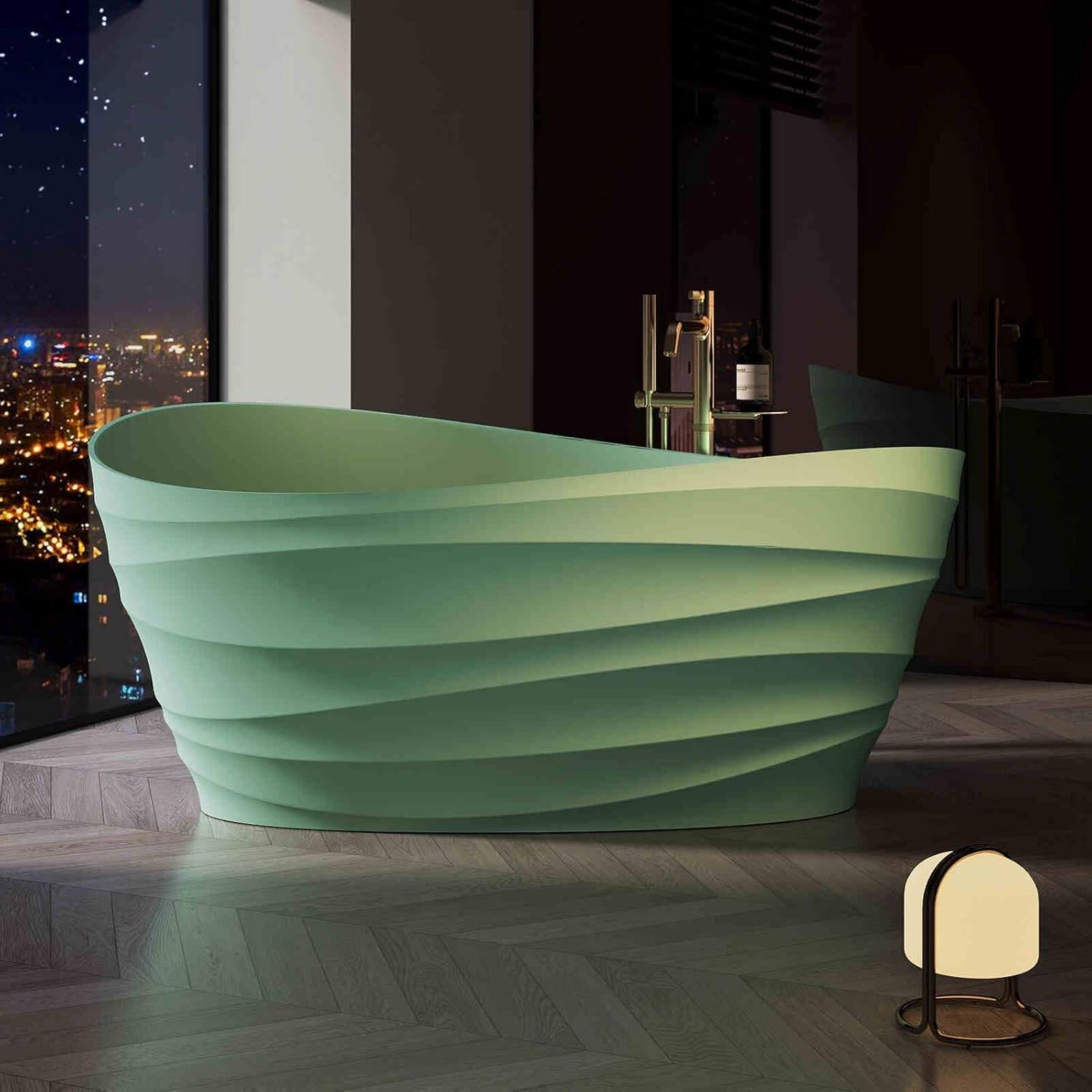
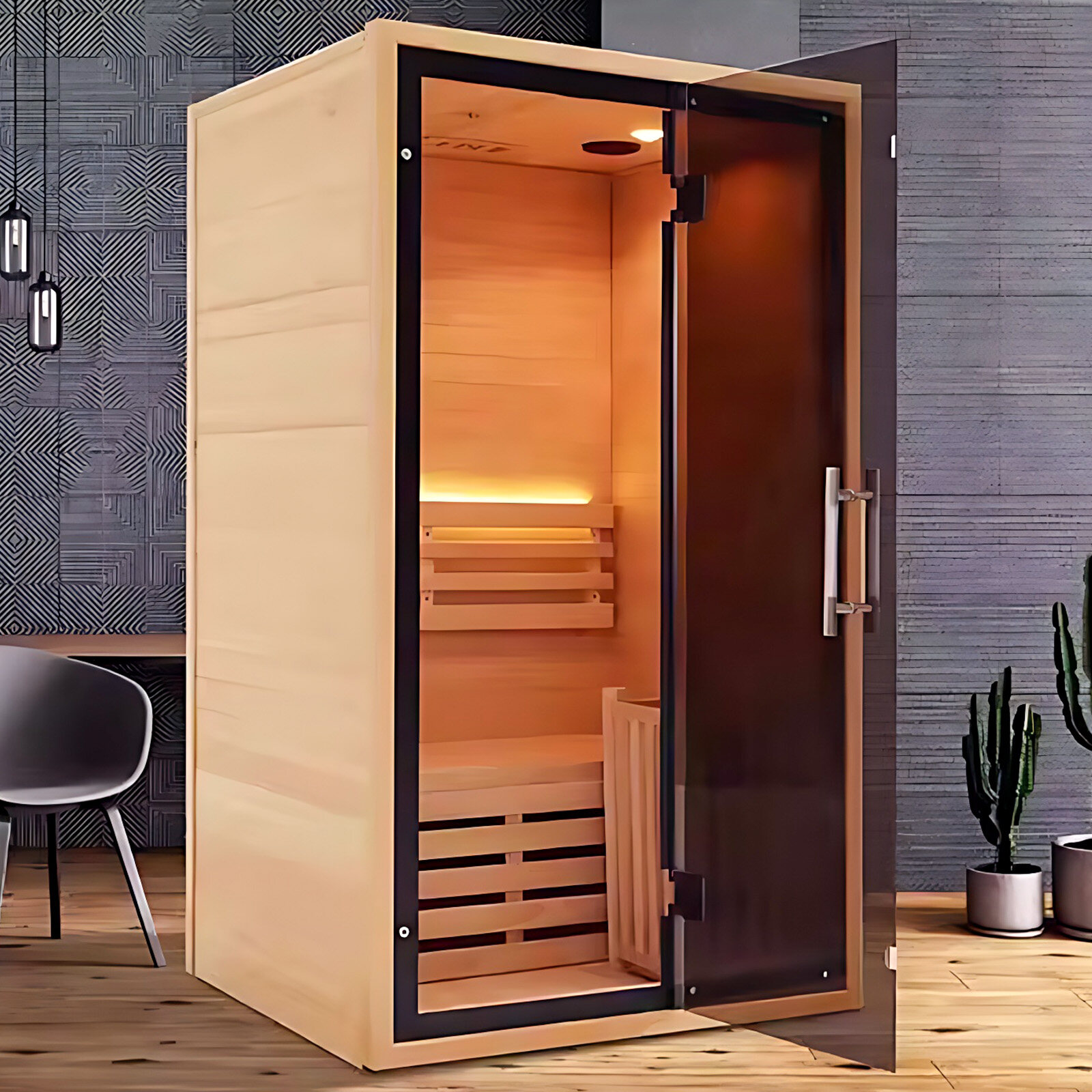
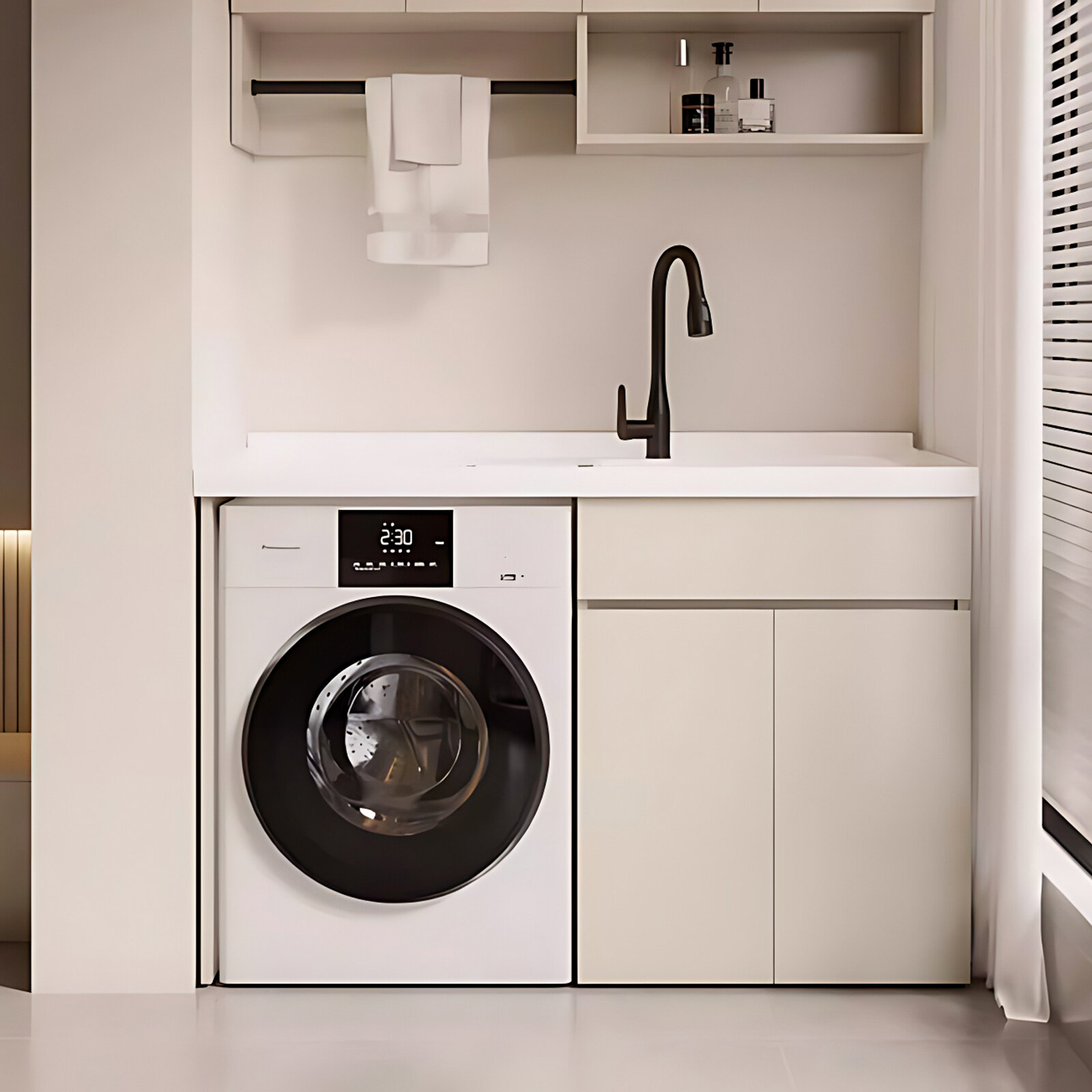
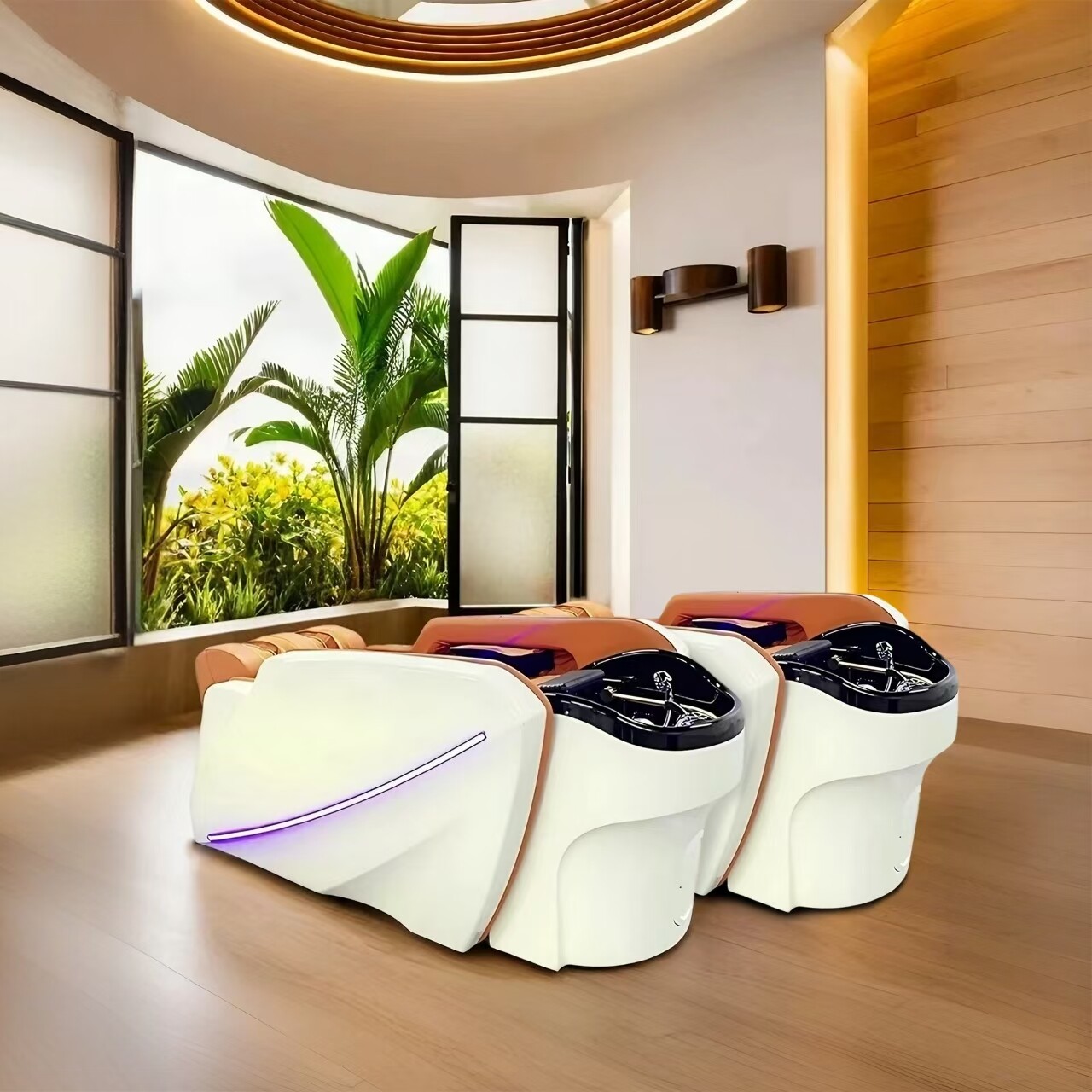

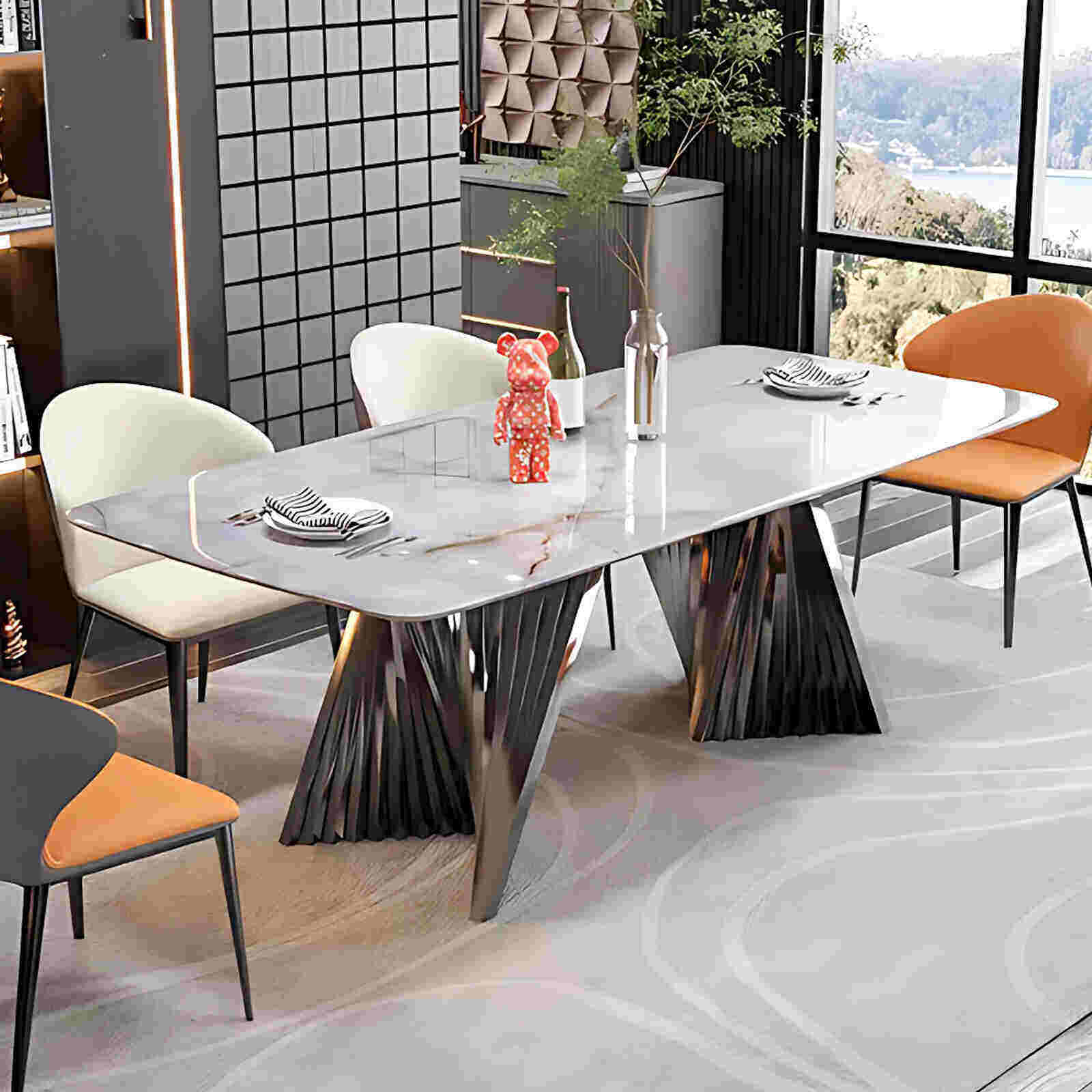
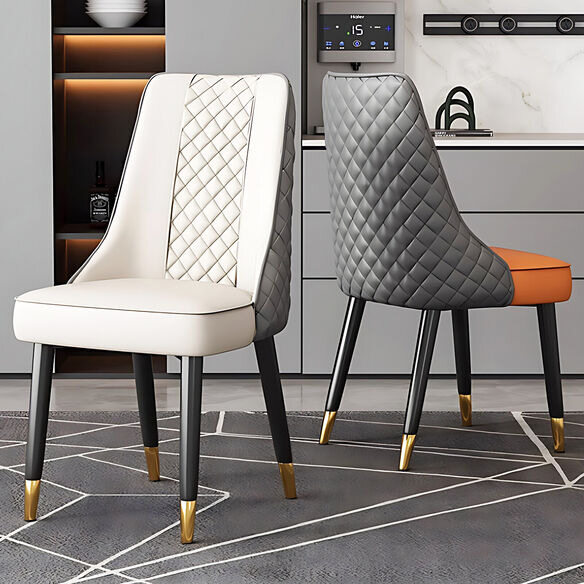
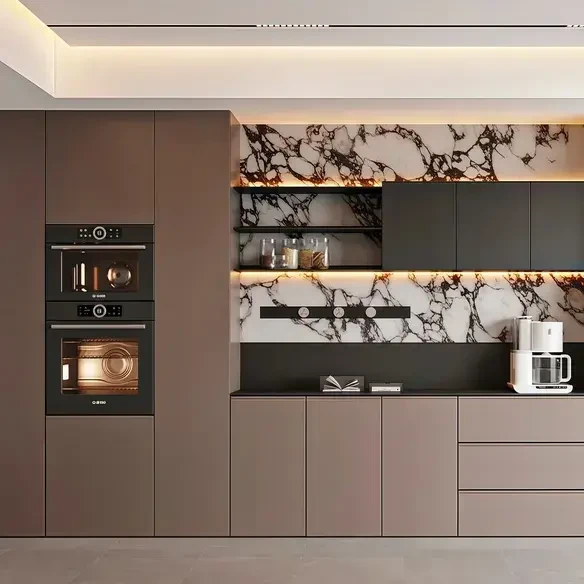
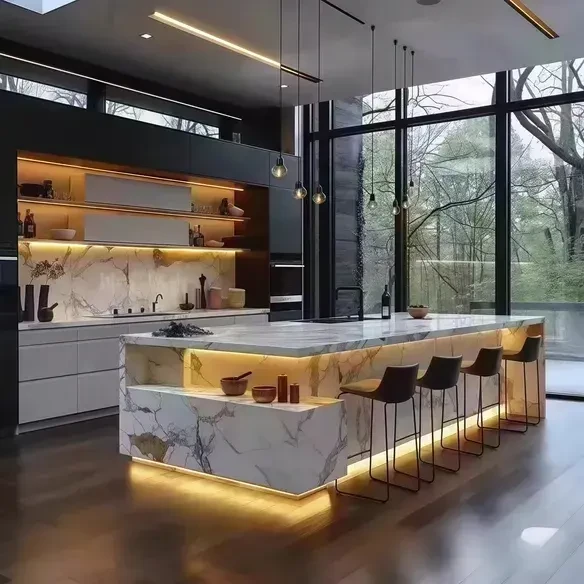
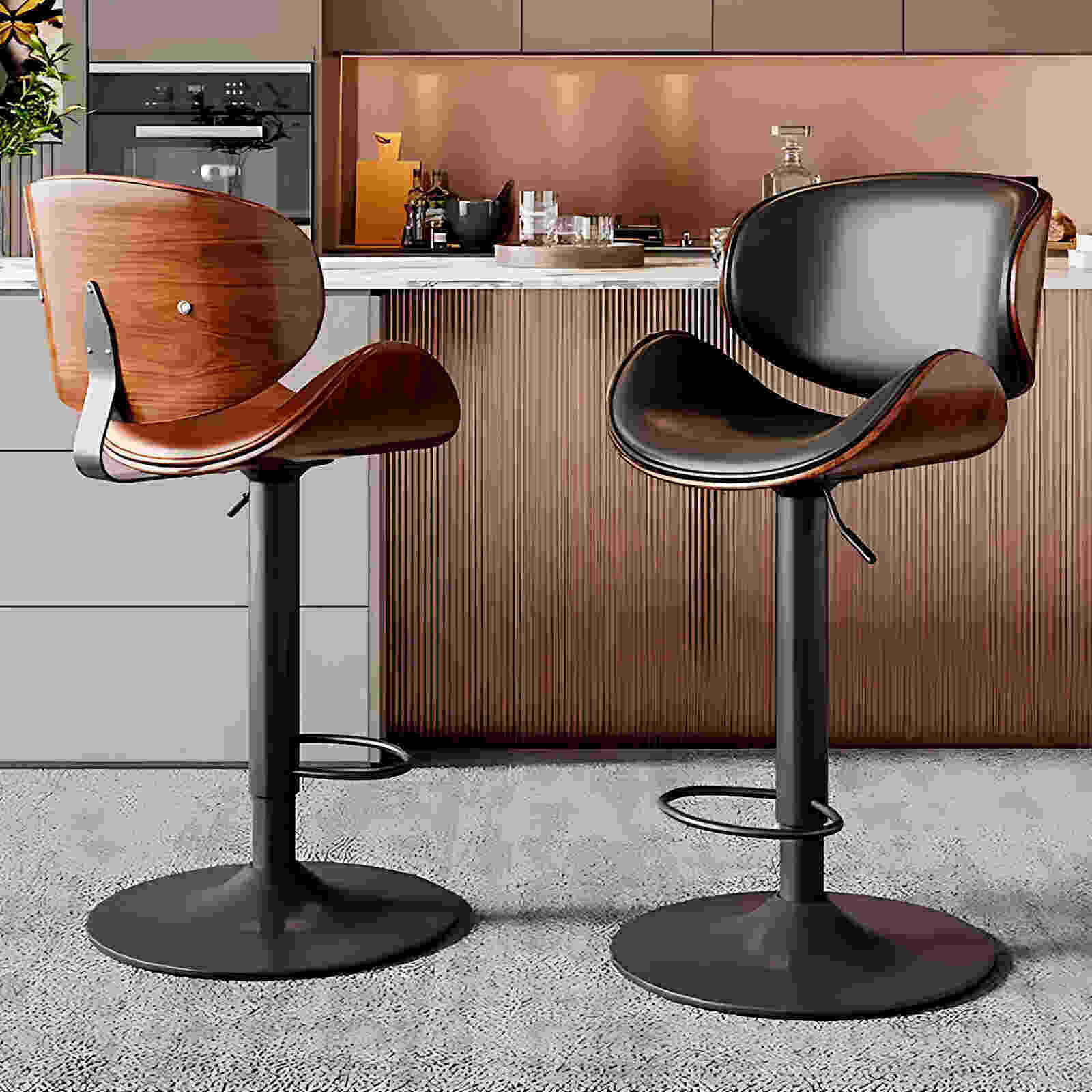


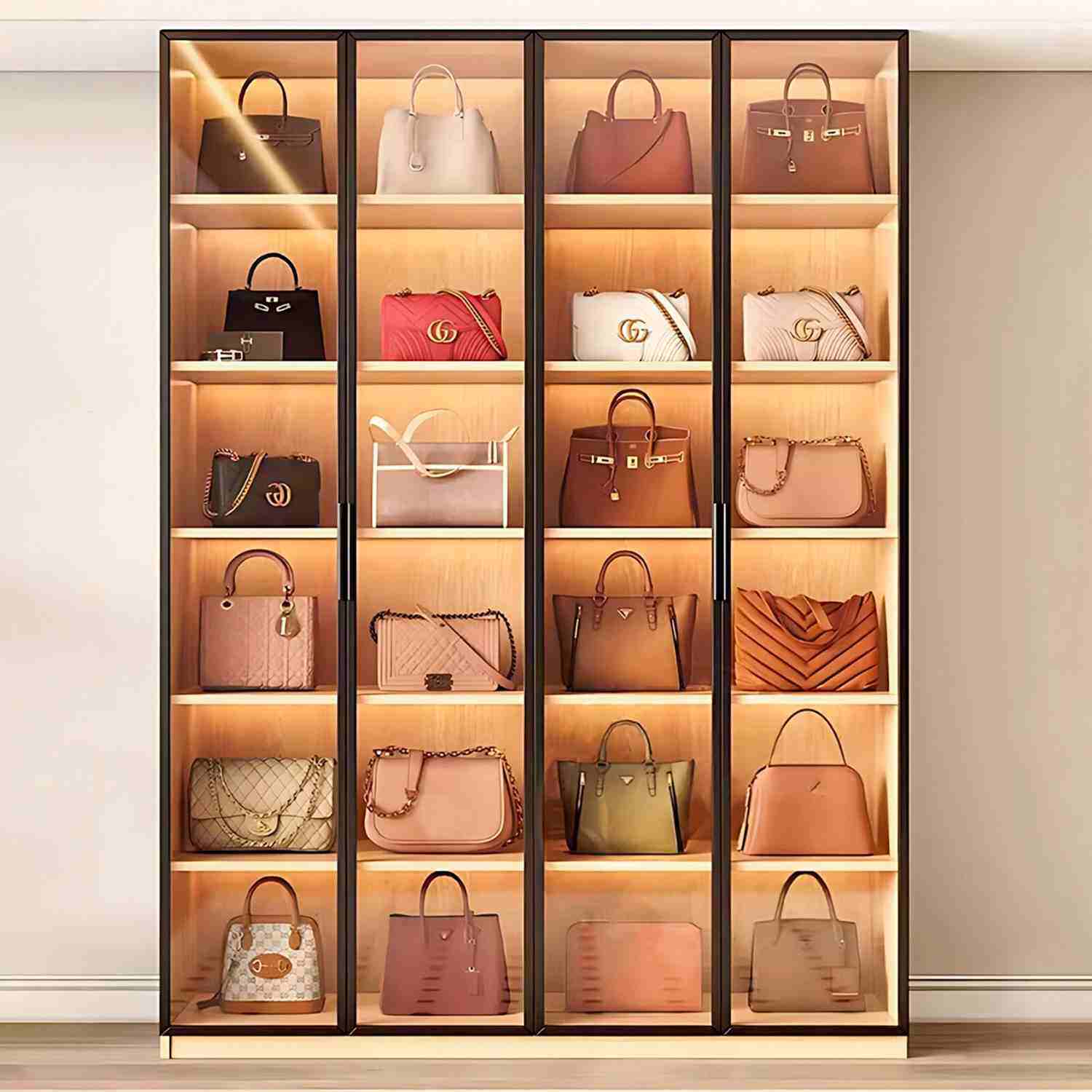

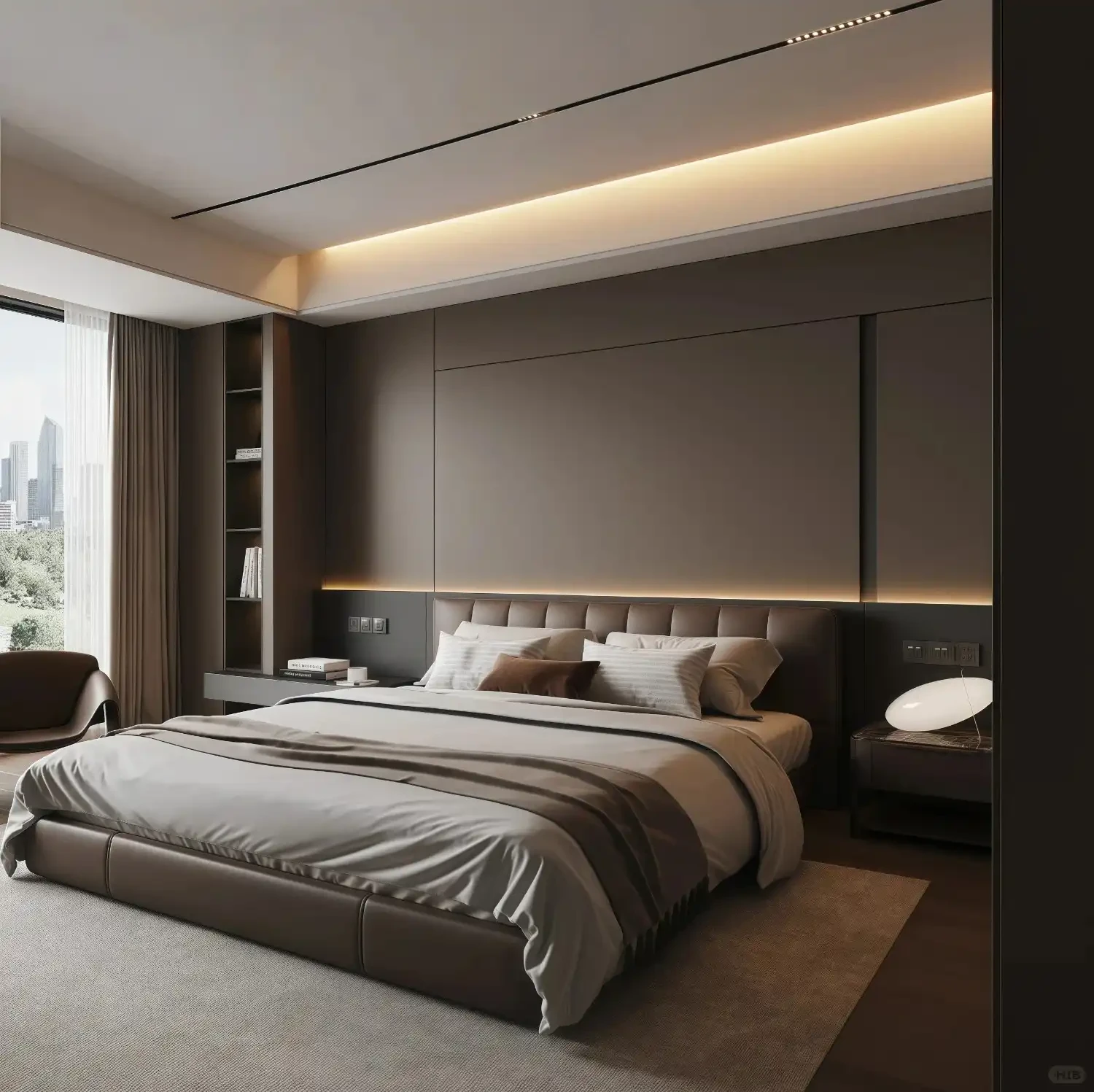
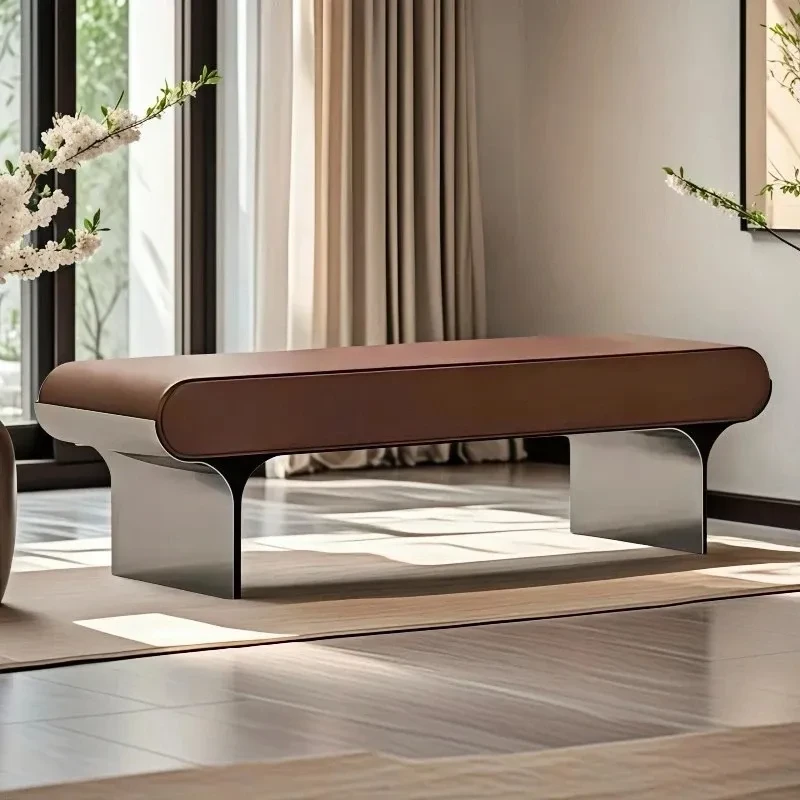
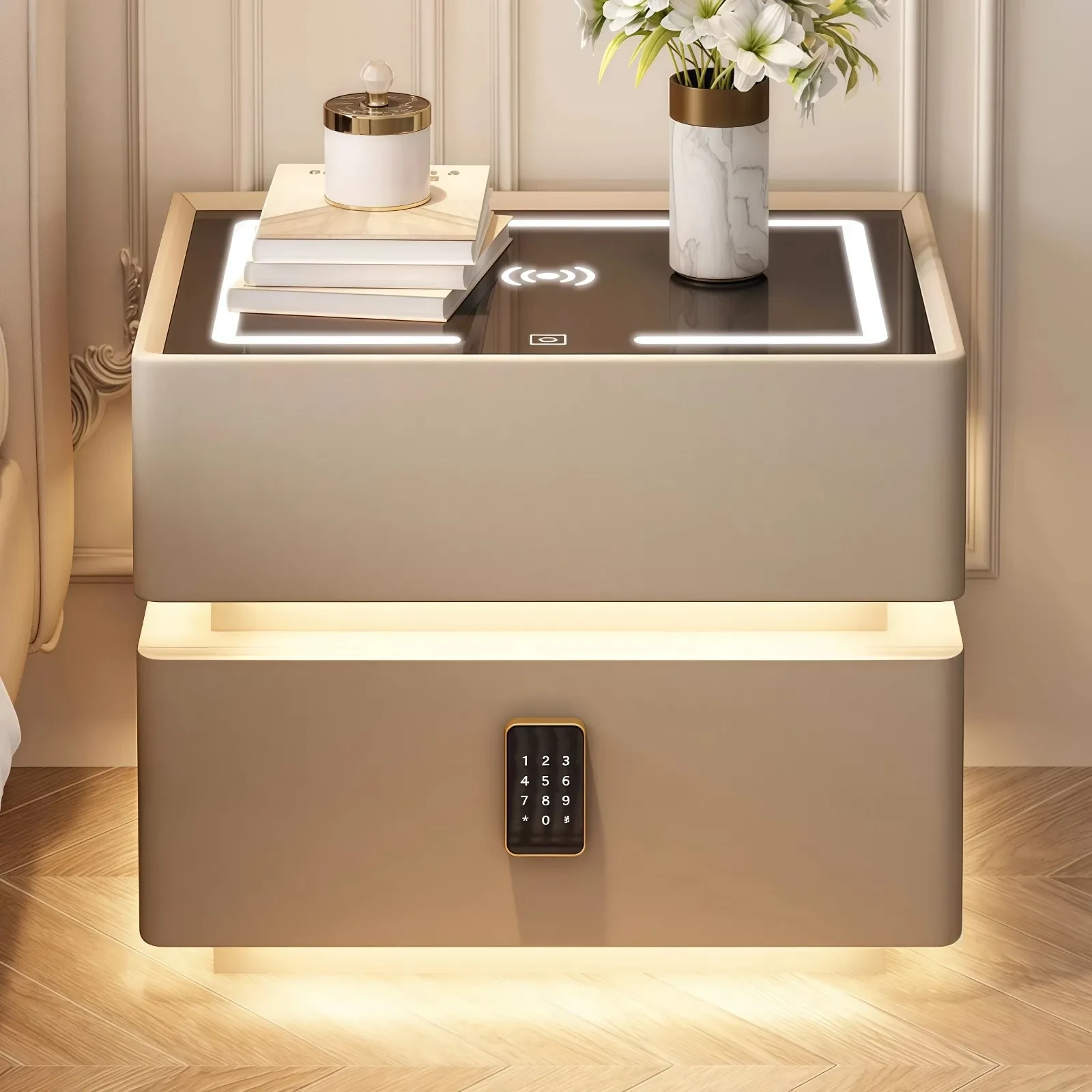
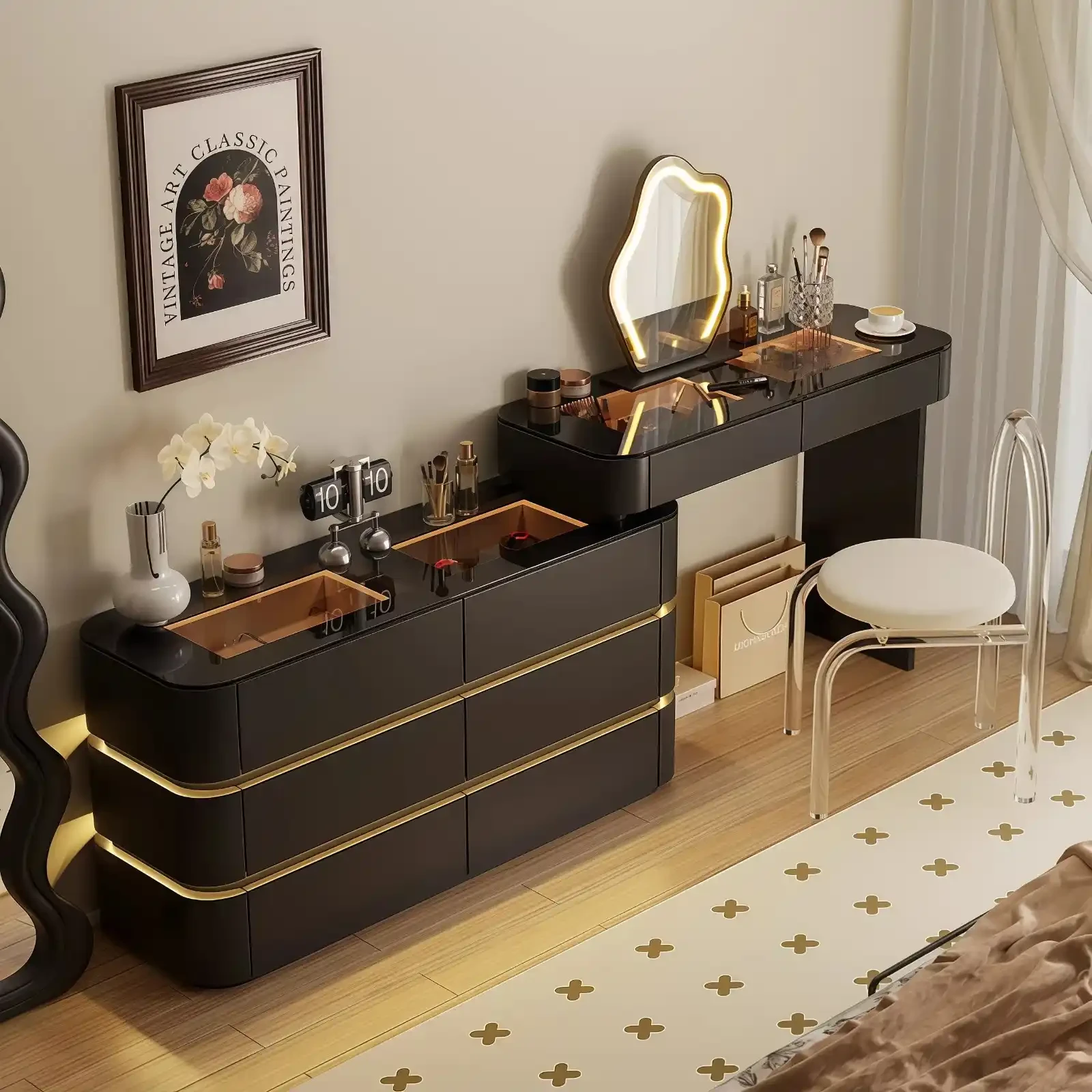
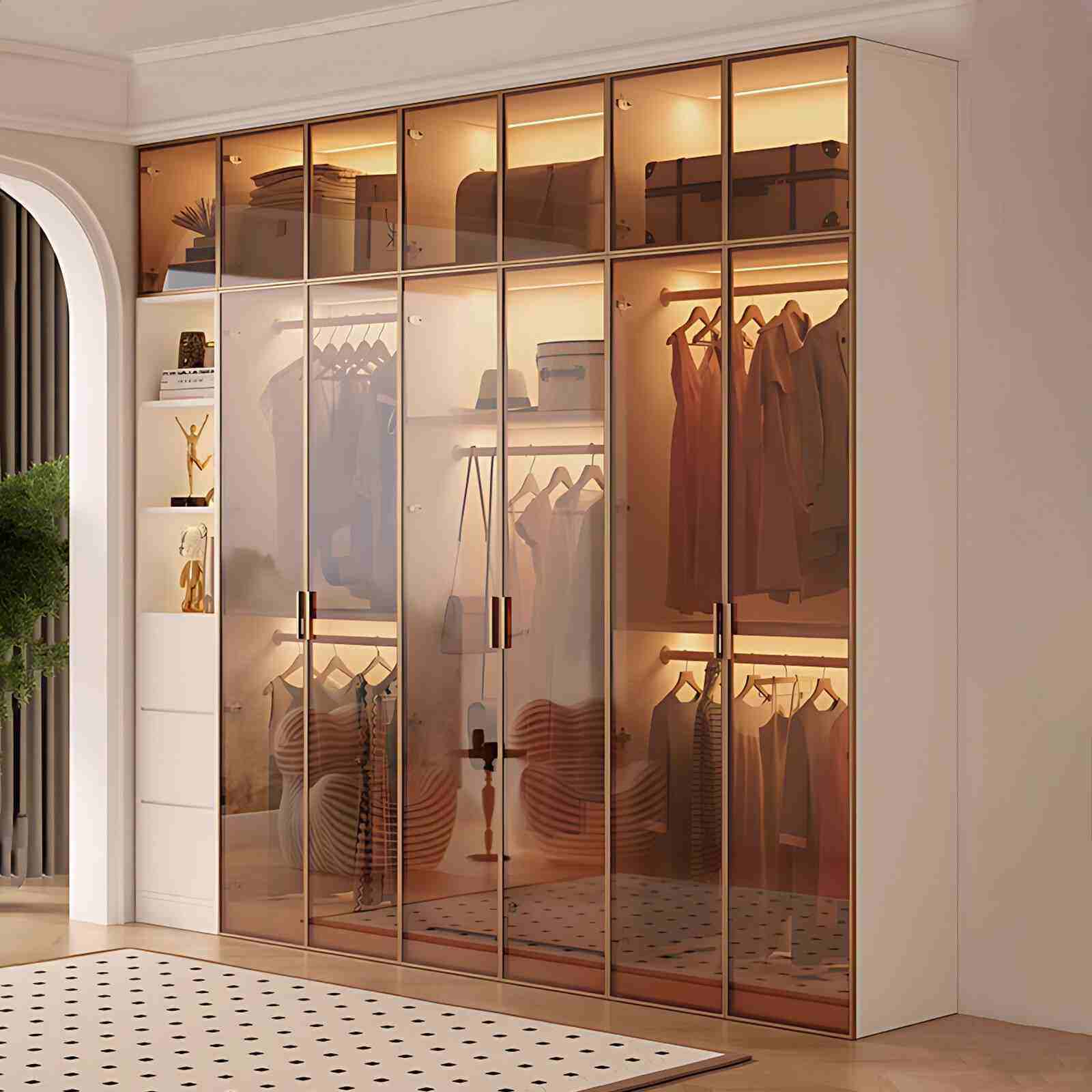
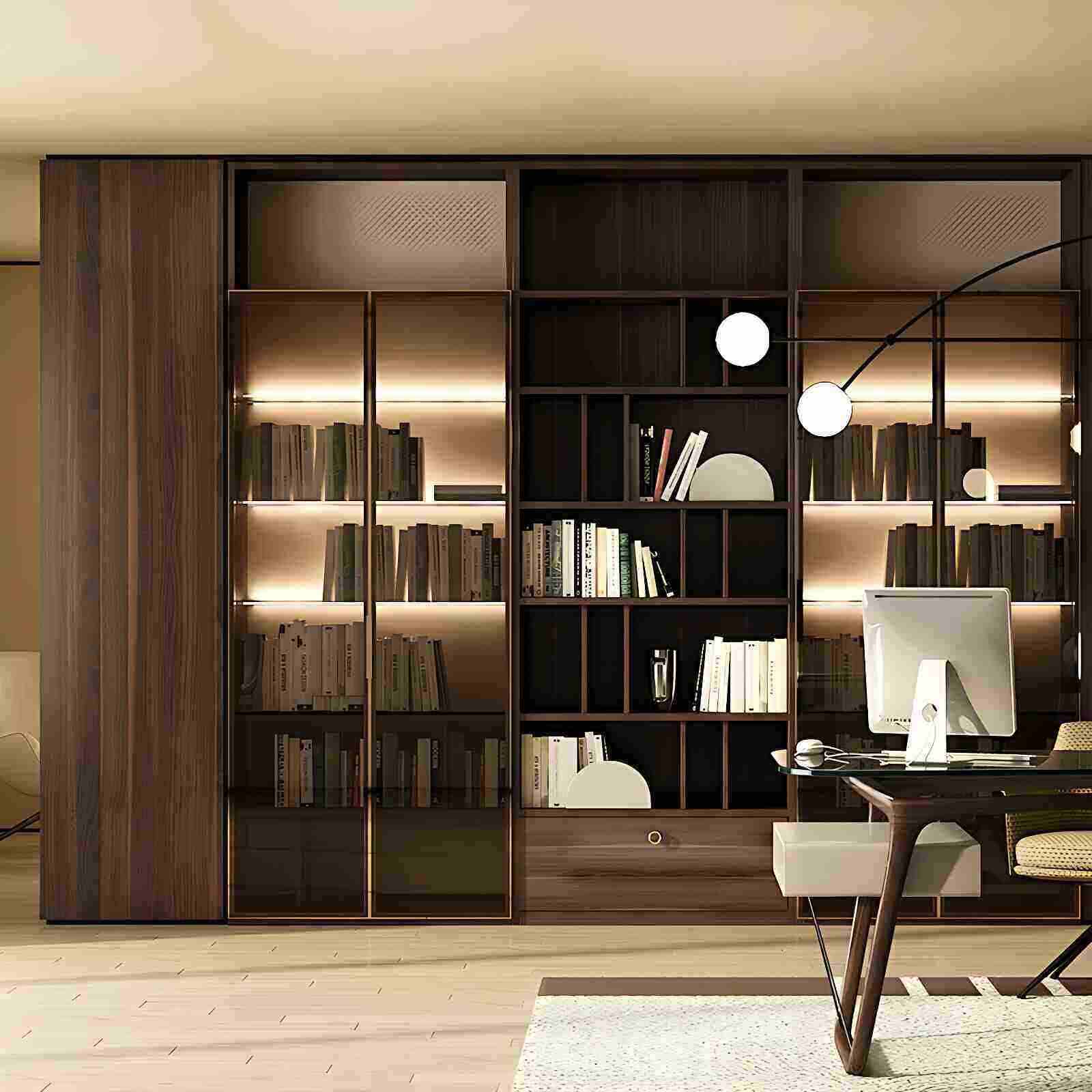

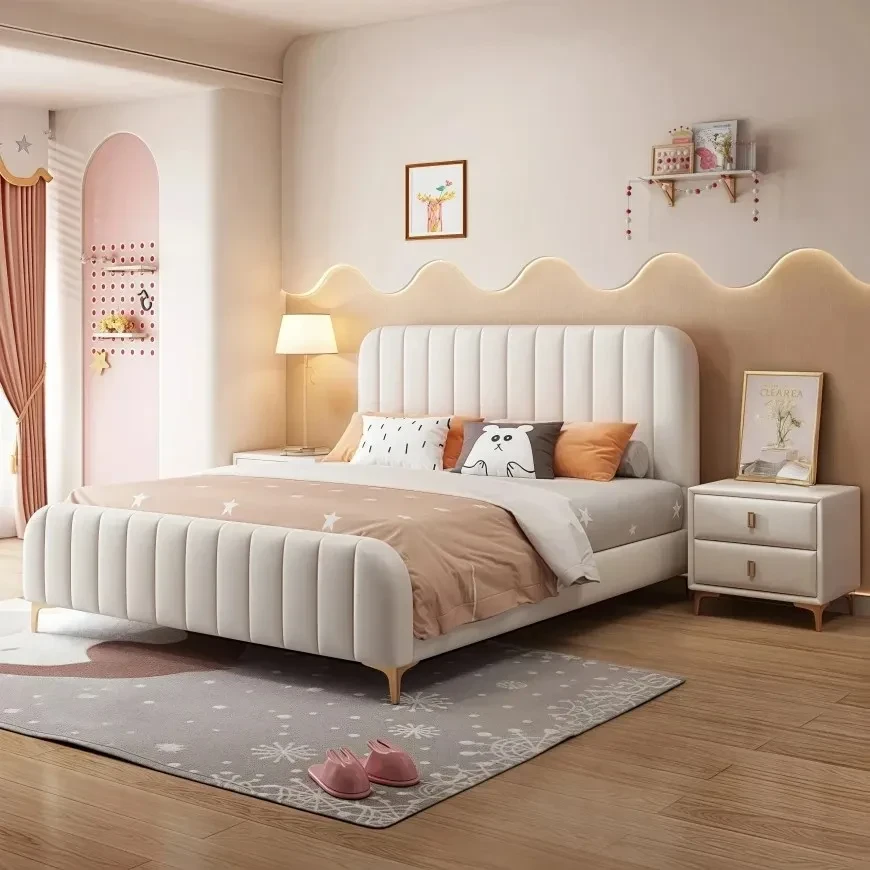
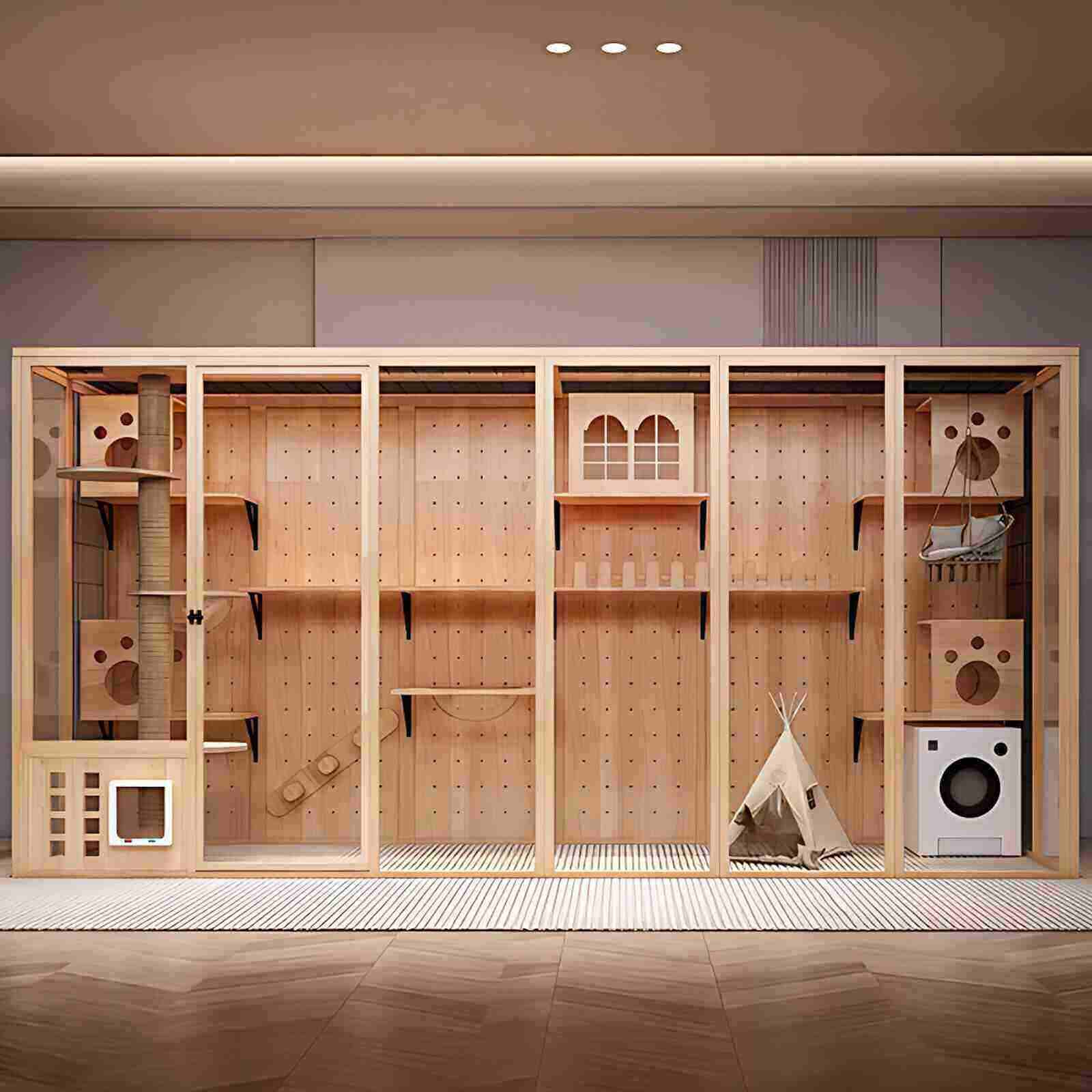
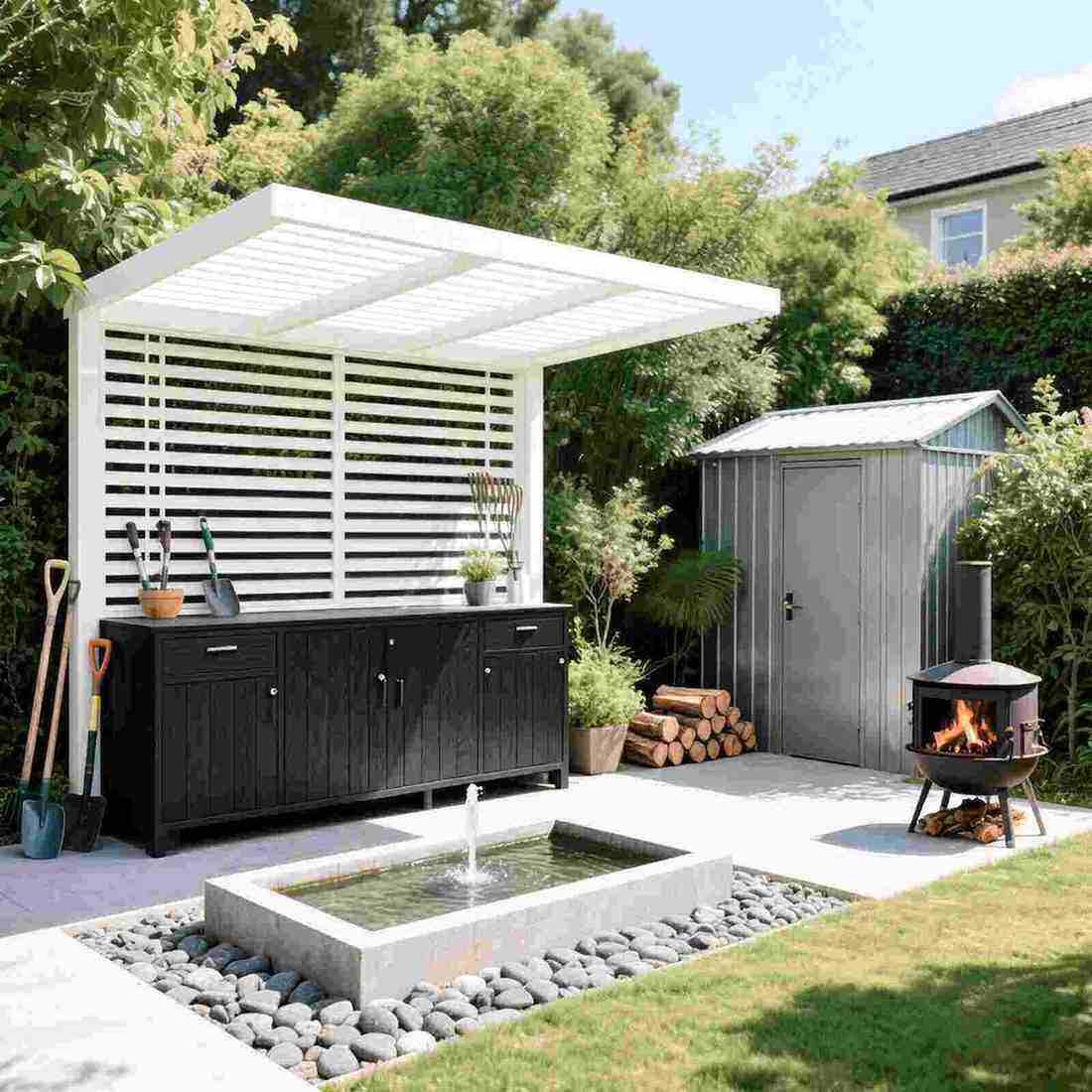
In the post-pandemic era, people have given more thought to their lives. "Health and environmental protection" have become basic needs, which has accelerated the rapid upgrading of the home furnishing industry in terms of environmental protection. This also means that higher quality and healthier building materials with stricter environmental standards are entering thousands of households.
To choose healthy and environmentally friendly boards, we must first be familiar with their different environmental protection levels. According to the new national standard, they are divided into E1, E0, and ENF levels. These environmental protection standards are customized to address the formaldehyde emission levels that we deeply resent.
E1, E0, and ENF environmental standards
E1 grade is a mandatory national standard for the wood-based panel and its products industry, stipulating that the formaldehyde emission level is ≤0.124mg/m³. This can also be understood as a nationally mandated "safety standard line," and panels that meet this limit can be used.
The E0 level directly corresponds to the CARB-NAF (California Air Quality Council - No Formaldehyde Added) standard. When the formaldehyde emission is ≤0.050mg/m³, it meets the E0 level standard.
ENF grade has a formaldehyde emission level that is half that of NAF grade, making it arguably the strictest formaldehyde standard currently available, requiring a formaldehyde emission level of ≤0.025mg/m³.
picture
As the saying goes, "no formaldehyde, no glue," and adhesives are essential for bonding engineered wood products. Adhesives combine different types of wood into various composite materials, leveraging the unique properties of the wood while also ensuring its moisture retention, balancing the pH of the board, and enhancing its strength.
Adhesives are divided into traditional "three-aldehyde resins" and new formaldehyde-free adhesives. Traditional adhesives, represented by "three-aldehyde resins" such as urea-formaldehyde resin, phenol-formaldehyde resin, and melamine-formaldehyde resin, are the main culprits for excessive formaldehyde levels. They will continuously release formaldehyde for decades, seriously polluting the air and harming human health.
The new formaldehyde-free adhesive, also known as MDI formaldehyde-free eco-adhesive, is a formaldehyde-free, safe, stable, and high-strength polymer. It is commonly used in light industry, transportation, and even in medical fields where high safety is required. Boards made with it as an adhesive are formaldehyde-free boards.
Why isn't it zero formaldehyde?
Why not zero formaldehyde?
Formaldehyde is ubiquitous in nature, including in trees themselves. Even apples contain formaldehyde, but the amount is negligible and has no impact on our health.
Dinger, creating high-quality boards
As a company that has focused on the board industry for over a decade, we have always adhered to the innovation and environmental protection of environmentally friendly boards. In addition to using environmentally friendly adhesives, we also use solid wood core materials for the base material to ensure better overall environmental performance of our products.
During the production and processing, the board undergoes 40 processes, including screening, inspection, quality control, and precise calculations. The ratio of moisture to adhesive is strictly controlled to maximize the bonding strength and water resistance of the board.
In the past, present, and future, Ding'er has always been committed to creating environmentally friendly building materials that meet the diverse needs of consumers, bringing a healthier living environment to millions of families.