
 USD
USD GBP
GBP
 EUR
EUR

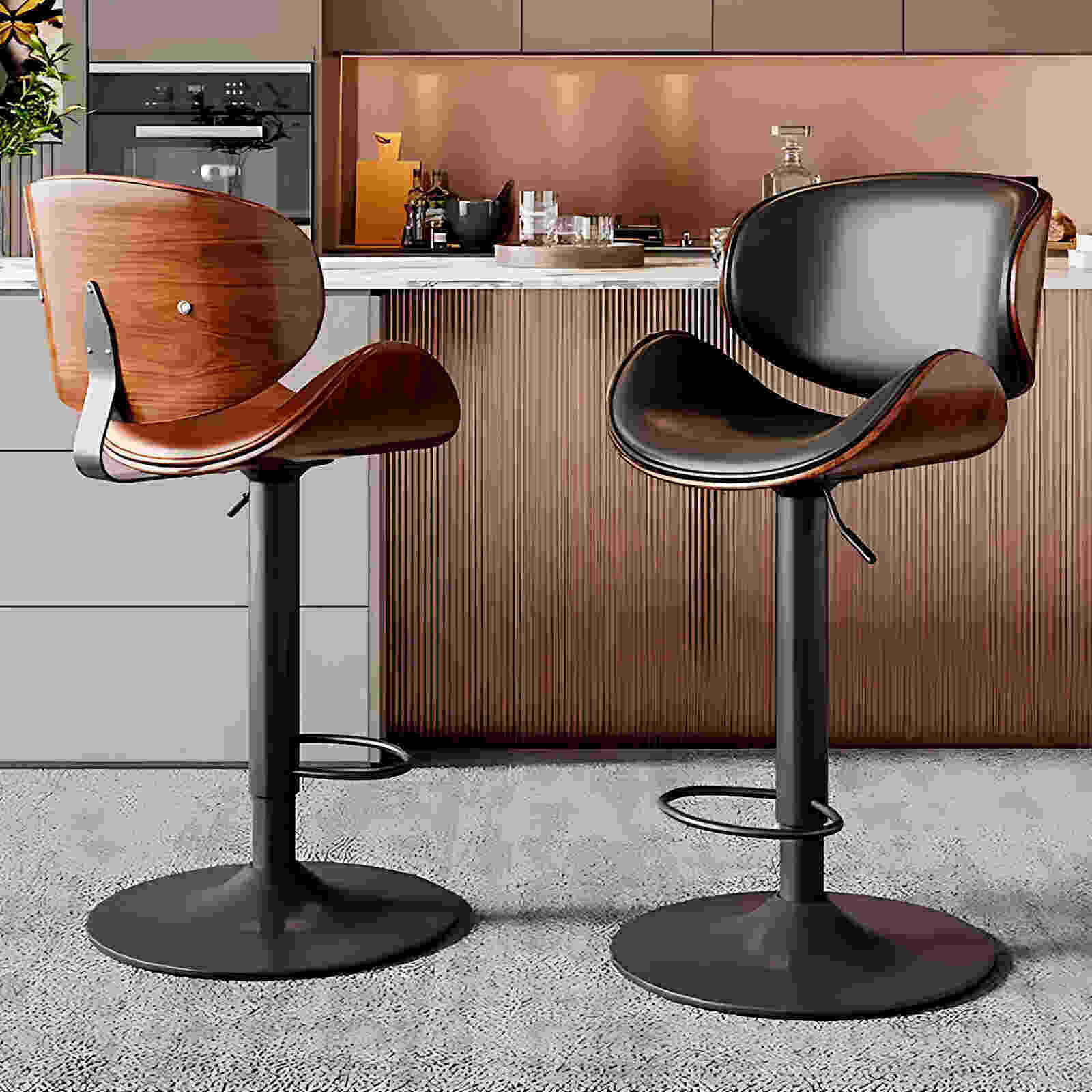
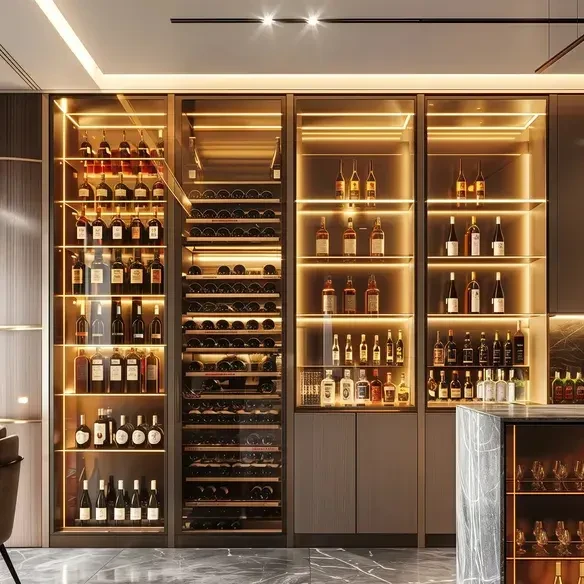
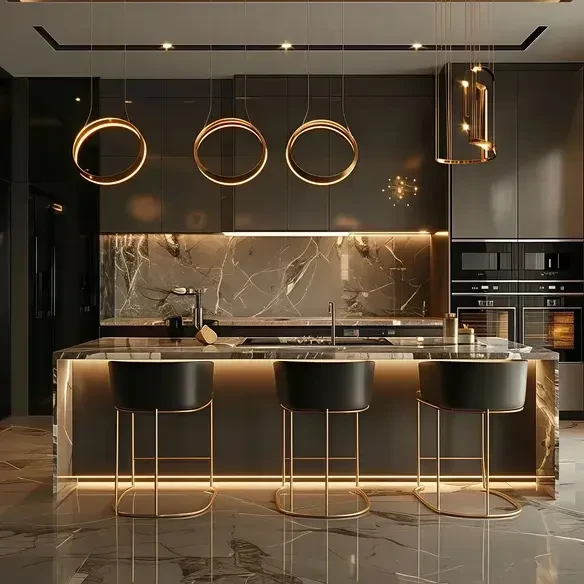

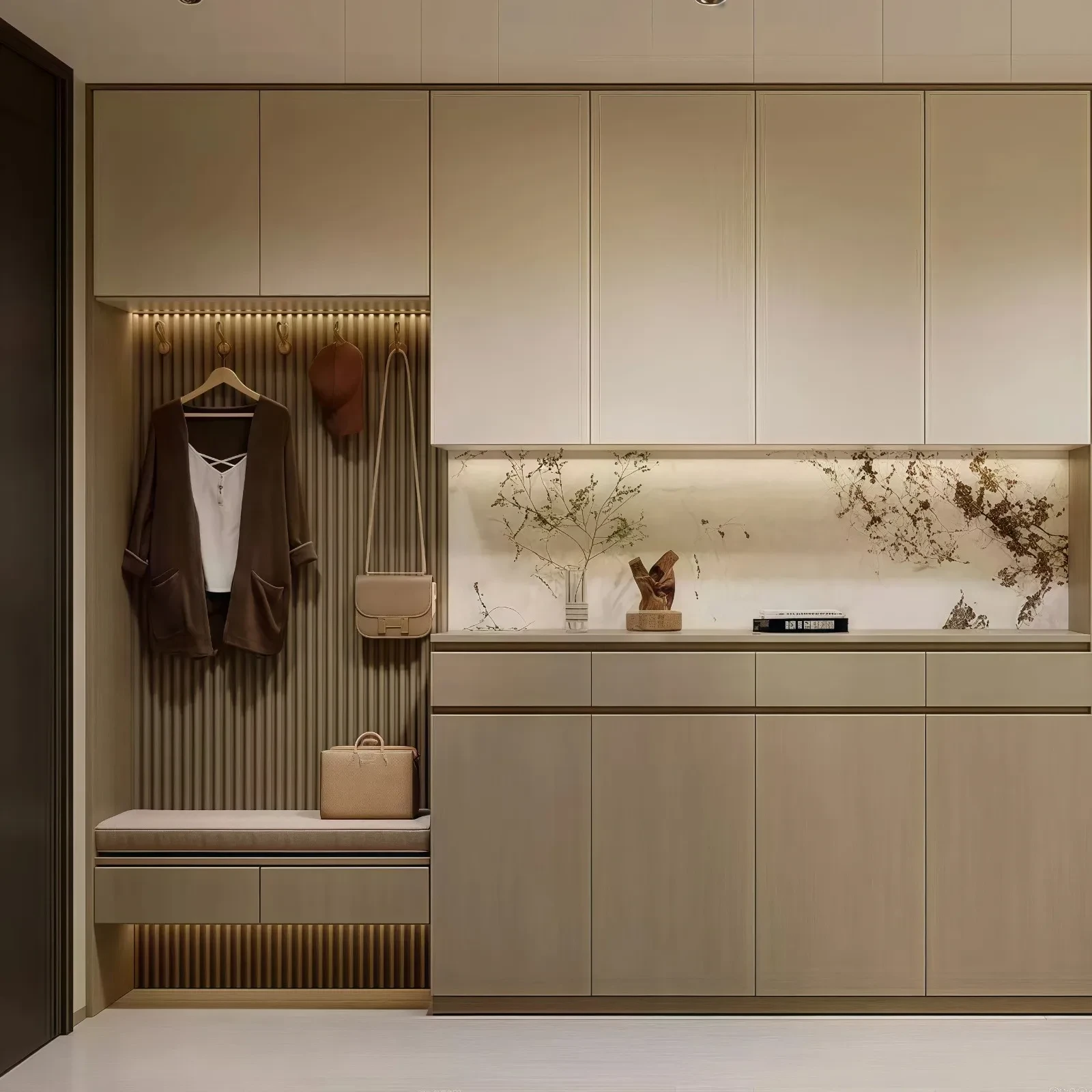
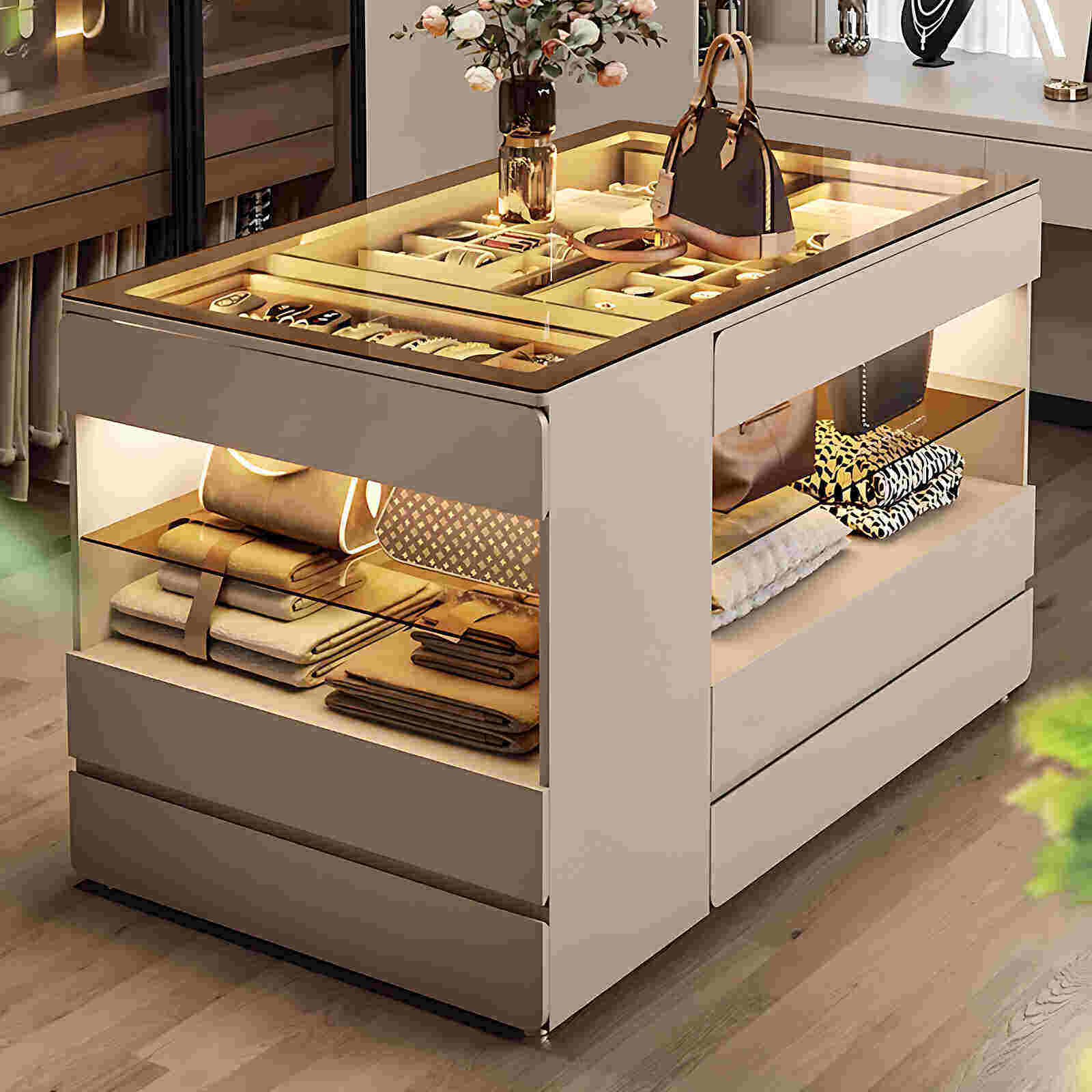
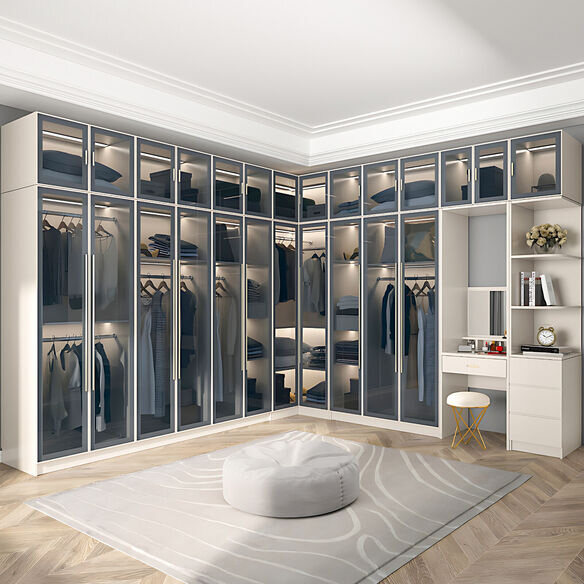


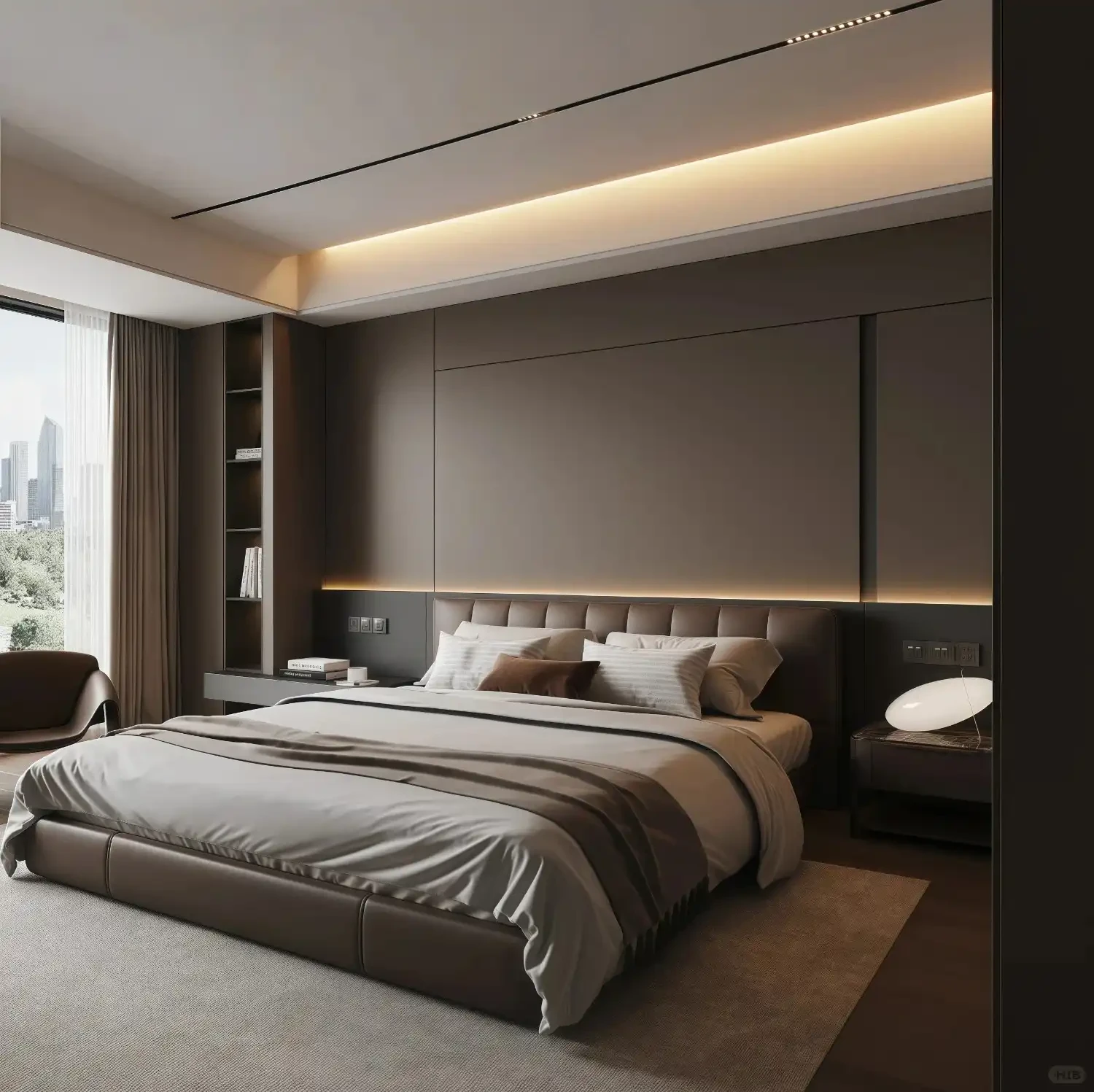
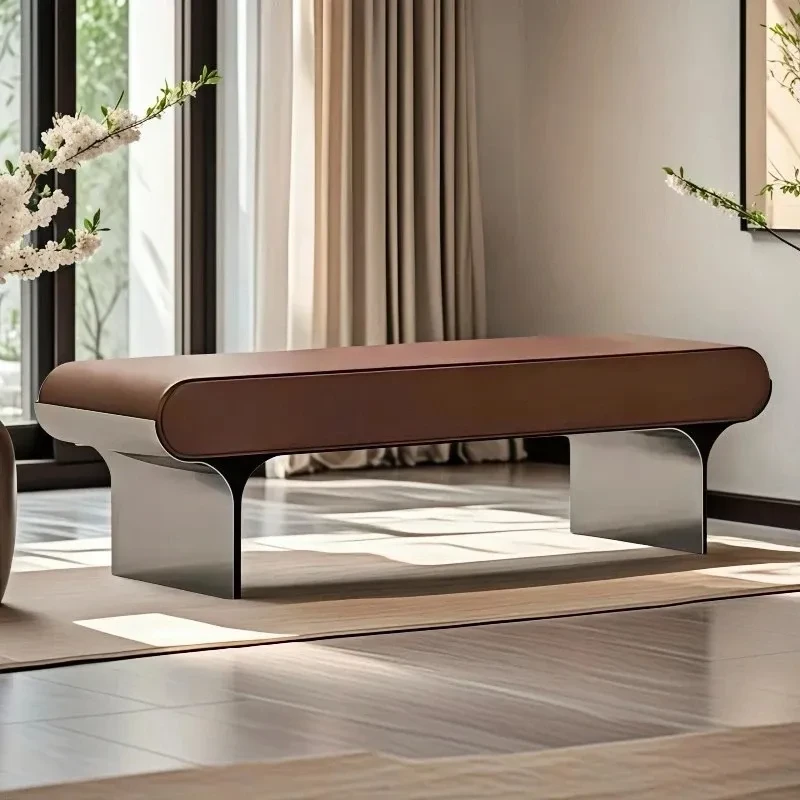
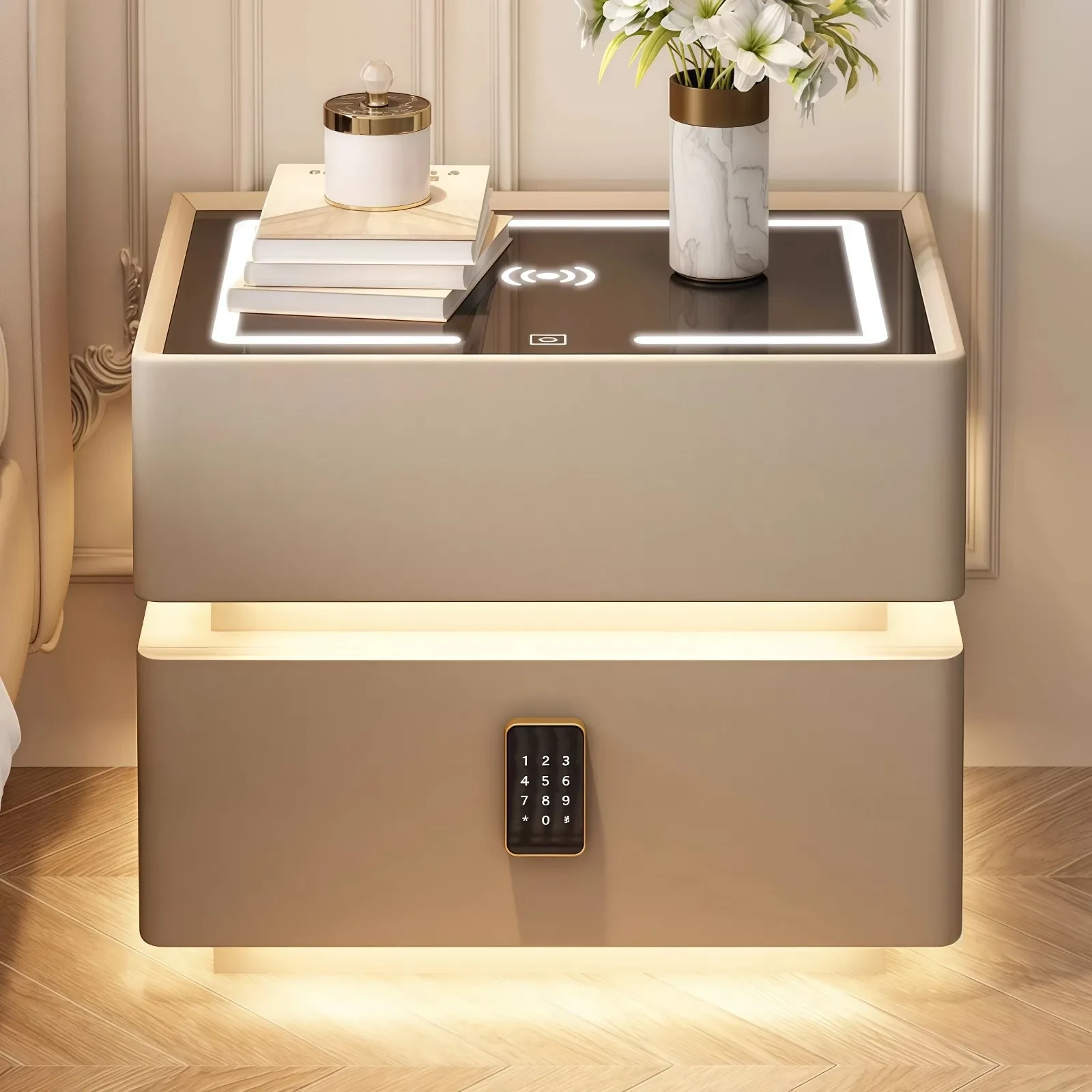
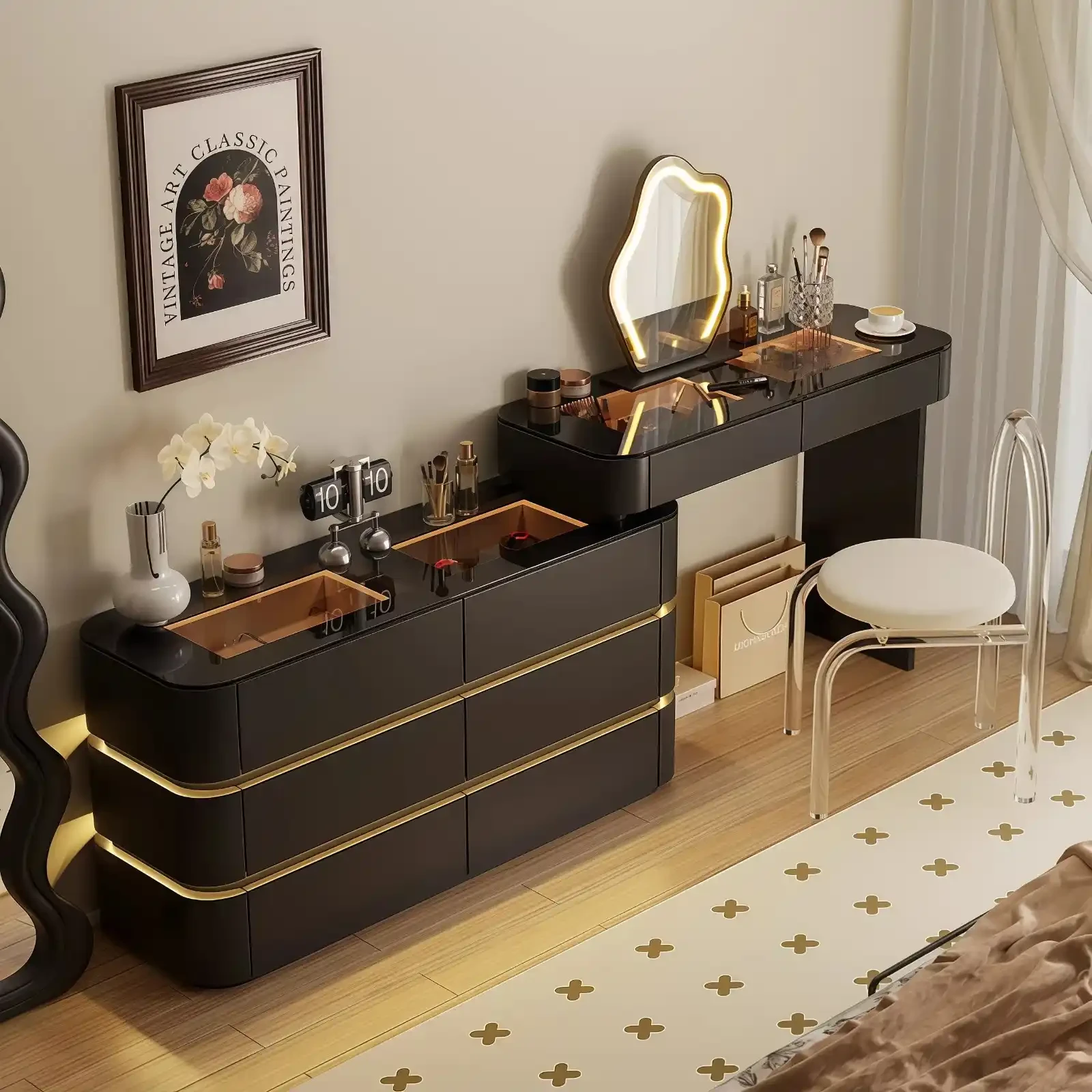
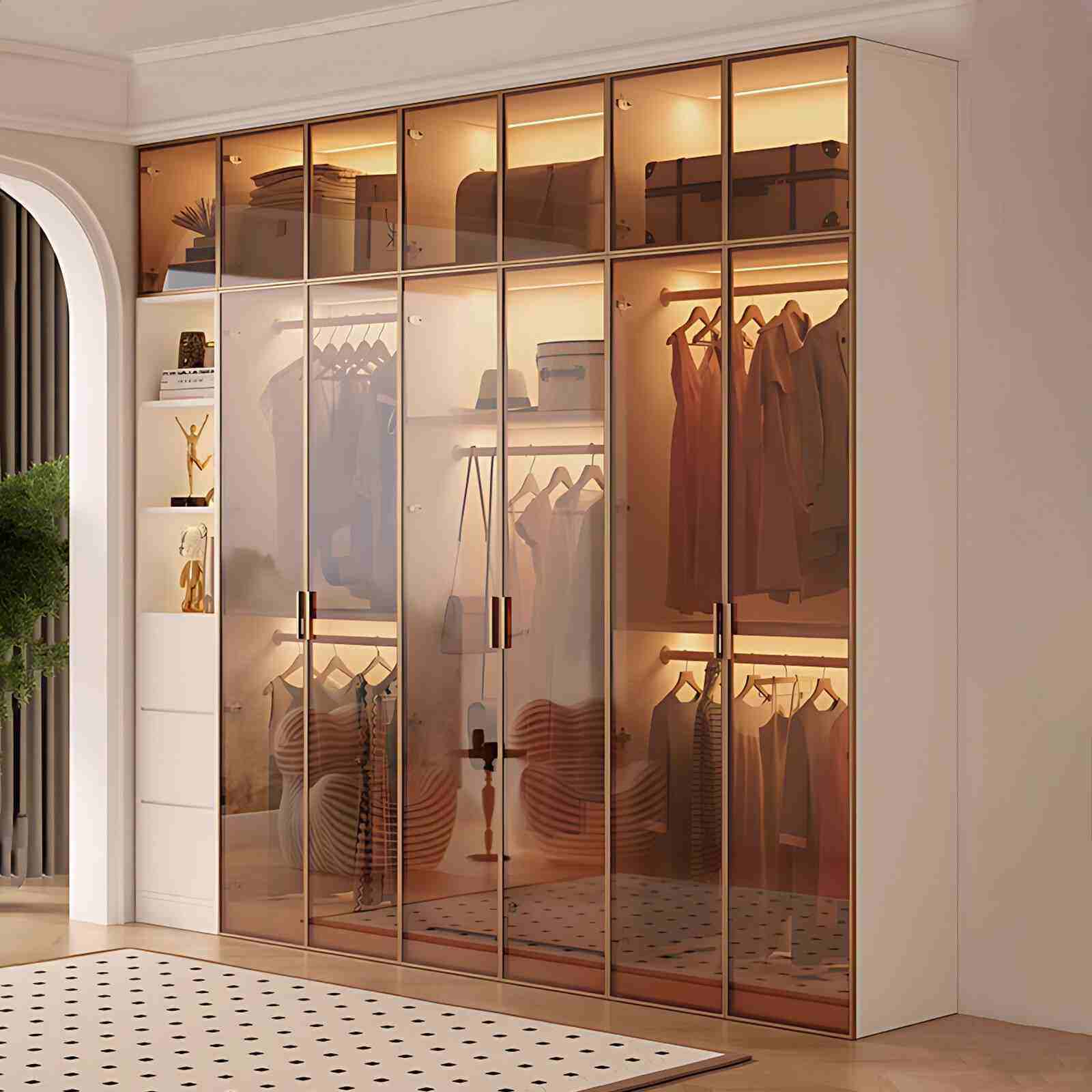
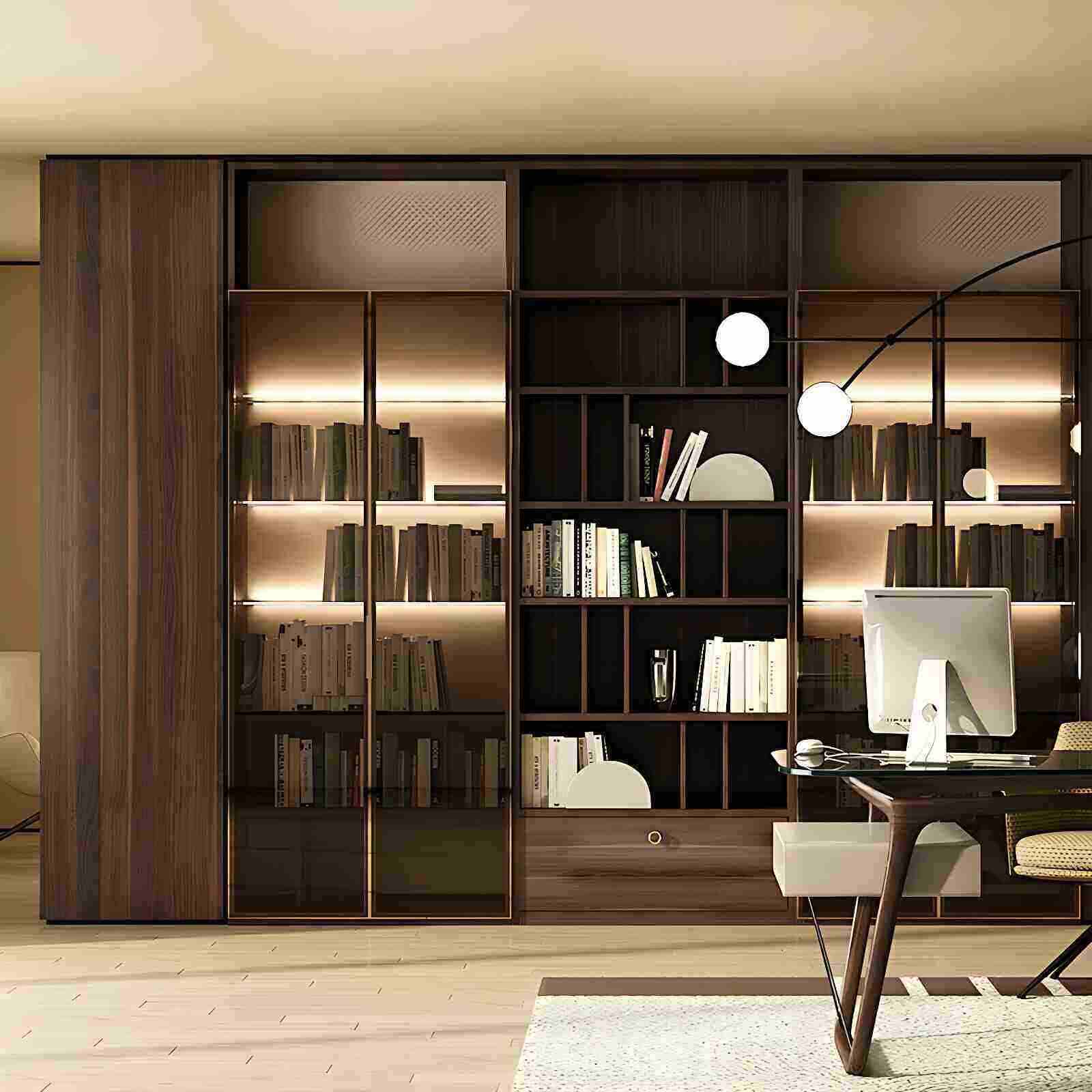

Homeowners who have gone through renovations know that wood-based panels are among the materials most likely to produce formaldehyde during the renovation process. Therefore, it's crucial to choose panels with low formaldehyde content. Currently, the market generally offers three environmental protection grades of wood-based panels: E0, E1, and E2. Next, we'll discuss the differences between E0 and E1 grade panels and their respective standards. If you're unsure, let's learn together.
1. Environmental protection level E1
According to national environmental protection standards, indoor wood-based panels must meet the E1 environmental protection standard. In other words, E1 grade panels are safe and environmentally friendly, and therefore will not harm the human body. When purchasing wood-based panels, it is essential to check their quality and formaldehyde emission levels. The E1 environmental standard is a mandatory national standard and a enforceable safety standard. To meet the E1 standard, wood-based panels must have a formaldehyde content of at least 1.5 mg/L.
2. Environmental protection level: E0
E0 grade is an international standard and is also environmentally friendly. A formaldehyde content of 0.5 mg/L is a safe value standard for E0 grade. In other words, the formaldehyde release concentration per liter of space is less than 0.5 mg. According to relevant data, the formaldehyde content in our daily drinking water is 0.9 mg/L. E0 grade standard boards are very safe and environmentally friendly, with formaldehyde release levels even lower than those in drinking water.
This concludes our introduction to the differences between E0 and E1 grade boards and their respective standards. We hope you found it helpful. For more information on decorative boards, please visit our website.