
 USD
USD GBP
GBP
 EUR
EUR
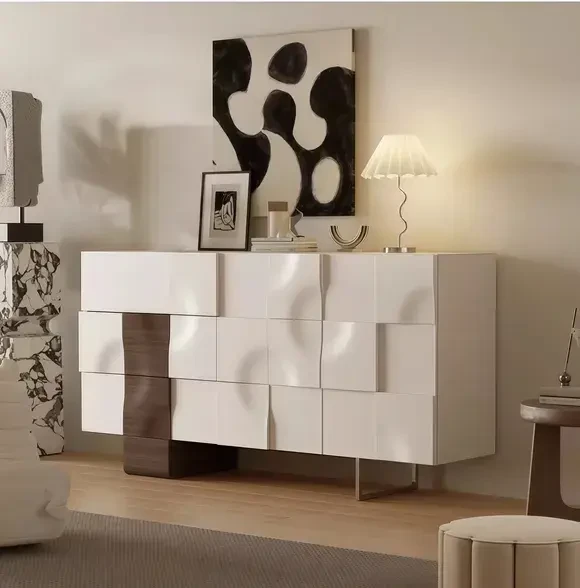


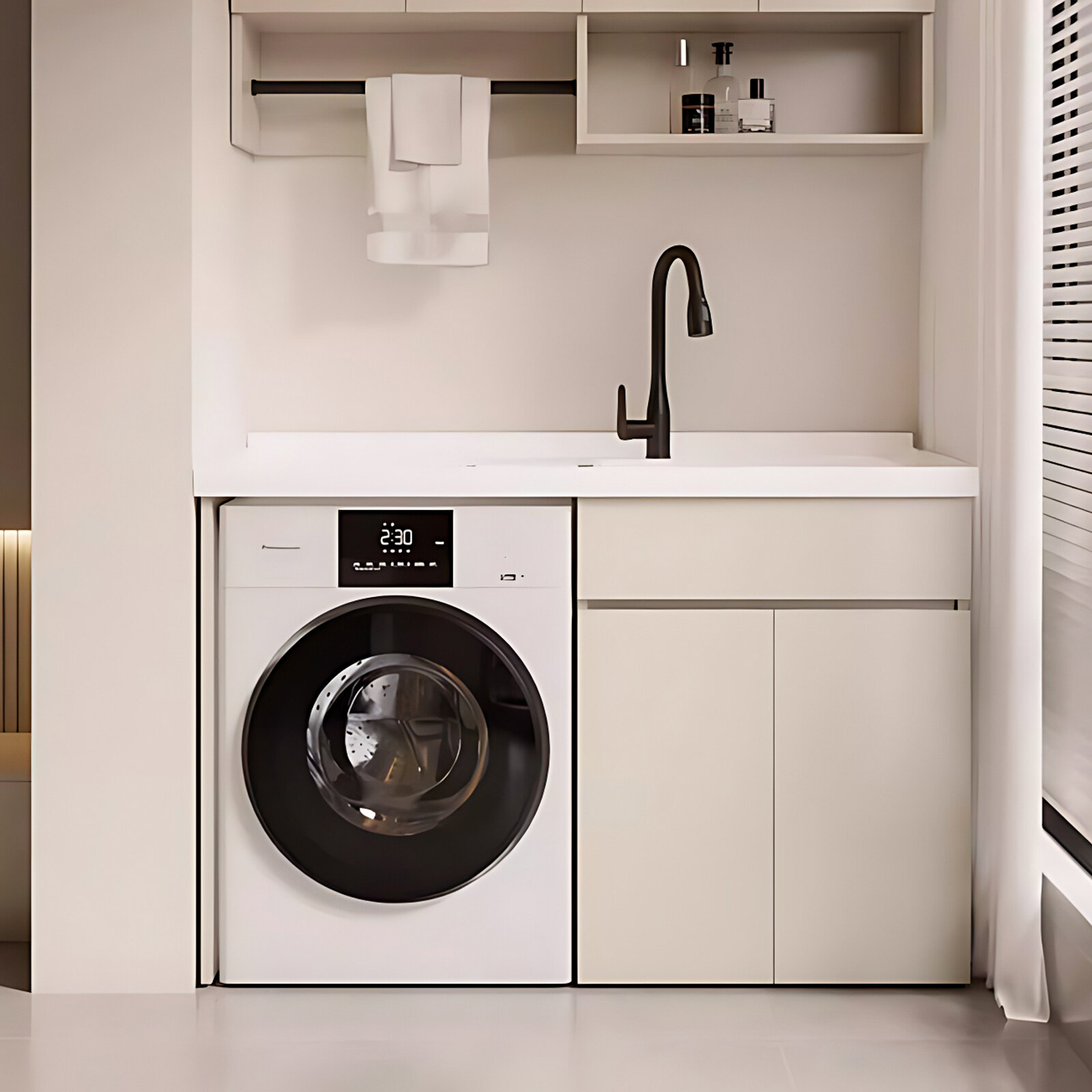
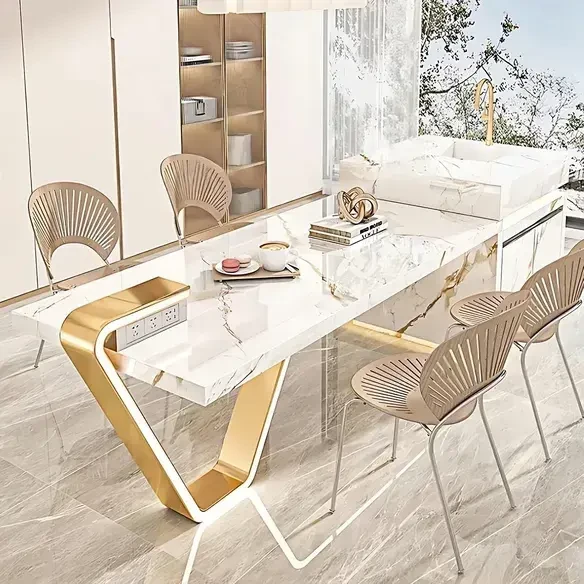
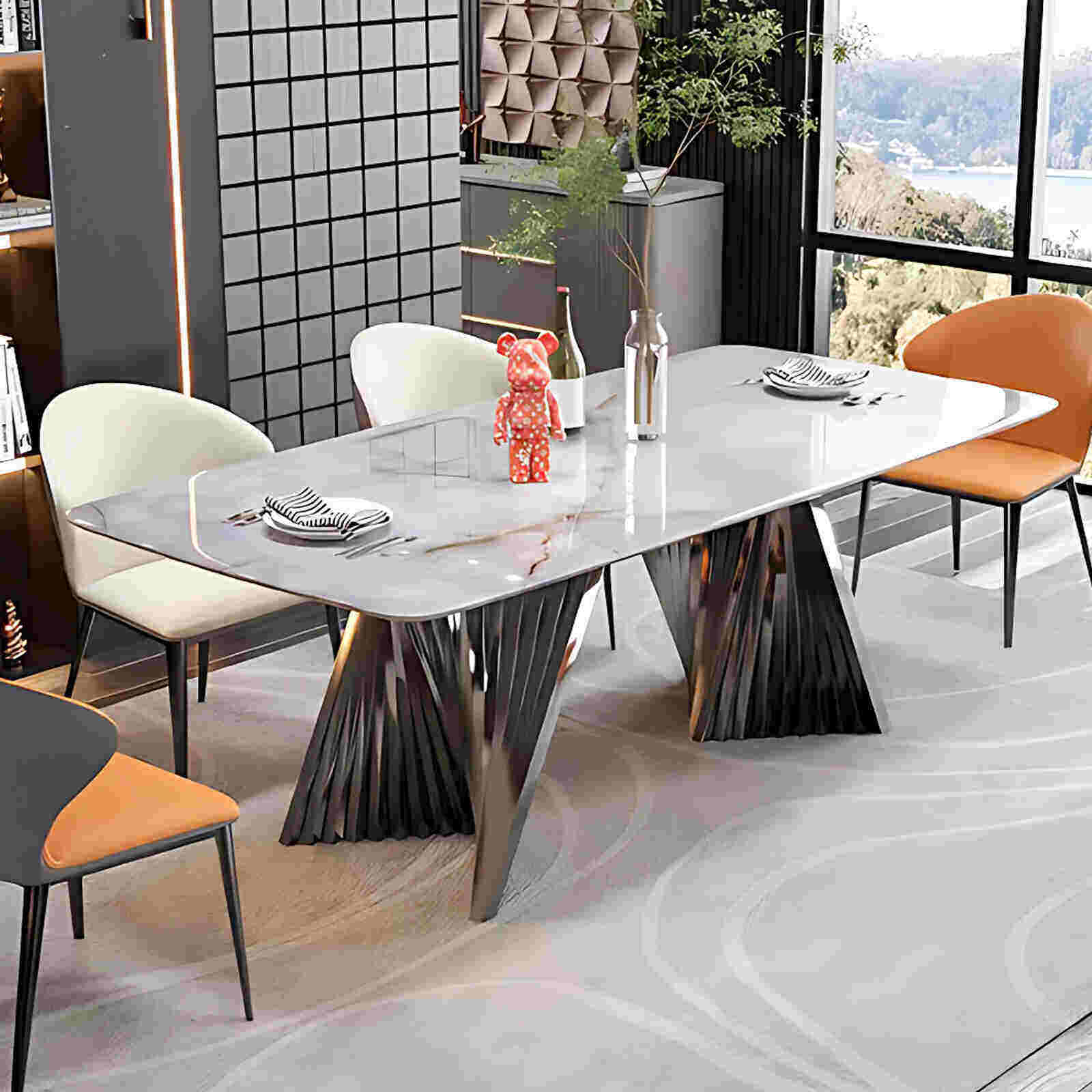
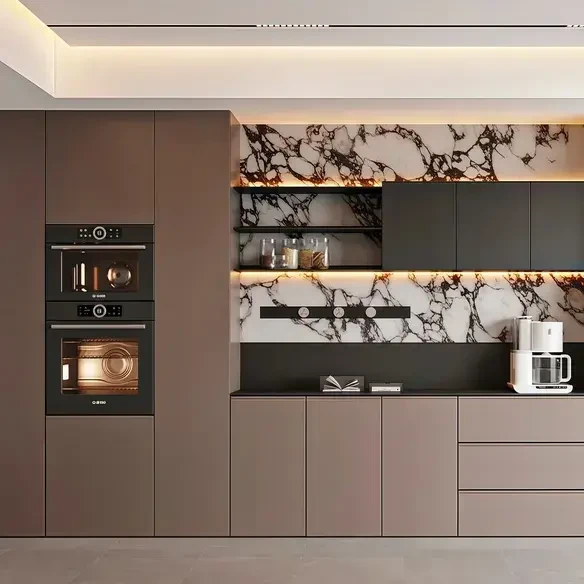
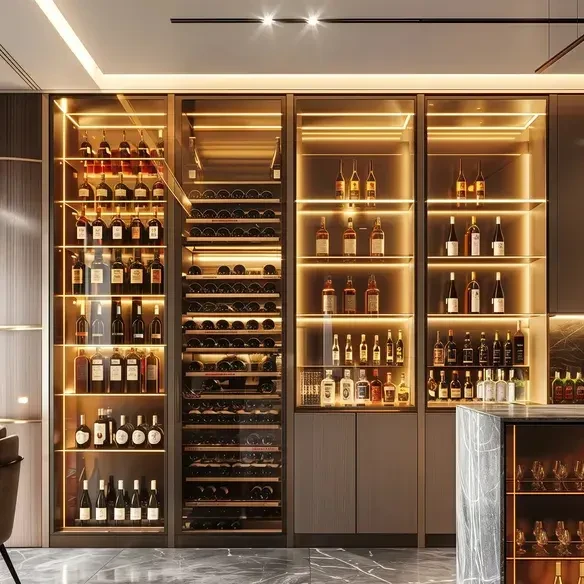

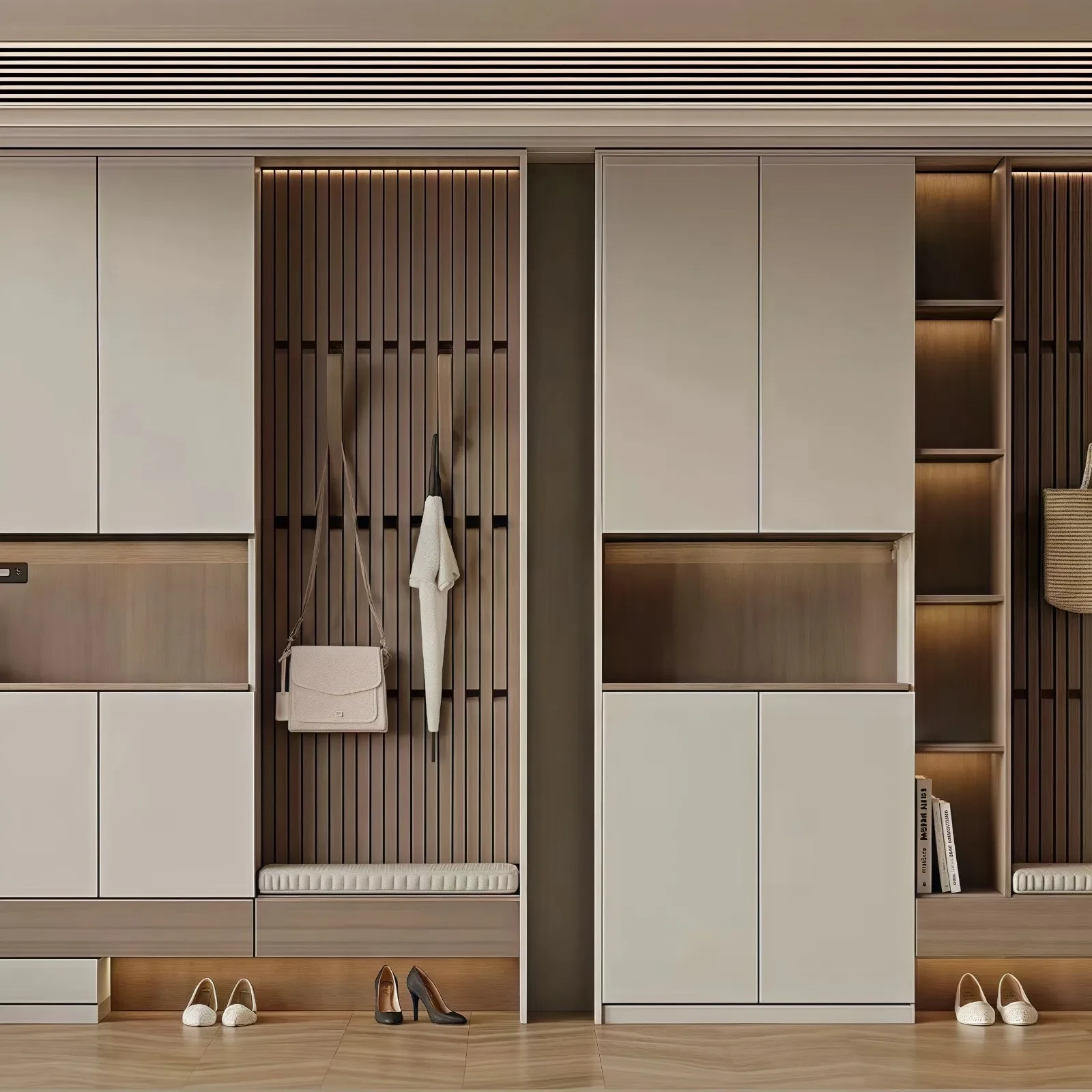
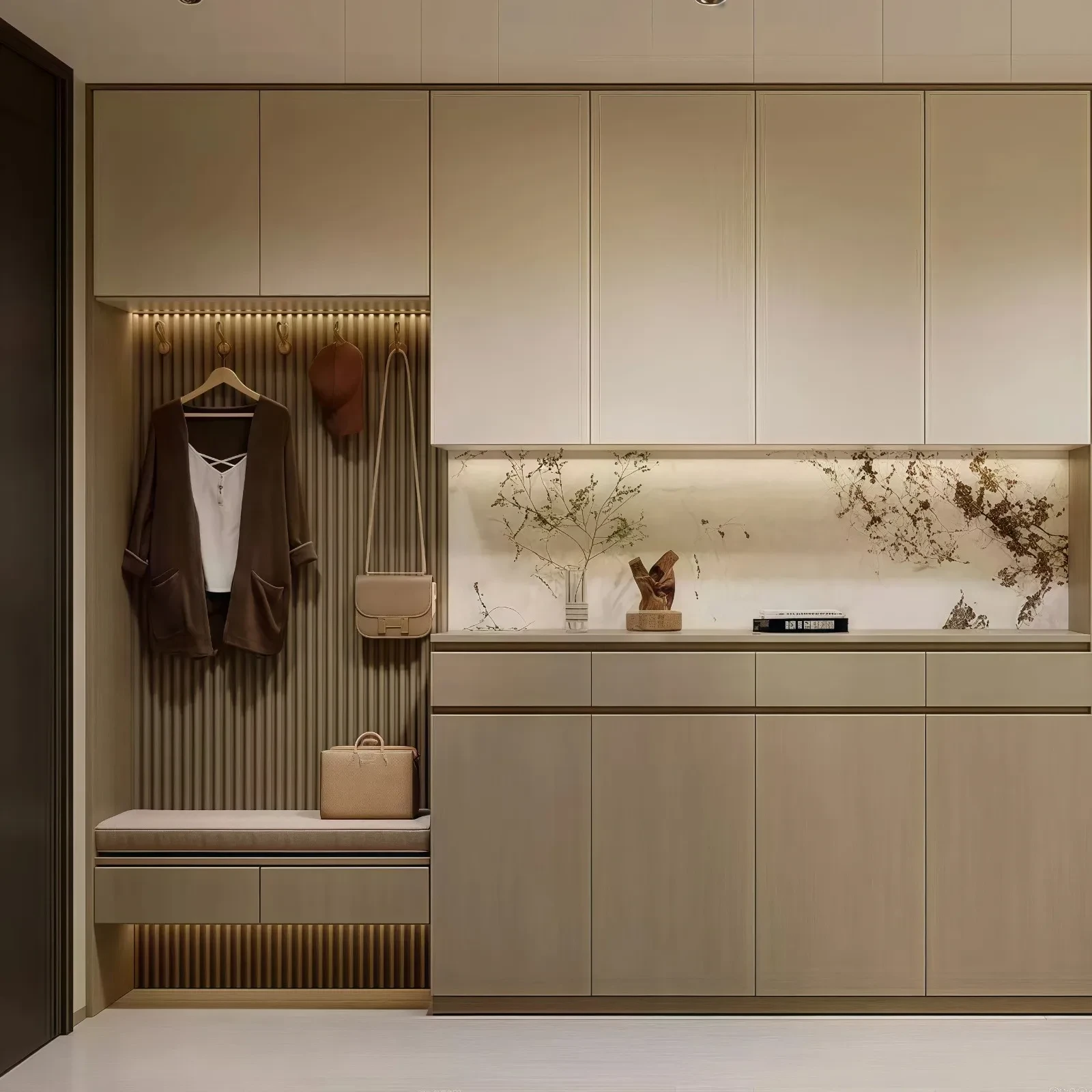
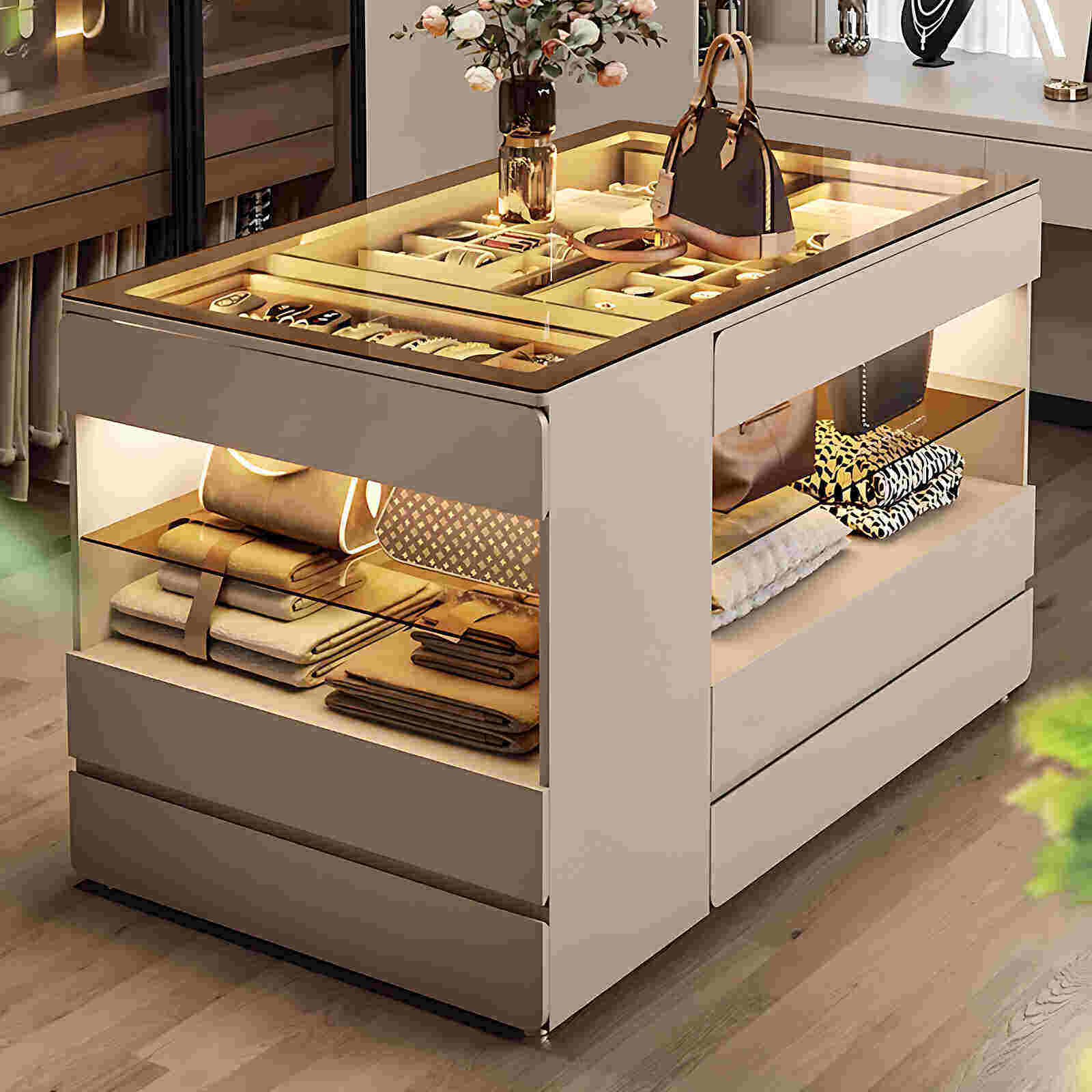
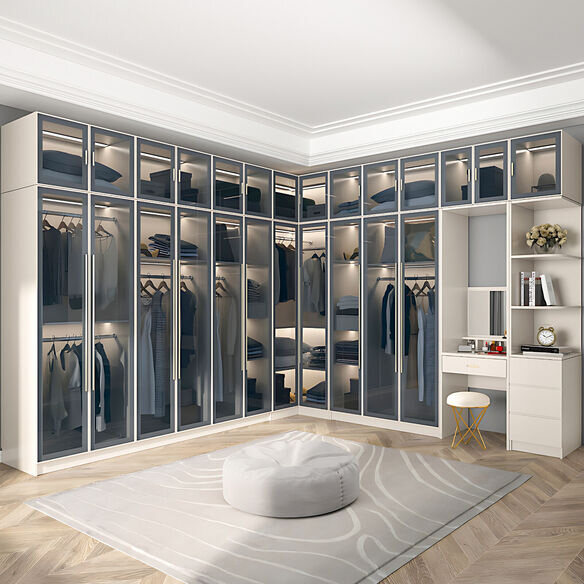
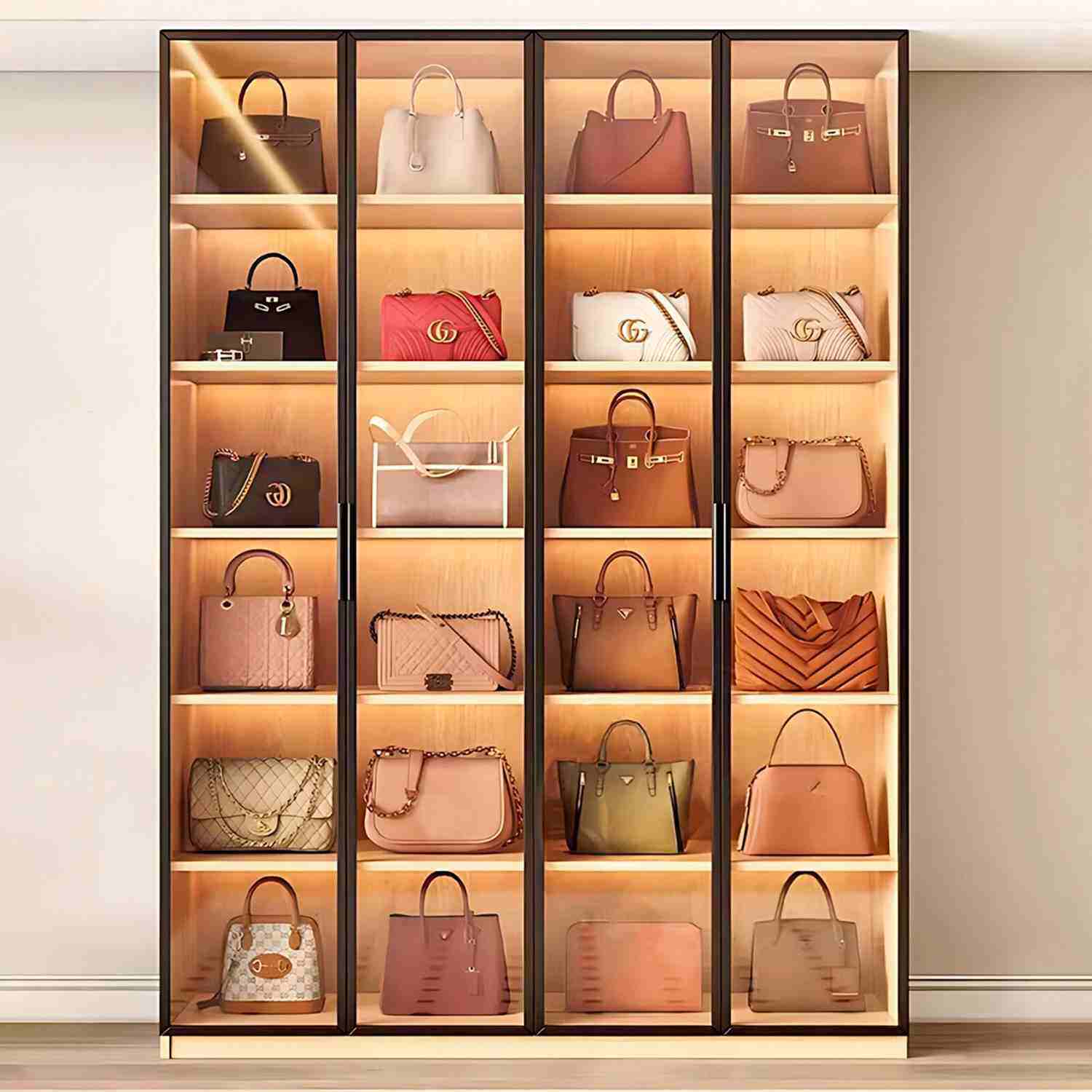
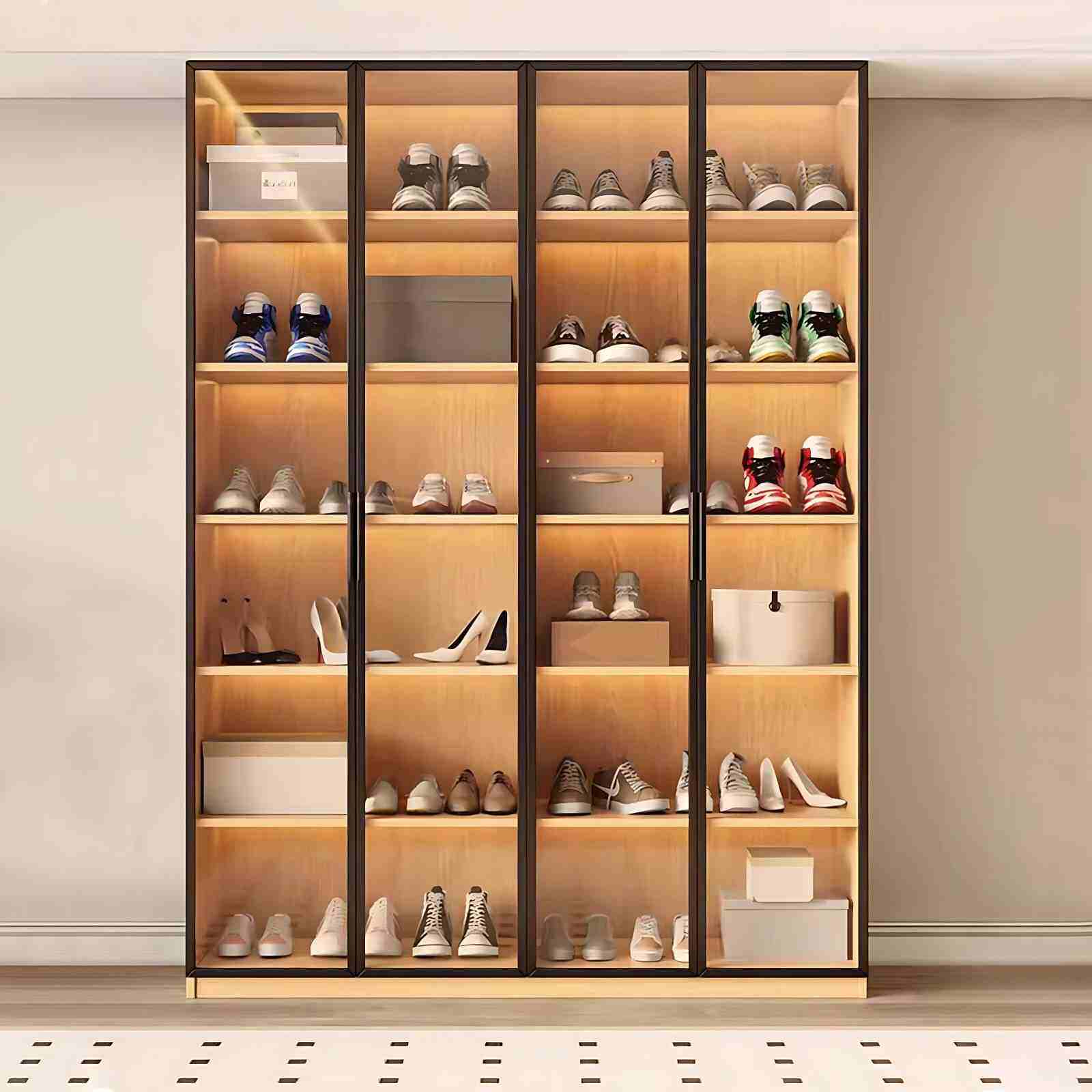
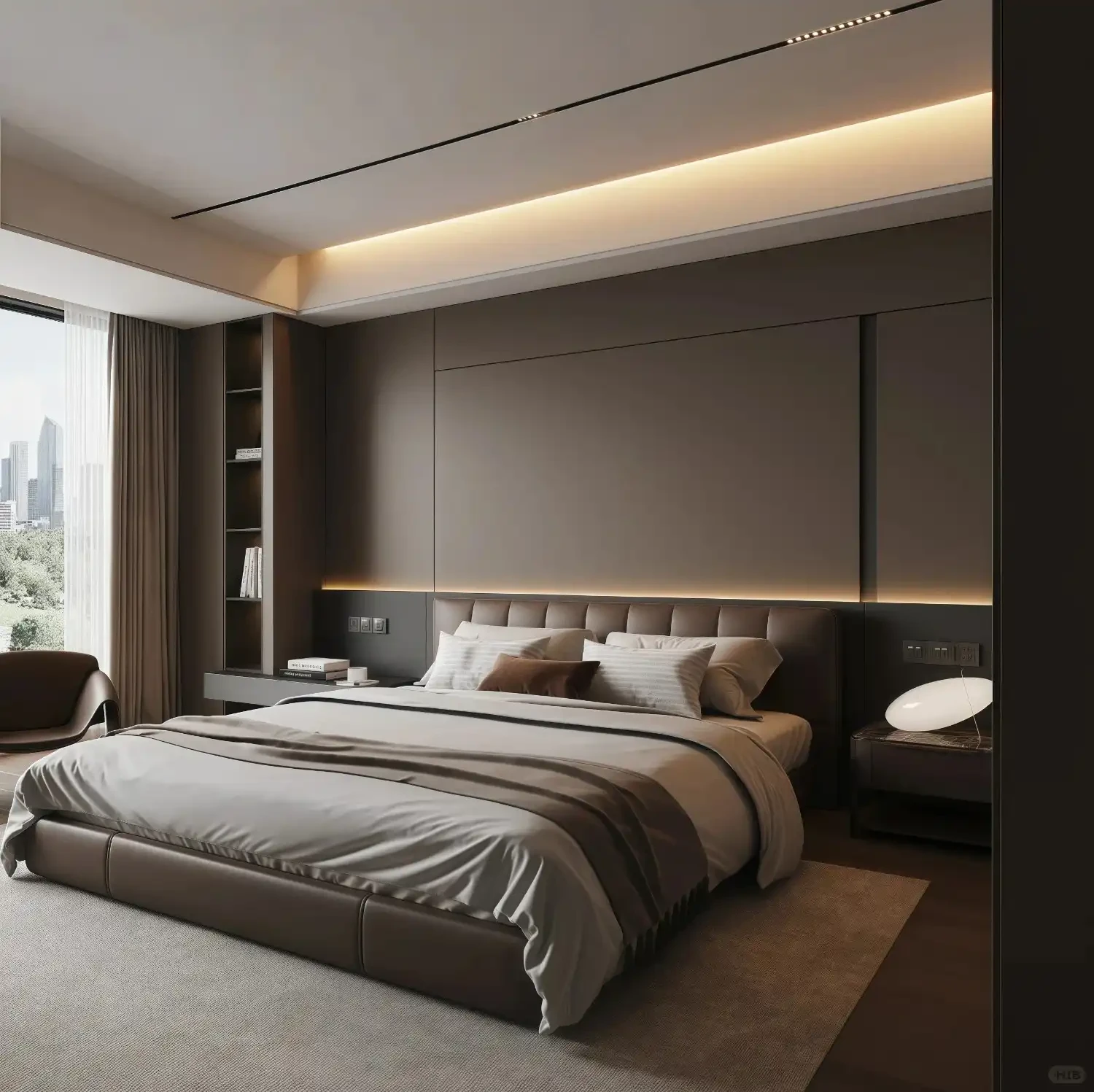
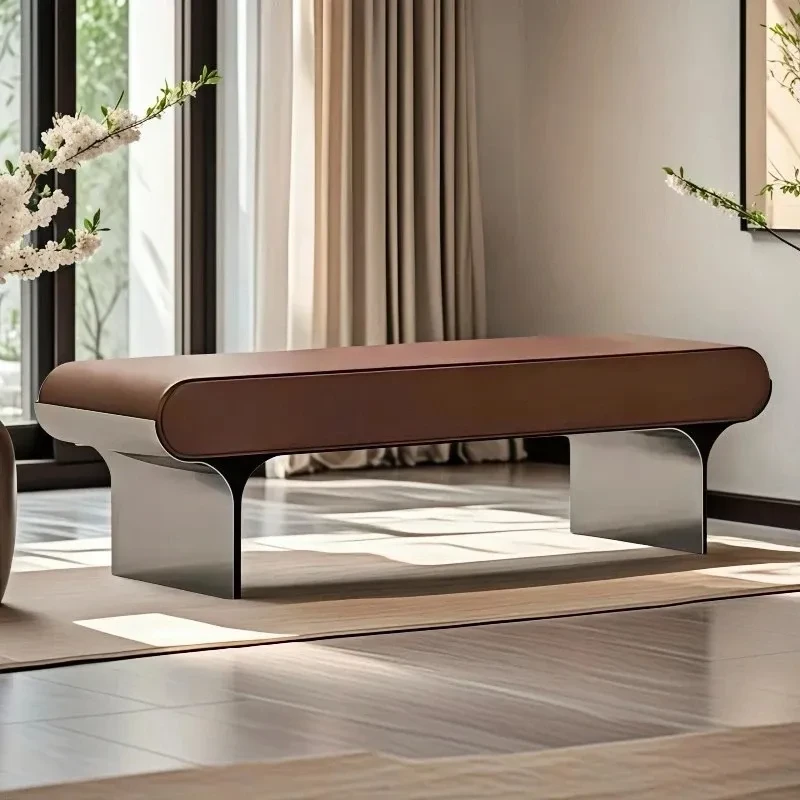

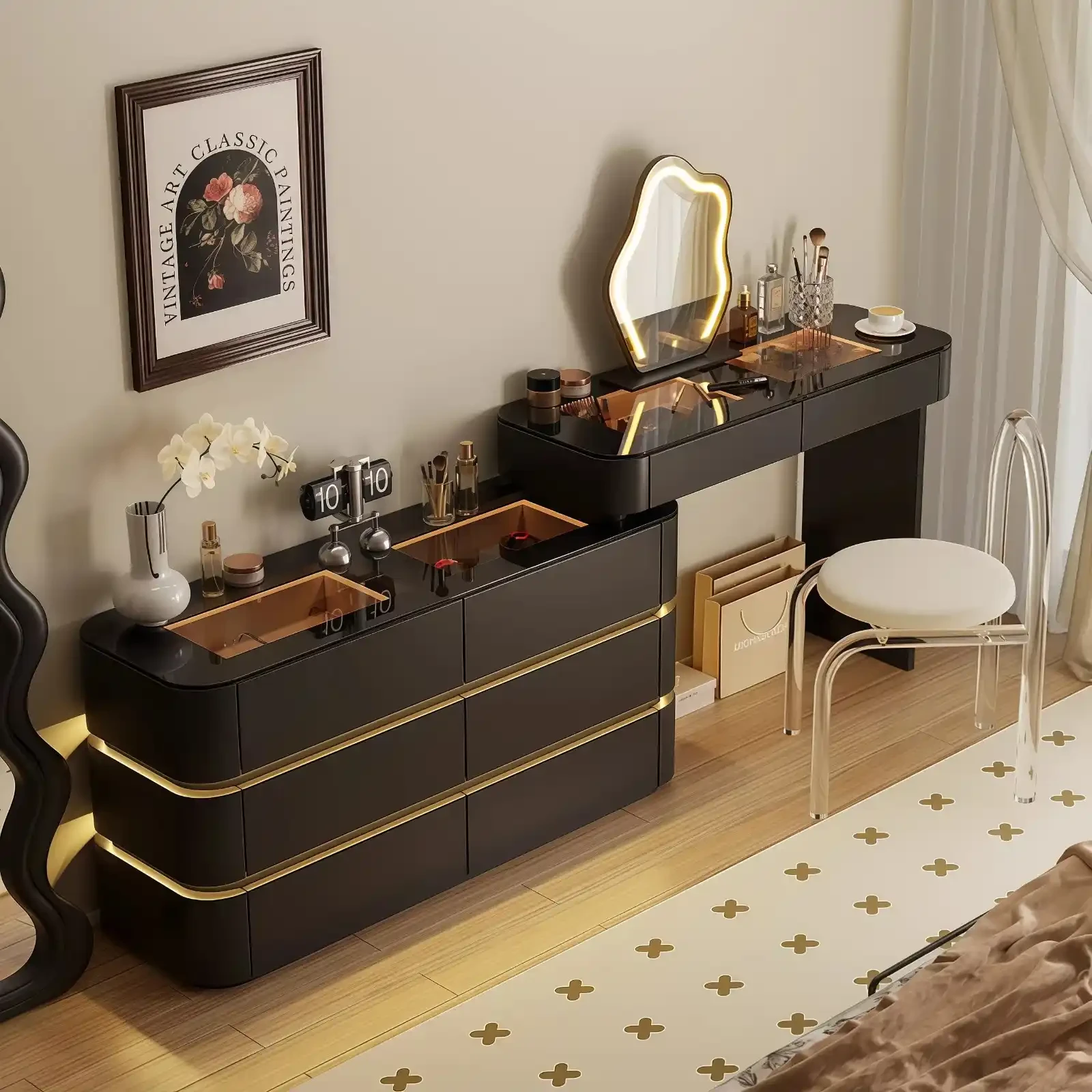
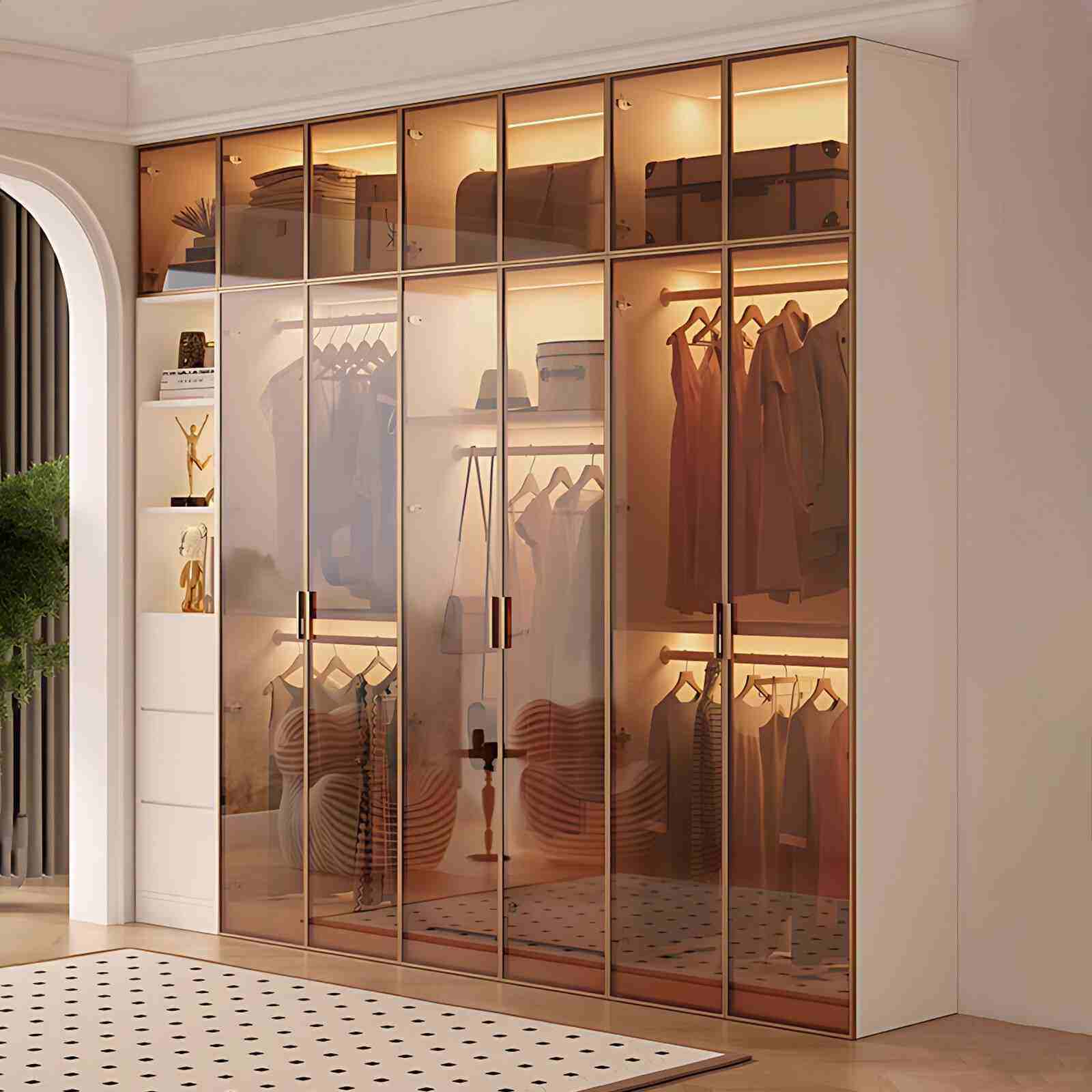
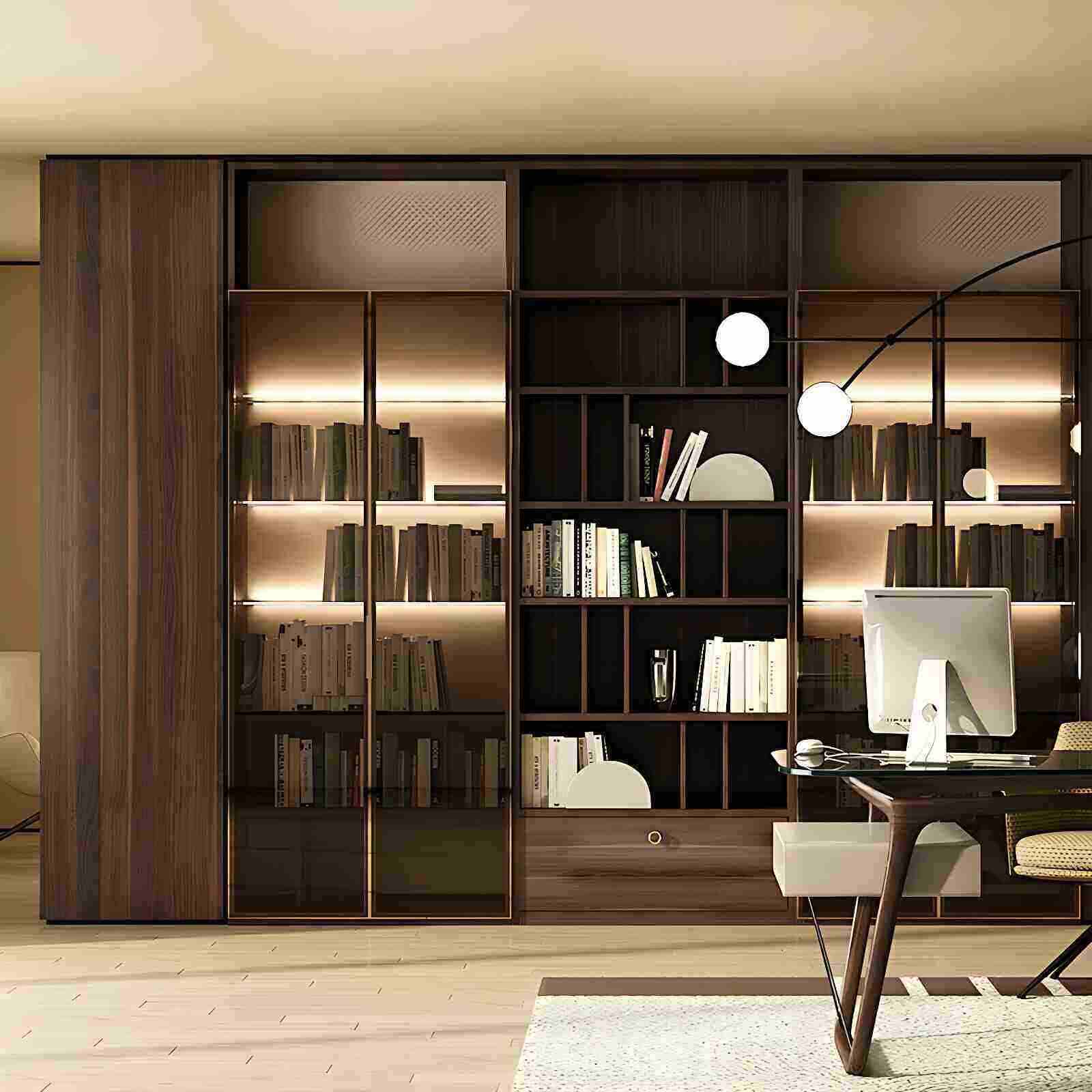
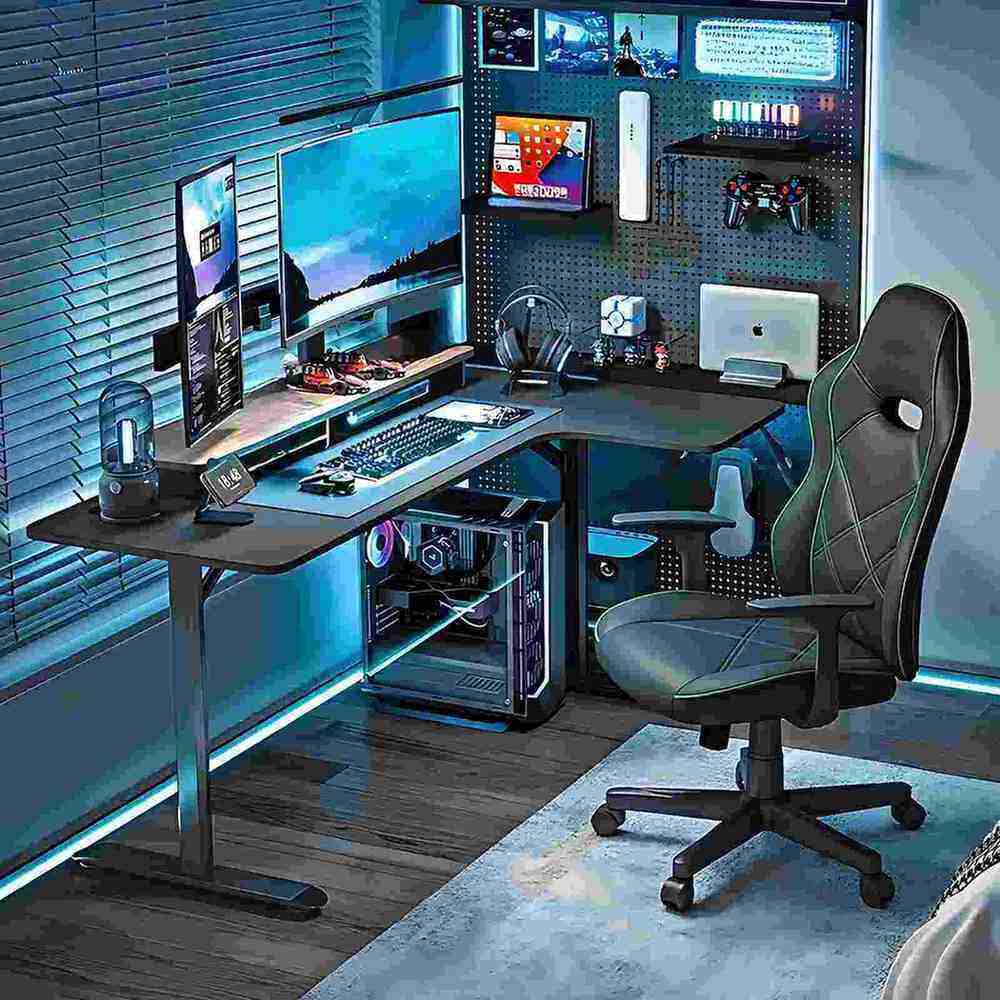
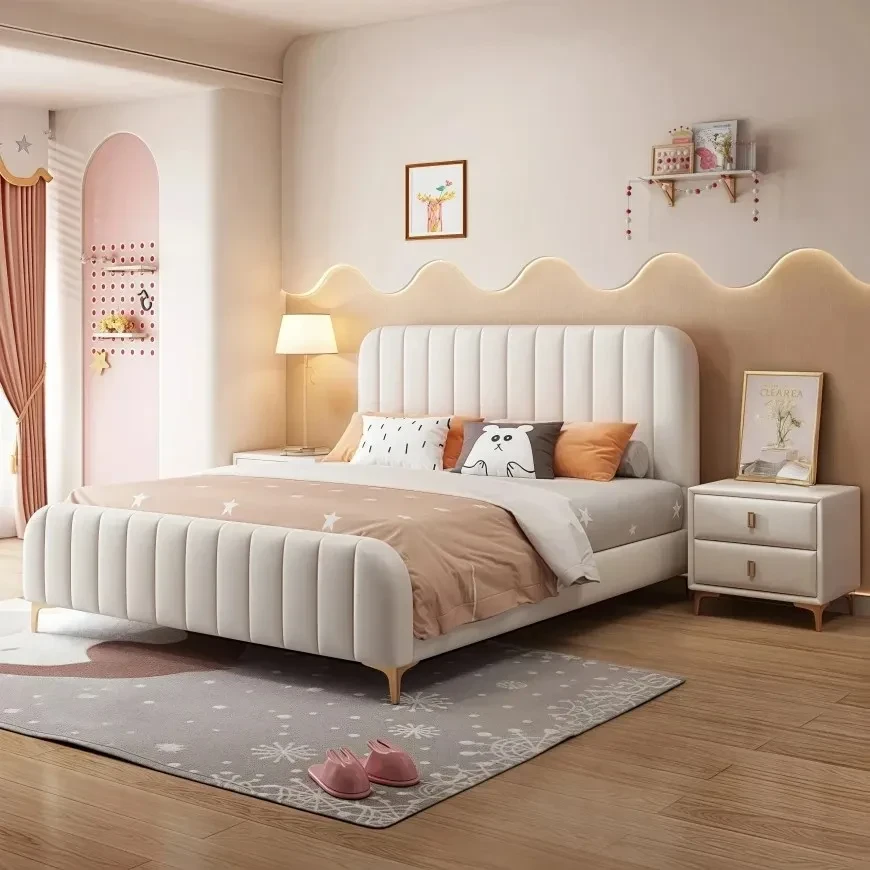
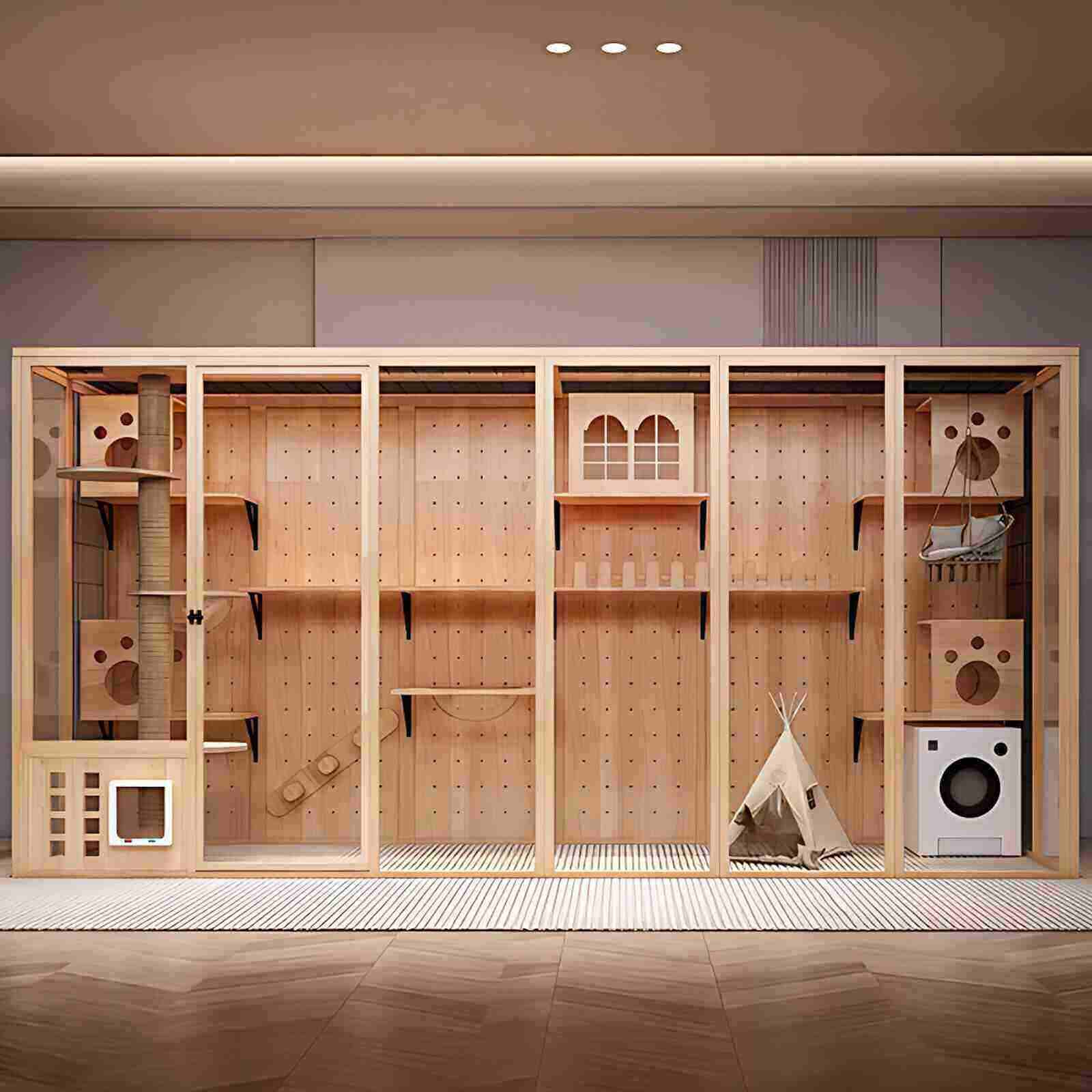
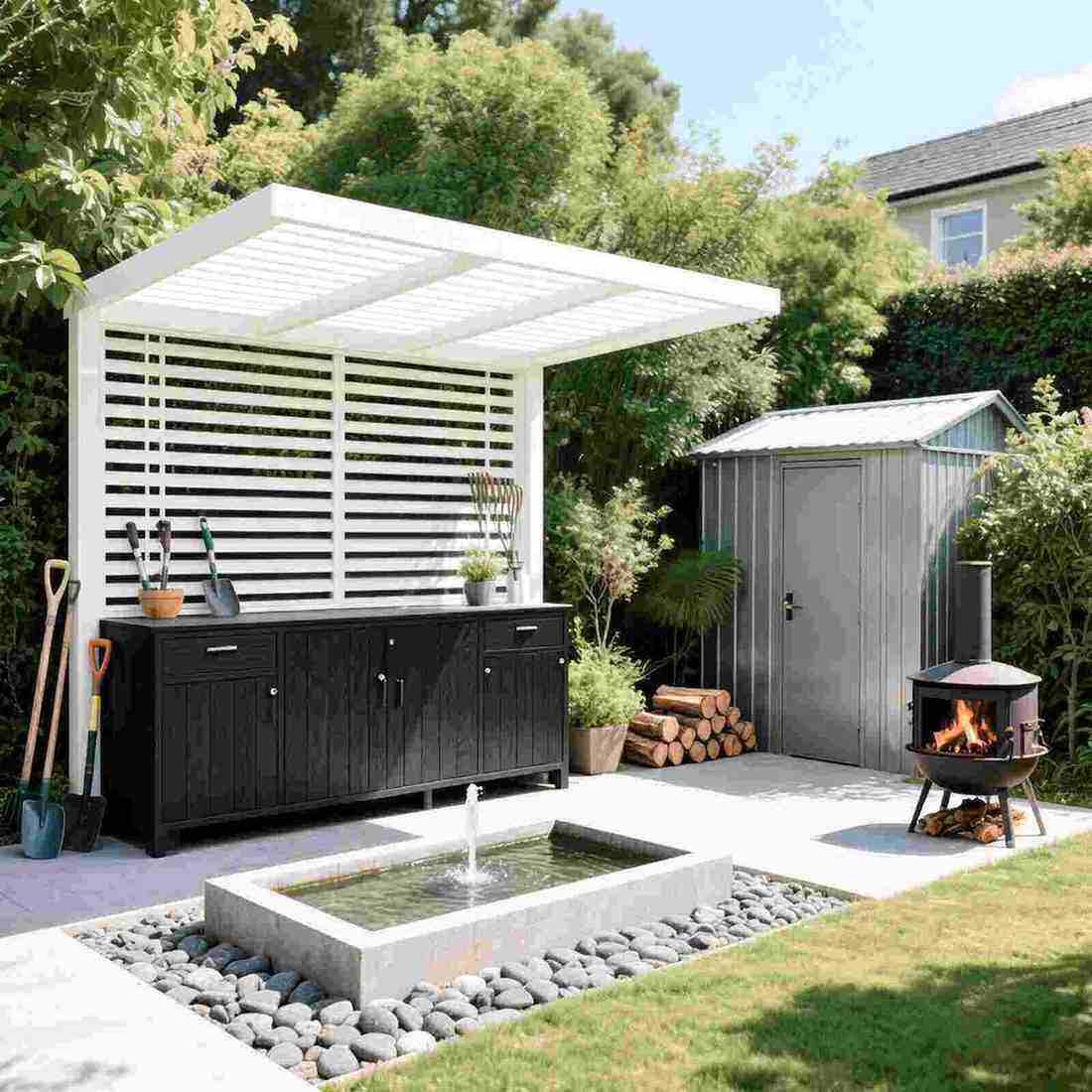
In recent years, large-format panels (such as 9' long panels) have been increasingly used for wall panels and wardrobe panels. This not only enhances the overall decorating style, creating a sophisticated and spacious feel, but also improves the space utilization and ease of use of wardrobes, while saving on manufacturing and installation costs. They have become a new favorite in high-end decoration and are increasingly sought after by consumers. However, the excessive length of large-format panels increases the likelihood of deformation. This article analyzes panel deformation from several perspectives and summarizes several methods to prevent deformation of large-format panels for reference in related industries.
1. Selection of raw boards
1.1 Selection of Board Type
Generally, the higher the density of engineered wood panels, the greater the stress and tension within the panel, and the higher the probability of deformation. Considering this, particleboard is preferable to fiberboard for large-format panels. This is because particleboard typically has a lower density than fiberboard, resulting in better resistance to deformation, and it also surpasses fiberboard in terms of environmental friendliness and load-bearing capacity.
1.2 Production equipment for raw boards
Currently, the biggest difference in particleboard production equipment lies in the hot press. Looking at the development history of particleboard production equipment, the hot presses used for particleboard production have progressed from multi-layer presses to single-layer large-format presses to continuous flat presses. Due to the size limitations of single-layer and multi-layer hot presses, most 9-foot large-format boards currently on the market are produced by continuous flat presses.
1.3 Structure of the raw slab
One of the major causes of particleboard deformation is structural asymmetry, which can be caused by various factors. Analyzing raw particleboard, the most common causes of deformation are: 1) asymmetry between the upper and lower surfaces (inconsistent thickness or density peaks); 2) excessive density deviation. Currently, large-scale particleboard factories in China typically have equipment investments exceeding 100 million RMB, and their equipment is relatively sophisticated, making the aforementioned issues less common.
From the perspective of core layer structure analysis, the performance of particleboard shaving machines, the core equipment for particleboard production, has been significantly improved in the past few years. Some companies that started production after 2017 can process core layer shavings into "sheet-like shavings" approximately 3 cm in length and 1 mm in thickness, effectively increasing the length-to-thickness ratio of the core layer shavings. The stacking of these sheets increases the adhesive area of the core layer shavings, and the connection method is similar to that of oriented strand board (OSB), making the board dimensions more stable and thus improving its resistance to deformation. This is also the most critical factor in improving the deformation resistance of raw particleboard.
1.4 Impurity content
Years ago, particleboard suffered from poor consumer perception due to factors such as high impurity levels, inadequate production equipment, low environmental standards, substandard physical and chemical indicators, unsatisfactory performance, and insufficient market supervision. In recent years, with equipment upgrades and increased market demand, some high-end particleboard factories in China have optimized their equipment configurations and used equipment such as punching rollers, vibrating screens, and airflow separators to remove bark, stones, sand, metal, and other impurities from raw materials. This has resulted in cleaner products, reduced the impact of impurities on adhesive bonding, improved the bonding strength between particleboard chips, effectively enhanced the particleboard's resistance to deformation, and facilitated subsequent veneering and cutting, ultimately improving its overall performance.
2. Surface finishing
Asymmetry in the structure of the board material is a significant cause of board deformation. The surface processing of the board can easily disrupt this symmetry, and the possible reasons are as follows:
1) Hot pressing process. Due to the difference in the contact time between the board and the upper and lower hot press plates, there is often an appropriate temperature difference between the upper and lower hot press plates. Moreover, the temperature difference needs to be adjusted according to different climates, different types of wood, different moisture contents, different thicknesses of boards, etc.
2) Curing process after veneer application. Veneered panels maintain a high temperature. If they are directly stacked for curing, the temperature cannot be released for a long time, which can easily lead to aging of the surface adhesive paper and deformation of the panel. Using a cooling system to dissipate heat significantly reduces the panel temperature, effectively preventing adhesive paper aging and panel deformation.
3) Selection of Finishing Materials. Designers strive to create more aesthetically pleasing works, often combining different finishing materials. However, using different finishing materials together can easily disrupt the structural symmetry of the panel, such as using impregnated paper on one side and glass on the other, or PET or UV paint. While the effects may not be immediately apparent, the likelihood of deformation due to asymmetry increases over time and with environmental changes. Using the same finishing material on both sides of the same panel effectively reduces the chance of deformation.
3. Storage and Transportation
There are also factors that can cause deformation during the storage and transportation of raw boards or decorative panels.
2) Climate change is also a common factor causing deformation. In areas with abundant rainfall and high humidity, or during hot and rainy seasons, the boards continuously absorb moisture, which reduces their physical and chemical properties and performance, easily leading to deformation. In such cases, it is important to keep the boards dry and well-ventilated during storage and transportation to reduce moisture absorption.
4. Installation and Use
The main factor that can cause deformation in this stage is climate. Rainy weather, high humidity, and high temperatures make the boards susceptible to moisture. Even after veneer and edge banding, if the drilled areas are not treated, or if the pre-milling before edge banding is insufficient, or if the edge banding pressure is too low, resulting in poor sealing, the boards may still become damp in certain areas.
In some southern regions, during the rainy season, indoor humidity is extremely high, sometimes even causing water droplets on the walls. This essentially means the boards are partially submerged in water, making them highly susceptible to warping and even mold growth. In such environments, it's crucial to ensure ventilation and dehumidification to maintain a relatively dry indoor environment. If necessary, moisture-resistant boards can be selected.
5. Conclusion
The main factors causing deformation of large-format boards include asymmetrical raw board structure and disruption of symmetry during processing, storage, transportation, and installation. To address these factors, it is recommended to prioritize particleboard with a core layer of flaky wood chips, high purity, and produced on a continuous flat-pressing line when selecting large-format boards. Particleboard boasts high plasticity, flatness, and environmental performance. The flaky wood chips in the core layer ensure more stable connections, high purity reduces the impact of impurities on adhesive bonding, and continuous flat-pressing production helps stabilize product performance, ultimately improving the board's resistance to deformation. During surface processing, avoid disrupting the original symmetry of the board. During storage and transportation, strengthen management to prevent deformation caused by human factors. During installation and use, minimize the impact of the environment on the board; if necessary, choose moisture-resistant boards.
This article was published in the 10th issue of "China Wood-based Panels" in 2020.
Citation format:
Zheng Haitao, Li Fei. Discussion on methods for preventing deformation of large-format boards [J]. China Wood-based Panels, 2020, 27(10): 29-30, 36.