
 USD
USD GBP
GBP
 EUR
EUR






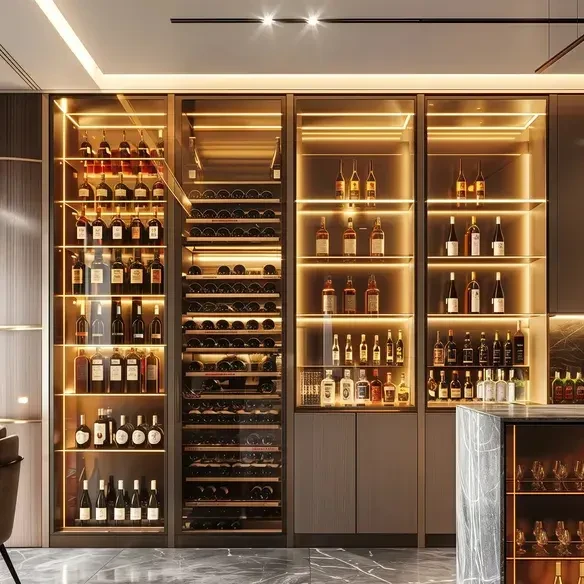
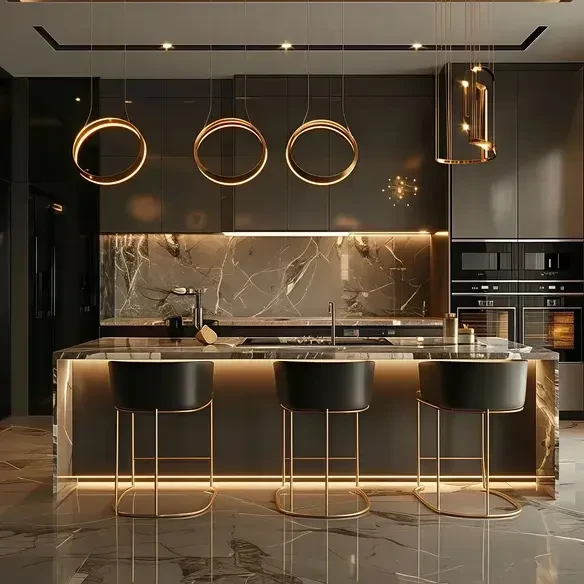
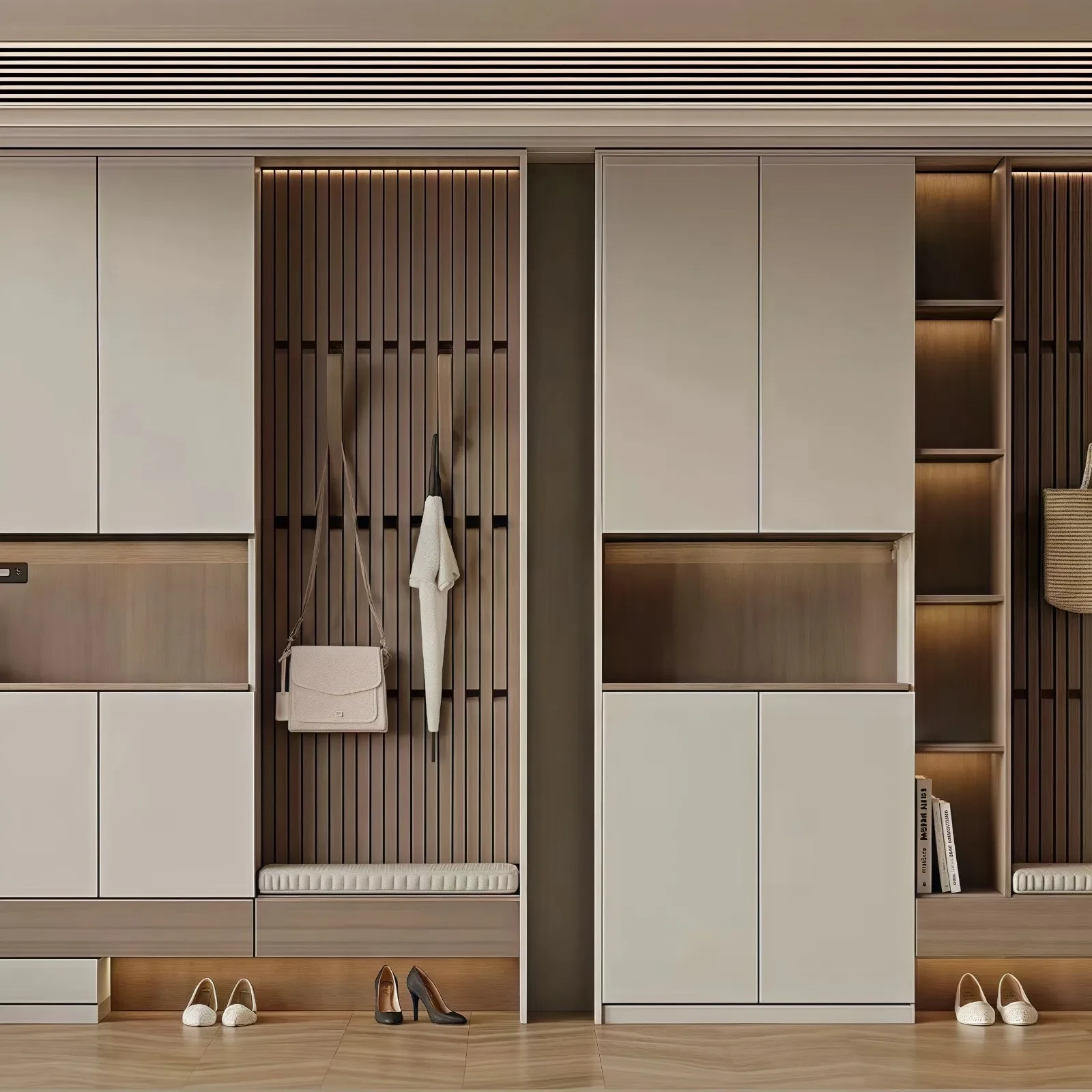
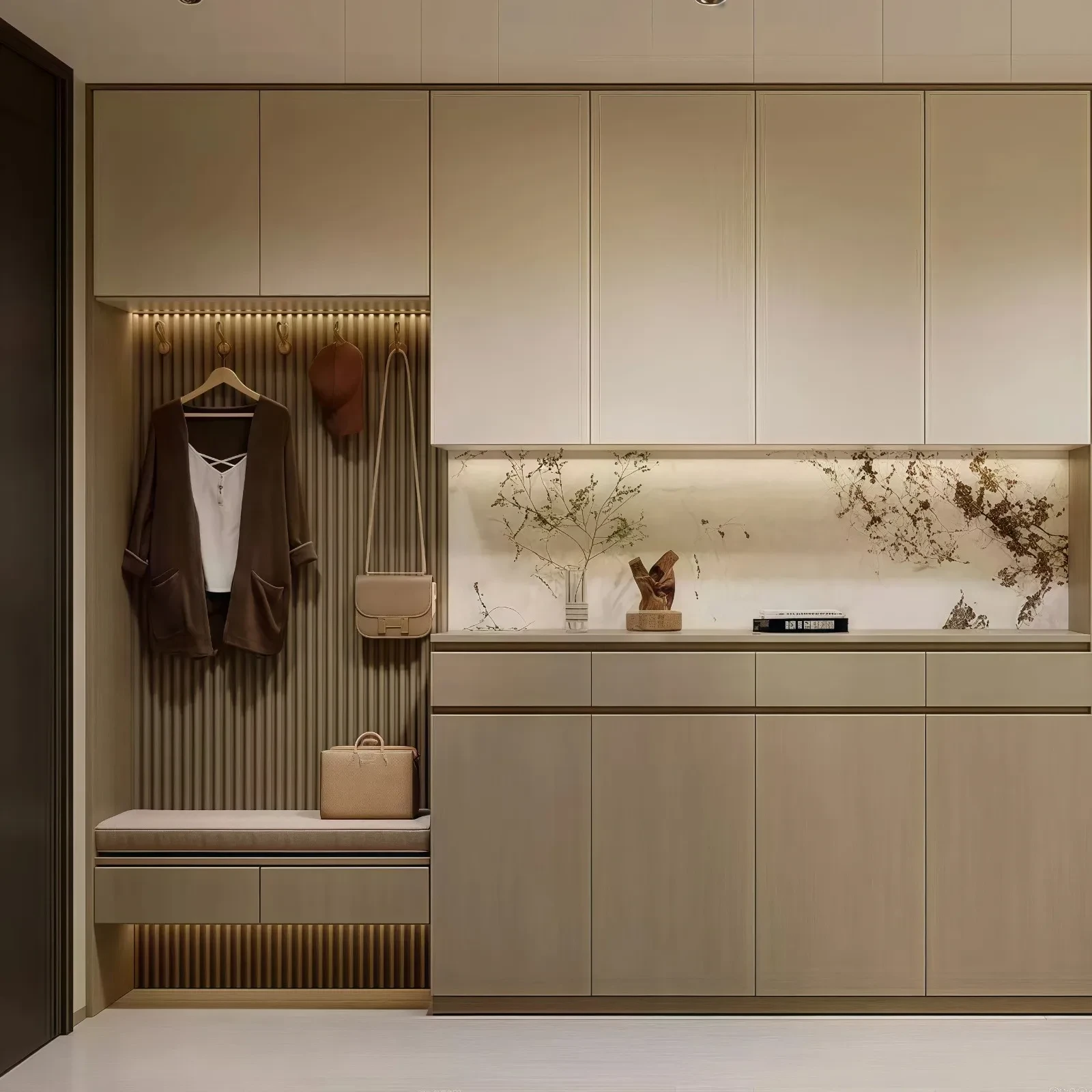
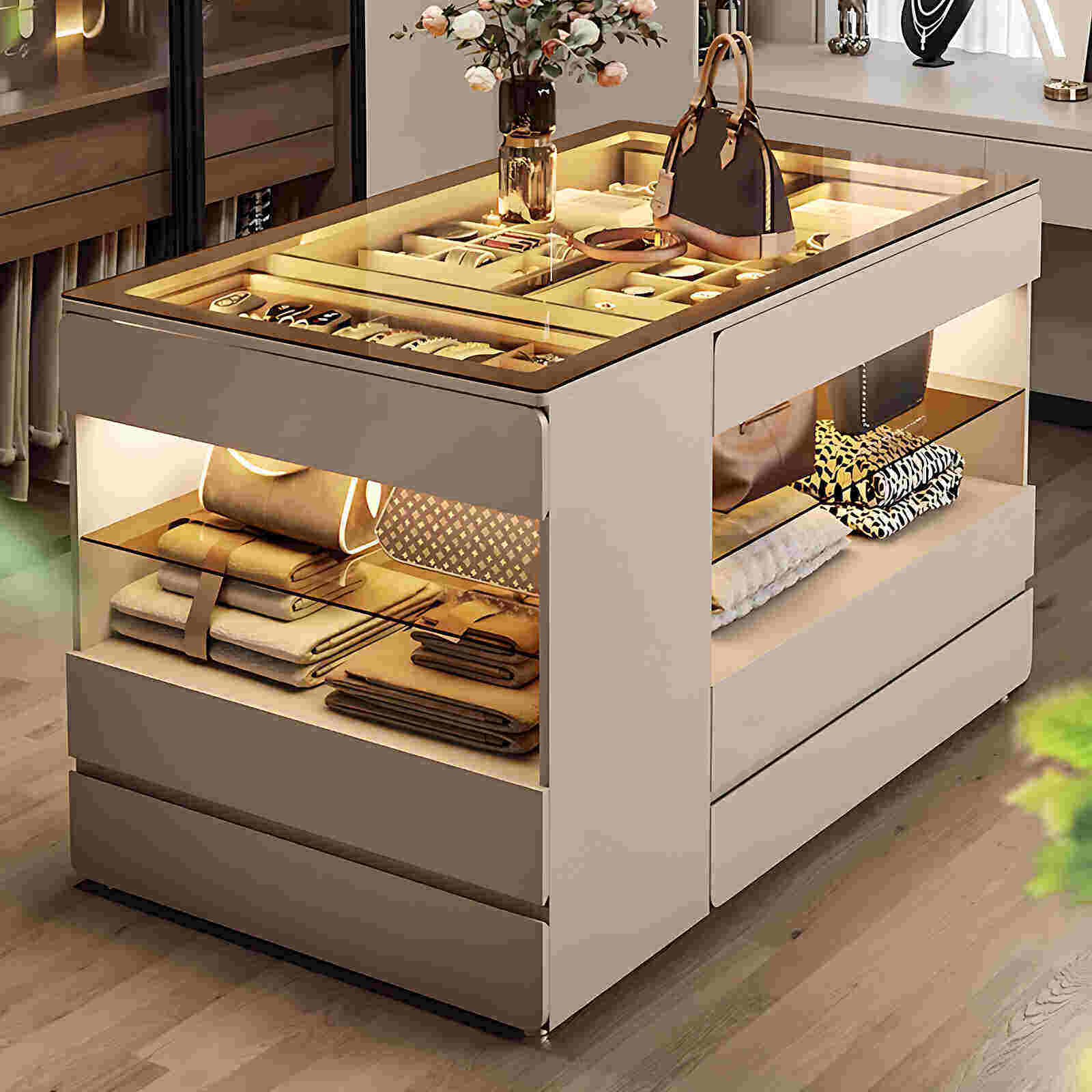
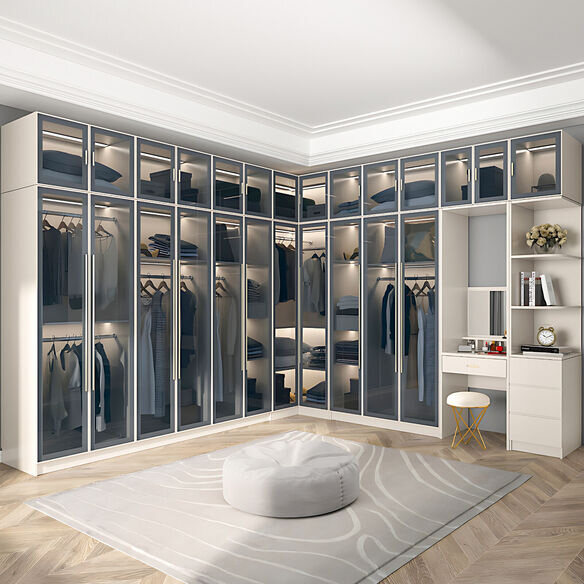
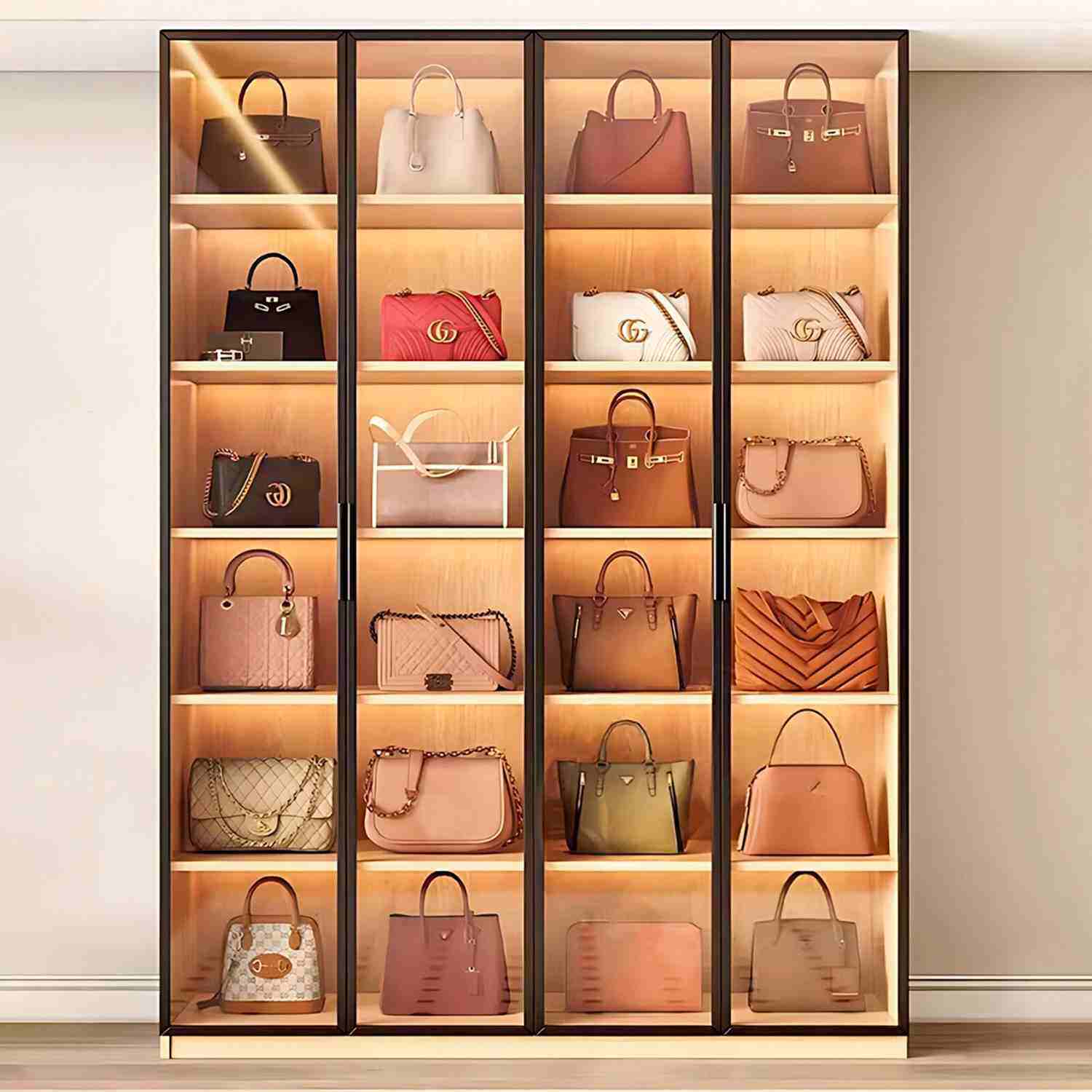
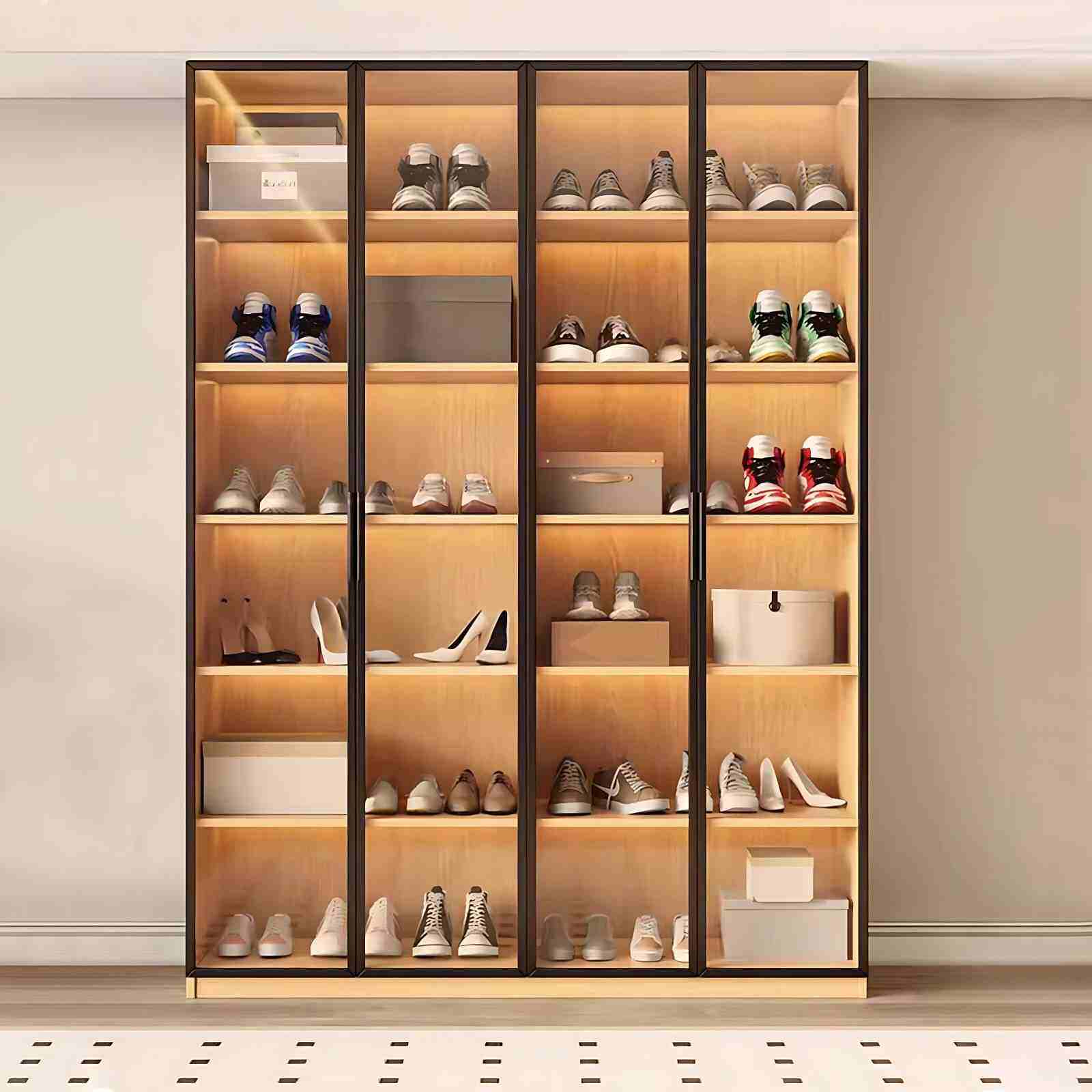
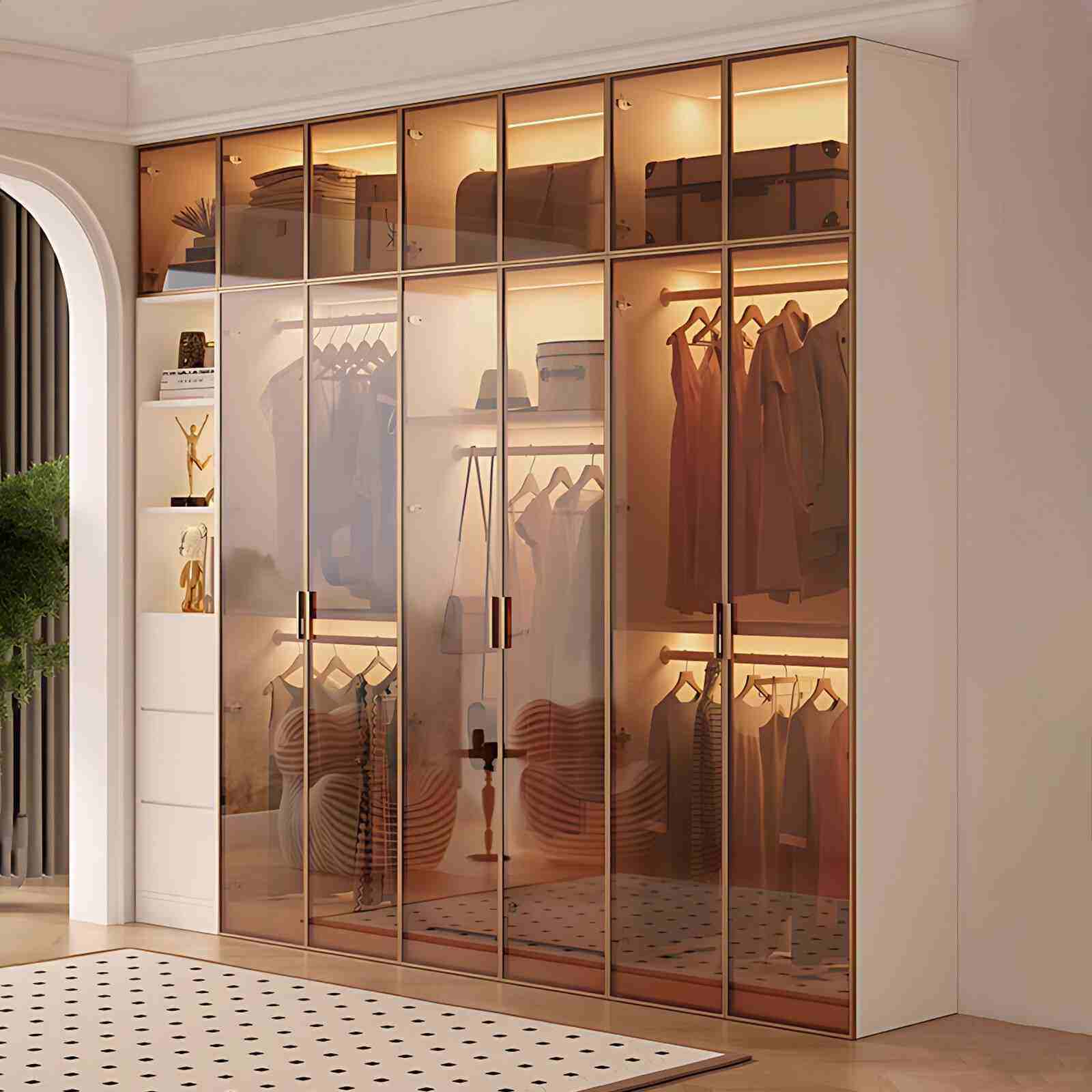
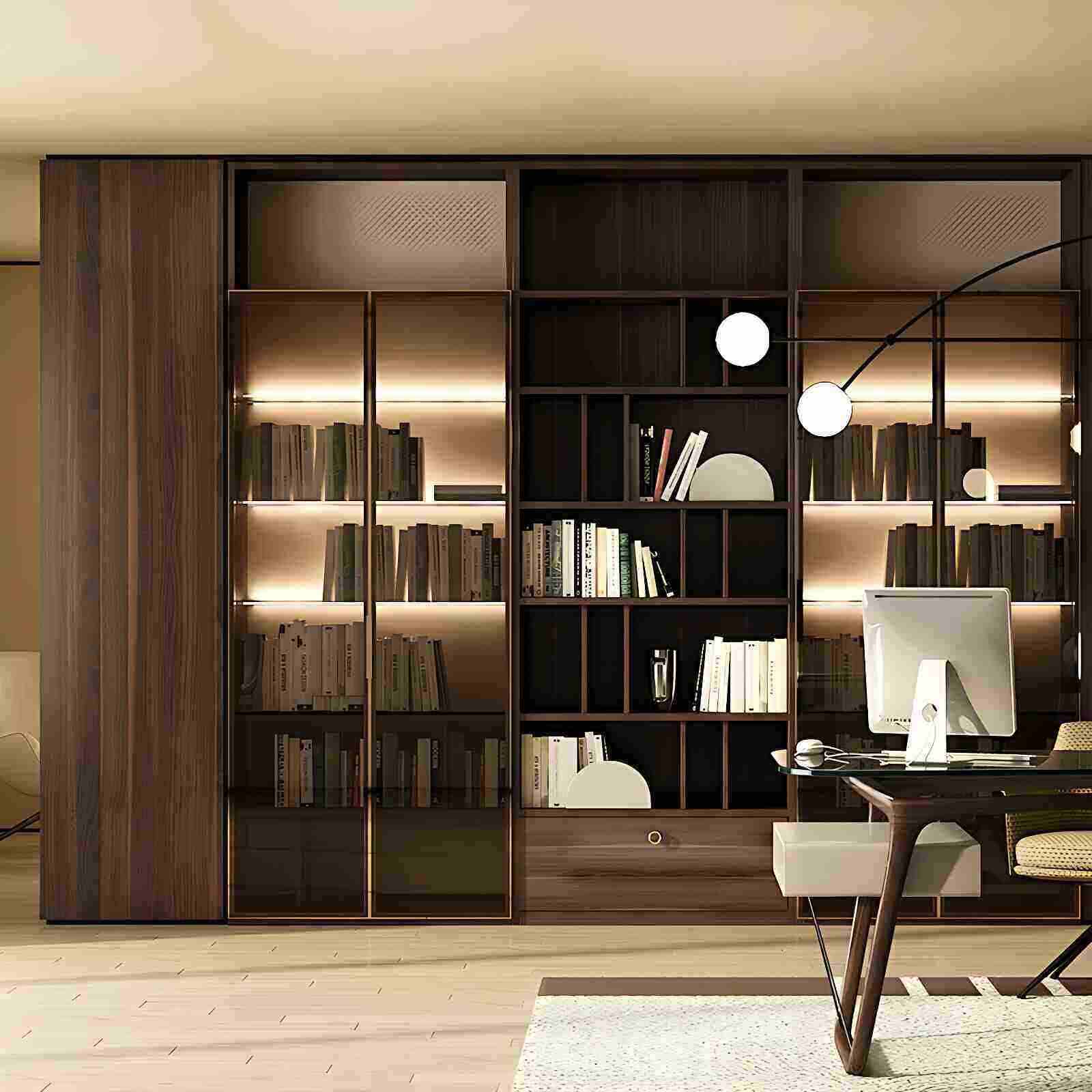

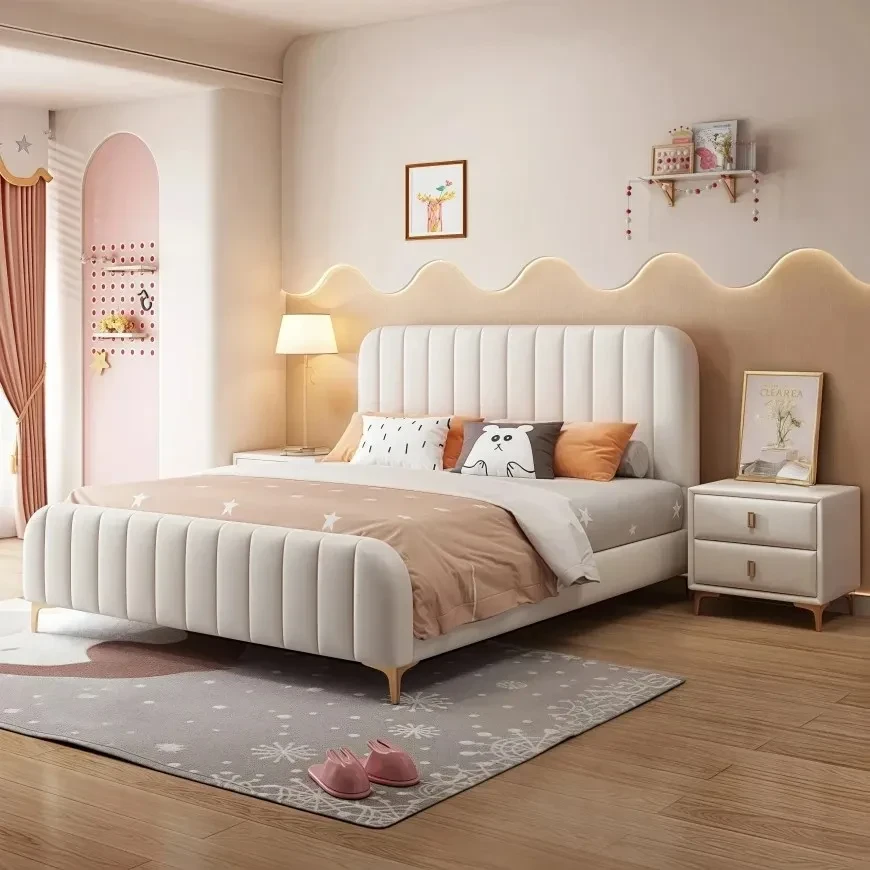
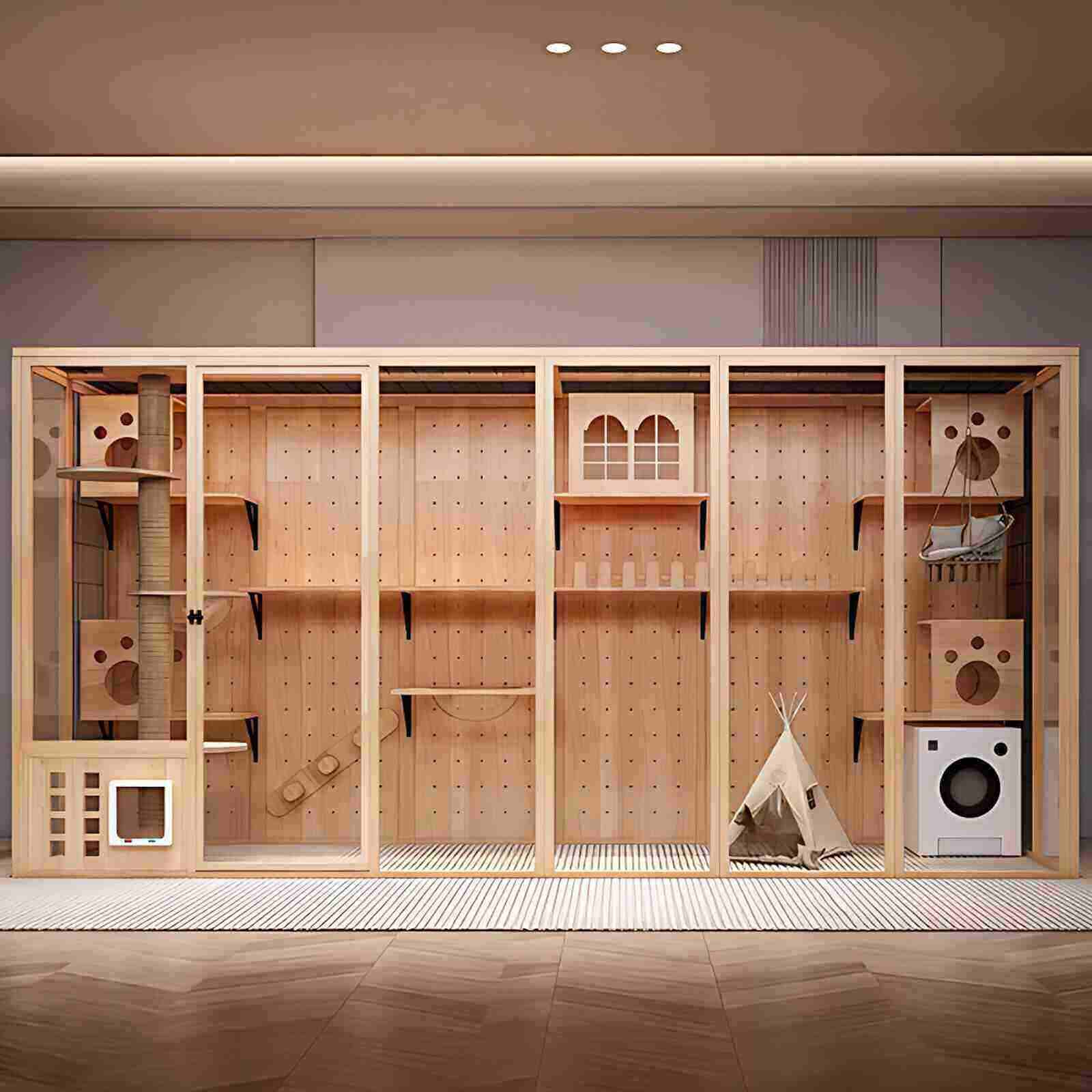
Welcome to Zhoubao's Classroom! Zhoubao will be sharing interesting and practical knowledge about wood-based panels with you. Today is the first lesson of Zhoubao's Classroom; we'll be discussing the history of wood-based panels. Let's learn together!
In fact, the origin of wood panels can be traced back to 3000 BC...
early 1st century BC
The Romans were already familiar with veneer manufacturing techniques and the principles of plywood manufacturing.
1812
The French invented the veneer saw.
After 1844
Improved veneer laminating machines were officially used in industrial production, and since then, continuous improvements have promoted the development of the plywood industry.
Mid-19th century
Germany was the first country to establish a plywood factory.
1898
Britain was the first country to manufacture semi-rigid fiberboard on a cylinder paper machine.
1914
The United States uses wood pulp scraps to produce insulation boards and has built insulation fiberboard factories.
1916
Dry molding process first appeared in Austria
1924
The United States developed the Massonnette process (explosion method) for fiber separation, and by 1928 it was able to produce high-quality hardboard.
1931
Sweden invented the Asplund process, and the following year established the first hardboard factory in Sweden using this method. From then on, the fiberboard manufacturing industry separated from the paper industry and became an independent industrial sector.
1943
The United States has achieved success in researching dry and semi-dry manufacturing processes.
1966
The United States builds its first medium-density fiberboard plant.
The emergence of Chinese engineered wood panels
Before 1949
Only cement wood fiberboard
1952
Start producing protein glue particleboard
1956
Resin-bonded particleboard appears
1958
Start trial production of fiberboard
early 1960s
Establish wet-process fiberboard plants in Beijing and Shanghai
early 1970s
Establish dry process and flexible fiberboard production lines
1980
Start production of medium density fiberboard
Since the reform and opening up, my country's national economy has experienced rapid, stable, and sustained development. The rapid development of the domestic home furnishing, decoration, and real estate industries has spurred the rapid growth of my country's wood-based panel industry. Against this backdrop, Qiannianzhou adheres to its original aspirations of "Brand, Environmental Protection, and Quality," focuses on the core values of "Co-creation, Win-Win, and Sharing," and practices the corporate mission of "Creating Healthy Homes and Leading a Quality Life," continuously moving towards its vision of "Becoming a Century-Old Enterprise in China's Building Materials and Home Furnishing Industry."
History of the Development of Panel Materials
1999
Industry innovations: Chinese fir core plywood and mixed wood core multi-layer board
2000
Introducing fir core engineered lumber, fir core hand-jointed boards and small strips.
2002
Mixed wood core decorative single-sided veneer panels are now available.
2006
Throughout the year, the industry launched a full range of E0-grade products, including plywood, engineered wood, and multi-layer boards.
2007
Formaldehyde-free plywood and paint-free eco-friendly boards are on the market.
2010
UV decorative panels and premium antibacterial panels are now available.
2011
Children's Room Special Edition Available Now
2012
Flame-retardant plywood and plant-based plywood are now available.
2015
Negative ion panels, VIP precision panels
2016
Nano-formaldehyde-removing ecological boards are on the market.
2017
Second-generation negative ion ecological board, bean-scented board, and LSB version are now available.
2018
Ausen LSB New Product Launch
2019
Solid wood veneer OSB version available
2020
Photocatalytic antibacterial board, LSB high-energy home furnishing board
Ring ring, get out of class is over! That's all for today's lesson. Did everyone learn anything about the history of wood-based panels?
Read ten thousand books and travel ten thousand miles
See you next time!