
 USD
USD GBP
GBP
 EUR
EUR
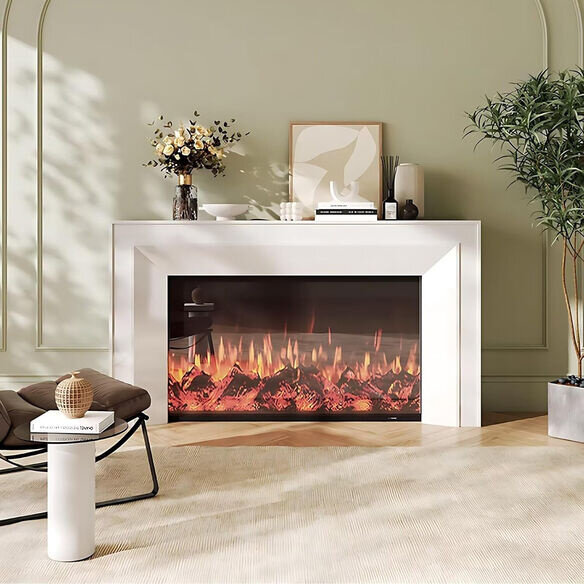
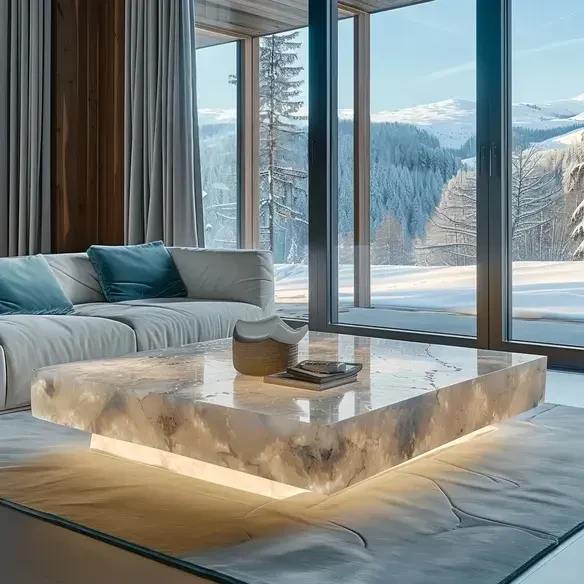
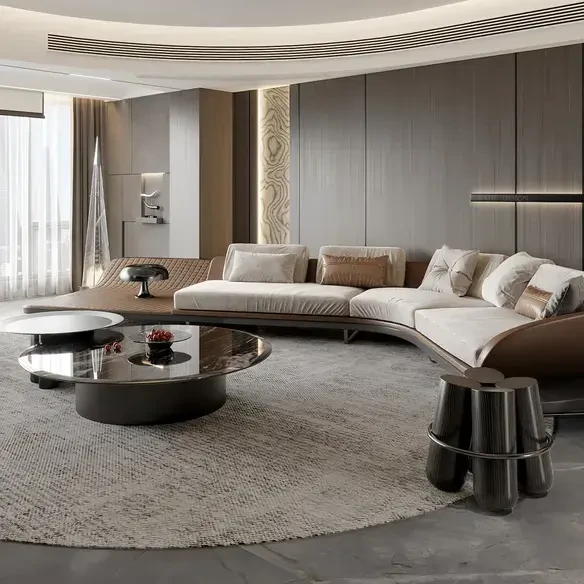
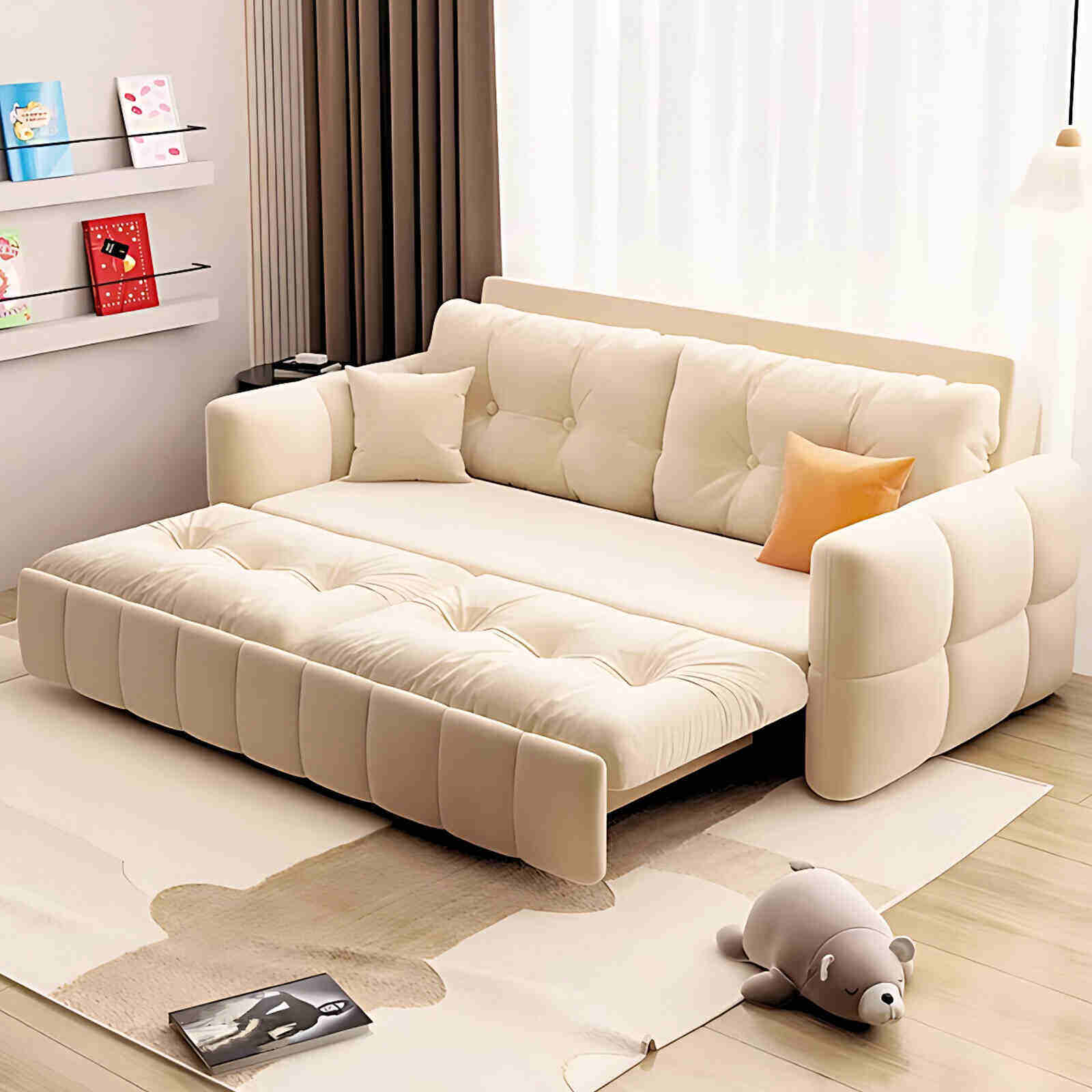
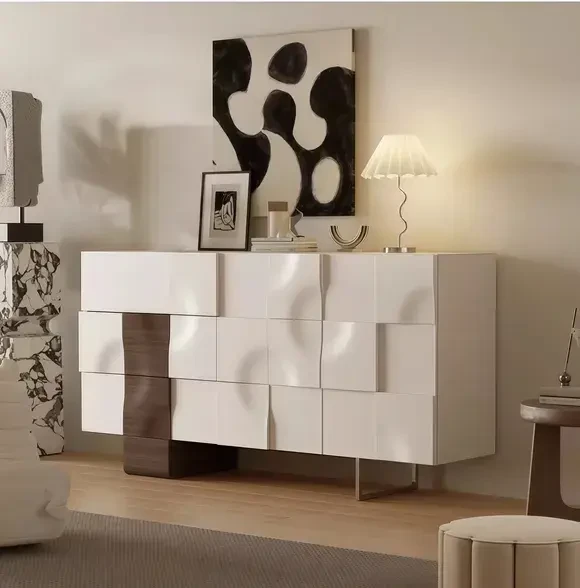
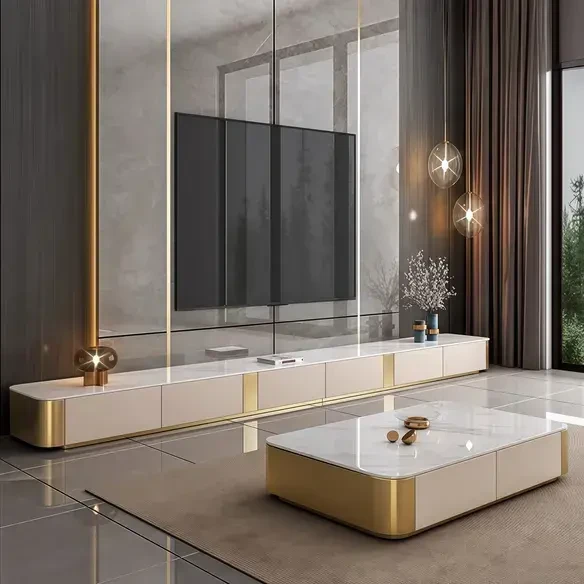
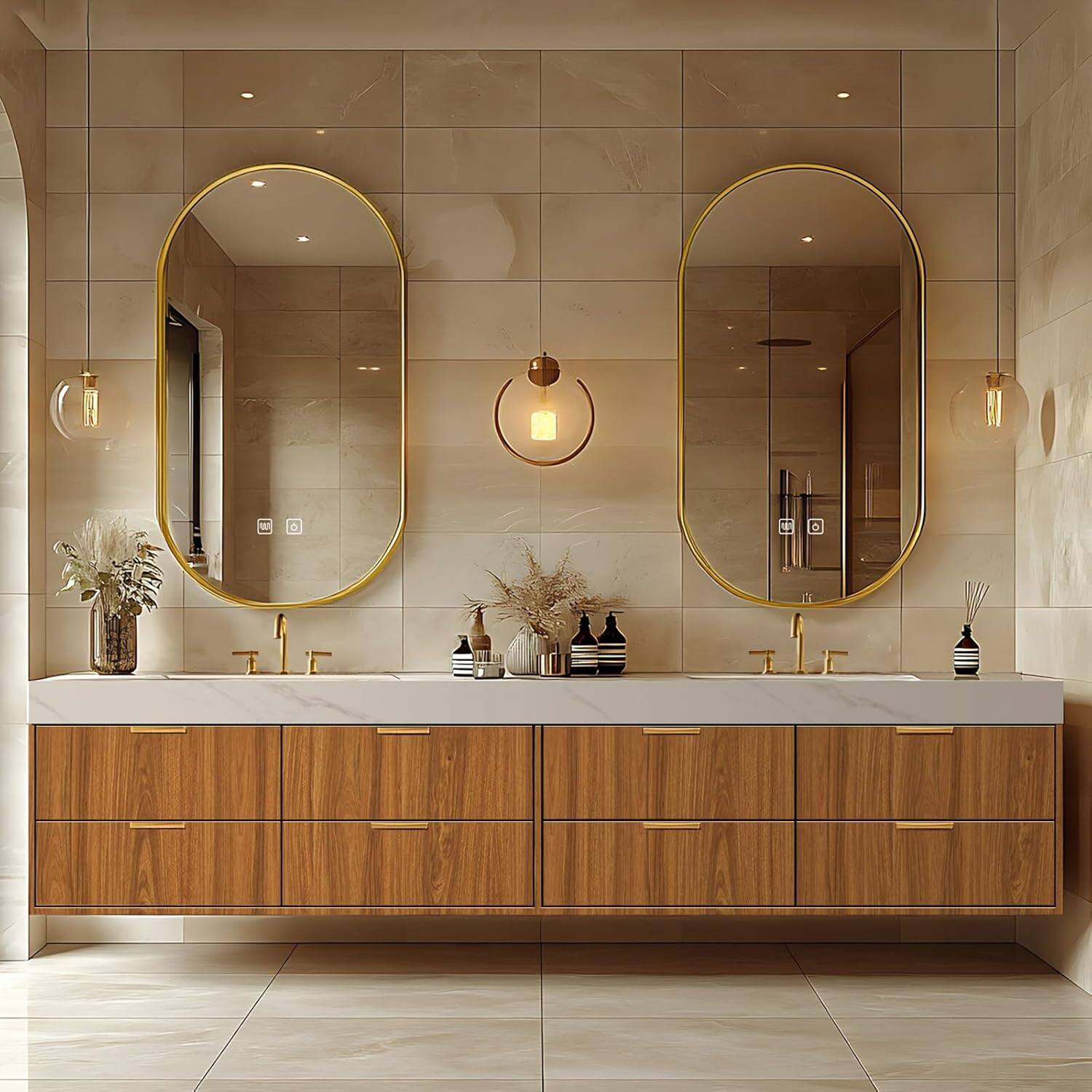
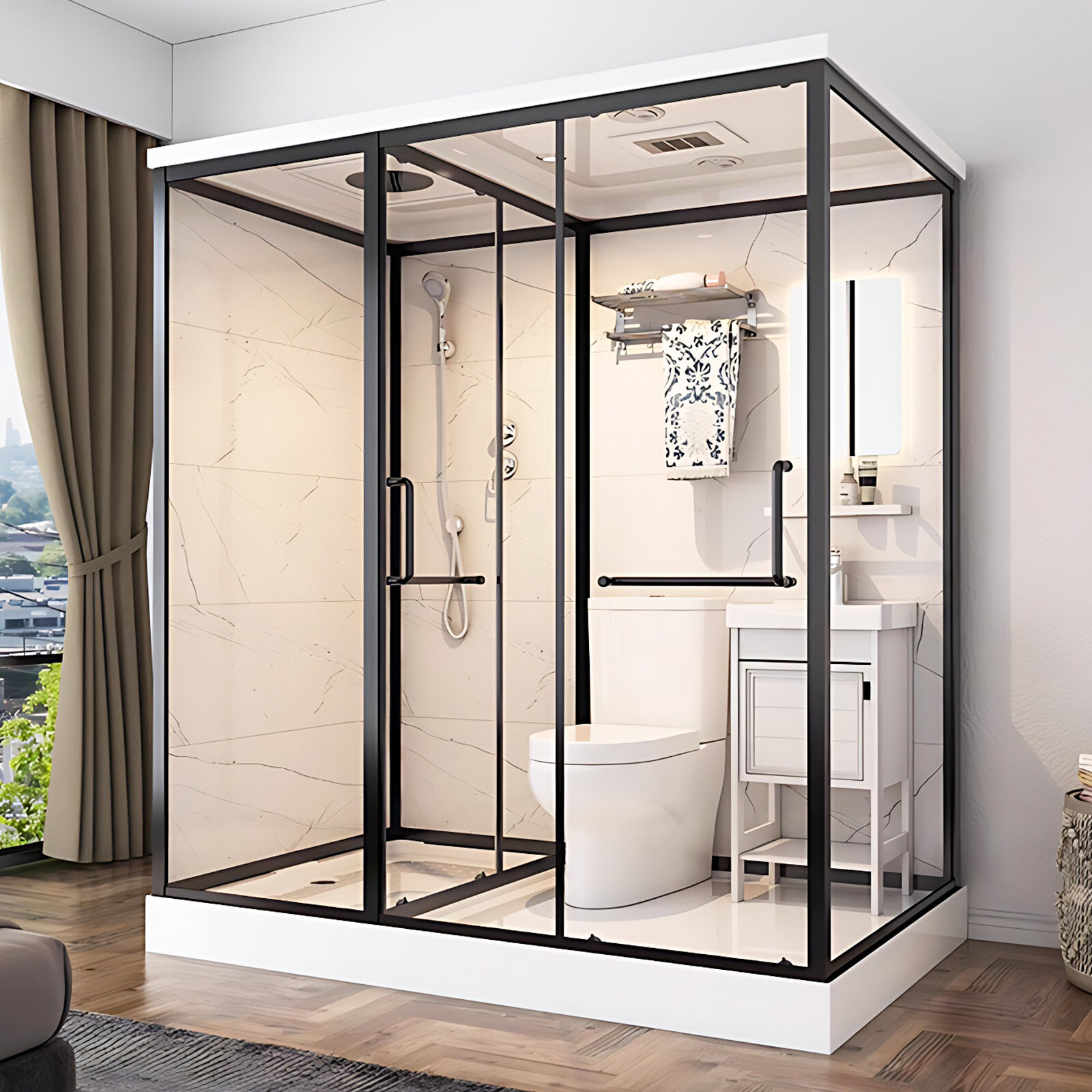
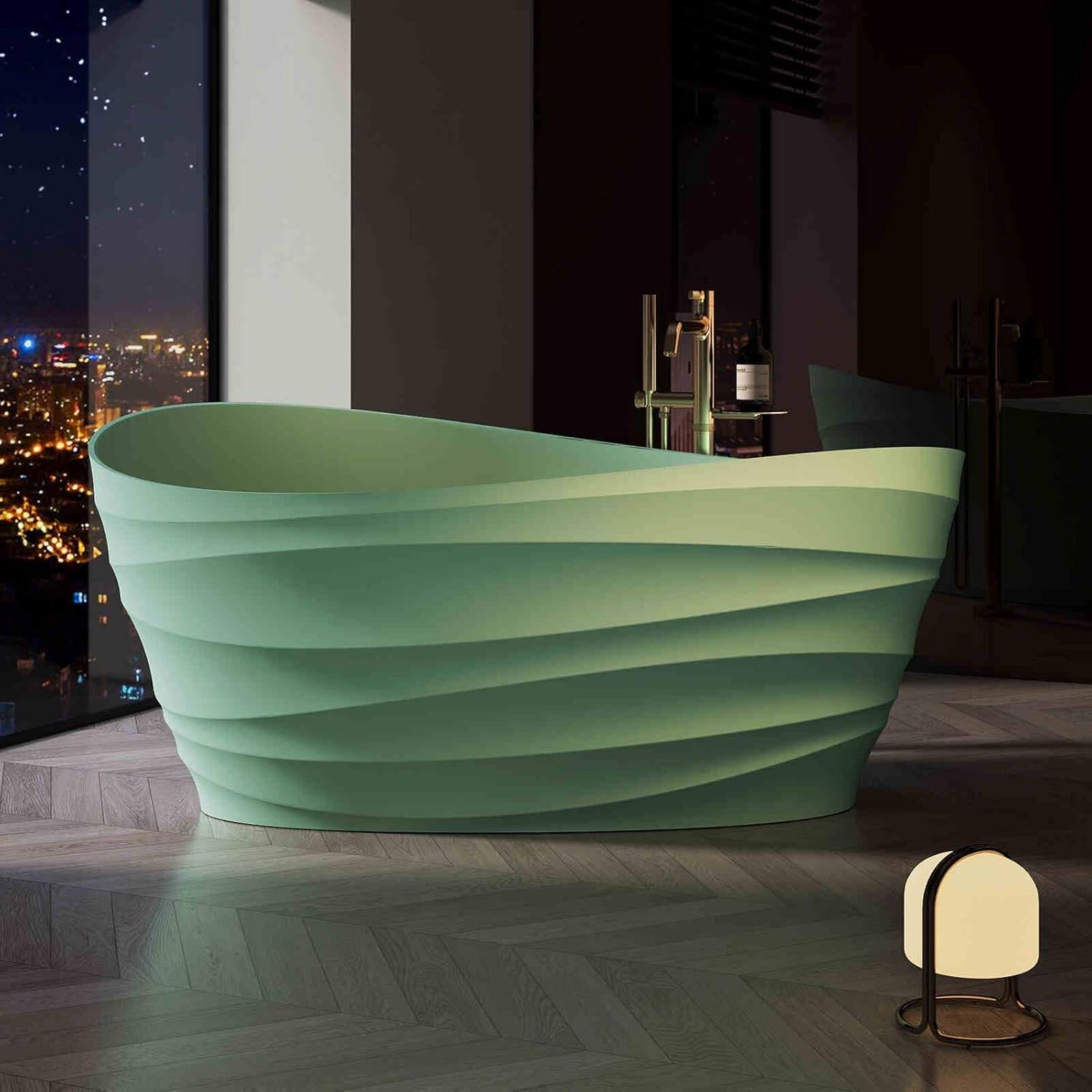
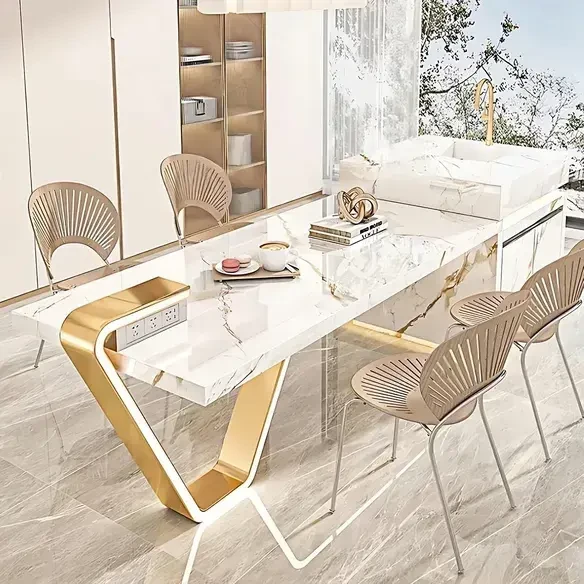
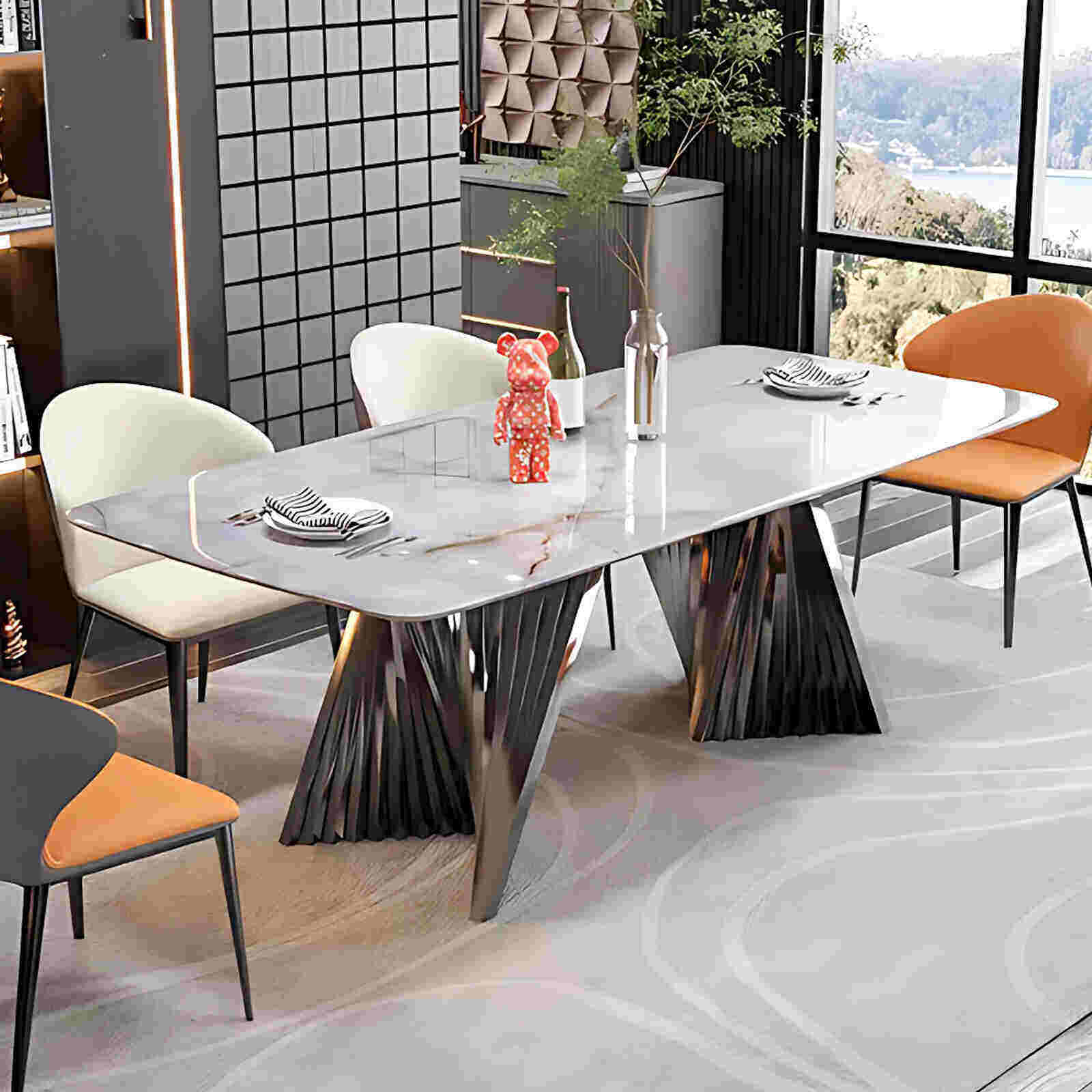
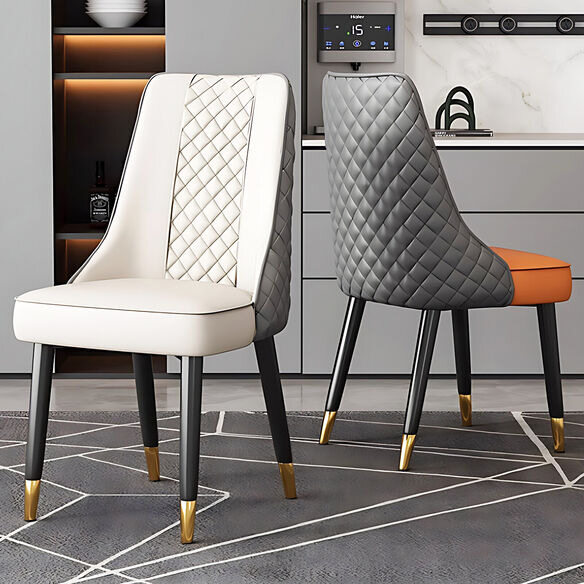
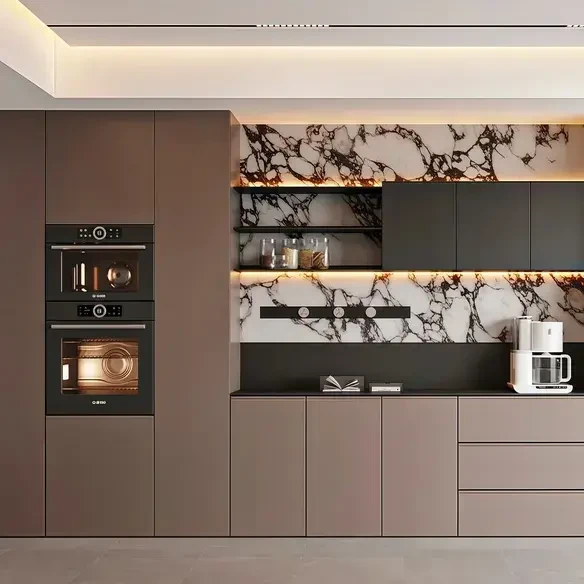
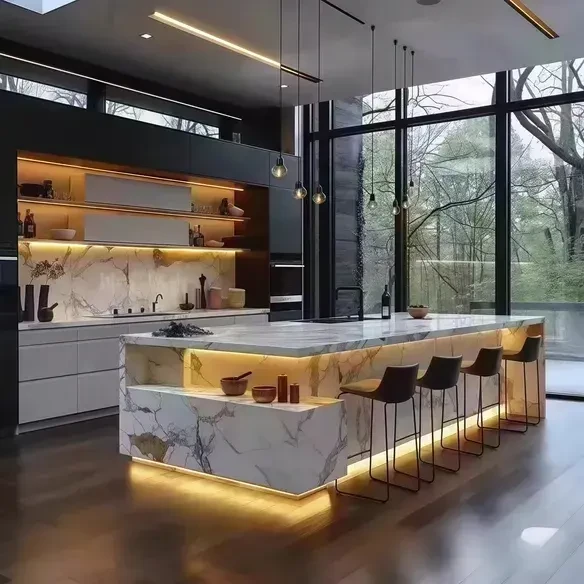
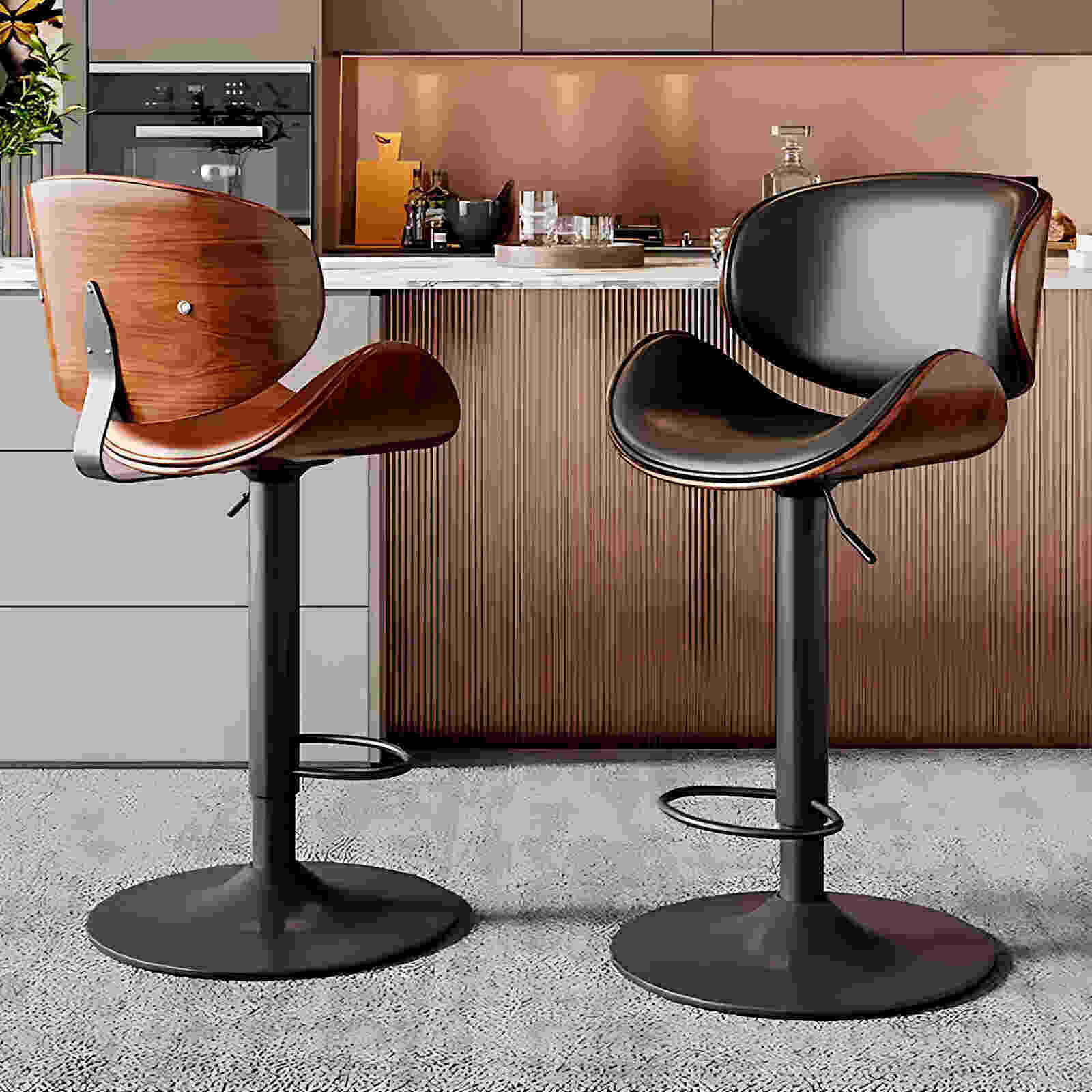
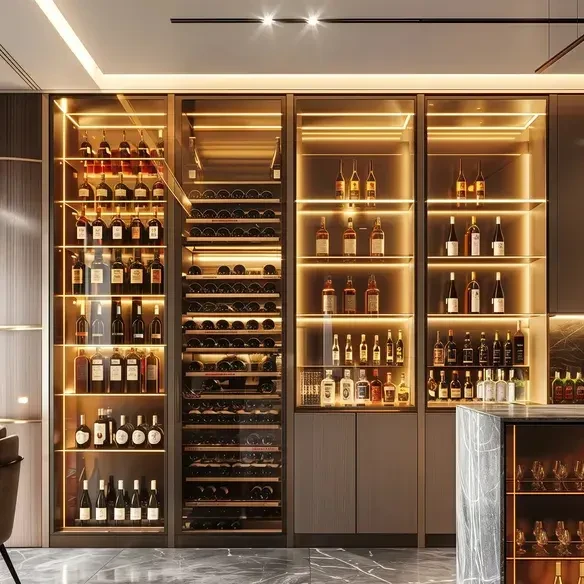
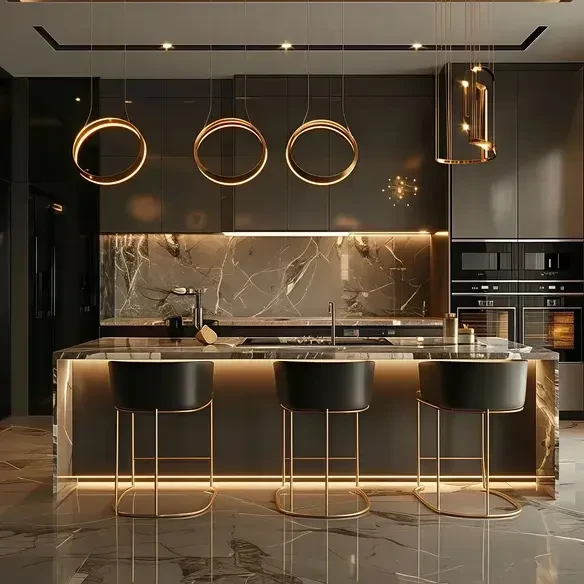
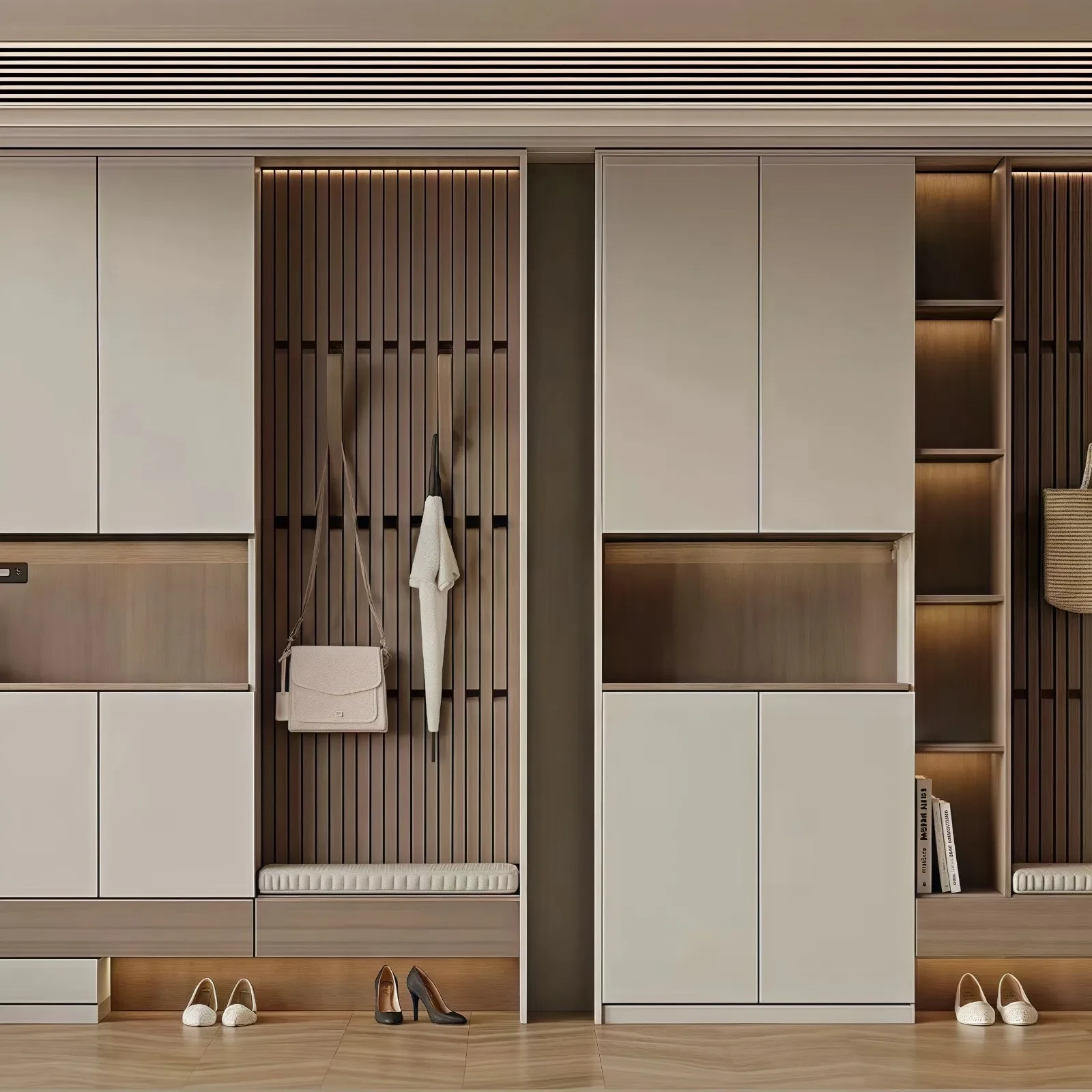
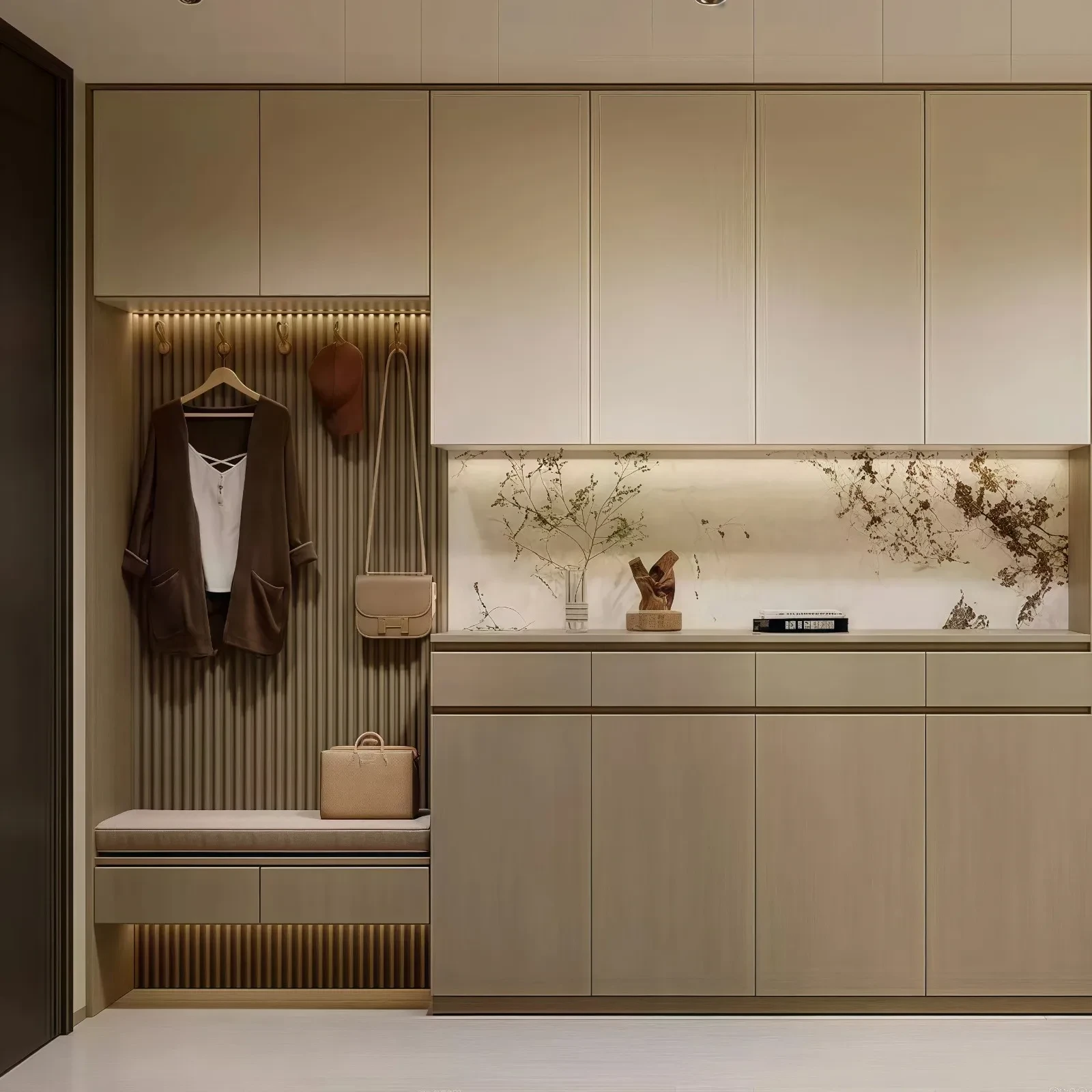
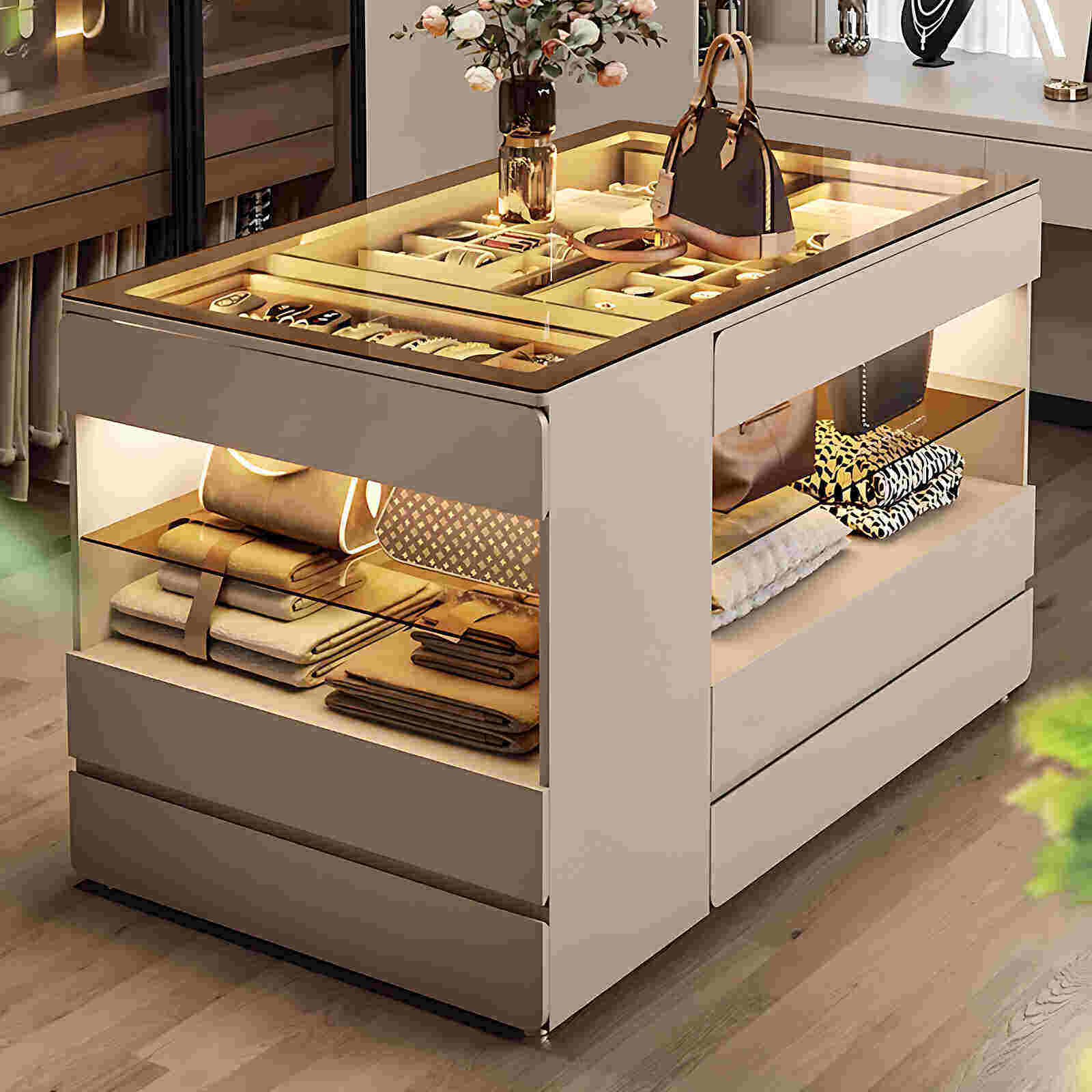
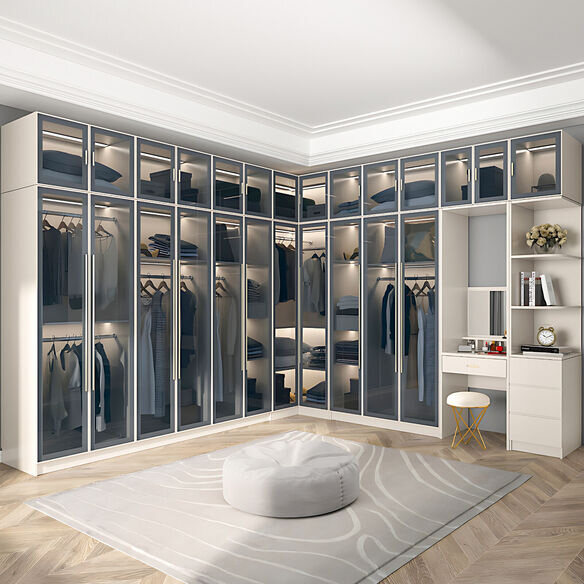
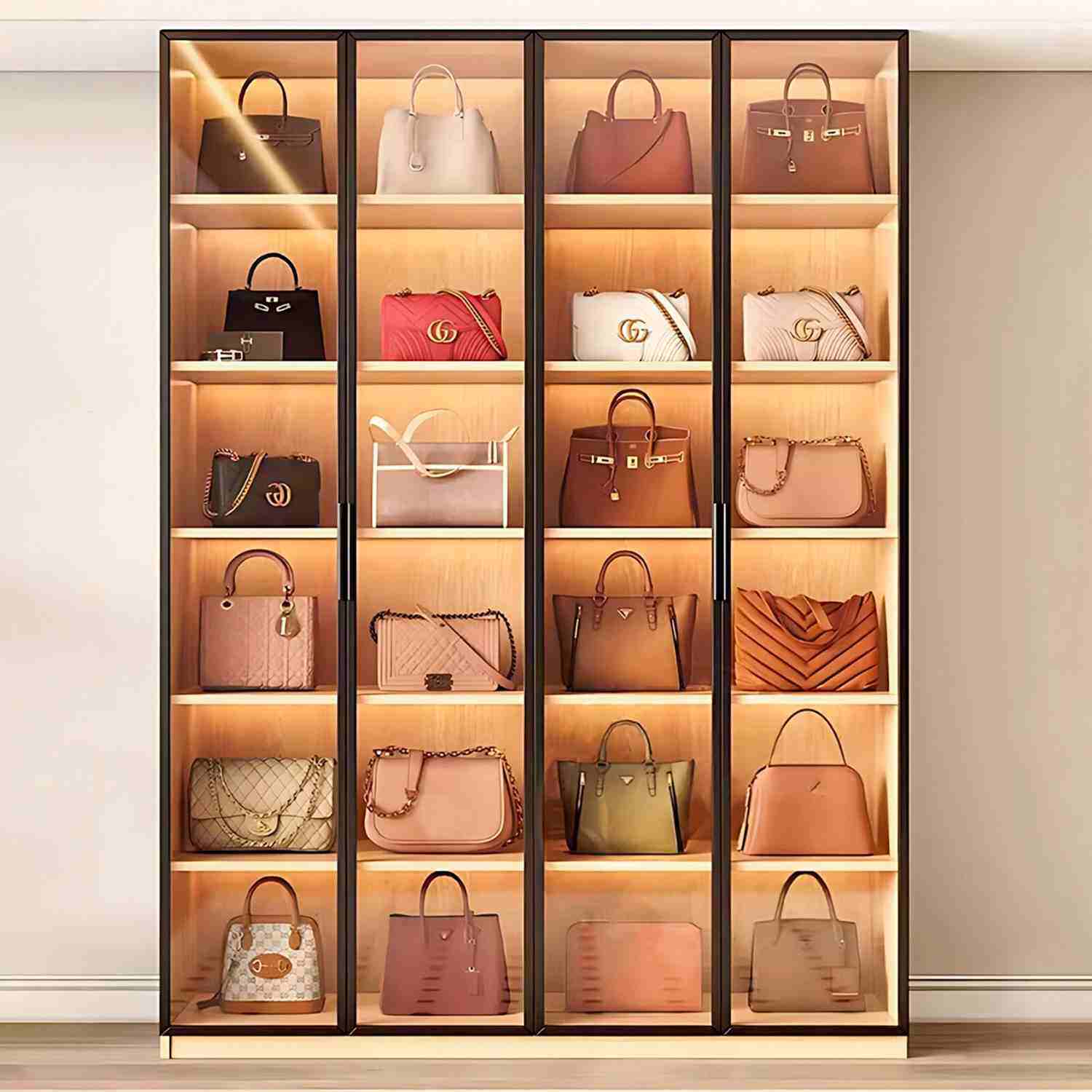

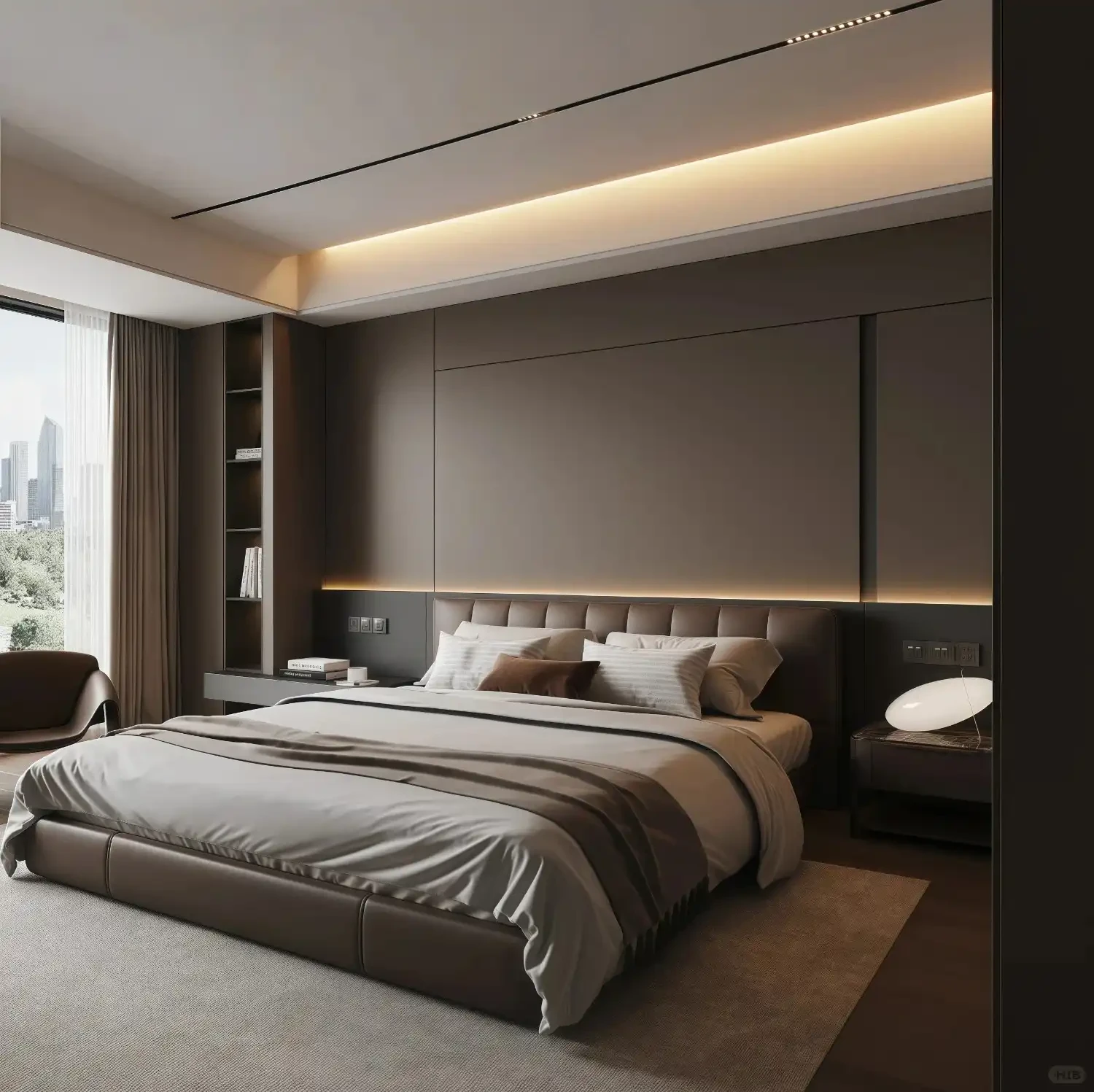
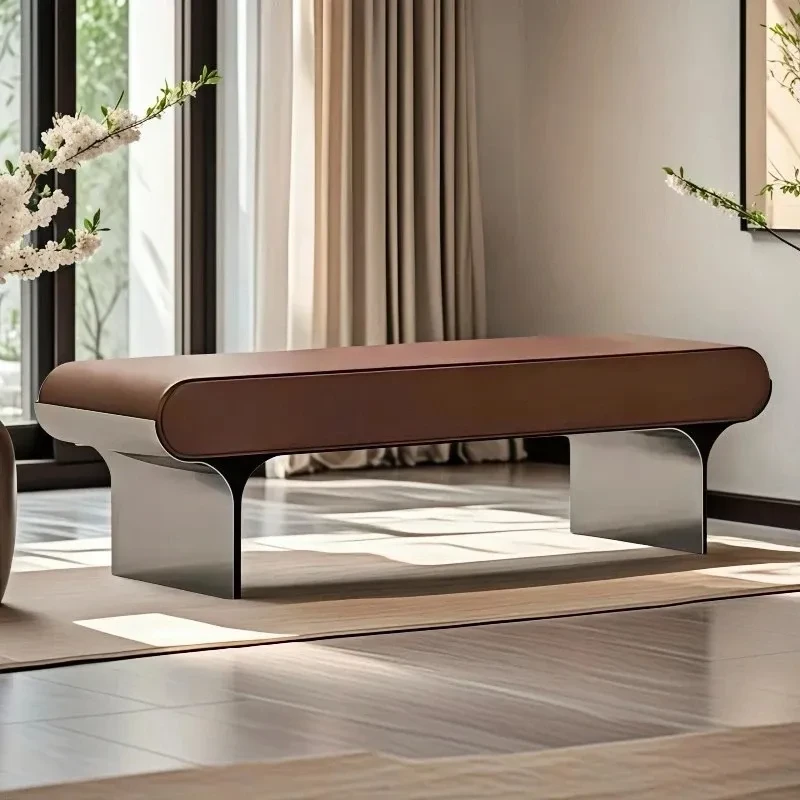
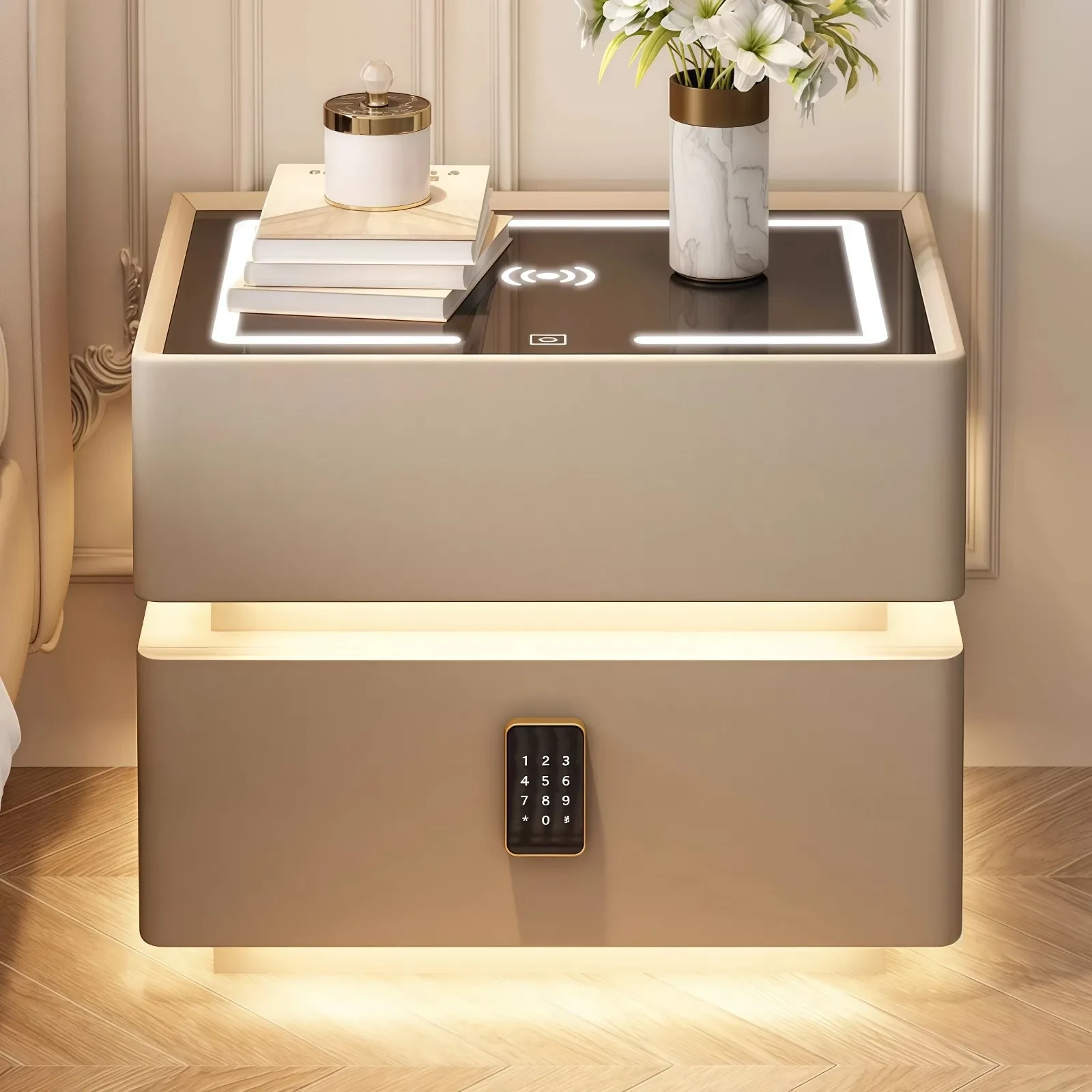
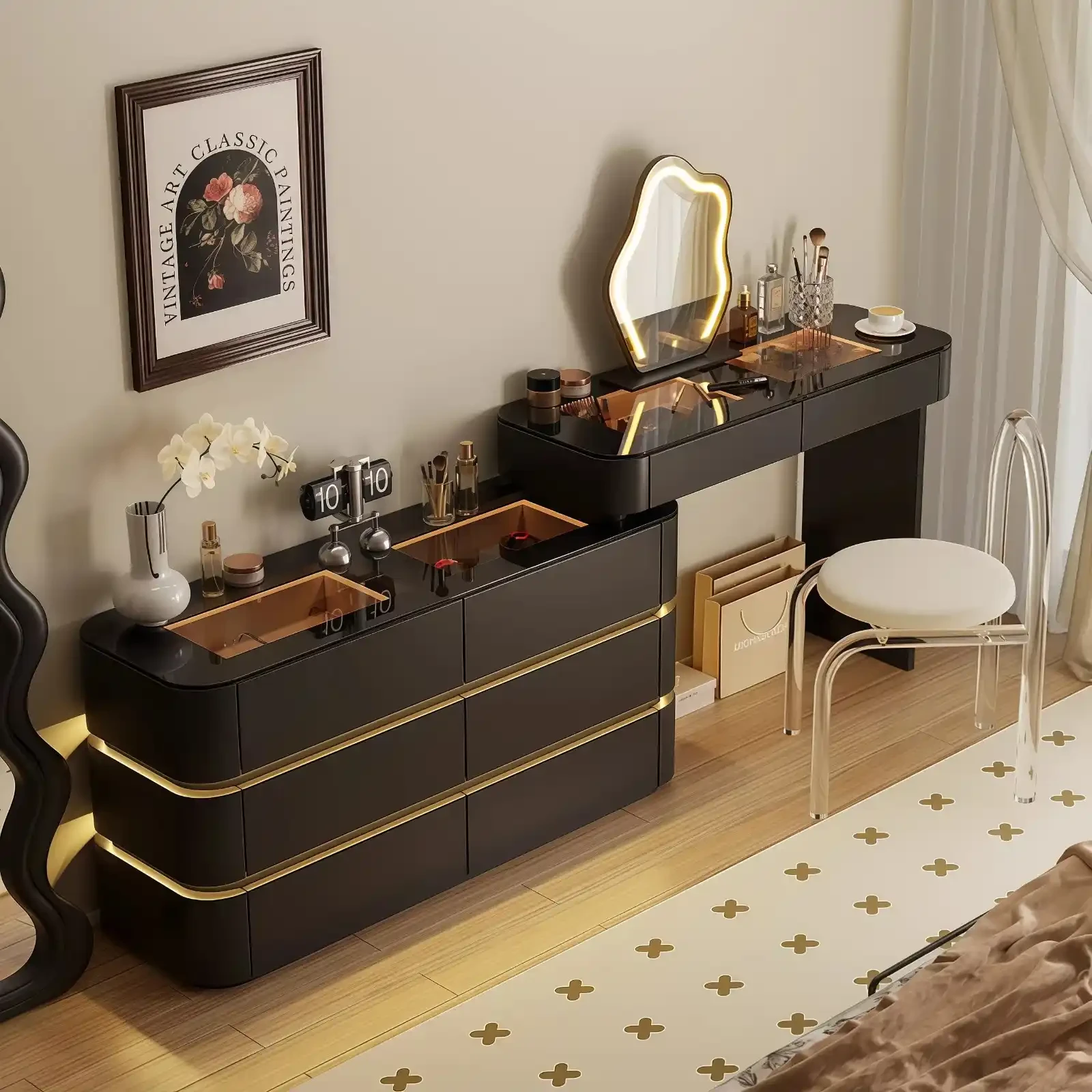
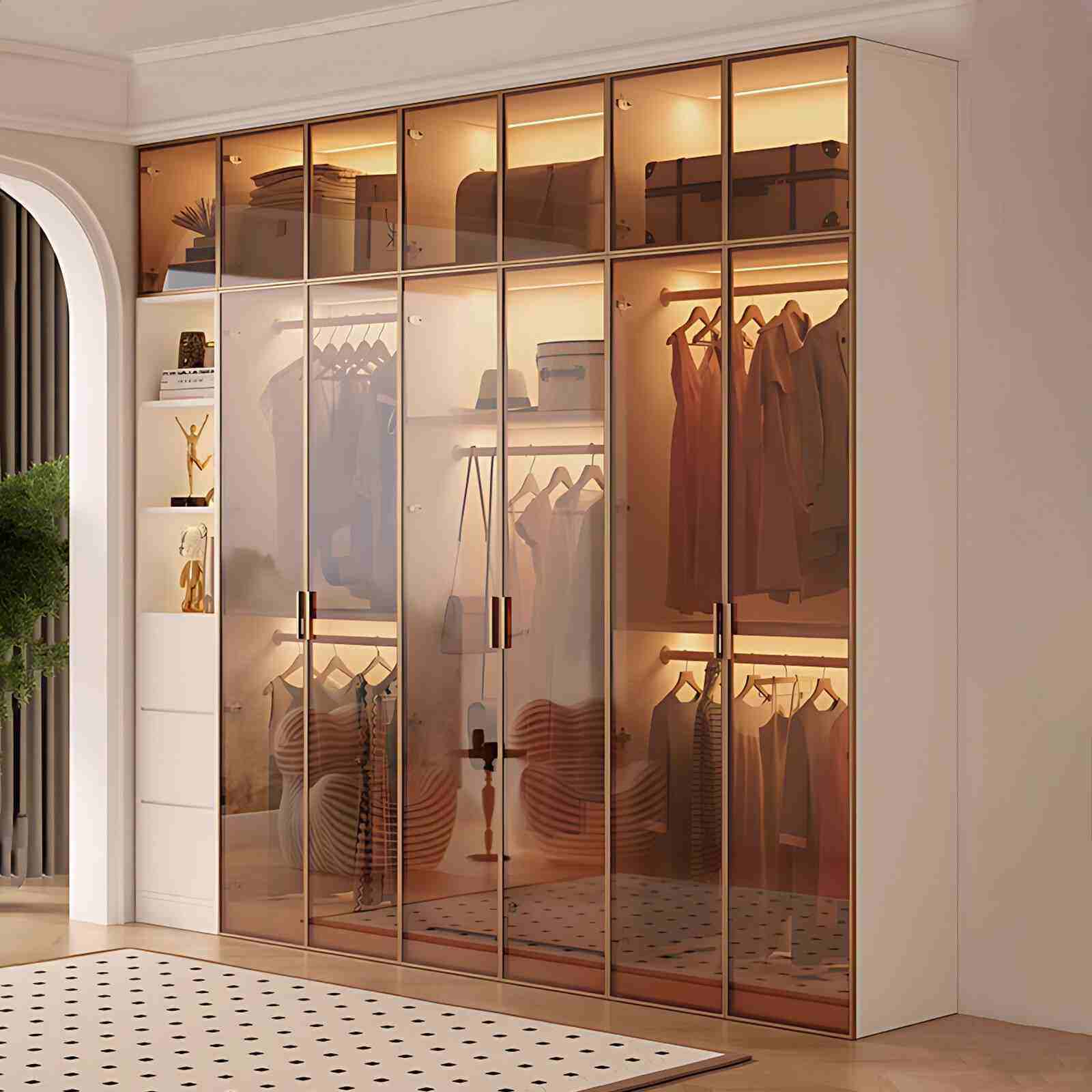
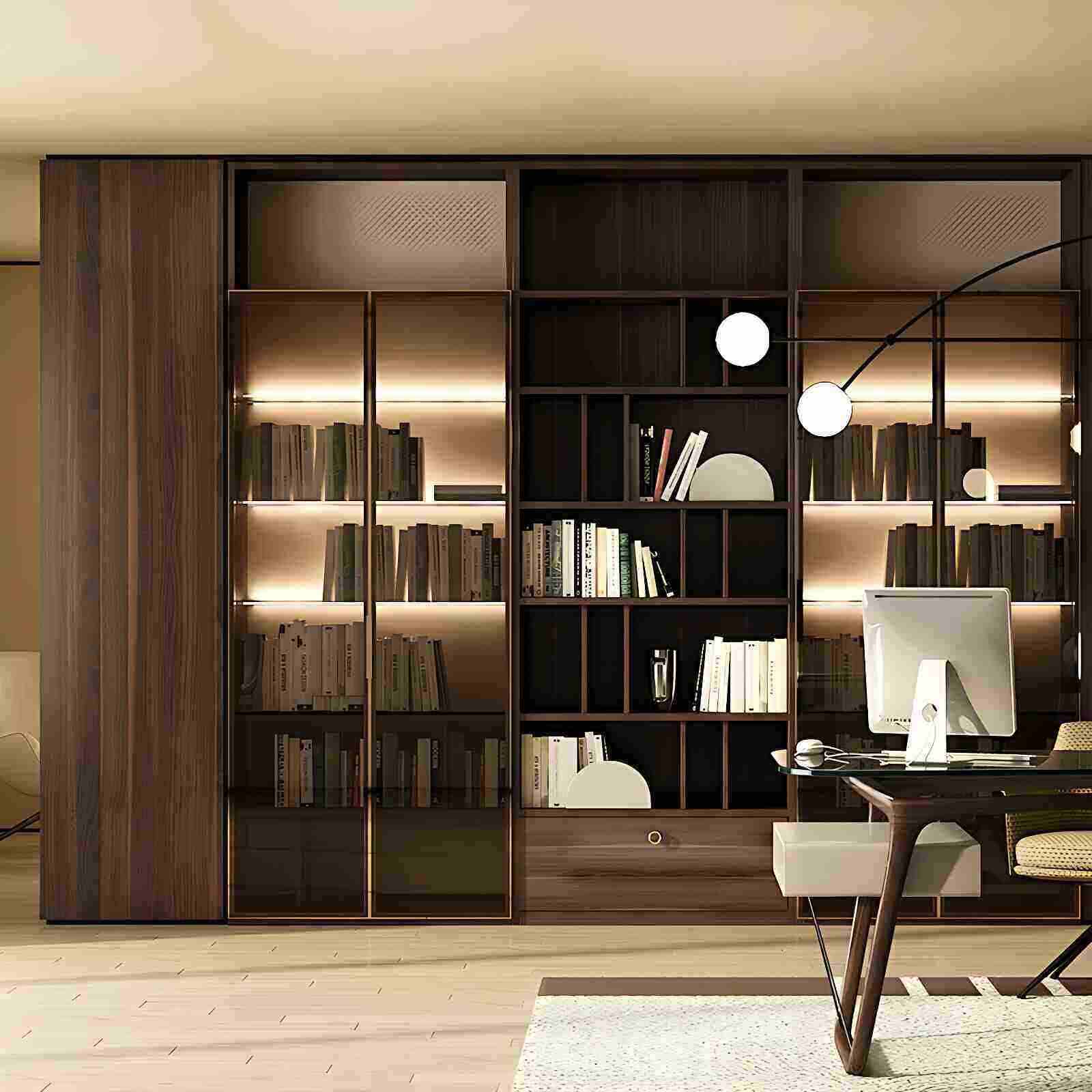
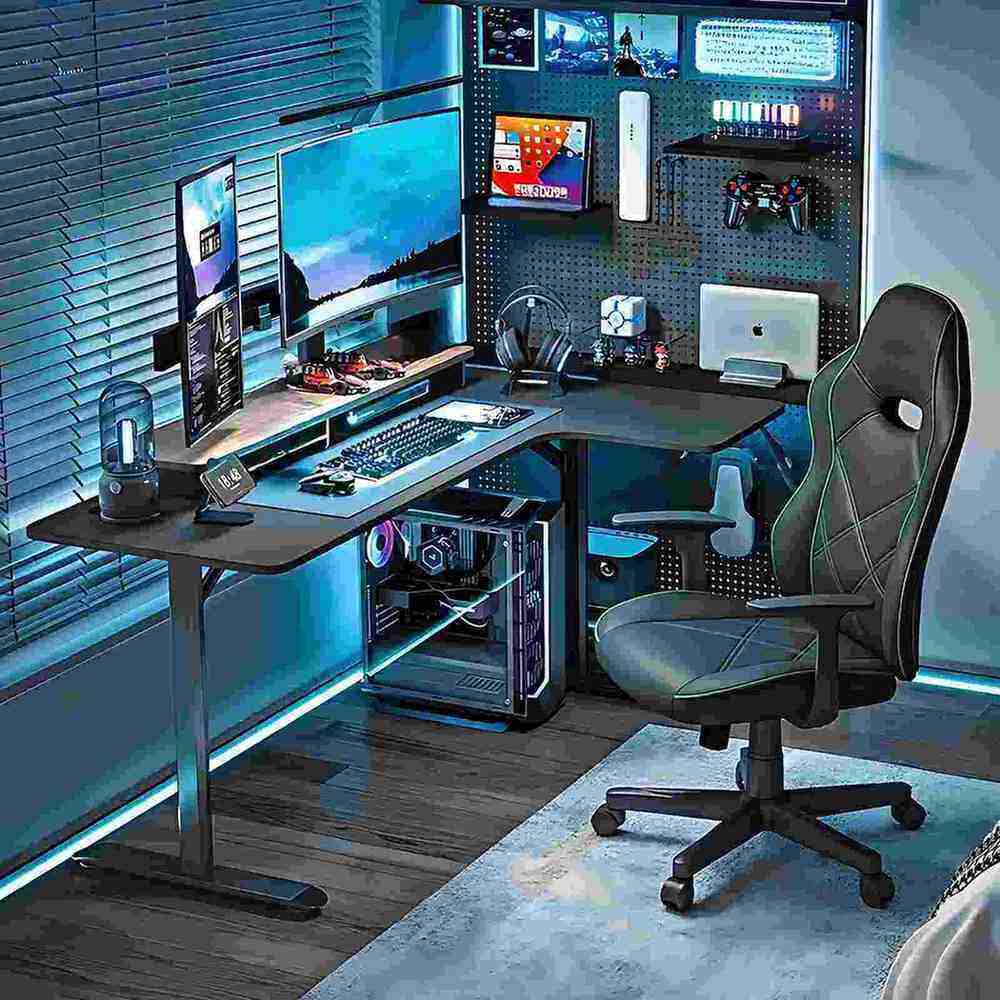
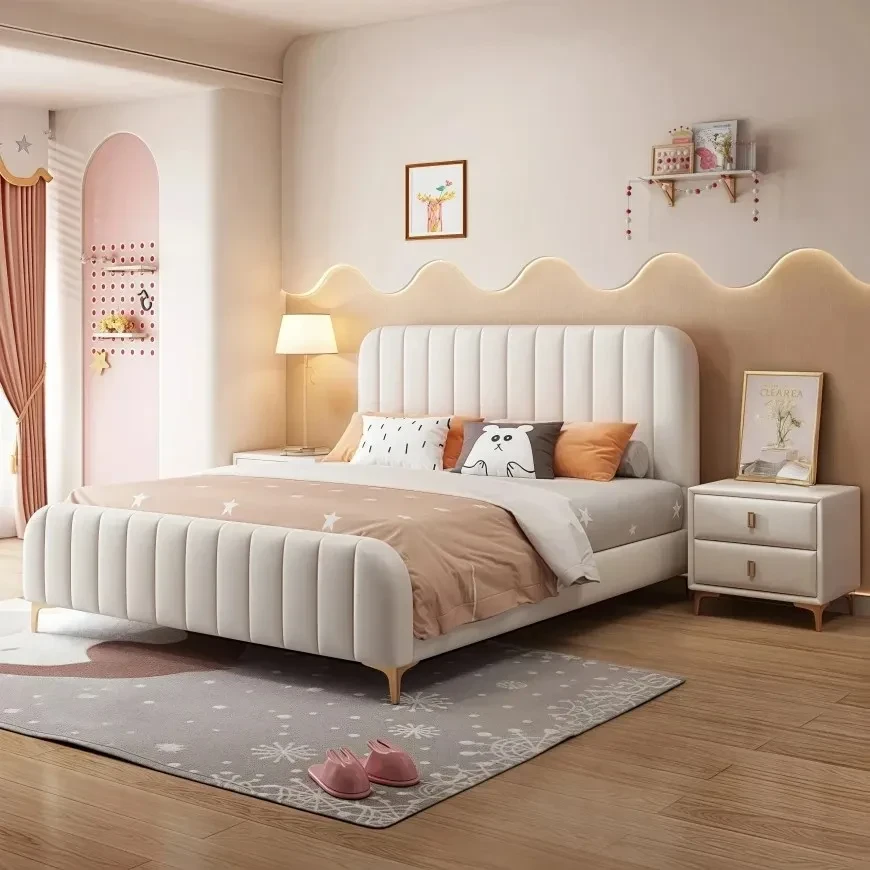
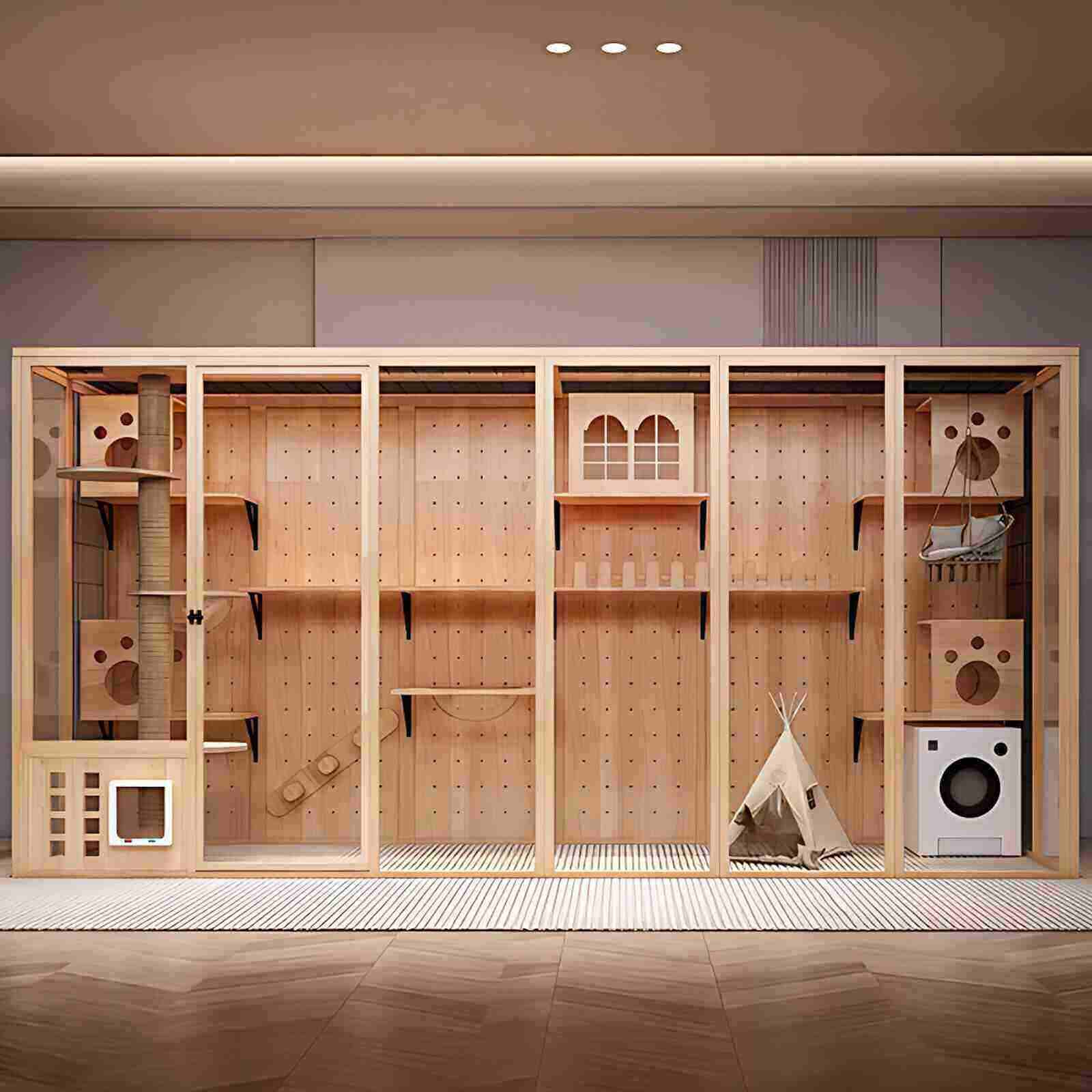
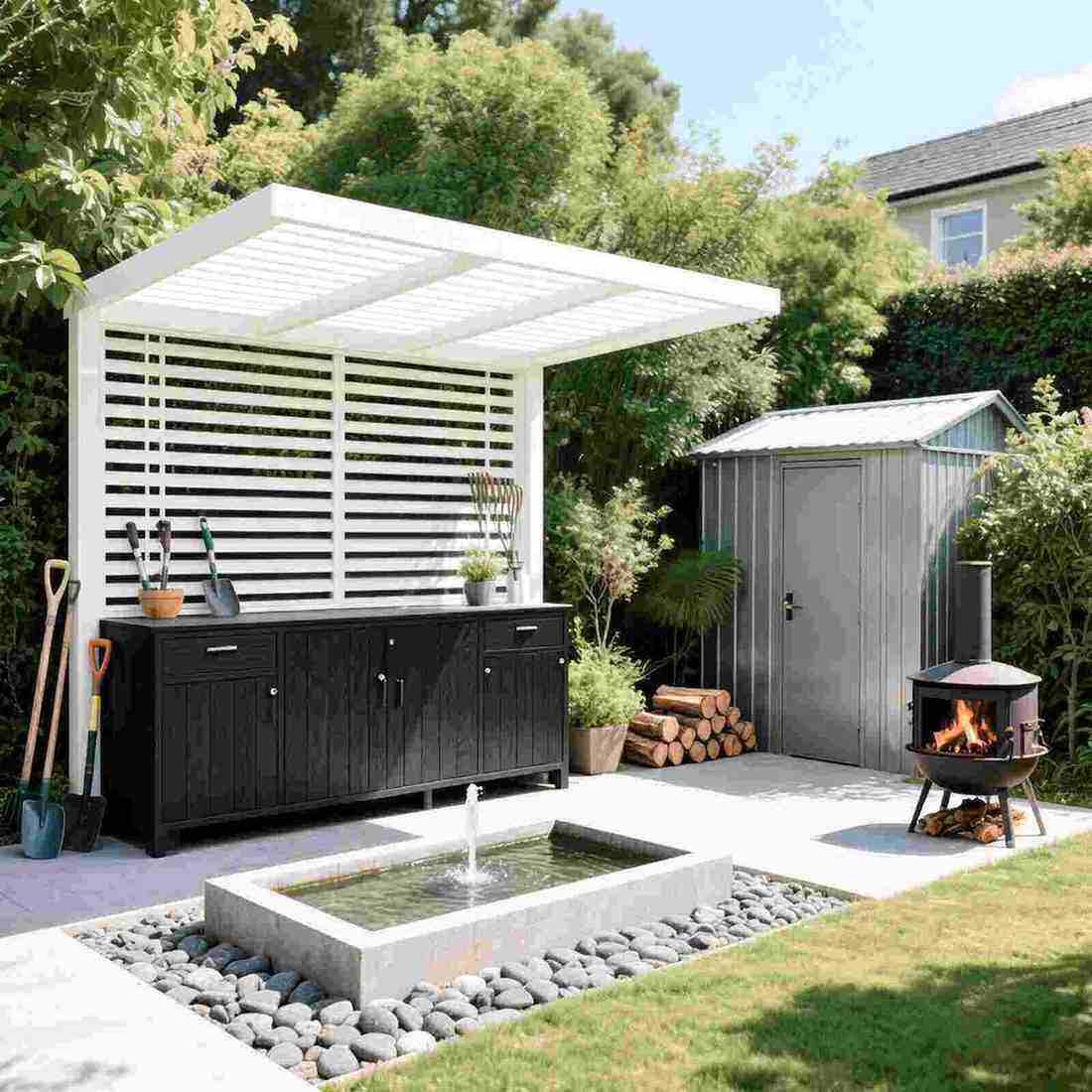
Although particleboard is a very common furniture material on the market and is the mainstream furniture material worldwide, many people seem to think there's a world of difference between it and solid wood! Is that really the case?
Today, let's debate whether it's better to choose solid wood or particleboard for furniture.
For: Choose solid wood furniture
Solid wood is the only choice! Its appearance, feel, and environmental friendliness are all superior to particleboard.
Let's start with the appearance. What makes solid wood furniture so irresistible is its wood grain, color, and luster. Each piece is unique, and these subtle differences can evoke different feelings.
Unlike panel furniture, which always seems to follow a fixed pattern, even if the design is cool, it still looks like a cold, impersonal copy.
Good solid wood works can combine curves, lines and wood grain to create a variety of shapes, which is something that boards and veneers cannot achieve.
Furthermore, solid wood furniture changes in color and texture over time, becoming more and more beautiful, just as it changes and evolves in sync with your life.
Secondly, there's the tactile experience. After handling a lot of relatively inexpensive products like particleboard and plastic, you might think that furniture is just so-so. But as soon as you touch solid wood furniture, the warm and delicate feel of the natural material will immediately trigger your senses.
Furniture is inherently inseparable from people's daily lives, and they are mutually responsive to each other. Solid wood furniture is definitely a truly valuable experiential furniture!
Finally, there's the issue of environmental friendliness. Although wood-based panels are not a new material, their base material, "artificial boards," inevitably raises concerns about whether formaldehyde emissions exceed the standards.
Even if the base material used meets environmental standards, the adhesives used in the processing can still cause the formaldehyde release of the finished product to exceed the standard.
Moreover, if you ask around in the market, you'll find a plethora of terms and phrases used by various merchants, all of which are just tricks designed to conceal the raw materials and processing techniques of the boards and confuse the public.
As ordinary consumers, how can we possibly distinguish between these things?
Opposing view: Furniture should be made from engineered wood panels.
No way! No way! No way! In the 21st century, are there still people who think that wood-based panels are just "wood chips glued together" and that they are necessarily less environmentally friendly than solid wood?
Go and visit the Milan Furniture Fair, the Paris Furniture Fair, and the Cologne Furniture Fair to learn about the world's top brands. They find that the proportion of panel furniture far exceeds that of solid wood furniture. Does this mean that these brands don't care about consumers?
Good particleboard furniture, due to the high requirements of its processing technology, is not necessarily cheaper than solid wood furniture.
For example, the published enterprise standard Q/TBB 0029-2018 has environmental protection standards that are far higher than national standards, with formaldehyde emission ≤0.062mg/m³.
In the functional board sector, the company has also launched: formaldehyde-removing and antibacterial ecological boards, plant-based adhesive boards, negative ion boards, and formaldehyde-free and insect-proof series boards. As early as 2009, the company concentrated its research efforts on developing formaldehyde-removing and antibacterial products. After ten years of dedicated research, it has obtained ten national invention patents, including "Inorganic Nano-Silver Anti-mildew and Antibacterial Decorative Panels and Their Manufacturing Methods," "A Formaldehyde-Purifying Board and Its Preparation Method," and "A Formaldehyde-Purifying and Antibacterial Ecological Board and Its Preparation Method." In 2020, based on years of technological accumulation and production process upgrades, the company launched a groundbreaking formaldehyde-removing and antibacterial ecological board with a brand-new "double protective shield" function for customized home furnishing boards.
Secondly, the durability of wood panels makes them more adaptable to modern life than solid wood.
Think of the plates you just took out of the steamer or oven, the pots you just moved off the gas stove-only sheet metal can fit them seamlessly together.
However, delicate solid wood furniture might get dented the moment you carelessly put down a cup.
The boards greatly improve the physical properties of wood, making it more suitable for large-scale production in terms of stability and consistency.
Compared to solid wood, which has been plagued by cracking and warping issues for thousands of years, it also requires careful handling and maintenance.
Third, and most practically for ordinary people like us, the emergence of wood panels has expanded the scope of furniture design.
The furniture designs are generally quite traditional and conventional, while the boards can be made into various shapes and colors depending on the process. These two features are simply amazing for interior design!