
 USD
USD GBP
GBP
 EUR
EUR




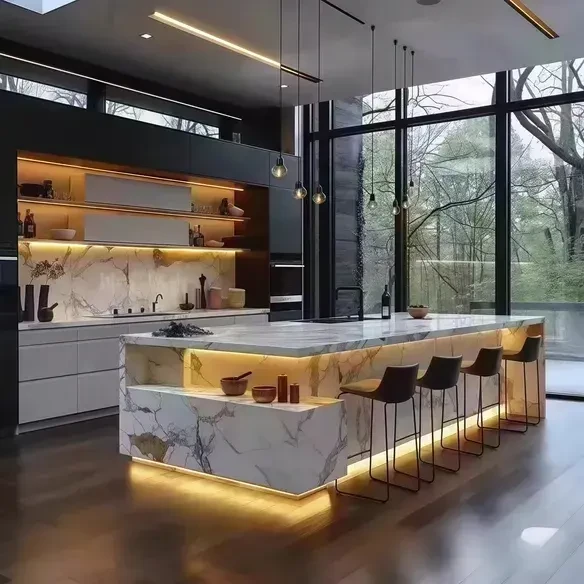
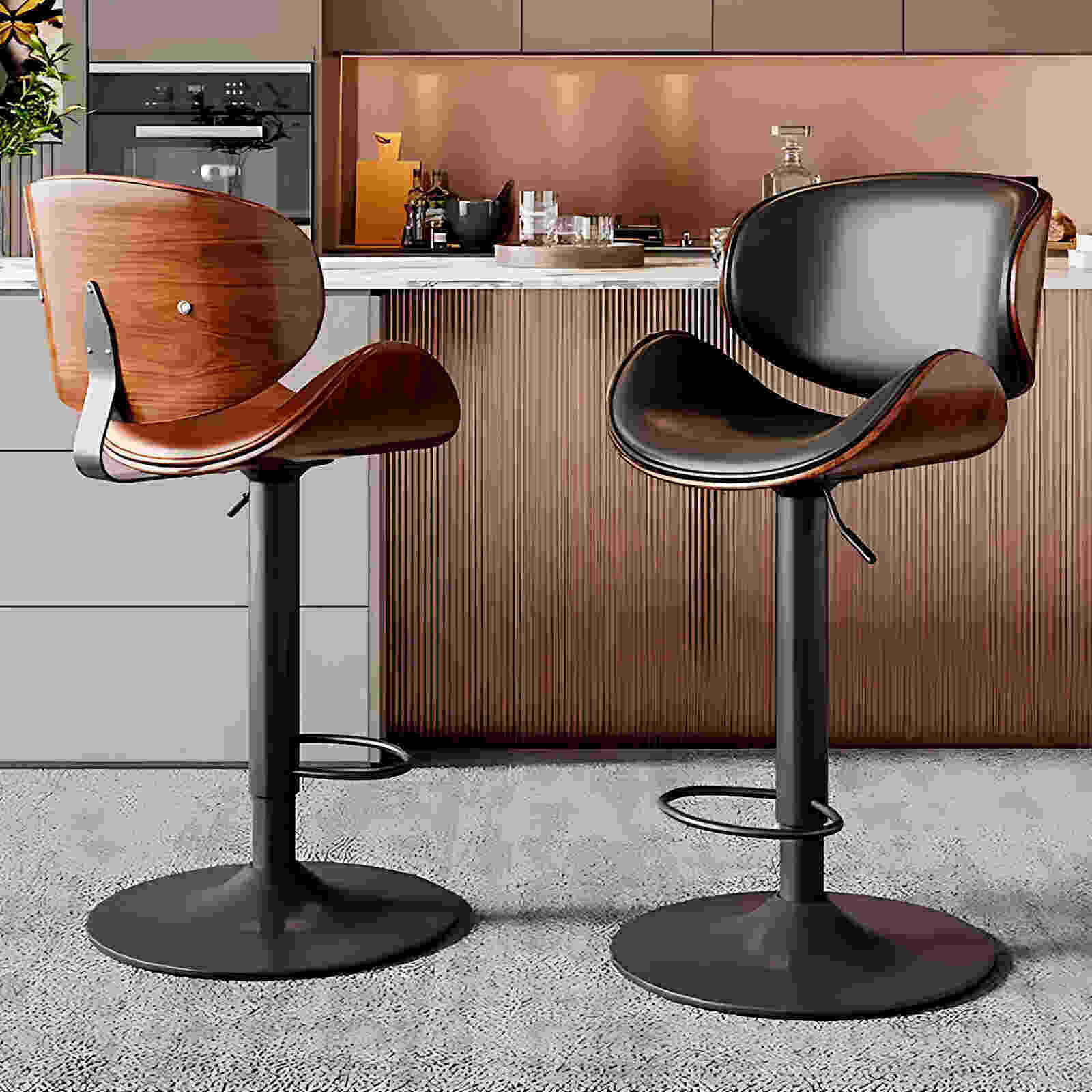
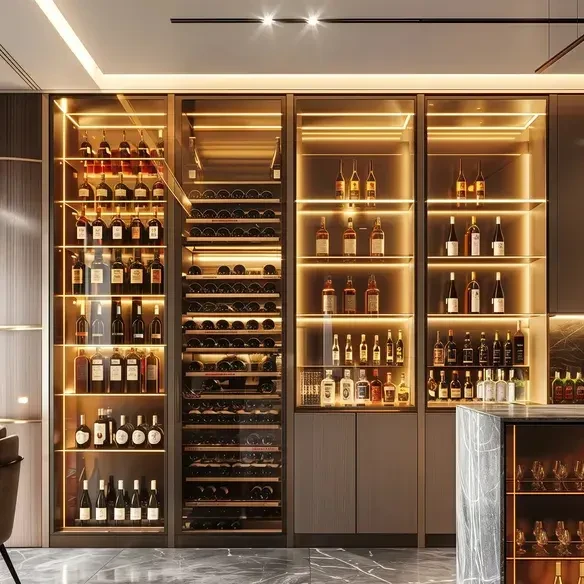


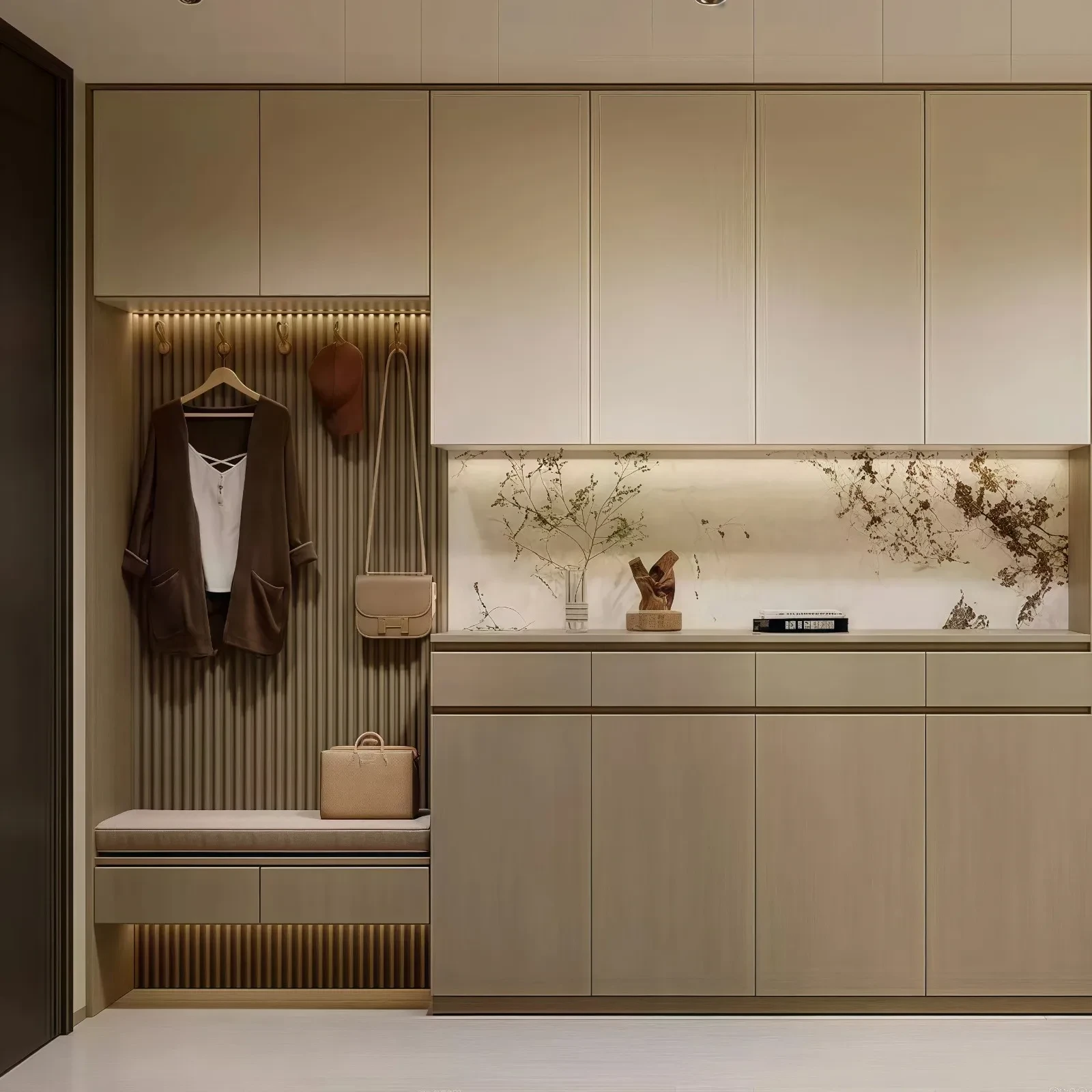



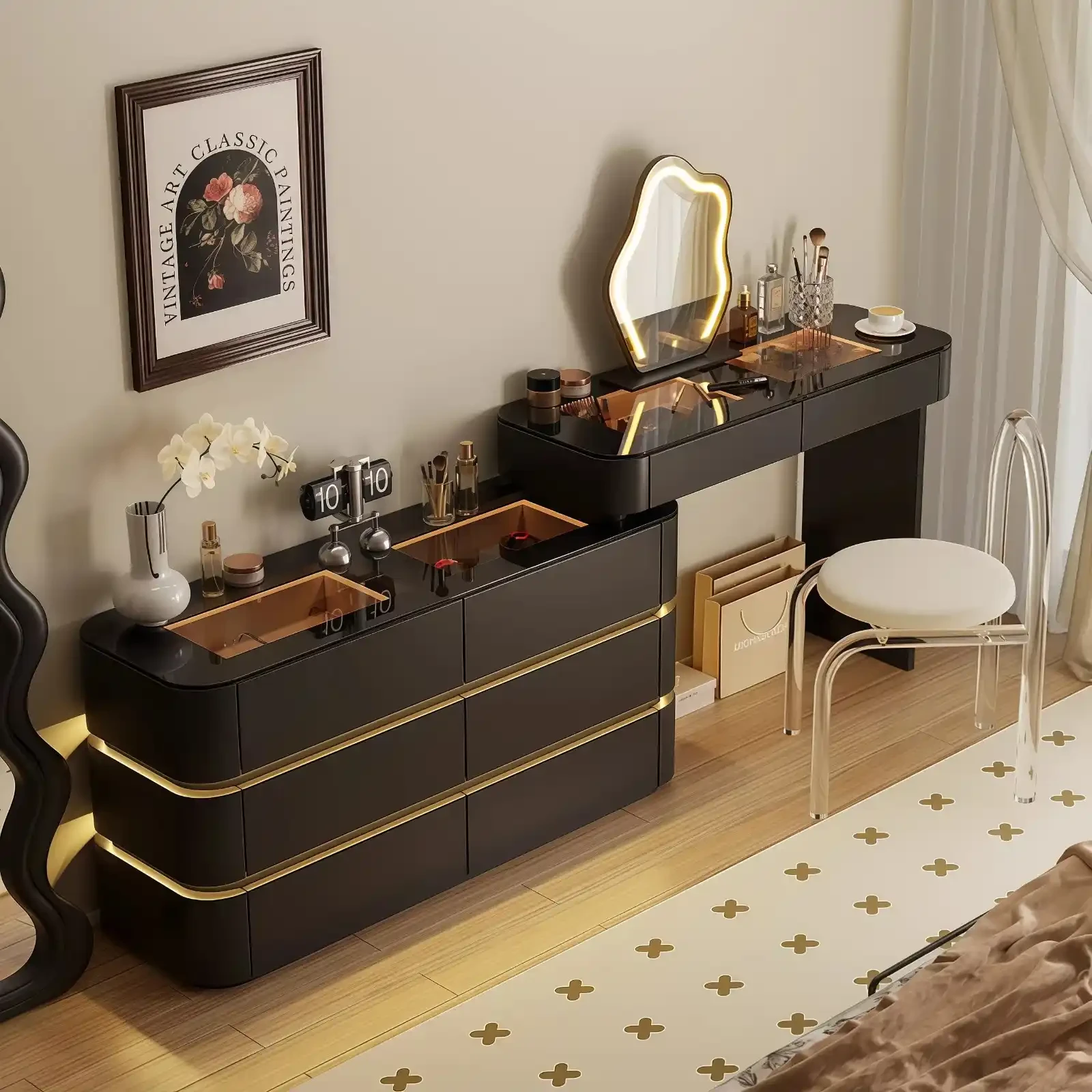
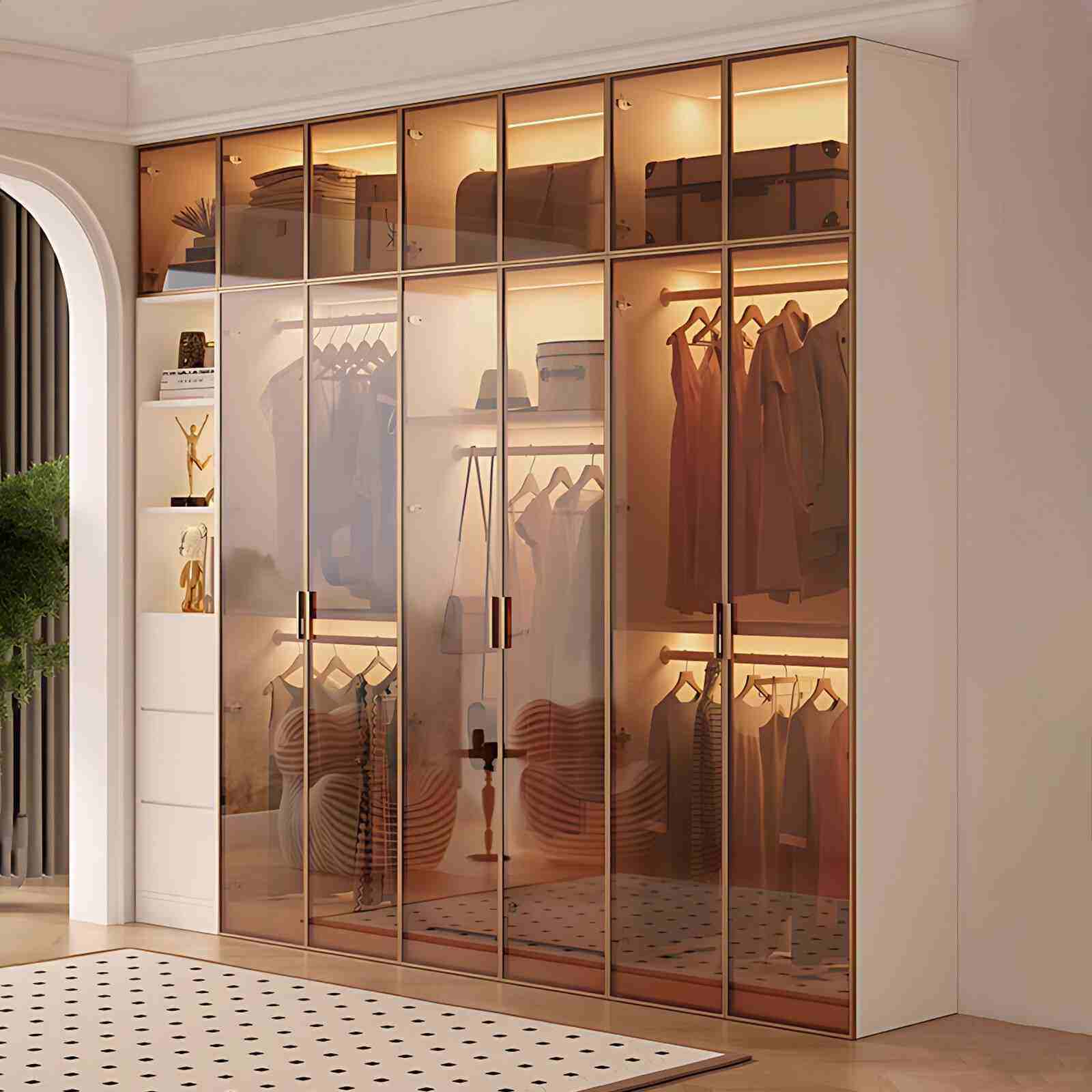
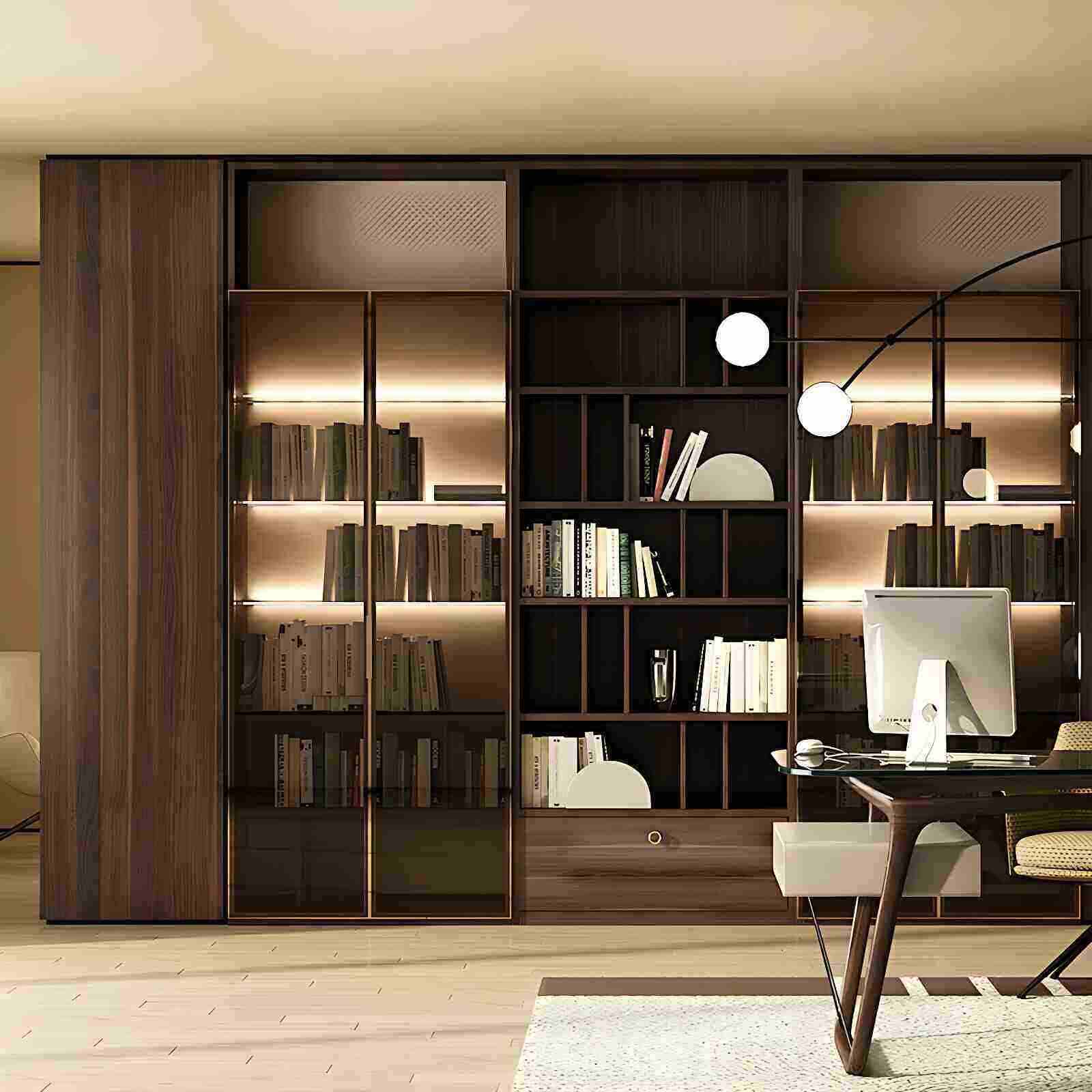

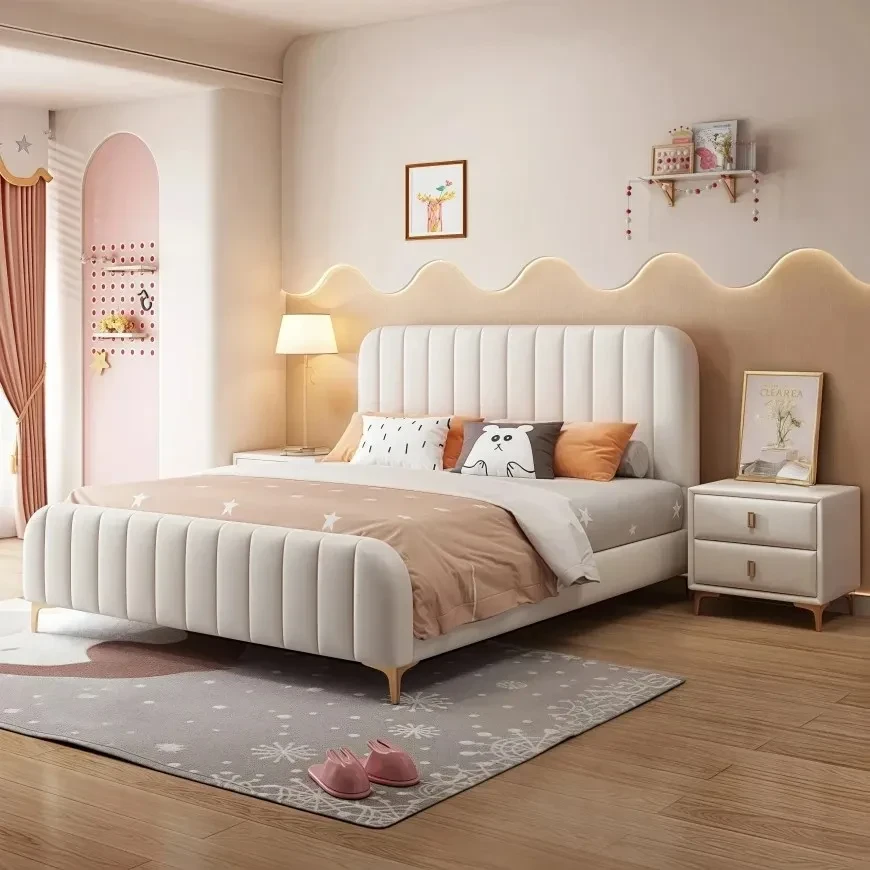
There is an extremely complex relationship between wood panels, environmental protection, and health.
Many people who have gone through home renovation or have seen news reports about formaldehyde pollution may have this question: the raw material of the boards is clearly wood, so how can it release formaldehyde?
Is glue the only factor that releases formaldehyde?
Besides wood, adhesives are also essential raw materials for wood-based panels. Some types of panels also require the application of veneer and edge banding. Wood itself contains trace amounts of formaldehyde, and even the air we breathe, the beer we drink, and the apples we eat contain a certain amount of formaldehyde, although the release is very limited and can be basically ignored.
Therefore, while adhesives are not the only factor contributing to formaldehyde release from wood-based panels, they are still a major one. Currently, most wood-based panels on the market use urea-formaldehyde resin, which is produced by reacting formaldehyde and urea in a specific molar ratio. As the name suggests, this type of adhesive contains formaldehyde, but its widespread use is primarily due to three advantages:
1. After curing, it becomes nearly transparent;
2. Fast curing speed and high bonding strength;
3. The price is cheap!
However, the use of urea-formaldehyde resin in boards does not necessarily mean they are bad. As long as the amount of urea-formaldehyde resin used is controlled during processing, the boards can still meet the national standard E1 grade, or even the higher enterprise standard E0 grade.
Is wood-based panel production really detrimental to forest conservation?
People crave a healthy, pollution-free environment, and forests perfectly fulfill this function. However, while protecting the environment, we must acknowledge that logging for timber in housing construction and interior decoration is irreplaceable. Therefore, on the surface, forest protection and timber production seem contradictory. But in reality, this perception is very one-sided.
Currently, my country is strengthening forest management and establishing a complete forest ecosystem, improving the standardized and rational operation of forestry development, and scientifically planning the timber resources needed by panel manufacturers to ensure the sustainable development of both forest resources and panel production. At the same time, as a resource-dependent industry, panel manufacturers have gradually taken on the responsibility of protecting the natural environment and maintaining natural harmony: actively engaging in public welfare, planting trees, and striving to increase vegetation coverage; and improving timber utilization and reducing waste through technological improvements and product development, which is also a significant manifestation of protecting forest resources.
Can a single board solve two major problems: health and environmental protection?
Our latest product, solid wood veneer OSB eco-board, solves both the health and environmental protection problems at once.
From a health perspective, the core of the solid wood veneer OSB eco-board uses OSB board, whose main raw materials are imported Australian peeled radiata pine and MDI environmentally friendly glue. MDI glue, as a new type of technological material, adds zero formaldehyde during the board manufacturing process, enabling the core of the solid wood veneer OSB eco-board to achieve an environmental protection level that surpasses even the E0 standard-a formaldehyde-free standard. Furthermore, the raw wood undergoes a peeling process to remove bark and other easily perishable impurities, effectively eliminating the problem of pungent odors after processing into boards; and radiata pine naturally possesses a faint pine scent, adding a touch of elegance to the home environment.
From an environmental perspective, OSB board, also known as oriented strand board, is produced by shaving logs and then laying them in a cross-shaped pattern. Compared to the common eco-friendly boards on the market that use plywood cores, the extra-large wood chips utilize wood far more efficiently than wood strips, achieving a comprehensive wood utilization rate of up to 99.5%, resulting in a more significant effect on the utilization and protection of forest resources.