
 USD
USD GBP
GBP
 EUR
EUR





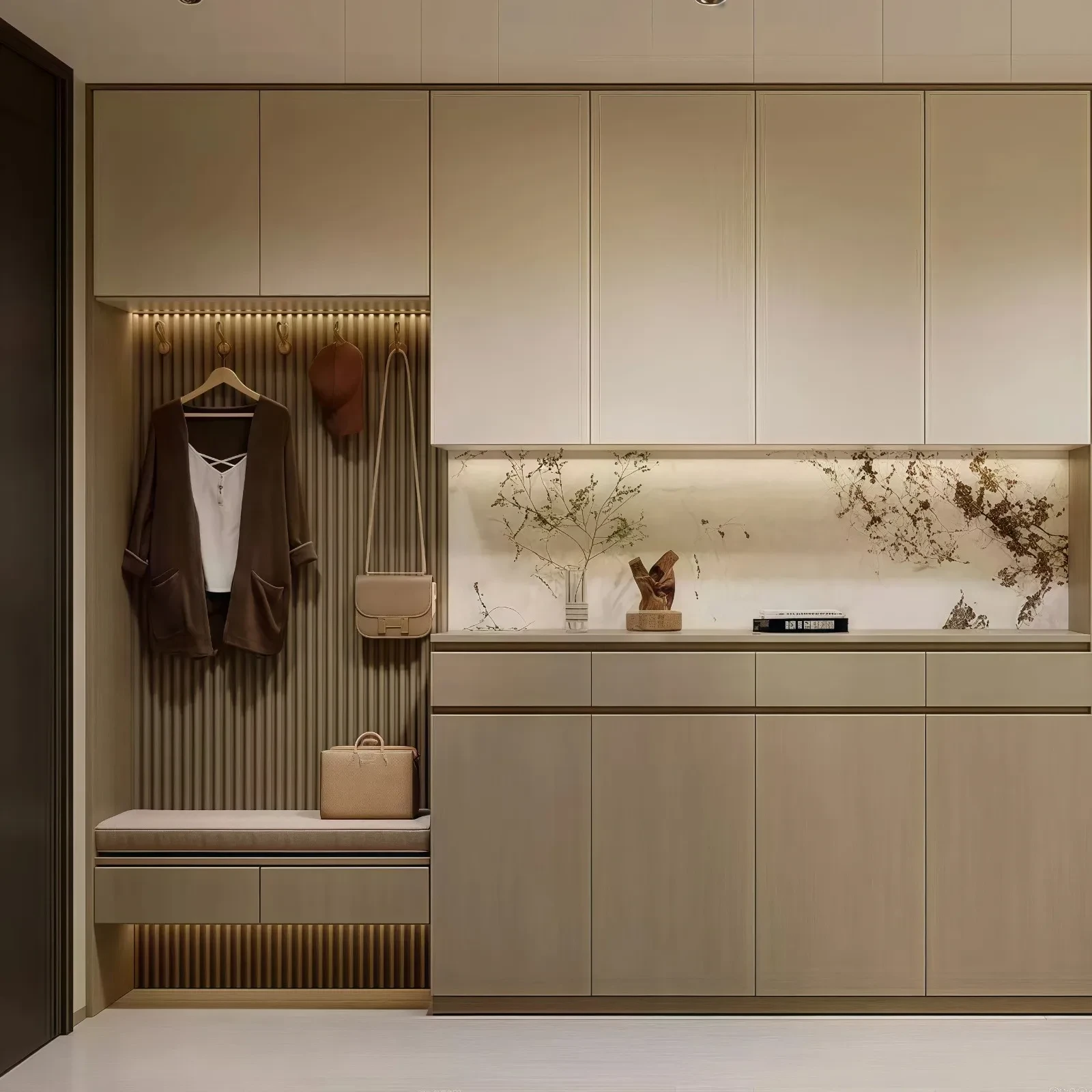
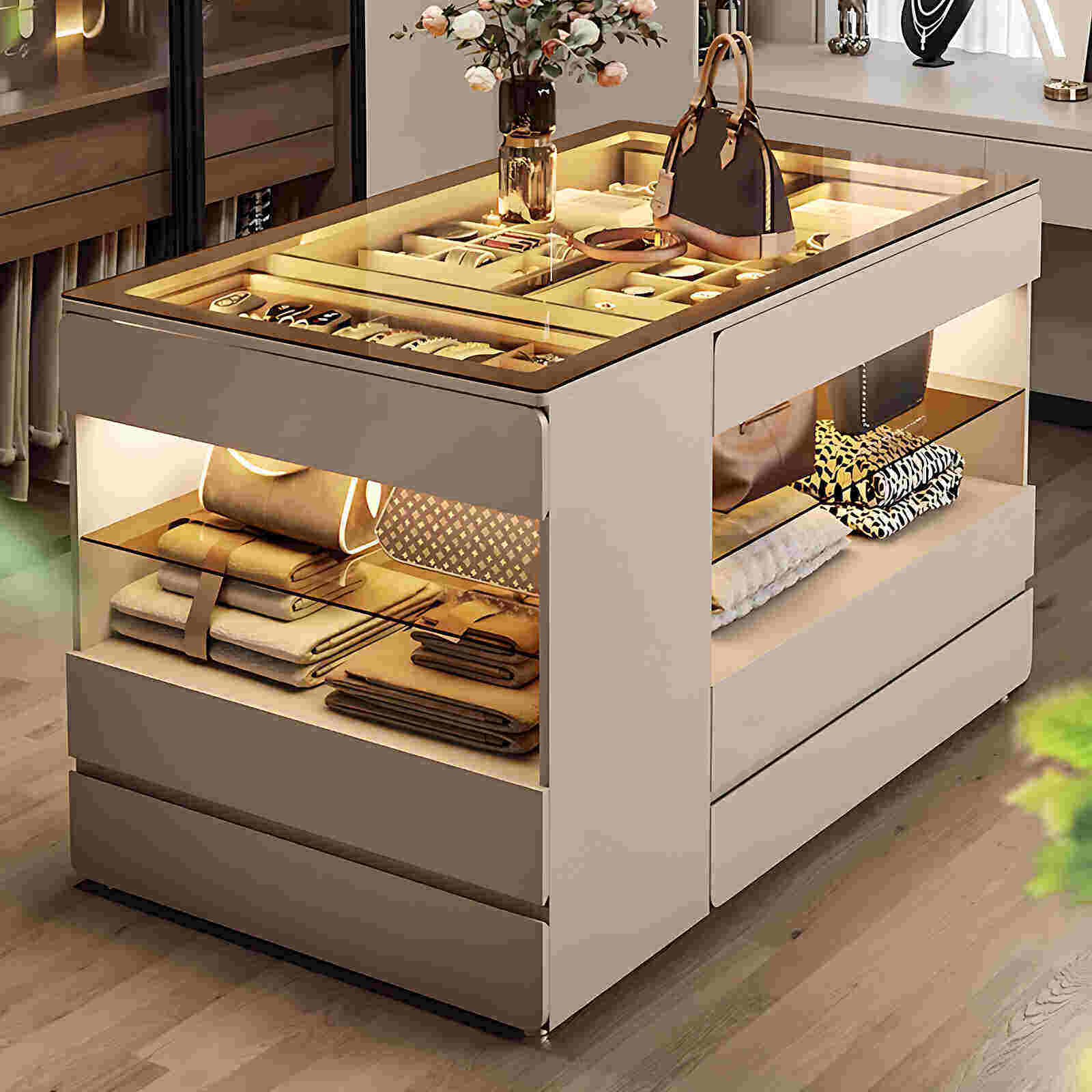
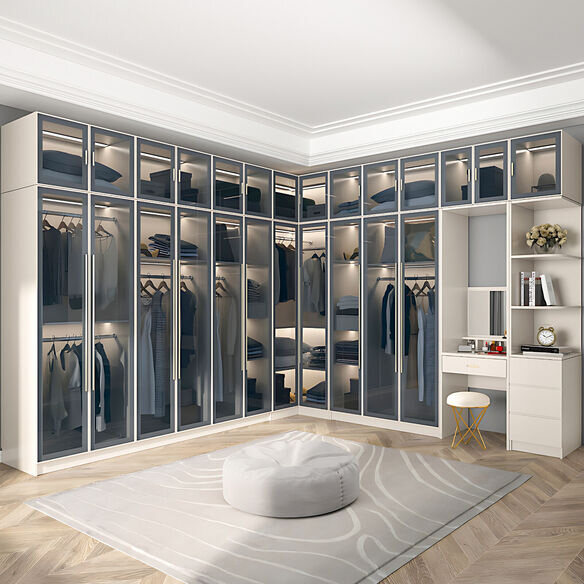
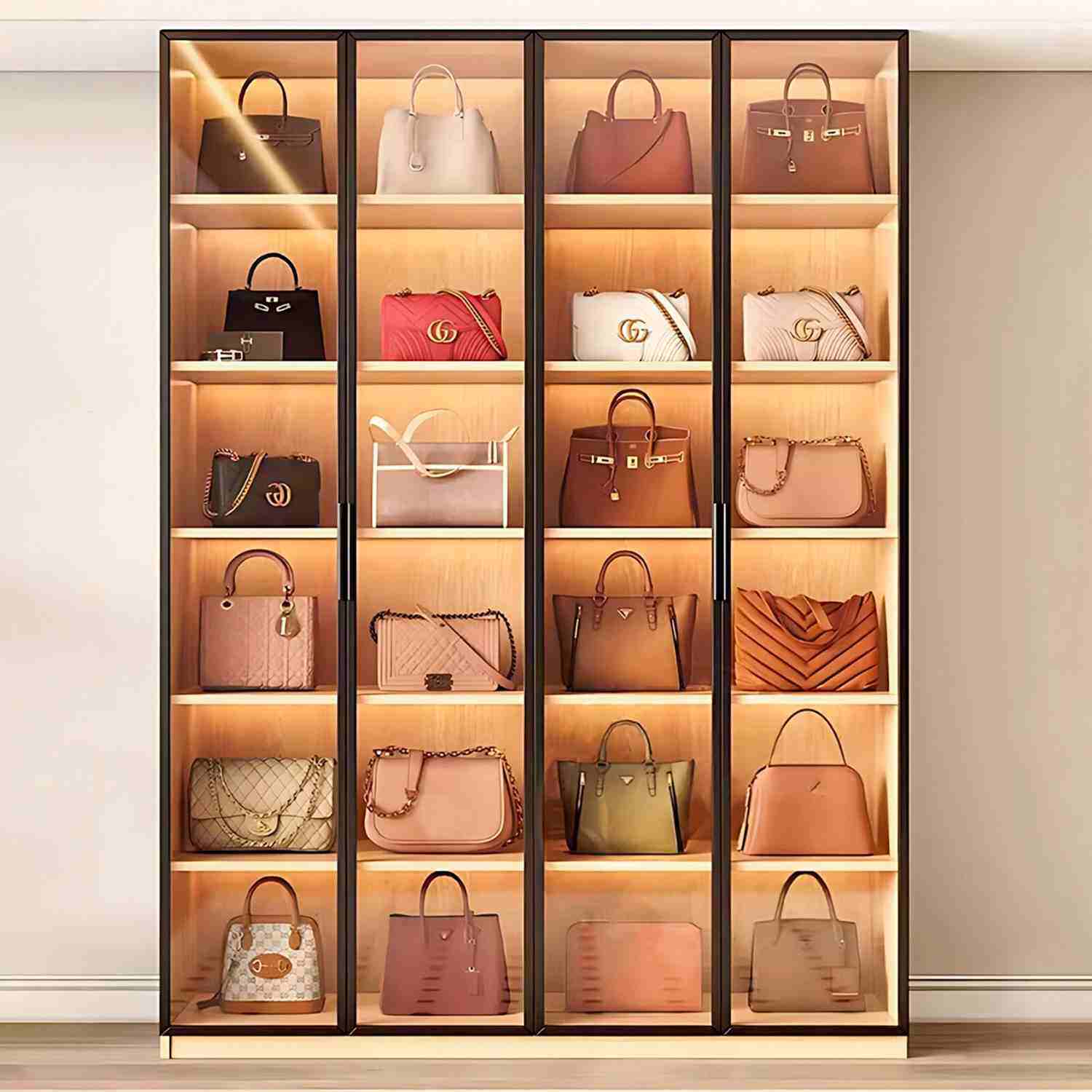
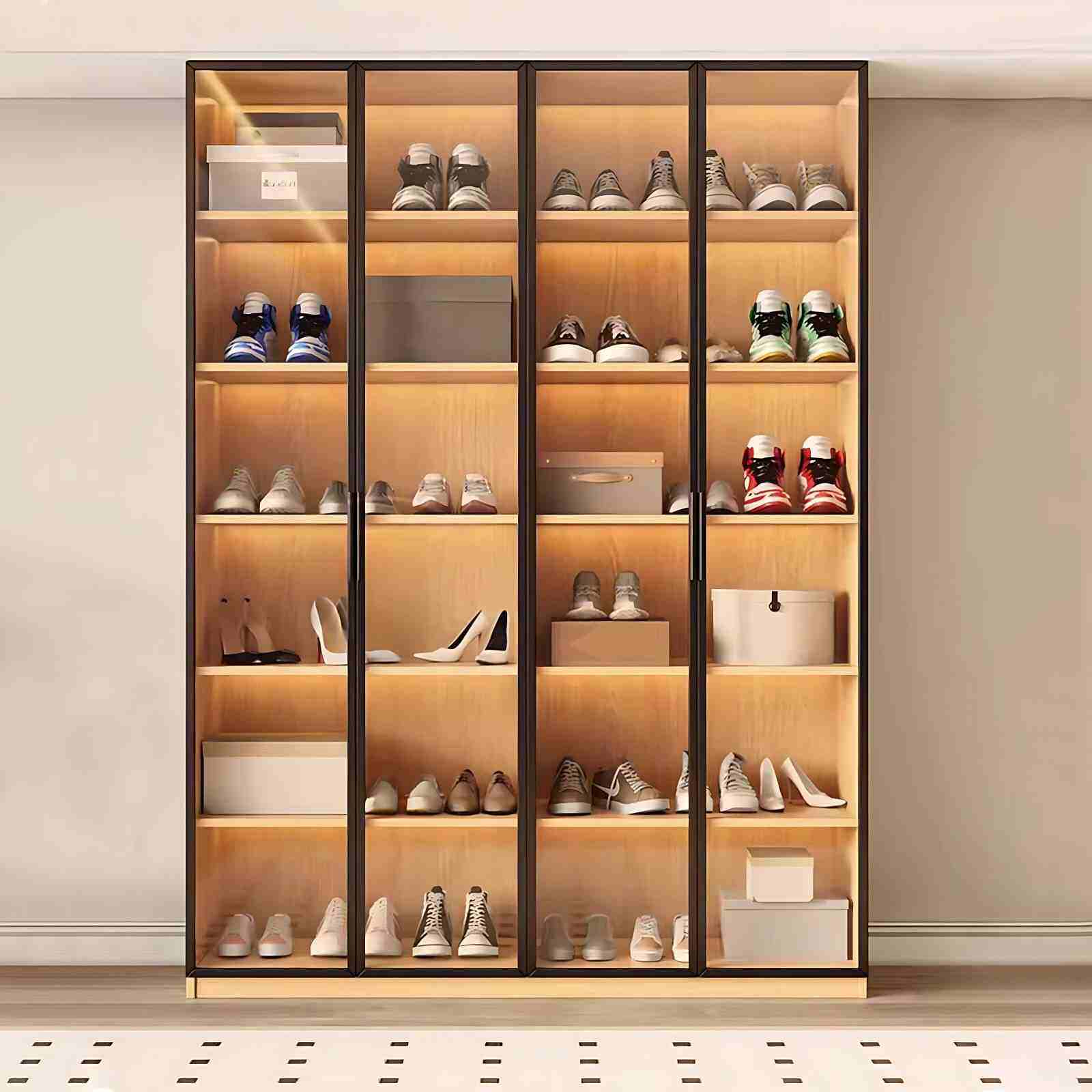

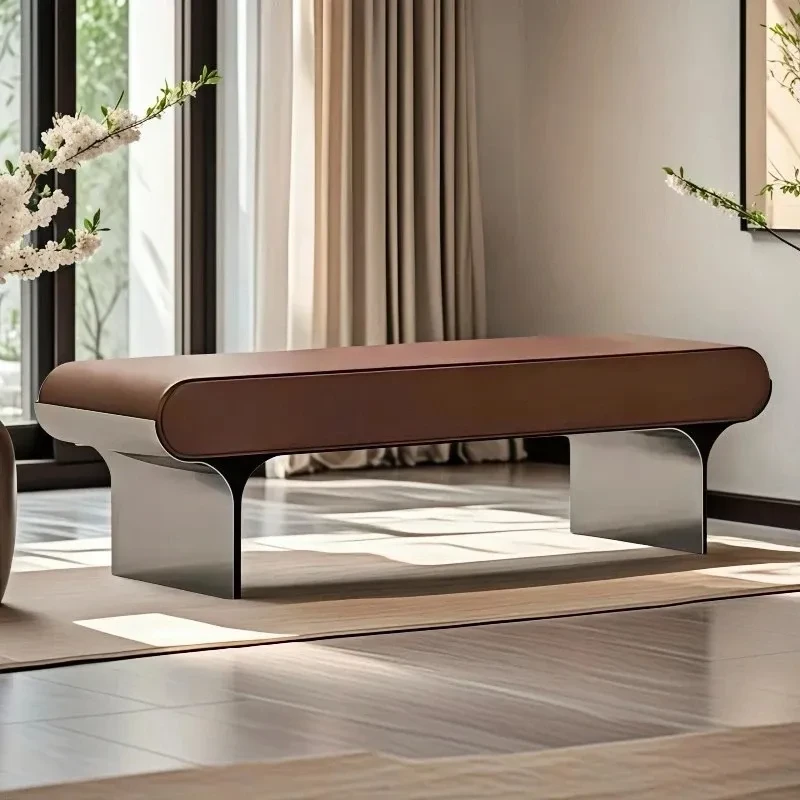
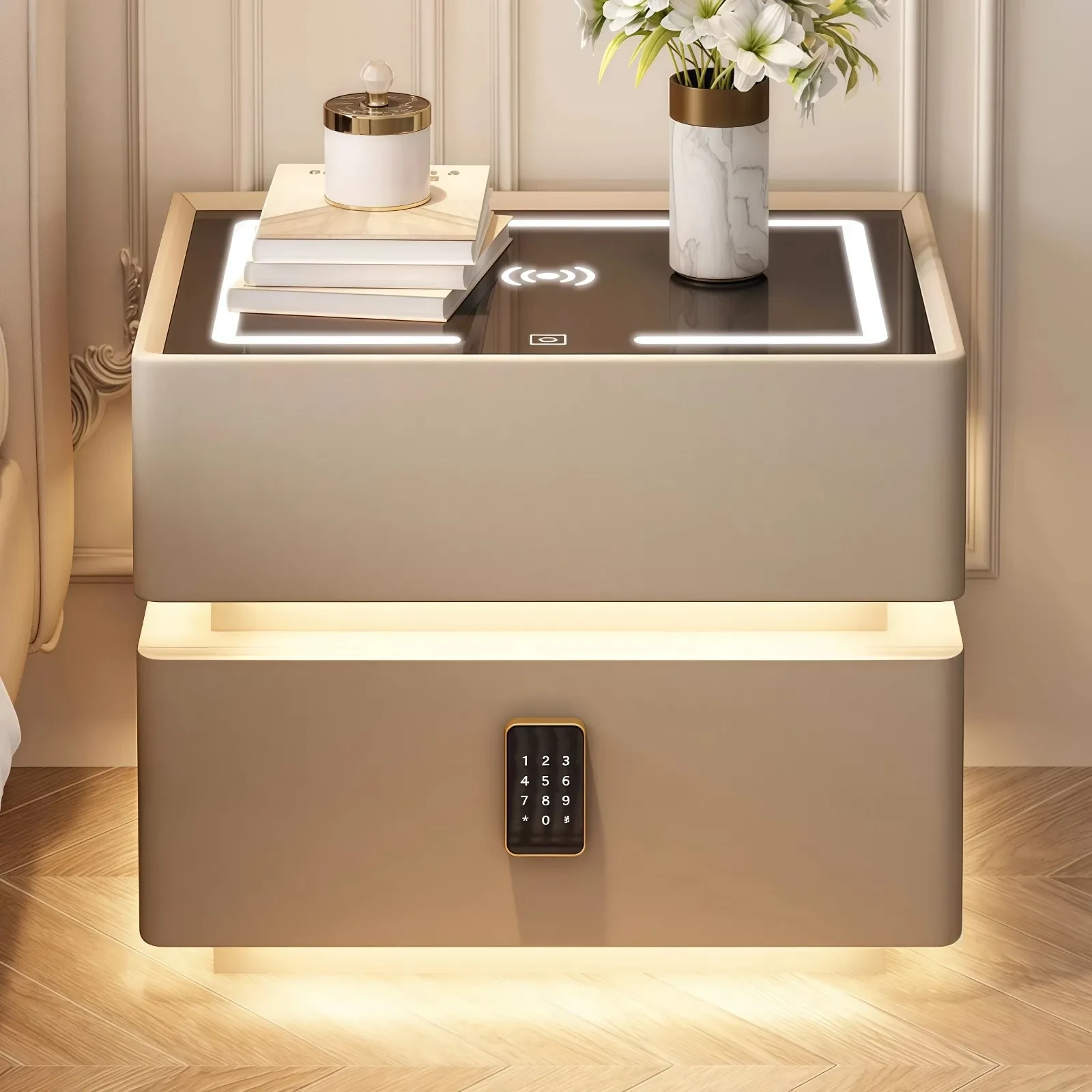

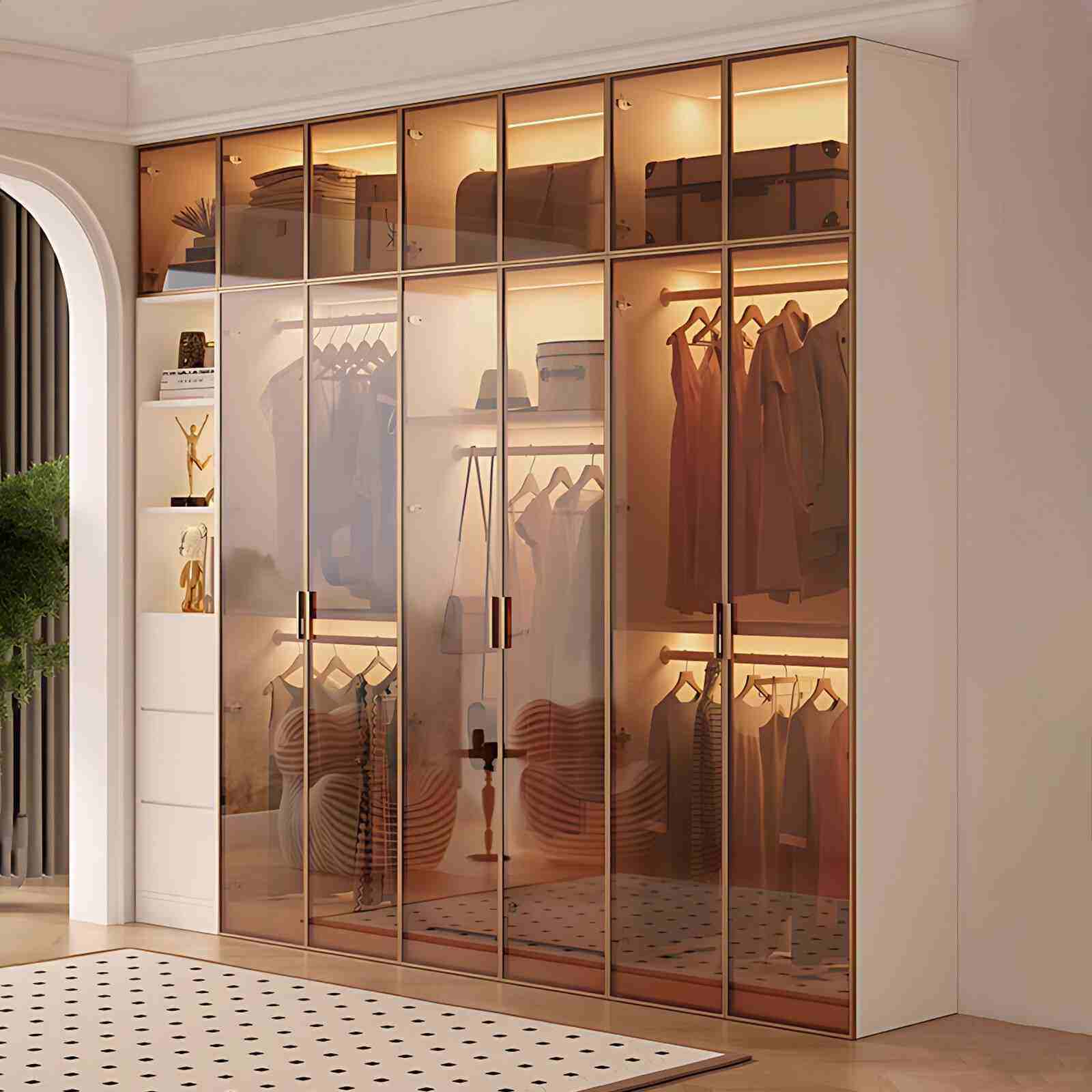
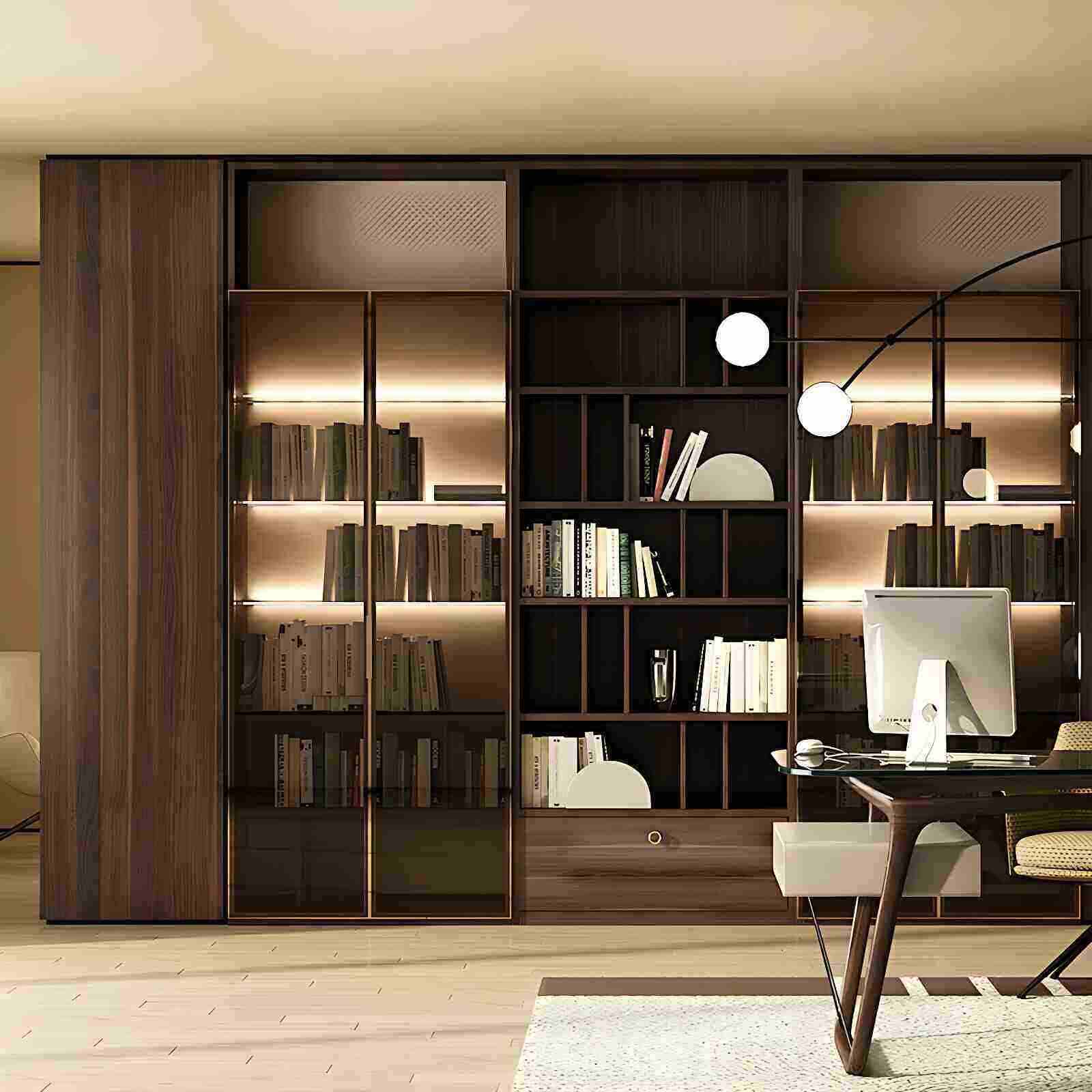

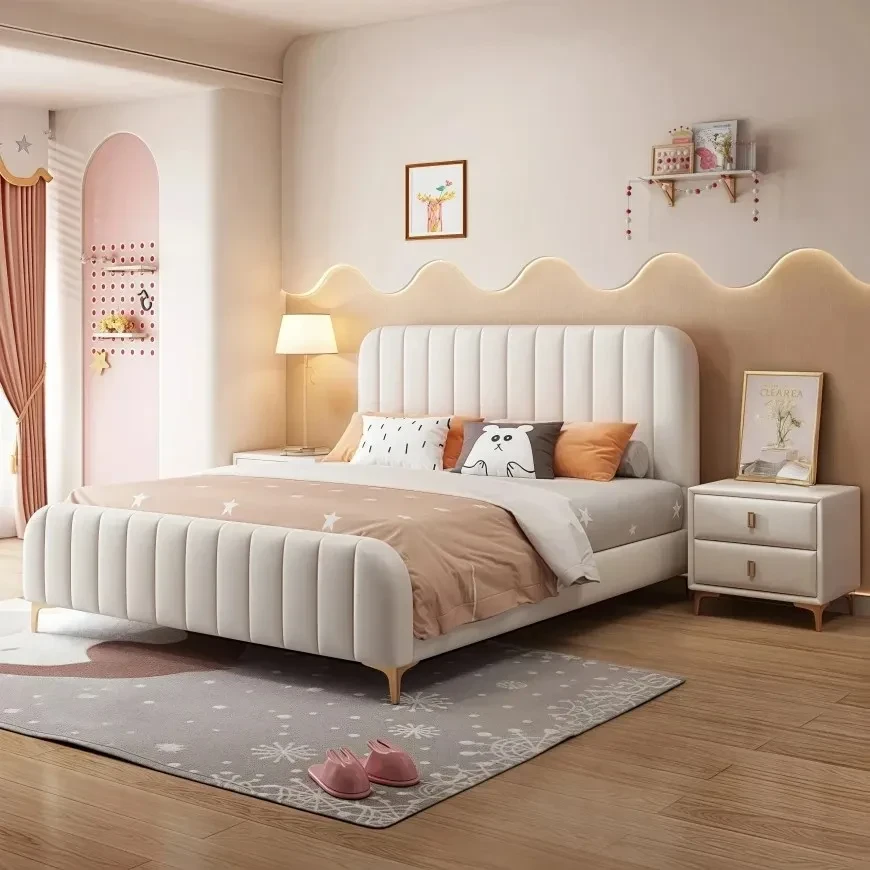
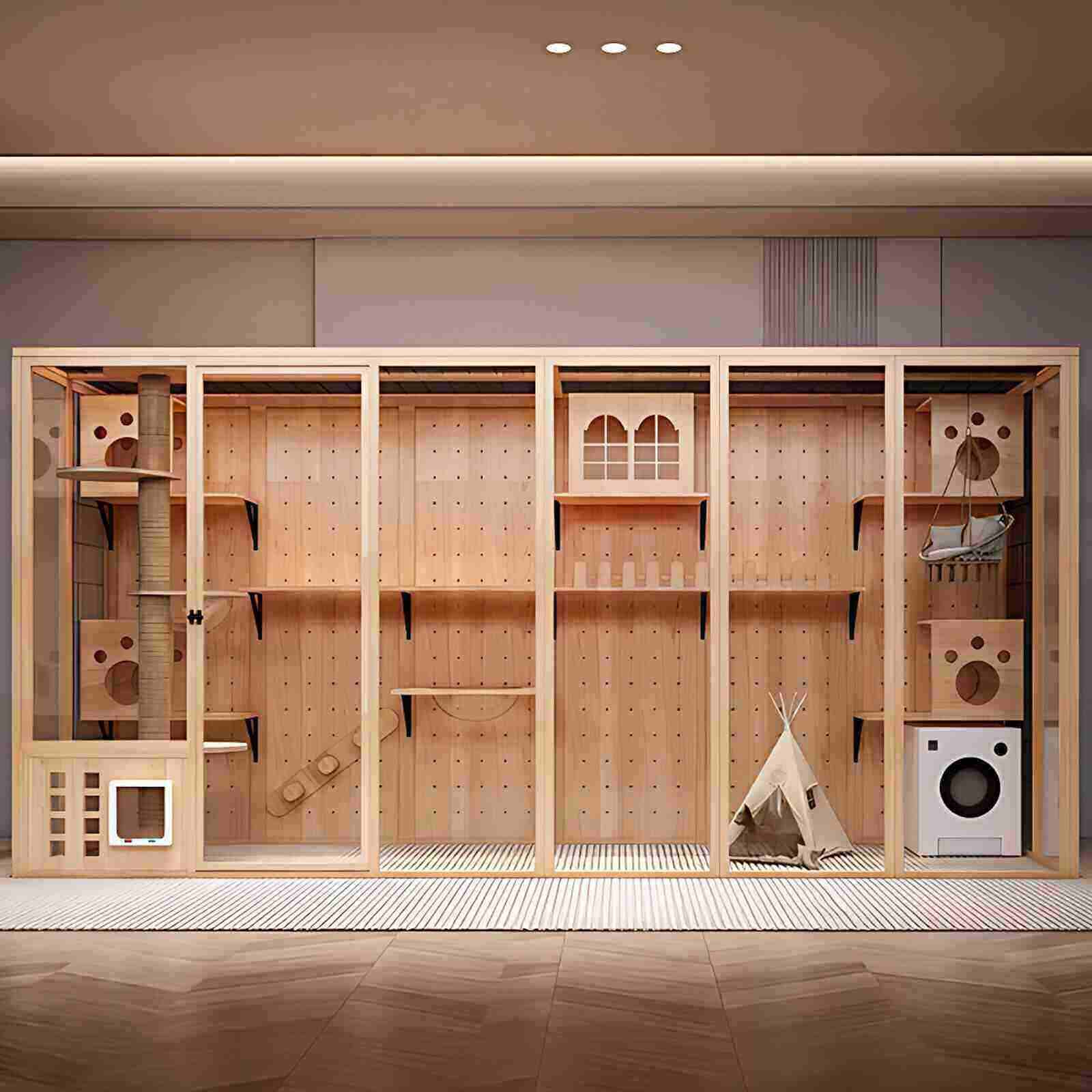
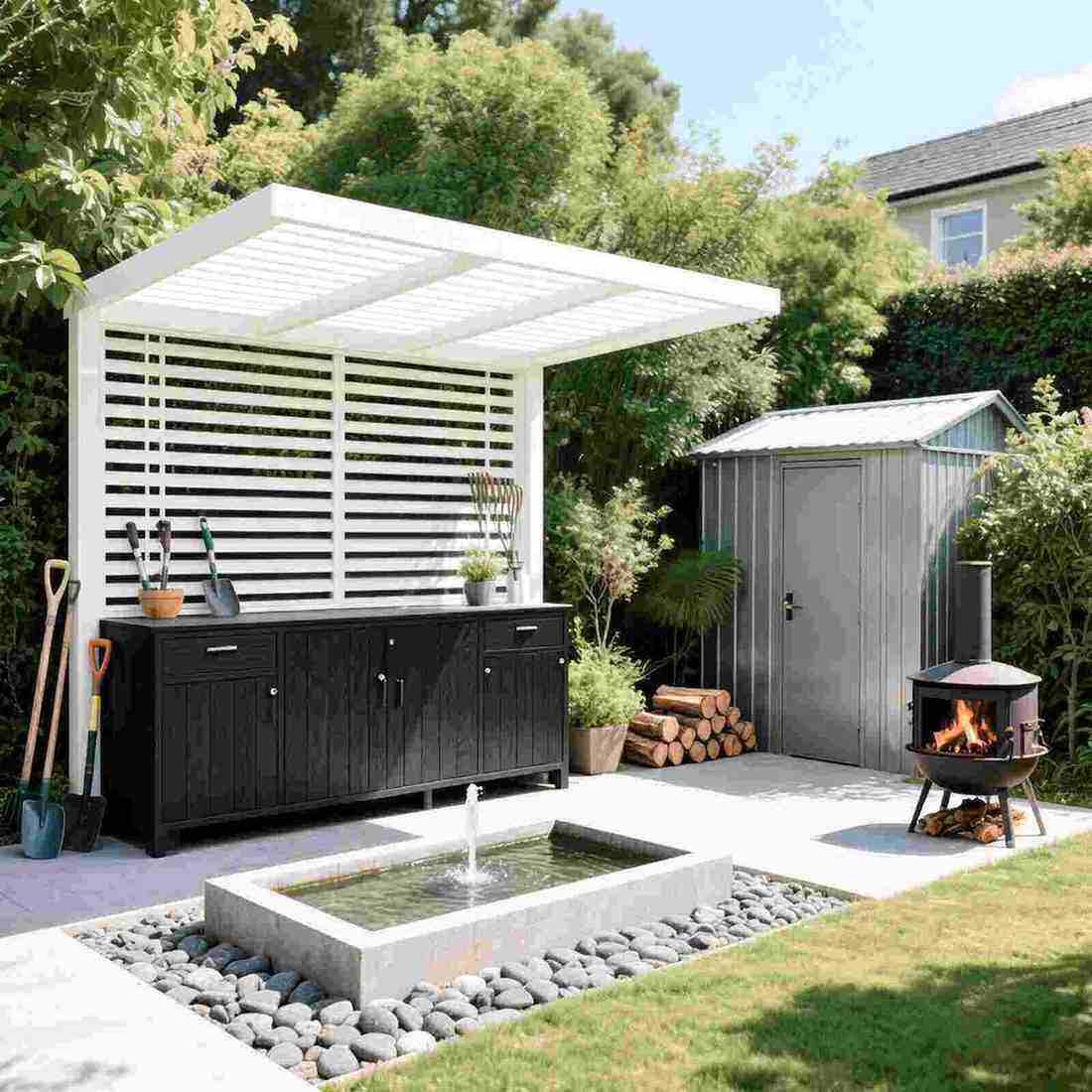
"Particleboard," "multi-layer board," "eco-board"... If you're decorating for the first time, are you completely confused when you hear these terms when choosing building materials? How do you distinguish the quality of these different types of boards? How do you buy high-quality building materials?
Board products on the market are generally divided into particleboard, plywood, and eco-board. Particleboard is a type of engineered wood product made by breaking down logs into smaller pieces, using fine wood fibers on both sides and long wood fibers in the middle, and then gluing them together with adhesive under heat and pressure. Plywood is a type of board made by gluing and hot-pressing three or more layers of veneer or thin wood boards. Eco-board is made by soaking paper with different colors or textures in eco-board resin adhesive, drying it to a certain degree of curing, and then laying it on the surface of particleboard, moisture-resistant board, medium-density fiberboard, plywood, blockboard, or other hard fiberboard, and then hot-pressing it into a decorative board.
If they are of the same grade, the overall score for eco-friendly boards is higher than that for multi-layer boards, which in turn are higher than that for particleboards, but their prices will vary depending on the classification.
A list of some types of boards
Particleboard uses the most glue among these three types of boards due to its manufacturing process, typically accounting for 10% of its weight. We know that glue also releases formaldehyde, so the quality and amount of glue used affect the environmental friendliness of the board. Therefore, generally speaking, the lower limit of particleboard quality varies considerably depending on the quality of the glue. So when purchasing particleboard, it's essential to buy products from well-known brands to ensure better glue quality. Multi-layer boards, also known as plywood, might sound like they use a lot of glue, but in fact, multi-layer boards contain about 3% glue.
Does that mean boards with lower glue content are more environmentally friendly? Actually, that's not entirely accurate. We can only say that, when using the same amount of glue, the glue content of a board is positively correlated with its environmental friendliness. However, different glues vary greatly in their environmental friendliness. Many substandard glues on the market release significant amounts of formaldehyde even in small quantities. Soybean glue used in soybean boards, made from soybeans, is formaldehyde-free, so there's no need to worry even with larger quantities. Glue quality cannot be generalized, so when comparing glue content, we should choose products of similar quality.
Besides its environmental friendliness, another important indicator for wood-based panels is their physical properties. The multi-layered stress structure of plywood makes its physical properties outstanding among engineered wood products, with strong nail-holding power and load-bearing capacity.