
 USD
USD GBP
GBP
 EUR
EUR
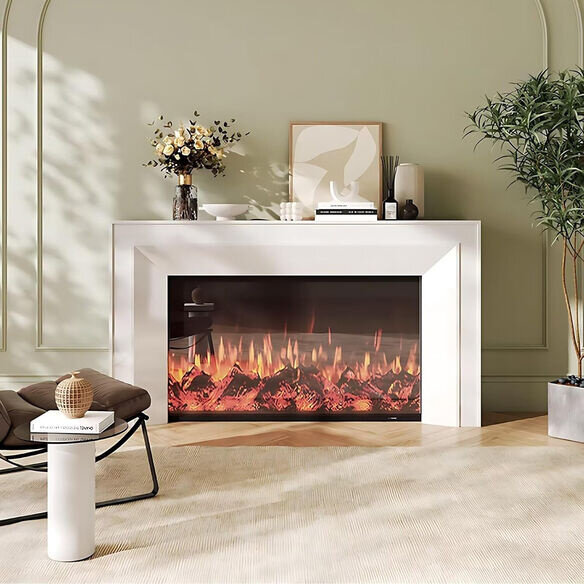
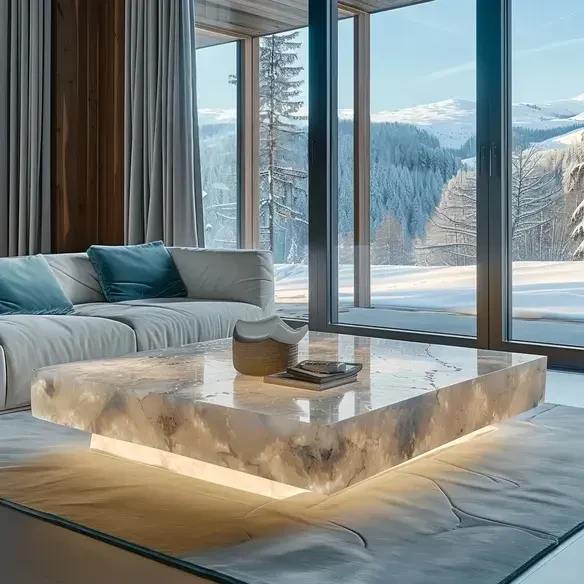
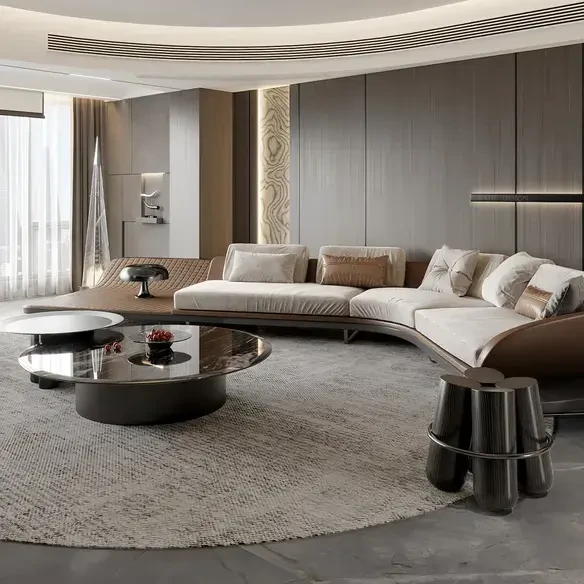
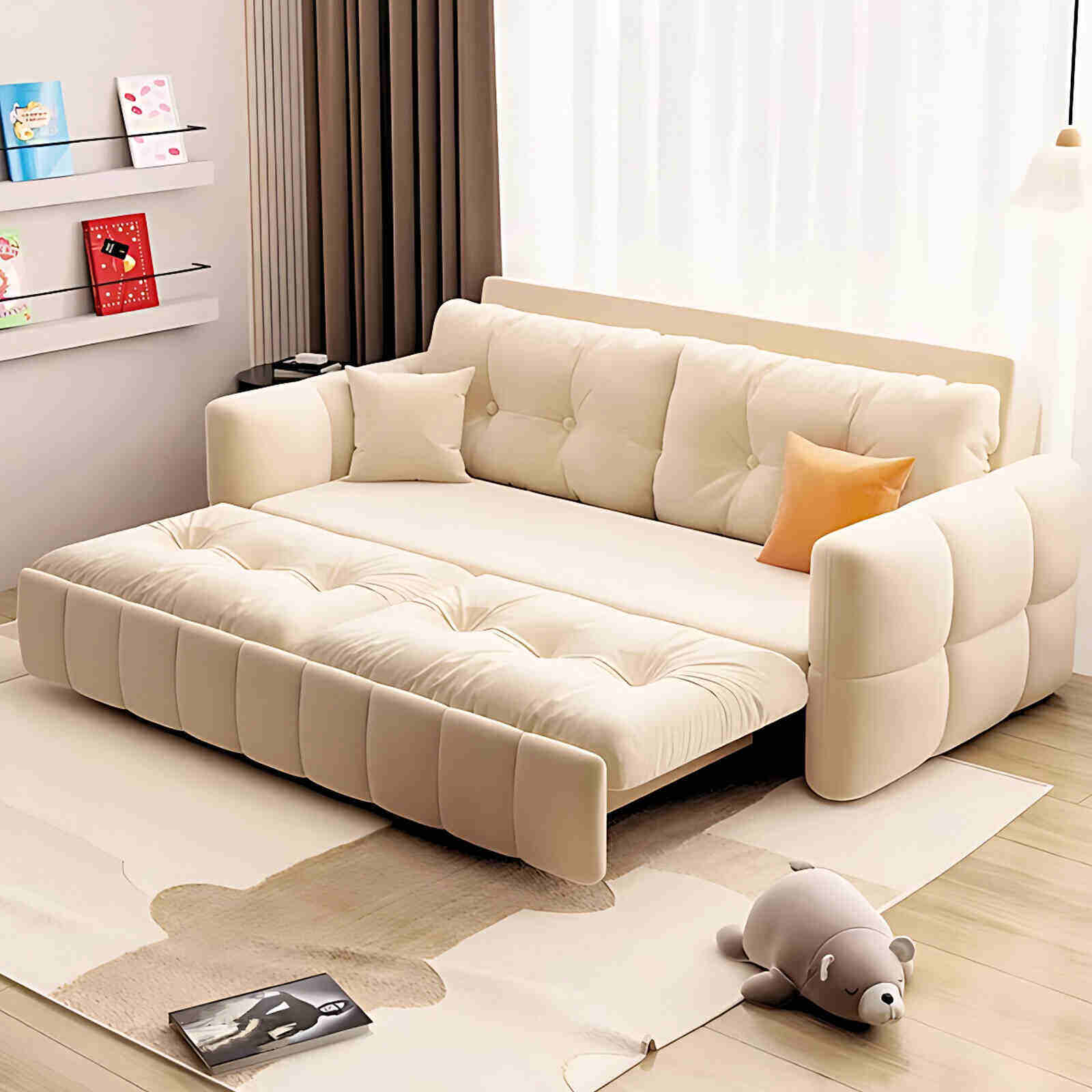
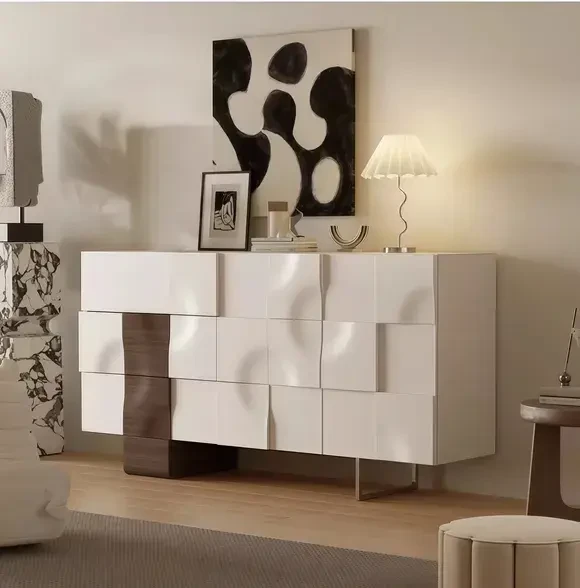
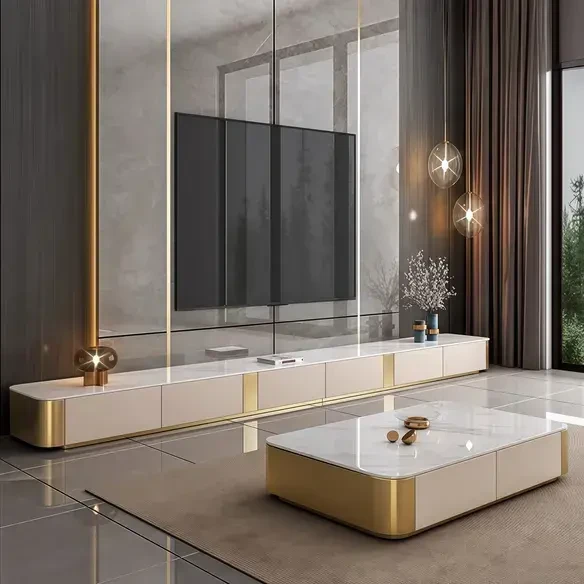
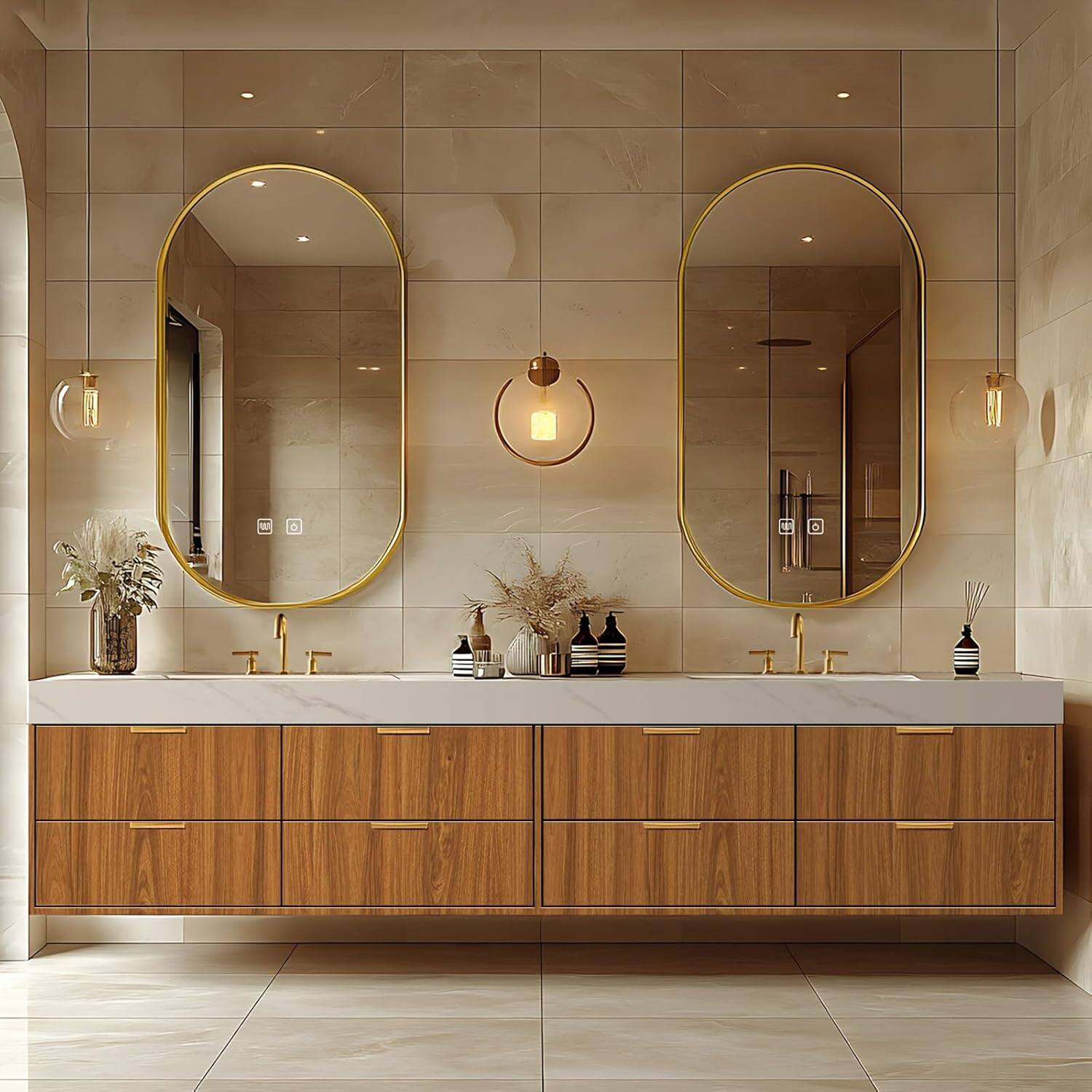
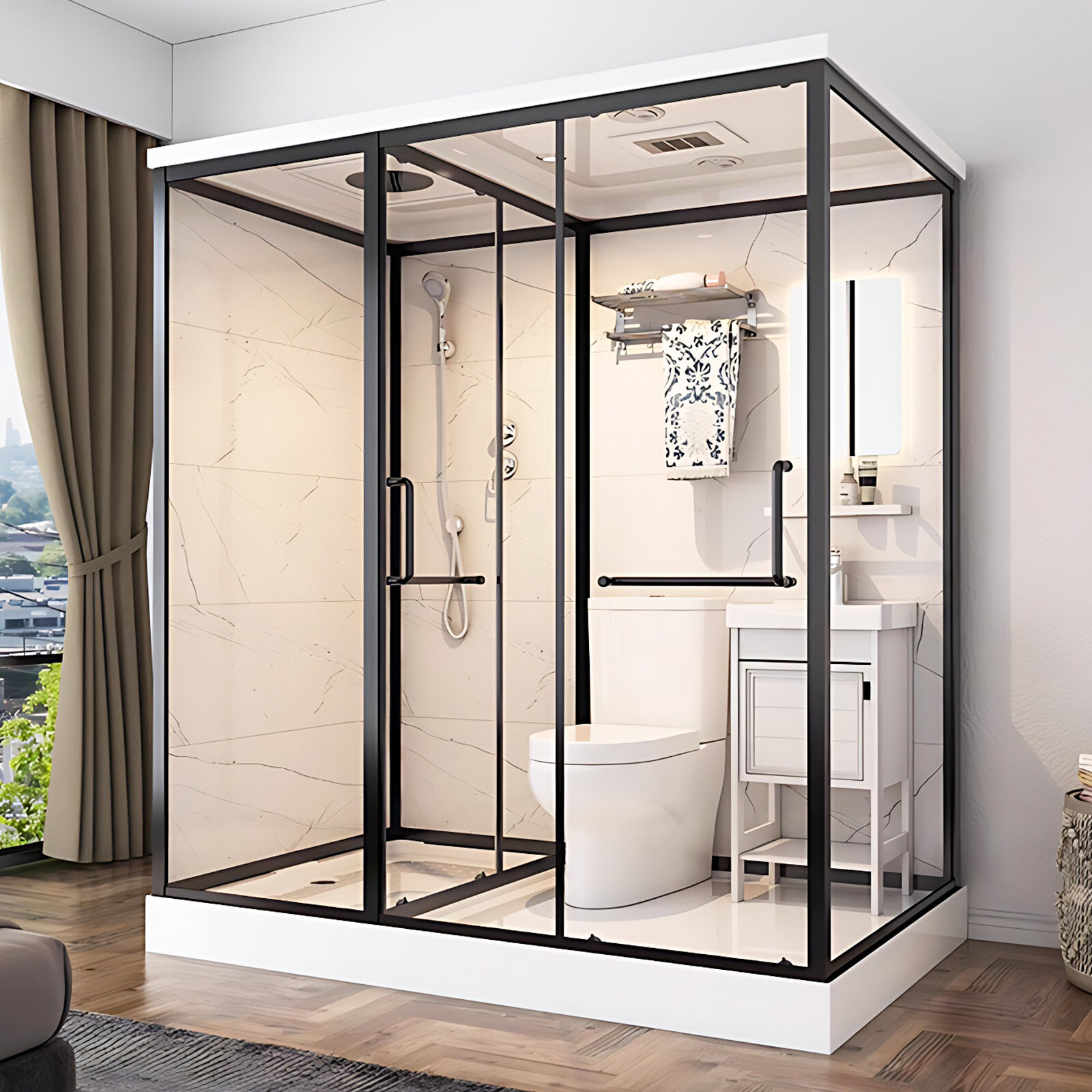
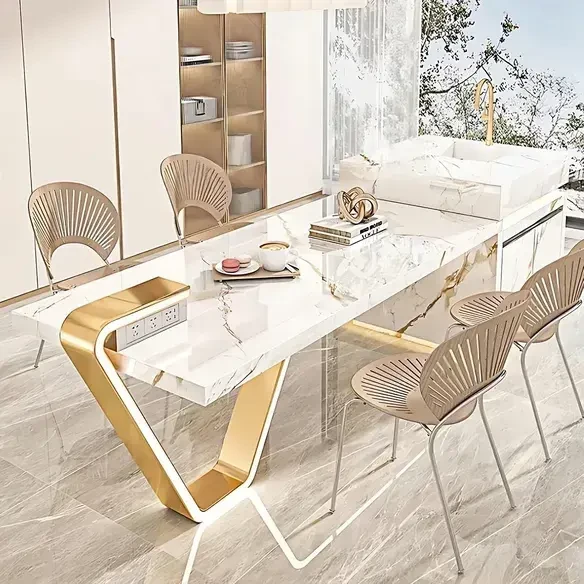
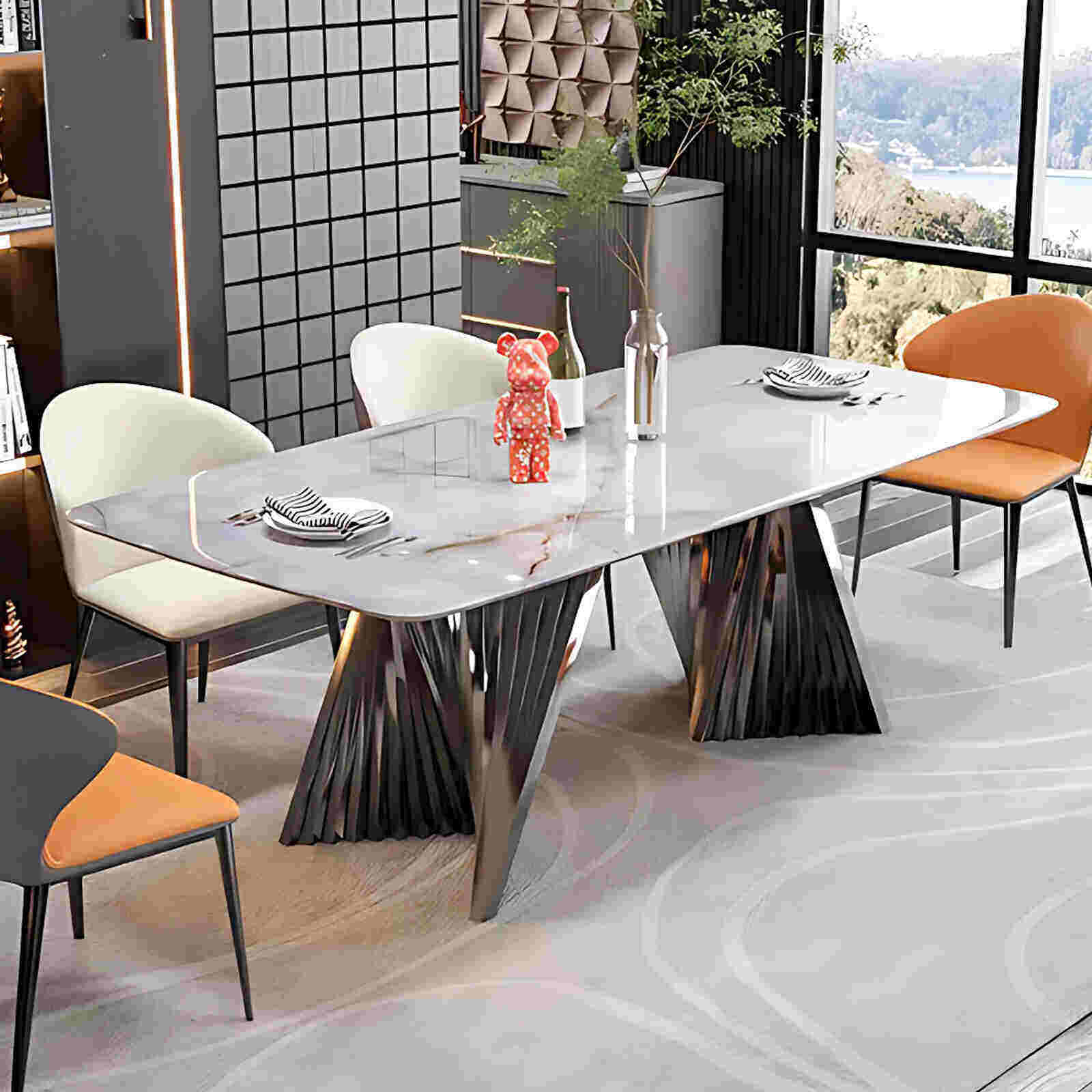
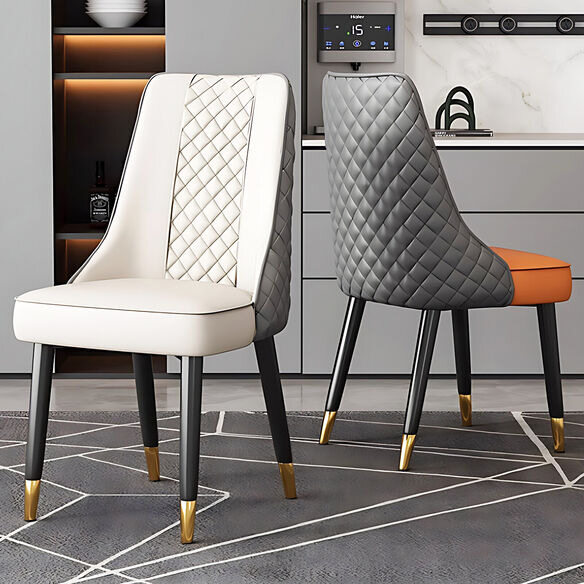
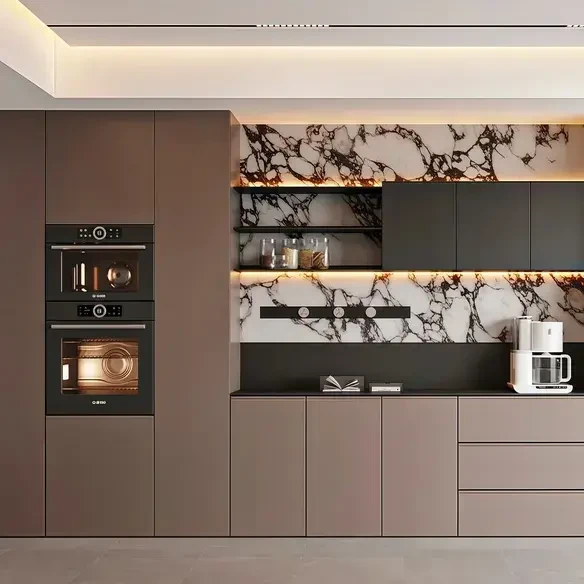
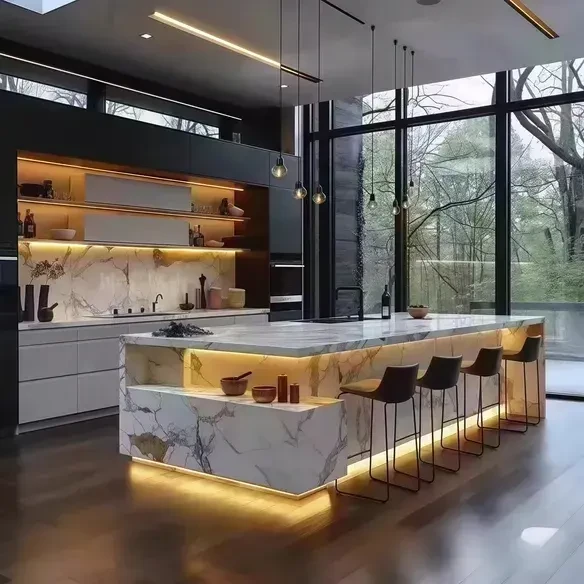
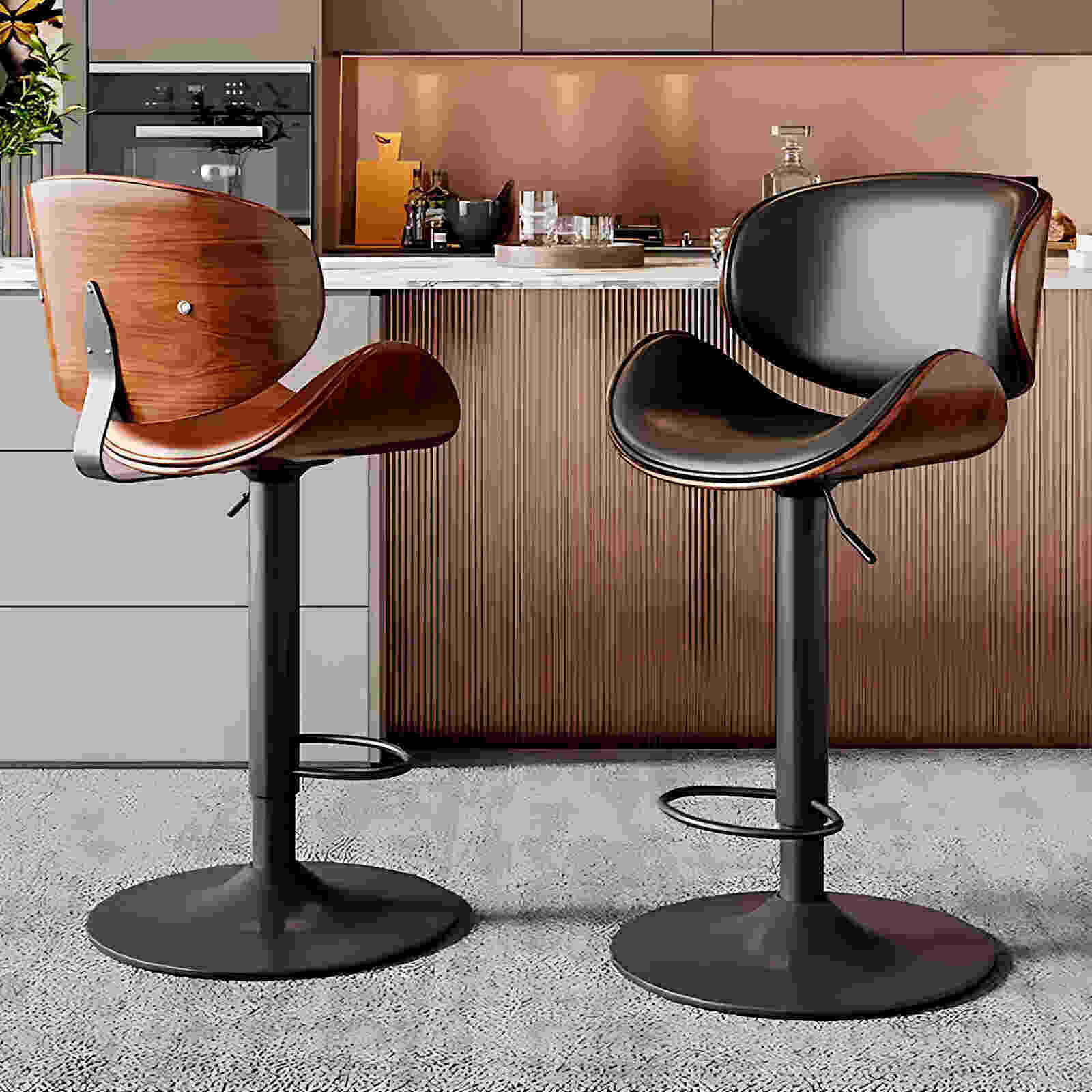
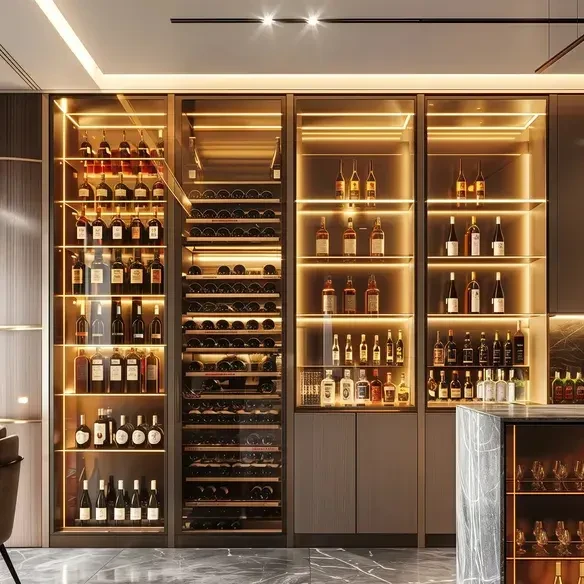
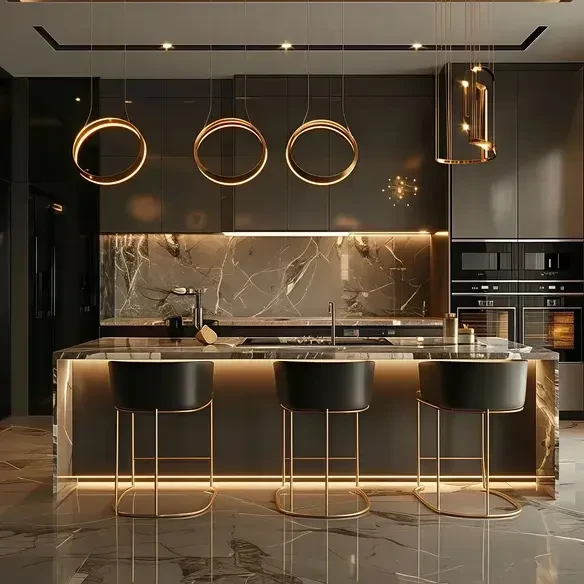
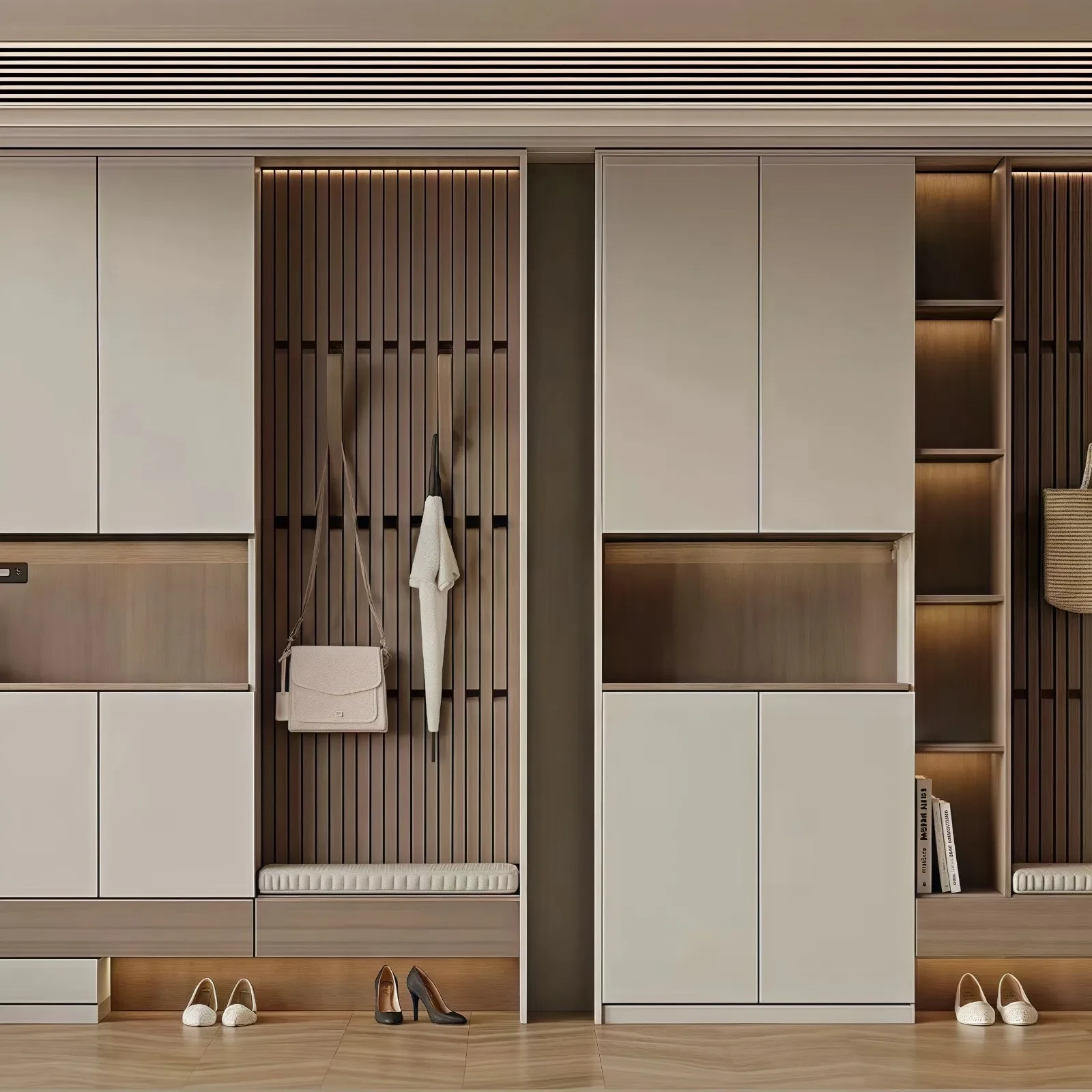
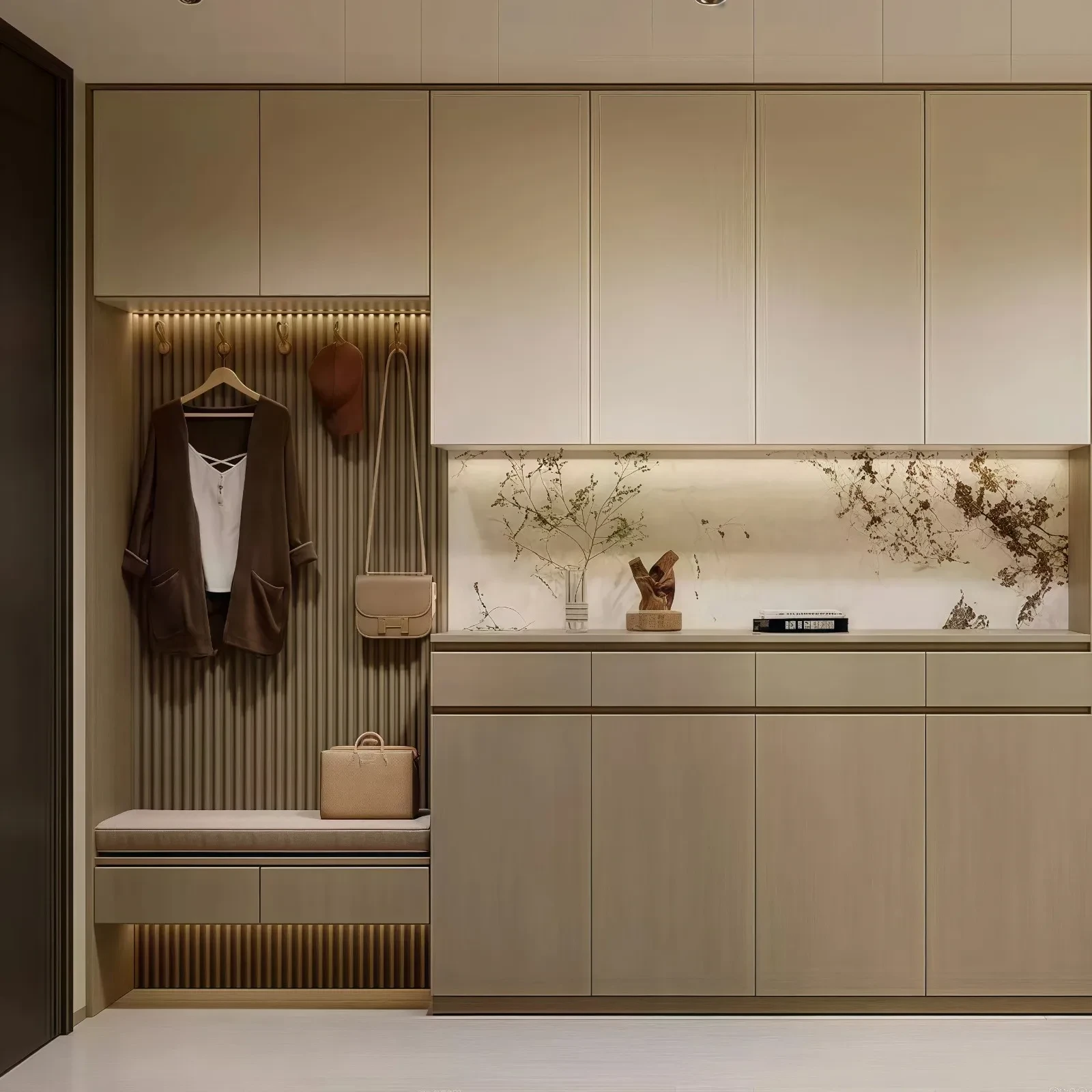
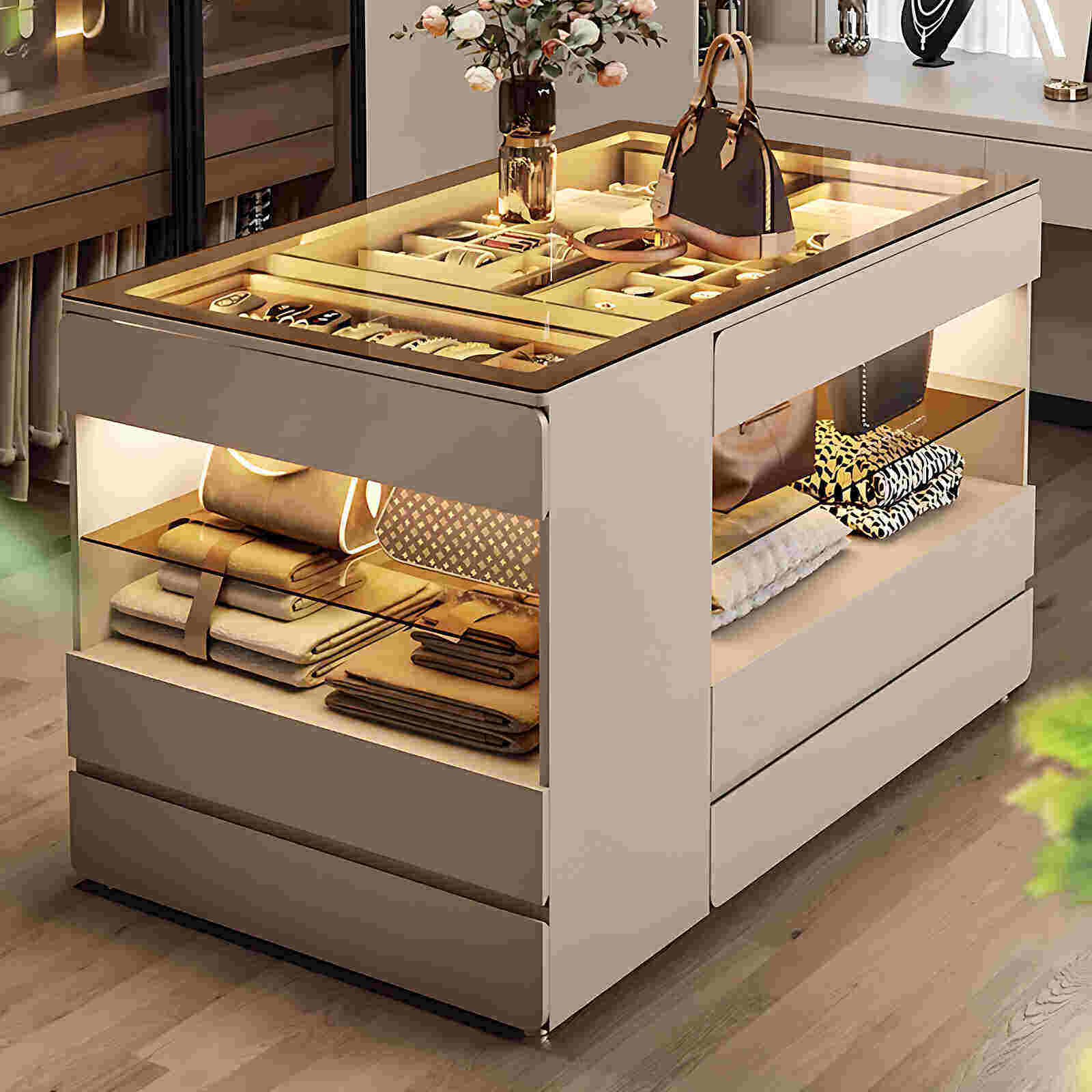
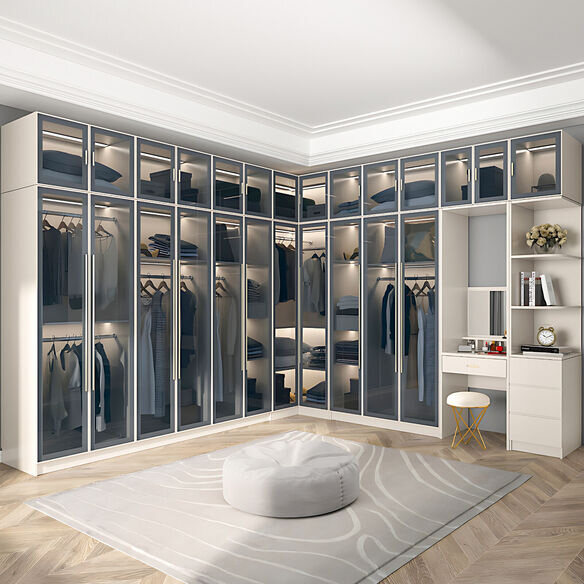
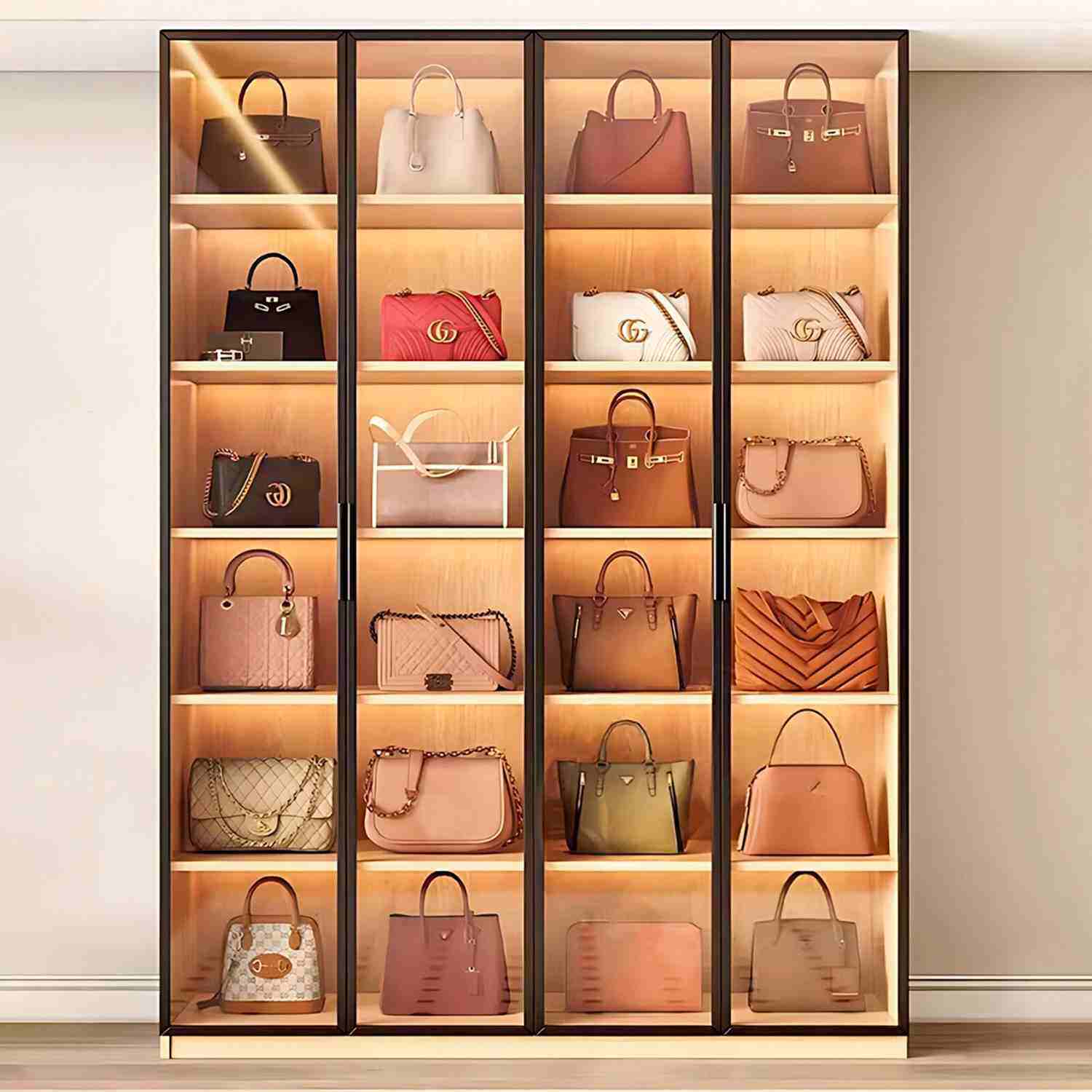
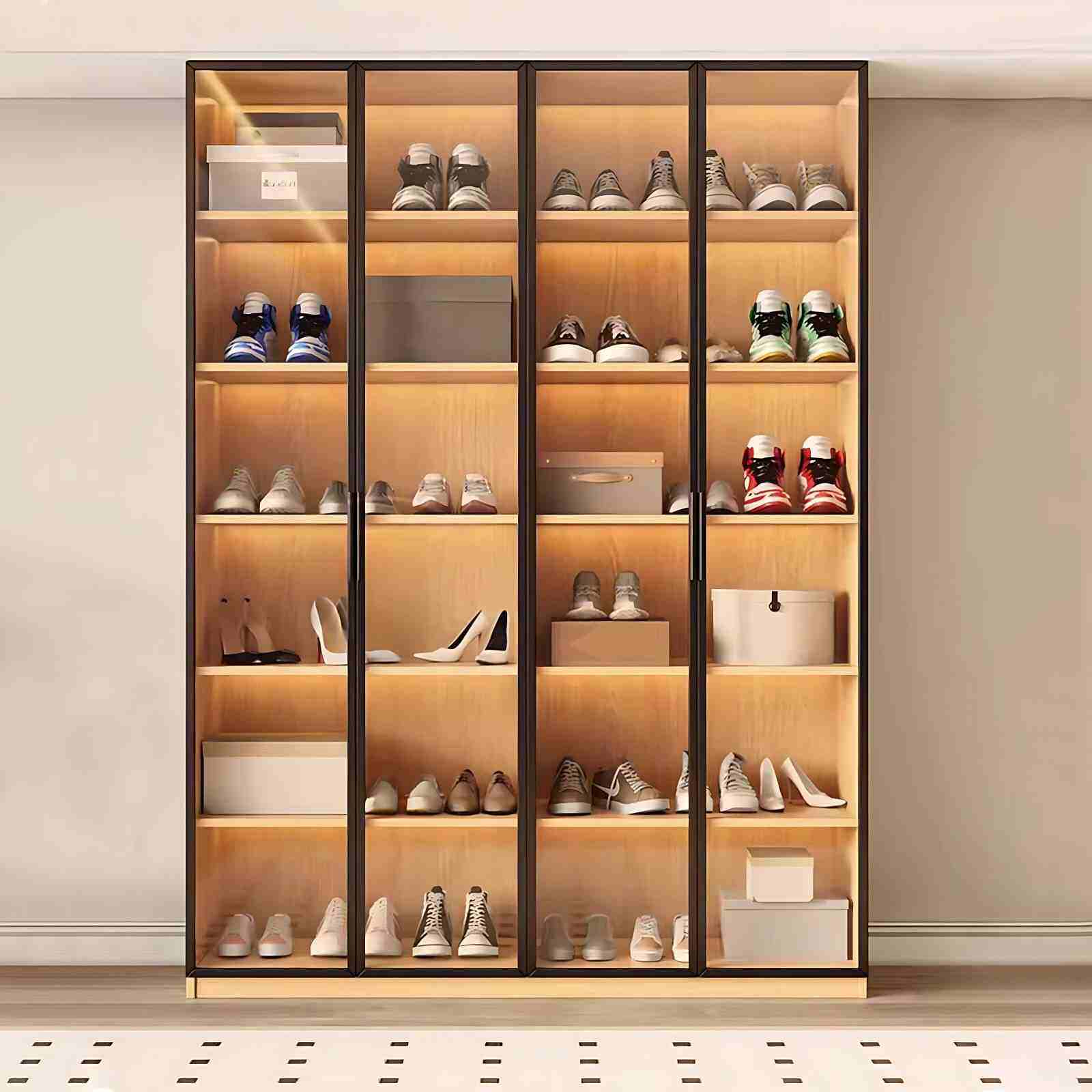
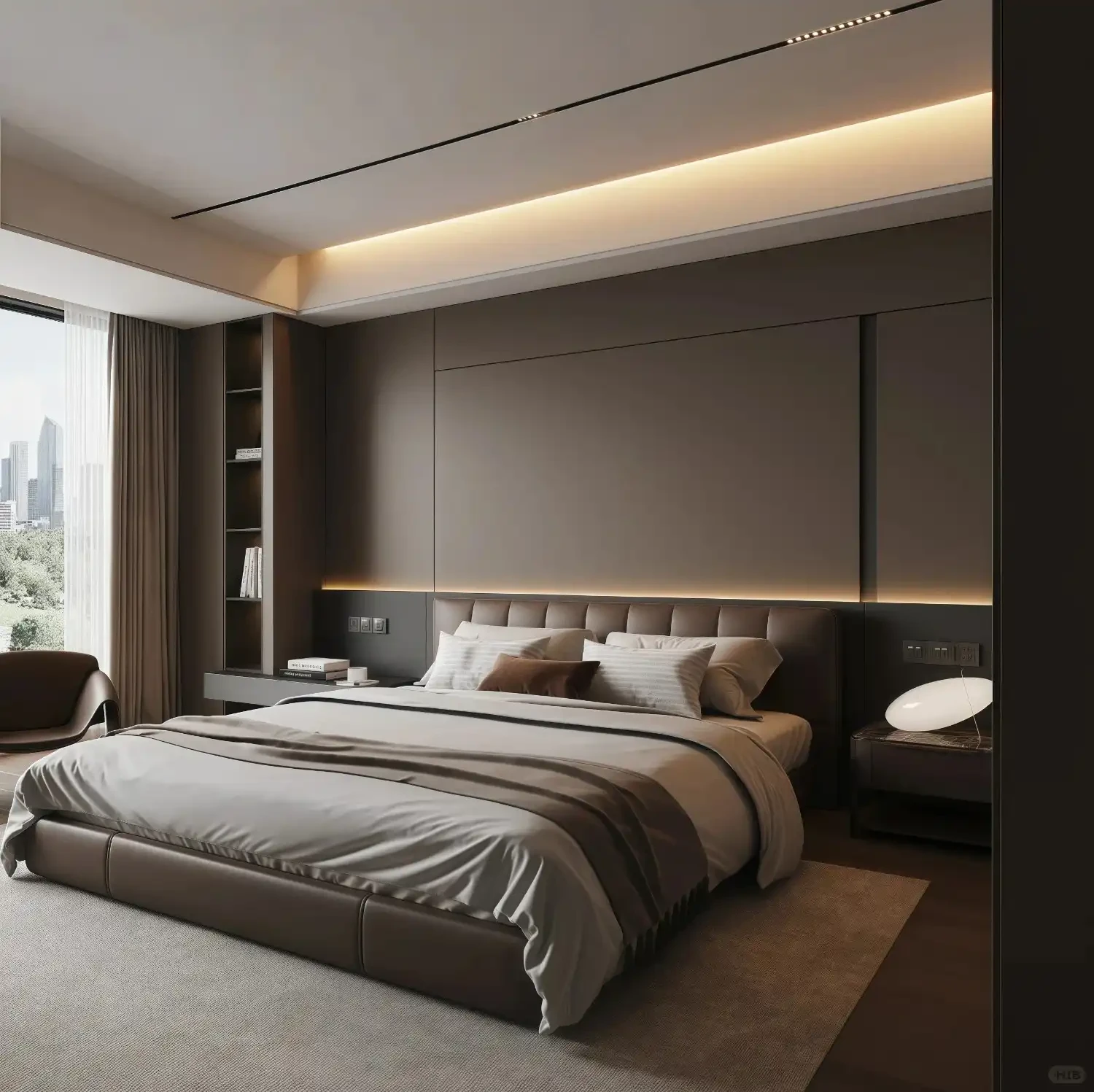
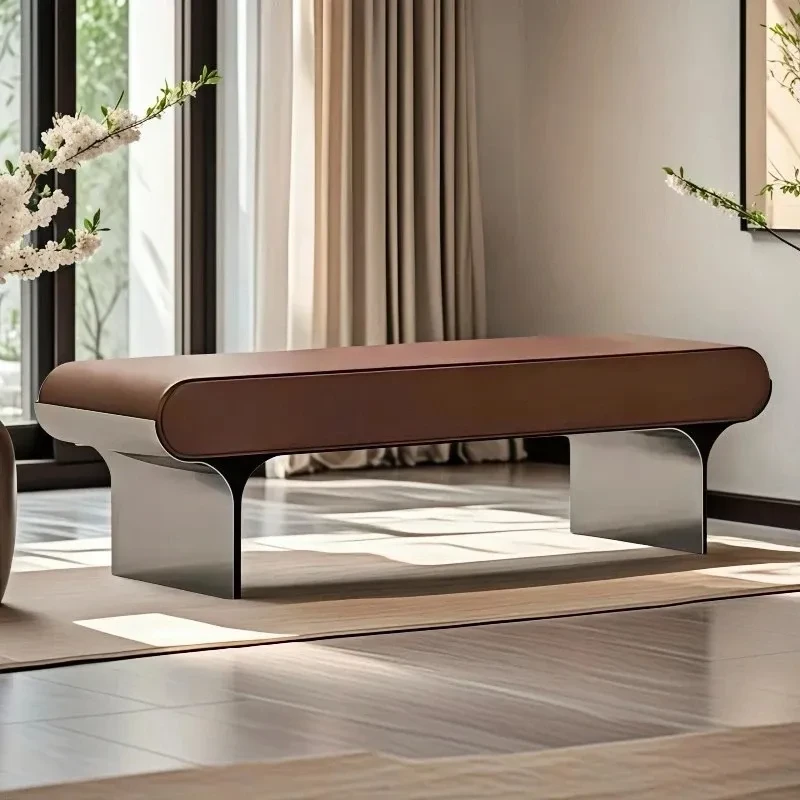
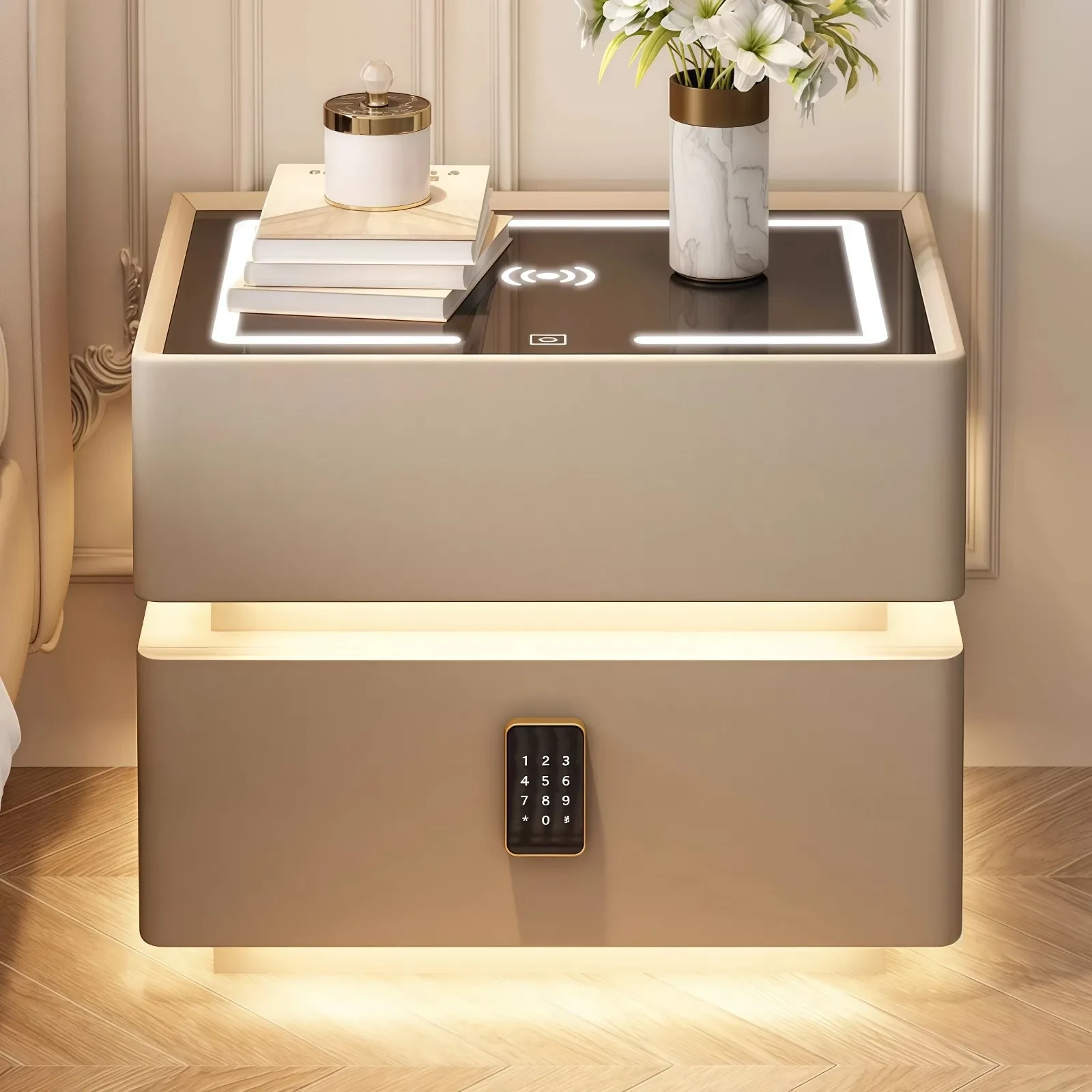
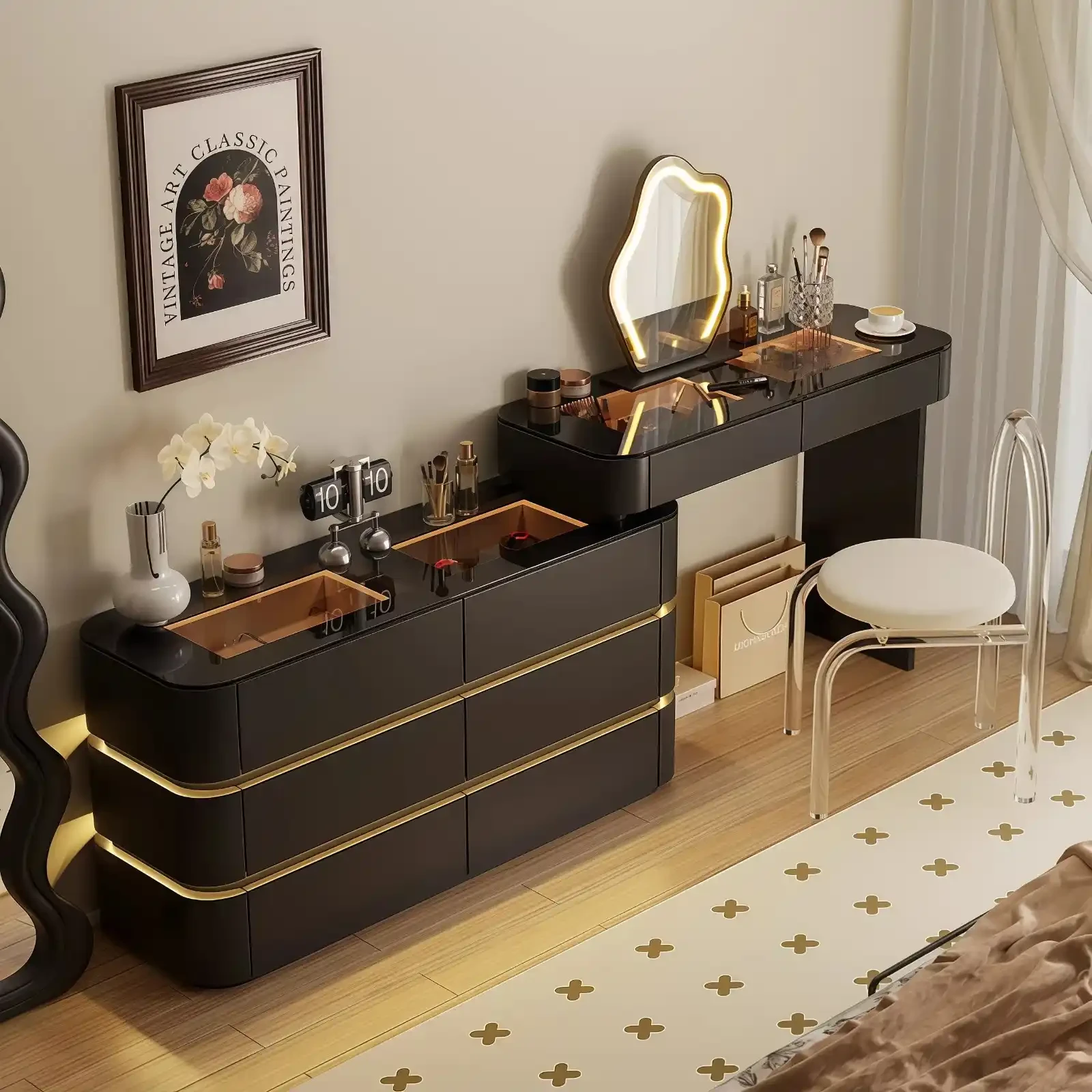
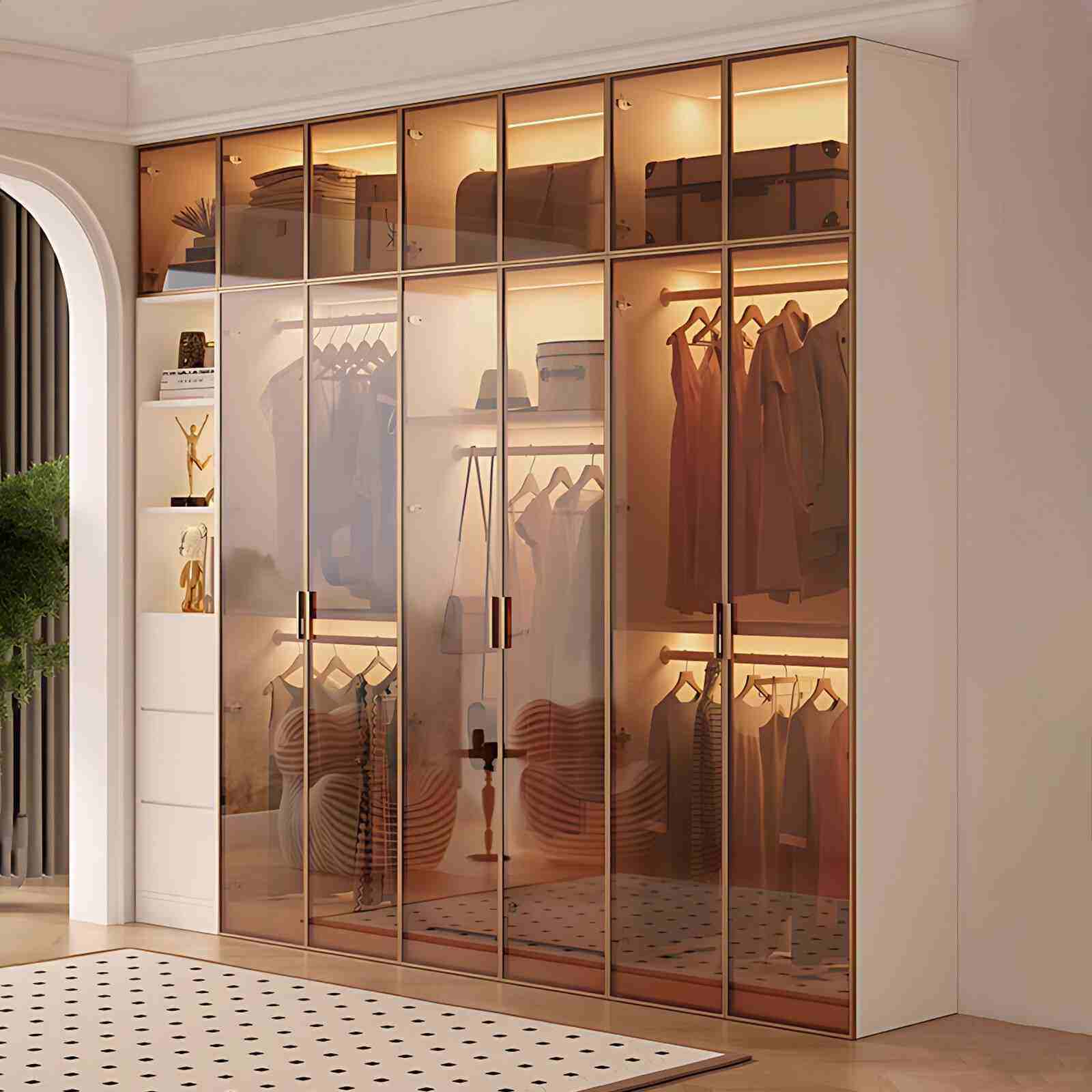
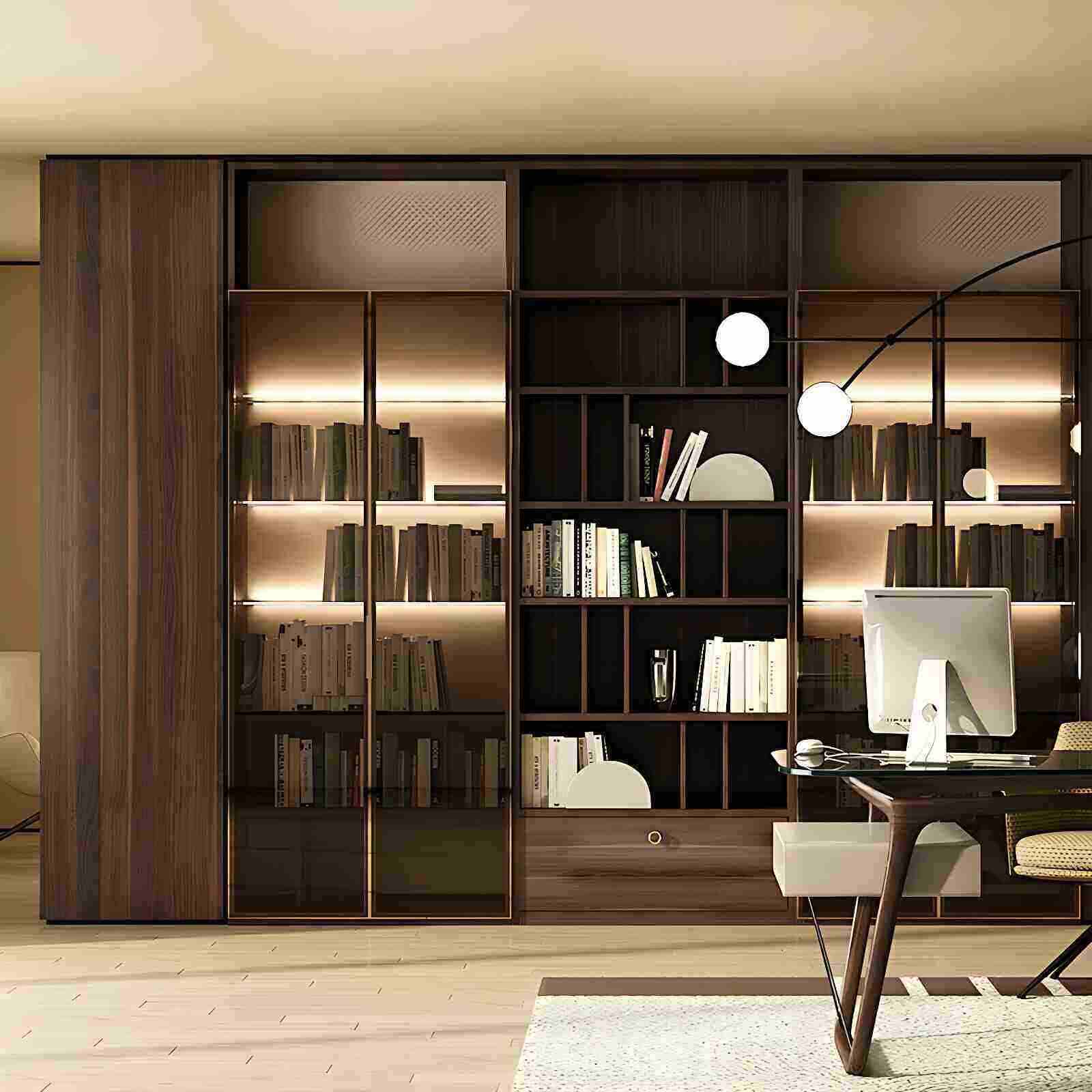
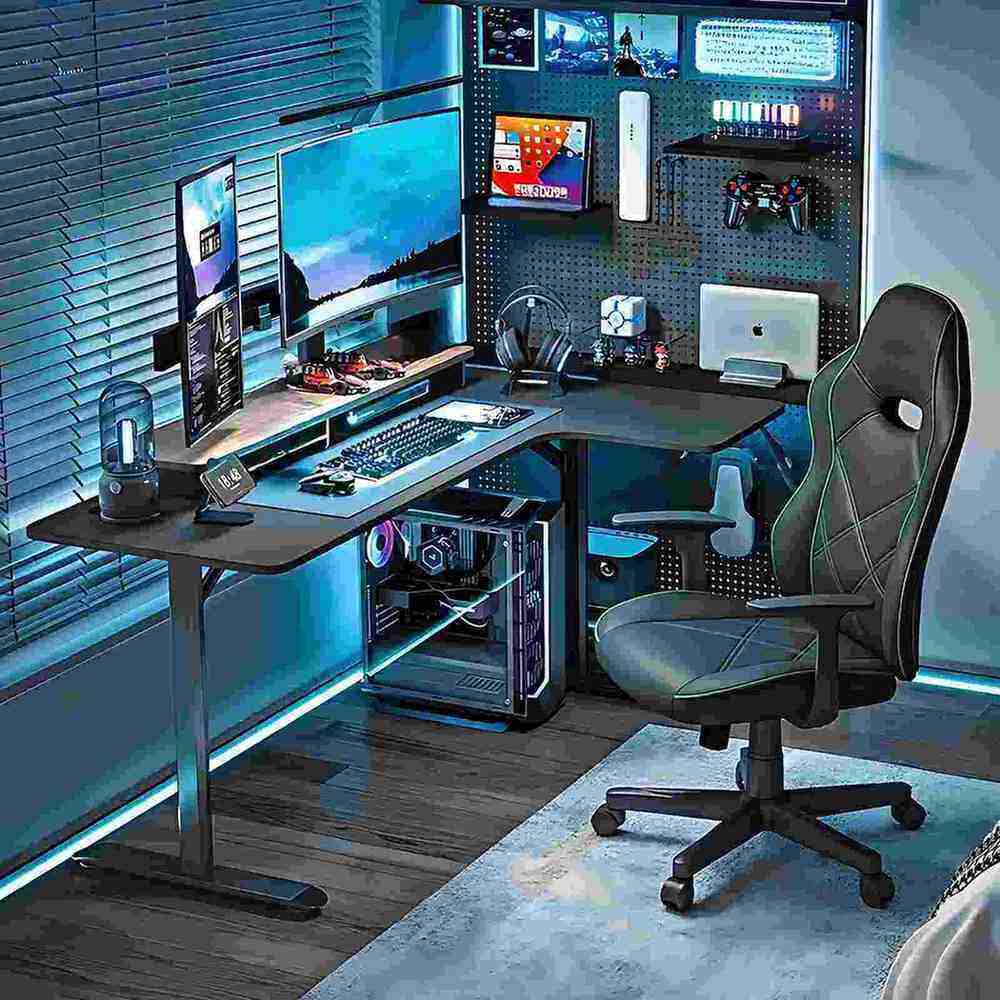
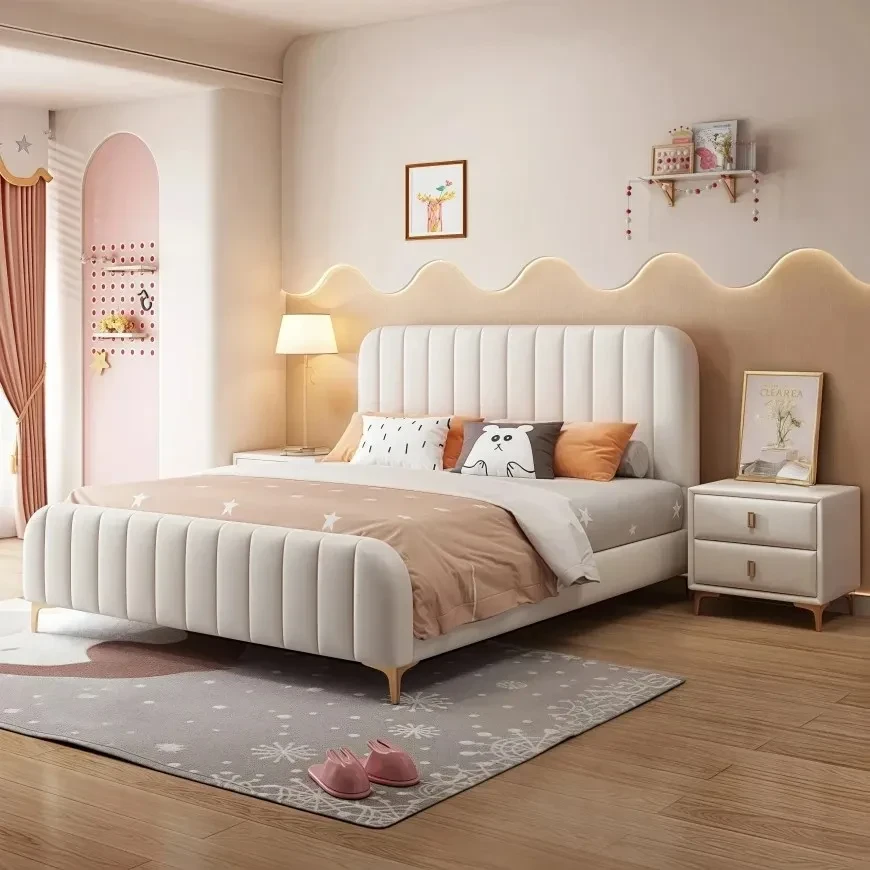
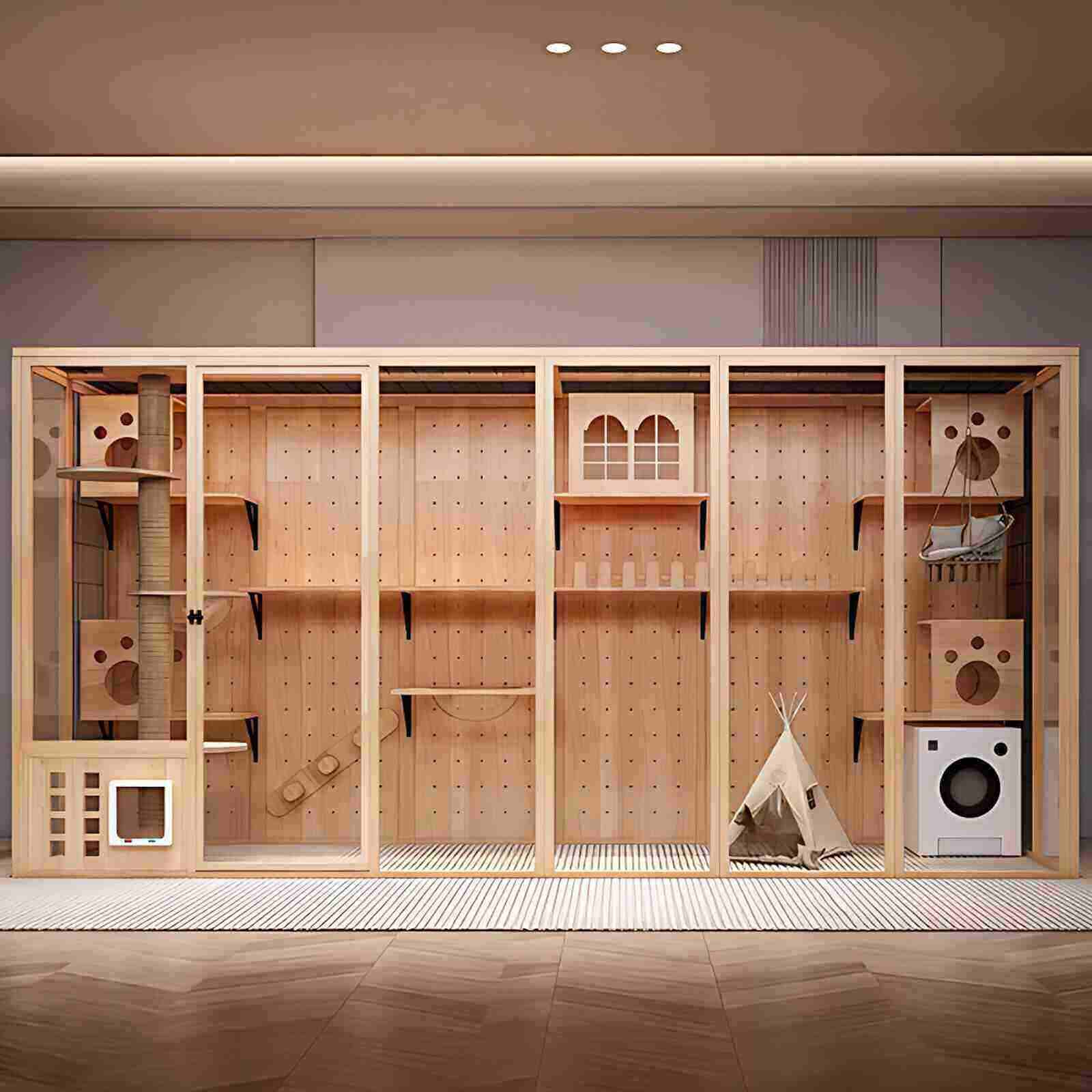
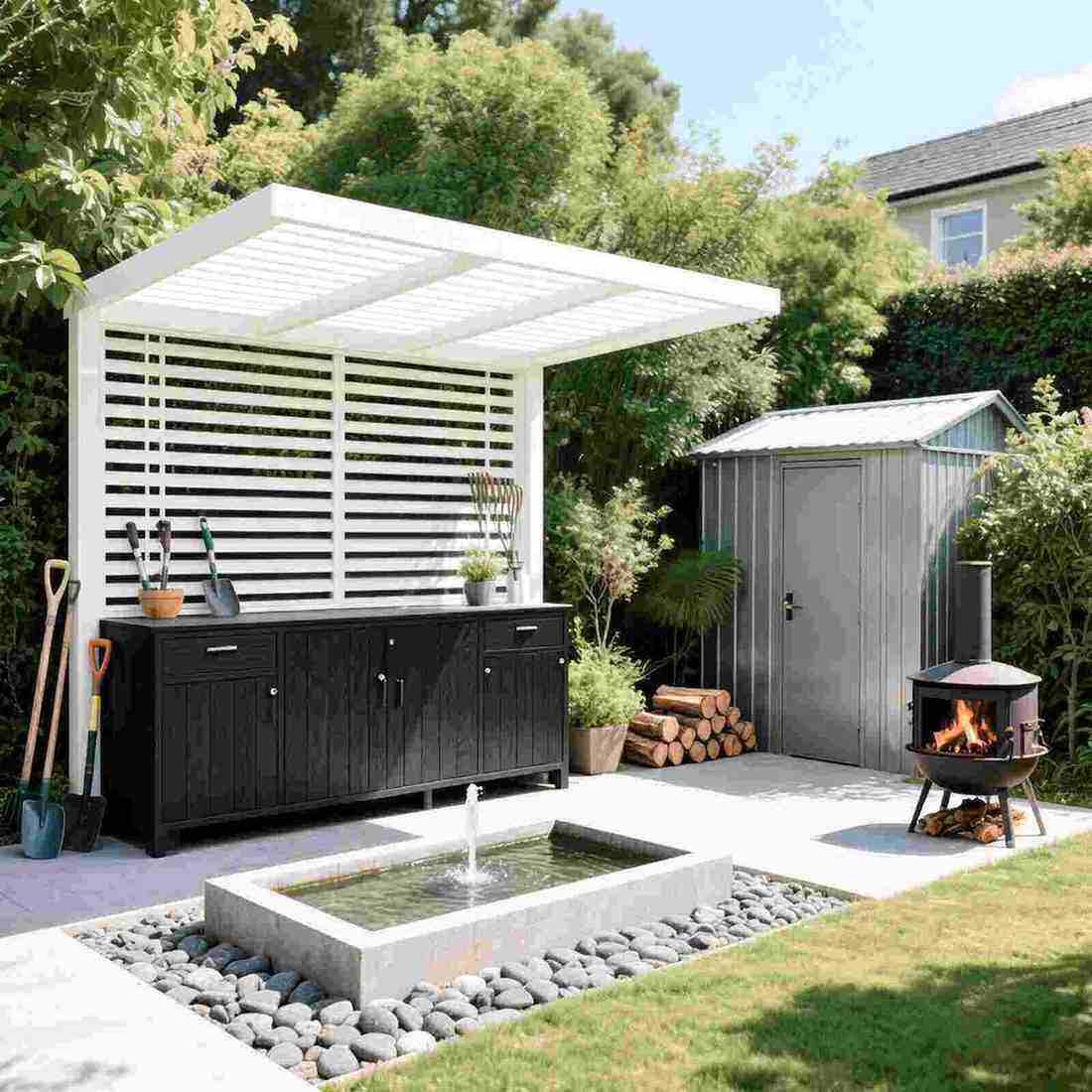
Blockboard, also known as core board, is made by gluing and pressing two veneers together with a core of wood panels. It is lightweight, easy to work with, has good nail-holding power, and does not warp, making it an ideal material for interior decoration and high-end furniture making. Its standard sizes are: 2440mm × 1220mm × 12mm-18mm.
12mm and 15mm: These are thin boards, generally used for the back panel of cabinets, and are used in relatively small quantities.
16.5mm and 17mm: Mainly used for the panels and side panels of beds, cabinets, bookcases, computer desks, and writing desks. They have the widest range of uses and the largest usage.
17.5mm and 18mm: These are thicker and are generally used for making wooden doors and similar items.
Currently, the commonly used substrates include:
Fir, poplar, Malacca wood, paulownia wood, camphor wood, pine wood
Chinese fir: The sapwood is light yellowish-brown, and the heartwood is reddish-brown to dark reddish-brown. It has a distinct Chinese fir odor, straight and uniform grain, medium or coarse texture, easy to dry, tough, does not warp or crack, durable, easy to process, and the cut surface is prone to fuzzing.
Poplar: Yellowish-brown, with little distinction between heartwood and sapwood, light, soft and elastic, poorly dried, easy to process, and has a smooth cut surface.
Malacca wood: sapwood is light yellowish-brown, heartwood is reddish-brown to dark red, texture is medium to fine, easy to cut, moderate density, relatively light weight, minimal deformation, and moderate nail-holding power.
Paulownia wood: Light dark brown in color, uniform in color, relatively light and soft. It has low strength, is easy to process, deforms little, and has poor nail-holding power.
Camphor wood: The heartwood and sapwood are clearly distinguishable, ranging from yellowish-brown to grayish-brown. The heartwood is reddish-brown, often mixed with red or dark stripes. It has a camphor aroma. The wood is of moderate weight and hardness, with oblique or interlocking grain. It is smooth and beautiful, with a fine structure. It is easy to glue and finish, easy to process, has a smooth cut surface, is corrosion-resistant, and is resistant to insects and borers.
Pine wood: The cut surface has a resinous smell, the grain is straight but uneven, the texture is slightly coarse, and it is hard yet tough. It has high strength, is easy to machine, but is prone to cracking when nailed, is rot-resistant, and dries quickly.
Selection method:
1. Panel quality: The panel is flat and smooth, without warping, deformation, blistering, dents, delamination, or indentations.
First, check the texture of the board surface and for any color differences;
Second touch: Surface flatness and smoothness;
Three things to consider: craftsmanship, materials, and environmental protection level;
Fourthly, listen to the sound: shake or tap the board.
2. Core board process:
Whether the width and thickness are equal, and whether the thickness is within the specified deviation;
Is the arrangement even and neat?
Are the gaps too large or too numerous?
Are the joints secure?
Check for signs of decay, breakage, or insect infestation.
Are there any burrs?
Plywood is more than just a material; it is art, culture, and a healthy and environmentally friendly lifestyle. It interprets a tasteful and textured light luxury life through everyday living.