
 USD
USD GBP
GBP
 EUR
EUR
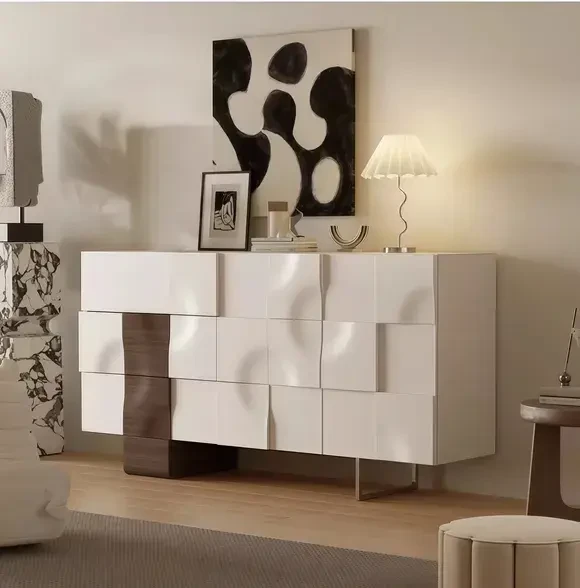
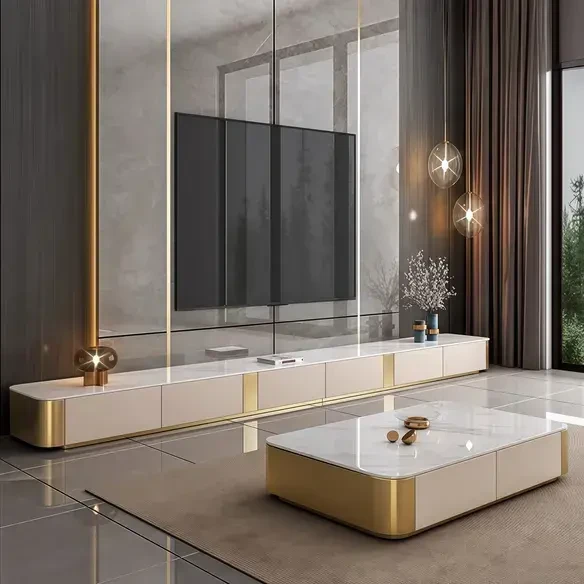
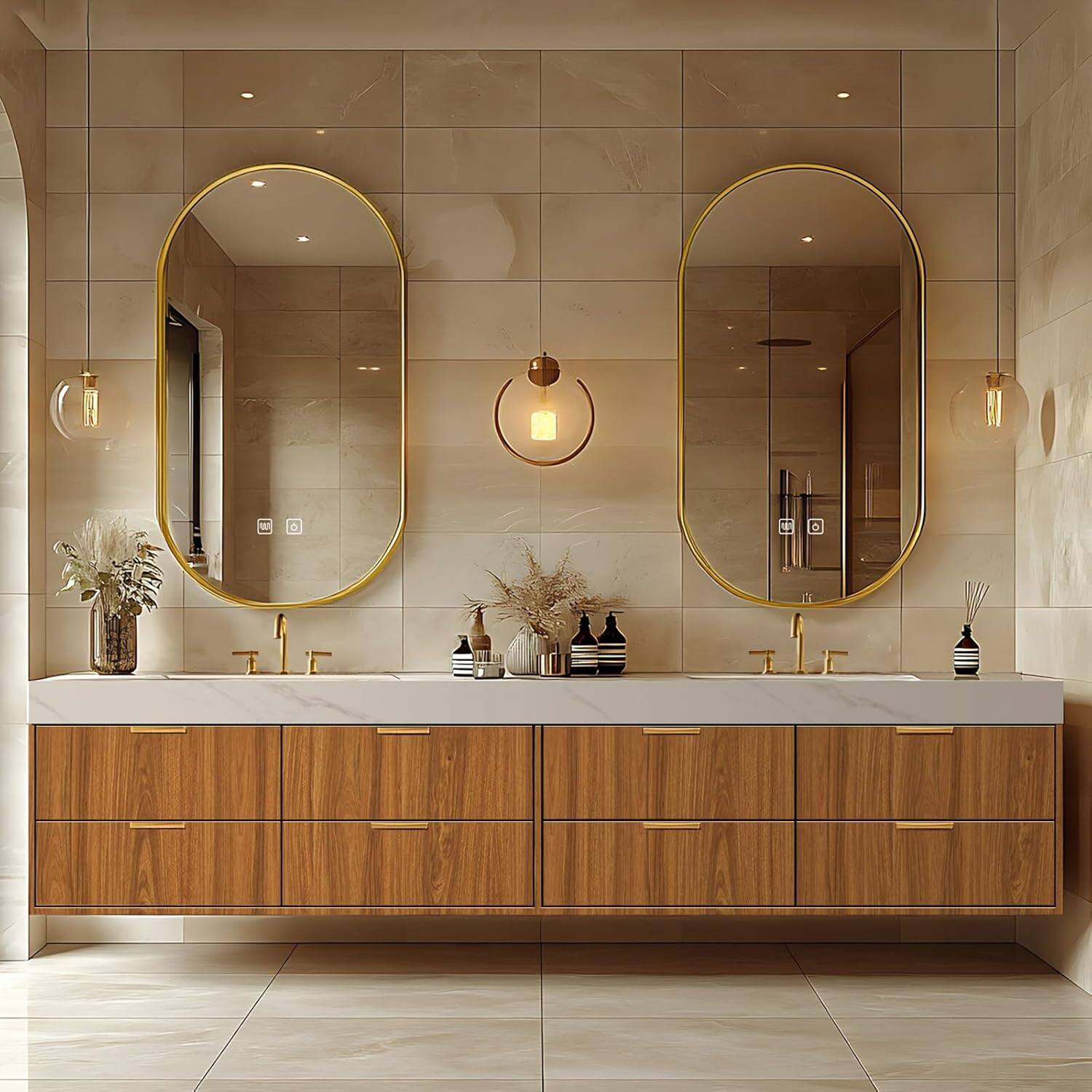
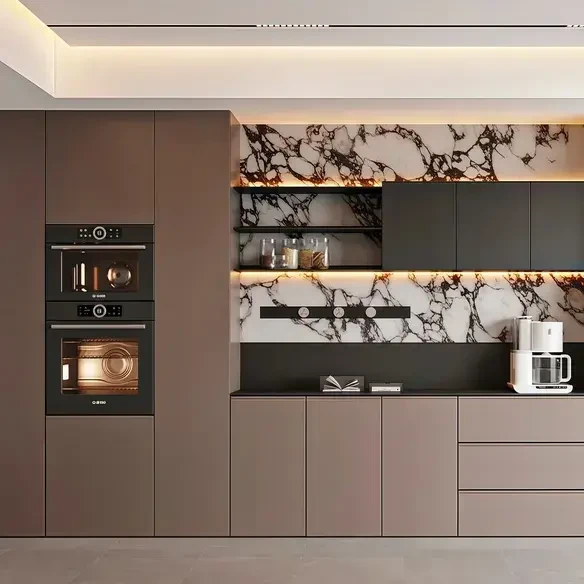
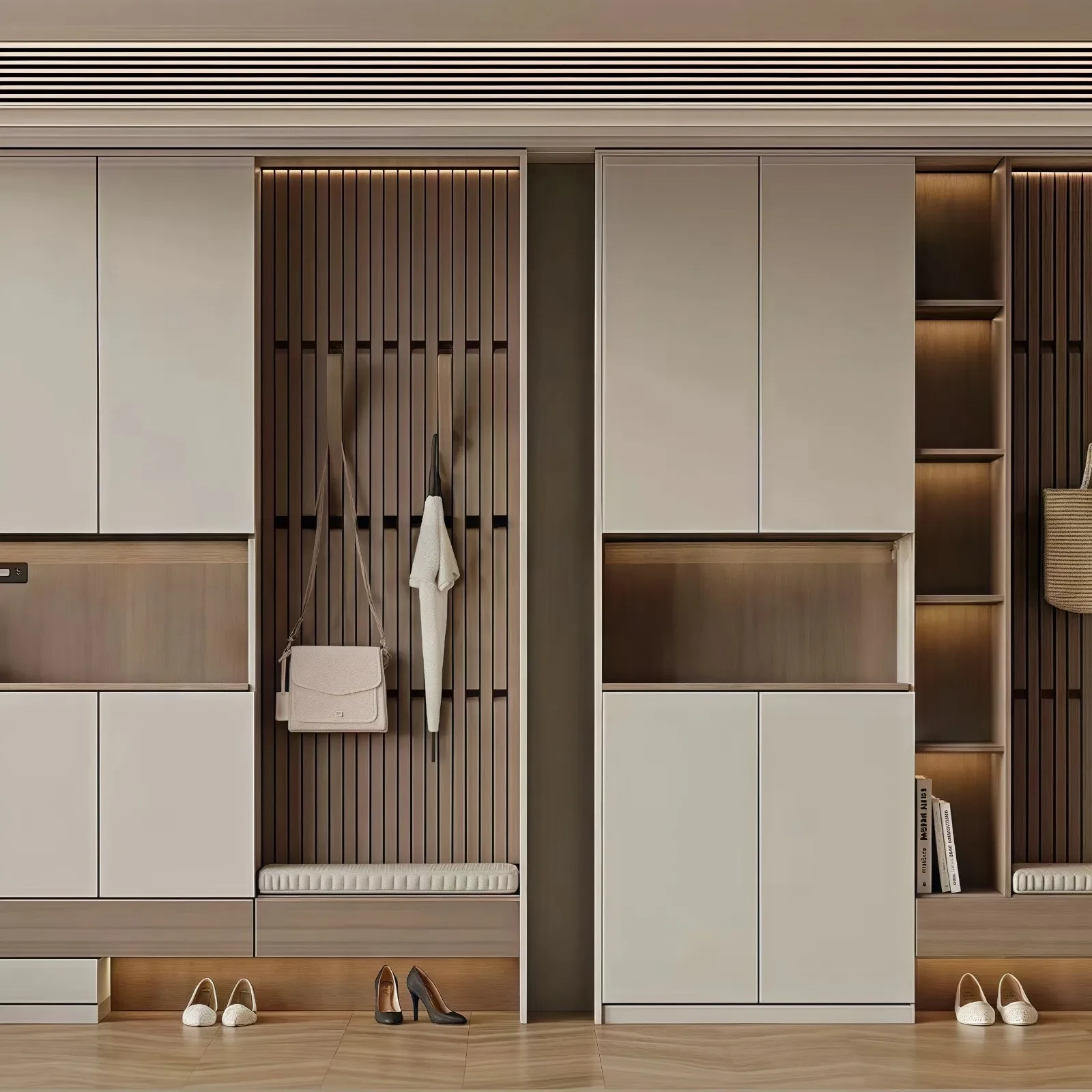
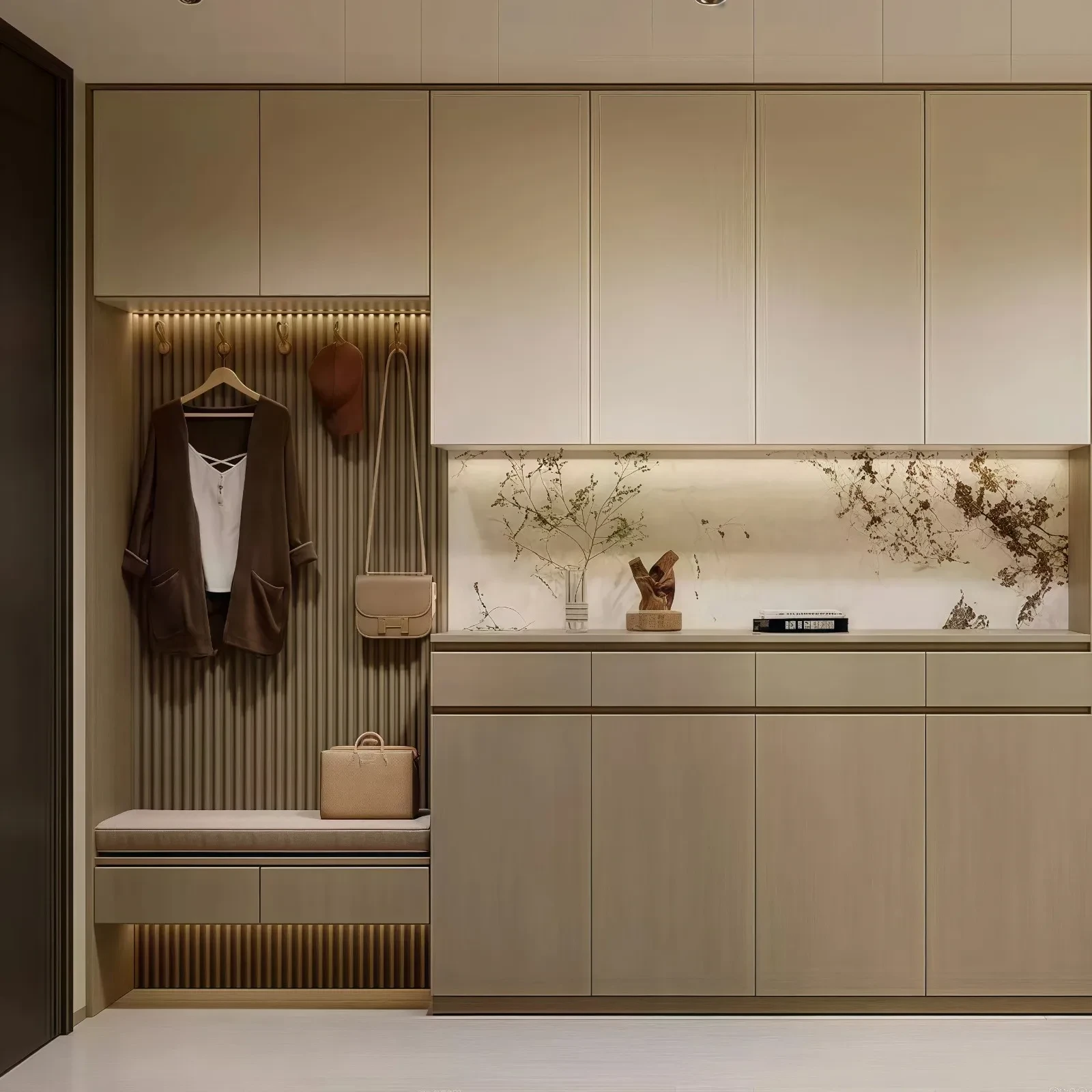
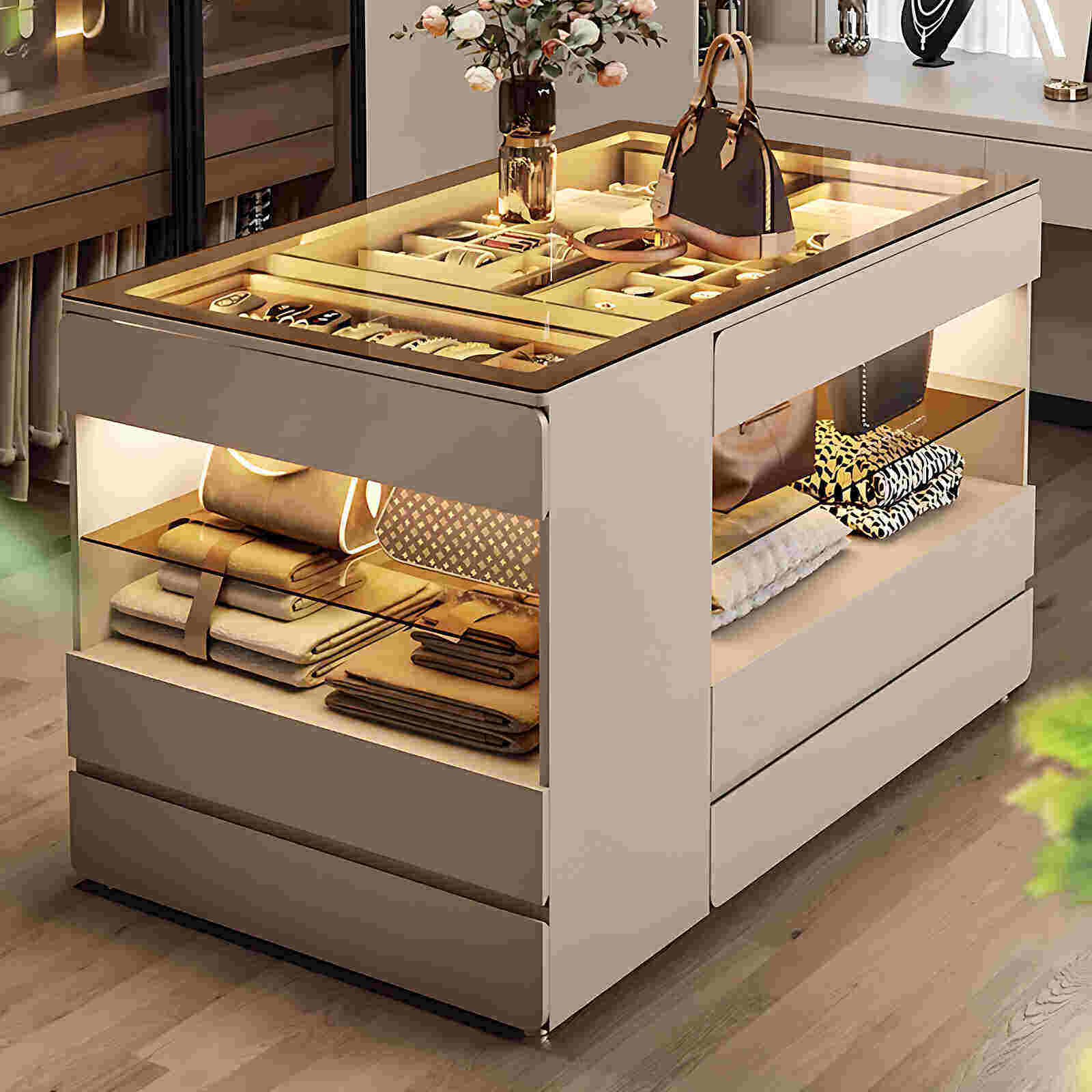
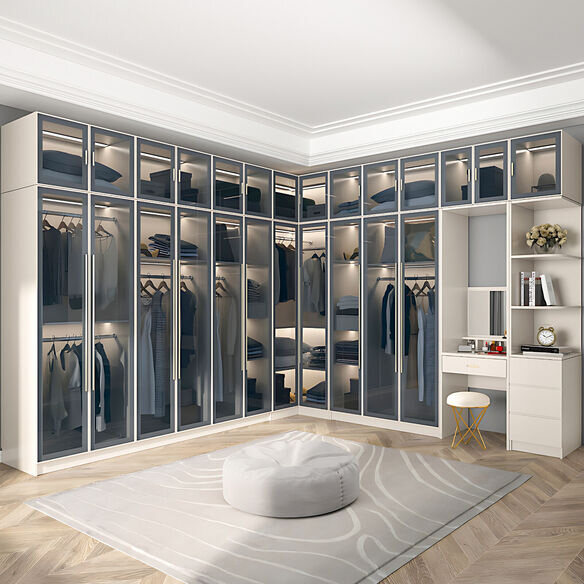
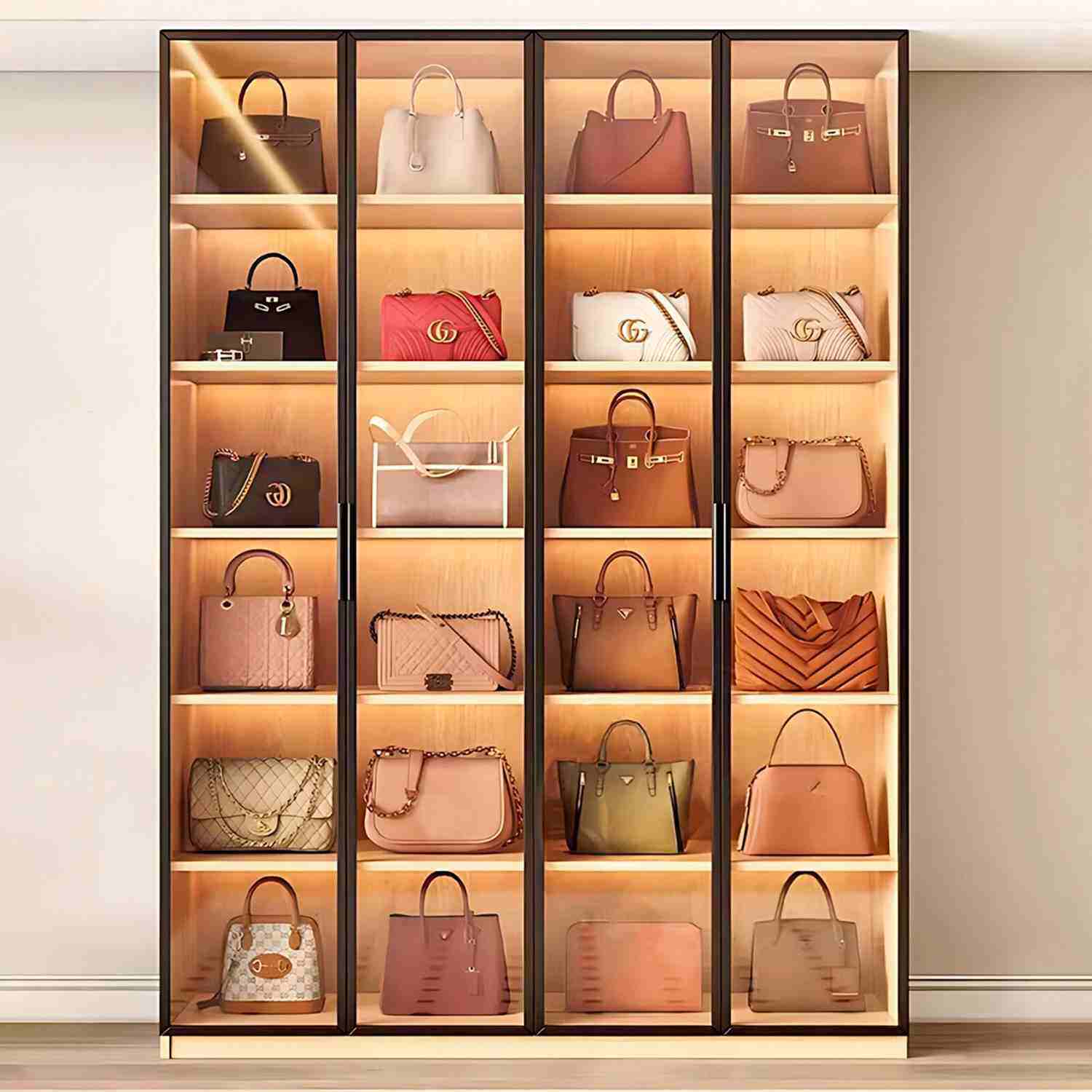
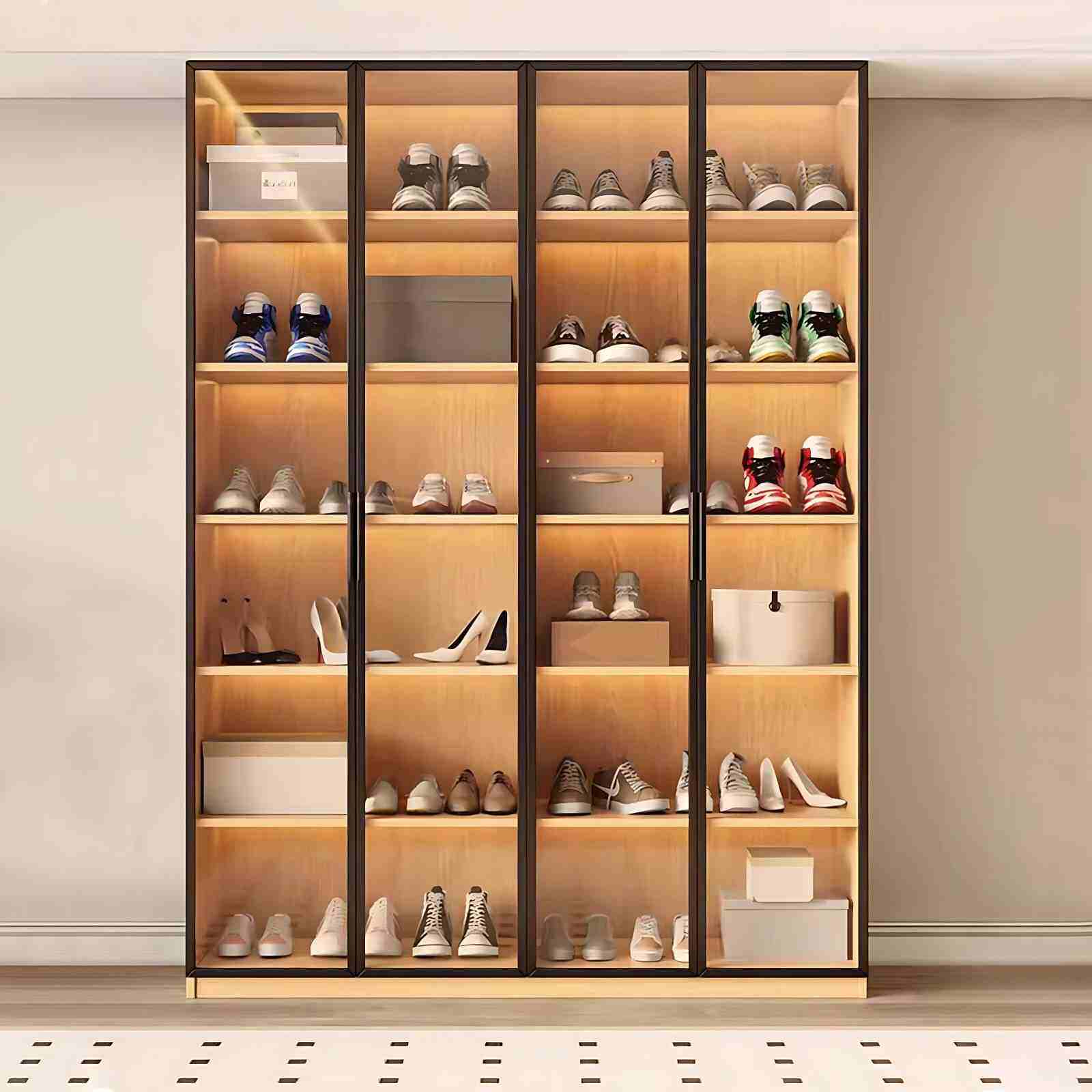
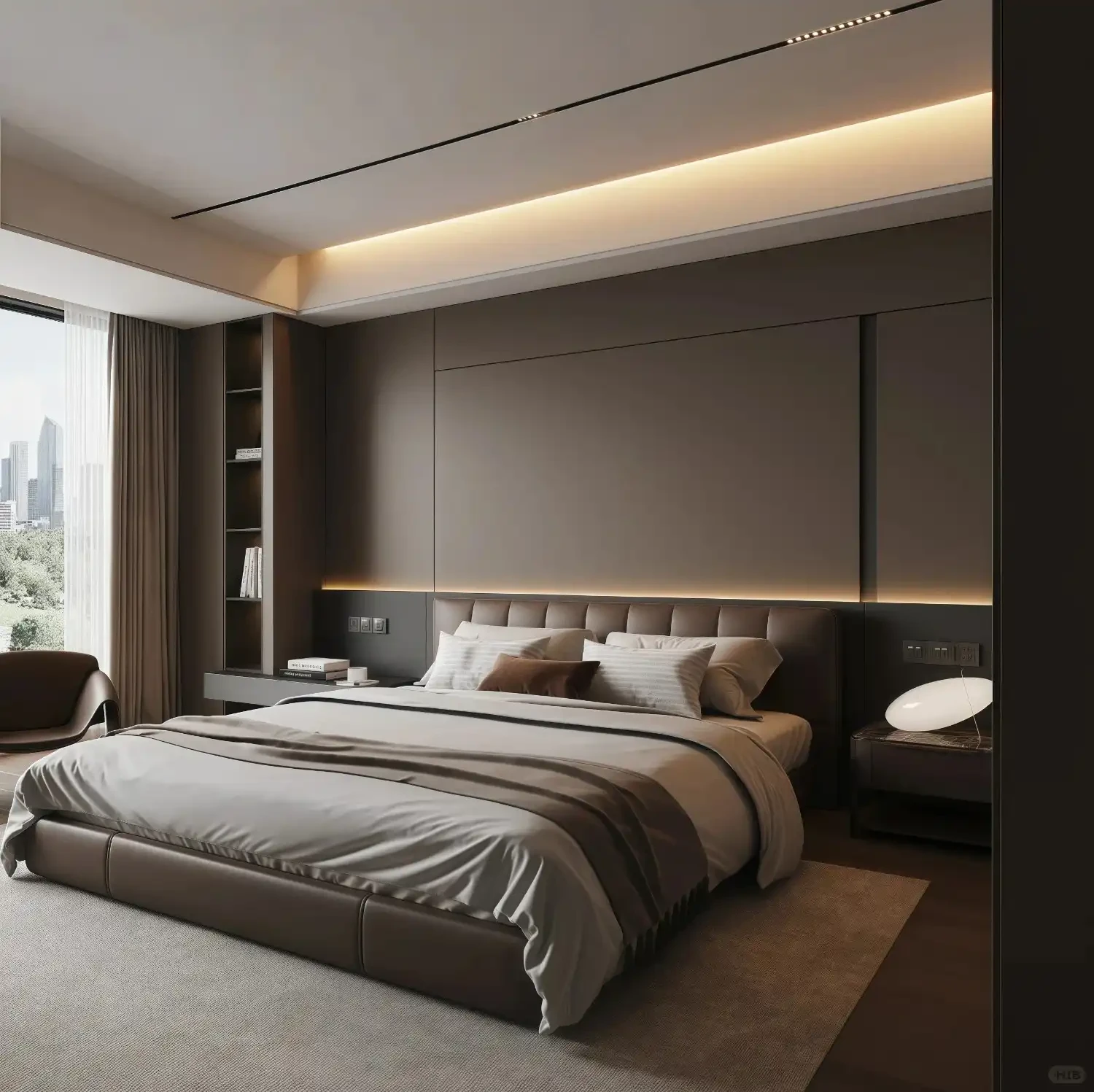
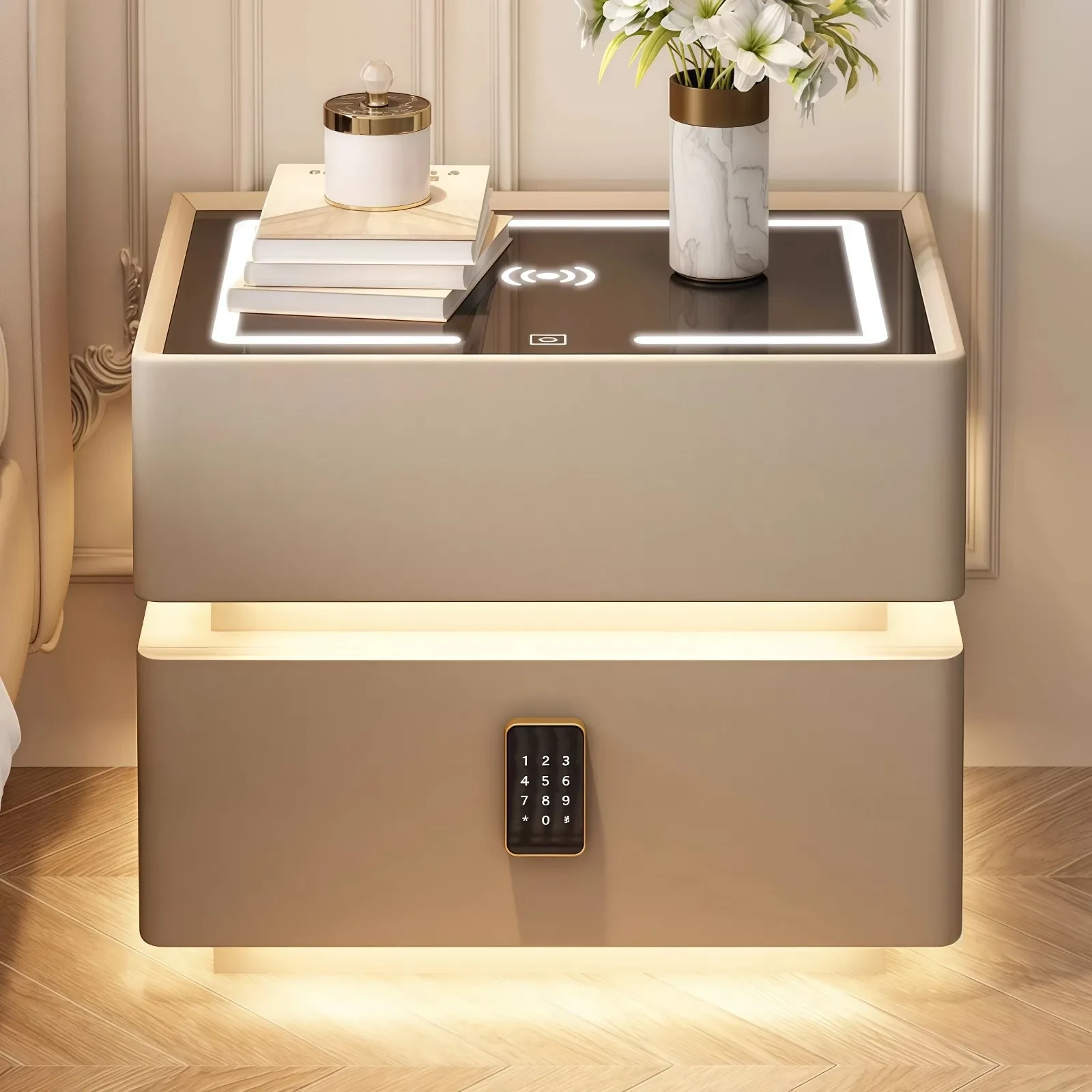
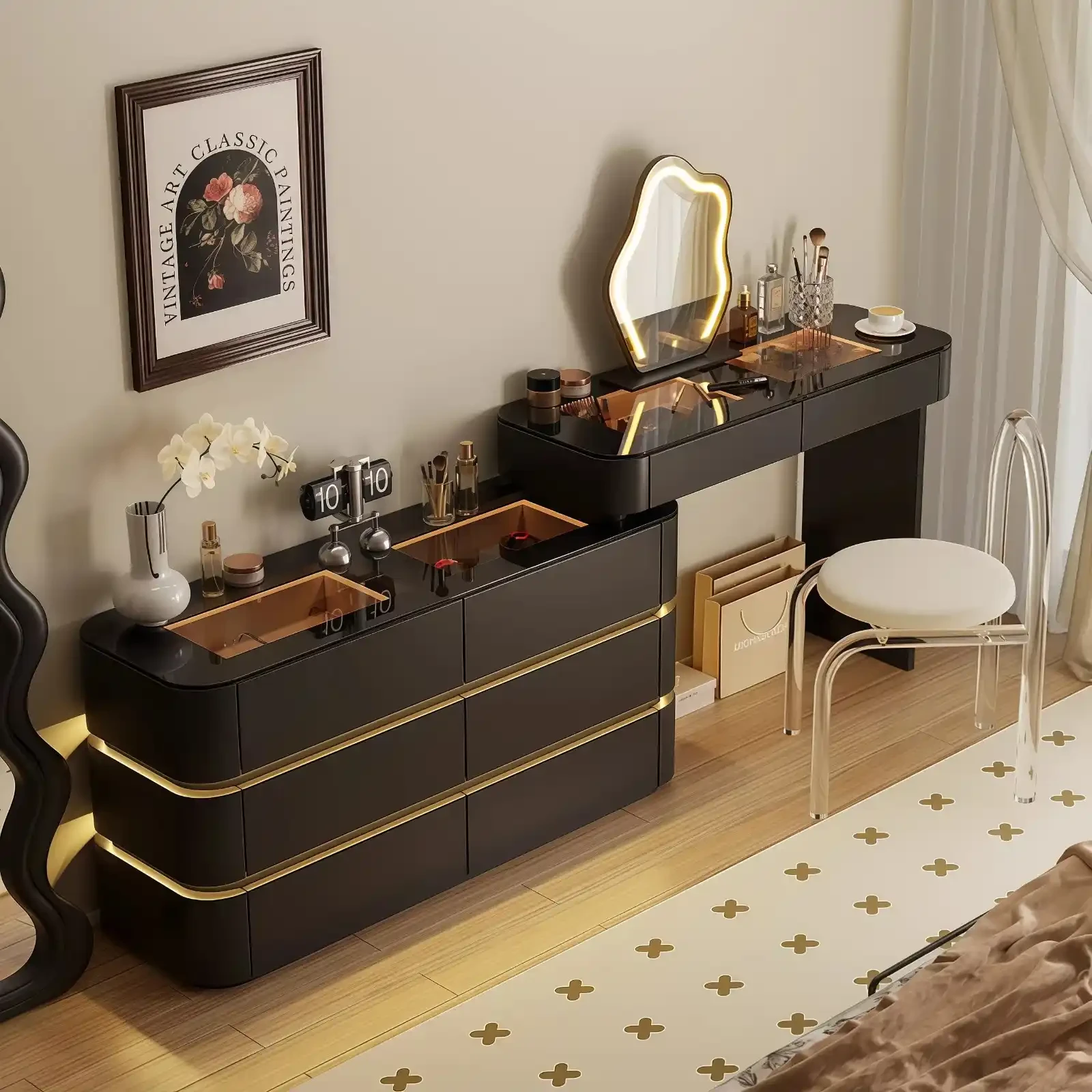
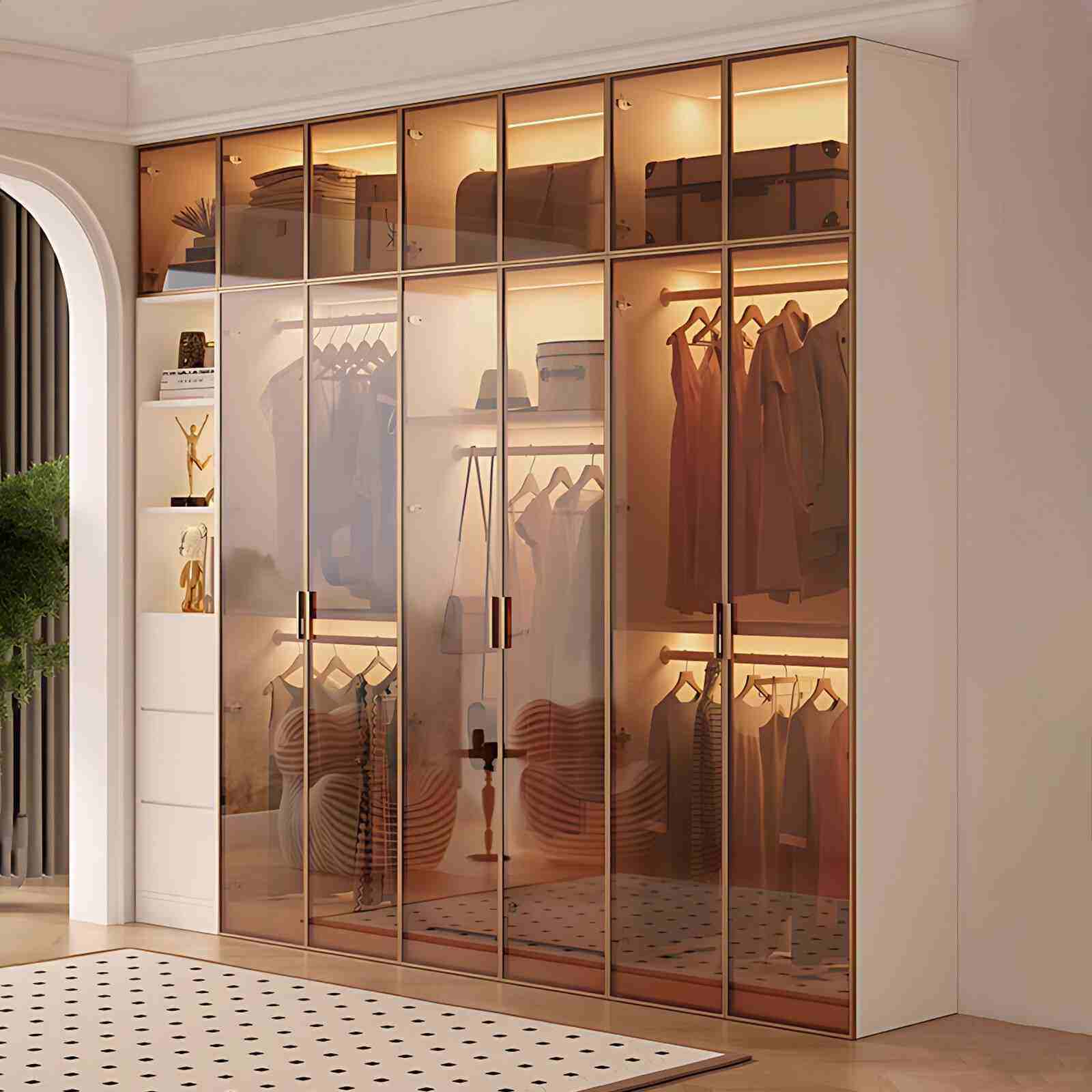
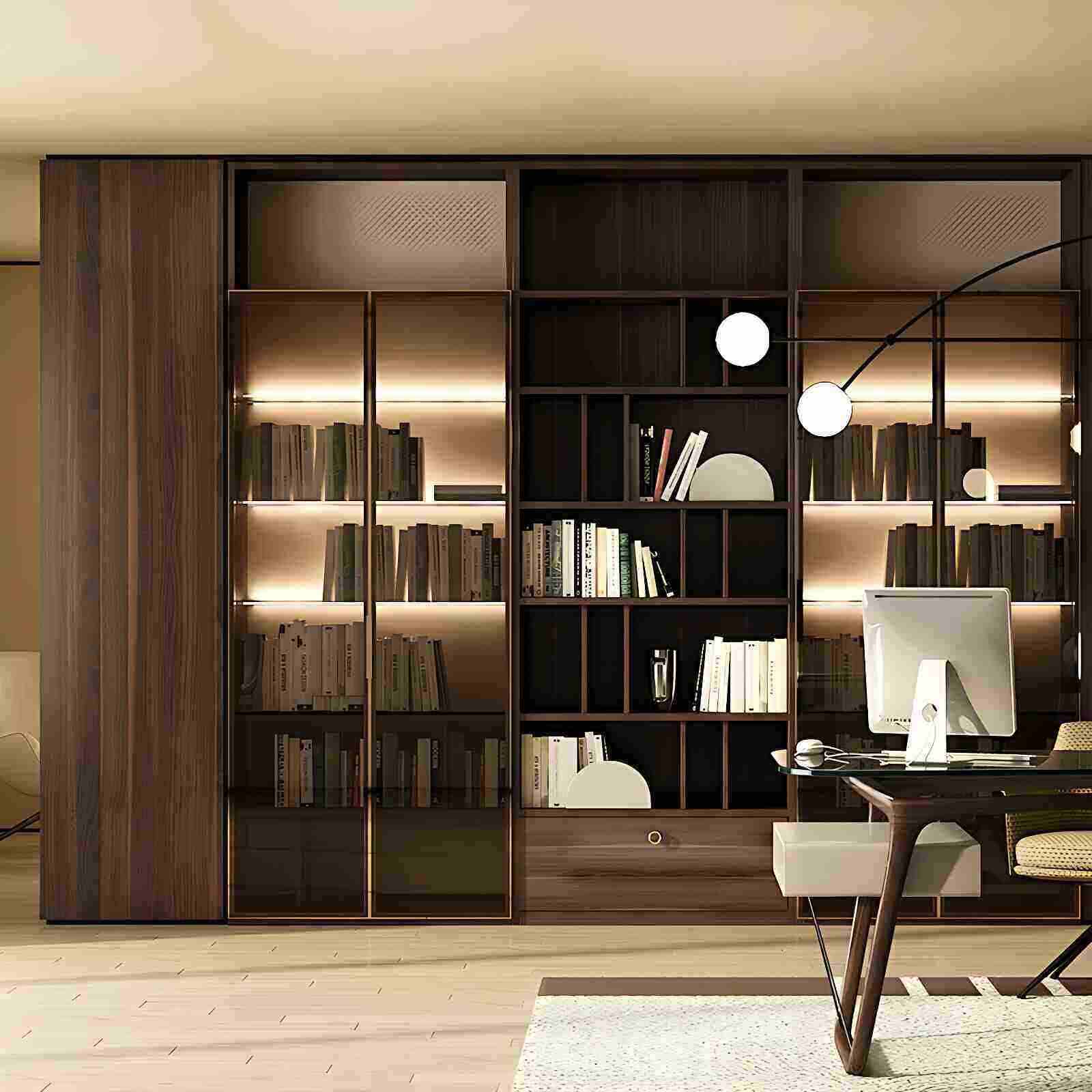
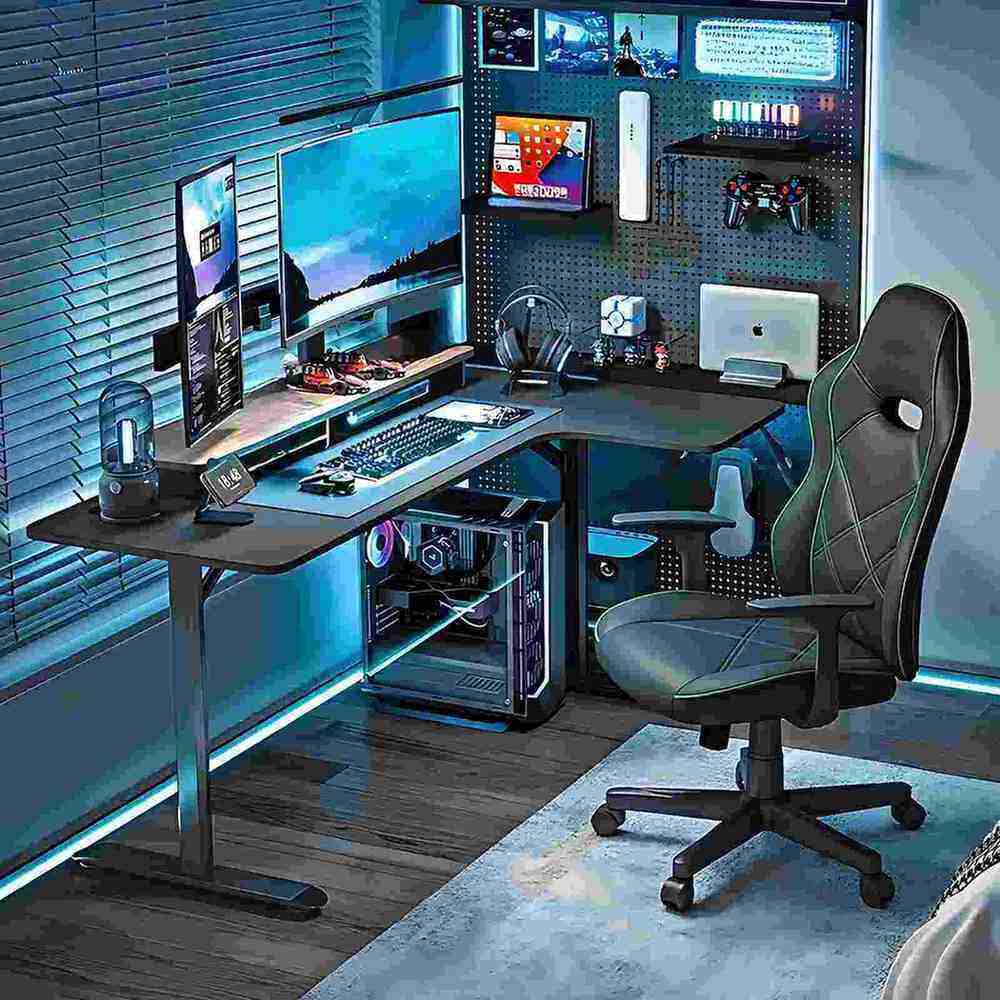
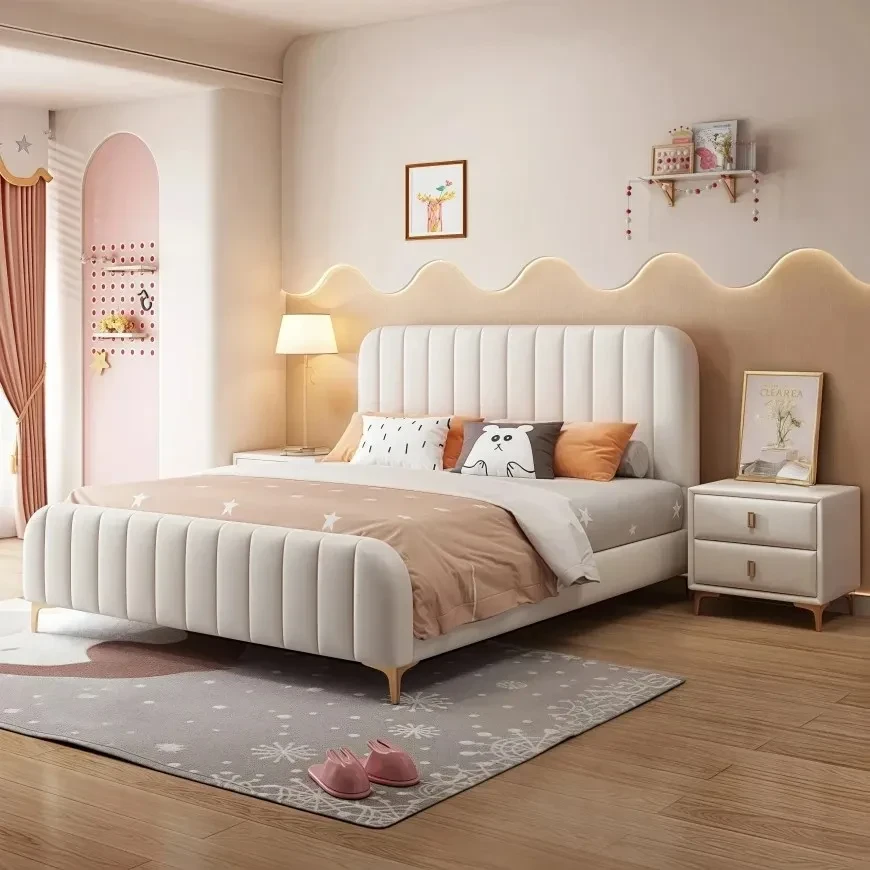
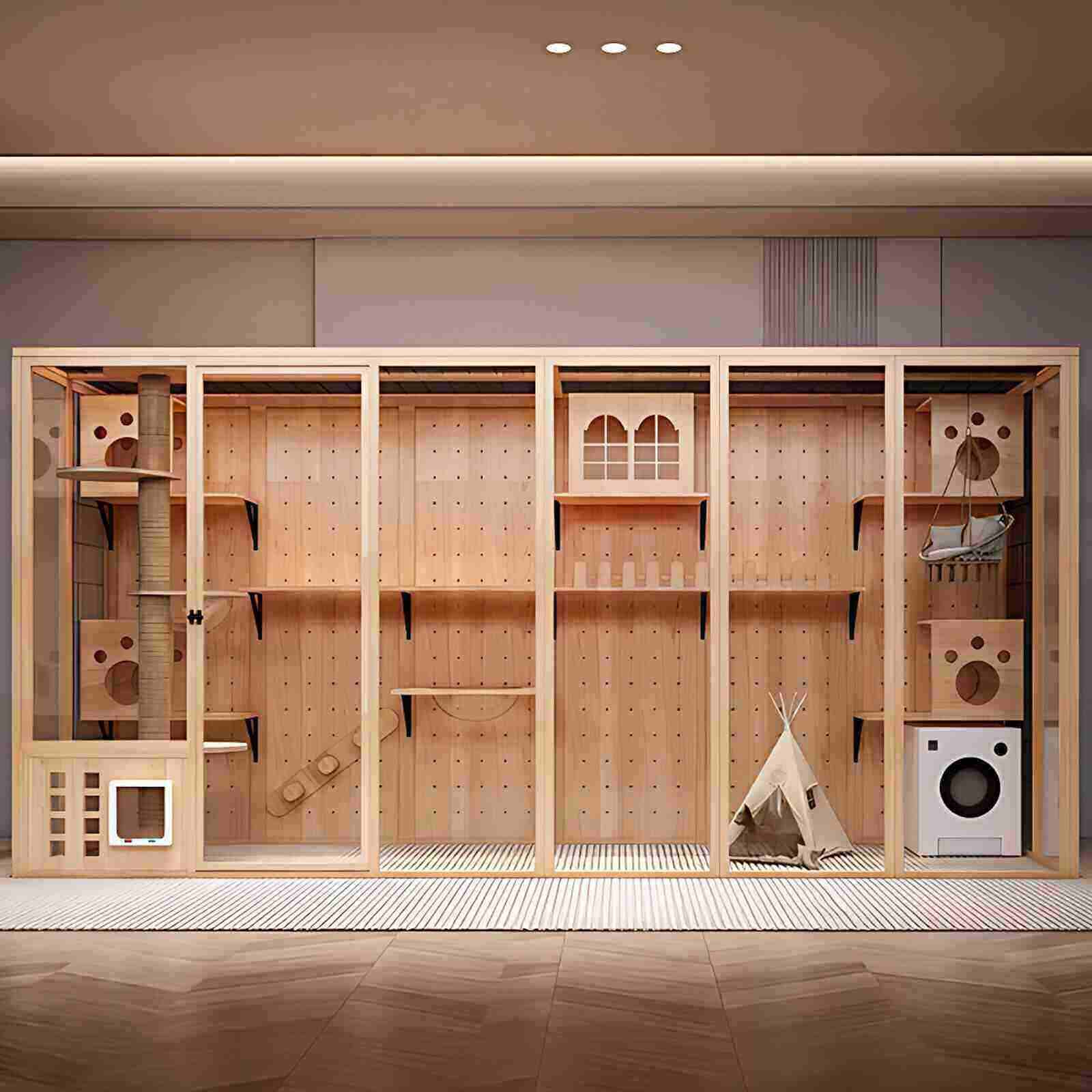
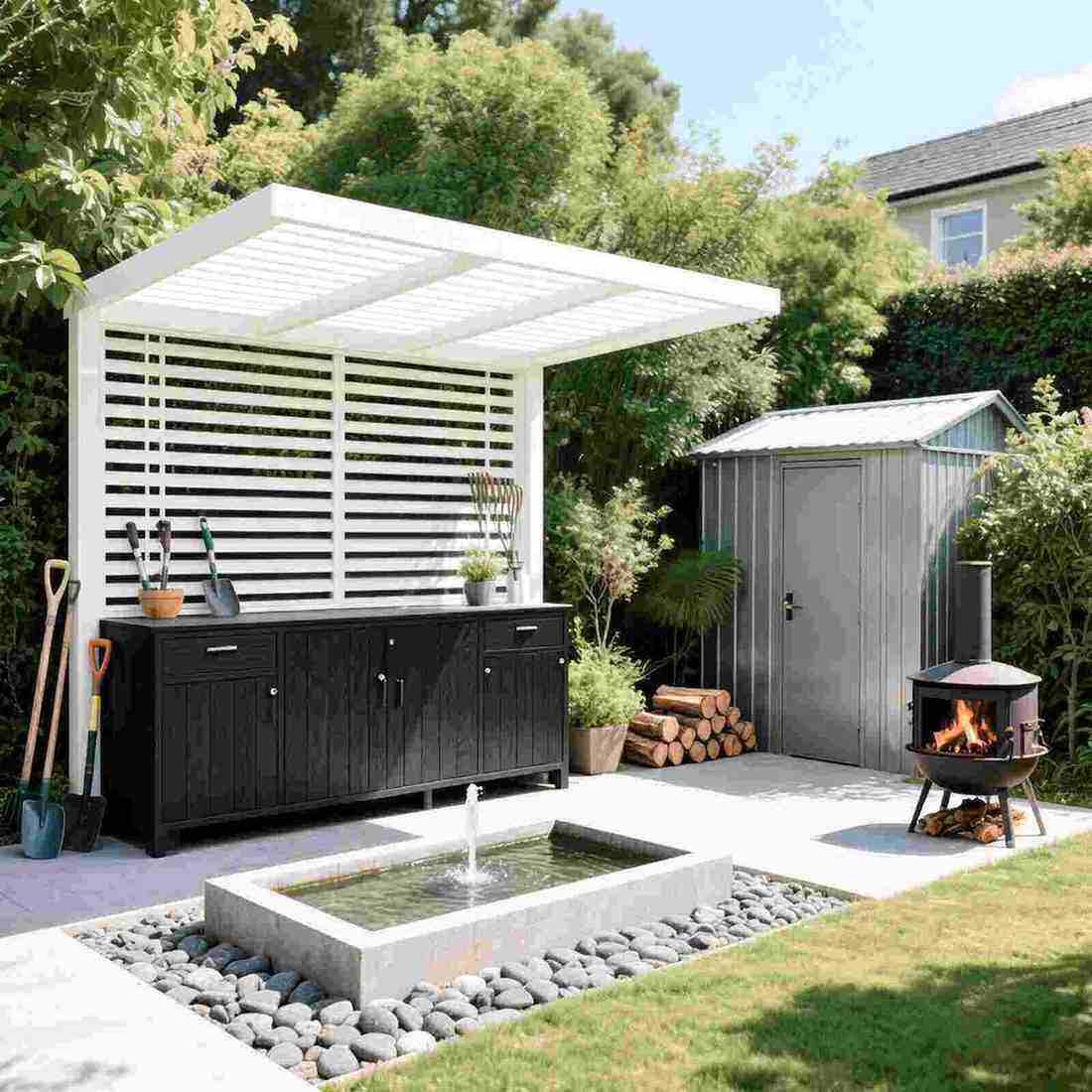
A wardrobe is a place to store clothes and is one of the essential pieces of furniture in a home. There are many types of wardrobes on the market now, and different wardrobes use different materials with varying properties, resulting in different appearances. So, how do you choose a wardrobe from such a dazzling array of options? Which type of material is best? Today, we'll discuss how to choose the right materials when making a wardrobe.
Ecological board
Eco-friendly boards, also known as melamine boards, are made by bonding environmentally friendly plywood to the surface. Compared to melamine boards made from traditional particleboard and MDF, they have a higher environmental protection coefficient.
After undergoing fire-retardant, wear-resistant, and waterproof treatments, the eco-board becomes more robust and durable. Its smooth, flat surface, vibrant colors, resistance to deformation and peeling, high hardness, and ease of processing make it particularly suitable for wardrobe furniture.
plywood
Plywood is a sheet material made by rotary cutting logs into veneers or slicing timber into thin sheets, and then gluing them together with adhesives. As one of the three major types of engineered wood products, plywood has strong decorative properties and a natural, rustic feel, making it one of the most commonly used materials for interior decoration and furniture.
Plywood is commonly used in various wood products such as panel wardrobes, feature walls, and ceilings, and as the baseboard for decorative panels.
Decorative panel
Decorative veneer plywood, also known as decorative veneer plywood, is a type of wood material made by slicing natural wood or engineered wood into thin sheets of a certain thickness, adhering them to the surface of plywood, and then hot-pressing them together.
Veneer panels are brightly colored, have beautiful patterns, and clear textures, making them a common material for furniture making. However, veneer panels should be kept dry and properly treated to prevent moisture damage, such as mold and blackening.
solid wood boards
As the name suggests, solid wood boards are wood panels made from whole pieces of timber. Solid wood boards are sturdy and durable, with natural grain patterns, and most have the unique aroma of natural wood. They also have good moisture absorption and breathability.
Due to their high cost and demanding construction techniques, solid wood panels are not frequently used in interior design. The most common solid wood building material on the market is solid wood flooring, followed by expensive solid wood wardrobes.
plywood
Blockboard, also known as core board, is made by gluing and pressing two veneers together with a core of spliced wood panels. Blockboard has good screw-holding power, high strength, and a hard texture. It also has sound-absorbing and heat-insulating properties. Its natural wood characteristics are well-suited to human needs, making it popular among consumers.
Plywood has a smooth surface and is not easily deformed, so it has a wide range of uses, such as wardrobes, doors and windows, partitions, false walls, and curtain boxes. However, it is susceptible to moisture, so care should be taken to avoid using it in kitchen and bathroom renovations.
Particleboard
Particleboard, also known as bagasse board, is a type of engineered wood product made by gluing together wood chips or other lignocellulosic materials with adhesives under heat and pressure.
Particleboard is often used in home or building decoration as interior wall panels, also known as partition walls. However, it has poor strength and is generally not suitable for making larger furniture or furniture with mechanical requirements.
Particleboard
Solid wood particleboard is a type of chipboard. It is a type of engineered wood product made from wood chips or other lignocellulosic materials. The chips are made with fine wood fibers on both sides and long wood fibers in the middle. They are then bonded together with adhesives under heat and pressure. It is a type of board produced using the same process as particleboard.
Compared to particleboard, solid wood particleboard has a more uniform internal structure, resulting in greater stability. As a new, high-end, and environmentally friendly substrate, it is widely used by furniture manufacturers in Europe and America, and the domestic panel furniture market has also begun to adopt this type of board on a large scale.
Flame retardant board
Flame-retardant boards, also known as fire-resistant boards or flame-retardant plywood, are made primarily from wood and possess five key characteristics: flame retardancy, smoke suppression, corrosion resistance, insect resistance, and stability.
Flame-retardant boards retain the excellent physical properties, processing performance, and decorative functions of traditional engineered wood products, and are widely used in public construction and decoration projects such as hotels, convention centers, libraries, shopping malls, and office buildings, as well as in the construction and decoration of high-end residences and the manufacturing of high-end furniture.