
 USD
USD GBP
GBP
 EUR
EUR


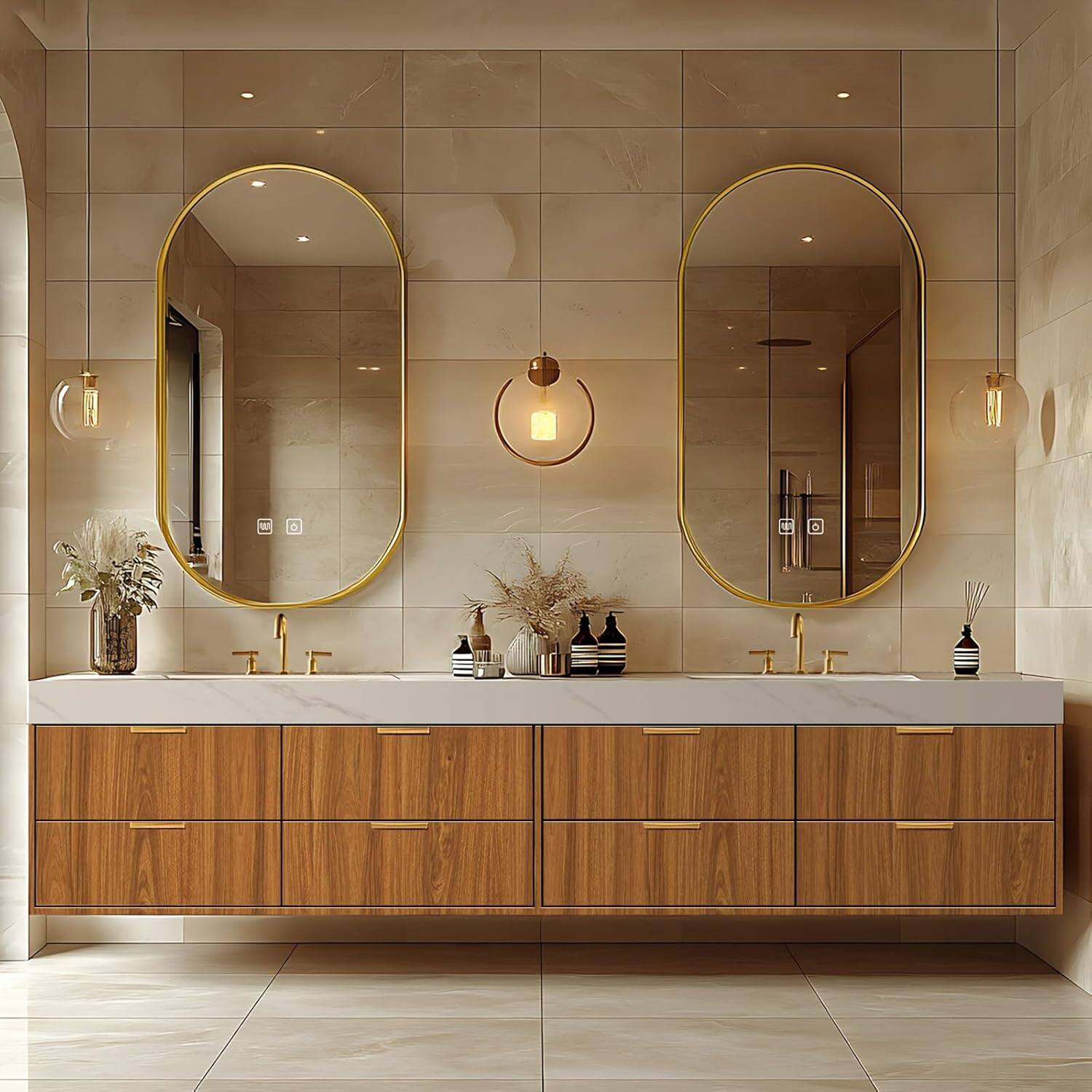
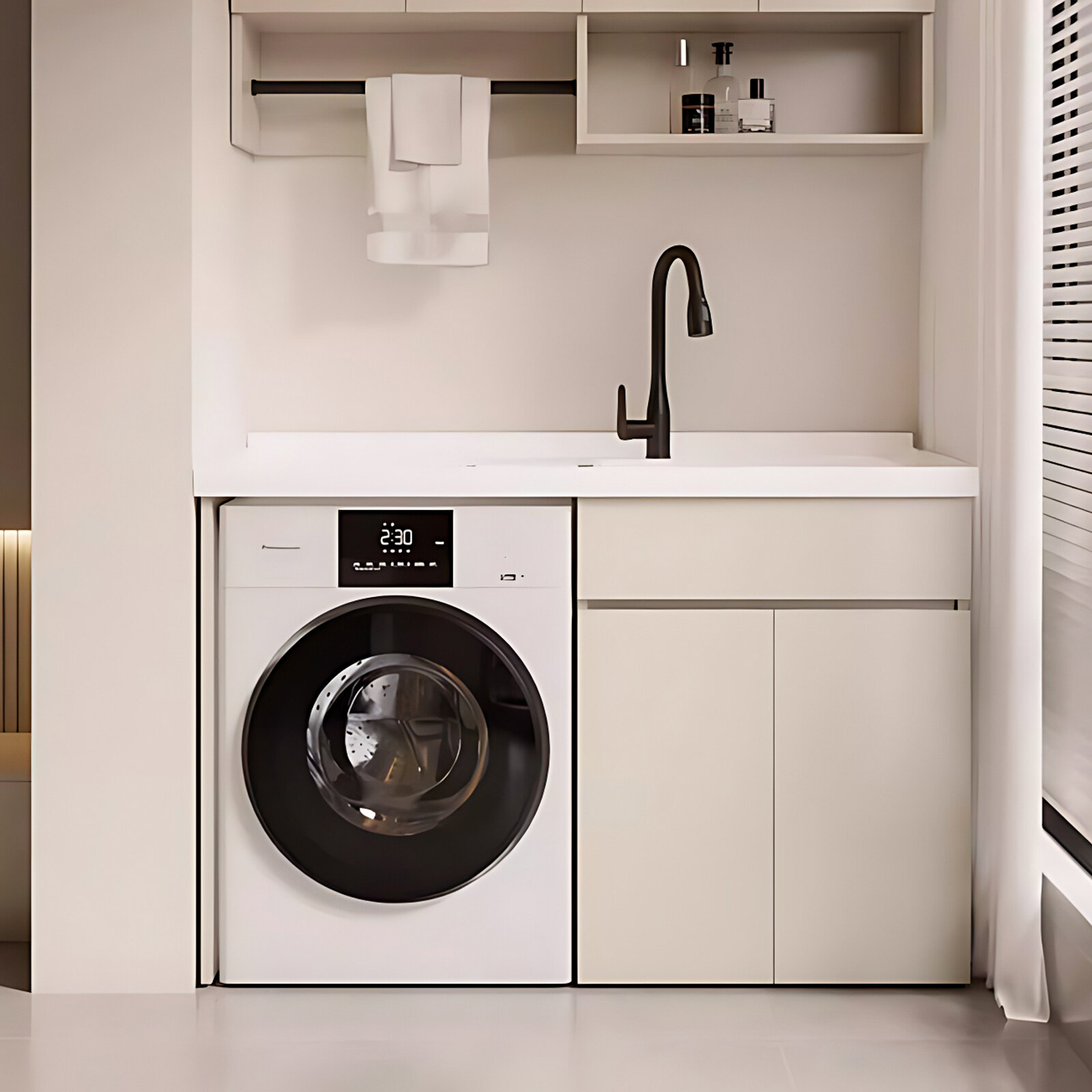
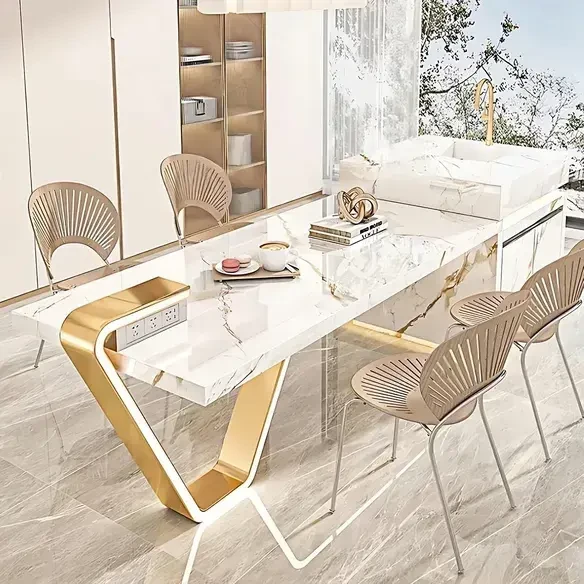
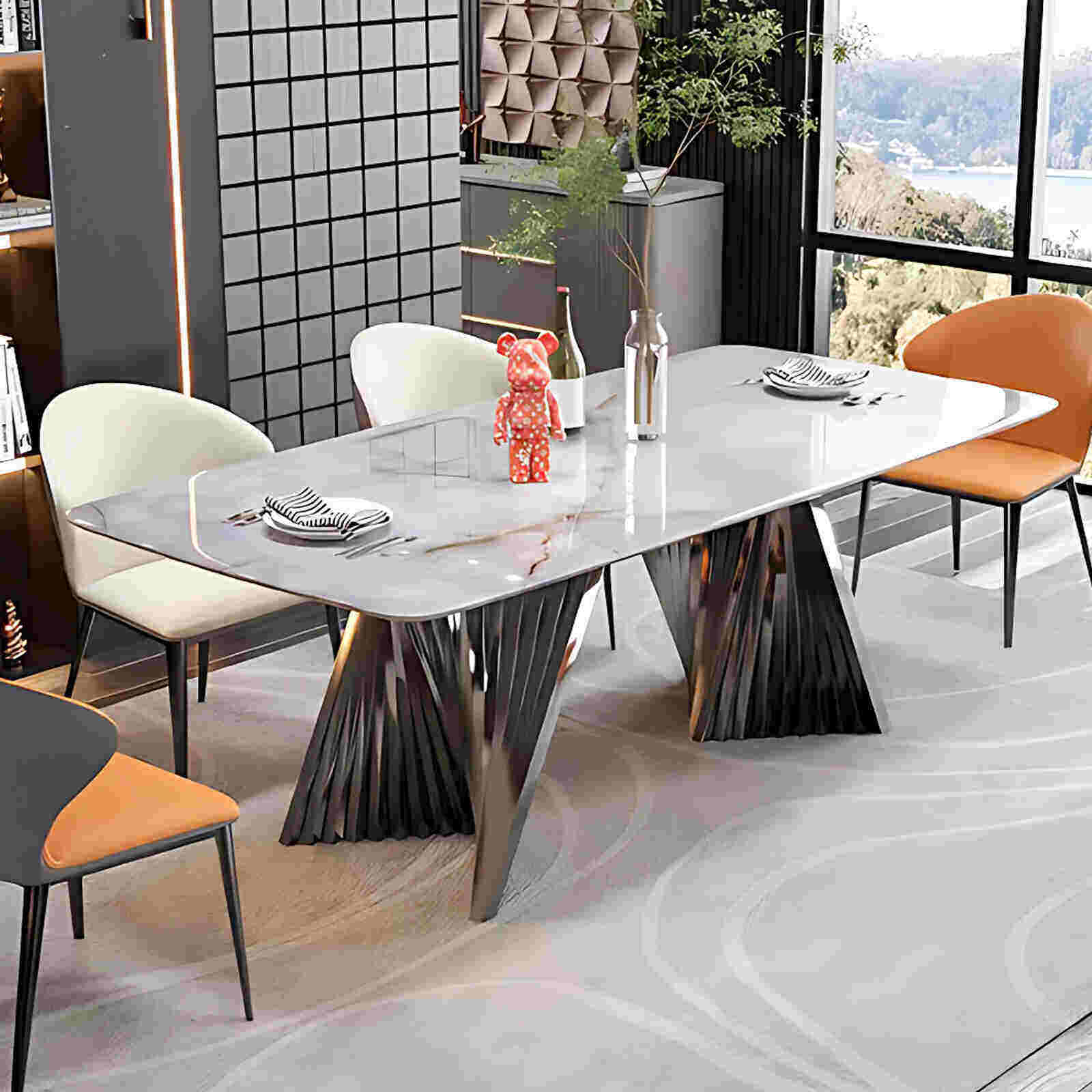
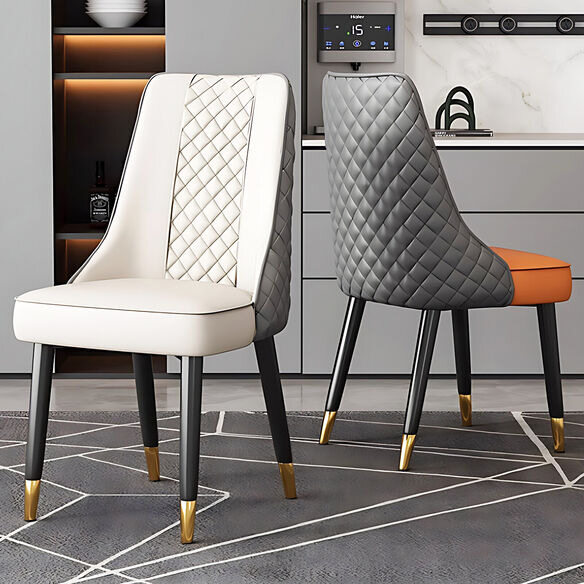
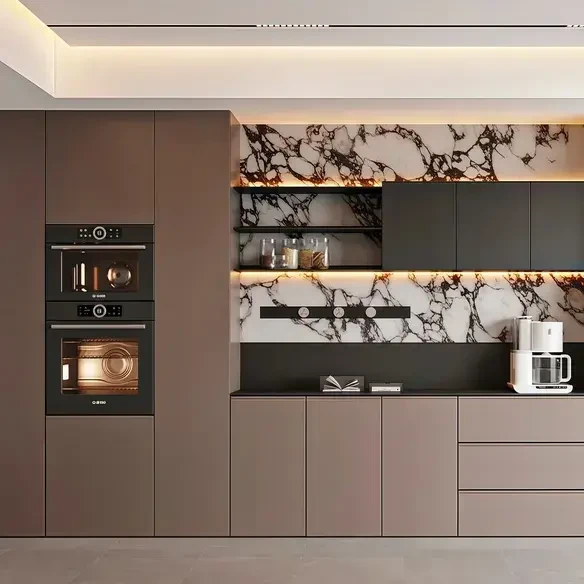
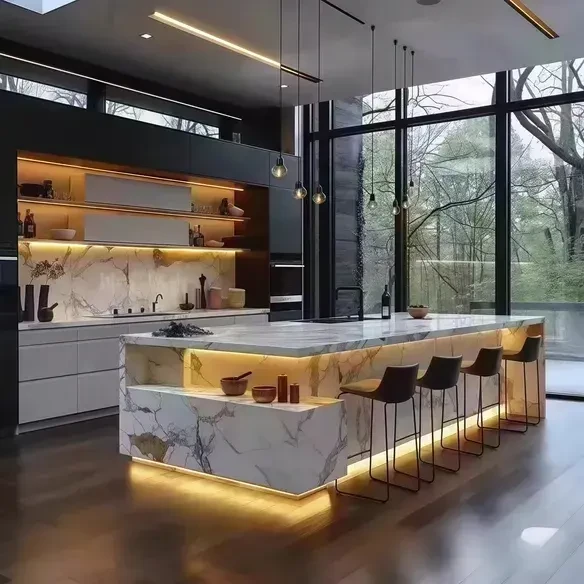
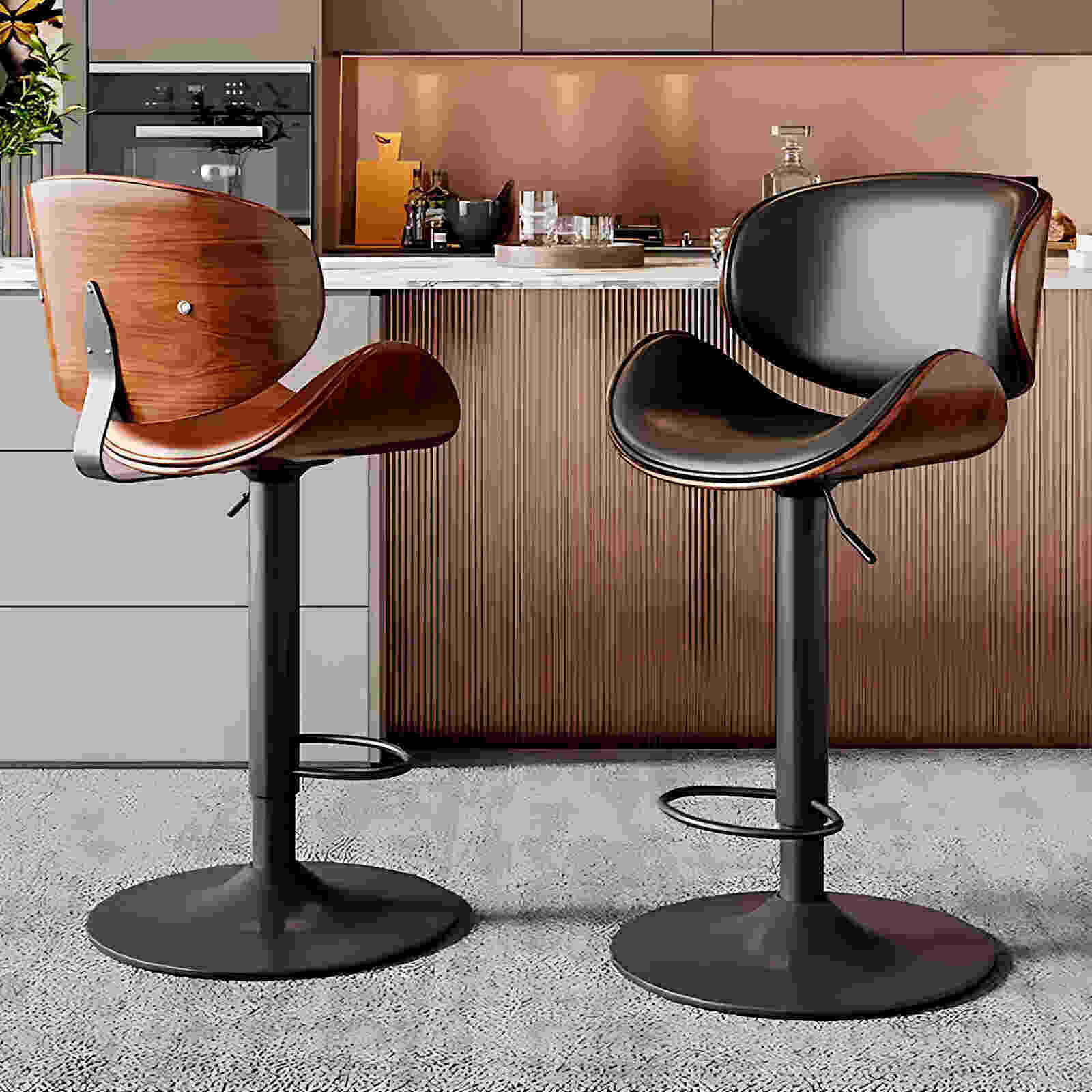
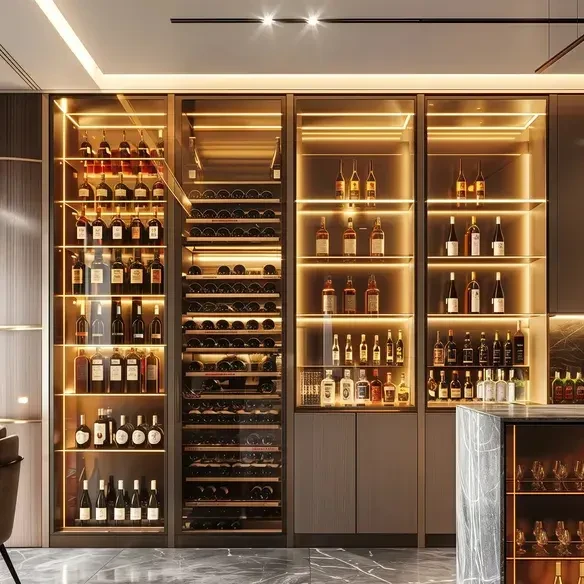

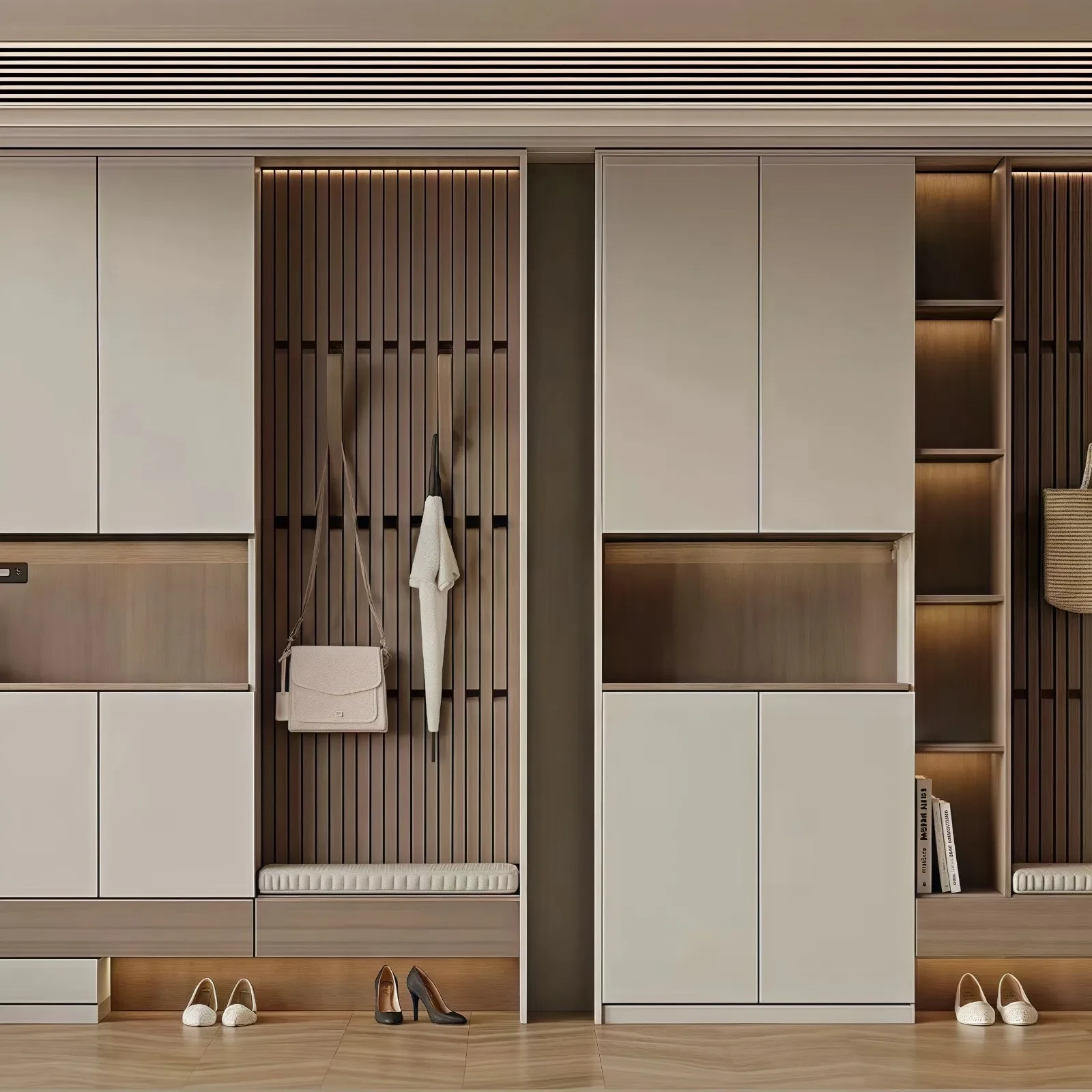
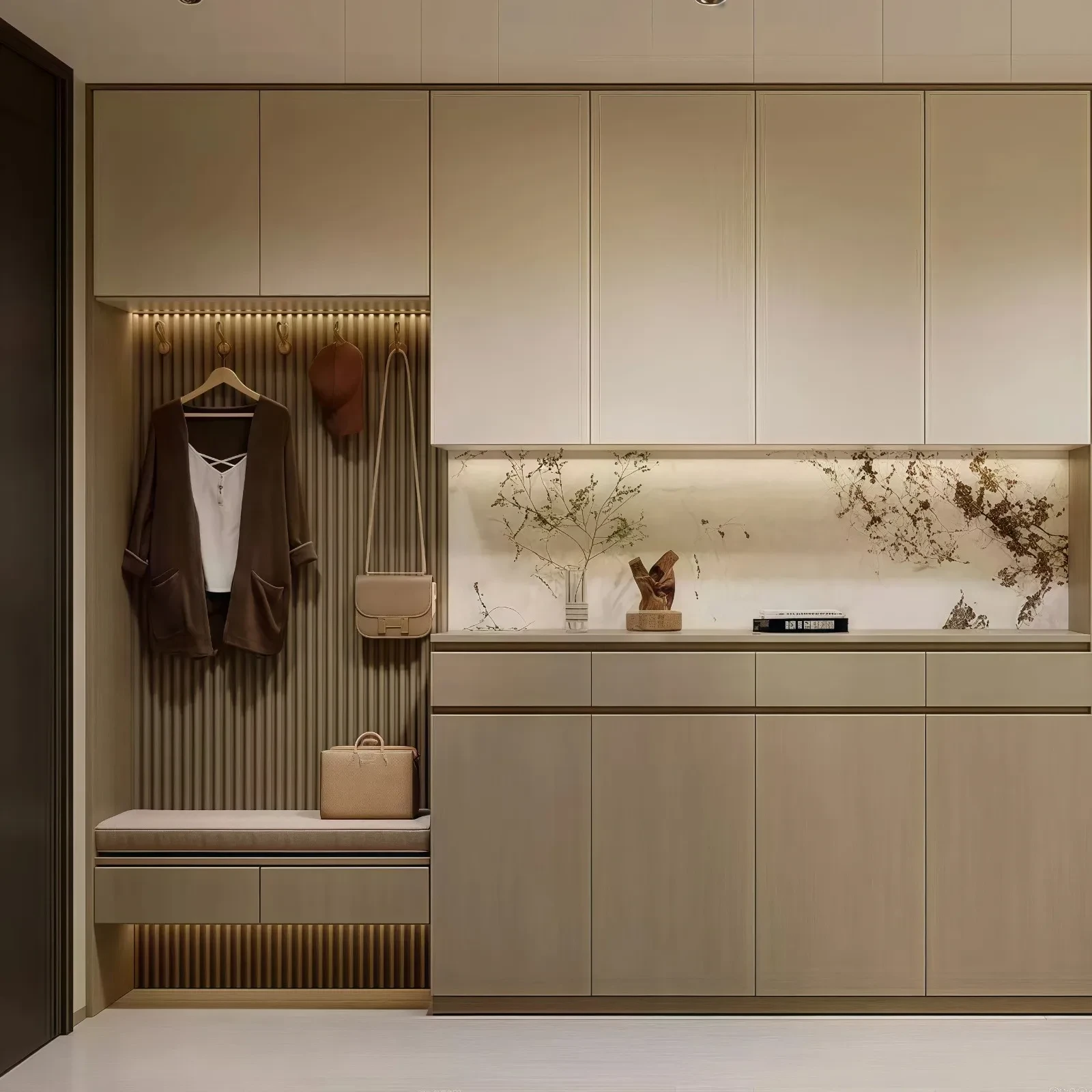
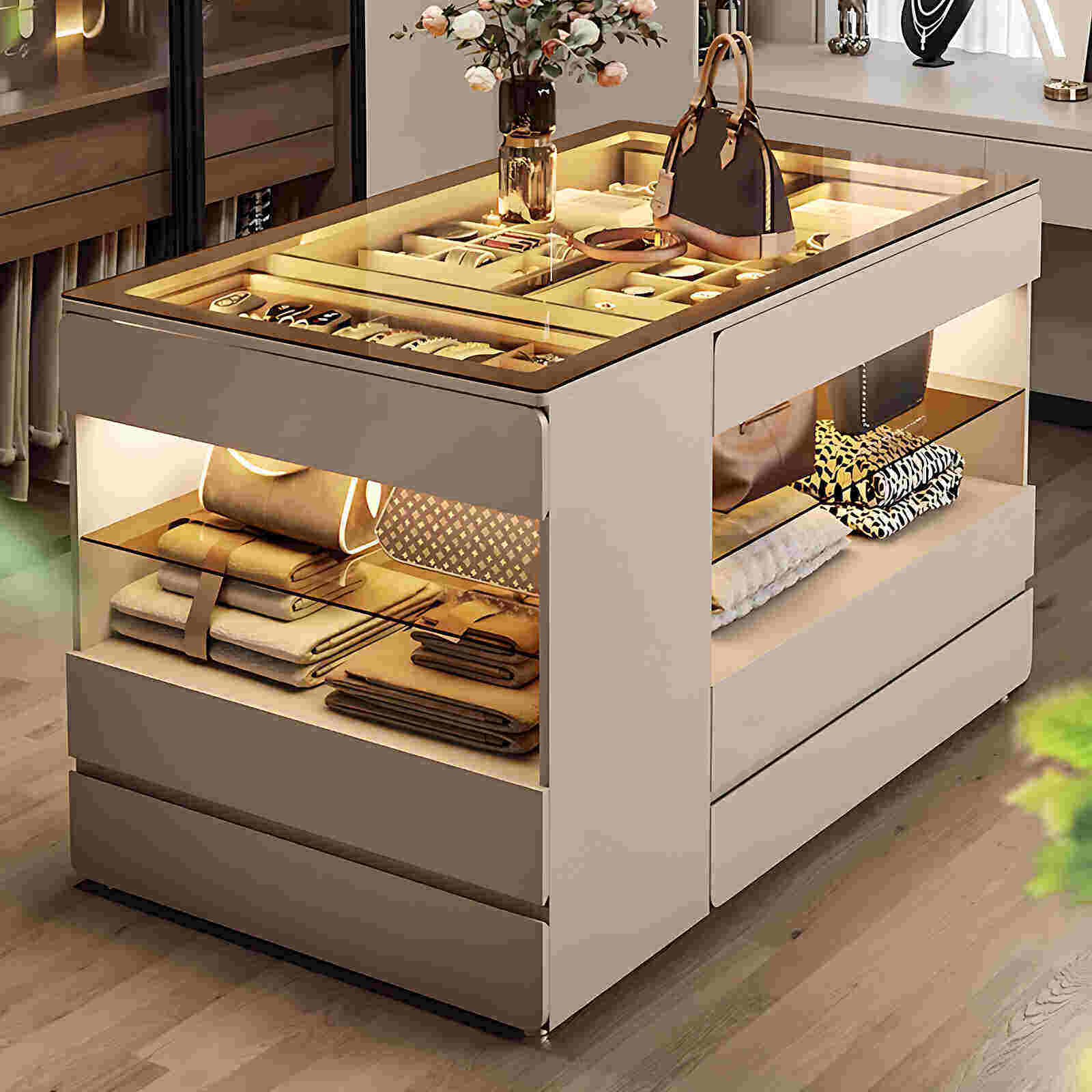
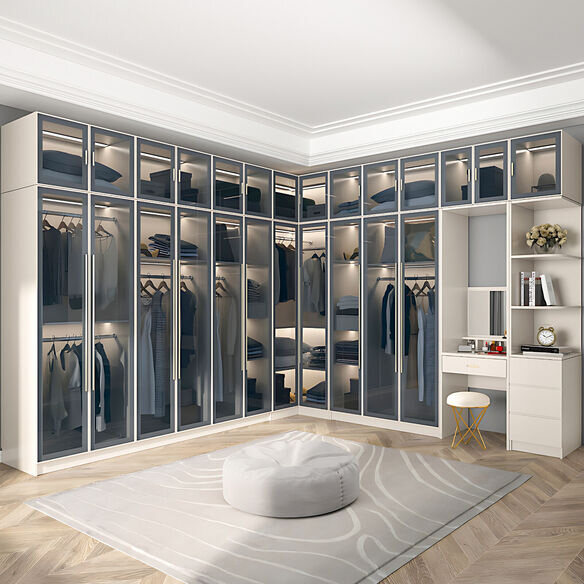
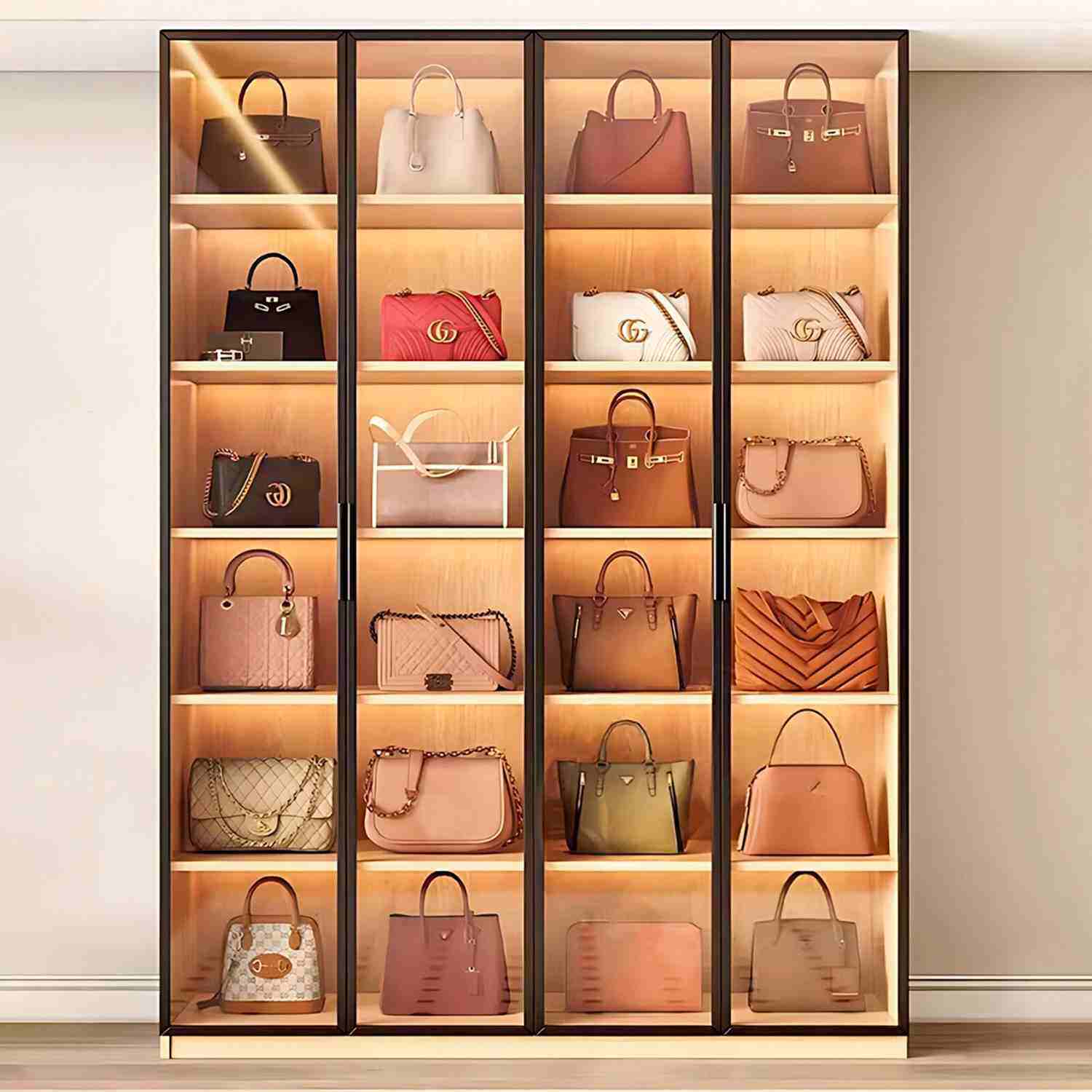
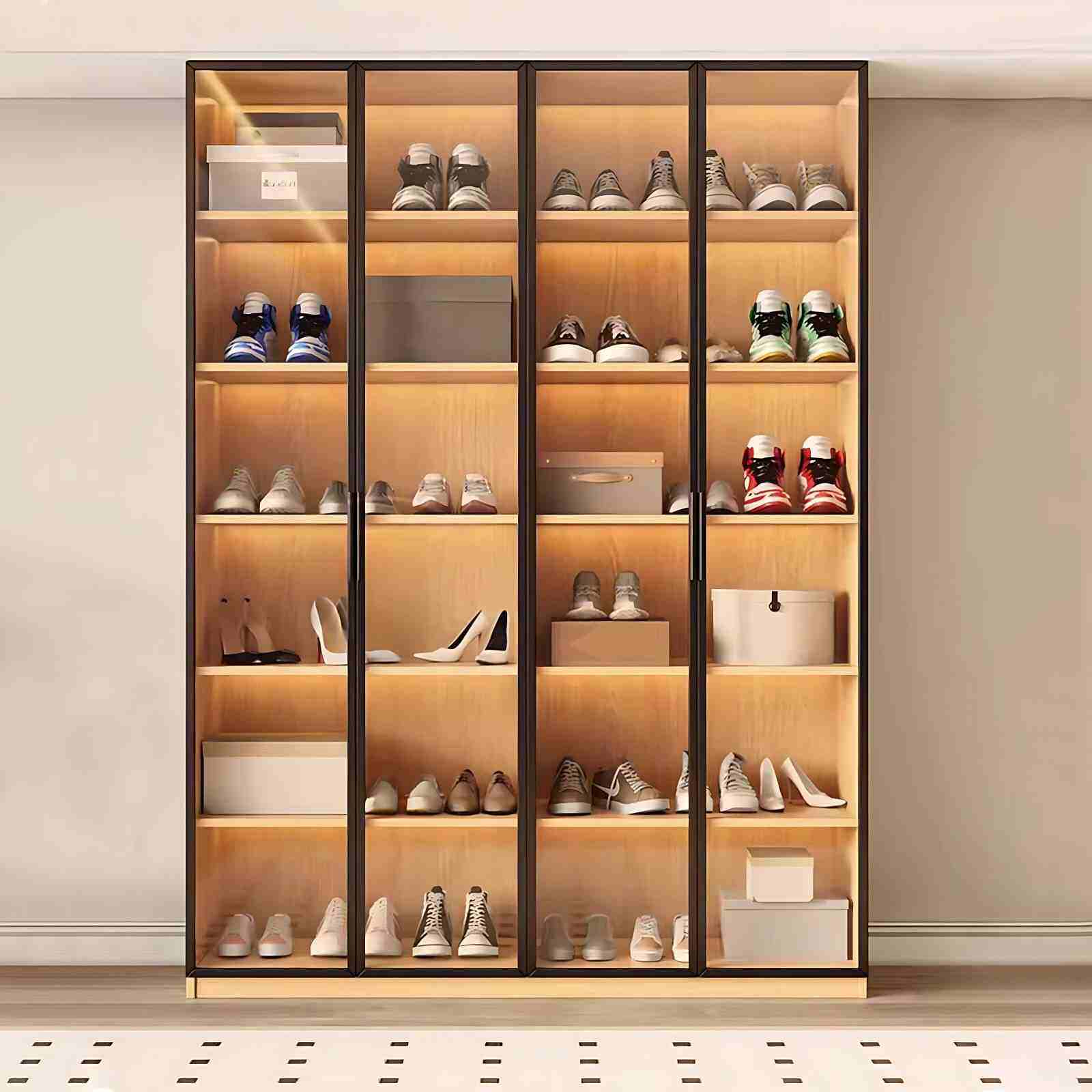
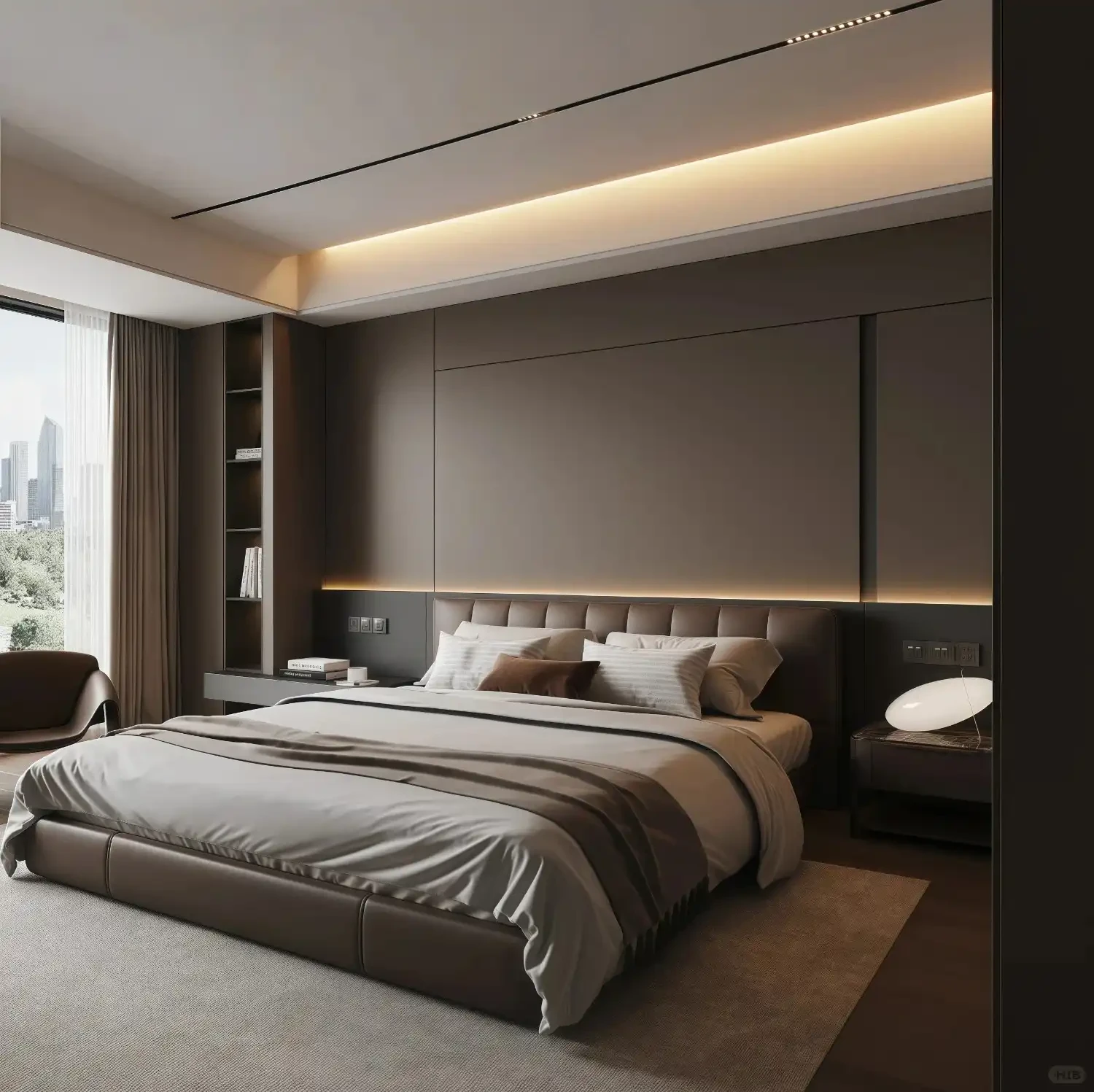
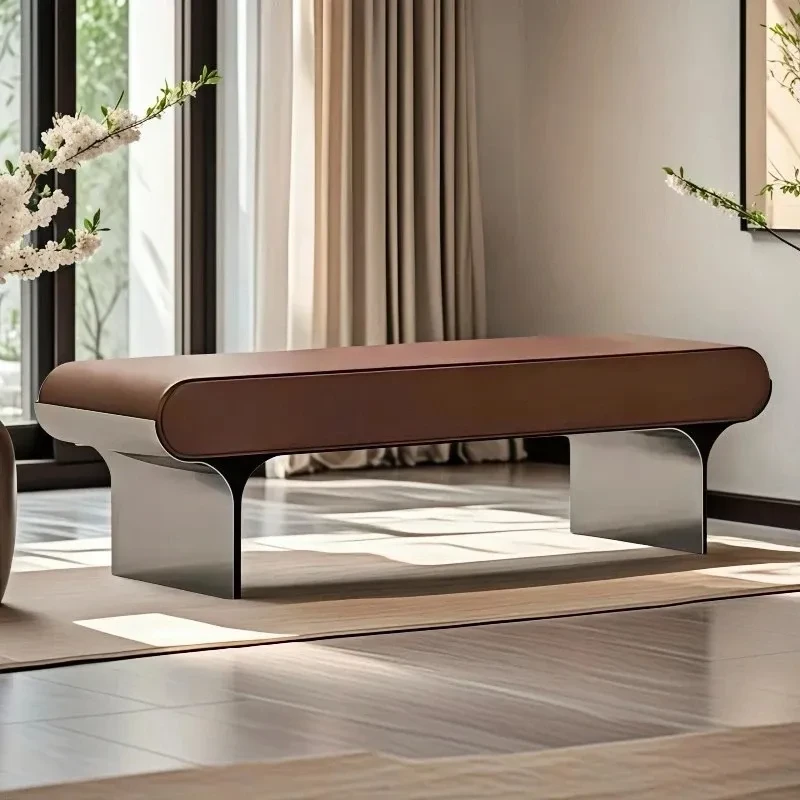
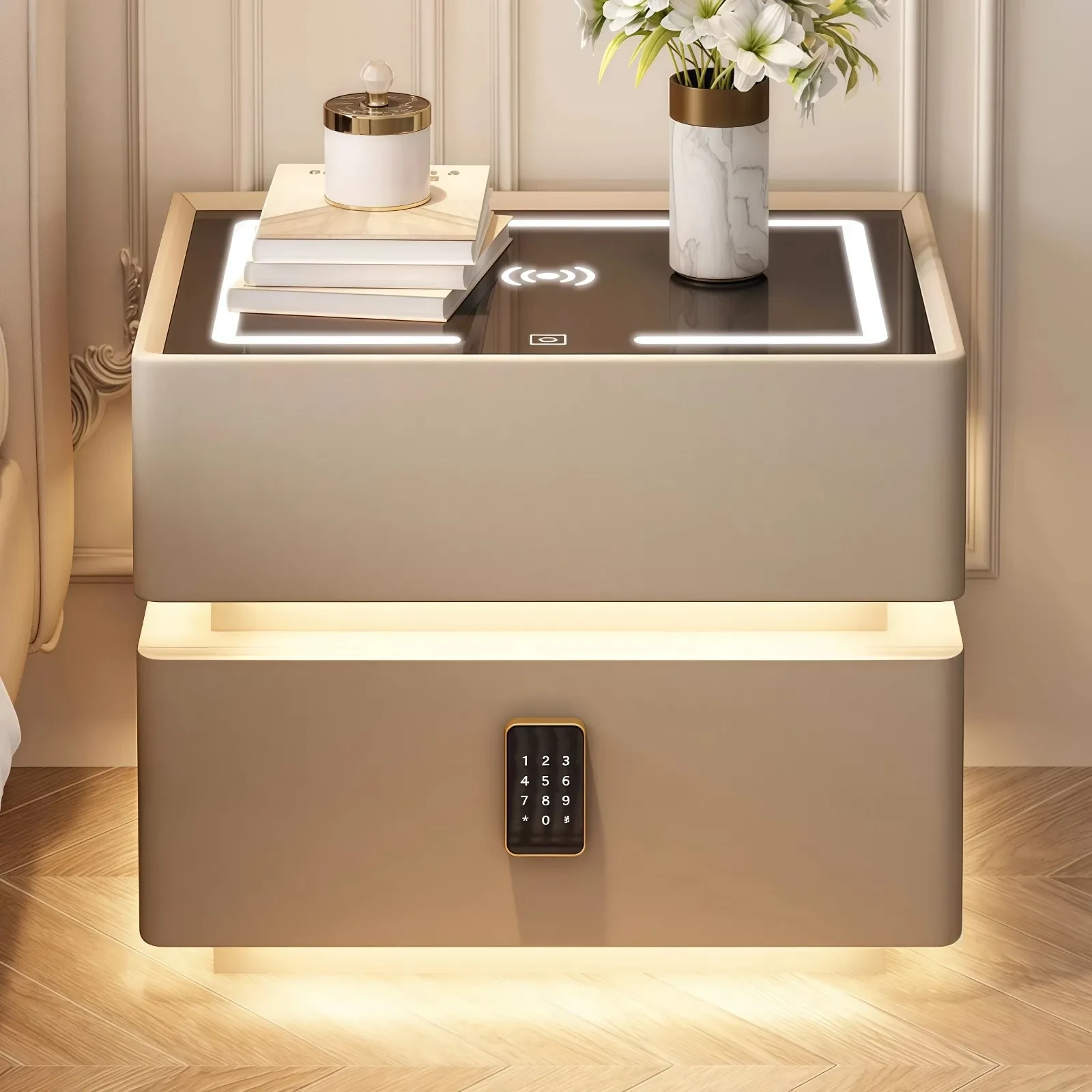
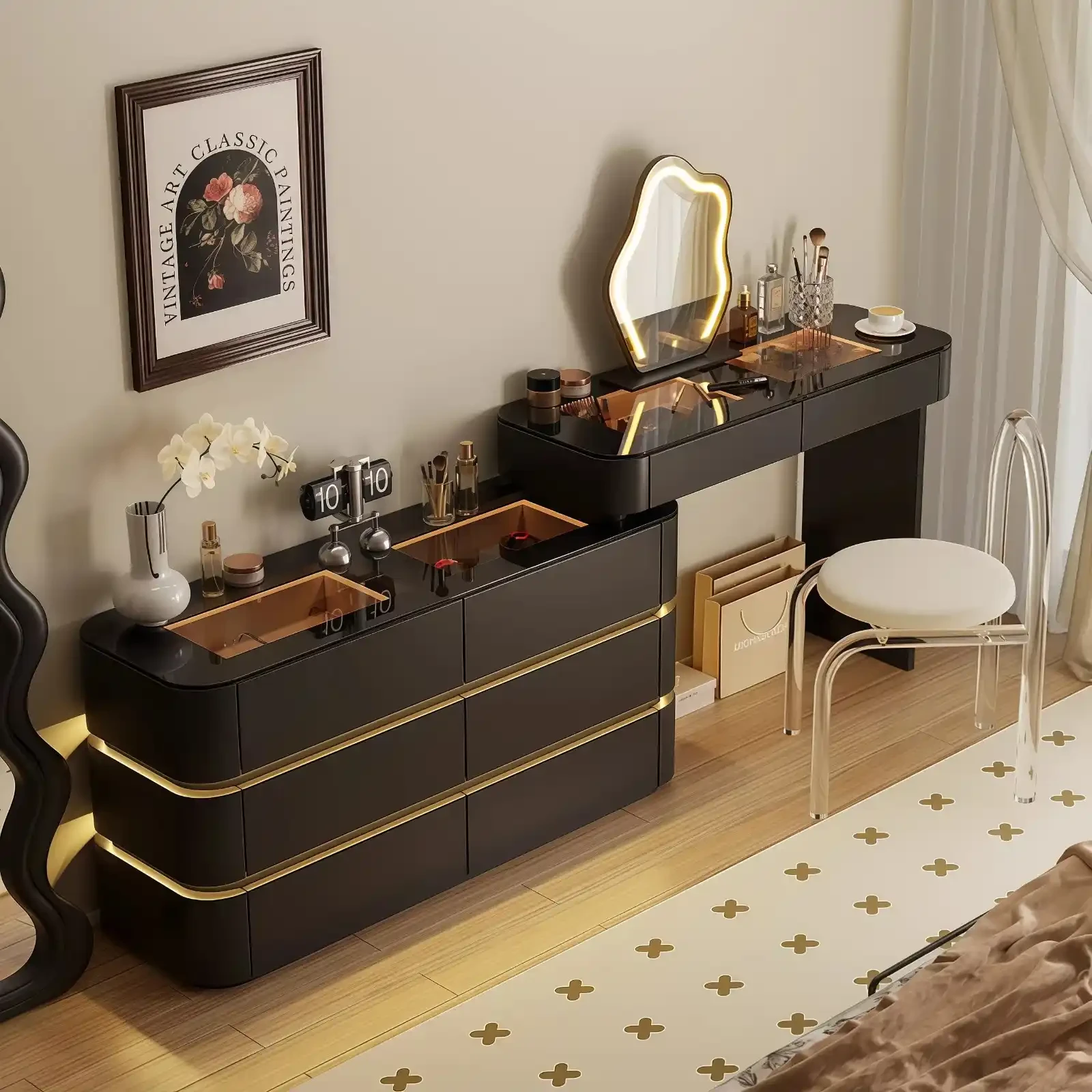
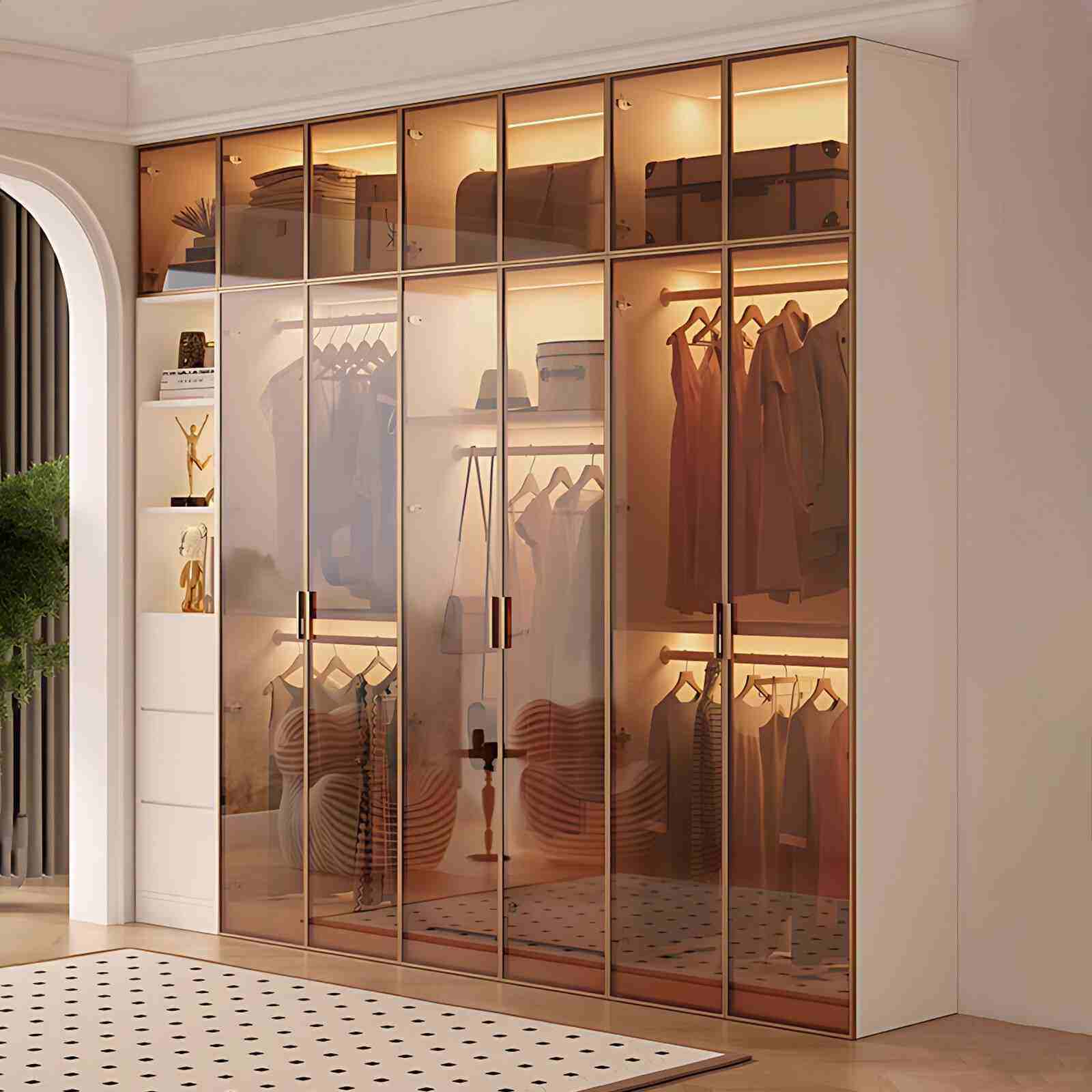
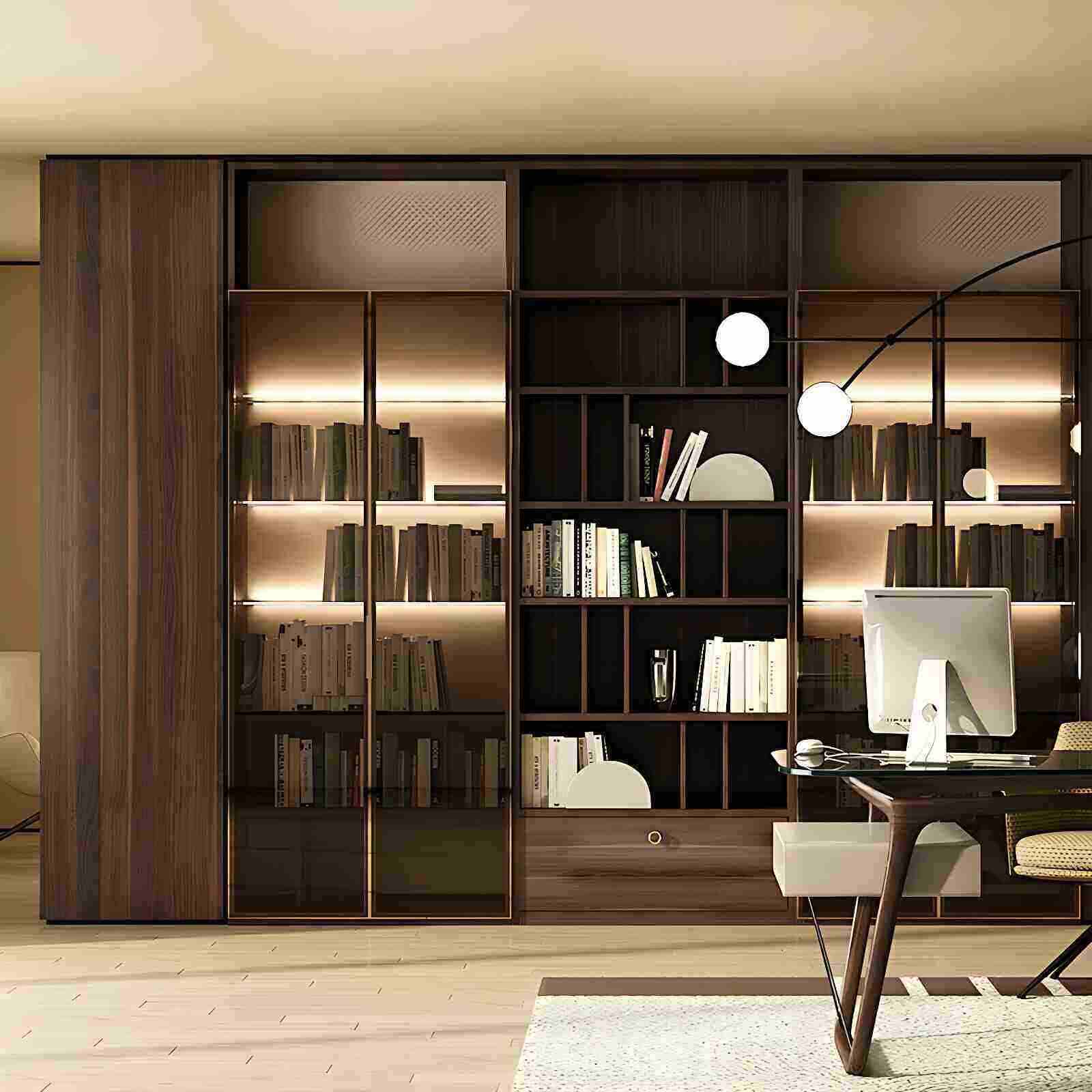
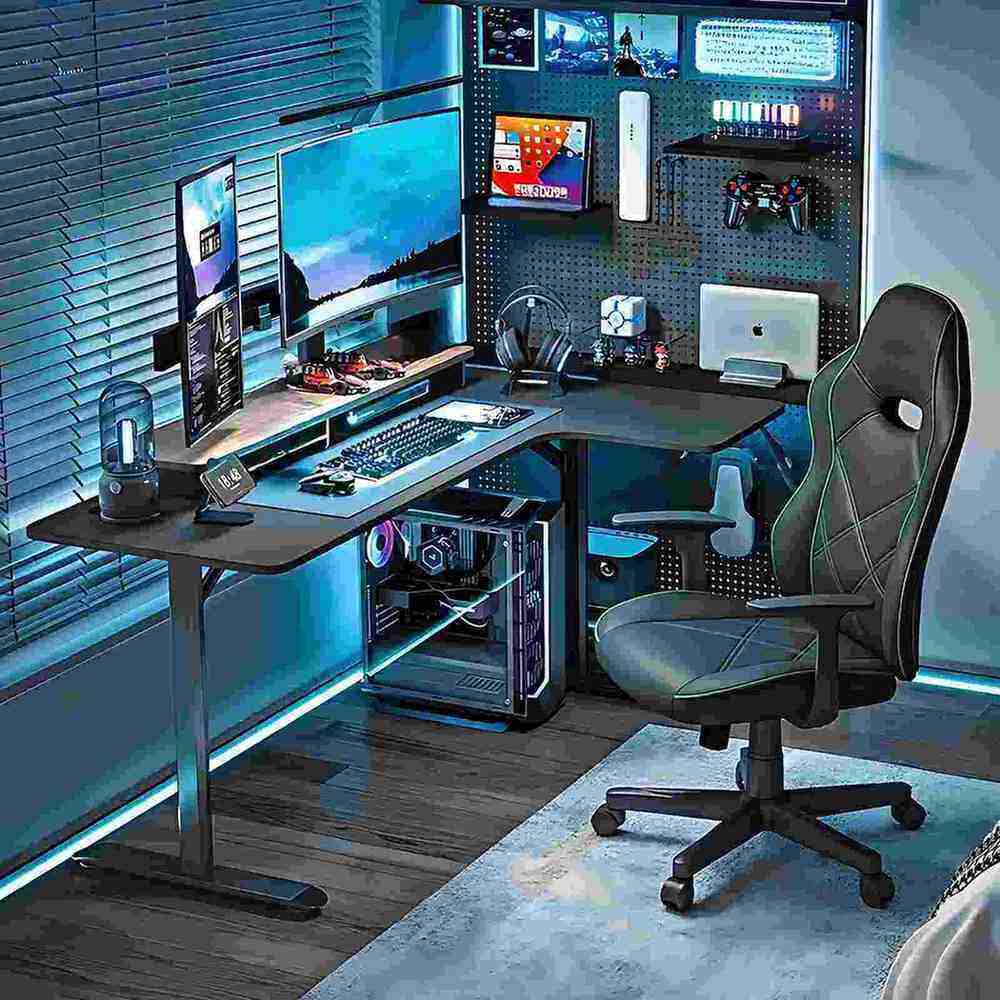
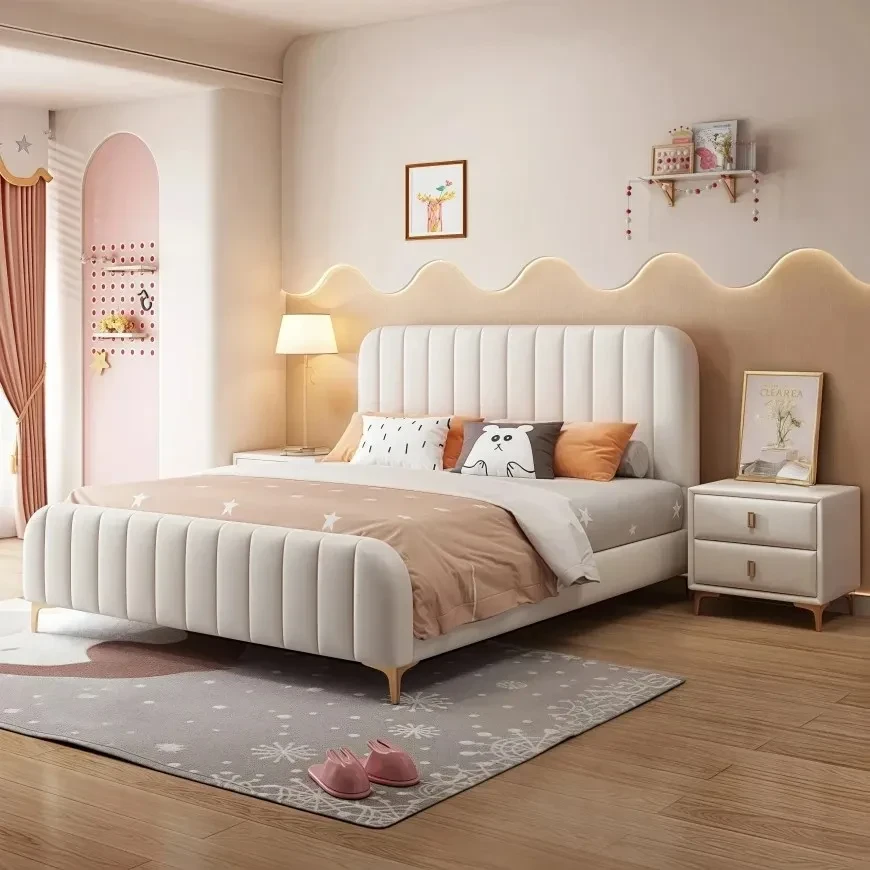
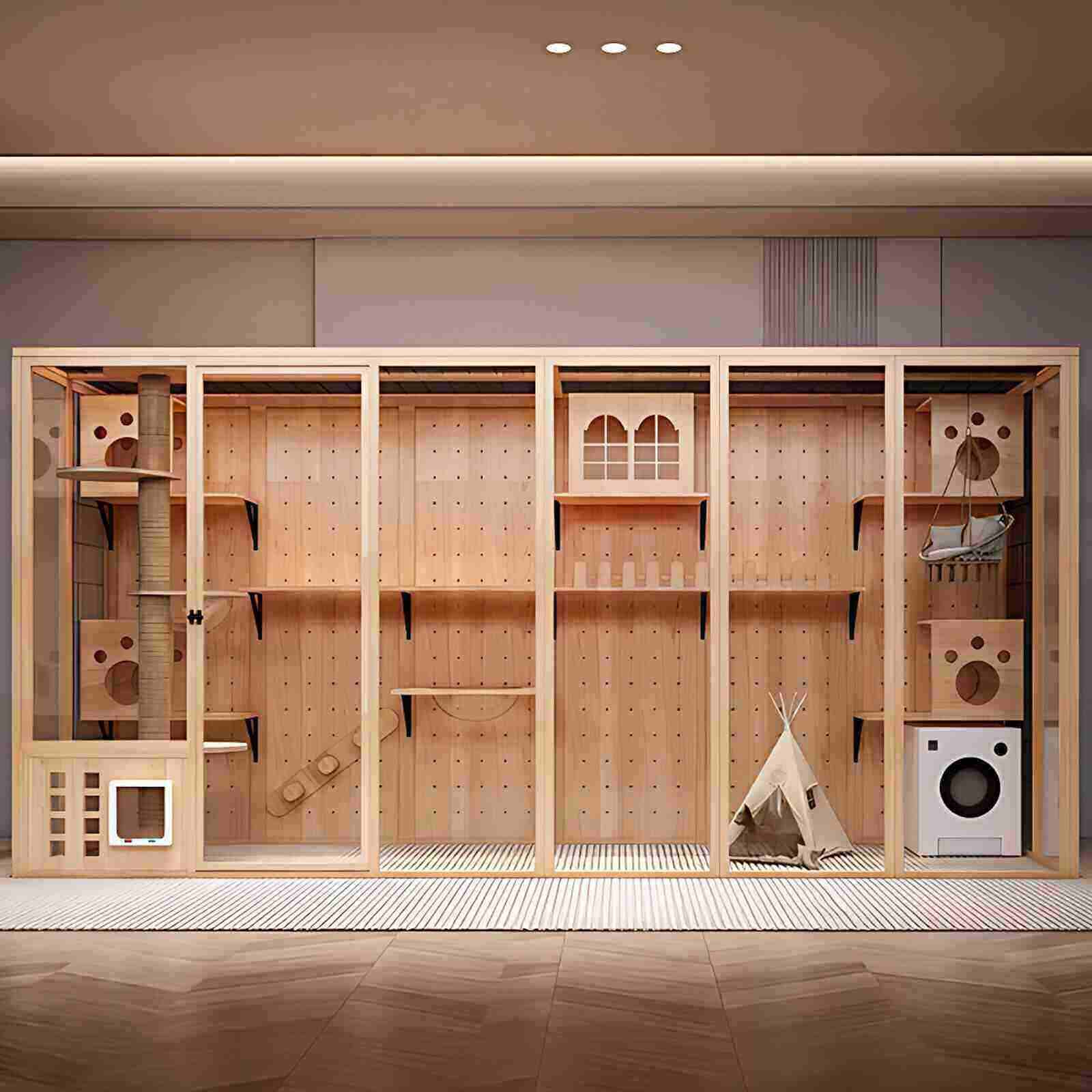
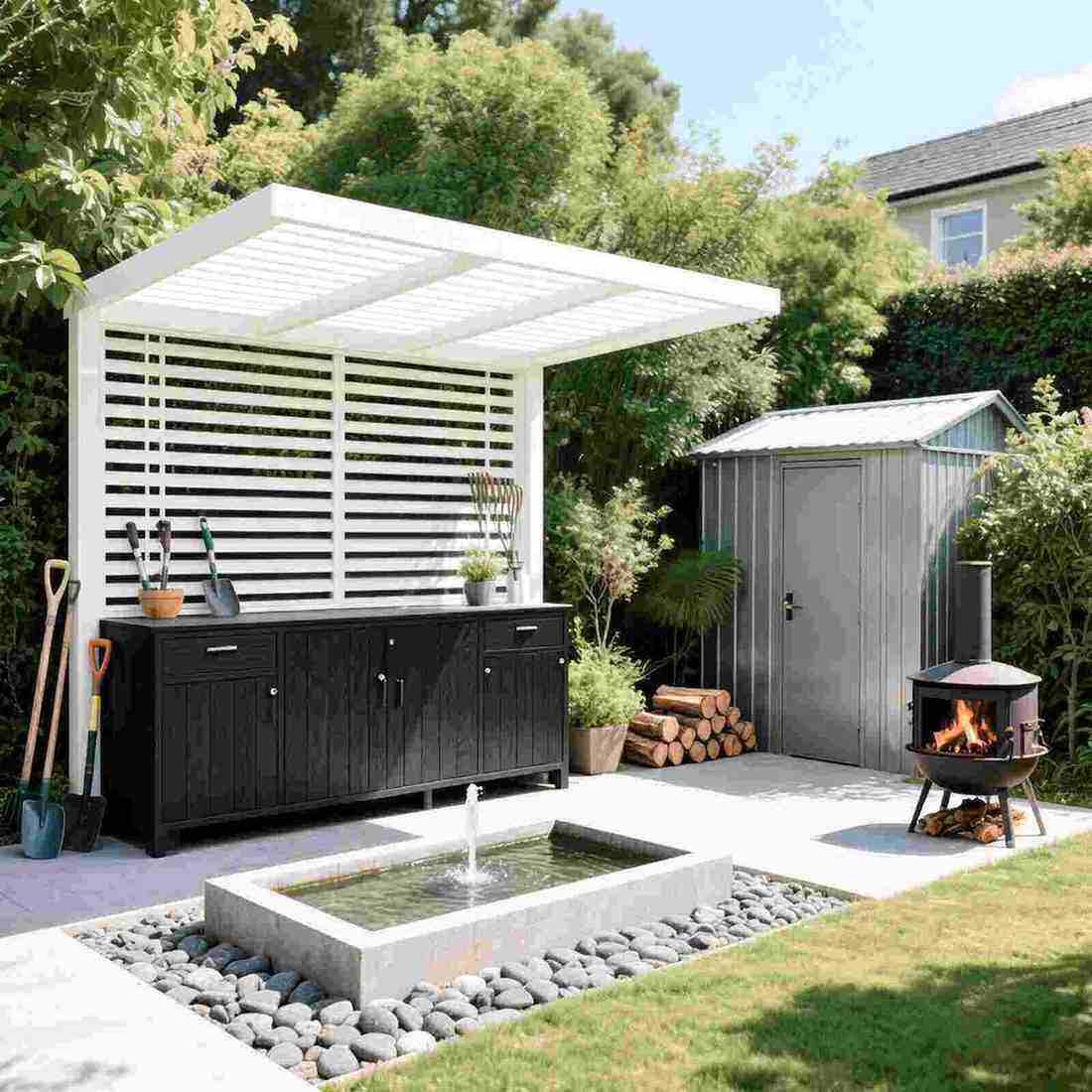
Today we'll talk about the differences and characteristics of three types of furniture: handcrafted furniture, ready-made furniture, and custom-made furniture.
Strictly speaking, these cannot be considered a category of furniture. Whether handmade, ready-made, or custom-made, they all represent a sales method. Nevertheless, there are still many differences between the three.
Before introducing these three types of furniture in detail, let's briefly review the four stages of modern Chinese furniture manufacturing.
Four stages of modern furniture manufacturing
Handmade Era
Before the reform and opening up, furniture for Chinese households was mainly handmade by traditional carpenters. The quality and exquisiteness of the furniture depended primarily on the quality of the wood used and the craftsmanship of the individual carpenter.
Finished Product Era
Since the reform and opening up, China's industrial manufacturing level has continuously improved, and furniture production has also entered the industrial era. A large number of ready-made furniture pieces have flooded the market, which consumers can buy directly at low prices. Compared with hiring a carpenter to make furniture, it is more convenient and cheaper. Traditional handmade furniture has begun to fade from the market, and buying ready-made furniture has gradually become the main way of furniture consumption.
Decoration Era
Since the 1990s, with the development of the market economy and the continuous improvement of urban residents' consumption levels, people have begun to pay attention to the beautification of their home environment and desire furniture that can be personalized according to the size and layout of their living space. Because ready-made furniture could not meet the increasingly personalized needs of consumers, some carpenters without fixed employers began to build furniture for customers at their homes. When decoration companies with design and renovation capabilities emerged, they also began to provide on-site furniture building services, primarily for bedroom wardrobes.
Customization Era
Customized kitchen cabinets emerged in the late 1980s; customized wardrobes emerged in the late 1990s.
After the turn of the 21st century, with the deepening of urbanization in China, consumers' personalized demands for furniture in terms of spatial layout, functionality, and aesthetic style have increased, and environmental awareness has become more widespread. Ready-made and custom-made furniture began to be unable to meet market needs. Starting in 2001, some entrepreneurs with keen insight and market foresight began to absorb popular international customization concepts, combining the advantages of handcrafting, ready-made furniture, and interior design to establish some of the earliest wardrobe brands, including Sophia and Baidesheng.
From then on, China's customized home furnishing industry began to enter a period of comprehensive and rapid development.
Differences and characteristics of the three types of furniture
Handcrafted furniture
Handcrafted furniture is typically made from materials such as plywood and solid wood, using simple handheld or electric equipment.
Because they are handmade, they are greatly affected by personal factors, making it difficult to guarantee the craftsmanship. This can result in defects such as uneven cut edges and inadequate attention to detail.
In addition, carpenters who make furniture are limited by the styles they learn from their masters, resulting in little variation in their style, often remaining unchanged.
Finished furniture
Finished furniture typically uses materials such as MDF, particleboard, and solid wood. Modern equipment such as electronic panel saws greatly improves production efficiency and saves labor time.
However, for customers, the product selection is limited; buyers are only able to purchase furniture sold by the merchant. This can lead to situations where consumers with unconventional living spaces cannot use the furniture.
In addition, from a personalization perspective, ready-made furniture is somewhat lacking, and purchases are entirely based on personal preference, with little room for intervention in furniture style, function, and other aspects.
Custom furniture
Customized furniture primarily uses wood-based panels, with solid wood mainly used in whole-house customization. Customized furniture is highly mechanized and information-based, resulting in a significant increase in production capacity.
The advantage of custom furniture lies in its ability to personalize the product for each client, designing furniture that truly meets their needs. These needs include not only the product's appearance and style, but also its functionality and space utilization.
summary
Handmade furniture: It can be customized, but the craftsmanship is rough, it is not environmentally friendly, and it is not good at meeting individual needs;
Finished furniture: Good craftsmanship and environmental friendliness are generally guaranteed, but customization is not available;
Custom-made furniture: Good craftsmanship, environmental protection can be basically guaranteed, and it can be customized to meet individual needs.
Comparison of woodworking furniture and custom-made furniture
Space utilization comparison
Woodworking furniture: Because it is done on-site, different spaces can be measured and utilized in a timely manner, which can meet some of the customer's customization needs.
Customized furniture: Before production, professionals will conduct on-site measurements and then design a solution based on the consumer's needs, which can make full use of the space and meet personalized requirements.
Functional comparison
Woodworking furniture: The craftsman will communicate with the customer, but the quality and functional design of the product are often related to the craftsman's experience and skills. This introduces a certain degree of instability and can lead to insufficient functional planning.
Custom furniture: Sales staff confirm the homeowner's needs with the sales staff, and designers and professional surveyors visit the home to take measurements and discuss design requirements with the homeowner to create a suitable personalized home furnishing solution. Functionality and style are designed according to the homeowner's needs, demonstrating a high level of professionalism.
Comparison of production processes
Carpentry furniture: It is basically made by hand. The quality of the finished furniture depends entirely on the carpenter's skill. Moreover, the homeowner needs to pay close attention at all times, which is quite time-consuming.
Custom-made furniture: Mechanized production and processing. After measurement and design communication, mechanized production can begin. Although it cannot be guaranteed to be 100% error-free, the finished products can be directly installed after customization, which can save a lot of trouble.
END
Welcome to share, benefiting the industry.