
 USD
USD GBP
GBP
 EUR
EUR



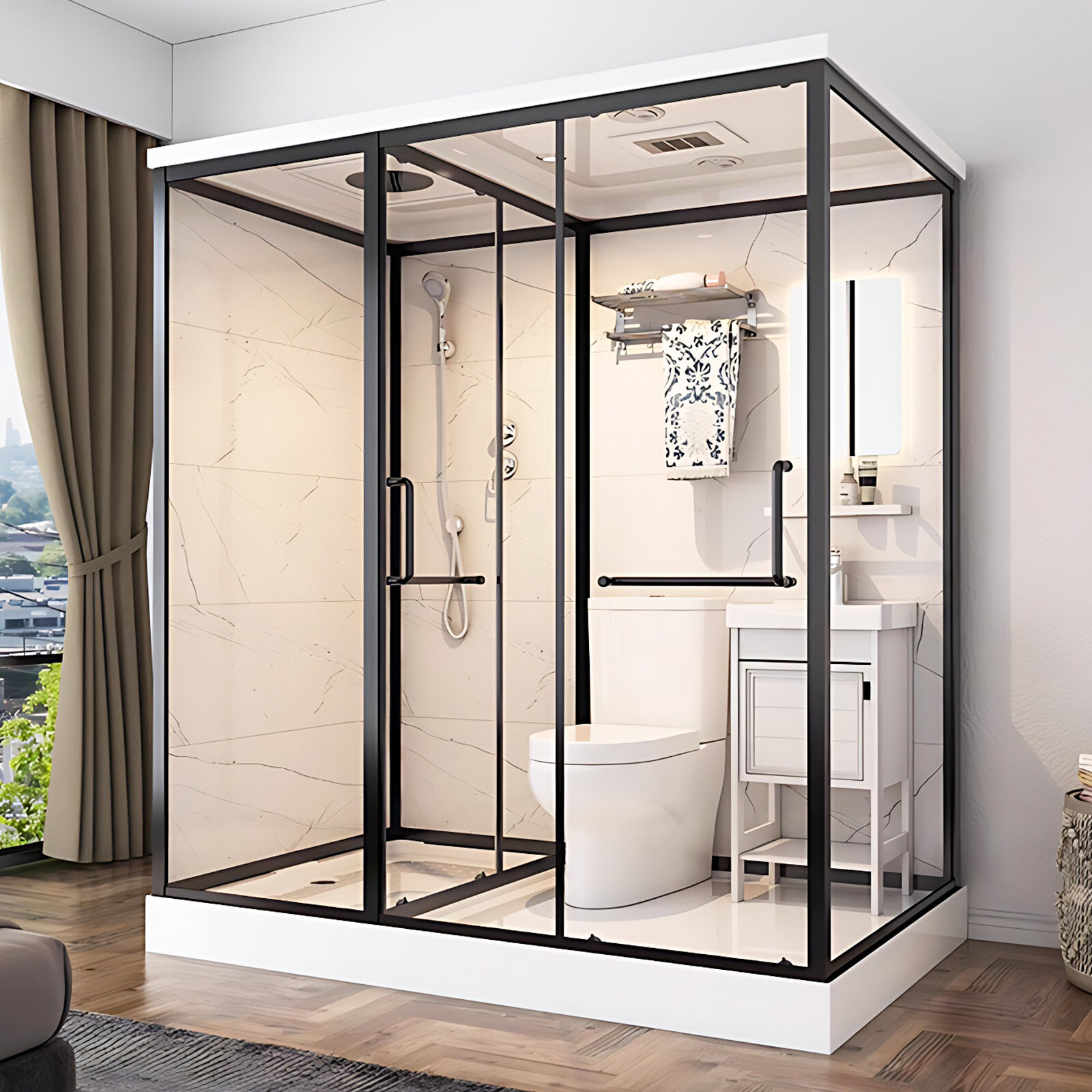

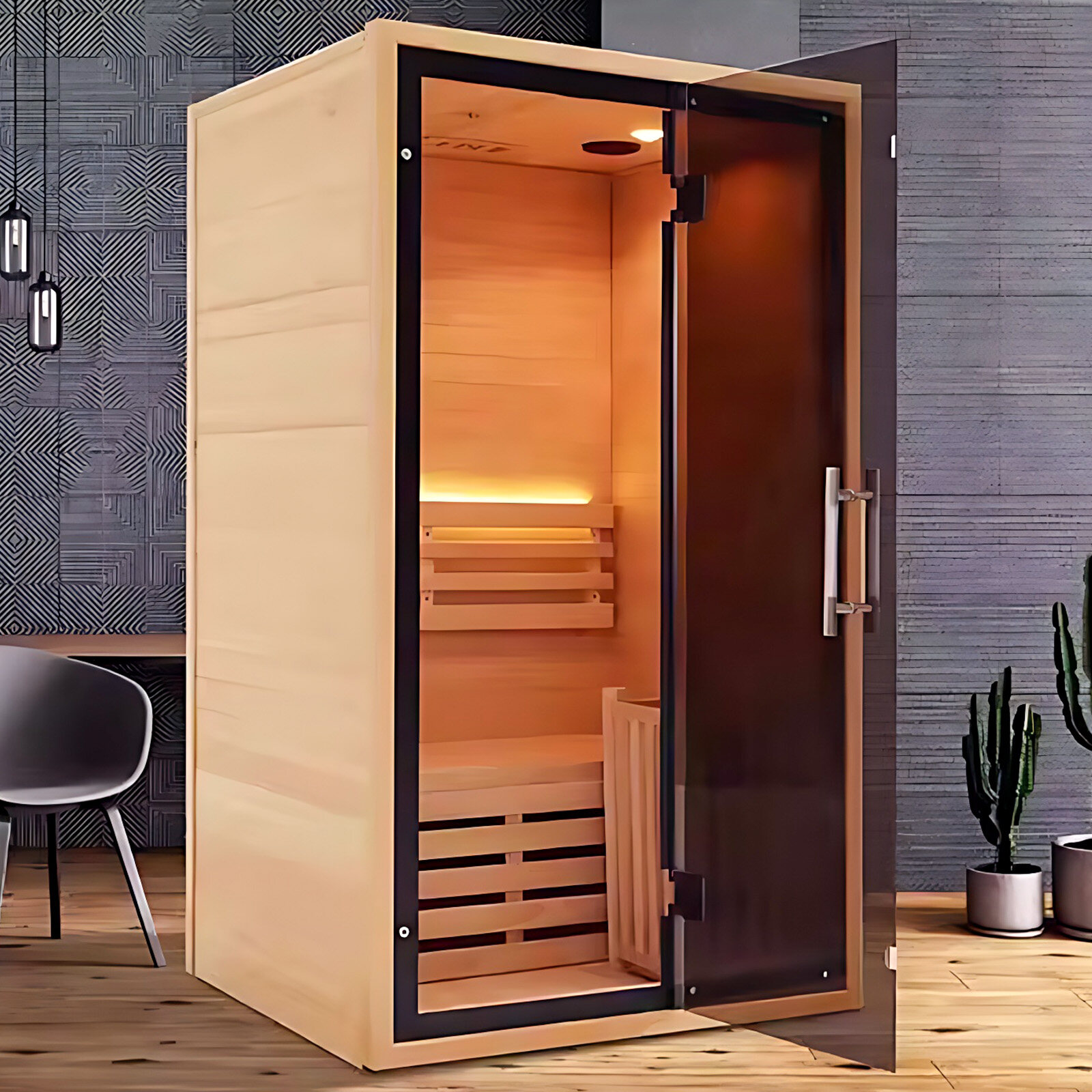
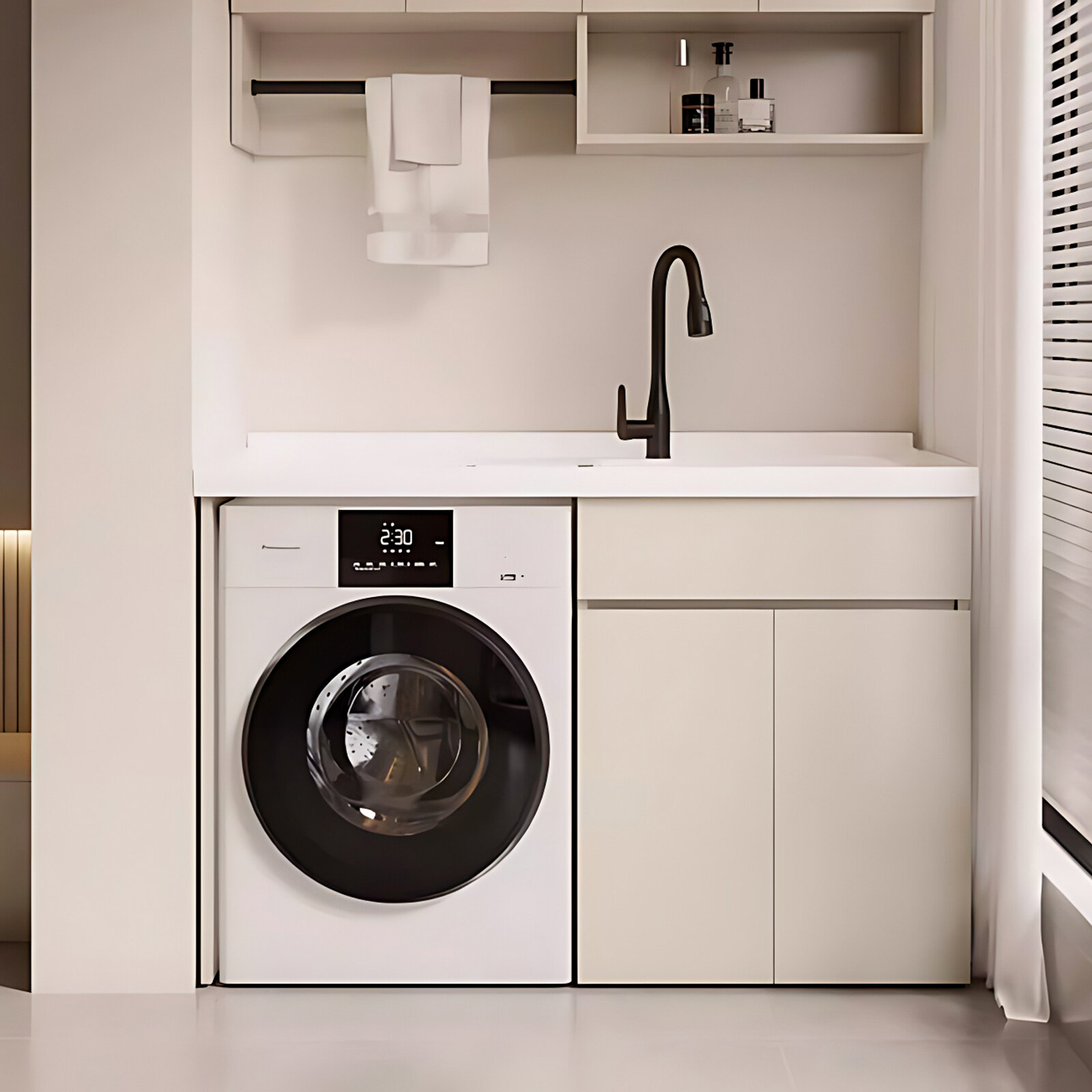
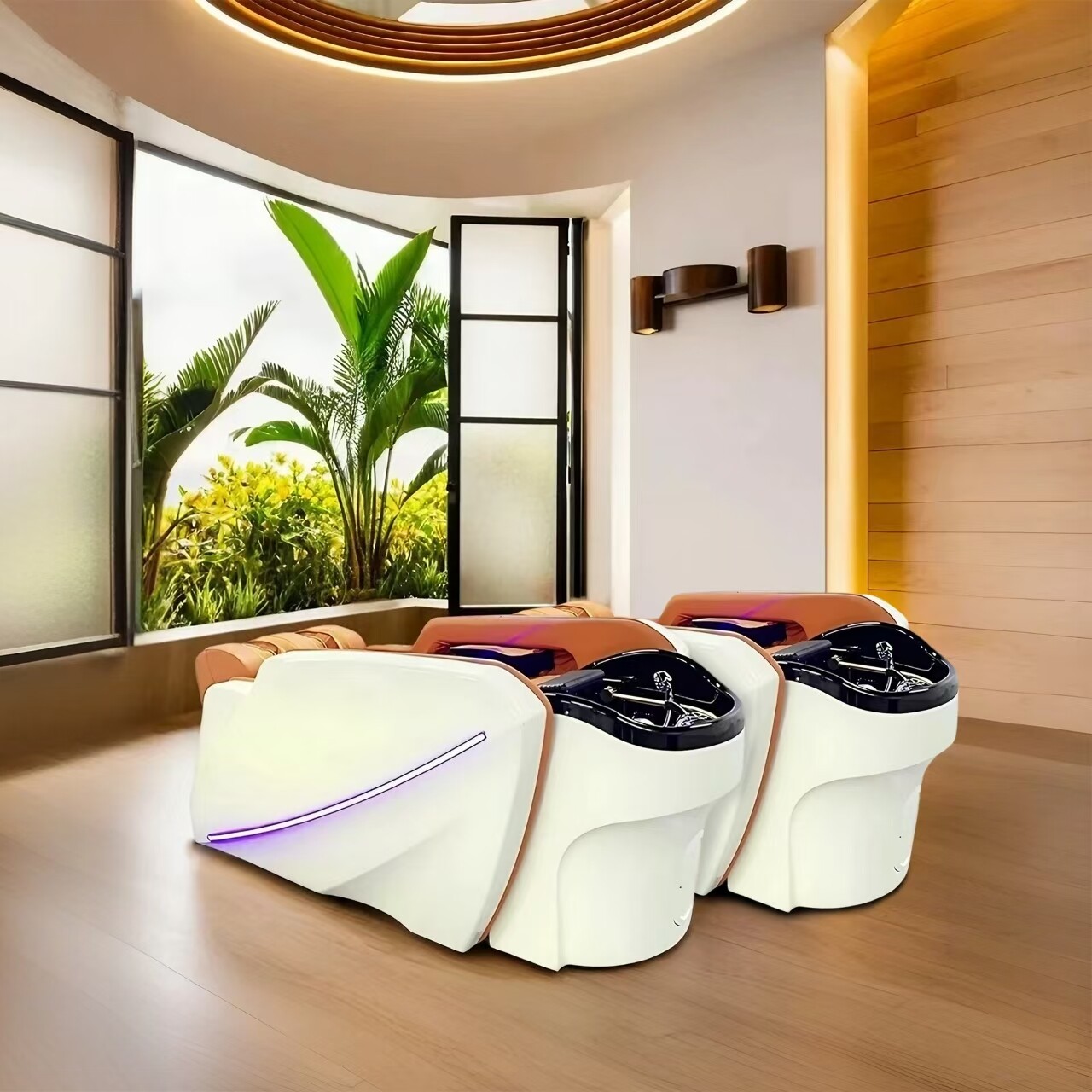









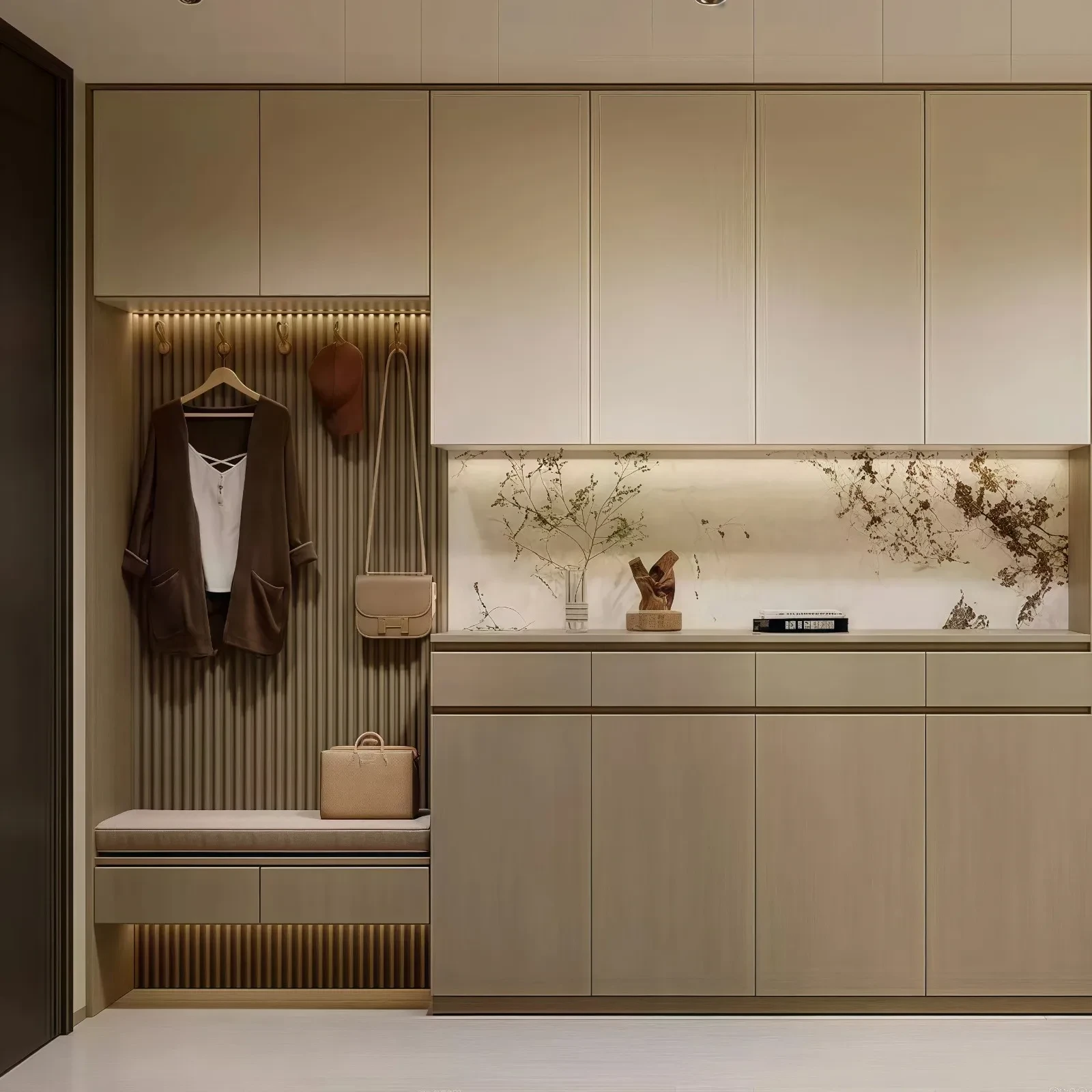

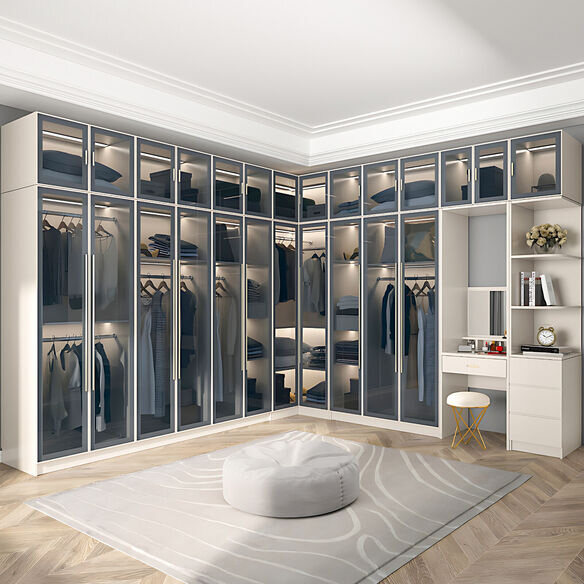




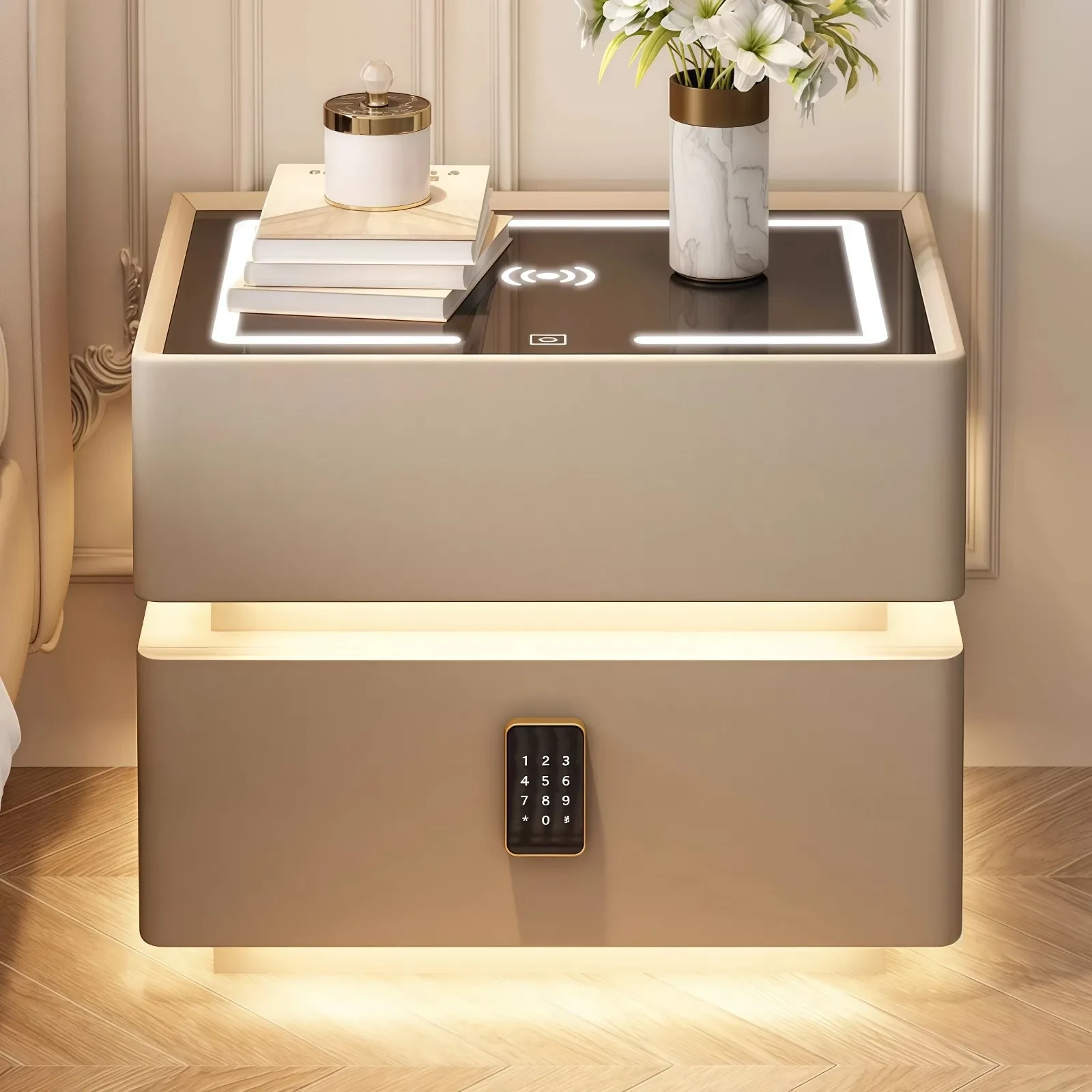




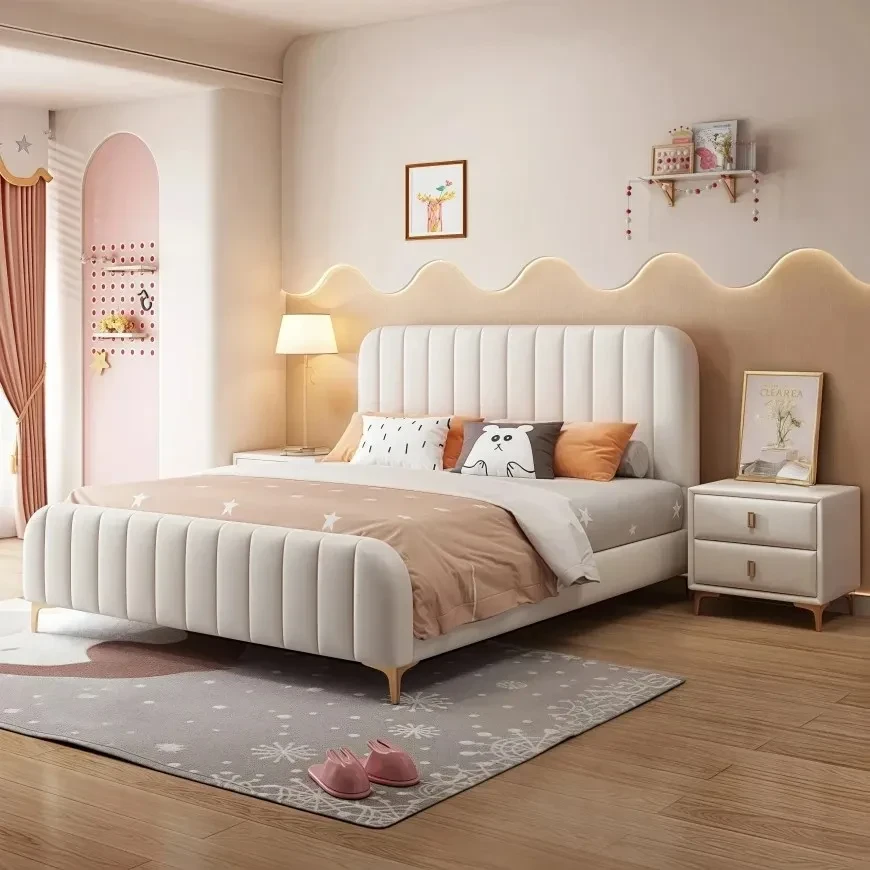


VOCs are not single compounds. Rather, the term encompasses a vast array of organic compounds that can be released into the atmosphere of a room or workplace in varying quantities and proportions over time. They are numerous, diverse, and ubiquitous. In fact, they are often intentionally introduced into home and work environments in the form of air fresheners, scented cleaning products, and more.
Approximately 1,000 chemicals evaporate and are released into the air we breathe in our homes and workplaces.
Currently, indoor air quality monitoring is rare. However, humans spend approximately 90% of their lifespan indoors. Therefore, indoor air quality has a significant impact on health.
The presence of dampness, mold, and fungi is clearly relevant here, as is the chemical composition of indoor air. In urban areas, indoor VOC levels are typically 2 to 5 times higher than outdoor levels.
In rural areas, this situation can be reversed. Wood panels release VOCs as they live and grow in their natural state; the air in woodlands and forests can have higher concentrations than in many indoor environments.
The sources of VOCs in the indoor environment are diverse. Wood-based panels, whether in the form of solid wood beams and columns, or as engineered wood products, flooring, or furniture, will emit VOCs.
However, the same applies to products that do not contain wood panels: paints and varnishes, adhesives, cement, carpets and vinyl flooring, and insulation products-all building-related materials-emit VOCs. Other sources of indoor VOCs include products such as air fresheners, cleaning cosmetics, interior decorating, and foams; activities such as smoking, cooking, and burning fuels also contribute.