
 USD
USD GBP
GBP
 EUR
EUR
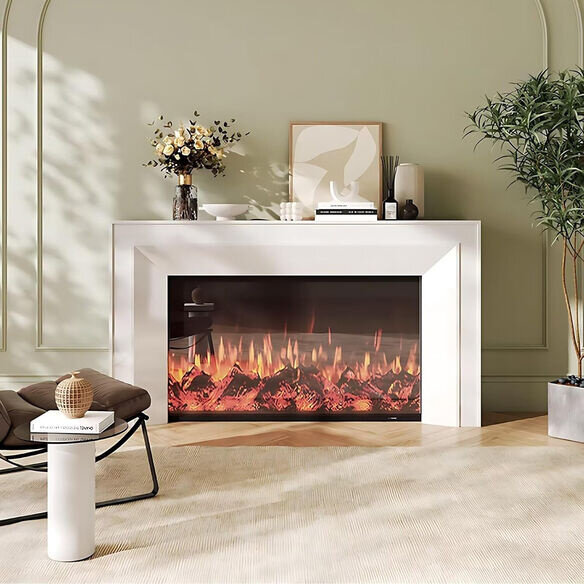
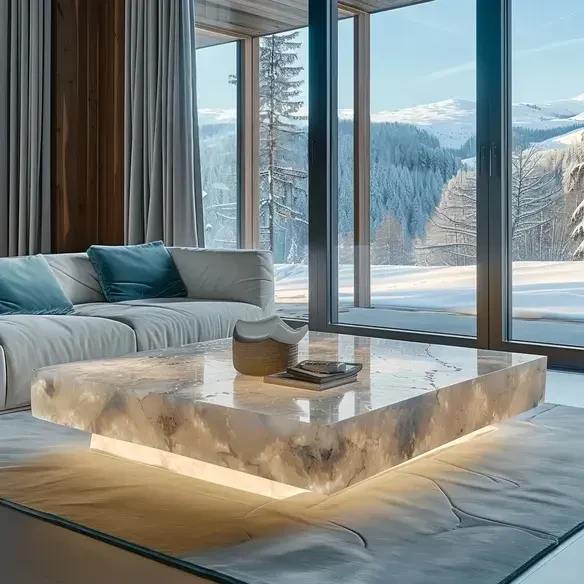
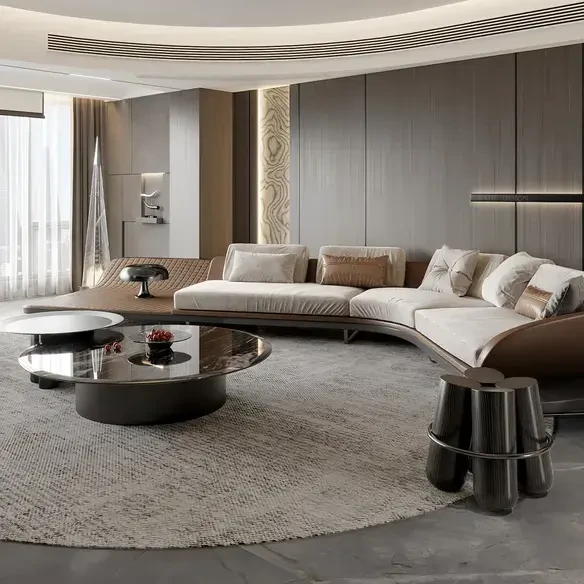
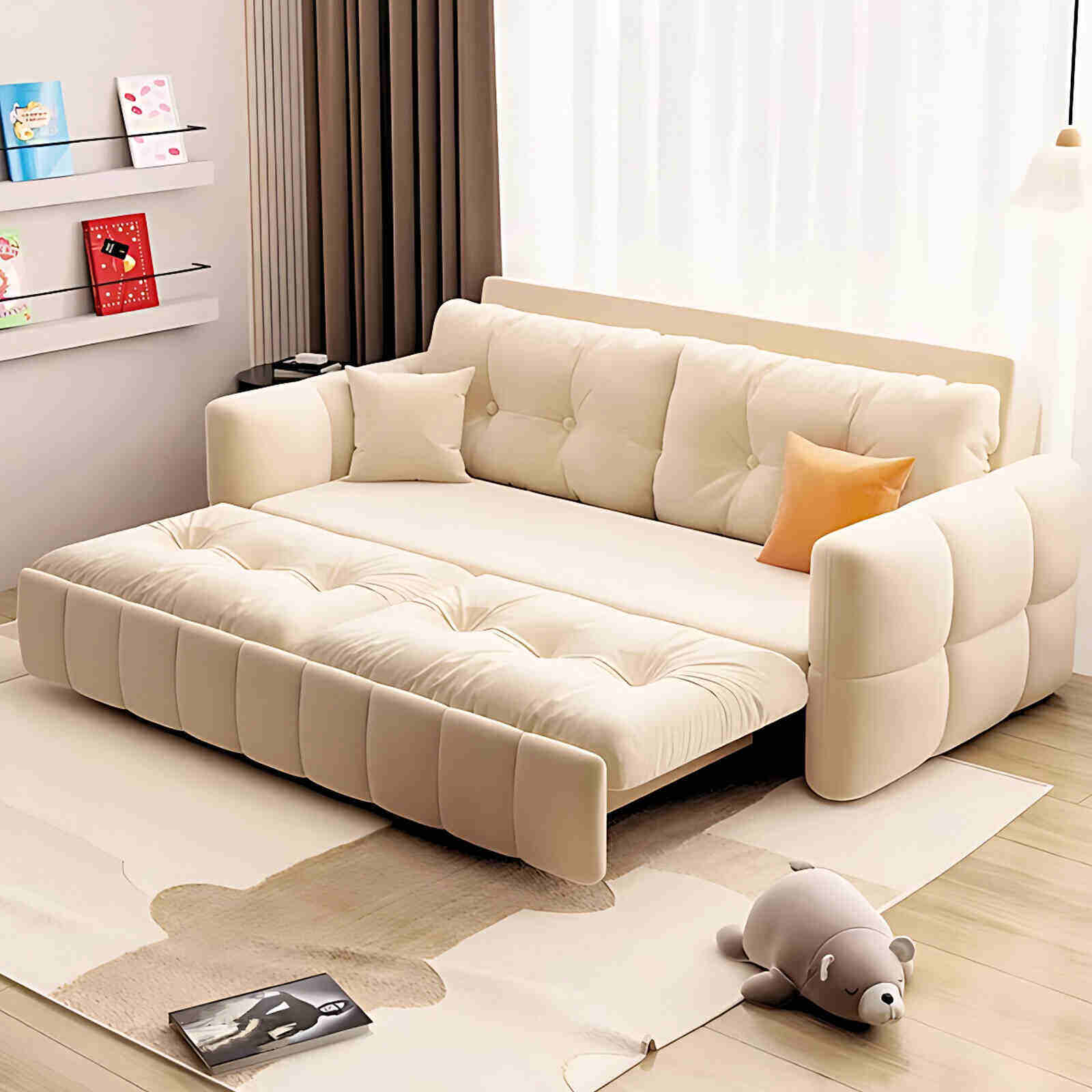
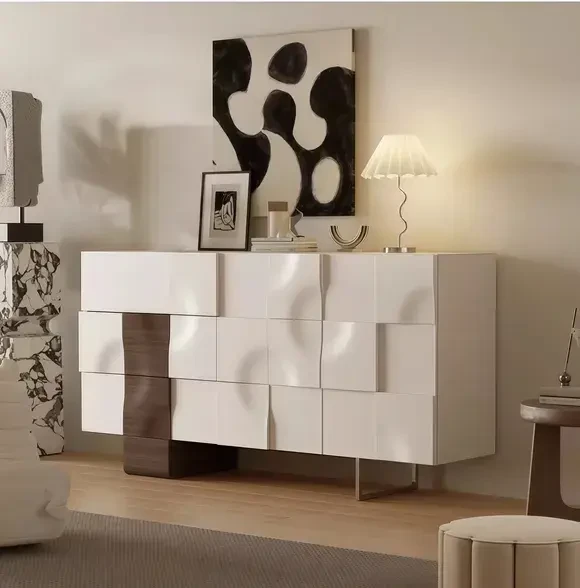
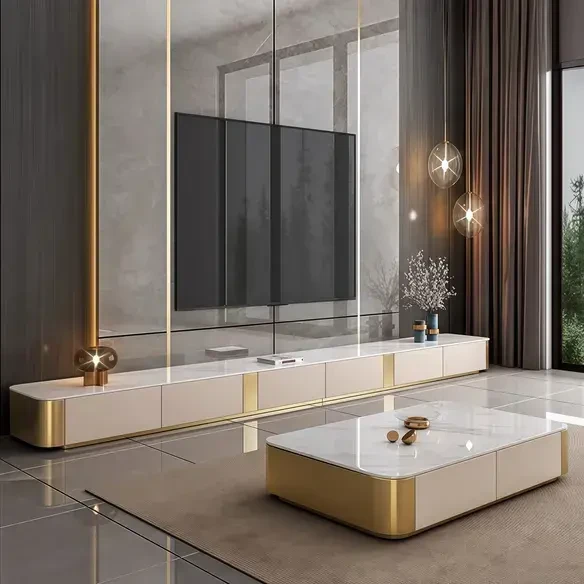
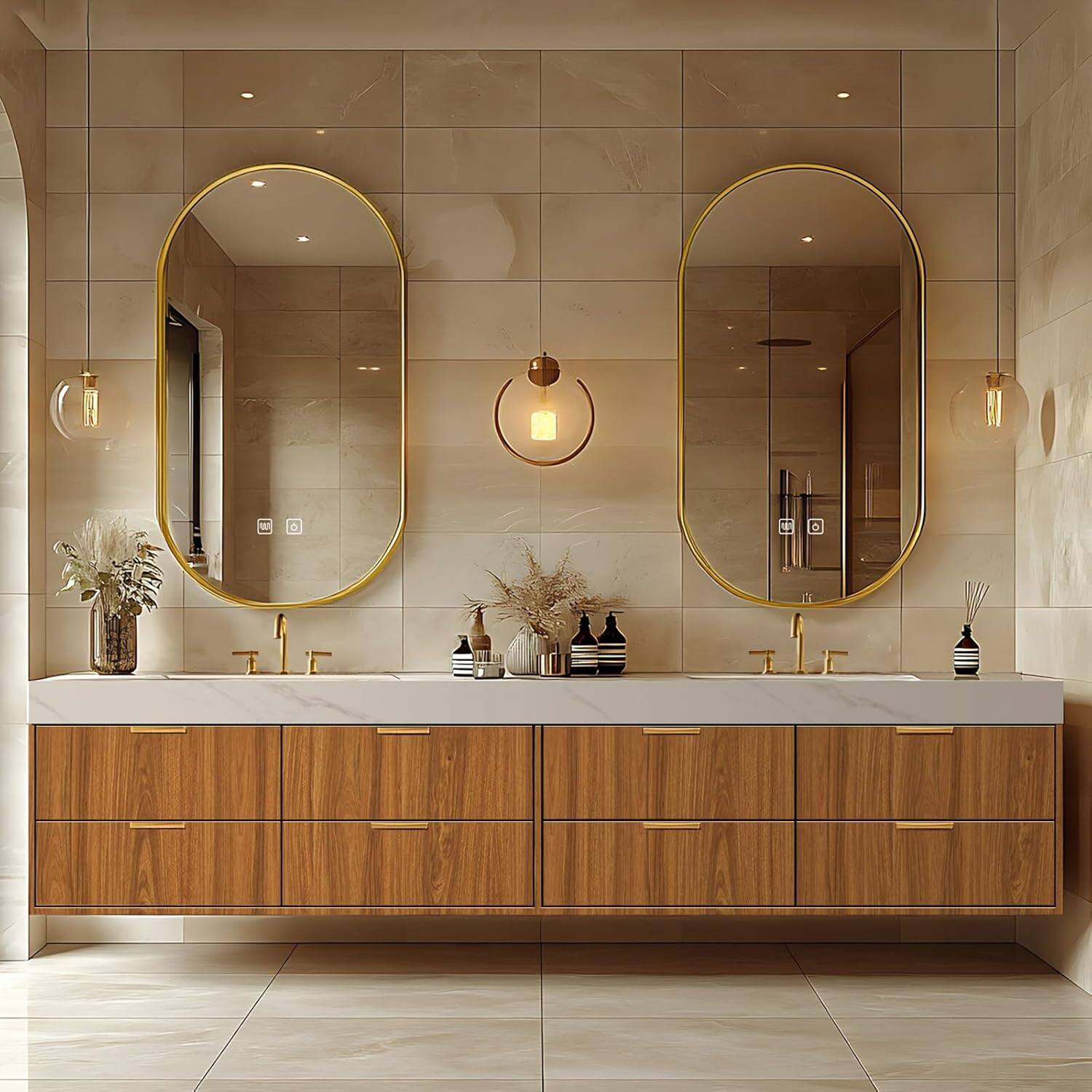
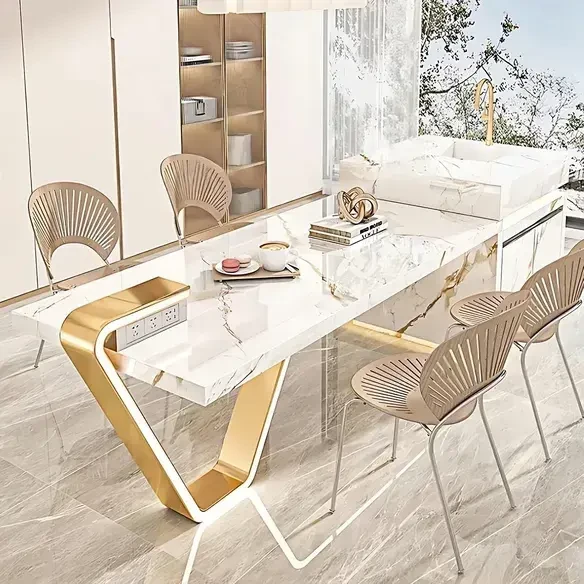
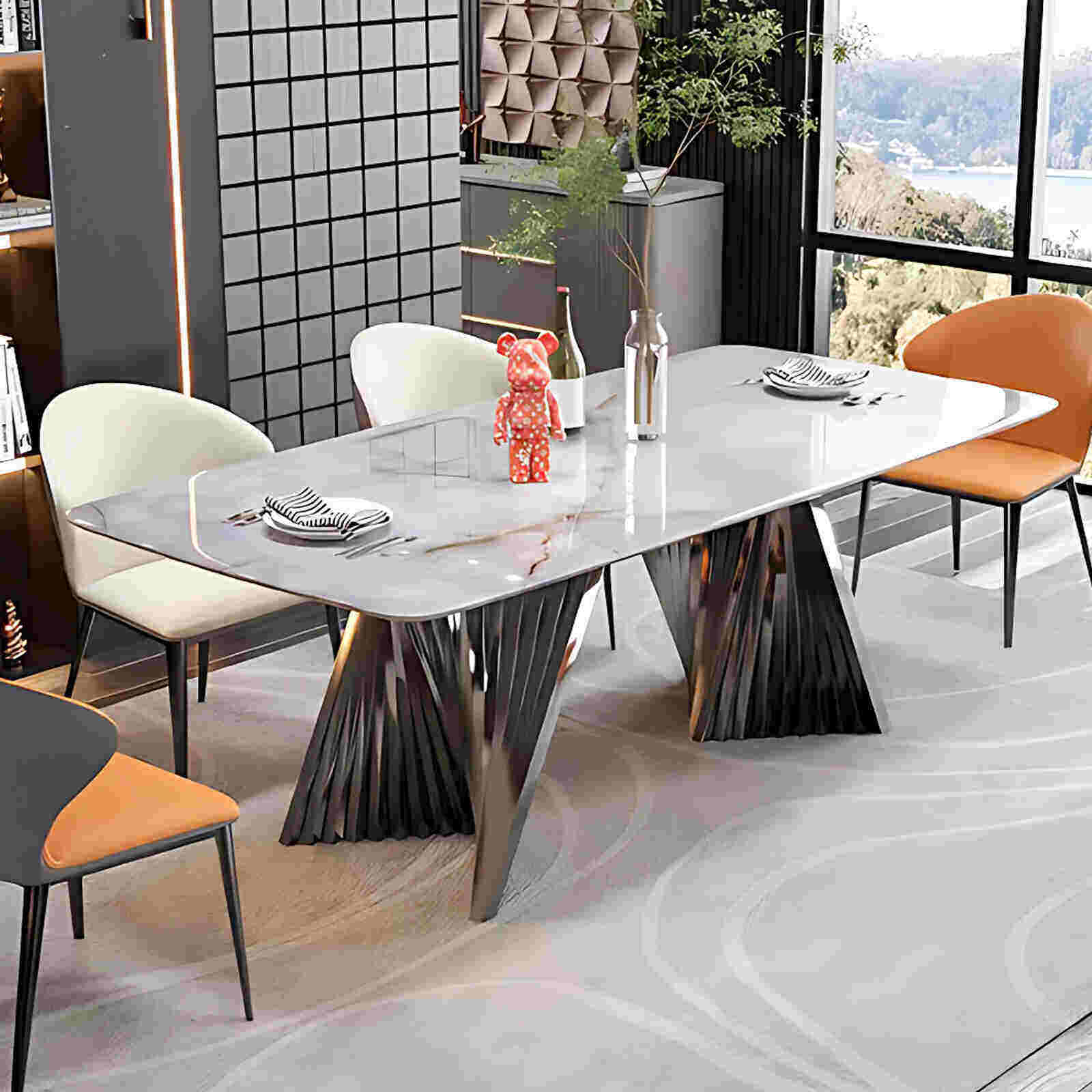
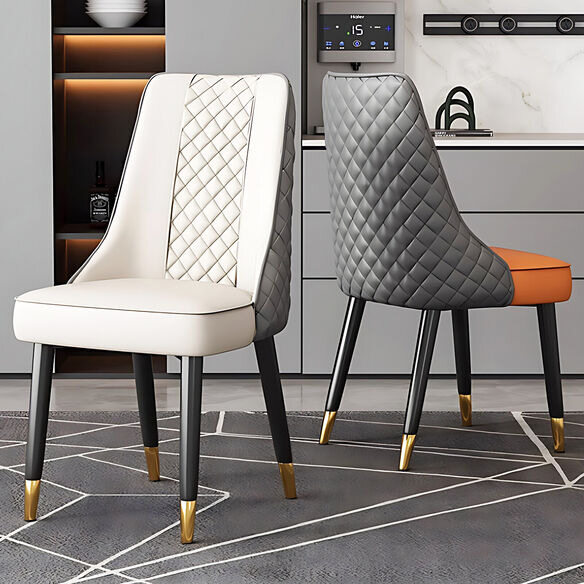
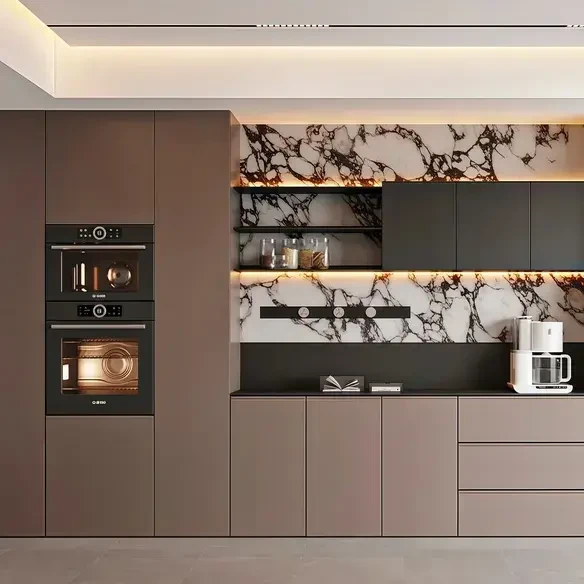
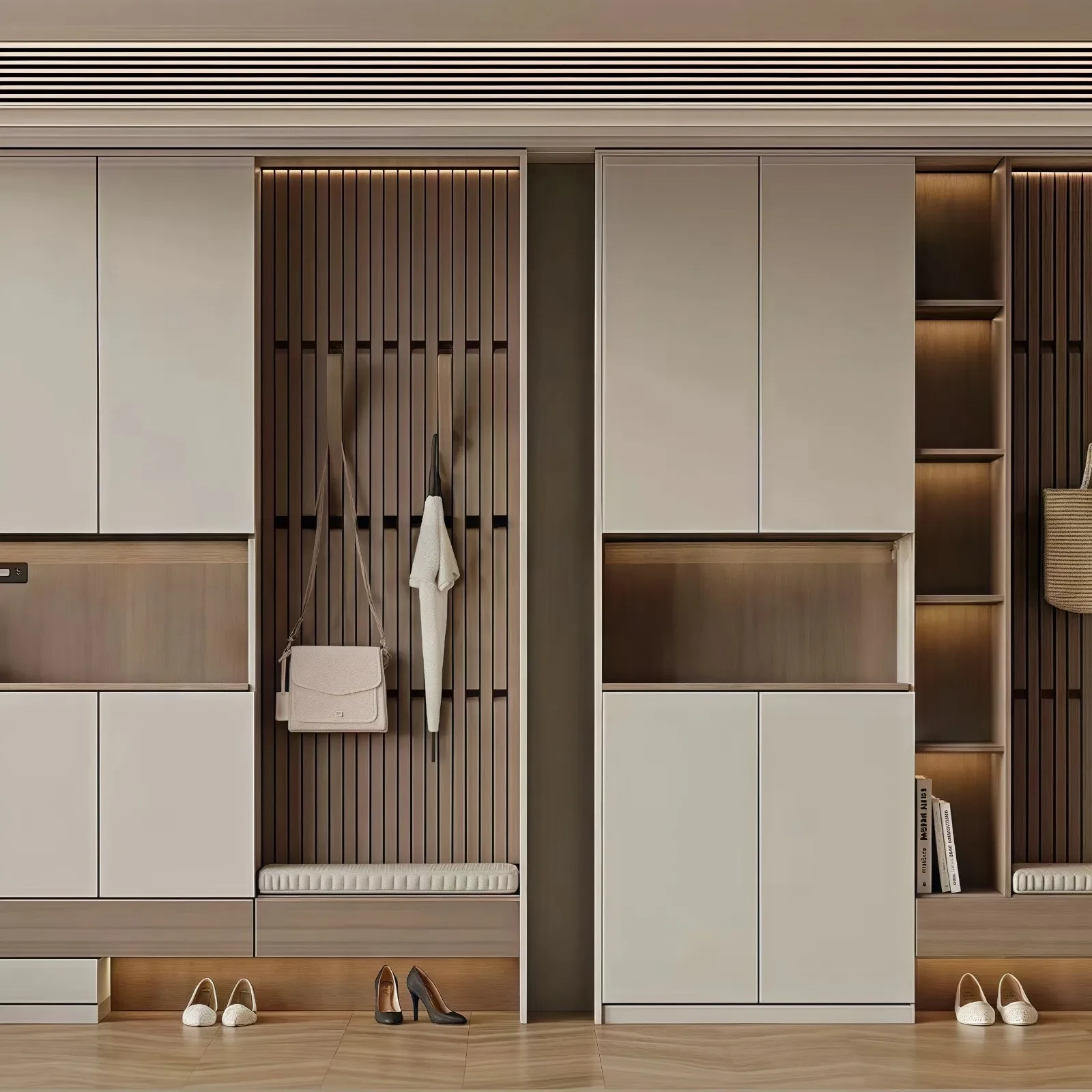
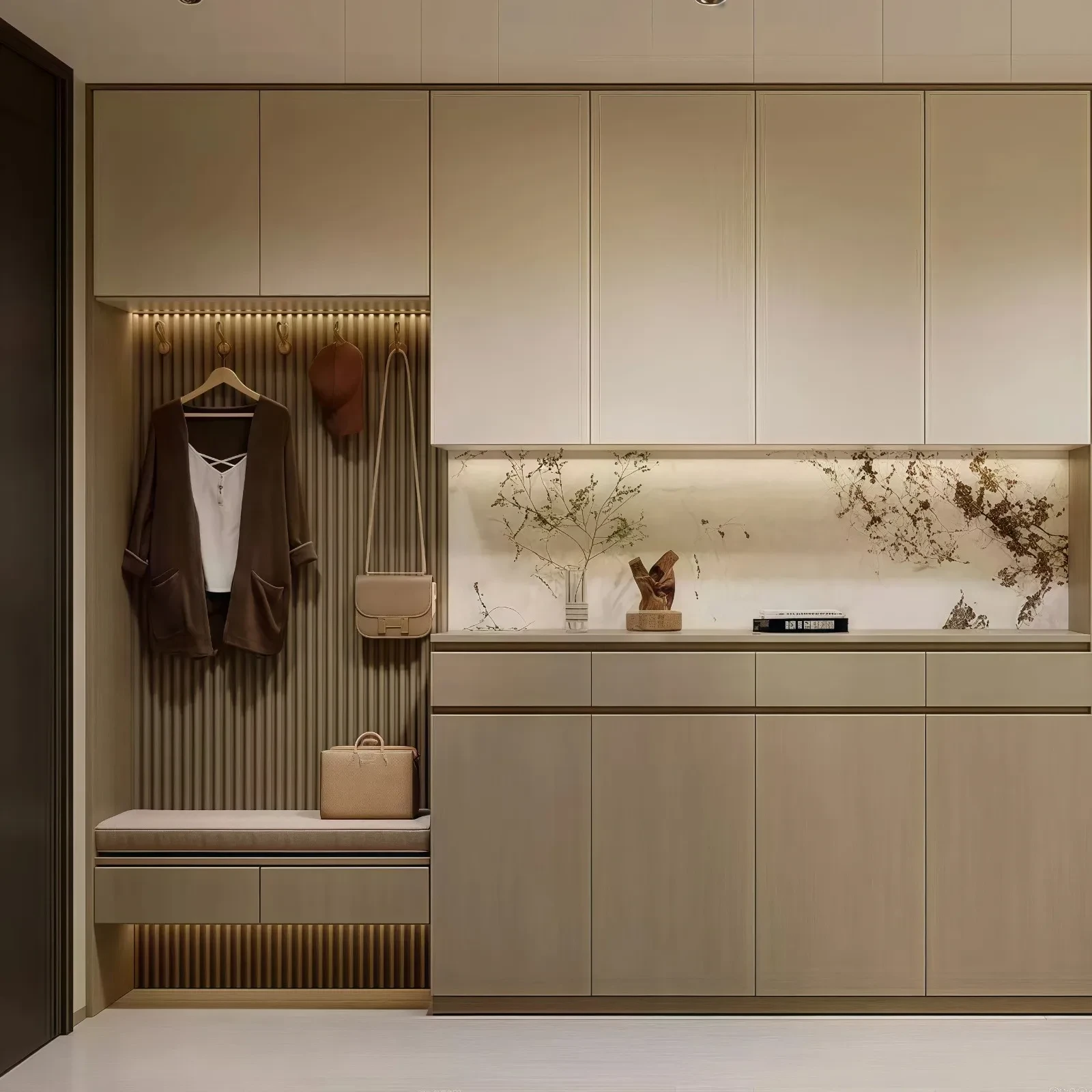
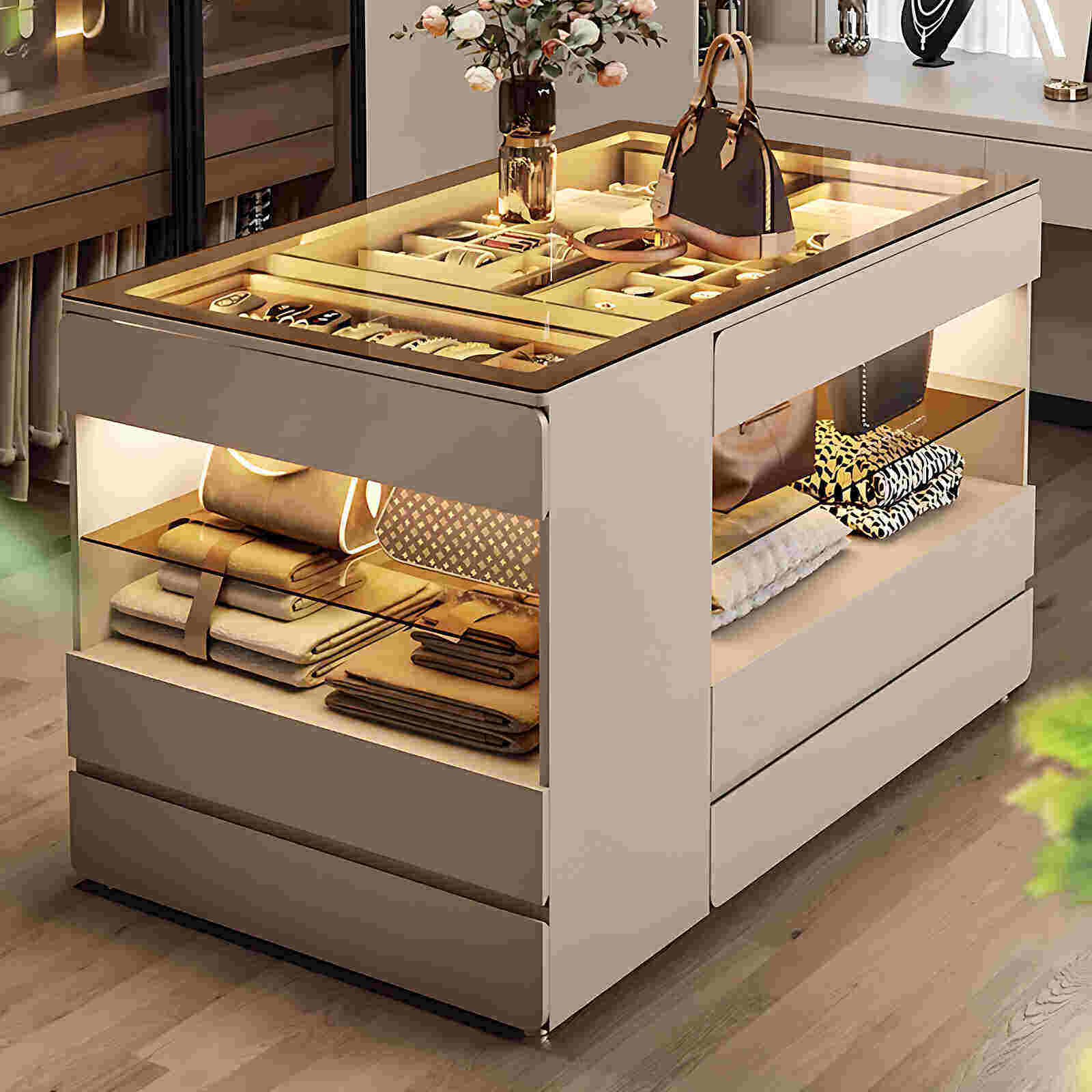
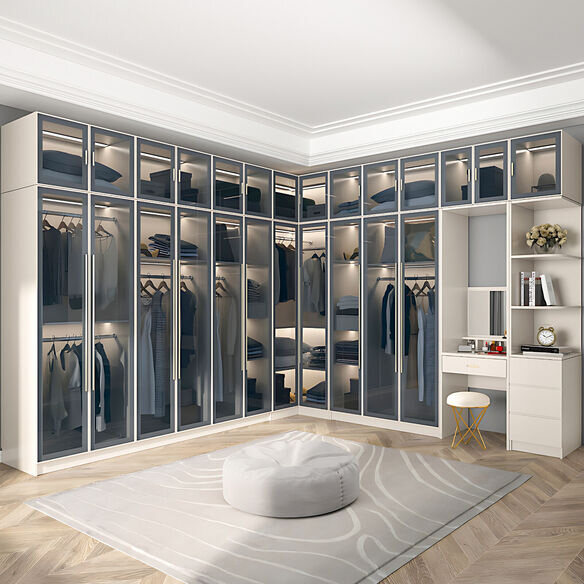
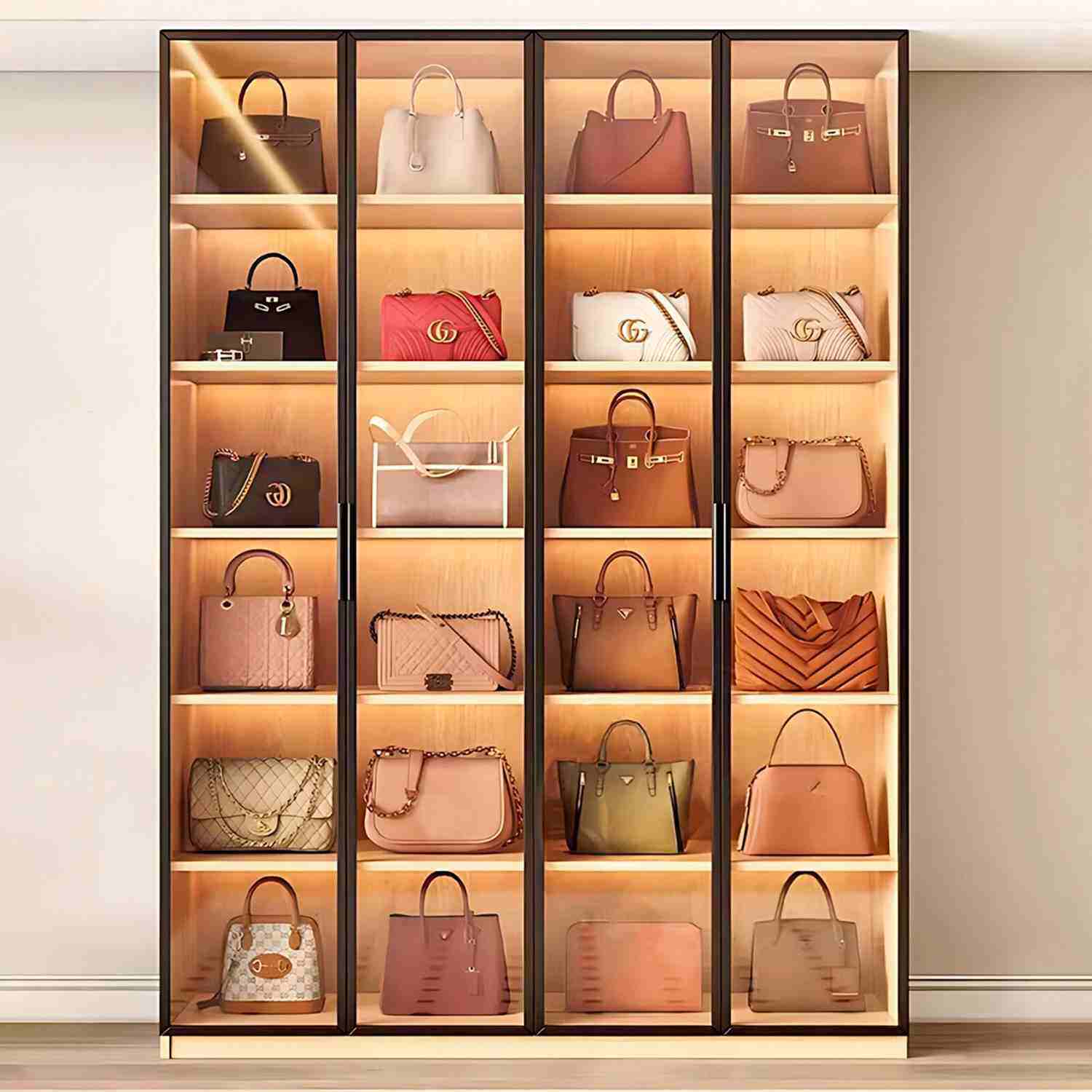
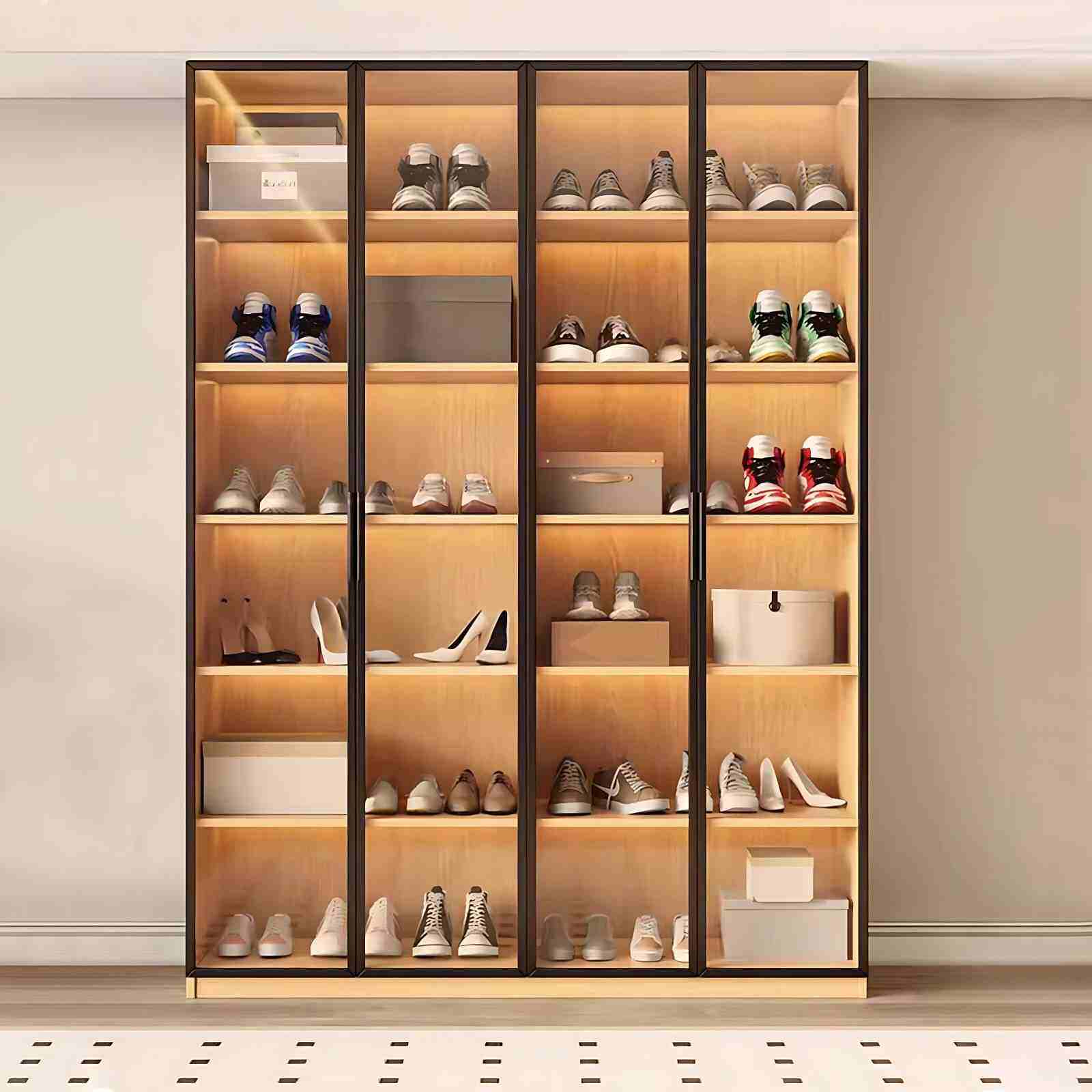
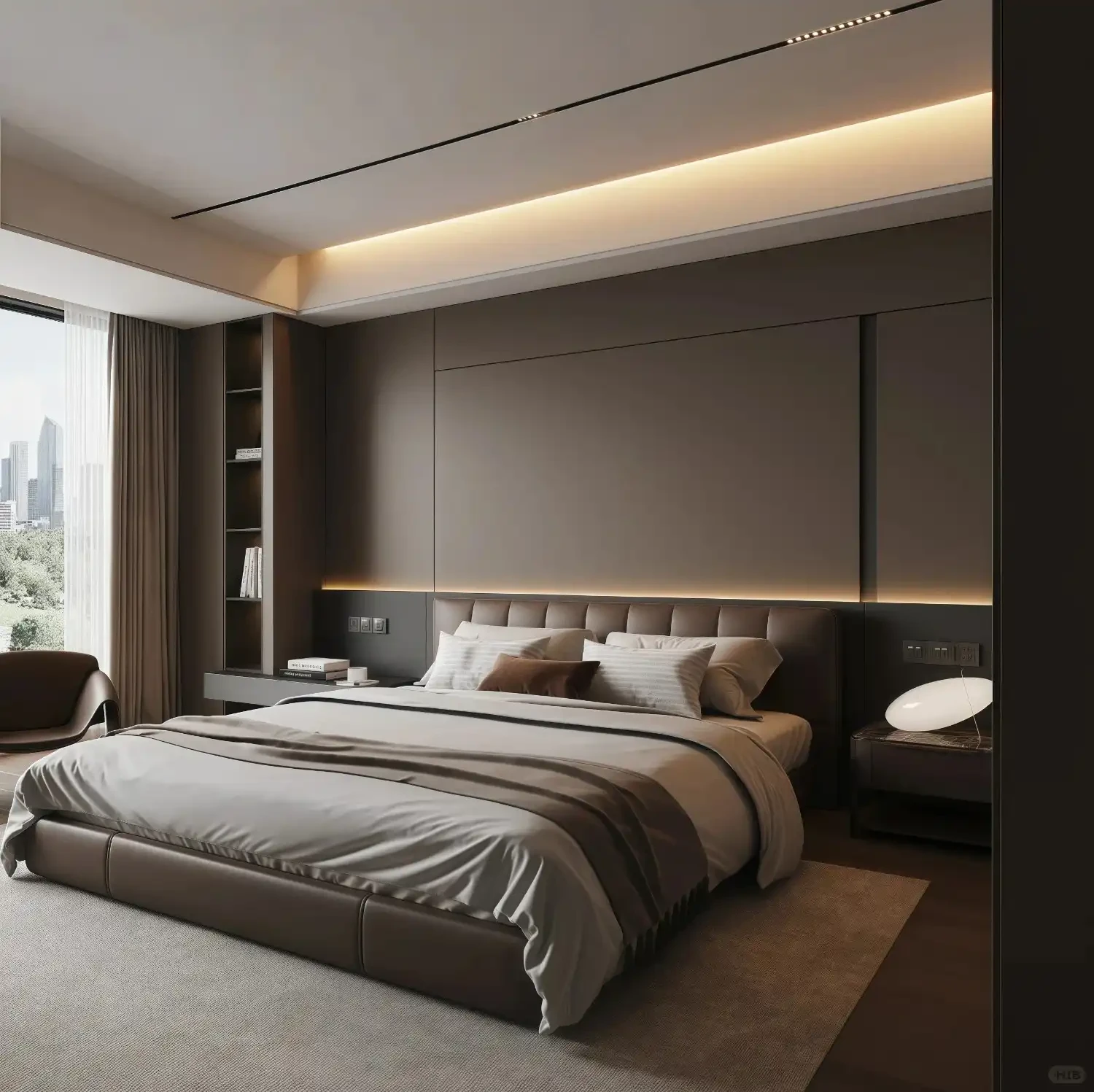
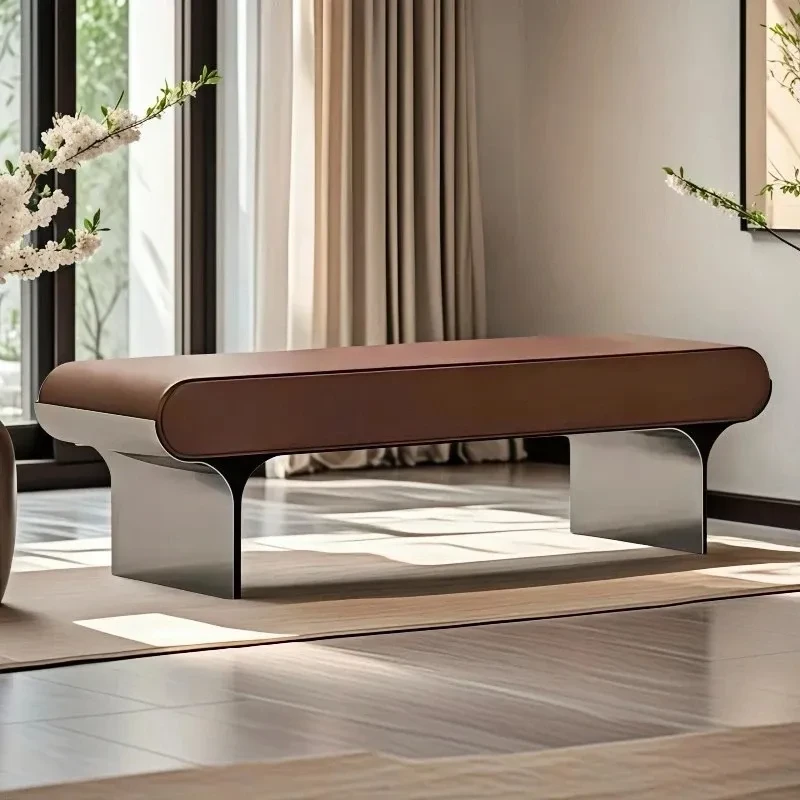
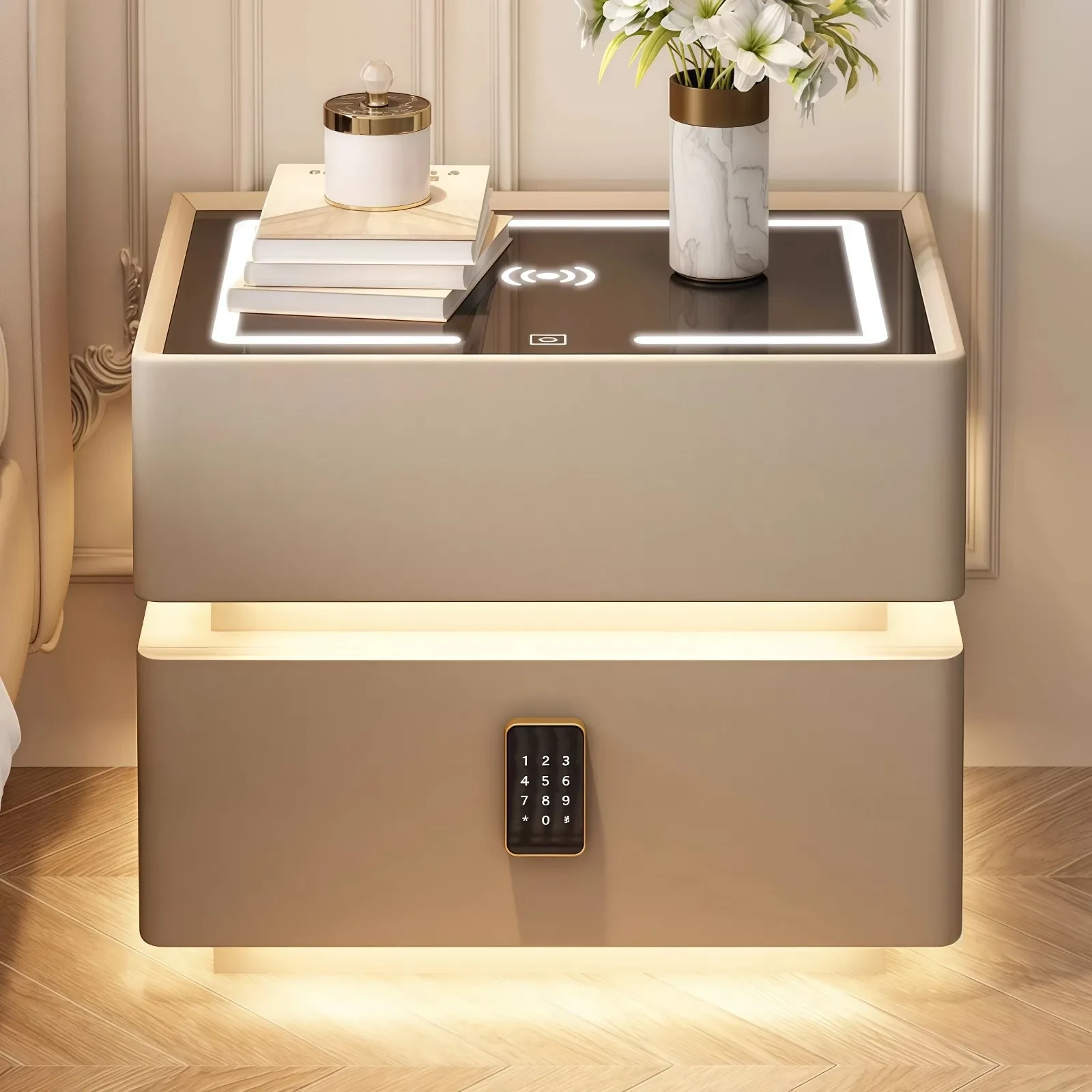
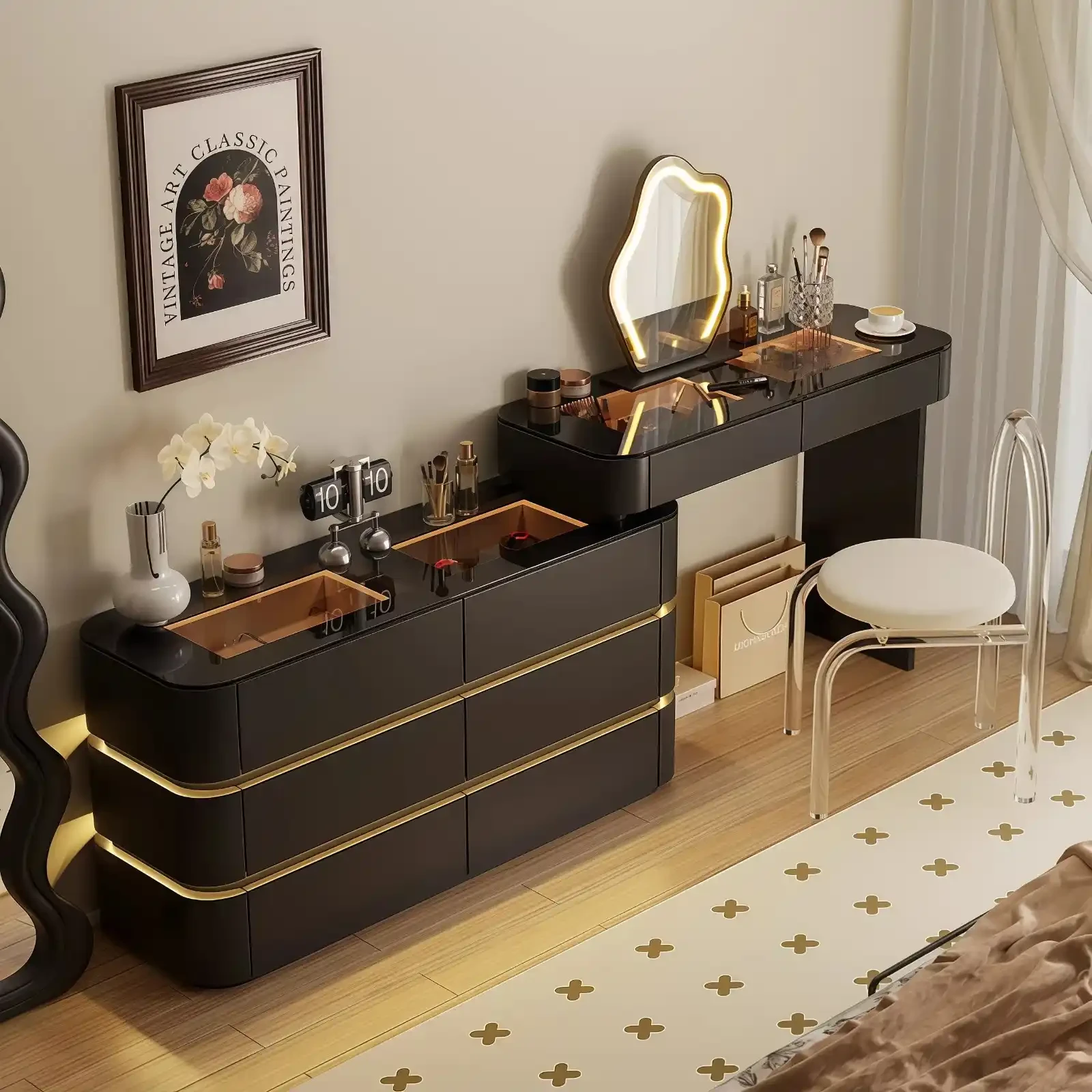
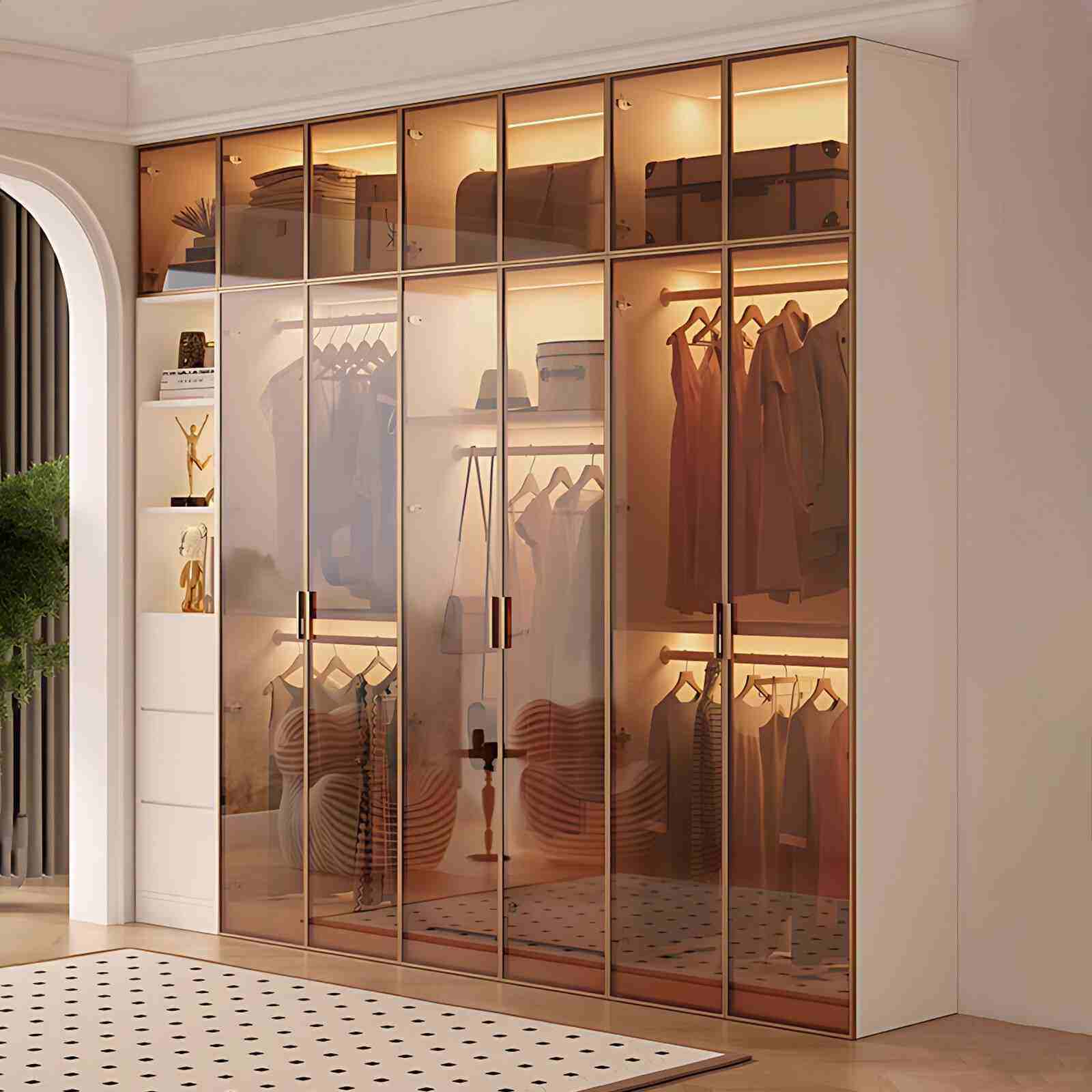
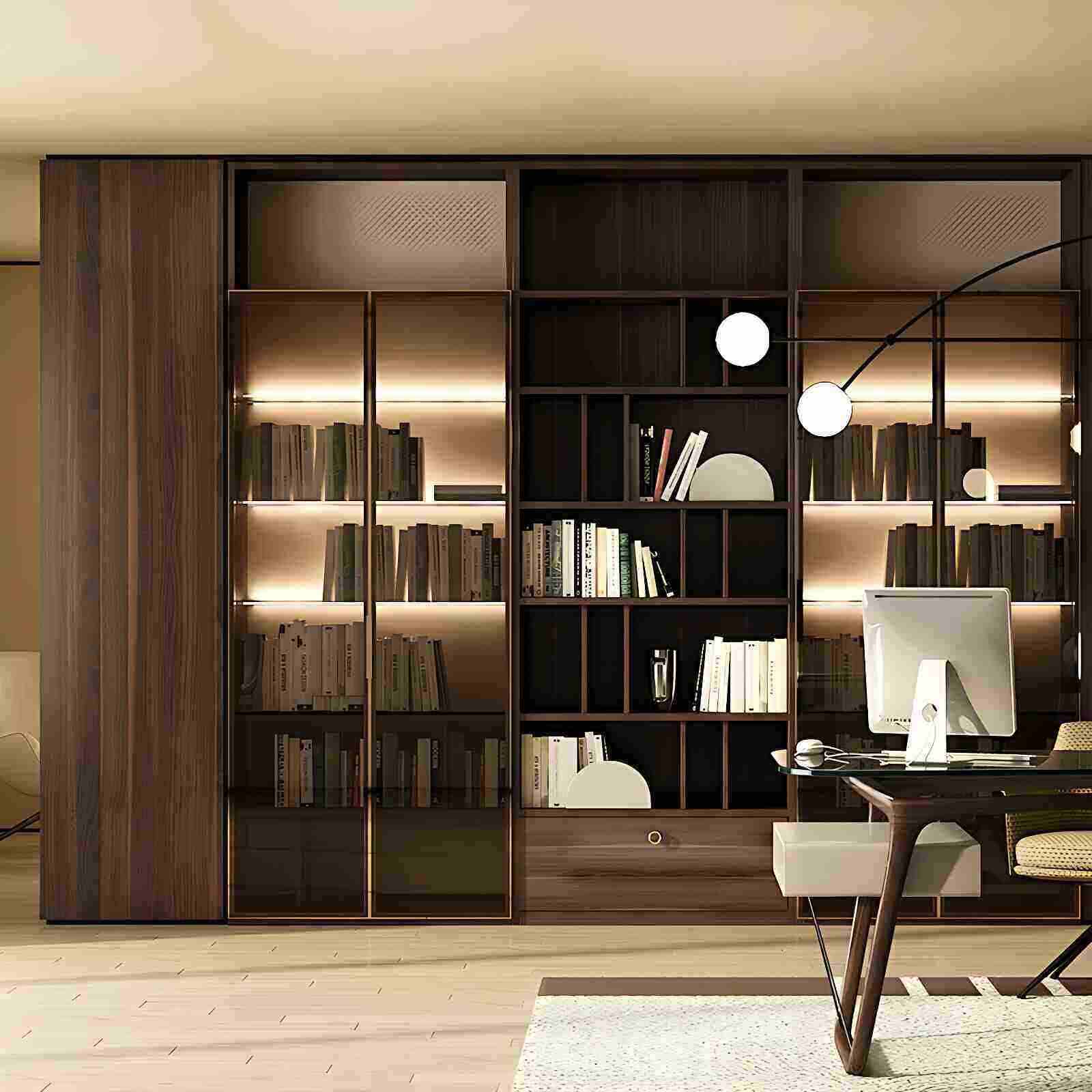
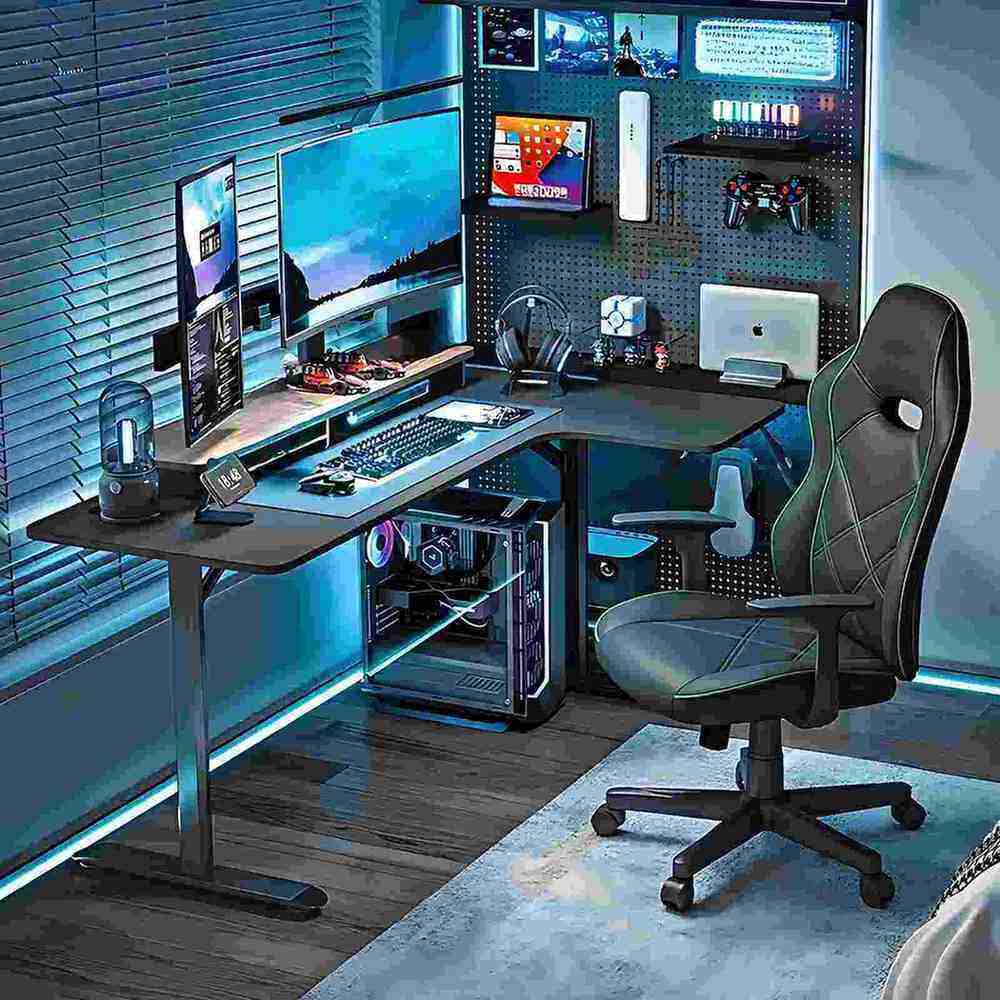
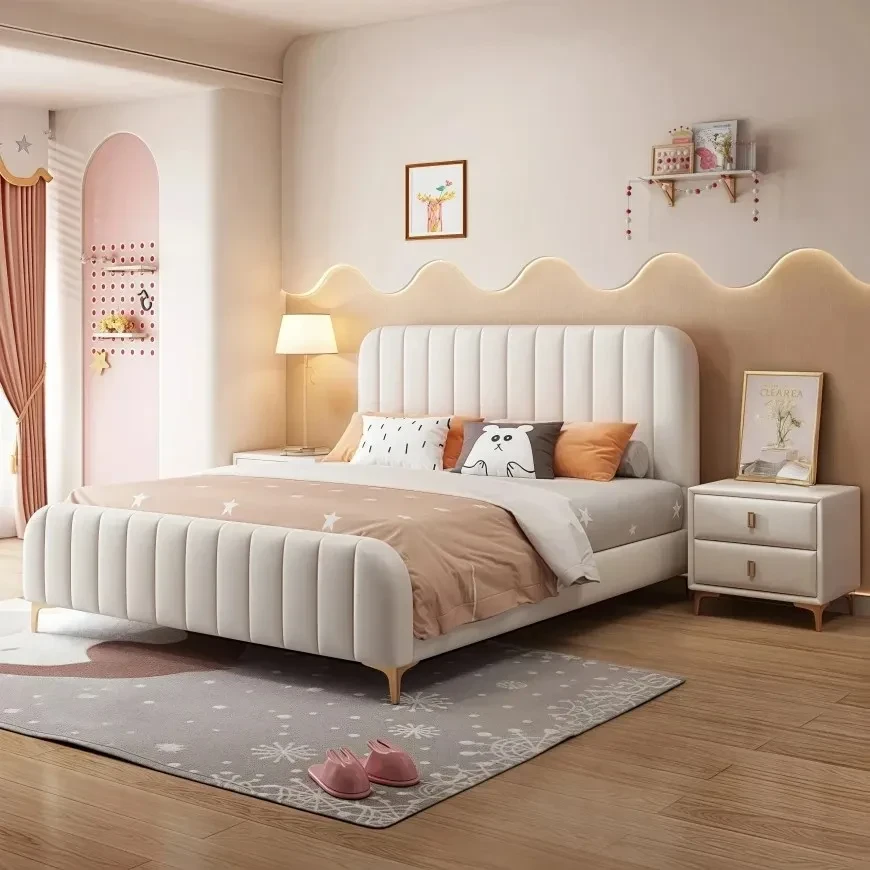
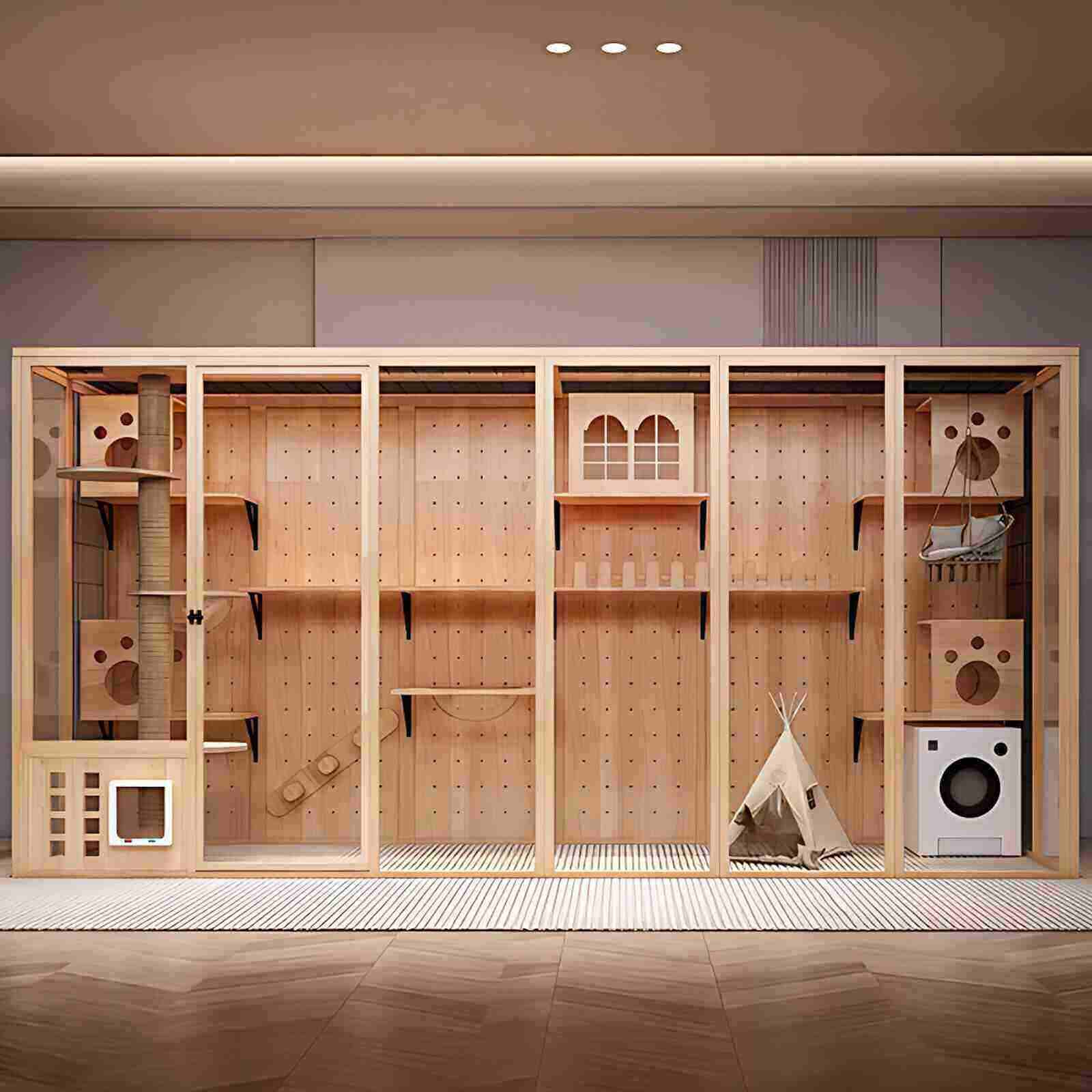
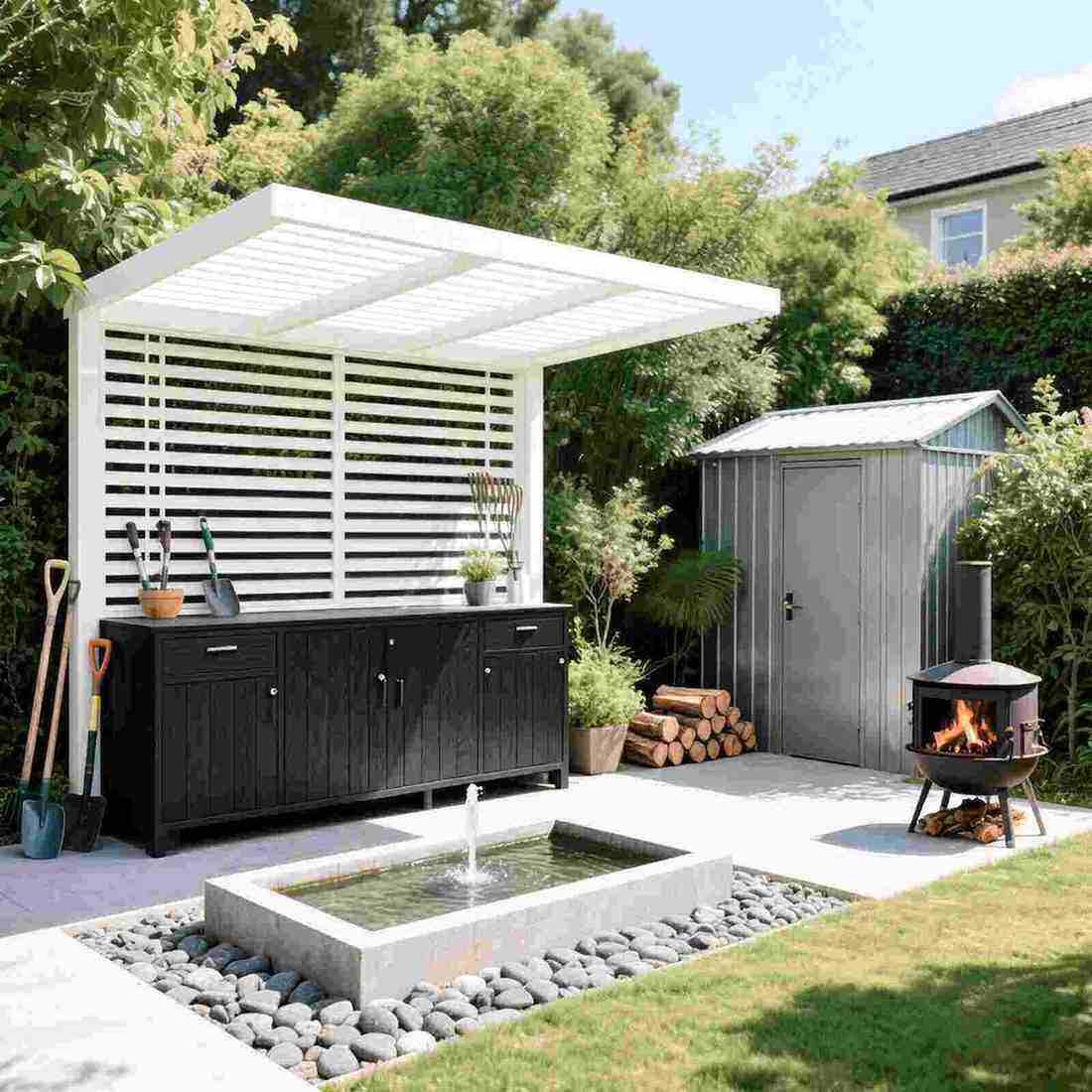
Many homeowners are struggling with furniture selection while renovating their homes. Many are torn between buying solid wood or particleboard furniture.
So how do you distinguish between panel furniture and solid wood furniture, and which one should you buy? Today, let's analyze it together.
Panel furniture
The basic characteristics of panel furniture are that it can be disassembled, has a variety of shapes, and is stylish. Currently, a large portion of the furniture on the market is wood grain panel furniture. Panel furniture is increasingly covering reality, has a good luster, a good finish, and is relatively more expensive.
Common engineered wood products include plywood, blockboard, particleboard, and medium-density fiberboard (MDF). Among these, MDF is the most valuable and commonly used.
However, there are tricks to selecting and identifying panel furniture. The easiest way is to observe the pattern, the wood veneer, and the natural materials, color, and texture. Additionally, pay attention to uneven edge banding and screw-in defects. Panel furniture with a natural, bright color, light, and compact structure is a key design concept. Modern people prefer simple and elegant designs, and modern furniture and panel furniture better reflect this. A large portion of this type of furniture is wood grain imitation. Currently, some panel furniture sold on the market has an increasingly realistic appearance, a glossy finish, a good feel, and a high price.
Disadvantages of panel furniture: During production, excessive use of adhesives and glues can lead to formaldehyde content in the boards. Additionally, some manufacturers use paints containing formaldehyde, which can be harmful to health. It is also sensitive to temperature and humidity fluctuations and cannot tolerate significant changes in these conditions. Furthermore, it has a shorter lifespan; the typical lifespan of panel furniture is 5-10 years, which is shorter than that of solid wood furniture.
Non-natural: The biggest difference between the materials used in panel furniture and solid wood furniture lies in the naturalness of the materials. Most panel furniture uses veneer designs, resulting in repetitive patterns and a lack of the natural feel of natural materials.
How to choose?
1. It's important to know that thicker boards aren't necessarily of higher quality. Some boards, despite being thick, feel light in your hand, while high-quality boards feel substantial. While theoretically heavier boards offer higher strength and better nail-holding power, consumers don't need to excessively pursue thickness and weight. For example, for wardrobe sliding doors, overly heavy boards can put too much strain on the hardware, affecting its lifespan over time.
2. Another method for testing the quality of furniture on the market is to scratch the board with a key or smear stains on the surface with a pen to see if they can be easily removed. However, this method only tests the inherent properties of the board surface and does not indicate its quality. To test its stain resistance, try applying soy sauce or lipstick to the surface and observe the results after a period of time.
solid wood furniture
1. One of the advantages of solid wood furniture is that it has its own unique style and personality. Solid wood furniture is made from natural wood, which is the essence of nature. It combines the long-standing Chinese traditional culture with modern fashion and integrates it into the design of the furniture, giving the furniture a new connotation. It makes the furniture design more humanized, practical and modern, creating a new style of solid wood furniture and leading a new trend in furniture.
2. Natural and environmentally friendly: These are the biggest characteristics of solid wood furniture. Compared to furniture made from engineered wood, solid wood furniture uses significantly less glue during its manufacturing process. The amount of glue used directly impacts the furniture's environmental friendliness. Furthermore, solid wood furniture is made entirely from natural wood, making it even more environmentally friendly.
3. Long service life, generally about 5 times that of other panel furniture, lasting about 15 to 20 years.
Solid wood furniture is expensive because wood resources are becoming increasingly scarce, so good furniture has collectible value.
The main problem with solid wood furniture is that changes in moisture content make it prone to warping. Therefore, it should not be exposed to direct sunlight, and the indoor temperature should not be too high or too low. Both excessively dry and humid environments are unsuitable for solid wood furniture. In addition, the components of solid wood furniture are usually joined using mortise and tenon joints and adhesives, and the finished product is generally not disassembled, making it very inconvenient to move.
How can we distinguish them?
One secret to determining whether furniture is made of solid wood is the wood grain and knots. For example, if a cabinet door has a certain pattern on the outside, check the corresponding pattern on the back of the door. If they match perfectly, it's a solid wood cabinet door. Another good way to identify solid wood is by looking at knots: find a knot on one side and check the other side for a corresponding pattern.
Common solid wood furniture typically uses beech, white oak, ash, elm, catalpa, rubberwood, and oak, while high-end mahogany furniture mainly uses rosewood, wenge, and sandalwood. The solid wood furniture market is quite chaotic, with frequent instances of inferior products being passed off as superior ones and different wood species being confused. It's best to buy from reputable brands. Also, be aware that with the rising price of wood, anything too cheap is almost certainly a scam.
The panel surface should be pressed with your fingers to feel its firmness. One side of the material should have a grid-like framework for support; if the framework is sparse, pressing the surface will feel hollow and unstable, causing the panel to vibrate significantly. Drawer bottoms should also be pressed to test their strength. Generally, shelf bottoms are made of plywood, while larger shelves should be made of five-layer plywood. Cabinet doors and drawers should open and close smoothly. When the panel is covered with veneer or other materials, the color should be similar to the rest of the product set, and the surface finish should not have wrinkles, stickiness, or missed spots.
Solid wood furniture and particleboard furniture each have their own characteristics. From an environmental perspective, solid wood furniture is definitely more environmentally friendly, as it's made from raw wood, which is naturally more eco-friendly than particleboard. Particleboard furniture, made from melamine boards, is simpler to process and has stronger scratch resistance. In terms of price, particleboard also has a price advantage. Solid wood furniture is relatively high-end, closer to nature, more luxurious, and therefore more expensive.