
 USD
USD GBP
GBP
 EUR
EUR
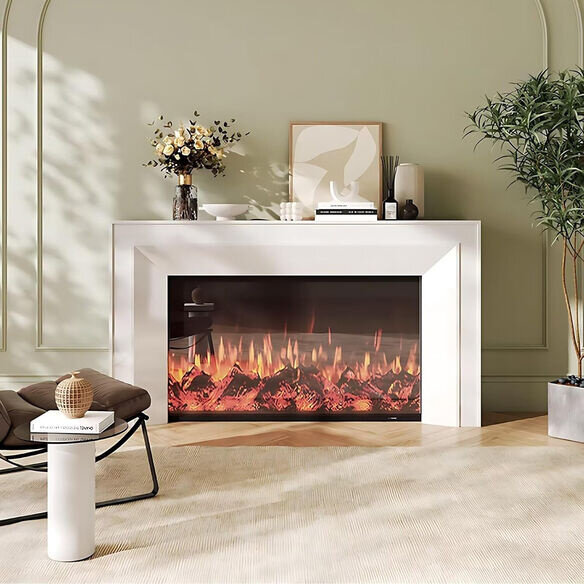
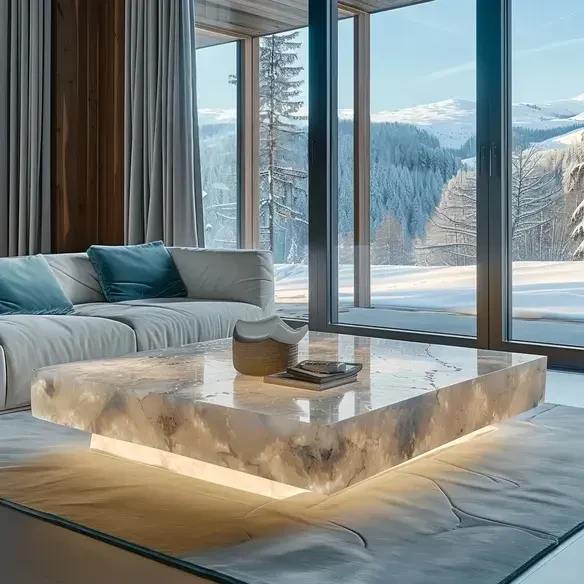

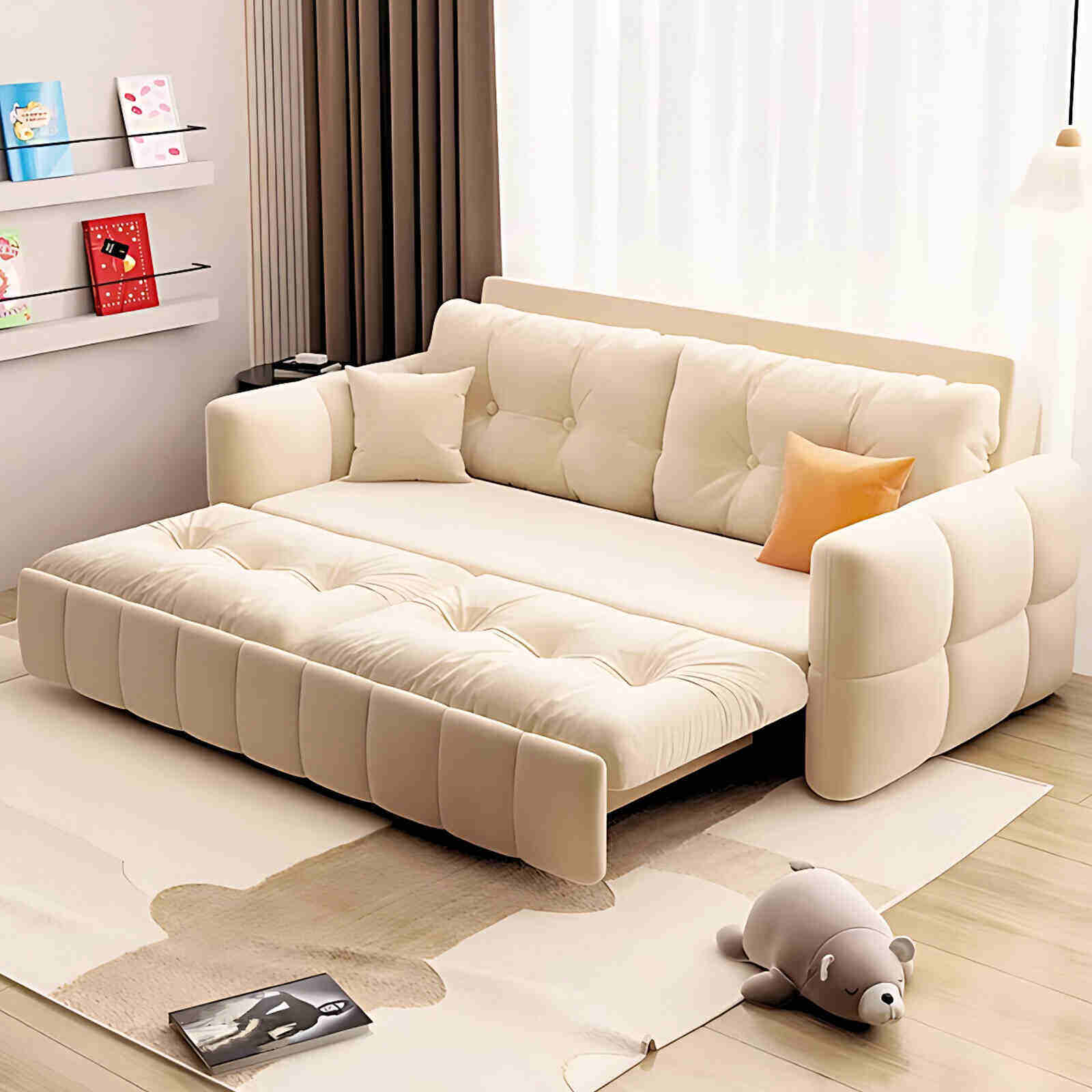
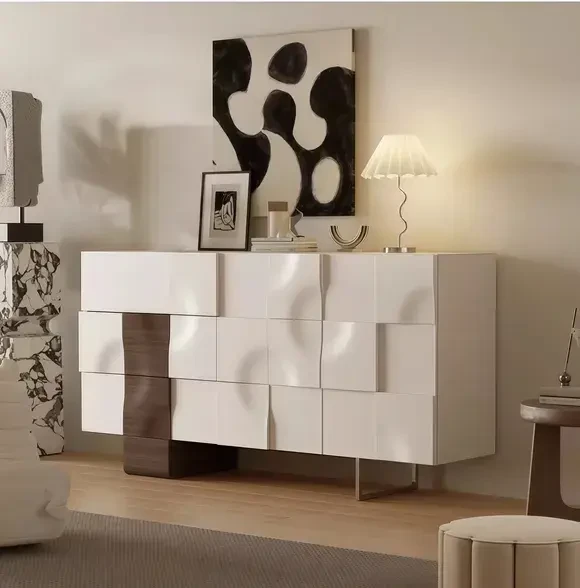

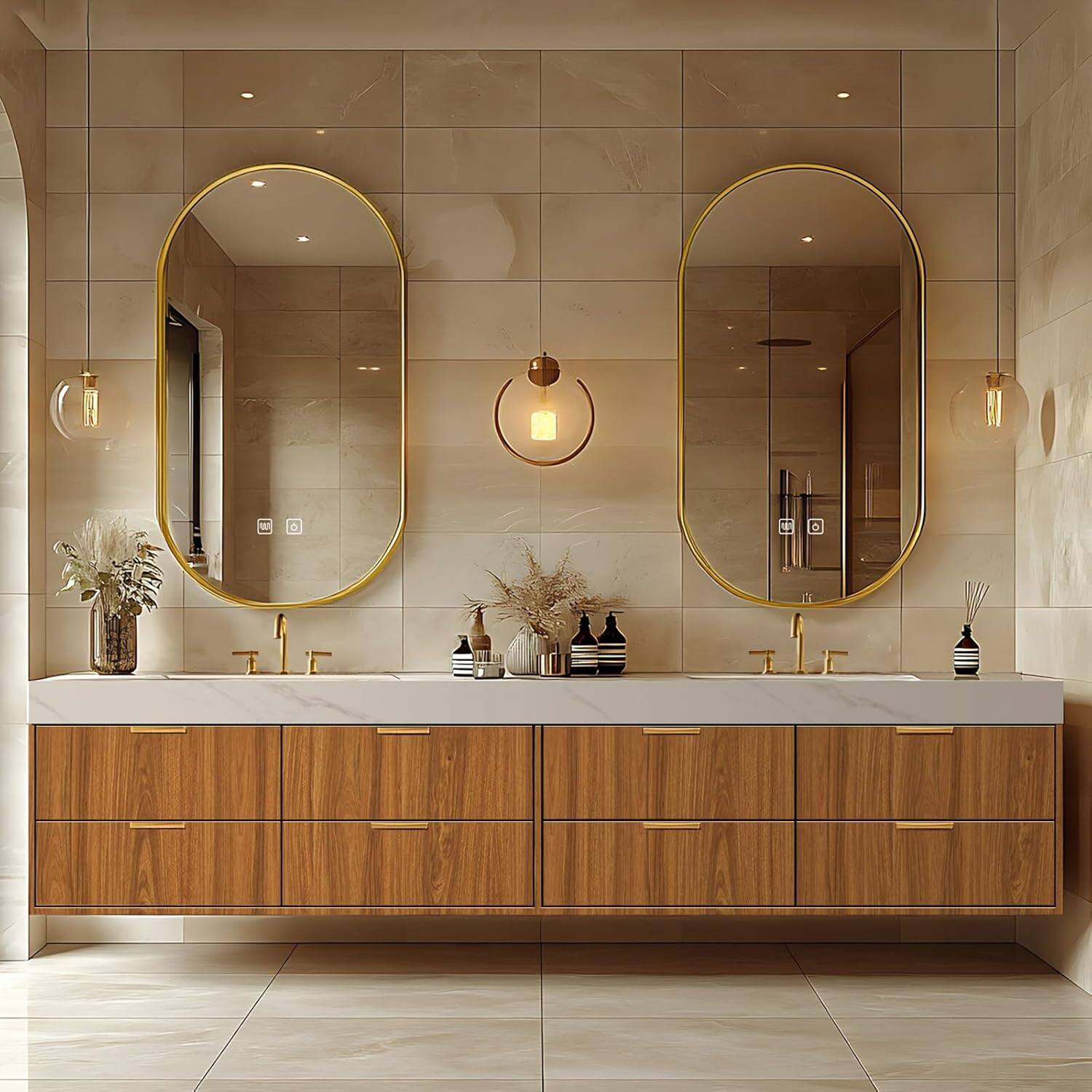

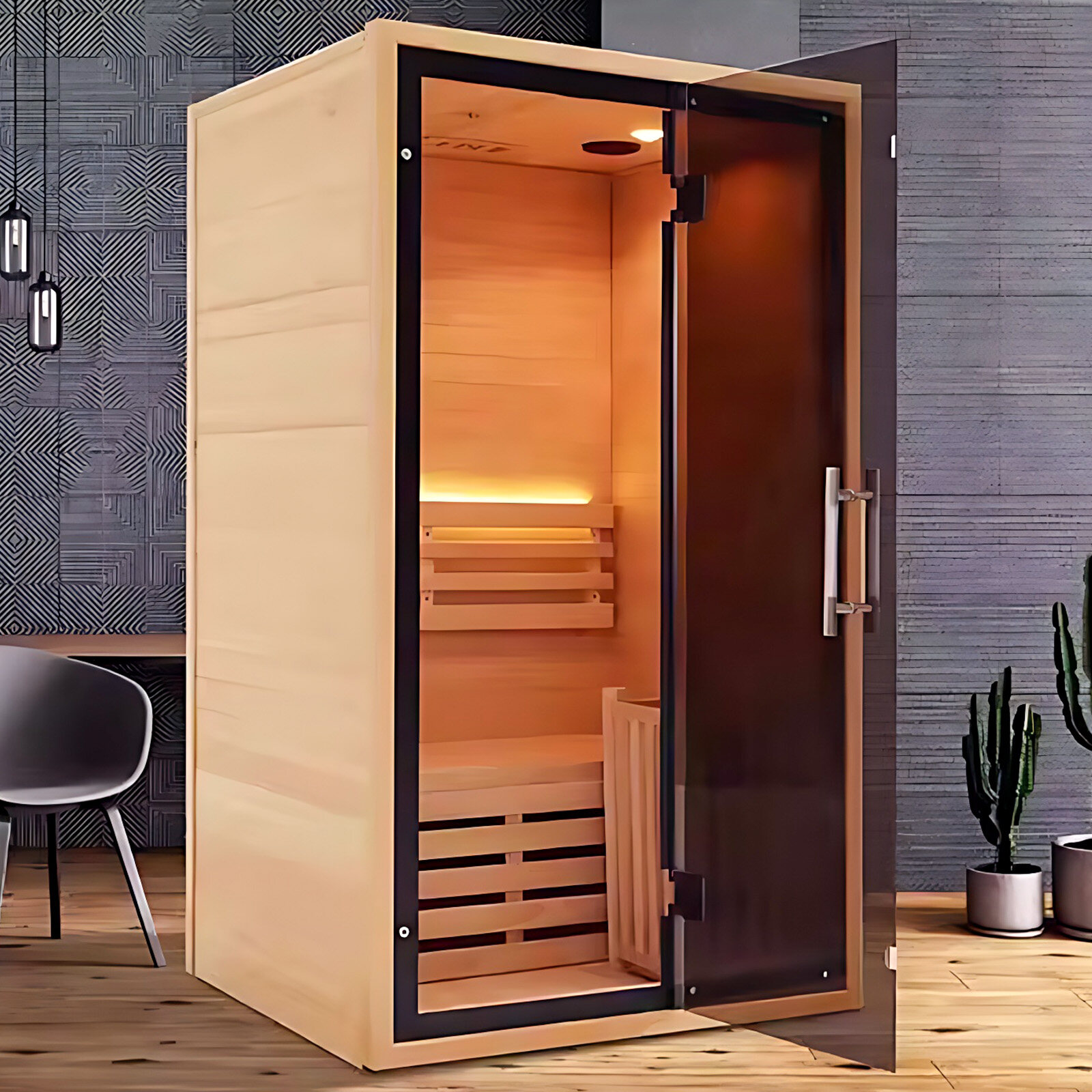


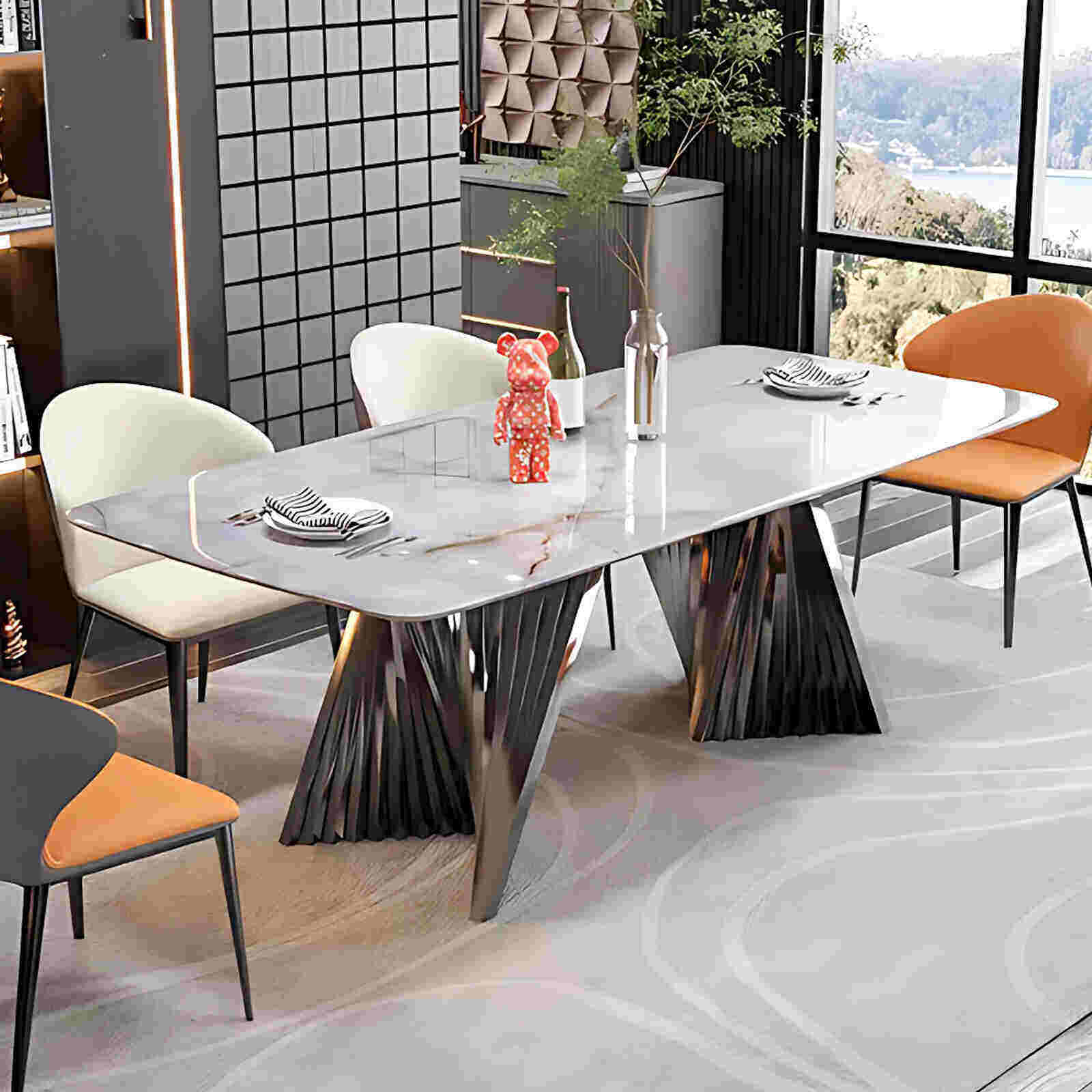
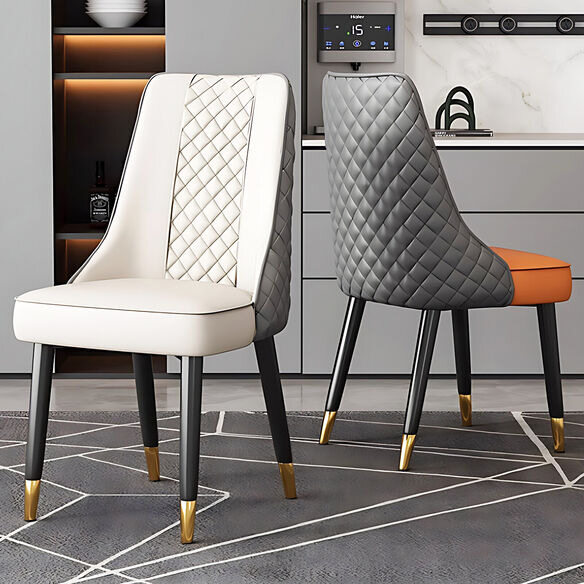
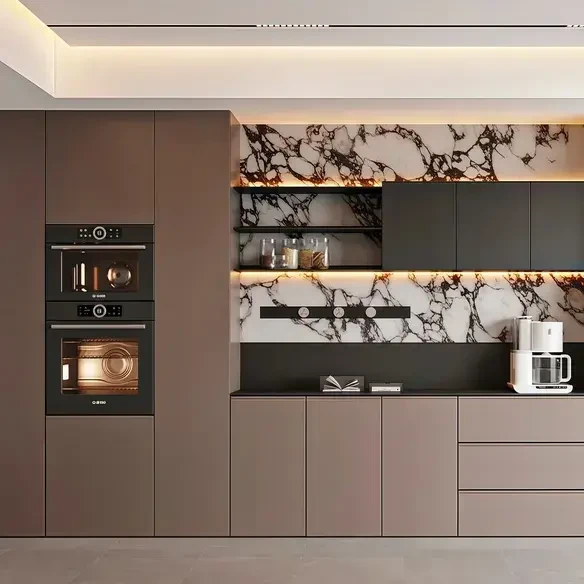
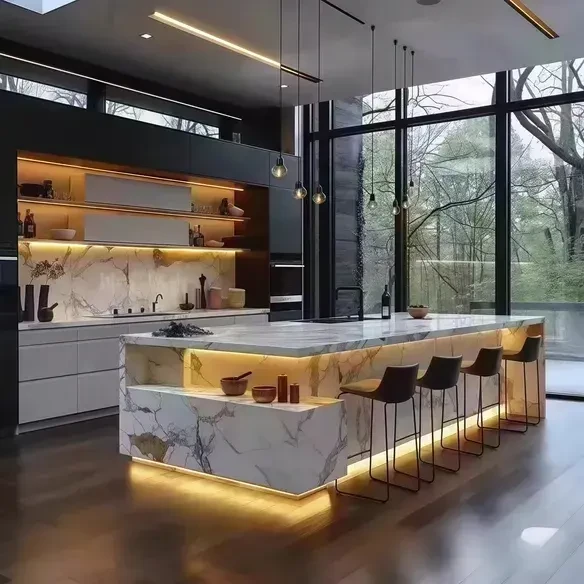
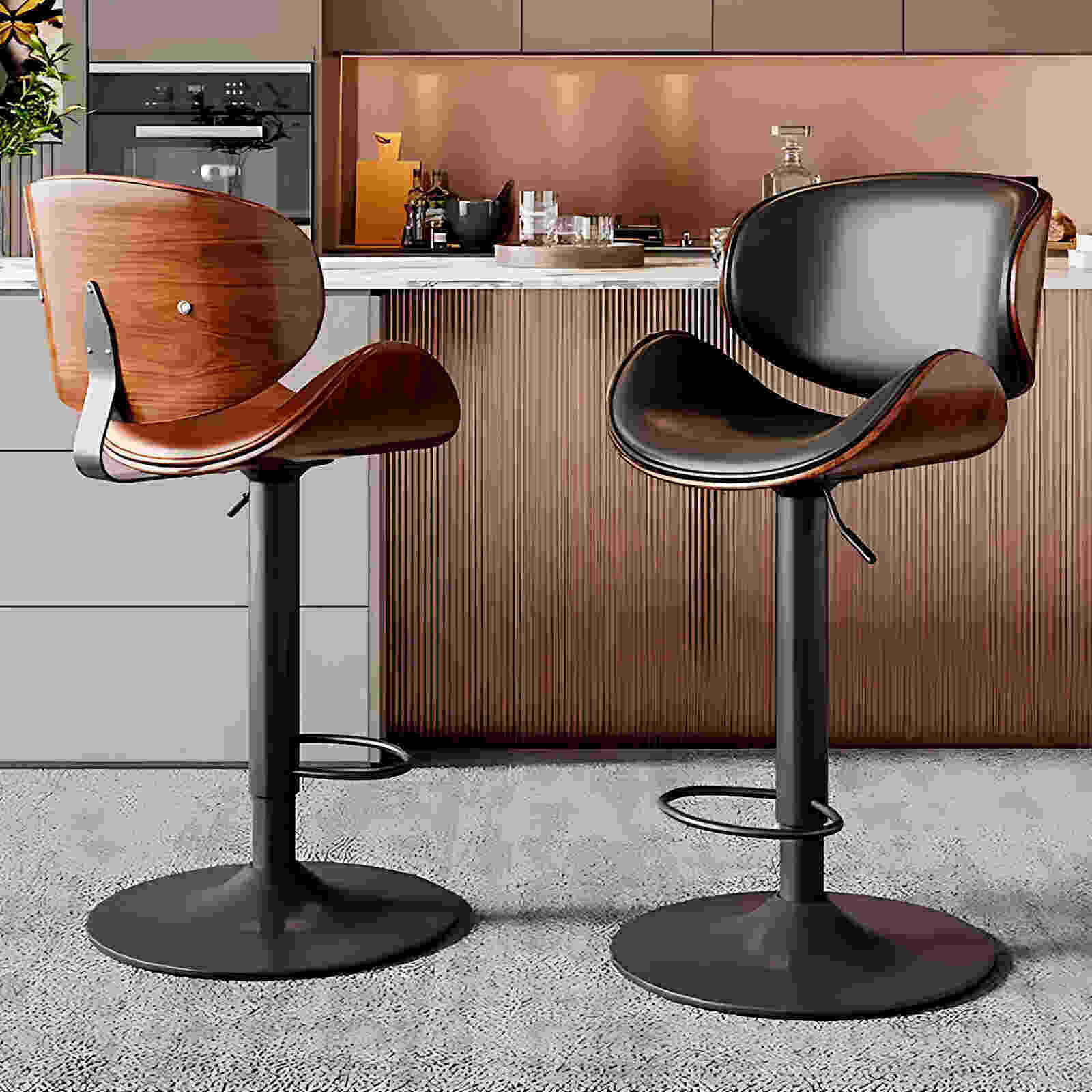



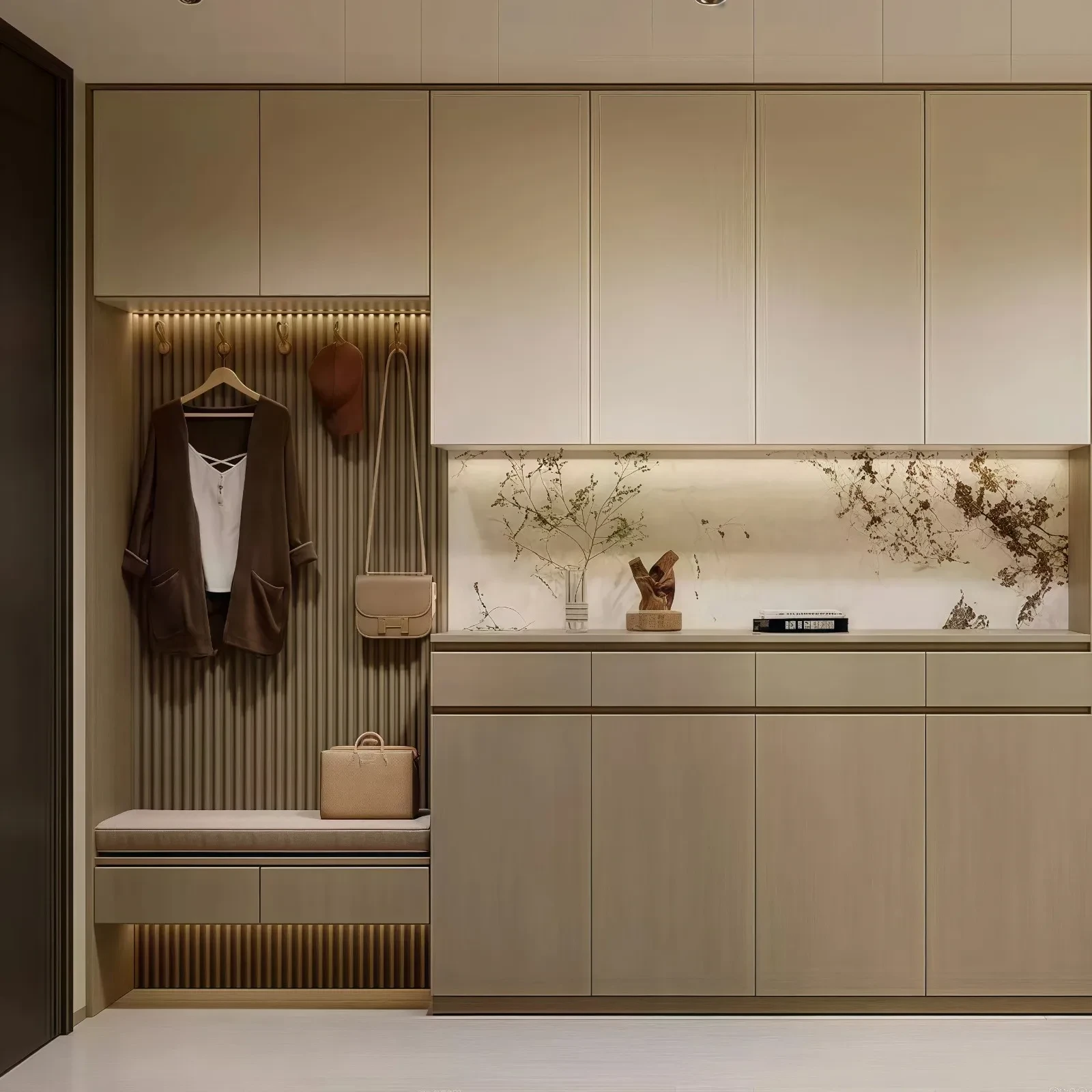




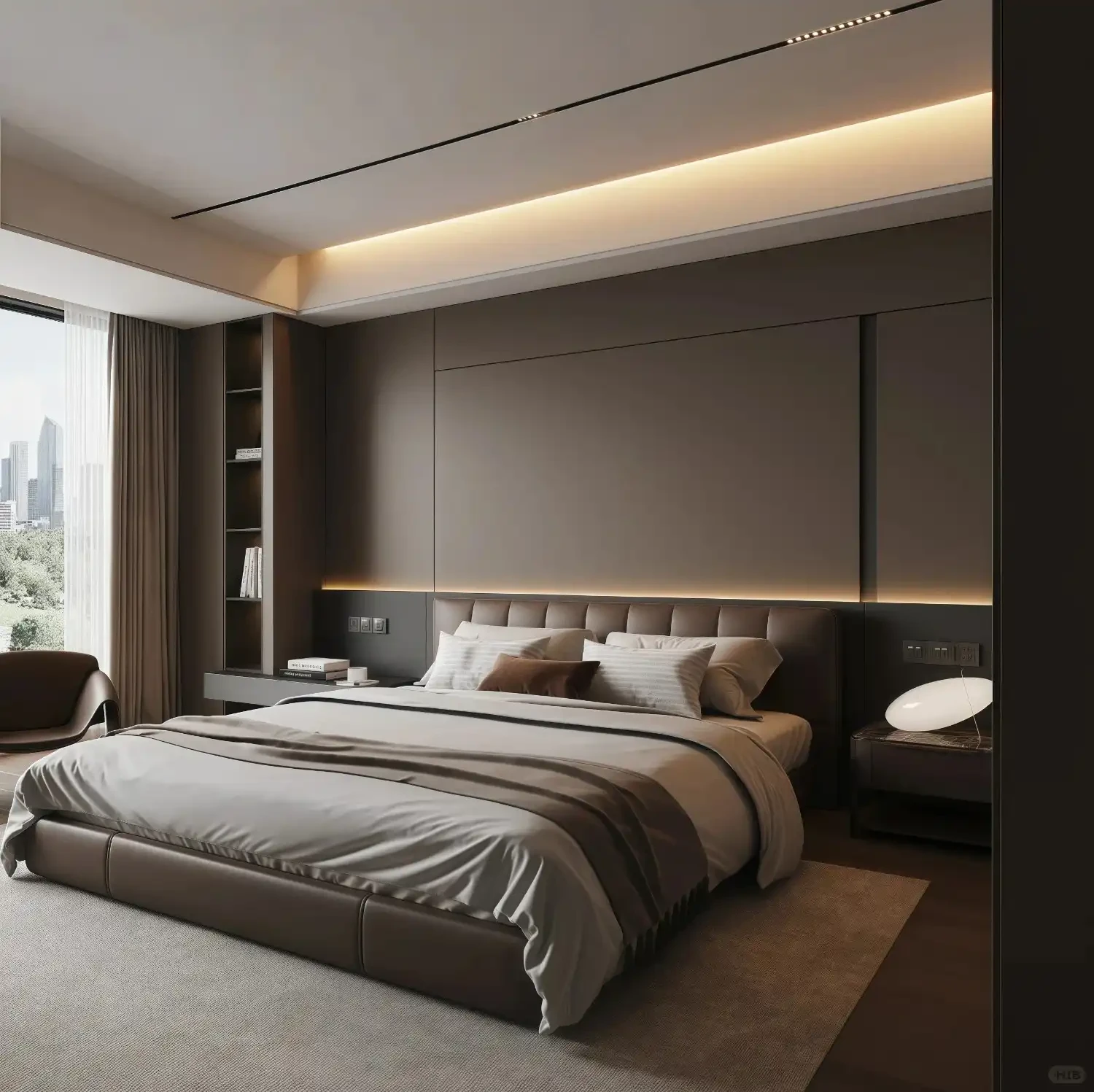
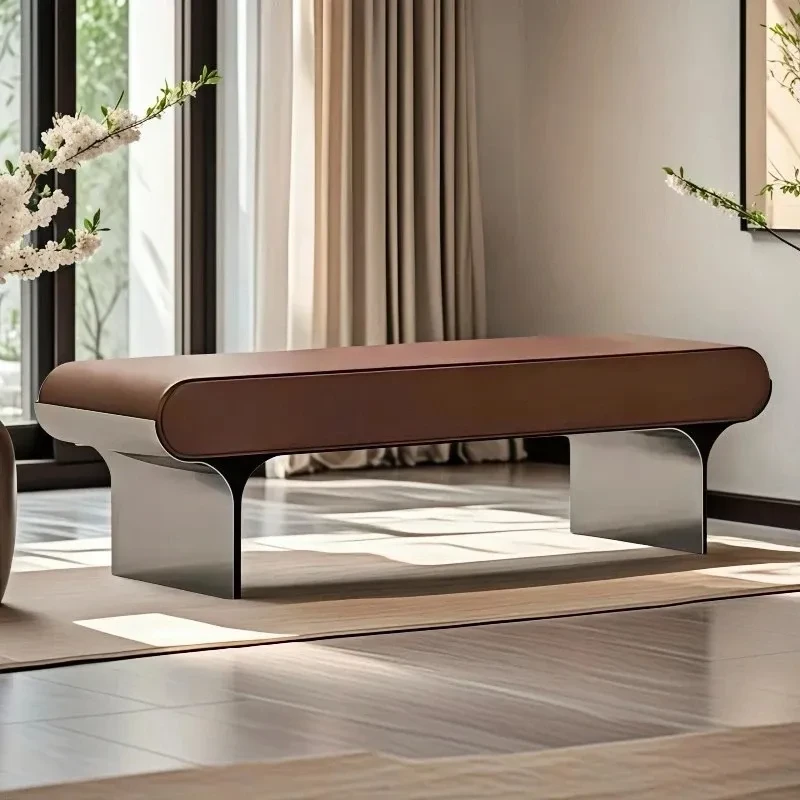

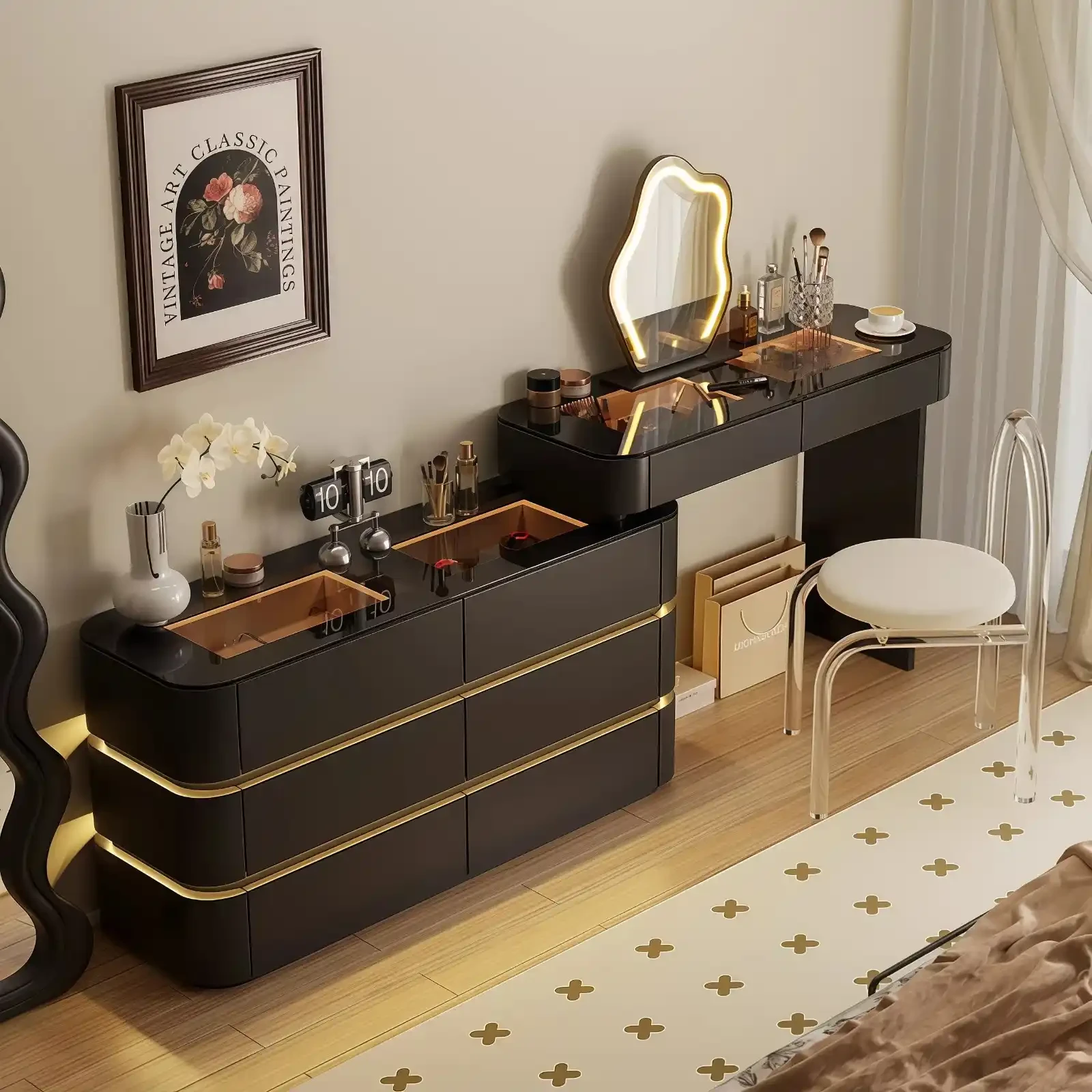

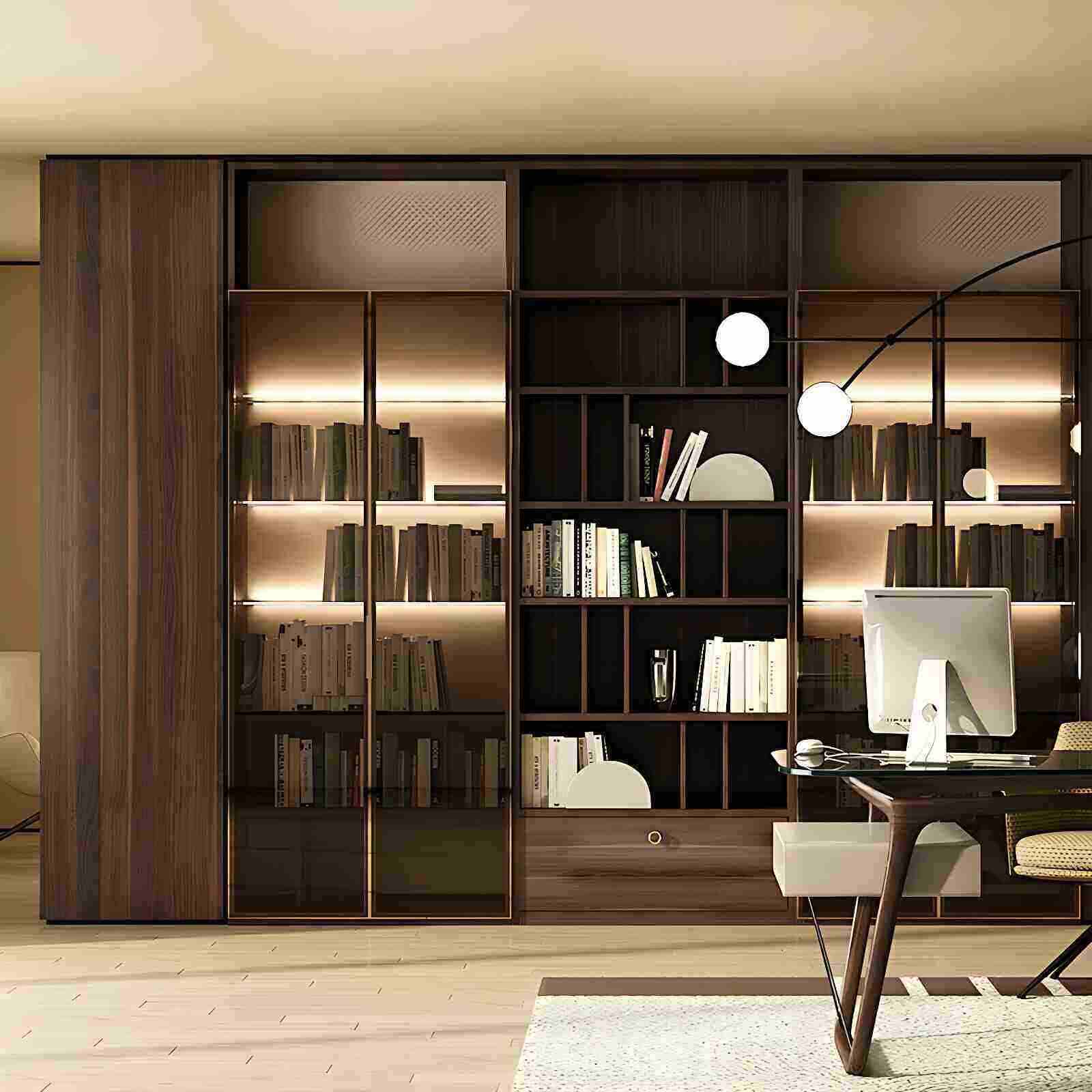

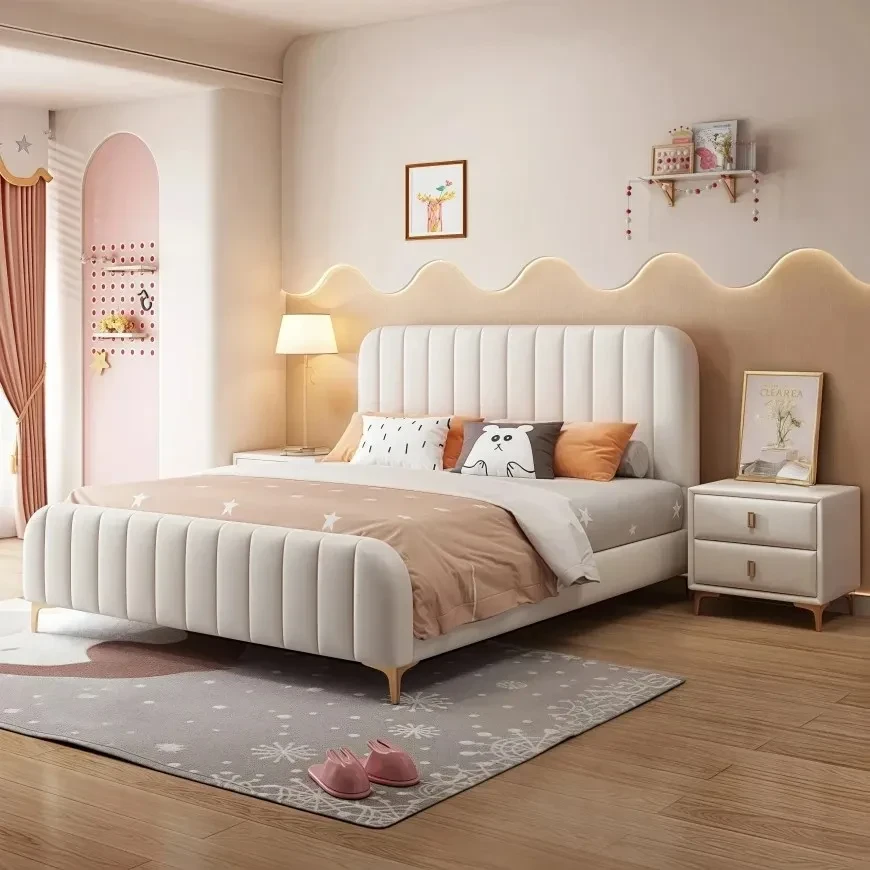
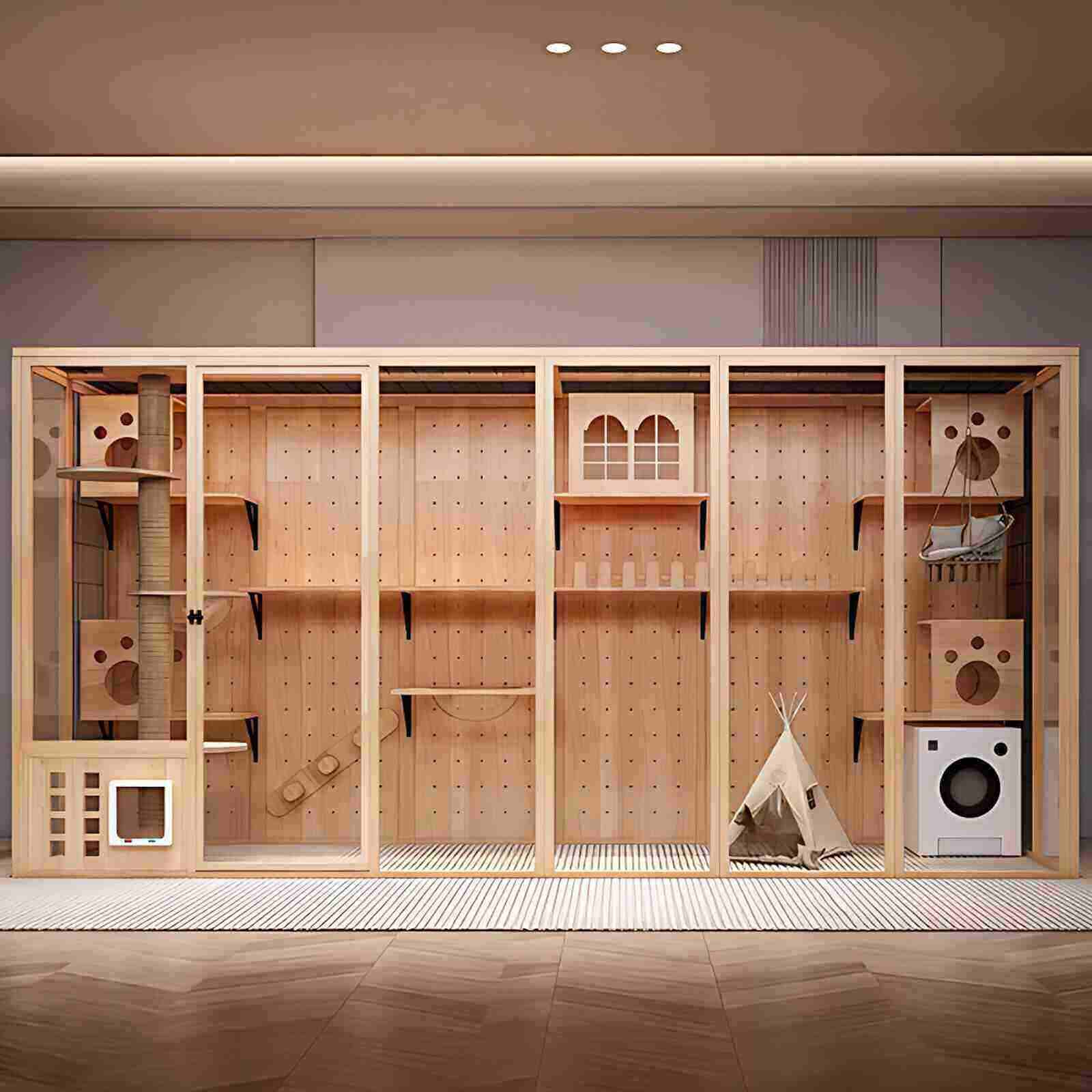
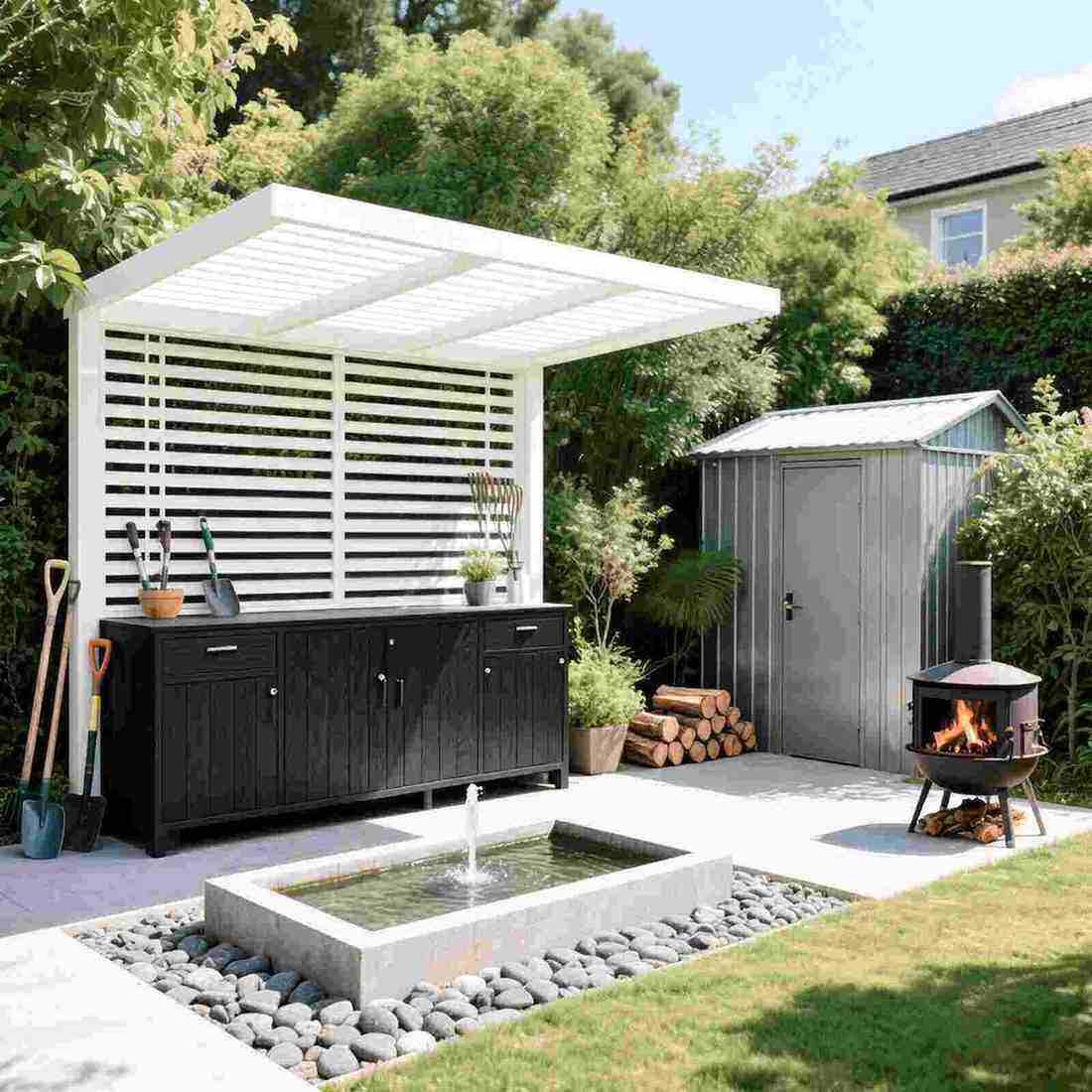
As more and more people adopt more environmentally friendly lifestyles and actively seek new ways to reduce their carbon footprint, creating a green home environment has become increasingly important. Wood is one of the most popular materials this year, making it a top choice for homeowners.
If the timber does not originate from sustainably managed forests, then choosing timber will still have a significant environmental impact (always check for FSC certification when purchasing timber). Choosing wooden doors, flooring, and furniture is an environmentally friendly option. From good insulation to the positive psychological effects of wood, there are many benefits to using wood in home decoration.
△ Hemlock Furniture in Nordic Style
With the help of several experts from A Wood Idea, the Forestry Commission, and the British Woodworking Federation, we have compiled the best reasons to love wood.
■ Wood is a renewable material
As is well known, wood is a natural and renewable material, meaning it is less environmentally damaging than other materials. Data from the British Woodworking Federation shows that over 90% of the timber used in the UK comes from European forests, which are growing at a rate of 661,000 hectares per year. This demonstrates that it is a sustainable resource that will not be depleted in the short term.
■ Wood can be used for a long time.
Many factors influence the lifespan of wood products, including the type of wood, the location where the product will be used (indoor or outdoor), and the processing method. Generally speaking, wood is lightweight yet strong and durable. As Ian Smith, general manager of A Wood Idea, states, "If handled properly, hardwood doors and flooring can outlive a person, some even exceeding 100 years. The longer the wood lasts, the less energy is needed to produce new products, which in turn is more beneficial to the environment."
△ Baishui Wooden Structure Kindergarten
■ Wood can be recycled and reused
Wood is durable and an ideal material for recycling. “Using recycled wood keeps our carbon footprint very low, which means less use of newly processed wood, lower import costs, and protection of our natural wood resources for future use,” says Ruth Adams, co-founder of furniture recycling company Rust Collections. “Recycling wood means less material ends up in landfills or is incinerated, reducing environmental pollution. Another benefit is that recycled wood furniture is full of personality and raw, rustic charm-qualities only found in ‘outdated’ wood.”
■ Wood can absorb carbon dioxide
Trees absorb carbon dioxide from the atmosphere, thus reducing the carbon footprint of wood. As a "carbon sink," once wood absorbs carbon dioxide, it is stored there and kept outside the atmosphere. Iain McIlwee, Chief Executive of the British Woodworking Federation, stated that wood is the only truly sustainable building material, saving approximately one tonne of carbon dioxide emissions for every cubic meter of wood used in construction. Wood truly plays a significant role in carbon storage. For example, research by the Wood Window Alliance shows that choosing wood windows instead of PVC windows can save 160 kg of carbon dioxide emissions per window.
△ One cubic meter of wood can store nearly one ton of carbon dioxide.
■ Wood has strong thermal insulation properties
"Wood's cellular structure makes it more naturally and effectively retain heat than other materials-in fact, wood absorbs heat seven times more effectively than ceramic tiles," says Iain Smith of A Wood Idea. The air chambers inside wood absorb heat, creating a naturally warm home that requires less energy to heat, which is better for the environment.
△ Interior environment of wooden building
■ Waste generated from manufacturing wood products is 100% biodegradable.
In the manufacture of wood products, whether flooring, doors, or windows, there is virtually no waste. Any remaining scraps can be burned as energy or used as sawdust during the manufacturing process. The Forestry Commission states, “There is no waste in wood production. Scraps and byproducts from wood processing industries such as furniture making can be used to manufacture particleboard, generating renewable heat and energy.” The waste generated is 100% biodegradable, meaning it eventually breaks down and returns to the earth, making it more beneficial for the environment.
△ Canada's vast forests
■ Wood has a positive impact on physical and mental health
Research suggests that reducing the amount of man-made materials and introducing natural alternatives, such as wood, can lower stress and anxiety levels at home. "Wood has a psychological effect on people, and nature has a similar stress-relieving effect," says Dr. Marjut Wallenius, a psychology professor at the University of Tampere. She adds that research to date shows wood has a calming effect: "This is based on the positive emotional experiences that wood evokes, such as the warmth, simplicity, and relaxation that comes from being close to nature."
In conclusion, wood has unique textures and a warm, smooth feel that can satisfy the public's aesthetic and health needs. Its good workability allows it to be used in more fields, and it makes outstanding contributions to environmental protection and climate mitigation. Such wood is truly irresistible.