
 USD
USD GBP
GBP
 EUR
EUR



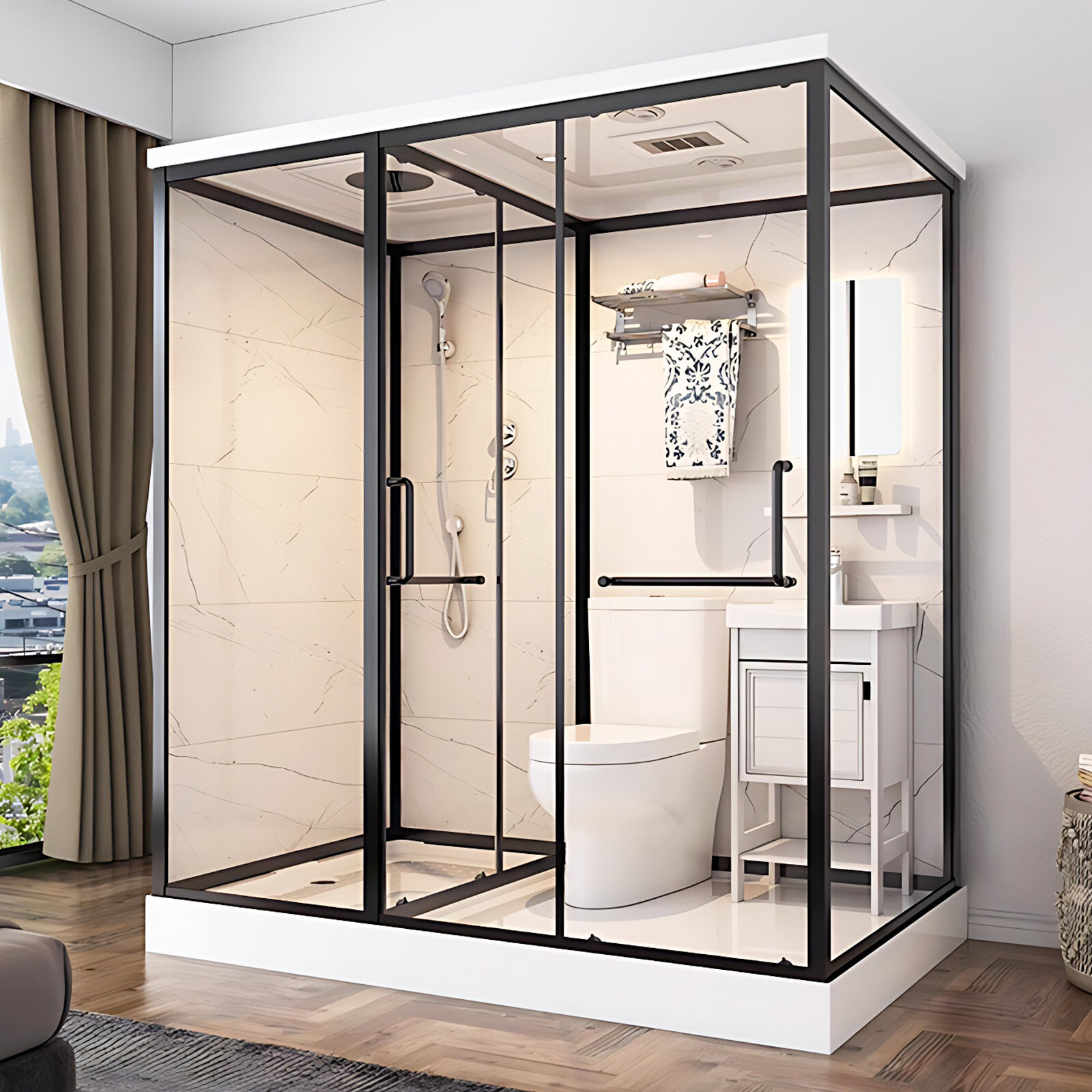
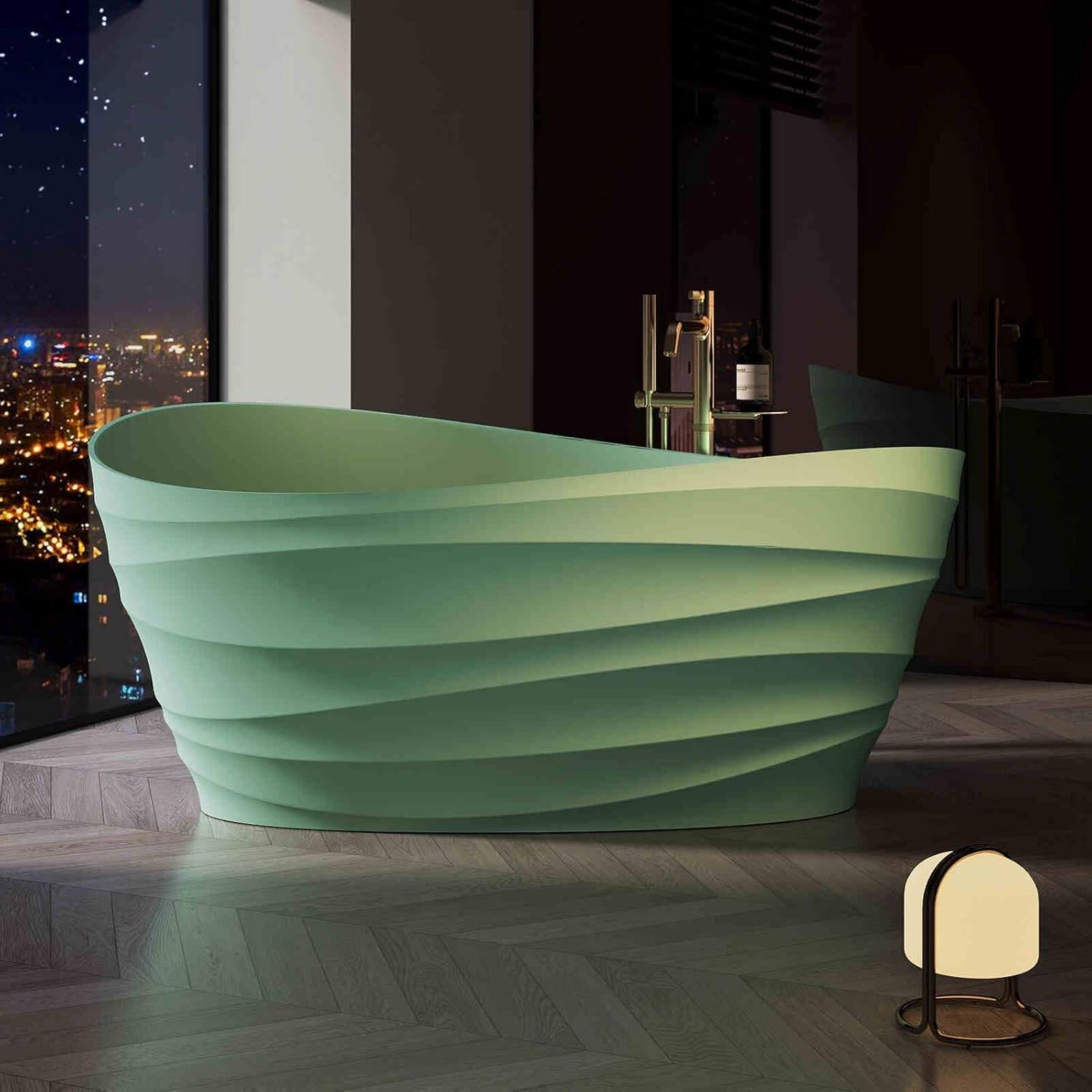
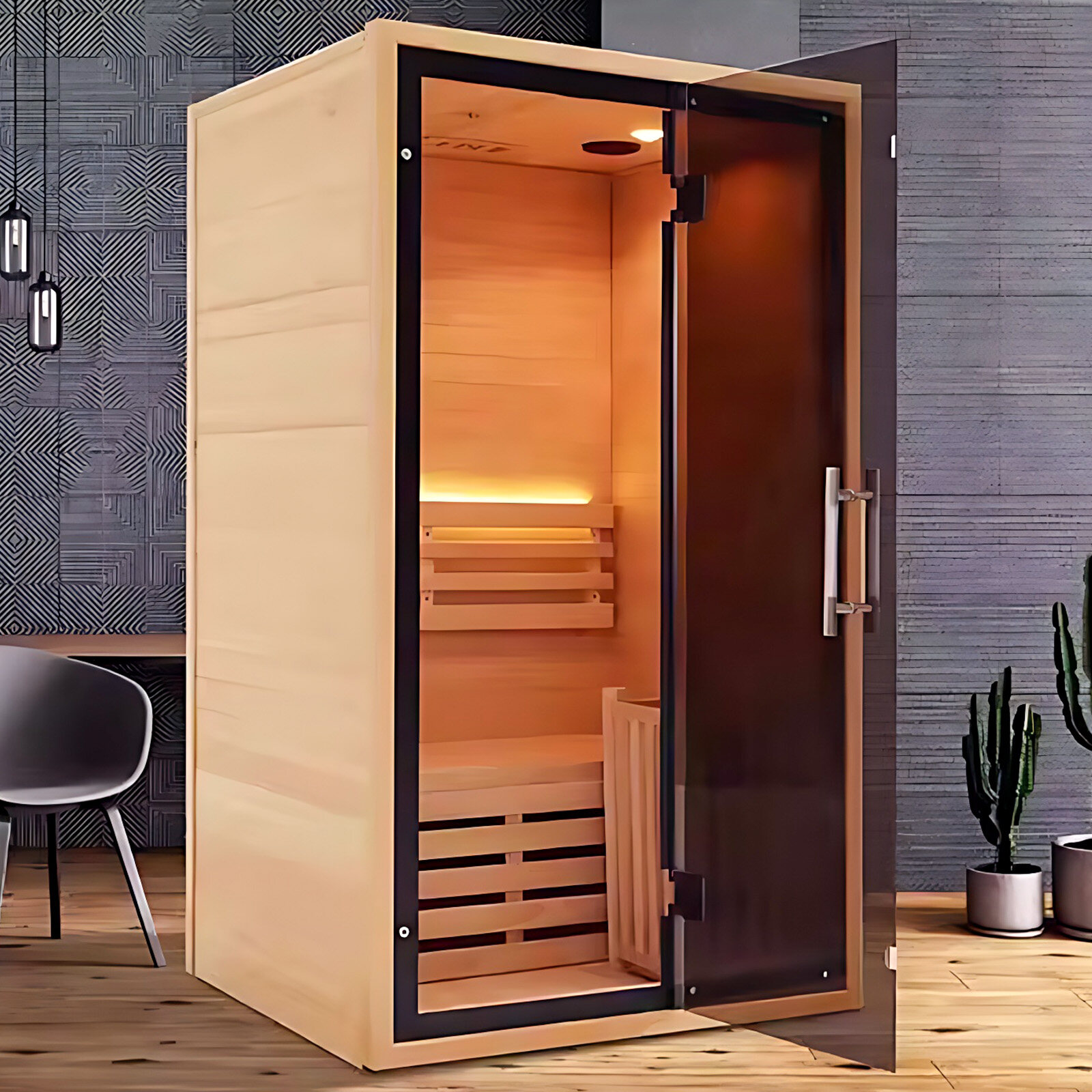
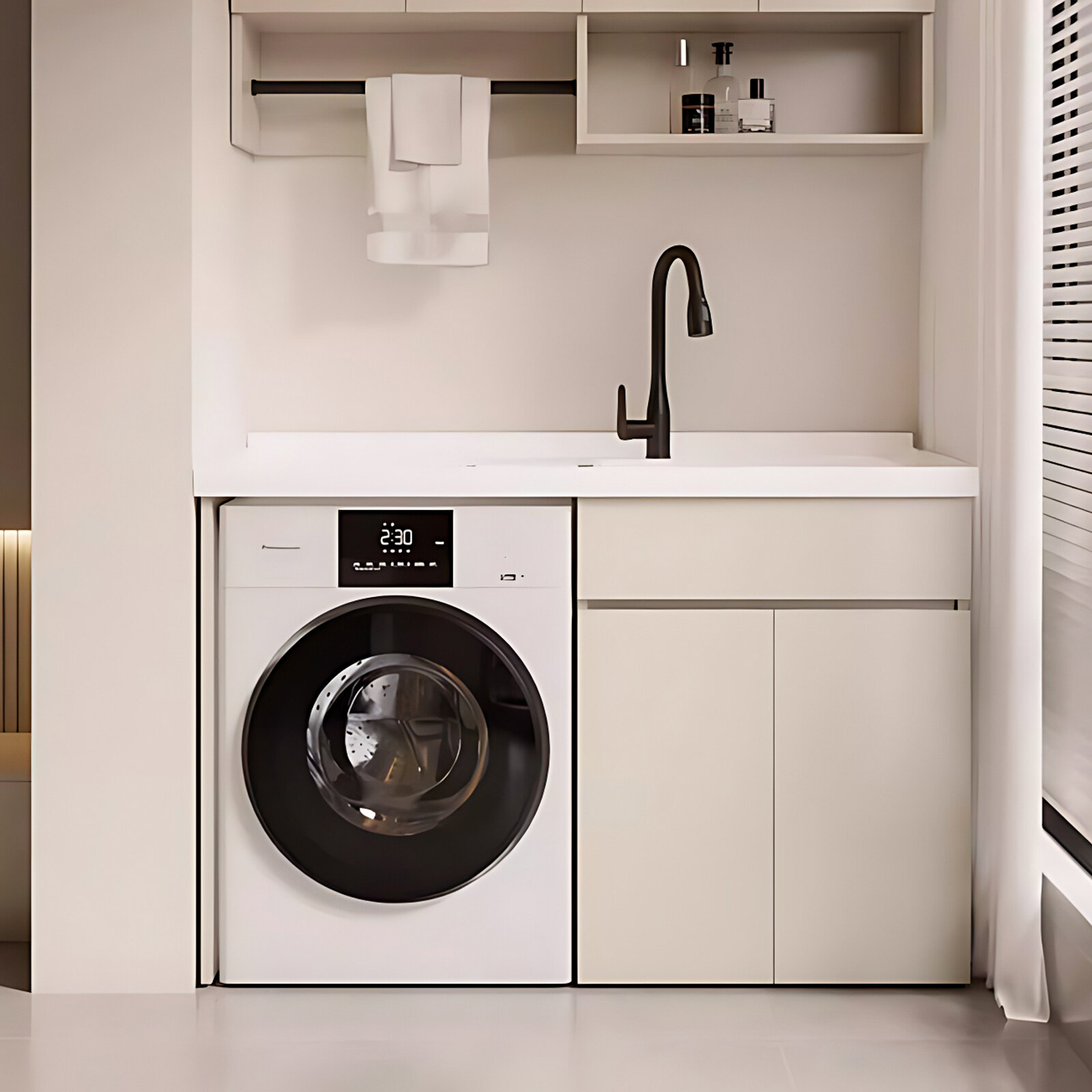

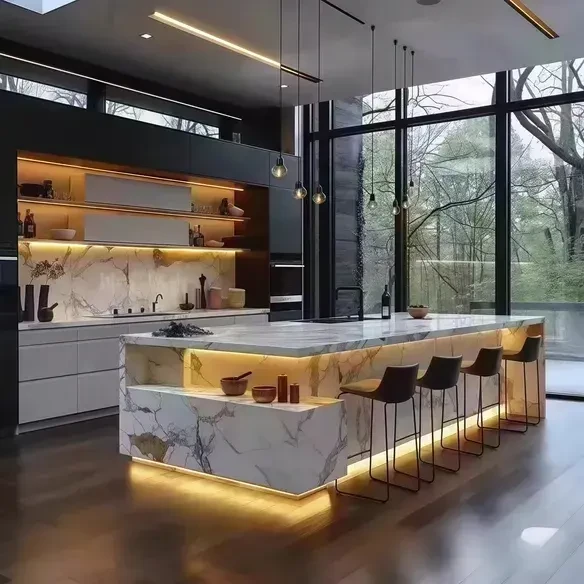
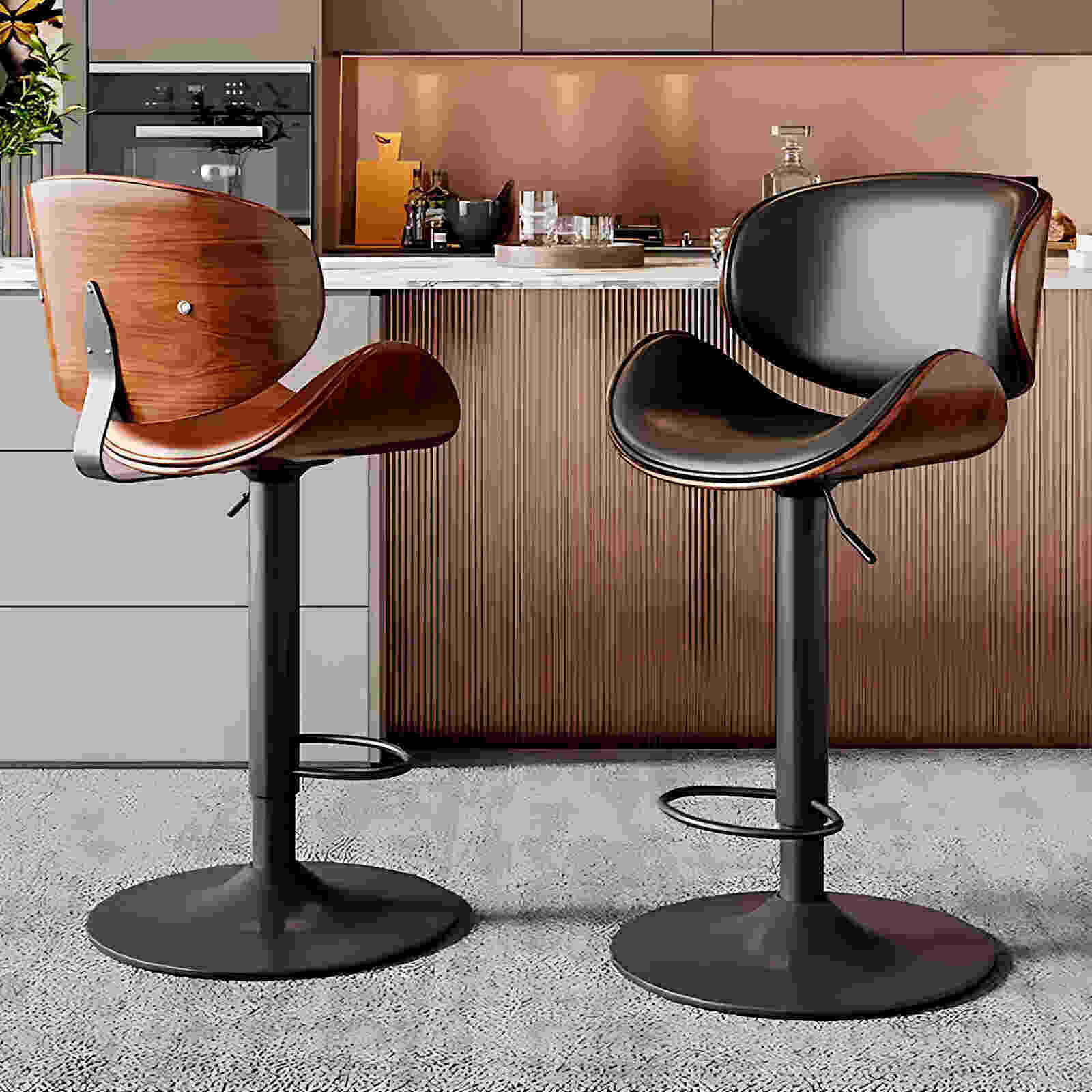
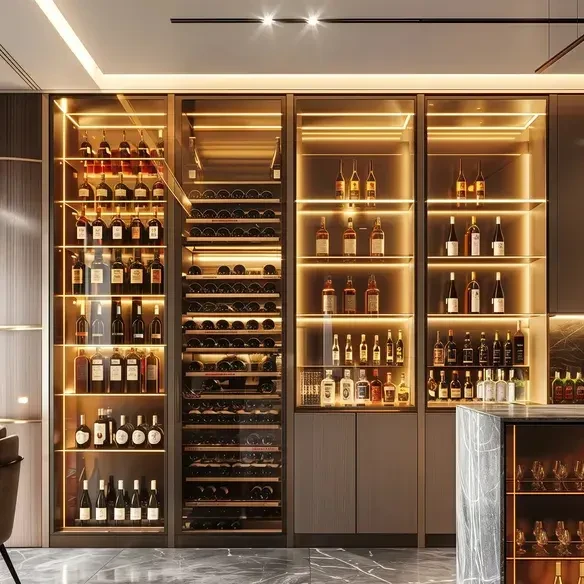


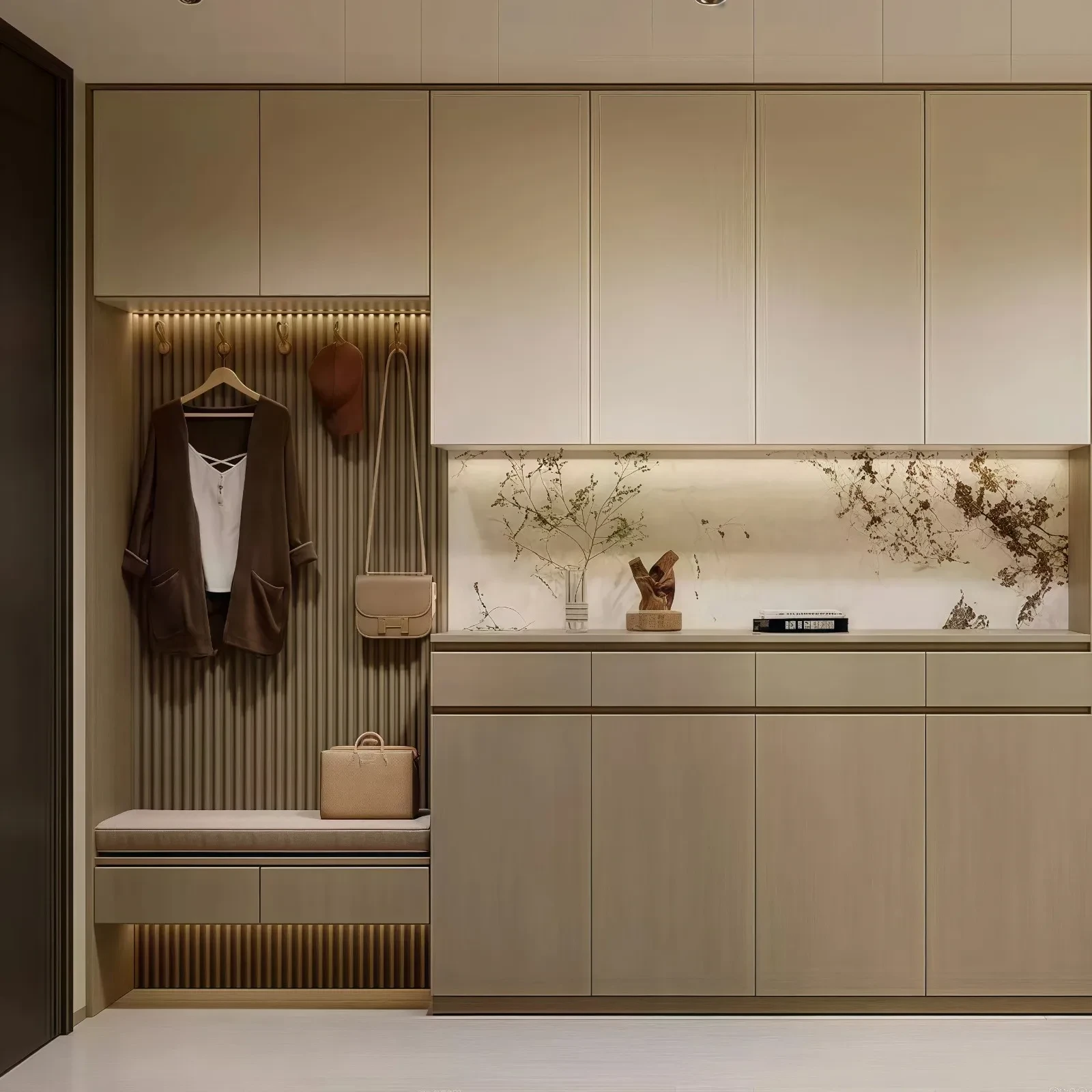
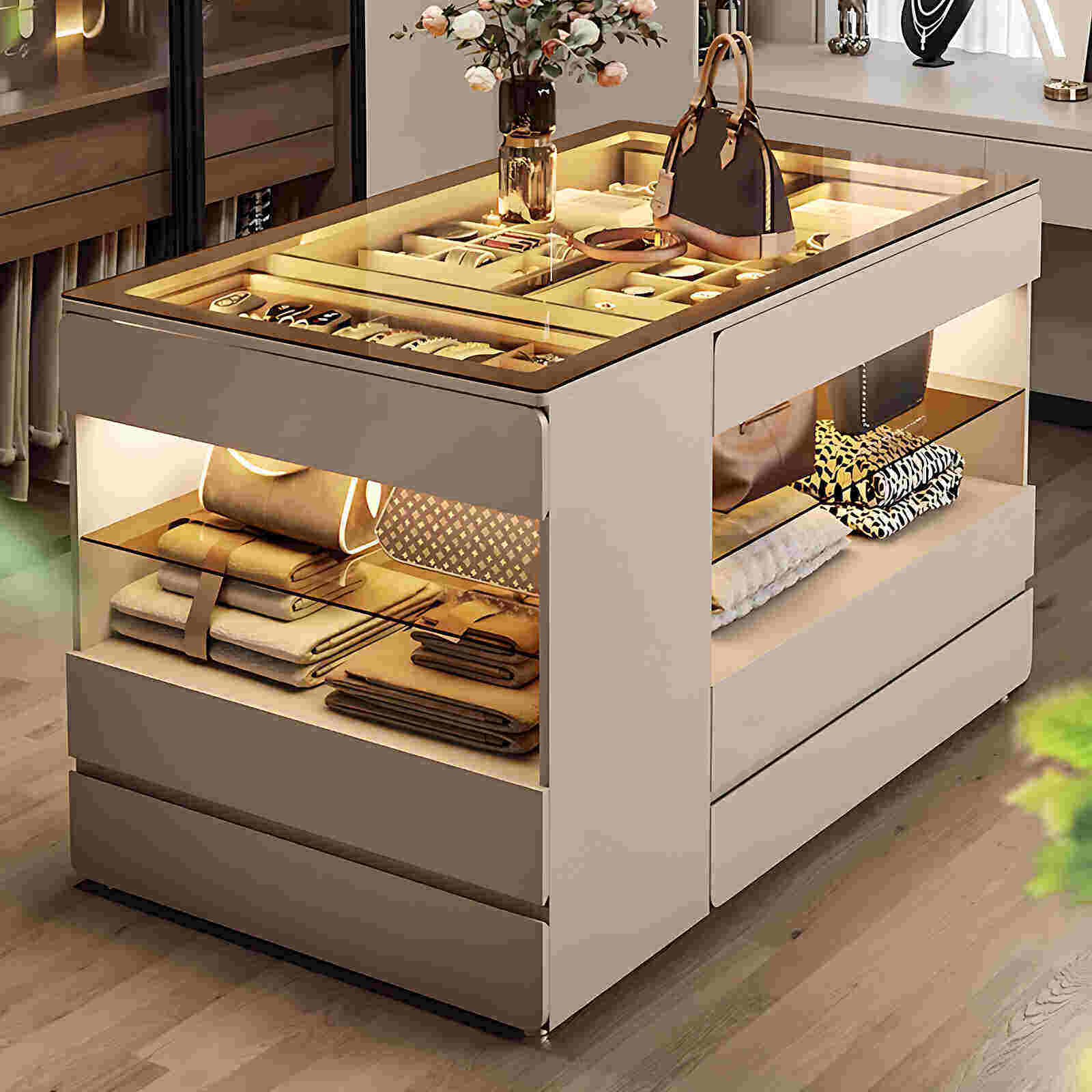

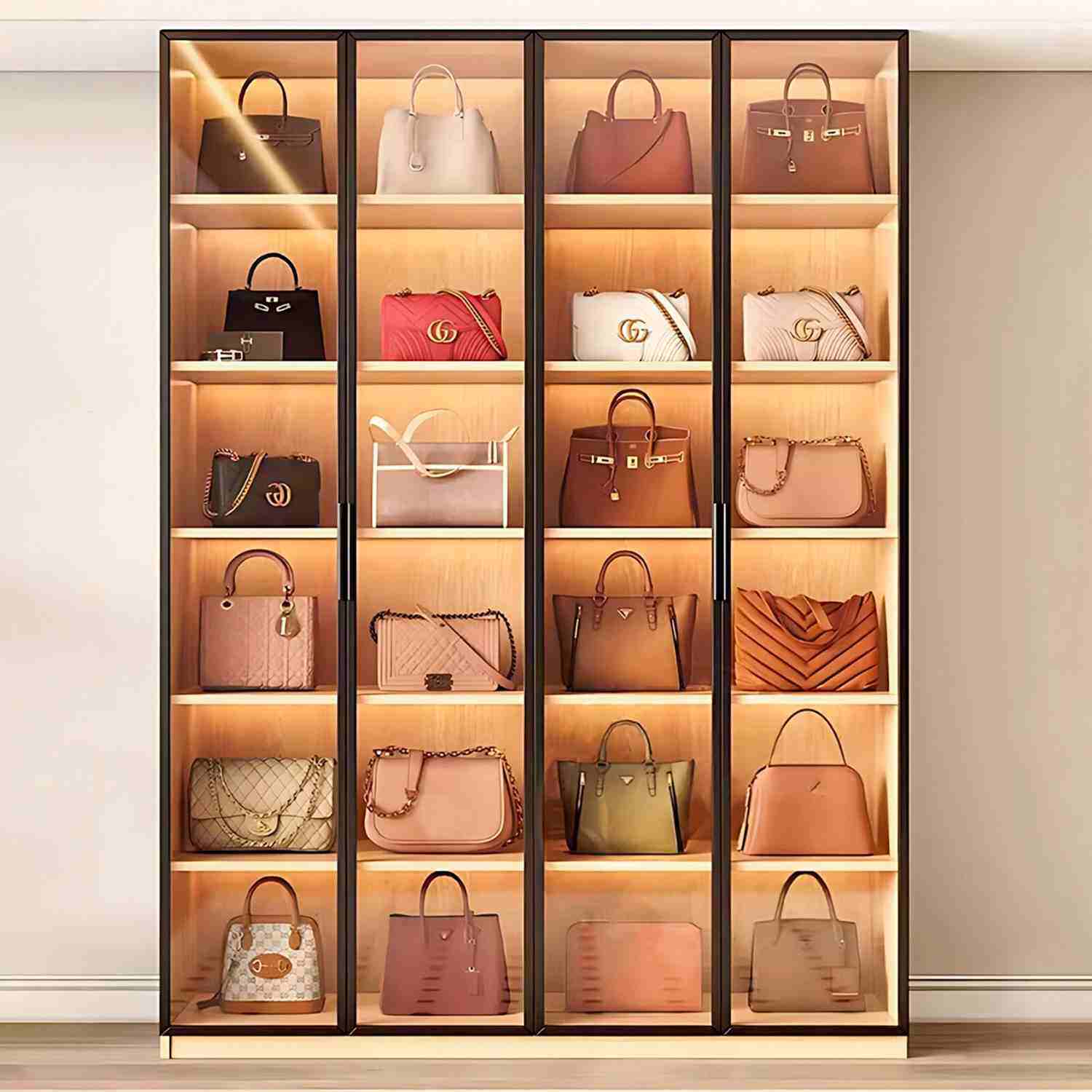
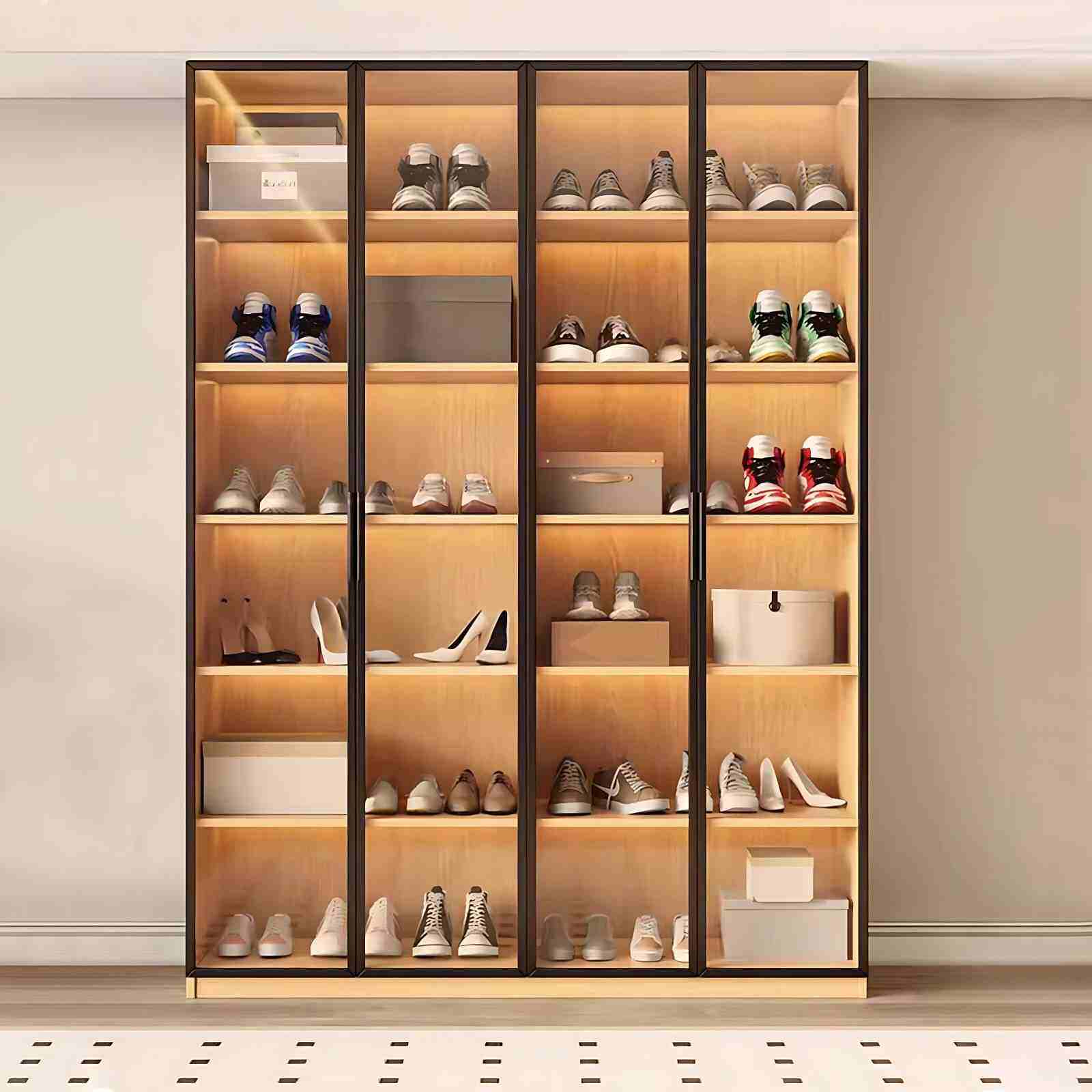

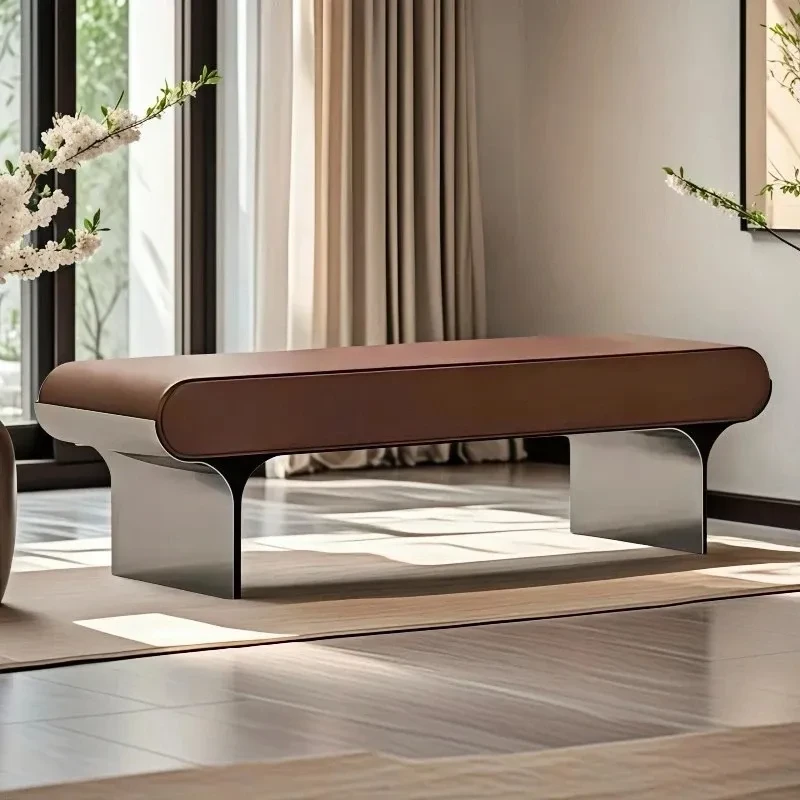
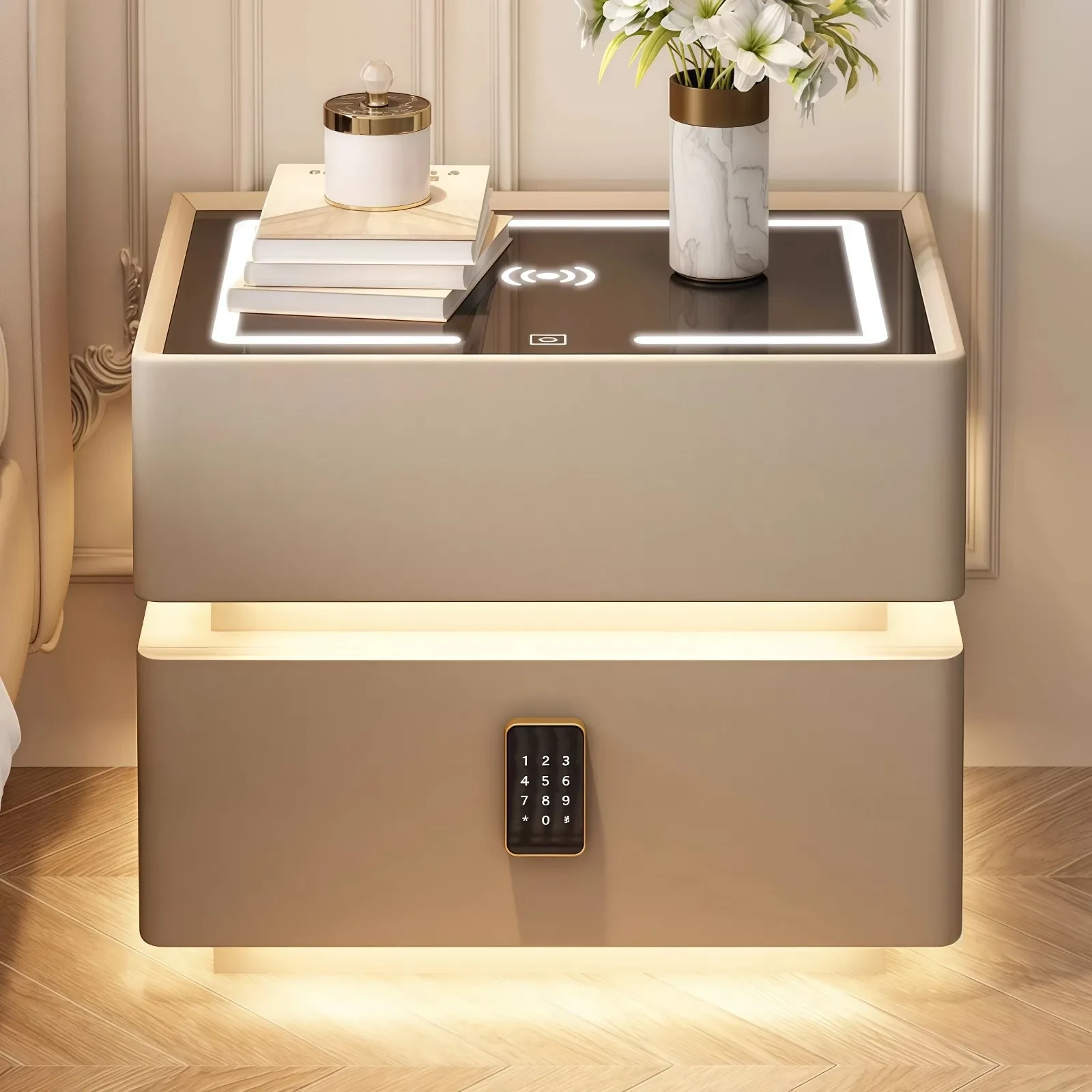
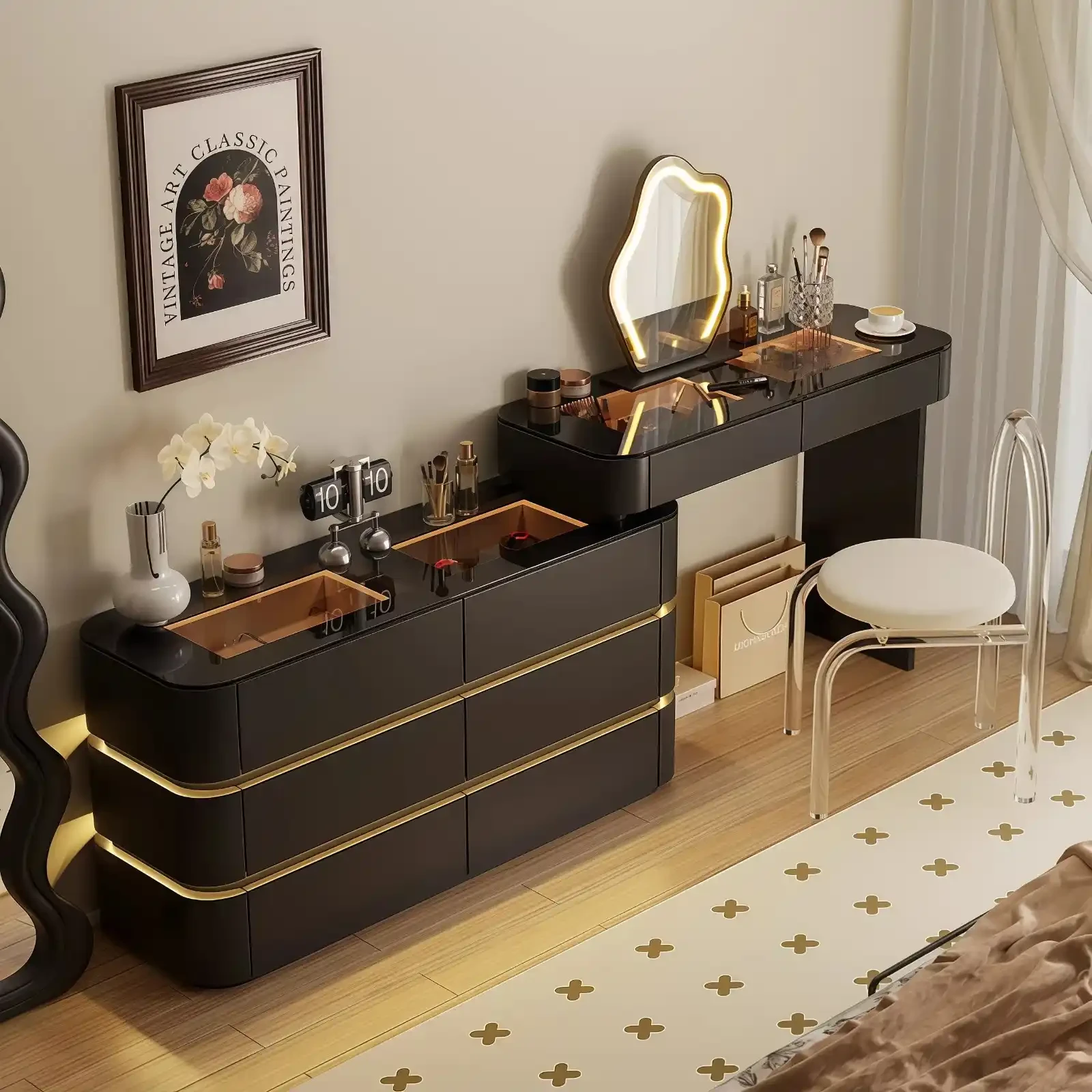

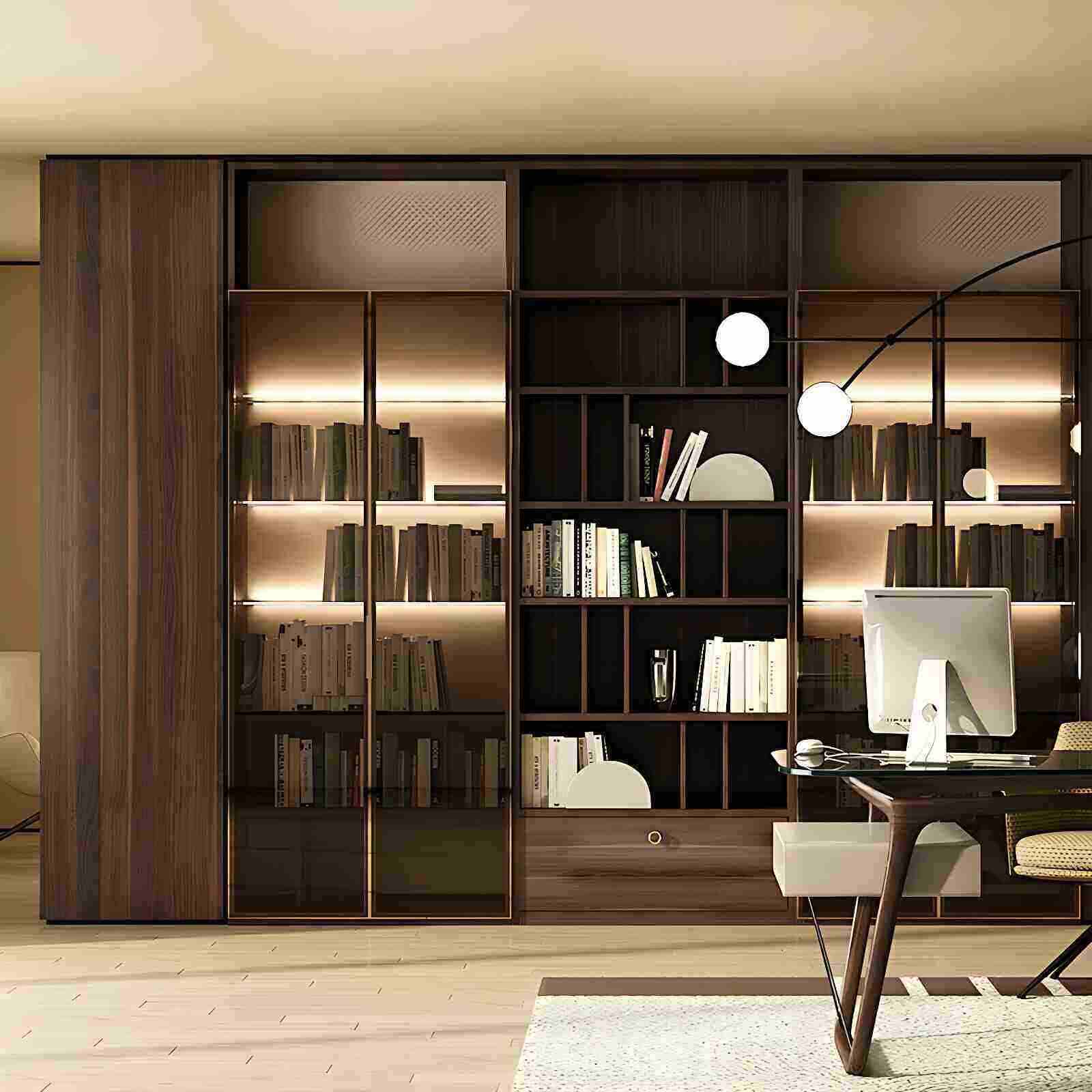

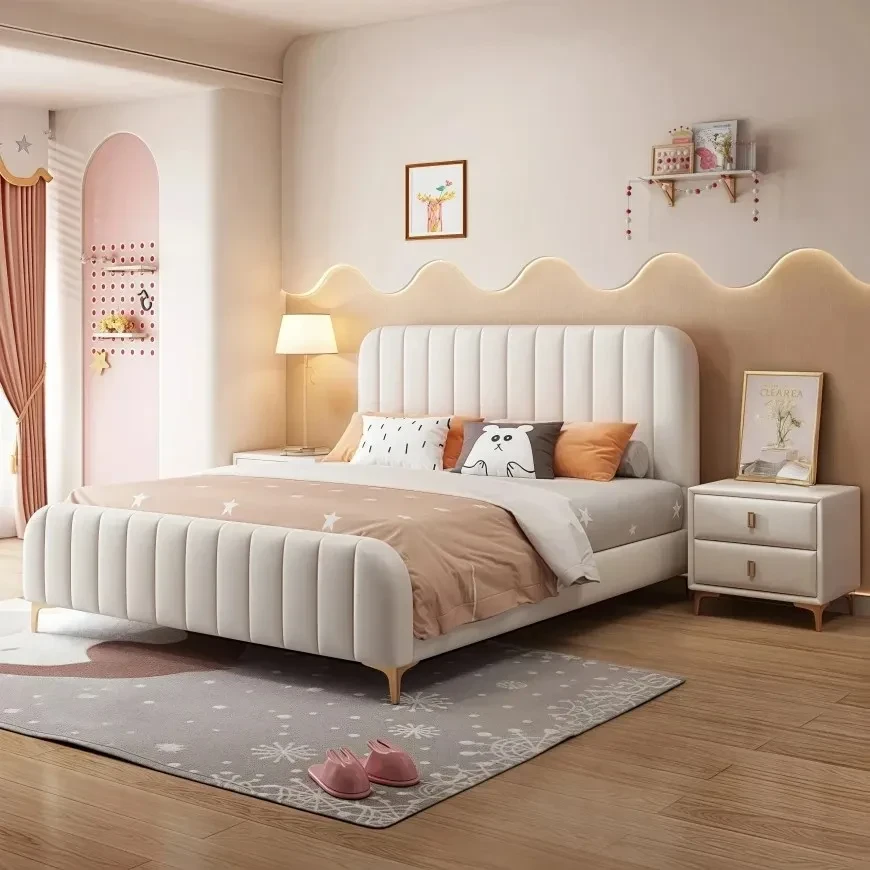
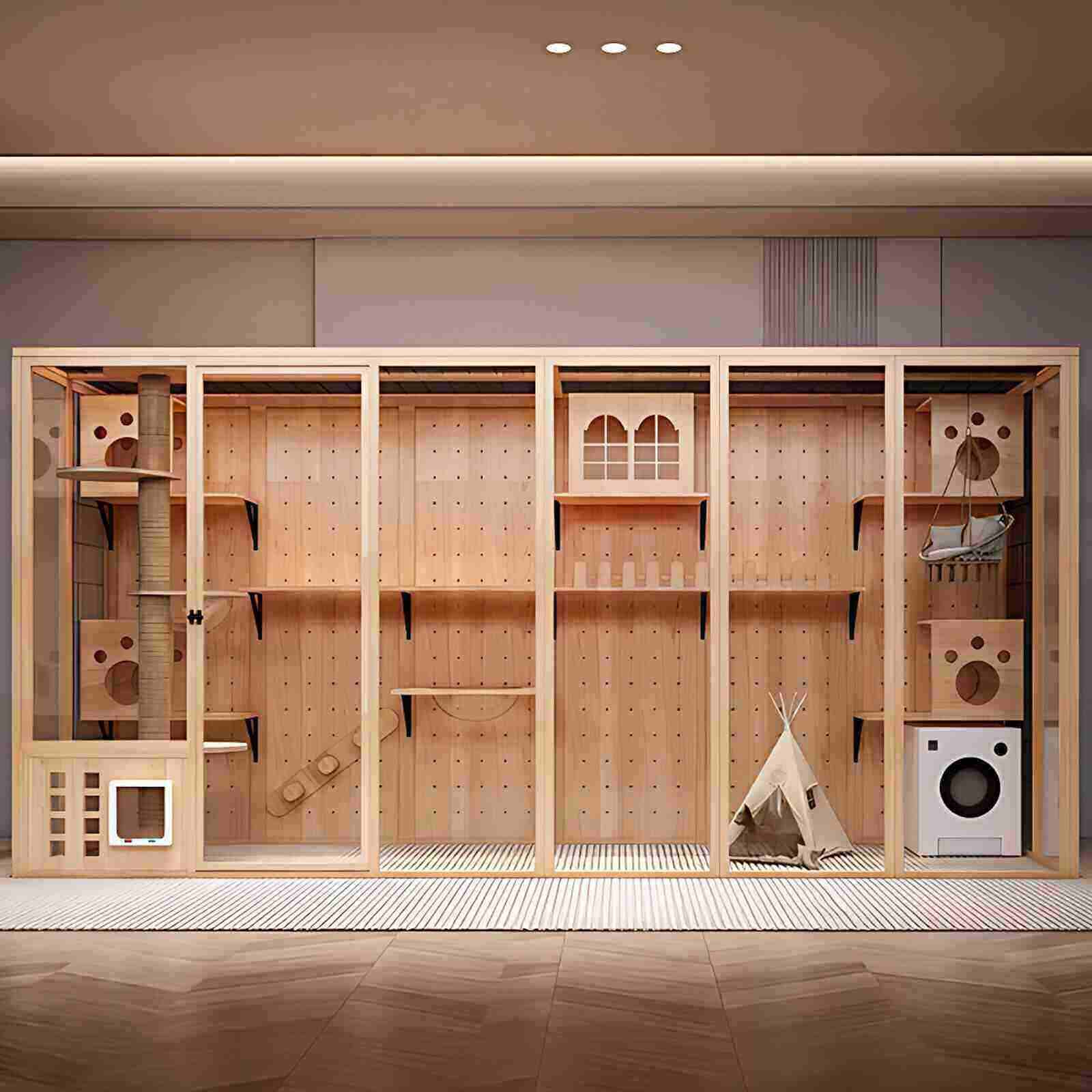
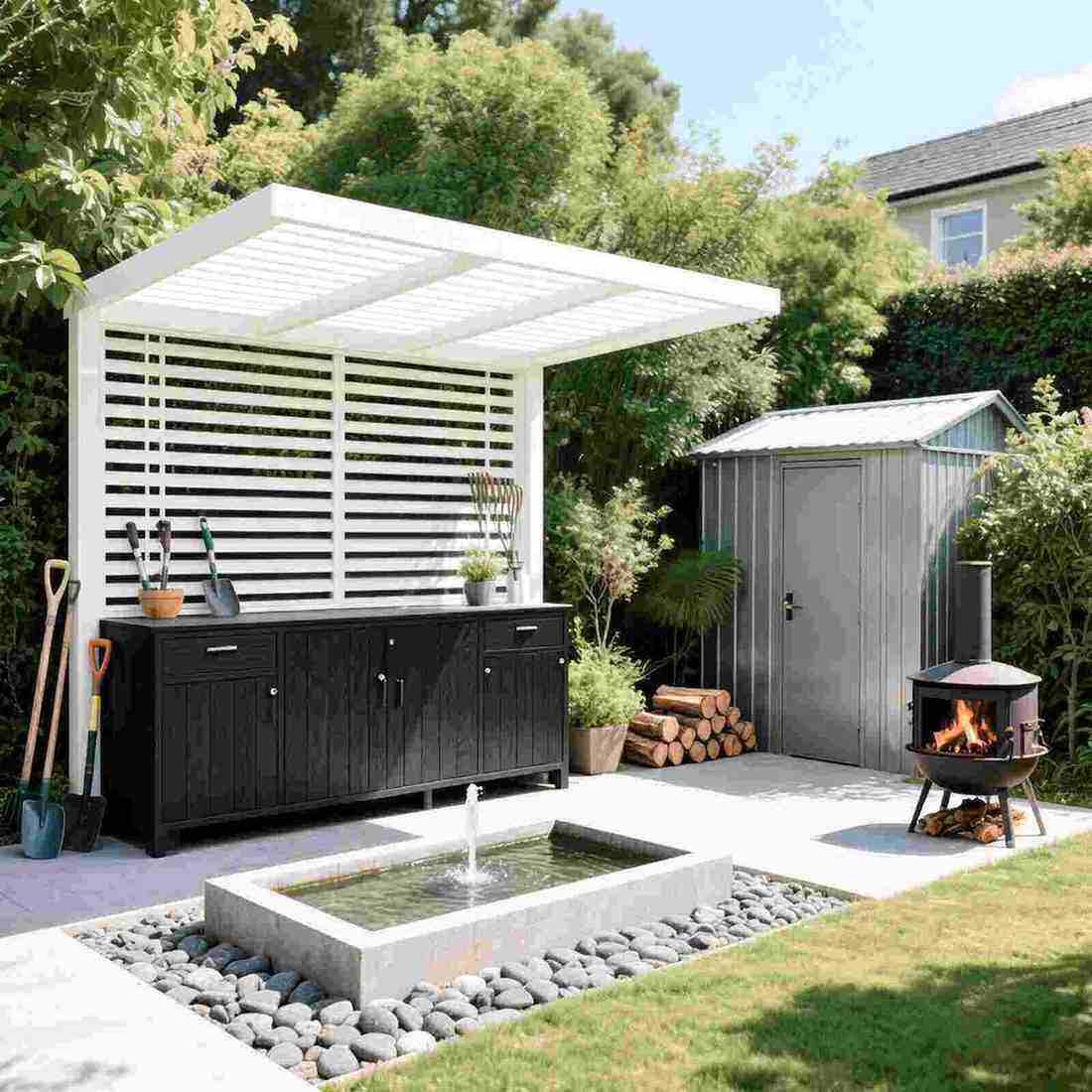
Health topics are gaining increasing traction, and environmental protection concepts are rampant. People are terrified of formaldehyde, the media fuels this frenzy, and manufacturers large and small in the home furnishing industry are all touting environmental protection and health slogans, conflating "health" with "environmental protection." But what truly constitutes health? E2 grade boards? International standard E1 grade? European standard E0 grade? Japanese standard F4 grade? No! None of these. They may be called "environmentally friendly materials," but they cannot be considered "healthy" materials. The healthiest thing is healthy adhesives!
As we all know, "environmentally friendly" means that the release of harmful substances meets relevant standards, hence the existence of standards such as E2, E1, E0, and F4. However, meeting environmental certification standards does not automatically make a product "healthy." Therefore, E2-grade boards are prohibited from indoor use. The use of other types of boards also has quantity restrictions relative to the space. From a health perspective, the lower the release of harmful substances, the better. Our engineered wood products are environmentally friendly and healthier, backed by our own adhesives, eliminating pollution at the source. We are committed to creating ultra-healthy homes, becoming true advocates for environmental protection, and ushering in a new era of healthy living!
Leveraging the group's strong resources, since its establishment in 2013, the company has been guided by product R&D, talent, and brand strategies. Its advantage in independently producing biomass formaldehyde-free, waterproof, and environmentally friendly adhesives has allowed it to stand out among the top ten board brands in the formaldehyde-free and environmentally friendly field, becoming a leading enterprise in the national environmentally friendly furniture board industry. It also maintains research collaborations with the Chinese Academy of Forestry's Wood Industry Research Institute, Nanjing Forestry University, and Beijing Forestry University. Currently, its adhesive products include eight major series and over forty varieties, such as urea-formaldehyde resin, phenolic resin, modified melamine resin, polyvinyl acetate emulsion, wood veneer adhesive, panel adhesive, formaldehyde eliminator, and wood grain masking agent. Furthermore, it continuously upgrades its environmental protection capabilities, most notably in the development of soybean plant adhesives.
Soybean plant gum is an all-natural, green adhesive made from renewable soybean meal and using water as the main dispersion medium. It produces no pollution even during the production process. The advent of soybean plant gum has fundamentally solved the formaldehyde release problem of traditional amino resins, thus resolving a global challenge that has plagued the entire engineered wood products industry for many years.
Typically, rooms decorated with ordinary wood-based panels should be left vacant for at least 30 days before occupancy. Plant-based adhesive panels, made with pure natural soybean biomass adhesive, contain no toxic chemicals and emit no toxic or irritating gases. Combined with high-quality natural wood-based panels, they bring a natural fragrance reminiscent of wood and soybeans, allowing for immediate occupancy and comfort.
Using your own glue for the boards is the healthiest way!