
 USD
USD GBP
GBP
 EUR
EUR
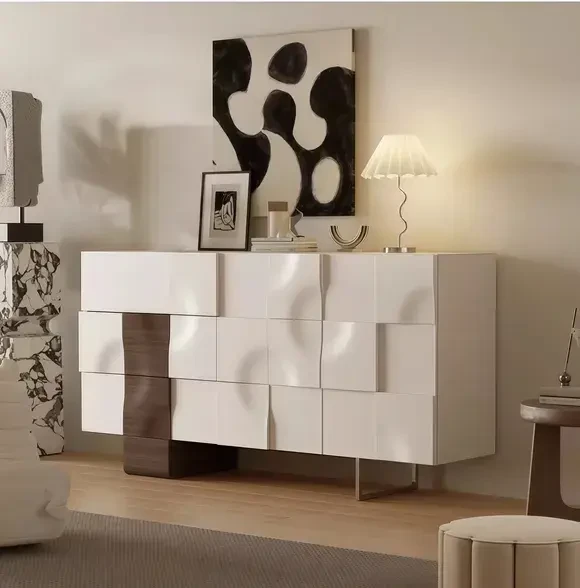
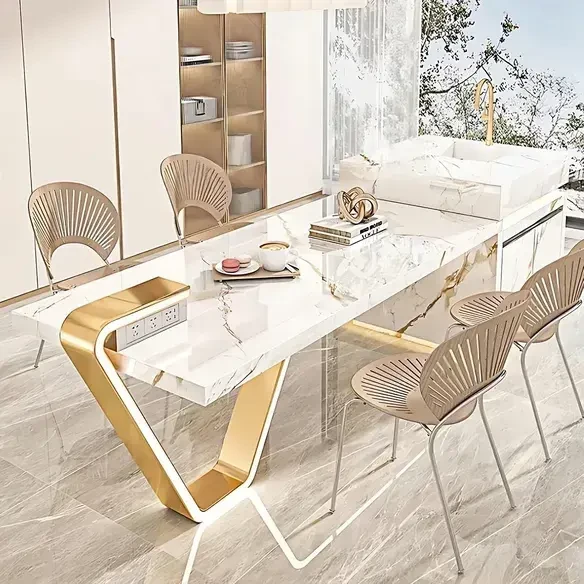
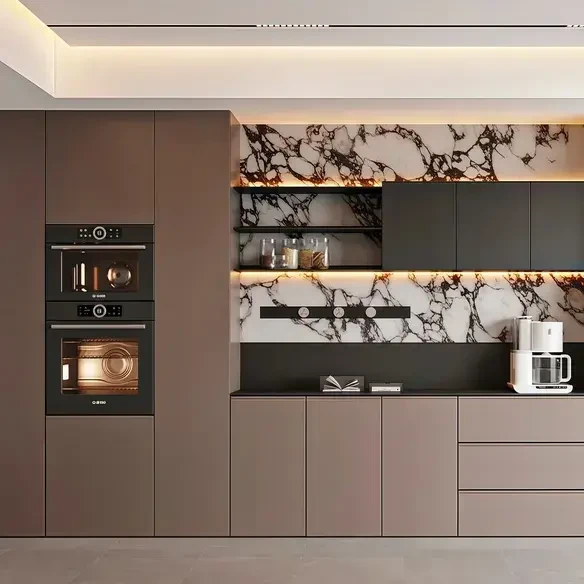
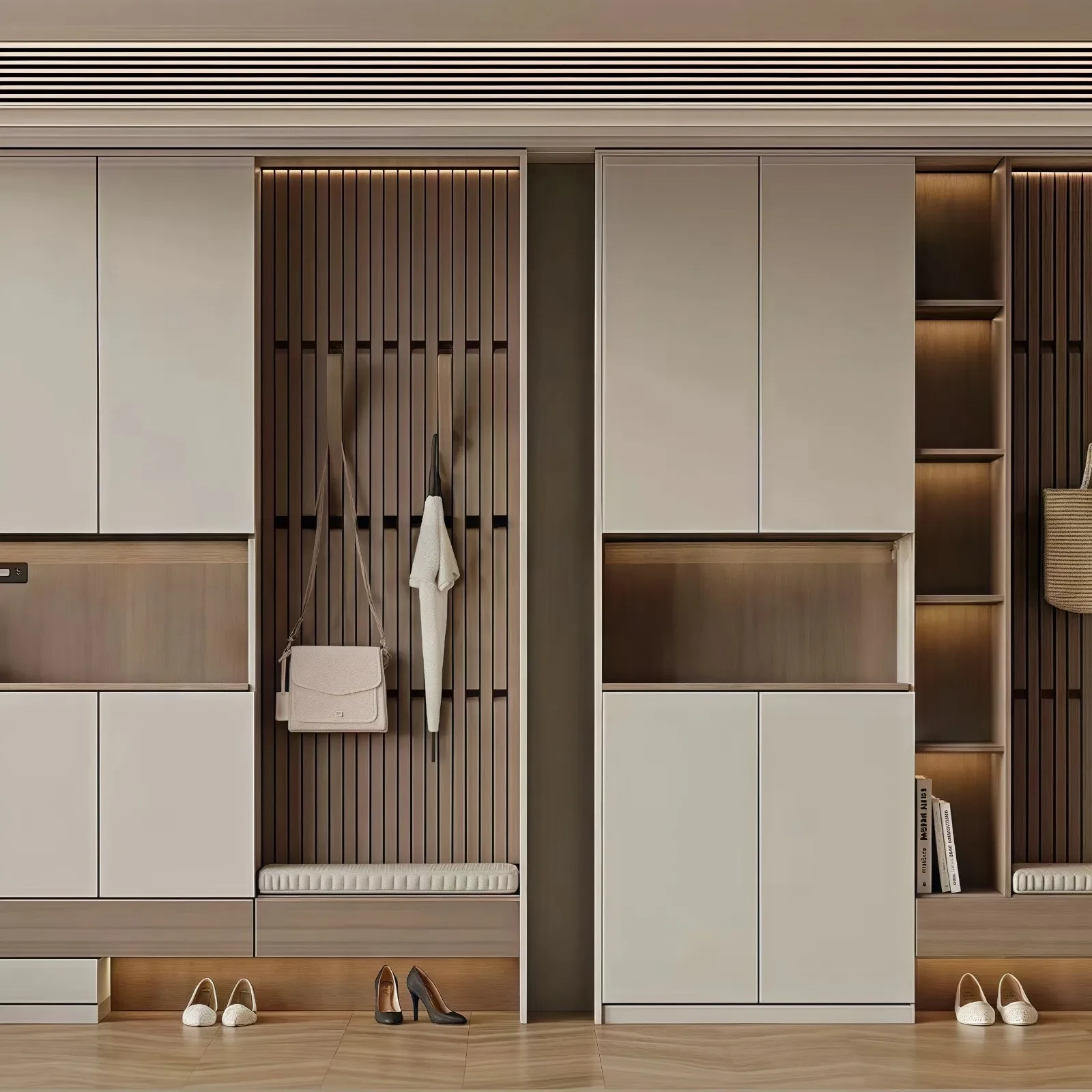
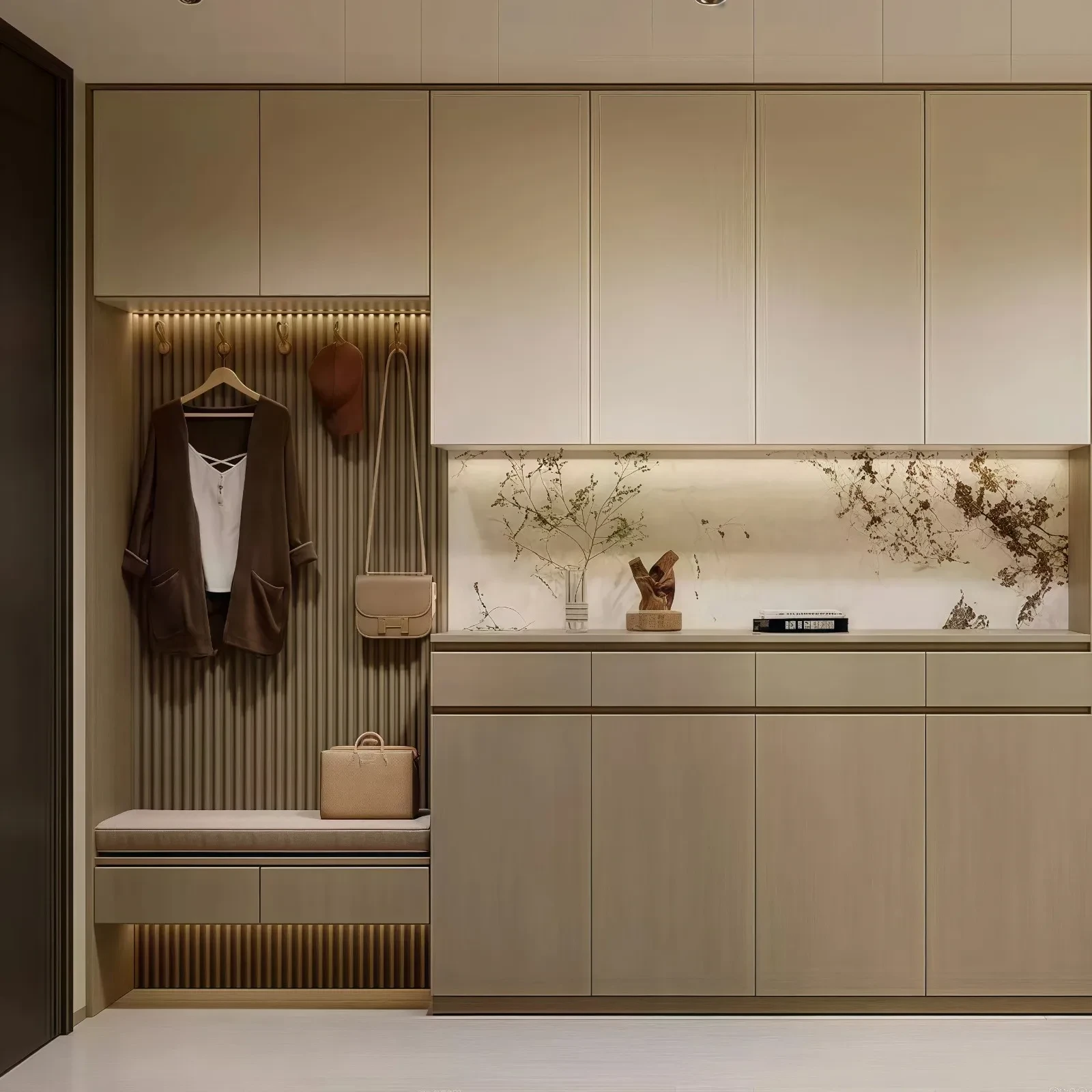
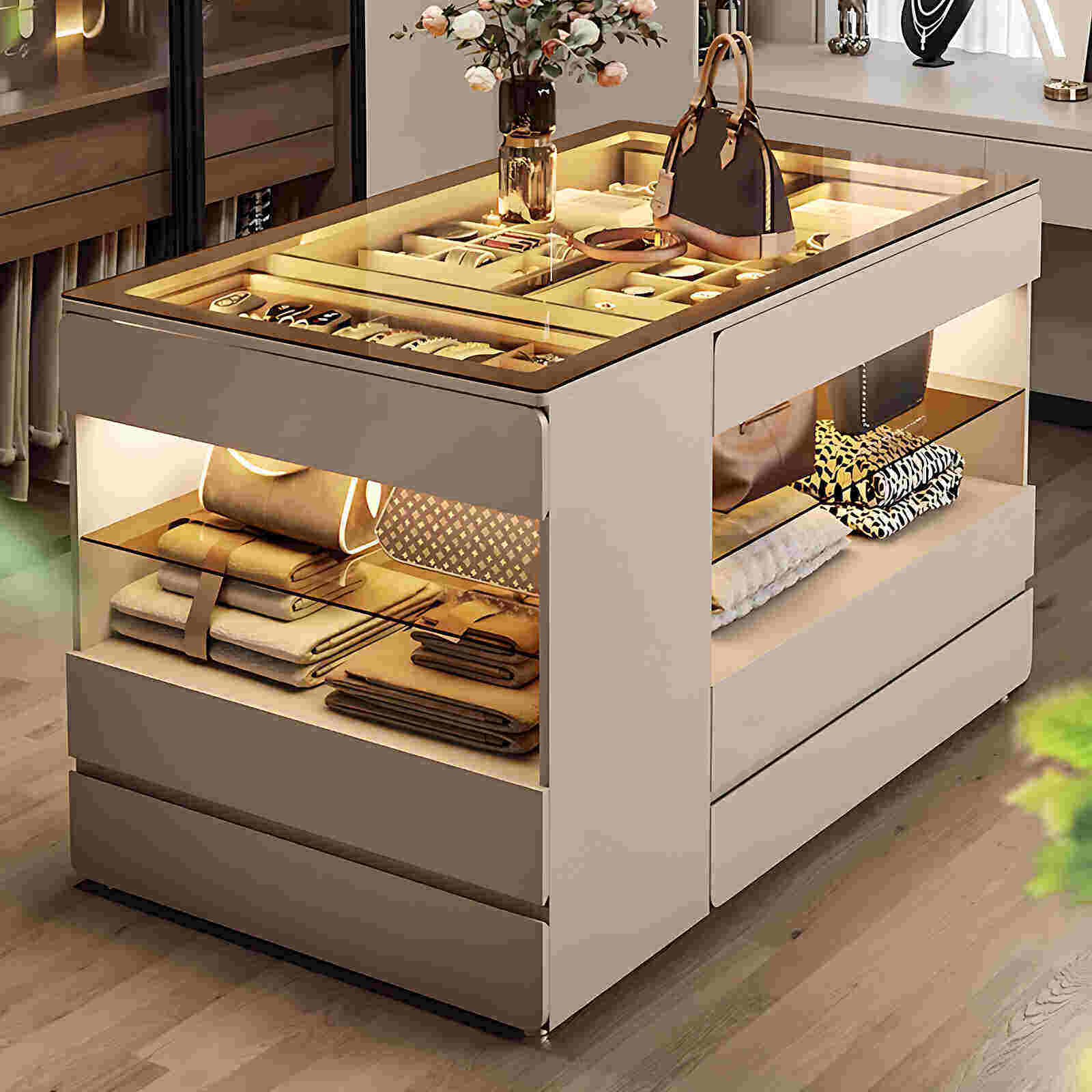
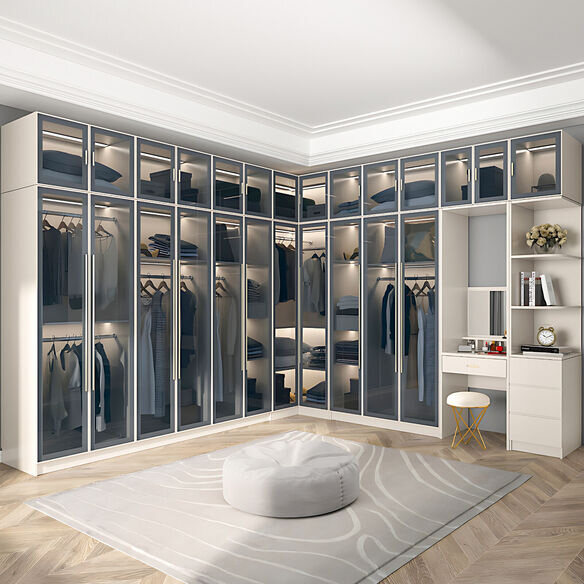
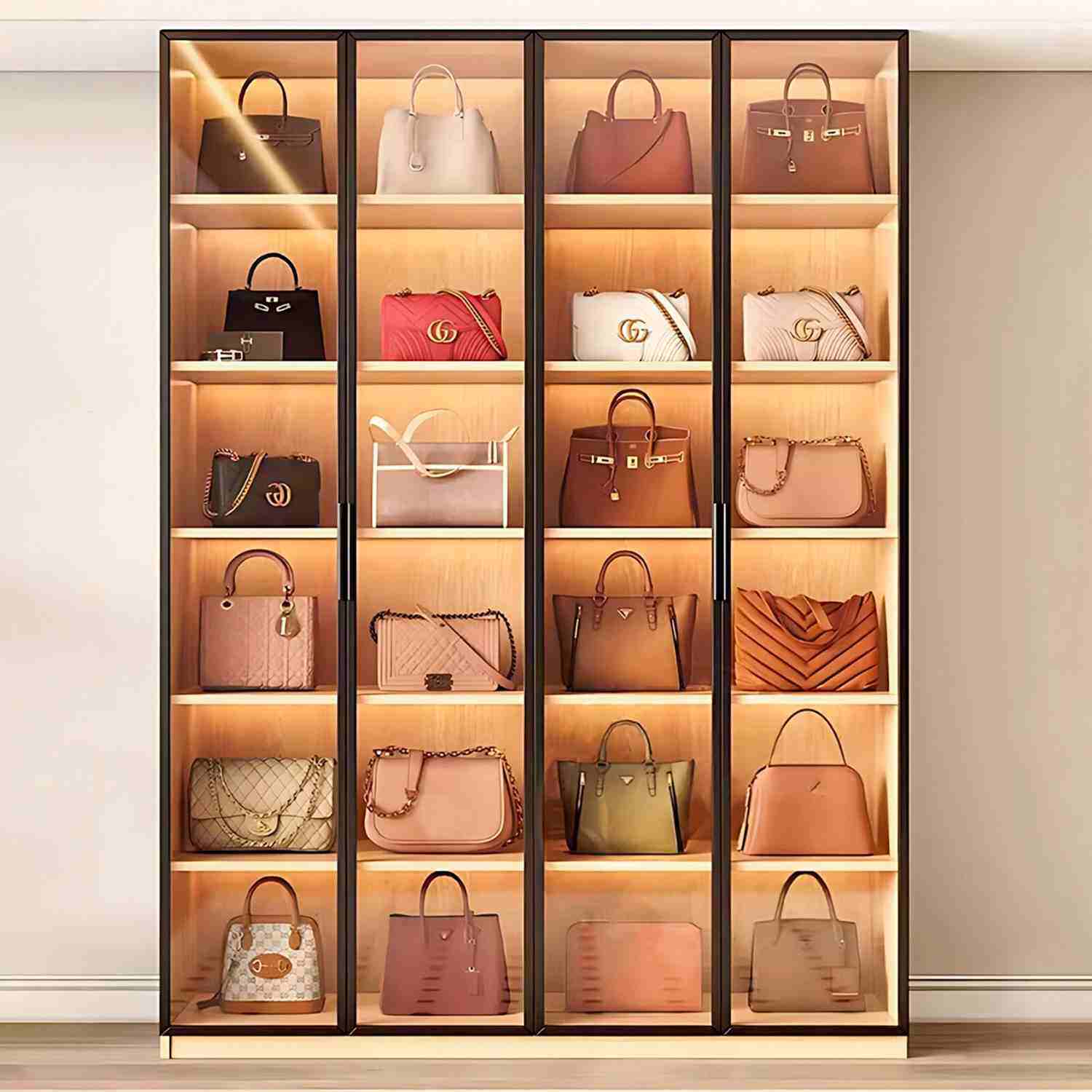
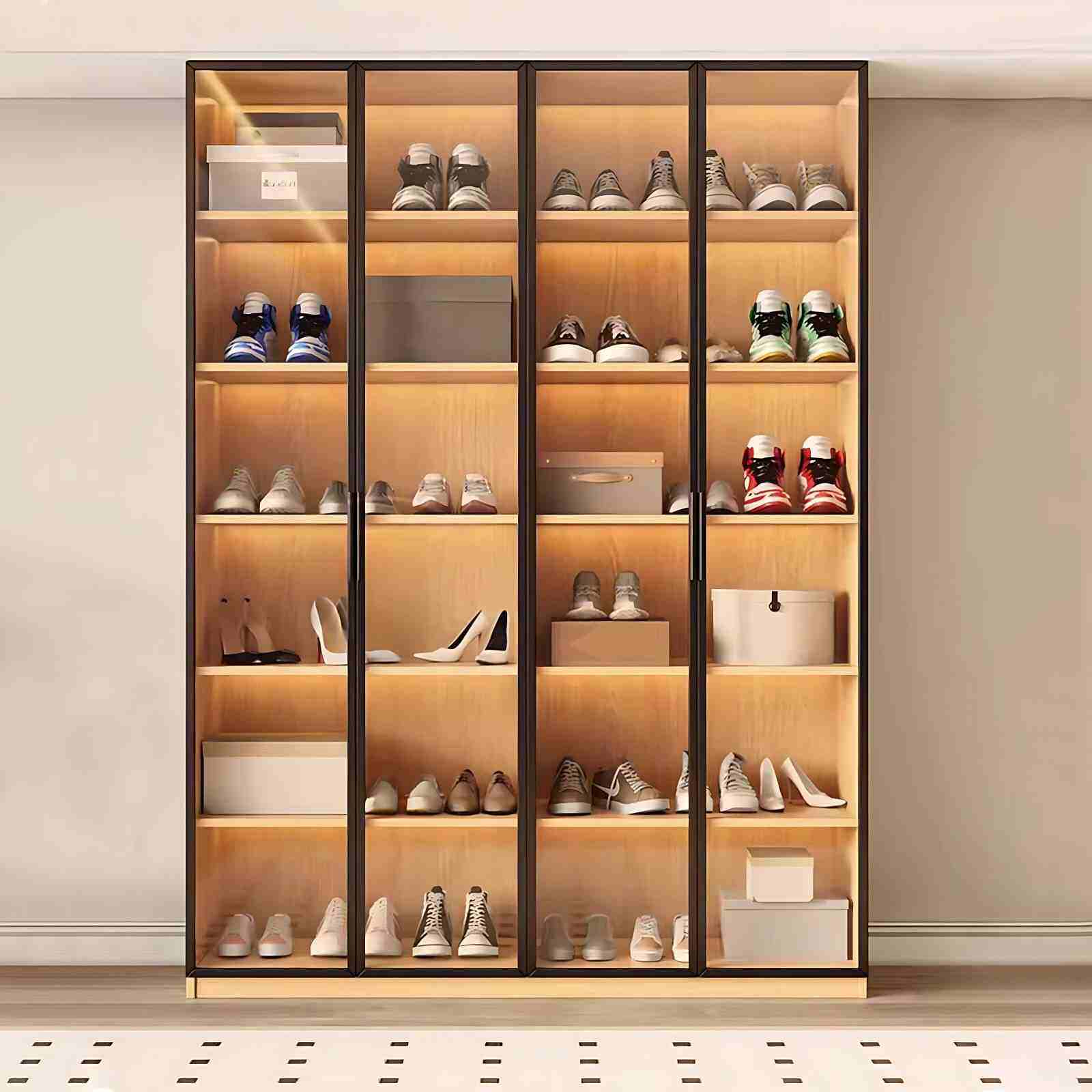
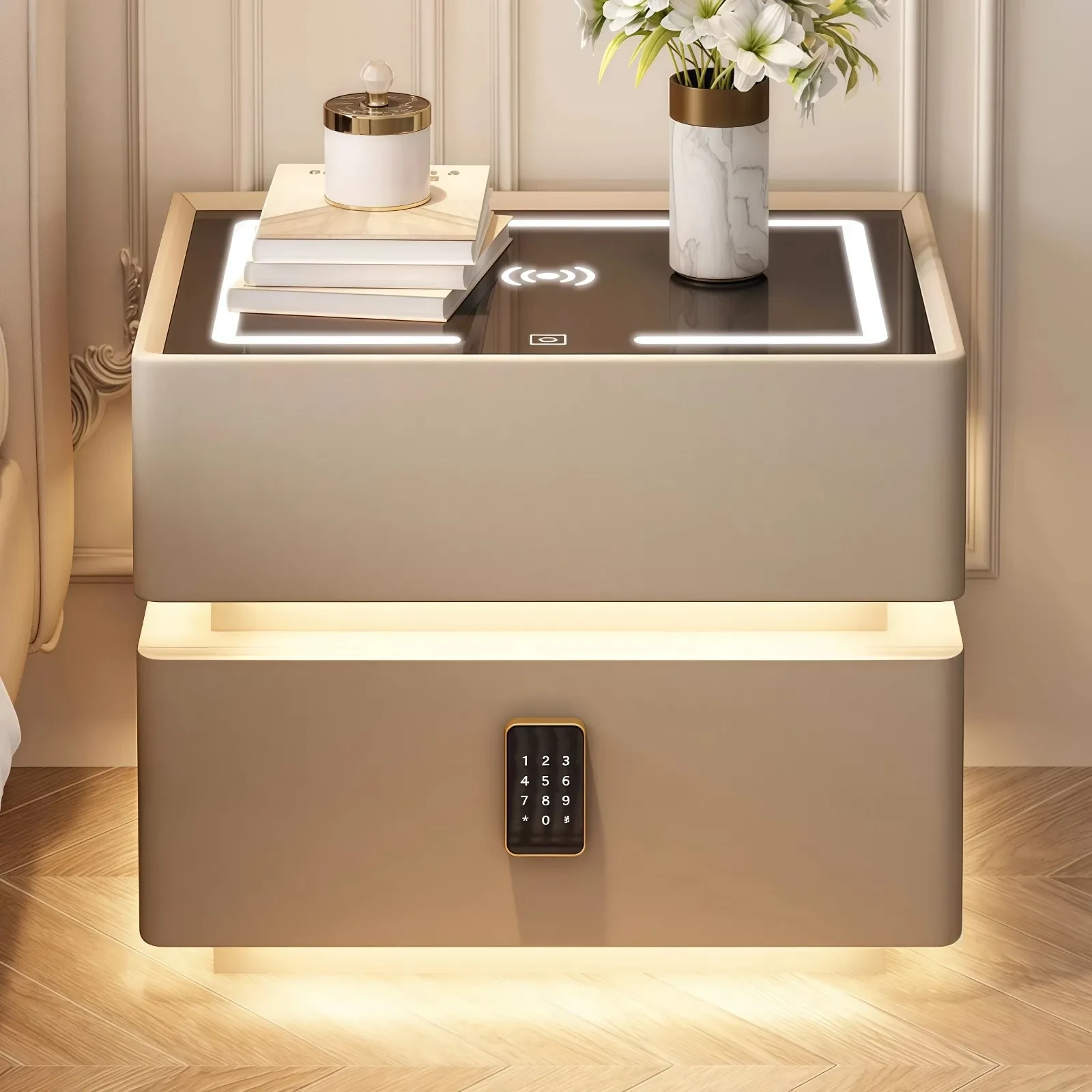
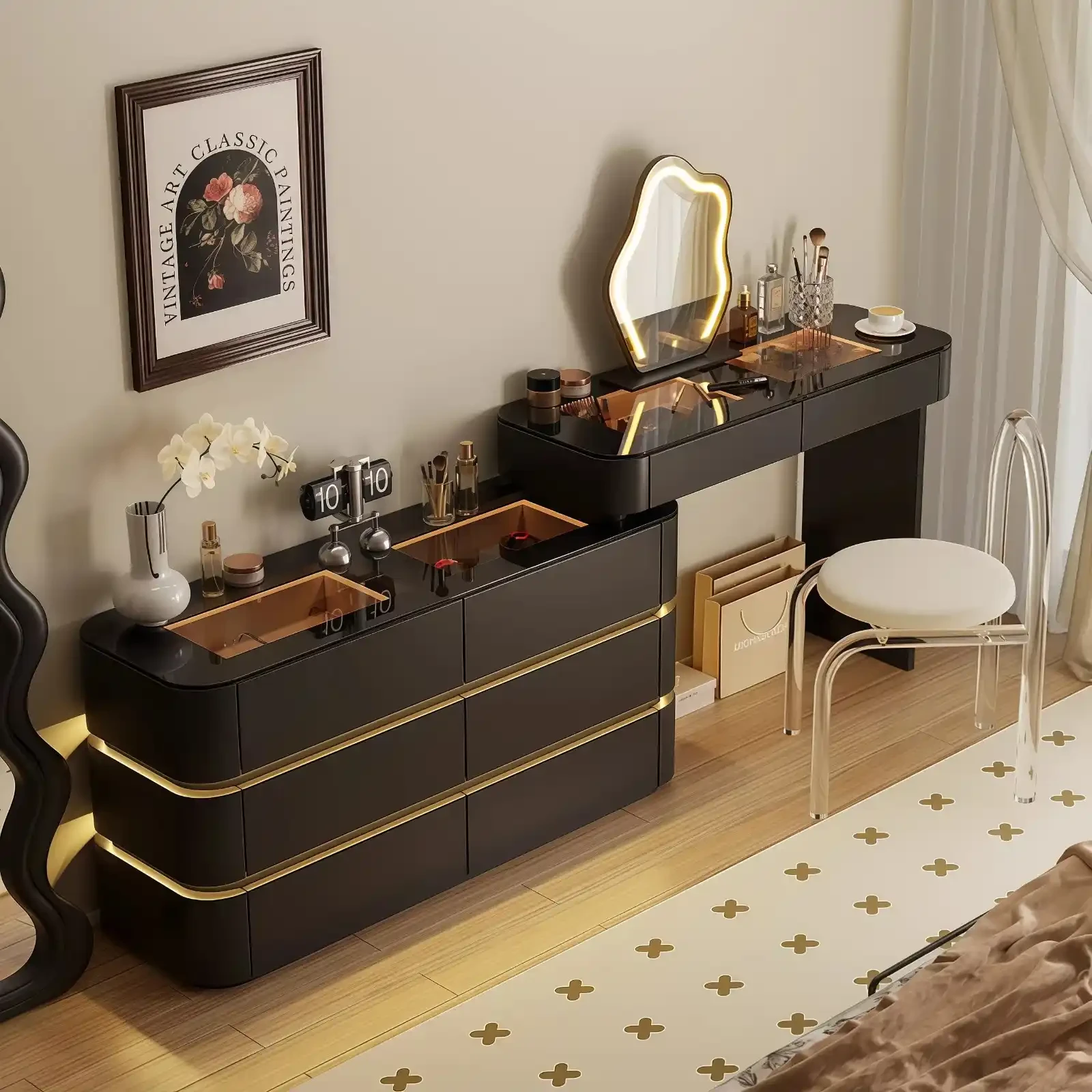
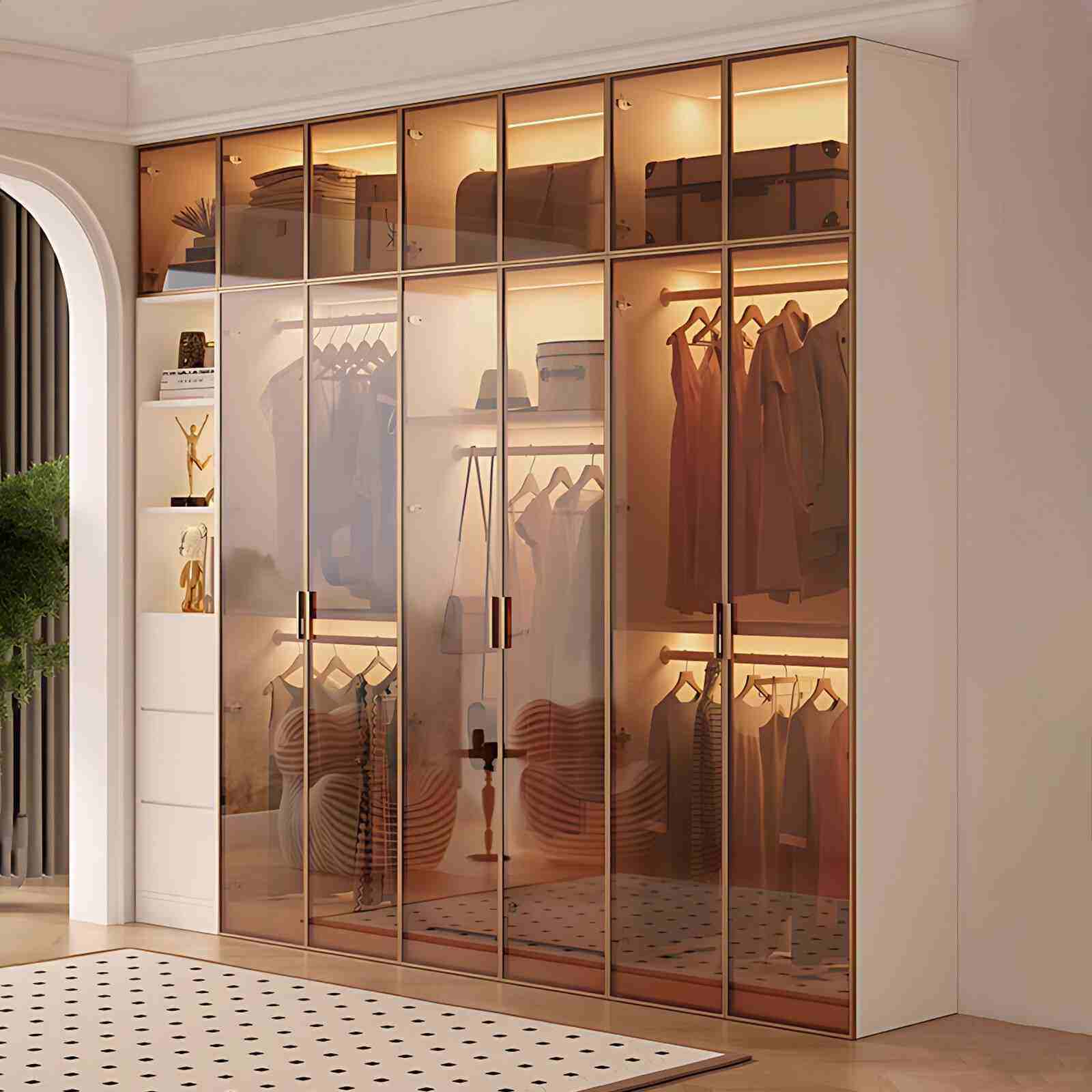
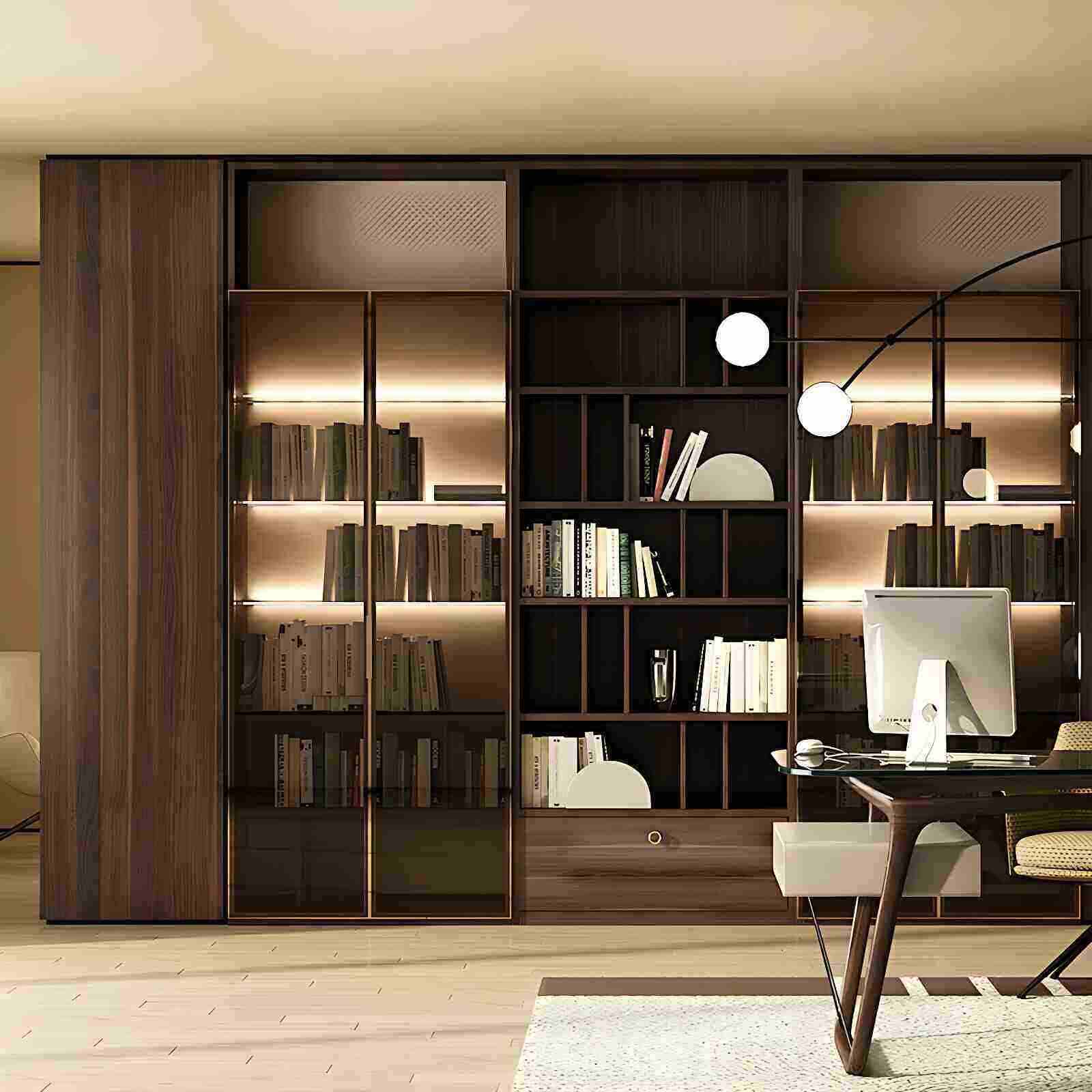
A wardrobe consists of a cabinet body, doors, and hardware. What type of material is best for making a wardrobe?
Generally speaking, there are several types of boards used for making wardrobes during home renovation. Here's a breakdown: Wardrobe Board Materials
1. Plywood
Plywood is a sheet material made by gluing together veneers or thin sheets of wood that have been rotary-cut into sheets under temperature and pressure for a certain period of time. Common types include three-ply, five-ply, nine-ply, and twelve-ply (commonly known in the market as three-ply, five-ply, nine-ply, and twelve-ply plywood). Common defects in plywood include low bonding strength, bubbling, localized delamination, and warping.
2. MDF (Medium-density fiberboard)
MDF (Medium-density fiberboard) comes in several types and thicknesses. For wardrobes, 1, 2, or 1.5 mm thick is commonly used. However, wardrobe boards are usually called composite boards, which come in single-sided and double-sided versions and often have patterns. Composite boards will inevitably have visible nail holes, which is not aesthetically pleasing. MDF is the easiest to paint, with construction falling somewhere in between. Plywood can be joined using mortise and tenon joints, nails, and screws, making construction the easiest, but surface treatment is the most troublesome of these types. Moisture-resistant board is particleboard, and nowadays it's often pre-veneered, requiring no painting, making it low-cost, and commonly used for cabinet construction.
3. Blockboard
The cabinet core is made of 12mm plywood, and the interior is lined with fireproof board or waterproof wood grain paper. The exterior is finished with 3cm colored veneer (available on the market: sapele/black walnut/red sandalwood/beech, etc.), depending on your personal preference.
Furthermore, using plywood requires a veneer, which will definitely be painted, making the cost vastly different from composite boards. Of course, in terms of hardness and quality, it will be much better. For wardrobes, plywood is still the better choice. The strength coefficient of the same grade of finger-jointed board is not as high as that of plywood, especially considering the large span of wardrobes and the high strength requirements. If you want higher strength using solid plywood, you'll need to cover it with a decorative veneer, which will increase the cost accordingly.
4. Painted sheet material
The base material of the lacquered panel is MDF (medium-density fiberboard), and the surface is treated with six layers of imported paint (three base coats, two top coats, and one clear coat) and then baked at high temperatures. Currently, the term "lacquered" used for wardrobes only describes a process: the base material door panel is painted and then dried in a heated oven. The characteristics of lacquered panels are vibrant colors, ease of shaping, strong visual impact, high aesthetic appeal, excellent water resistance, strong stain resistance, and easy cleaning. The disadvantages are that the process requires a high level of skill, resulting in a high scrap rate and thus a high price; they also require careful handling, as they are susceptible to bumps and scratches, and once damaged, they are difficult to repair and require complete replacement; color differences may appear in kitchens with heavy oil fumes.