
 USD
USD GBP
GBP
 EUR
EUR
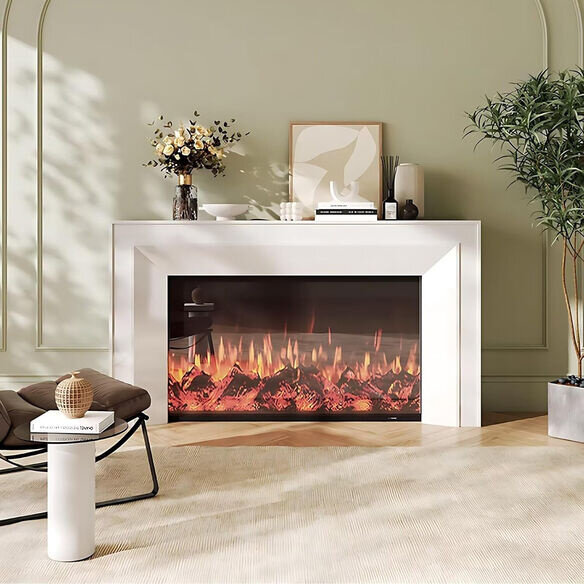











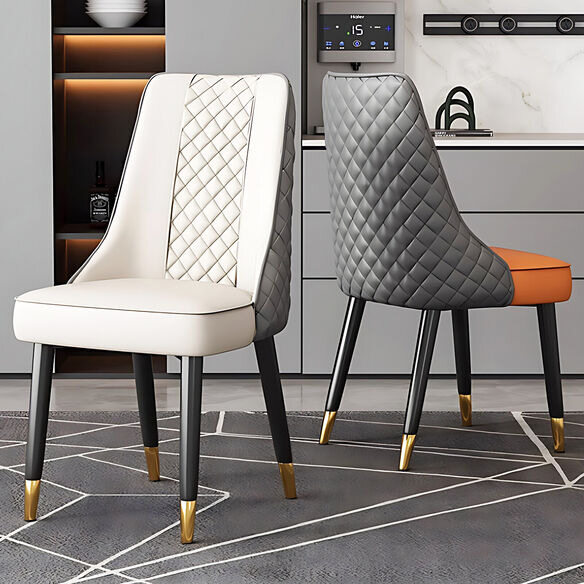




















When you think of rosewood, who comes to mind first? Large red rosewood? White rosewood? Flowering rosewood? Don't forget, there's also South American rosewood!
Its scientific name is Dalbergia ertusa, and its commercial name is cocobollo.
Its material is in no way inferior to that of Dalbergia cochinchinensis (Siamese rosewood), and it is an important member of the Dalbergia cochinchinensis category among the five genera and eight categories in the national standard for rosewood!
It's a rosewood with a story!
1. Regarding Dalbergia retusa
The reason why Dalbergia retusa is not as well-known as Dalbergia cochinchinensis is simply because it grows in Central and South America, which is relatively far from China. China discovered and utilized it relatively late.
In Central and South America, Dalbergia retusa is known locally as the "King Wood," and only the noble and rare royal family could use it.
Currently, the main sources of Dalbergia retusa in the Chinese market are Mexico, Panama, and Nicaragua. Among them, Dalbergia retusa from Mexico is considered to have the best material, oil content, and grain, and therefore its price is over 40,000 yuan!
Macro characteristics:
Shape: The diameter of most Dalbergia retusa is 20-30 cm, and a few can reach 40-50 cm. Hollowness is often seen in the center of the wood (most obvious in logs).
Color: Freshly sliced Dalbergia retusa wood is yellowish-red. Due to its high oil content, its surface oxidizes quickly and turns orange-red. After three months, the color of the wood becomes basically stable.
Taste: Dalbergia retusa has a strong sour aroma when sliced.
Texture: Due to the presence of black resin in the pores of Dalbergia retusa, numerous fine black lines and dots can be seen on the radial and tangential sections.
Material: Cocobolo wood is hard, fine-grained, and has a high oil content (even higher than Dalbergia cochinchinensis), with a density of 0.98–1.22 g/cm³.
2. Cocobolo rosewood: an unexpected beauty
If words alone aren't enough to give you a proper understanding of Dalbergia retusa, then the following beautiful pictures will allow you to experience its beauty in its entirety.
The slightly concave grain of the rosewood seems to be telling its own story!
This is a common Dalbergia retusa material on the market. Don't underestimate this material; even a ton can cost over 30,000 yuan.
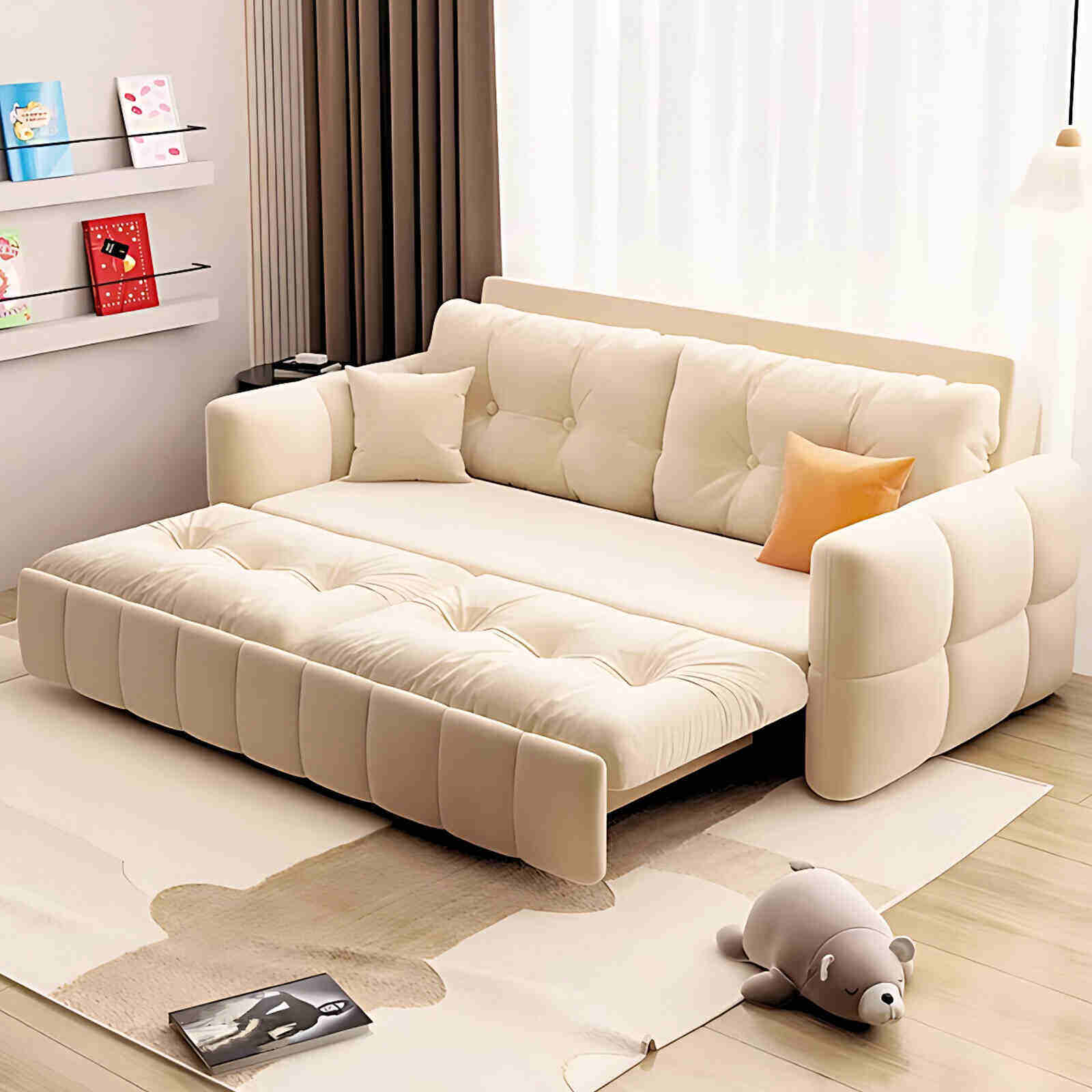
A warm and elegant concave rosewood Ming-style sofa
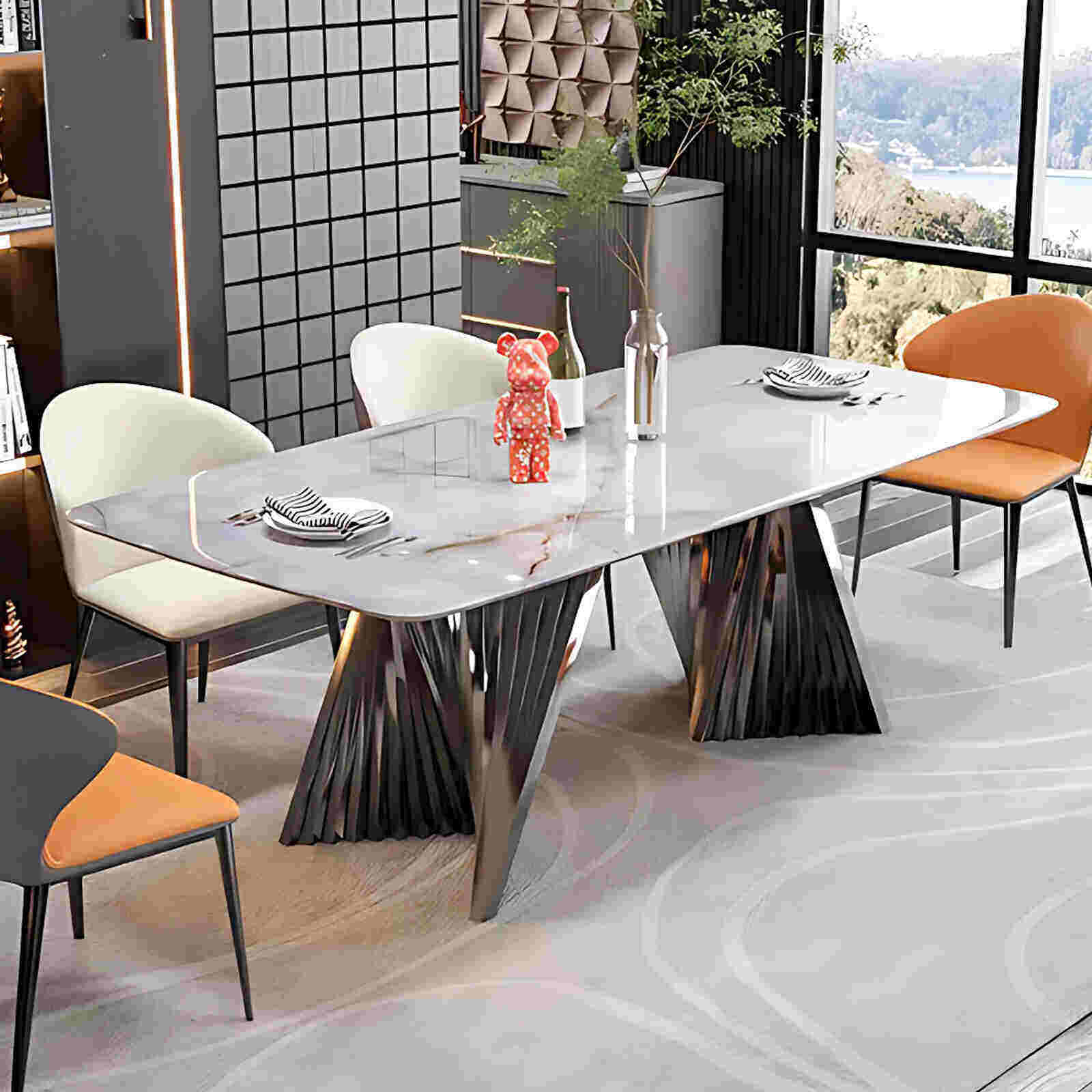
Noble and elegant rosewood dining table
3. The Future of Dalbergia retusa
Since I first encountered Dalbergia retusa in 2008, the market has experienced several ups and downs, but this has not affected its rising market value. From a low price of 18,000 yuan/ton in 2008 to over 35,000-45,000 yuan/ton today, its price has increased exponentially in just ten years. This is the best affirmation of its material quality and market potential.
Of course, I don't deny that with the major adjustments in the domestic timber market after 2014, the severely damaged Dalbergia retusa has not yet fully recovered, with low supply being the most troublesome issue for industry insiders. However, despite the sluggish supply, its price hasn't plummeted, which shouldn't be overlooked. Some industry insiders even believe that under the strict controls of Appendix II of the CITES Convention, the price of Dalbergia retusa may continue to rise in the future.
In 2013, Dalbergia retusa was listed in Appendix II of CITES. Appendix II species can only be traded in limited quantities under quotas, meaning that Dalbergia retusa requires import/export licenses or re-export certificates for trade. This created significant market potential for Dalbergia retusa, leading to a rapid price surge. Prices jumped from 18,000 yuan/ton at the beginning of the year to 50,000 yuan/ton, setting a historical record. Although there was a subsequent correction, the market remained at a high level.
Currently, premium feed from Nicaragua is priced at 35,000-42,000 yuan/ton in the Guangdong market, while feed from Mexico is priced at around 46,000 yuan/ton.
So if you have the money and nowhere else to go, why not buy while the price is low! Of course, remember to choose good quality materials and premium items!