
 USD
USD GBP
GBP
 EUR
EUR
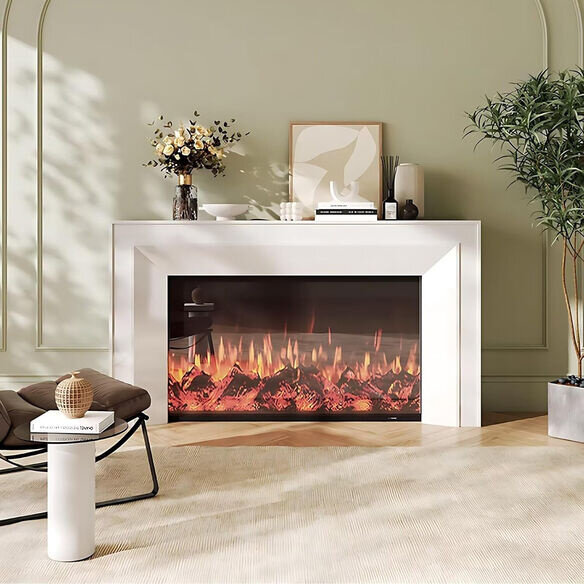
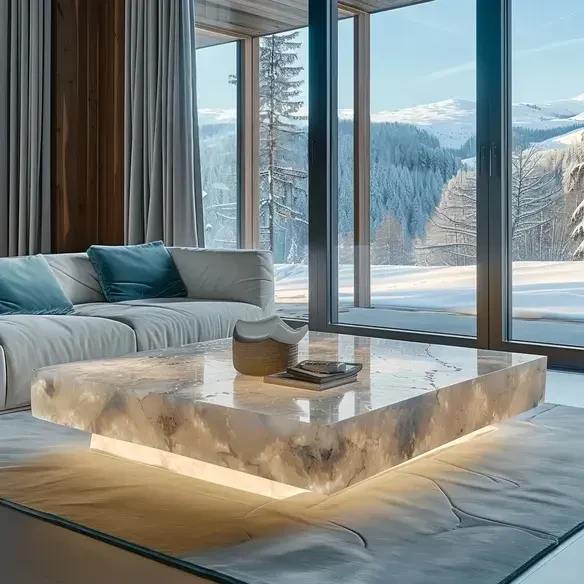
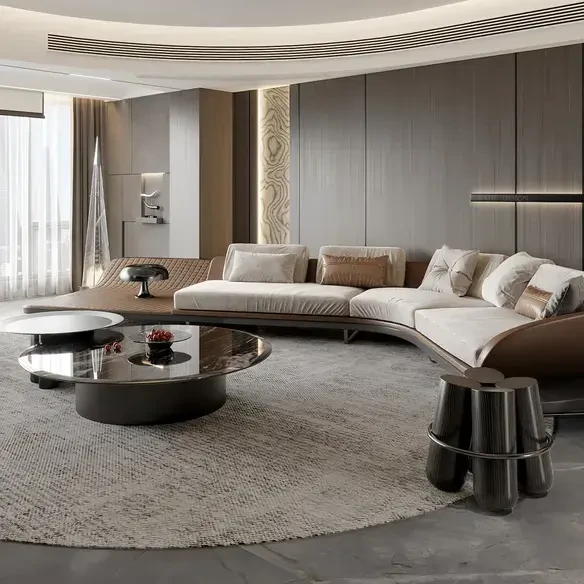
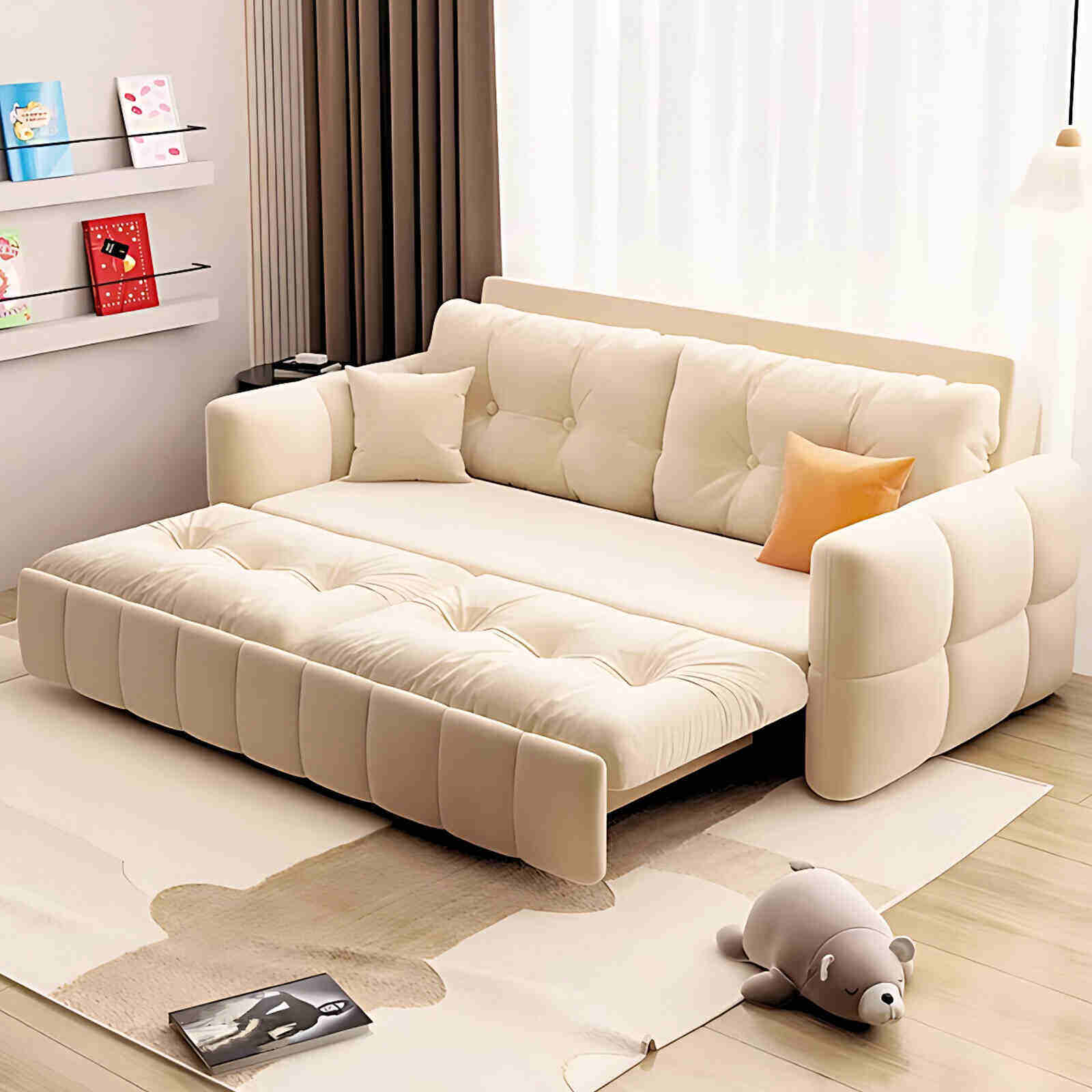

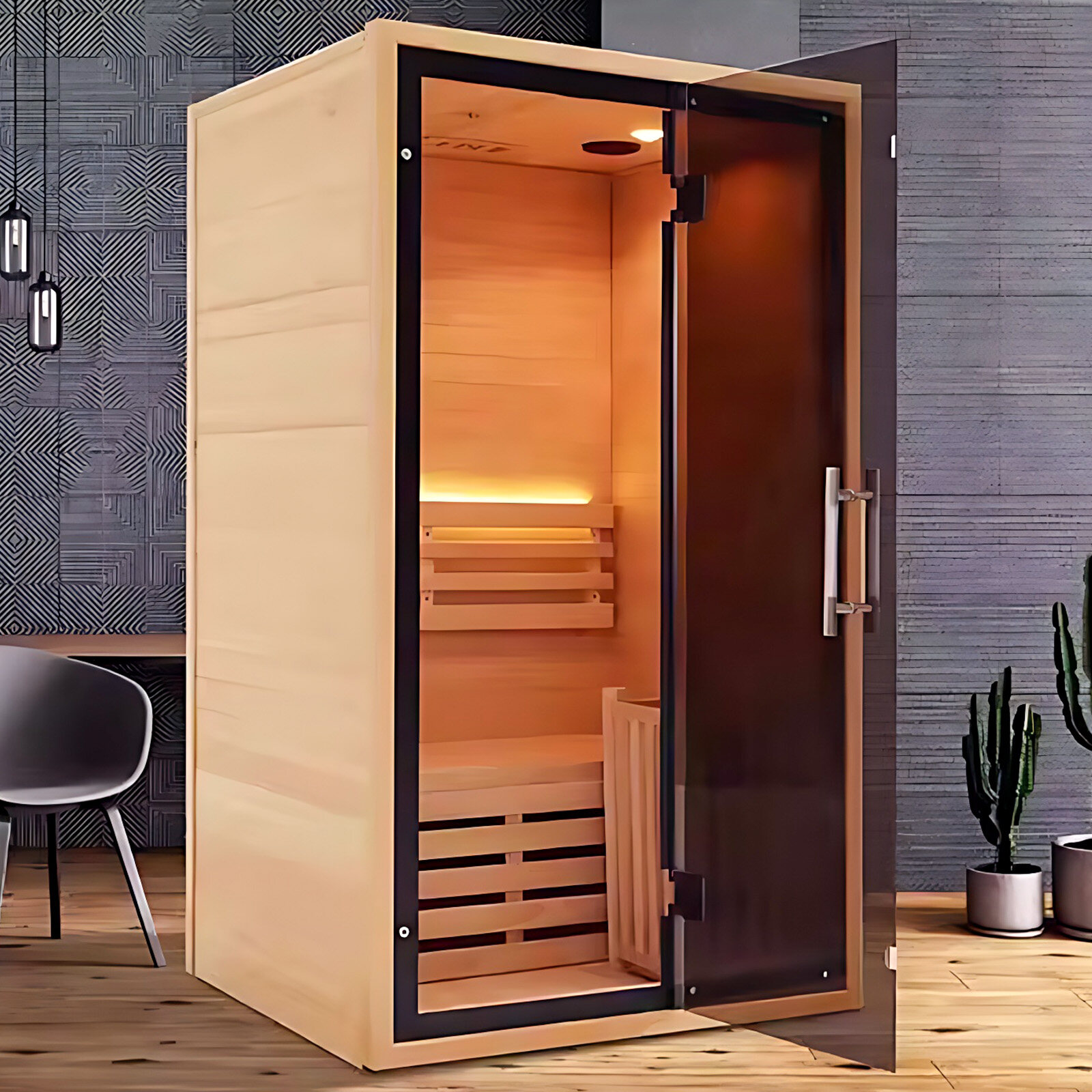
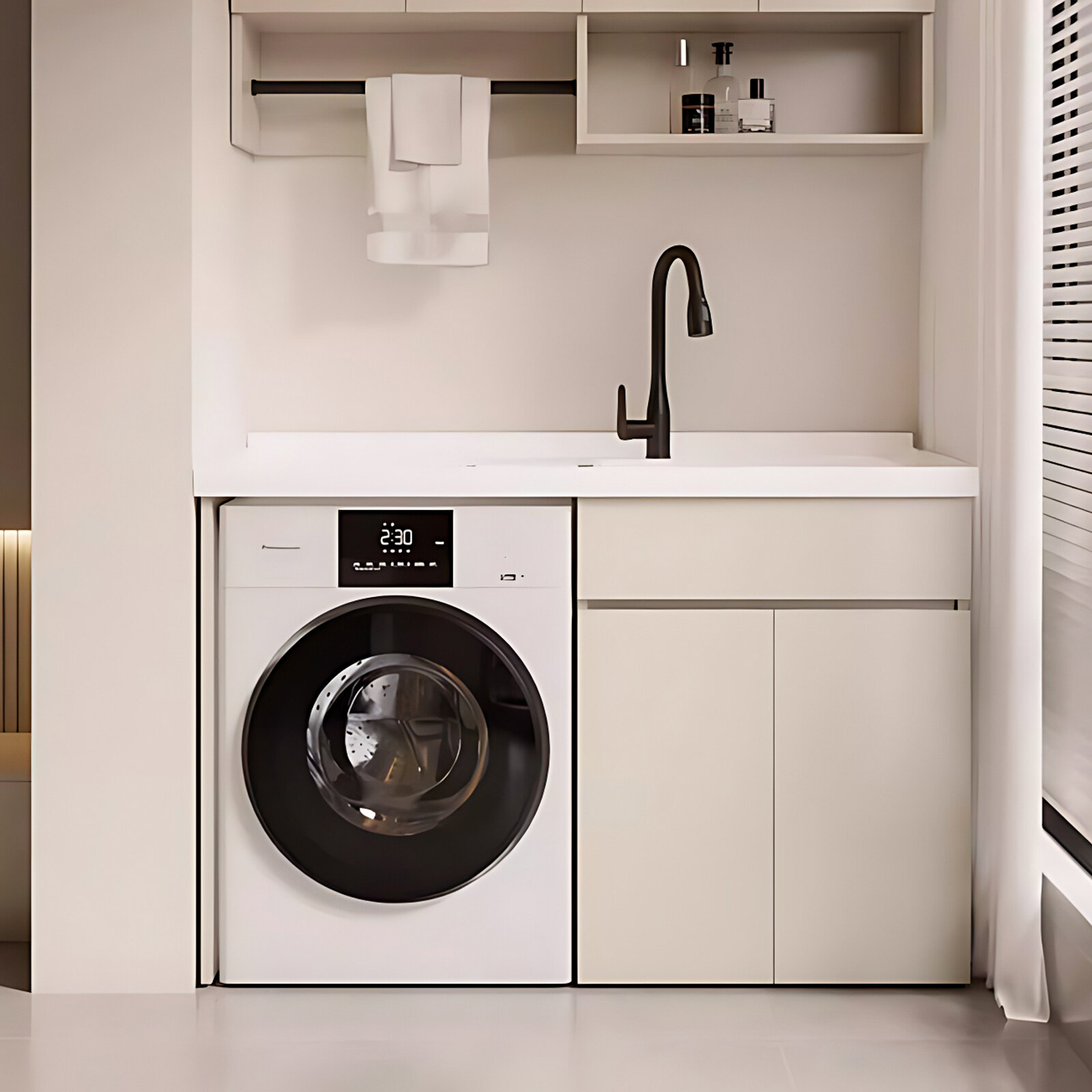
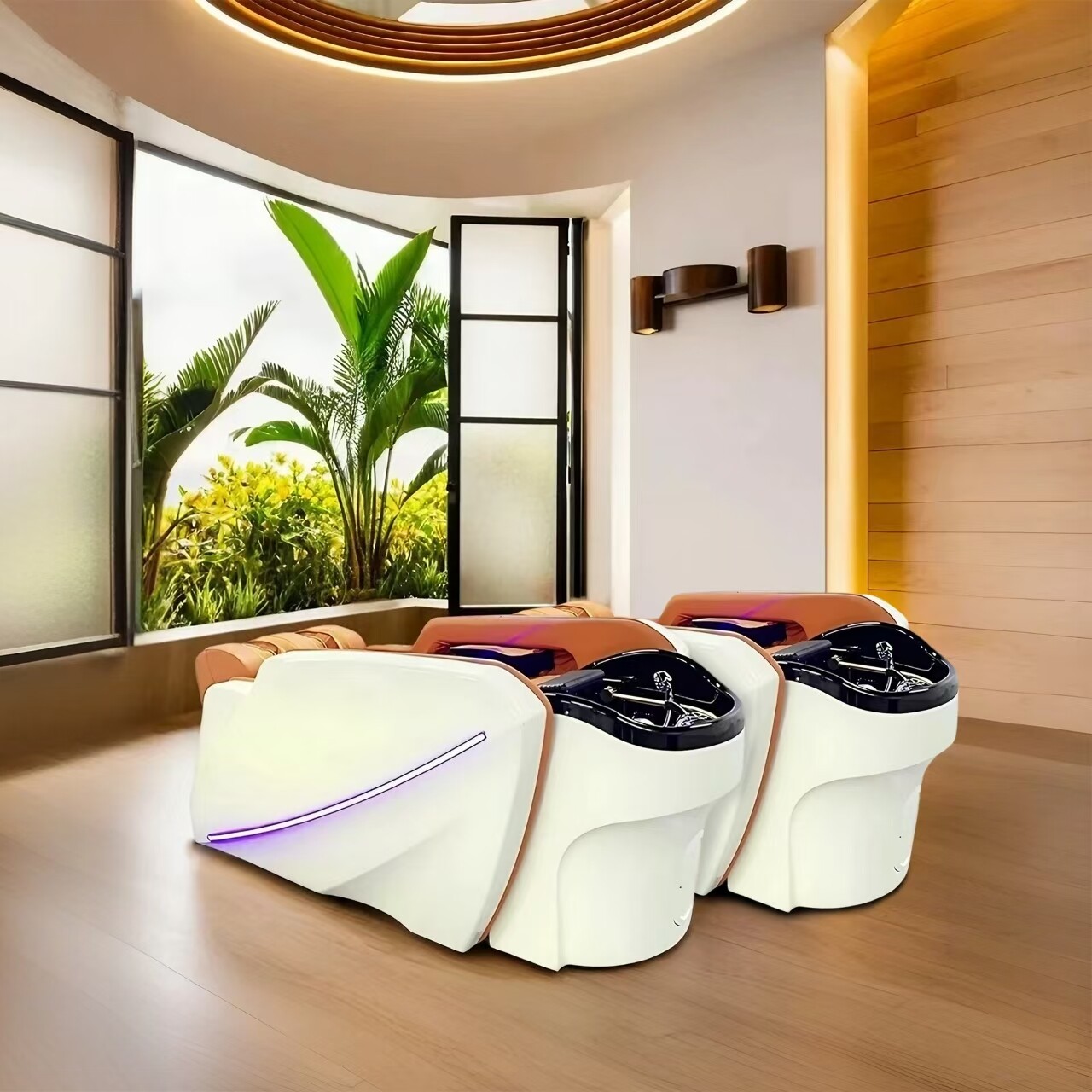
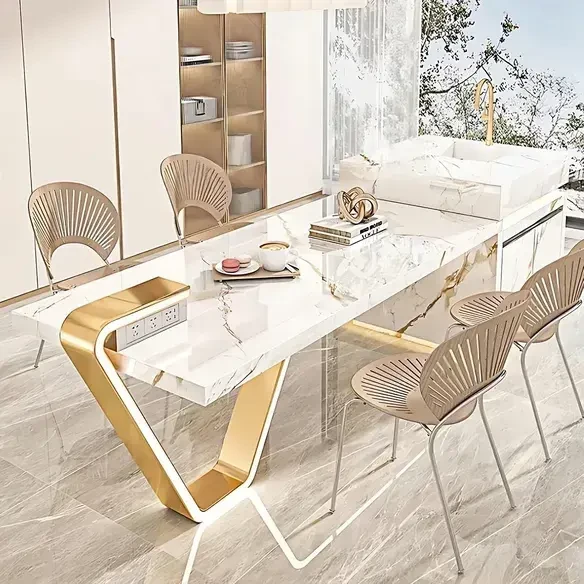
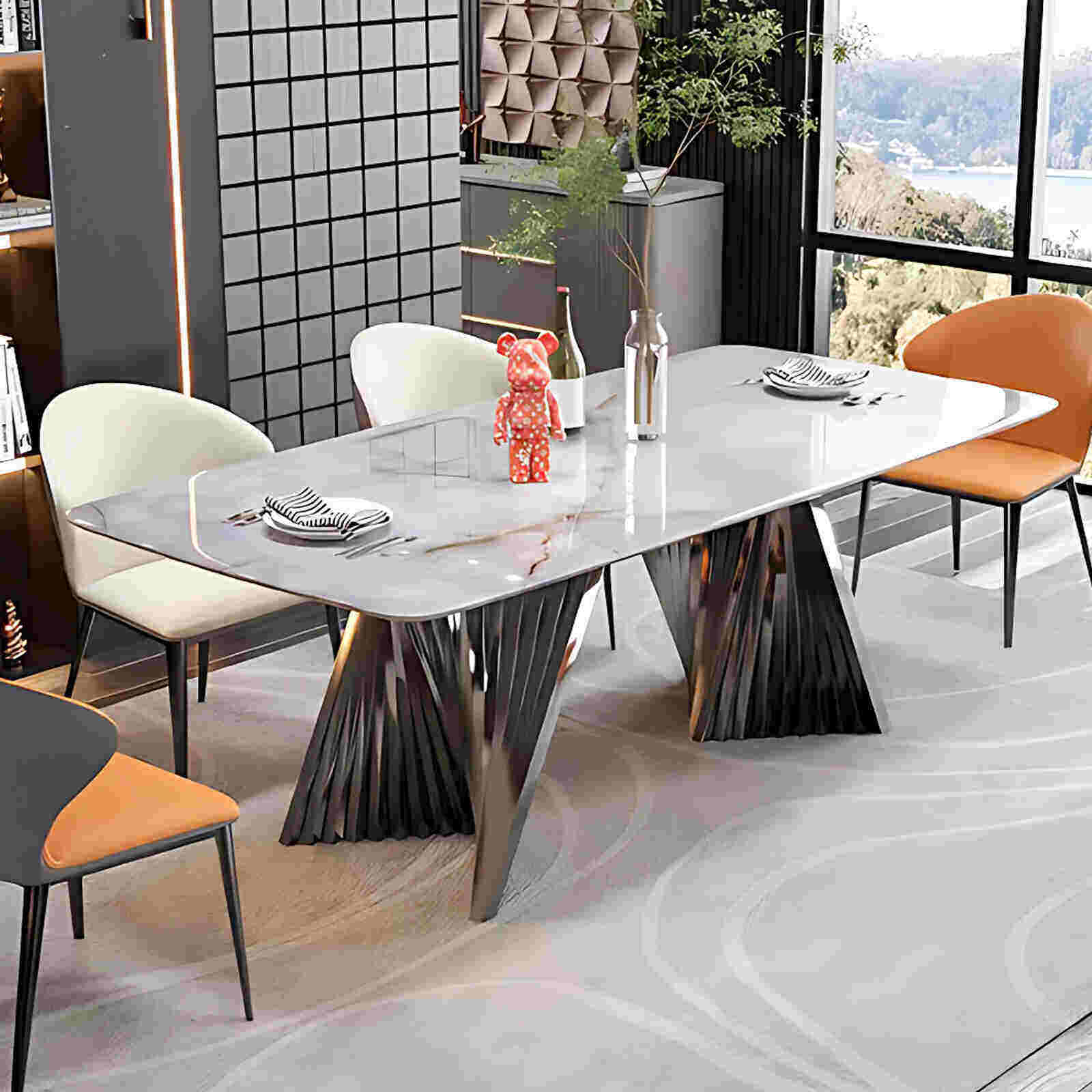
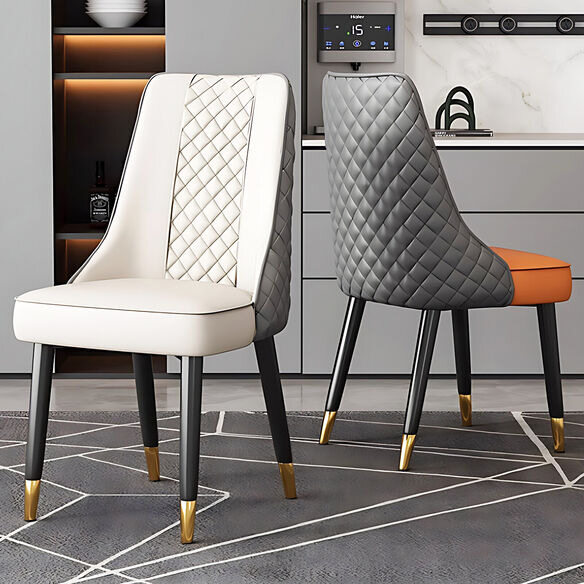
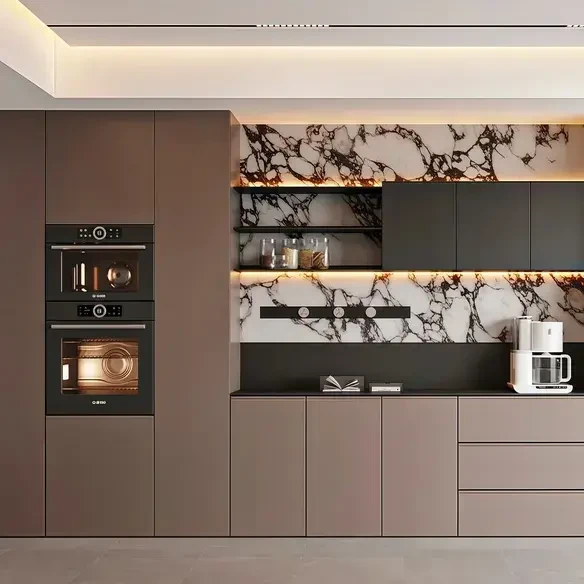
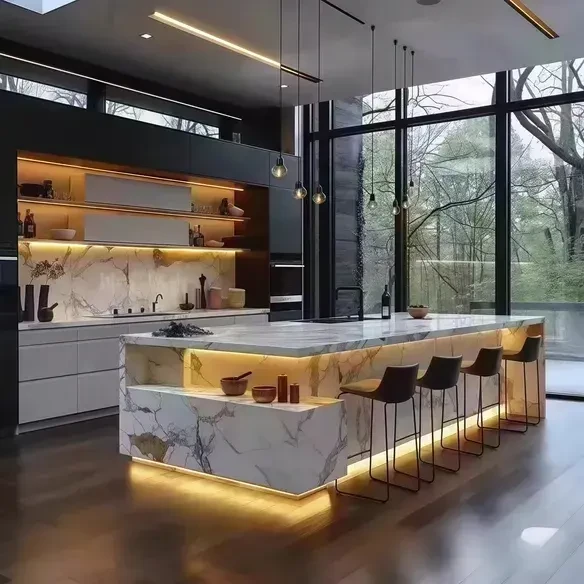
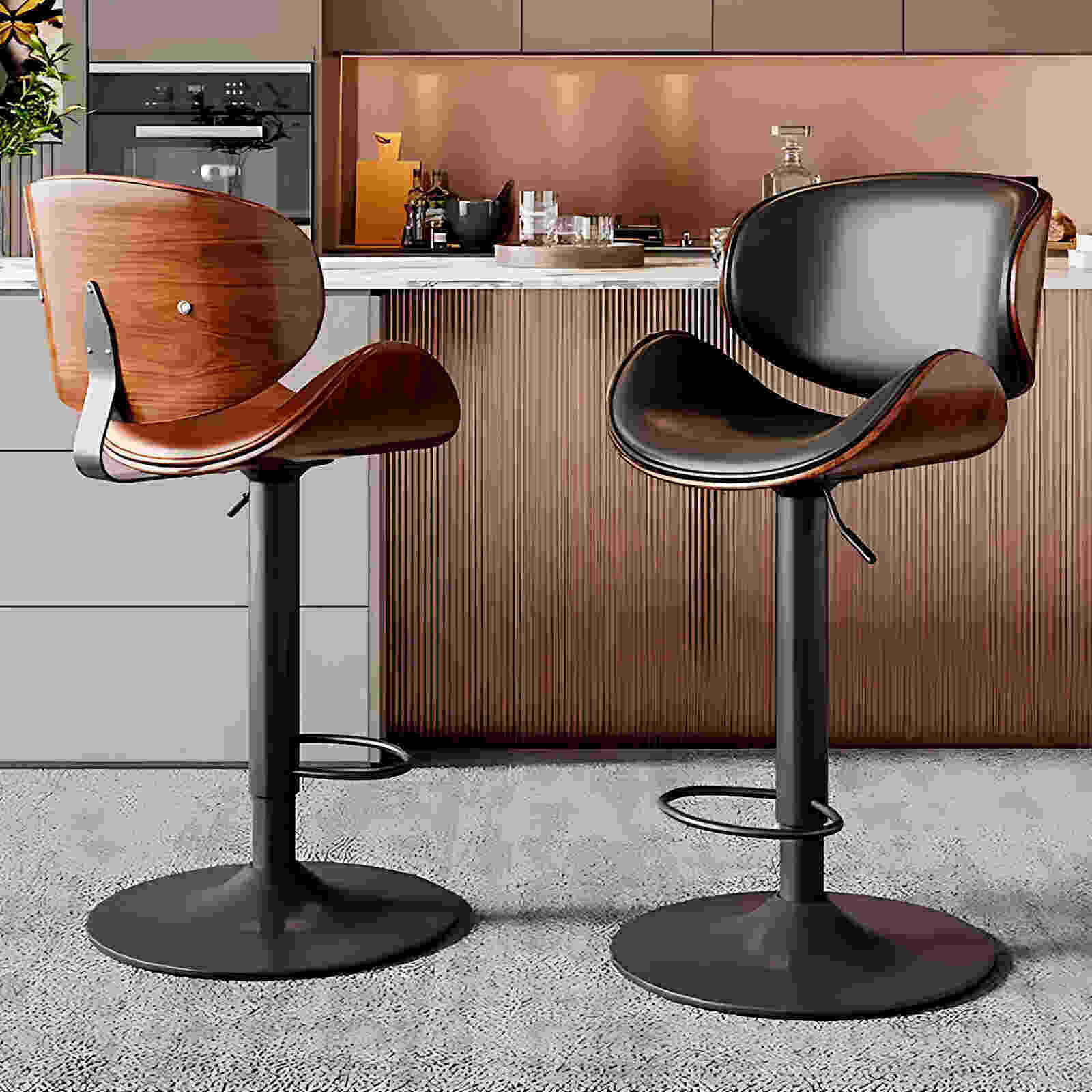
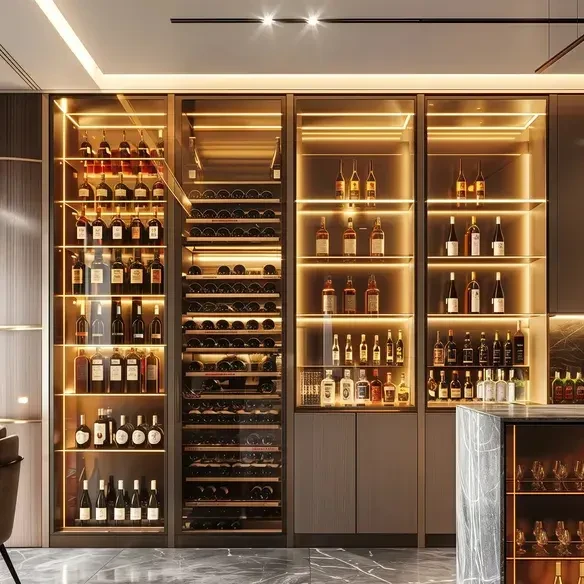
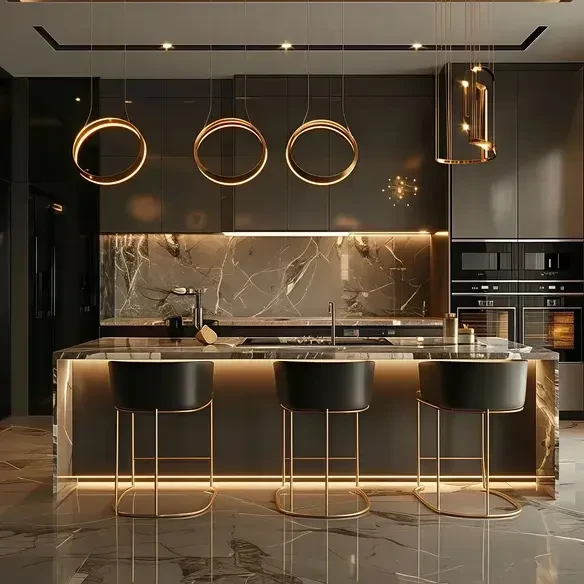
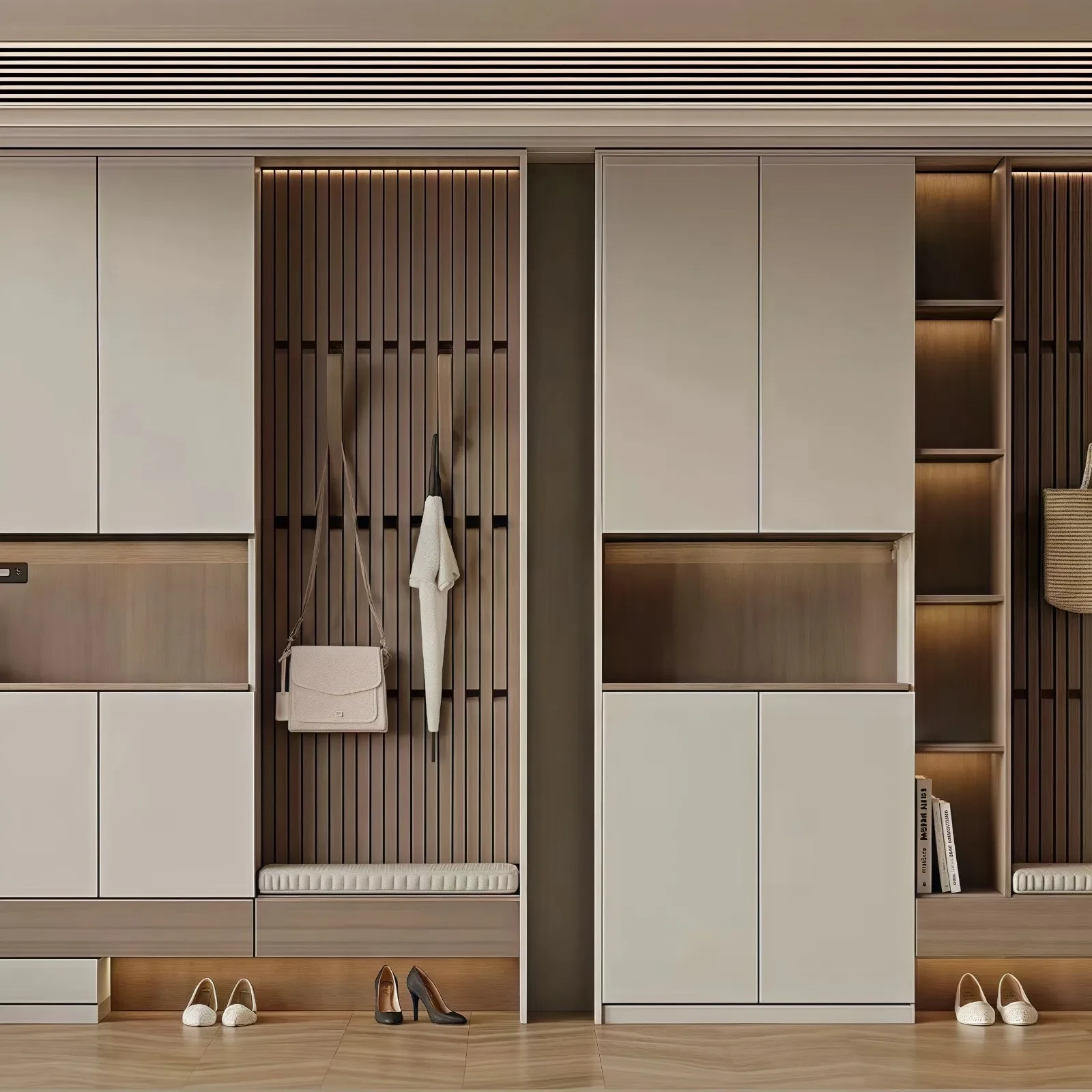
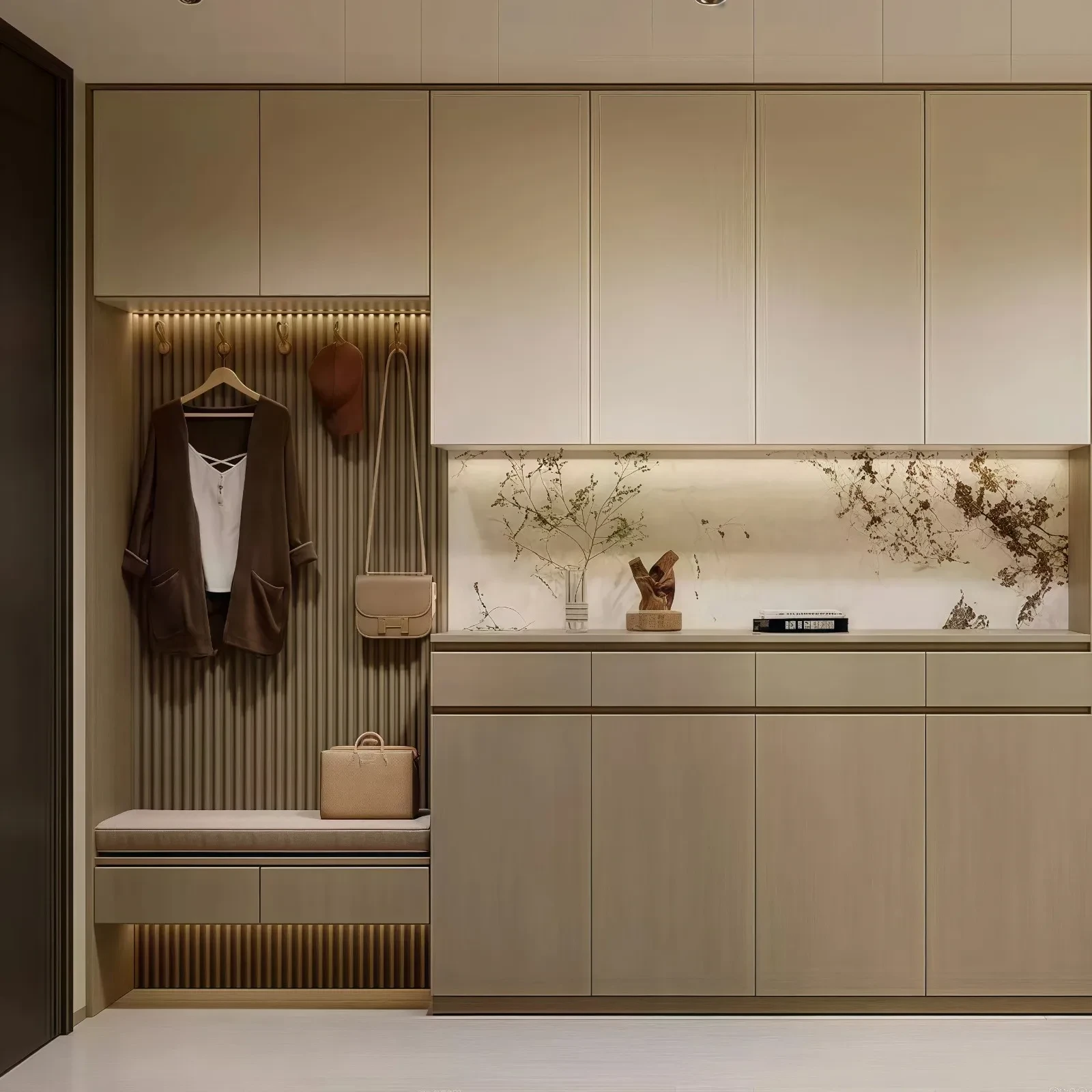
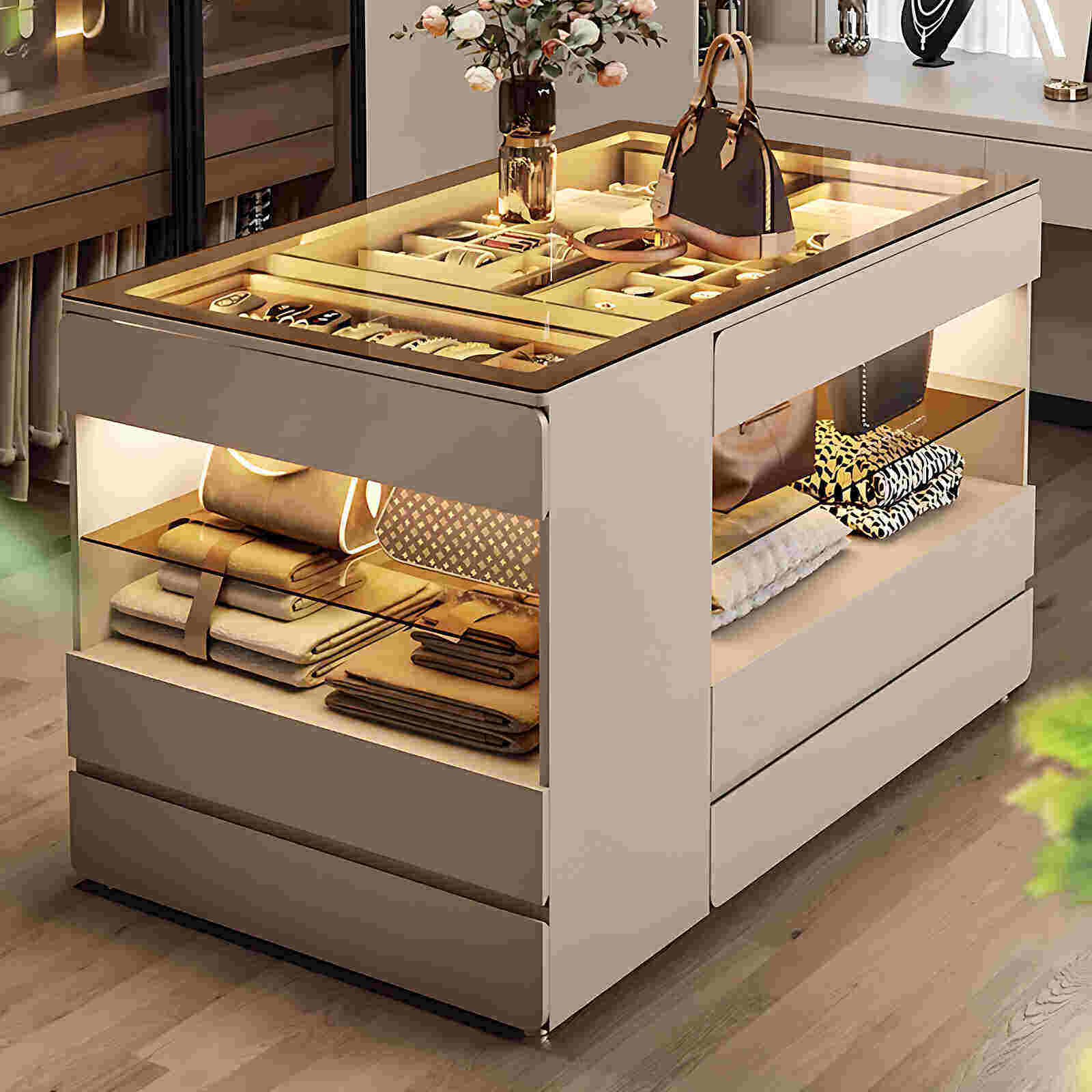
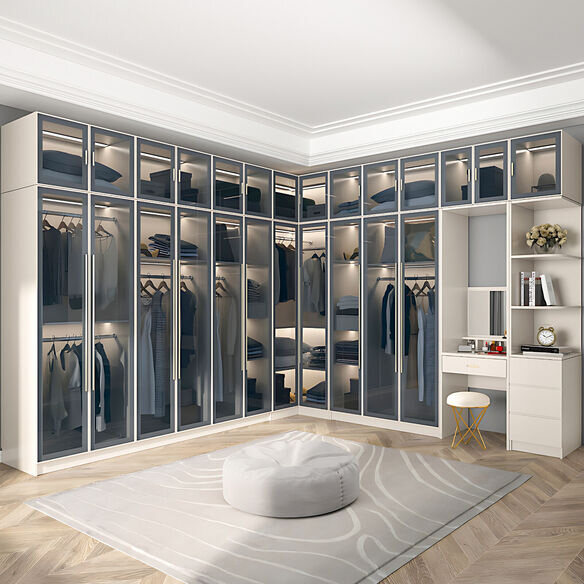
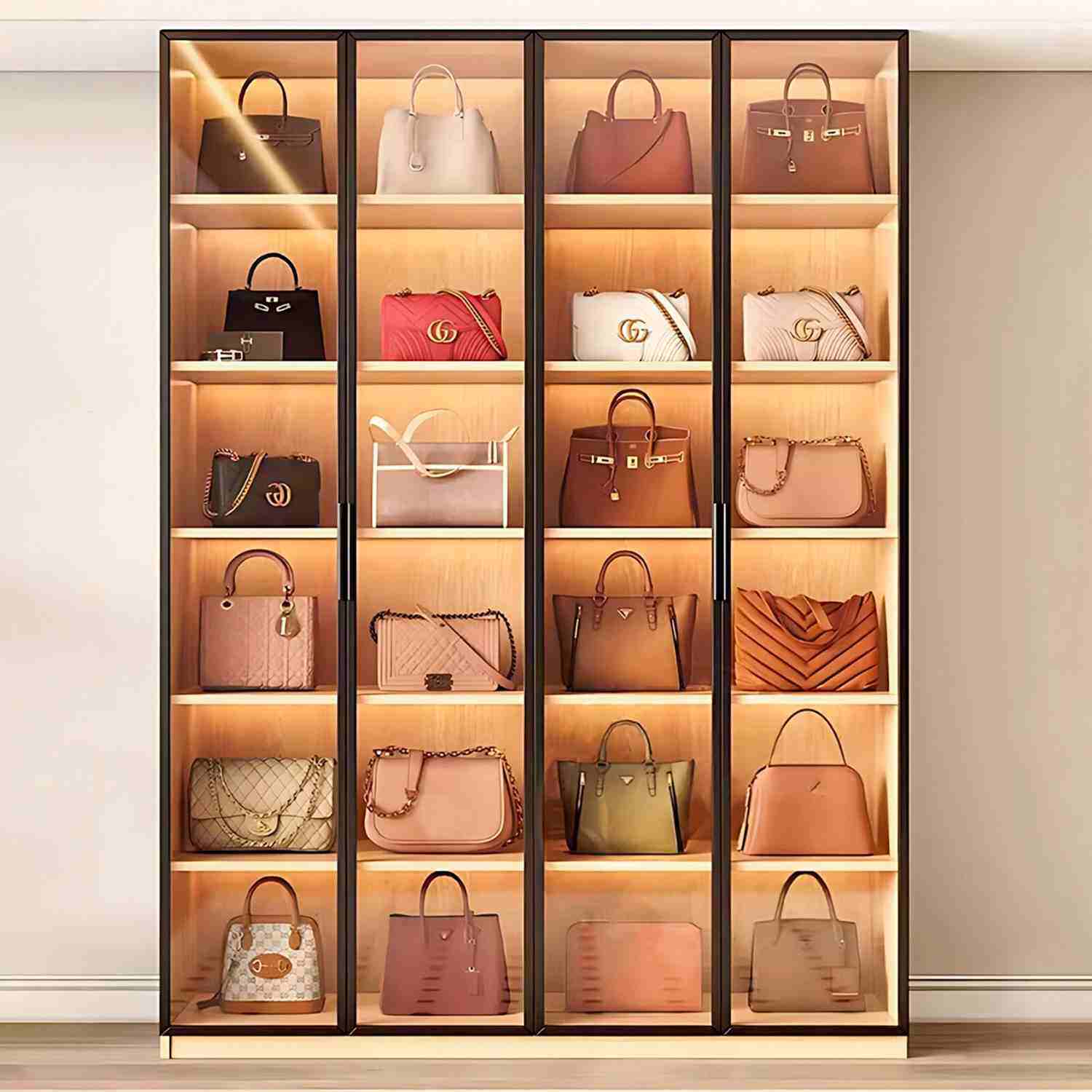
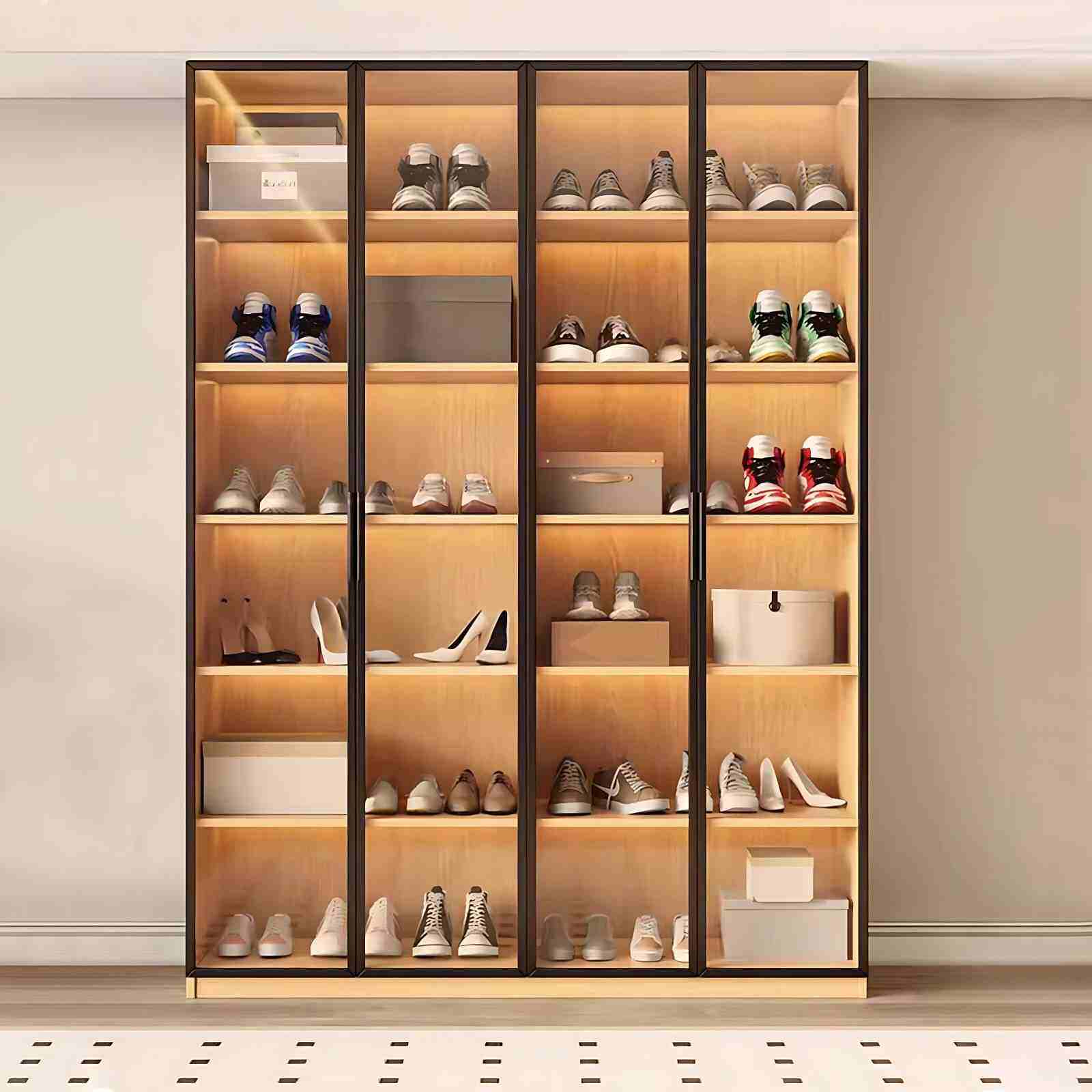
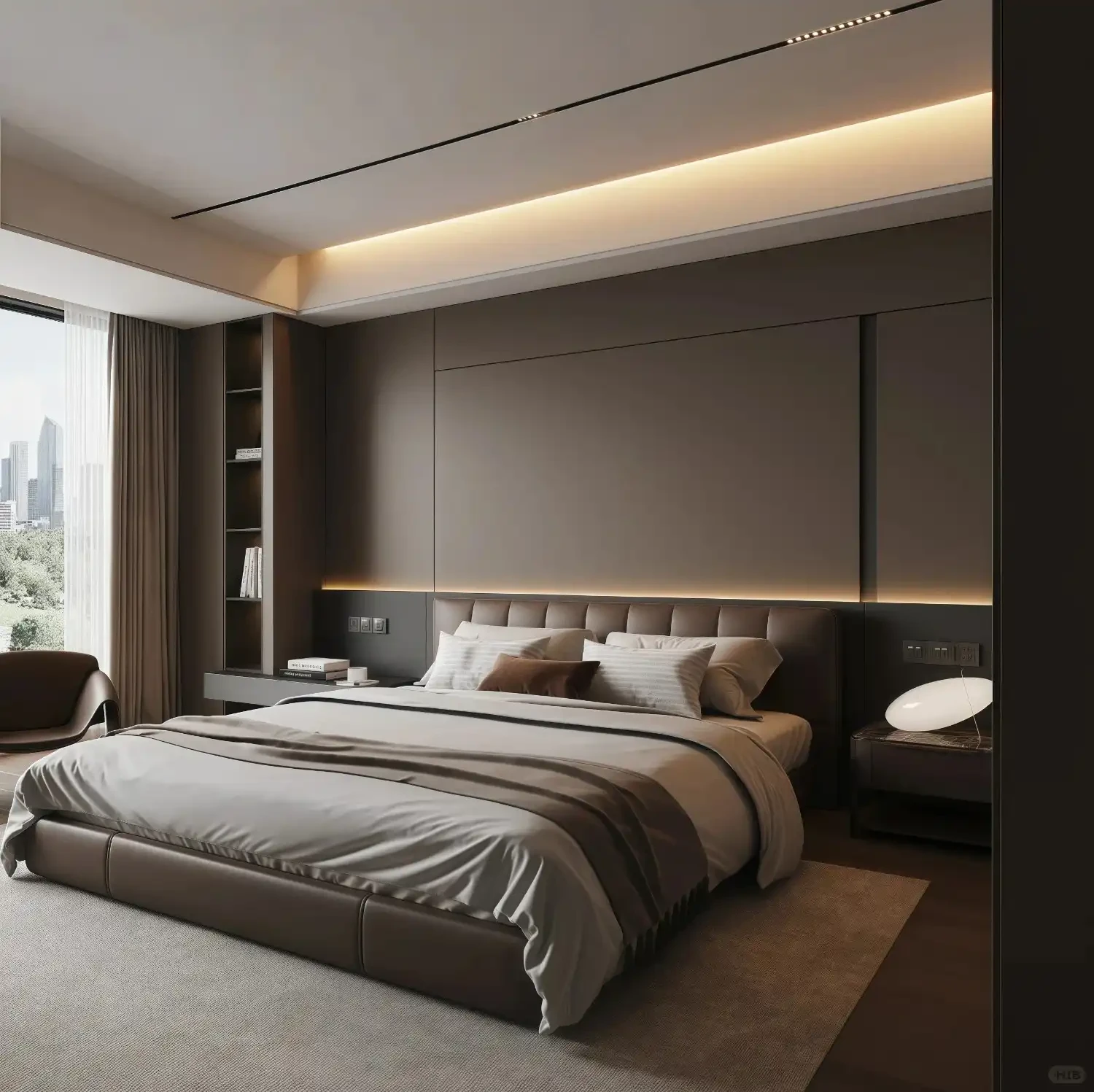
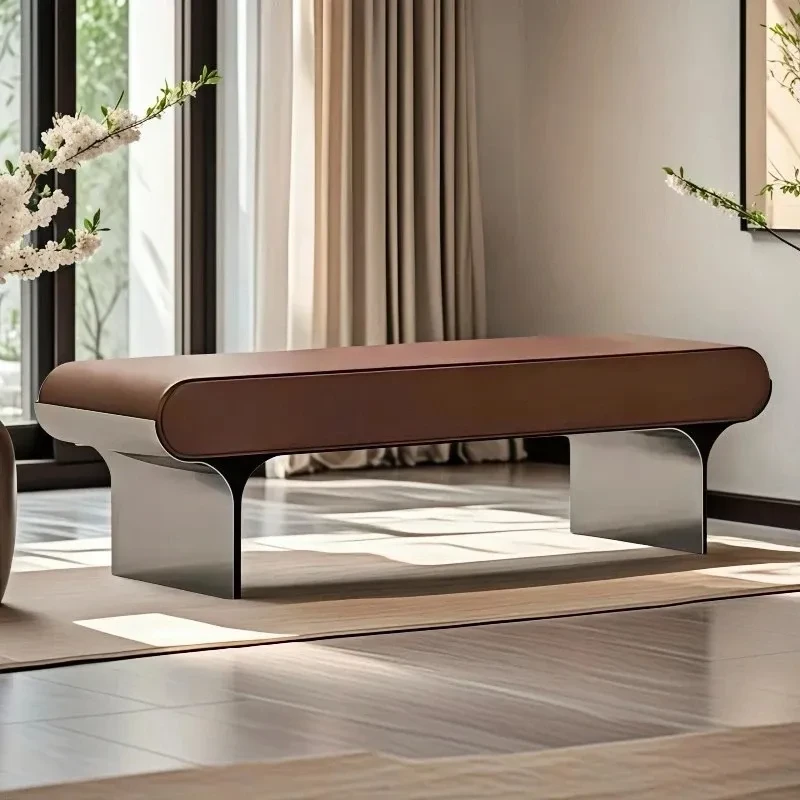
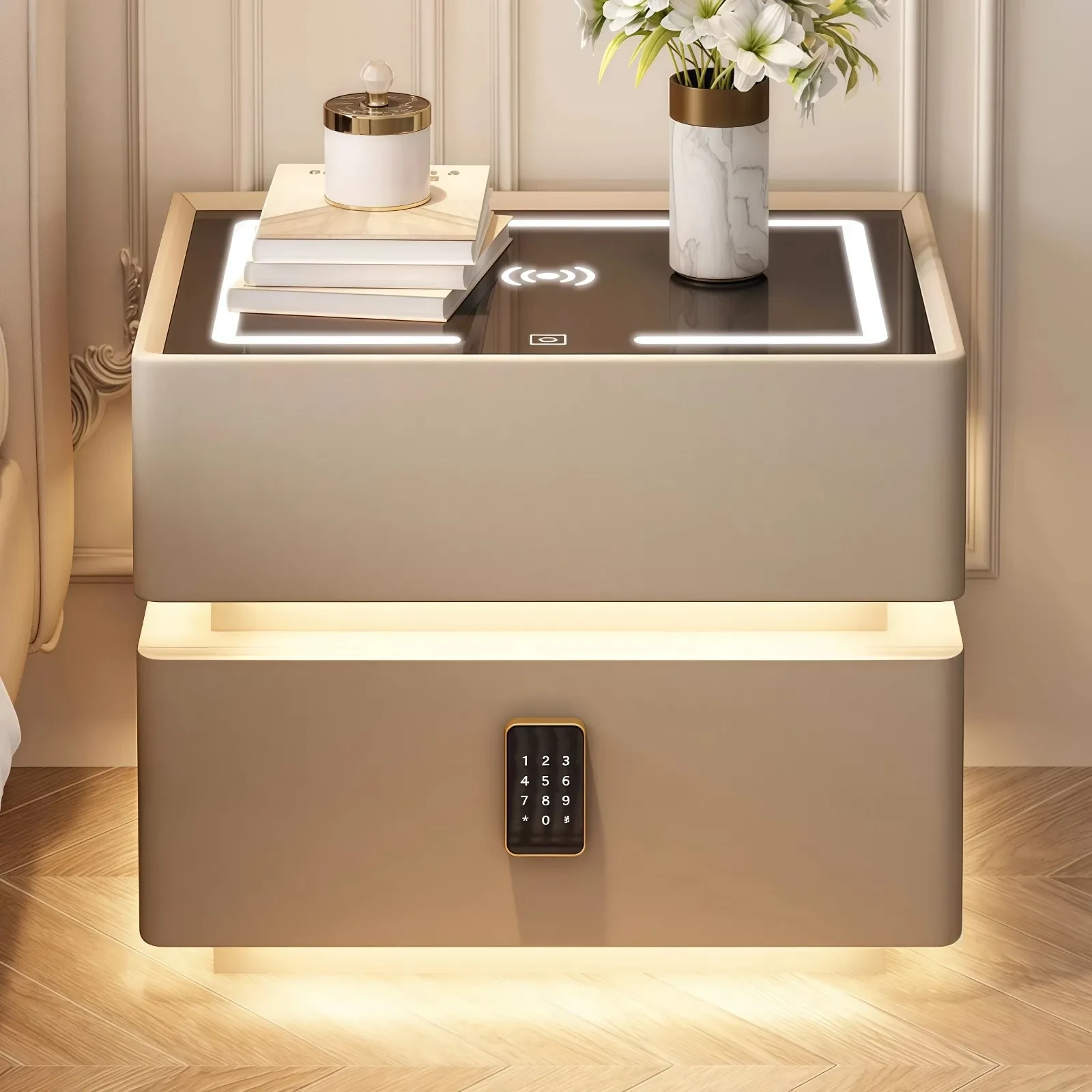
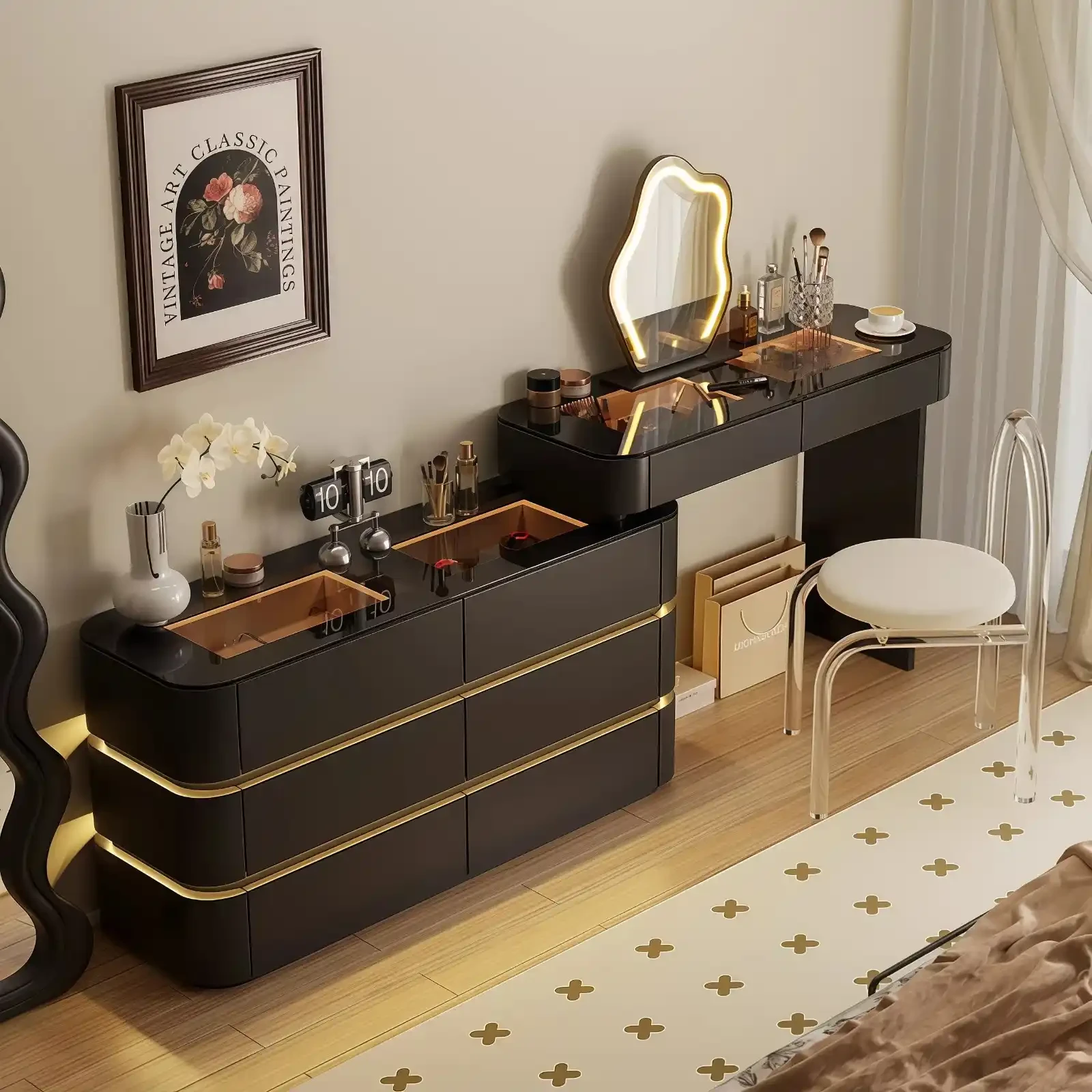
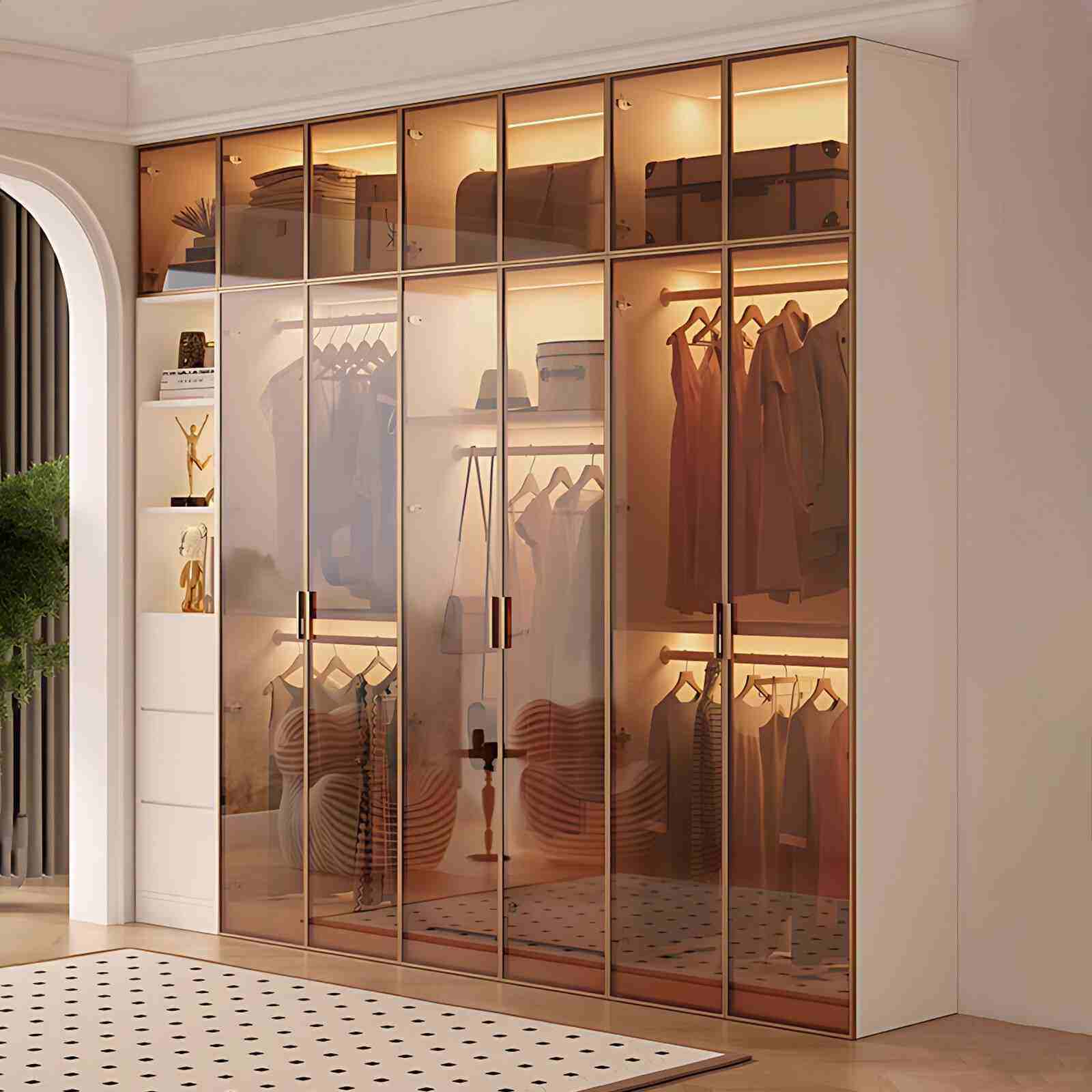
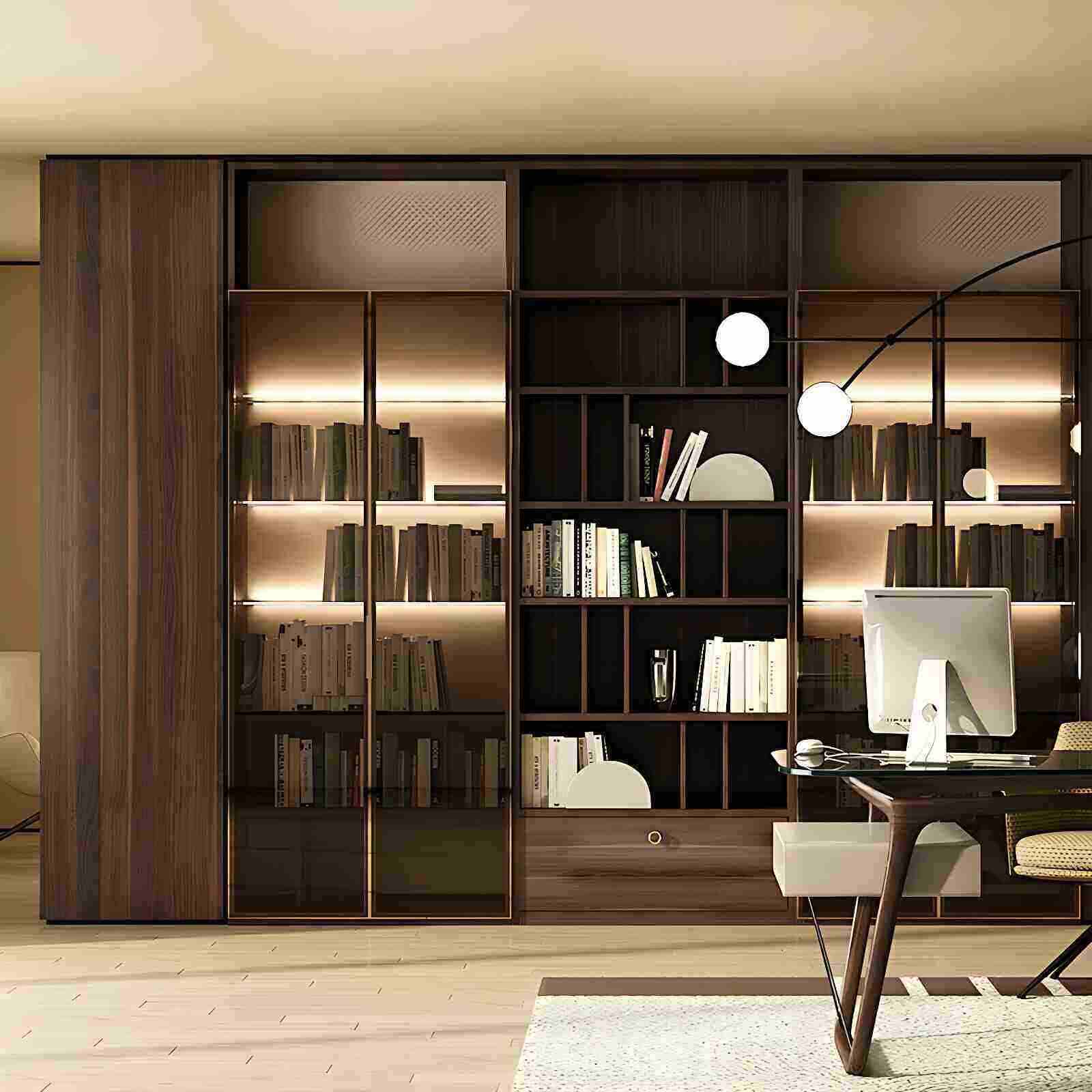
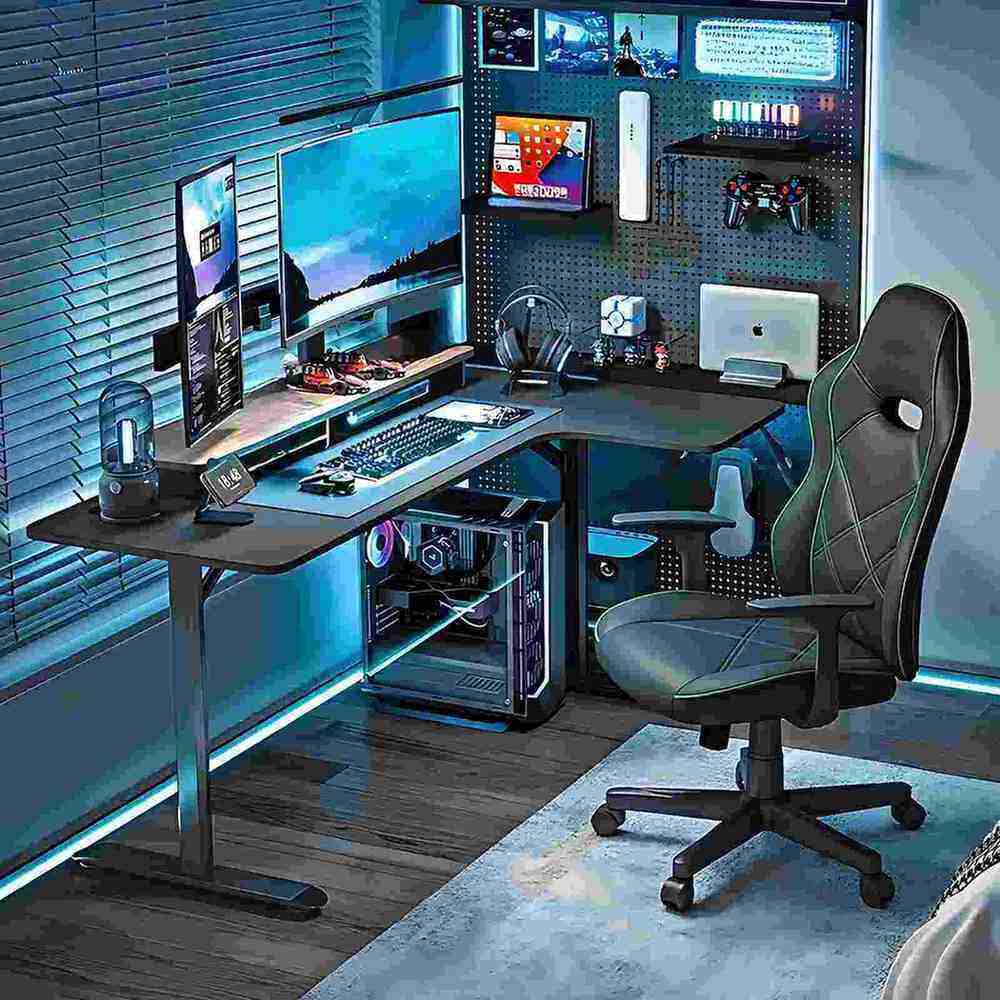
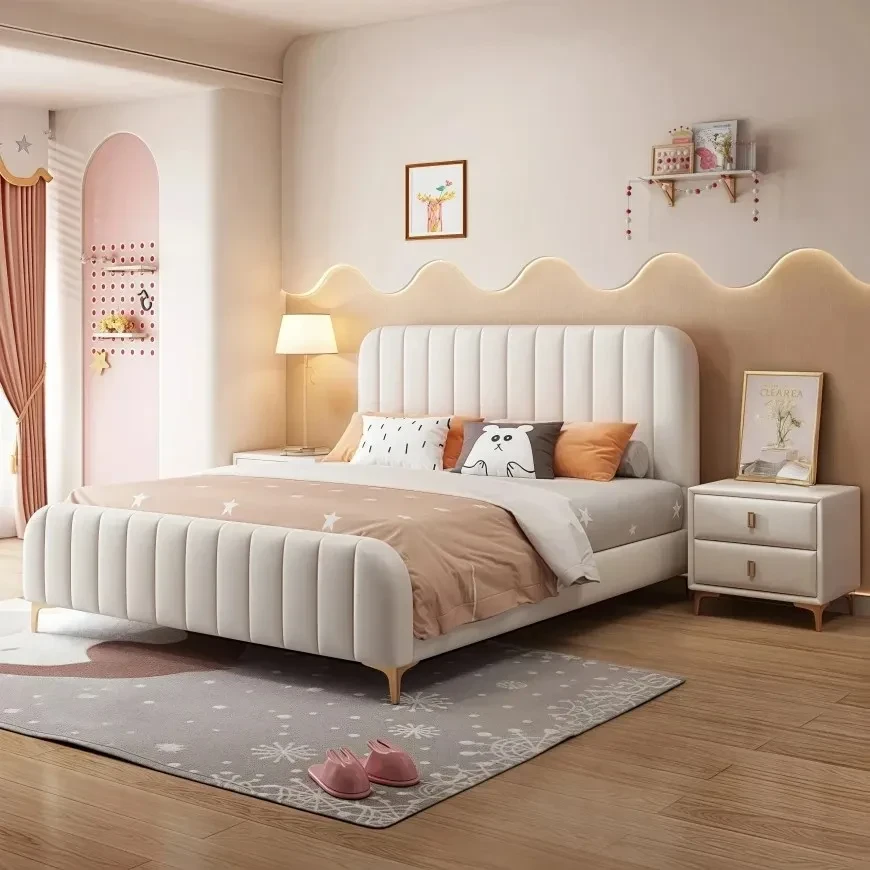
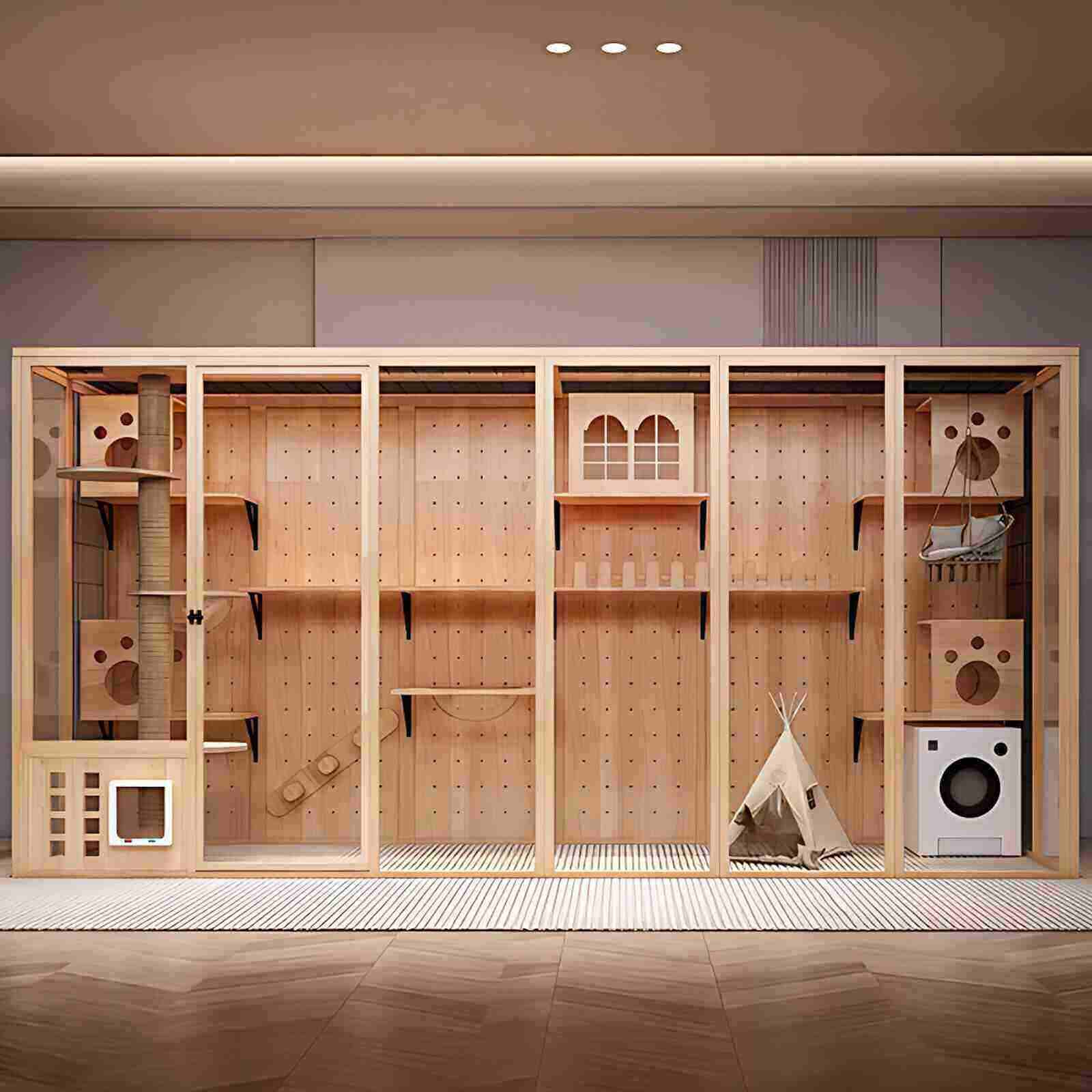
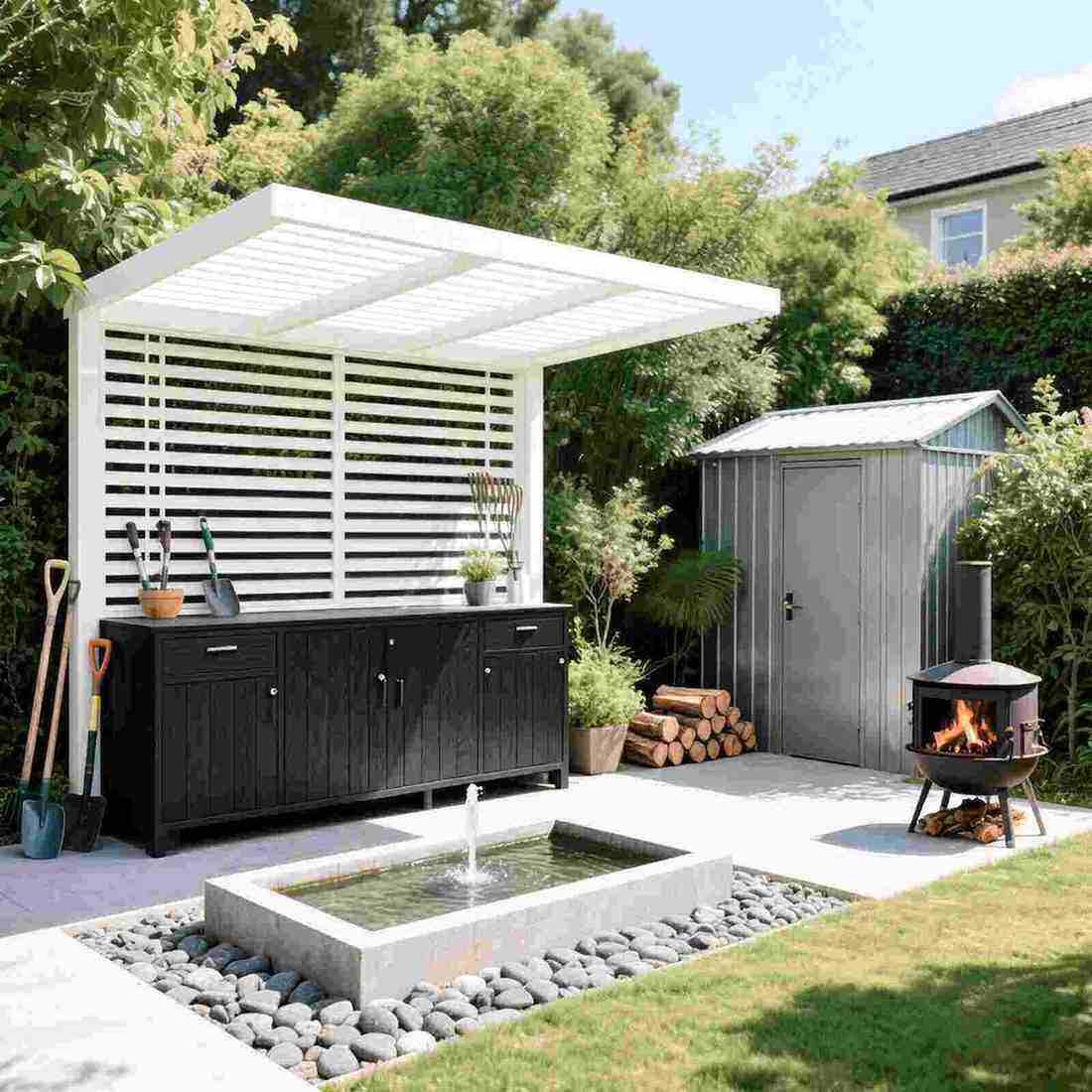
Engineered wood, also known as glued laminated timber:
Glued Laminated Timber (GLA) is one of the three main types of engineered wood products, along with timber I-beams and laminated veneer lumber. It is sometimes called finger-jointed board and can be coated with wood wax oil to prevent warping.
Laminated timber manufacturing process
Engineered wood is produced from small-diameter timber. The process involves cutting logs into boards, drying the boards, making them into strips, cutting and selecting the materials, finger-jointing, splicing, and subsequent processing to create timber with a certain width, thickness, and length.
(1) Round log processing into boards stage: Round logs are cut into boards by running band saws, main small band saws, etc.
(2) Board drying: The main process is to dry out the moisture and oil (mainly pine oil in pine wood) in the wood through fumigation. Because small-diameter wood is prone to cracking and deformation, the thickness will naturally decrease and cracking will occur after drying and dehydration.
(3) Board processing: After the board is dried, it is planed on both sides by double-sided planer or flat planer or pressure planer. Then, the planed board is cut into strips by multi-blade saw.
(4) Material selection and cutting: The cut wood strips are screened to select those without missing wood, blue discoloration, oil lines, cracks, or knots, and then cut into lengths of 200-700 mm or less.
(5) Finger joint: The prepared wooden strips are joined together with adhesive after being serrated.
(6) Planing all four sides: Planing the joined wood strips into neat square strips using a four-sided planer.
(7) Panel assembly: Press the standard square strips into the required panels using a press.
(8) Planing and sanding: Planing and sanding the pressed board to the required thickness.
(9) Repair, tidy up, and package.
Specific applications of engineered wood
Engineered wood does not alter the structure and characteristics of timber; it remains a natural substrate like wood. However, in terms of physical and mechanical properties, it surpasses solid wood in tensile and compressive strength, as well as in the uniformity of material quality. Therefore, engineered wood can replace solid wood in various relevant applications.
Developed with the surge in demand for long structural components in the construction industry, timber beams are mainly used in buildings such as stadiums, concert halls, factories, and warehouses. Among them, the three-hinged arch beam is the most widely used, which was not possible in previous timber structures.
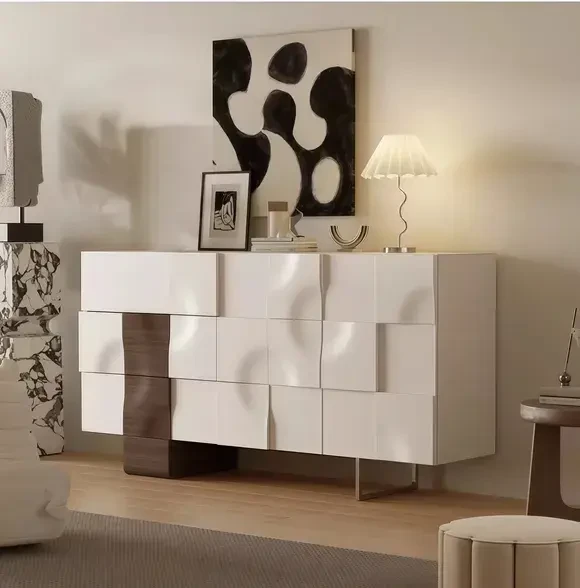
In the furniture industry, engineered wood is used in the form of engineered panels, engineered square timber, and engineered curved timber.
Integrated panels are used for large-format components such as tabletops, cabinet side panels, top and bottom panels, as well as non-exposed components such as cabinet partitions, bottom panels and drawer bottoms, and small-format components such as drawer fronts, side panels, bottom panels and cabinet doors.
Integrated square timber is used for square or rotary-turned circular cross-section components such as table and chair supports and cabinet legs.
Integrated bending materials are used in curved components such as chair frames, armrests, backrests, sofas, and coffee tables.
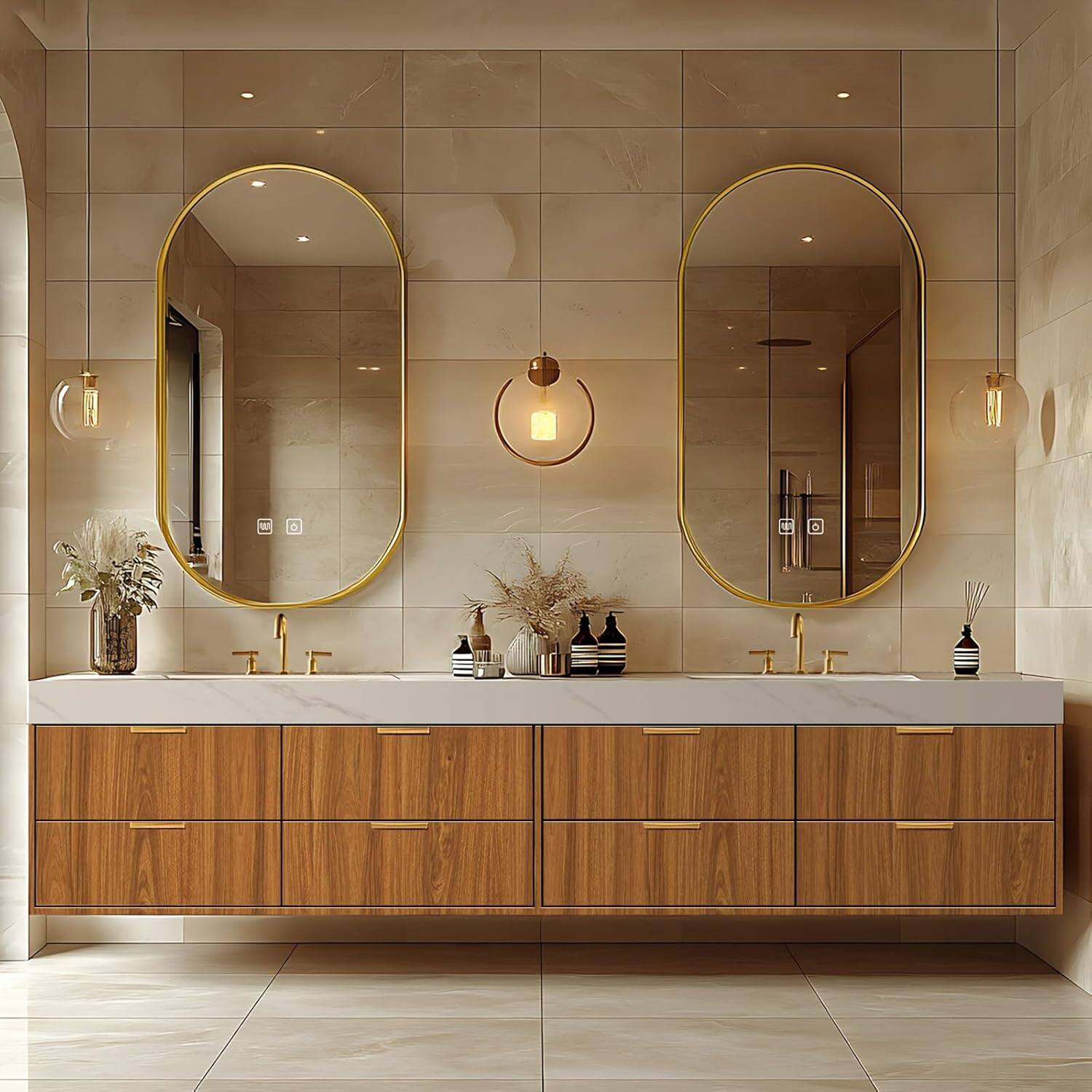
In interior decoration, engineered wood is used as interior decoration material in the form of engineered panels and engineered square timber.
Integrated panels are used for materials such as stair side panels, treads, flooring, and wall cladding.
Integrated timber is used for beams, columns, decorative columns, stair railings, and decorative strips in interior doors, windows, cabinets, etc.
FAW (Fully Engineered Wood) Troubleshooting
Are engineered wood, finger-jointed boards, and straight-jointed boards solid wood products?
Many people have asked this question. They are essentially the same material, just with an inaccurate name. According to national standards, finger-jointed boards are considered pure solid wood, but the splicing method differs from traditional finger-jointed boards. Finger-jointed boards are made by joining small pieces of wood together using large machines and glue, resulting in no pollution or toxic substances. Disadvantages: The pattern of finger-jointed boards is somewhat unsightly, and their mechanical properties are not as good as straight-jointed boards. However, they may be less prone to warping. No further processing is needed before starting to manufacture panel furniture, so less labor is required, resulting in lower costs. A distinctive feature of finger-jointed boards is the vertical splicing of small pieces of solid wood, creating a WWW-shaped joint.
What are the differences between engineered wood and finger-jointed boards?
The relationship between finger-jointed boards and engineered wood is one of inclusion; finger-jointed boards are a type of engineered wood. However, most engineered wood products in daily life are finger-jointed board products, so both finger-jointed boards and engineered wood refer to the same product.
Which type of furniture is best made of engineered wood? Is engineered wood furniture the same as solid wood furniture?
Engineered wood is suitable for making furniture with many panels, such as wardrobes and storage beds. It is also an important auxiliary material for mortise and tenon furniture. Taking dining tables as an example, the legs are usually made of solid wood, while the tabletop is made of engineered wood, which combines the two materials well. In mortise and tenon frame structures such as wardrobes, the side panels inlaid within the solid wood frame are often made of engineered wood, resulting in cost-effective solid wood furniture. Cabinet doors and tabletops can also be made of pure solid wood panels, which will result in a better paint finish, but the cost will be higher. Furniture made entirely of engineered wood is still considered pure solid wood furniture.
Are engineered wood products environmentally friendly?
The issue of engineered wood has already been discussed. It is a type of solid wood, but it is a typical industrially produced solid wood board. It is generally glued together with splicing adhesive. During the production process, there are volatile gases, but after stabilization, it is an ideal board material with almost no pollution.
It can be said with certainty that engineered wood is an environmentally friendly material. Some merchants advertise it as formaldehyde-free engineered wood, but in fact, most engineered wood is formaldehyde-free, so there is no need to make special claims.
What are the quality standards for engineered wood?
Specifications for Radiata Pine Laminated Timber
(1) The supplied boards shall conform to New Zealand Standard 3631:1988.
(2) The unit of measurement for the boards supplied in accordance with New Zealand Standard 3631:1988 is cubic meters in volume and millimeters in size.
(3) According to clause 2.3.4.5 of New Zealand Standard 3631:1988, drying defects such as hook bends, S-shaped bends, concave bends, and end cracks may be restricted or permitted.
(4) Drying refers to drying the wood at 70-95 degrees Celsius so that the moisture content of the boards is between 8-12% when they are shipped.
(5) The following timber defects are not allowed or are restricted from occurring:
★Blue staining (a certain amount of mold on the surface, but not enough to cause blue staining, is acceptable);
★Dry spots (if no obvious spots are found after 2mm of surface is removed, it is acceptable);
★ Gaps are not allowed (unless mentioned in RW by WWPA);
★End cracks or fissures, minimum (not exceeding 50mm);
★Excessive surface cracks and internal cracks;
★ Excessive resin content makes wood finishing difficult;
★In each package, the proportion of boards with insufficient dimensions shall not exceed 5% by volume. The definition of insufficient dimensions is: the measurement value at the center 1/3 of the board is less than 5% of the board value specified on the invoice. Such boards are considered insufficient in size.
Please note: The grade of cut lumber is only based on the proportion of clean wood between defects, and there is no limit to the size of the defects.
(6) Target standards for the grade of coreless cutting materials: Grade 1 cutting materials 5-10%, Grade 2 cutting materials 20-30%, Grade 3 cutting materials 55-65%.
Engineered wood is made entirely of small, solid wood blocks, processed through processes such as toothing and gluing. Before gluing, knots, rot, and other wood defects are removed from the engineered wood, effectively reducing the defect rate of the finished product. Furthermore, it undergoes thorough drying, ensuring that even large-section, long-length timbers maintain a uniform moisture content throughout, resulting in less cracking and deformation compared to solid wood, thus guaranteeing stable and superior product quality.