
 USD
USD GBP
GBP
 EUR
EUR



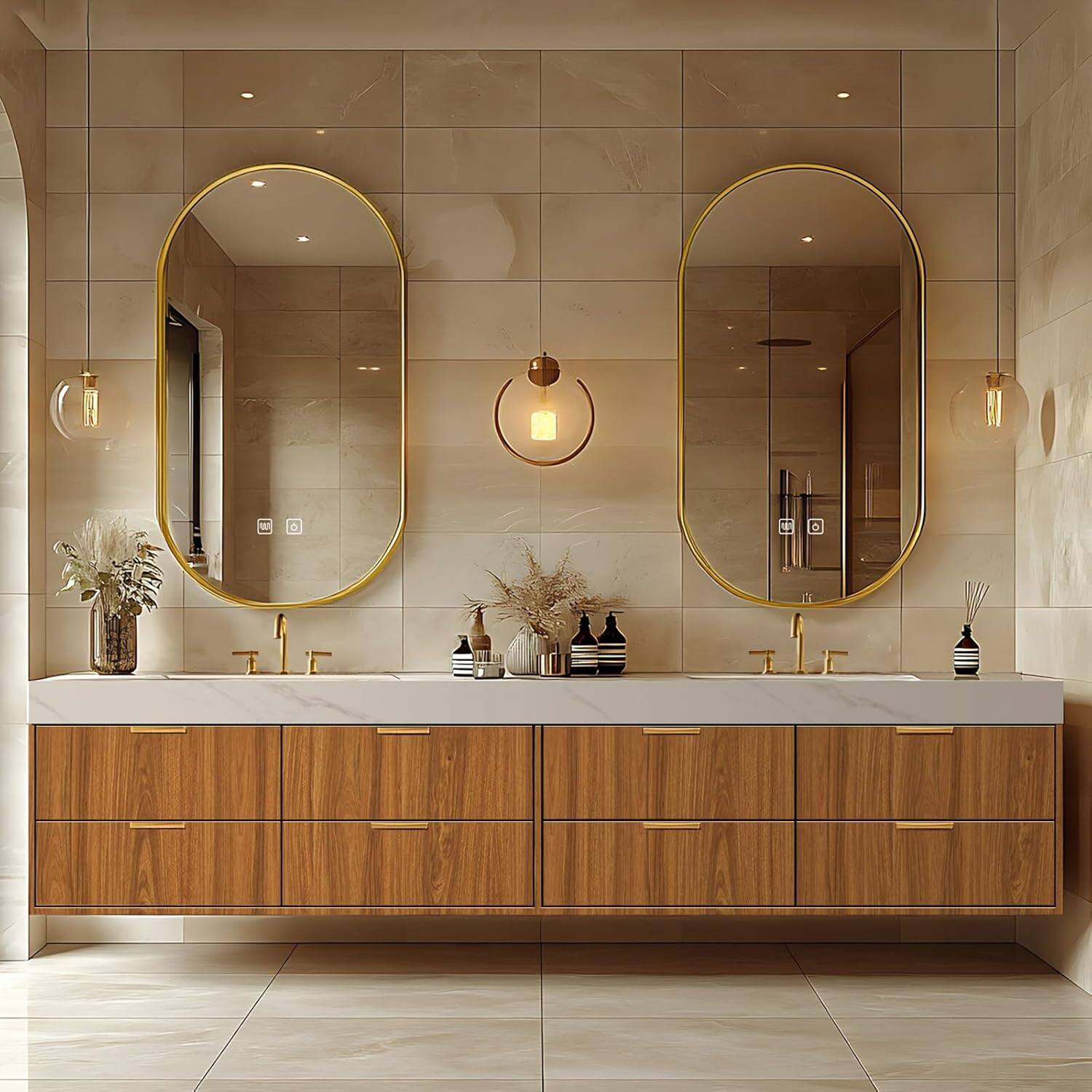





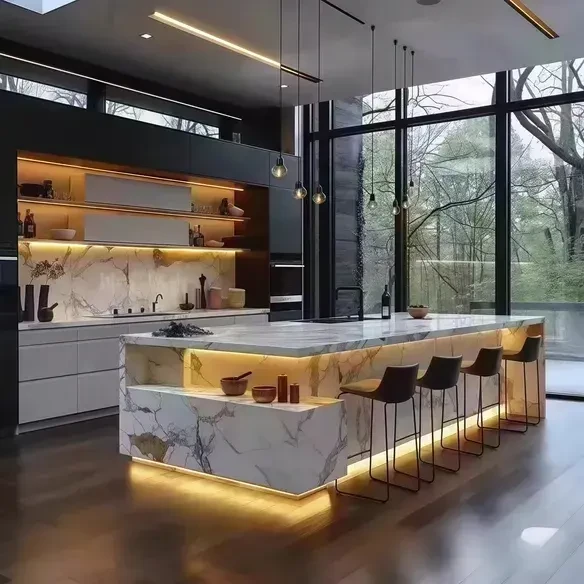
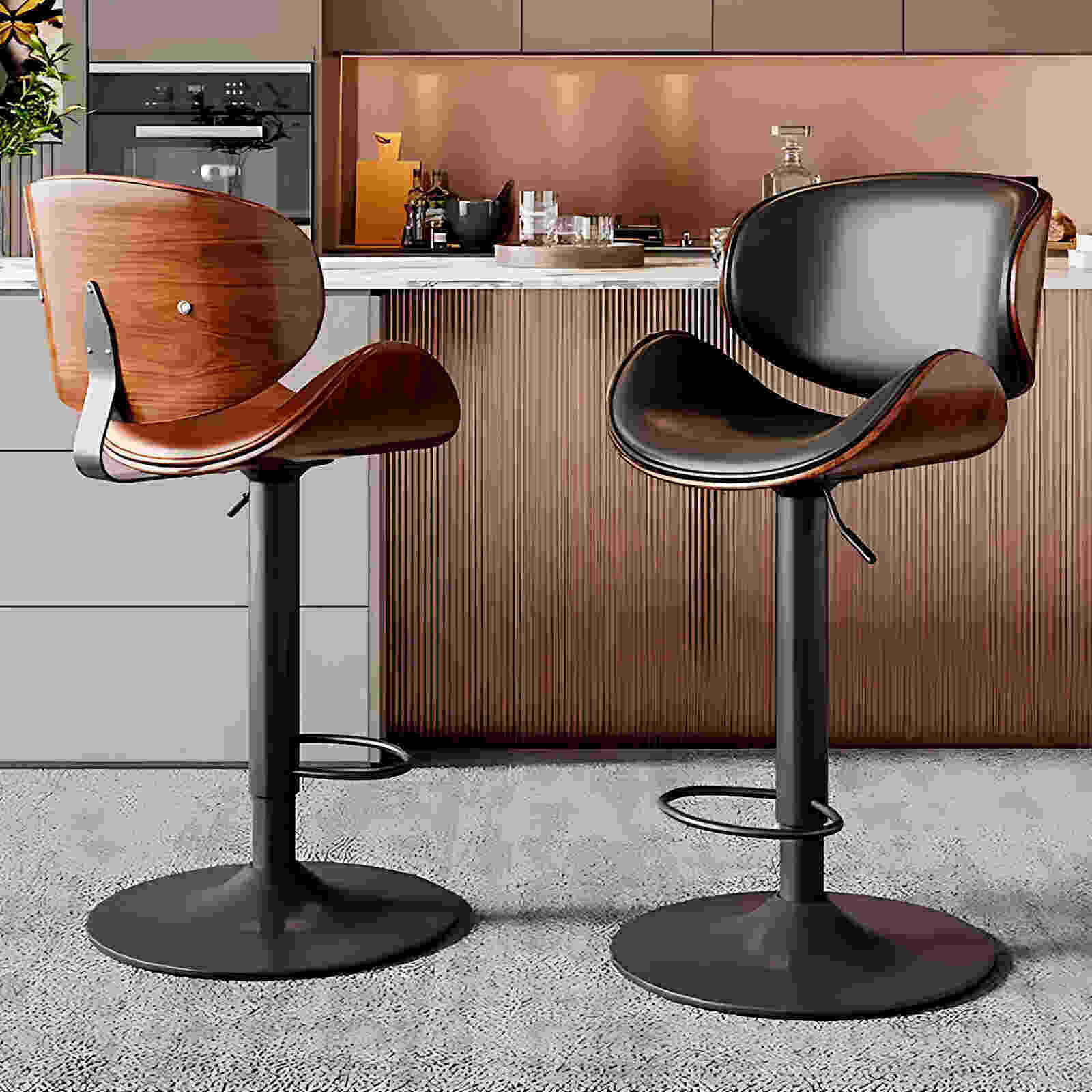



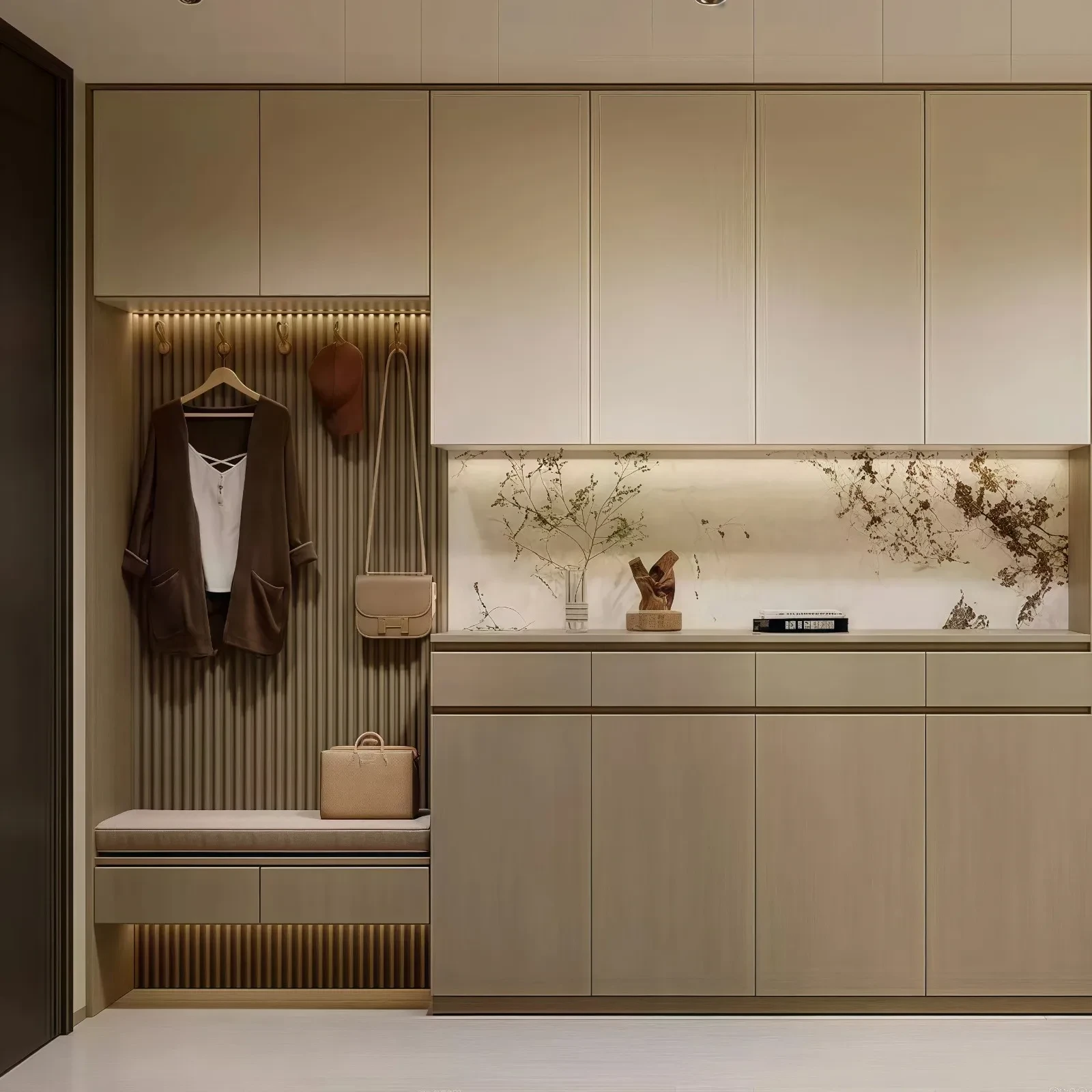








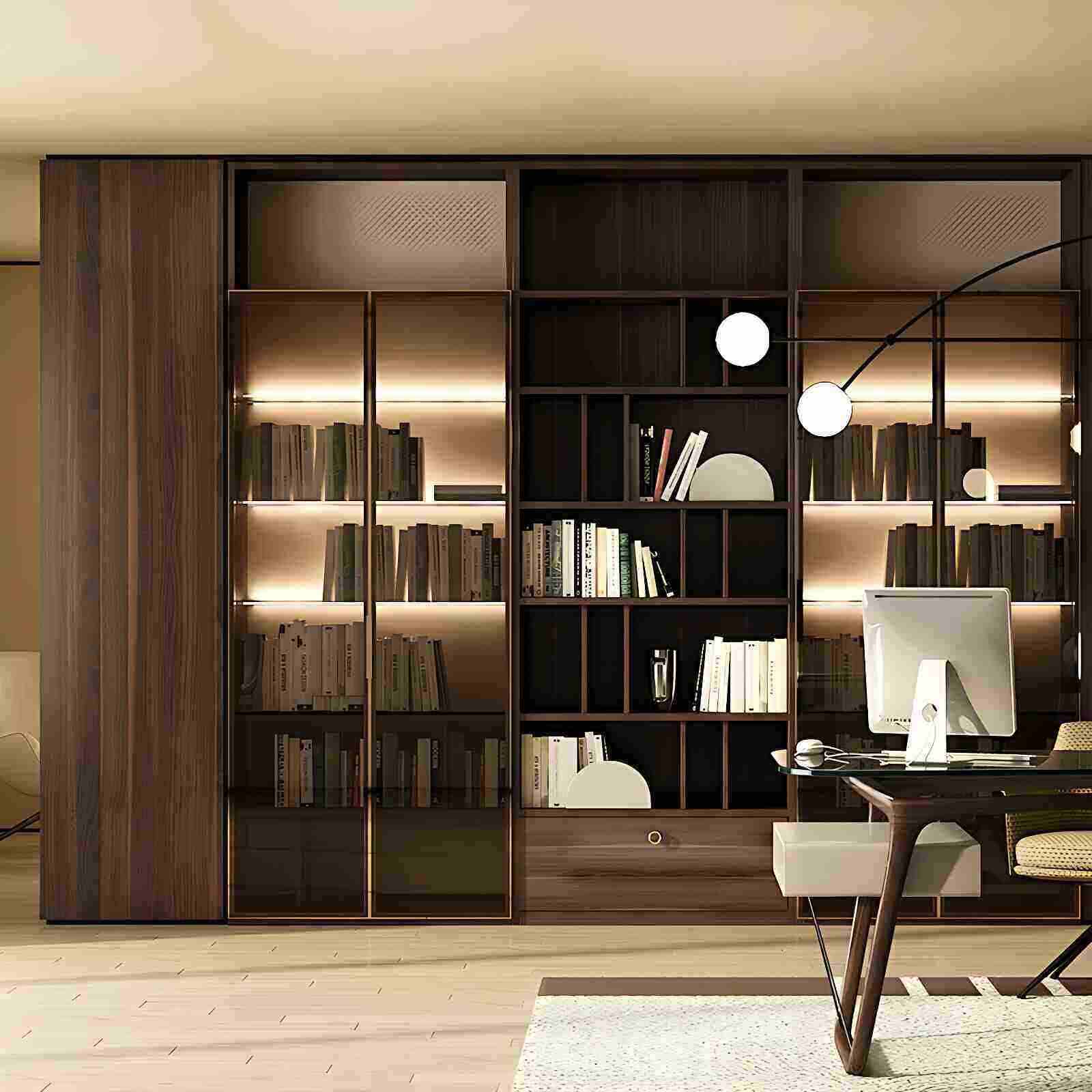



The furniture industry has never lacked high-end woods, and black walnut from North America is one of them. Black walnut has consistently maintained a high level of popularity in the market and is frequently seen in solid wood furniture.
Black walnut wood furniture
Why does black walnut command such a high price? Why has it become a well-known type of high-end wood? This is inextricably linked to its superior properties. Known as the "King of American Hardwoods," black walnut furniture made from it is resistant to decay, not prone to cracking, and has a smooth, fine texture.
Furthermore, black walnut is now an endangered species, and its price has been rising year by year, reaching tens of thousands per cubic meter of raw material. Given the high price of raw materials, it's understandable that the processed furniture is also expensive.
The high price of black walnuts has created a business opportunity for unscrupulous individuals. In the market, it's common to see other types of wood being passed off as black walnuts. What are some common types of "fake black walnuts"? How can you distinguish between real and fake? What characteristics can't be imitated by counterfeits? Don't worry, this article will explain everything.
Case Study: Real vs. Fake Black Walnuts
Real and fake black walnut wood
Even among industry professionals, not many can guess the correct answer directly. The correct answer is: the left side is fake wood (ash wood) imitating black walnut, while the right side is black walnut wood with natural wood wax oil applied.
Ash wood (imitation black walnut)
True Black Walnut
In other words, you can distinguish real from fake black walnuts by looking at the grain. So, how exactly do you tell the difference? Are there any other ways to differentiate them?
Generally speaking, there are several ways to distinguish between genuine and fake products.
1. Examine the texture
Generally speaking, black walnut has a finer grain, while ash wood has a wilder, more rugged grain. So, what exactly are the grain patterns of black walnut? Don't worry, we've compiled six main grain patterns of black walnut for your reference. Some counterfeit black walnut wood simply won't have these six grain patterns.
The "Six Major Textures" of Black Walnuts
The allure of black walnuts largely stems from their patterns and textures; the six patterns mentioned above are common examples. Identifying them by their patterns is also the most intuitive method of identification.
Furthermore, the presence of raw material makes it even easier to distinguish. The heartwood ranges from light brown to chocolate, with vibrant colors and distinct layers; while the sapwood is milky white, creating a strong contrast and a highly dynamic effect.
Black walnut raw material
2. Inspect the paint
Before using paint to distinguish genuine from fake black walnuts, let's first make a basic classification of paint. Here, we divide paint into open-pore paint and closed-pore paint.
Open-pore finishes, also known as open-pore finishes, aim to showcase the original visual appeal and tactile feel of the substrate as much as possible. They are often used for materials with coarse grains, such as North American black walnut, elm, and red oak. Wood wax oil and water-based paints are both forms of open-pore finishes and are commonly used for black walnut.
Black walnuts with wood wax oil
A closed-aperture finish is the opposite of an open-aperture finish. It can leave the substrate visible or completely cover it. When you touch it, you only feel the texture of the paint, not the wood.
Sealing paint
The texture and six main grain patterns of North American black walnut determine that a sealing varnish is unsuitable for it. Applying a sealing varnish to black walnut is like plating silver on gold-it wastes its original value. Therefore, black walnut treated with a sealing varnish is definitely not genuine black walnut. Identifying black walnut by its varnish is the simplest and most direct method.
Open-pore paint (left) and closed-pore paint (right)
Black walnut paint process
Some readers might ask: Could there be vendors who apply sealing varnish to black walnuts? The answer is no. If such vendors did exist, they would be utterly ridiculous.
The "fake black walnuts" commonly used by merchants
In the above case, ash wood was used to make "black walnut." Indeed, ash wood is a common material used for "fake black walnut." So, are there other varieties of fake black walnut commonly found on the market?
Ash wood
Generally speaking, ash and catalpa are also commonly used to imitate black walnut in the market. Ash has clear and beautiful grain and a pleasing luster, which can imitate precious tree species. However, the color and pattern of black walnut are not a uniform chocolate color, but rather presented in a natural form.
Ash
It is worth mentioning that although ash is cheaper than white ash, the two belong to the same family and have similar properties, so it is not surprising that both are used to imitate black walnut.
The grain pattern of catalpa wood is similar to that of black walnut, but black walnut has dense pores along its growth rings, while catalpa wood does not have such a high density of pores. Furthermore, from a wood quality perspective, catalpa wood is slightly softer than black walnut, which is another significant difference between the two.