
 USD
USD GBP
GBP
 EUR
EUR
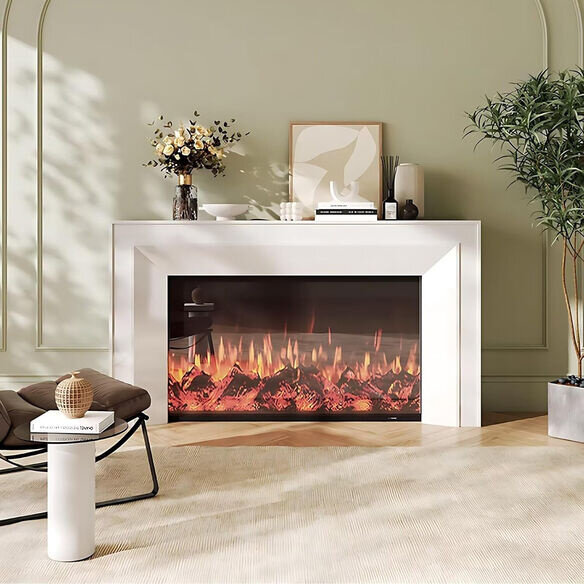
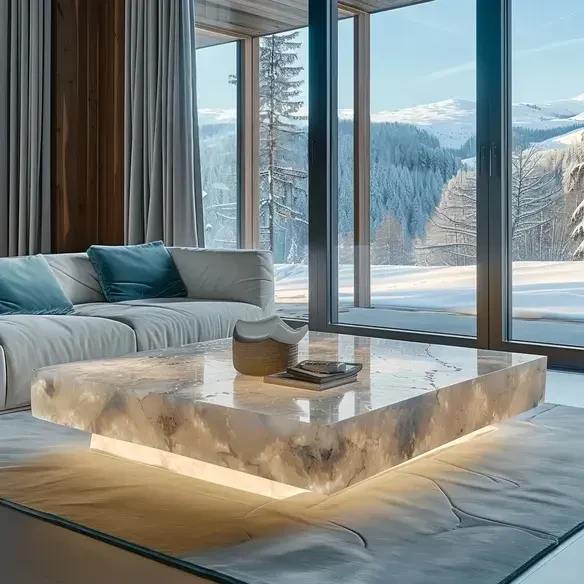
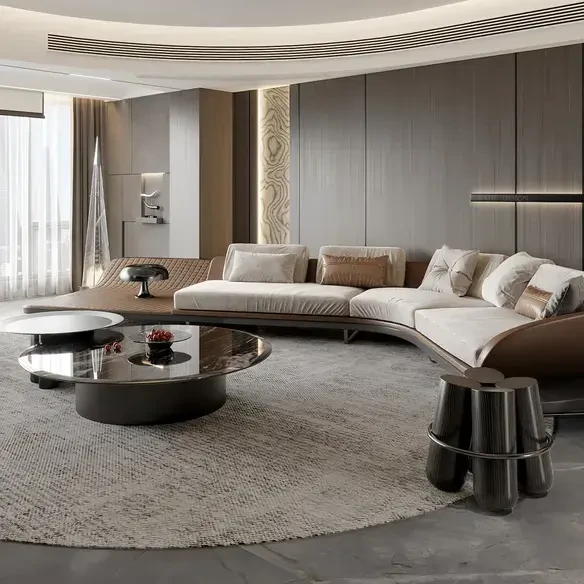
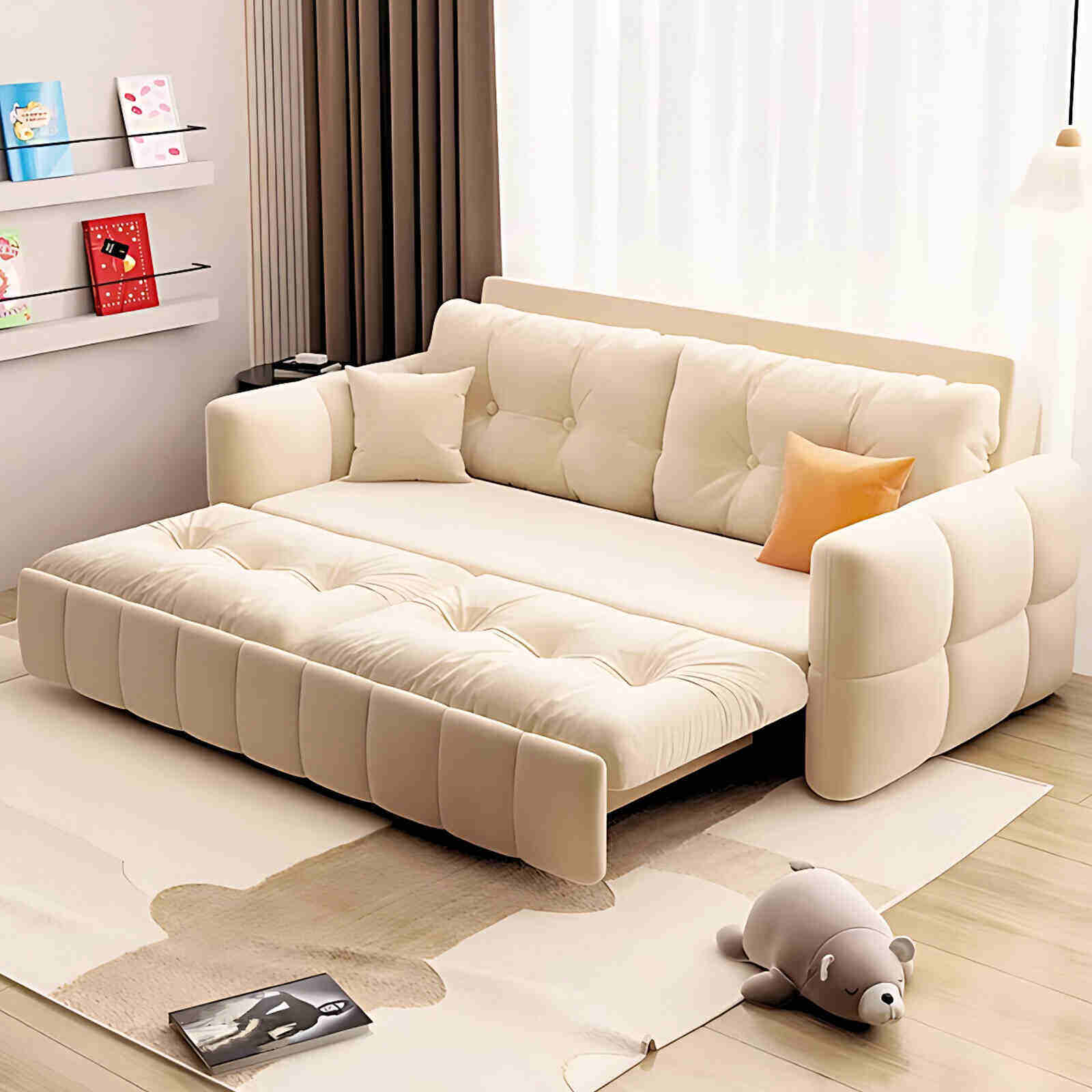
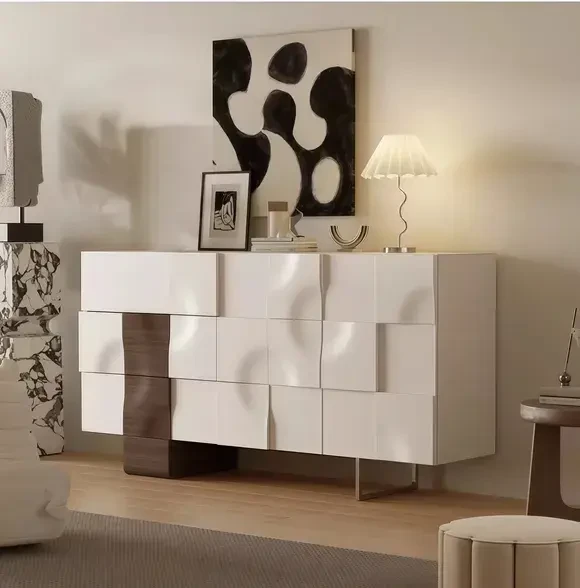
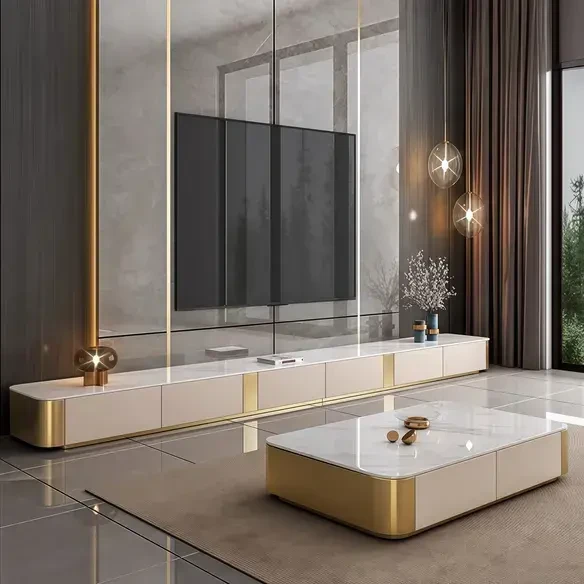
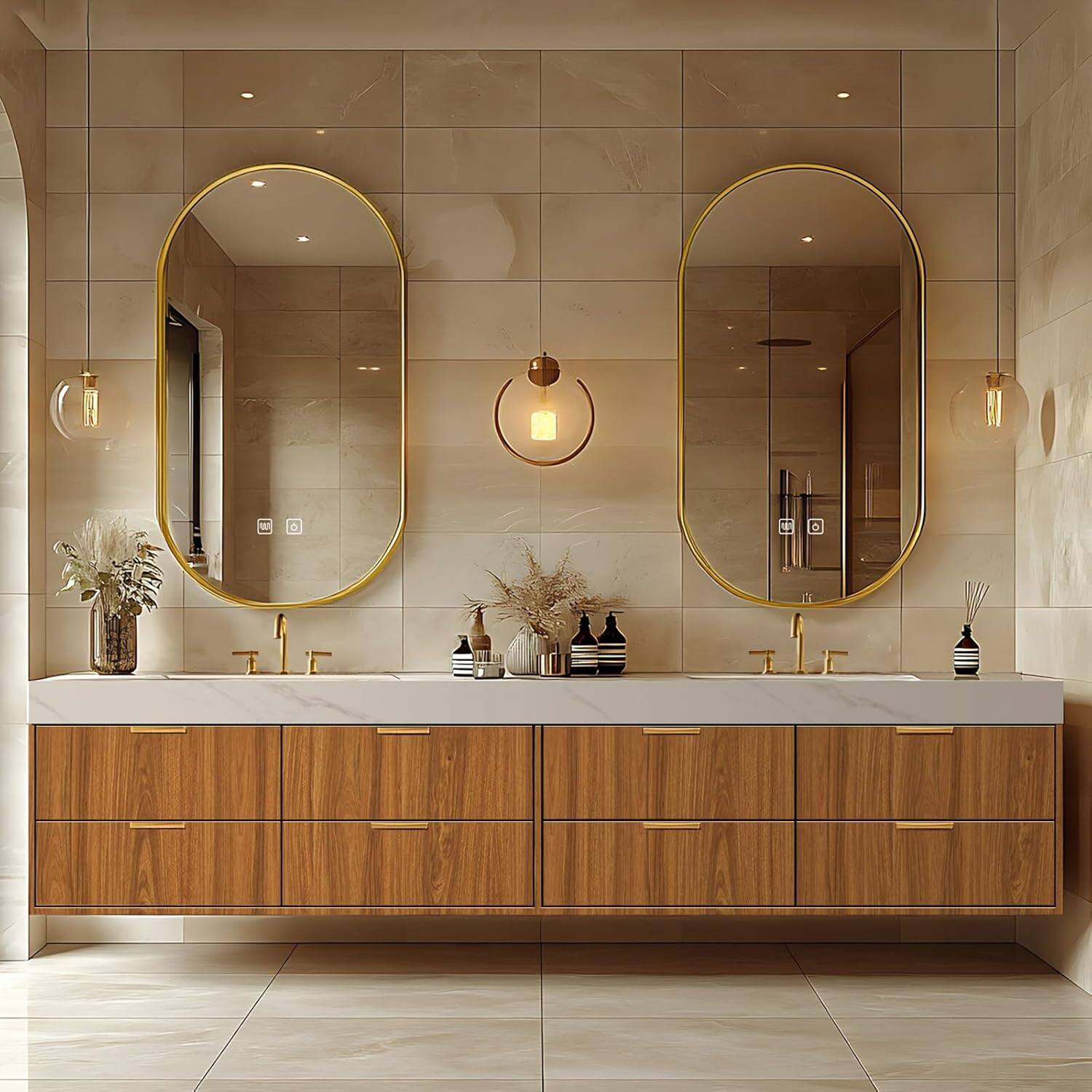
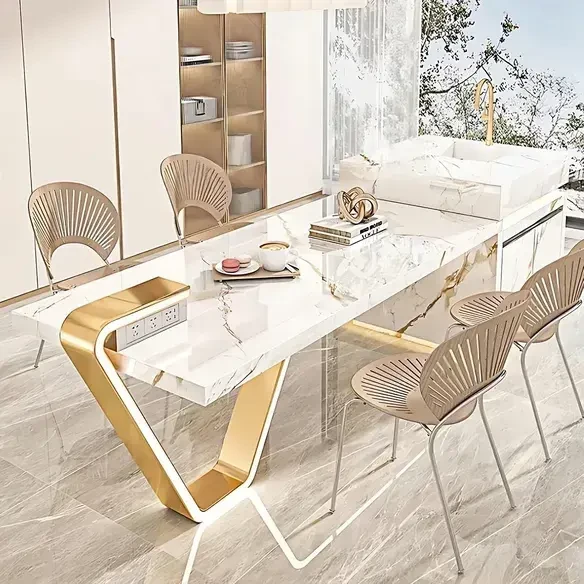
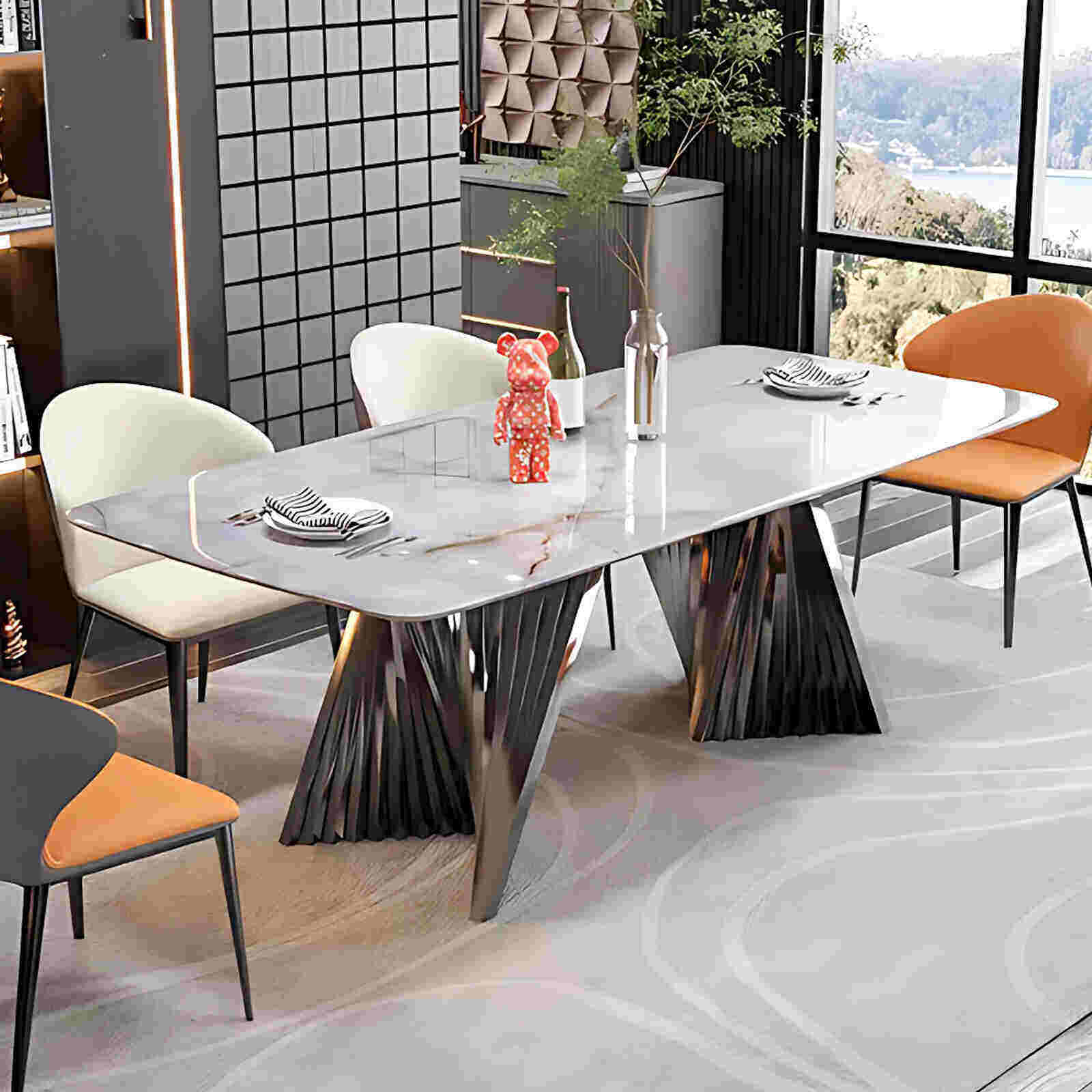
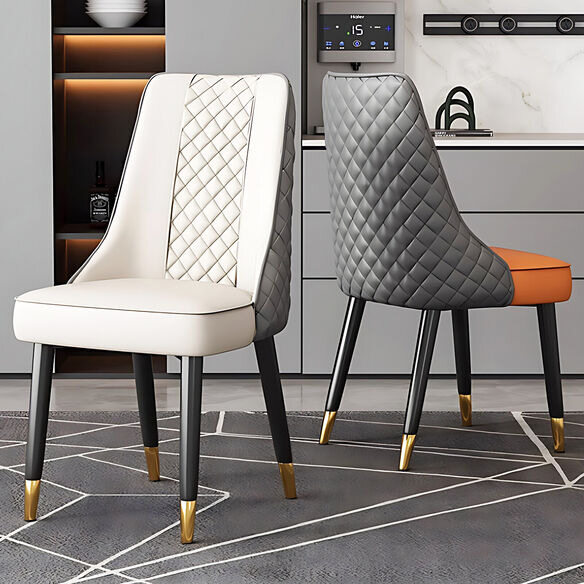
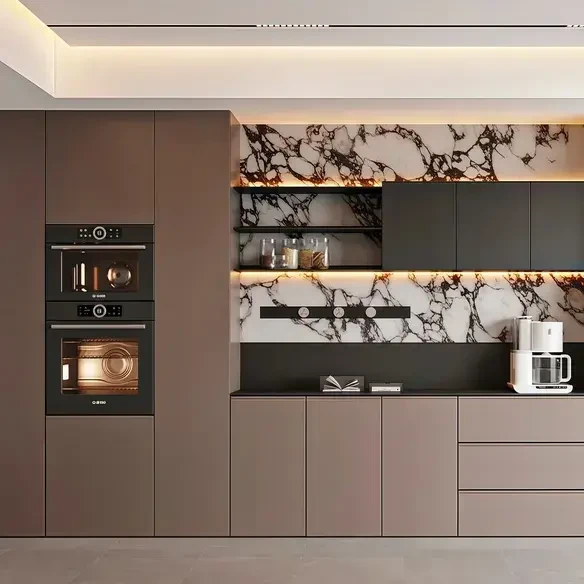
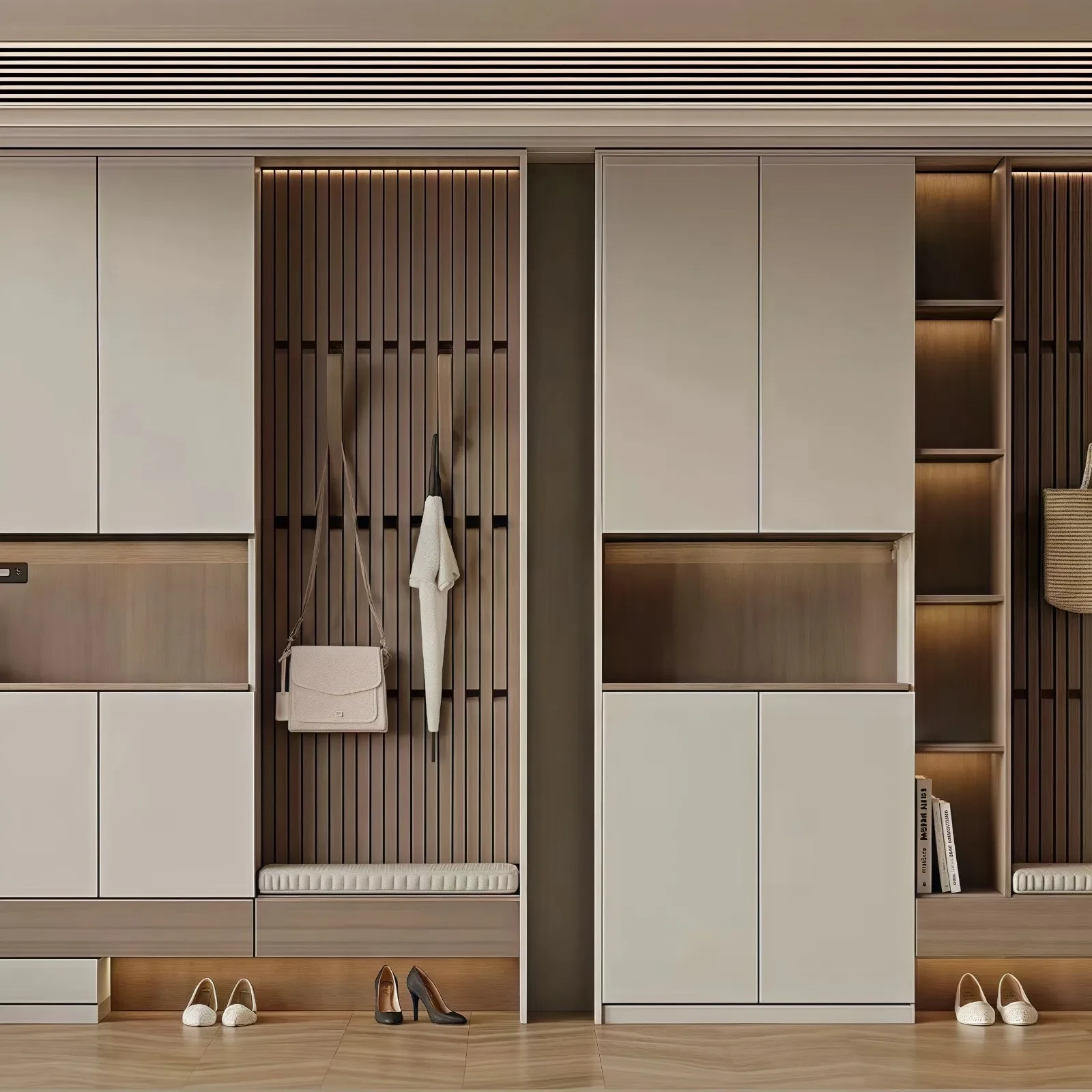
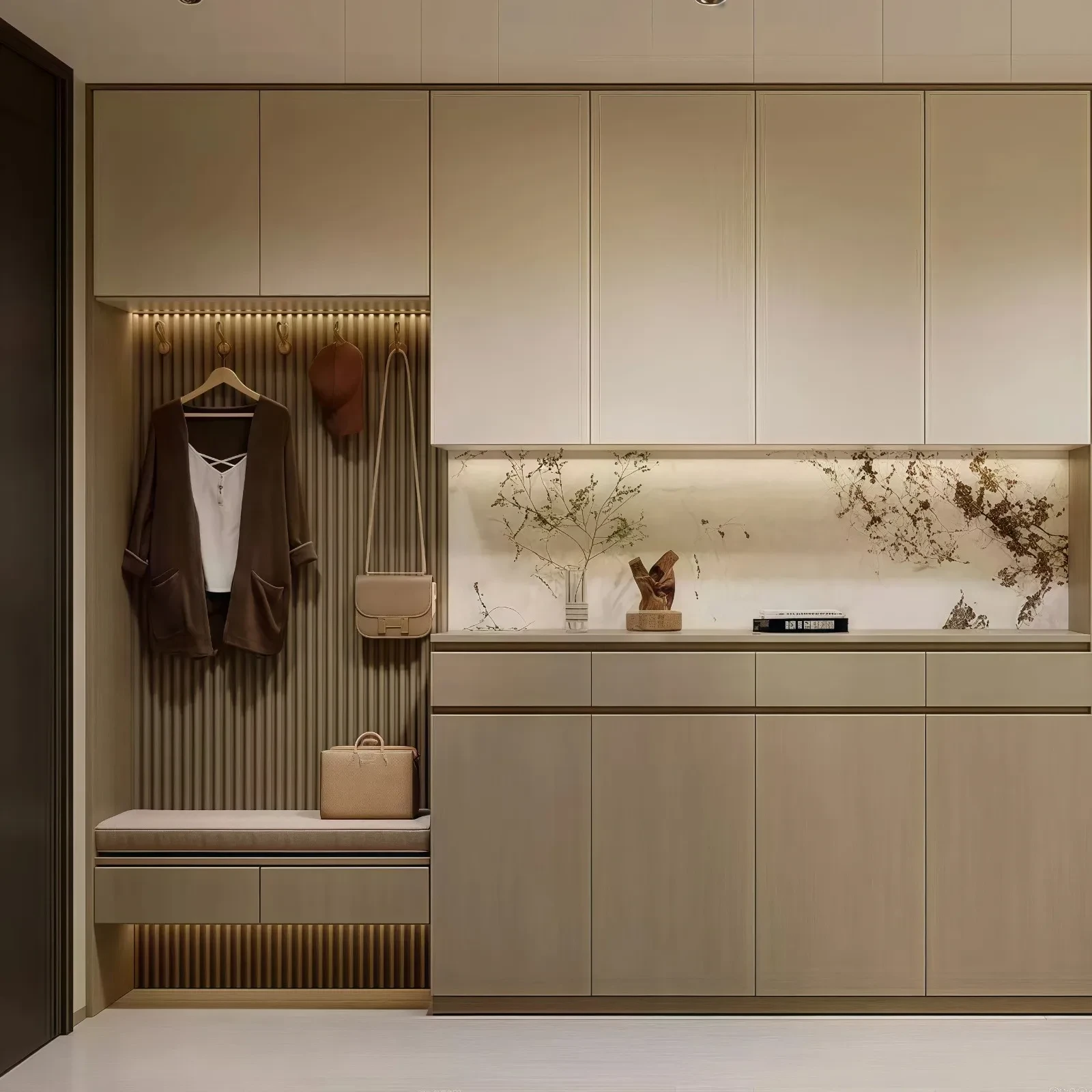
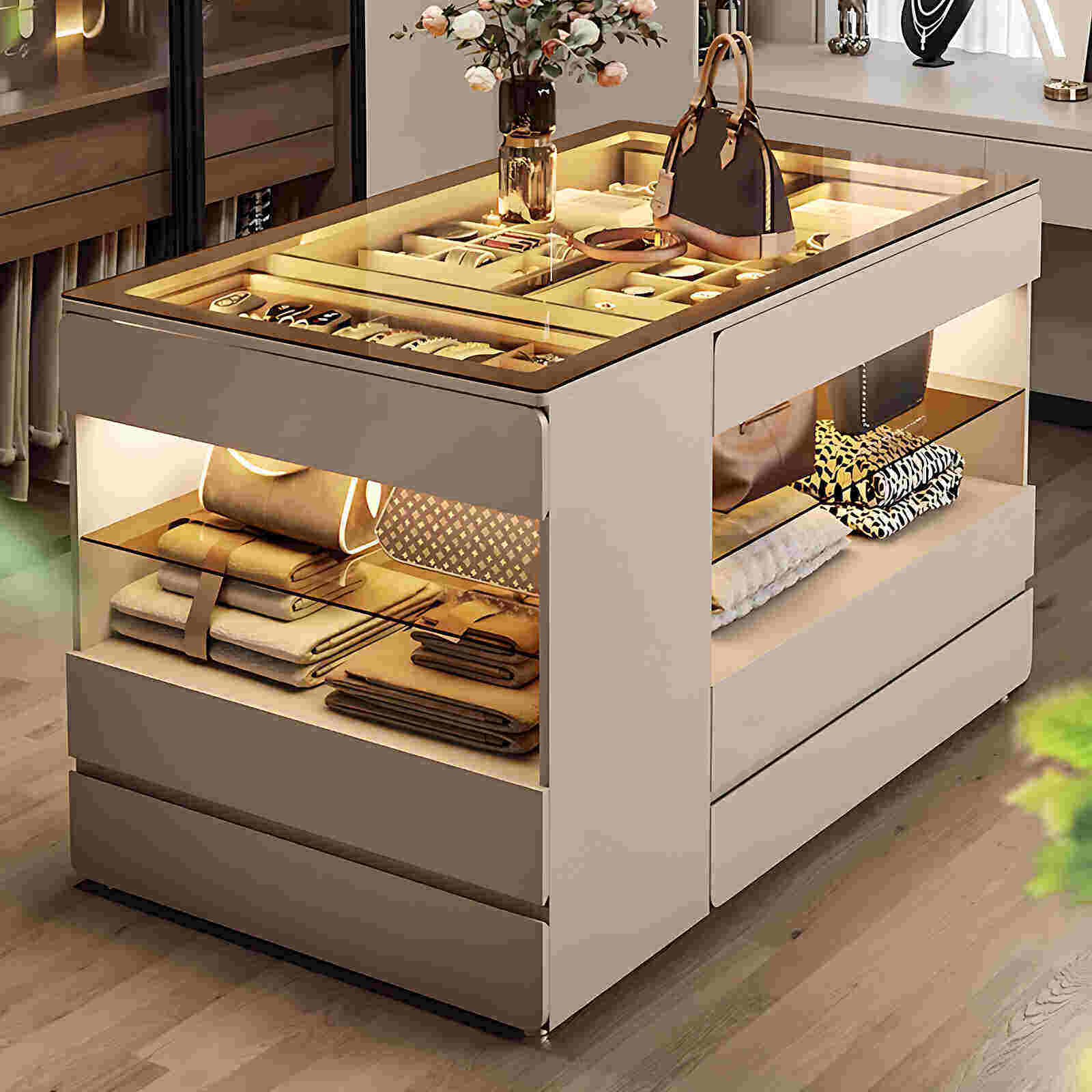
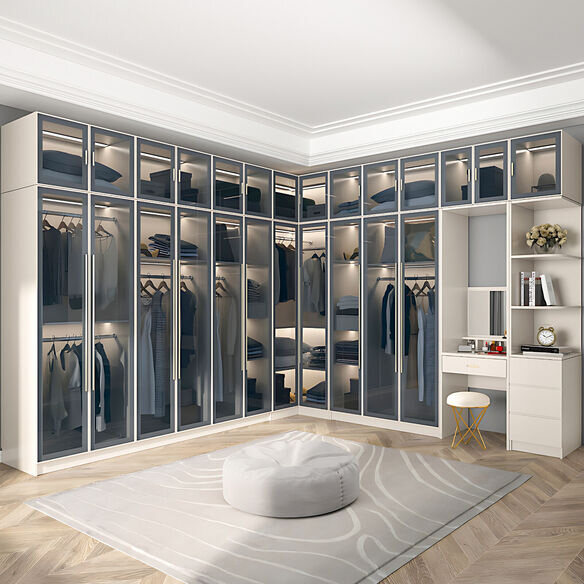
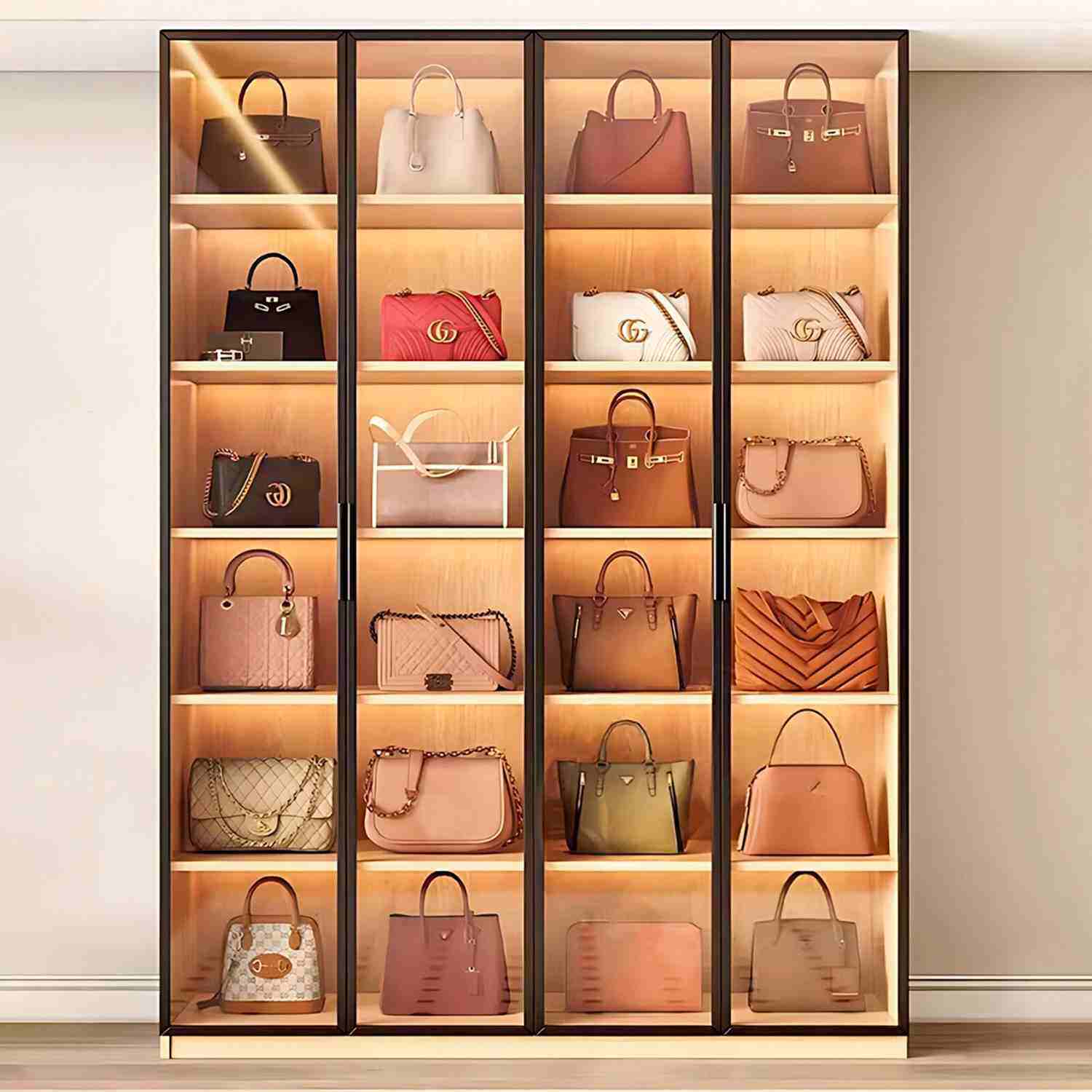
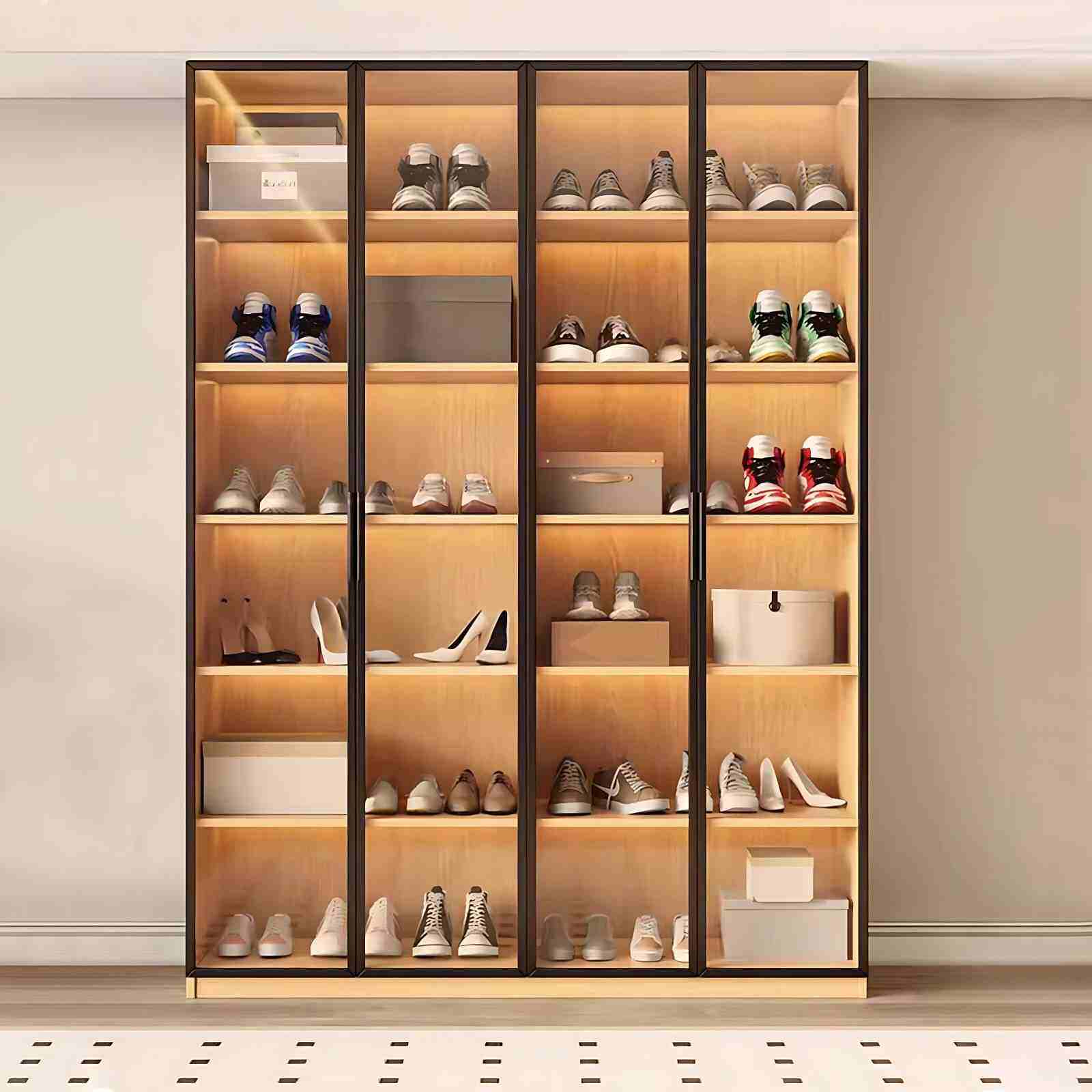
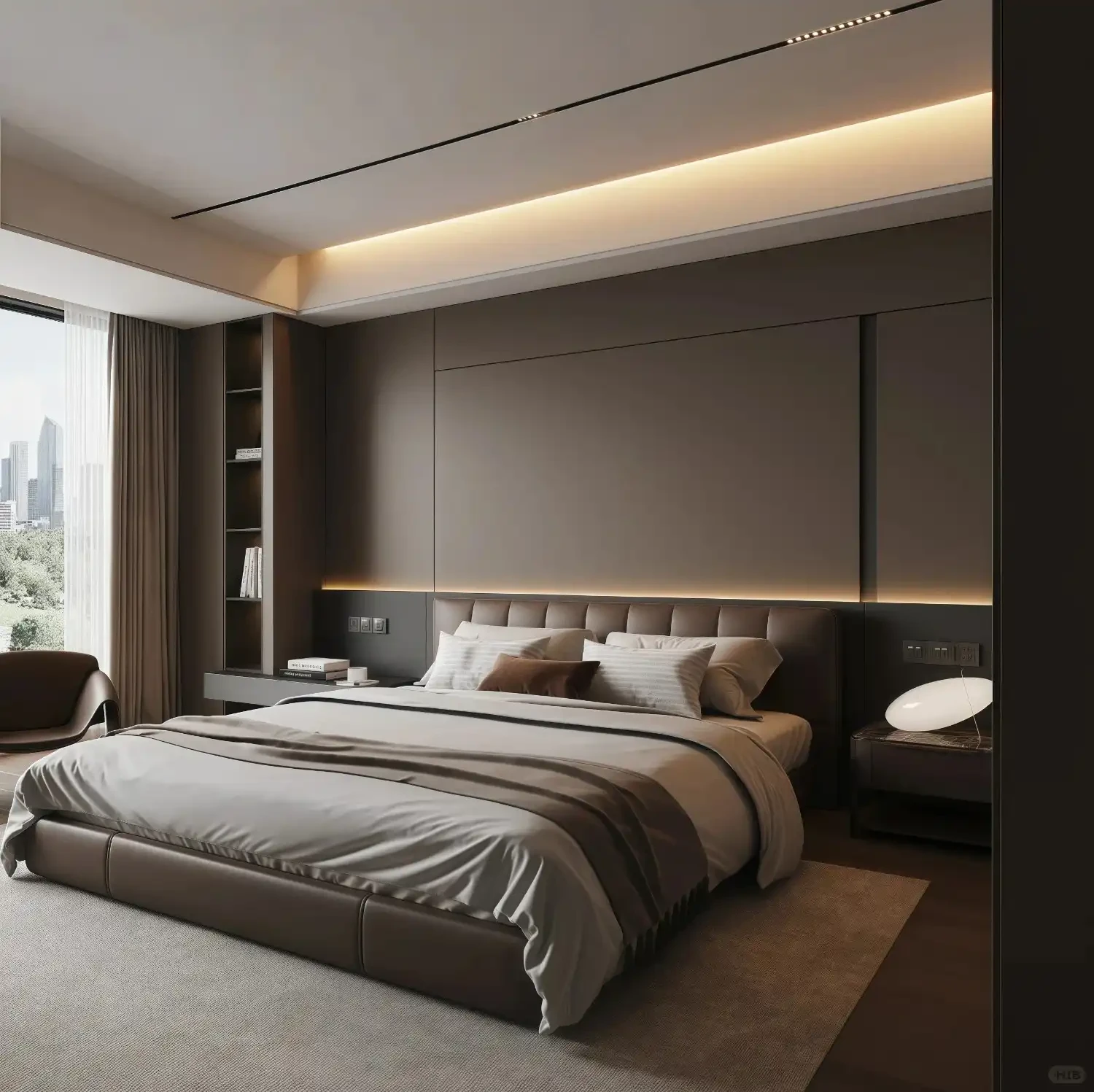
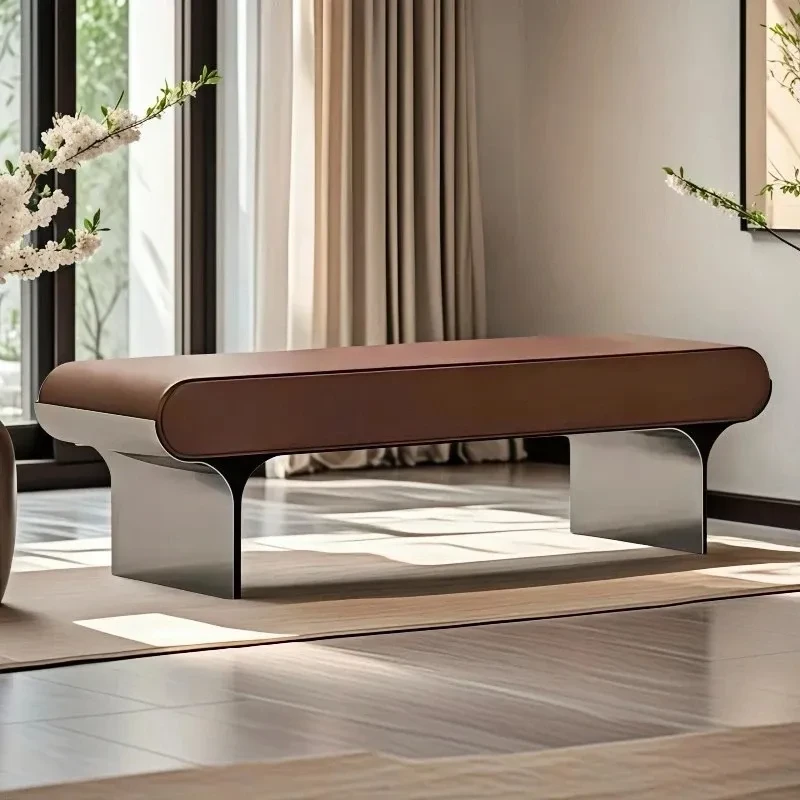
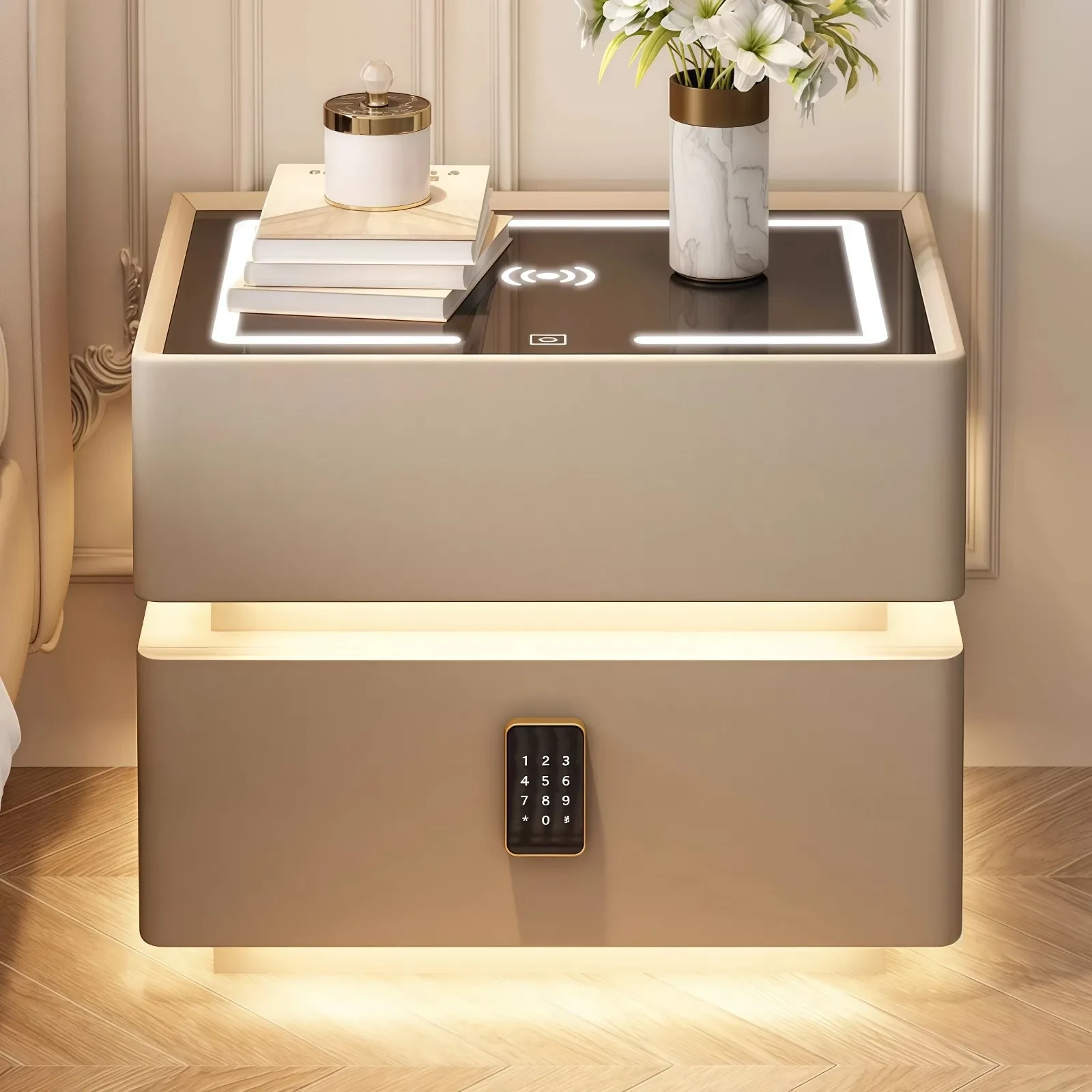
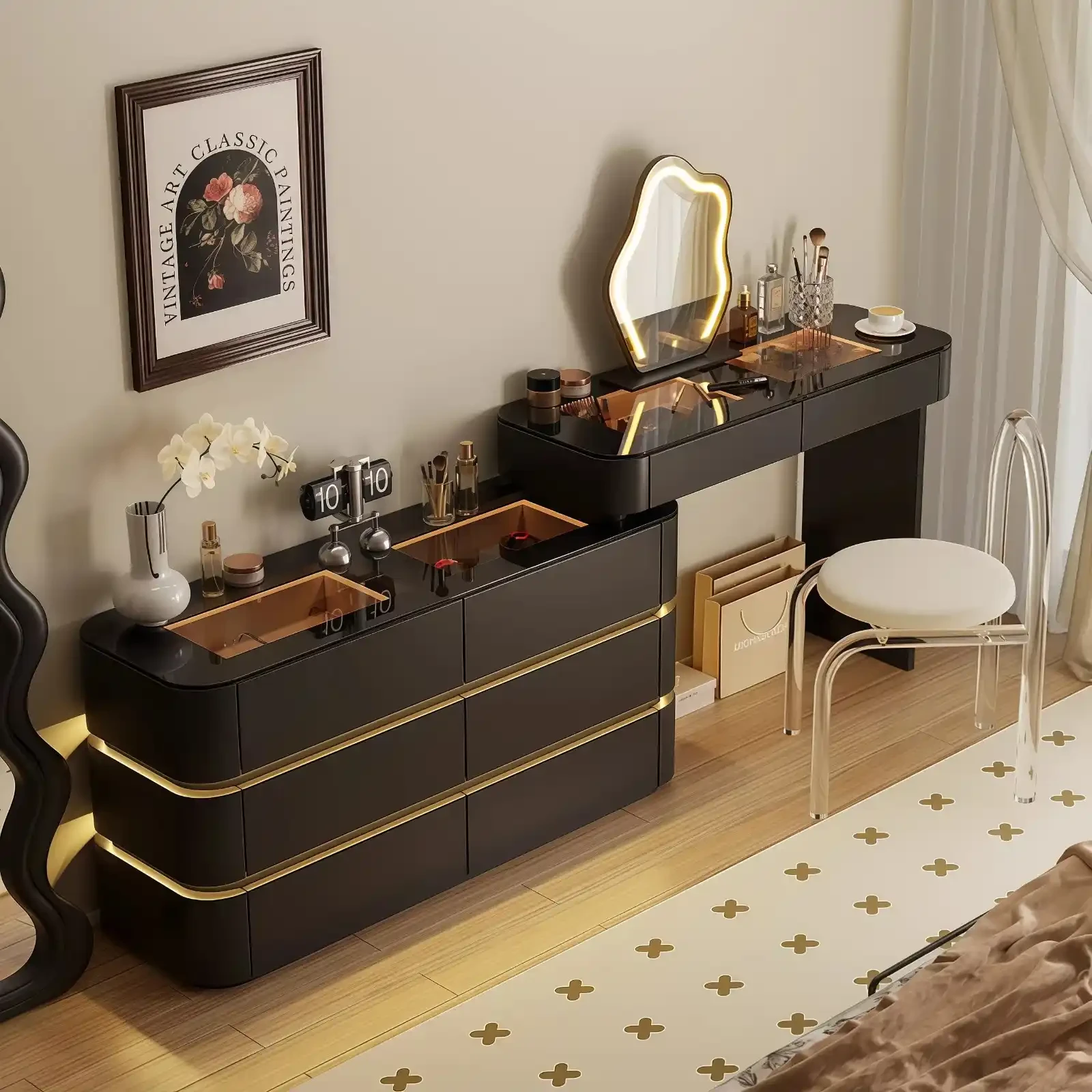
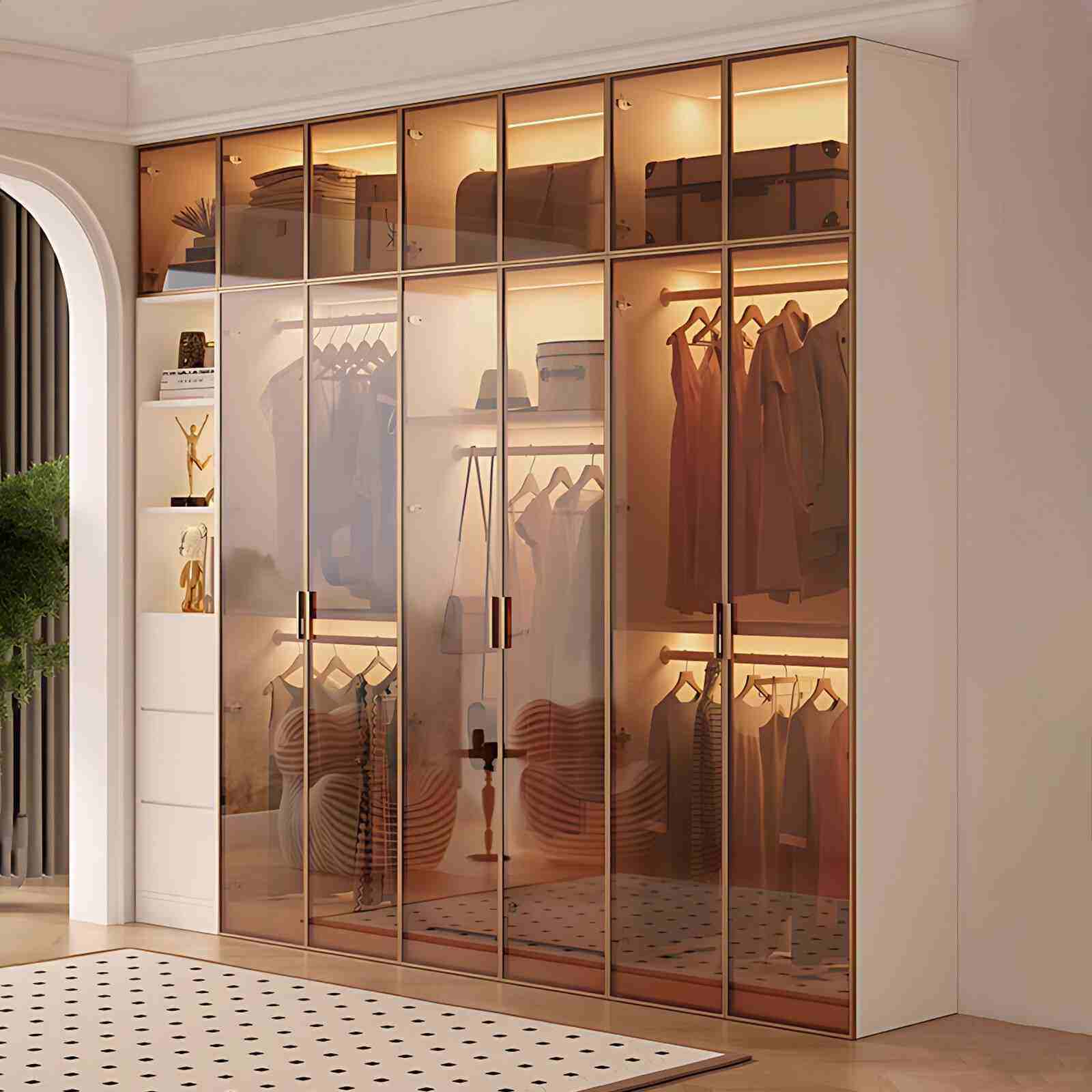
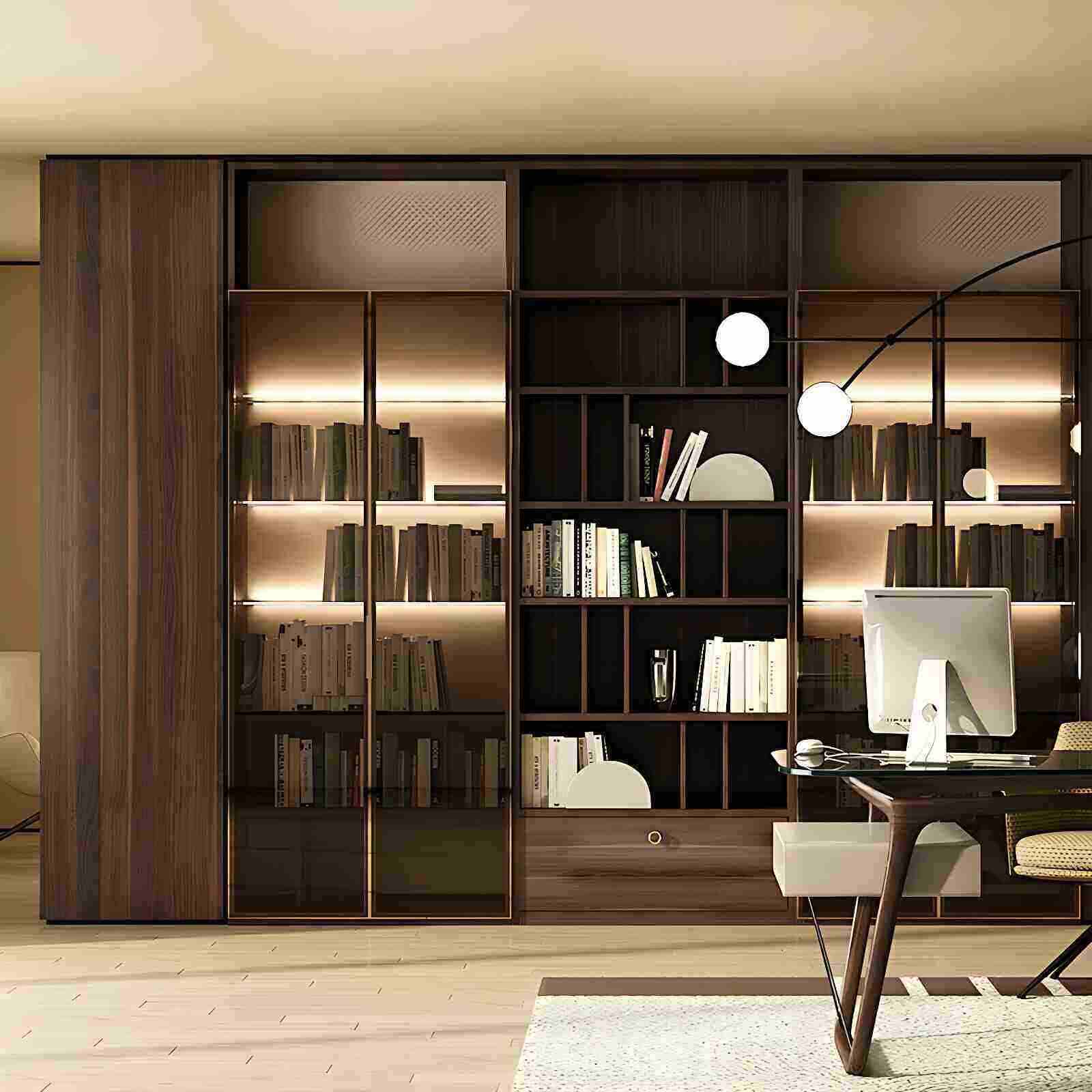
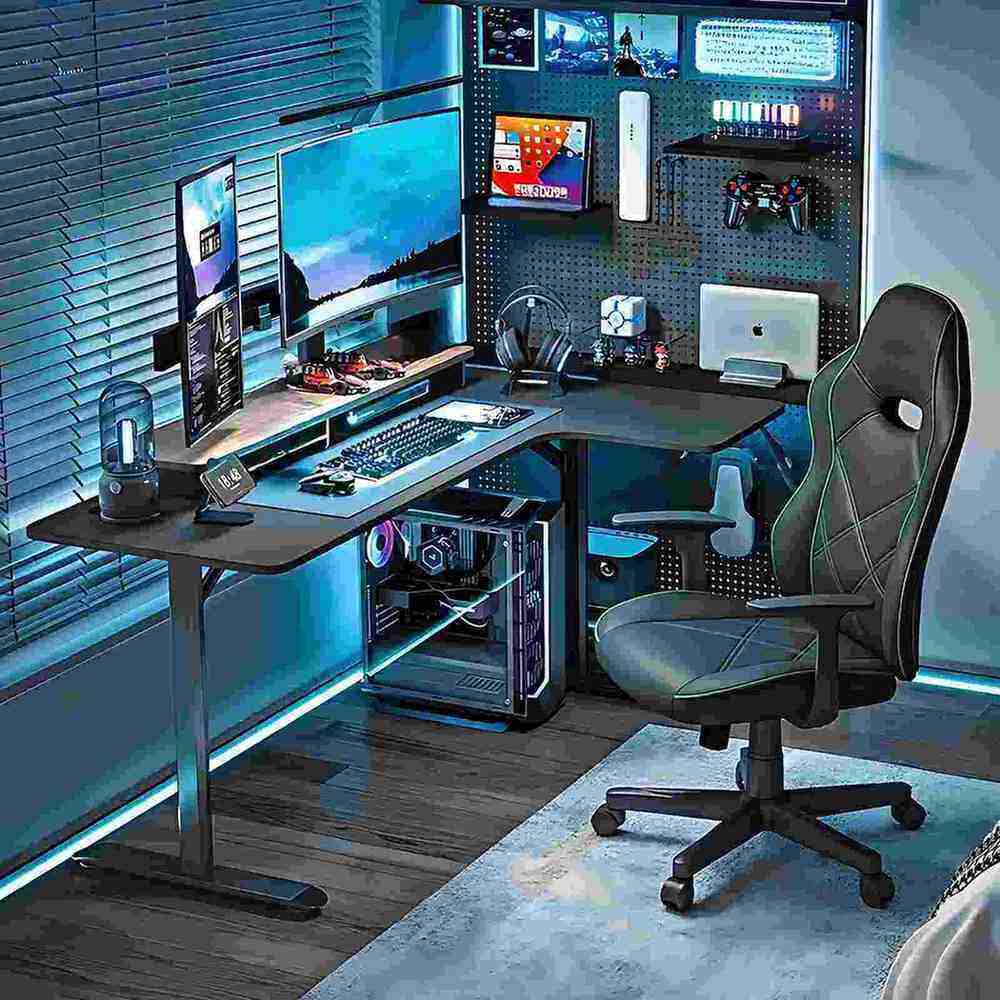
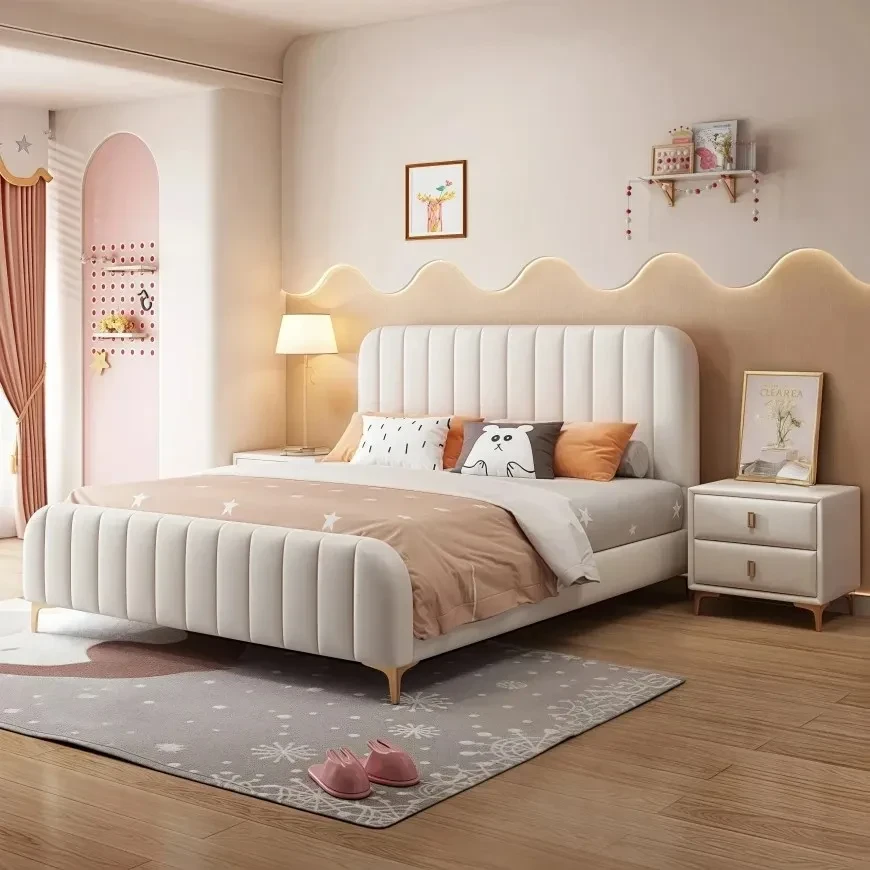
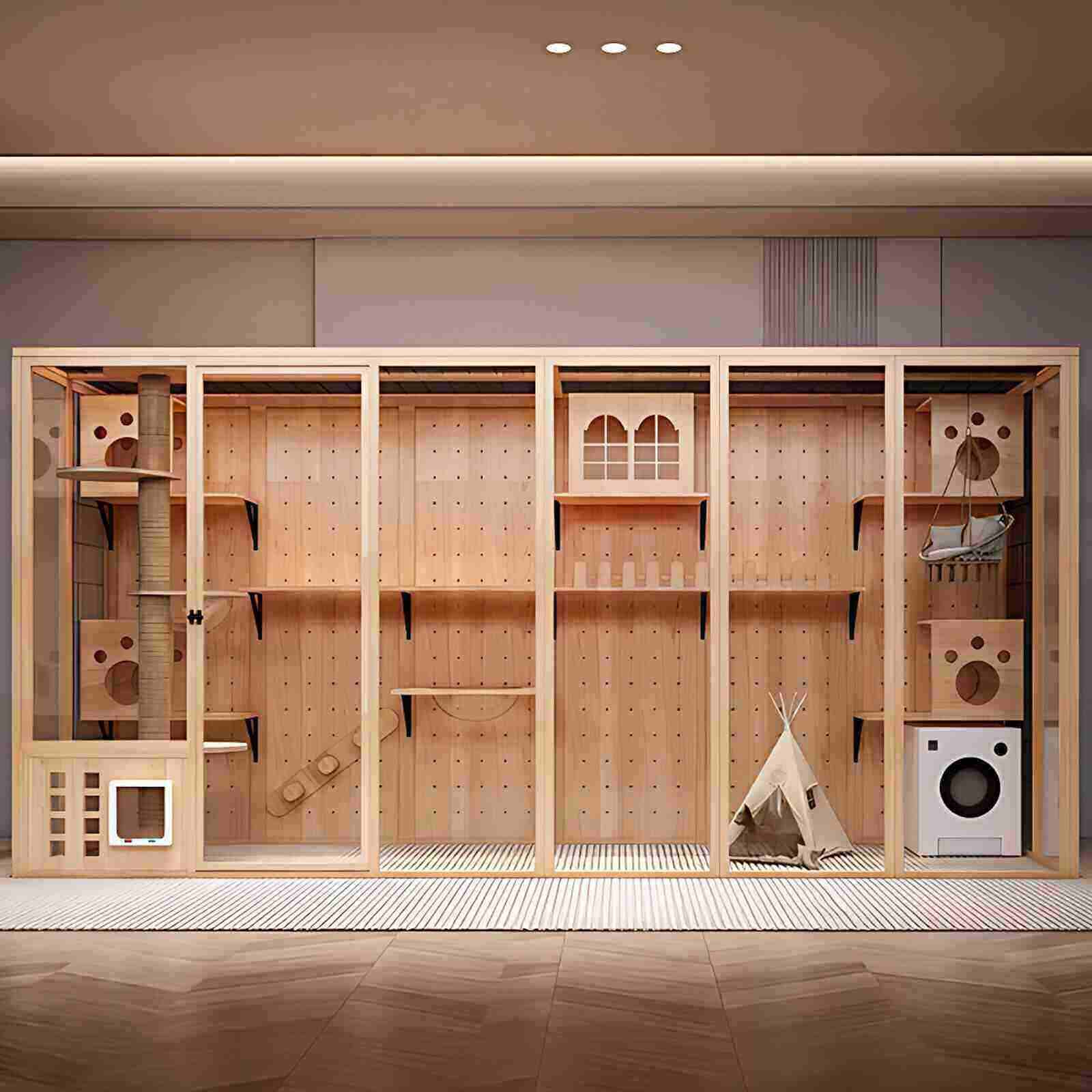
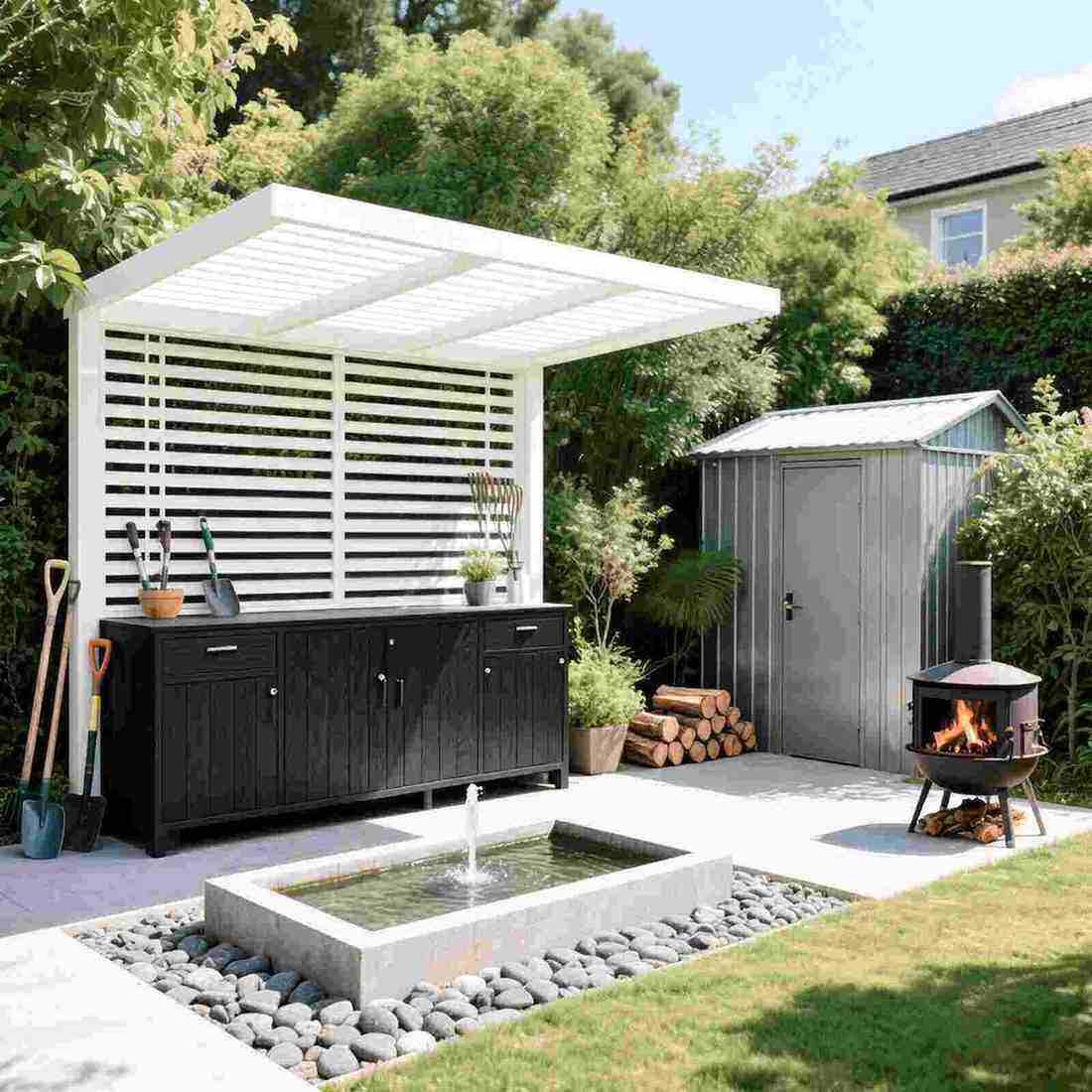
Ecological boards have two concepts: a narrow one and a broad one.
In a broad sense, eco-board is equivalent to melamine-faced board. Its full name is melamine-impregnated paper-faced artificial board, which is made by soaking paper with different colors or textures in eco-board resin adhesive, drying it to a certain degree of curing, laying it on the surface of particleboard, moisture-proof board, medium density fiberboard, plywood, blockboard or other hard fiberboard, and then hot-pressing it into a decorative board.
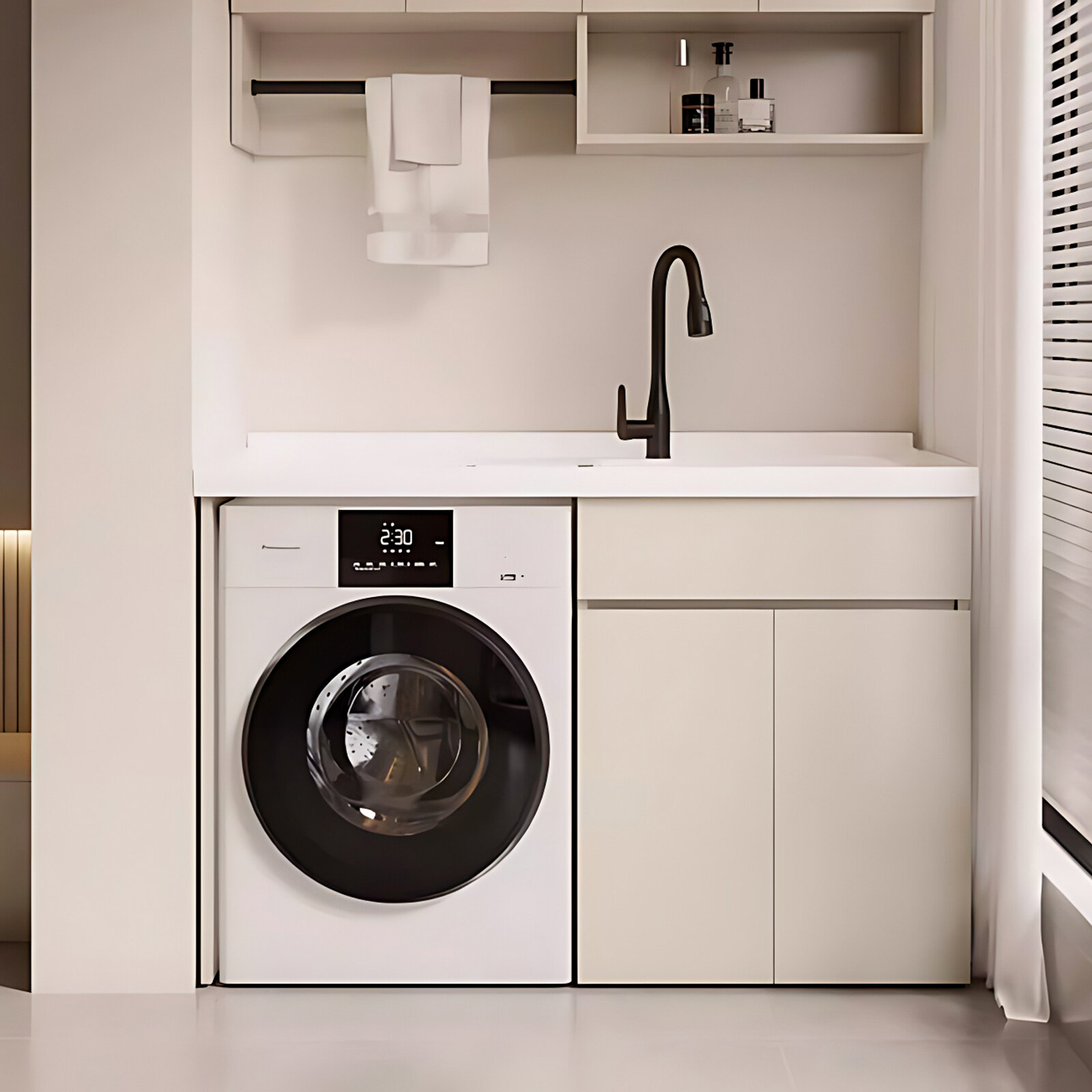
In a narrow sense, eco-friendly boards refer only to melamine-faced panels whose core material is multi-layer solid wood (plywood) or blockboard (such as Malacca wood, cedar, paulownia wood, poplar, etc.). They are mainly used in furniture, cabinets, wardrobes, bathroom vanities, and other fields.
Plywood is a three- or multi-layered sheet material made by rotary cutting logs into veneers or slicing timber into thin sheets and then gluing them together with adhesives. It usually uses an odd number of veneer layers and glues the adjacent veneer layers with the fiber directions perpendicular to each other.
The difference between eco-friendly boards and plywood
In a narrow sense, eco-friendly boards refer only to those whose core material is multi-layer solid wood (plywood). Many people are confused about the difference between multi-layer solid wood boards and plywood in eco-friendly boards.
While there are connections between the two, there are also differences. Firstly, the structure of multi-layer solid wood flooring is similar to plywood, with a core layer made of high-quality plywood. However, the surface and back layers are made of wood species that have undergone painting and finishing (the surface layer is usually made of relatively expensive wood species). Secondly, multi-layer solid wood flooring has much stricter requirements for processing precision, appearance quality, and surface treatment than plywood. Generally, the manufacturing cost of plywood per square meter is 10%-20% of the manufacturing cost of multi-layer solid wood flooring.
Which is better, eco-friendly board or plywood?
Plywood improves timber utilization and is a major way to conserve timber. It can also be used in aircraft, ships, trains, automobiles, construction, and packaging. Eco-board, as a new type of product, combines the functions of veneer panels and plywood (or blockboard) into one, saving production steps while increasing product added value. This saves consumers on decoration costs and labor, leading a new trend in home decoration. Currently, most mainstream panel furniture on the market is made with melamine veneer panels.
More importantly, an eco-friendly board must meet the environmental protection standards of E0 or E1 to be called an eco-friendly board; not all boards can be called eco-friendly boards.