
 USD
USD GBP
GBP
 EUR
EUR
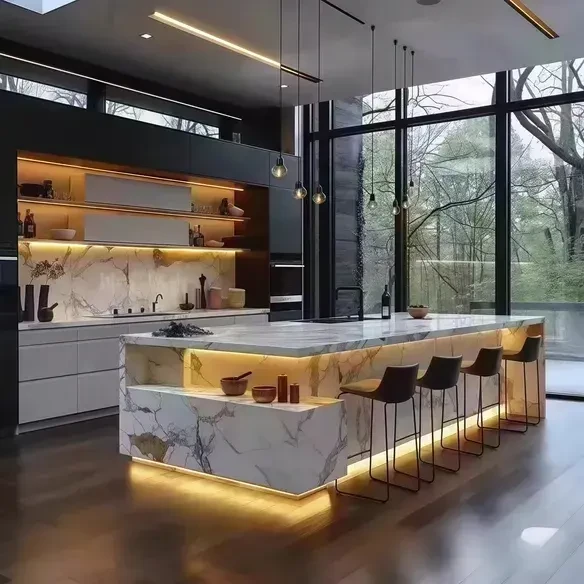
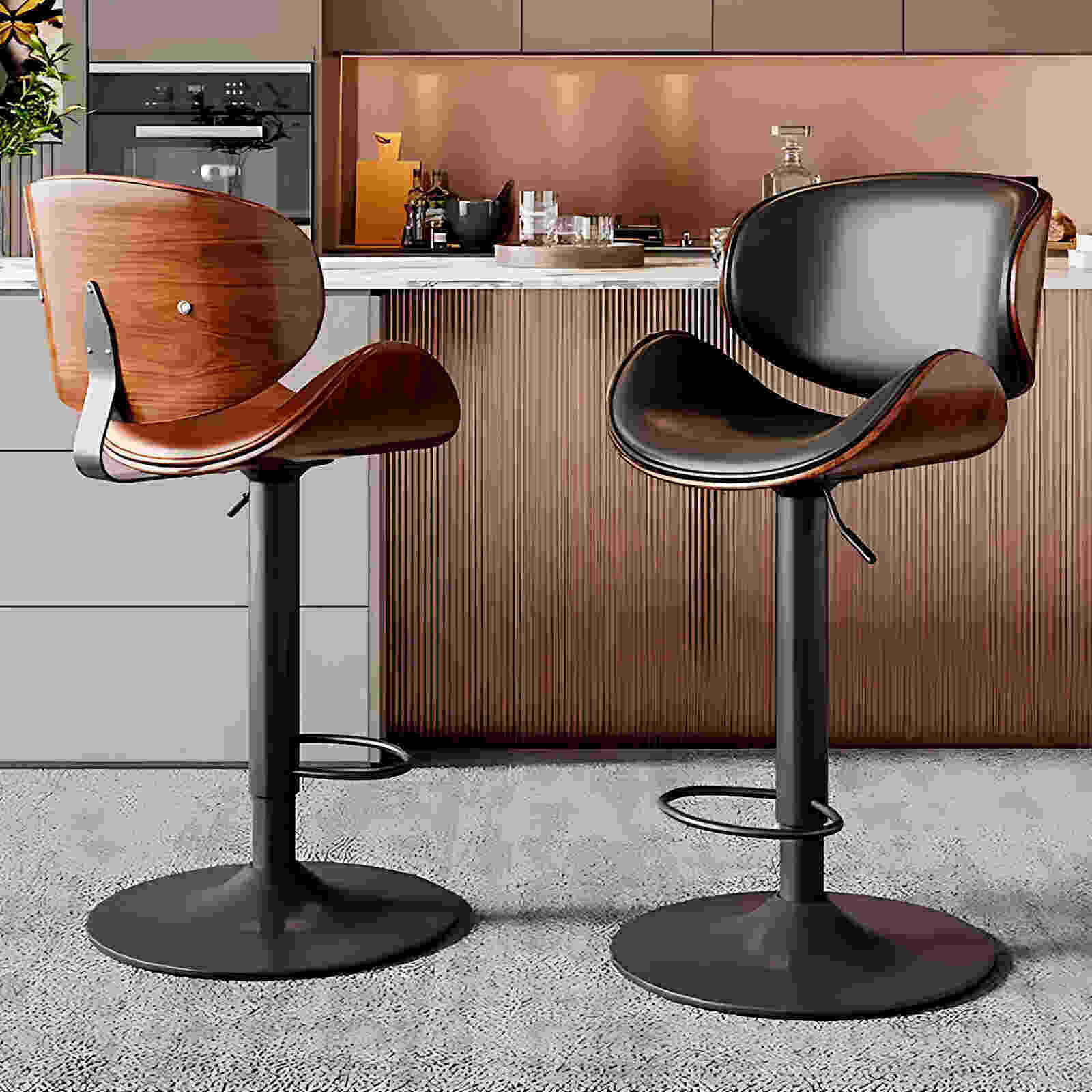



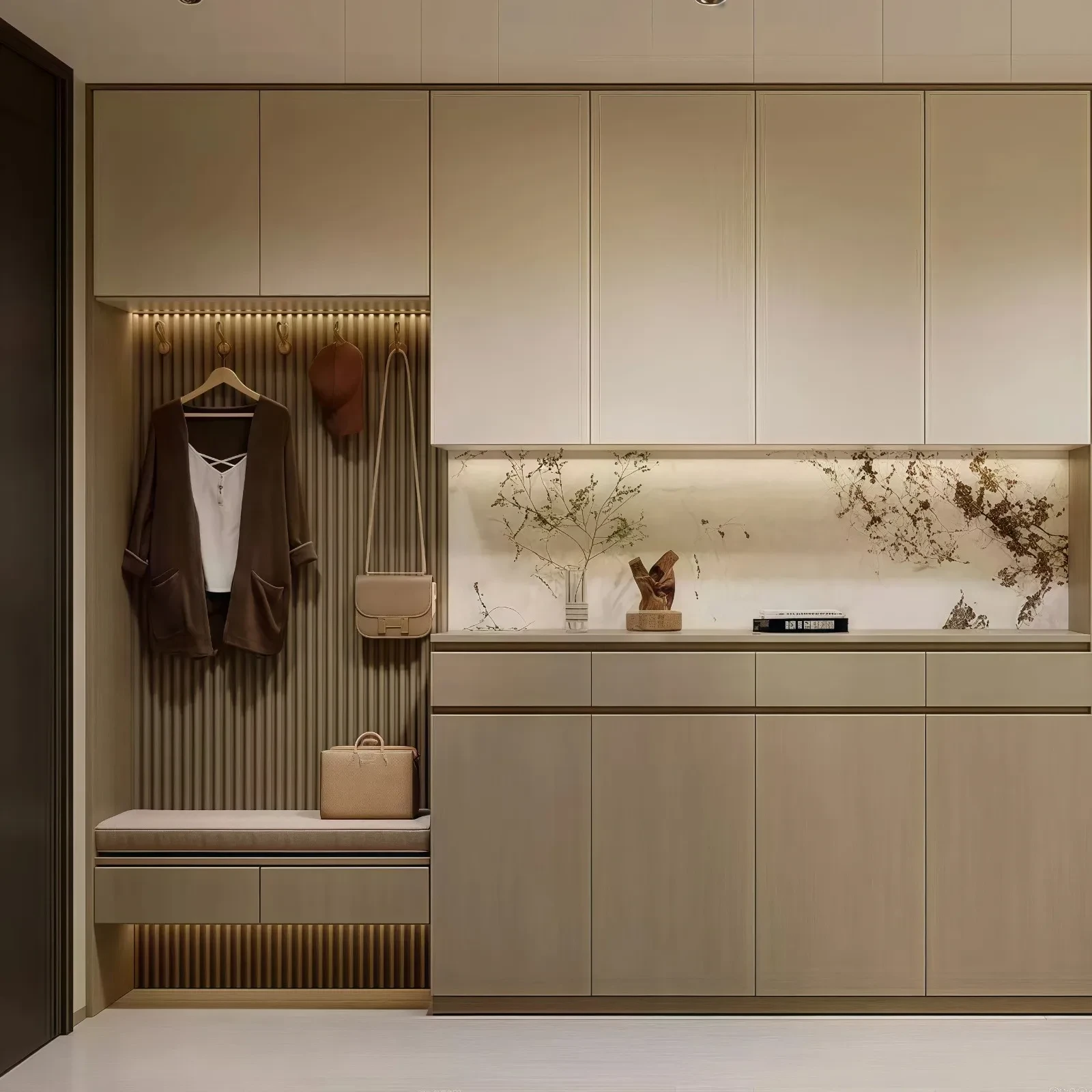
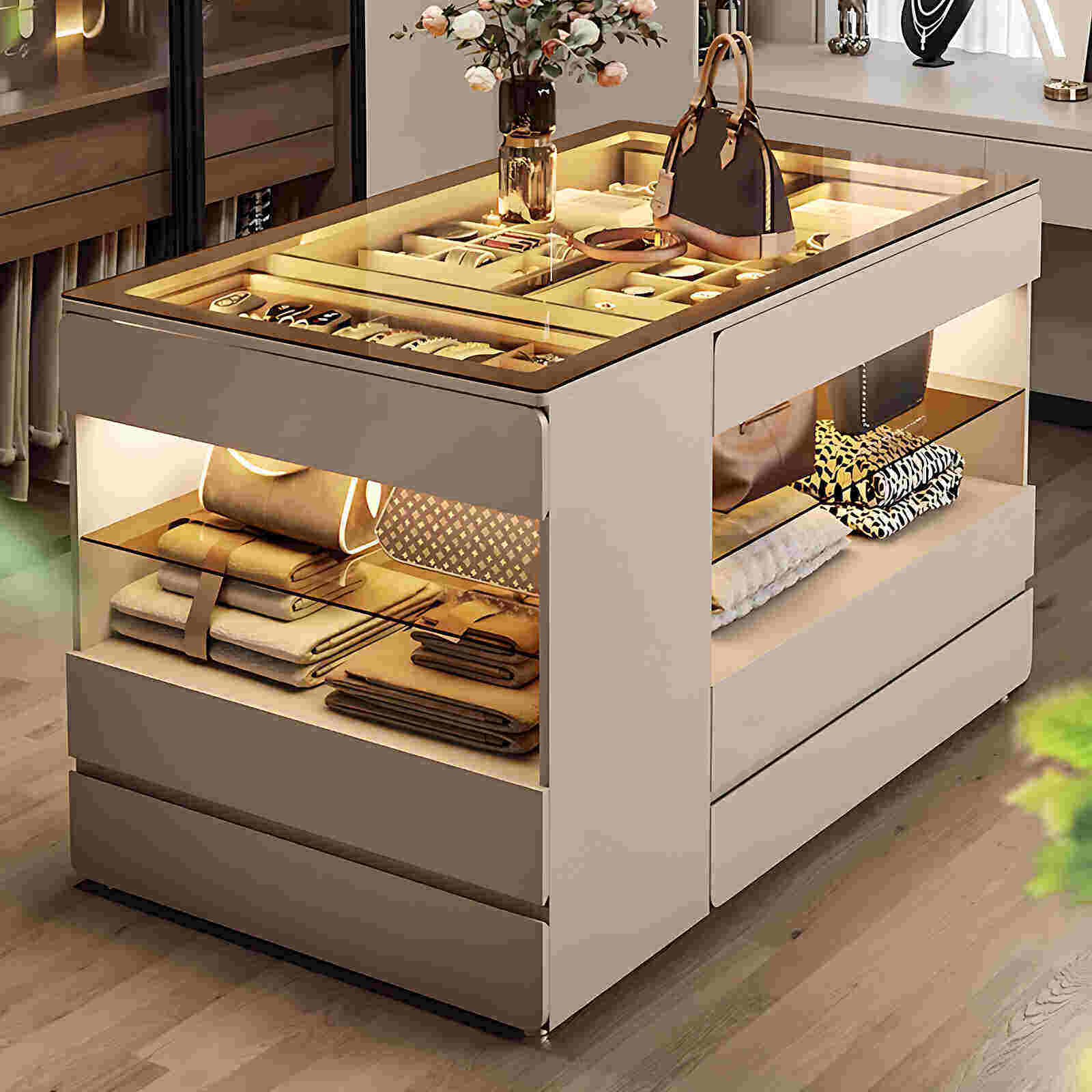
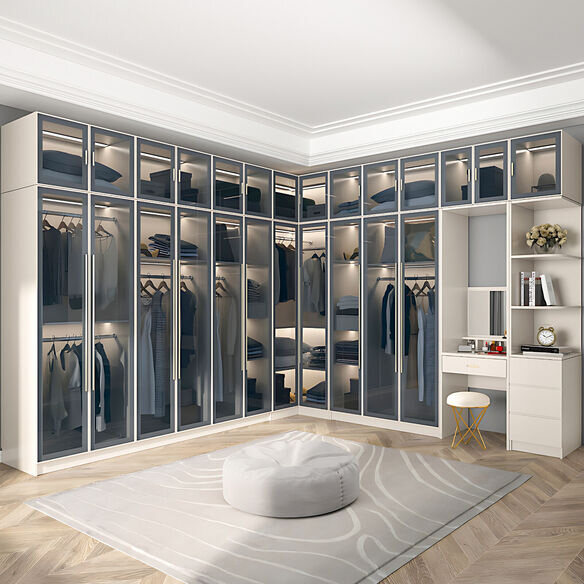
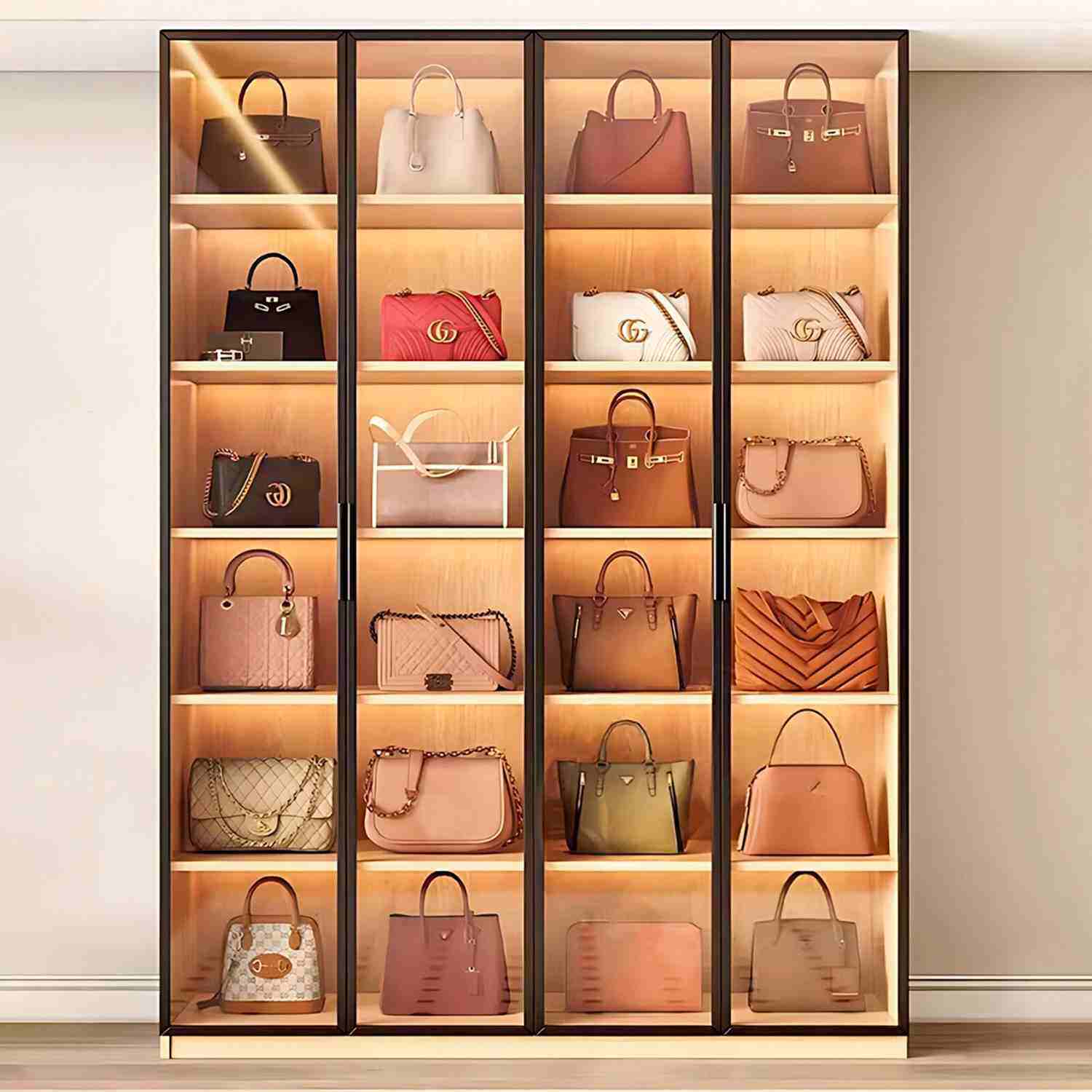


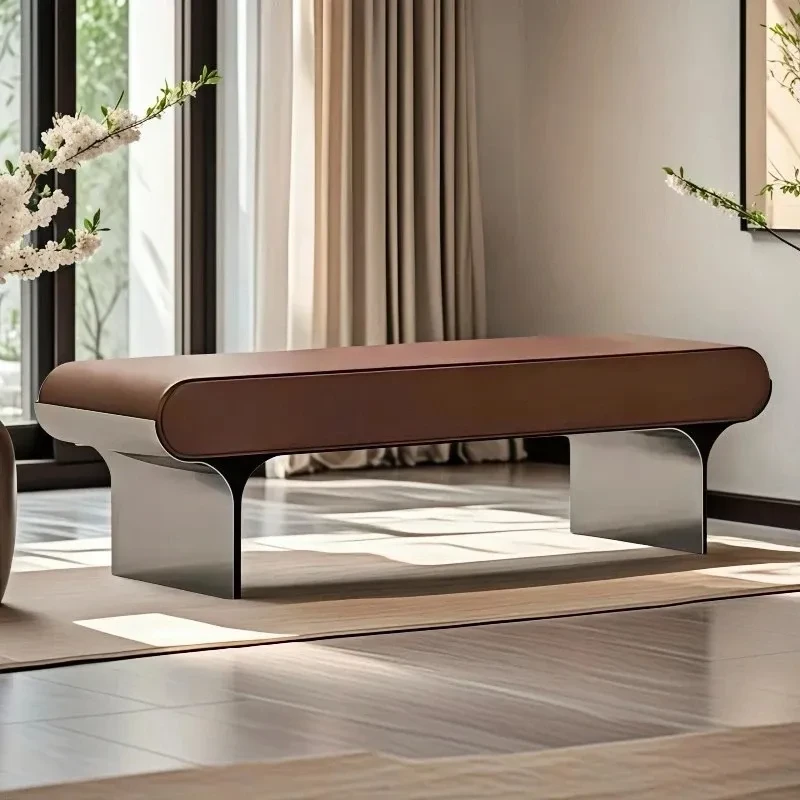
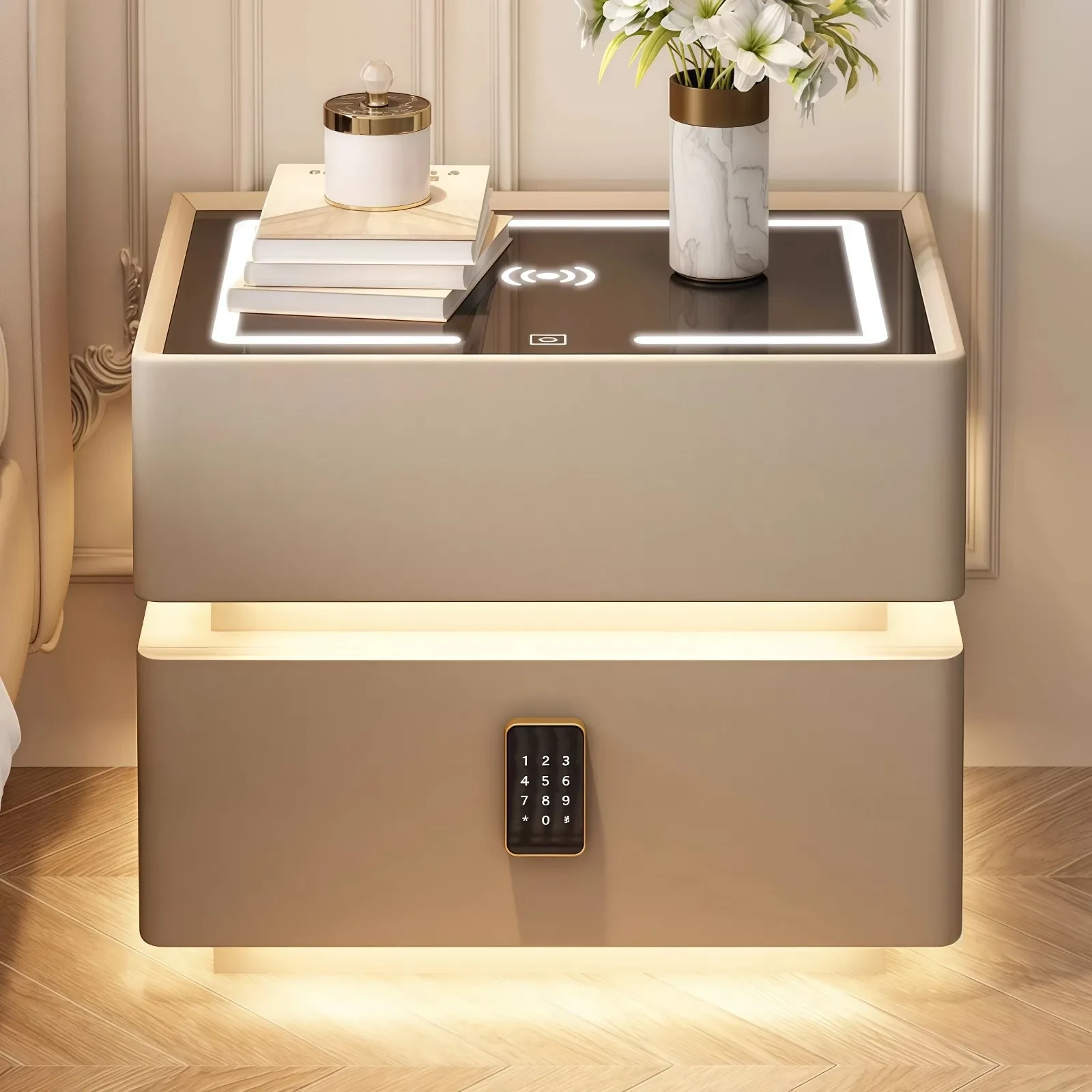
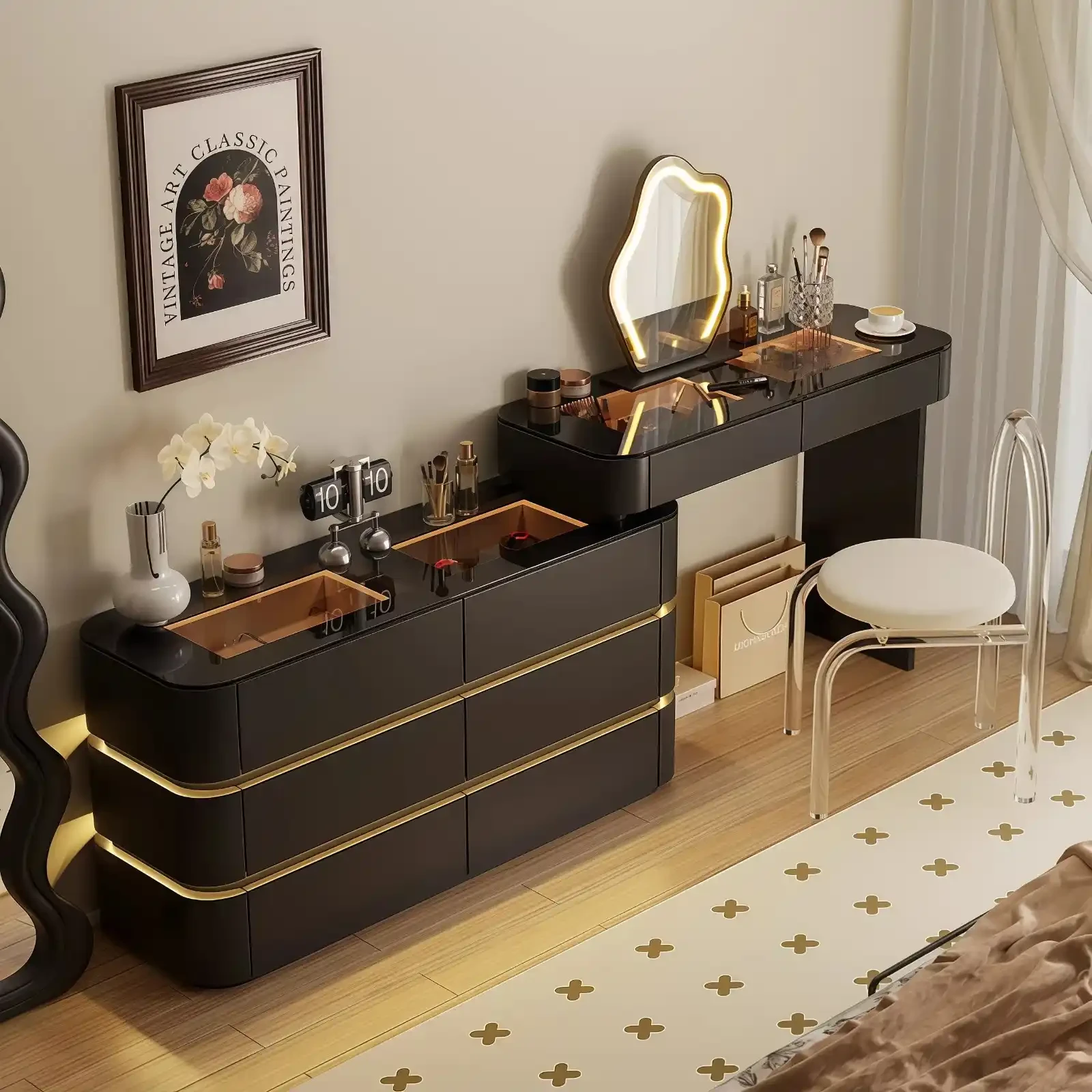
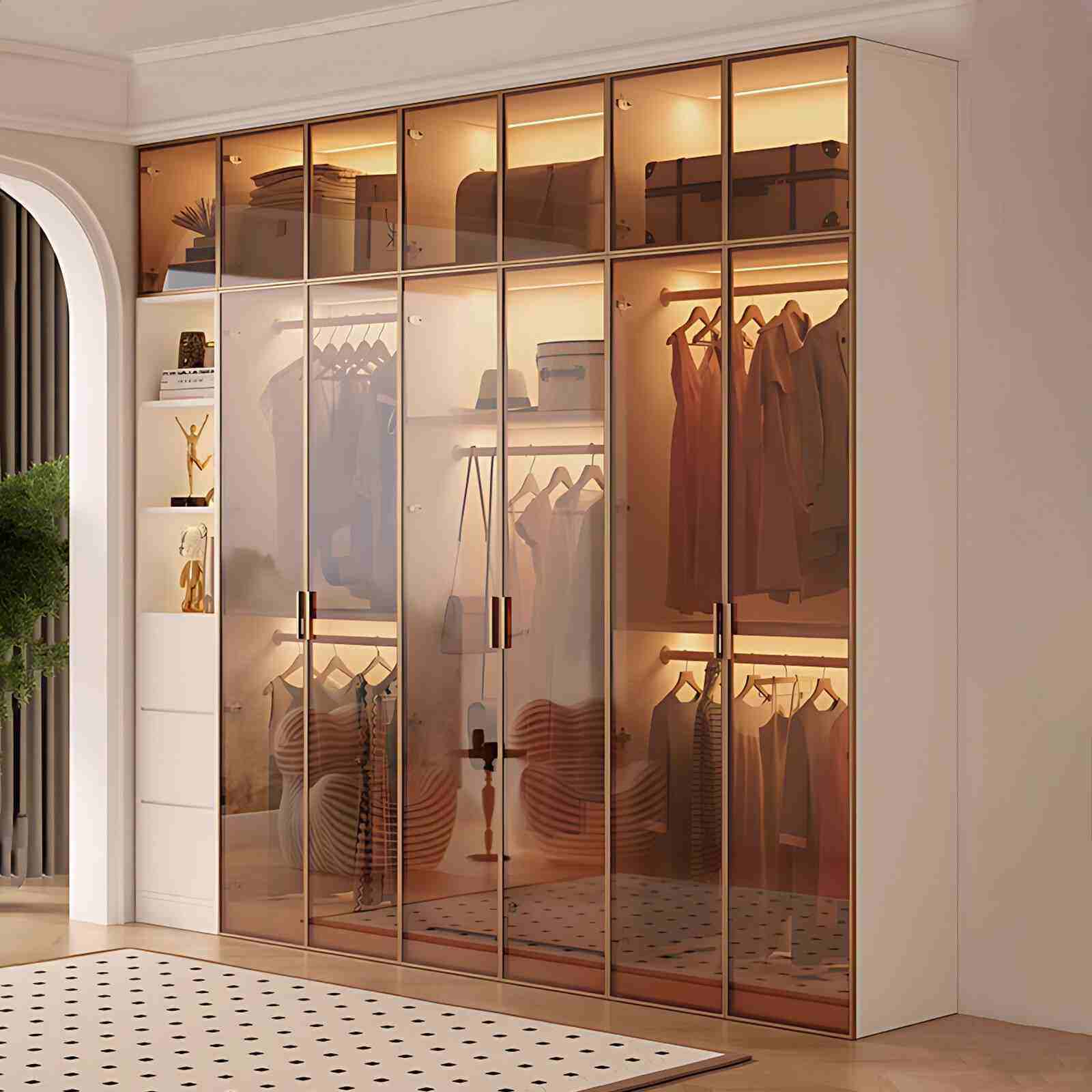
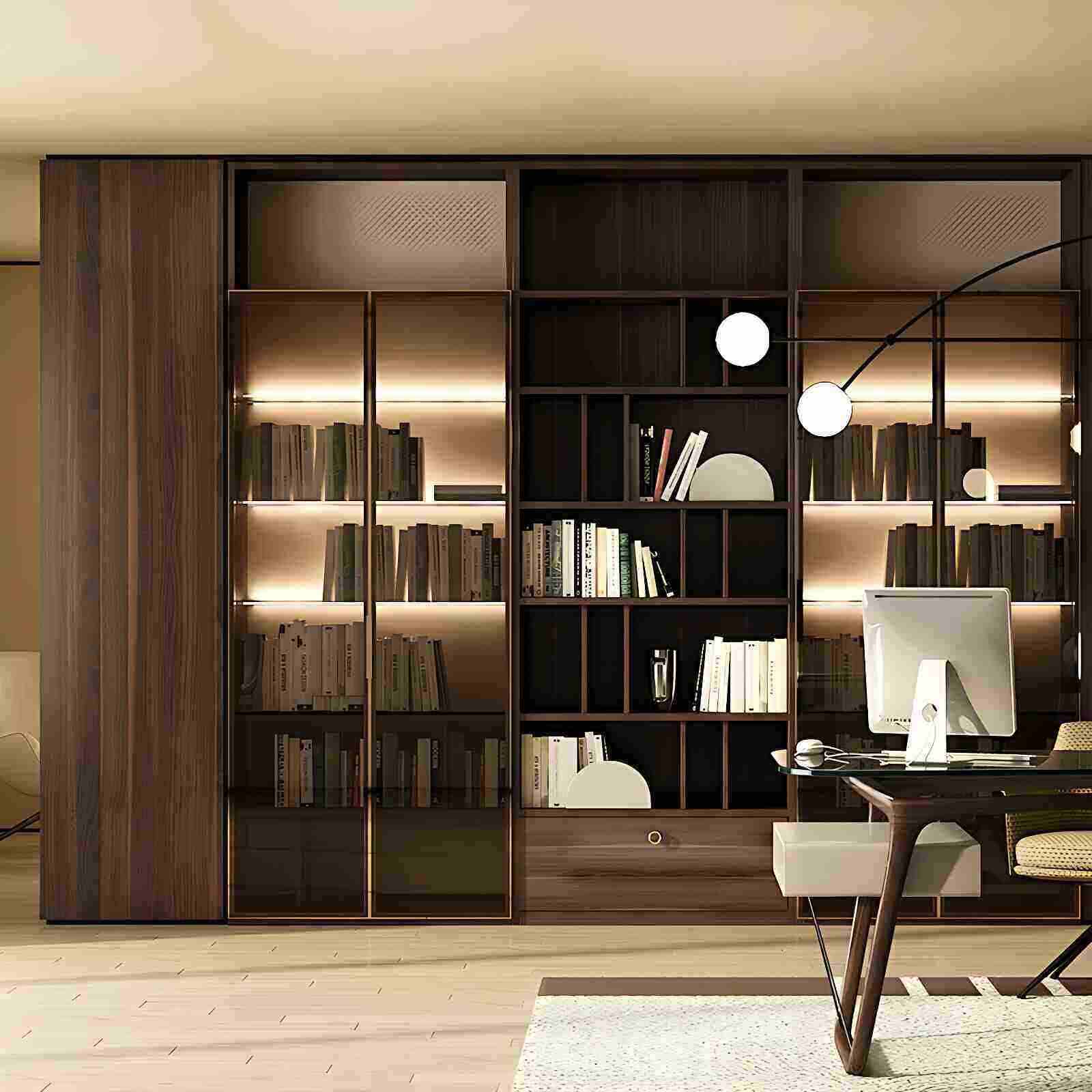

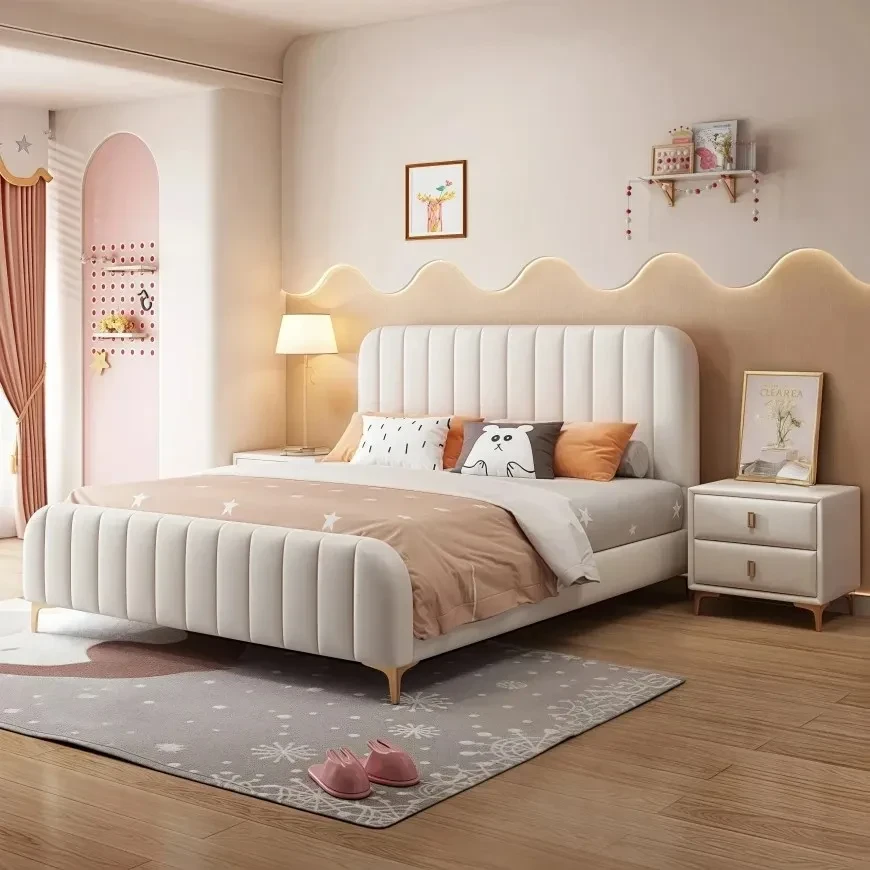
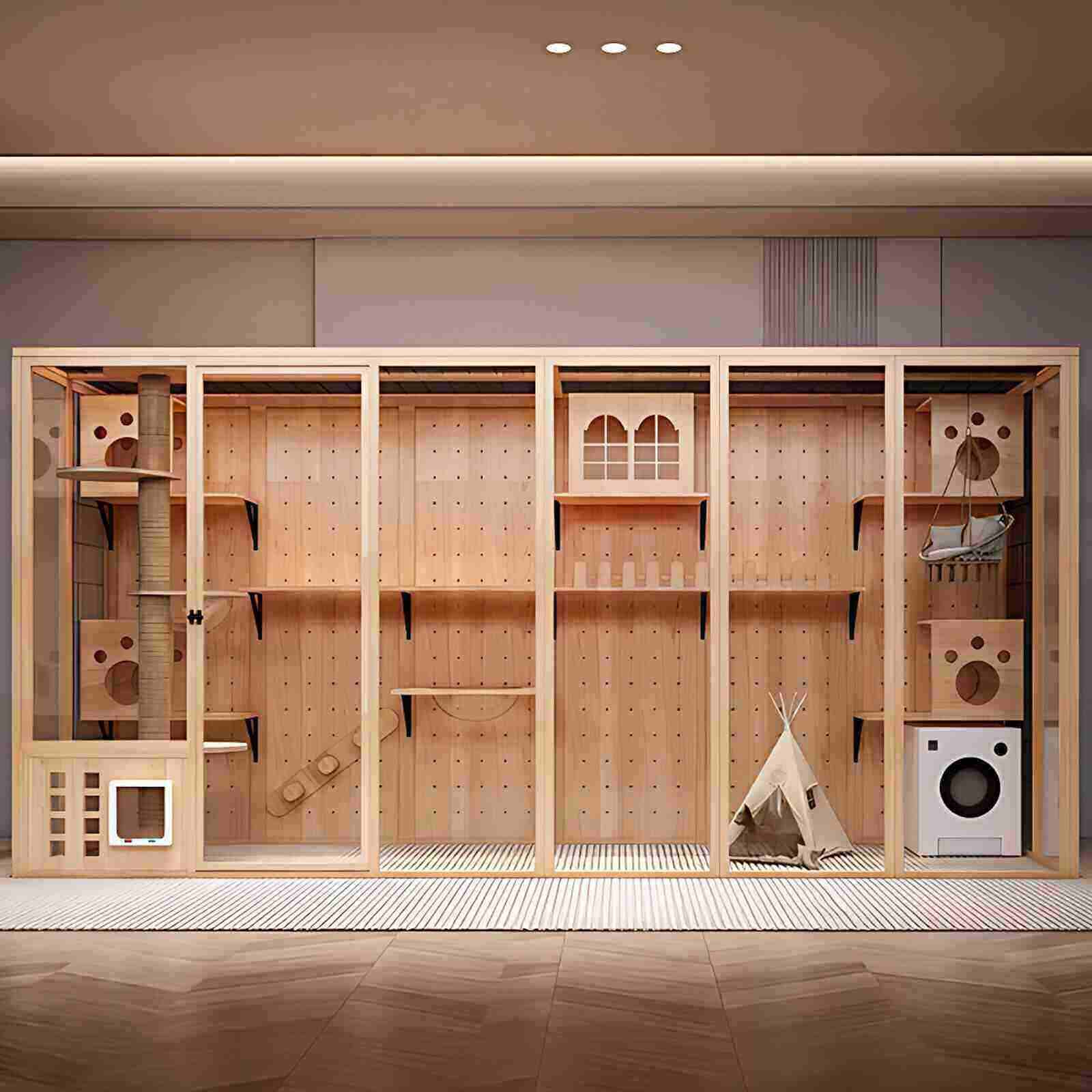
Wood-based panels are an indispensable material in modern life, such as plywood, finger-jointed panels, eco-friendly panels, multi-layer panels, and fire-retardant panels. As for finger-jointed panels, I think most people are familiar with them, as they are commonly used in home renovations.
So what exactly is finger-jointed board made of? What are the manufacturing processes involved? How can you distinguish between good and bad quality? And what are its advantages?
What is finger joint board?
Finger-jointed boards are made by splicing multiple pieces of wood together without any plywood on top or bottom. Because the vertical boards are joined with a serrated joint, resembling interlaced fingers, they are called finger-jointed boards. They are used as a high-quality material in furniture, cabinets, wardrobes, etc. Finger-jointed boards are environmentally friendly, with a natural-looking texture that gives a feeling of returning to nature.
Finger-jointed board production process
Step 1: The veneer undergoes a professional drying machine to remove excess moisture, ensuring low moisture content and preventing deformation.
Step Two: After laying out boards of different thicknesses, allow them to "cur" naturally until the glue dries completely. Then, press them three times to ensure they do not separate or come unglued.
Step 3: Apply four passes of fixed-thickness sanding to ensure high flatness of the board, allowing natural wood veneer to be directly applied to both sides;
From raw material processing to final product delivery, the process involves: cutting logs into shorter pieces, splitting them into strips, drying and modifying them in specialized drying equipment, sorting them according to color, defects, etc., initial planing, jointing, splicing, panel assembly, drying, sanding, filling with putty, and final sanding. Cutting wood into different shaped units and recombining them in a specific way to form various boards can improve certain properties of wood, such as anisotropy, heterogeneity, and resistance to moisture swelling and shrinkage. Boards composed of larger units have higher mechanical strength, while boards composed of smaller units have better homogeneity.
Identification methods
Examine the heartwood growth rings: Finger-jointed boards are mostly made of fir, and the growth rings are quite visible. The larger the growth rings, the older the tree, and the better the quality of the material.
Finger-jointed boards are divided into exposed and concealed finger joints, with concealed finger joints being the best. This is because exposed finger joints are more prone to unevenness after painting, although concealed finger joints are more difficult to process. The harder the wood, the better, as it will warp much less and the grain will be more aesthetically pleasing.
Production differences
Finger-jointed boards are a type of solid wood board, while plywood is a type of engineered wood board. Therefore, finger-jointed boards have a natural grain texture, giving a feeling of returning to nature.
Whether furniture is environmentally friendly mainly depends on its formaldehyde emission level. E0-grade finger-jointed boards and E0-grade plywood are equally environmentally friendly if their formaldehyde emission levels are the same. However, finger-jointed boards use less glue than plywood, making them generally easier to control and more environmentally friendly. Plywood has plywood at both the top and bottom (through gluing and pressing), which also produces formaldehyde. Finger-jointed boards do not have plywood at the top and bottom, while plywood does. You can visually distinguish between finger-jointed boards and plywood.
How to distinguish between good and bad
Check the size of the slats
If the finger-jointed strips are too small or too fragmented, it will affect the structural strength of the formed finger-jointed board.
Examine the growth rings of the core material
The smaller the annual rings of the strips used for splicing finger-jointed boards, the older the tree, and the better the material.
Look at the tenon
Finger joints are classified into horizontal and vertical tenons, and some also refer to them as concealed and exposed tenons, with the horizontal type being concealed. Because exposed tenons are more prone to unevenness after painting, concealed tenons are better, although they are more difficult to manufacture.
Check the hardness of the wood
Finger-jointed boards made of harder wood are better because harder wood is less prone to warping and has a more aesthetically pleasing grain. Following the methods above will help you select finger-jointed boards that meet your requirements. Finger-jointed boards are commonly used in decoration because of their superior joints and E0-level environmental friendliness.
Advantages of finger joint boards
Making the most of a small thing
Before bonding, knots, rot, and other wood defects are removed from finger-jointed boards. This allows for the production of materials with fewer defects, enabling small materials to be used to their fullest potential and inferior materials to be used to their best advantage.
Good moisture absorption and breathability
Although finger-jointed boards are spliced wood, they do not change the structure and characteristics of the wood. They retain the natural solid wood texture and beauty, and most of them have the unique aroma of natural wood. They also have good moisture absorption and breathability.
Physical and mechanical properties
Finger-jointed boards are superior to solid wood boards in terms of physical and mechanical properties such as tensile and compressive strength, material quality uniformity, and crack/deformation coefficient. They are also larger in size than solid wood boards.
Easy to process, easy to hold nails
Finger-jointed boards have low requirements for processing equipment, are easy to process, have good nail-holding power, and their surface can be directly painted.
Environmental protection E0 grade
Finger-jointed boards are made from short pieces of solid wood and use less glue, so their environmental protection coefficient is relatively high. Most finger-jointed boards can reach the E0 level, which is very environmentally friendly.