
 USD
USD GBP
GBP
 EUR
EUR



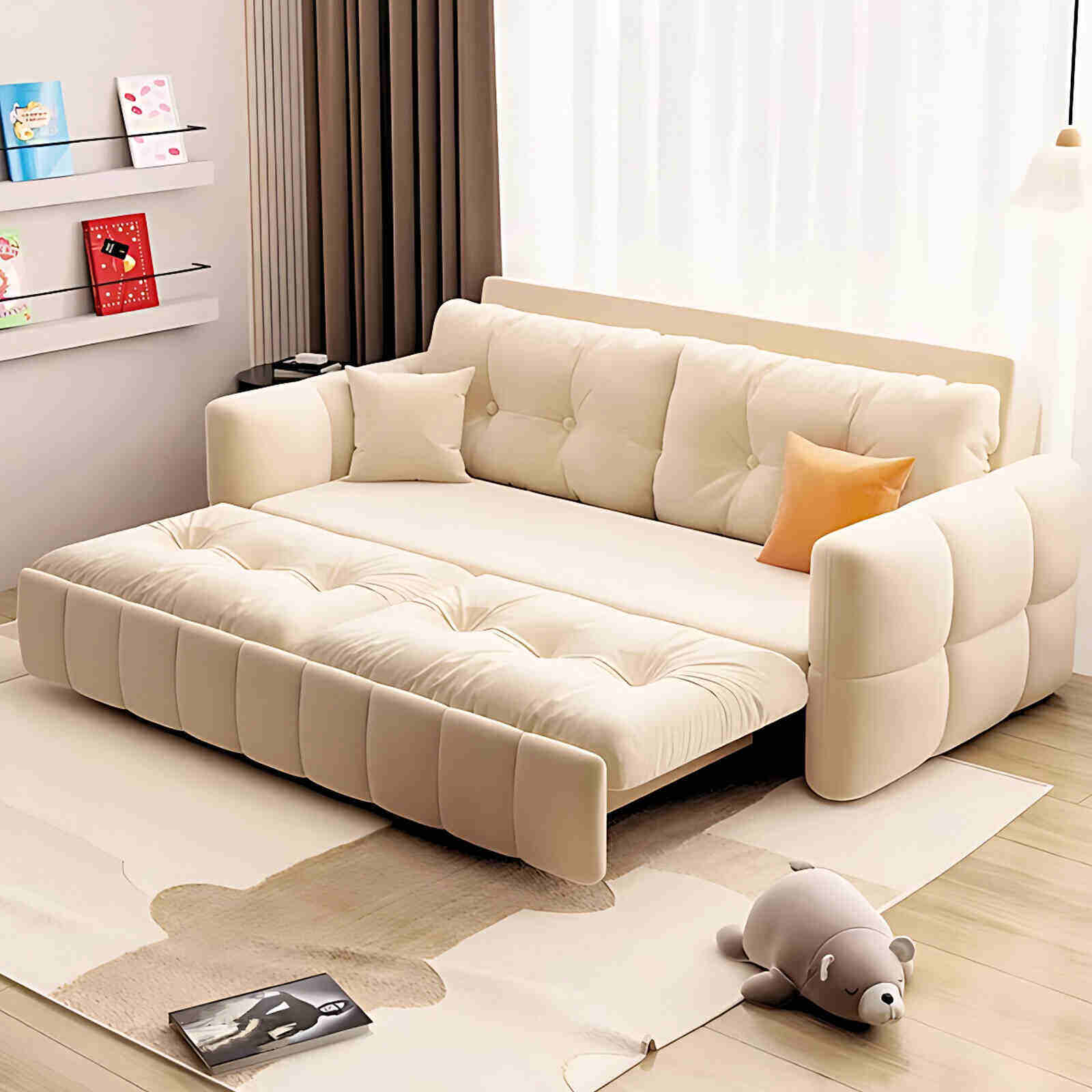
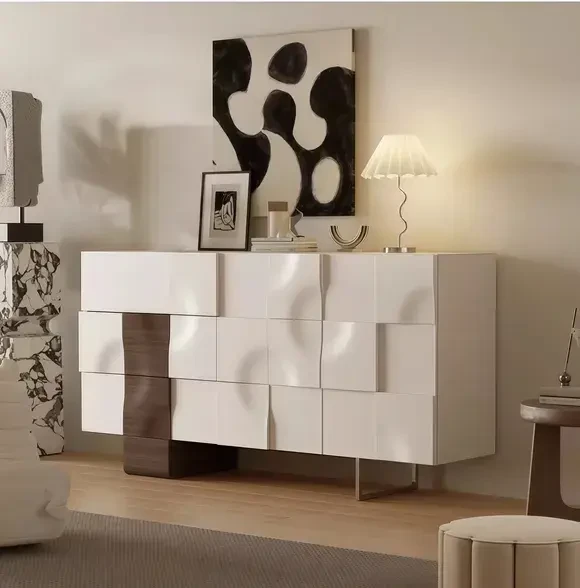








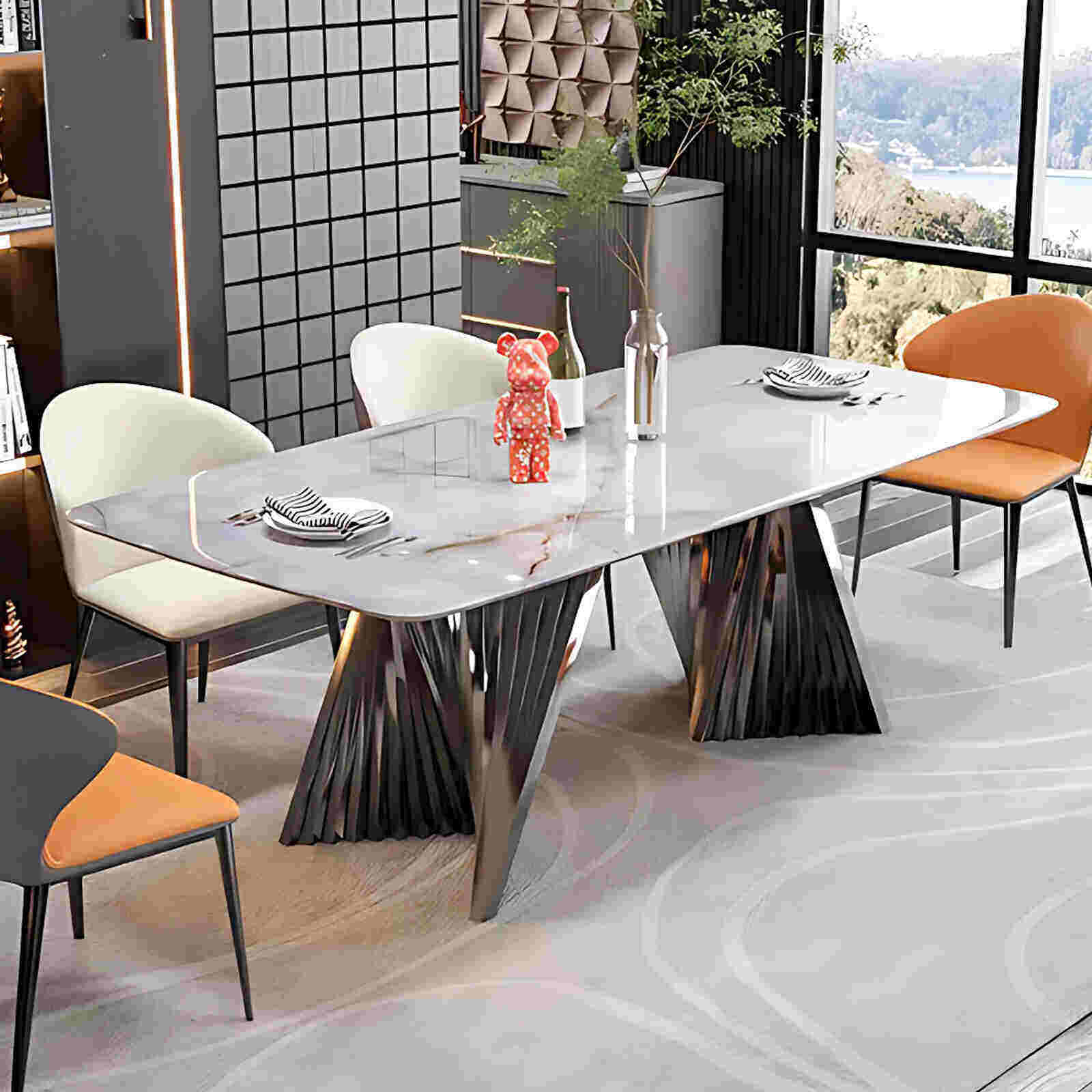
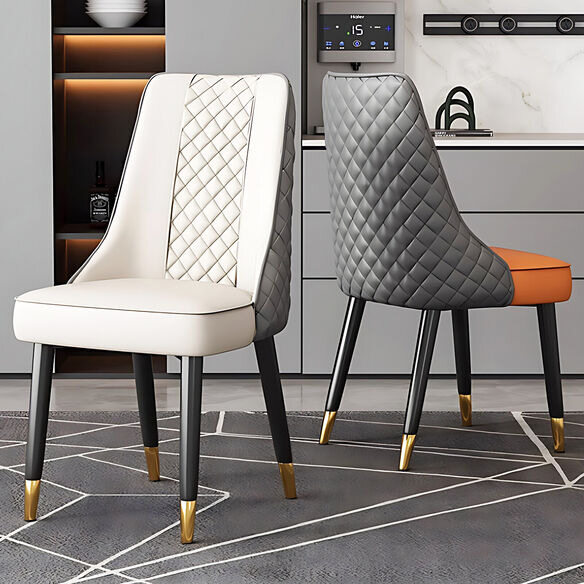
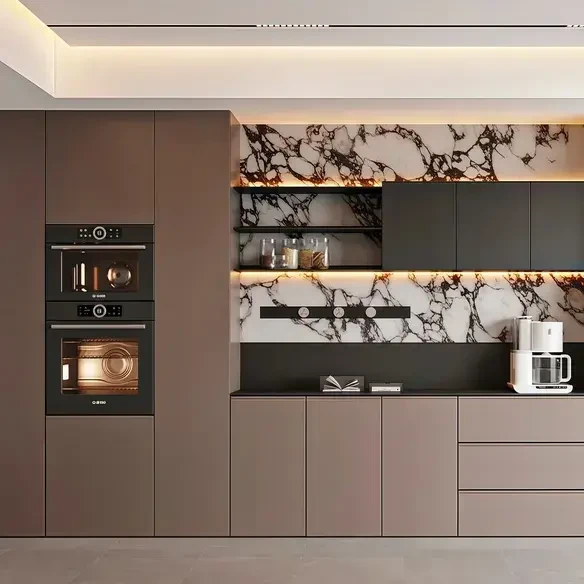



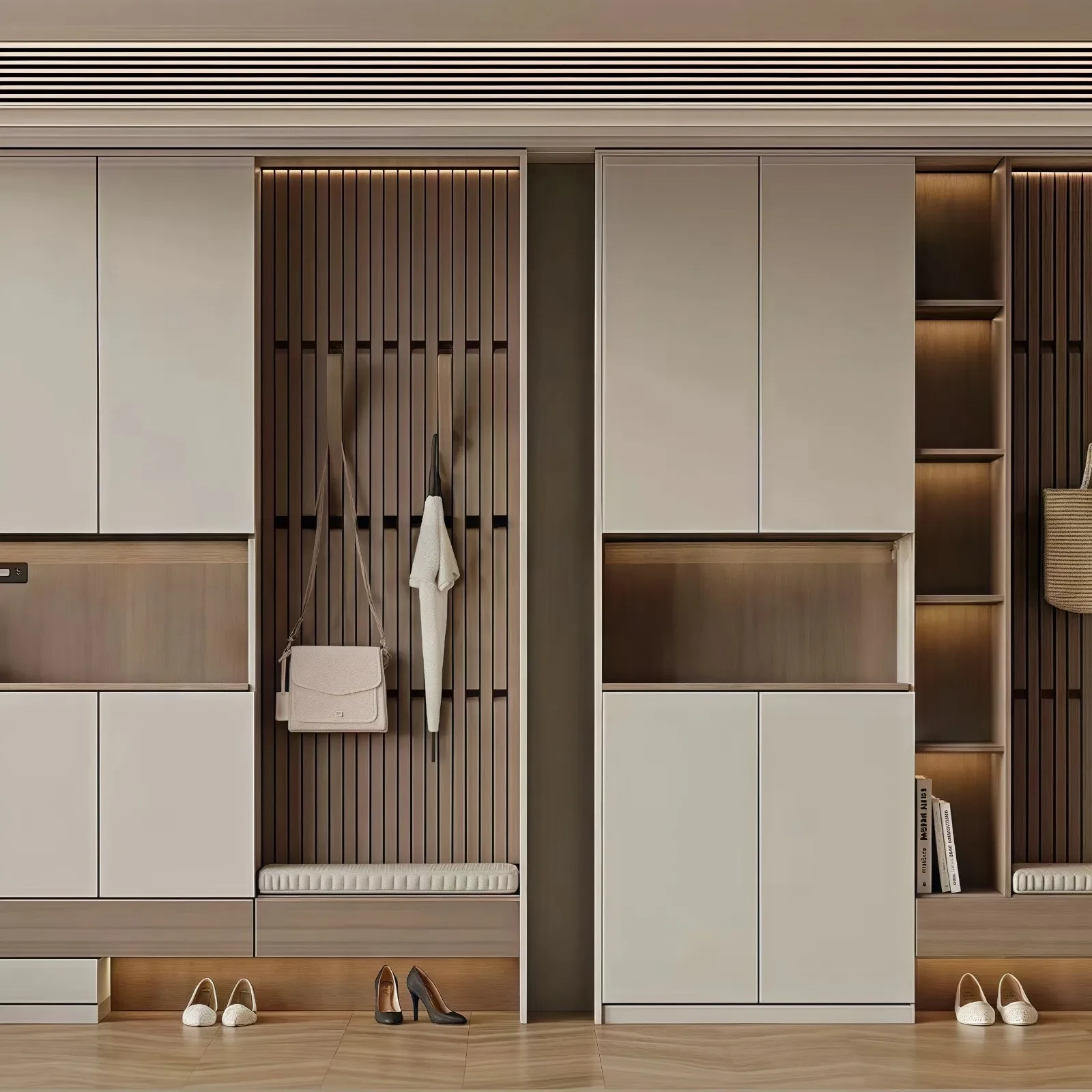
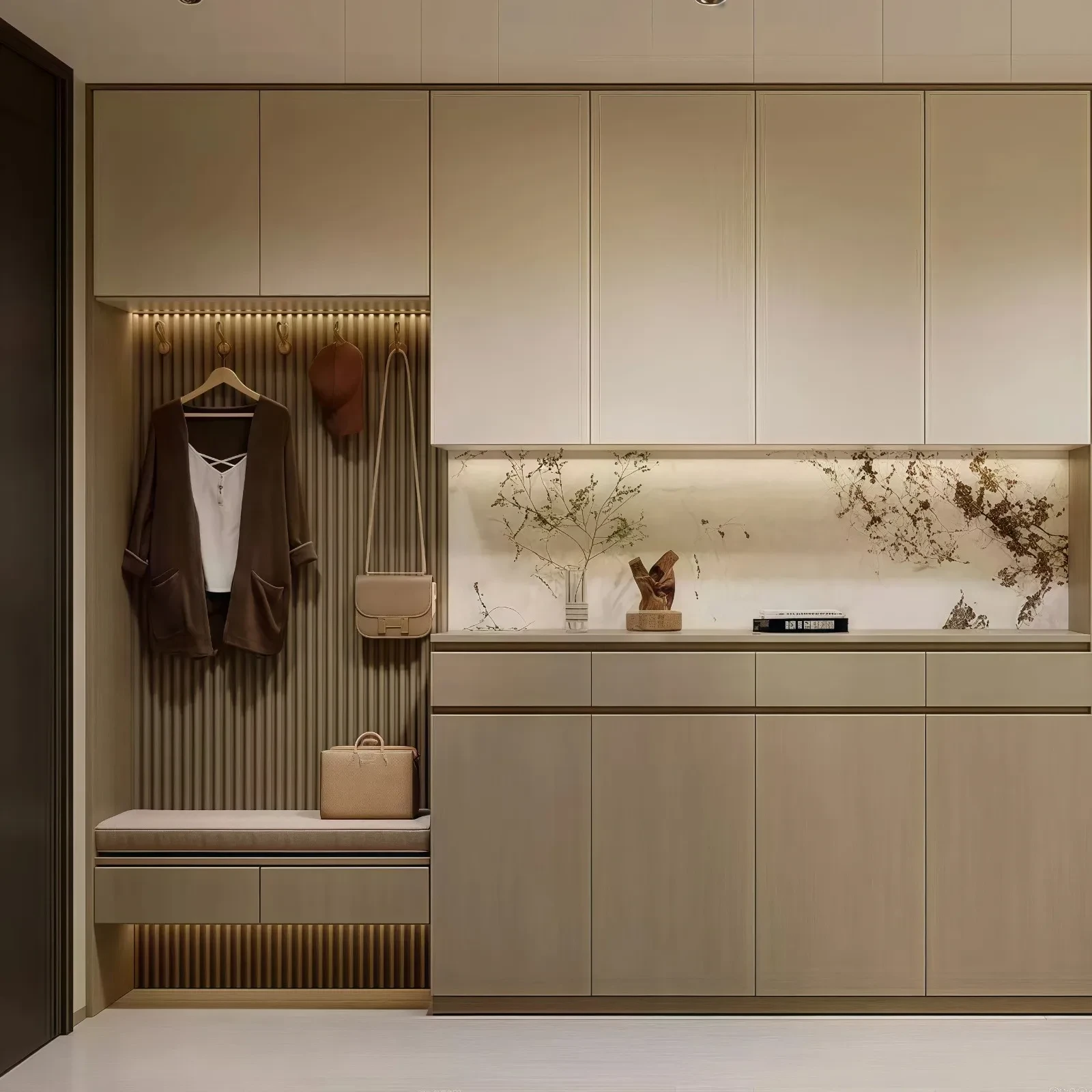
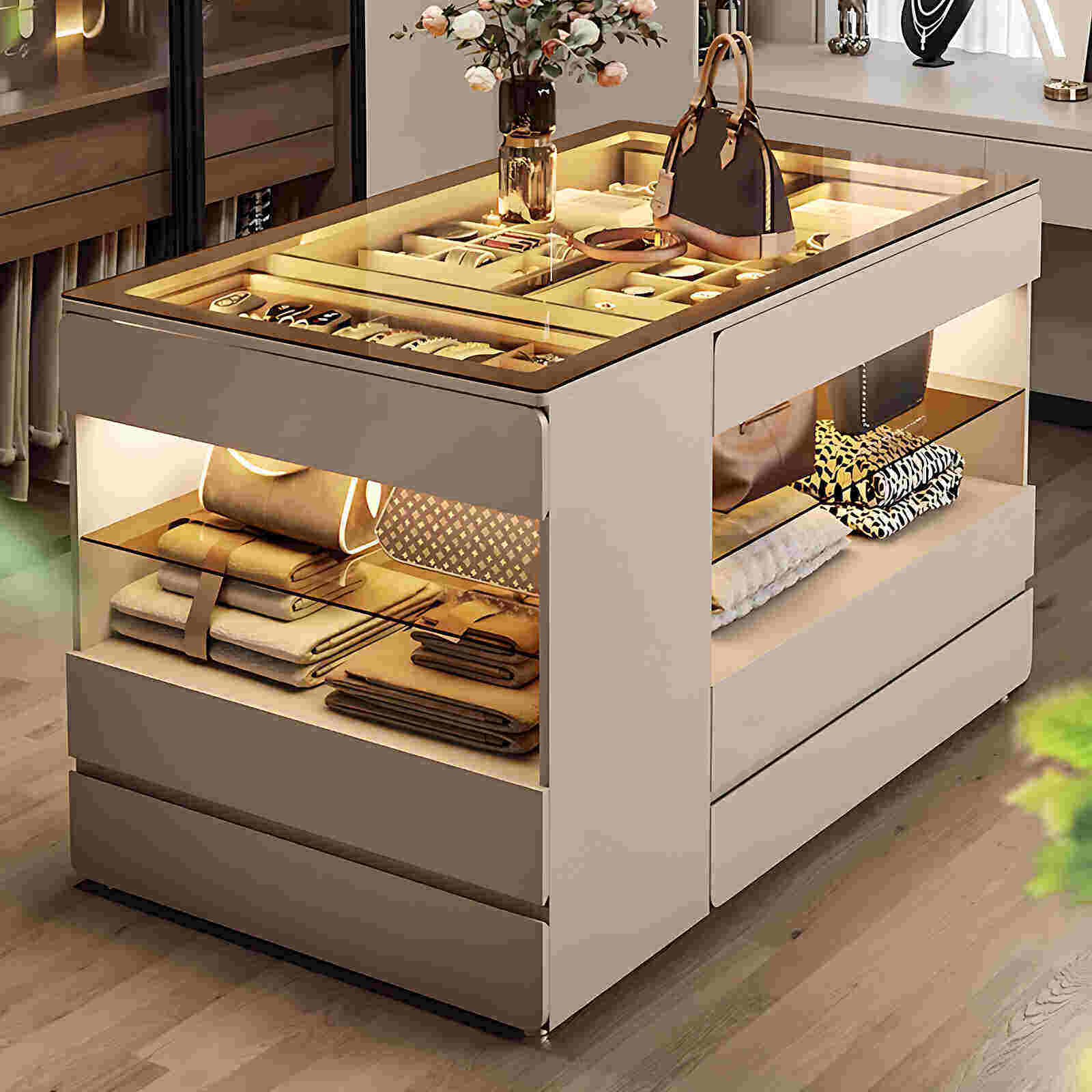




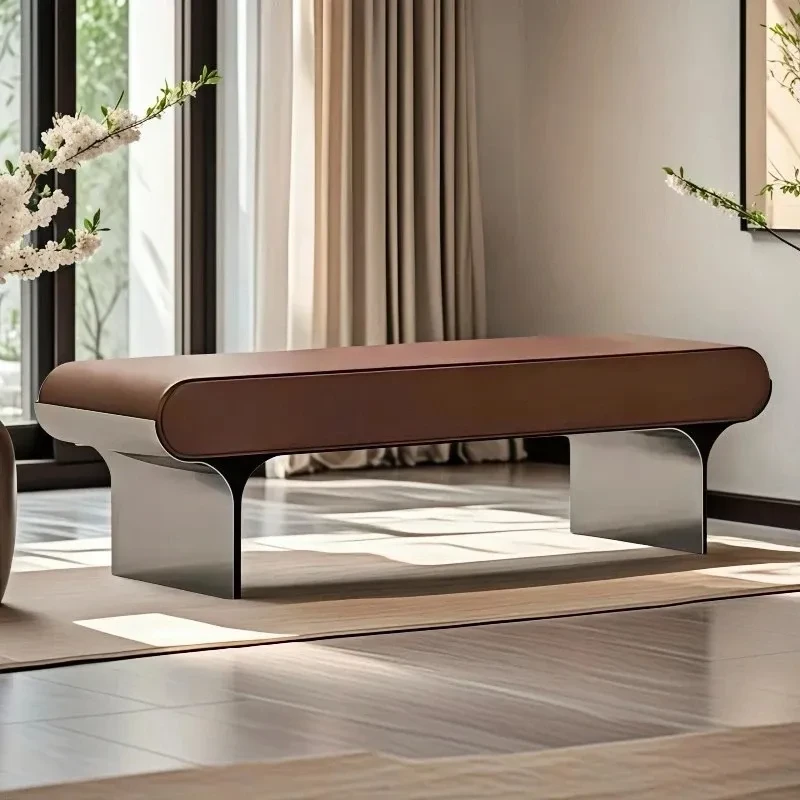
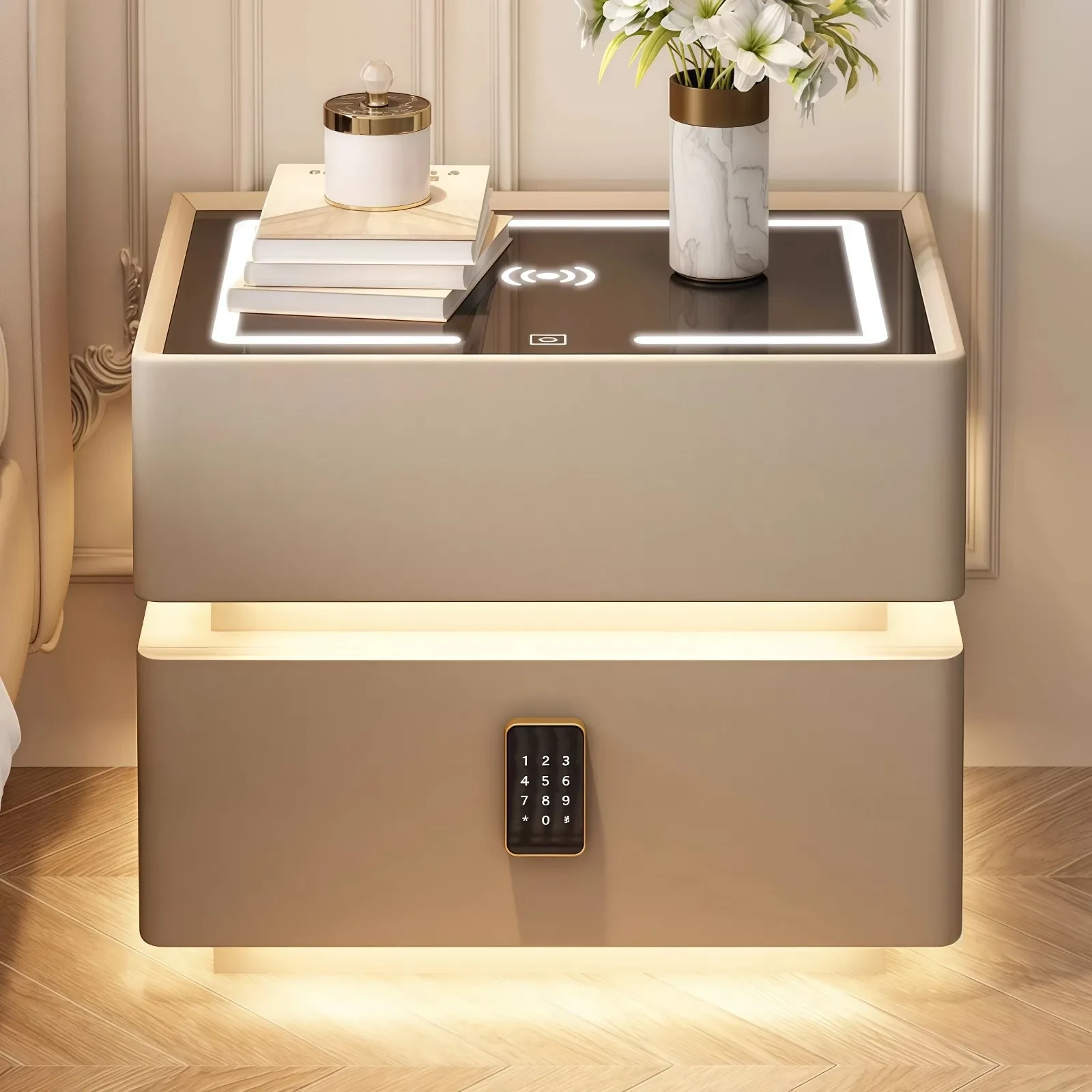
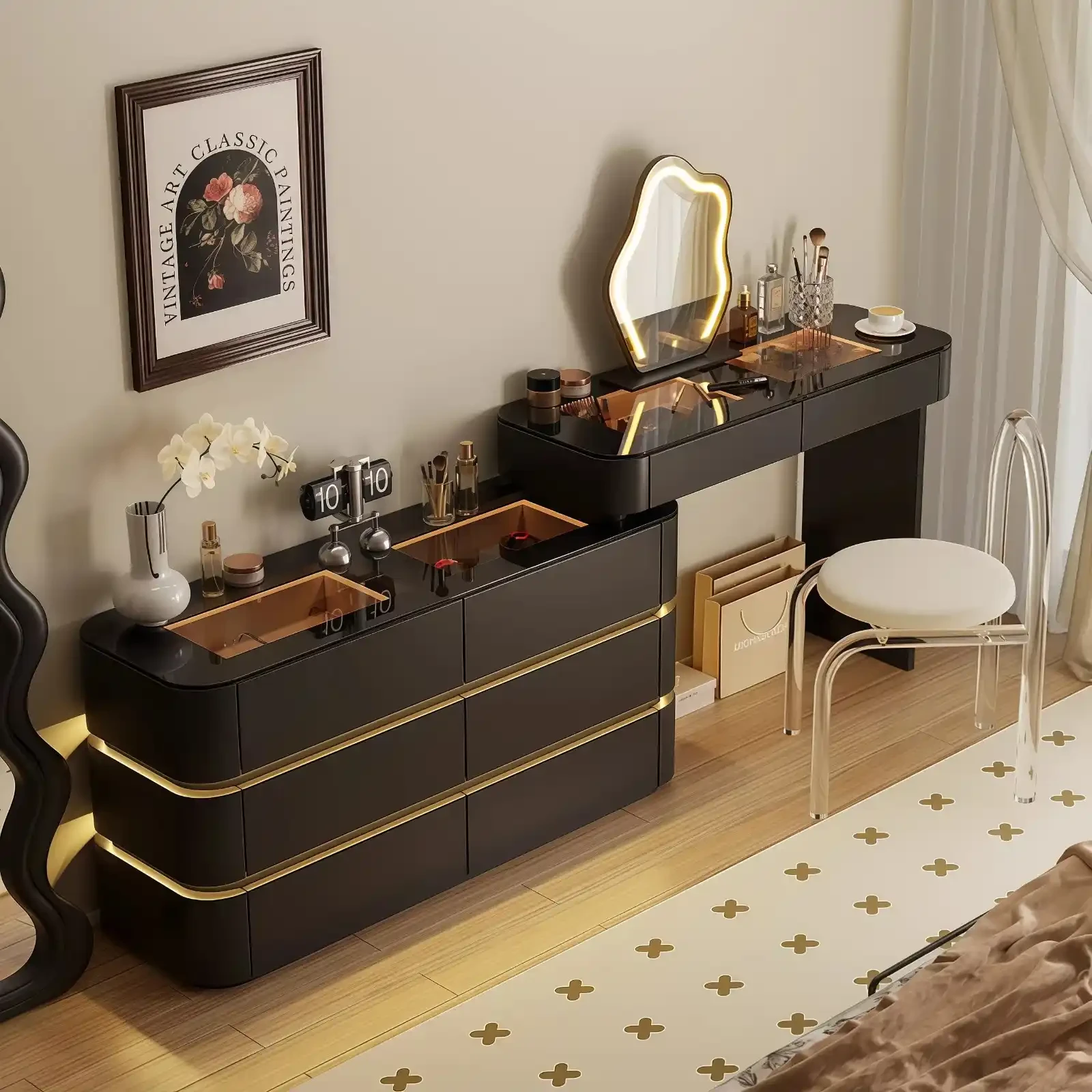

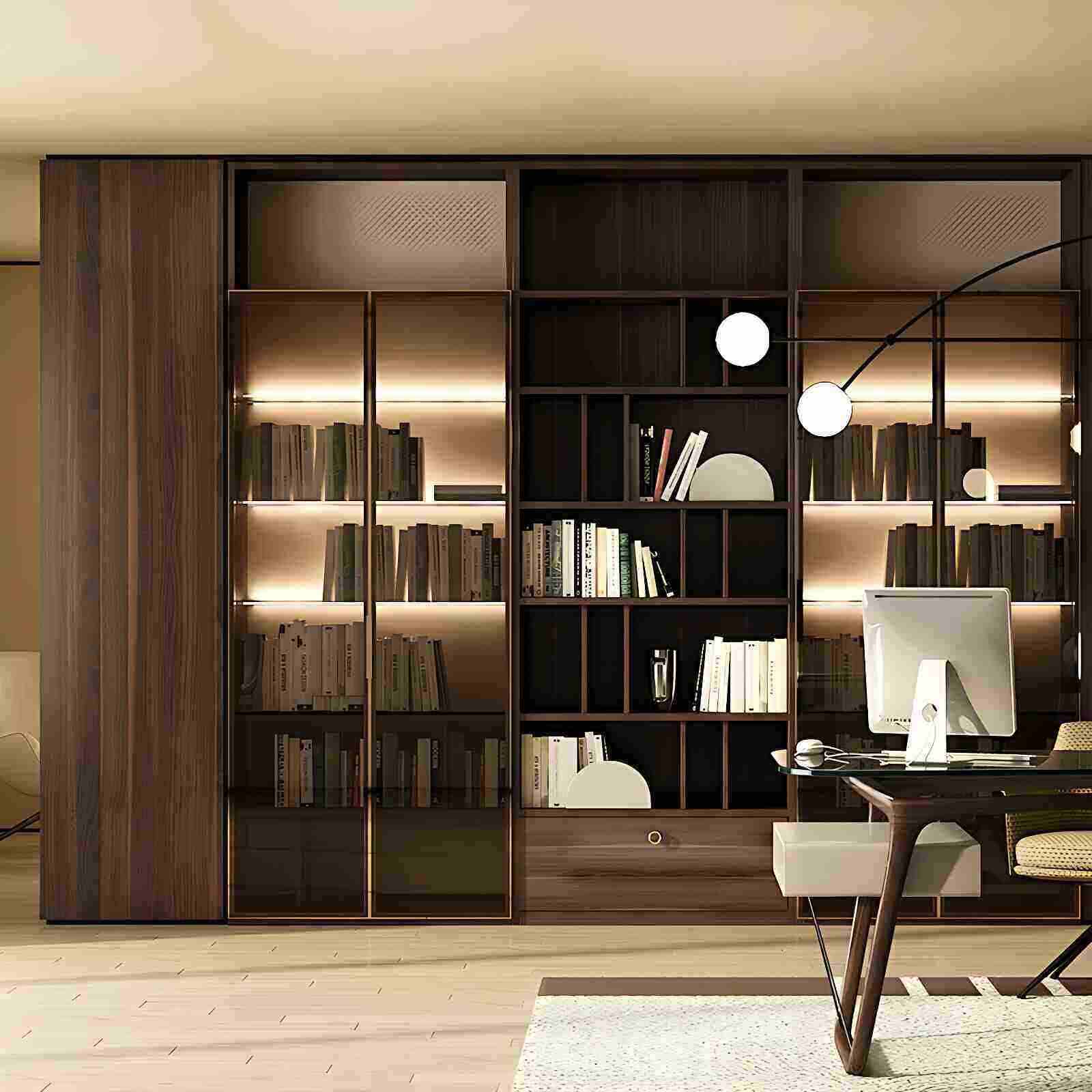

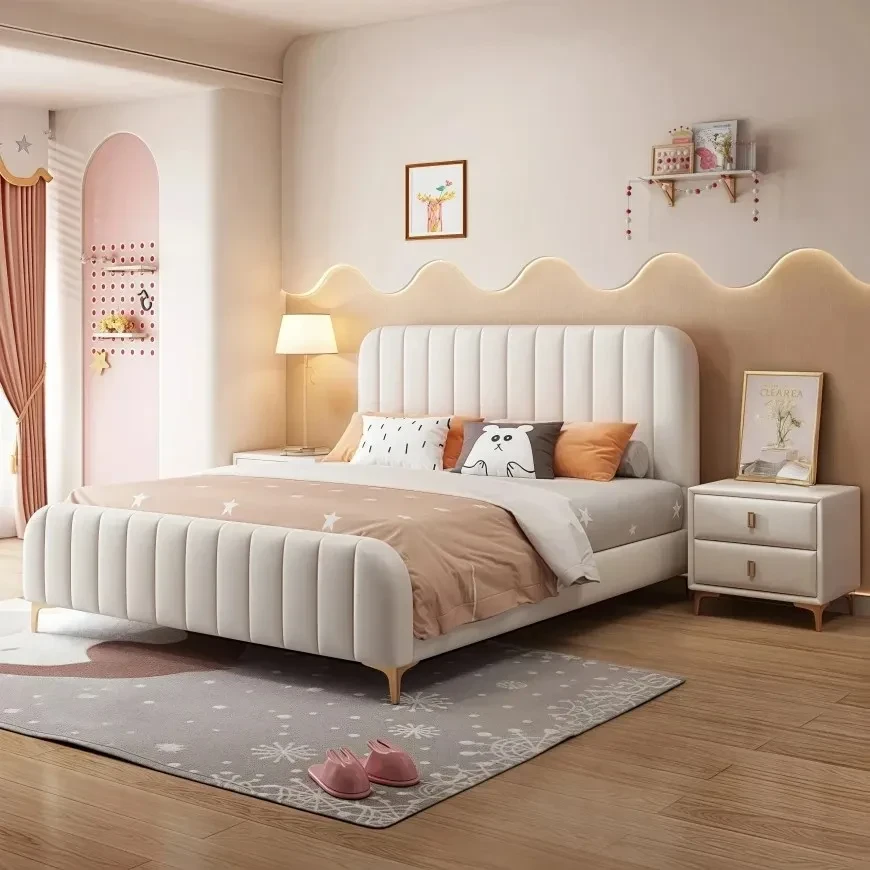
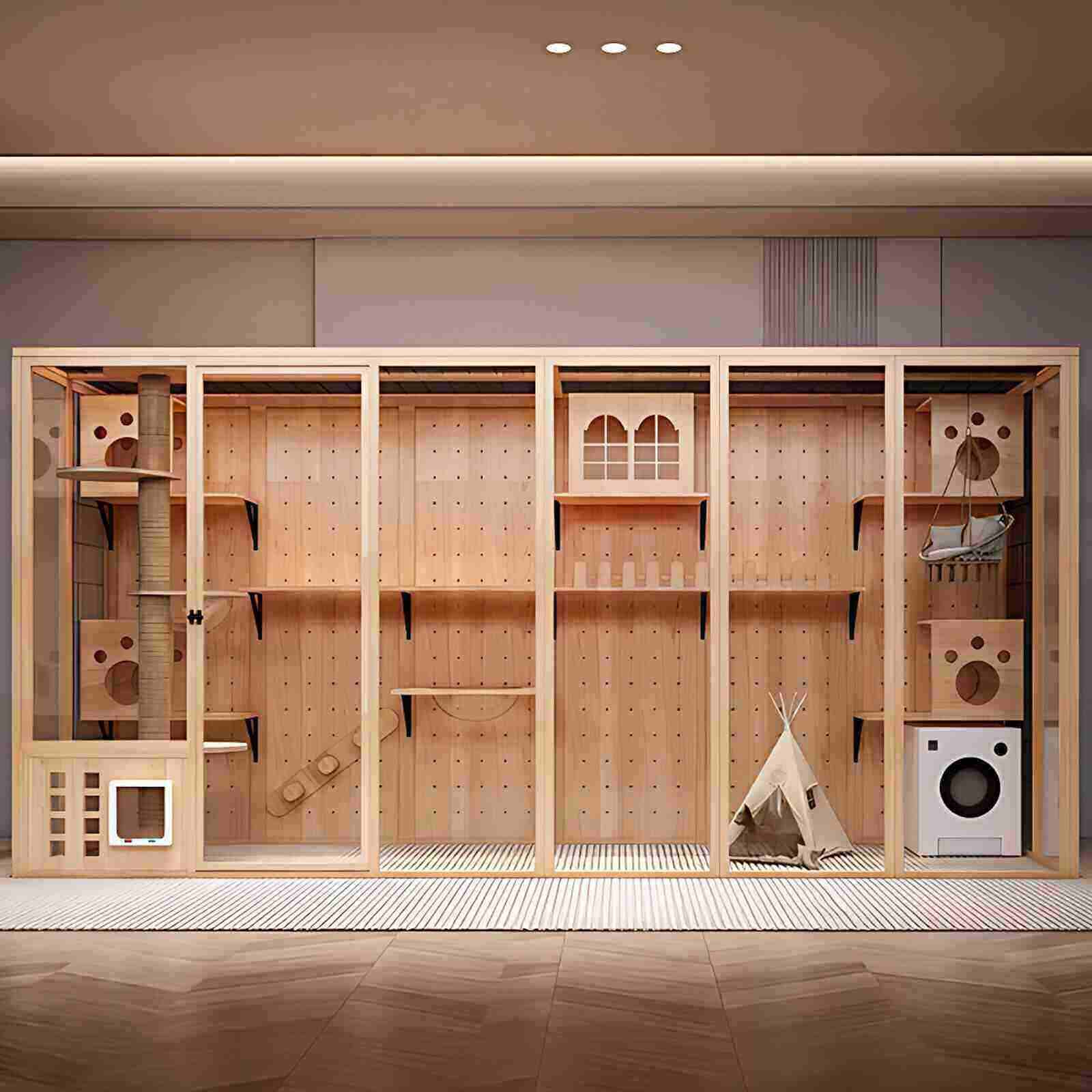
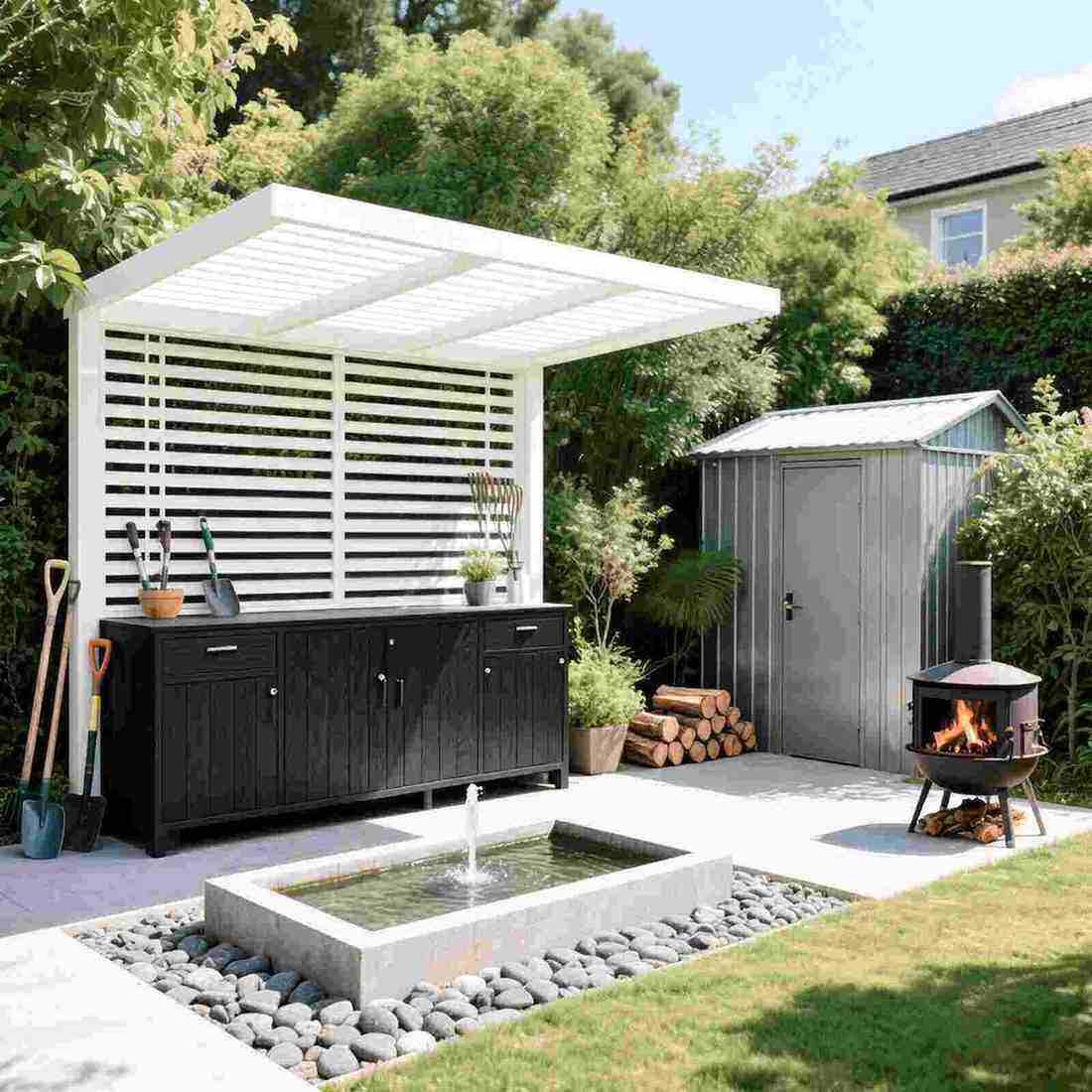
After prolonged use of panel furniture, people have discovered that the panel components exhibit deformation and cracking. This is related to its manufacturing process, design, and adhesives. However, the root cause lies in the fact that the panels have not undergone proper "care."
What? Wood panels need "health maintenance"??
That's right! From a tree to a board, it needs to go through at least three "health maintenance" processes!
First time health preservation
Raw material stage
When external temperature and humidity conditions change, wood absorbs or releases moisture from the environment to achieve a new moisture balance. Therefore, it must be dried to adapt to the atmospheric conditions of the environment in order to minimize cracking and deformation caused by changes in temperature and humidity.
This process, which involves curing the wood before it is processed into boards , generally takes more than 20 days. The specific duration depends on factors such as the tree species, thickness, and processing method.
Second health preservation
Glue application stage
During the processing of wood into boards, after gluing both sides of the core, it needs to be cured for 12-24 hours. The curing time varies depending on different climatic conditions. The standard is that the adhesive has initially cured to the point where it is no longer sticky to the touch before proceeding to the next step. This is to prevent glue overflow during cold pressing, which would result in weak adhesion of the boards. This is why, even with strict adherence to the preceding and following steps, boards still sometimes come unglued – the problem lies in this "curing" step.
The third health regimen
Puttying process
To ensure a uniform and flat surface, all rough boards require varying degrees of "leveling" treatment, also known as "puttying. " The putty is primarily composed of powder and glue, containing a certain amount of moisture, which can easily seep into the board, causing further changes in moisture content. Therefore, a 7-15 day "curing" process is needed to allow the putty to harden and balance internal stress. The specific curing time depends on the moisture content of the board.
The environment for health preservation is important
The environment for health maintenance is also crucial. It must be well-ventilated, dry, and kept at a normal temperature, avoiding external factors such as sunlight and rain. At the same time, the boards should not be stacked; they must be stored separately to ensure that each board receives adequate "health maintenance."
The ultimate goal of health preservation
First
Conditioning can further balance the internal moisture content of the board, as the moisture content varies between the top and bottom parts, and between the inside and outside. Proper conditioning can help to bring the internal moisture content closer to a uniform level.
second
Curing can release the internal stress of the board. Changes in moisture cause changes in the dimensions and volume of the board in all directions, which generates internal stress . Proper curing can effectively reduce internal stress, thereby reducing deformation and warping.
Therefore, in order to avoid deformation, warping, delamination, cracking and other problems in the boards or finished furniture , the "curing" process is essential.
Article 4
Proper health preservation
This ensures that the boards will not deform, warp, delaminate, or crack from the source .