
 USD
USD GBP
GBP
 EUR
EUR

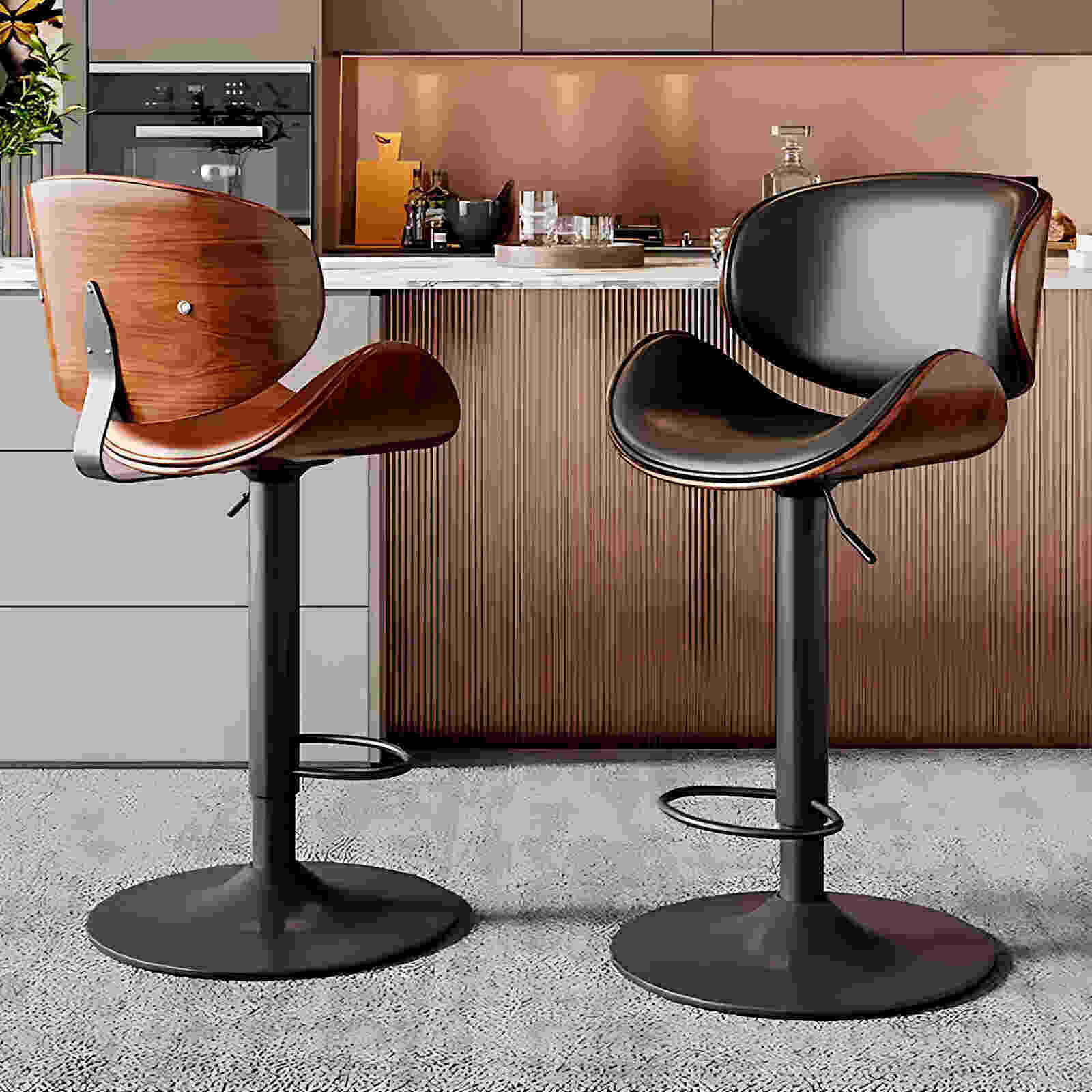
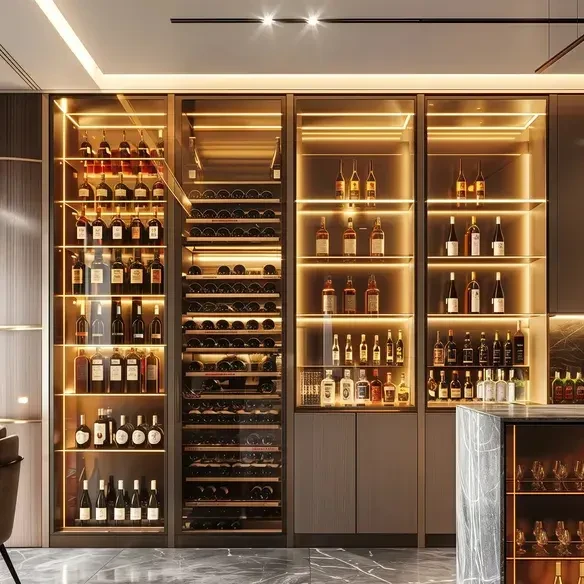

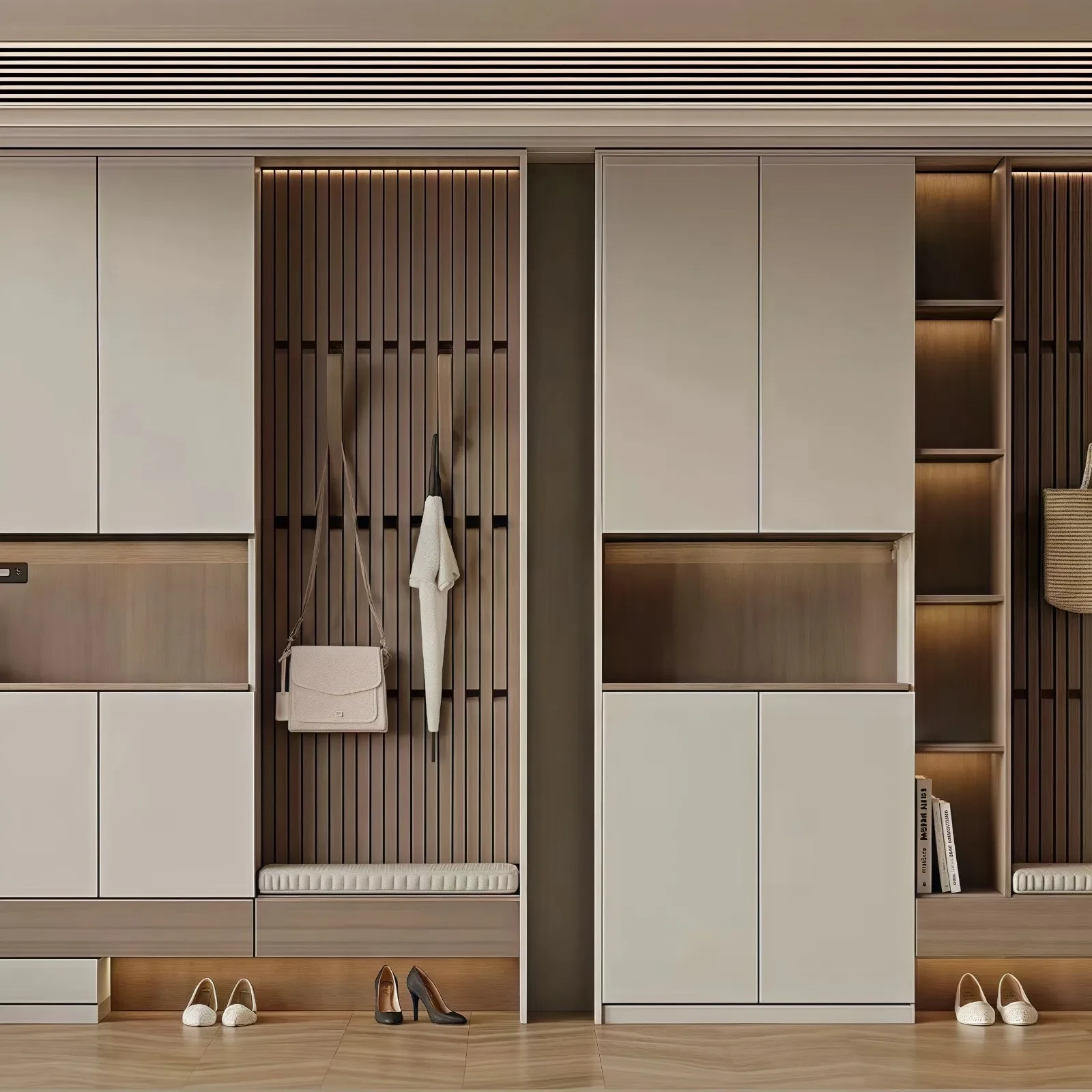
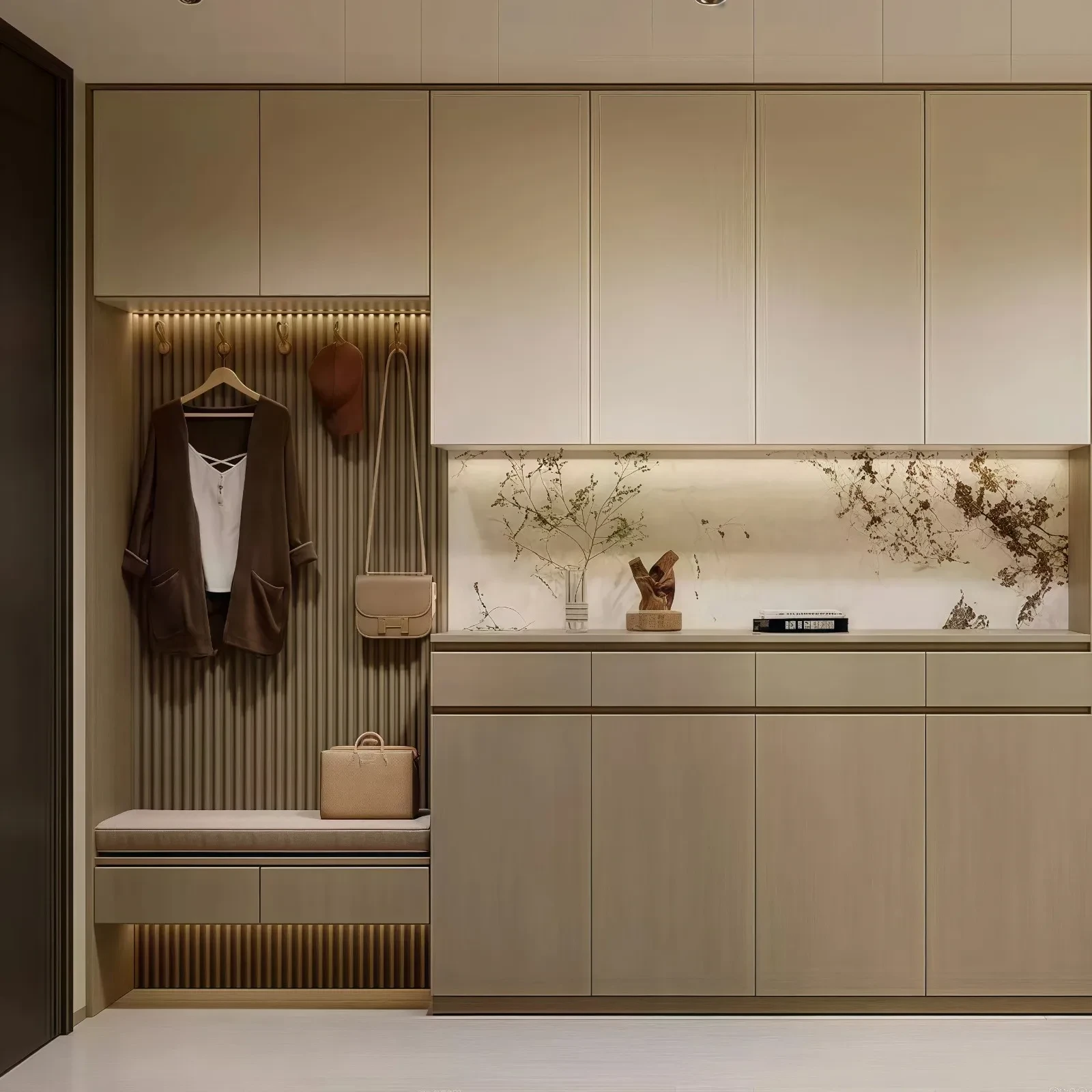




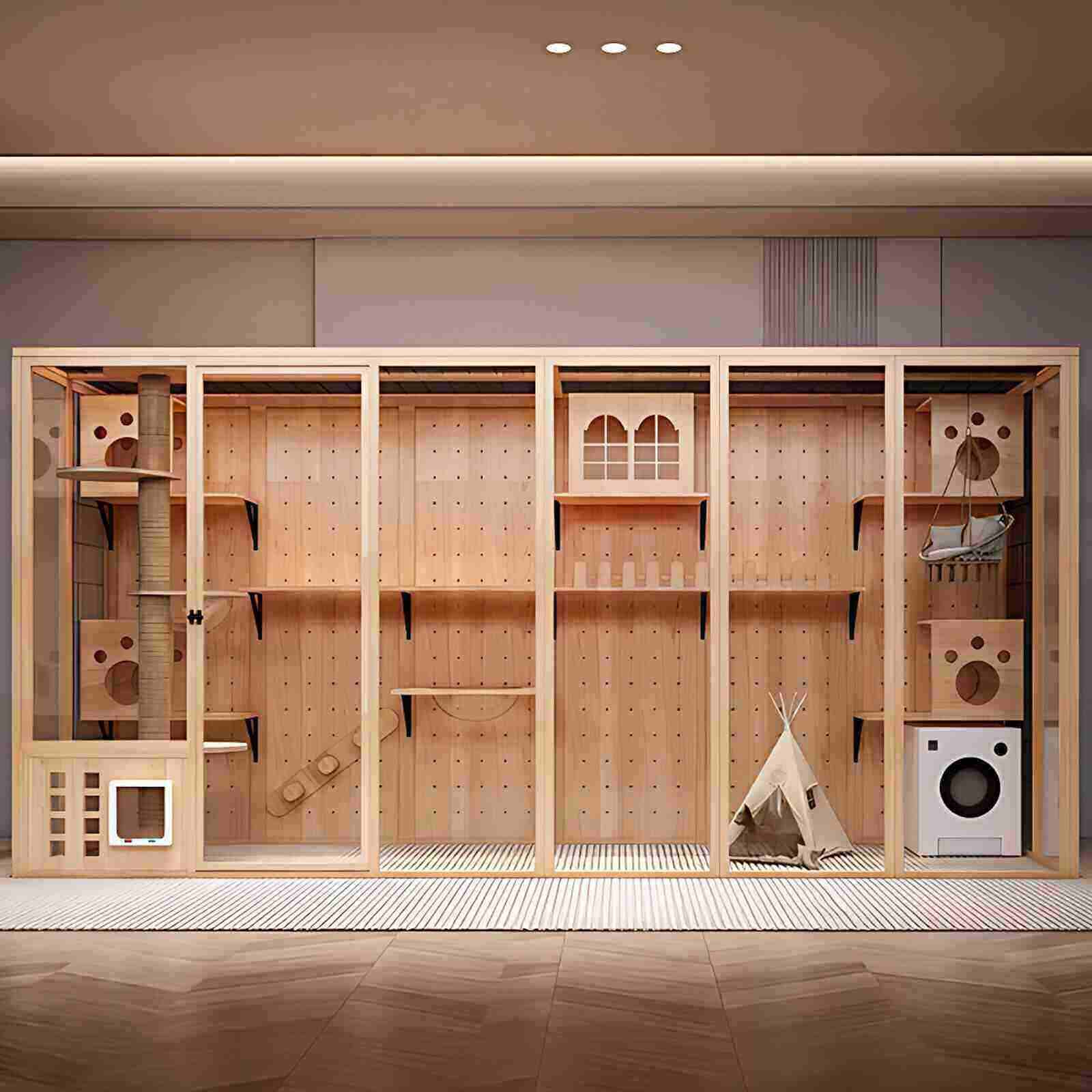
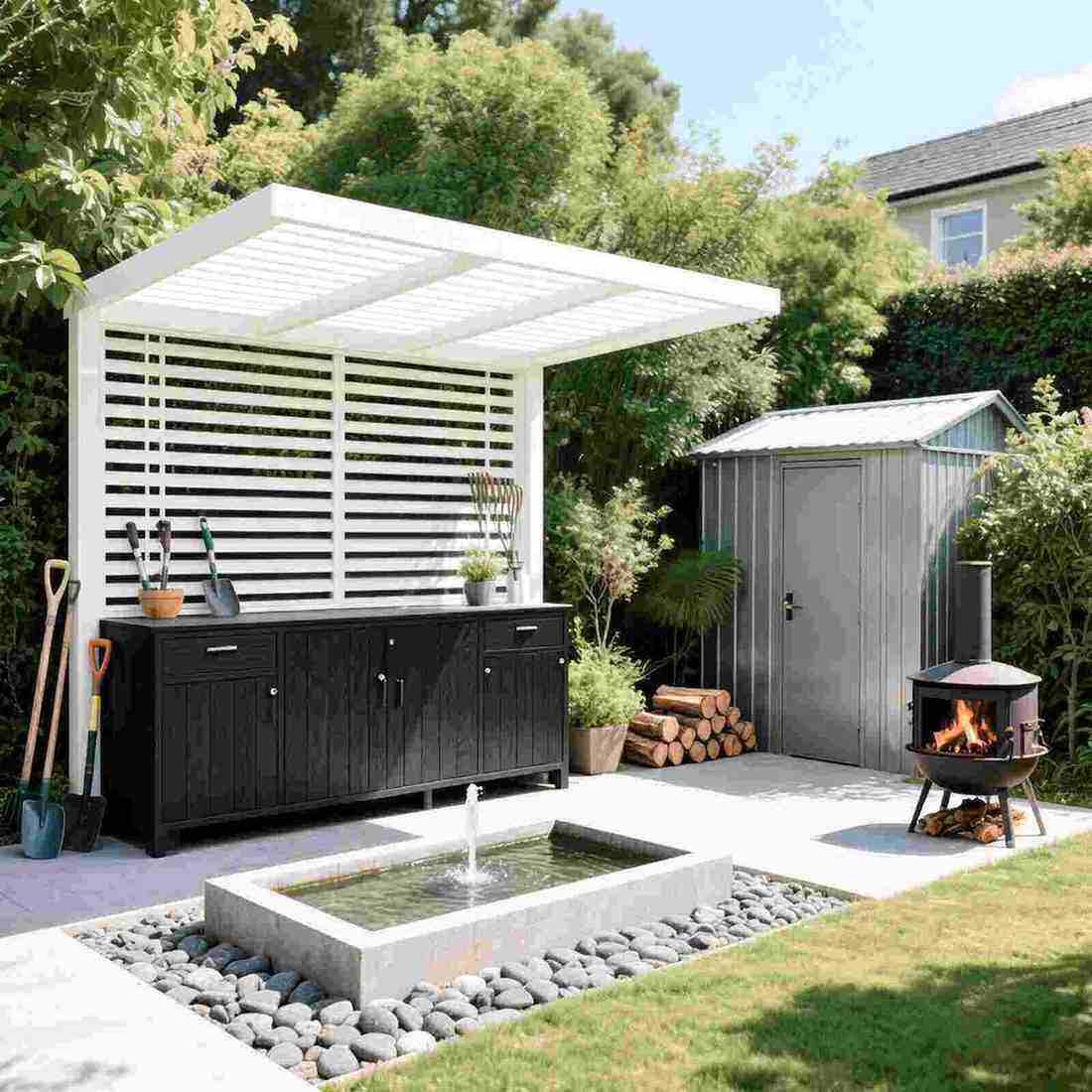
Most people are familiar with engineered wood, and you might immediately think of terms like "horizontal jointing," "longitudinal splicing," and "finger jointing." The wood used for engineered wood is mostly small-diameter timber. Today, we'll introduce a slightly different type of engineered wood, mainly in two aspects: the selection of materials and the splicing structure.
Before introducing this new type of engineered wood, I think it is necessary to review the definition of engineered wood with everyone again. It is important to clarify the difference and connection between engineered wood and finger-jointed wood. This is very important and will make it easier to understand the following structural introduction.
Not all engineered wood is finger-jointed.
In the academic field, engineered wood is defined as follows: "engineered wood is a type of wood-based structural panel made by gluing together solid wood boards or strips with parallel wood grain in length or width (some may also require layering in thickness) to form a wood structure panel with certain specifications, dimensions and shapes."
From the definition of engineered wood above, we can see that "jointing, widening, and gluing" are its main technological characteristics. Some might say, "Isn't that just finger-jointed wood?" That's not wrong, because most engineered wood is often joined using finger joints, and horizontally it's usually spliced flat. So when engineered wood is mentioned, many people immediately think of finger-jointed wood.
In reality, finger-jointed boards and engineered wood are related by inclusion; finger-jointed boards are a type of engineered wood. Simply put, finger-jointing is just one method of wood integration, and it's wrong to generalize and assume that all engineered wood is finger-jointed.
Laminated timber with horizontal mortise and tenon joints
Since finger jointing is not the only way to integrate solid wood, are there any other structural methods? Of course, there are, such as the structure that uses mortise and tenon joints for integration, which we will talk about next.
Composed of two identical square strips, both featuring a tenon in the middle of the top chord of the strip, with mortises on either side of the tenon, and a groove in the middle of the bottom chord, with tenons on either side of the groove. The square strip structure is shown below:
▲Square bar structure
Two square strips of different lengths but identical structure are interlocked in a triangular pattern, allowing the tenons and mortises, as well as the side tenons and side mortises, to fit together in a mortise and tenon inlay structure. During the splicing process, the layout of the two strips is adjusted according to the required board length to create a piece of engineered wood of any length and width. Because the strips are interlocked with each other, the resulting engineered wood is stable and robust, adding a new type of engineered wood to the engineered wood industry.
▲Square strip integrated structure
This new structure retains the physical properties of traditional engineered wood without damaging the wood's vascular fiber structure or natural lignin. It possesses a series of physical properties of wood, such as regulating indoor humidity and absorbing ultraviolet rays. Moreover, the individual square strips are relatively small, and their stress, coefficient of expansion and contraction, and modulus of elasticity are correspondingly weaker. In addition, a new mortise and tenon inlay process is used between the tangential surfaces of the square strips, allowing the strips to be interlocked firmly, resulting in a stable and robust engineered wood.
In addition, the splicing and molding process can be completed at room temperature, eliminating the need for hot splicing and the use of urea-formaldehyde glue. The finished engineered wood products have no special odor.
▲Real photo of square strip mortise and tenon inlay
New varieties of oak are used to construct engineered timber.
As mentioned at the beginning of the article, the type of engineered wood we are going to introduce has a special structure and the wood it uses is also quite remarkable, called oil oak.
Eucalyptus spp. is an evergreen tree belonging to the genus Eucalyptus in the family Myrtaceae. It was cultivated and planted under the leadership of Dr. Xiang Dongyun, who is known as the "Father of Eucalyptus in China," and was named based on the basic characteristics of the wood.
Oil oak is rich in a variety of natural essential oils that are beneficial to human health, such as eucalyptol, pinene, benzoanil, piperone, and water fennel. Moreover, it is tough, has a dense texture, is resistant to insects and corrosion, and has excellent health and physical properties. When used extensively in the home, it can significantly help to refresh the mind, invigorate the spirit, and has antibacterial, anti-inflammatory, disinfecting, and temperature and humidity regulating effects.
However, due to its rapid growth, high density, and extreme variability in wood properties, it is difficult to process and utilize, and there is no precedent for large-scale solid timber production and utilization at home and abroad to date.
The unique properties of oak wood give it a distinctive ability to create a healthy indoor environment, unmatched by any other material. It possesses the special ability to powerfully release phytoncides and negative ions (air vitamins). Scientific evidence shows that phytoncides and negative ions can kill bacteria in the air, inhibit human diseases, and enhance immunity. They also have significant effects on mental alertness, improving memory, lowering blood pressure, and stabilizing the autonomic nervous system, thus promoting a pleasant mood. Its effects on regulating indoor temperature and humidity, antibacterial properties, air purification, and boosting energy are gradually gaining wider recognition.
How do the properties of oil oak compare to other types of wood? Please see the table below for a related analysis:
Oil oak mortise and tenon inlay engineered wood furniture making
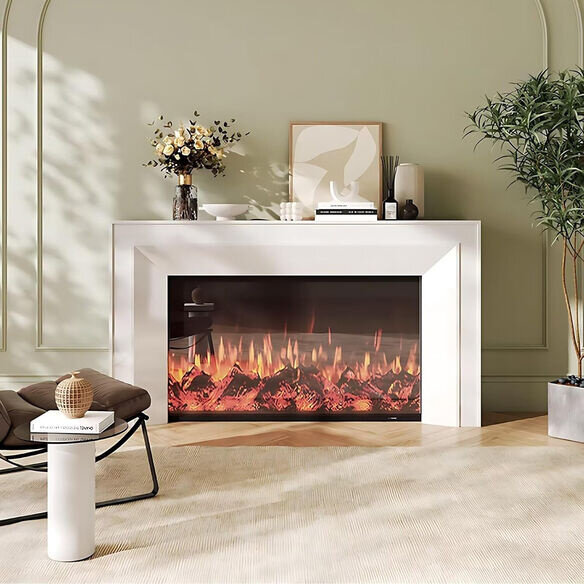
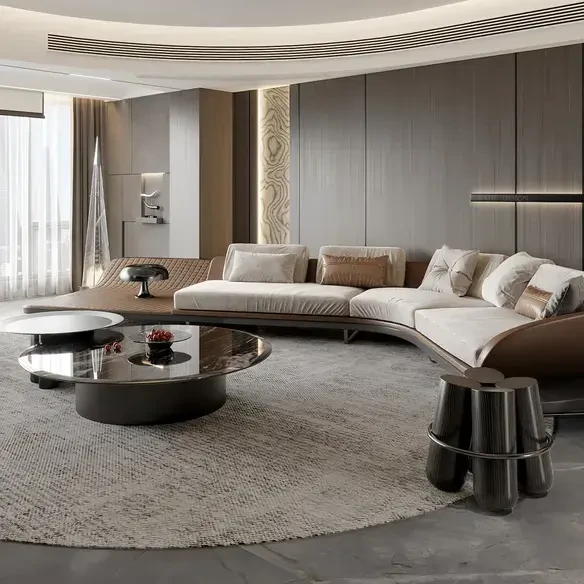
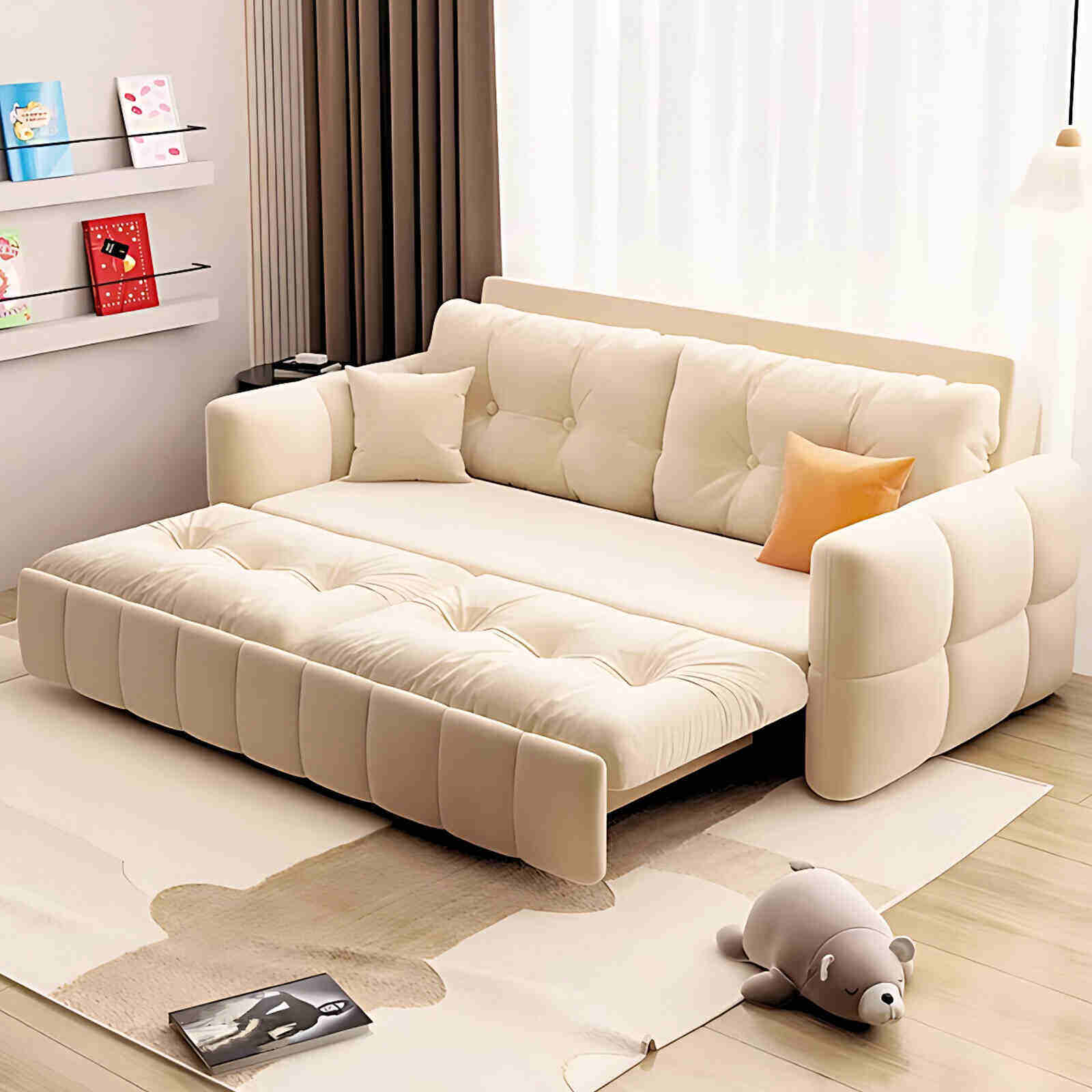
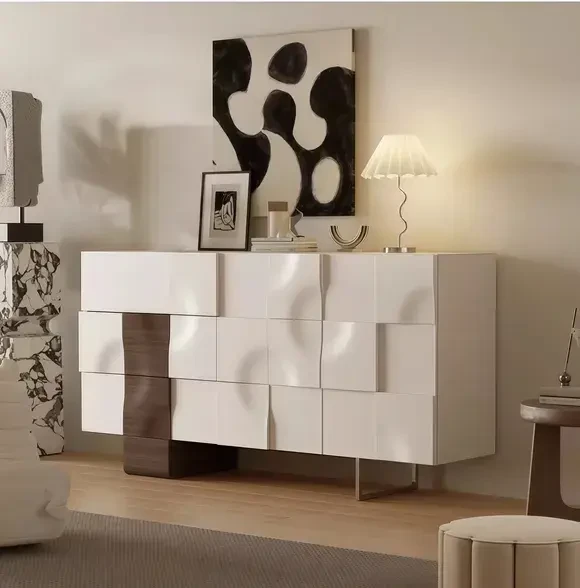
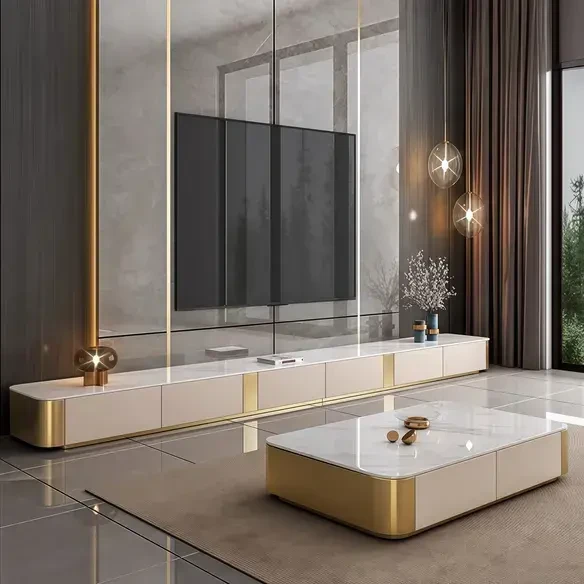
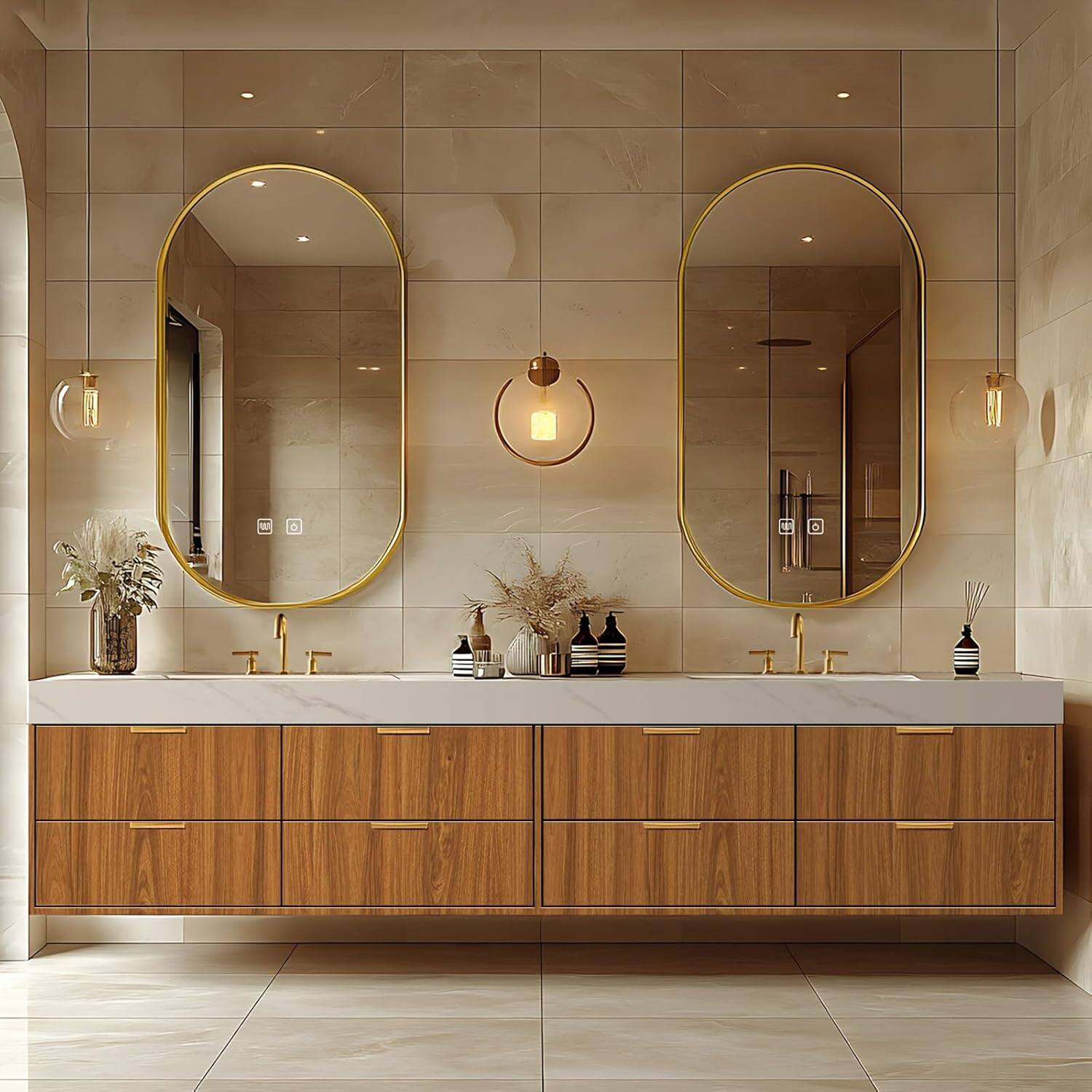
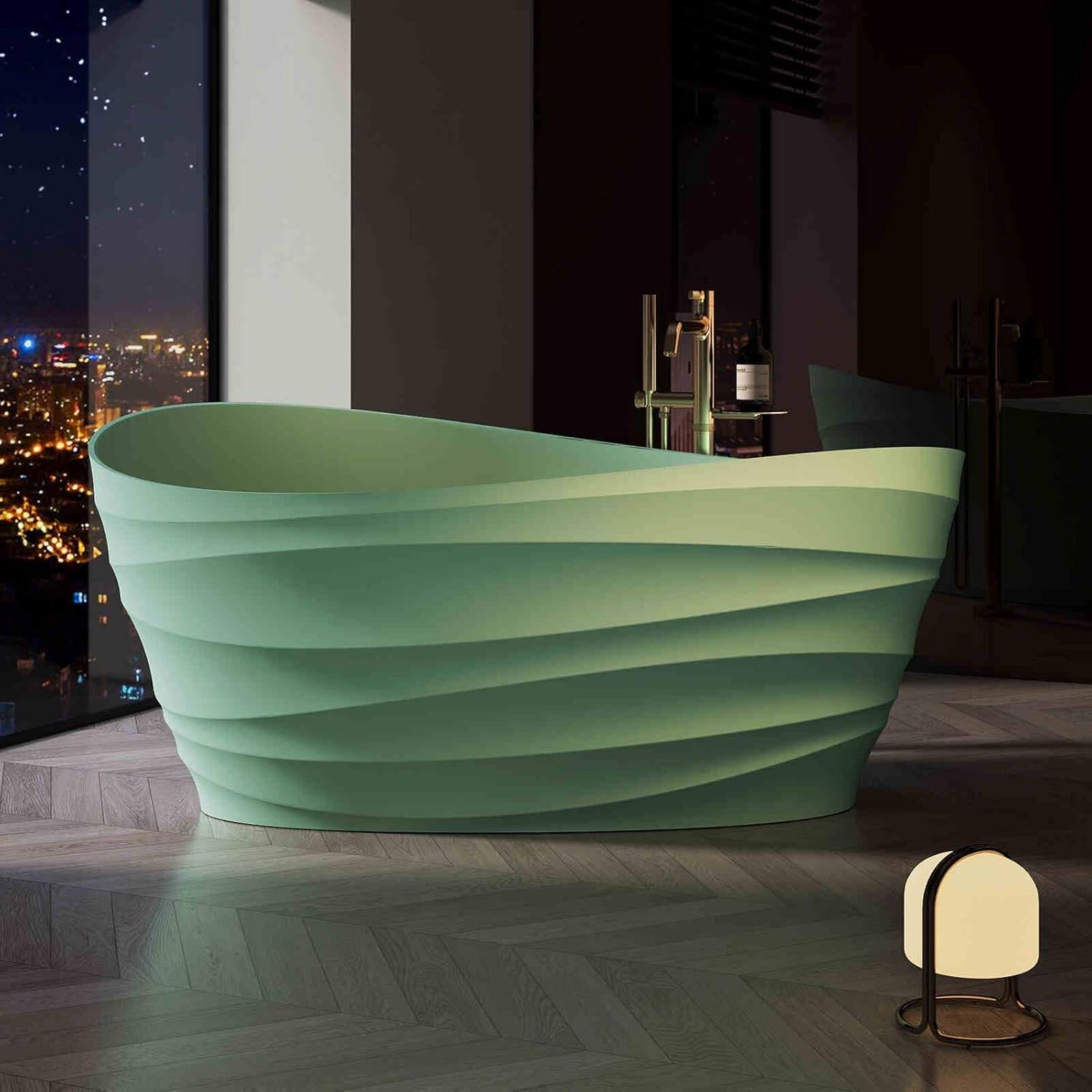
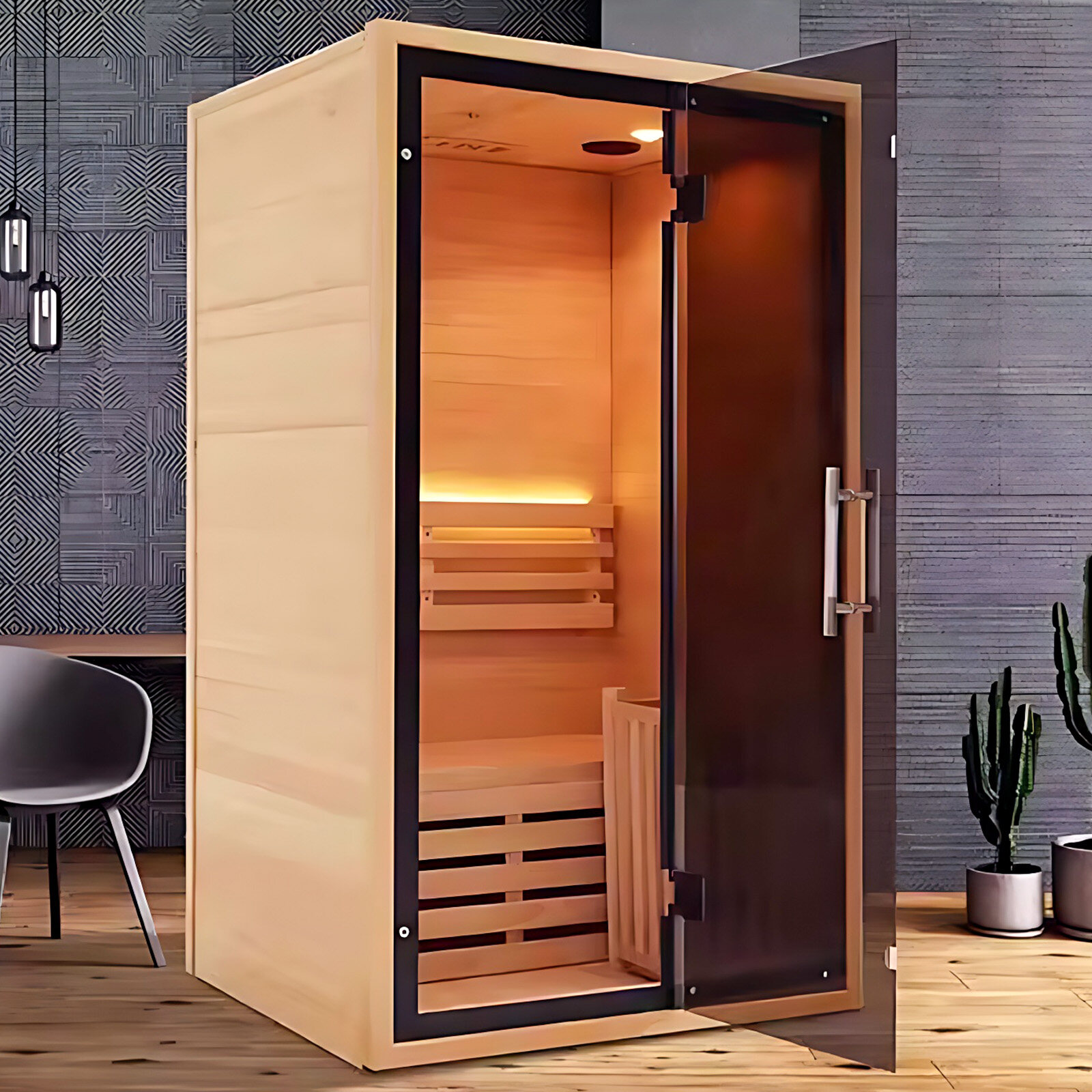
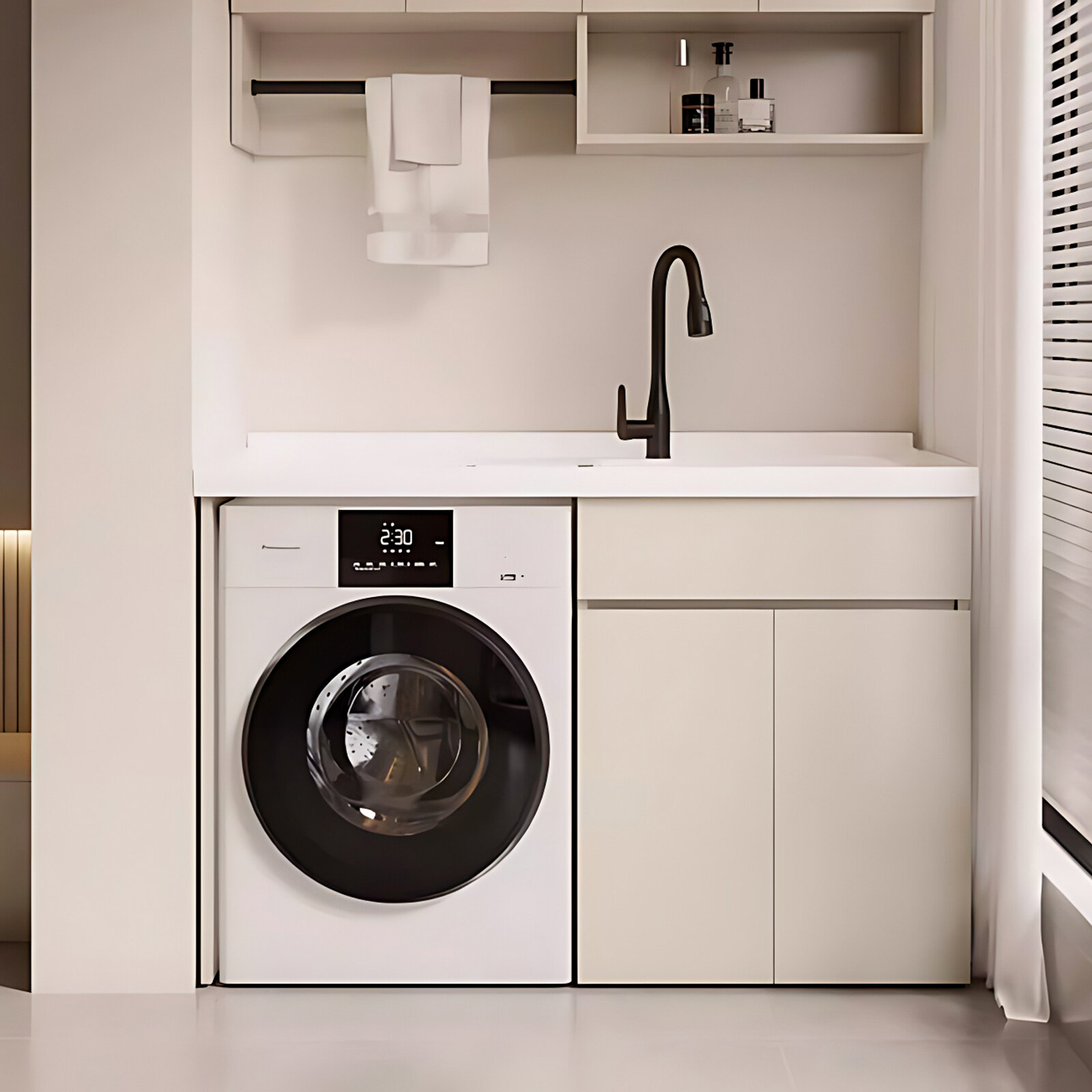
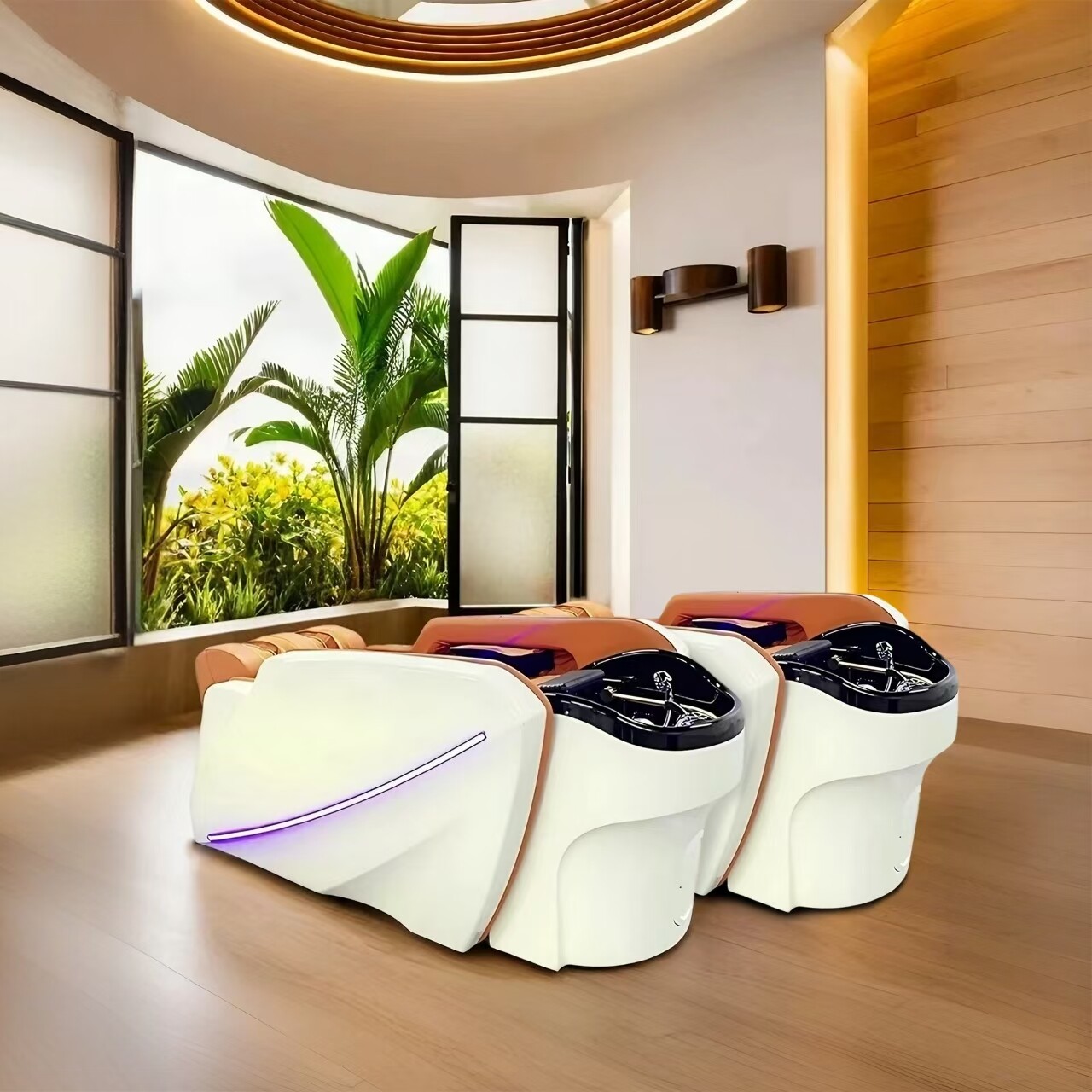
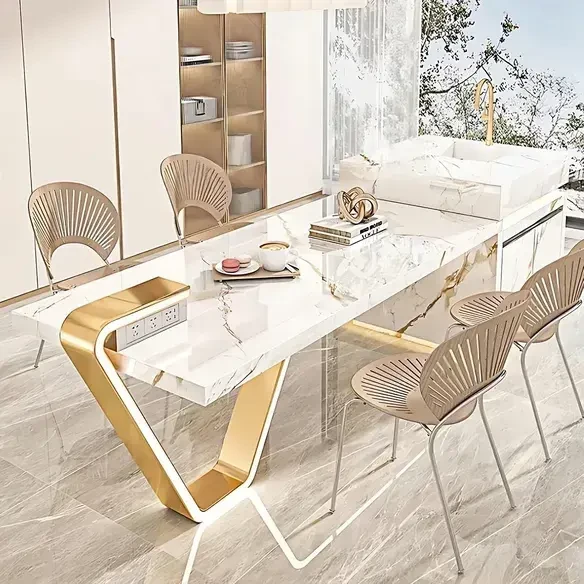
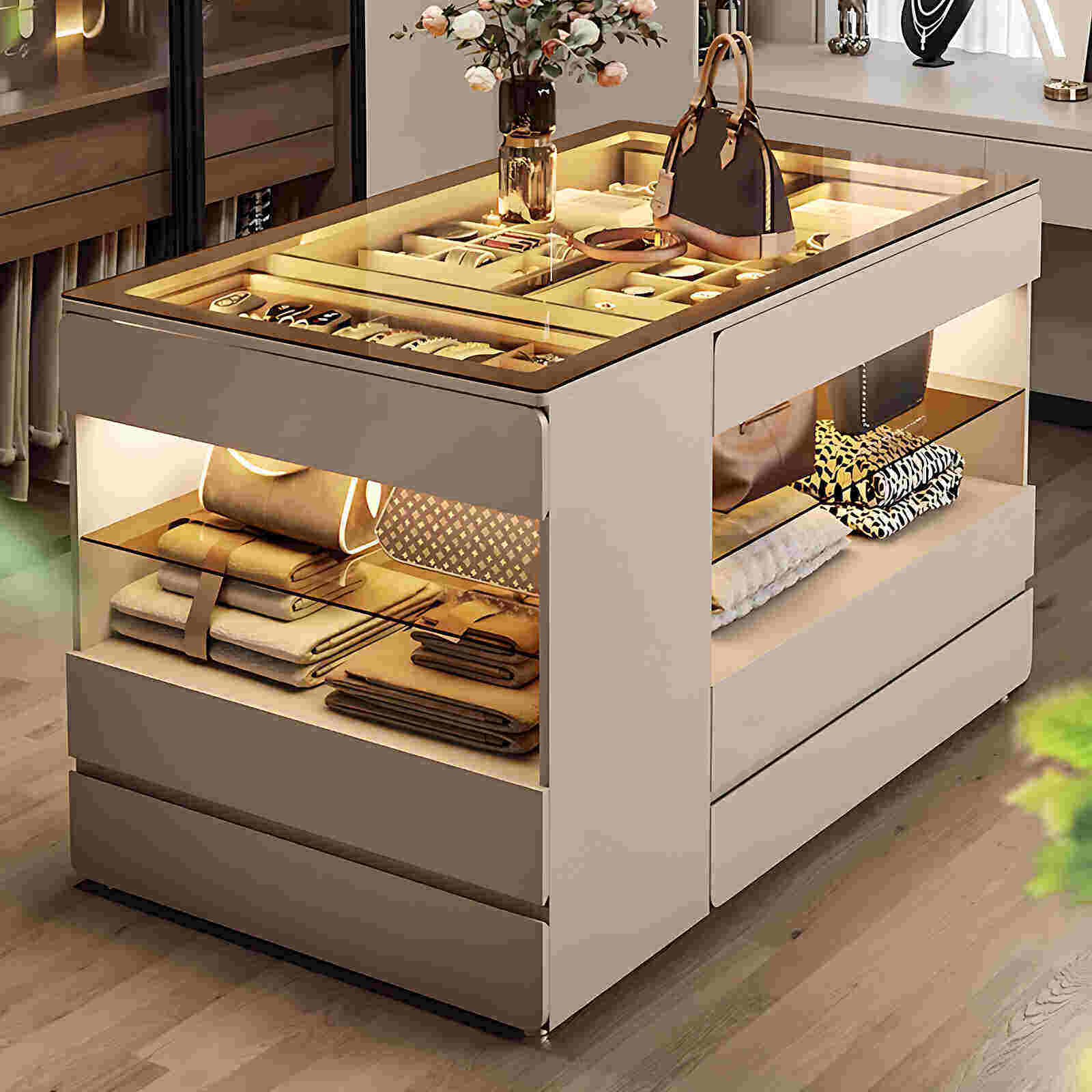
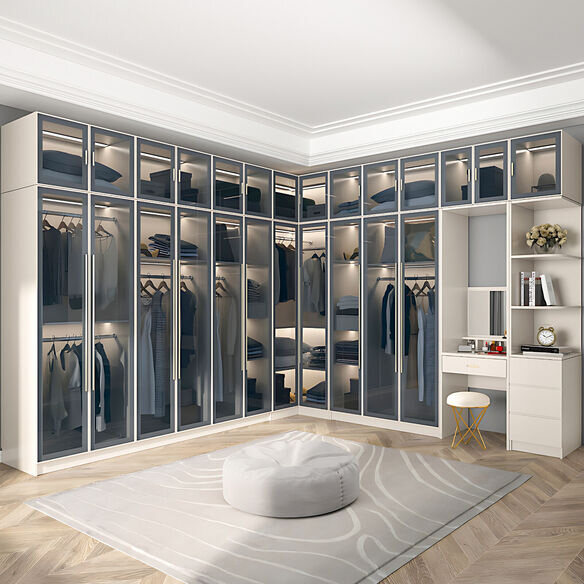
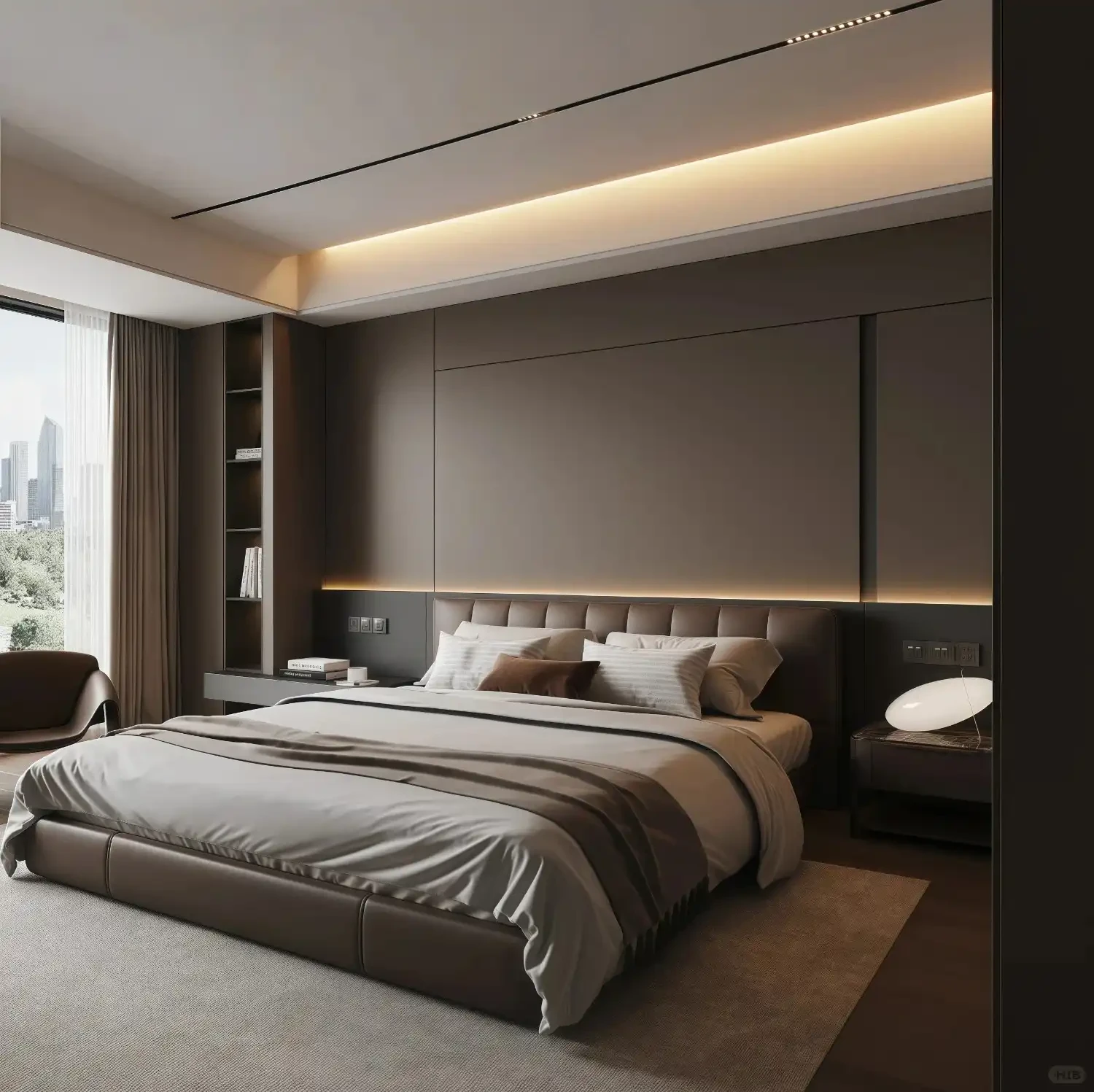
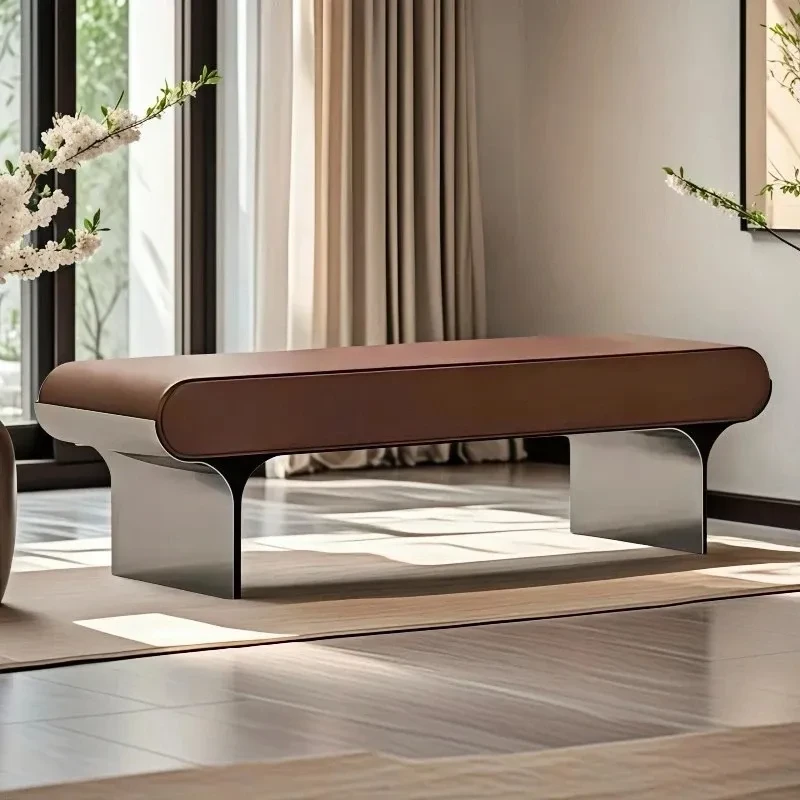
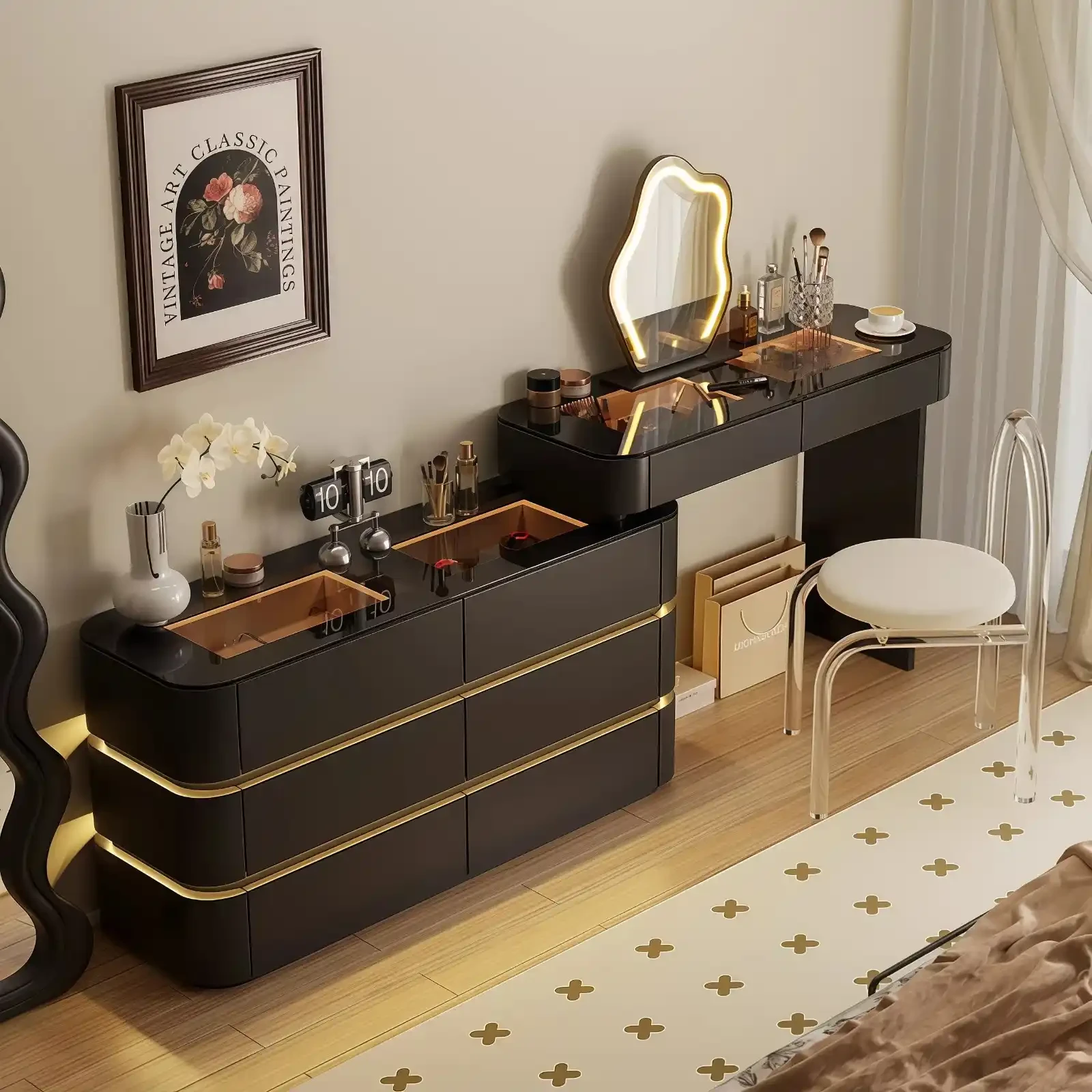
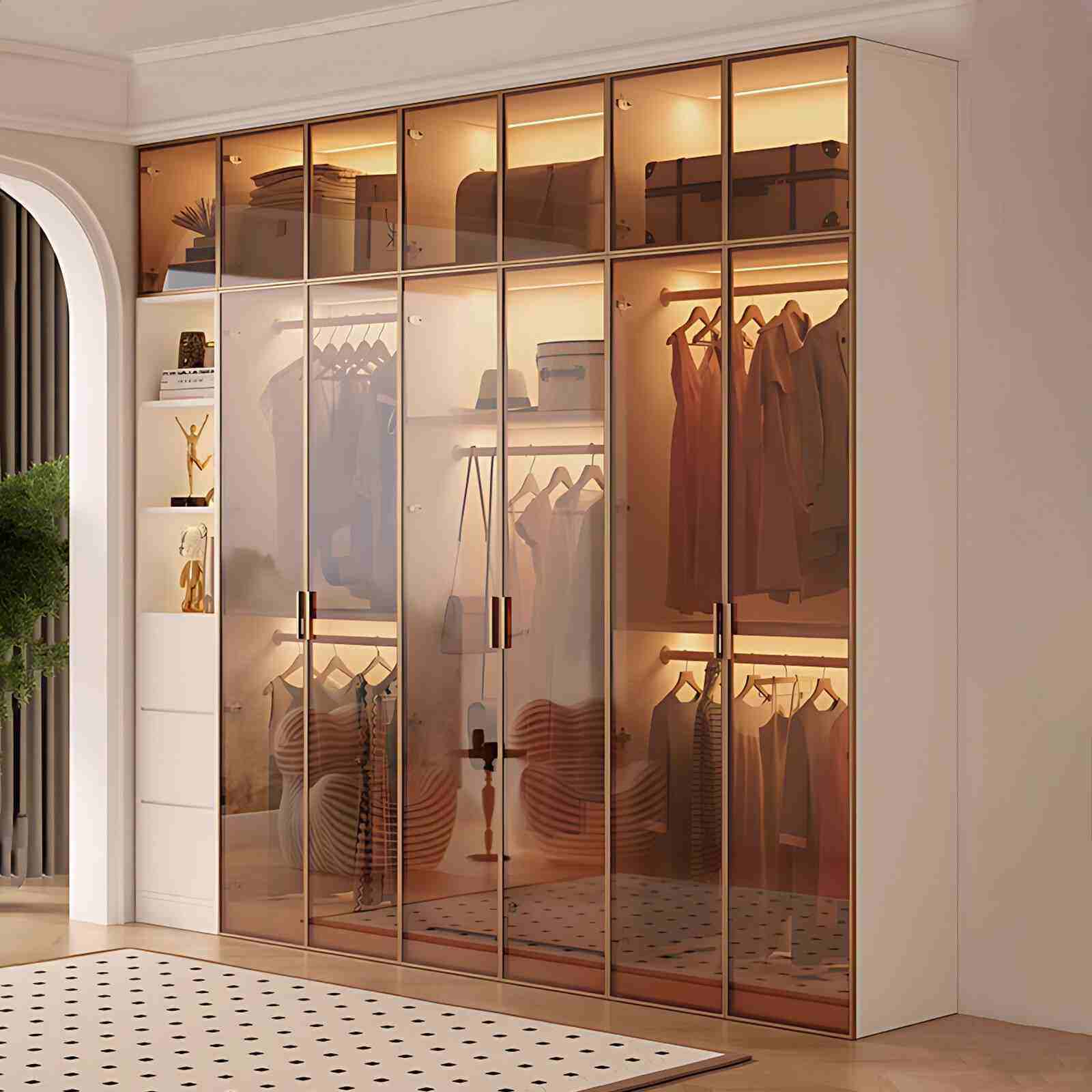
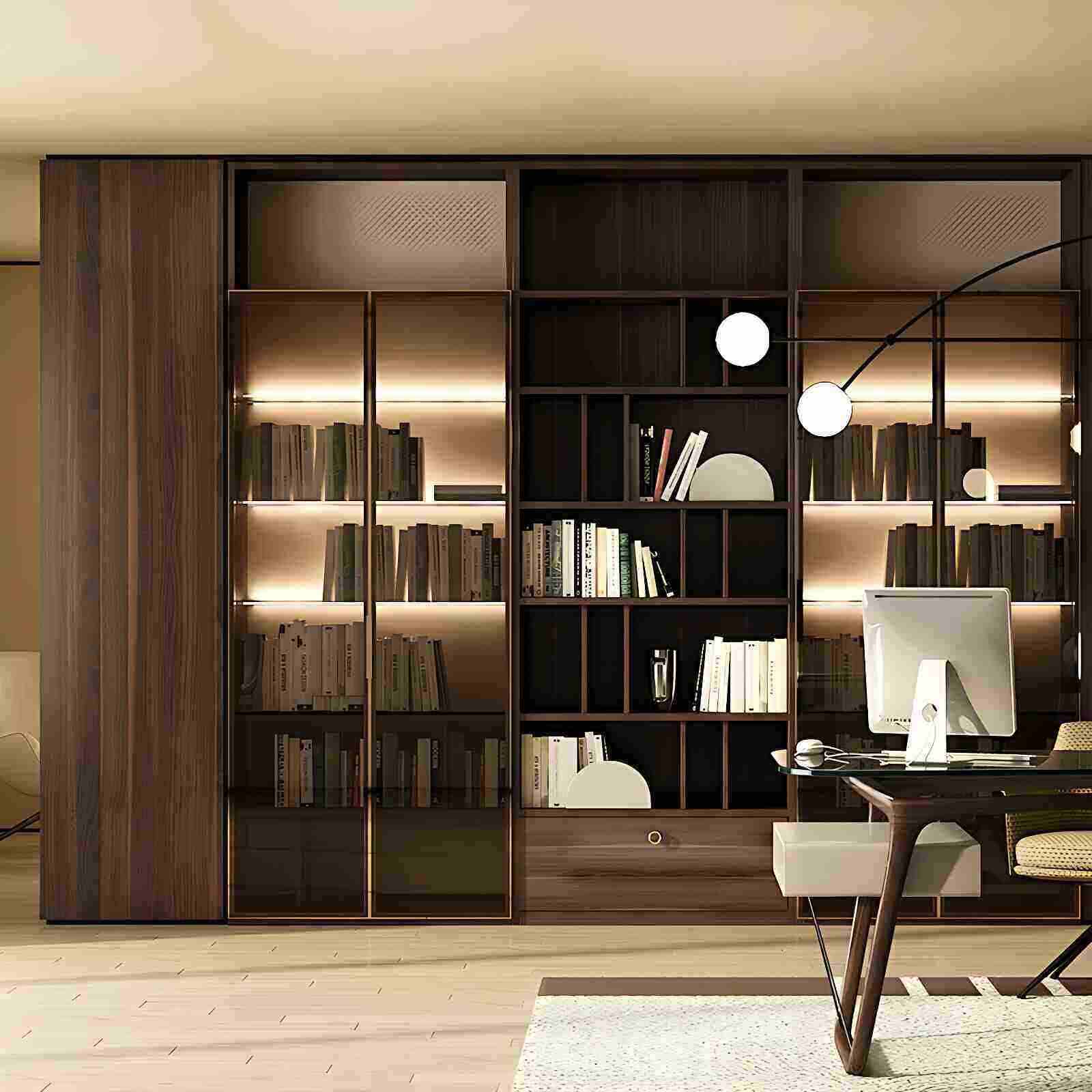
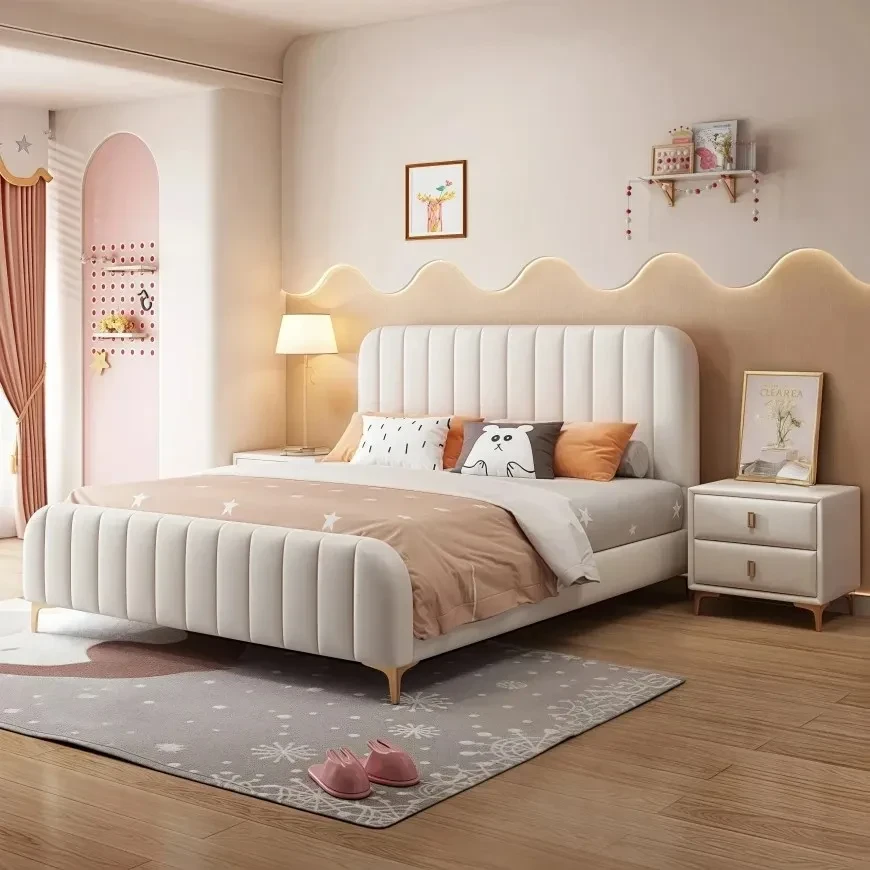
After introducing the structure and wood used in this new type of engineered wood, everyone must be quite interested in its practical application in furniture production. Below is a set of cases of furniture made using inlaid oak engineered wood.
As you may notice, all the furniture shown above has color, and some even has a finish. Indeed, this new type of engineered wood, with its new structure and materials, is itself a type of substrate, which can naturally be coated and veneered.
▲ Finishing effect
The finished furniture or decorative panels shown above look pretty good, right? Given the increasingly scarce timber resources, developing new materials through material selection, talent cultivation, and structural innovation is an important direction for the sustainable development of the furniture industry in the future.