
 USD
USD GBP
GBP
 EUR
EUR
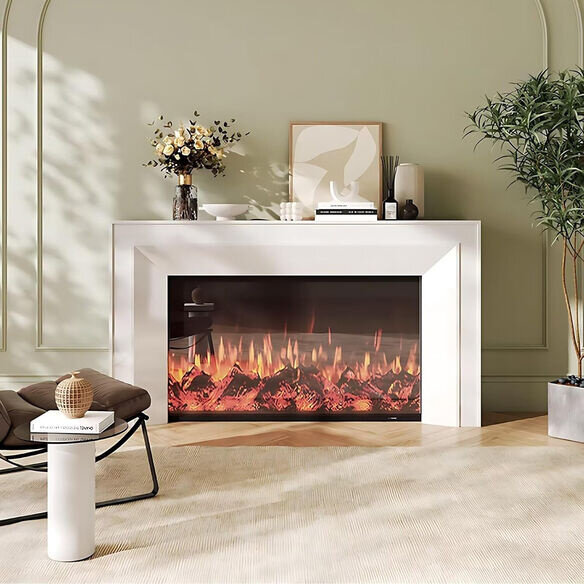
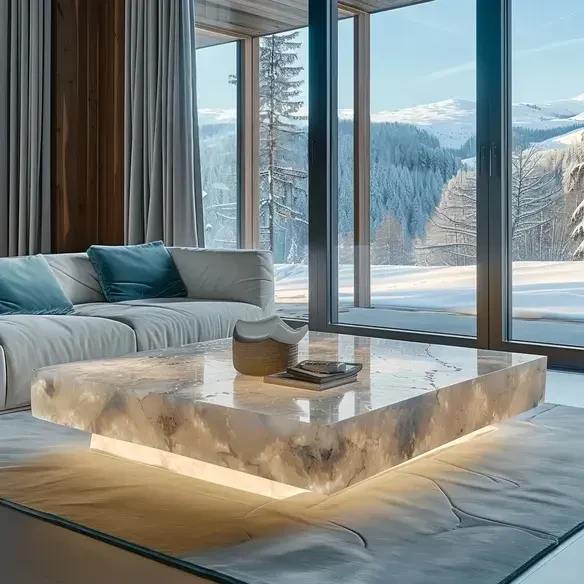
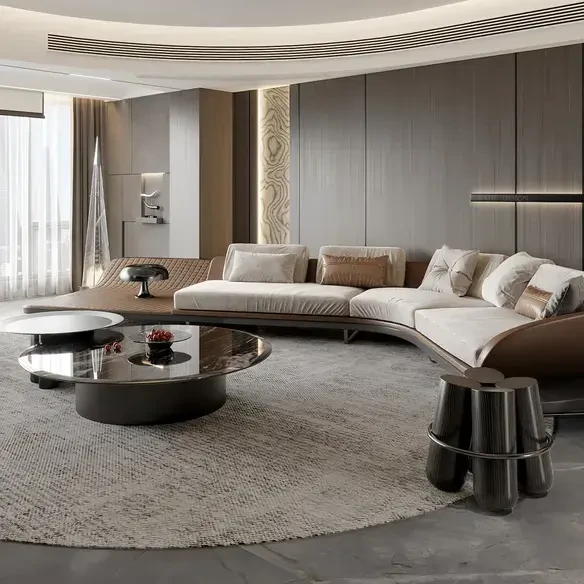
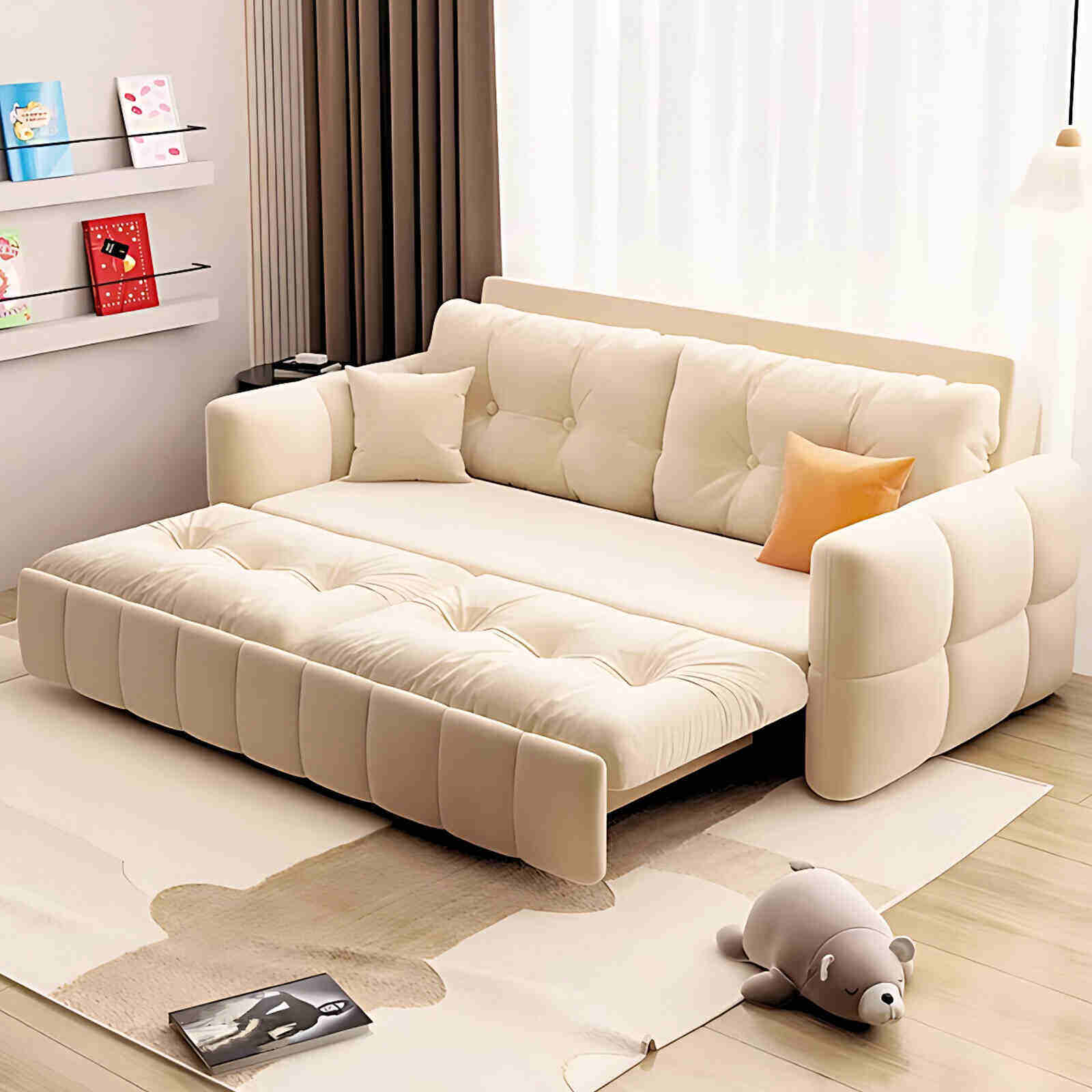

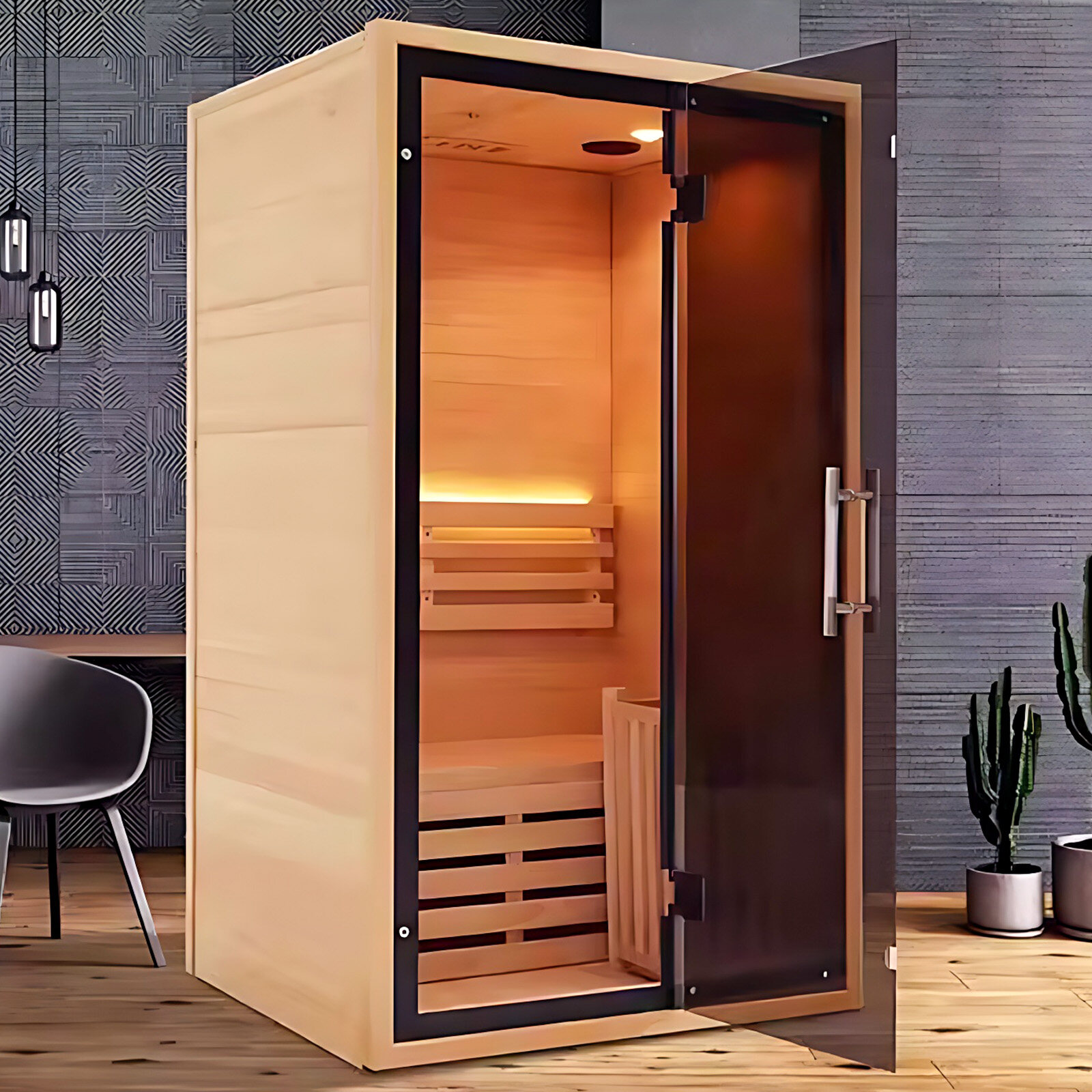
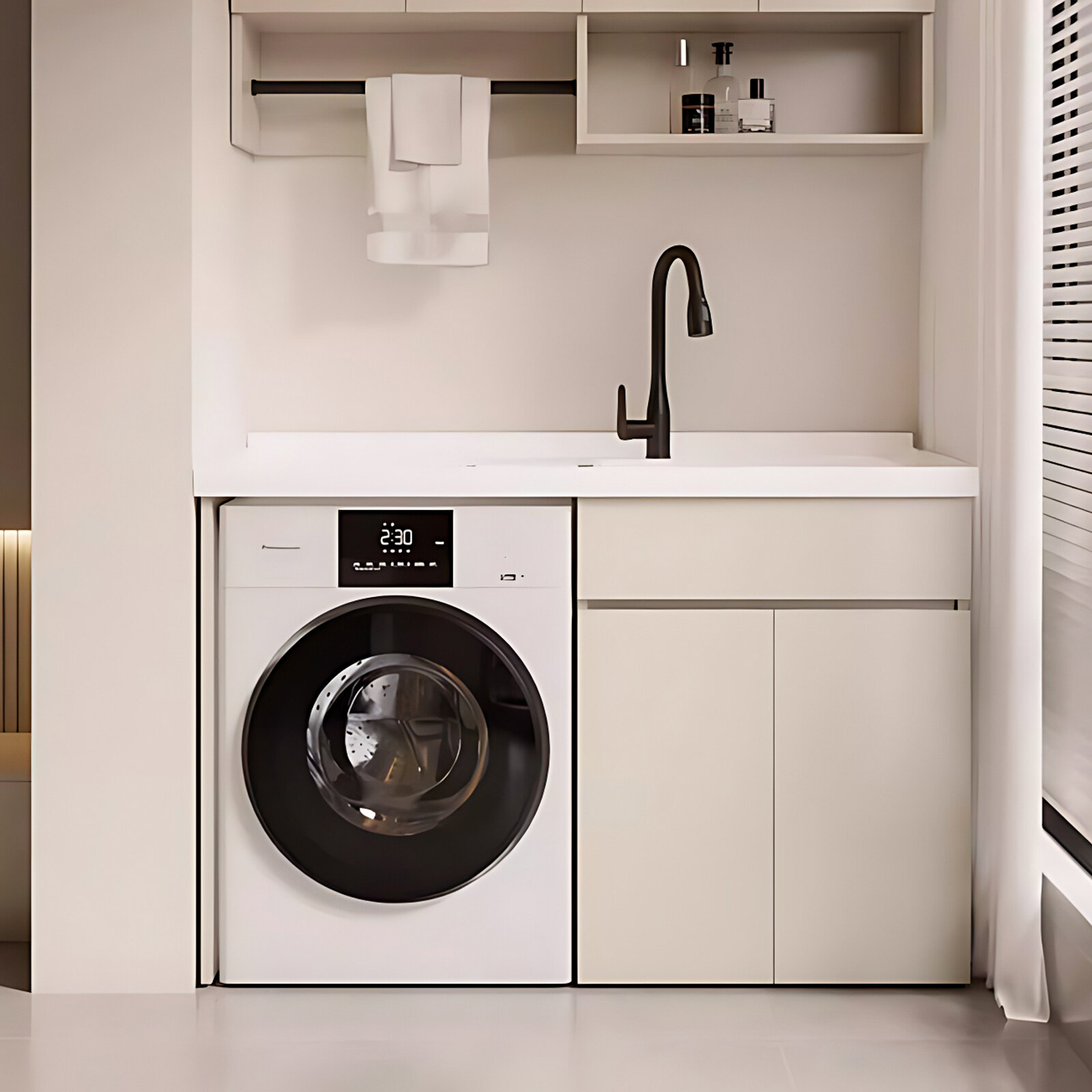
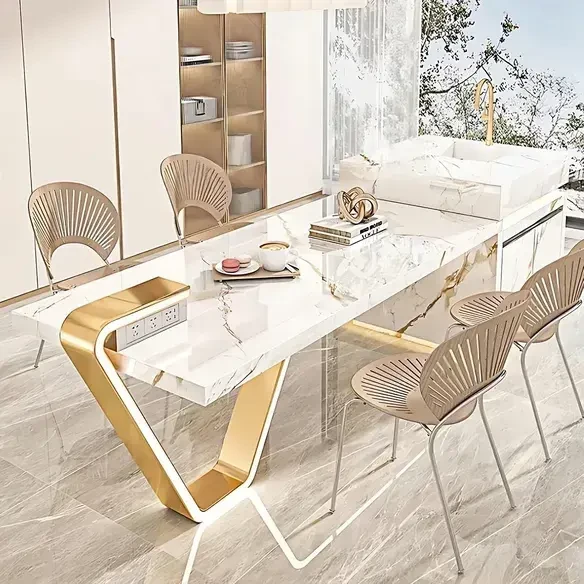
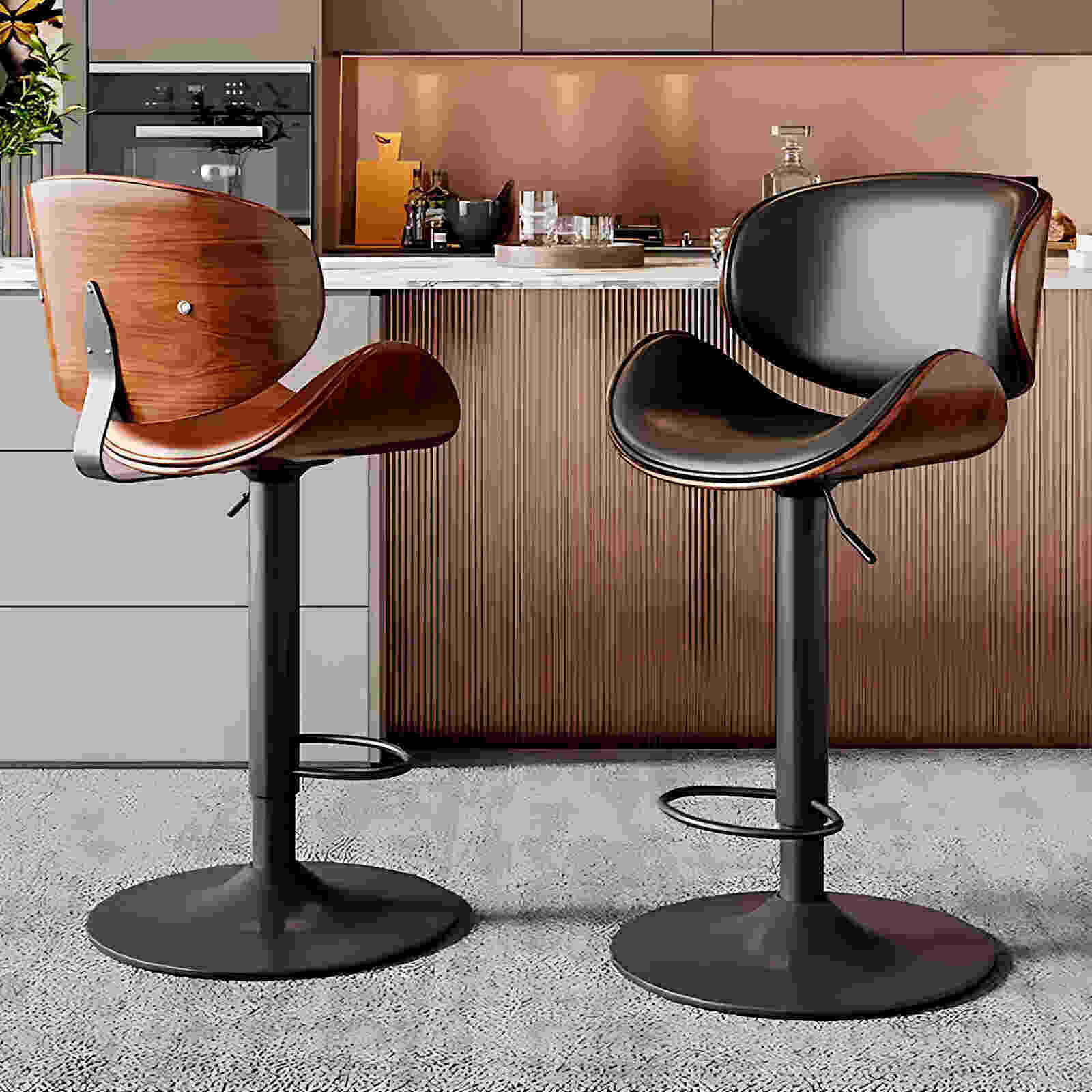

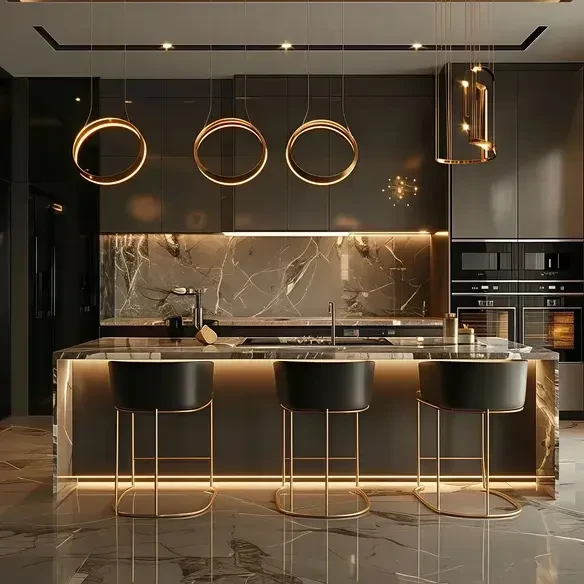

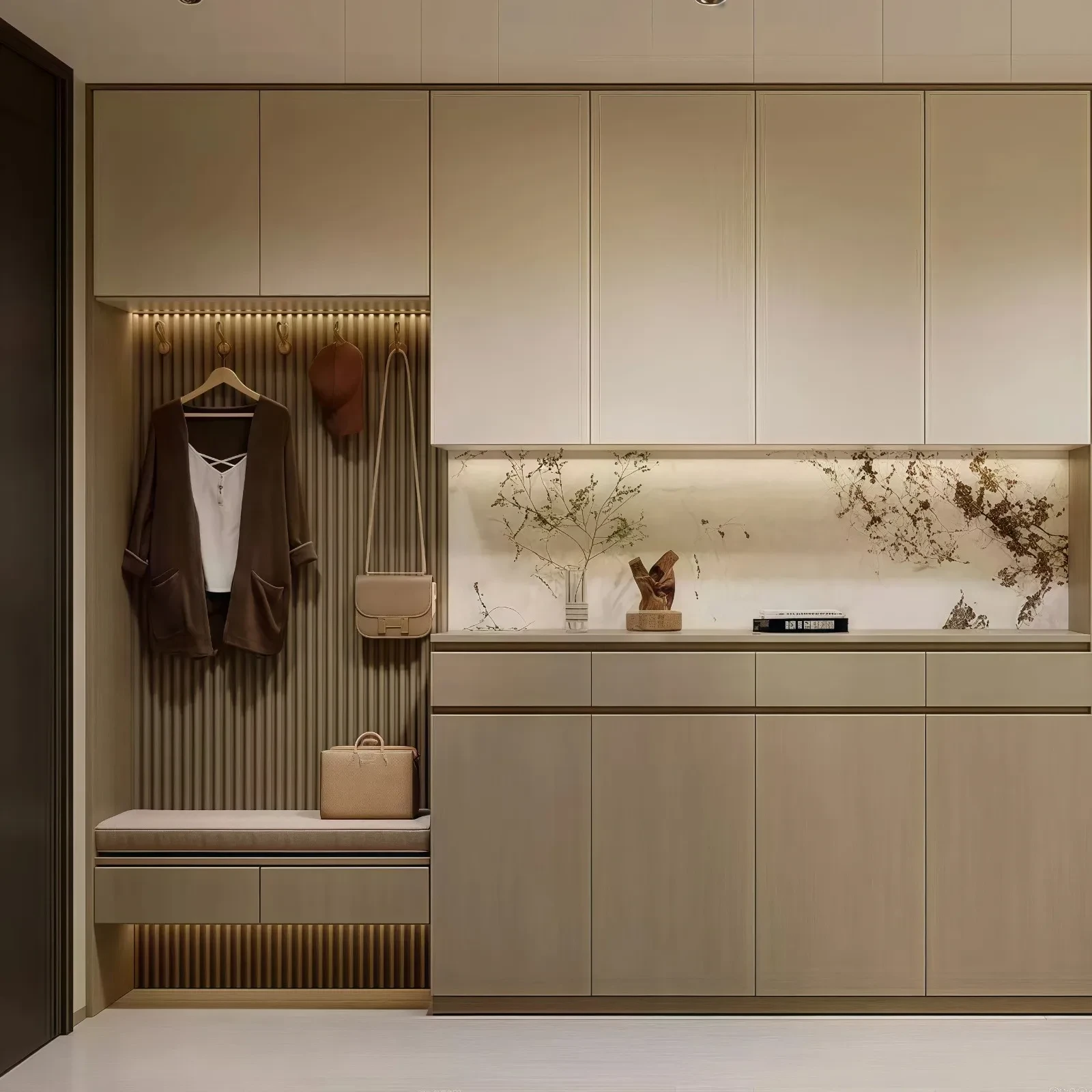
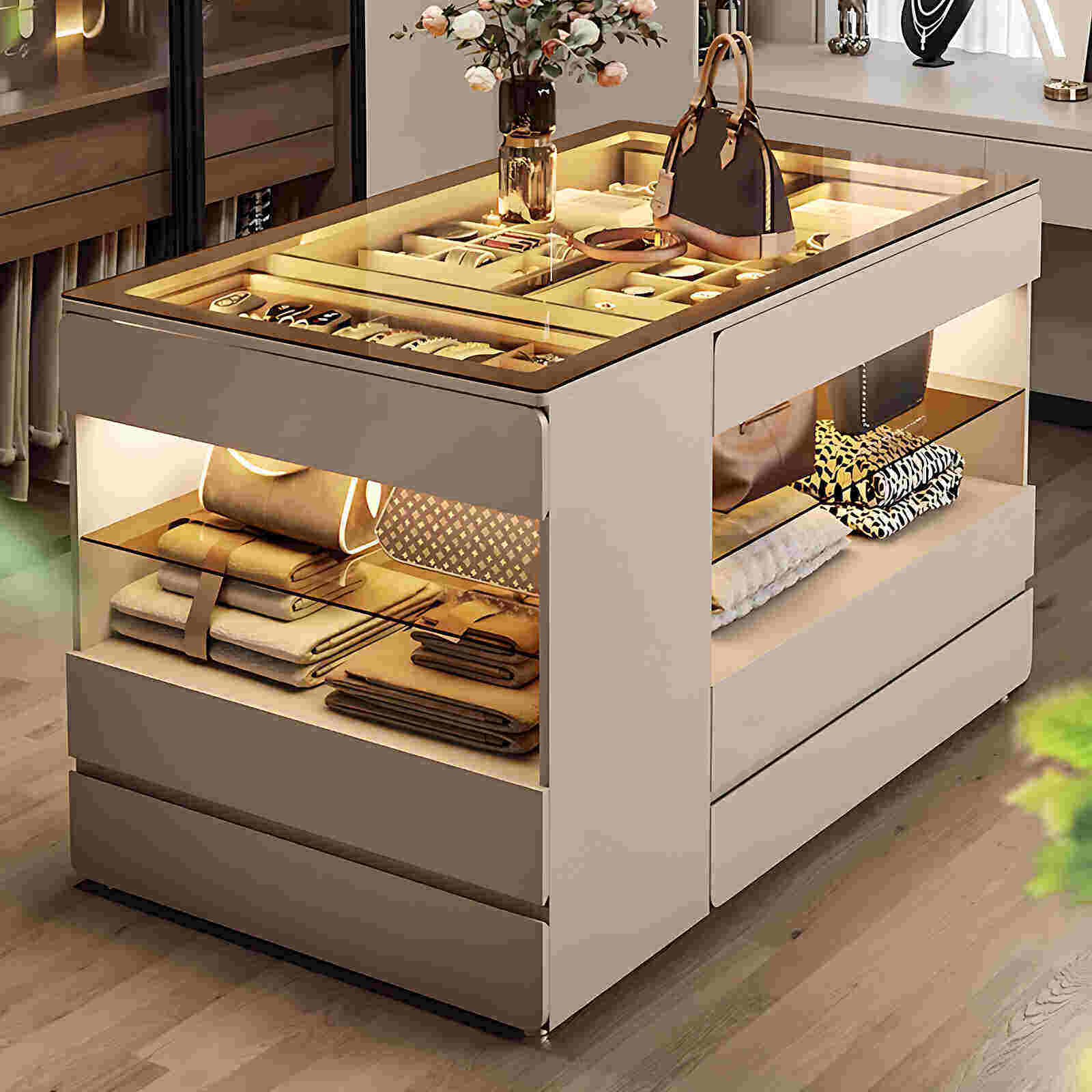





As the saying goes, September and October are the peak seasons for home renovation.
Last time, we explored the topic of home renovation in September with the article "September is the renovation season, how to clarify your needs before starting? Follow the steps to find the answer." Today, the TBB editor will continue this topic, focusing on specific spaces to help you truly understand your needs.
1. Entrance space
Every family has a different house type and size, so the layout of the entrance space will also vary. However, regardless of the house type and size, we can first think outside the box and consider what role we hope the entrance can play.
It's the entrance and exit passageway, and changing shoes is a basic action, so there needs to be a space here to store shoes for convenience. People often tidy themselves up before leaving the house, so could a full-length mirror be installed here? If there are elderly people in the family who have difficulty changing shoes, is it necessary to add a stool? Besides changing shoes, we'd like to have a place to easily access keys and change; a table would be ideal. All these ideas can be listed, and then reconsidered for self-confirmation. If you've hired a renovation company or ordered custom cabinets, you can inform them of these entryway space needs to better optimize the design during the communication process, ultimately resulting in a renovation that you love – it sounds wonderful!
2. Living room space
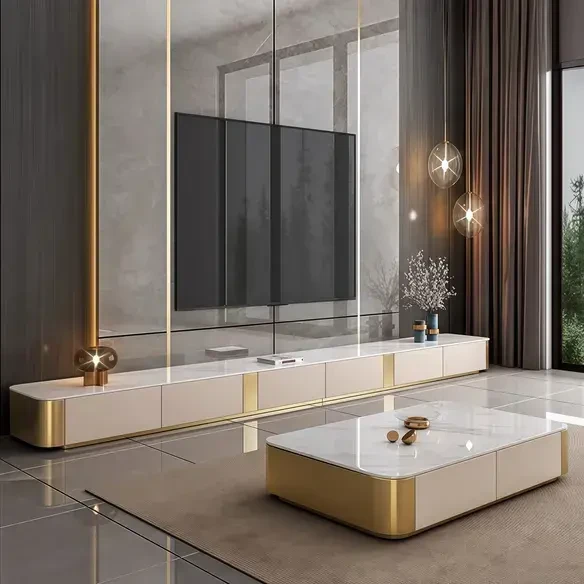
First, determine the primary function of the living room: is it for entertaining guests or for family entertainment? Second, consider whether the living room needs additional functions beyond its primary purpose, such as a study, tea room, or children's play area. Finally, the longer you live in a house, the more spacious it becomes, so consider whether the living room needs additional storage. If so, consider how to plan and arrange the cabinets within the living room space. At this point, you can also consider whether a television is needed, and if so, how to design cabinets for it; if not, how to adjust the space if necessary.
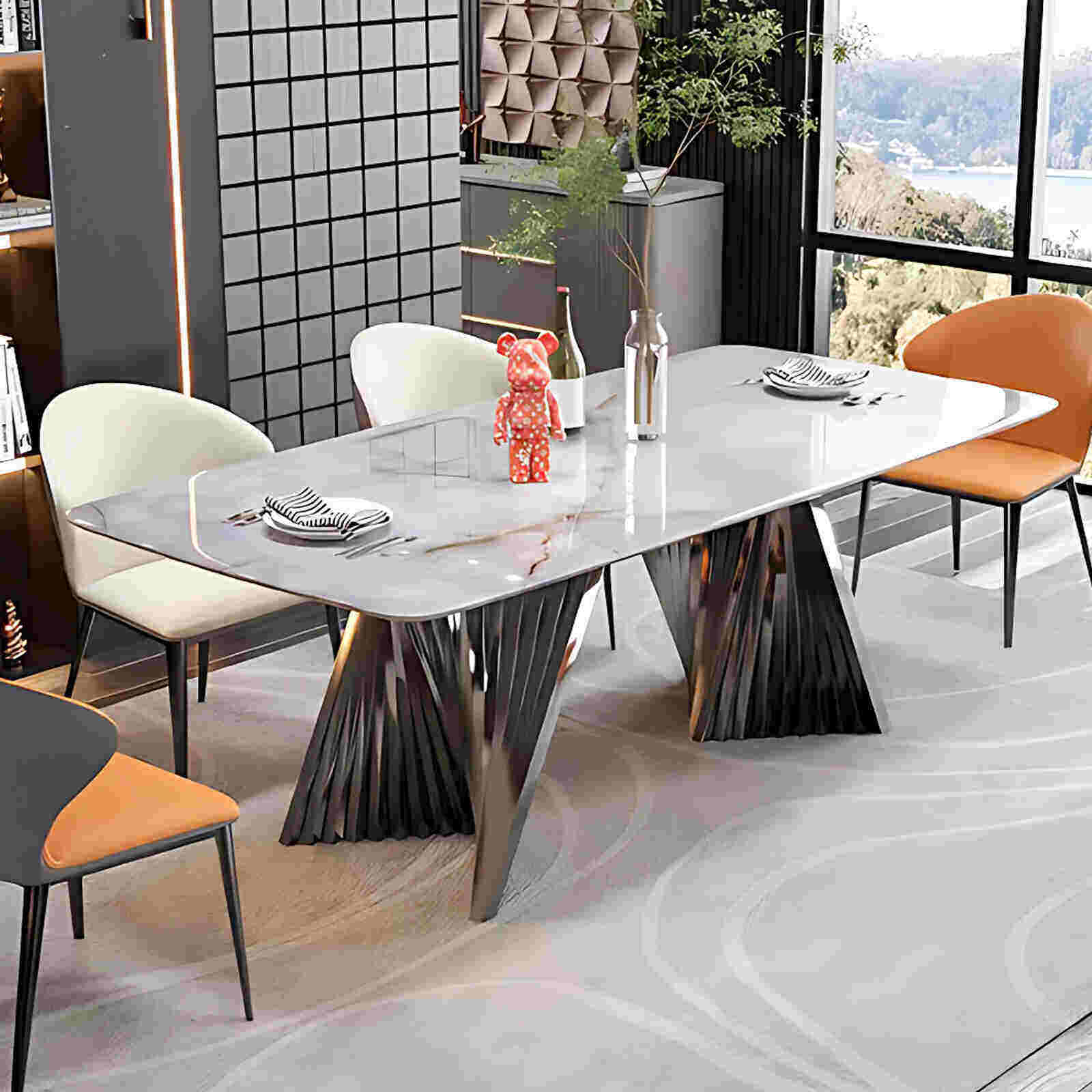
3. Restaurant space
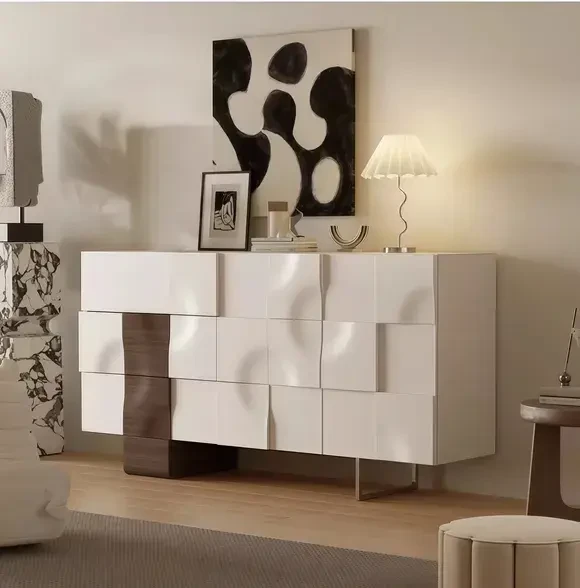
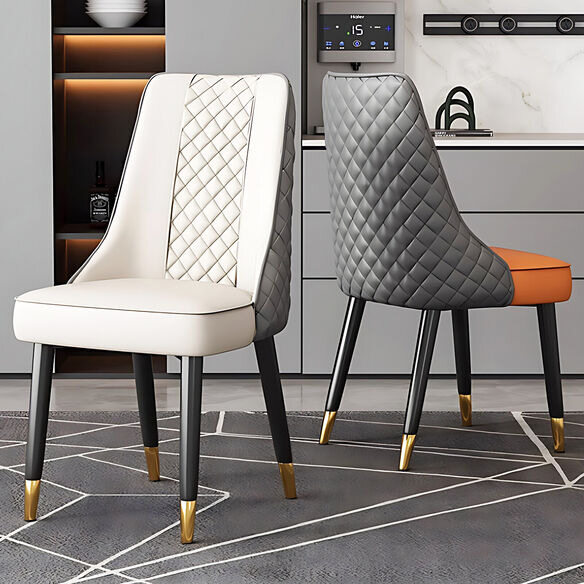
Consider whether or not to get a sideboard or wine cabinet. Of course, this should be based on the actual situation, because some small apartments have very limited dining room space, so there is no need for a sideboard to make the space feel cramped. In addition, the main elements of the dining room are the dining table and chairs. When purchasing furniture later, you must pay attention to the size to avoid buying something too big to fit or something too small to make the space look cramped.
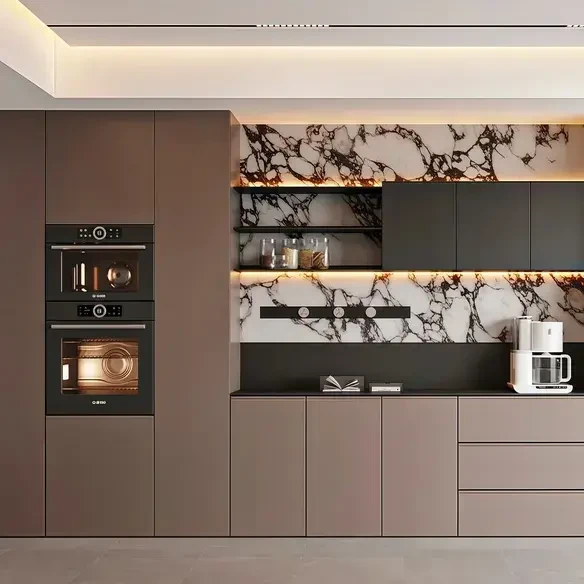
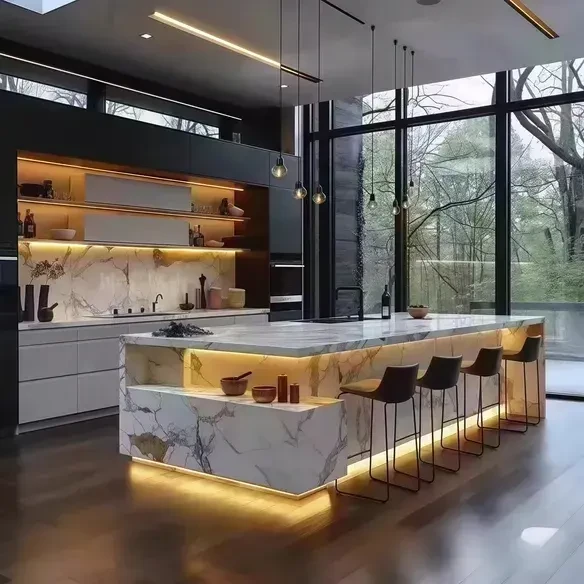
4. Kitchen space
The first thing to determine about this space is "who cooks in the family," and then that person can decide on the kitchen requirements. If the family rarely cooks, then a standard kitchen setup will suffice.
For regular meals involving stir-frying, a traditional kitchen is preferable; otherwise, an open kitchen is a better option. If you're considering an open kitchen, you should check beforehand whether your city allows gas connections for open kitchens.
5. Bedroom space
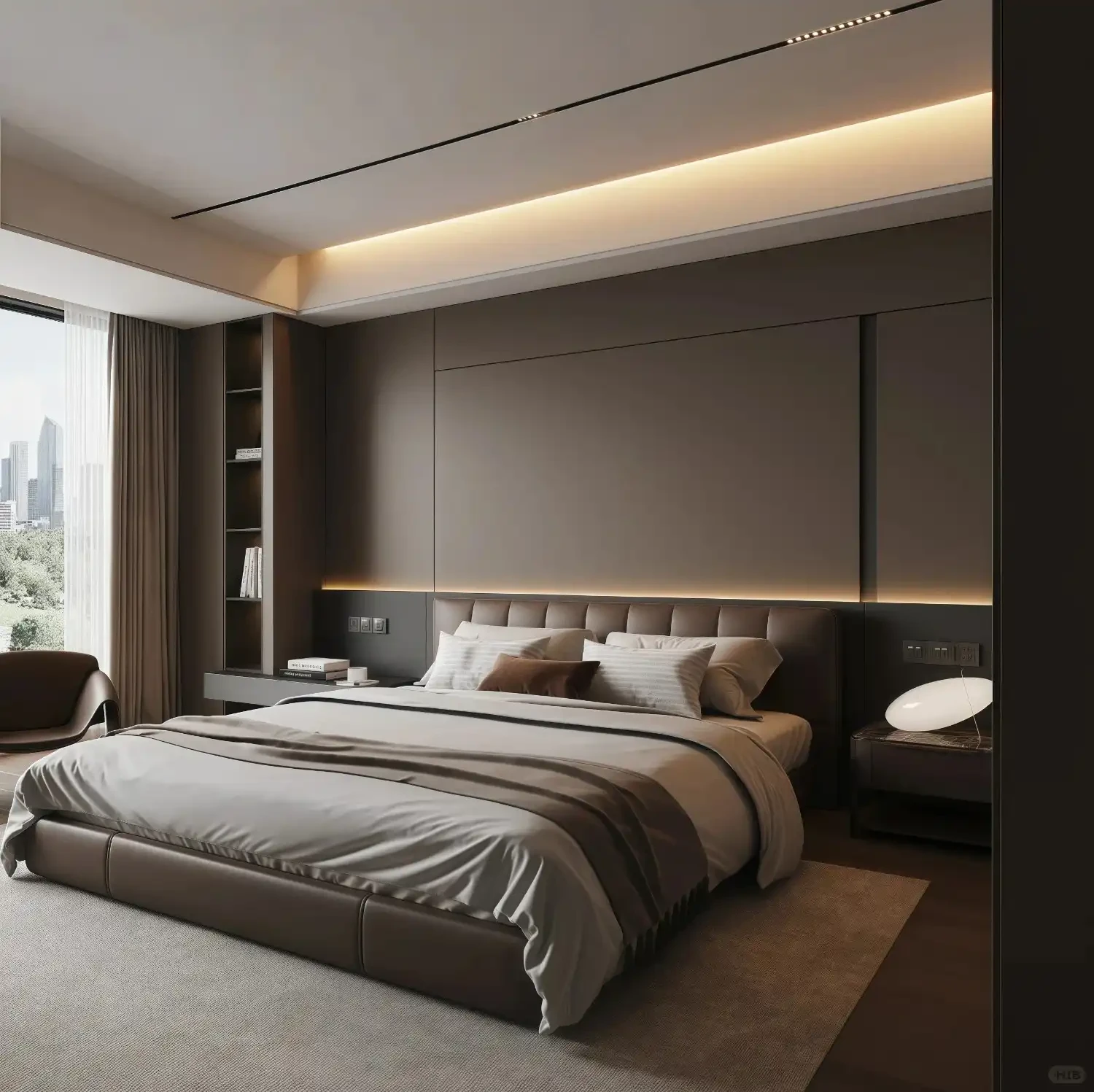
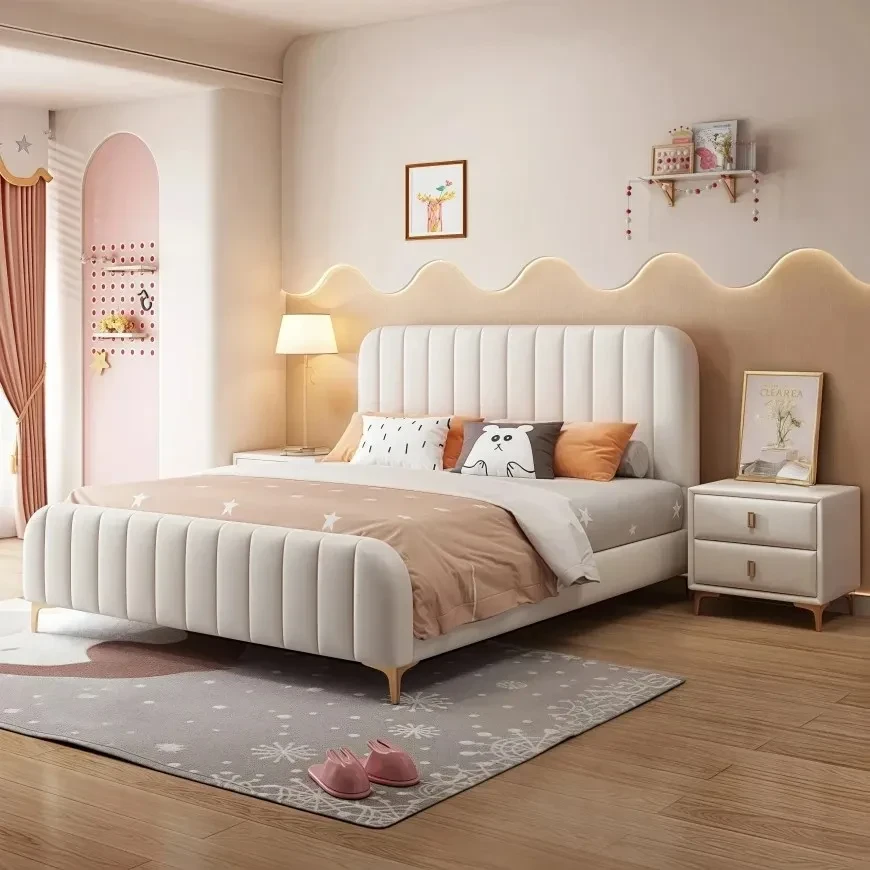
The bedroom is a space specifically for rest, so the first thing to understand is personal habits. For example, if you are sensitive to light, choose curtains with good sun-blocking effect; if you have difficulty falling asleep, you need to customize a wooden door with good sound insulation, and choose windows that are both airtight and soundproof.
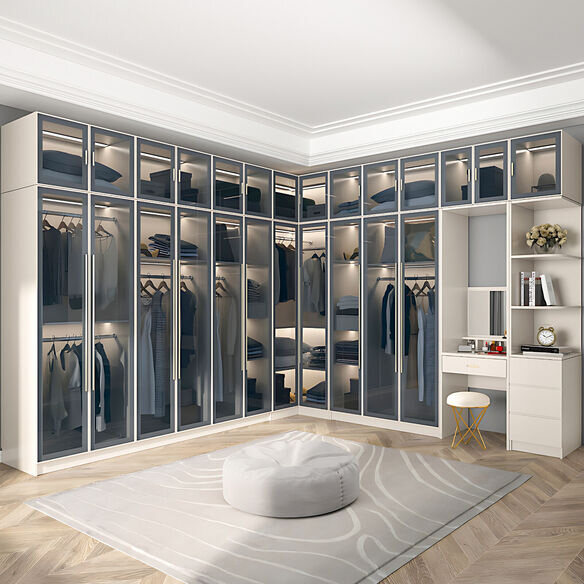
Besides resting, the bedroom is also a more private space compared to other rooms. A dedicated wardrobe allows you to change clothes at your leisure, which is convenient. Therefore, a wardrobe is almost a companion to every bedroom. Here, it's necessary to plan ahead regarding the placement of the wardrobe in the bedroom, whether the size of the bed will affect the opening and closing of the wardrobe doors, and how to divide the internal structure of the wardrobe to meet your living needs as much as possible.
6. Toilet
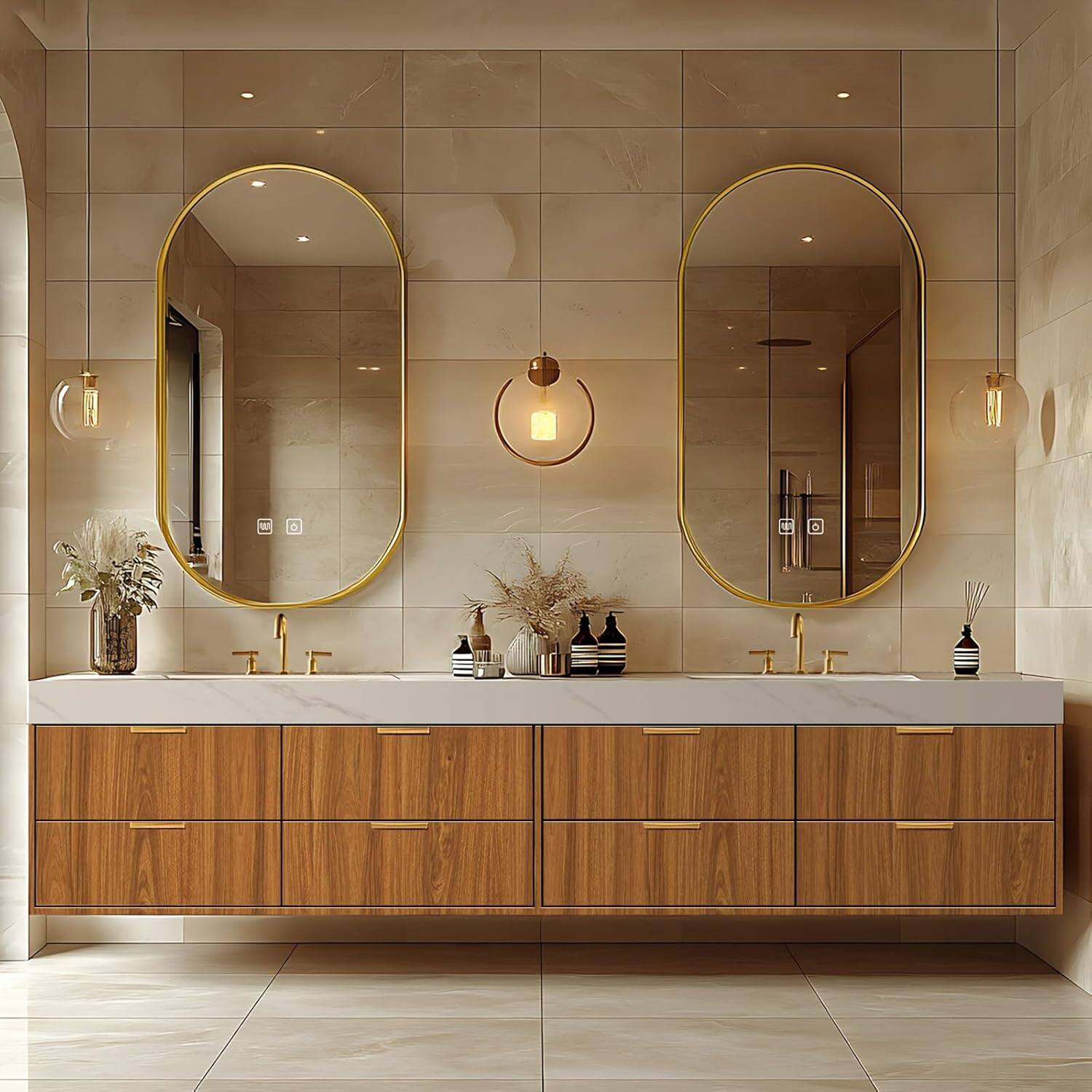
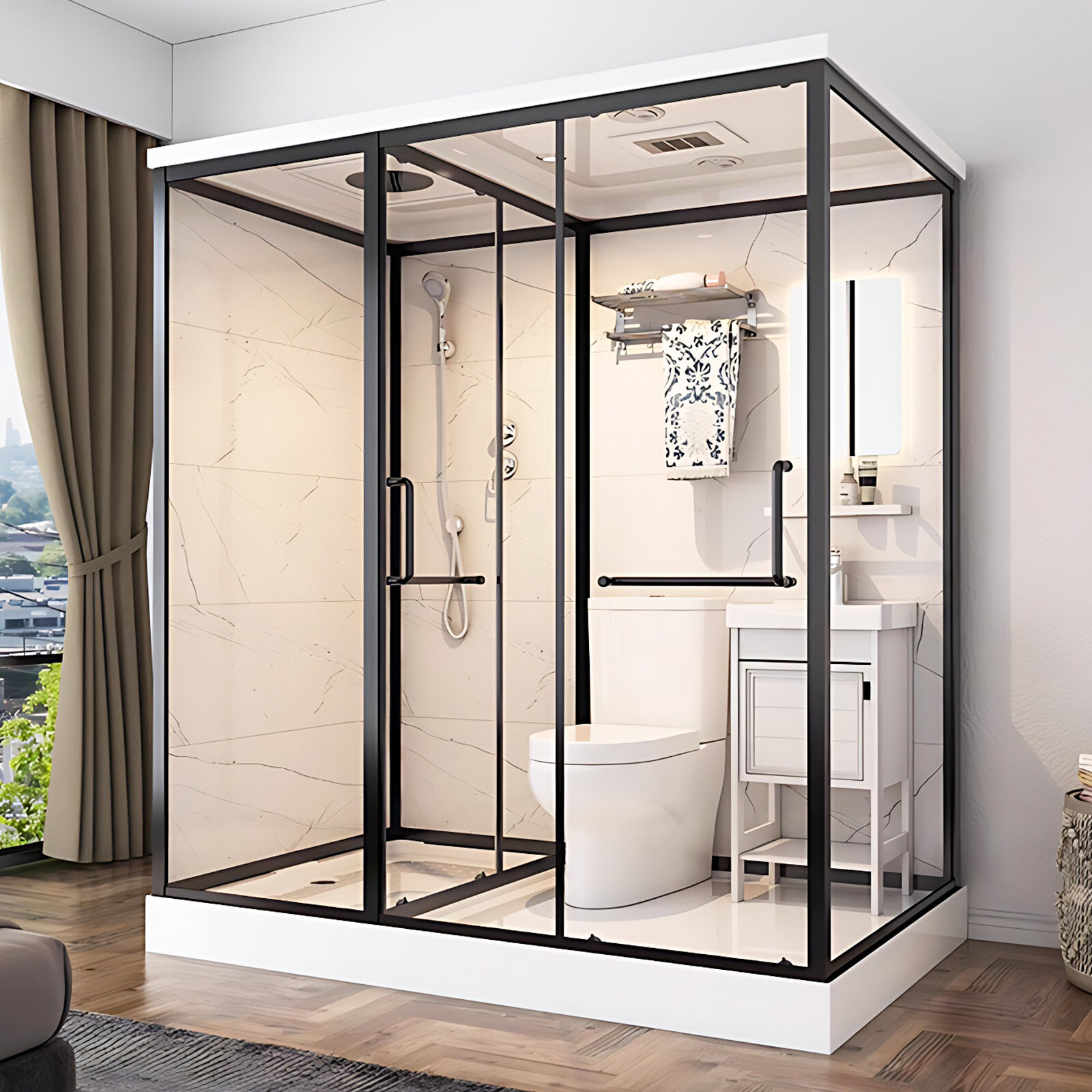
Although the bathroom occupies a small portion of the house, its function and the difficulty of renovation are considerable. When renovating a bathroom, we must first determine whether to implement a wet and dry separation, which depends on the actual size of the bathroom. Secondly, we need to consider the toilet style. If you choose a smart toilet, you need to install an electrical outlet in the toilet area. If you choose a wall-hung toilet, you need to plan for it in the early stages of renovation. When purchasing a toilet, be sure to get the dimensions right, otherwise, the consequences can be serious. Finally, we need to assess the bathroom's storage needs. If the needs are large, you can build a niche, and when purchasing a bathroom vanity, choose one with ample storage space.
7. Balcony space
Before decorating a balcony, you need to define its purpose: is it a utility balcony or a leisure balcony? If it's the latter, you need to consider laundry and drying needs; don't just create a leisure space for the sake of leisure. Typically, a home has two balconies: one for utility and one for leisure. A leisure balcony is usually used as a garden, tea room, or study, depending on your preferences. The utility balcony, on the other hand, is primarily for laundry and drying. If storage is needed, you can customize a balcony wall cabinet; if you want to avoid being affected by the weather, you can consider a dryer, etc.
8. Other functional spaces
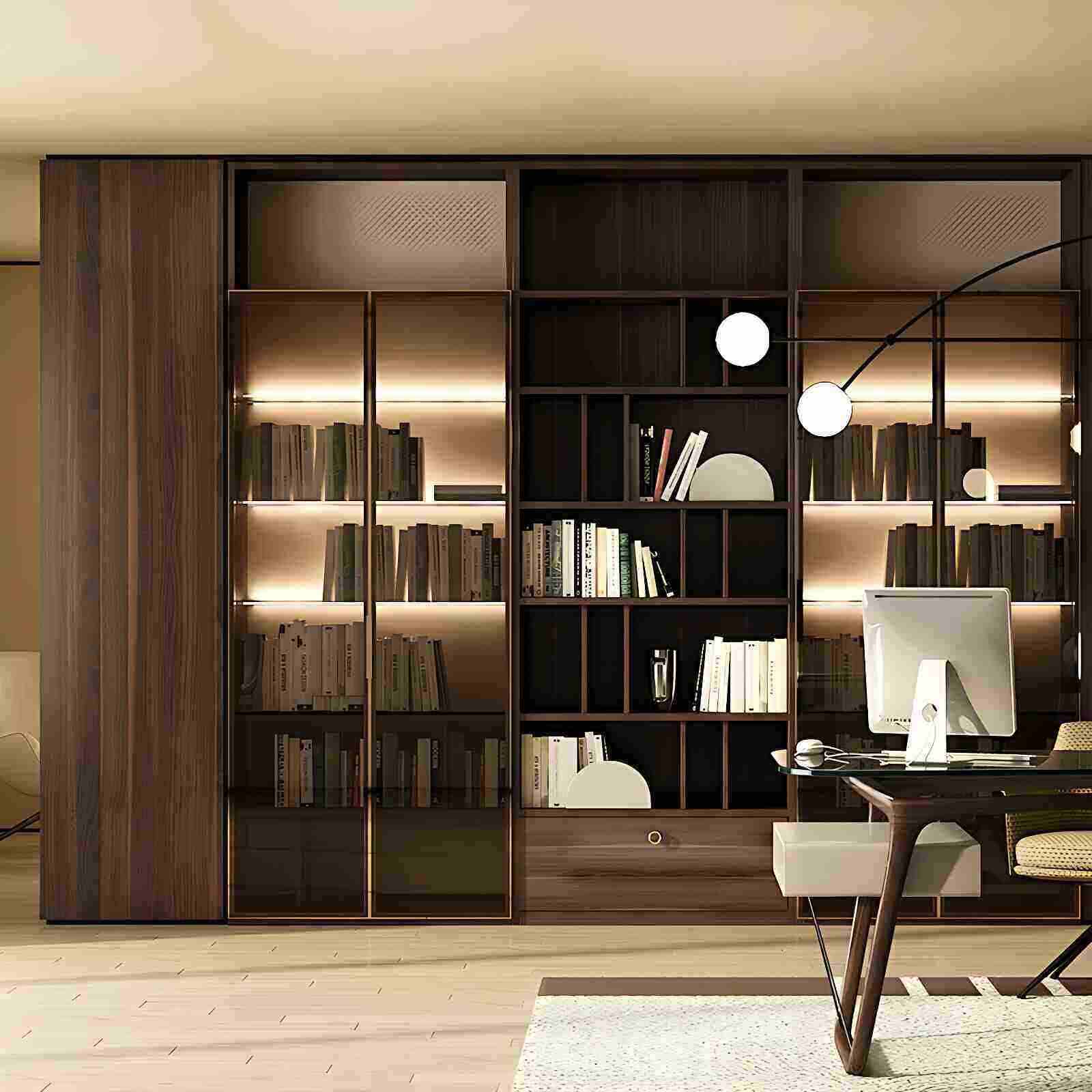
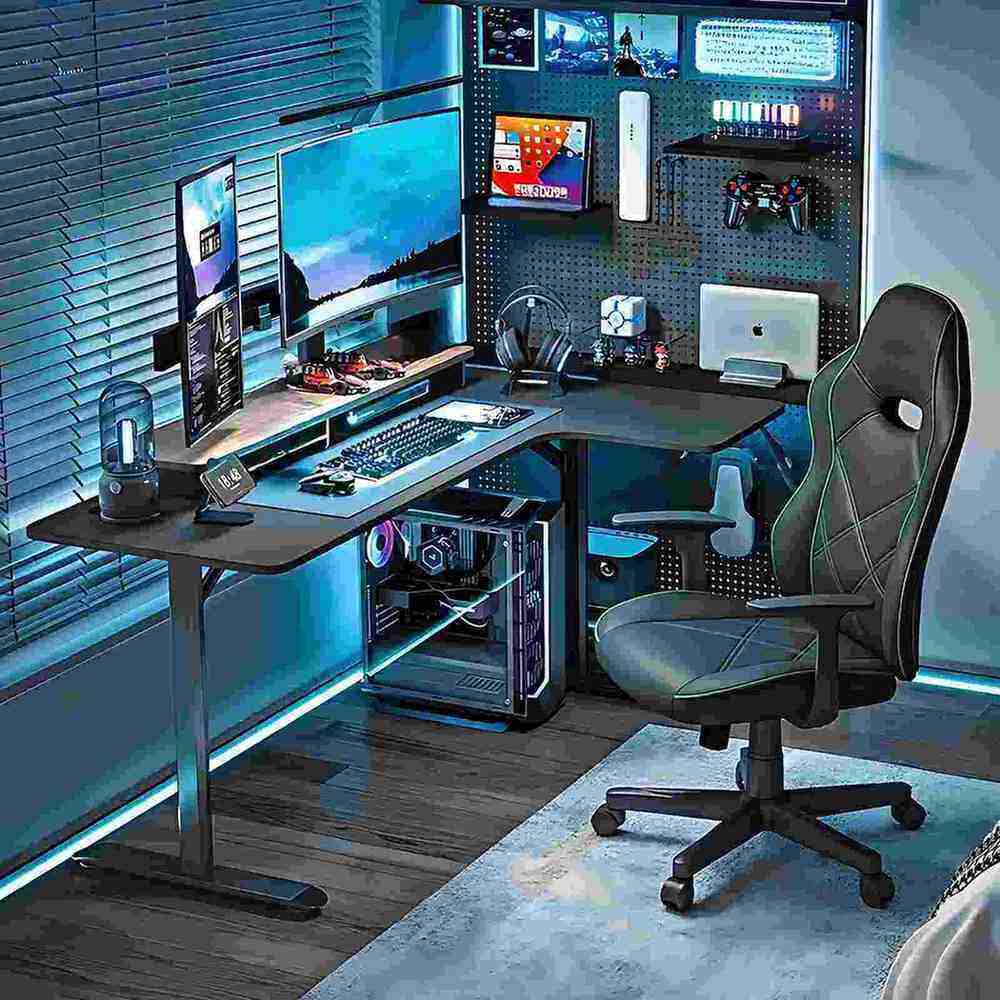
If you enjoy reading, consider a separate study room; if you enjoy gaming, consider a separate computer room; there are also children's play areas, home gyms, etc.
That's a lot! Are you feeling overwhelmed even before starting your renovation? Take a break, calmly list the needs for each space. Thorough early preparation will give you direction later and prevent you from getting increasingly frustrated towards the end. So, everyone, be proactive and don't try to be a hands-off manager during the renovation process!
Finally, I would like to offer my sincere blessings: I hope that all of our homeowners can achieve their desired renovations and move into their ideal homes.