
 USD
USD GBP
GBP
 EUR
EUR

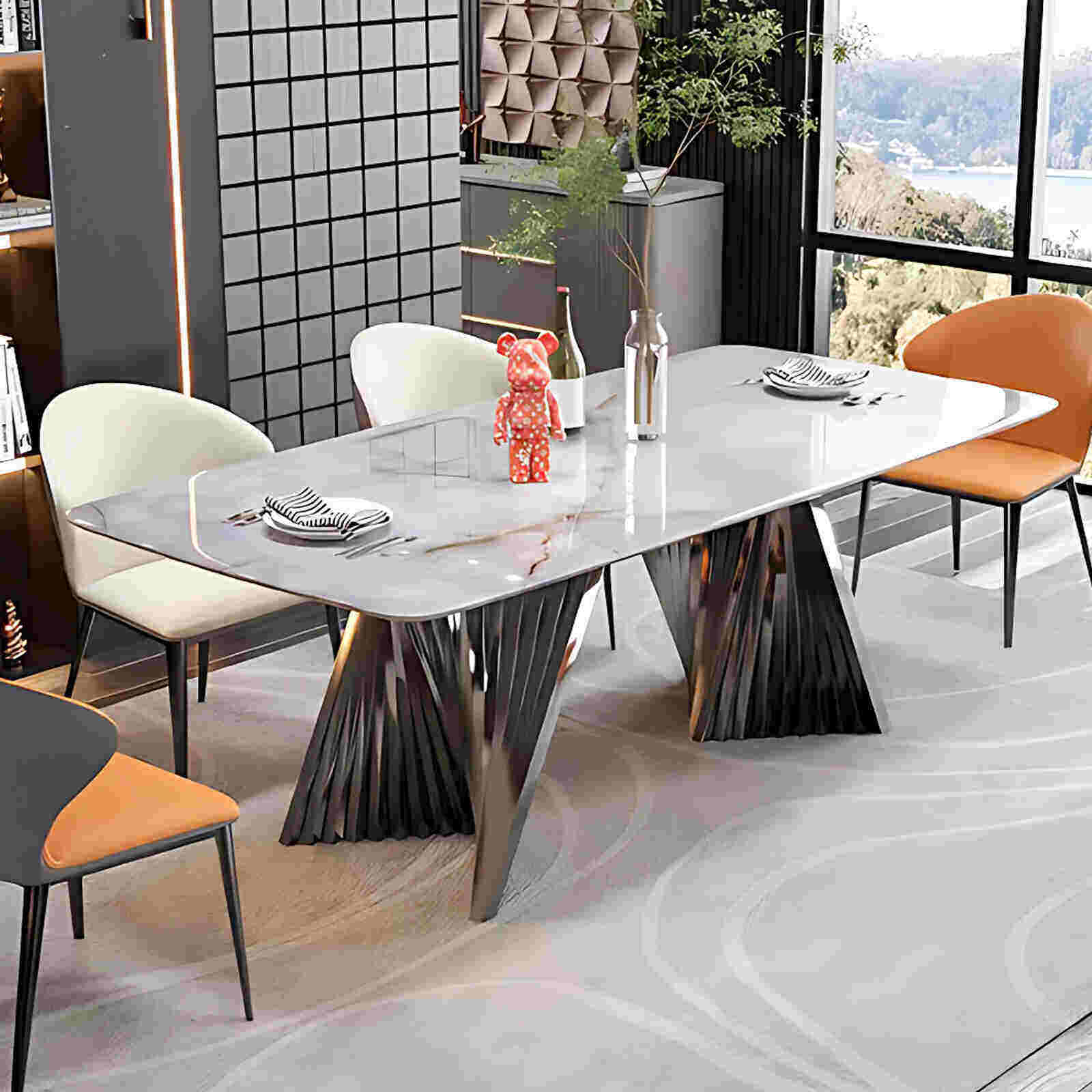
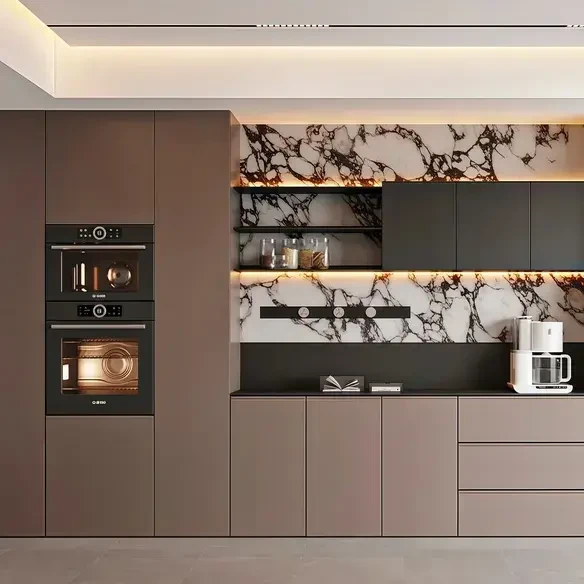
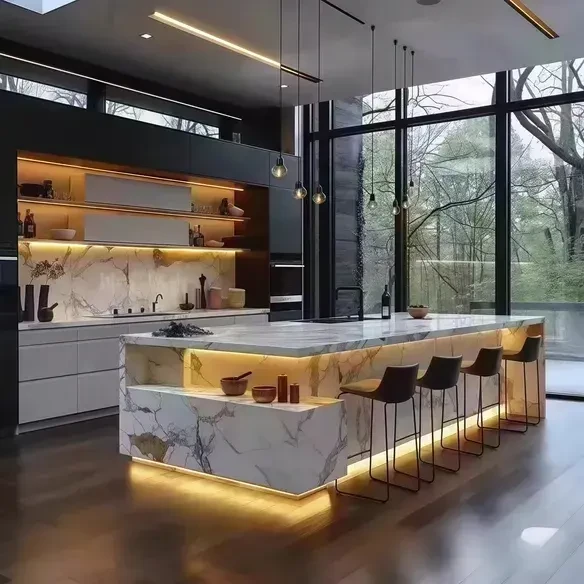
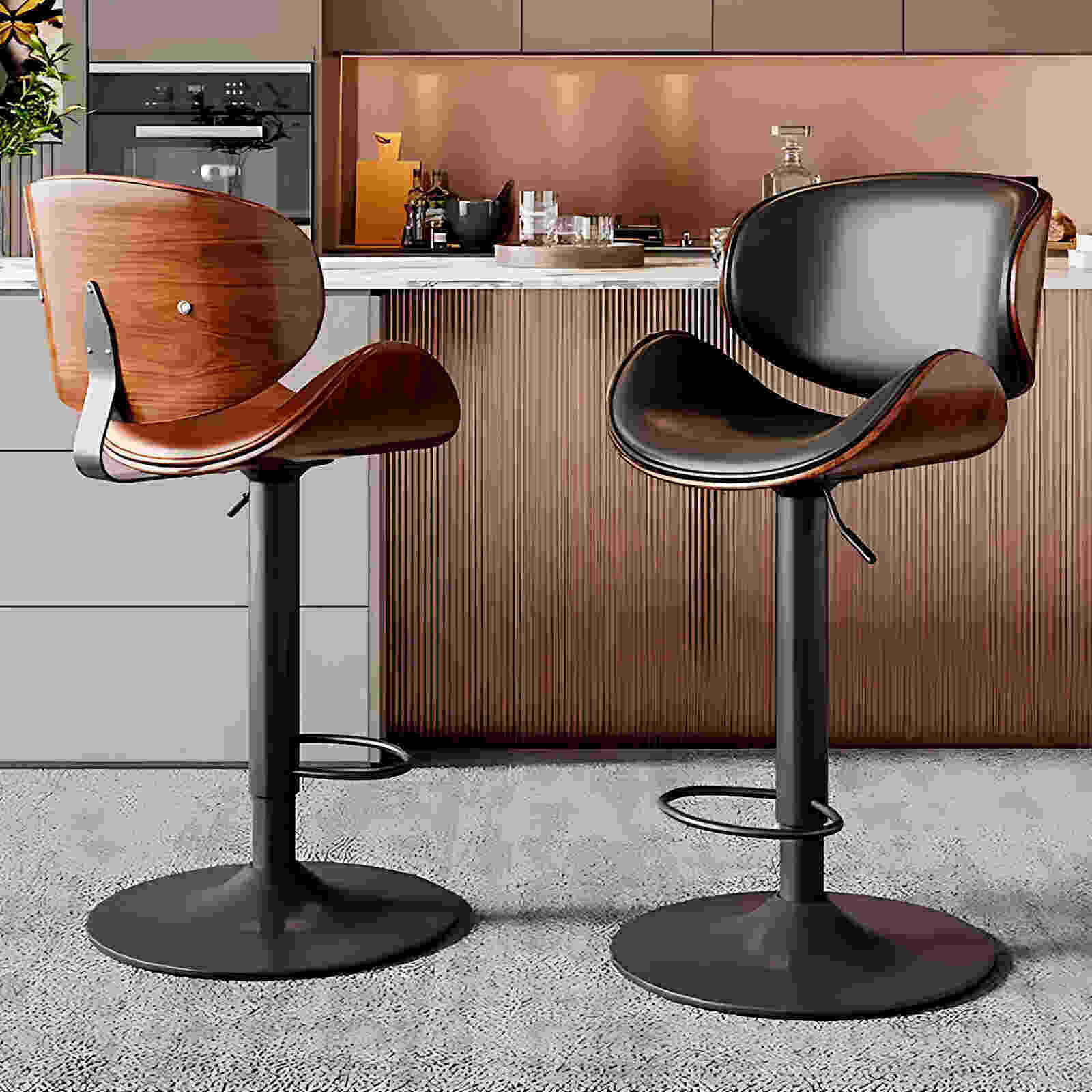
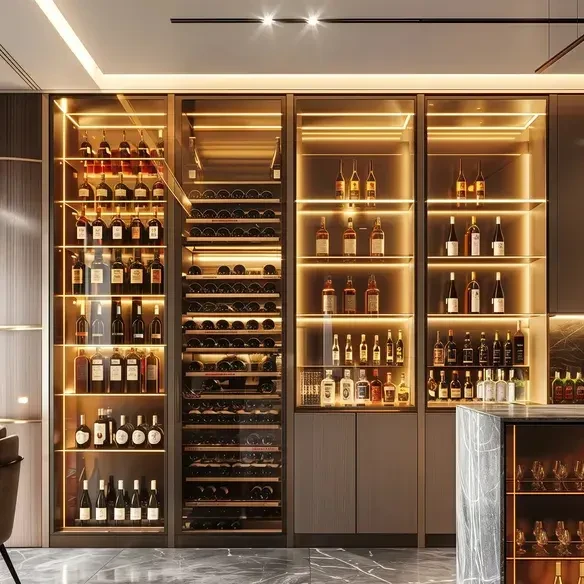
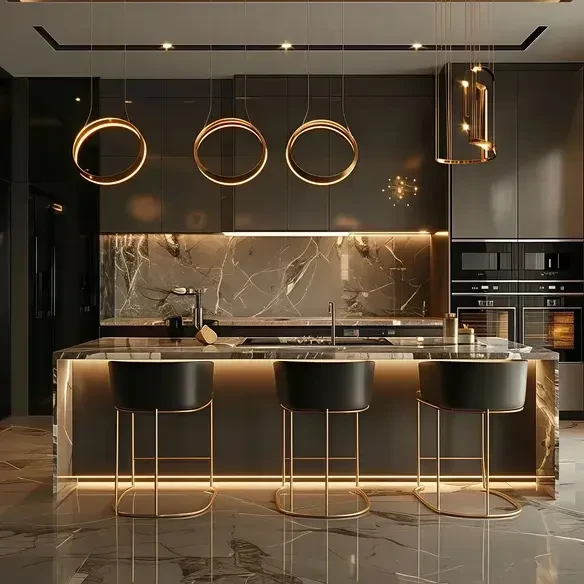
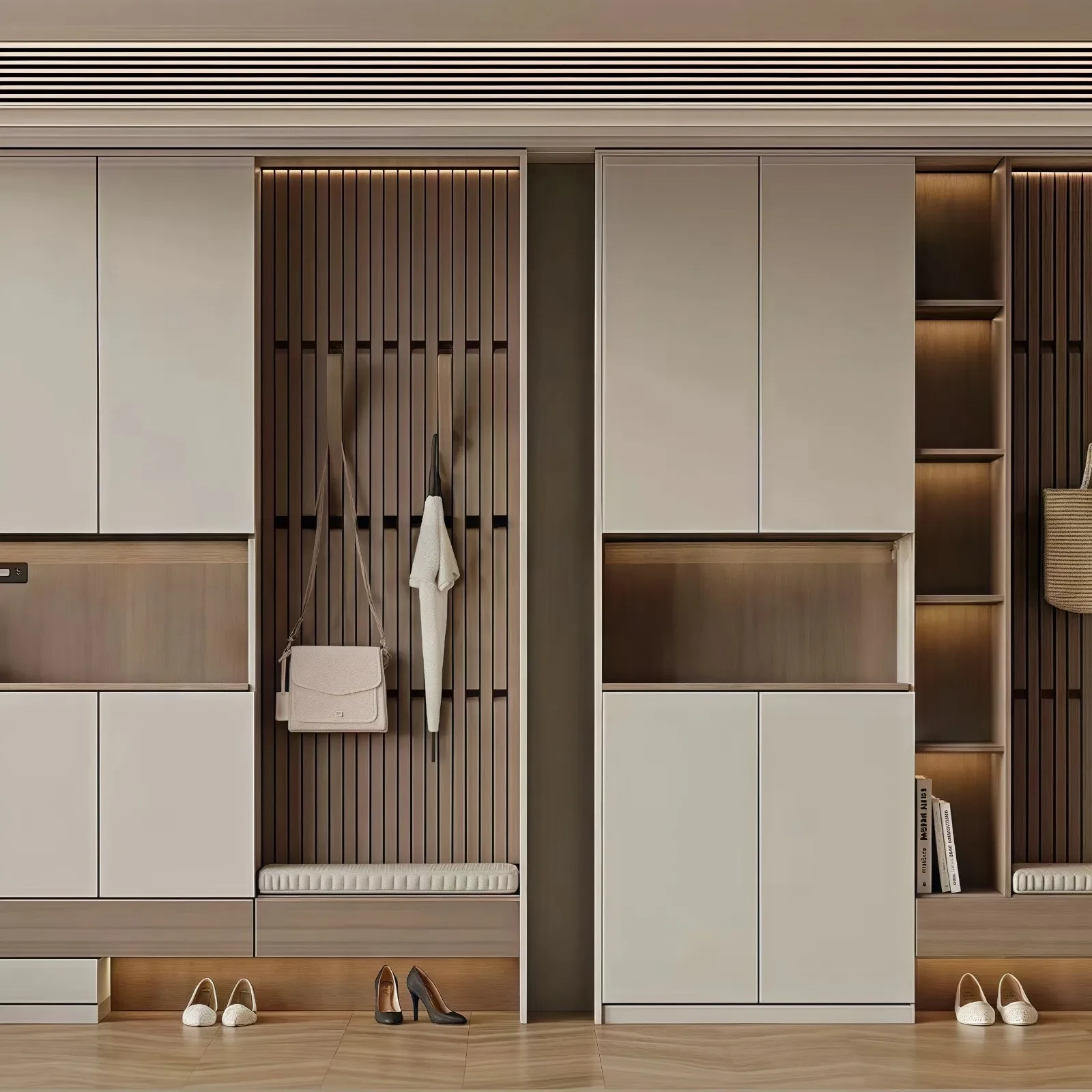
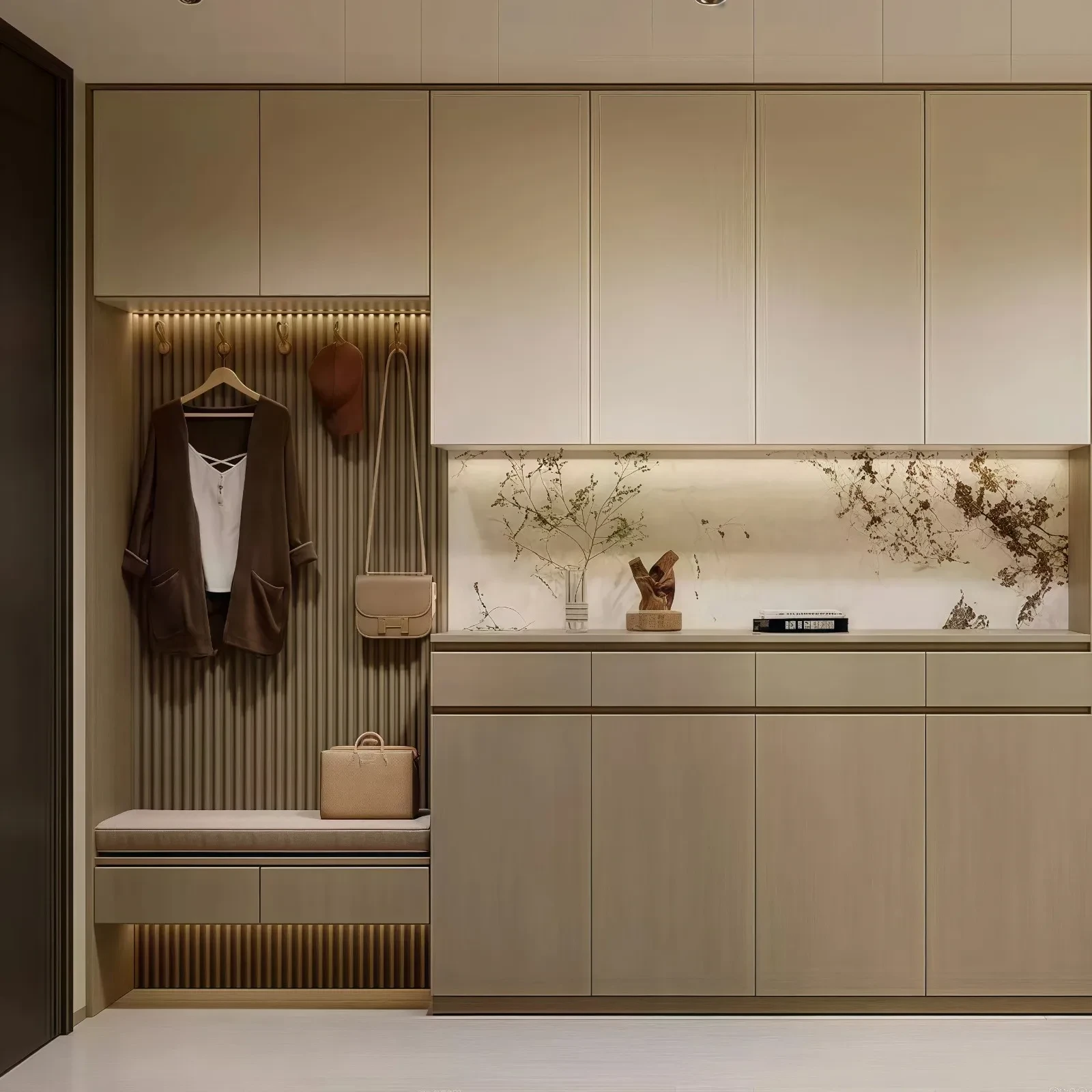
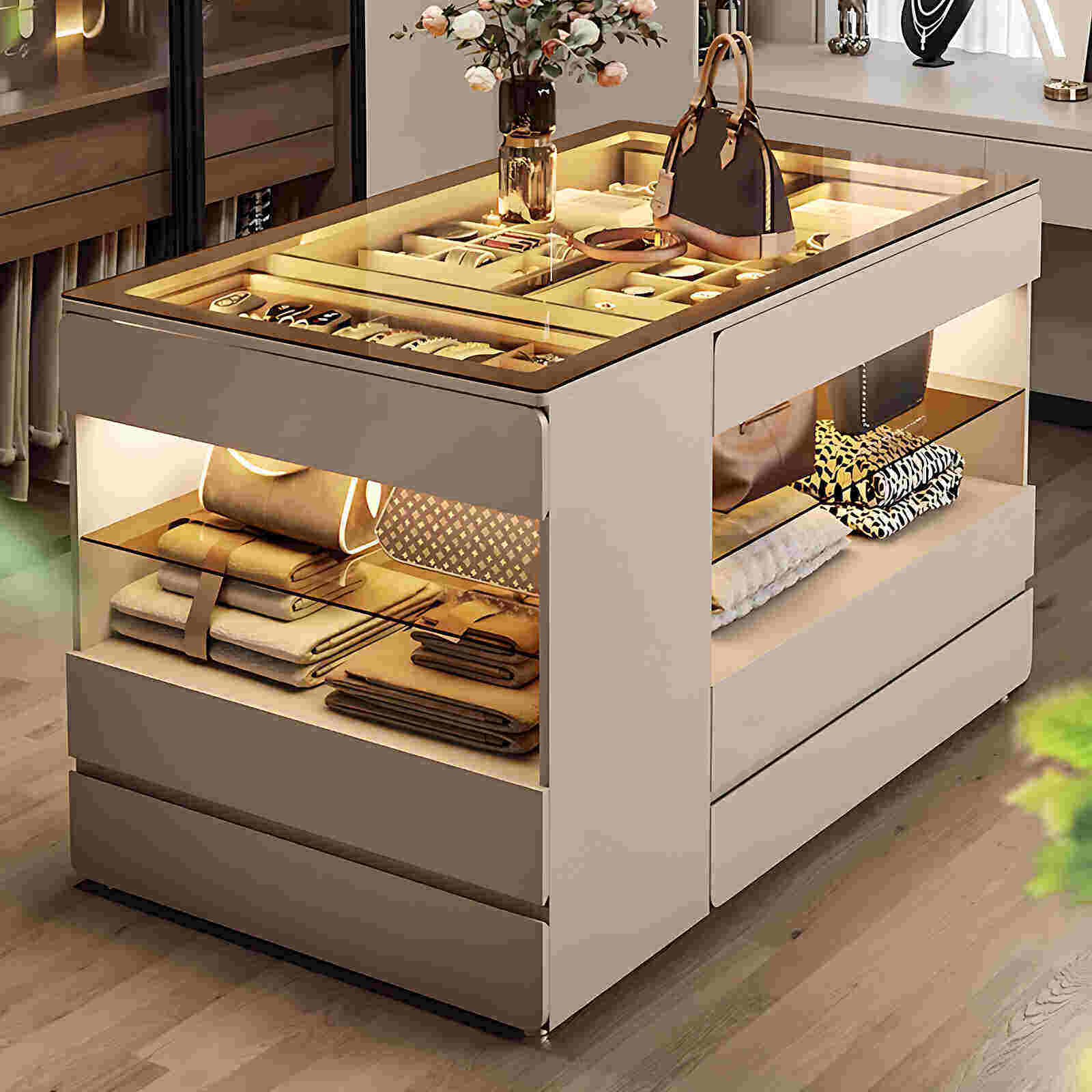
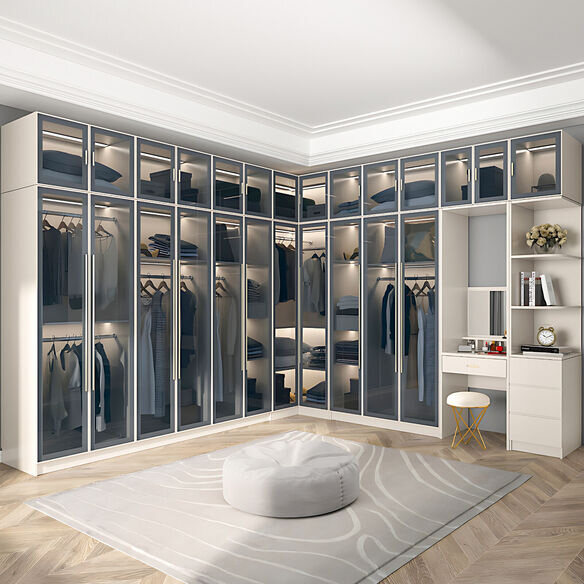
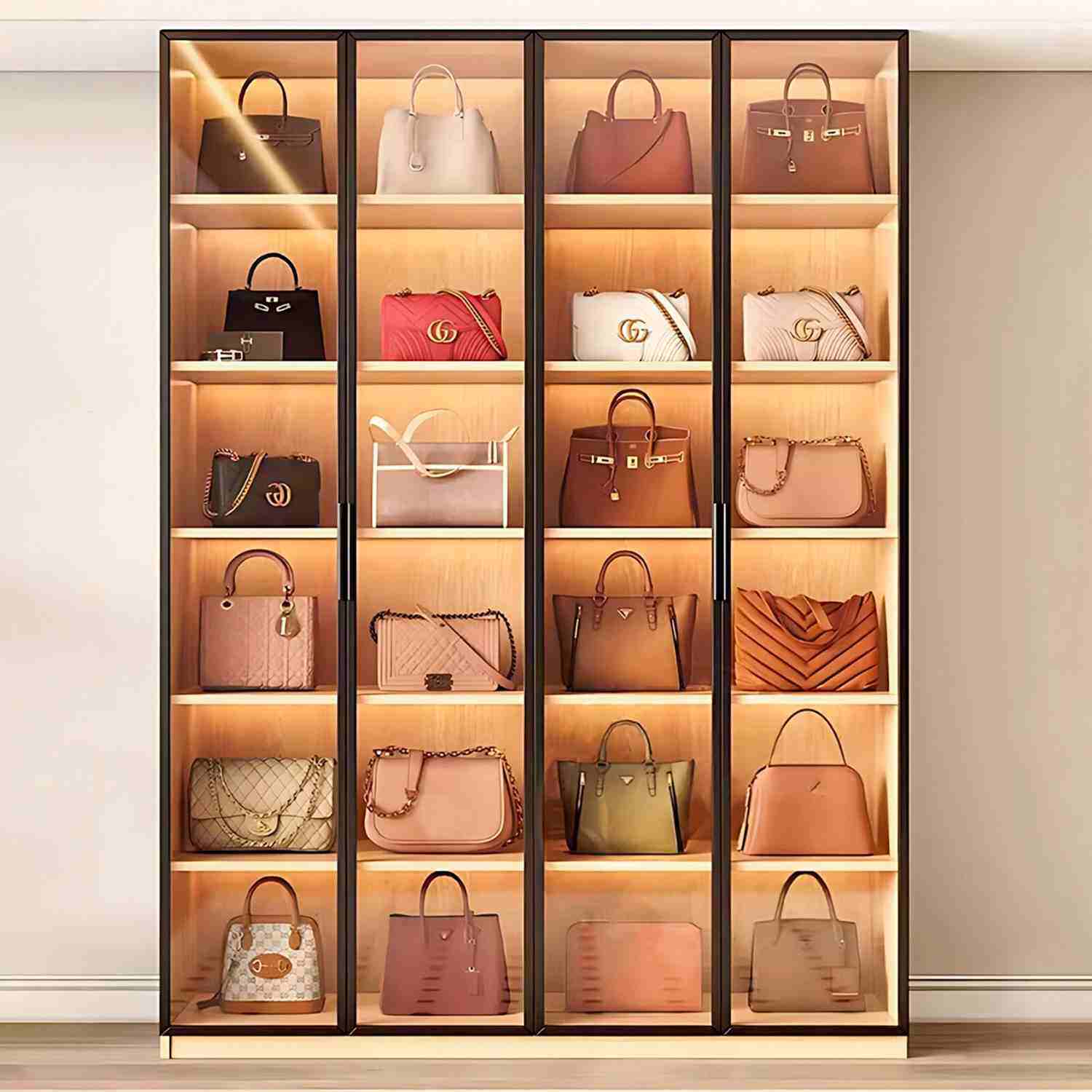
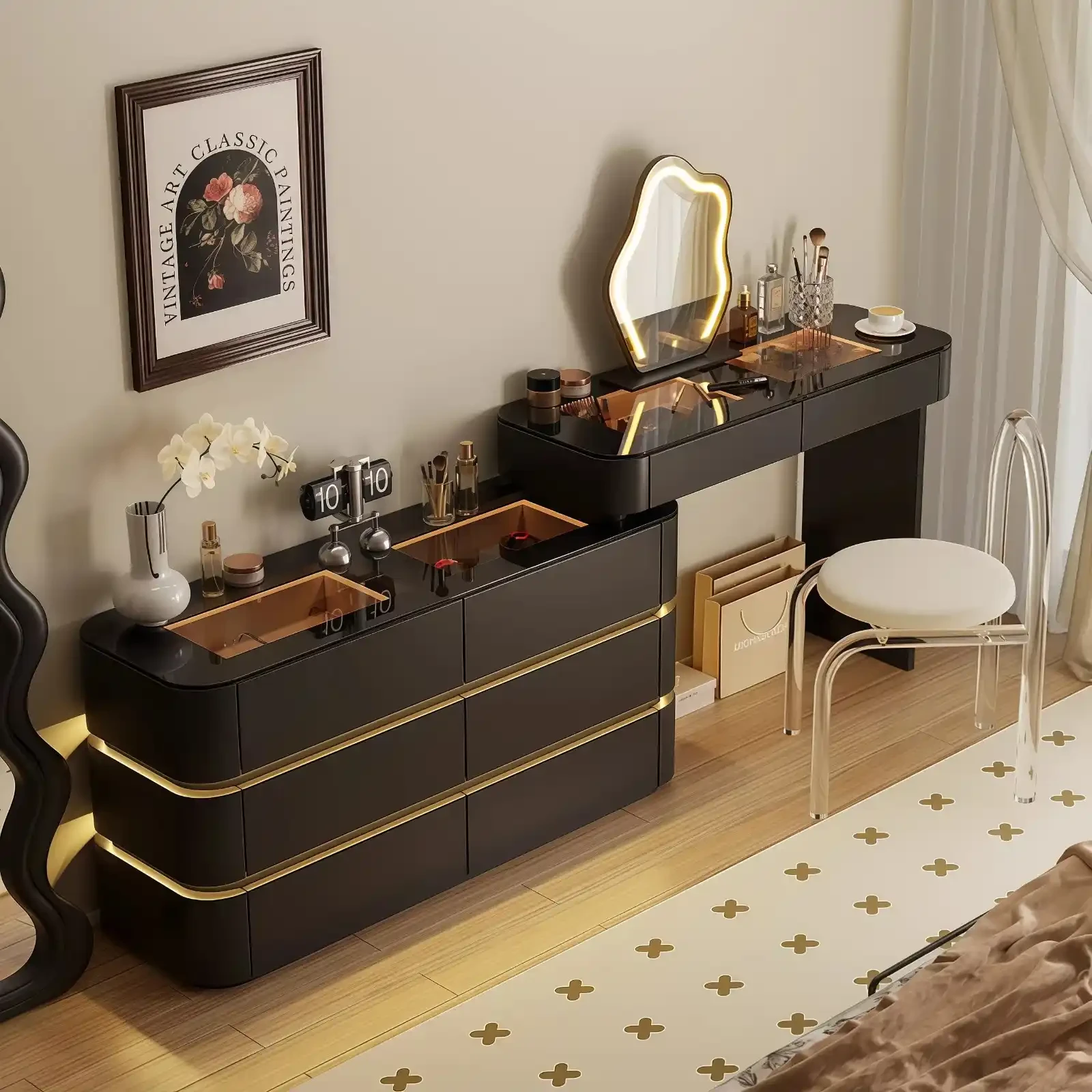
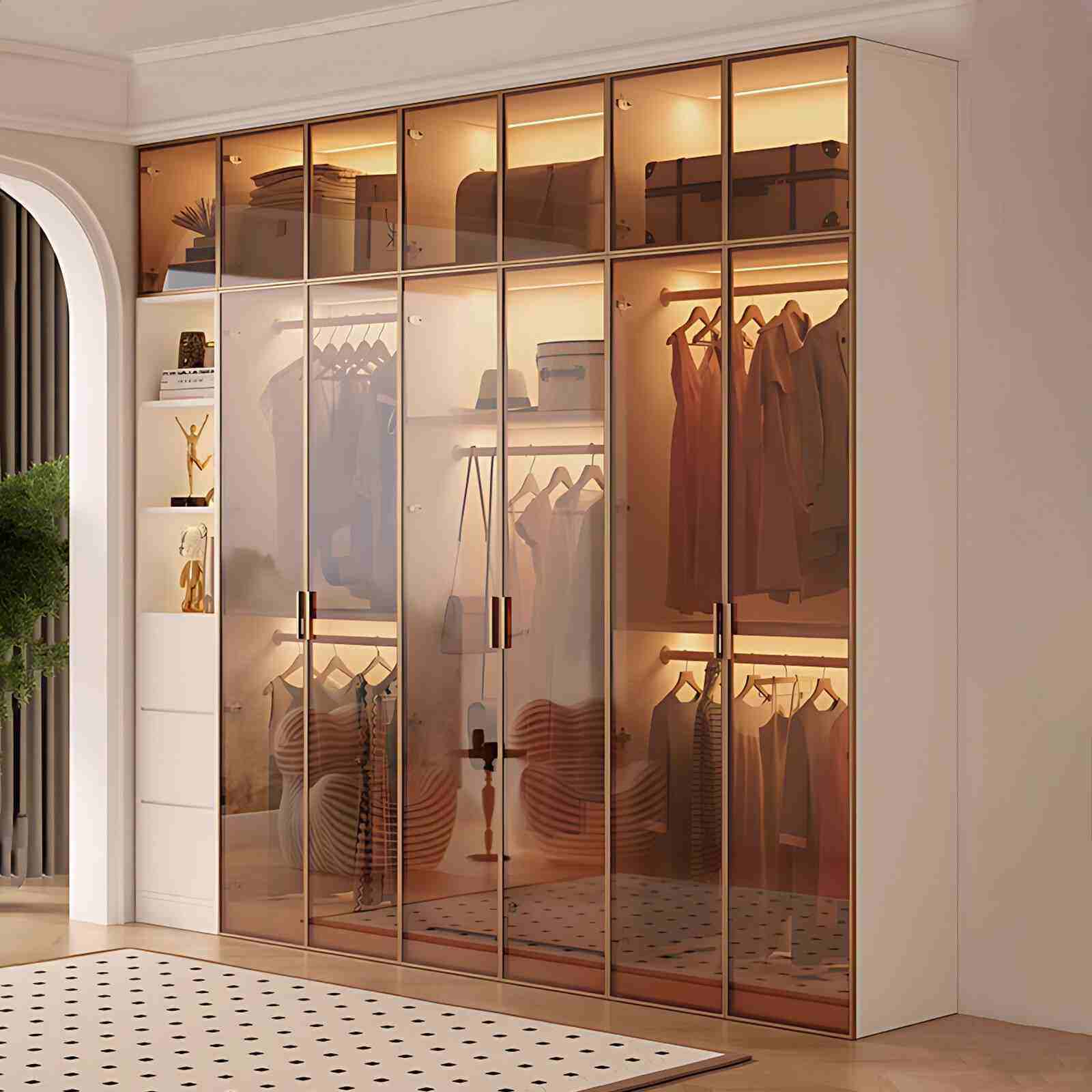
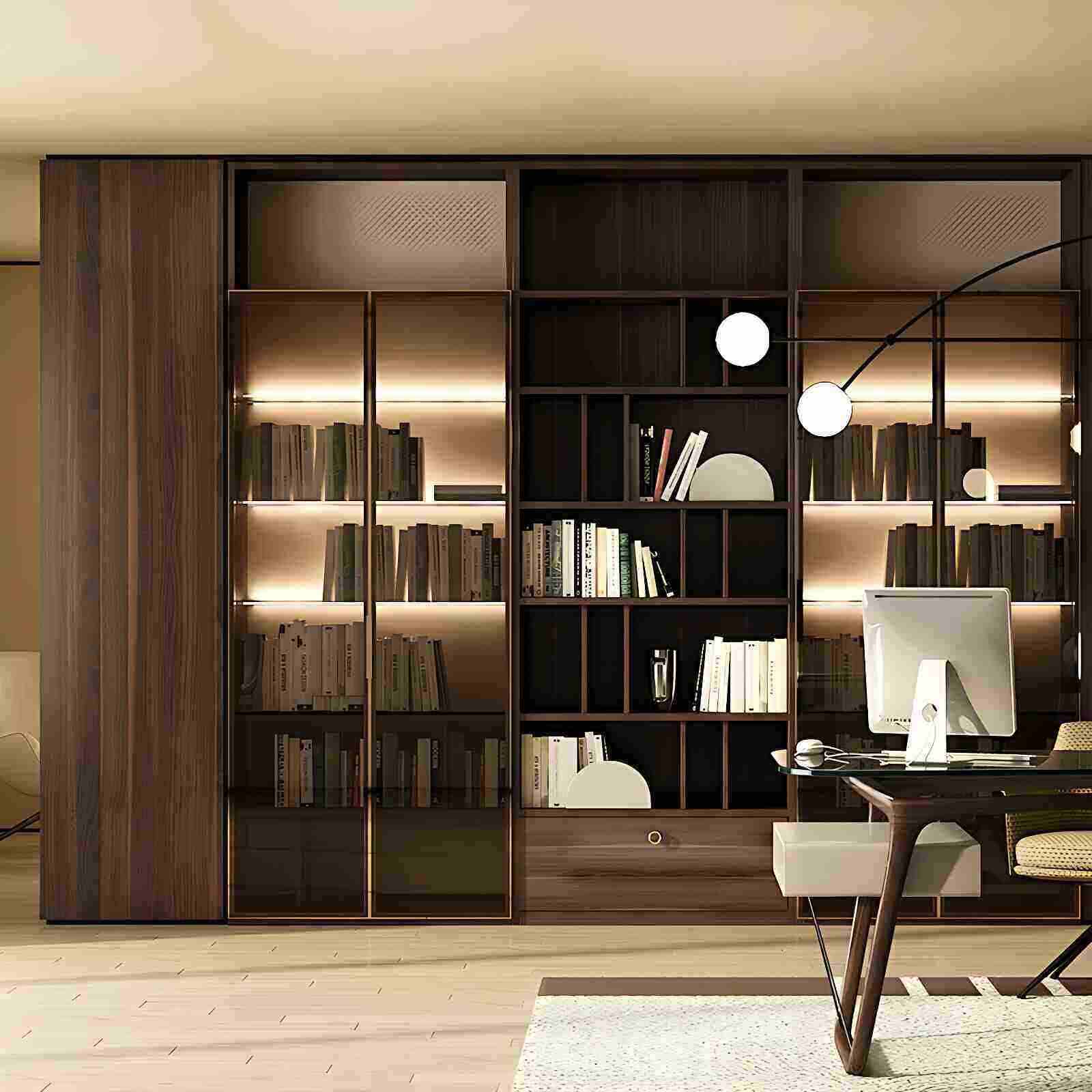
Whether it's a closed or open kitchen, whether the layout is "I-type," "II-type," or "island-type," cooking three meals a day requires several hours of preparation. A poorly designed kitchen will only make things more tiring. Therefore, kitchen design always revolves around two words: practicality. In the previous two episodes, we looked at "Kitchen Design Layout" and "Kitchen Door Planning." In this episode, Zhoubao will share with you: #The Third Episode of a Good Kitchen: Cabinets and Storage.
I. Cabinets
Kitchen cabinets are the most important part of kitchen storage. Based on their location and size, they can be divided into three parts: countertops, wall cabinets, and base cabinets.
01. Tabletop height
The height of the kitchen countertop can be designed according to the user's height, determined by the comfortable height when the user holds the spatula, usually 80cm~90cm. You can calculate it with this formula: comfortable countertop height = user's height/2 + 5cm~10cm.
For example: If the head chef in your household is 160cm tall, then the countertop height = 160 ÷ 2 + 5~10 = 85cm~90 (cm)
In addition, when determining the height, the size of appliances, such as dishwashers and sterilizers, should also be considered.
02. Depth and height of wall cabinets
Wall cabinets are located above kitchen cabinets and are used to expand the upper storage space in the kitchen.
The ideal height for wall cabinets is 50cm-60cm, and the ideal depth is 30cm-45cm. The spacing between cabinets should ideally not exceed 70cm.
A height of 145cm to 150cm from the ground is suitable for most cooks, allowing them to open the cabinets and take out utensils without having to tiptoe.
The ideal distance between the wall cabinets and the countertop is 60cm. This distance refers to the distance from the countertop to the bottom of the wall cabinet, allowing space for placing tableware or small kitchen appliances.
03. Interior design of the base cabinet
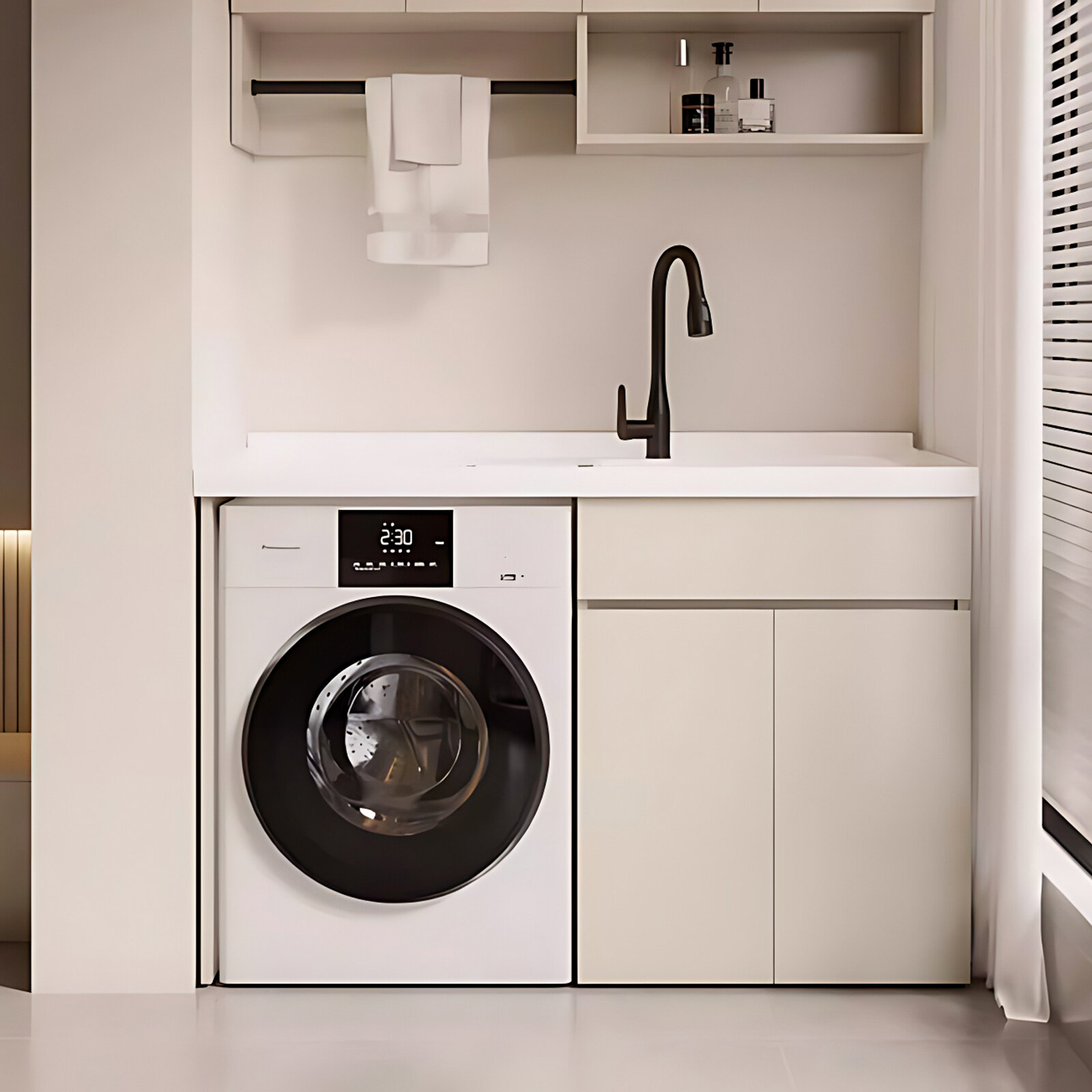
Base cabinets, also known as lower cabinets, serve to support countertops and provide storage space.
Kitchen countertops are the root of storage problems. To make the countertops "clutter-free" and increase space for cooking, you can use a drawer + pull-out basket design.
The height of the base cabinet should be equal to half the height of the person cooking. According to ergonomics, 78cm is a suitable height, but this is not a fixed rule and should be adjusted according to the actual height of the person cooking.
The width of the base cabinet is related to the size of the sink; the normal width is the width that can accommodate the largest sink. The largest household sink (vegetable washing basin) is 47cm~88cm, while for kitchen cabinets, it is best to be around 60cm~65cm, which is also more aesthetically pleasing.
II. Storage
01. Increase wall space with flat storage
The wall is a multi-functional storage area. You can install hanging rods on the wall, which can be long or short, or you can install two rows. They can be used to hang pots, pans, ladles, etc.
In addition, installing shelves is also suitable; two layers can be built along the wall to store dishes, bottles, pots, etc.
02. Built-in cabinet storage
Built-in, multi-door designs can neatly arrange kitchen appliances such as ovens and dishwashers, and the reasonable division of functional areas greatly simplifies the operation process, making the cooking process faster and more convenient.
03. Make good use of edges and corners
Corners are often overlooked spaces. To make good use of this space, you only need to do some simple planning, such as installing rotating display racks, extendable shelves, shelves, and narrow drawers, to neatly store your items here.
Okay, that's all for today's sharing. See you next time!