
 USD
USD GBP
GBP
 EUR
EUR









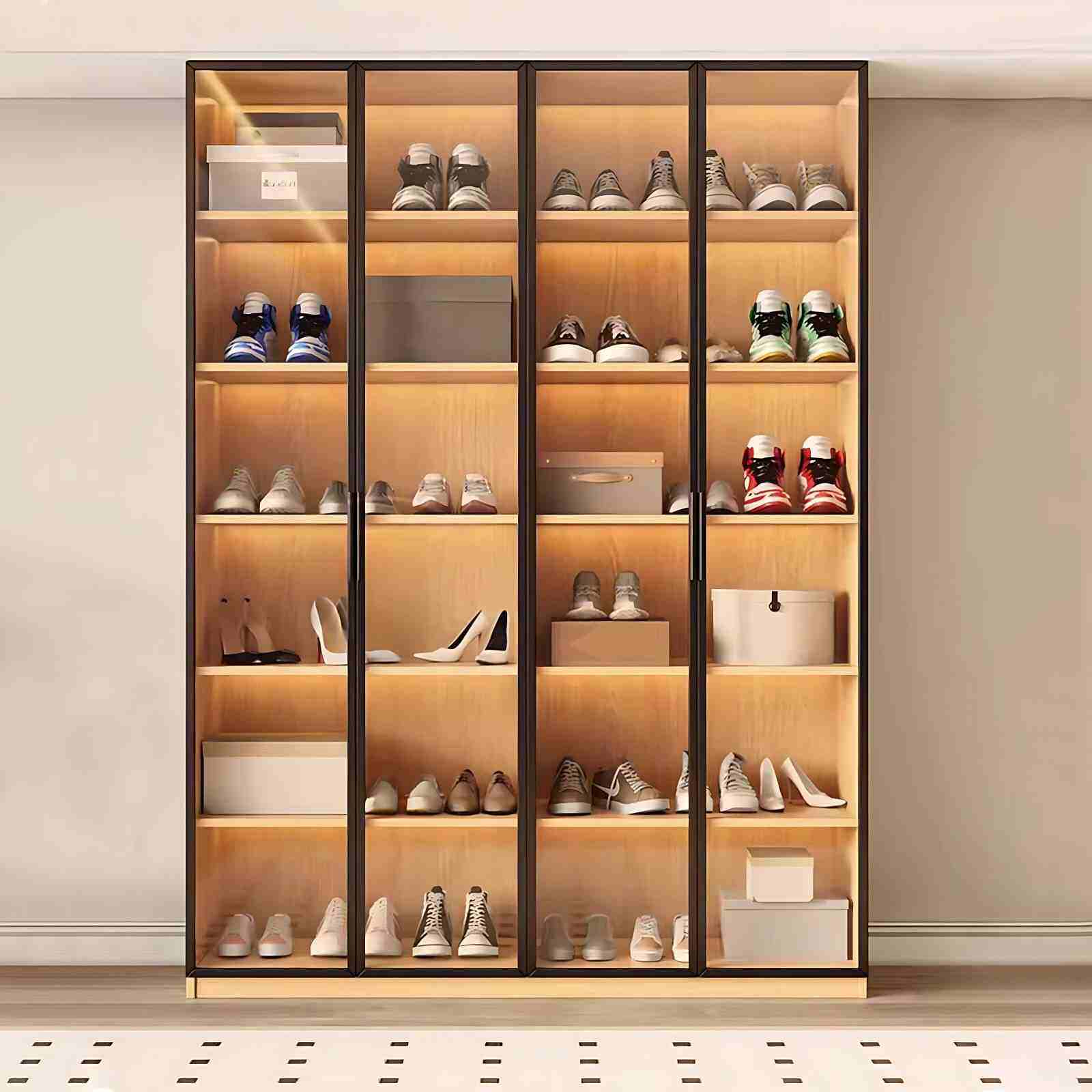
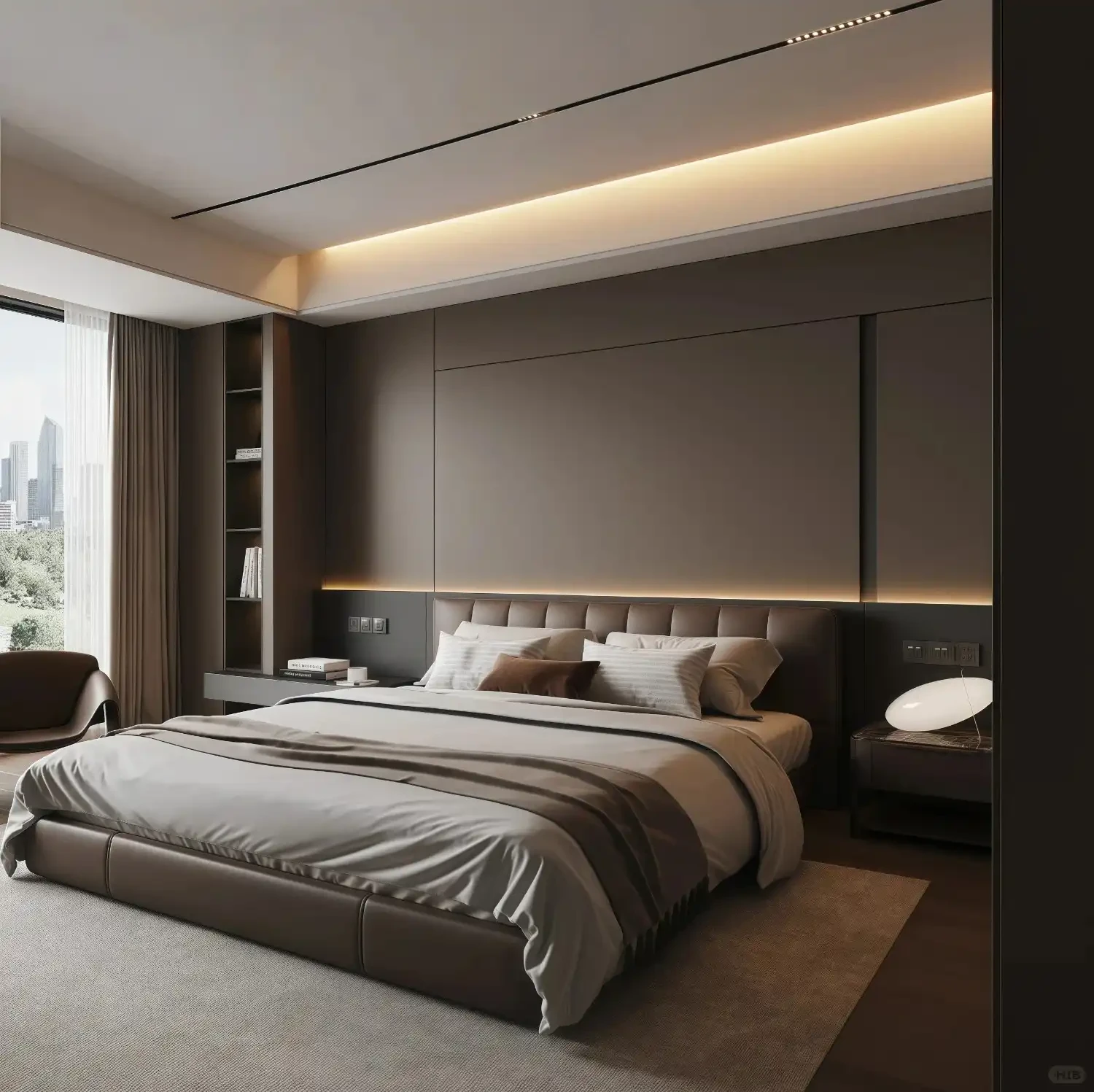




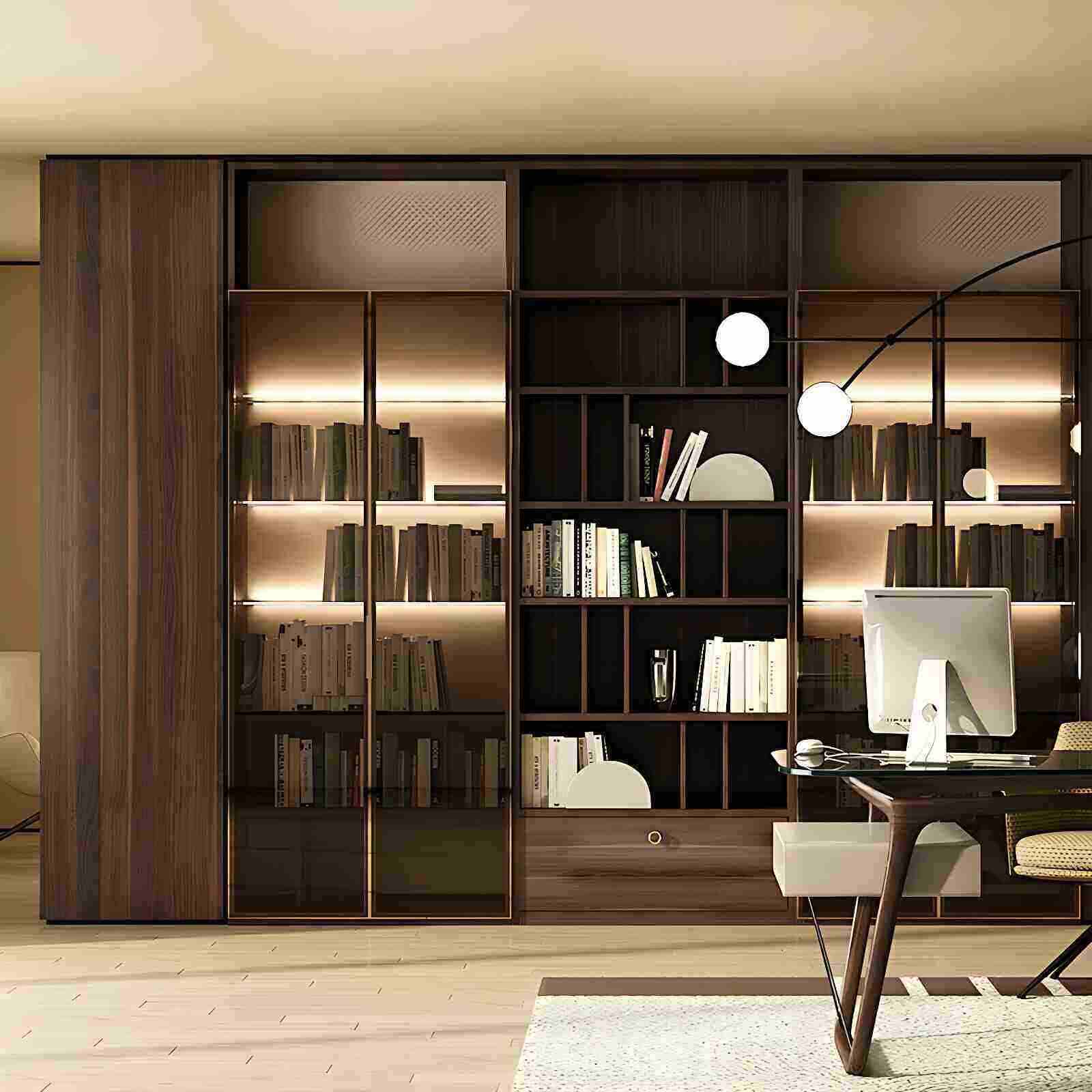


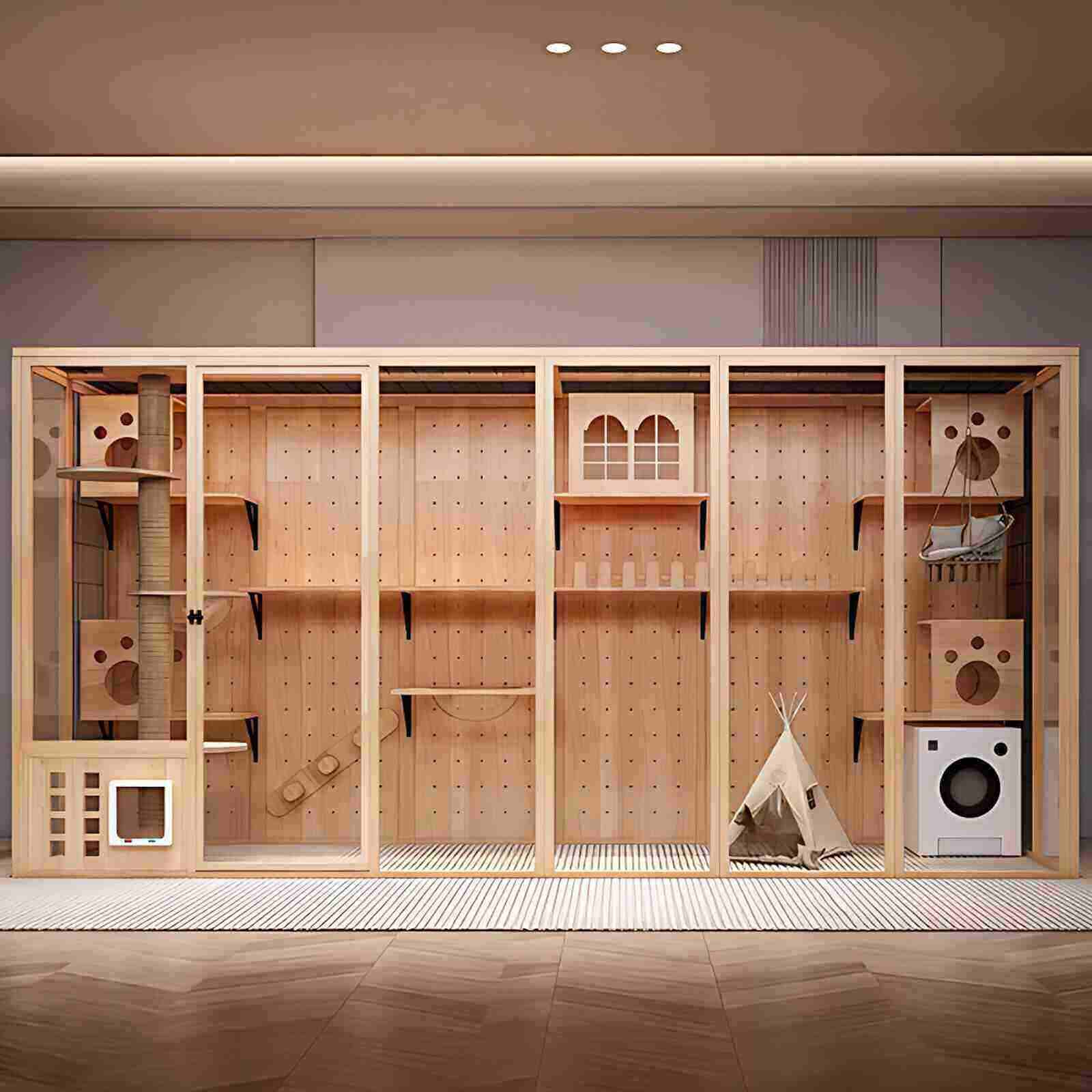
There are many professional terms in the wood-based panel industry, such as moisture content, static bending strength, bonding strength, formaldehyde emission, etc. Some of them are familiar to everyone, while others are not within the scope of public attention.
In fact, the properties and indicators of the boards represented by these terms are key factors in evaluating board quality and will have a significant impact on people's daily lives, so they cannot be ignored. Today, let's decode the first professional term for boards – "moisture content".
What is moisture content?
Moisture content of boards
All boards and their products under normal conditions contain a certain amount of moisture. In my country, the moisture content of a board is defined as the percentage of the weight of the moisture contained in the board to the weight of the board after it has been dried.
equilibrium moisture content
When a board is exposed to certain air conditions for a sufficiently long time, its moisture content will tend to reach an equilibrium value, which is called the equilibrium moisture content (EMC) of that environment.
Let's first look at the interpretation of two technical terms.
By examining the difference between these two moisture contents, four possible outcomes can be found.
The moisture content of the board material is not the same as the equilibrium moisture content; this can lead to "dry shrinkage and wet expansion".
When the moisture content of the board is higher than the equilibrium moisture content of the environment, the board will shrink and release moisture; conversely, it will absorb moisture and expand. For example, the average annual equilibrium moisture content in Guangzhou is 15.1%, while in Beijing it is 11.4%. Boards dried to 11% are suitable for use in Beijing, but will absorb moisture and expand in Guangzhou, causing deformation.
A balanced moisture content in the board will extend its service life.
Maintaining and stabilizing the moisture content of the board within a certain equilibrium range can effectively prevent deformation and cracking, thereby extending the service life of the board.
The moisture content of the boards is strictly controlled to maintain a balanced level, making them less prone to cracking and deformation even in high humidity environments.
If the moisture content of the board is too high, it will cause deformation and mold growth.
If the moisture content of the board is too high, the internal moisture will continue to evaporate during storage, causing shrinkage and leading to problems such as deformation and cracking. In severe cases, this will affect the quality and lifespan of the board. Furthermore, in hot weather, boards with excessive moisture content are easily infected by fungi, resulting in mold, discoloration, and insect infestation.
If the moisture content of the board is too low, cracking and bulging may occur.
Low moisture content in wood panels has two main effects. First, it directly reduces the bonding strength and other physical and mechanical properties of the panels. For example, it can cause the wood to become brittle, its toughness to decrease, and its nail-holding power to decline. It is also difficult to saw and plan, and is prone to breakage and chipping during processing. Second, during the transportation and use of the panels, because the moisture content of the panels is lower than the equilibrium moisture content of the surrounding environment, the panels will absorb moisture from the outside, leading to deformation.
How is Da Wang Ye board made?
In summary, controlling the moisture content of the boards and keeping it stable within a balanced range can avoid many quality problems. So how do we strictly control the moisture content? Let's see how the boards are made↓↓↓
01. For logs, dry at a constant temperature for 10 days.
The boards are made from carefully selected high-quality logs and are produced in a large standard drying room. Advanced drying technology is used to perform multiple constant-temperature drying processes on the logs, which last for a total of 10 days. This allows the wood's tendency to expand and shrink due to moisture to be released before production, thus controlling the moisture content of the boards to be within the standard requirements from the source.
02. Repeated conditioning to balance moisture content
We place great importance on the curing process of our boards. First, after purchasing the logs, there is a curing period to allow the wood to fully adapt to the temperature and humidity of the processing location. Then, after drying the logs, there is another curing process to eliminate drying stress. Subsequently, there are multiple curing processes in the 24 processing steps to ensure that the moisture content of the boards tends to be balanced during the production process. Finally, when the boards are transported to various parts of the country, they are also cured in warehouses in each location to allow the boards to adapt to the local climate.
▲The boards will undergo multiple curing processes.
03. Quality inspection throughout the entire process, strictly controlling moisture content.
Data is the best guide, and quality inspection is carried out throughout the entire process. Among them, moisture content testing is essential. Through quality inspection at each stage, the moisture content of the boards can be monitored in real time to ensure that it meets the standards before proceeding to the next step. After the finished boards are produced, they are sent to a third-party authoritative institution for quality testing. Only when all indicators, including moisture content, are qualified can they obtain the "factory pass".
▲Multiple moisture content tests were conducted on the boards.
The boards have a balanced and stable moisture content, making home life more comfortable.