
 USD
USD GBP
GBP
 EUR
EUR
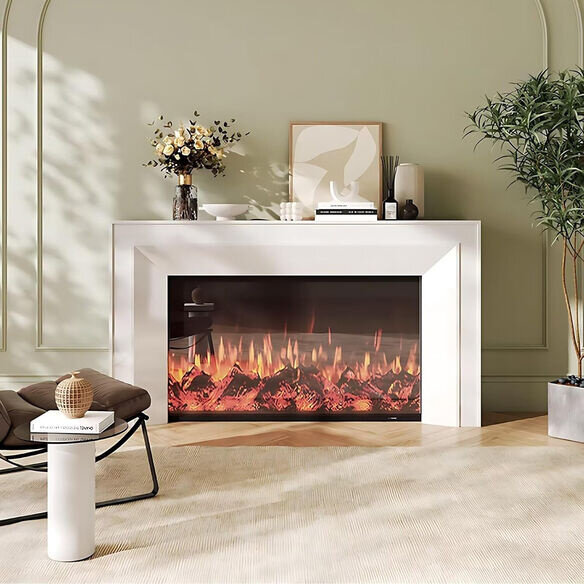
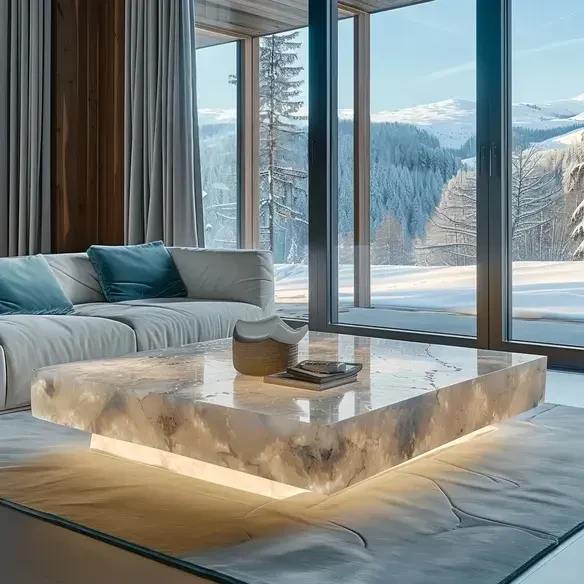
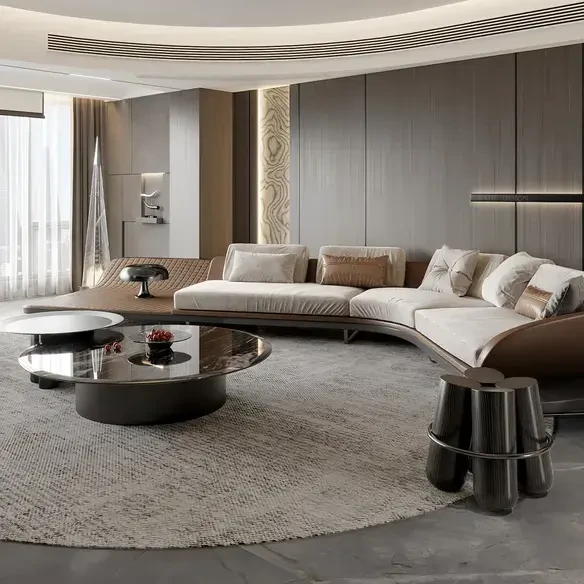
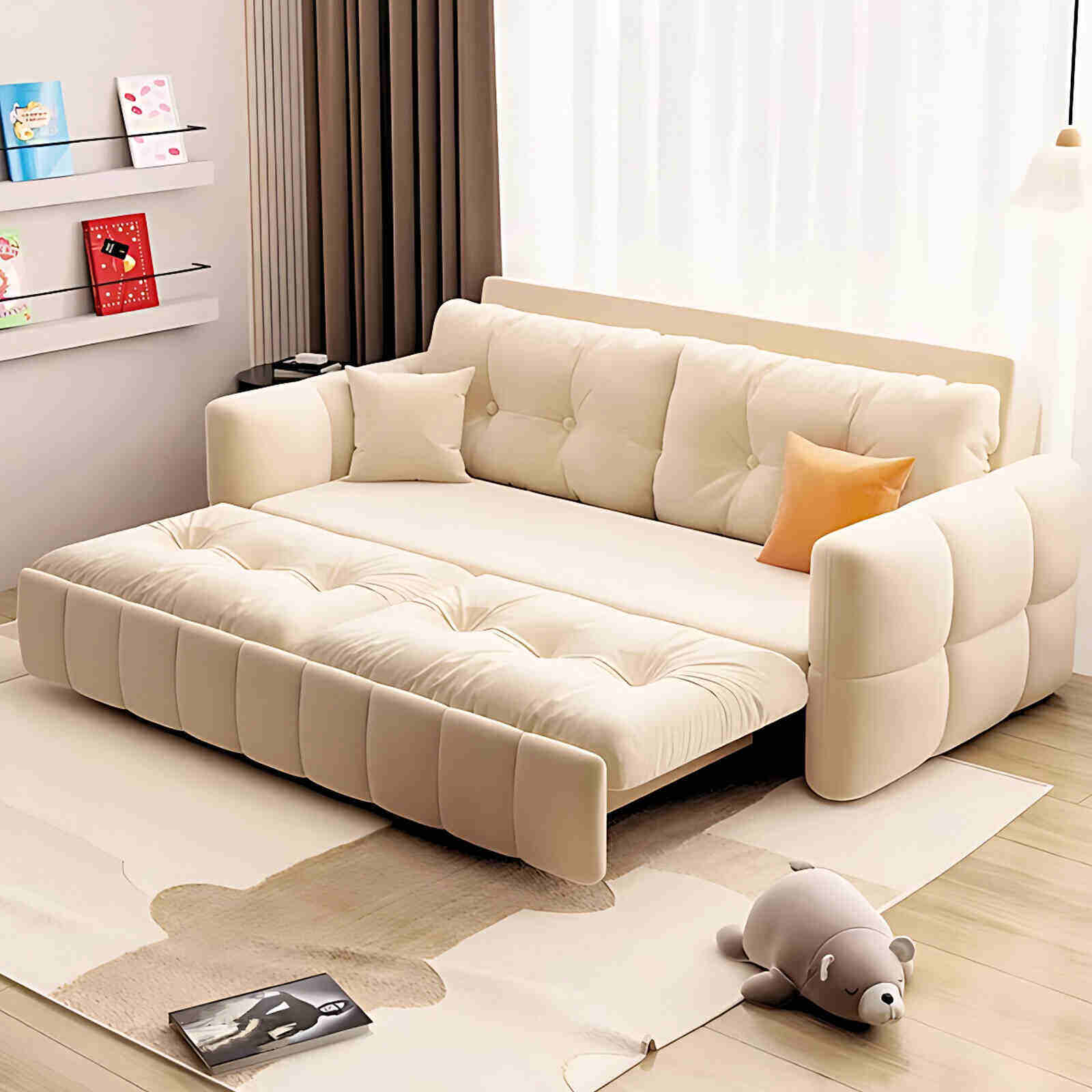
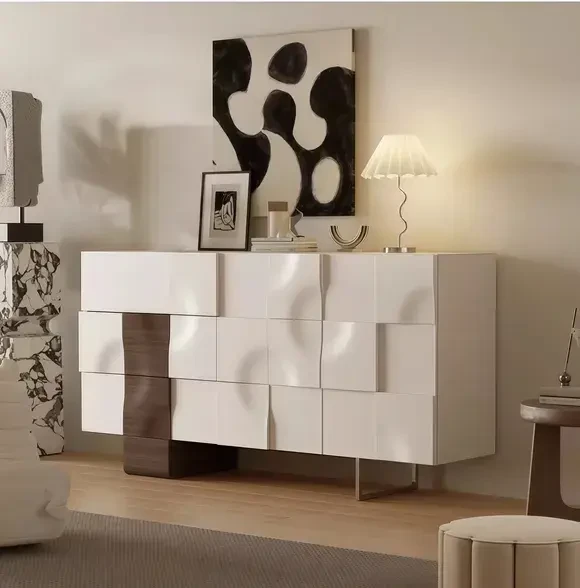
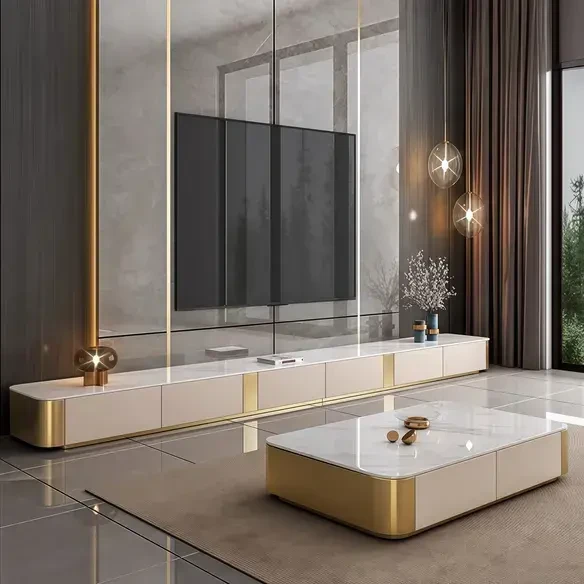
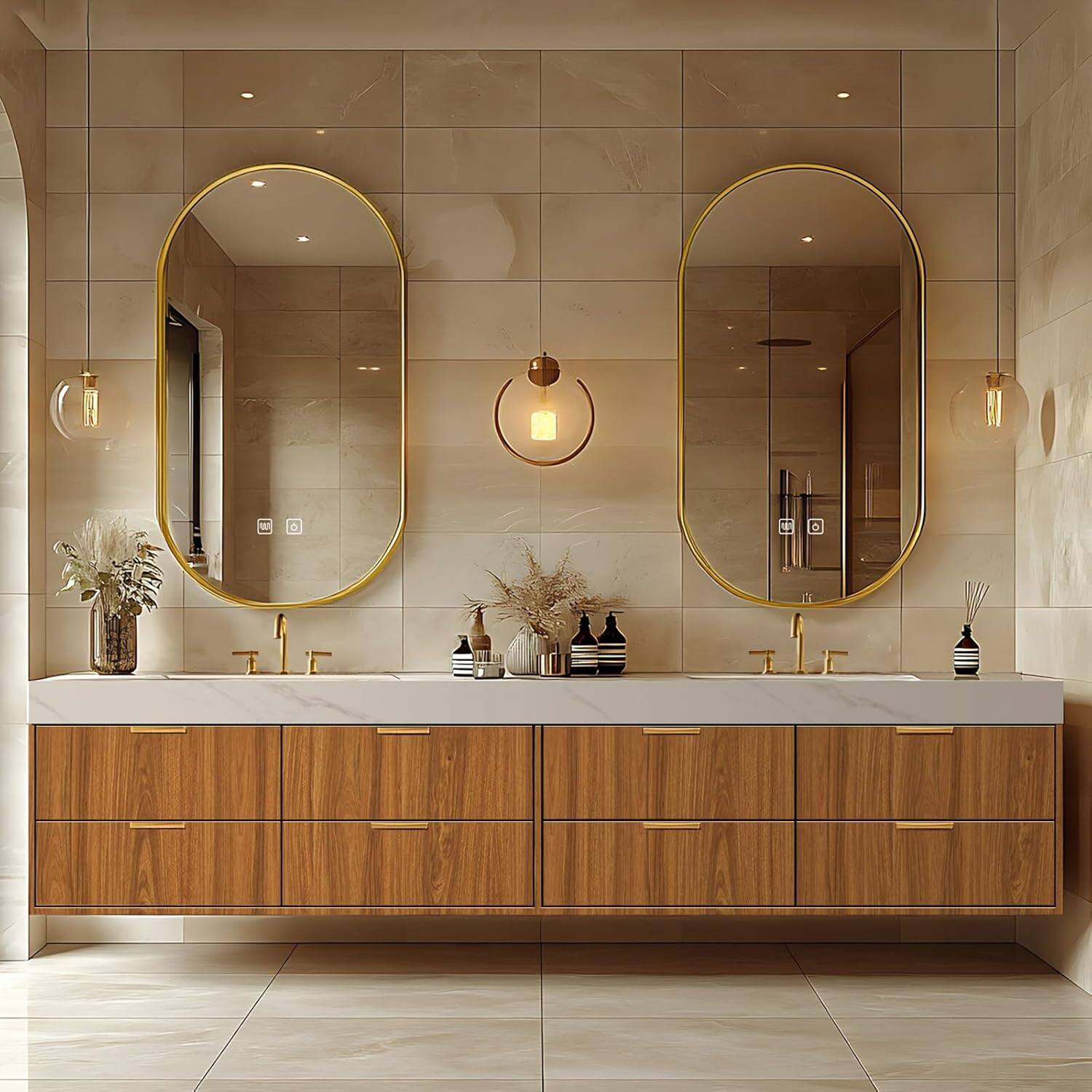
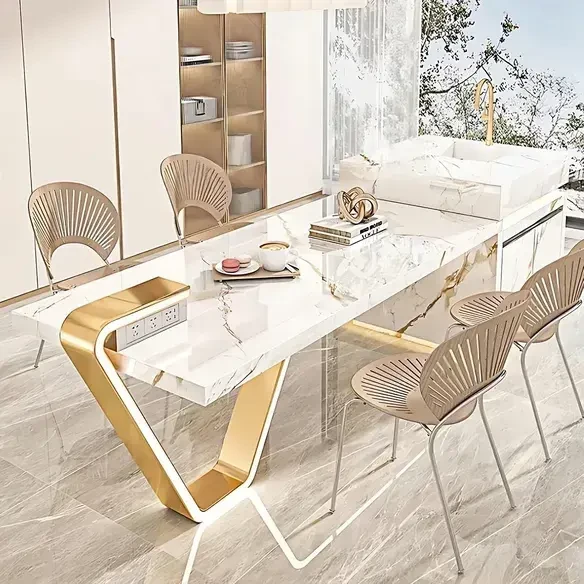
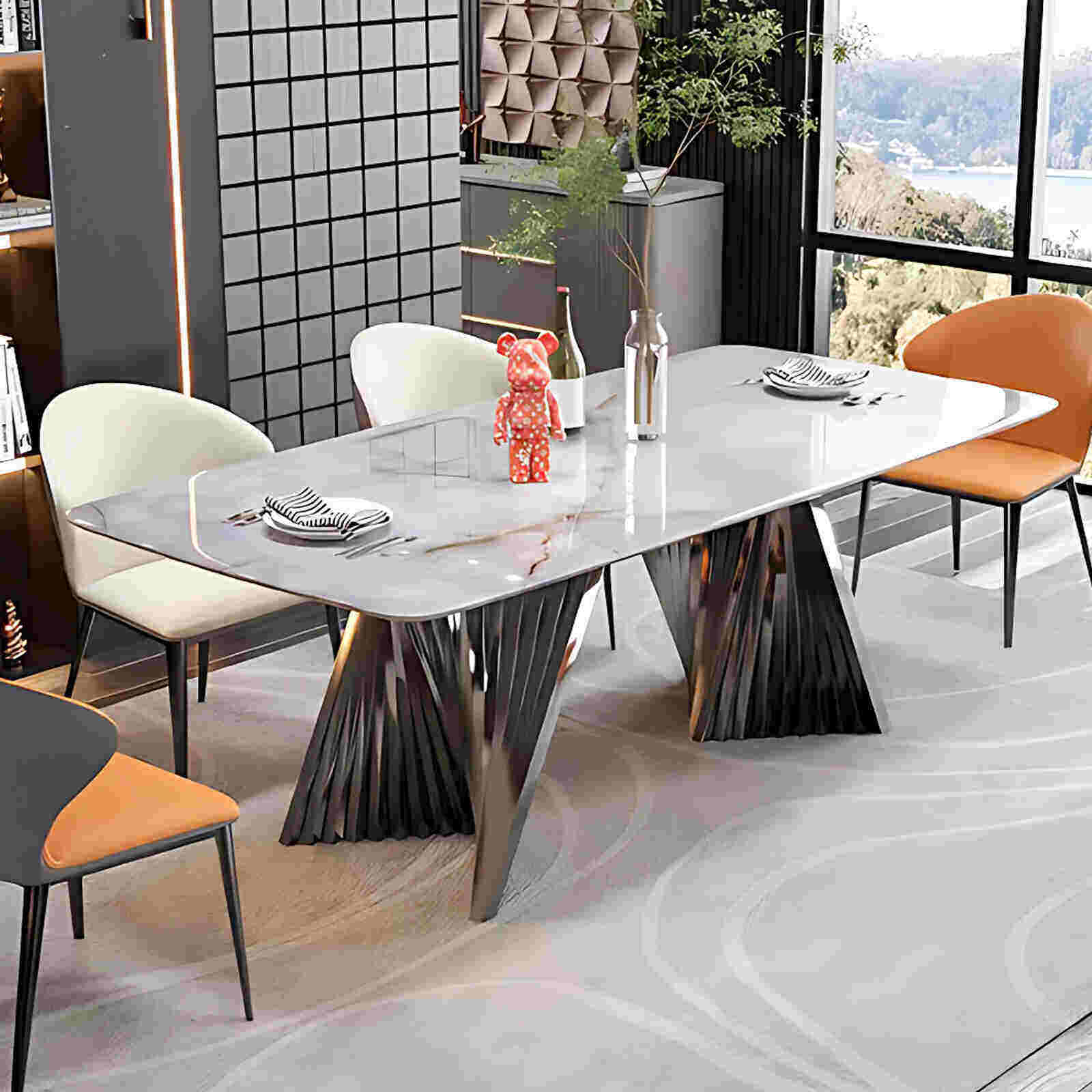
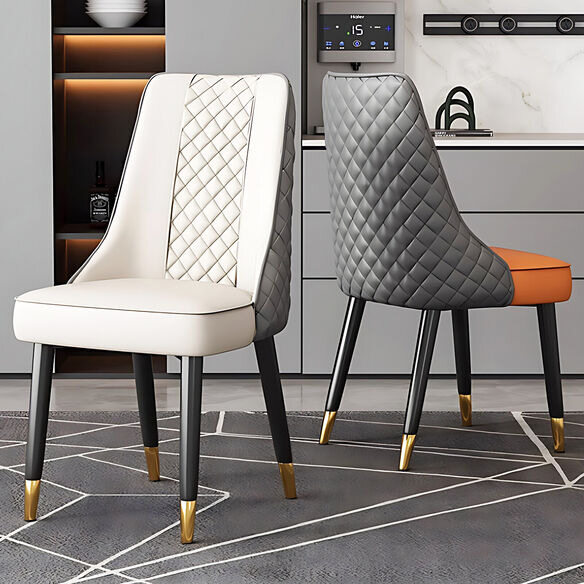
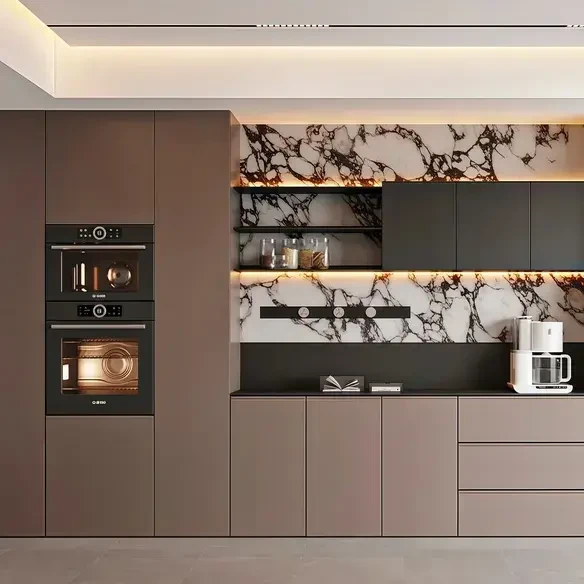
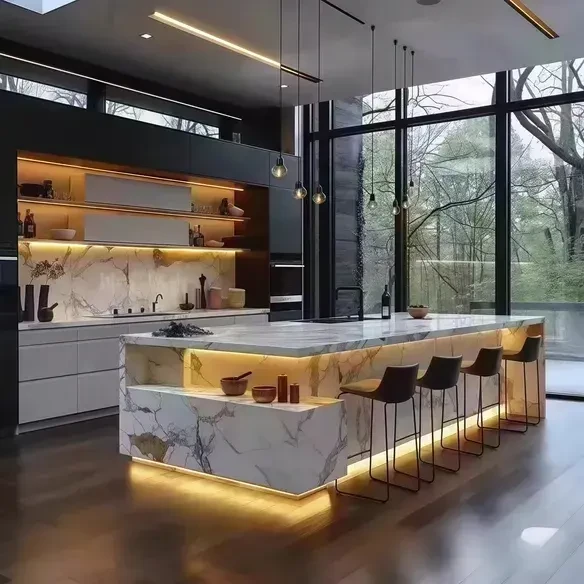
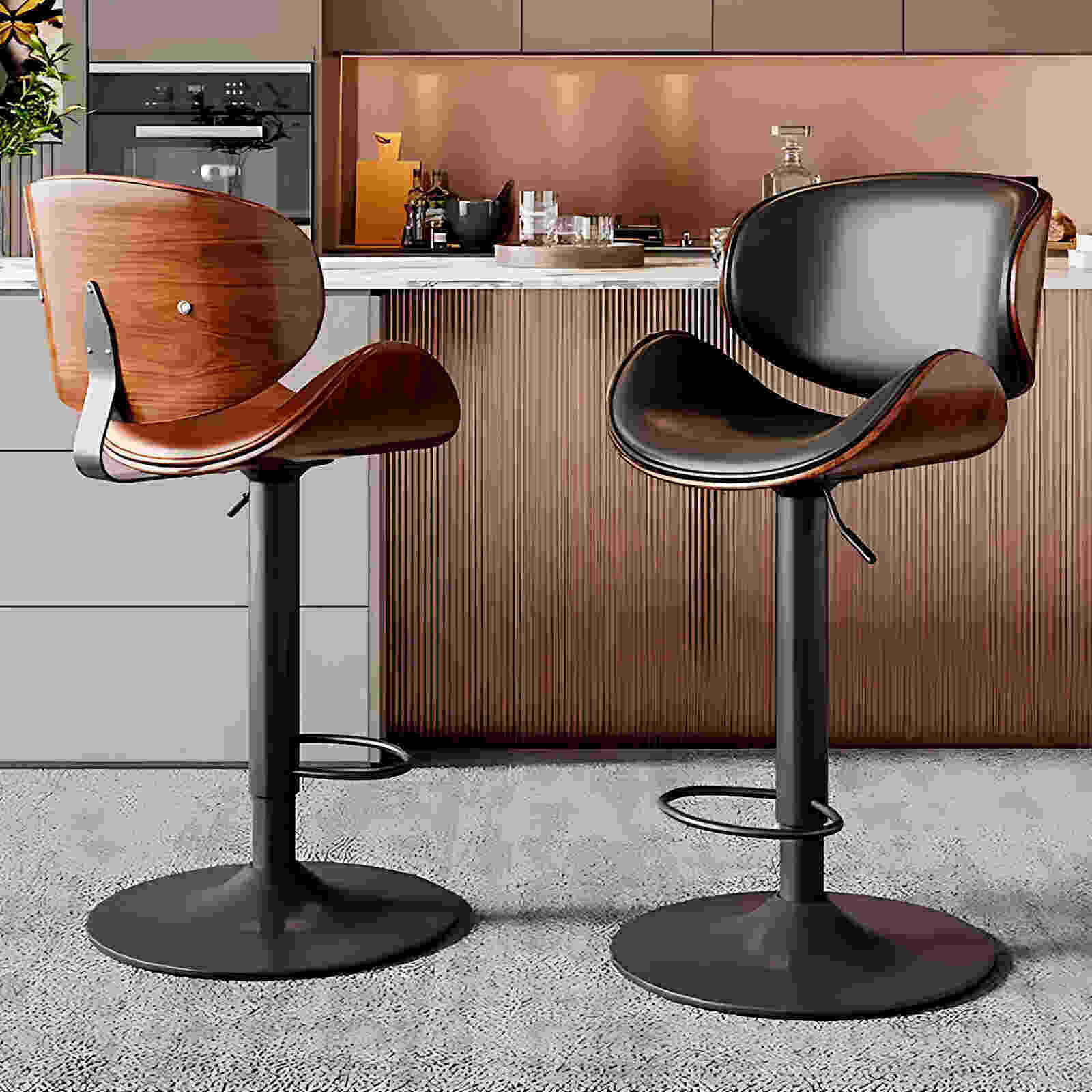
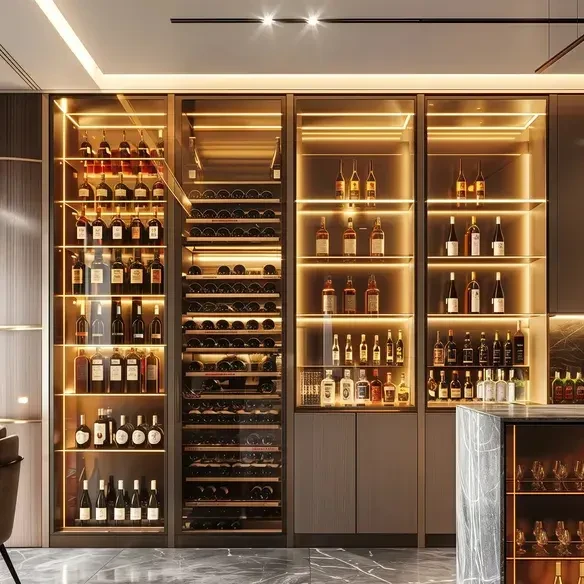
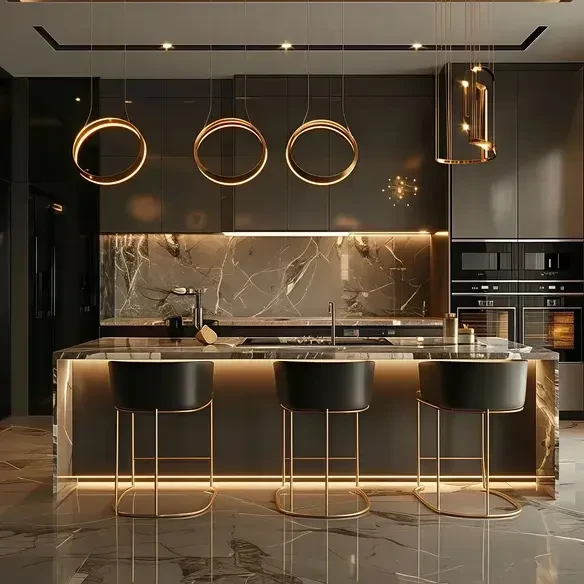
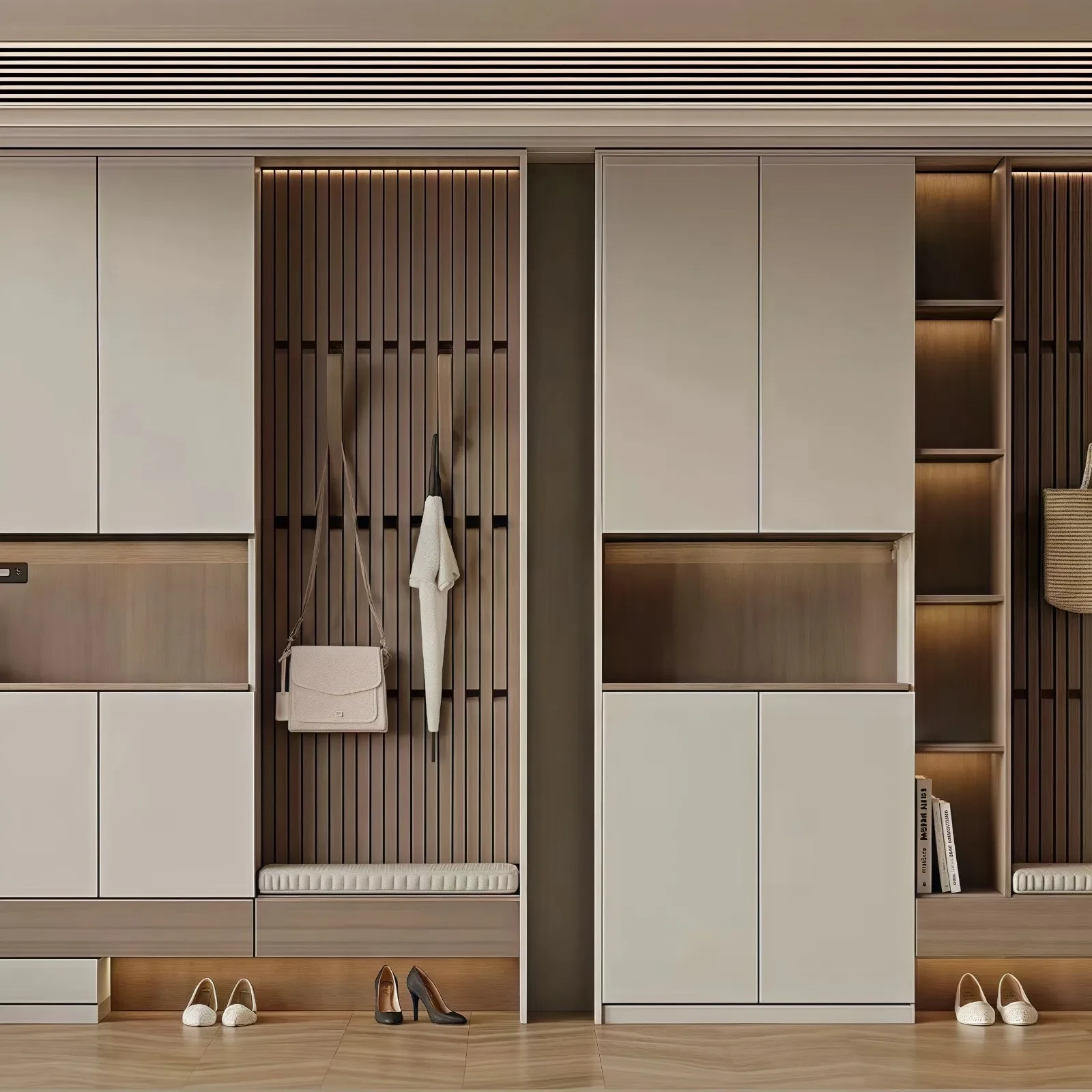
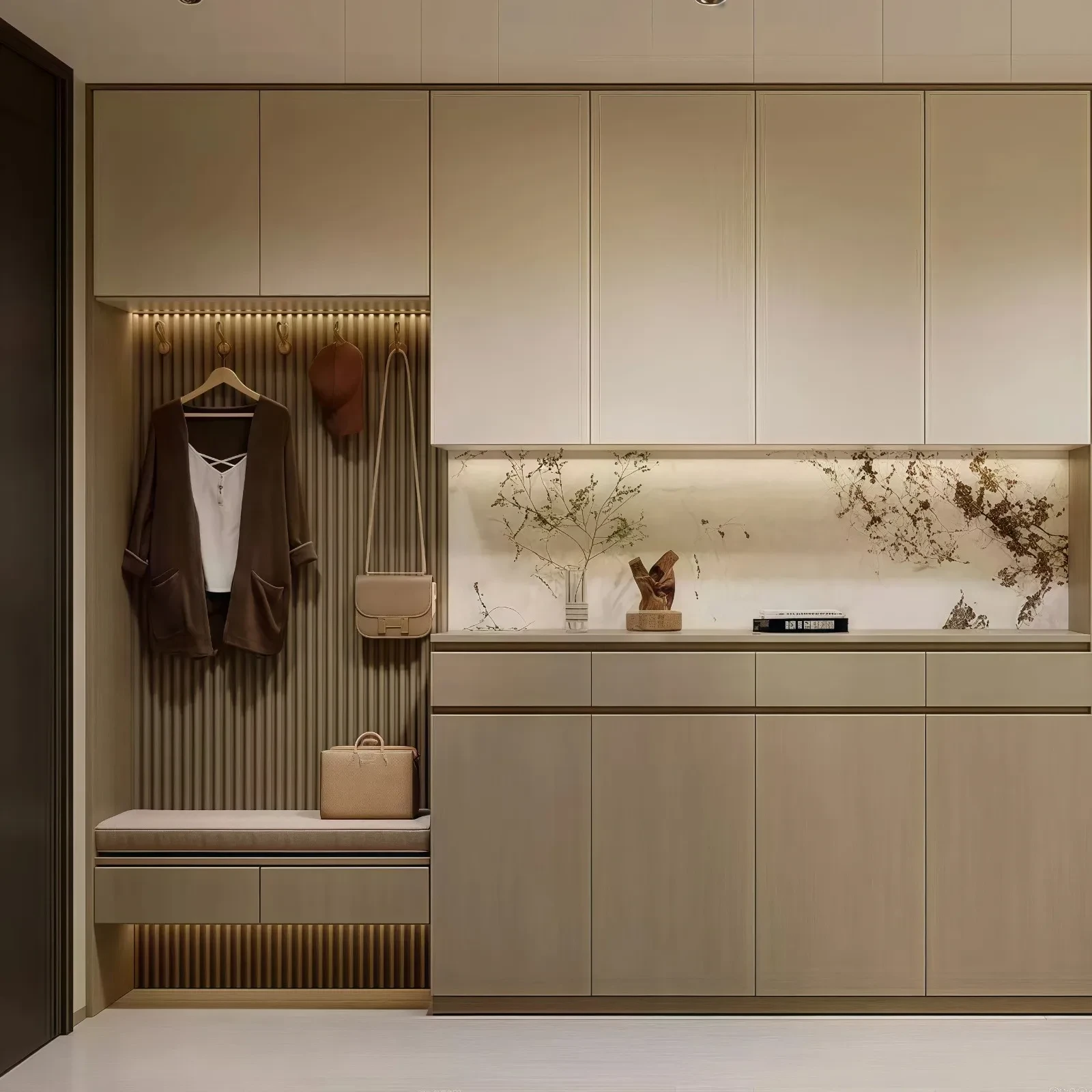
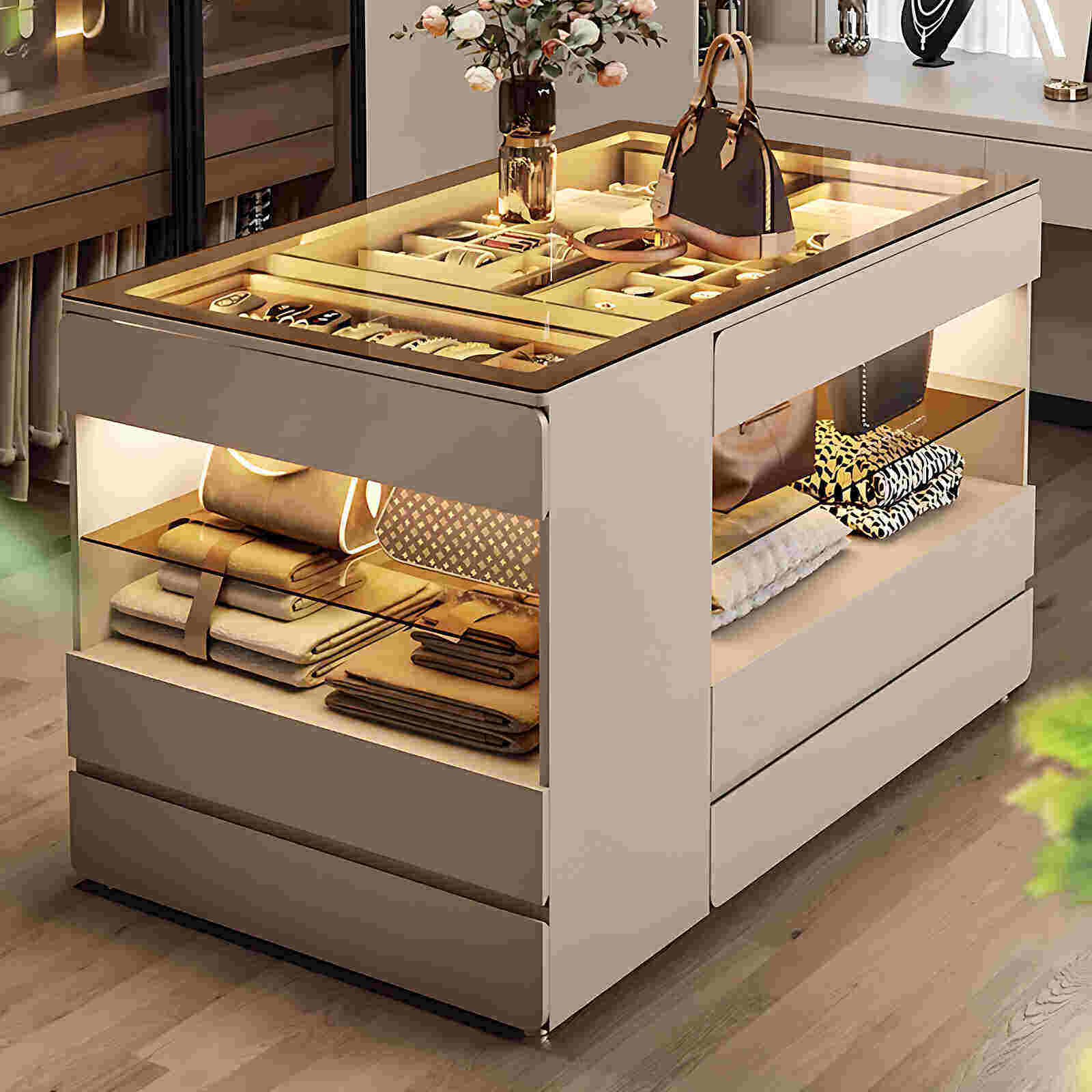
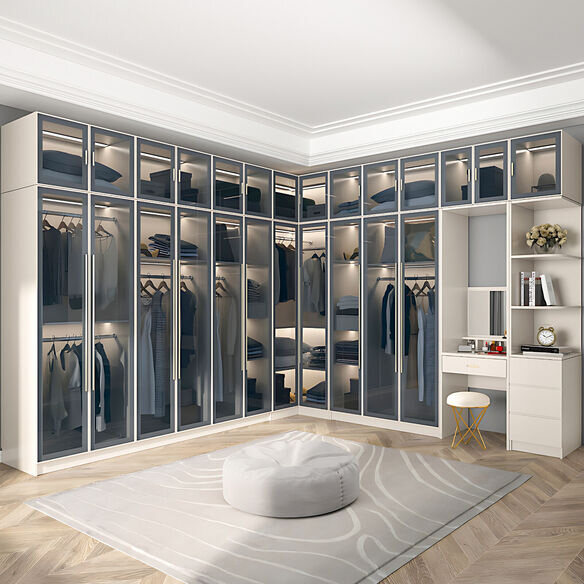
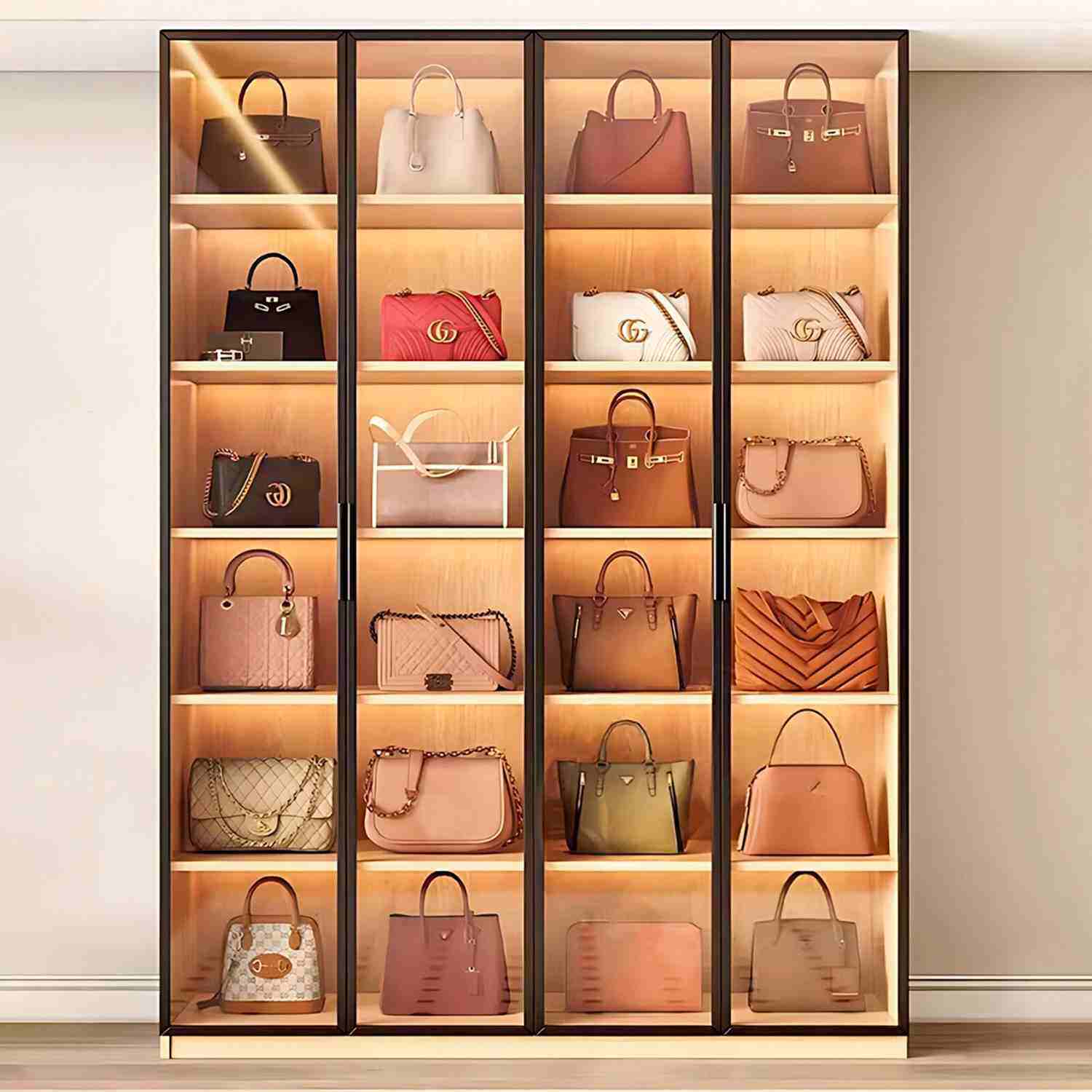
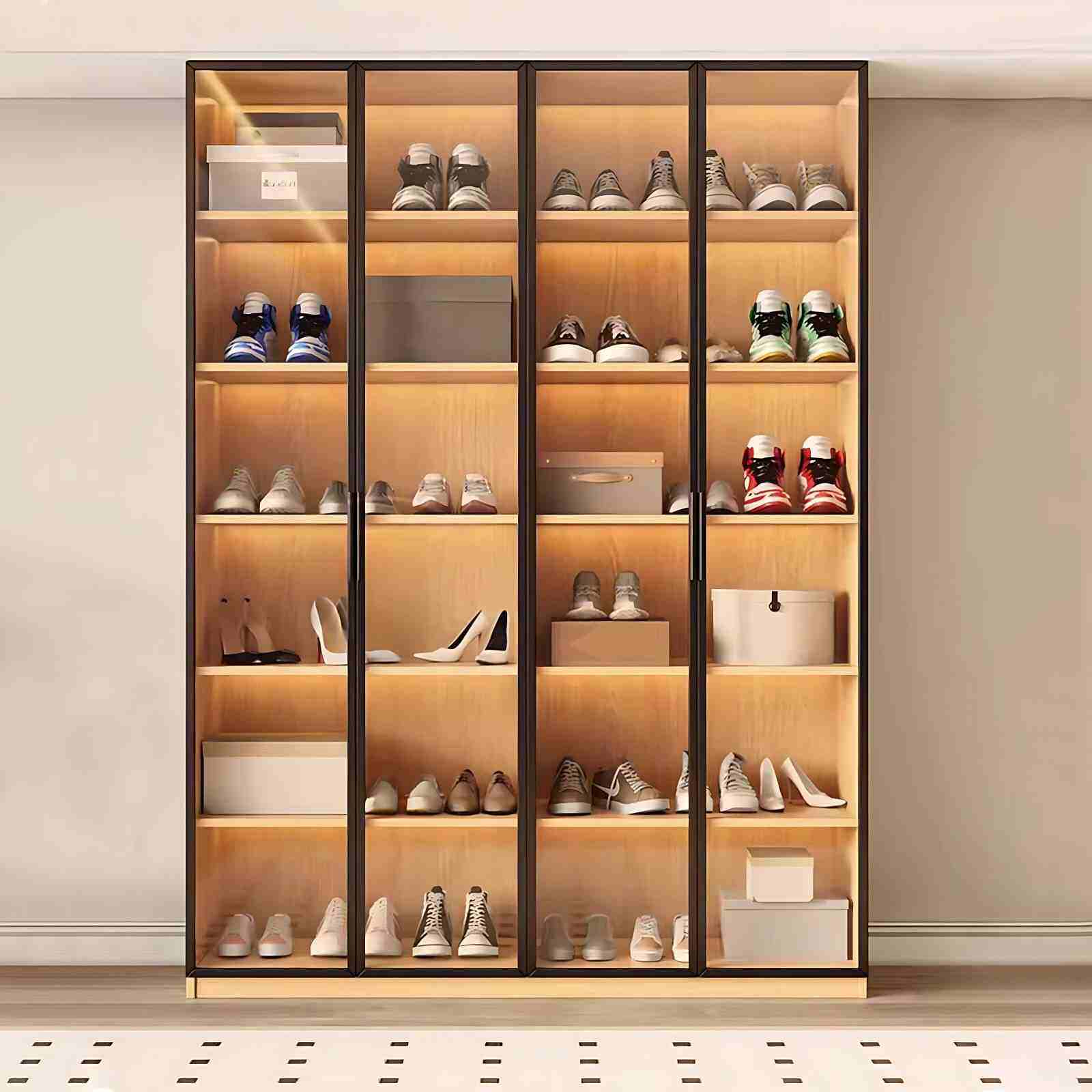
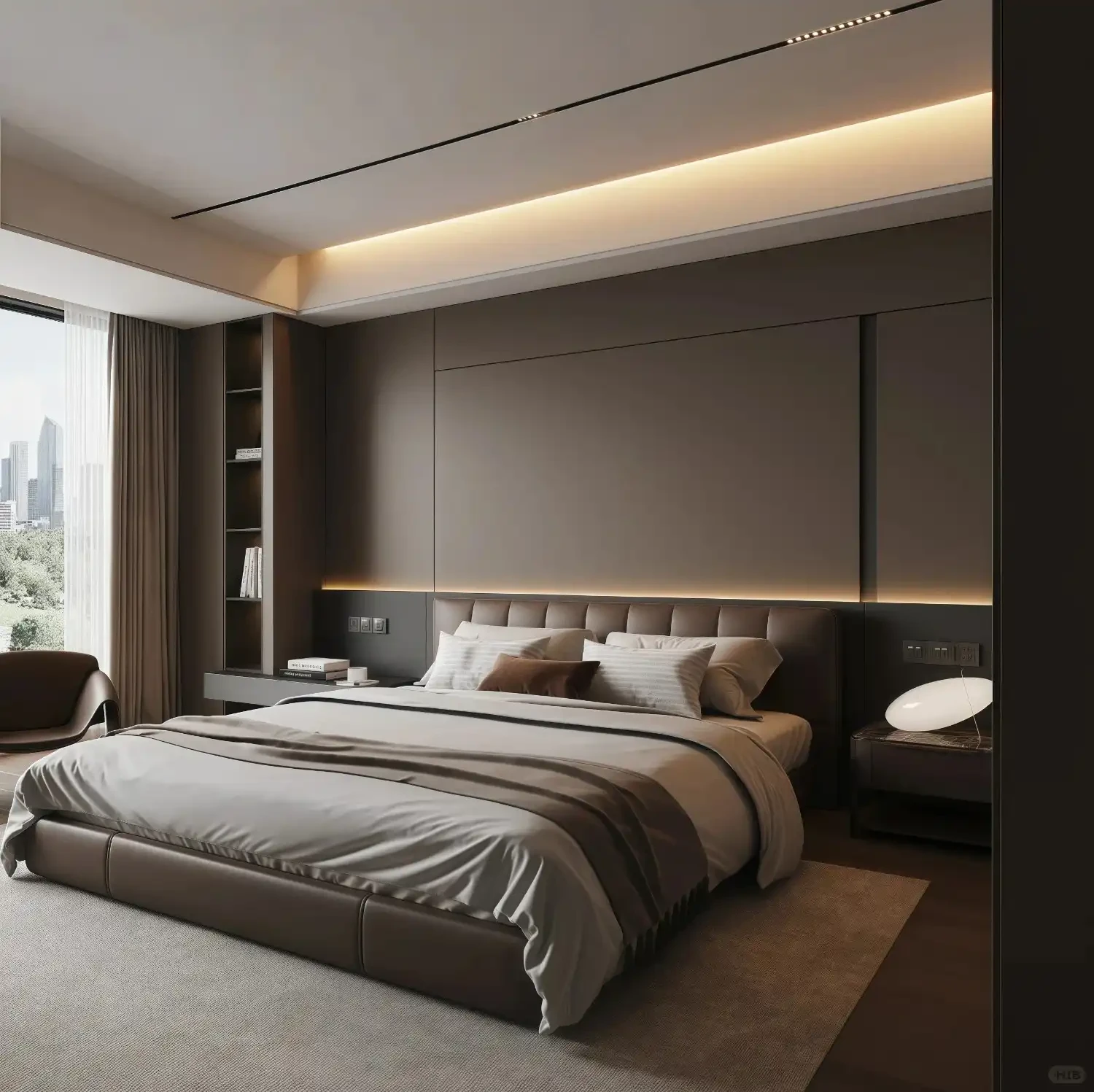
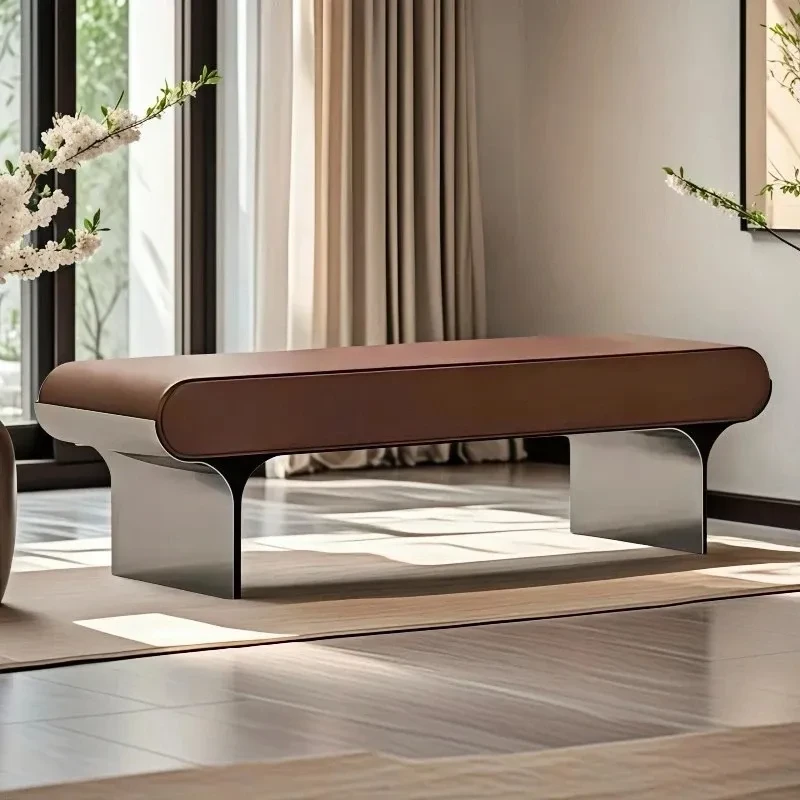
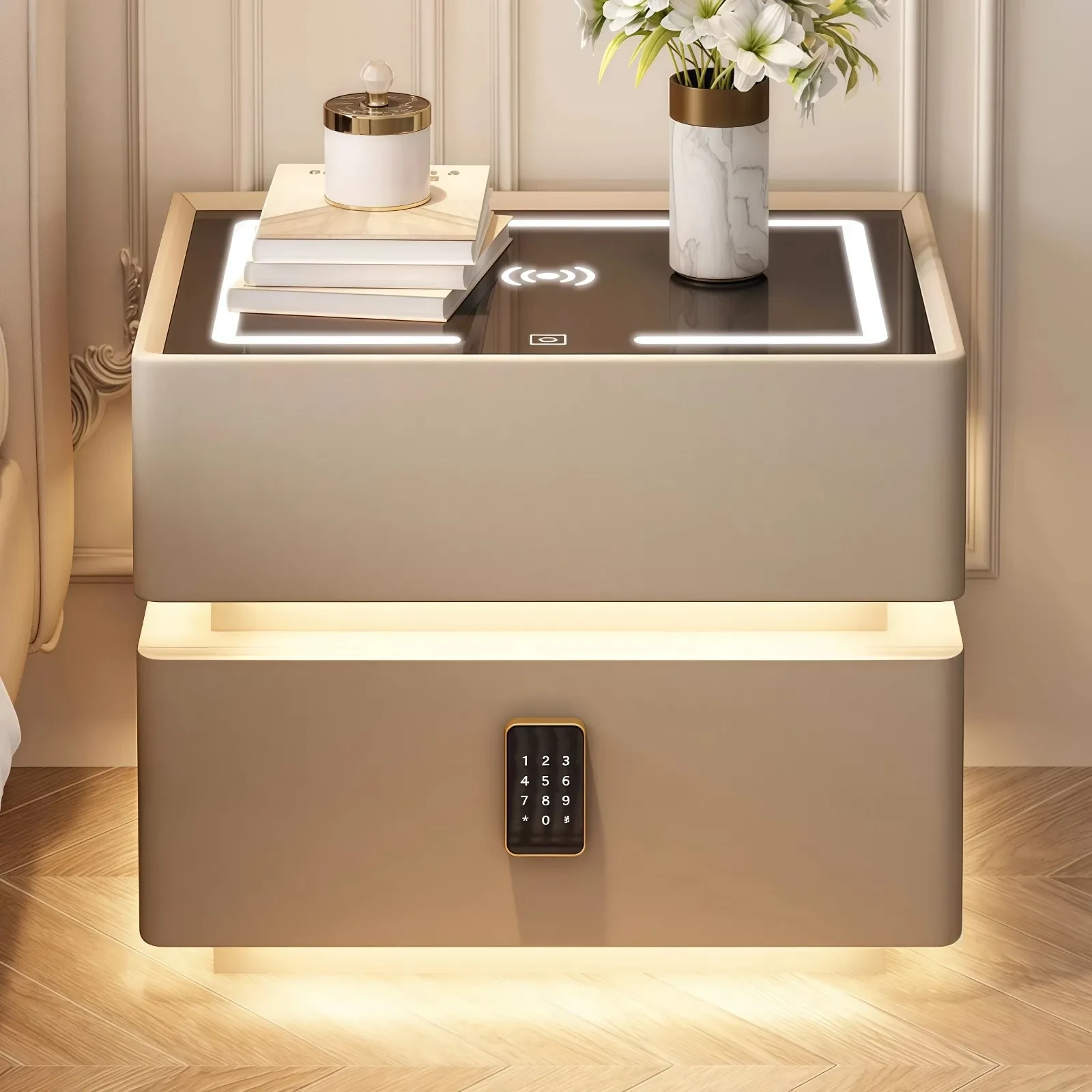
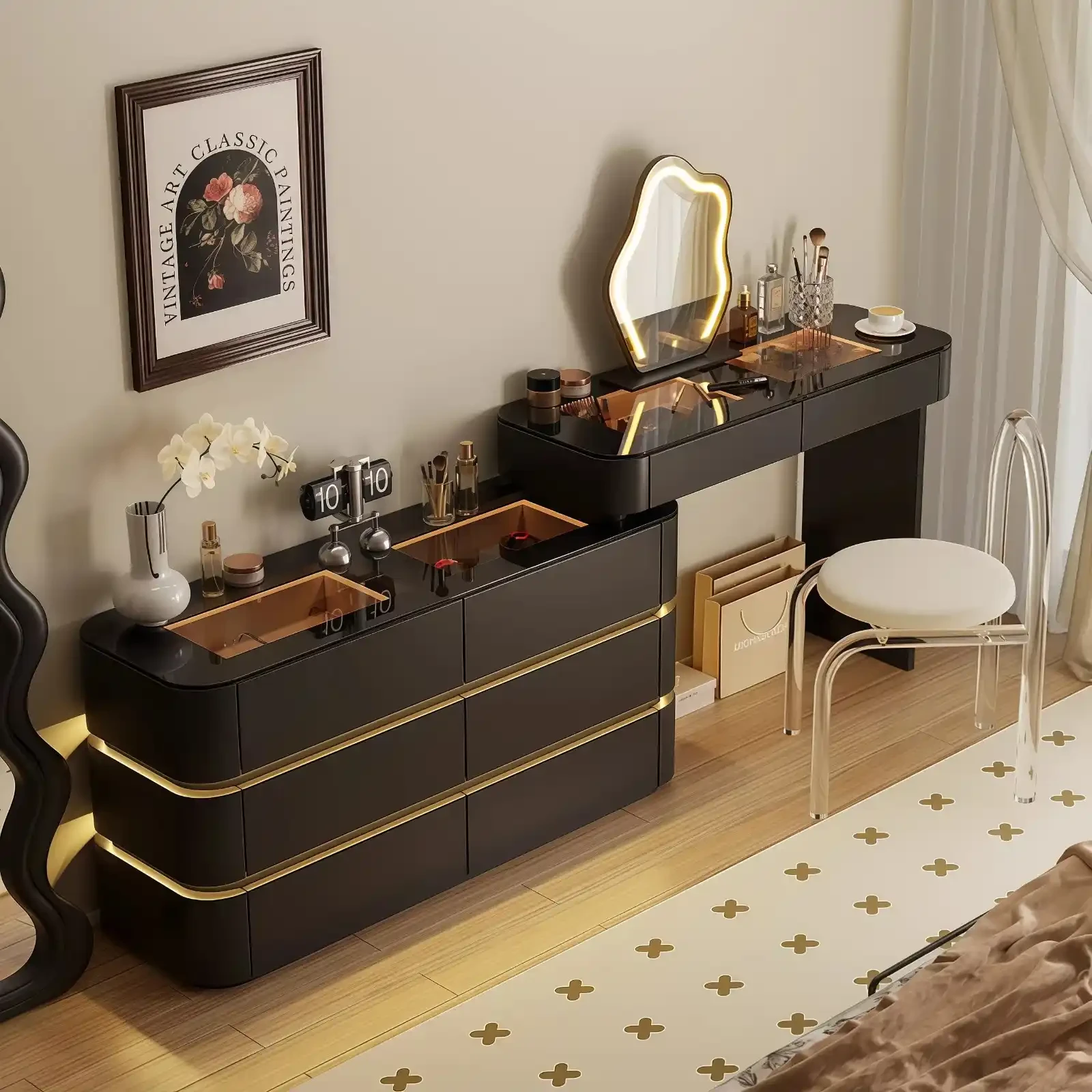
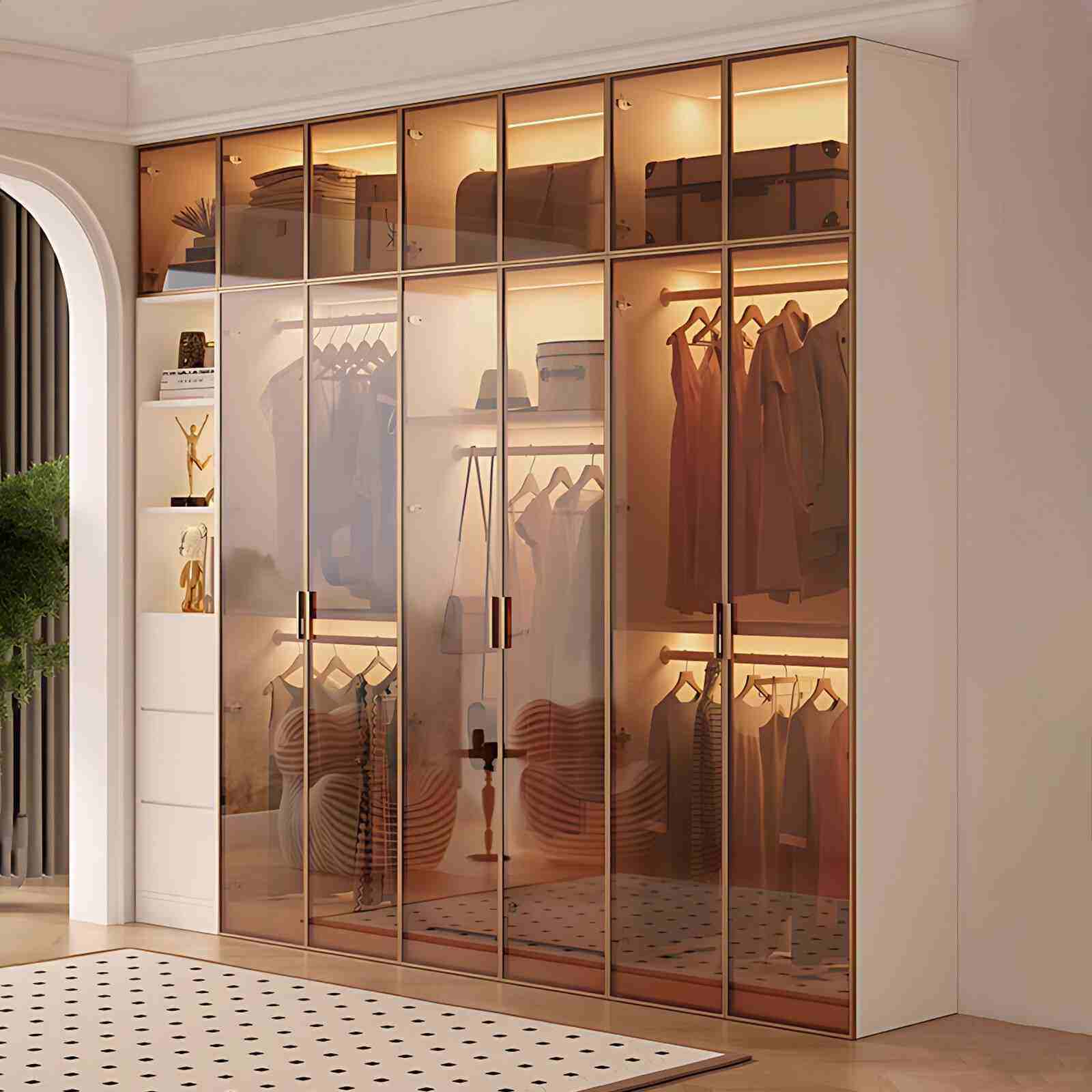
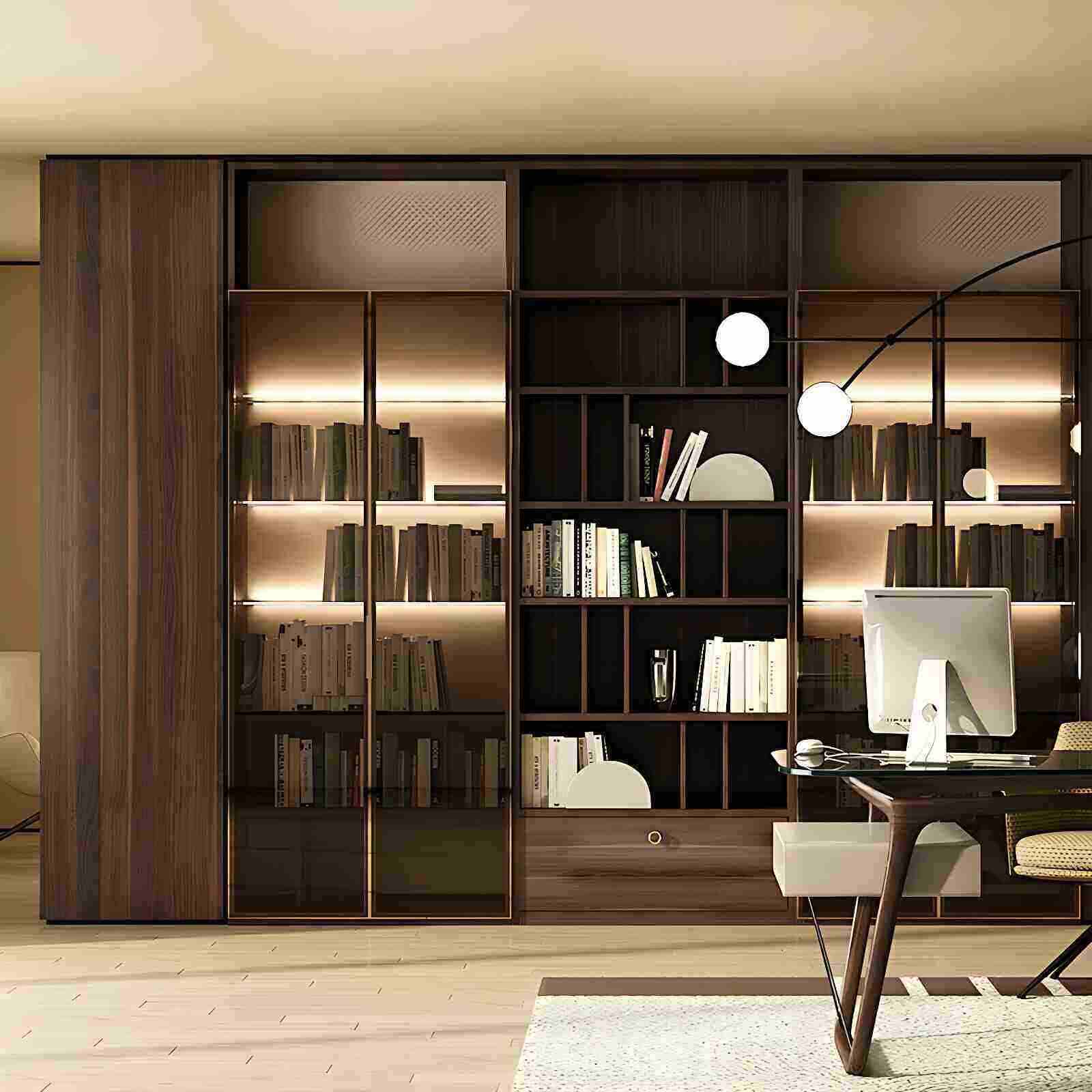
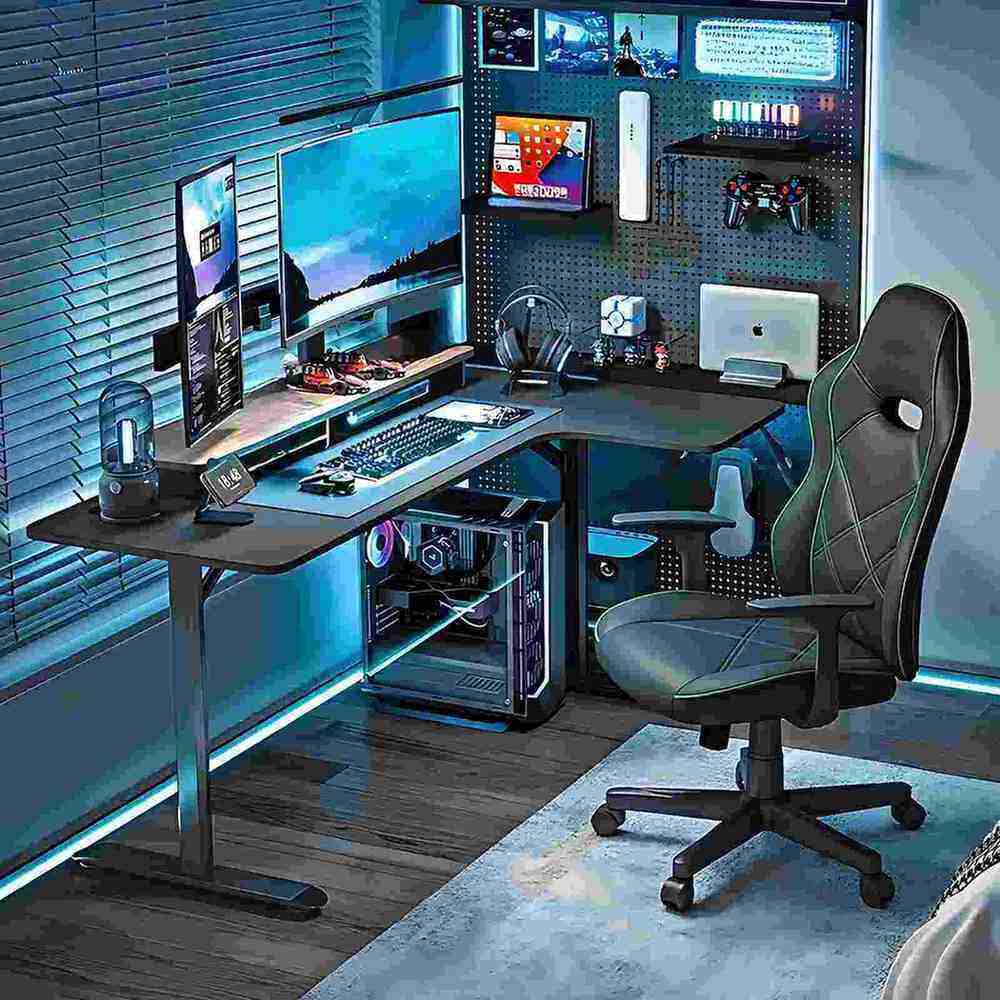
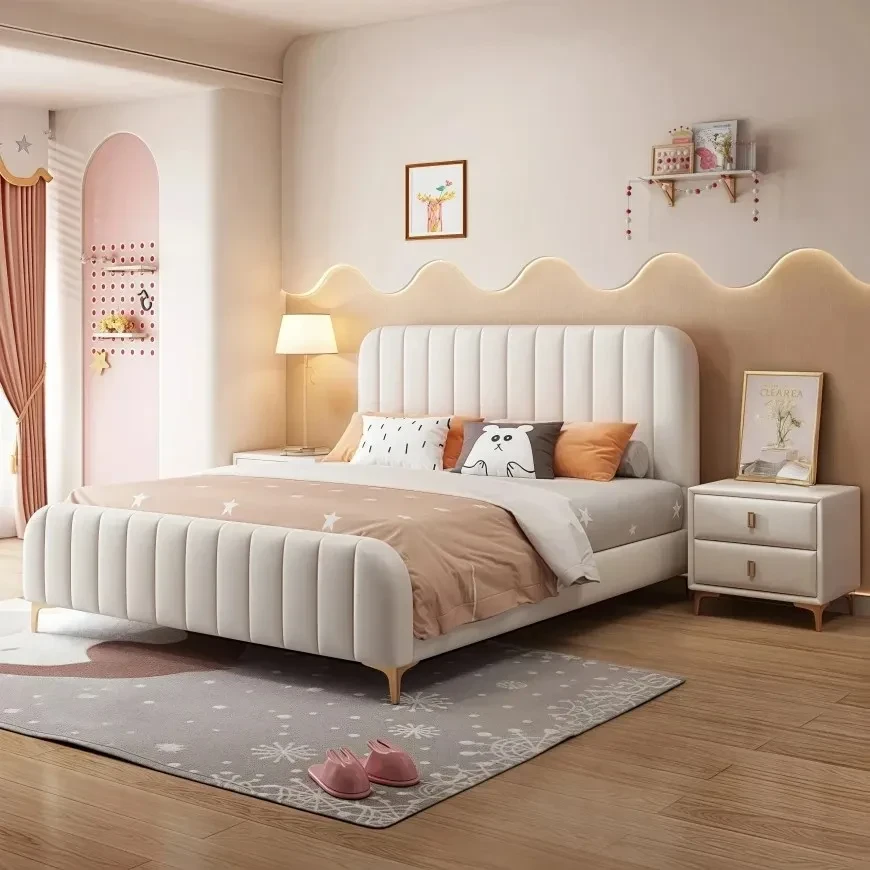
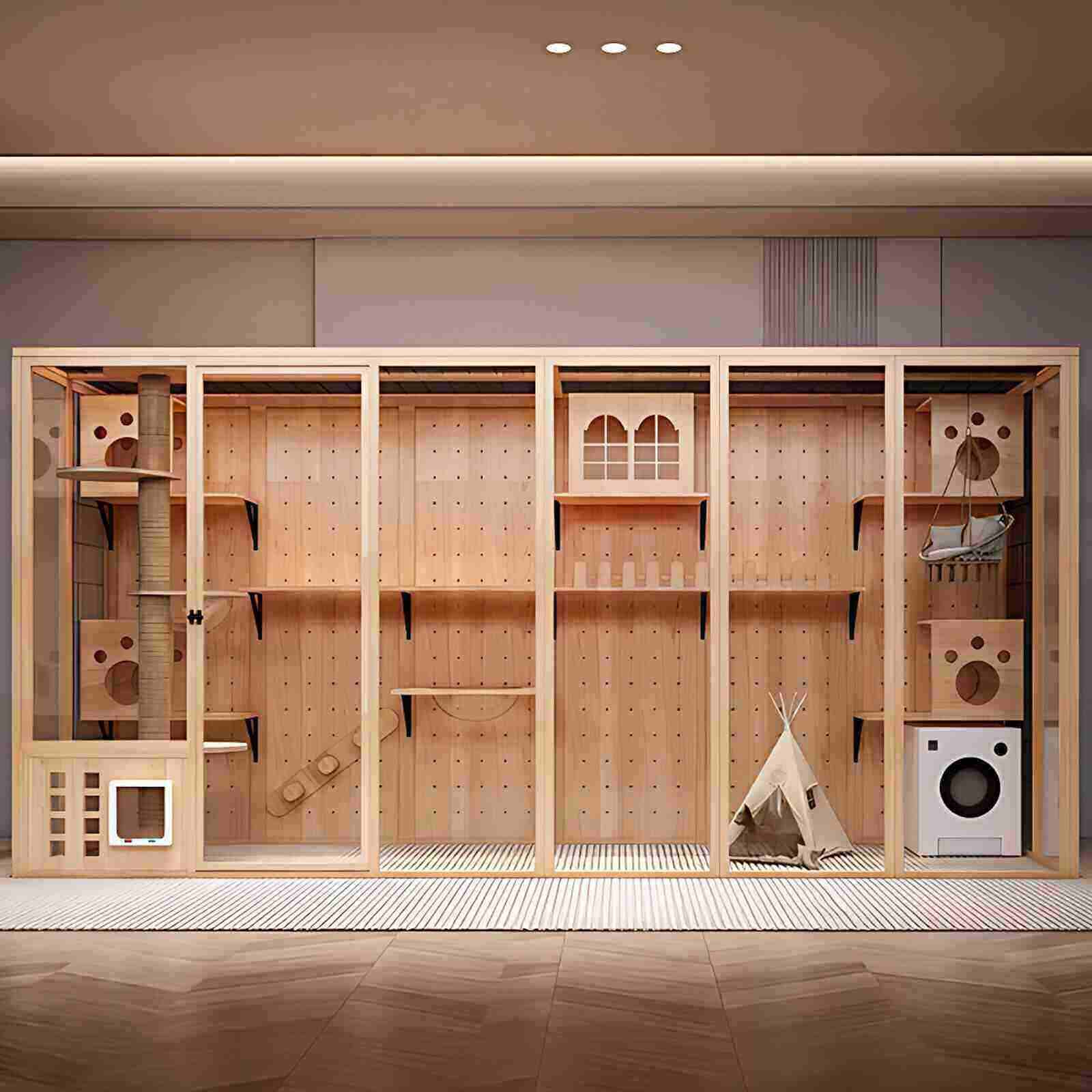
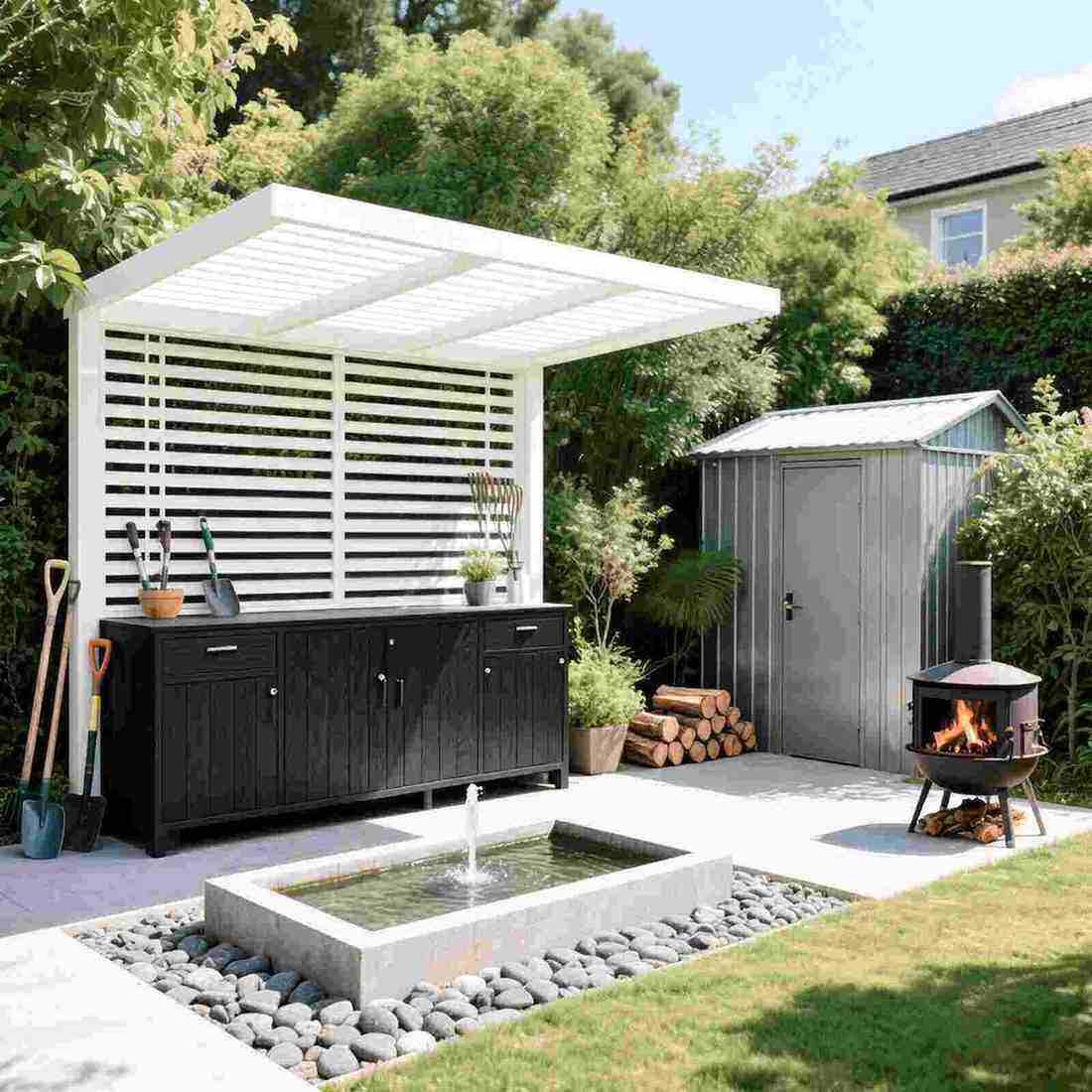
Selecting wood panels is a crucial part of home decoration. If home decoration is likened to an exam, then selecting wood panels is like multiple-choice questions on the exam paper. There are many options, but it's easy to lose points. It's not uncommon to regret not having considered everything beforehand and discovering omissions or wrong choices afterward.
Despite reading numerous purchasing experience sharing articles, mistakes still occur when trying it yourself, likely due to a lack of comprehensive and systematic logical guidance. Therefore, Xiaoye has compiled five essential steps to take before purchasing wood panels, allowing everyone to "follow the guide" and avoid unnecessary detours.
01. What type of board should I choose?
Boards are a broad category, including eco-friendly paint-free boards, plywood, fire-retardant boards, gypsum boards, multi-layer boards, and decorative panels. Different types of boards have different uses. Below is a comparison table of the performance and uses of each type of board, so homeowners can choose according to their actual needs.
Paint-free board
> Natural finish
>Structurally stable
>Rich in color and pattern
>Formaldehyde removal and environmental protection
It is mainly used in walk-in closets, wall cabinets, wall decorations, ceilings, wardrobes, bookcases, tables and chairs, shoe cabinets, bathroom cabinets, wine cabinets, etc.
plywood
>High strength
> Bending resistance
> High solidity
> High flatness
It is mainly used in furniture, partitions, wall panels, etc.
Glulam
> Crack resistance
> Deformation resistance
> High stability
>Aesthetically pleasing
It mainly refers to the materials used in building structures, interior furniture, and decorations.
Multi-layer board
>Strong adhesive
> Bending resistance
>Super strong nail holding power
>High environmental protection level
It is one of the commonly used materials for furniture, and is often used for drawer bottoms, interior structural panels of doors, lining boards between gypsum boards and keels, door frames, window frames, partitions, etc.
Decorative panel
> Tough wood
> Diverse colors and patterns
> High flatness
It is a commonly used decorative material for home decoration such as furniture, doors, door and window frames, and walls.
plasterboard
> Strong nail holding power
> Stable and durable
>Dual formaldehyde removal
It is mainly used for suspended ceilings, partitions, interior wall cladding, ceiling panels, sound-absorbing panels, etc.
Flame retardant board
> Reduce smoke
> Reduce toxicity
>Flame-retardant and high-temperature resistant
>Good environmental performance
It is mainly used for building decoration projects of hotels, conference centers, libraries, leisure and entertainment venues, shopping malls, medical institutions, office buildings, etc., as well as building decoration and furniture manufacturing projects of high-end residences.
OSB board
> Highly customizable
> Strong nail holding power
> High stability
It is mainly used for interior walls, insulation boards, and ceilings of wooden houses, as well as for cabinet decoration and framing boards for wooden doors and sofas.
02. What style of board should I choose?
Home furnishing styles are diverse, ranging from industrial style favored by young people to Chinese style preferred by middle-aged people, from the currently popular Nordic style to the timeless minimalist style. Different home furnishing styles require matching with corresponding board colors and patterns. If you mix and match haphazardly, unless the designer has the superb skill to "turn the rotten into the magical", the most likely result will be a "hodgepodge".
Therefore, before purchasing building materials, homeowners should clearly define the desired home style and the desired overall effect. Here are a few examples:
▲Cloud Shadow Rock Pattern
To achieve an industrial style in home decoration, gray-toned wood panels with patterns are recommended, such as cloud-shadow rock texture.
▲New ironwood
To achieve a Chinese-style home decoration, you should choose wood panels with rich and mature colors, such as the new ironwood pattern.
▲Lake Blue
To make a small apartment appear more spacious, use cool-toned materials and patterns, such as lake blue.
▲Lemon Yellow
To alleviate the feeling of emptiness in large apartments, warm-colored panels, such as lemon yellow, should be used .
03. Learn essential environmental protection knowledge
Whether the environmental performance meets the standards is a key point that everyone mentions when purchasing wood-based panels. Environmental protection grades for wood-based panels on the market include E1, E0, formaldehyde-free, F★★★★, and CARB certification, all of which can be used to distinguish the formaldehyde emission levels of engineered wood panels. However, with so many grades, it can be difficult for consumers to differentiate. Therefore, just remember the following essential environmental knowledge.
▲The environmental friendliness of wood-based panels has a significant impact on home health.
1) Both the F★★★★ standard and CARB certification are formaldehyde emission standard systems promoted abroad, and their adoption rate in China is relatively low.
2) China's latest national standard stipulates that the unified formaldehyde emission limit is 0.124 mg/m³, and the limit mark is E1. Therefore, E1 grade boards are environmentally friendly boards that meet national standards.
3) Enterprises can implement higher enterprise standards to provide consumers with more environmentally friendly boards. For example, the board industry has implemented the "Formaldehyde Emission Limits for Wood-based Panels" enterprise standard, which stipulates formaldehyde emission limits for three grades: E1, E0, and formaldehyde-free. The requirements are more stringent and far exceed the national standards.
04. Learn systematic quality identification
When selecting boards, carefully observe and verify whether the quality of the boards meets the standards. The specific steps are as follows:
01. Look
Examine the board surface at a 45° angle with the light source to check for signs such as bubbles, dents, defects, and deformation. Check the packaging to ensure that the board packaging is clearly labeled and that information such as the manufacturer's name, address, grade, and specifications are complete.
02. Touch
If you run your hand over the board surface and it feels smooth without any bumps, it indicates that there are no overlapping cores and the board is highly flat. You can also use a "level" app on your phone to test the flatness of the board surface.
▲ A smooth, even surface when touched indicates good quality board.
03. Listen
Listen to the difference in sound by tapping different parts of the board. If the sound difference is large, it indicates a quality problem, possibly due to internal voids. If the sound is uniform and the difference is small, the quality is acceptable.
04. Smell
If you smell the board closely and it doesn't have a particularly pungent odor, but instead emits a light, natural wood fragrance, it indicates that the formaldehyde content is low.
05. Saw
If conditions permit, the board can be cut open to observe whether its internal texture is dense, and whether there are obvious gaps, decay, or other signs of deterioration.
05. Learn simple ways to identify genuine products
Reputable board brands have more comprehensive production standards and testing specifications, and possess a certain level of brand recognition and approval from authoritative bodies, ensuring product quality and significantly increasing the chances of purchasing high-quality boards. Of course, all of this is based on the premise that the boards purchased are genuine products from well-known brands. Therefore, learning simple methods for identifying genuine products is crucial.
▲Laser marking on sheet metal
As one of the top ten most influential board brands in the industry, Da Wang Ye Boards has upgraded its anti-counterfeiting system while continuously improving product quality. It has established anti-counterfeiting trademarks, laser anti-counterfeiting logos, laser coding, product coding and other anti-counterfeiting functions. The authenticity can be determined by "scanning, looking and seeing", which helps consumers to easily identify and purchase boards with peace of mind.
In summary, choosing building materials is not complicated. It boils down to three key points: "Is the brand good?", "Is the product quality good?", and "Is it suitable for you?". By clarifying these issues before purchasing and addressing them one by one, you can easily achieve full marks on this "multiple-choice question" in the home decoration exam.