
 USD
USD GBP
GBP
 EUR
EUR
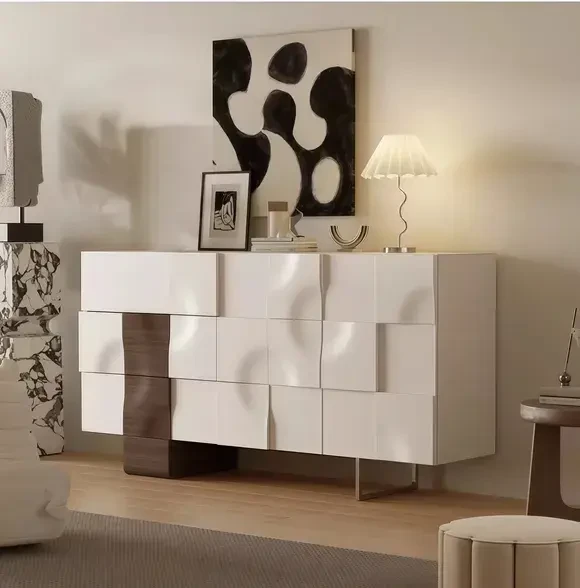
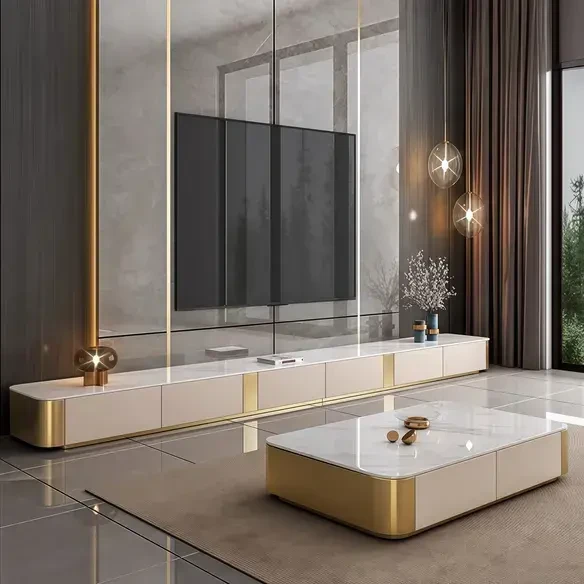
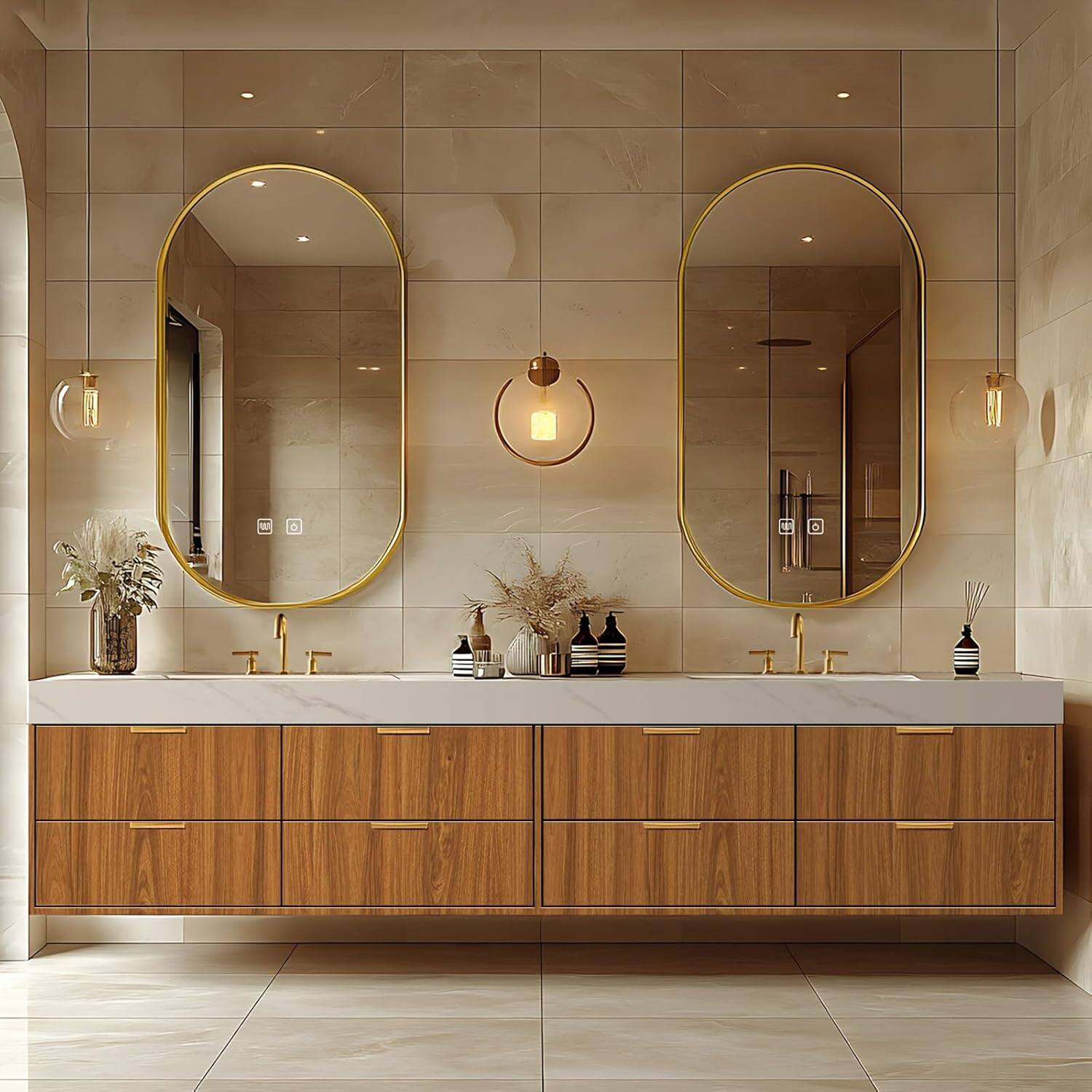
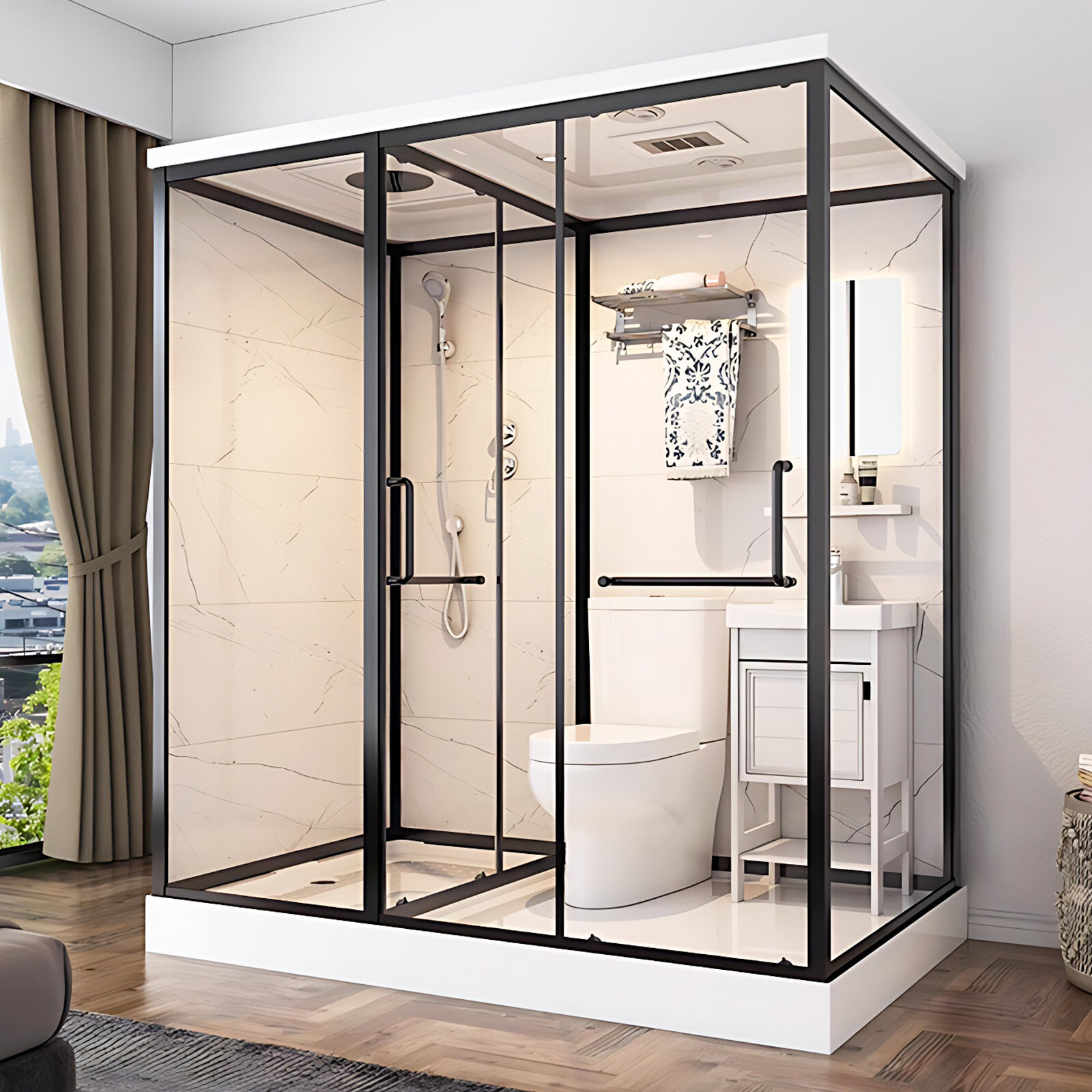
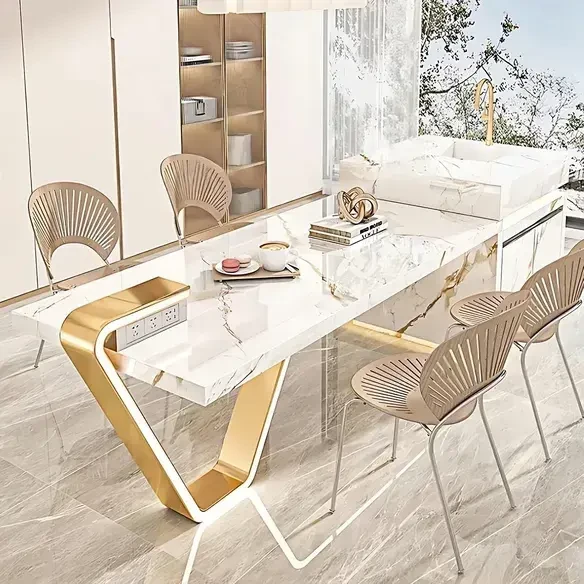
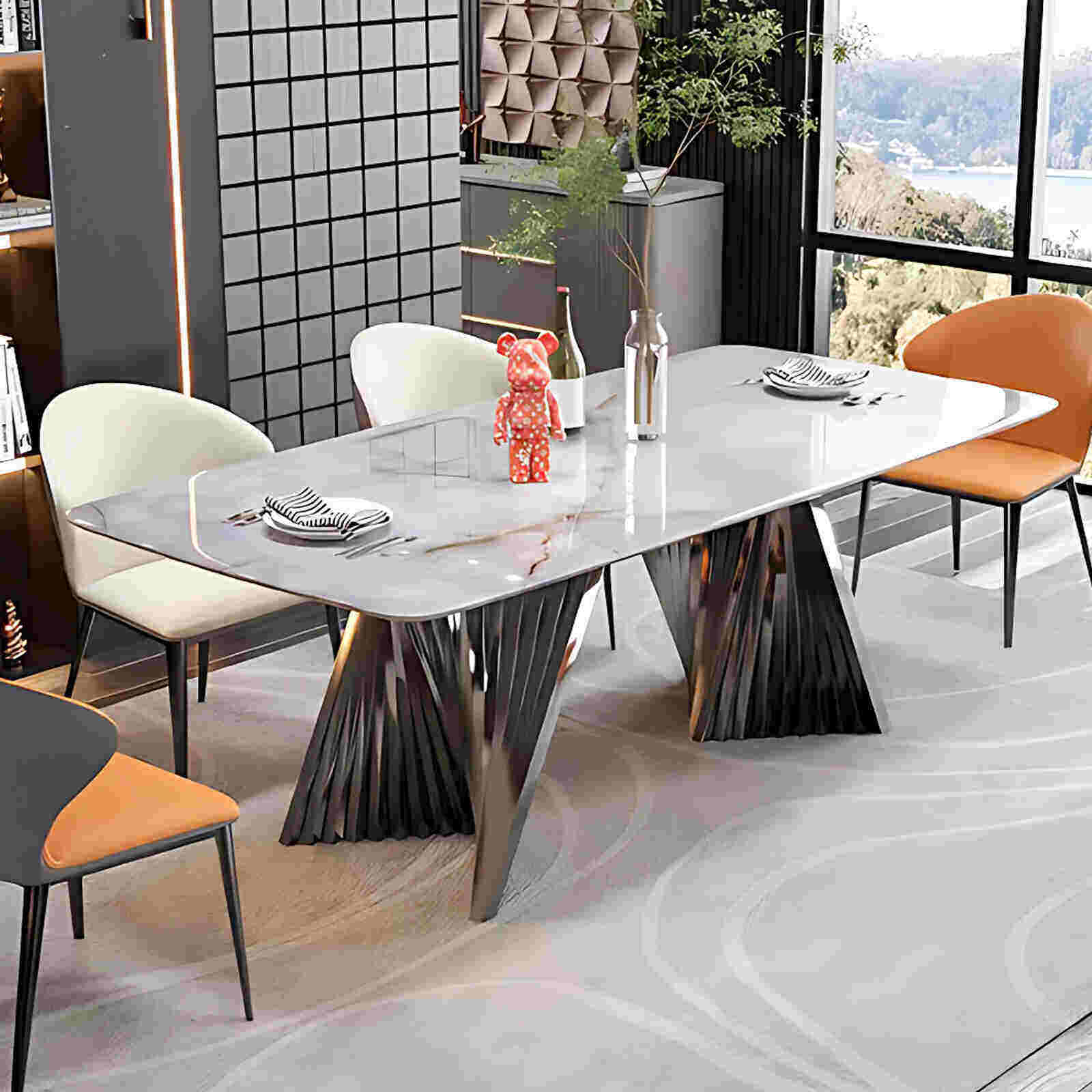
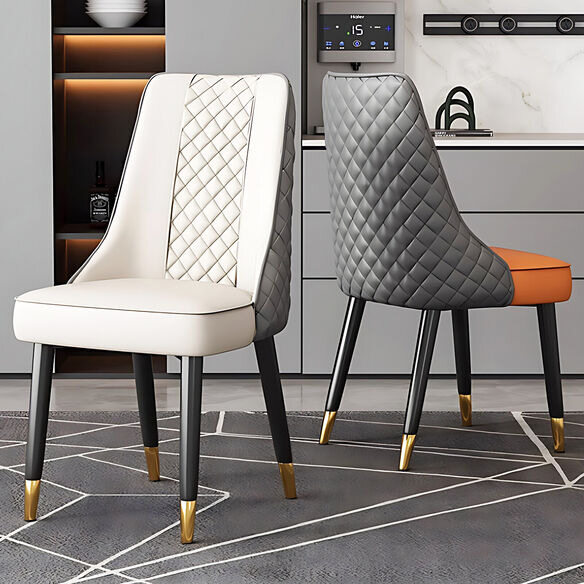
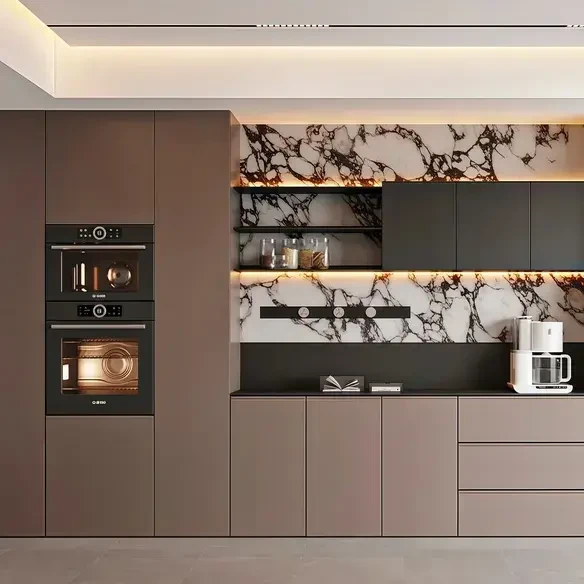
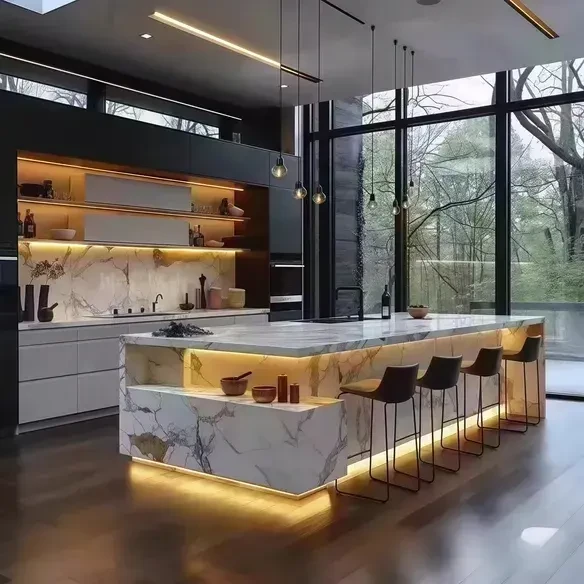
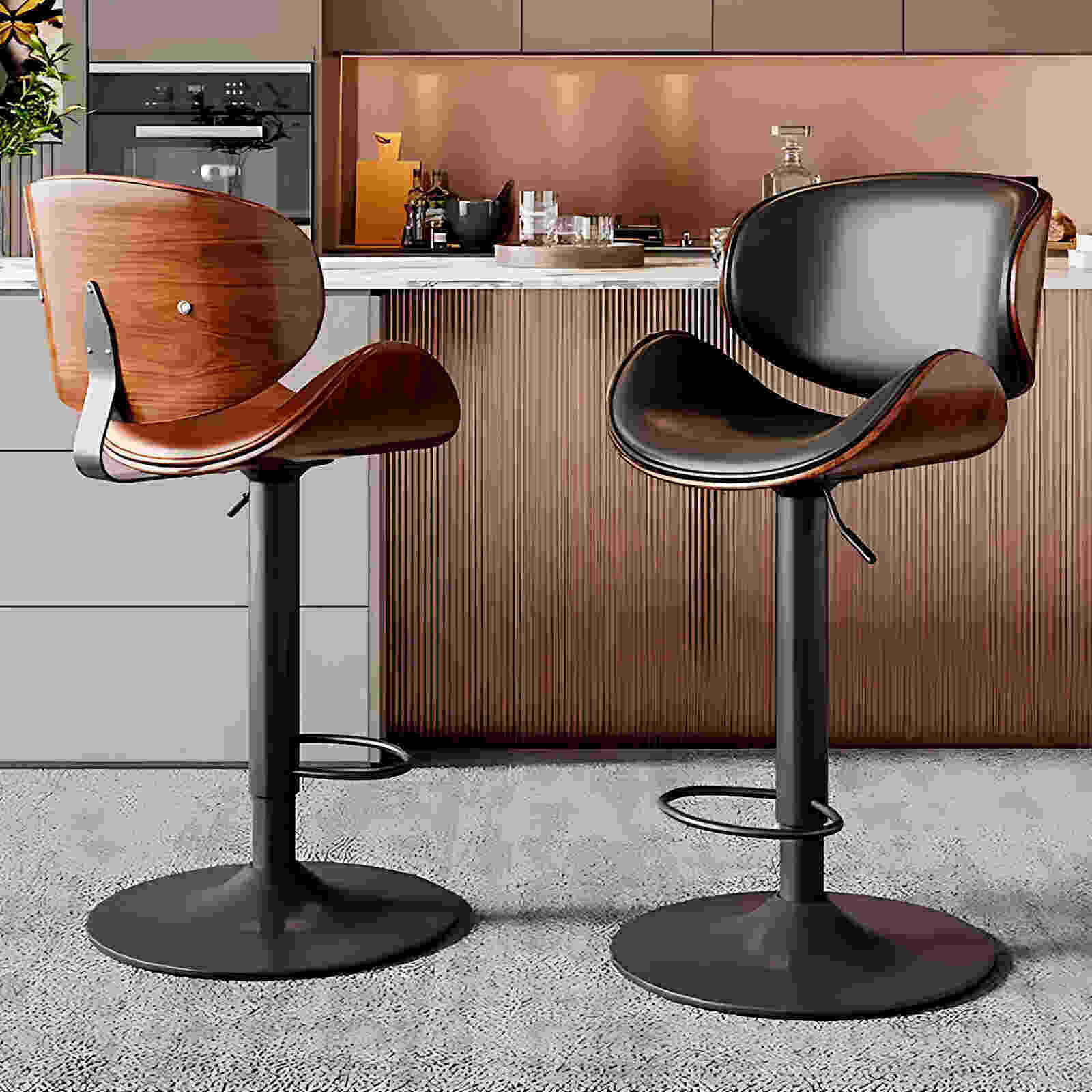
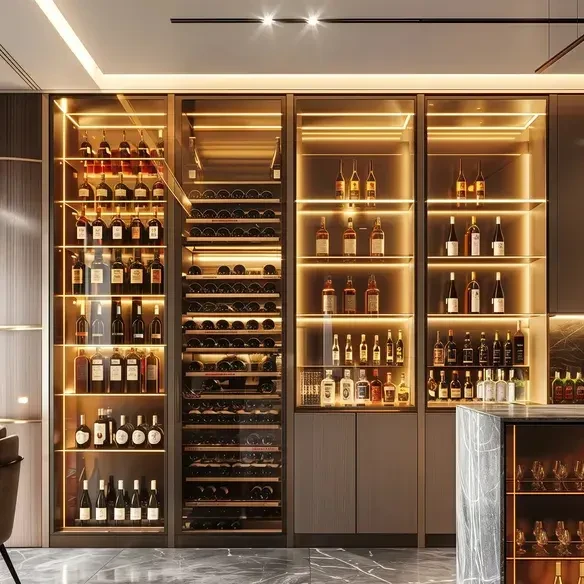
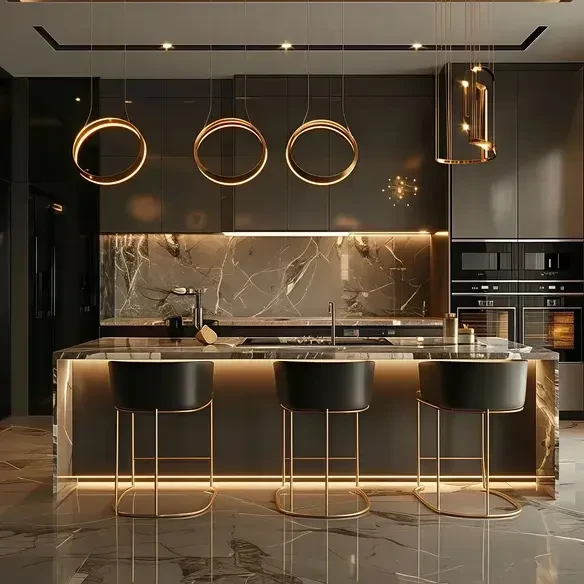
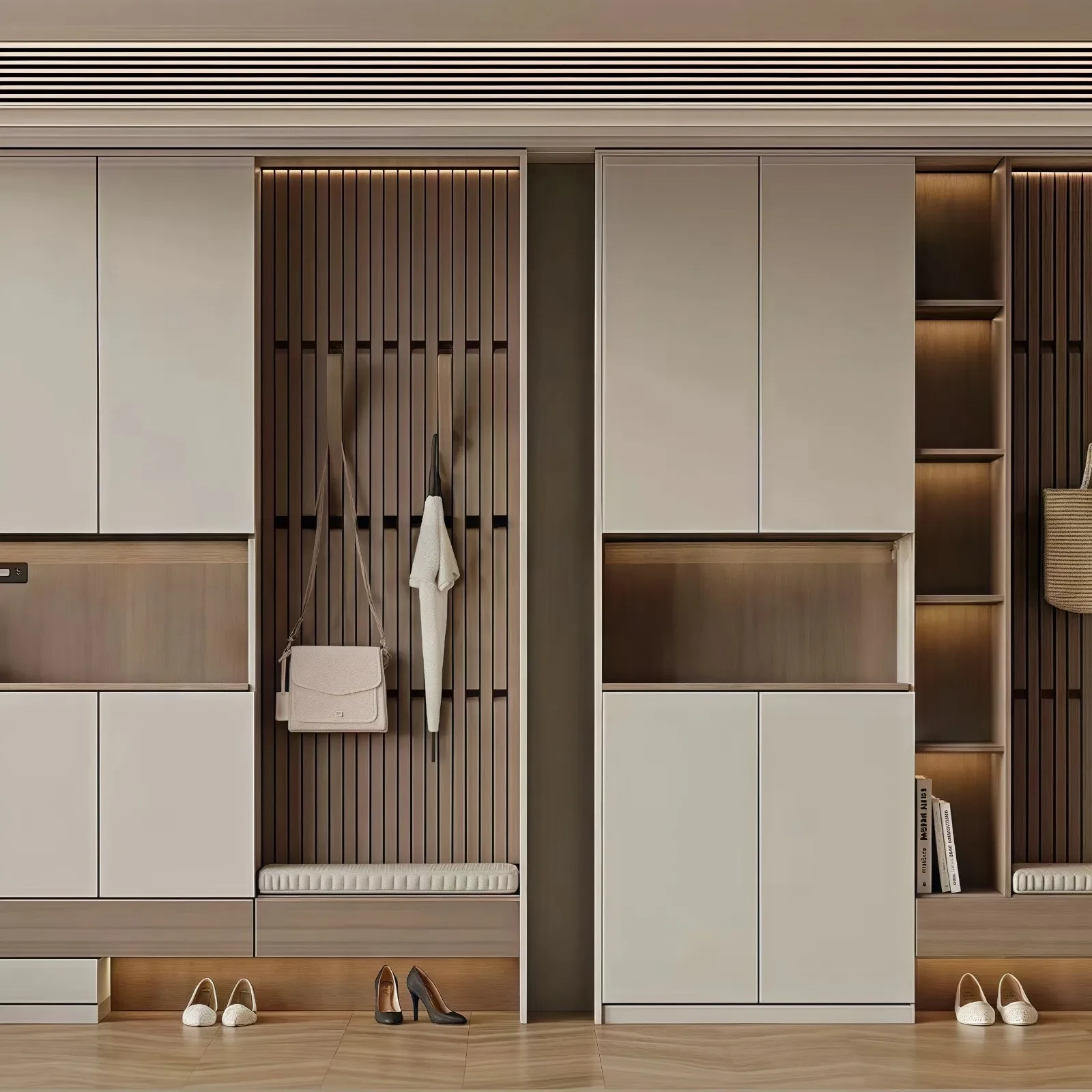
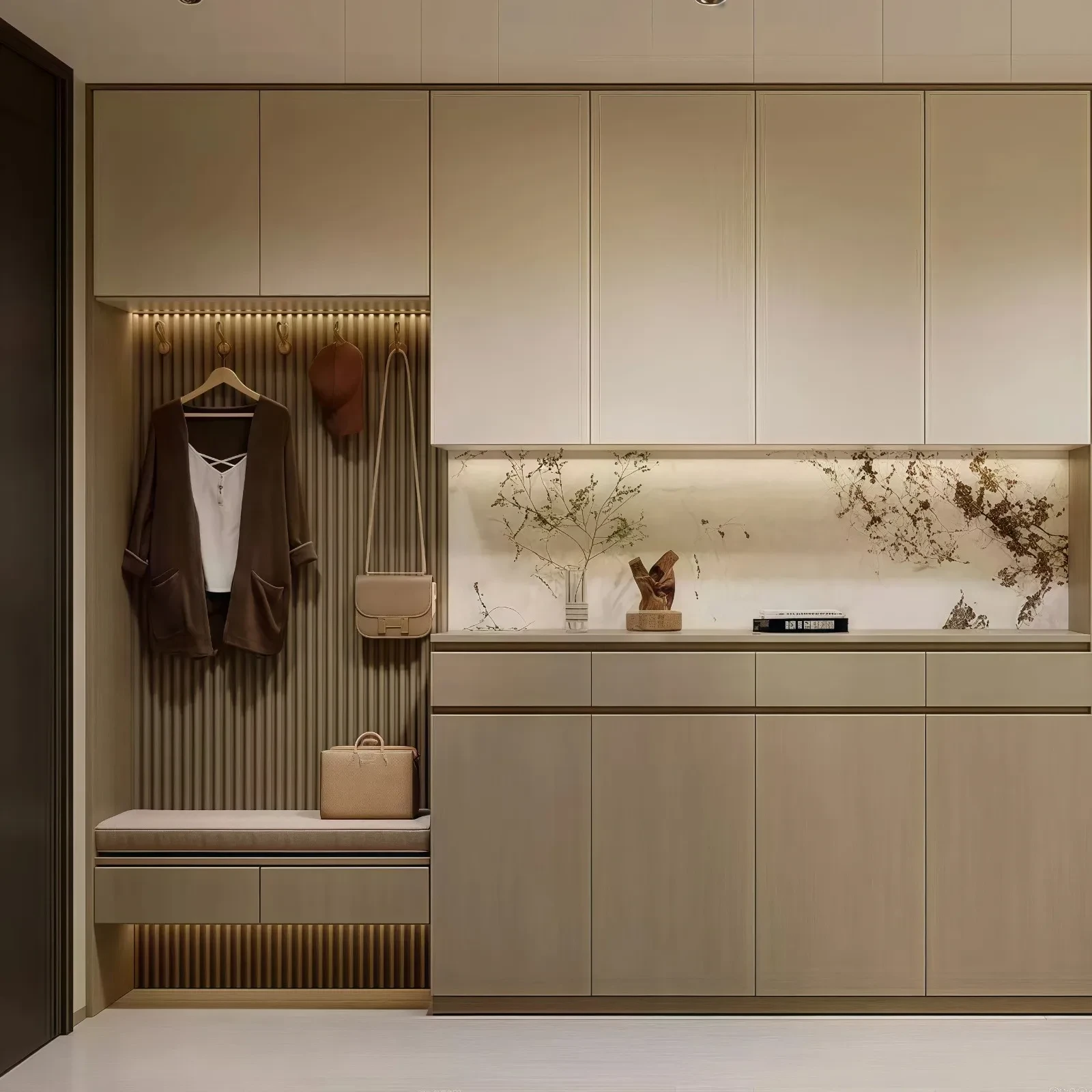
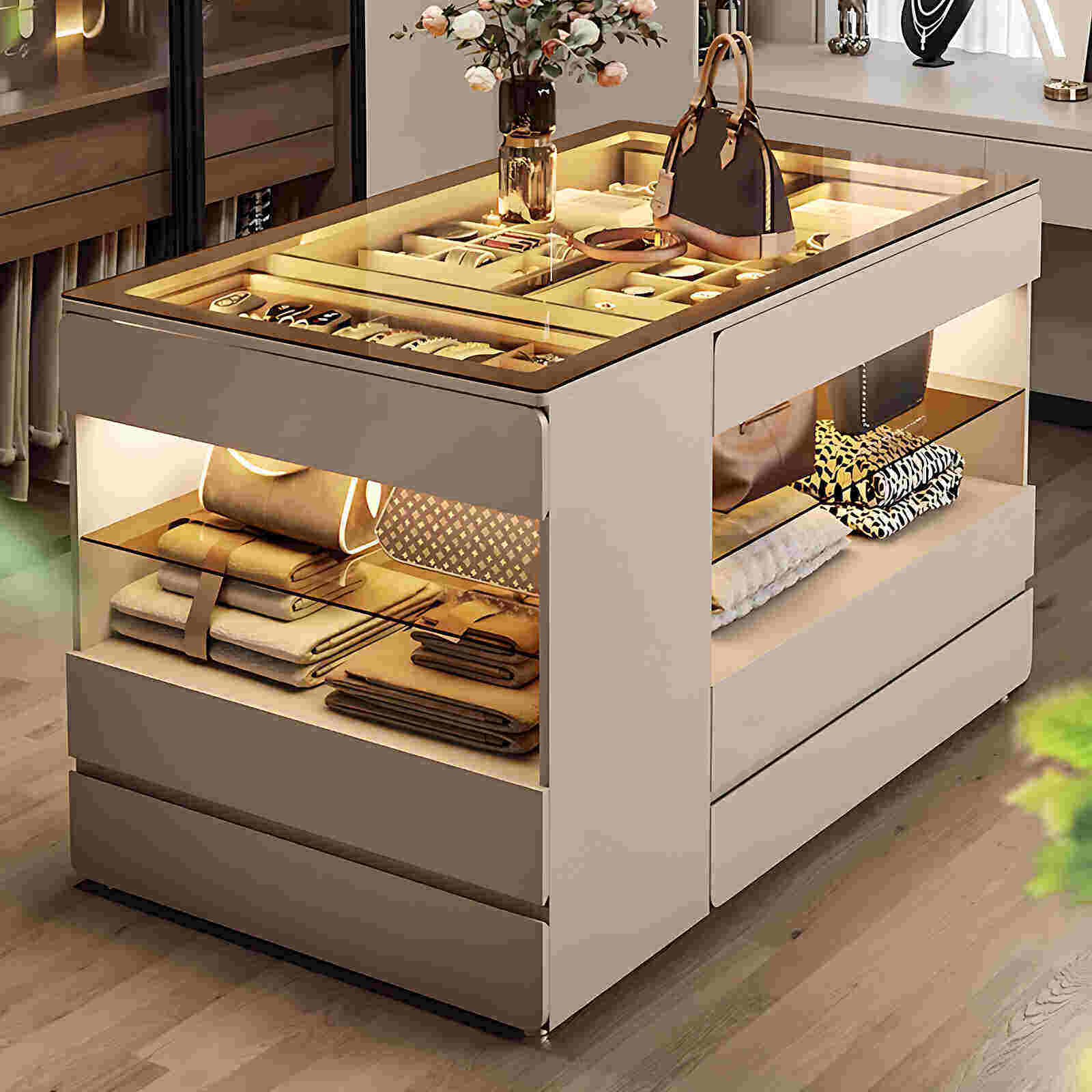
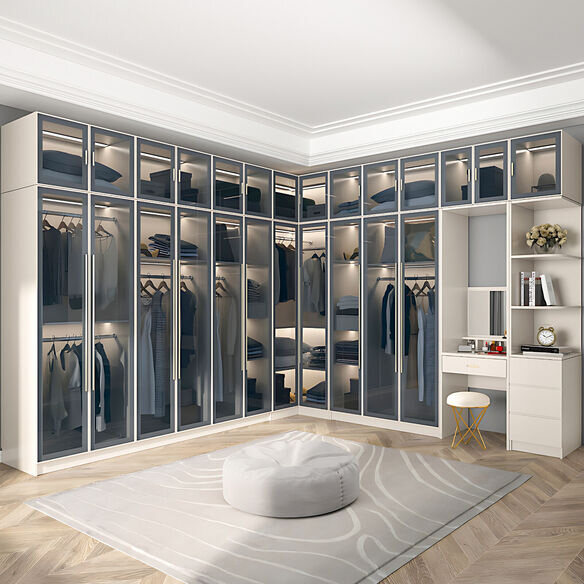
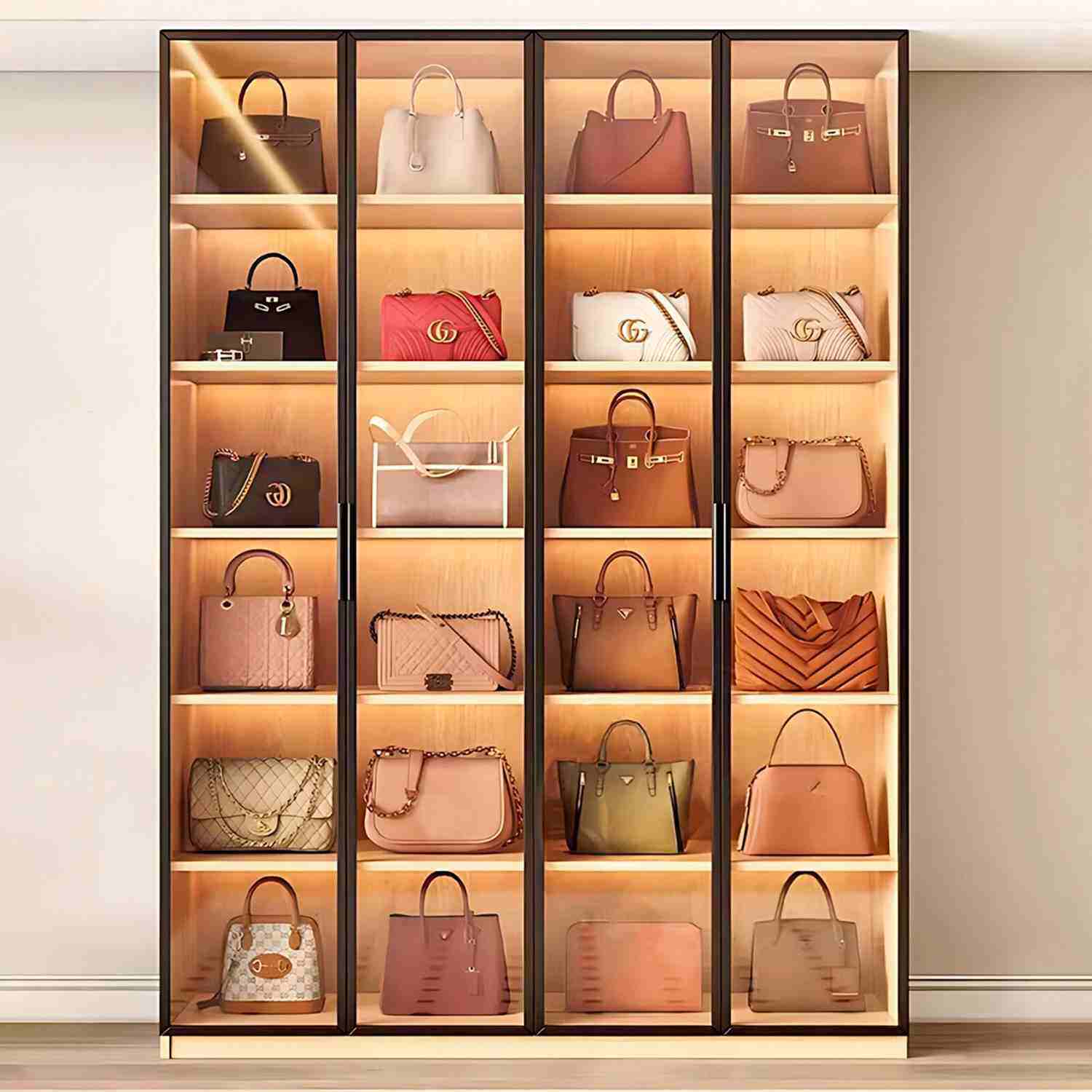
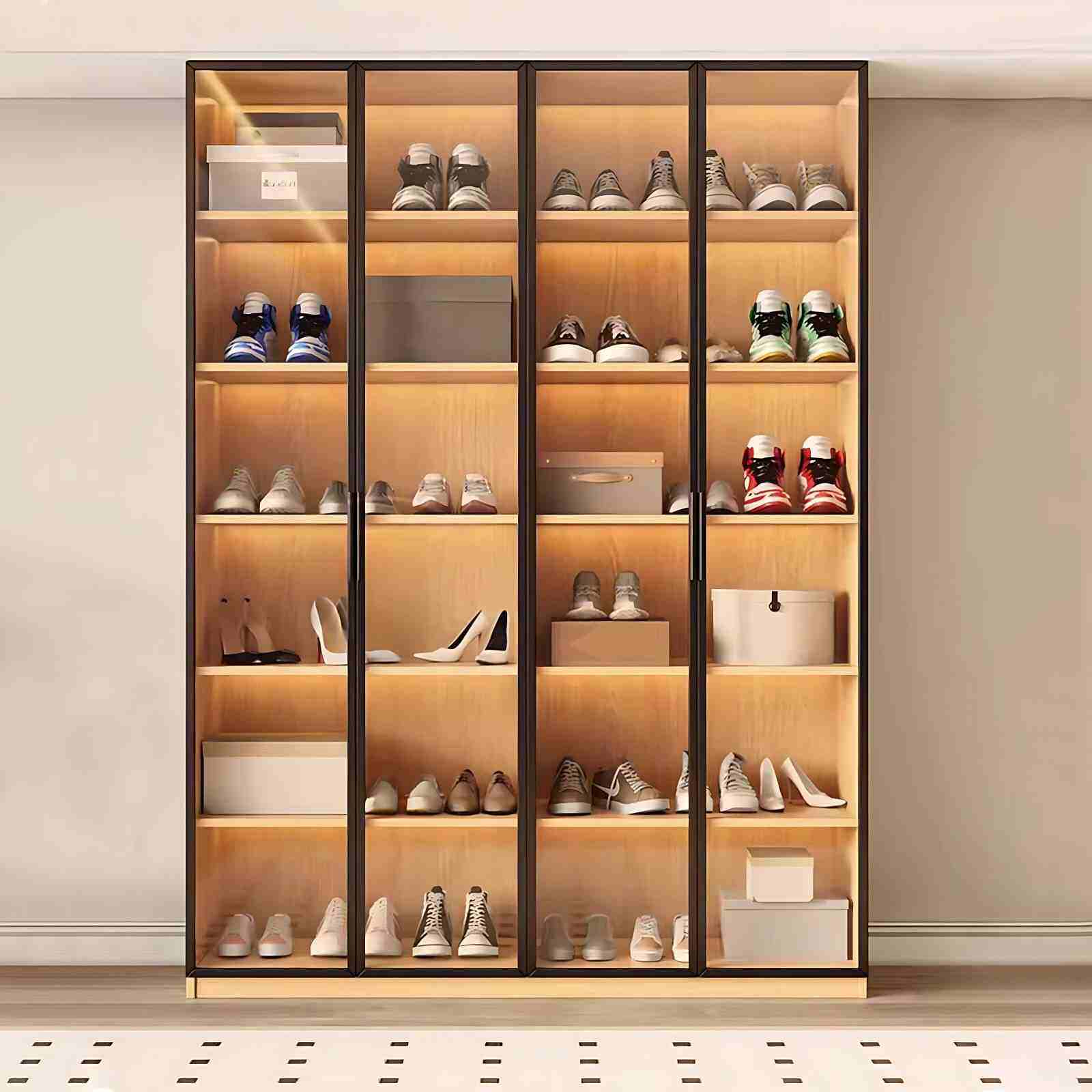
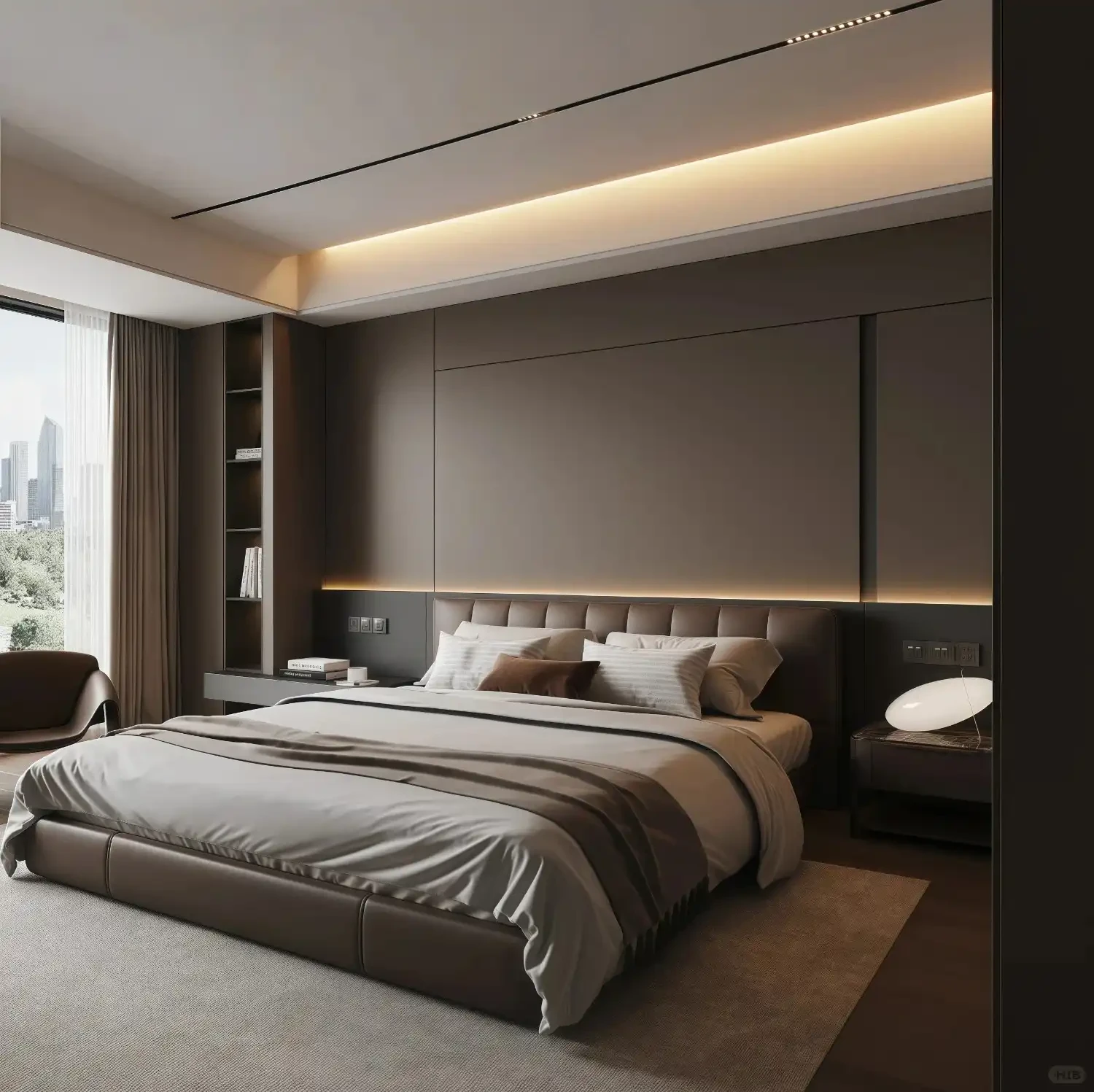
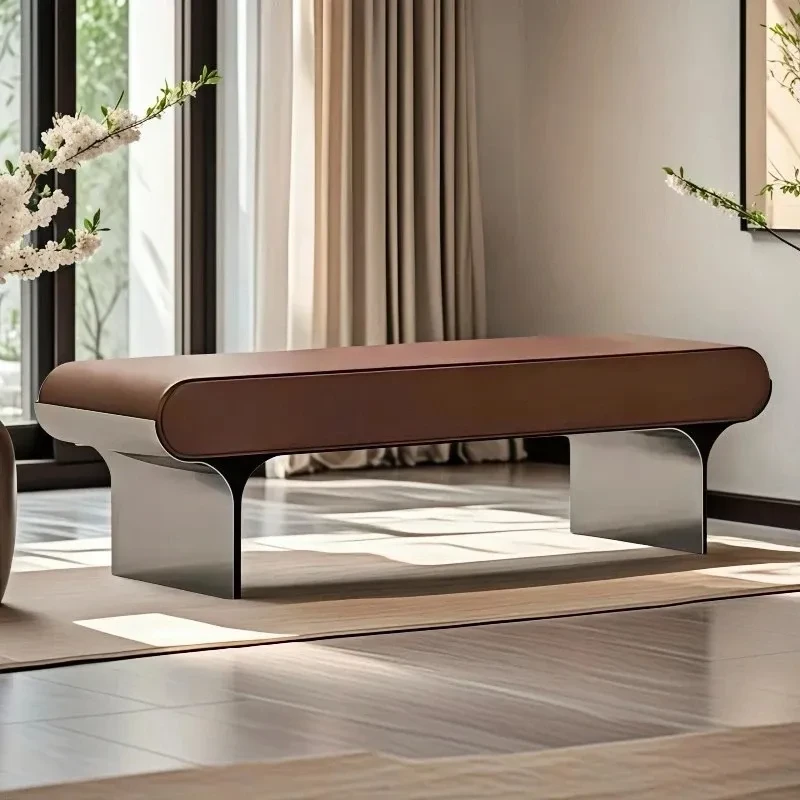
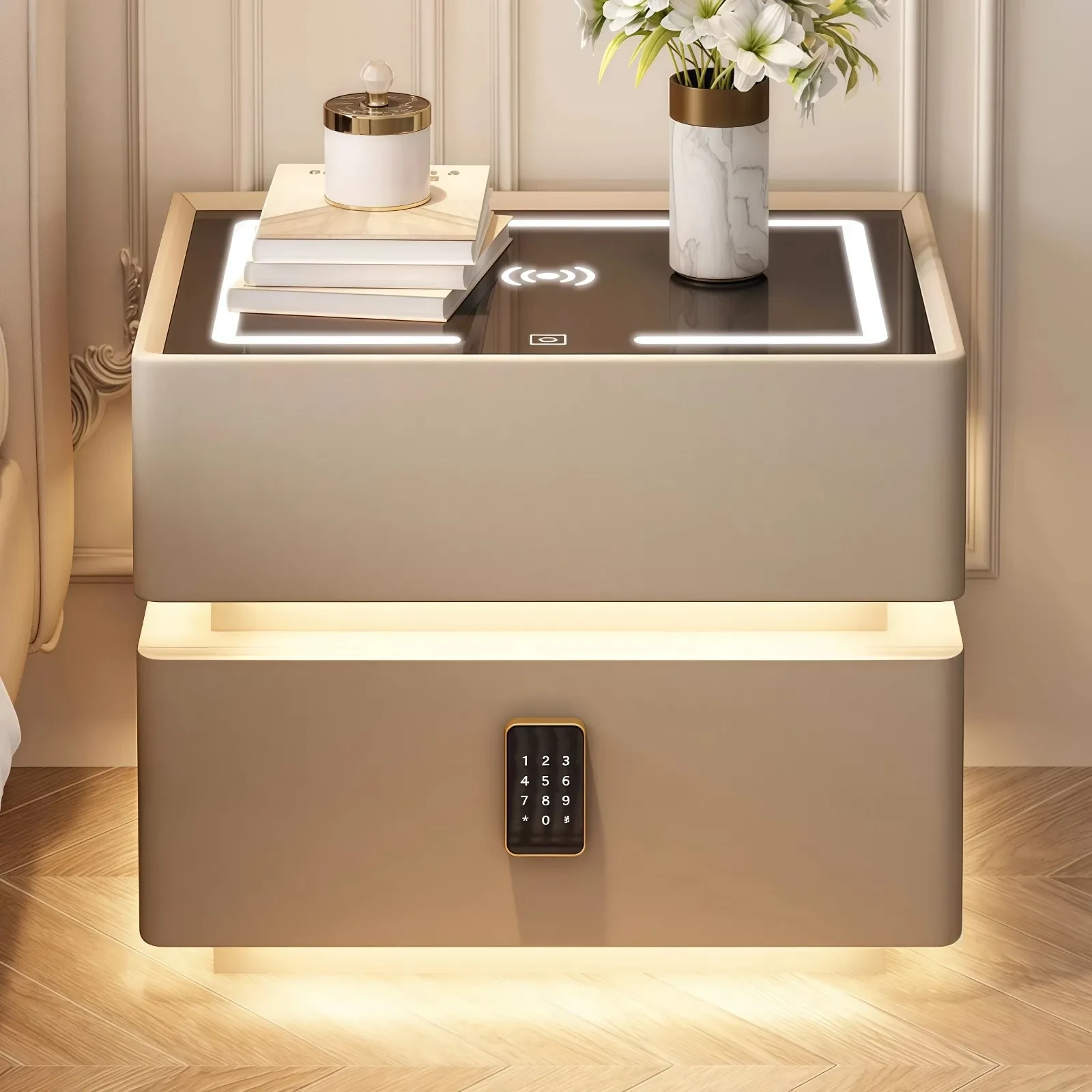
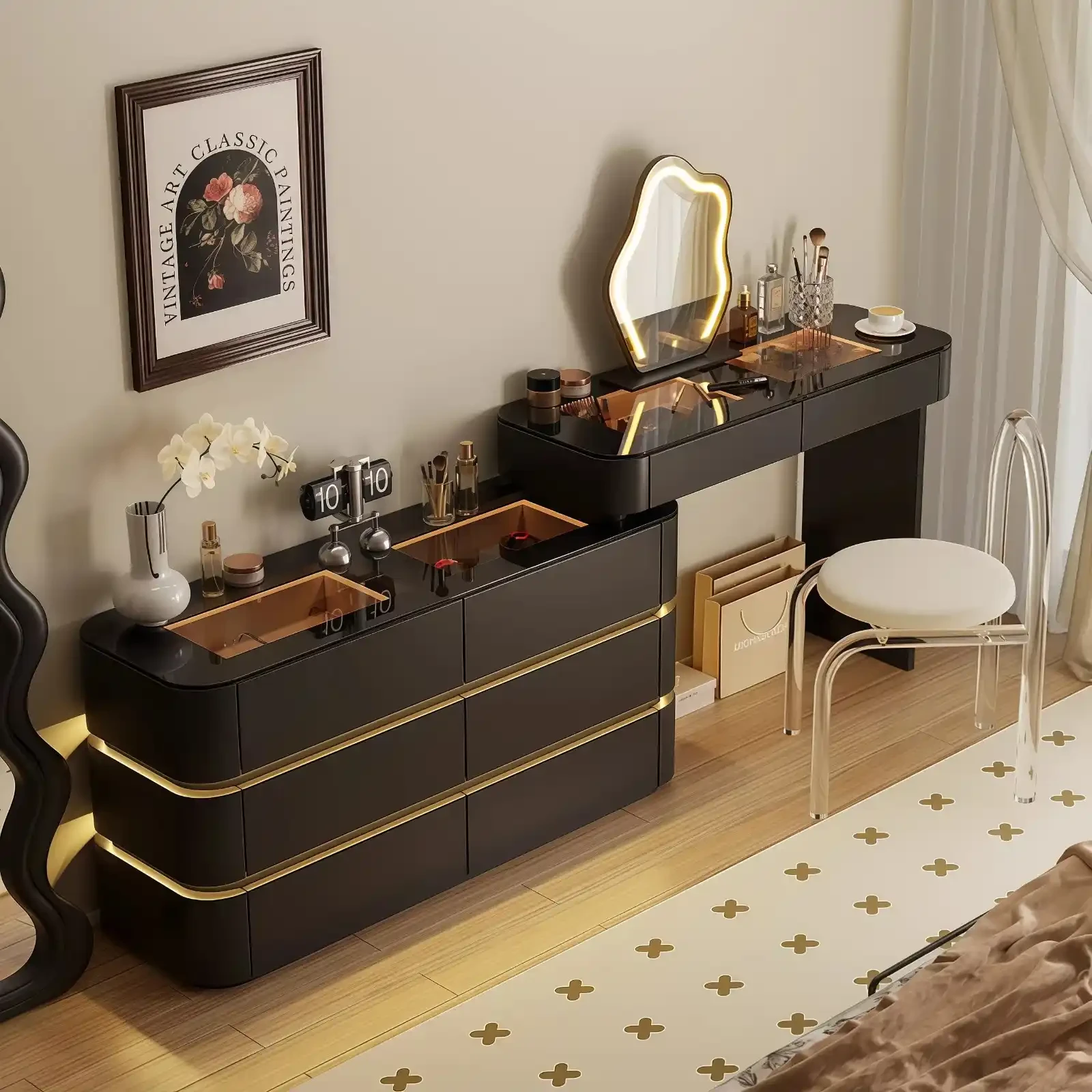
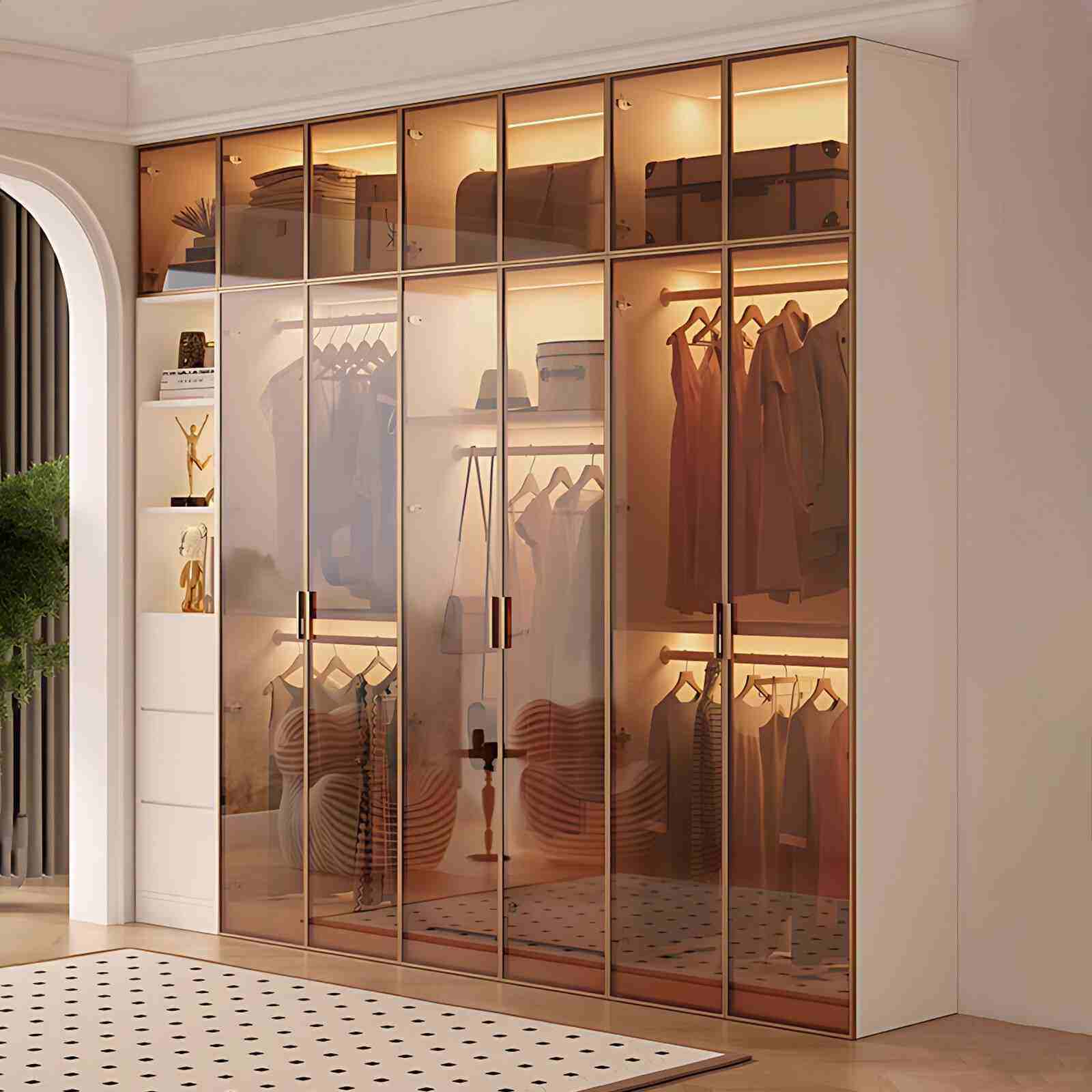
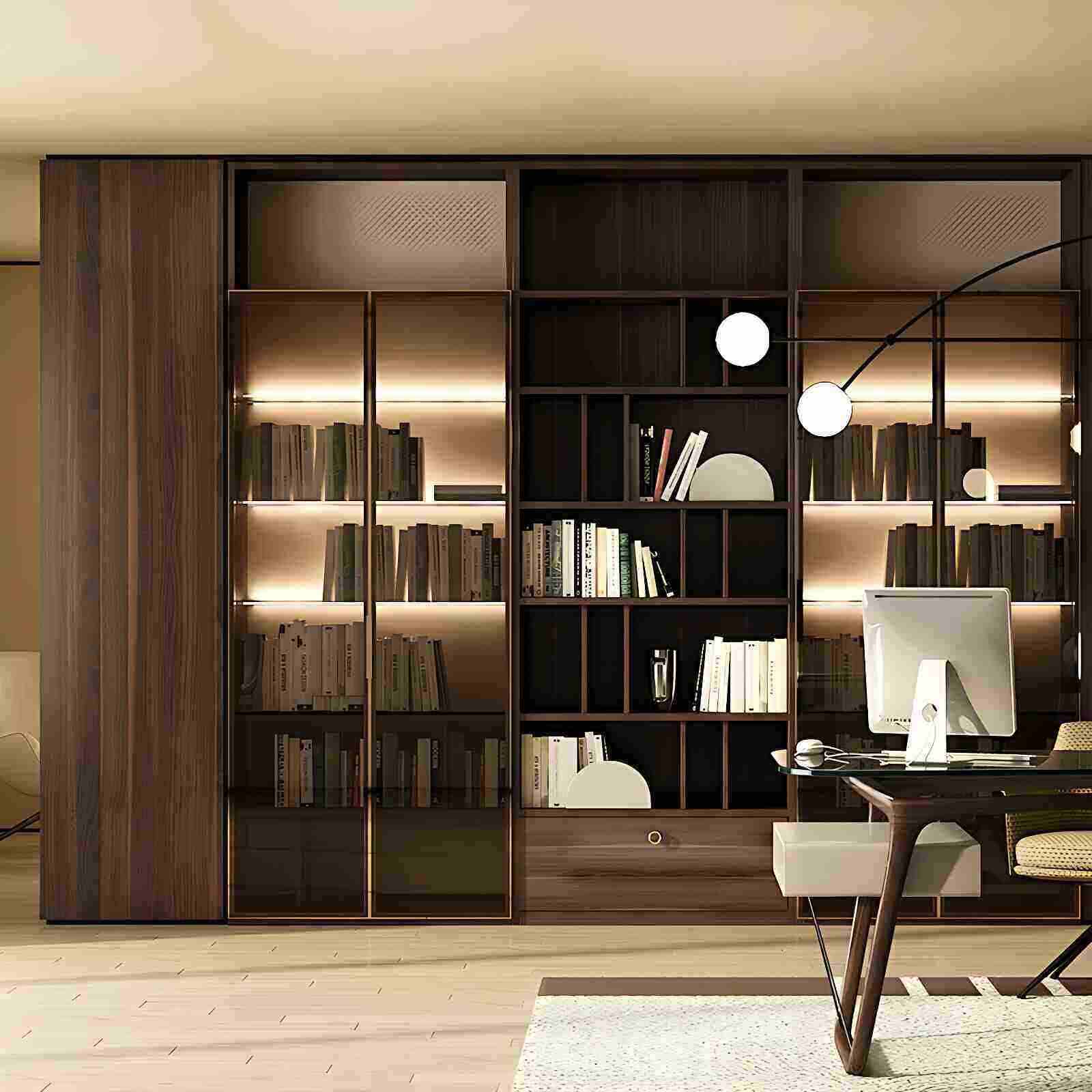
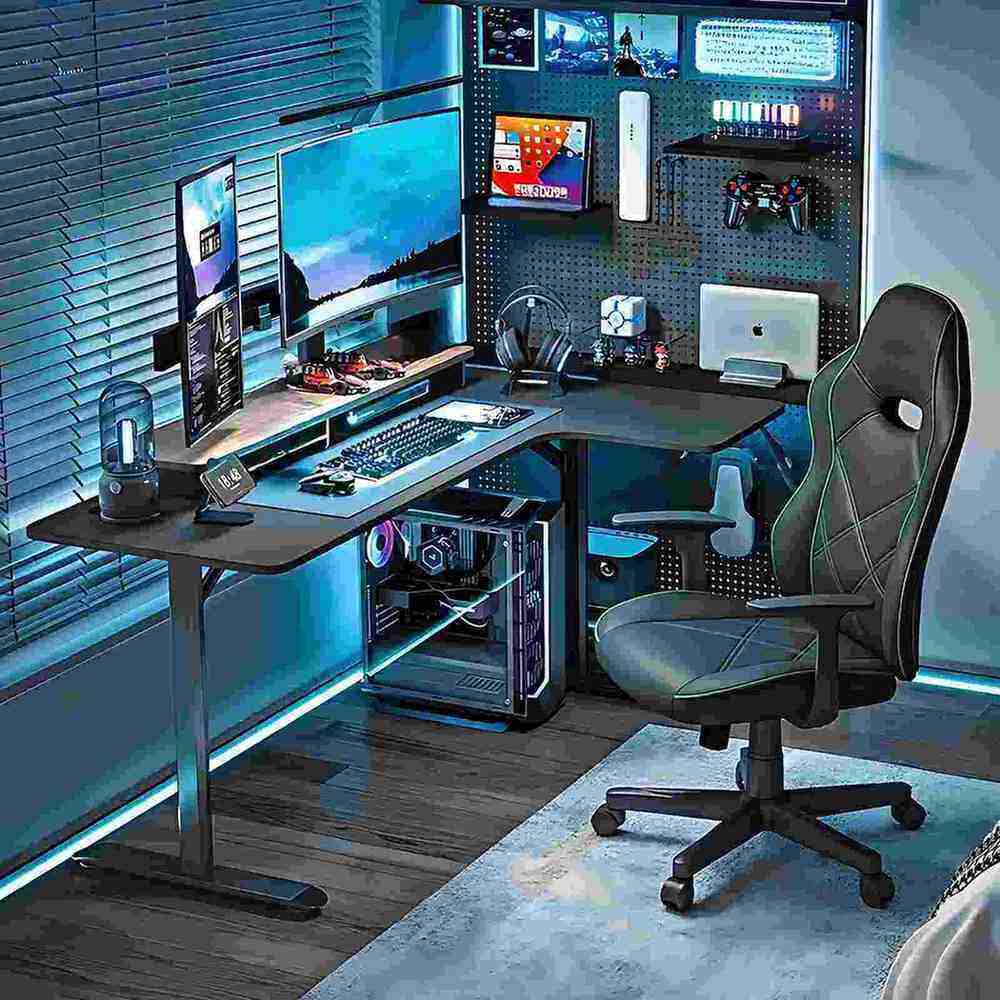
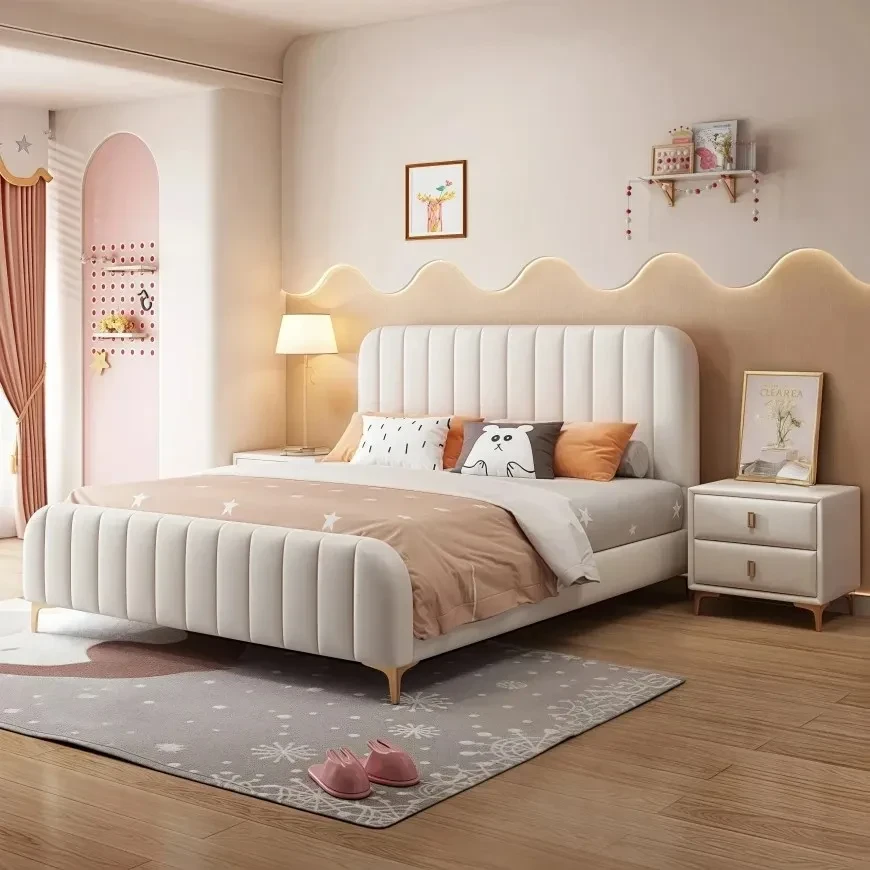
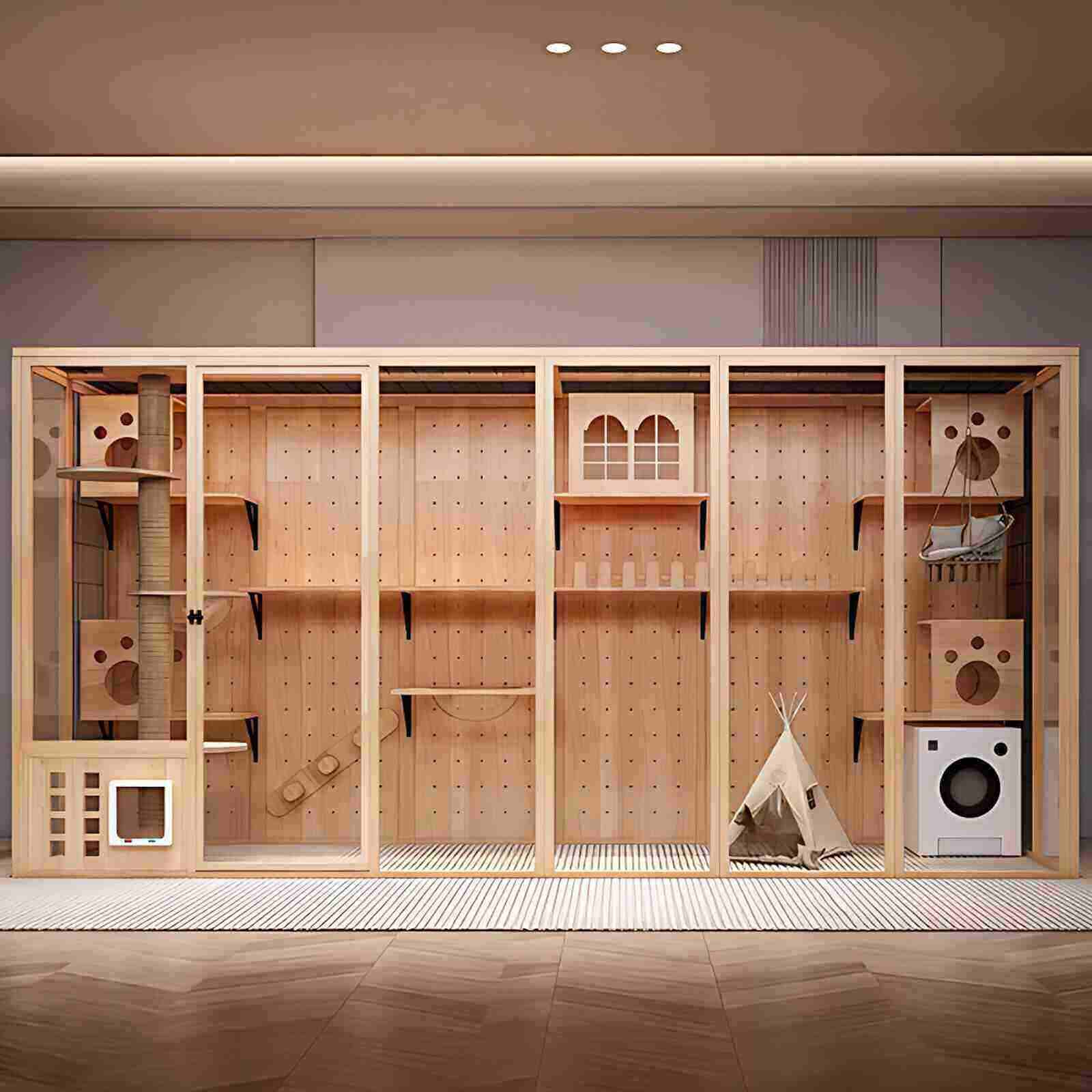
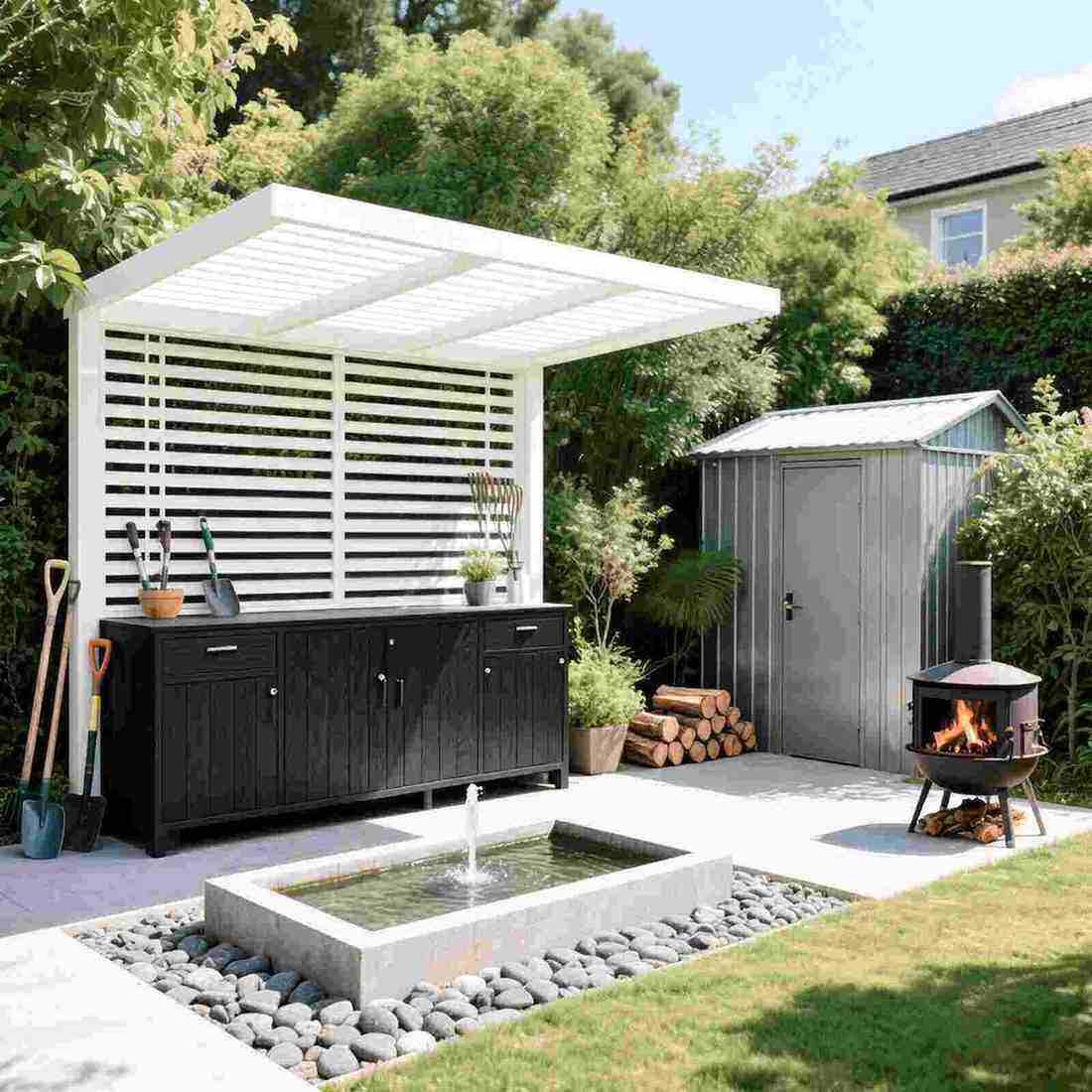
People often say "eating, clothing, housing, and transportation," which shows how important housing is. Since housing is so important, how can we let renovation pollution disrupt our harmonious life?
The Chinese have always had a special fondness for wood, resulting in numerous wooden structures in ancient times. High-ranking officials and nobles, in particular, mastered the art of woodworking, creating exquisite wood carvings that continue to amaze later generations. Even in modern times, people still appreciate wood elements, so even simple interior design styles often incorporate a significant amount of wood panels.
"Large quantity," yes, large quantity. Due to its wide range of uses, wood panels are used in partitions, cabinet construction, ceilings, and more.
In the realm of commercial housing, where every inch of space is precious, the Chinese have once again demonstrated their ingenuity, managing to make 1 square meter feel like 5 square meters, and transforming 69 square meters into 96 square meters in an instant... This incredible space-expanding magic is achieved through the more rational use of wood panels. The most common example is the diversified design of cabinets, which can accommodate multiple functions. A typical example is tatami mats, which offer powerful storage capabilities and can also function as a guest room, study, or activity room. However, the production of tatami mats requires a large amount of wood panels. In the same space, a larger quantity can easily lead to exceeding environmental protection standards. Therefore, the selection of wood panels is crucial. It is recommended to use [Tu Baobao E0 grade, formaldehyde-free wood panels].
If you use inferior building materials, once they are used in furniture or on walls, they become part of the house, and renovating will obviously cause more serious secondary pollution. Conducting environmental testing after the renovation is essentially 'afterthought,' and it's ultimately your own health that will be harmed.
According to my country's "Code for Indoor Environmental Pollution Control of Civil Building Engineering", the artificial wood panels and decorative artificial wood panels used in the interior decoration of residential civil building engineering must meet the E1 grade requirements.
The dangers of substandard wood-based panels mainly stem from excessive levels of various harmful substances, most notably formaldehyde. Formaldehyde seriously affects the physical and mental health of family members. Therefore, careful selection of materials for decoration is crucial. Choosing environmentally friendly and brand-name panels means buying more than just a product; it means buying health and peace of mind.
We operate with the spirit of "a single board carries a billion trusts," starting from the source and upholding the "craftsman spirit" to refuse cutting corners. We ensure the quality of every board, guaranteeing customer satisfaction and peace of mind. Therefore, choose TBB for your home renovation boards – healthier, more environmentally friendly, and more reliable!