
 USD
USD GBP
GBP
 EUR
EUR
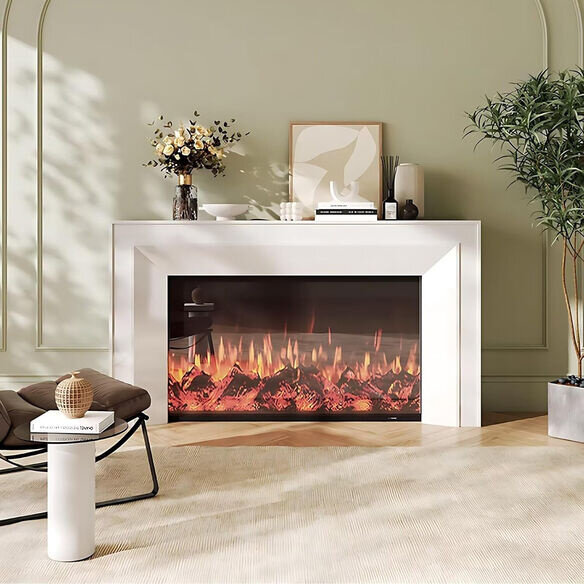
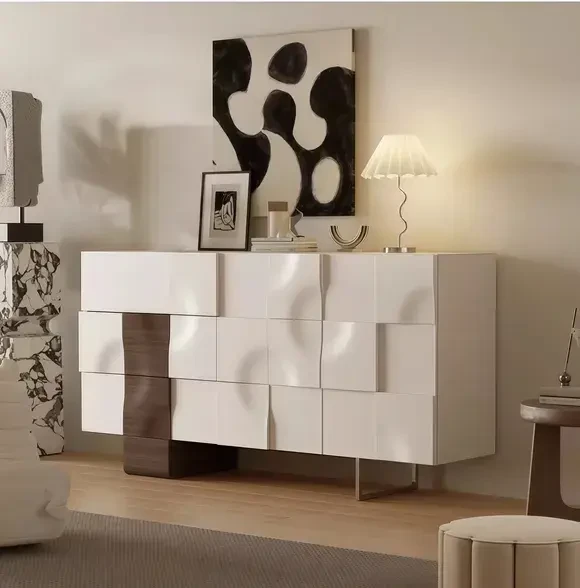
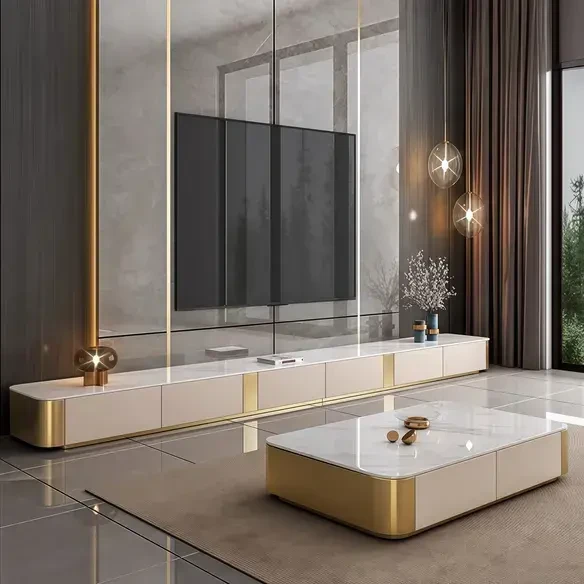






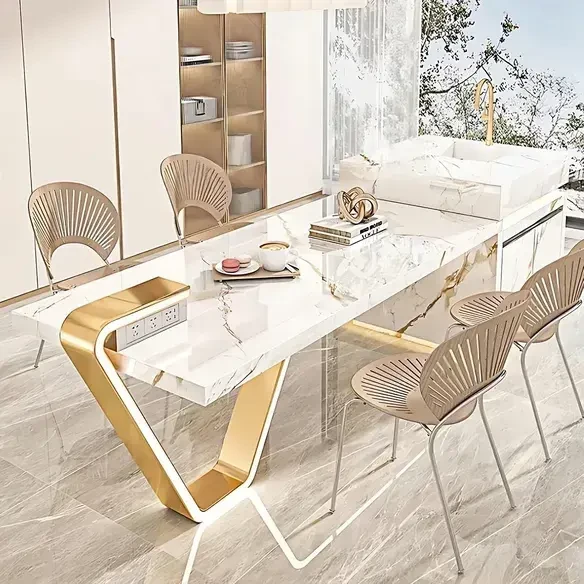
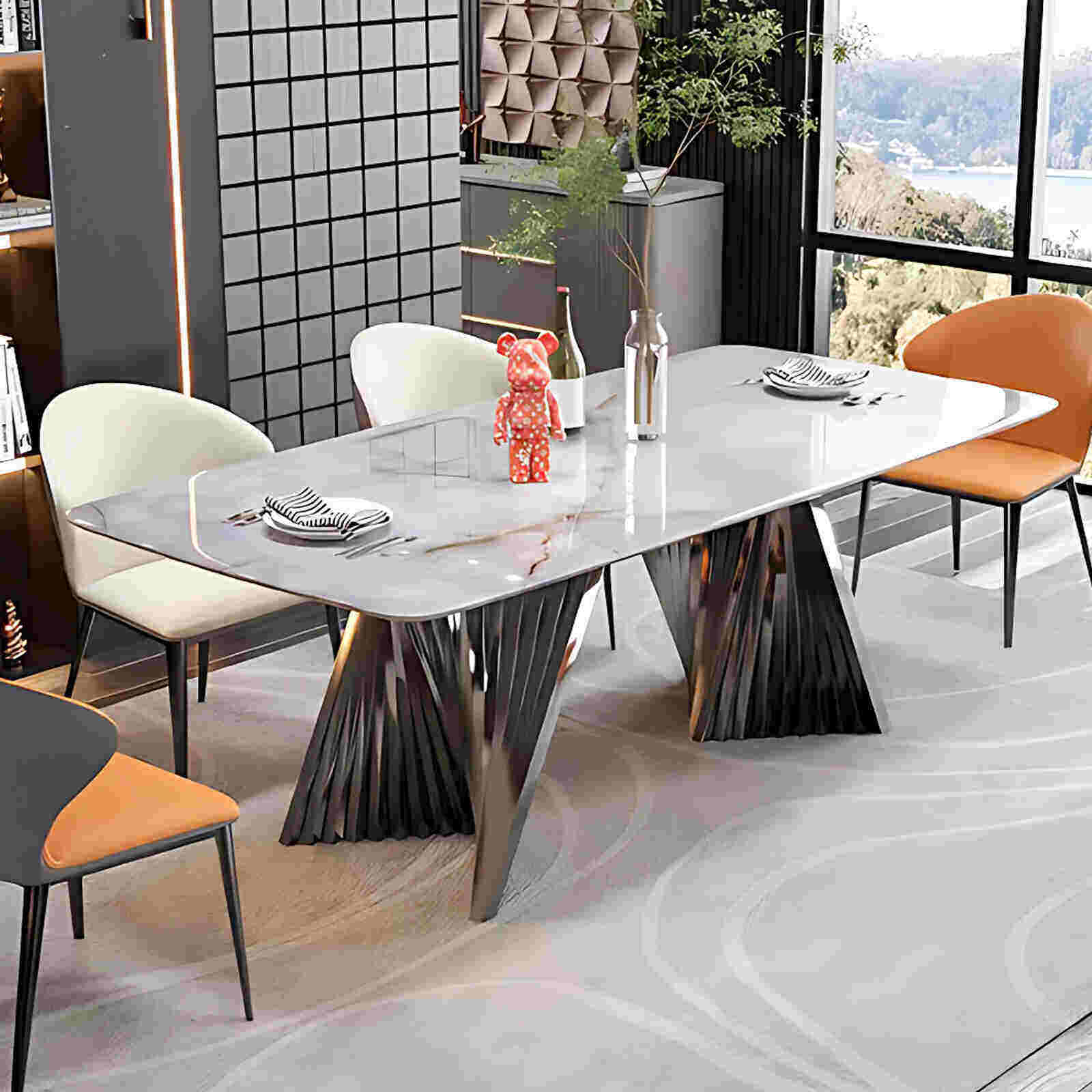
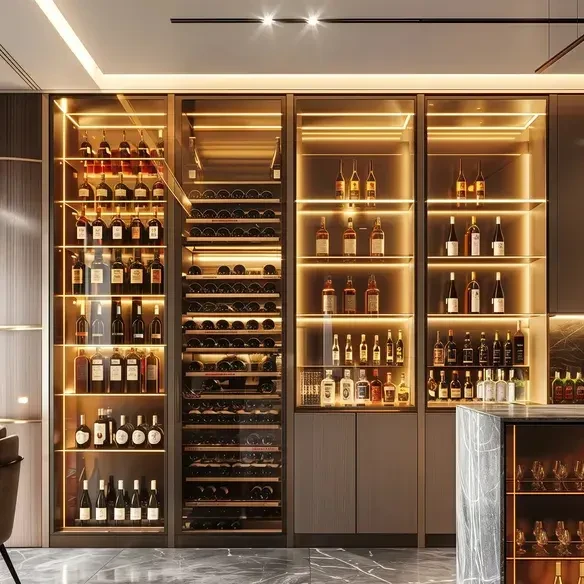
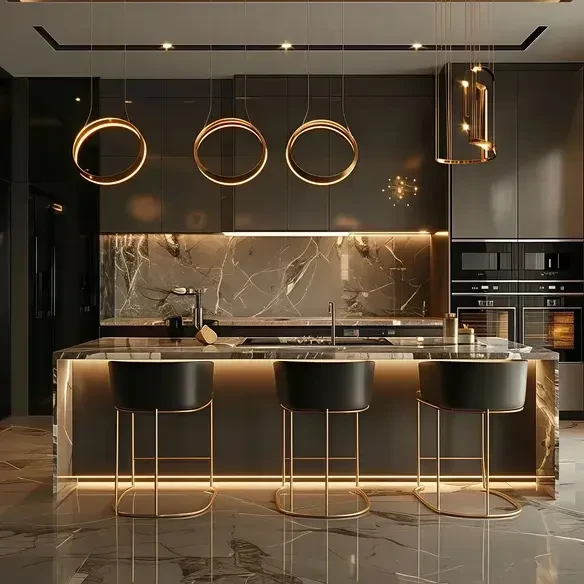
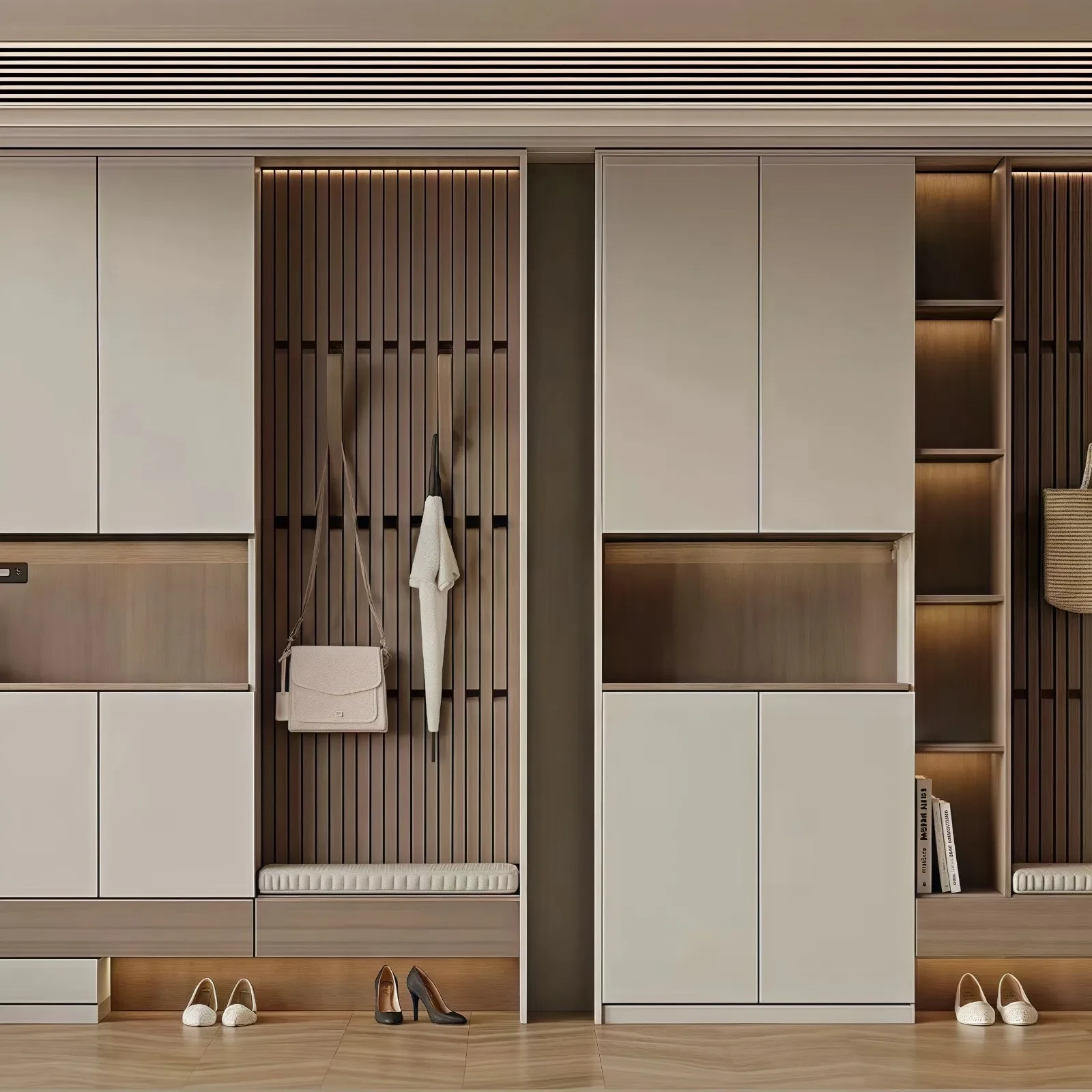
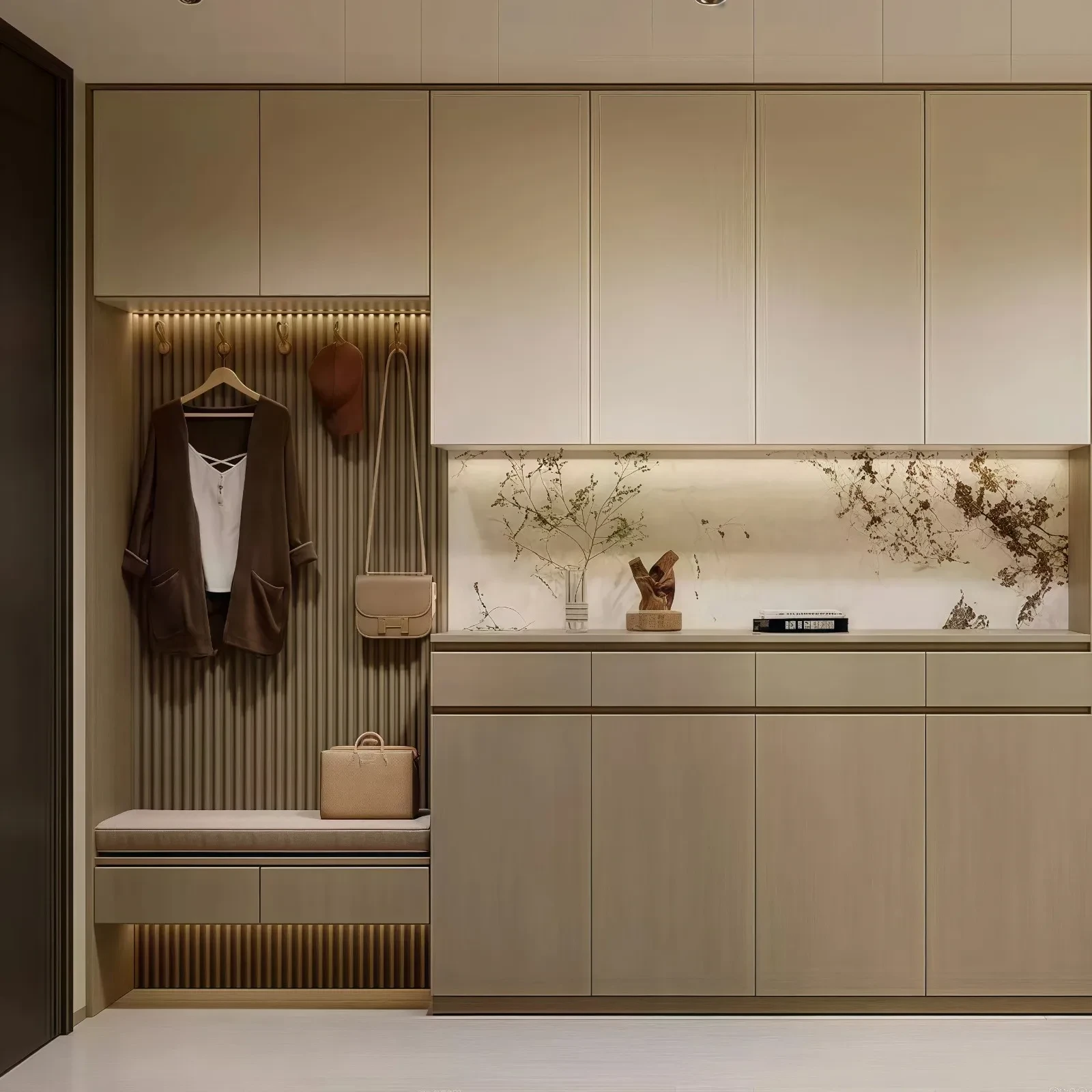
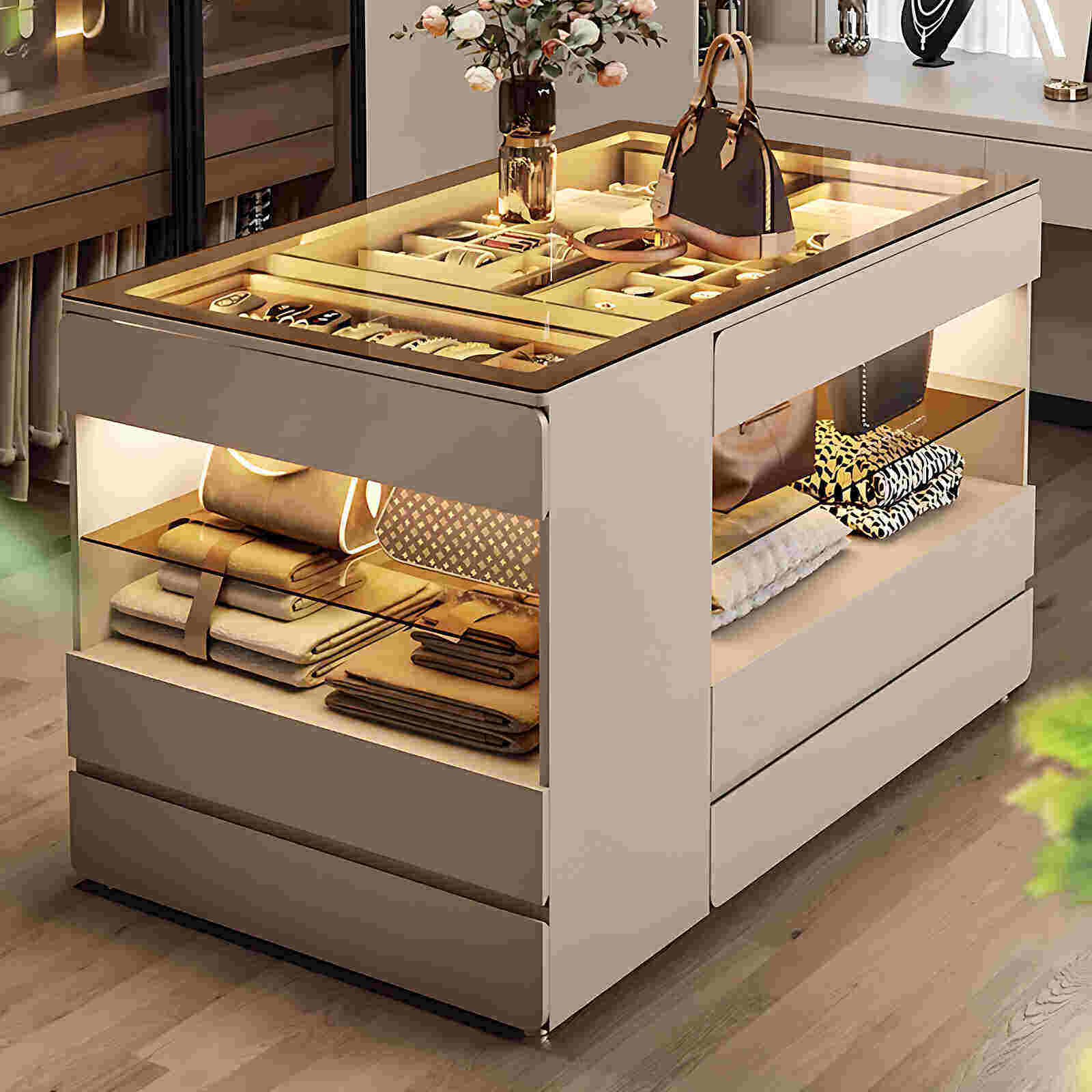
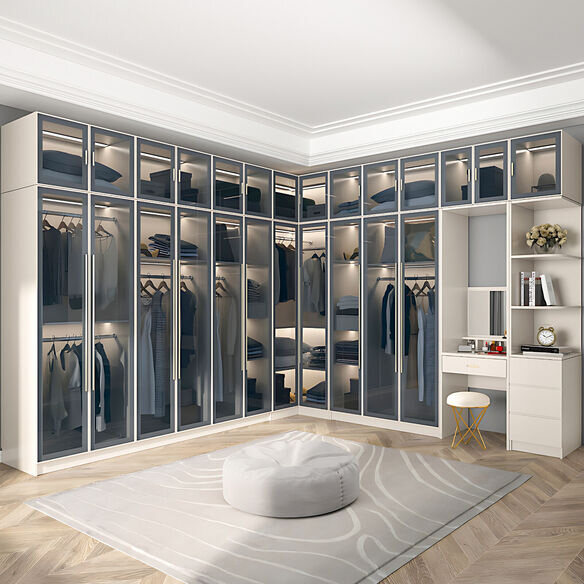
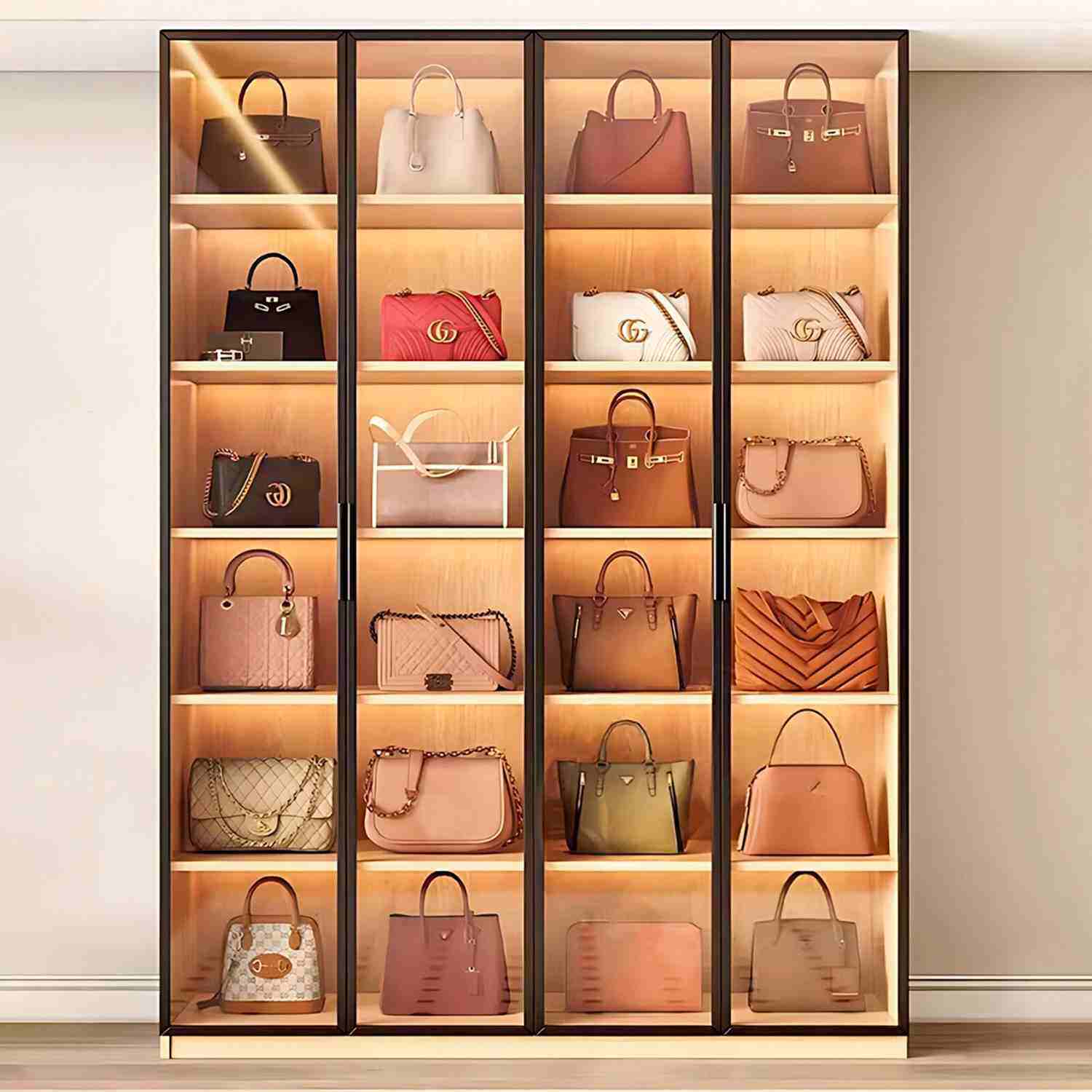
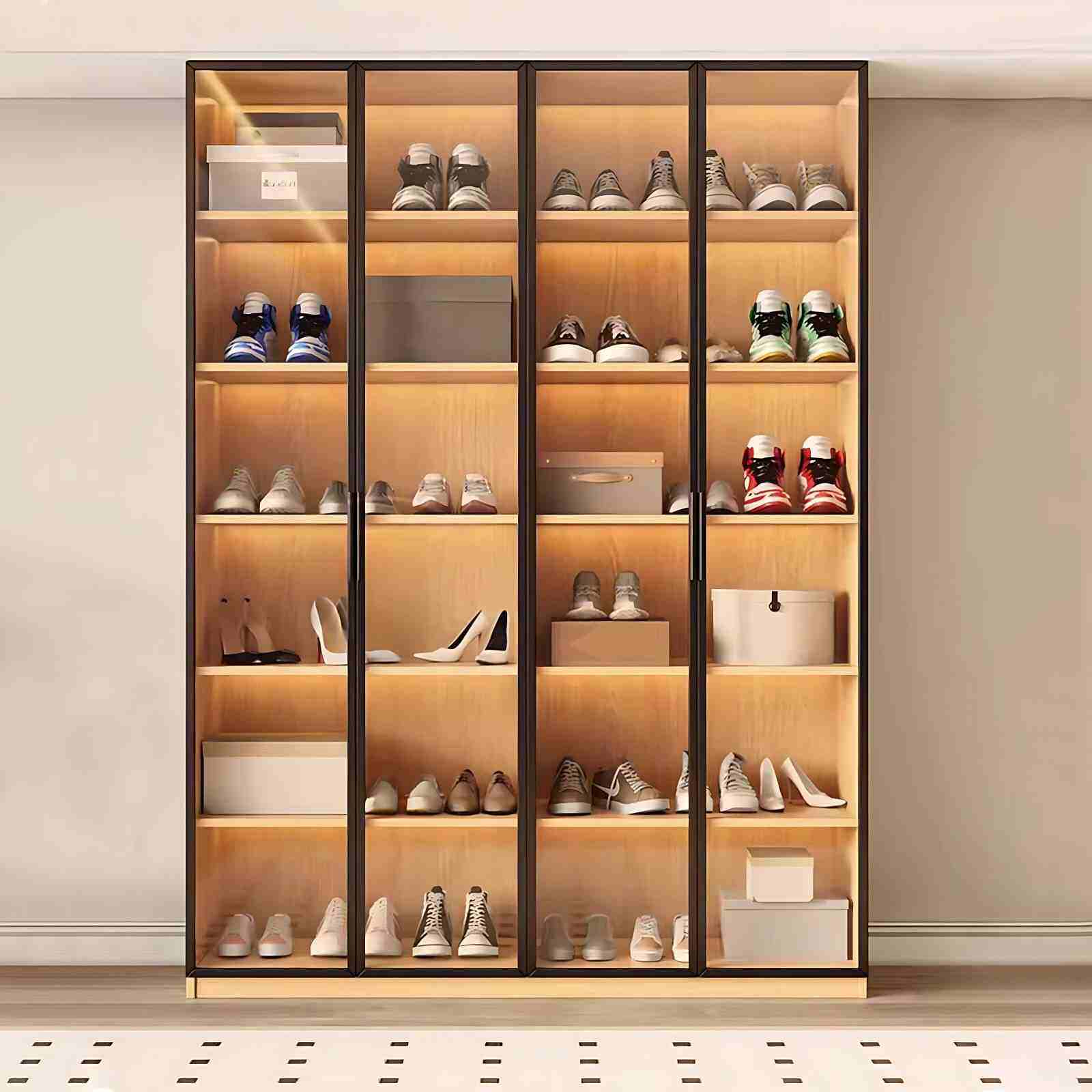

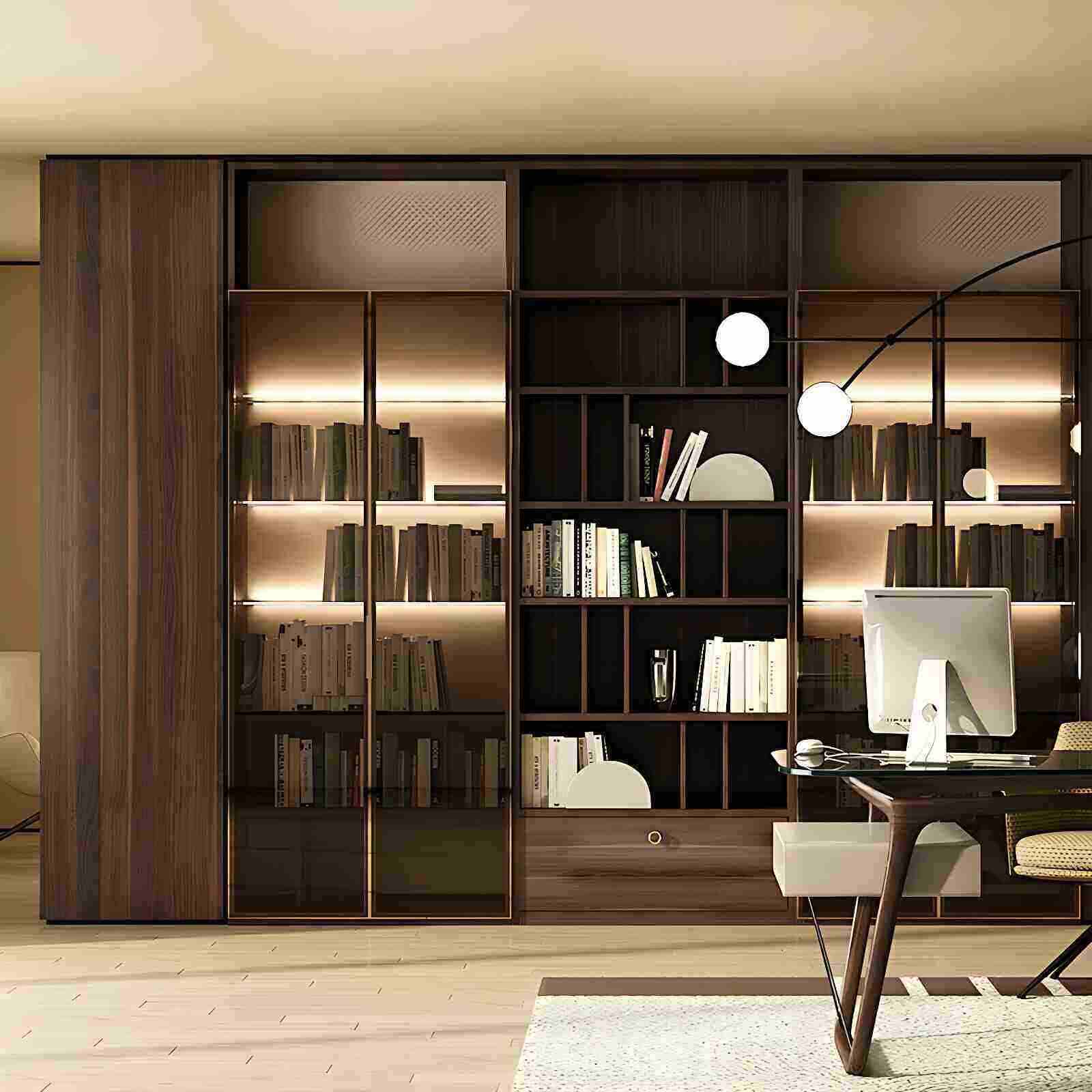

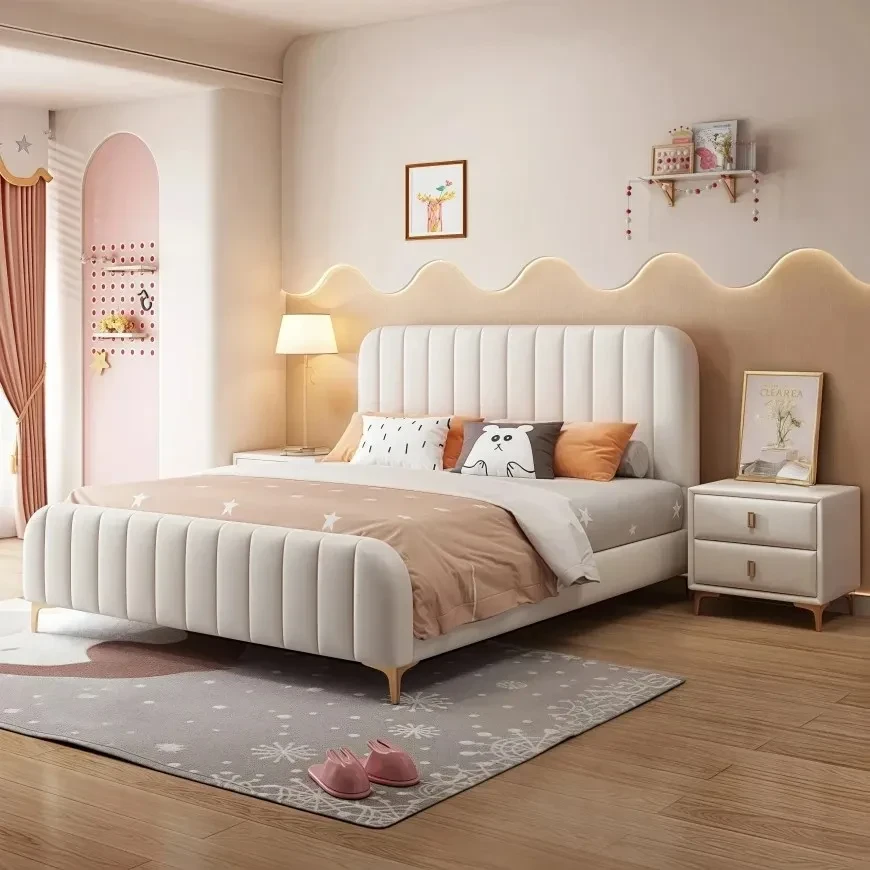
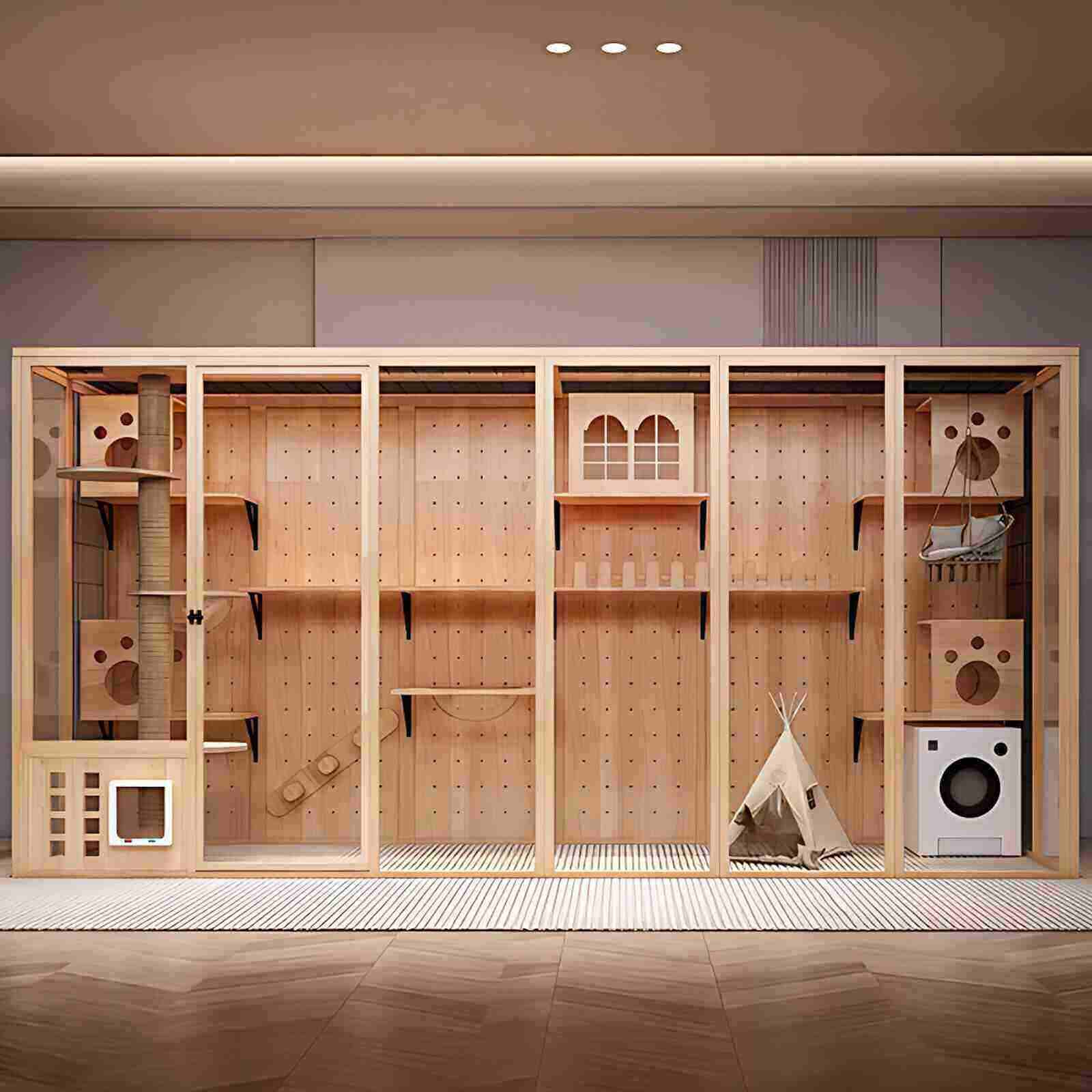
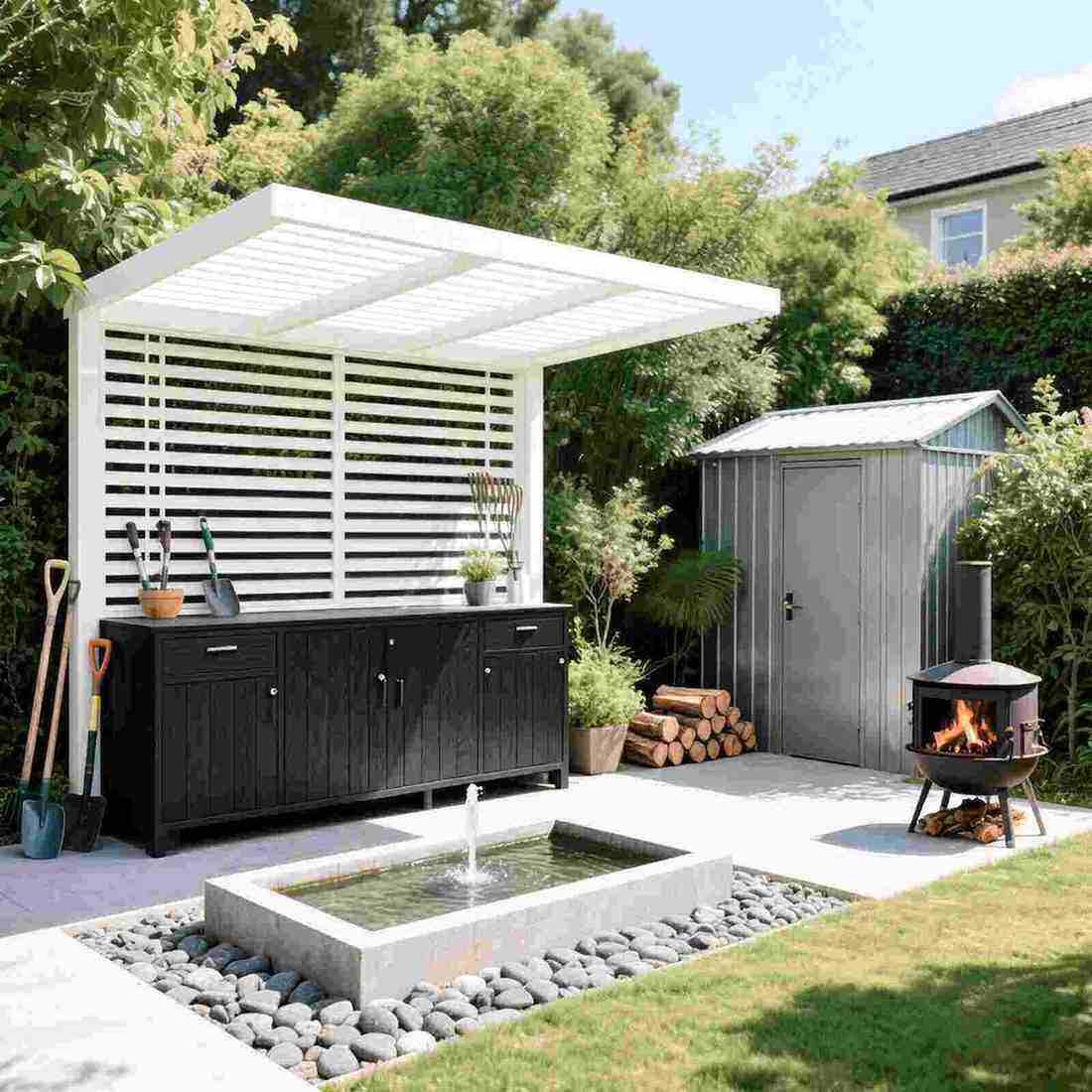
Fire grants us civilization, but it is also the most ruthless. If we cannot escape the clutches of fire, can we prevent it from happening in the first place? Modern civilization has promoted the development of science and technology, and fire-resistant panels are undoubtedly a reassuring solution.
It gives us the ability to combat all preventable fire hazards.
Fire-retardant boards-the secret to fire resistance
1. The inhibition theory: Relying on the surface covering effect of flame retardants, the exchange of matter and energy between the wood surface and the surrounding environment is prevented, which cuts off the oxygen supply and inhibits the generation of combustible gases, thus slowing down the thermal decomposition of wood.
2. Thermal theory: Flame retardants in the board play a role in heat dissipation, heat absorption and heat insulation, inhibiting the wood from reaching the thermal decomposition temperature and igniting;
3. Non-combustible gas dilution theory: When flame retardants are heated, they decompose into non-combustible gases, thus reducing the heat around the combustion surface. Simultaneously, the non-combustible gases dilute the concentration of combustible gases, interfering with the combustion chain reaction.
4. Free radical capture theory: Halogen-based flame retardants can generate highly reactive free radicals at thermal decomposition temperatures. These free radicals can capture the highly reactive OH free radicals and H ions released during wood combustion, interfering with the combustion chain reaction.
5. The theory of volatile matter reduction: Flame retardants catalyze the pyrolysis process of wood, causing it to develop in the direction of increasing charcoal production and reducing combustible gas dust, so as to form a protective layer on the surface and charcoal, and inhibit flaming combustion.
Flame-retardant boards - distinguishing between good and bad
1. "Touch": Use your hand to feel whether the board surface is smooth;
2. "Burning": Cut off a small piece (2-3mm in diameter) with a blade and ignite it horizontally.
Grade A1: Non-flammable, does not produce open flame.
Grade A2: Non-flammable, smoke must be measured, and it must pass the test.
Class B1: Flame-retardant building materials: Flame-retardant materials have good flame-retardant properties. They are difficult to ignite when exposed to open flames or high temperatures in the air, do not spread quickly, and stop burning immediately when the fire source is removed.
Class B2: Combustible building materials: Combustible materials have a certain flame-retardant effect. They will ignite and burn immediately when exposed to open flames or high temperatures in the air, easily leading to the spread of fire. Examples include wooden pillars, wooden roof trusses, wooden beams, and wooden stairs.
B3 Class: Flammable building materials: have no flame retardant effect, are extremely easy to burn, and pose a great fire hazard.
The flame-retardant board has a B1 rating, indicating good flame-retardant properties. In the event of a fire, it can effectively suppress open flames and reduce heat, thus buying time for escape and firefighters to reach the scene.
3. “Pinch”: Pinch the core of the board with your fingernail to feel its hardness and softness; then use your fingernail to pinch upwards near the surface of the board to observe whether there is any peeling of the surface layer;
4. "Soaking": Soak a small sample in cold water for 24 hours and observe how much the thickness increases; then let it air dry naturally and observe the deformation of the surface after drying.
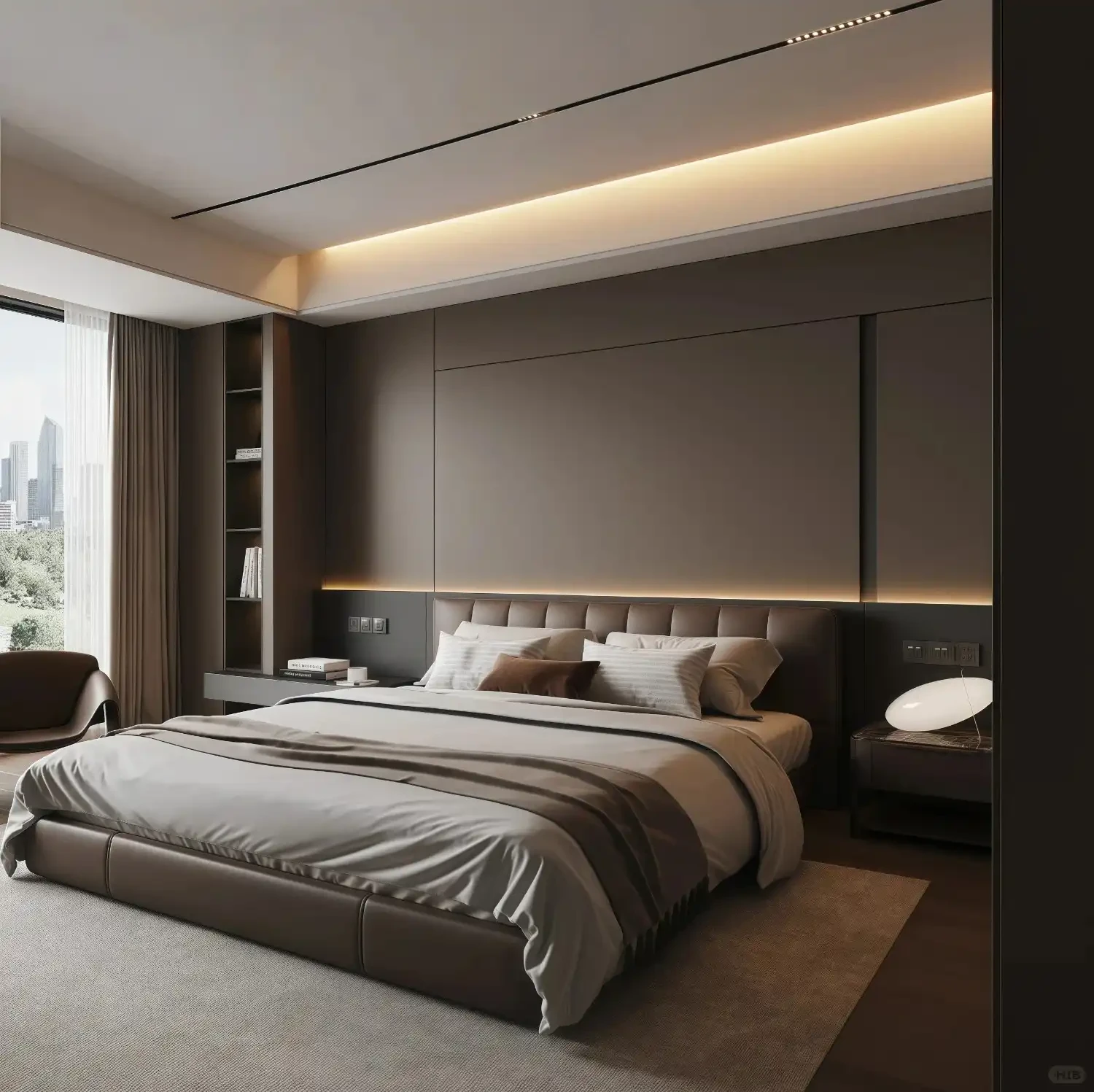
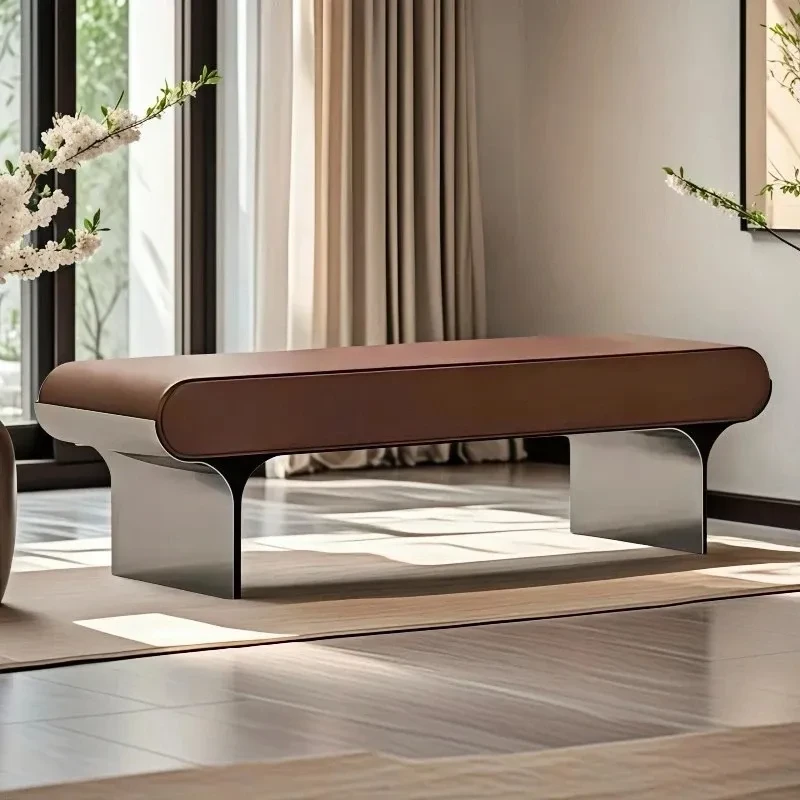
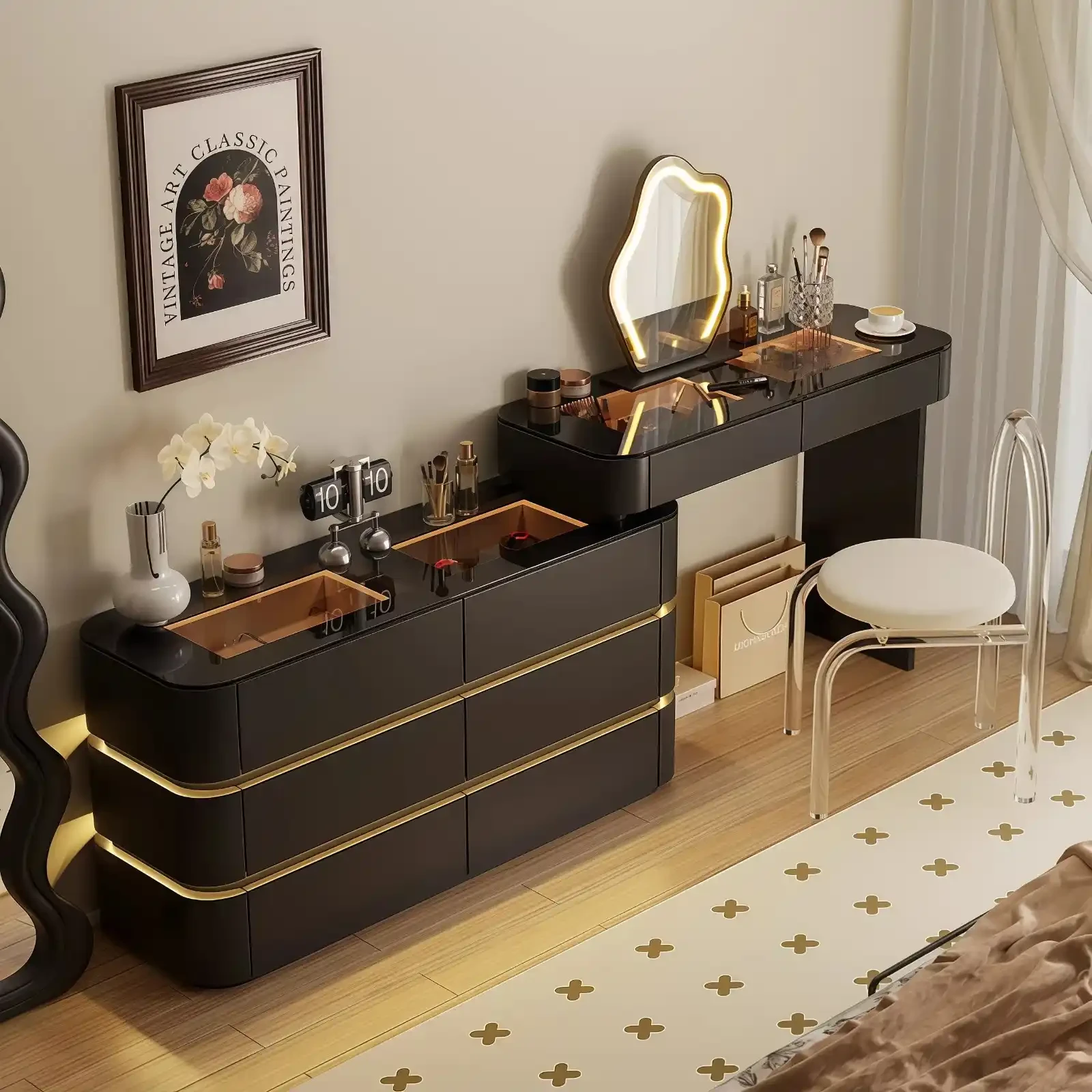
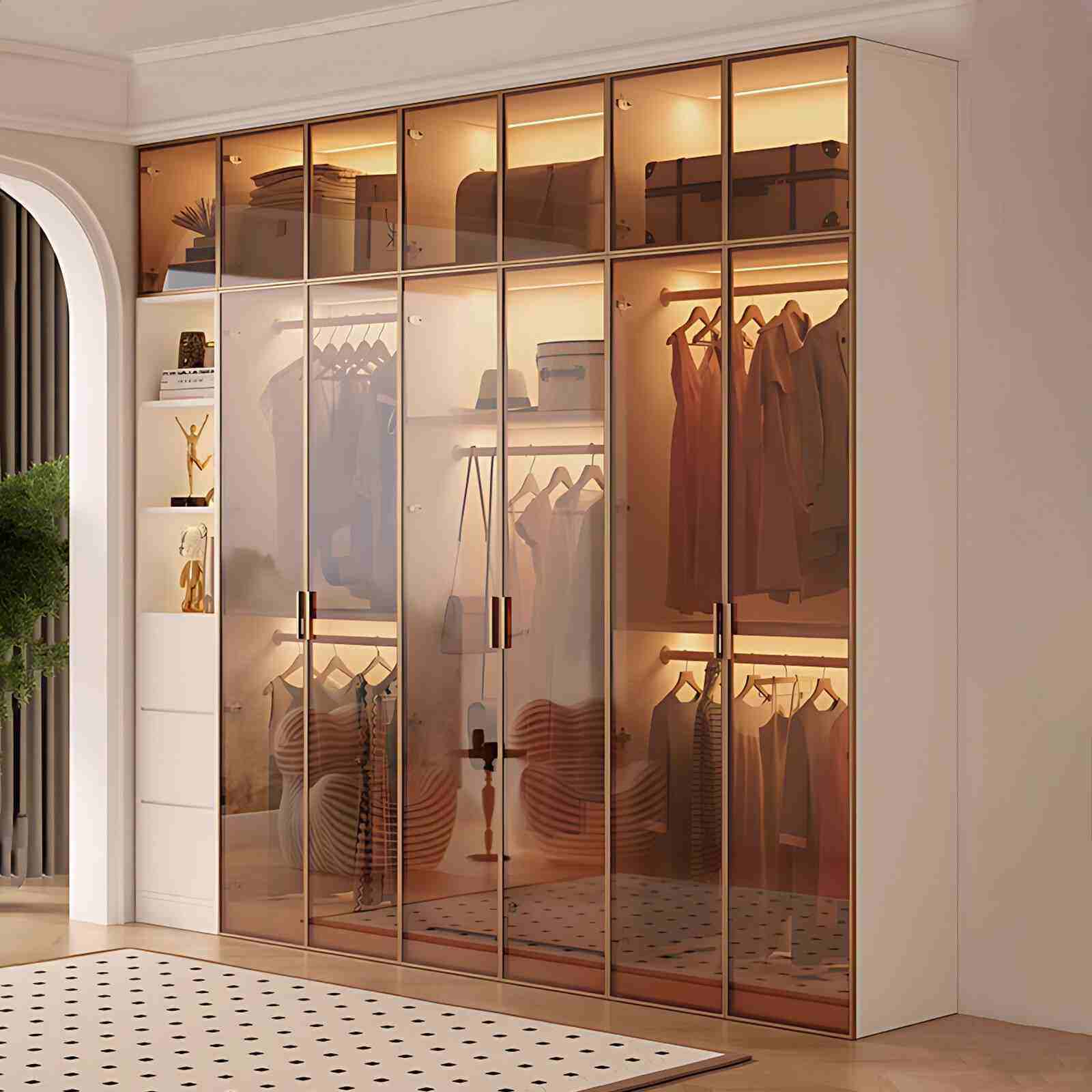
Flame-retardant boards are functional wood-based panels made from high-quality log veneers. They are processed using mature production processes including flame retardant treatment, drying, glue preparation, glue application, assembly, cold pressing, and hot pressing. The flame-retardant properties, smoke suppression properties, and smoke toxicity of the products all meet national standards. The products also maintain the excellent physical and processing properties of traditional engineered wood products, as well as their consistent environmental performance. The free formaldehyde emission limits all meet E0 standards. Thanks to these advantages, they have frequently been used in major engineering projects such as the APEC summit, the Shanghai World Expo, the Hangzhou G20 summit, and the SCO Qingdao summit. With the increasing demand for residential safety, flame-retardant boards are becoming increasingly widely used in furniture manufacturing and interior decoration in ordinary private homes, in addition to engineering projects.
Fire-retardant boards combine environmental friendliness and fire resistance, earning them a good reputation. As one of the top ten board brands, we relentlessly strive to create a healthy and safe indoor environment.