
 USD
USD GBP
GBP
 EUR
EUR
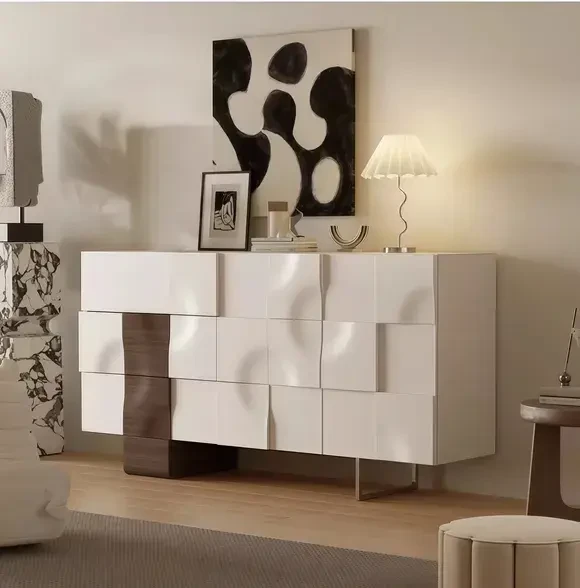
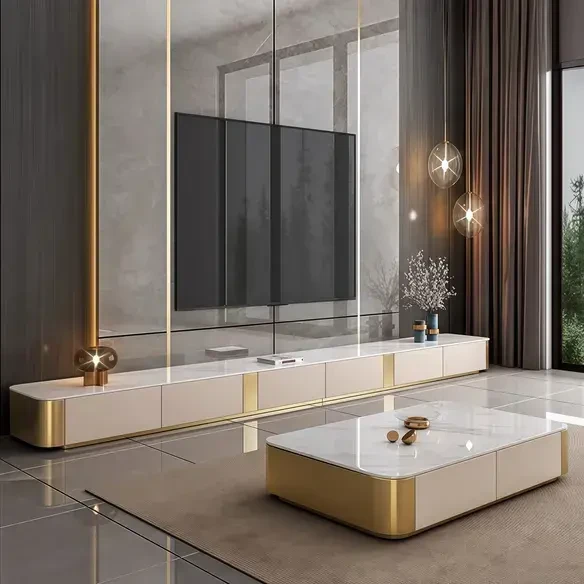
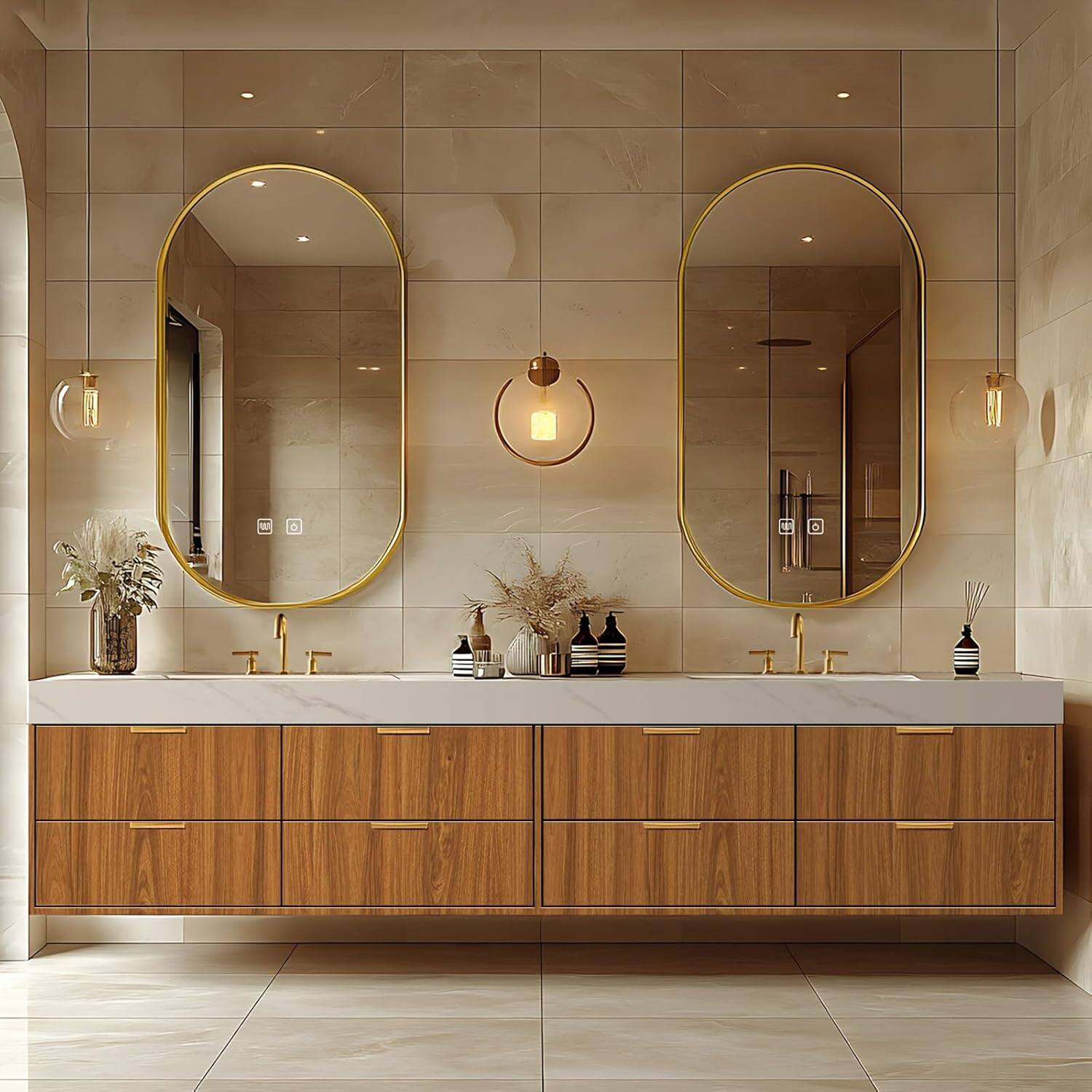
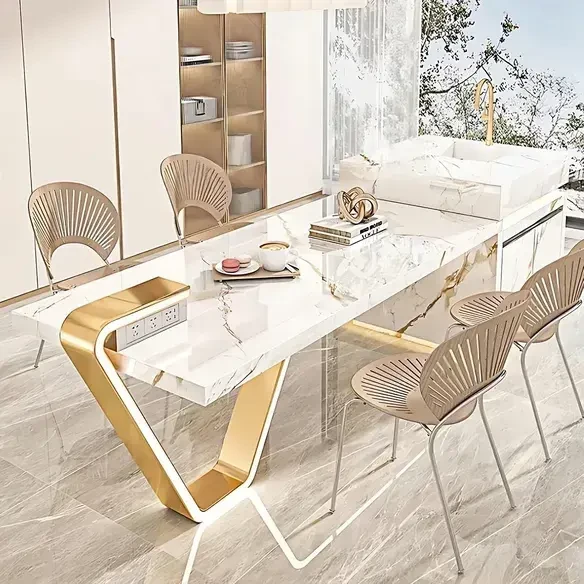
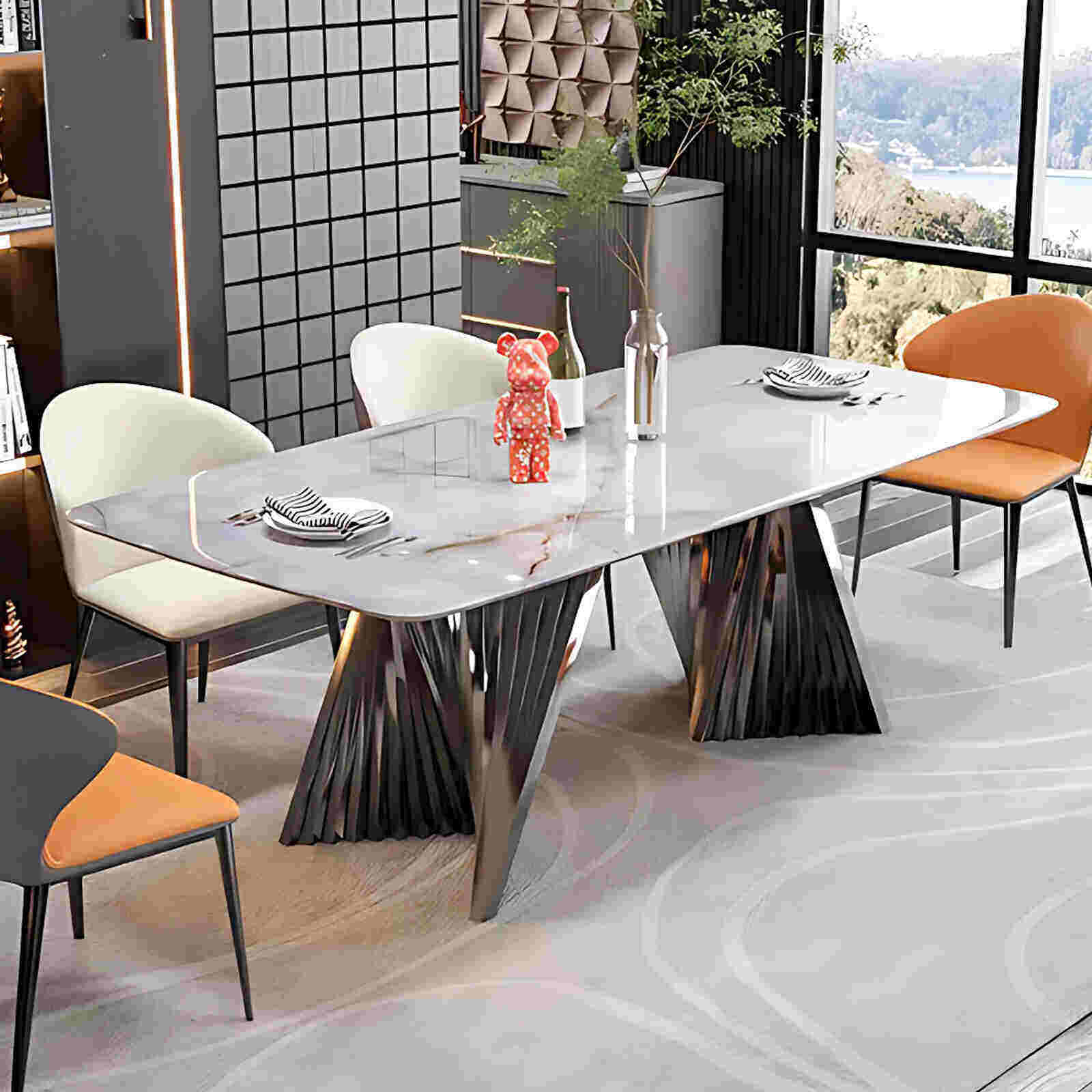
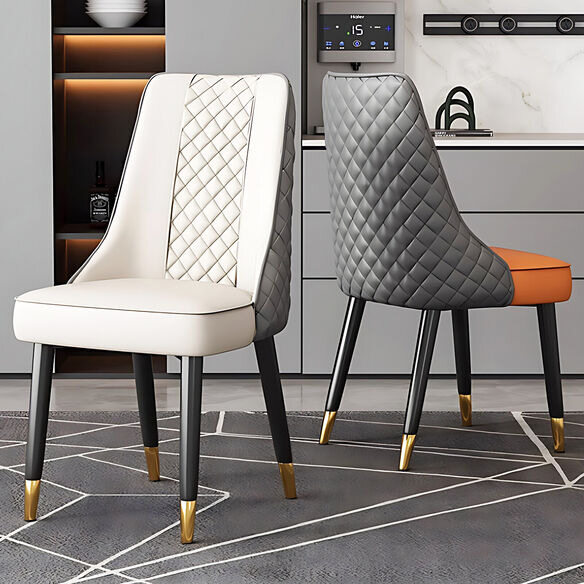
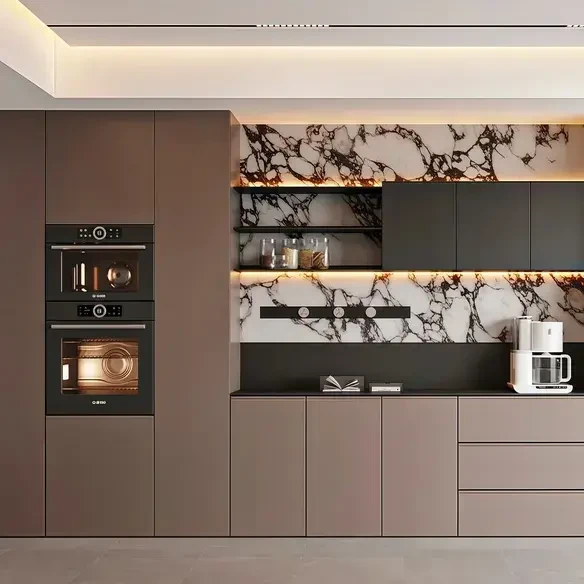
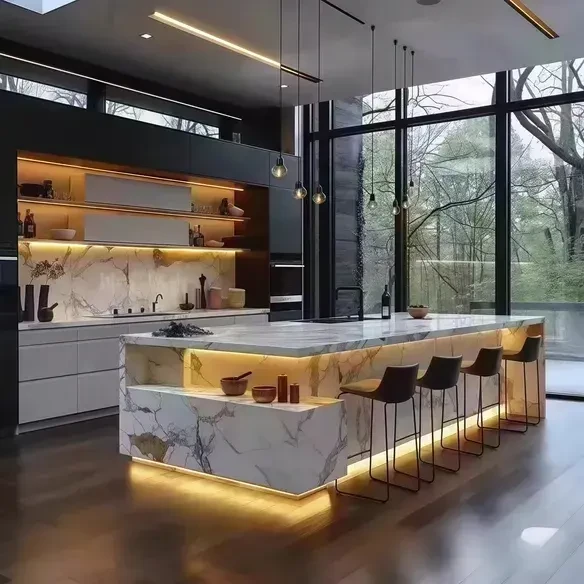
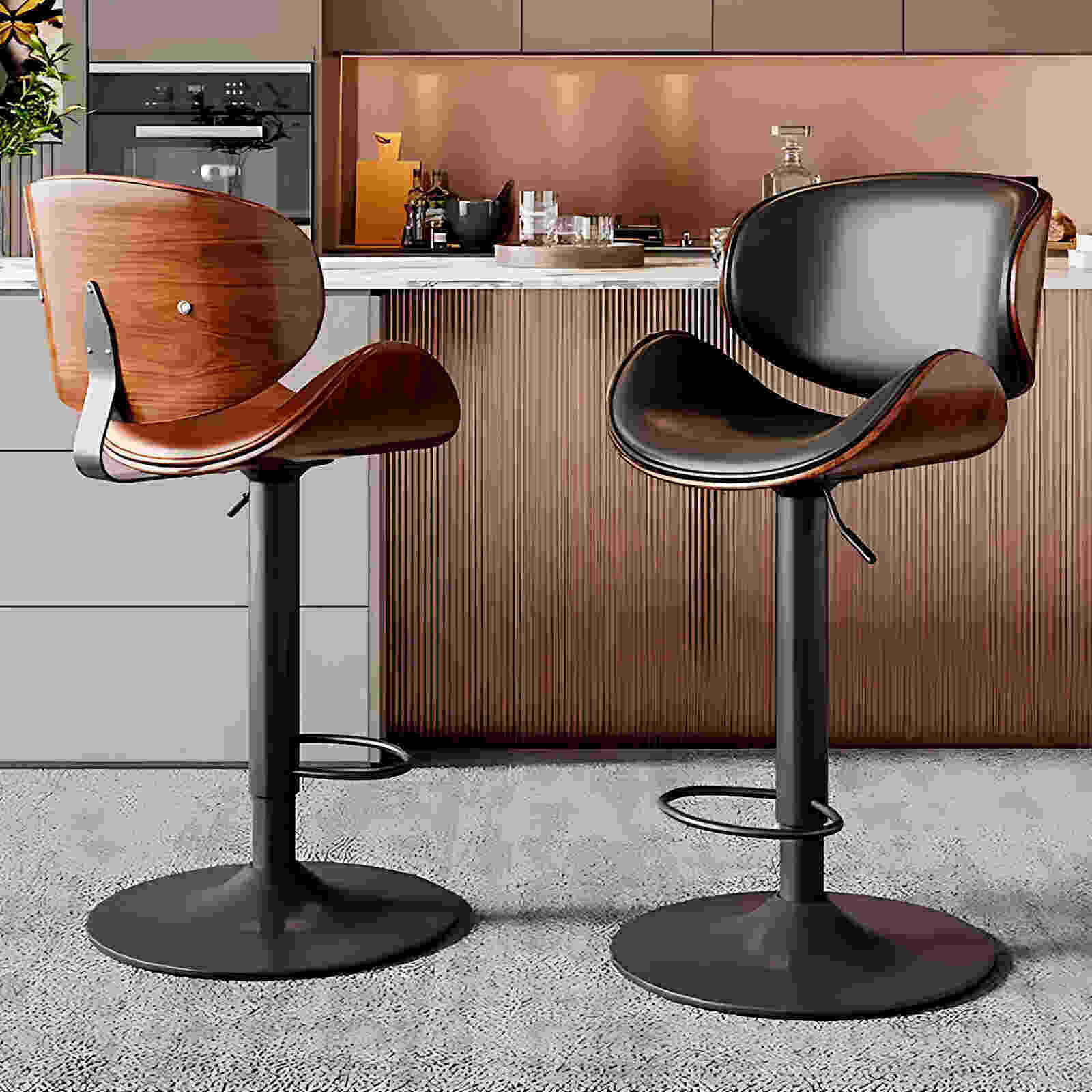
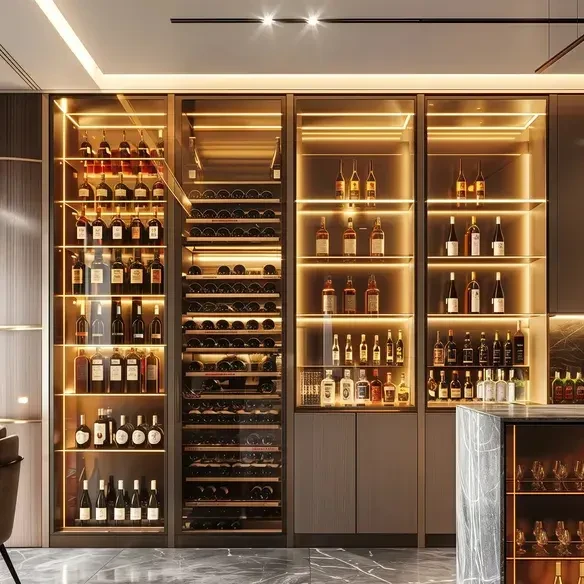
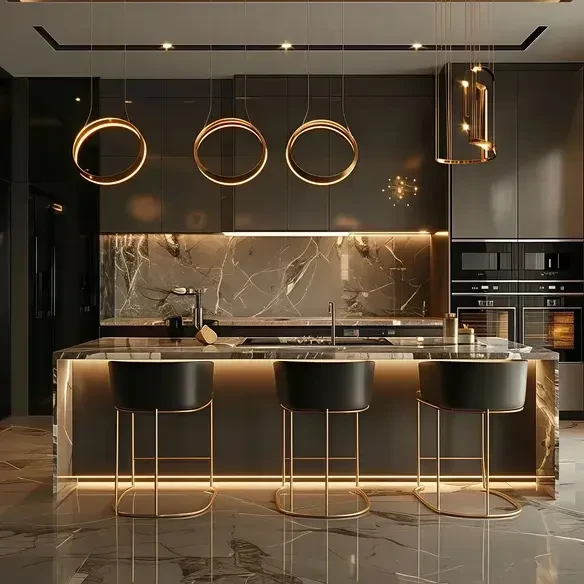
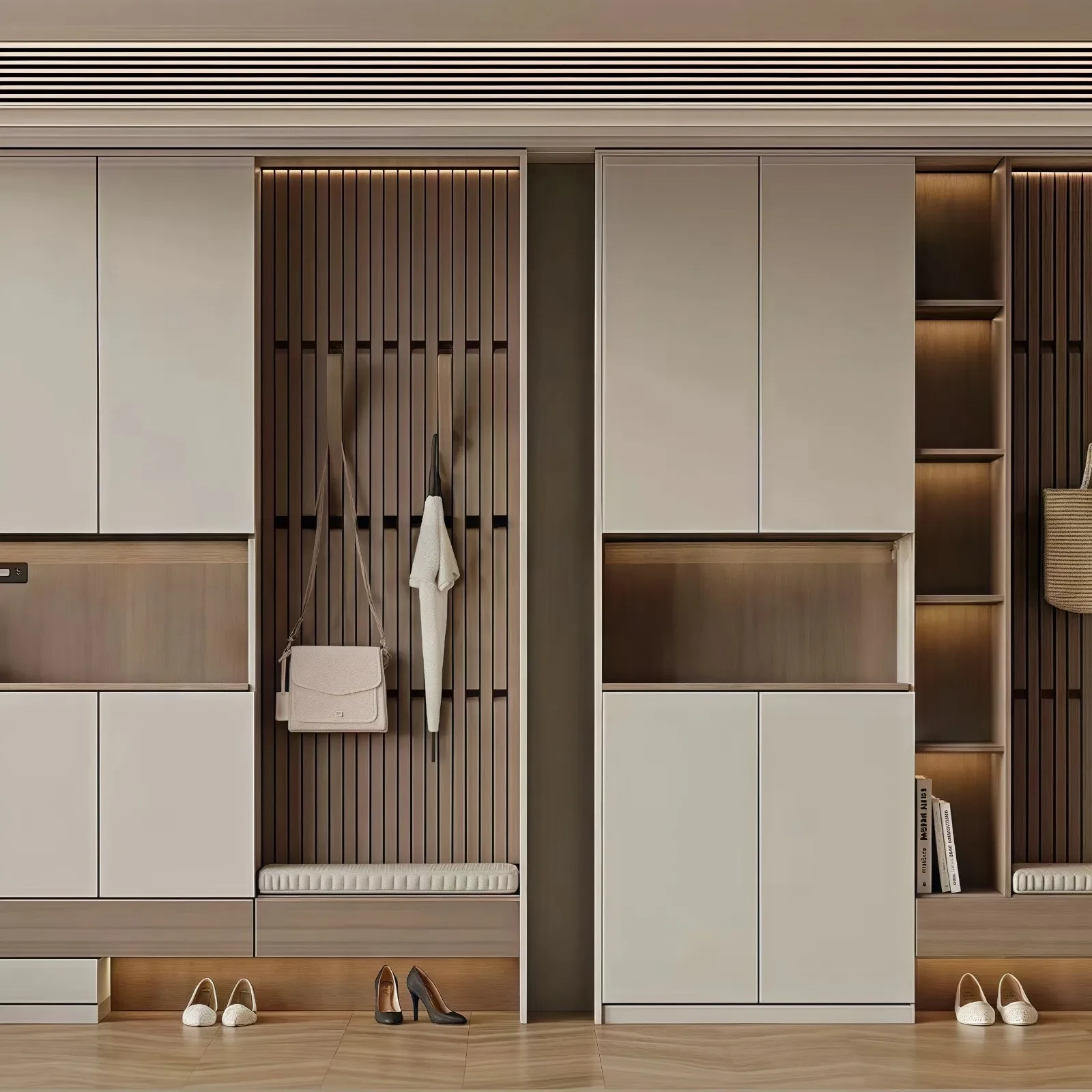
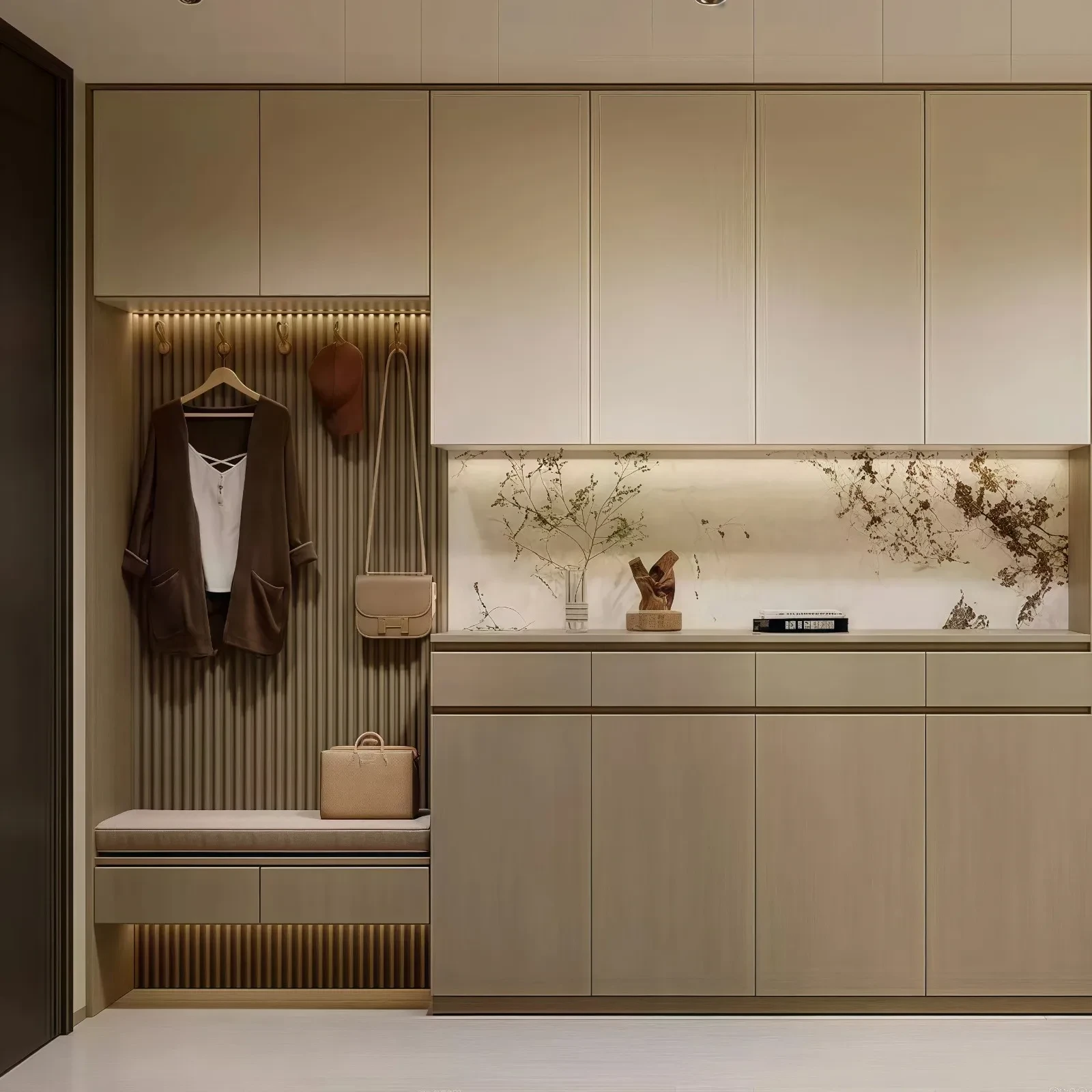
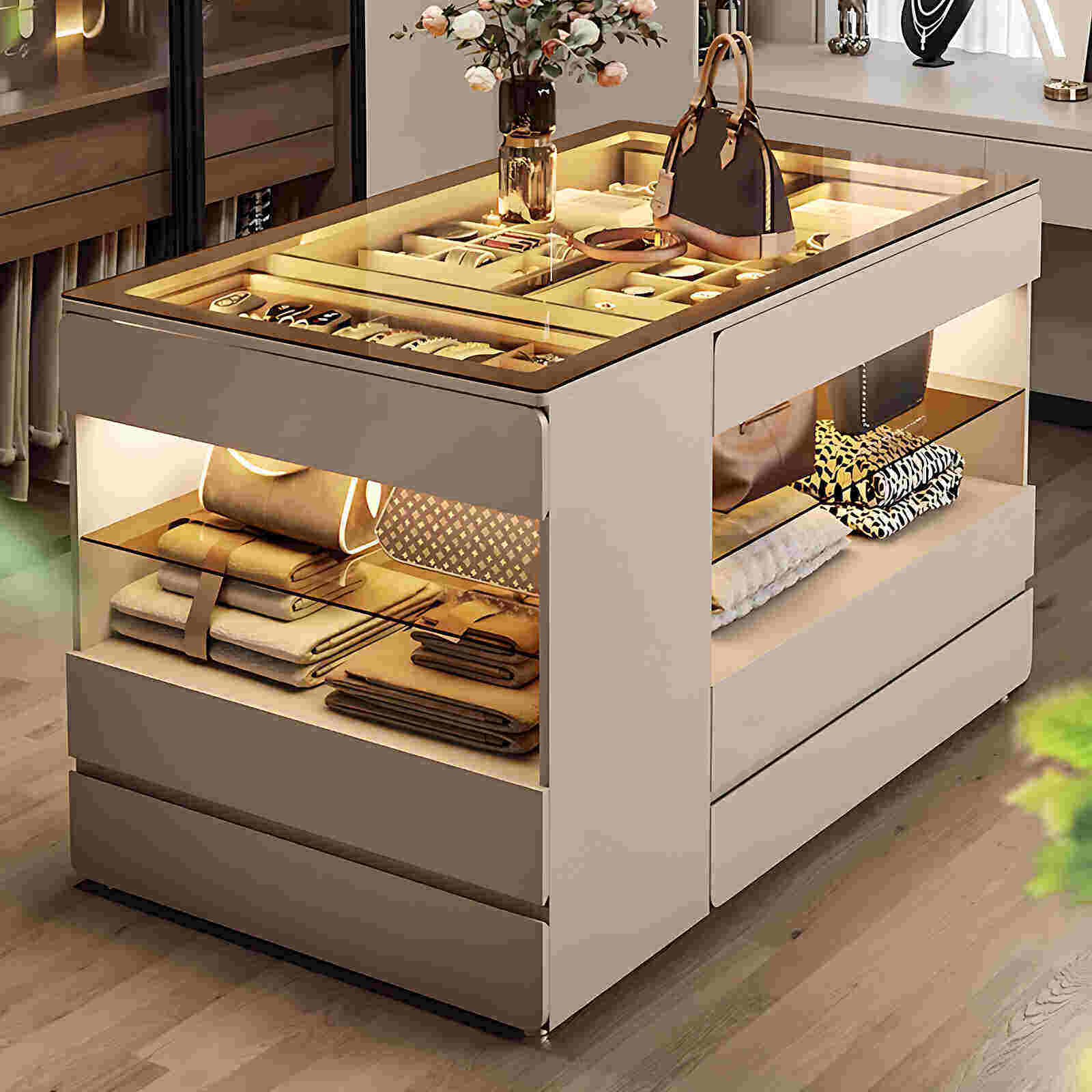
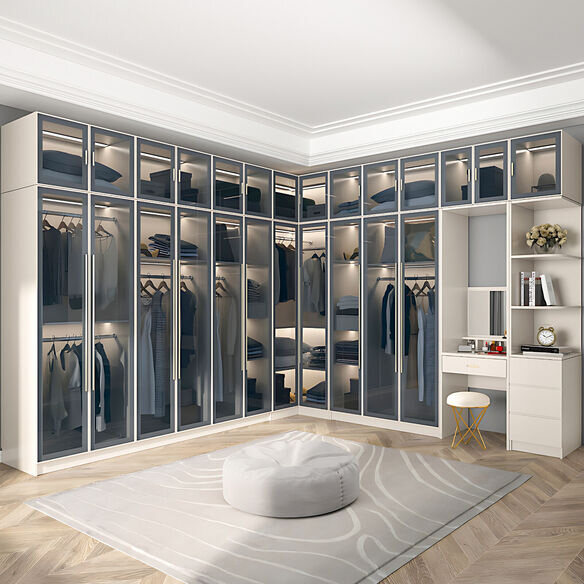
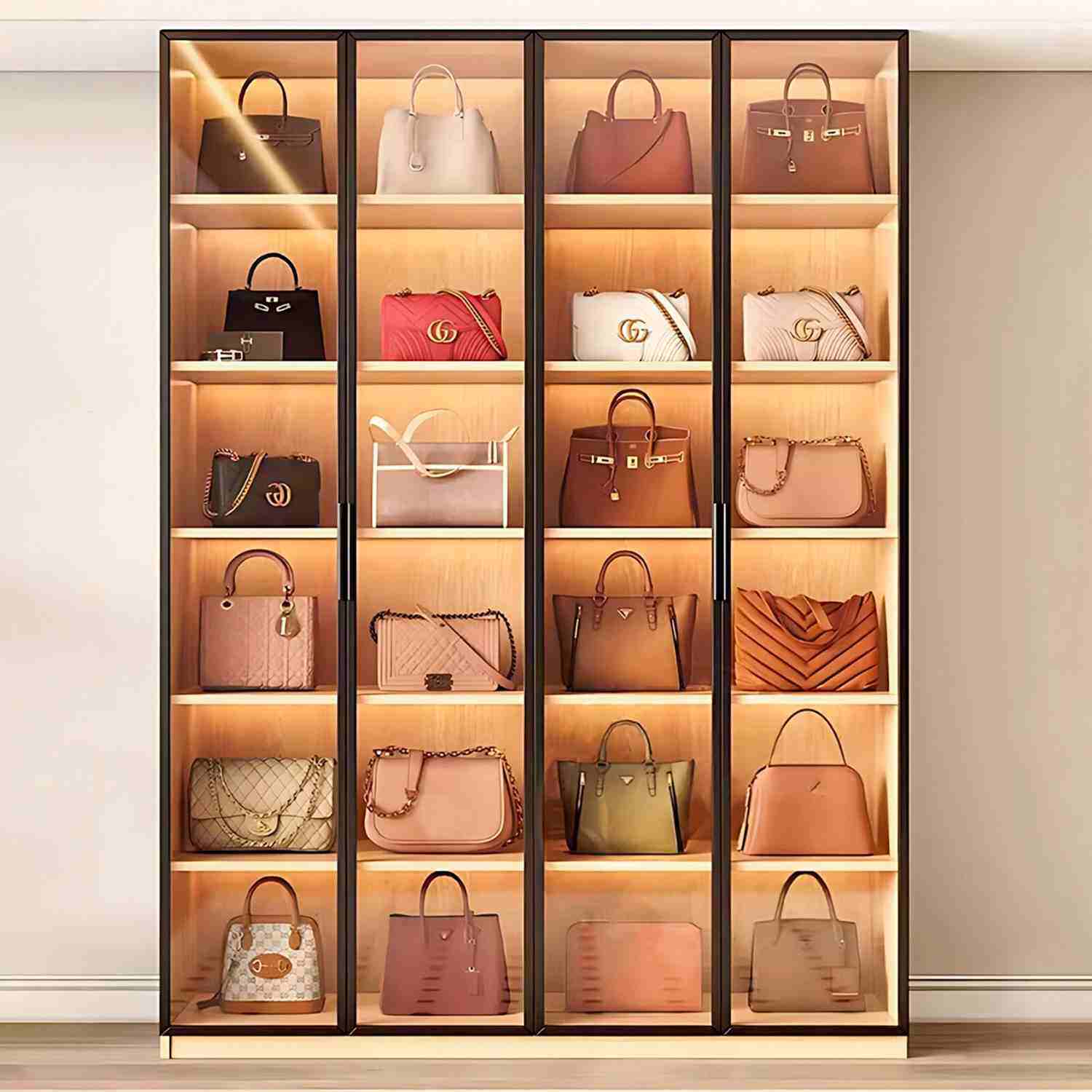
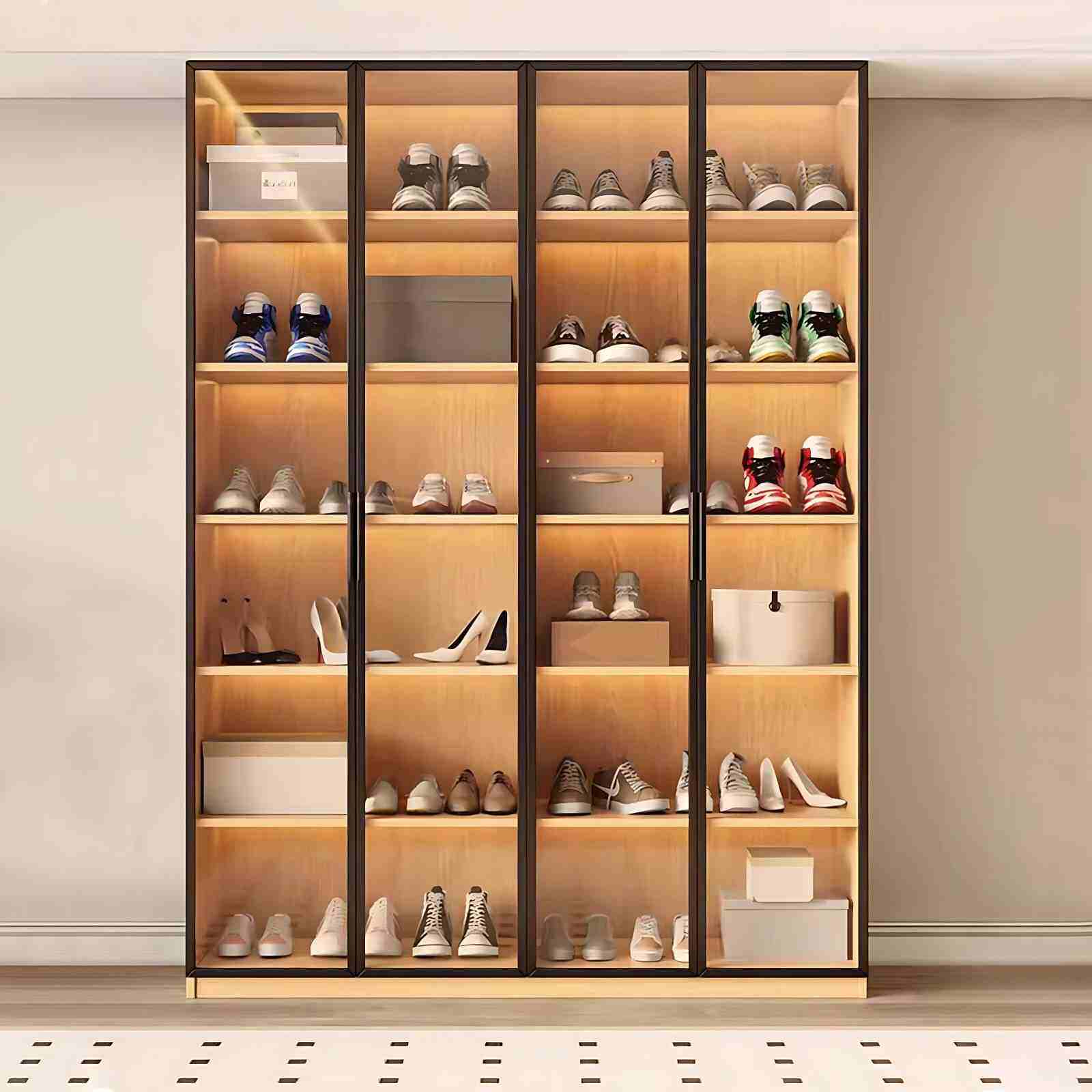
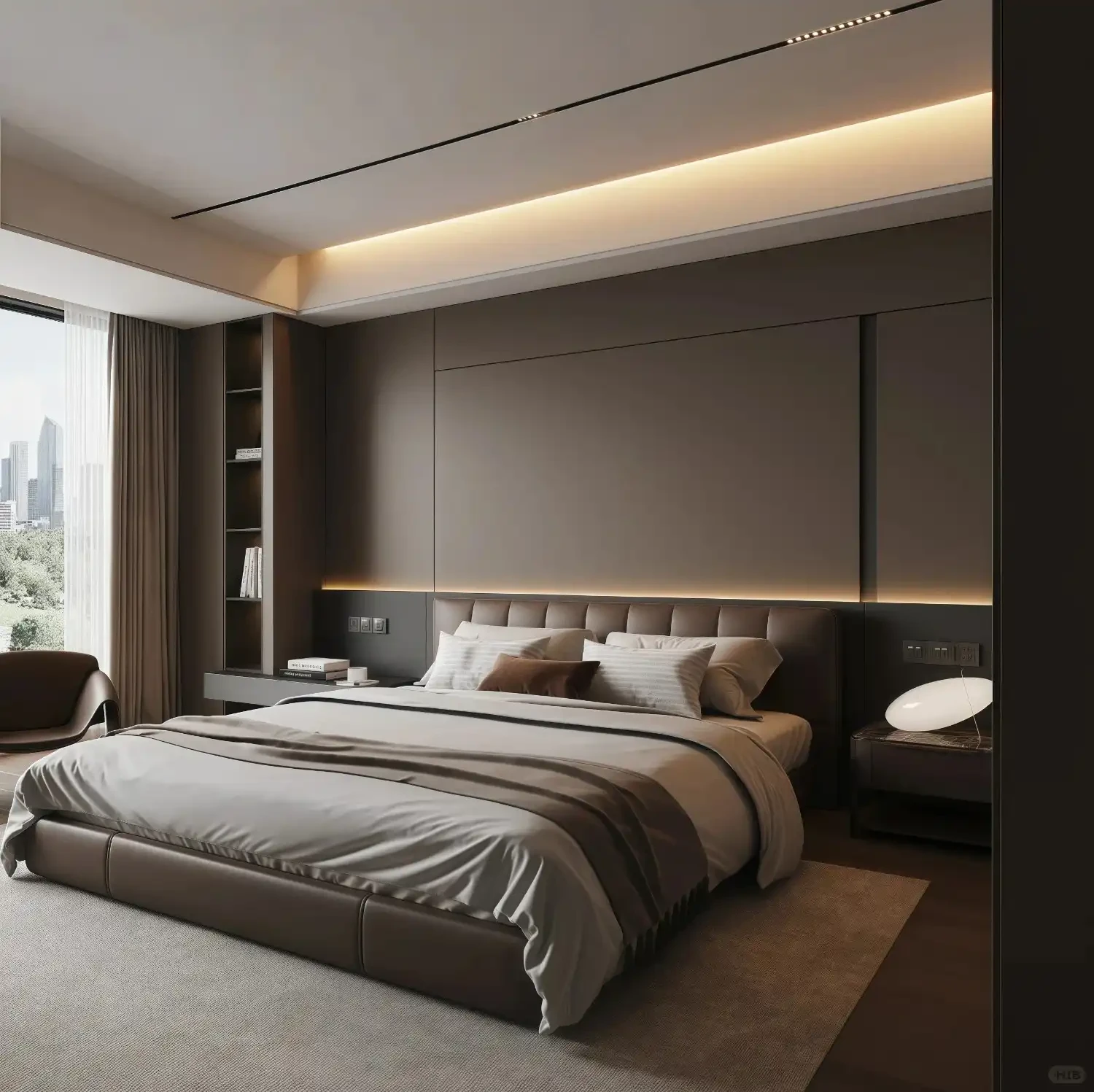
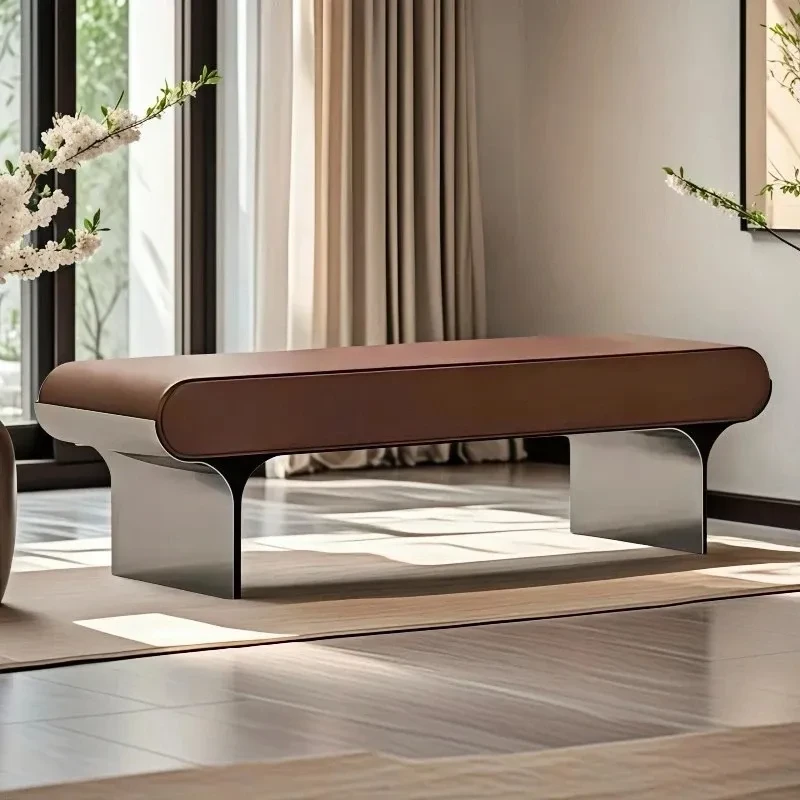

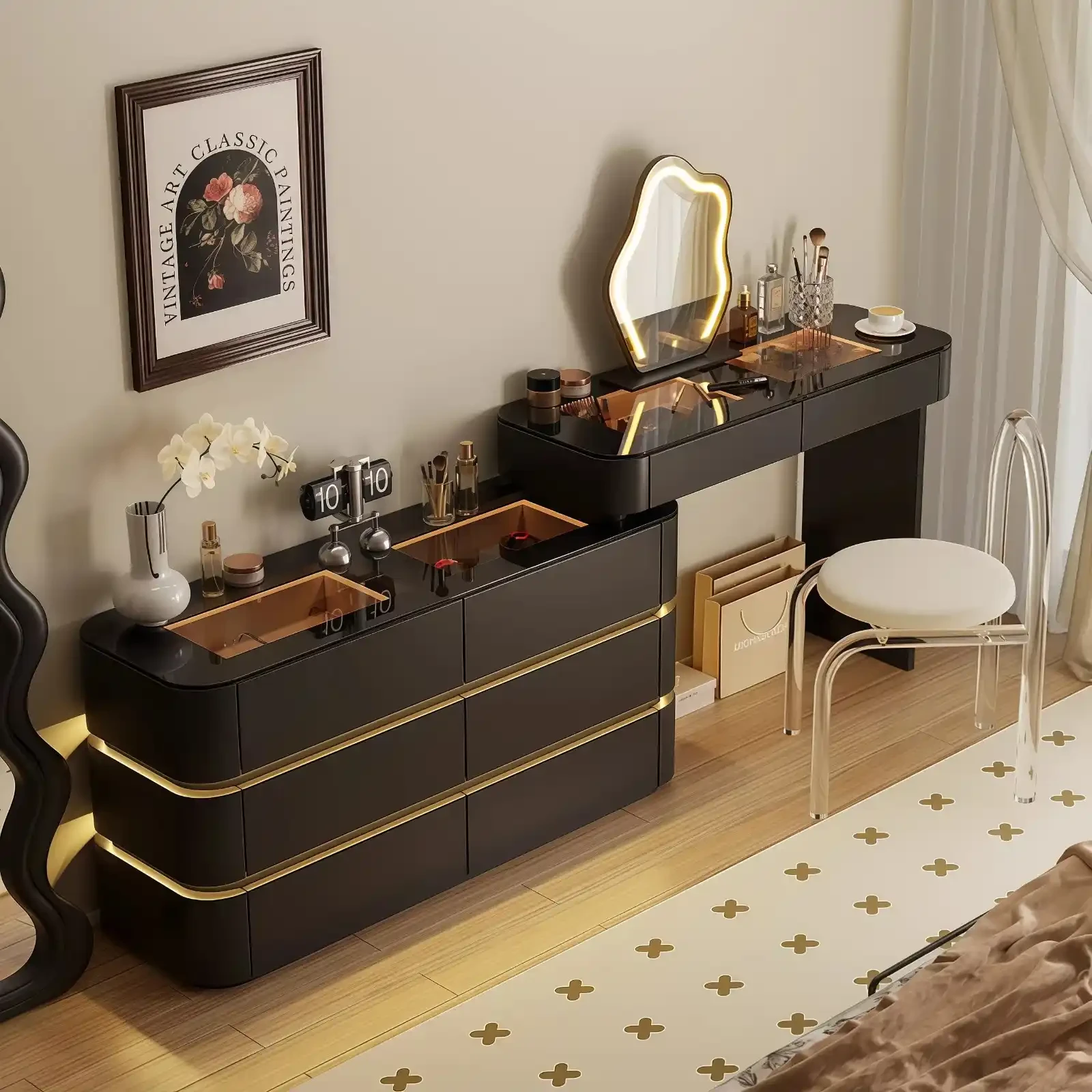
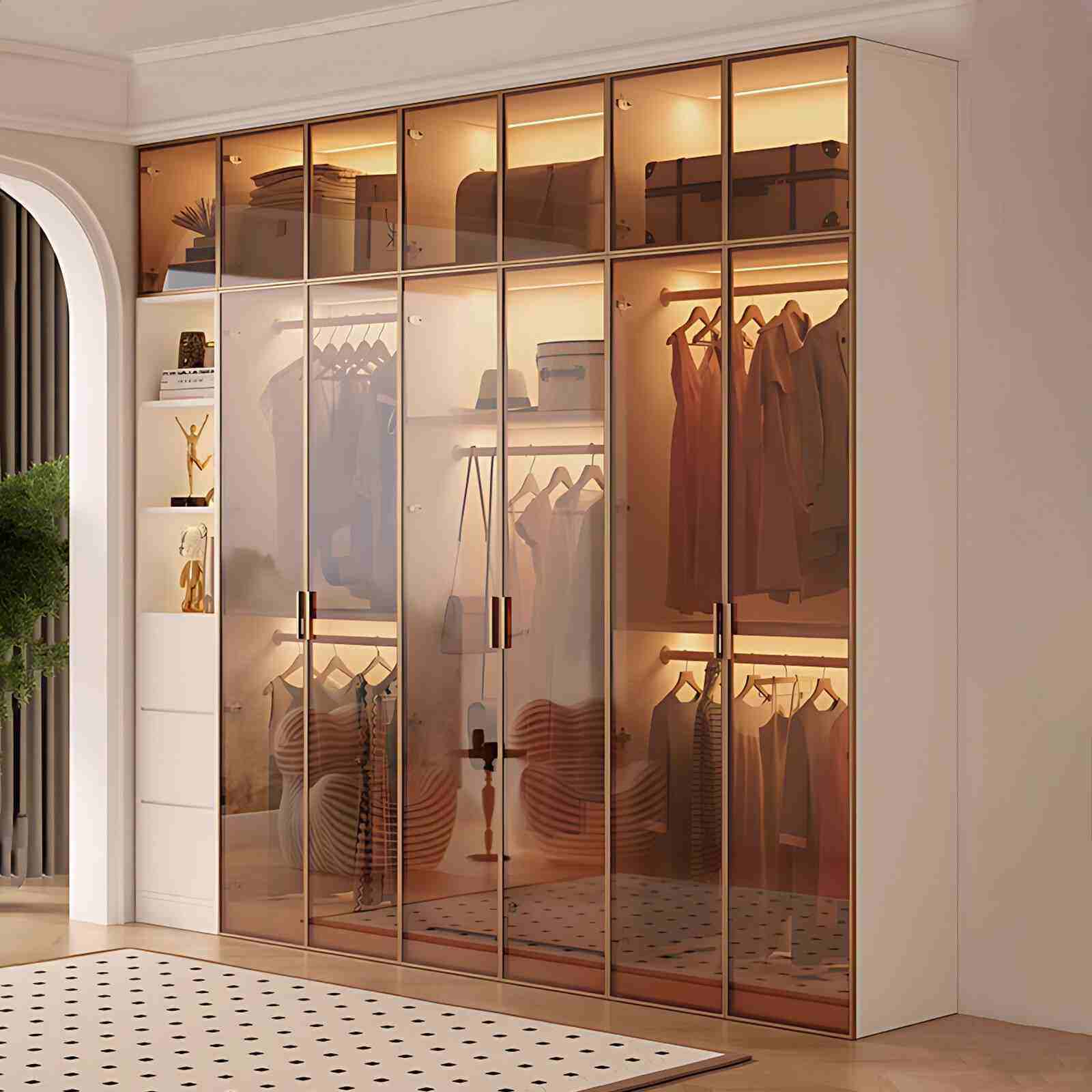
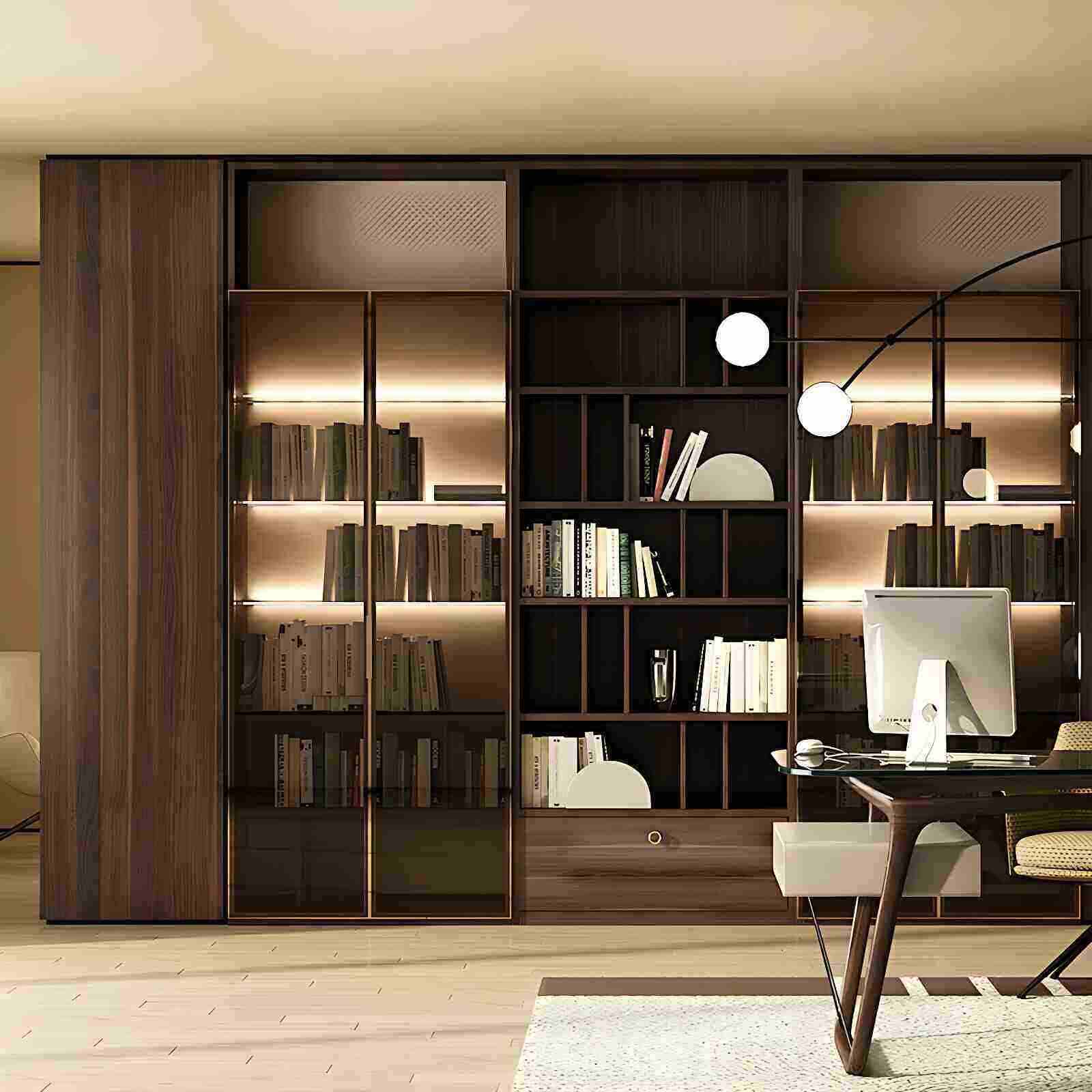

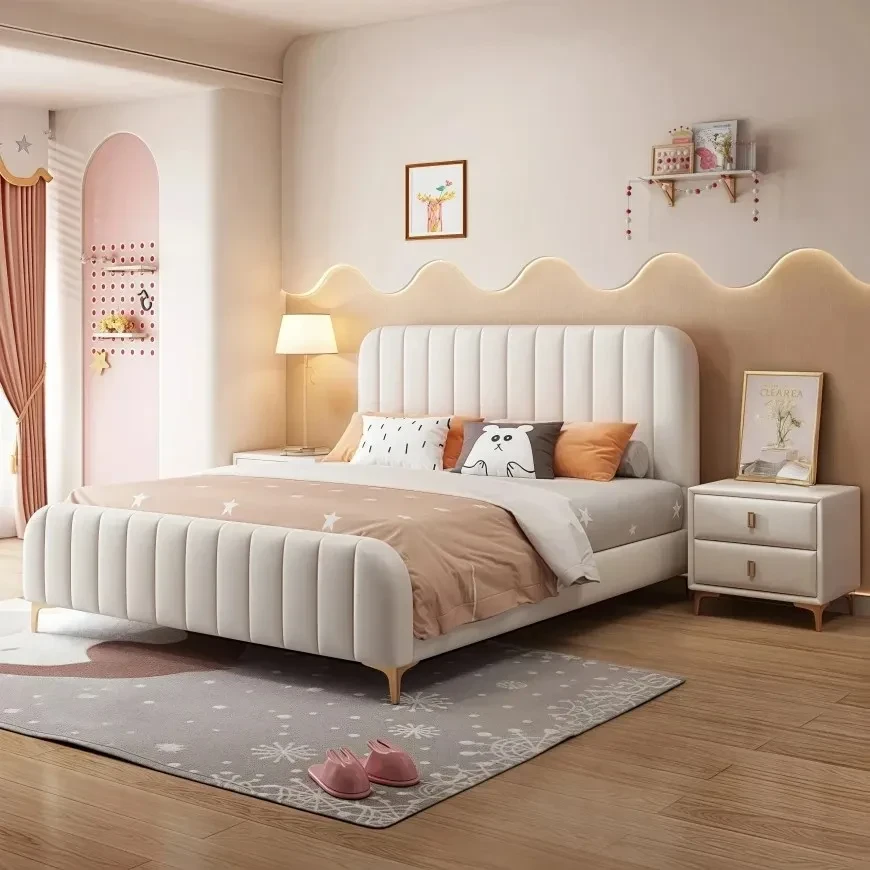
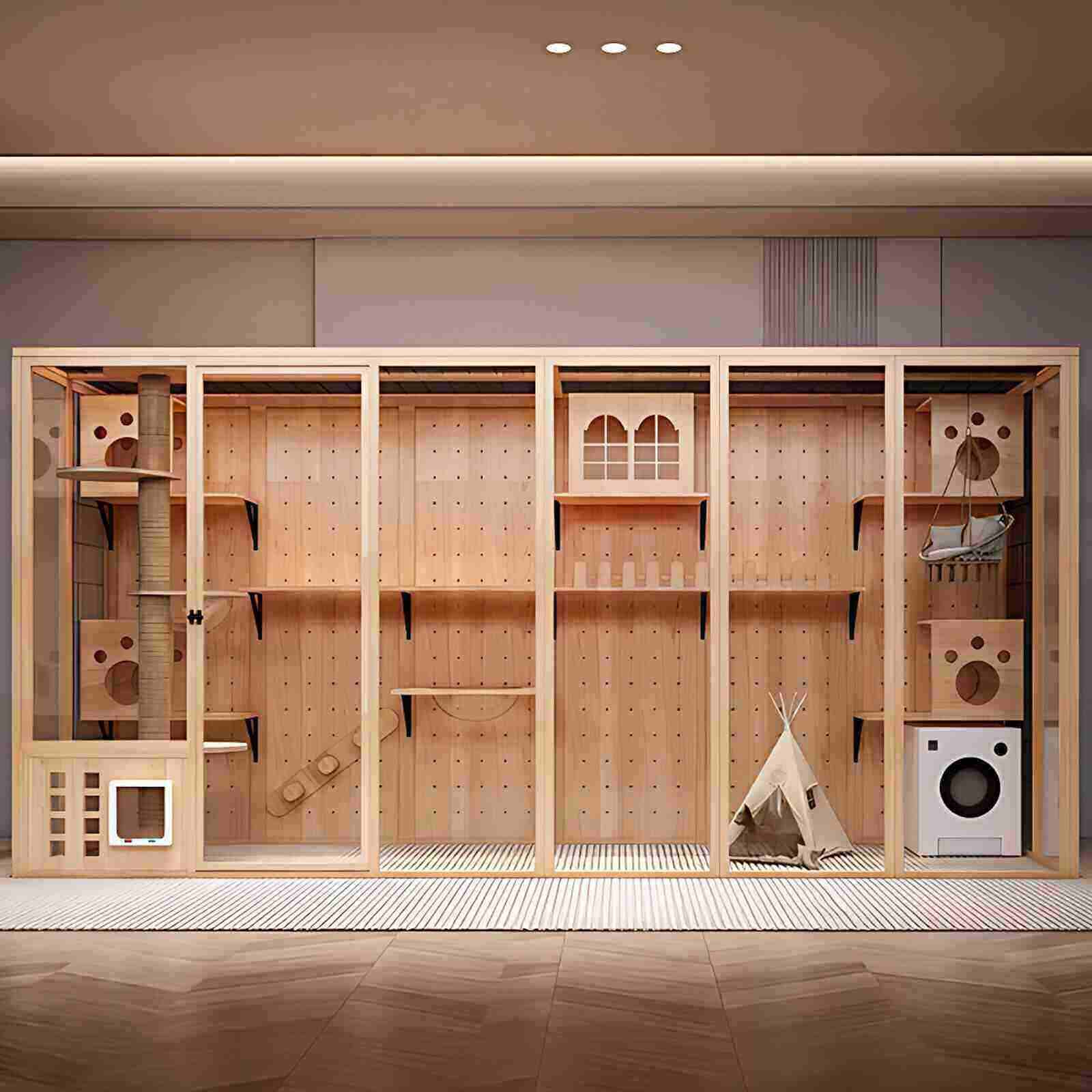
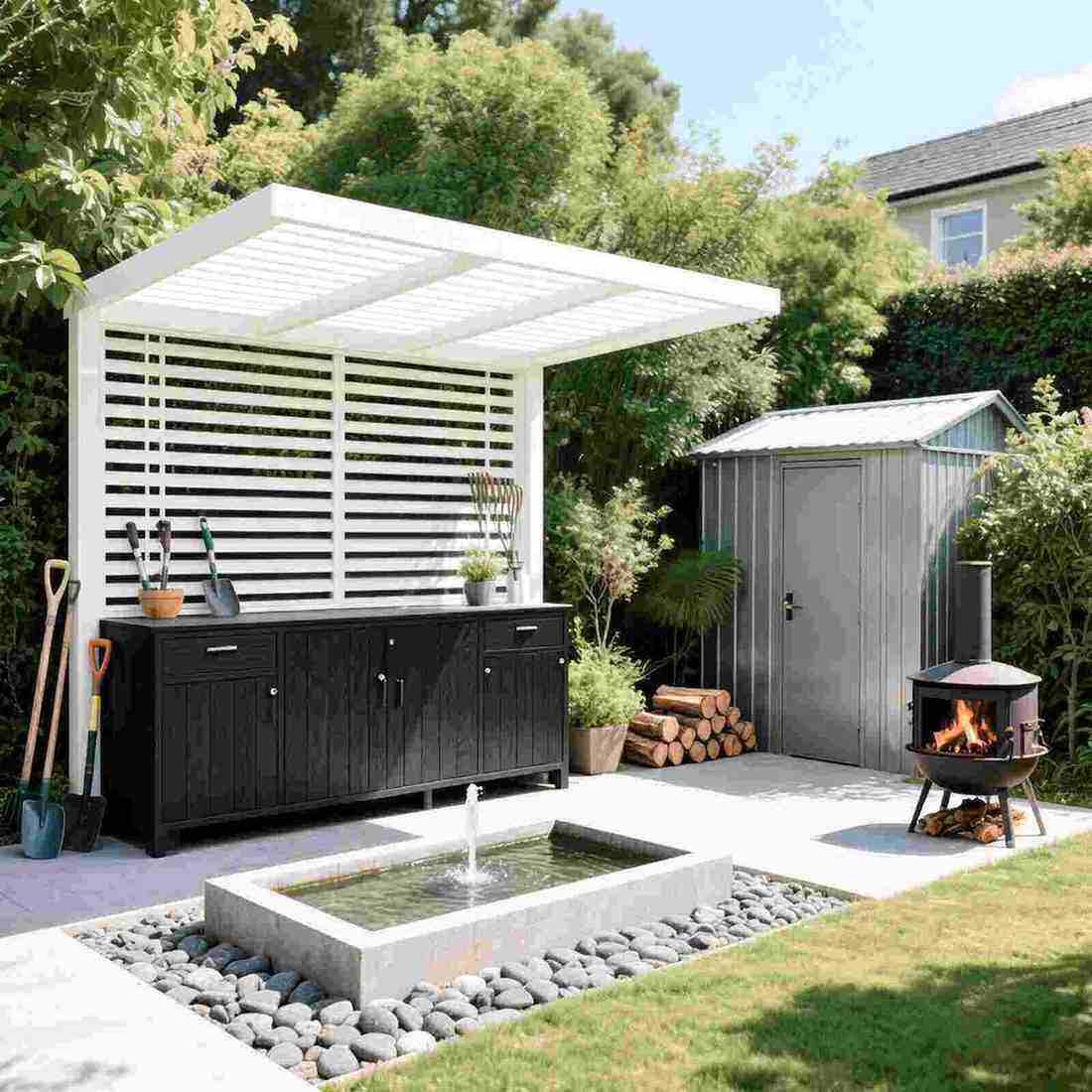
Flame-retardant boards and flame-retardant eco-boards are two major categories of boards, both of which have good flame-retardant properties. So, if they also have flame-retardant properties, why did I choose flame-retardant eco-boards for my home decoration?
Flame-retardant plywood is a three- or multi-layered sheet material made by rotary cutting logs into veneers or slicing timber into thin sheets, and then gluing them together with adhesives. It typically uses an odd number of veneer layers, with the fiber directions of adjacent veneers glued perpendicular to each other. A high-performance flame retardant is added in the middle, which, through a covering effect, prevents energy exchange between the wood and the surrounding environment, cutting off the oxygen supply. Simultaneously, the flame retardant releases highly reactive free radicals at high temperatures, interfering with chain reactions and effectively preventing flaming combustion.
Flame-retardant eco-boards are decorative boards made by soaking melamine paper in resin with different colors or textures, drying it to a certain degree of curing, and then laying it on the surface of plywood or blockboard and hot-pressing it. Environmentally friendly modified adhesives and high-molecular-weight halogen-free flame retardants are used to form multiple flame-retardant protective layers on the surface and inside of the board. When exposed to open flames, these protective layers achieve flame retardancy through a phosphorus-nitrogen synergistic effect, promoting carbonization in the condensed phase, capturing free radicals, and diluting flammable gases in the gas phase.
Simply put, both flame-retardant plywood and flame-retardant eco-board use flame retardants to achieve flame retardancy. Flame-retardant eco-board can be considered an upgraded version of flame-retardant plywood, with melamine paper veneer added to its surface.
From an aesthetic point of view
Flame-retardant plywood is mainly used for internal structural linings and requires surface decoration, such as painting. Flame-retardant eco-board, however, does not require this and can be used directly in home furnishings. Therefore, flame-retardant plywood is more suitable for the construction and decoration of public facilities such as hotels, shopping malls, and office buildings, as well as high-end residential construction and decoration projects. Flame-retardant eco-board, on the other hand, has advantages such as clear and natural textures, resistance to discoloration and fading, and a wide variety of textures and colors, better meeting the aesthetic requirements of home decoration.
From a cost perspective
Ecological boards, as a new type of product, combine the functions of veneer panels and plywood (or blockboard) into one. Their paint-free advantage makes them superior to "two-board combination" boards. Compared with flame-retardant plywood, they save production processes and increase the added value of the product, saving consumers decoration costs and labor costs.
Therefore, although both have flame-retardant properties and can reach the E0 or E1 environmental protection level, flame-retardant ecological boards are superior. They can save on decoration costs and satisfy our pursuit of aesthetics.
Therefore, when decorating my home, I chose flame-retardant eco-friendly boards. What about you?