
 USD
USD GBP
GBP
 EUR
EUR
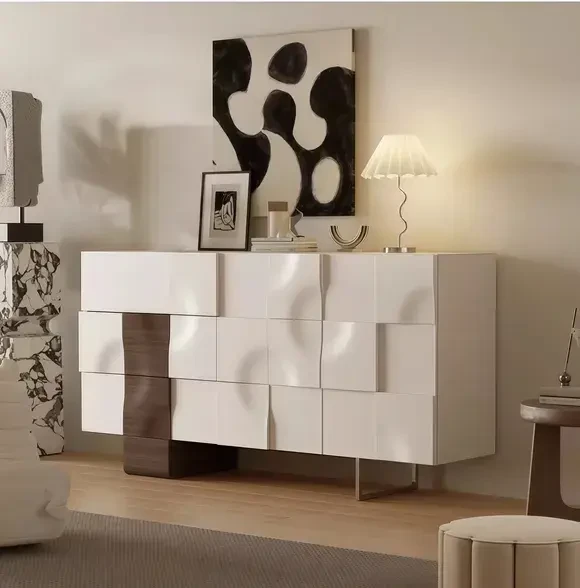
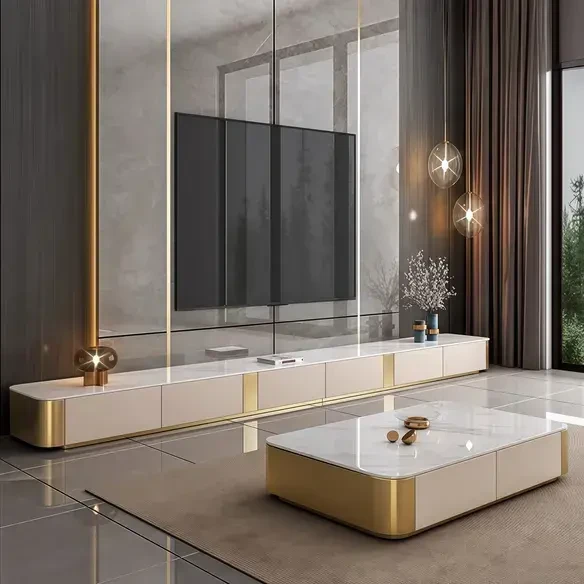
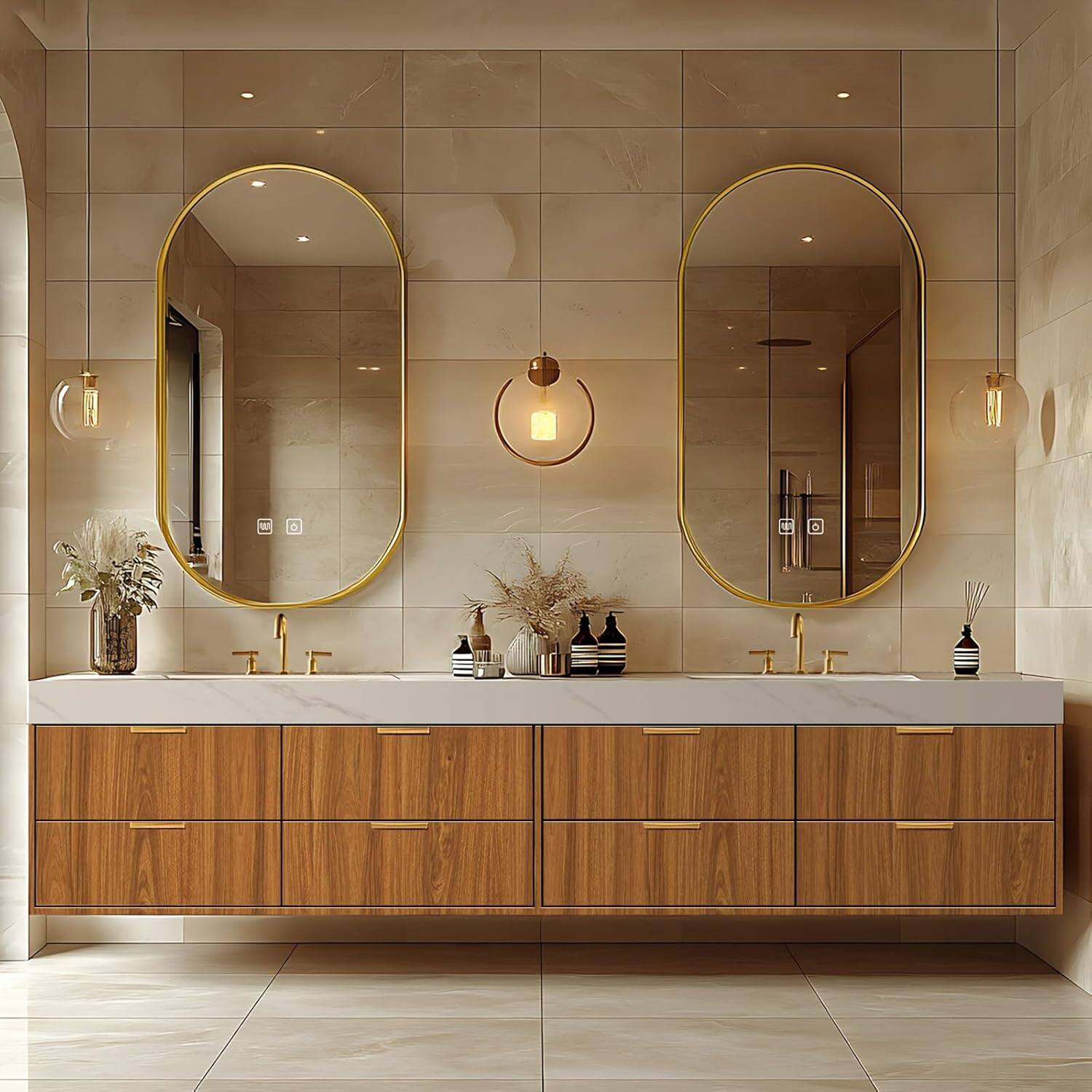
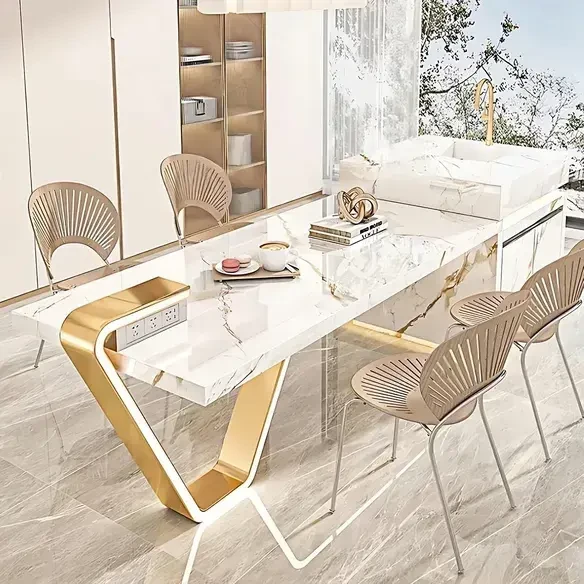
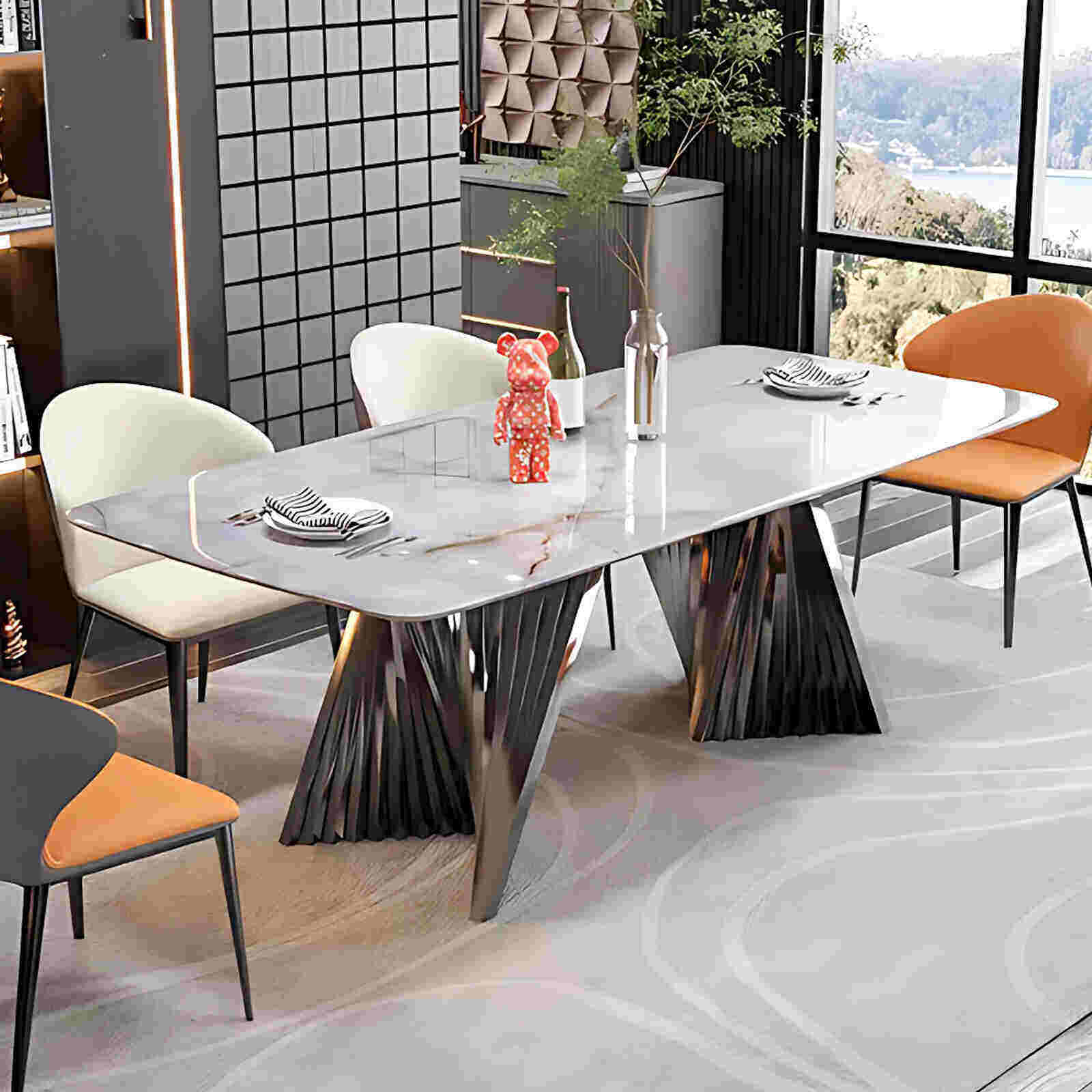
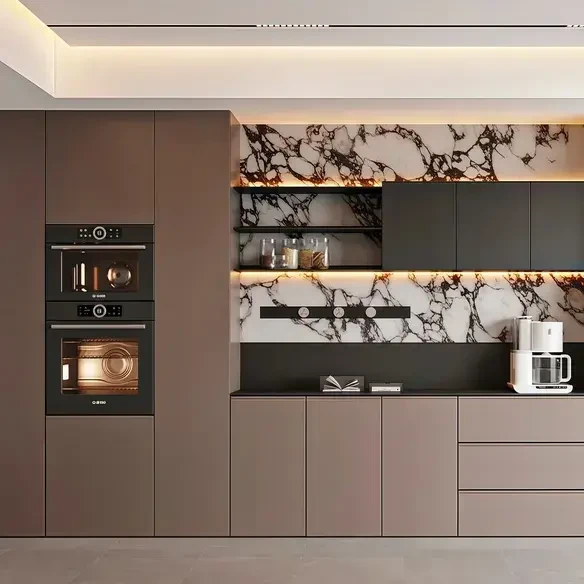
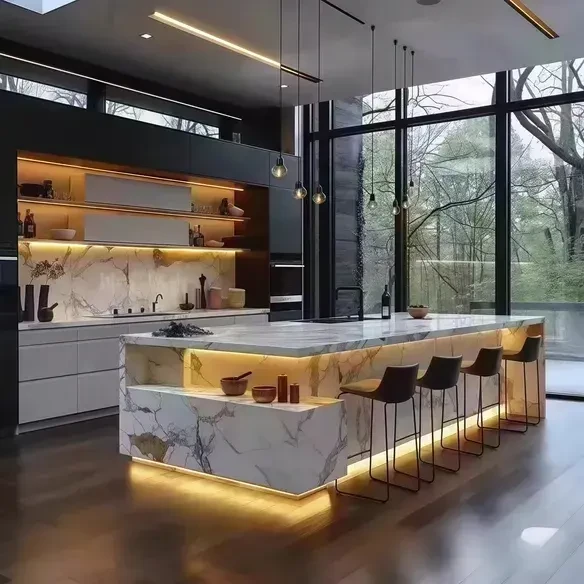

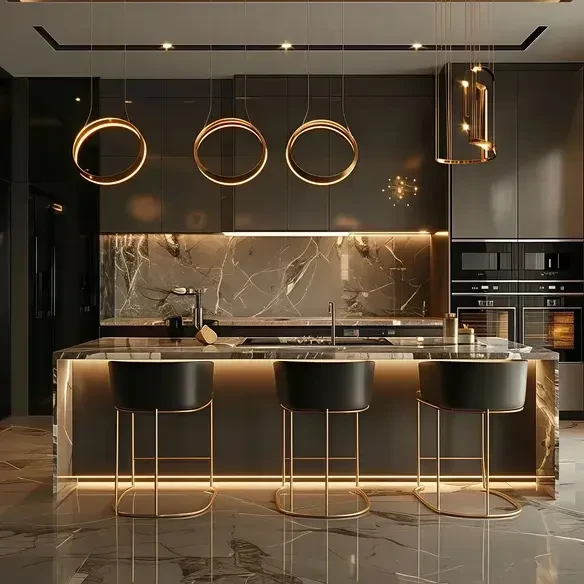
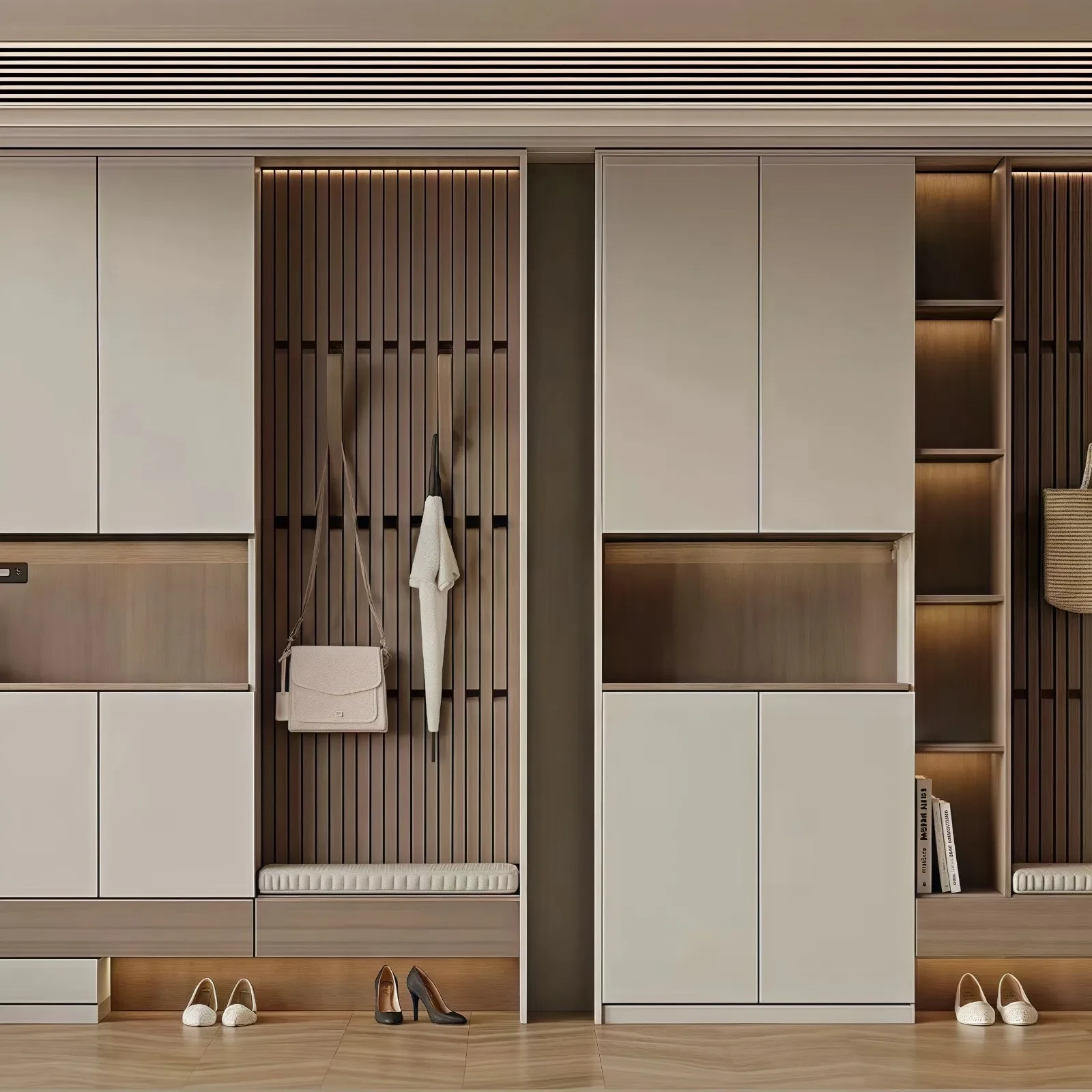
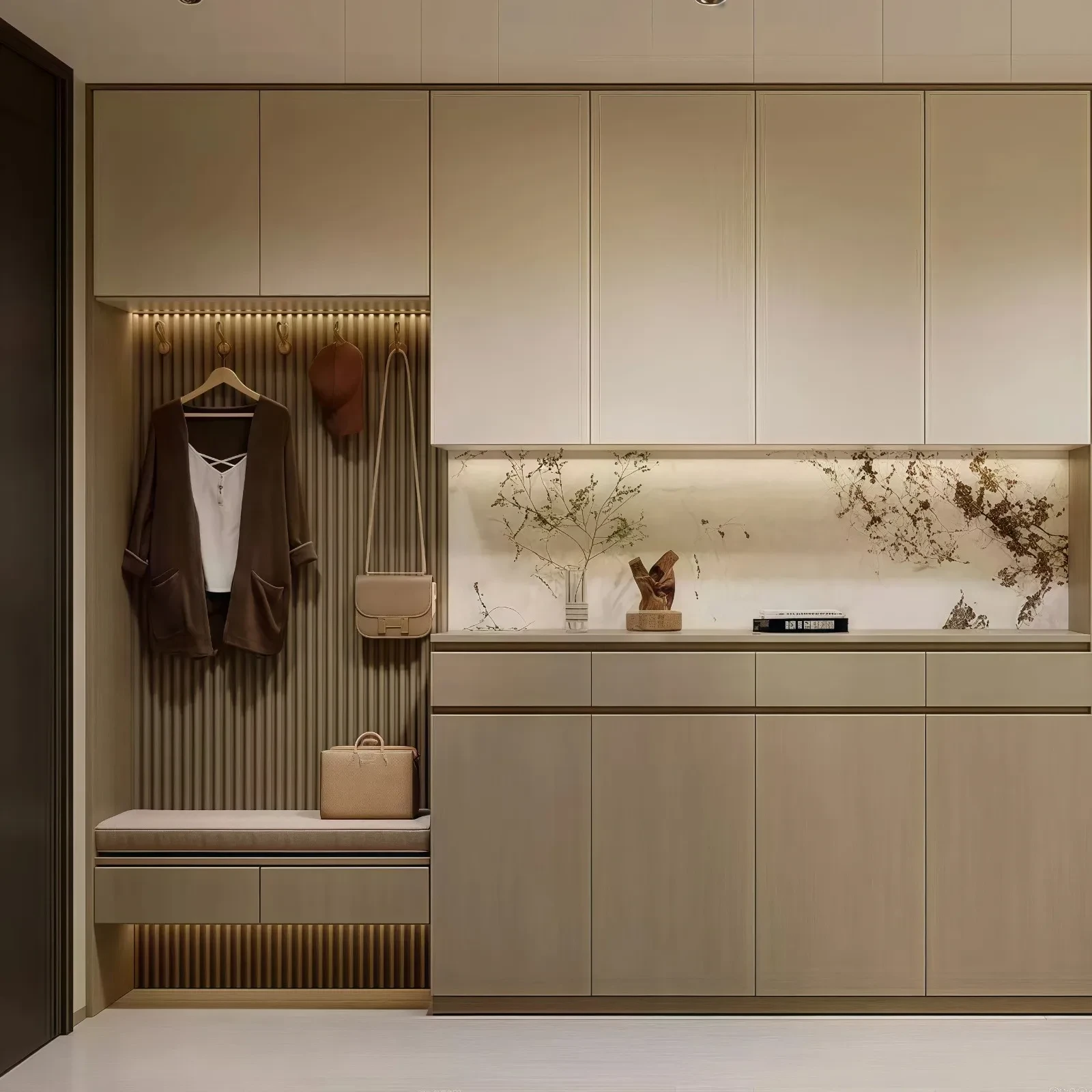
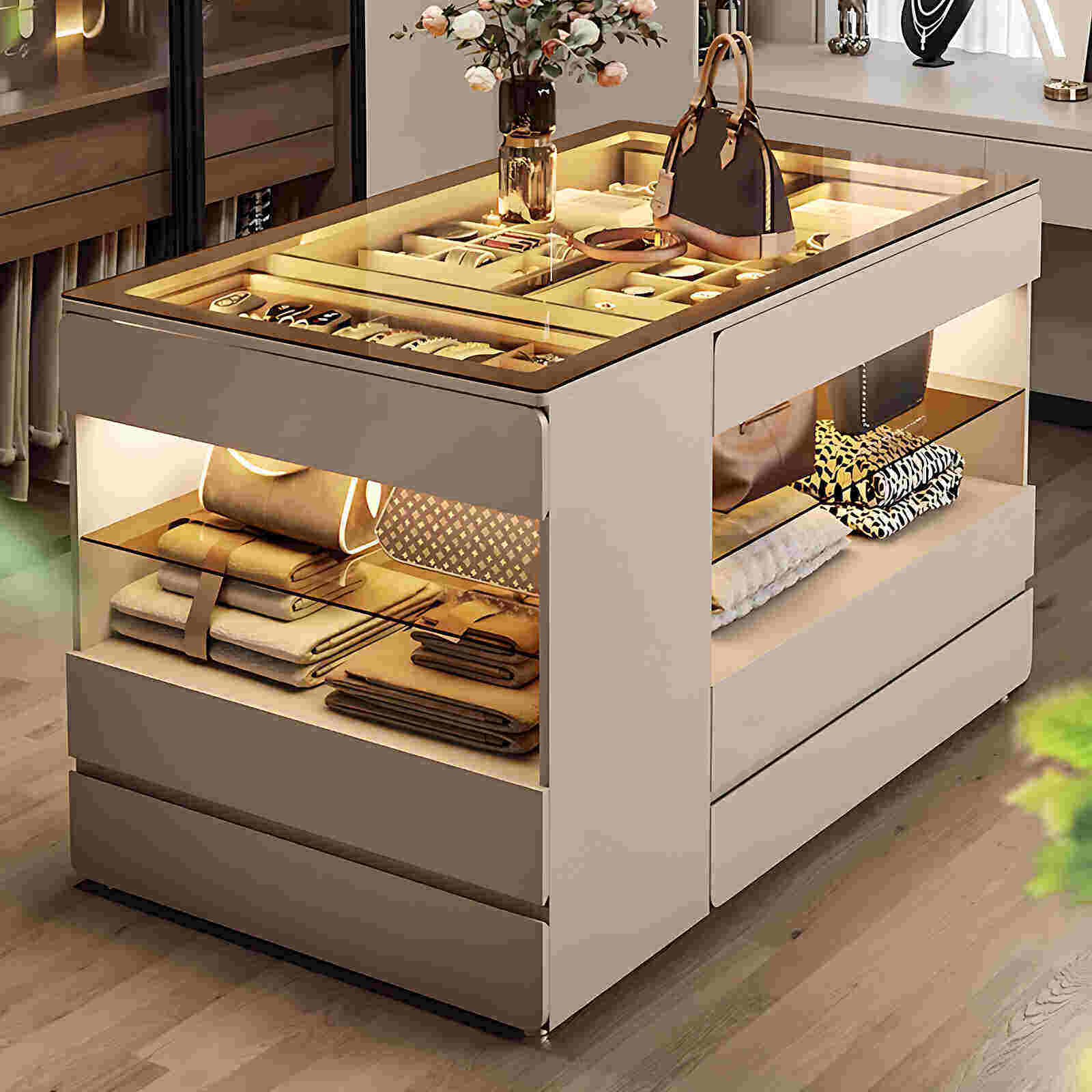
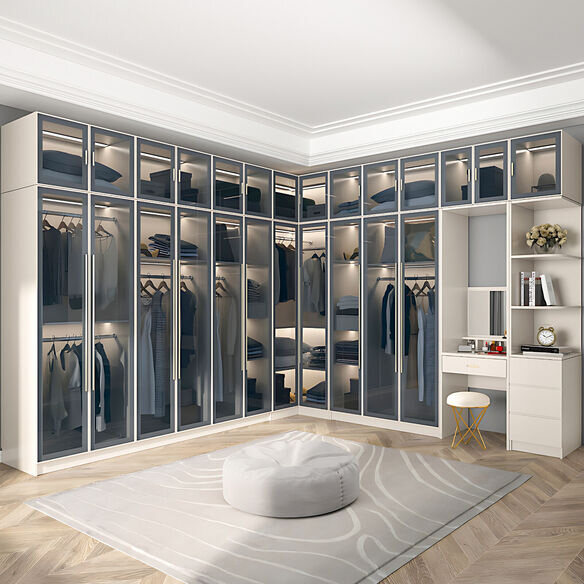
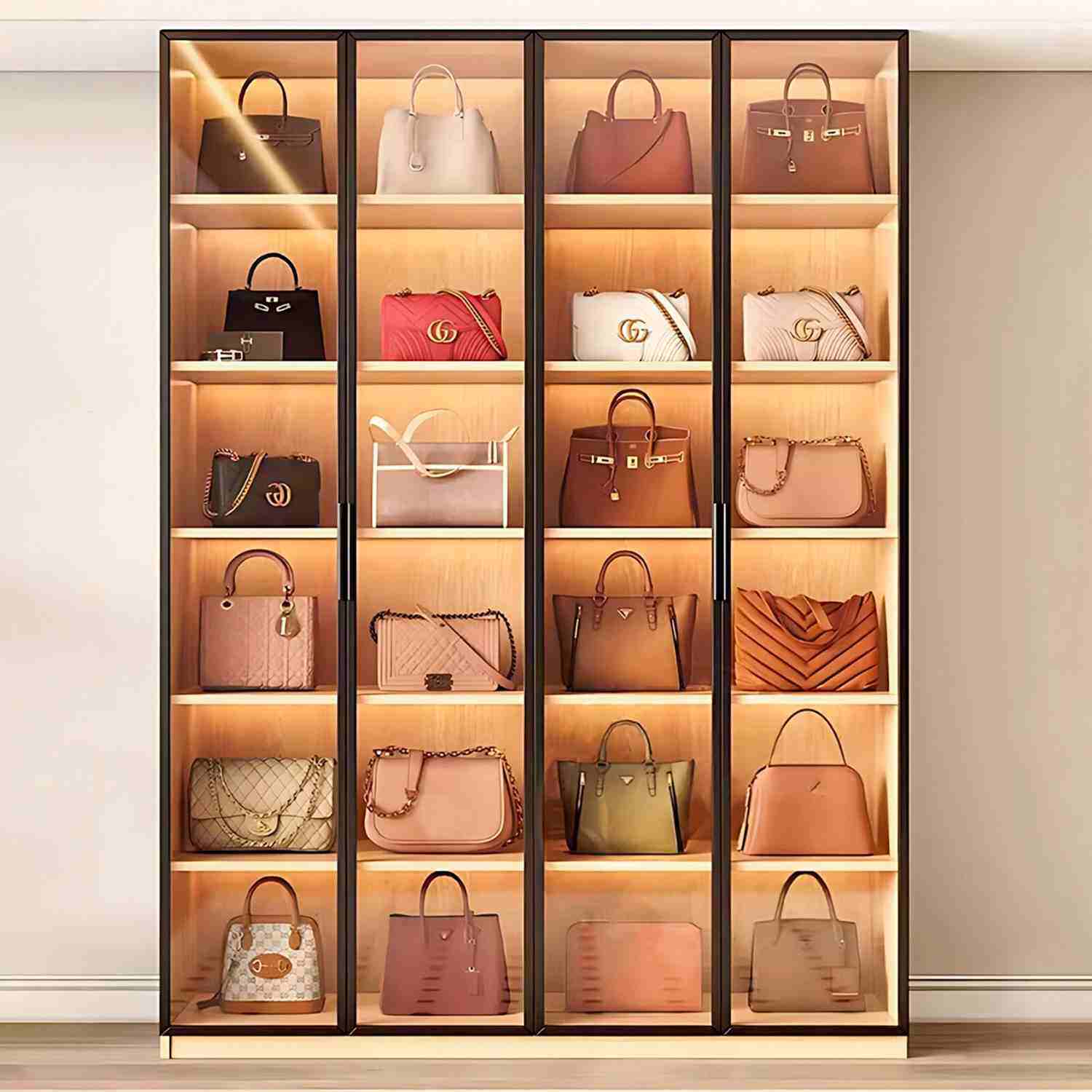
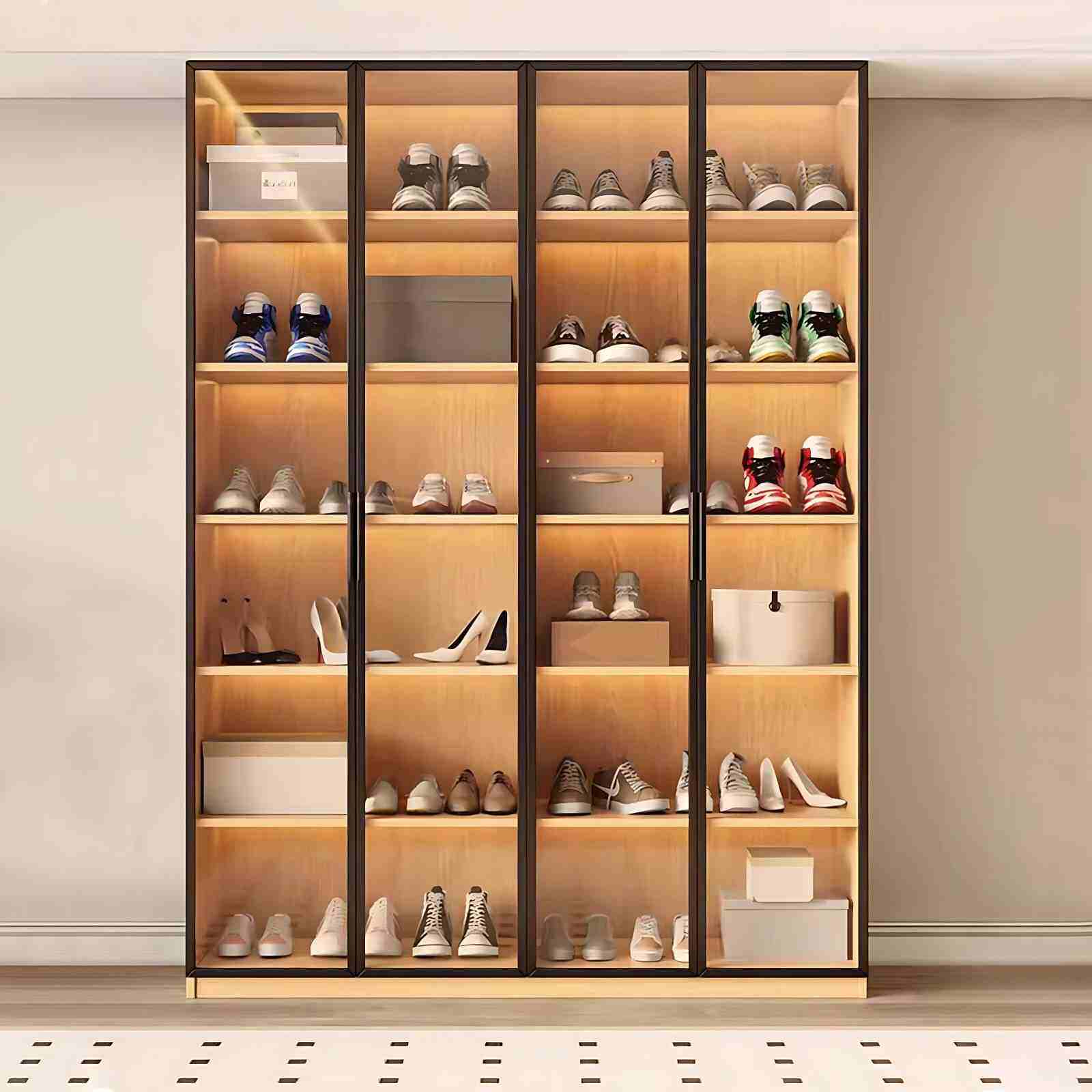
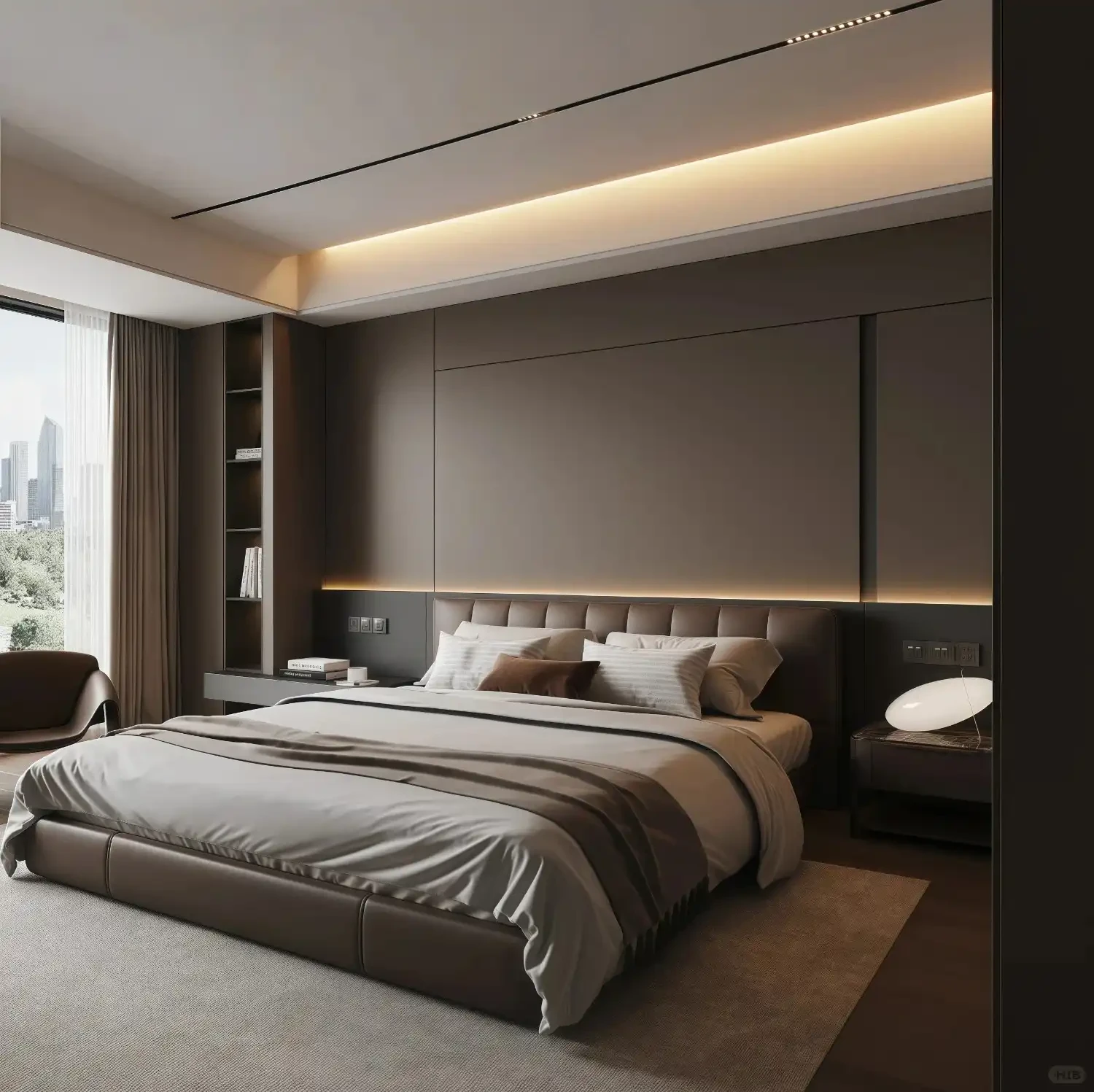
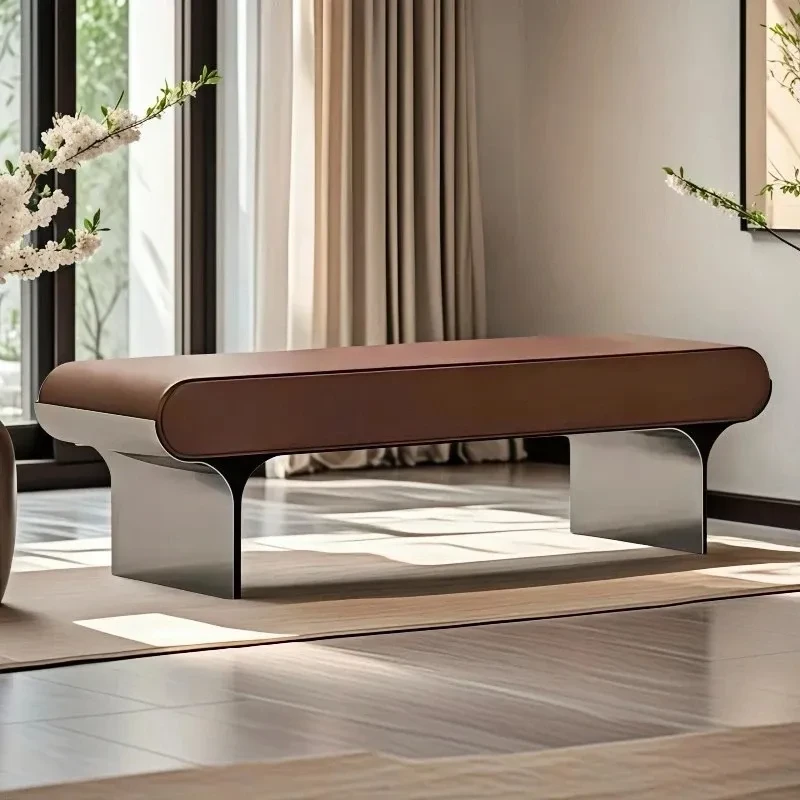
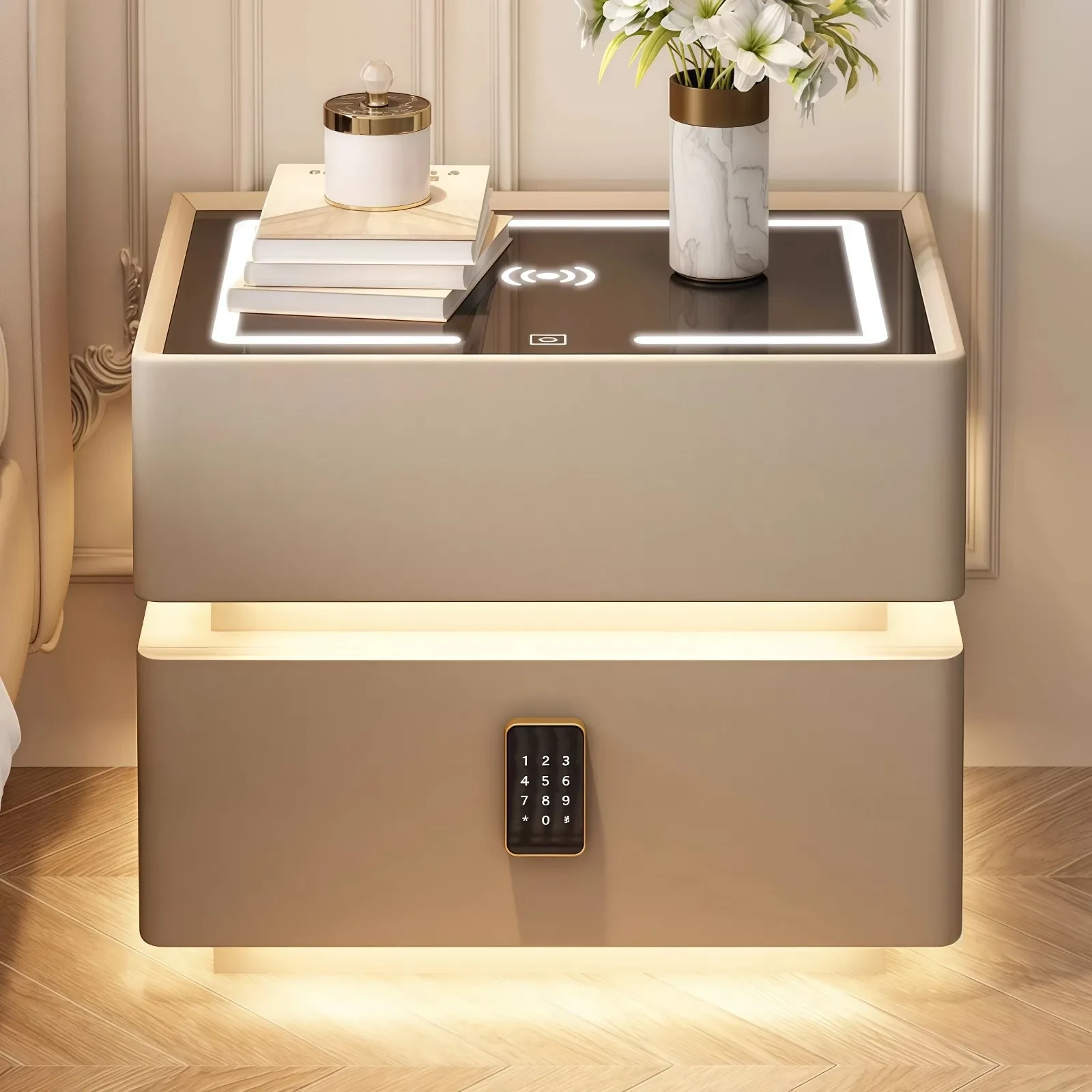
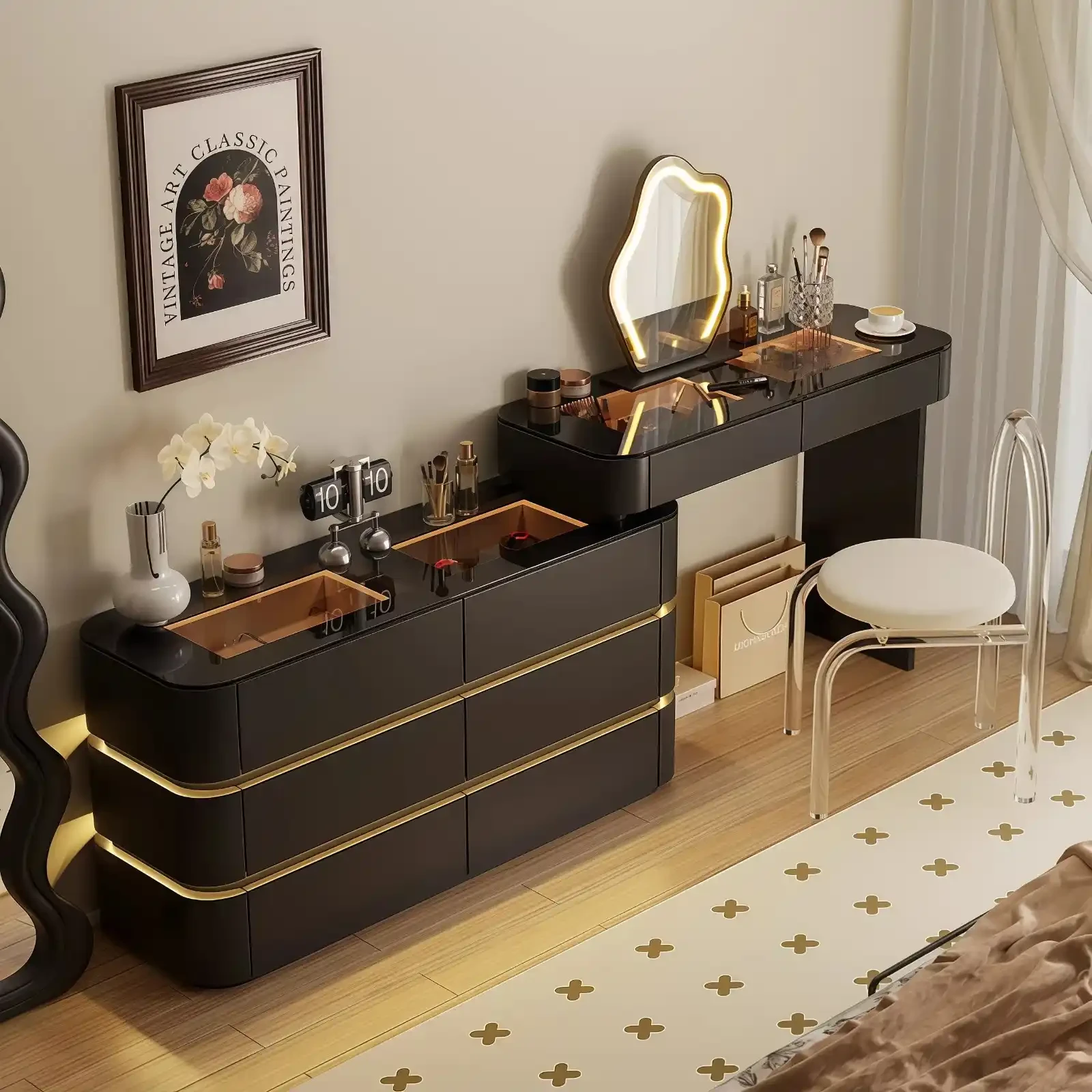
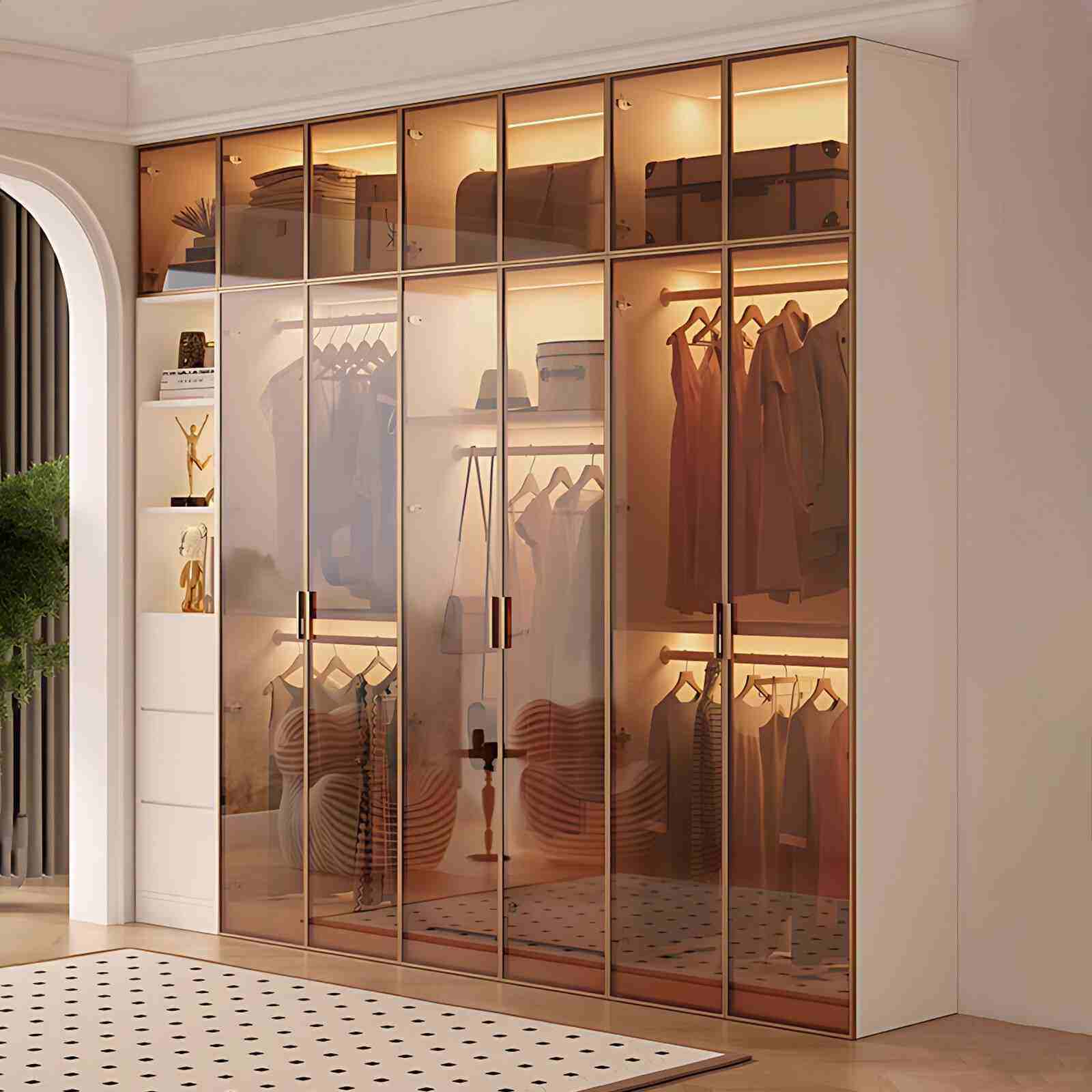
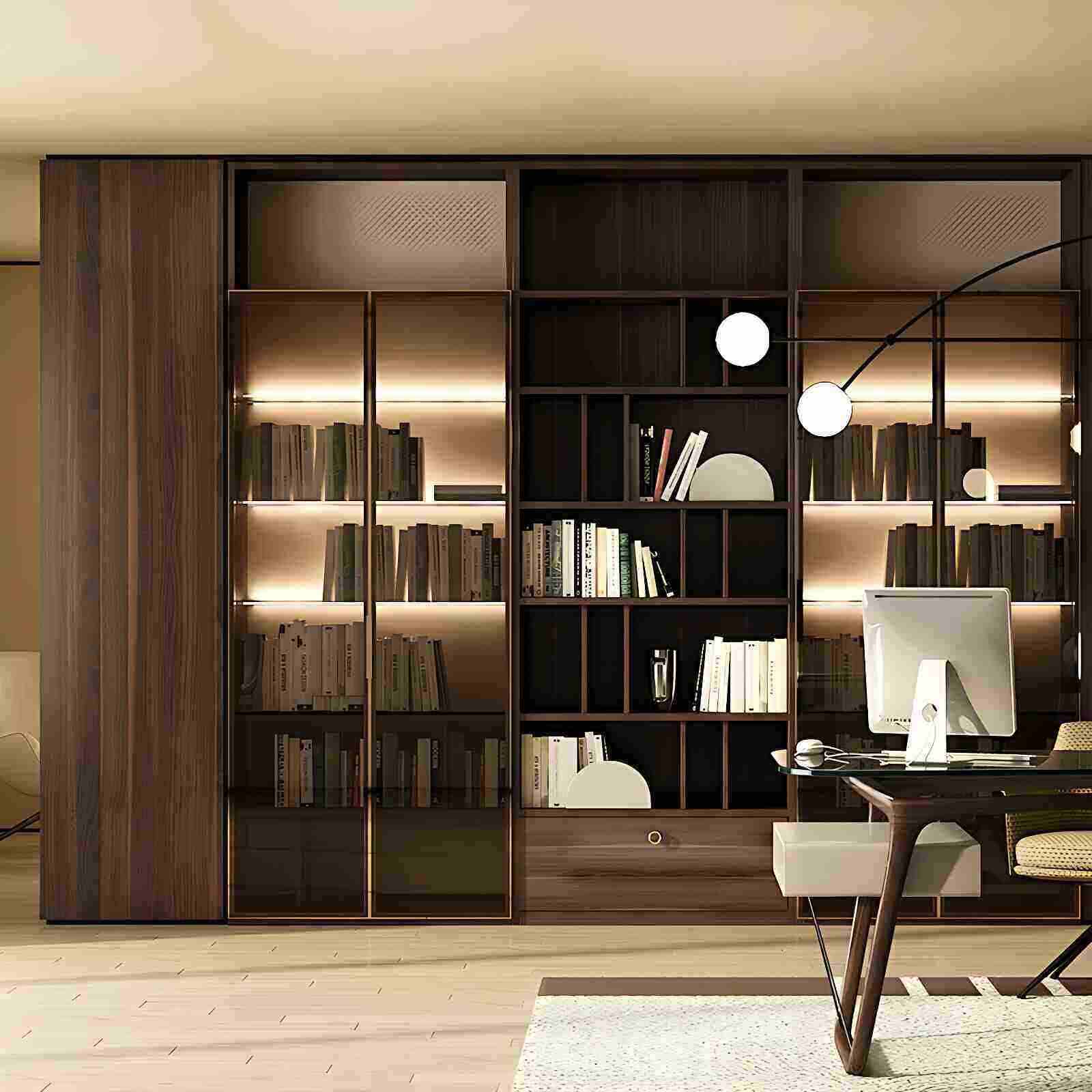
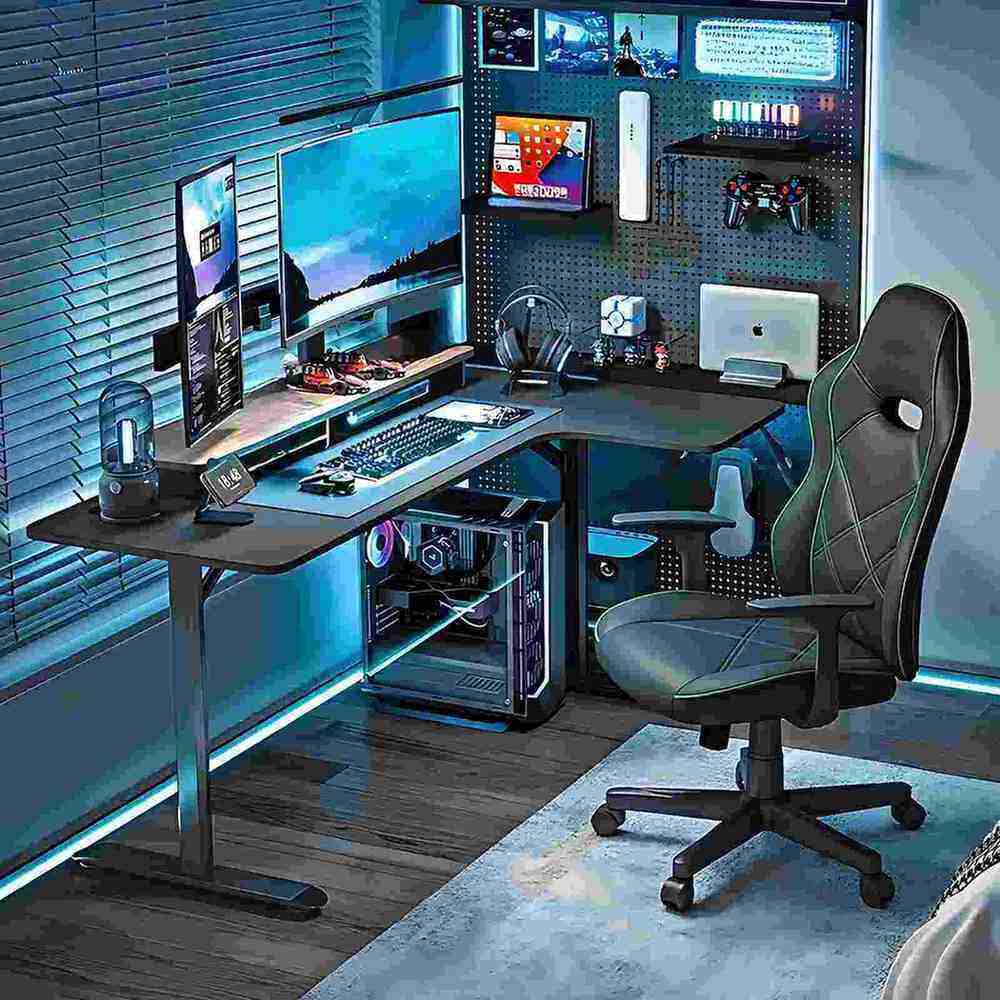
Wood-based panels are currently the most widely used building materials on the market. However, adhesives are used in the manufacturing process, which releases some free formaldehyde, and melamine-faced boards are no exception. Because of this, the production process for melamine-faced boards is extremely demanding. Although many melamine-faced boards in the wholesale market are labeled as E1 or even E0 grade, it's still possible to be misled. So, as a consumer, today we'll teach you how to choose melamine-faced boards.
1. Select high-quality, paint-free boards:
1. Flatness inspection method: In a slightly dim light, examine the board surface at a 45-degree angle for any unevenness. Check if the three seams and sanding marks on the surface are obvious. For example, feel the surface of a cedar board to see if it is uneven; if so, it indicates poor factory control.
2. Whether the paper fades or not: relatively speaking, ink-printed paper is less prone to fading and has a stronger three-dimensional effect, while pigment-printed paper is less so.
3. Check the surface for carbonization. If the surface of the board has a hazy or shiny dotted or blocky appearance, it will turn black over time or the paint will peel off. These are all signs of dry and wet carbonization. These characteristics reflect the factory's level of process control and are important indicators of the board's quality.
II. Selecting environmentally friendly, paint-free boards:
The environmental protection level of melamine boards can generally reach E1 level. It is more difficult to achieve E0 level melamine boards. However, E1 melamine boards are more meaningful than E0 plywood because the traditional process still requires glue to stick the decorative board and paint.
Environmental testing method: After the cabinet is closed for a period of time, open it again to check for any odors or irritation to the nose and eyes.
III. Selecting well-structured, paint-free boards:
1. Testing method: Stack two boards, staggered, and expose them to the sun for several hours. Observe whether there is a color difference on the bottom board. Cracking and bubbling of the boards are definitely quality problems caused by the bonding strength and the substrate. There is no other explanation; it can be seen with the naked eye.
Check if the paper is completely fixed. You'll see the surface is not resistant to stains, feels somewhat cottony to the touch, and the board surface looks like it's covered with a layer of fog. Ideally, it should feel like metal.
2. Testing method: Apply shoe polish, lipstick or oil pen to the surface of the board and wait a few minutes to see if it can be completely wiped off.
Check if the decorative paper is firmly attached to the wood. (This is related to the woodworking process; sawing may cause chipping, increasing processing difficulty and affecting the appearance.) Testing method: Apply strong glue to a small piece per square decimeter and pull firmly to see if the paper comes off. Alternatively, try to peel off the top layer of paper by hand on the cross-section.