
 USD
USD GBP
GBP
 EUR
EUR


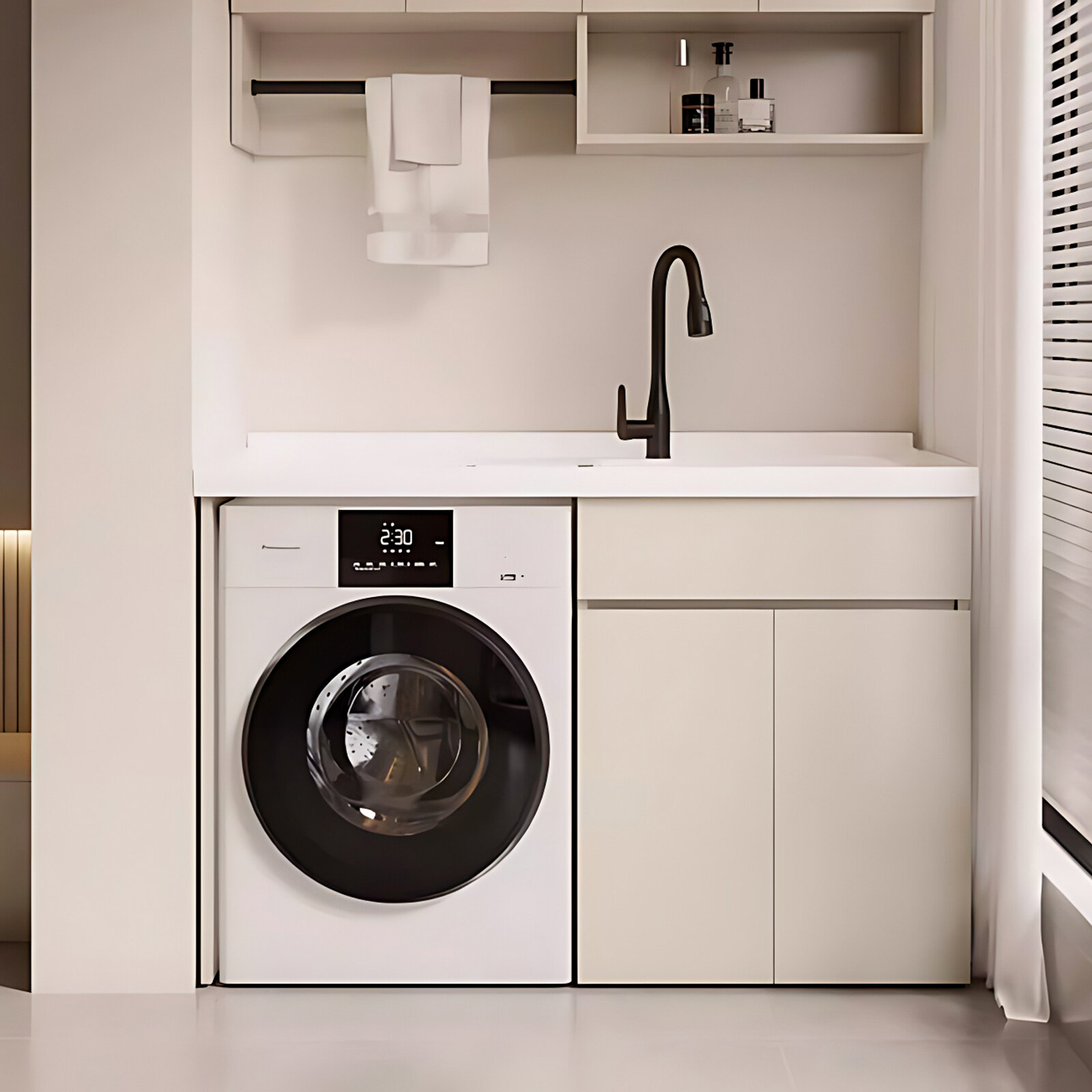
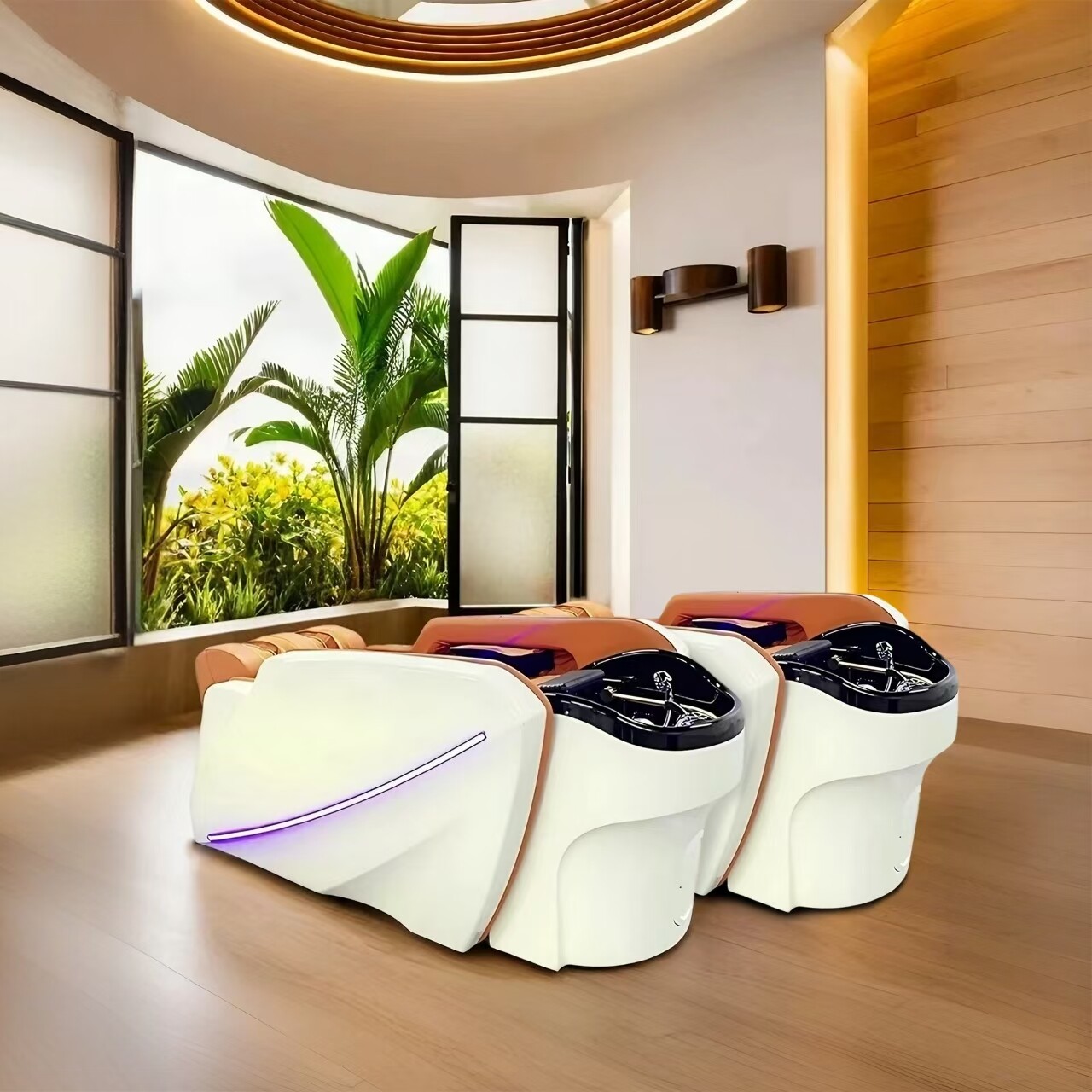
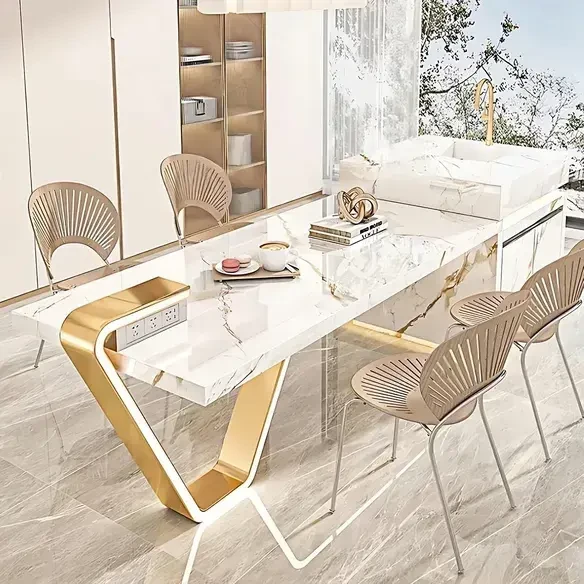
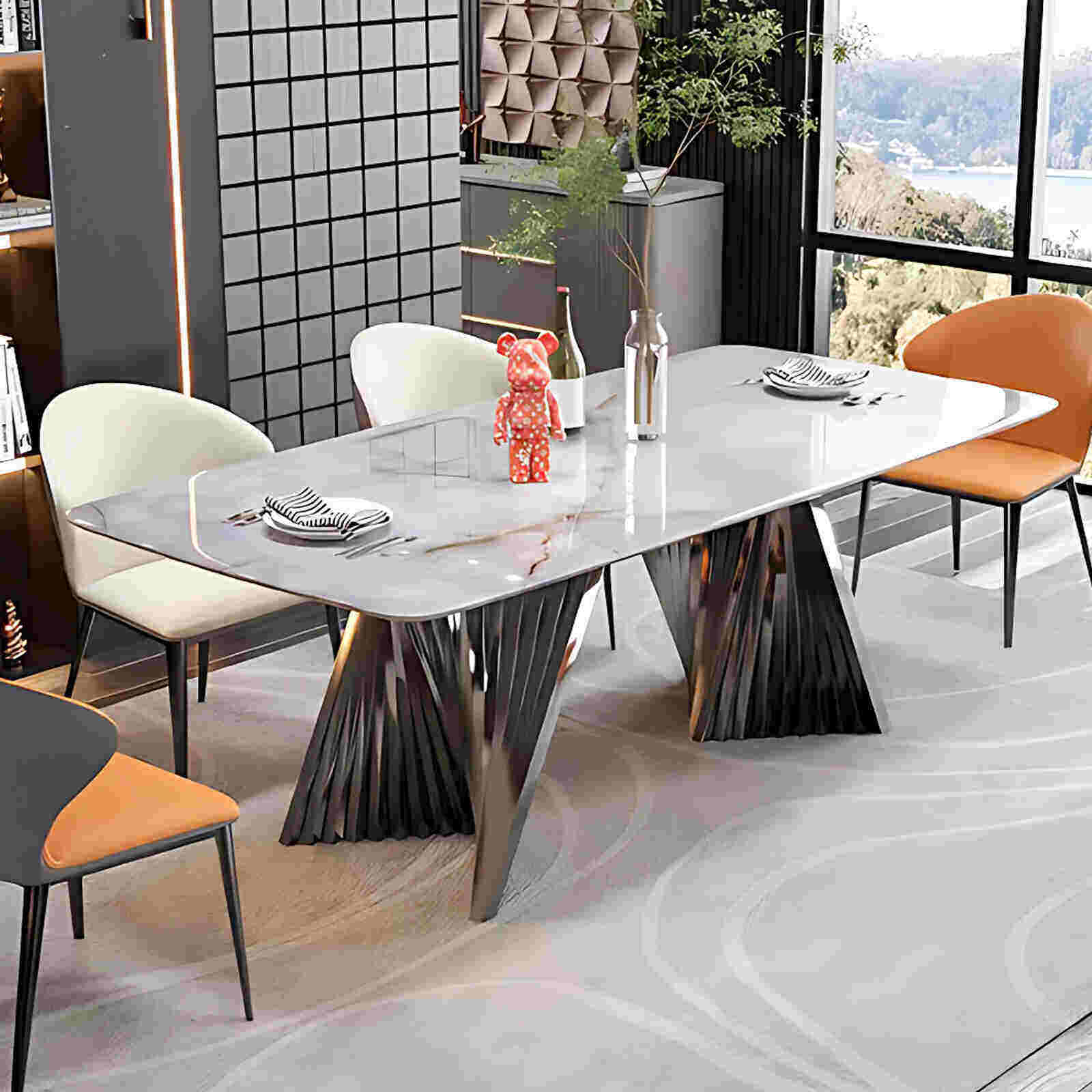
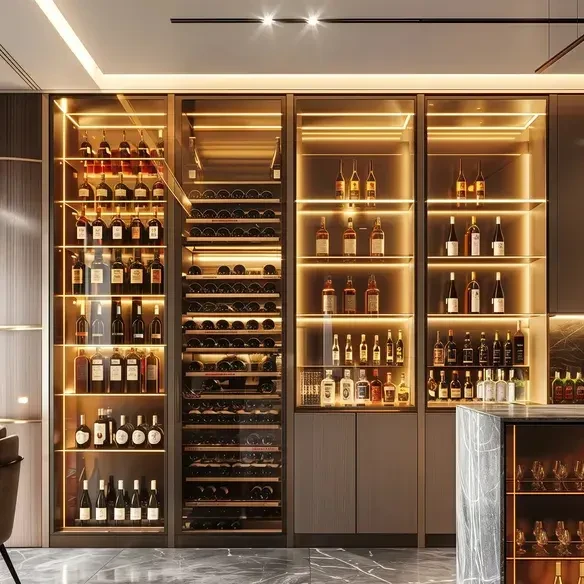
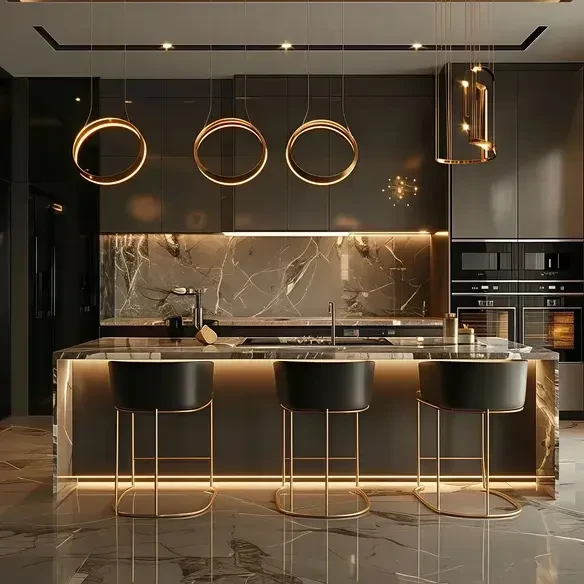

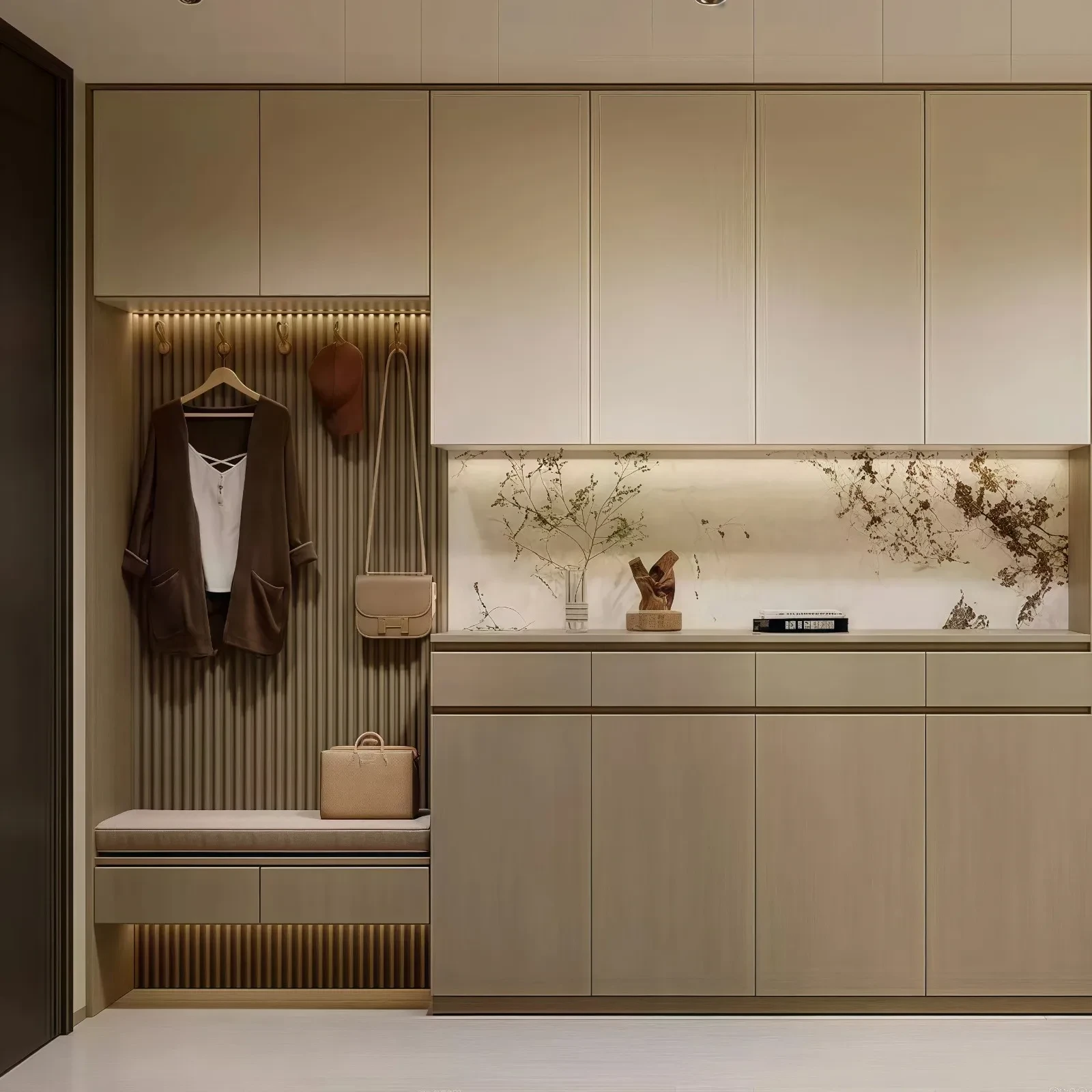
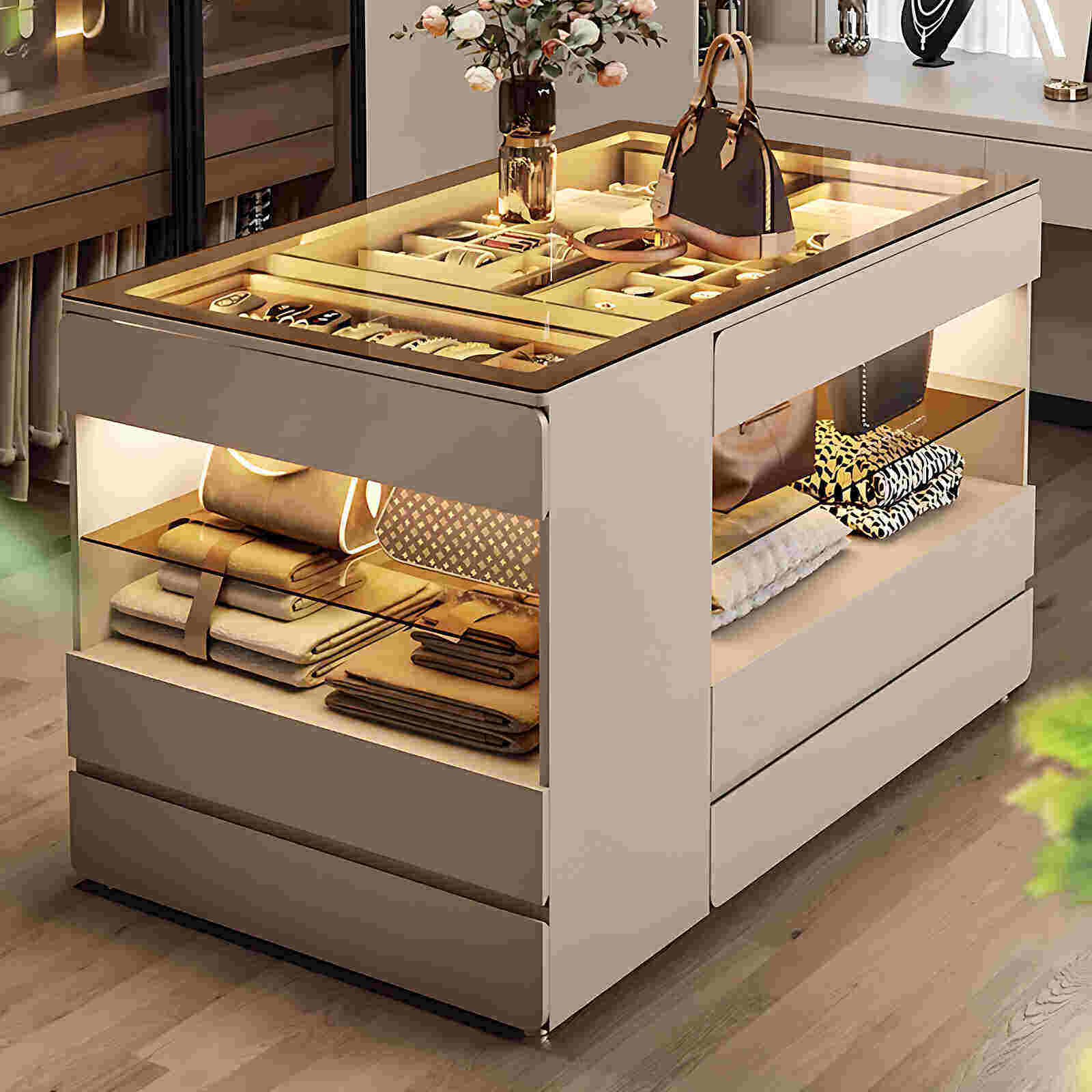


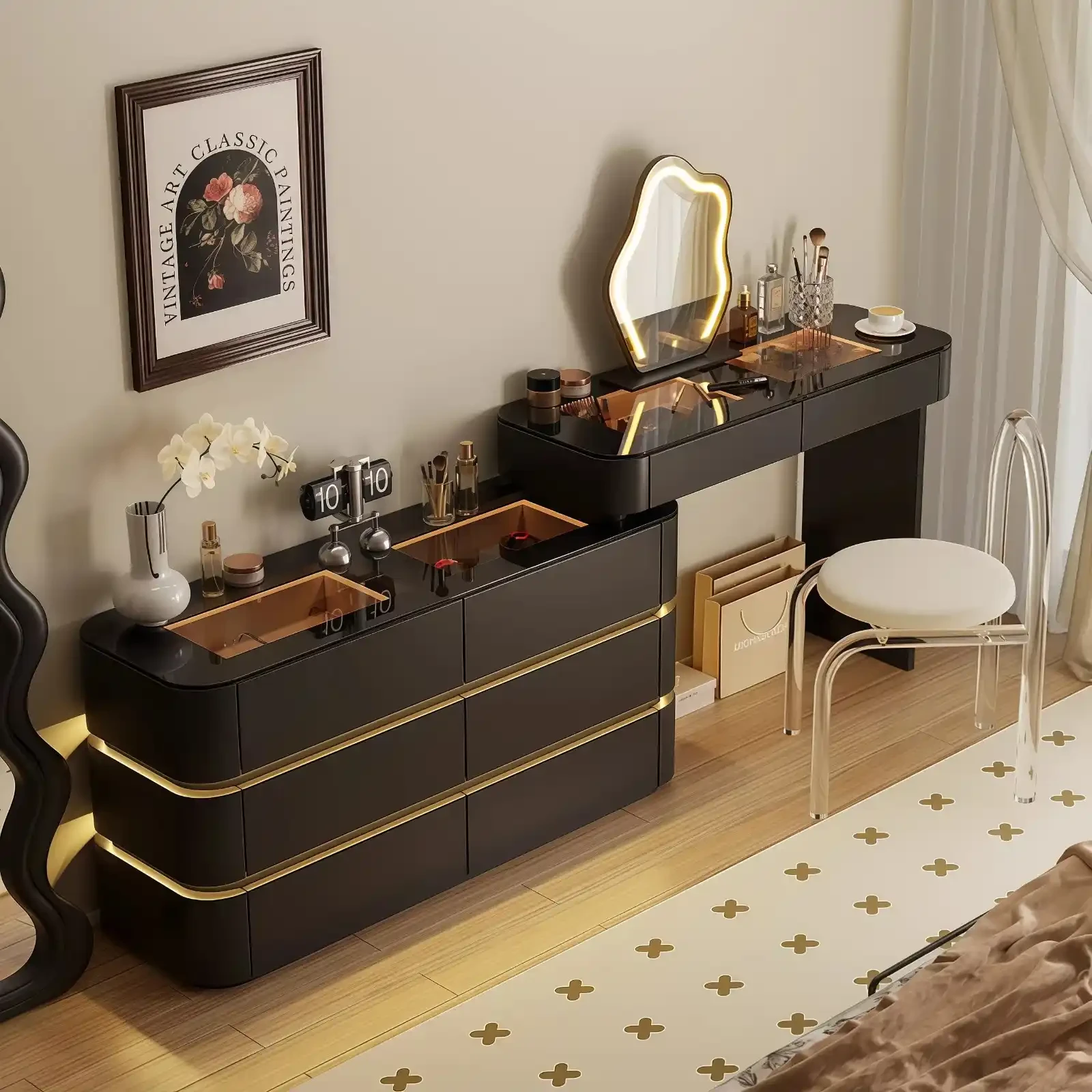
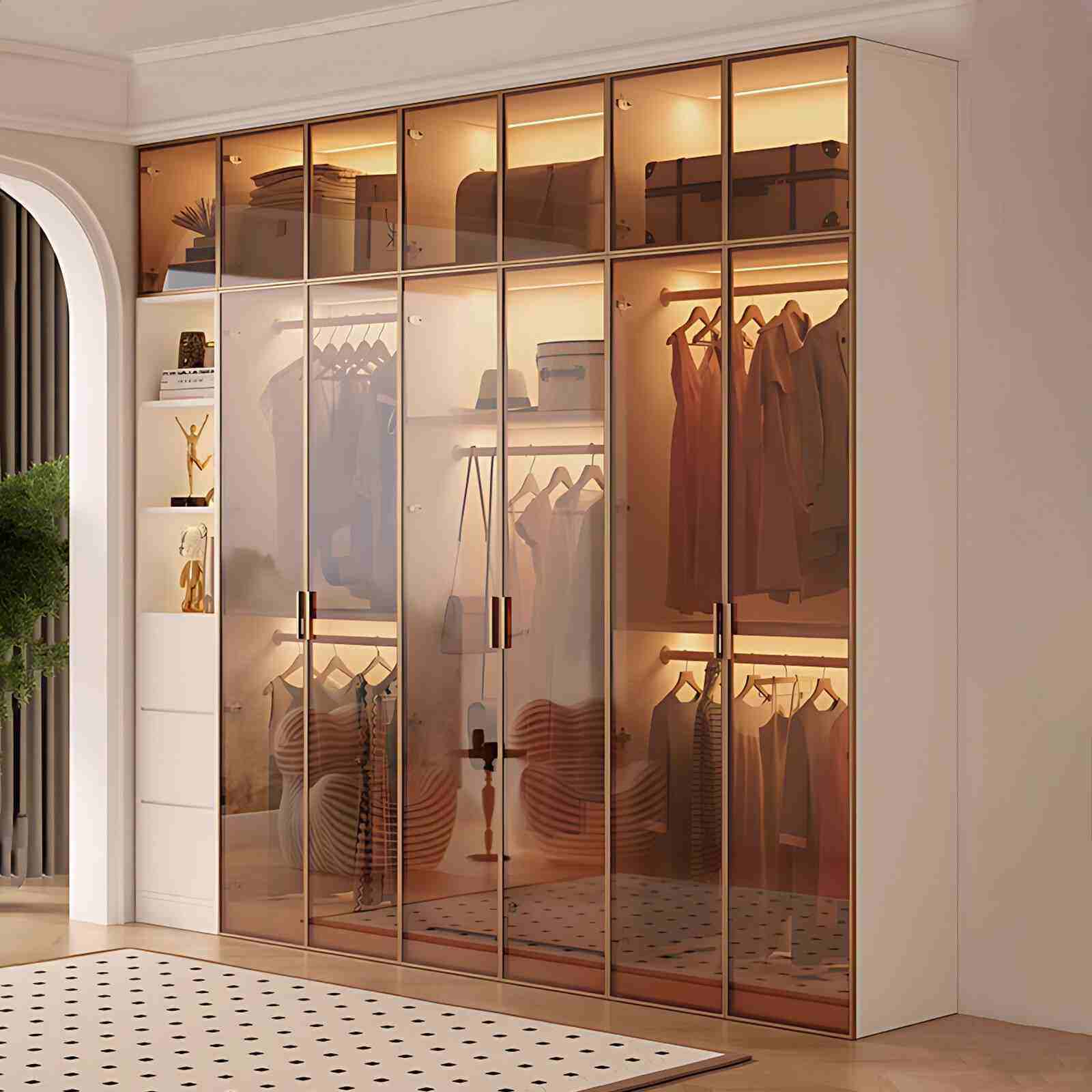
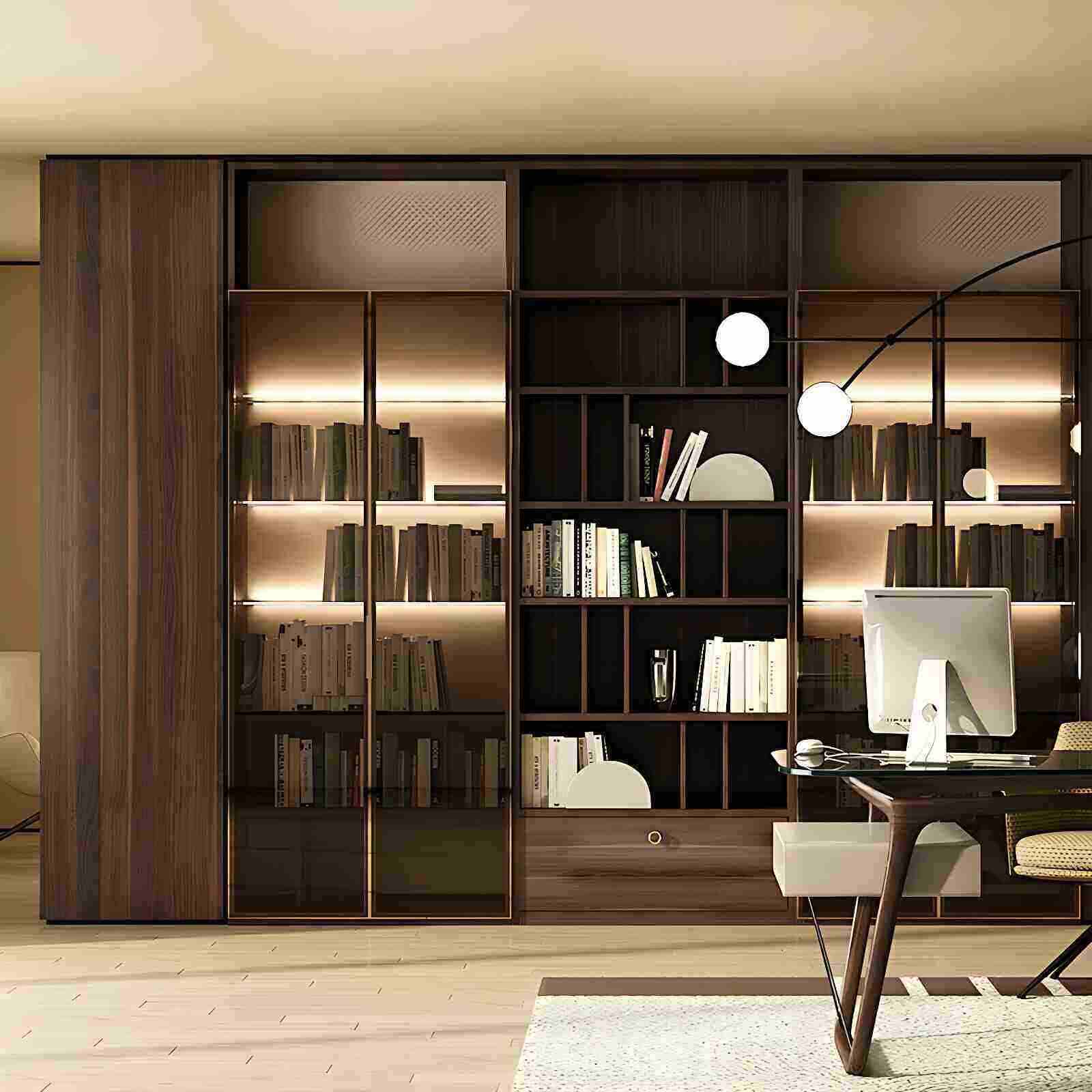

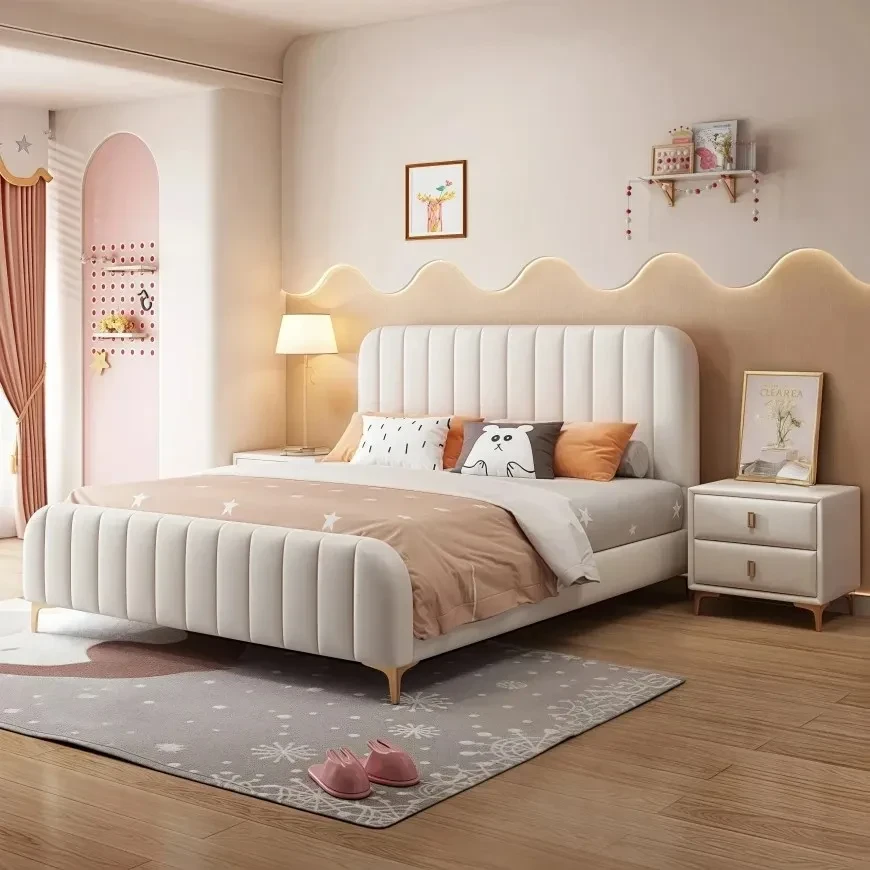
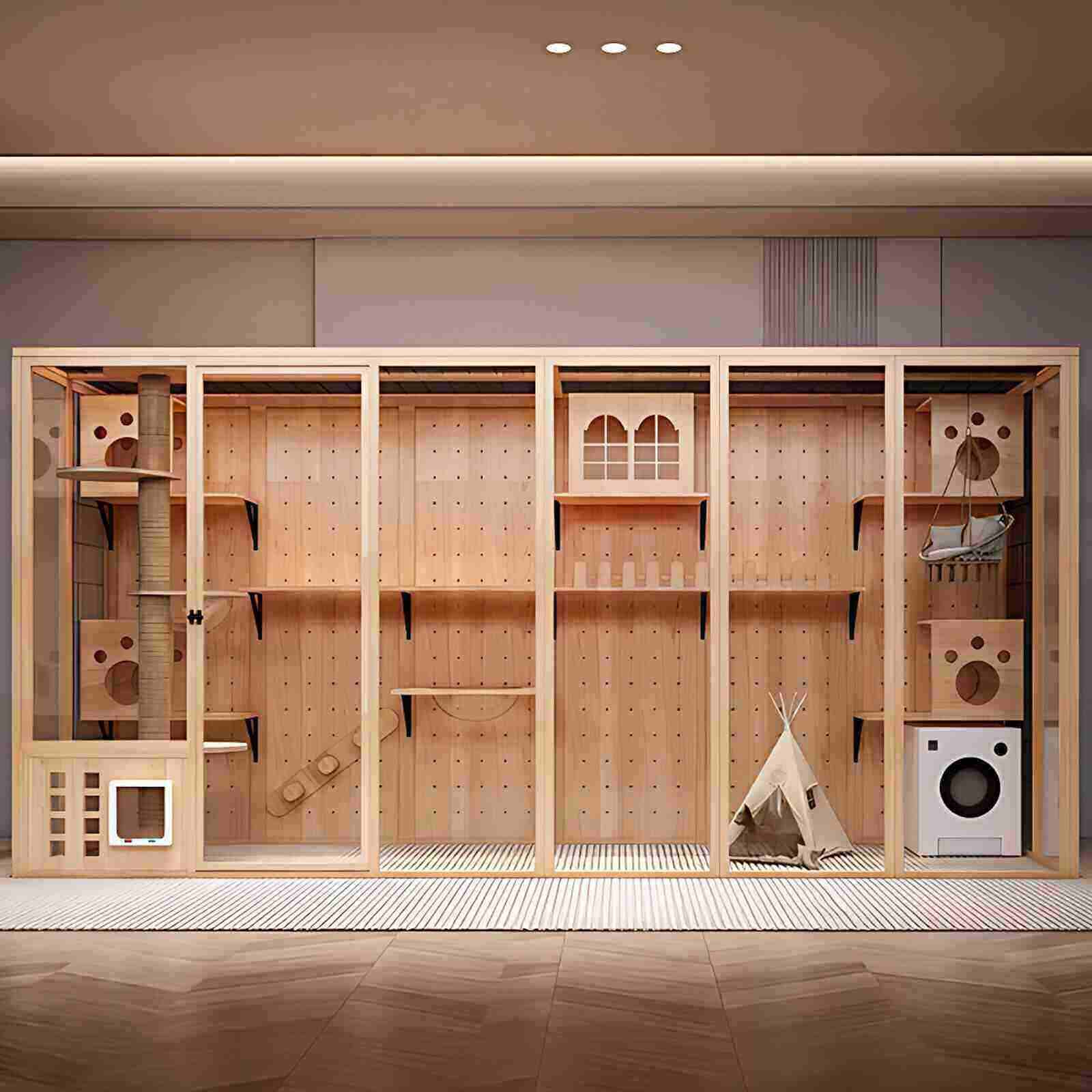
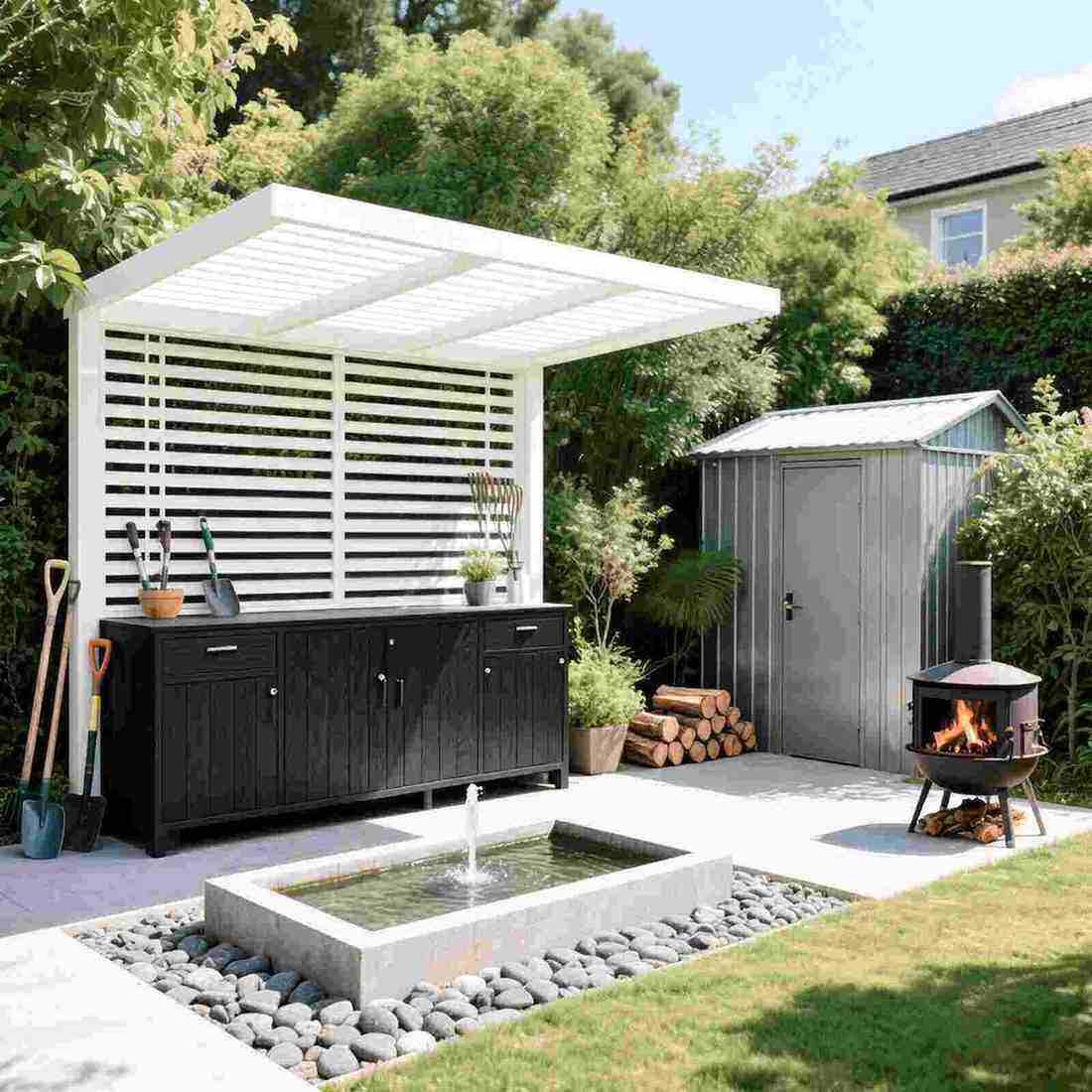
No matter who is renovating their house, the first thing that cannot be avoided is the purchase of building materials. This is the most expensive and budget-intensive material in home decoration. However, with the increase in market demand, the types and choices of building materials are also constantly increasing. Faced with so many building material products on the market, what kind of building material products meet our requirements? First of all, we would like to recommend the most practical and cost-effective type of building material. This type of building material is the environmentally friendly building material that is often mentioned. It not only has no harm to society, but also poses no risk to the personal safety of consumers after being used in decoration. Below, let's take a look at the environmentally friendly building materials recommended by China Building Materials Network.
Choose environmentally friendly boards.
When it comes to choosing wood panels, if we disregard cost, solid wood panels are undoubtedly the most environmentally friendly, as they release no harmful gases. However, solid wood panels also have many problems. Consumers who choose solid wood panels commonly find pine and fir in the market, but these woods are relatively soft and have poor nail-holding power. If you choose harder woods, they are very prone to cracking in humid environments, which is also not good. Therefore, it is now difficult to find solid wood panels on the market. Currently, the most common type of board on the market is engineered wood. Among these boards, if measured by the amount of adhesive used, plywood has a better environmental performance. This is because formaldehyde is contained in the adhesive. If less adhesive is used, then naturally, the formaldehyde content will be lower after decoration, and the amount released will be less, which will be less harmful to the human body. Therefore, plywood is the most widely used board in ordinary home decoration. It is relatively moderately priced and easy to process, which is why it is recognized by the consumer market. However, adhesives are used in the veneer and edge banding process, which is the main culprit for formaldehyde and a source of health hazards.
Uses of environmentally friendly boards
Before choosing environmentally friendly boards, it's essential to have effective communication with the renovation company or workers. This includes clarifying where environmentally friendly boards are required and where they are not, and which alternative boards can be used. This will prevent wasting time and money. For furniture making, it's crucial to choose environmentally friendly boards from reputable brands.