
 USD
USD GBP
GBP
 EUR
EUR
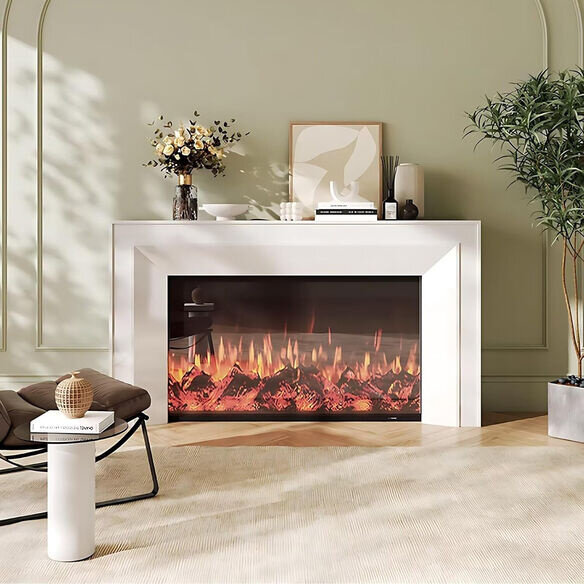
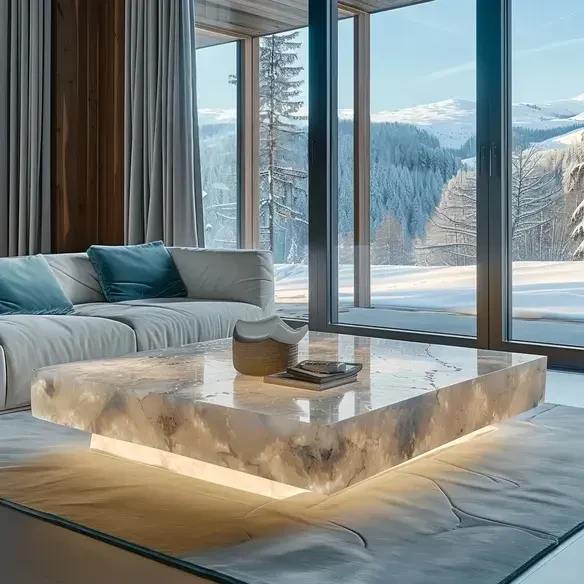

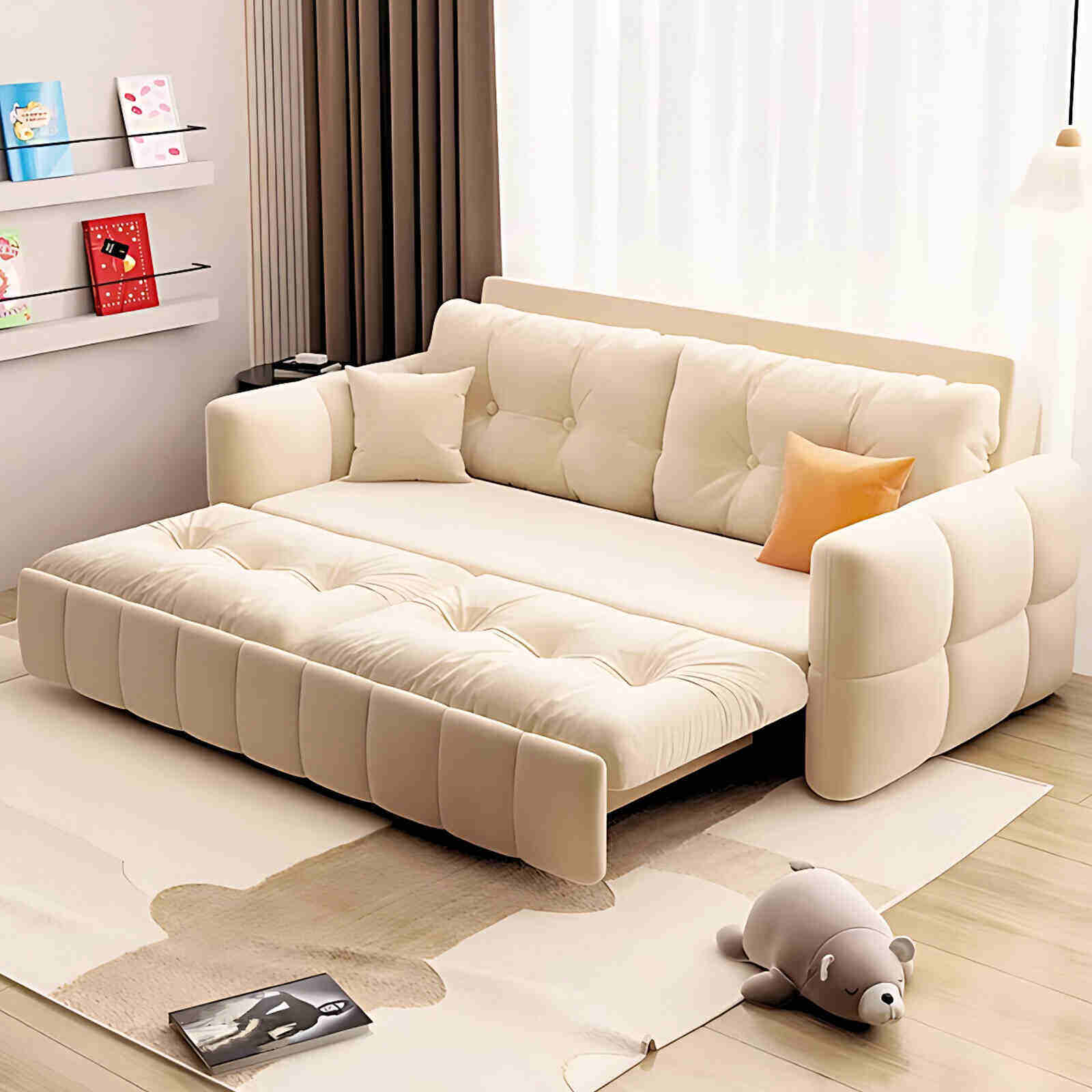
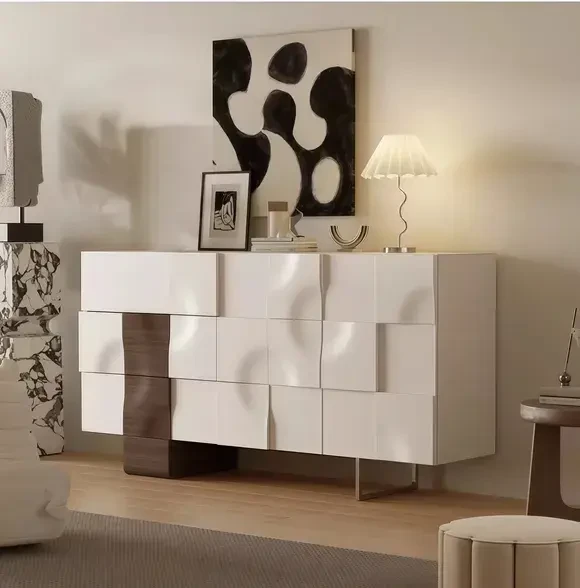



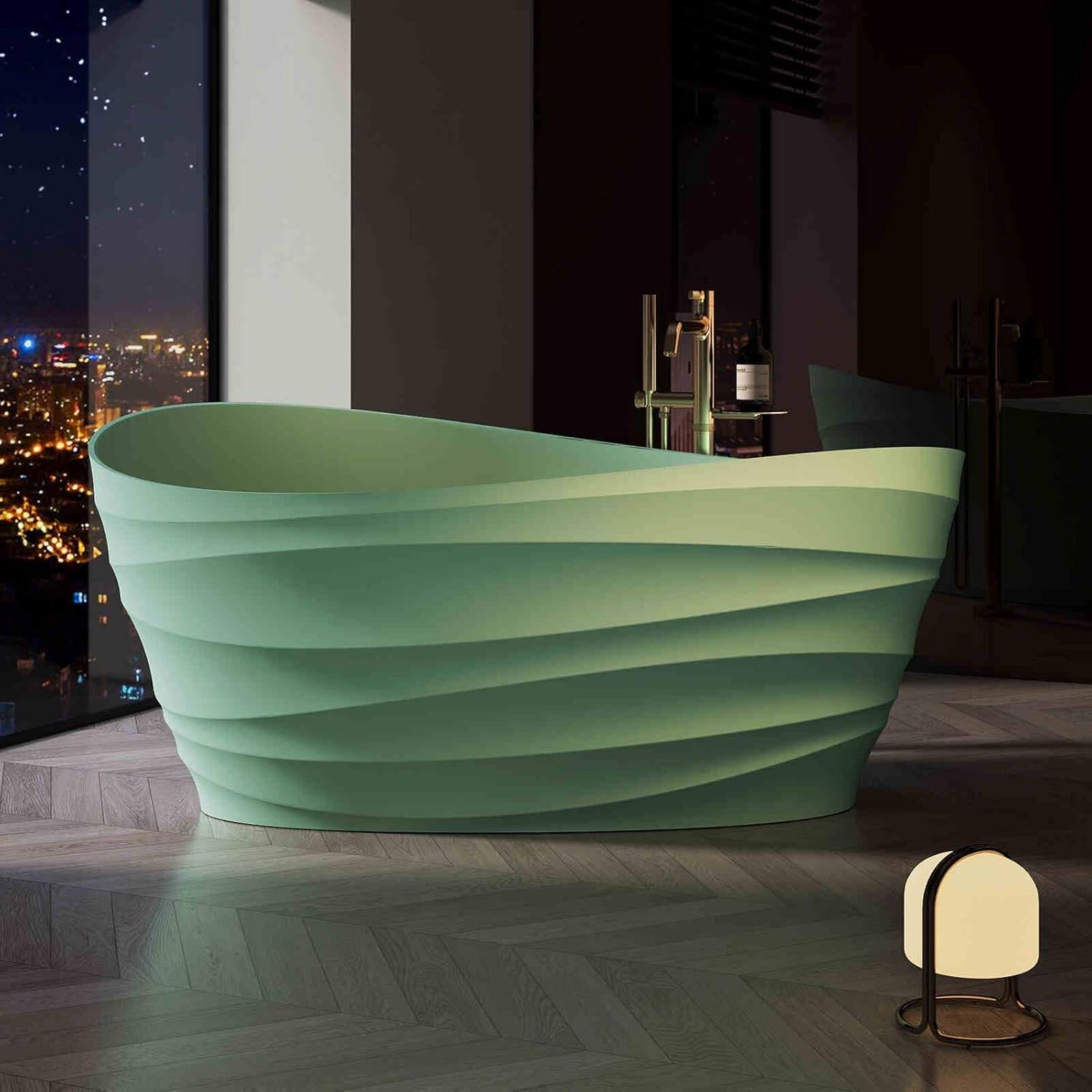

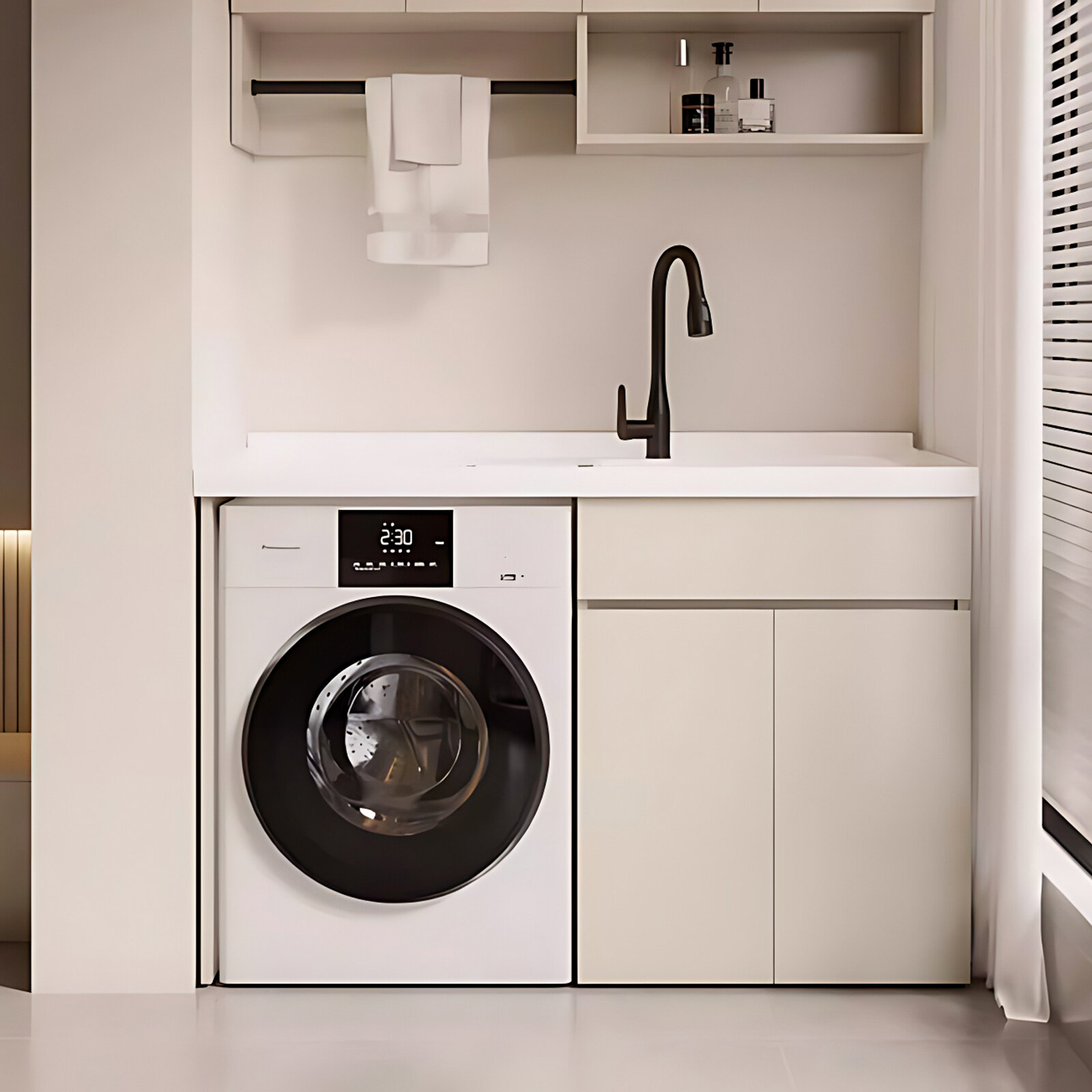
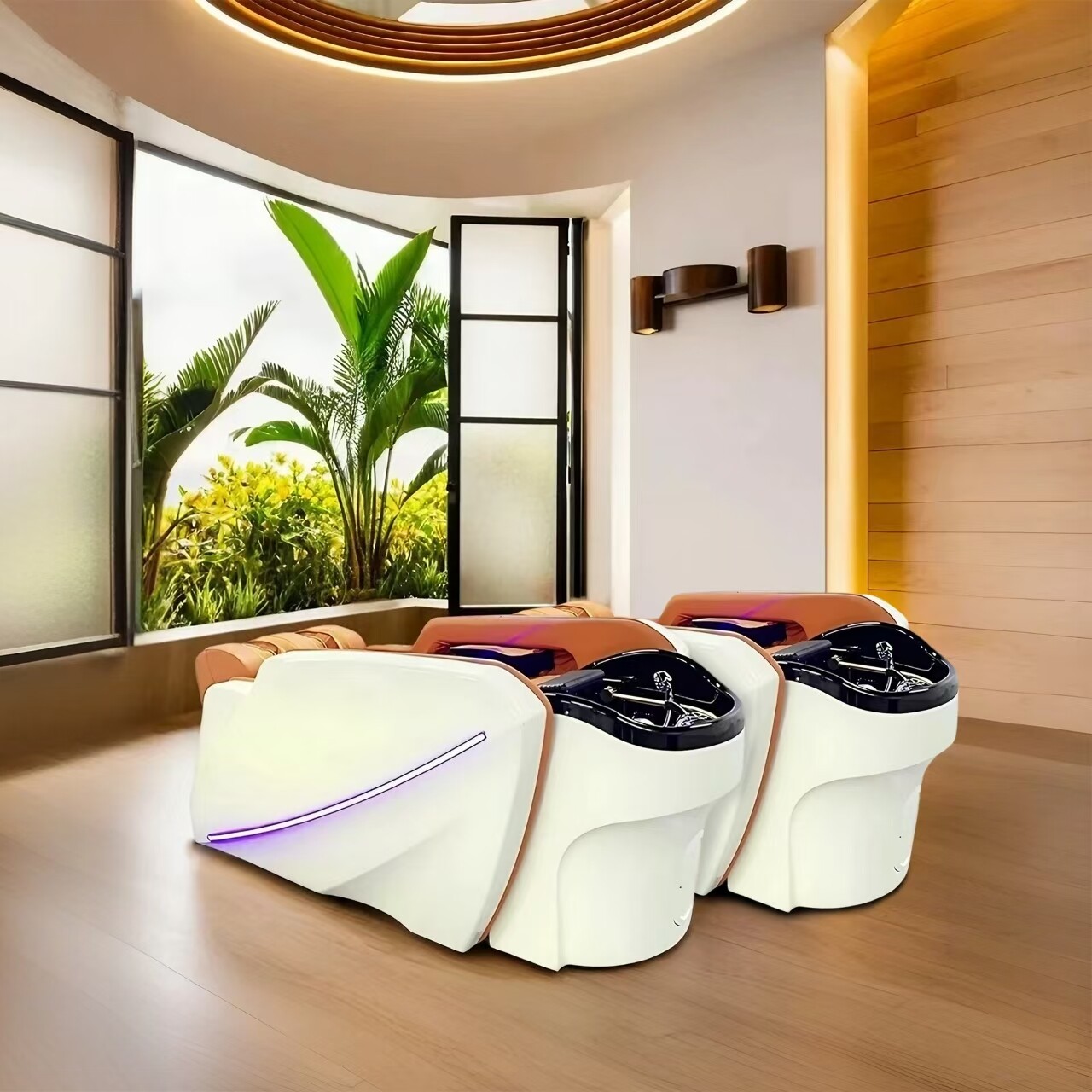

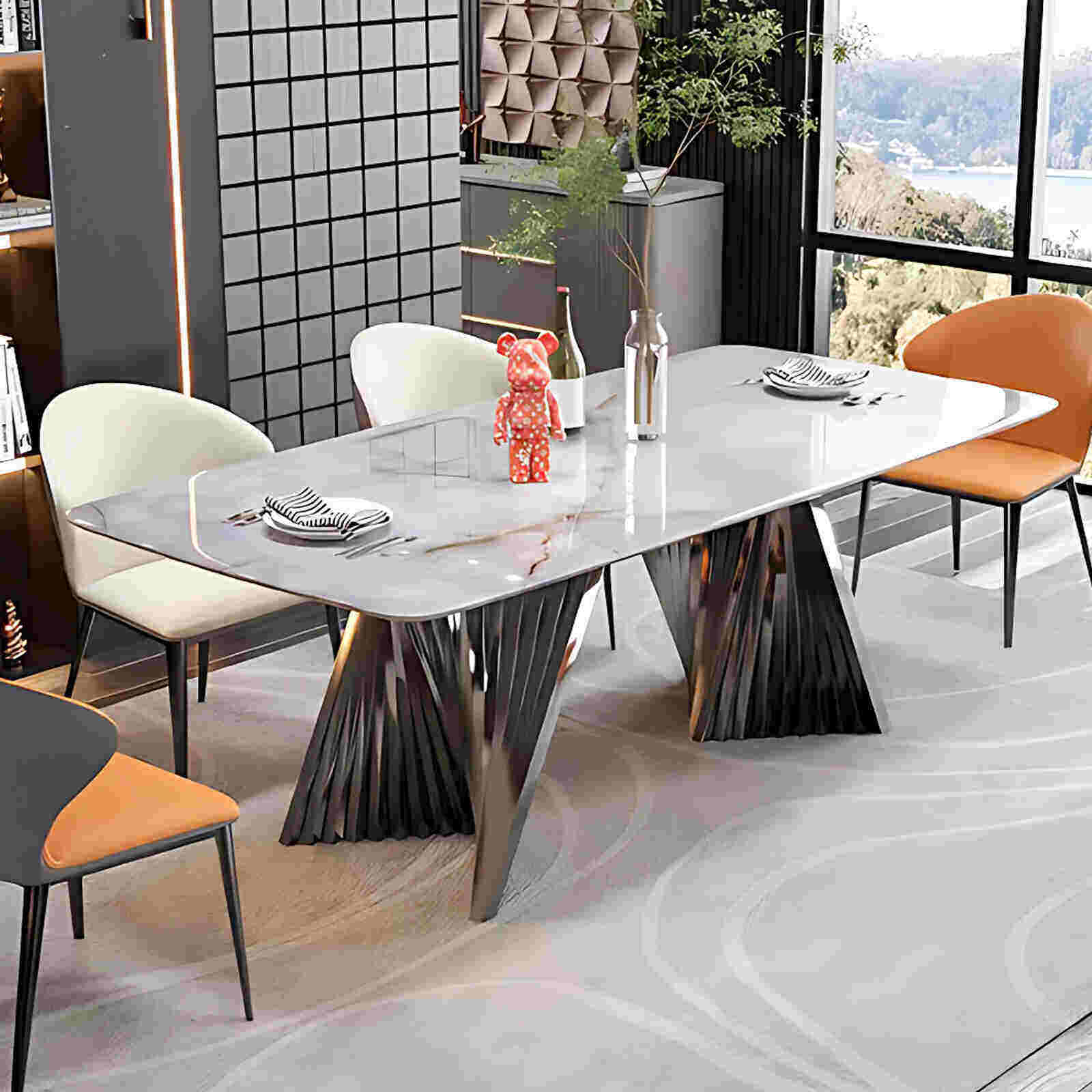
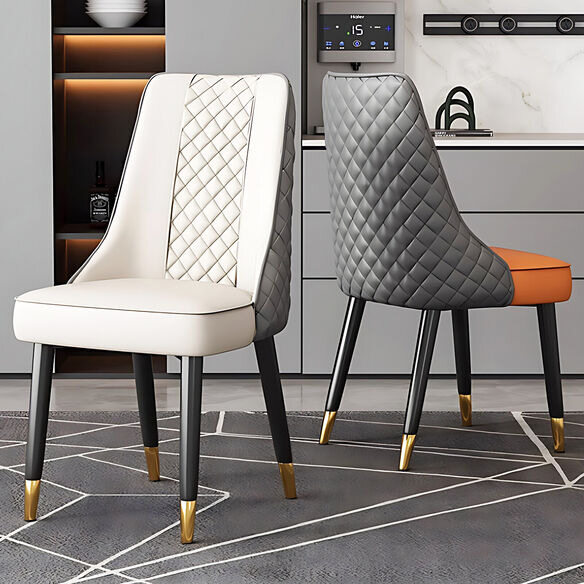
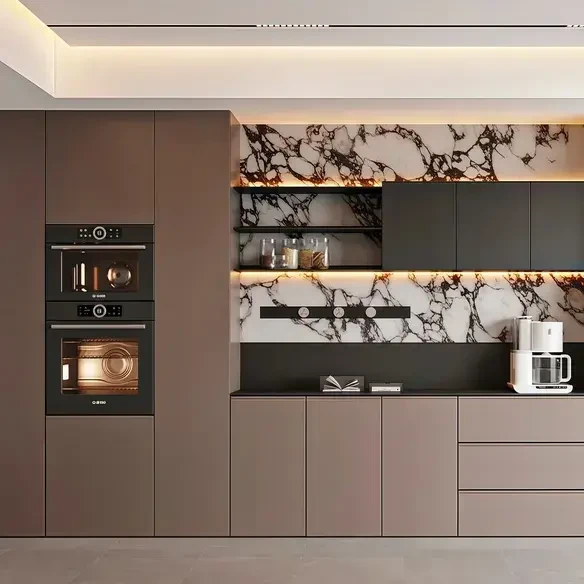
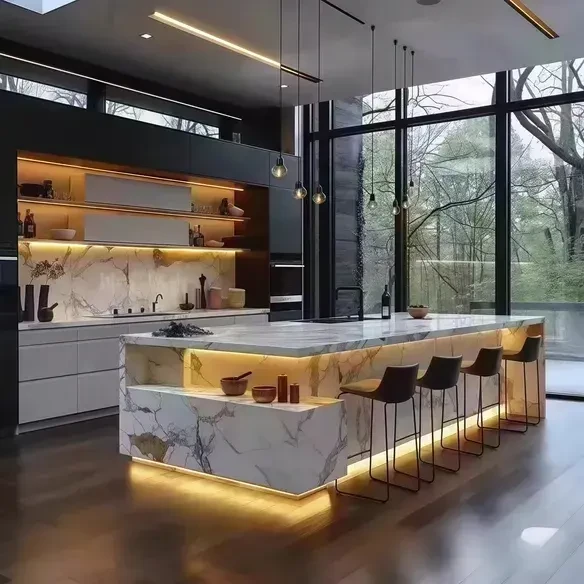










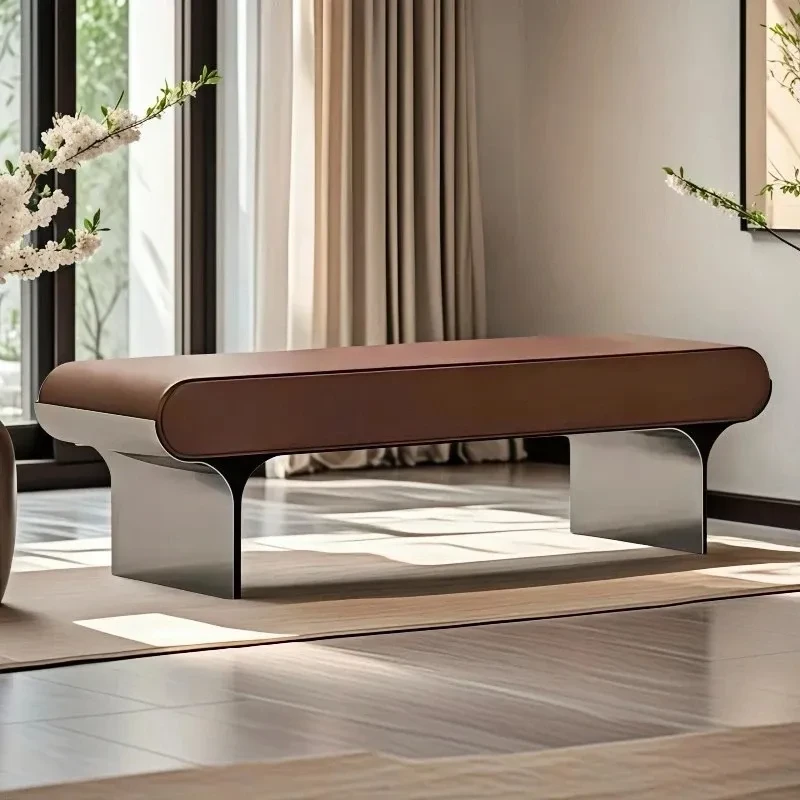





When choosing decorating materials, people not only focus on the quality of the boards but also pay special attention to their environmental friendliness. So, are eco-friendly boards environmentally friendly? How can you determine the environmental friendliness of eco-friendly boards?
To determine whether an eco-friendly board is environmentally friendly, one must first understand what kind of board it is. An eco-friendly board is a type of engineered wood product, a decorative board made by bonding high-quality core materials and raw materials under high pressure and heat. From the perspective of raw materials, eco-friendly boards are environmentally friendly, as their manufacturing materials are all natural and environmentally friendly. Furthermore, compared to boards made from natural wood, eco-friendly boards have stronger recyclability and a shorter regeneration time, aligning with the current theme of environmental protection and sustainable development.
Secondly, the environmental performance of eco-boards is determined by their core material. The quality of the core material directly determines the level of environmental performance. Eco-boards typically use plywood as the core material, and the quality of the plywood directly affects the formaldehyde content indoors. Therefore, when purchasing eco-boards, consumers should choose reputable eco-board brands. Only eco-boards produced by reputable companies can guarantee their environmental friendliness. Additionally, because eco-boards are also known as melamine-faced boards, many people question their environmental safety. Indeed, the surface of eco-boards contains melamine, and melamine is a toxic substance. However, as long as people do not ingest it, melamine will not have any adverse effects on the human body.
Ultimately, formaldehyde is the true determinant of a board's environmental performance. Only boards that do not release excessive formaldehyde can be considered environmentally friendly materials. It's important to note that because glue is used during manufacturing, all boards will release some formaldehyde; truly zero-formaldehyde boards are virtually nonexistent. When purchasing boards, pay close attention to their formaldehyde emission levels. As long as the formaldehyde emission is within a certain concentration, the board can be considered an environmentally friendly material. Ecological boards meet environmental standards, specifically the national E1 and E0 standards.