
 USD
USD GBP
GBP
 EUR
EUR





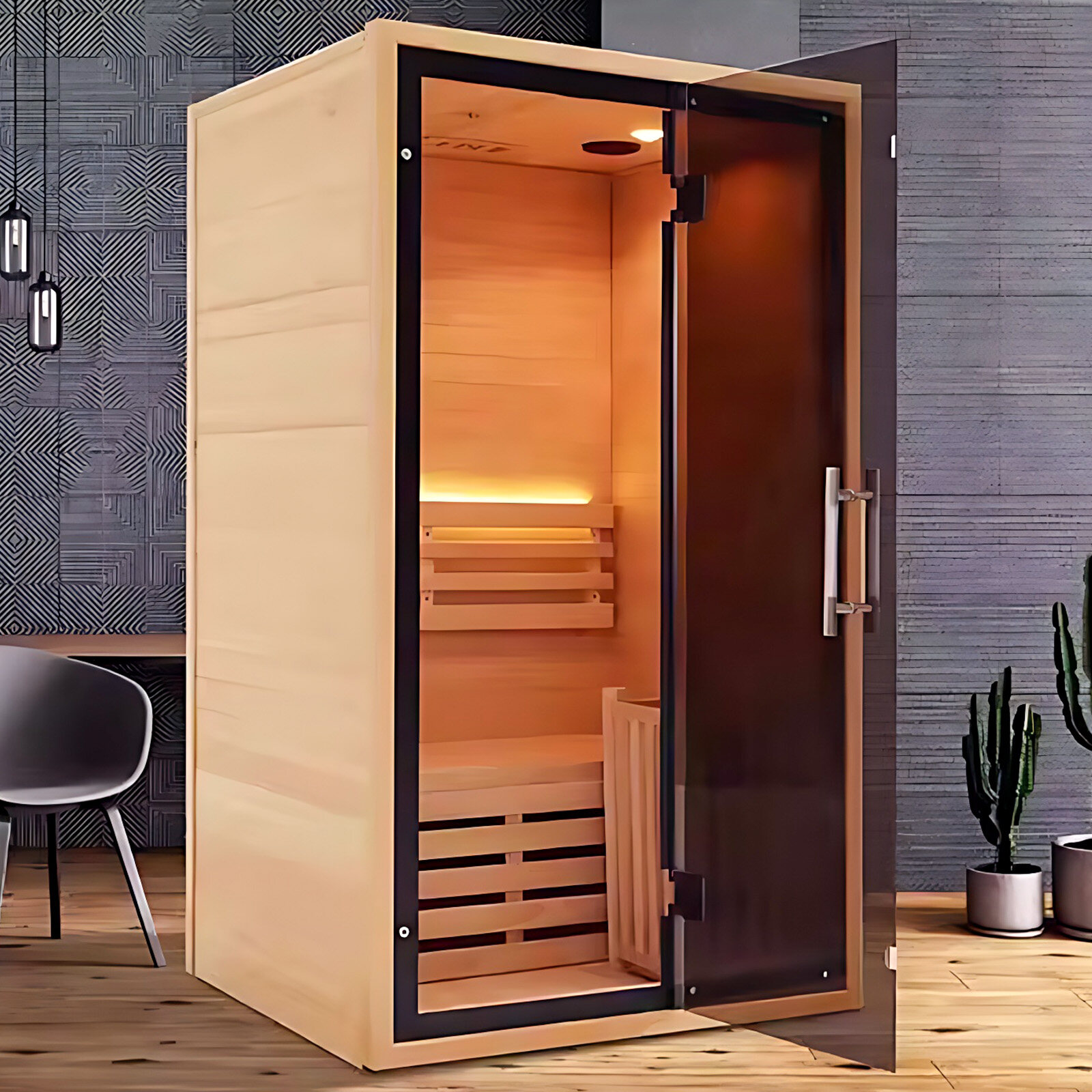
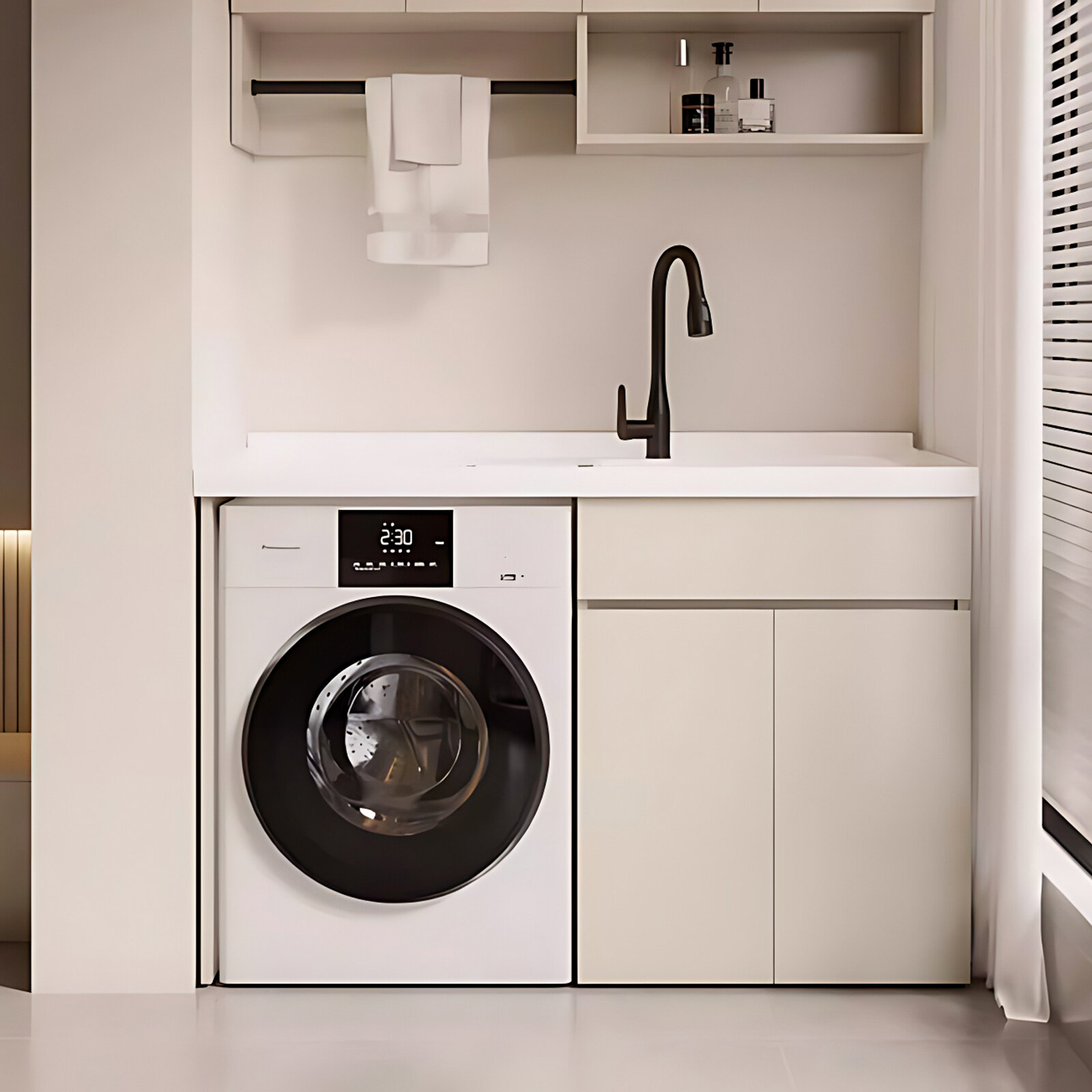

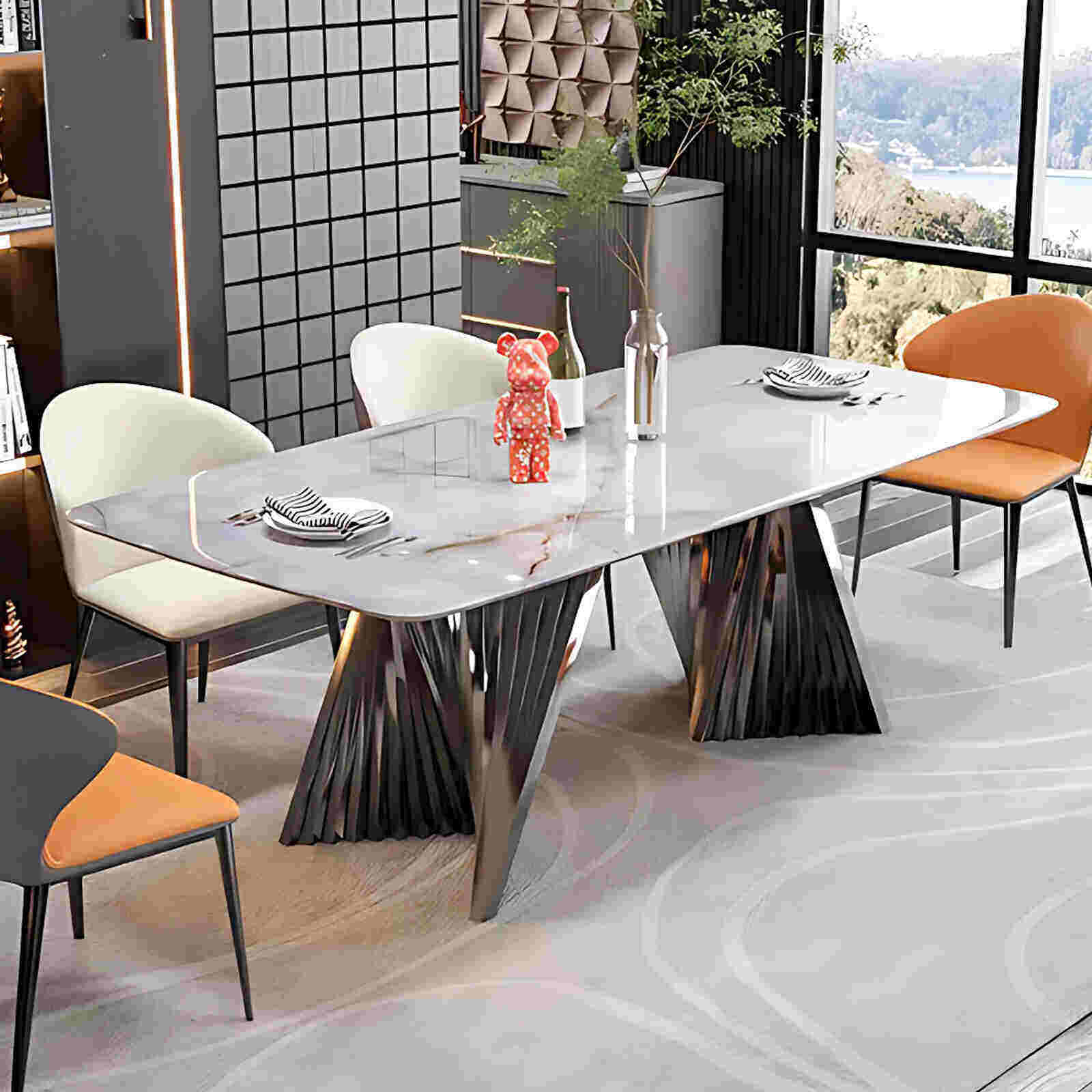
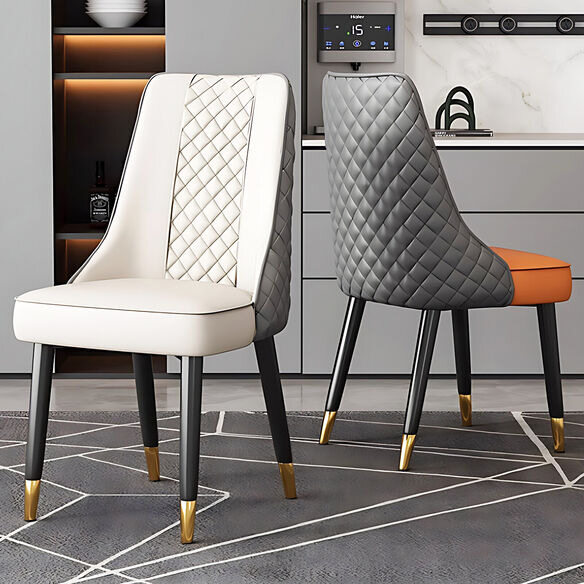
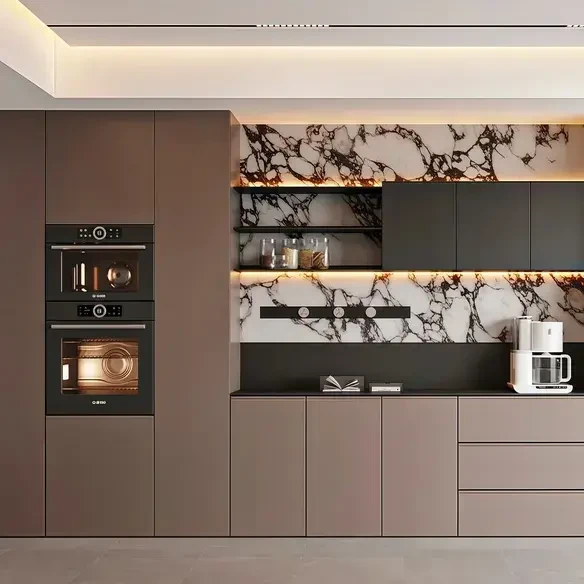
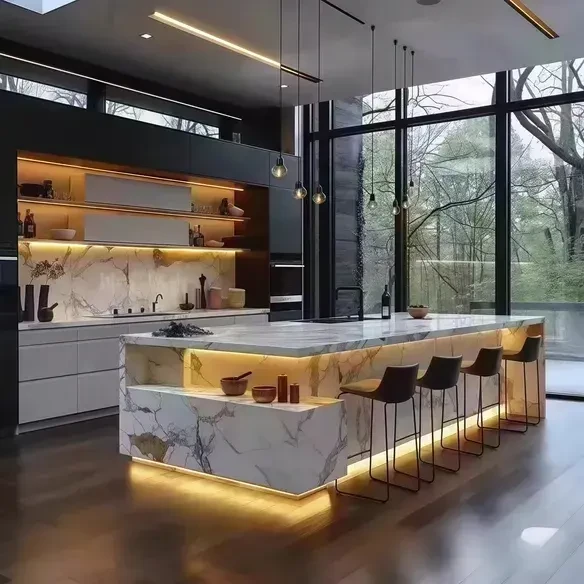
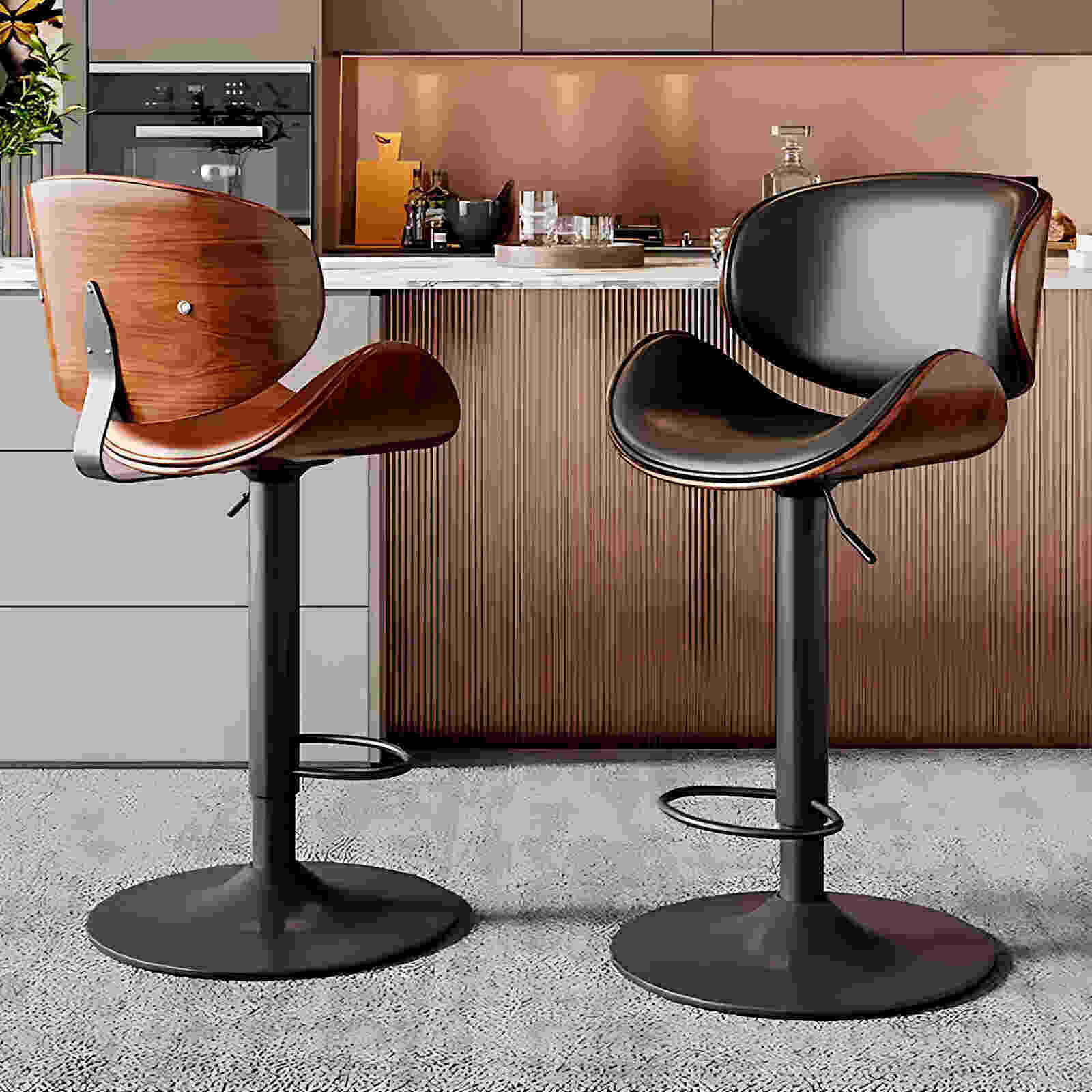




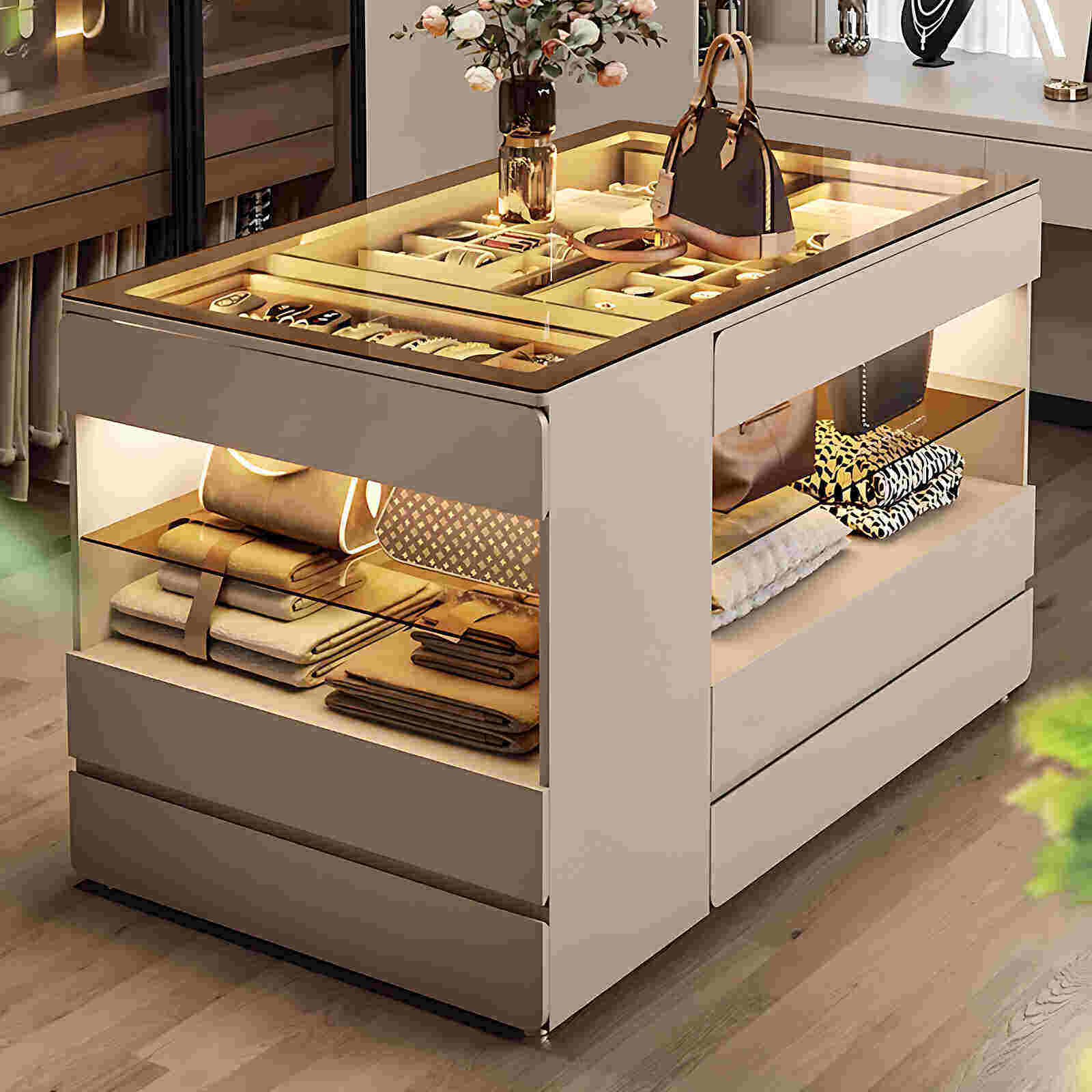
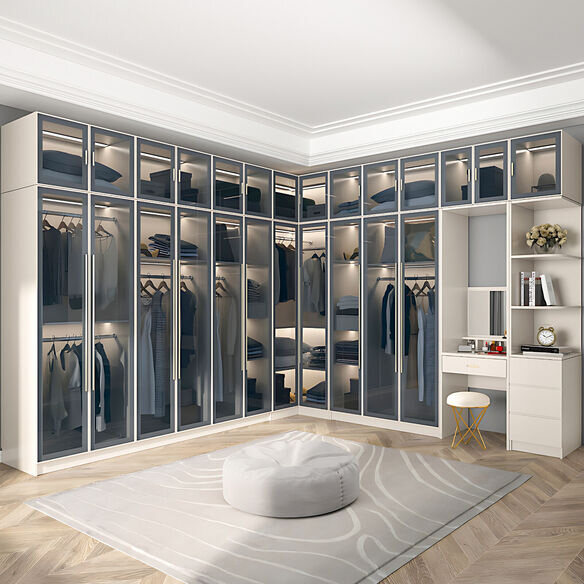

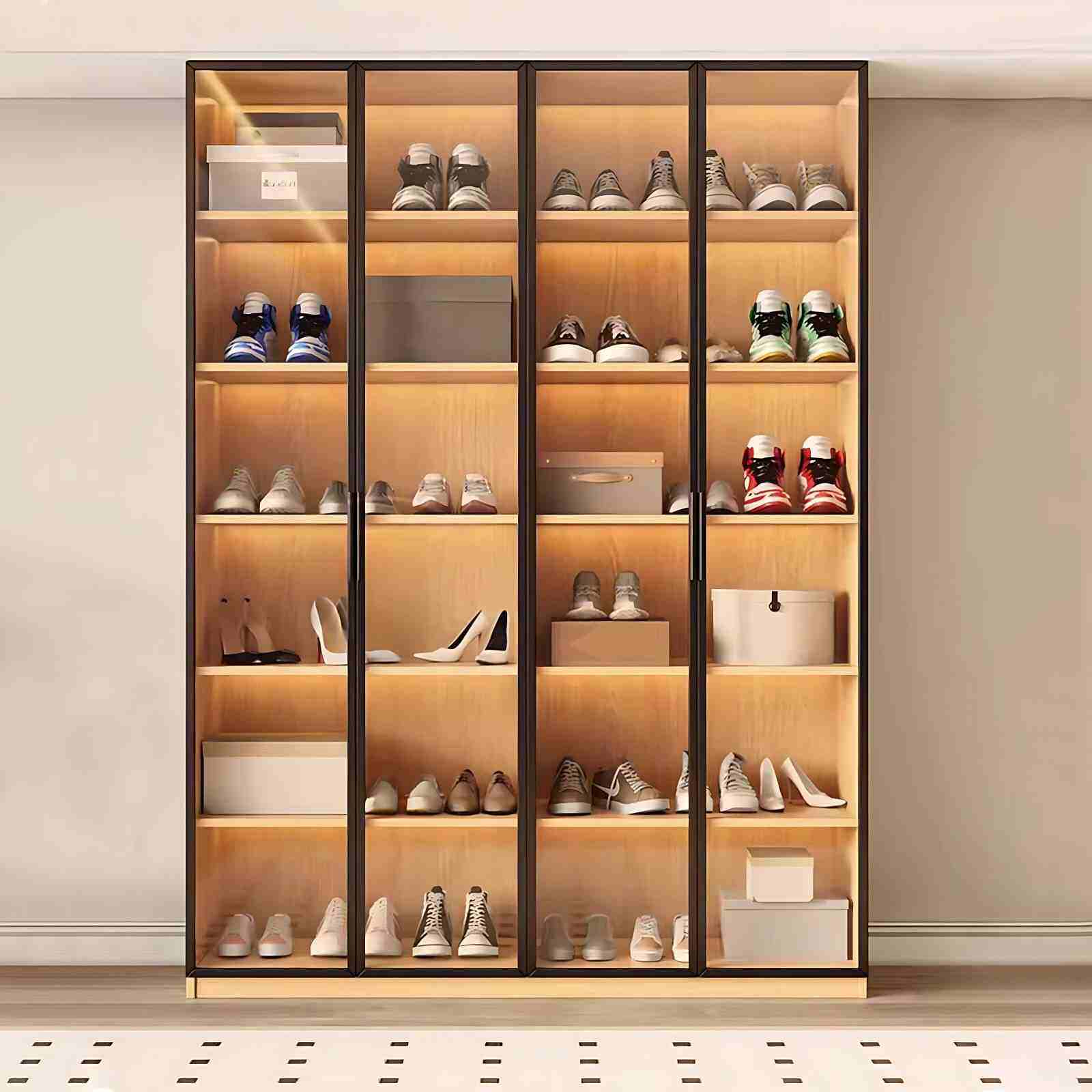





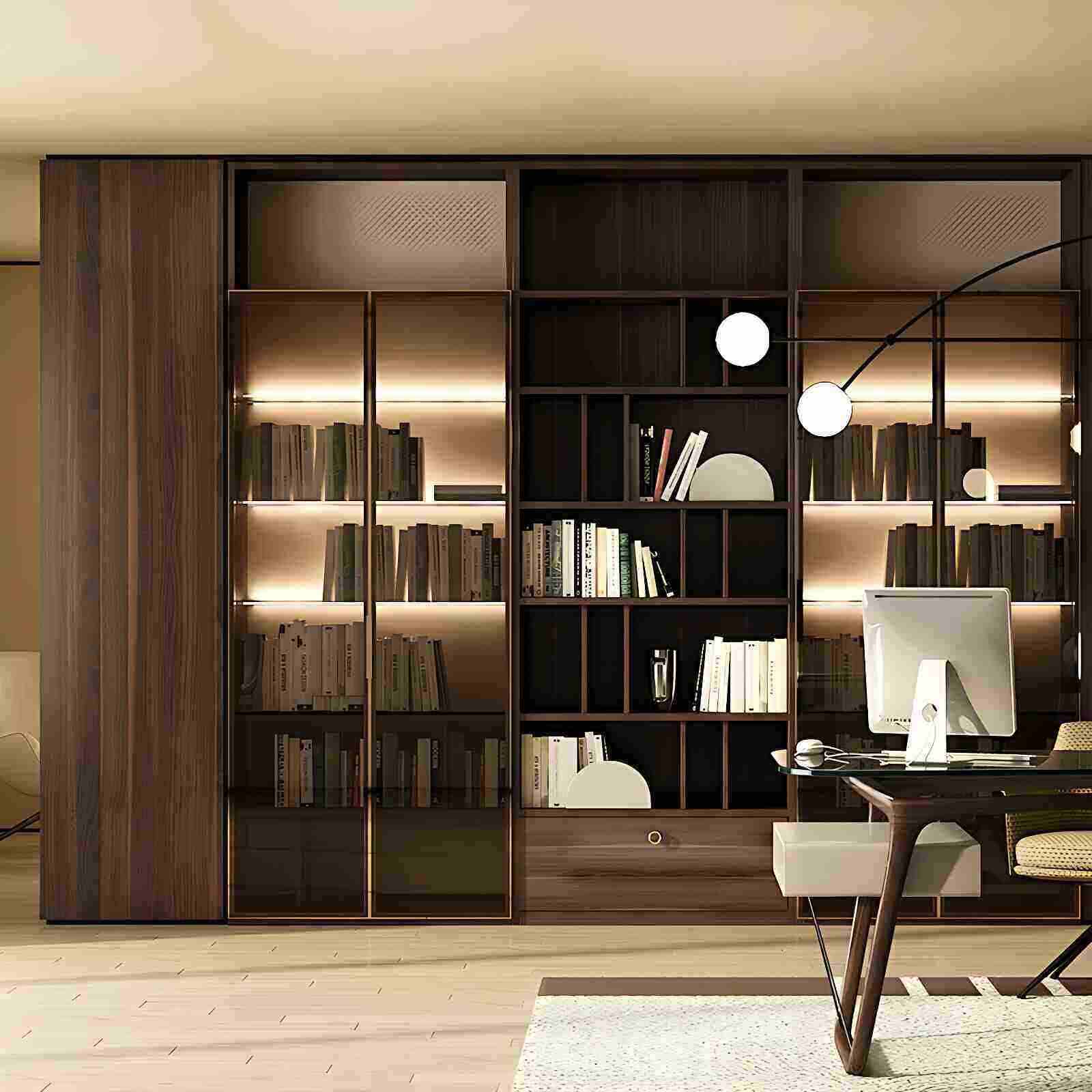

For custom furniture, the board material is probably one of the most important parts.
The quality of a board material can be defined by four attributes: static strength, water absorption expansion rate, formaldehyde emission, and screw holding power. Why are these four attributes so crucial? Let's explain in detail below:
1. Static bending strength
What is static bending strength?
In short: static bending strength is a crucial property that determines whether your cabinets will bend or even break during future use.
The static bending strength of a board is related to the raw material. Generally speaking, wood grown in high-altitude forests has more stable physical properties. If the tree's age is too short, the static bending strength will be lower; therefore, a tree age of 15-30 years is optimal. Furthermore, the manufacturing process also significantly affects the static bending strength of the board. A proper process ensures a stable board structure, making it less prone to warping and deformation.
Of course, the deformation of cabinet shelves is related to both static bending strength and the span of the shelves. Some consumers, in pursuit of a certain effect, ask designers to make the span of some cabinet shelves particularly large. In that case, no matter what kind of board it is, it will most likely bend in the future.
2. Water absorption swelling rate
As you can probably tell from the literal meaning, this attribute indicates whether your cabinets are "moisture-proof" or not.
However, one point must be corrected here: all types of boards, regardless of type, brand, or manufacturing process, are susceptible to water damage!
There are two ways to make a cabinet that is not afraid of water damage: one is a brick/cement cabinet, and the other is a solid stainless steel cabinet!
Therefore, for wood panels, moisture resistance only ensures that they do not swell or deform under relatively high air humidity conditions in the kitchen (where there may be a small amount of water accumulation in the sink cabinet), thus affecting the stress balance of the countertop and the hinge holding power. This is related not only to the water absorption and expansion rate of the wood panels but also to the edge banding process after the panels are cut.
When buying kitchen cabinets, I suggest you focus on two points:
Does the board material used in the cabinet meet the national standard for water absorption and expansion rate (less than 8%)?
Take a quick look at the edge banding of the sample cabinet from the brand you are buying: observe whether the edge banding is flat, whether there is excess glue, whether it is peeling off, etc.
3. Formaldehyde emission
Countries worldwide have strict regulations on formaldehyde emissions from engineered wood products. "E0," as a more stringent standard for formaldehyde emissions from engineered wood products, is not entirely a foreign import but rather reflects distinct Chinese characteristics. Currently, the national standard for "E0 grade" is found in GB/T 18102-2007, "Impregnated Paper Laminate Wood Flooring," which specifies a formaldehyde content of ≤0.5 mg/L, equivalent to F★★★ (≤0.5 mg/L) in the Japanese JAS star rating standard.
Regarding the environmental impact of various engineered wood products, sticking to well-known brands is generally a safe bet. Some environmentally conscious brands may even exceed the so-called E0 standard, meaning you don't need to worry about the environmental impact of products made from these boards. However, if a brand uses unknown boards, or if the salesperson is vague about the origin of the boards, please be extremely cautious when purchasing them. News reports about formaldehyde poisoning often stem from these unbranded, small-workshop boards.
4. Screw holding force
Screw holding power refers to how easily a screw can loosen, fall out, or chip after it's driven into the board.
For the cabinets we install in our homes, the strength of the screw holding power means whether the hinges will loosen or even fall off, whether the drawer screws will loosen and make abnormal noises, and whether the cabinet structure will deform during the next one or two decades of use.
When purchasing custom furniture, how do you judge the quality of the nail-holding power of the boards?
Quality inspection reports are certainly an important way to check, but the most direct and simple method is to ask the brand's sales representative if it's permissible to sit on the counter once the doors are open. Of course, don't sit on it yourself!
Although this method is not rigorous, and the load-bearing capacity of cabinet doors and drawers is greatly related to the quality of hinges and drawer slides, it is indeed the simplest and most direct method.
The above provides a relatively complete introduction to the four most important properties of engineered wood panels, giving you a basic understanding of these panels.