
 USD
USD GBP
GBP
 EUR
EUR
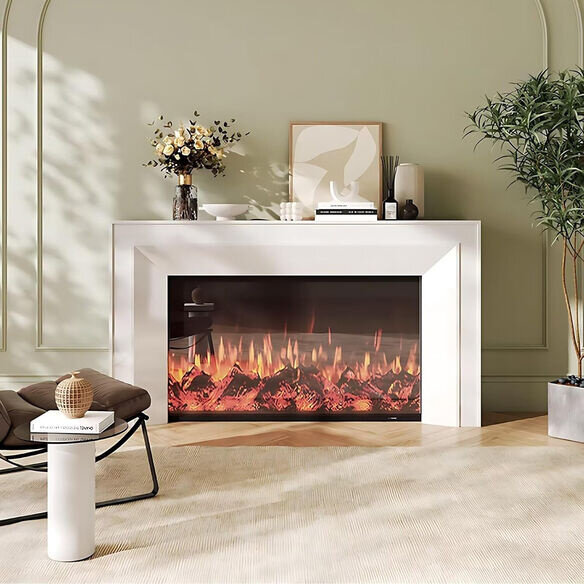
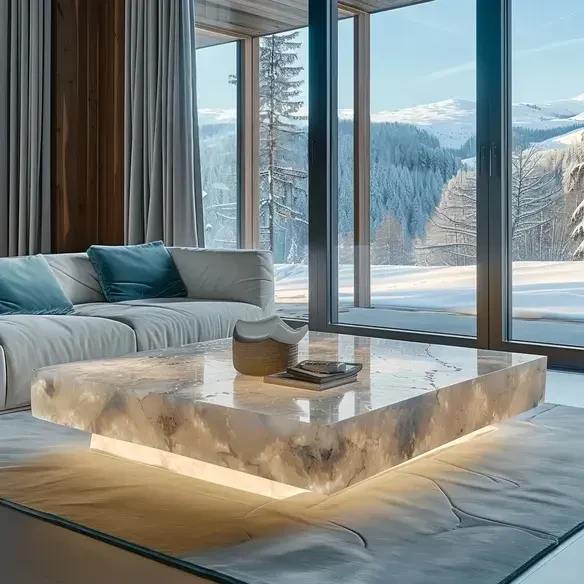
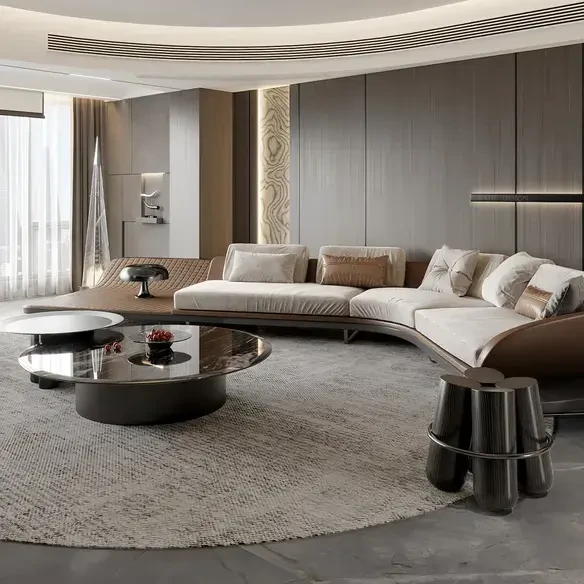
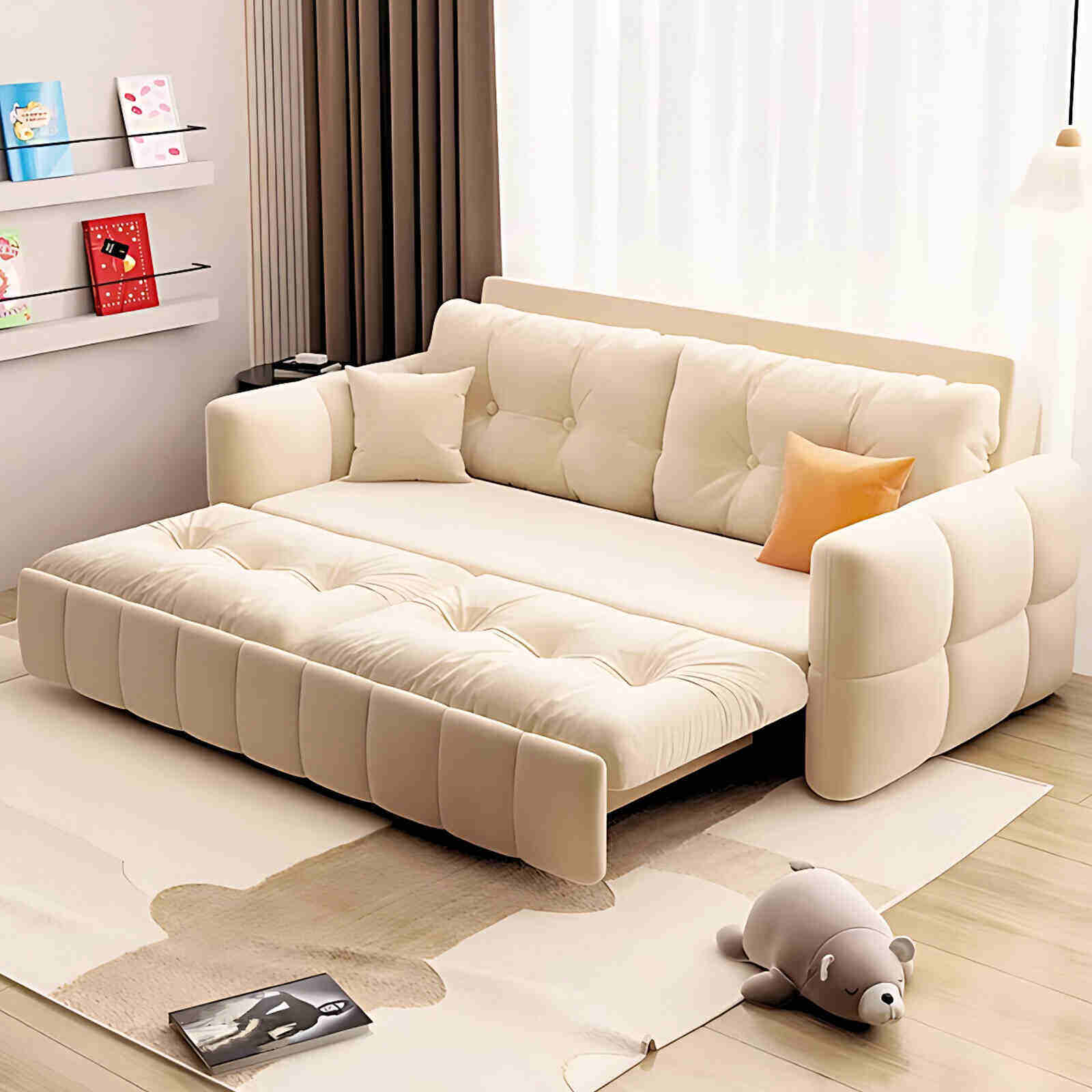
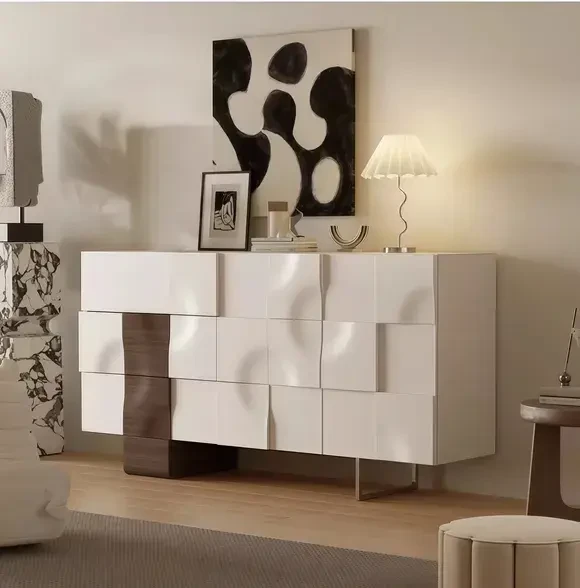
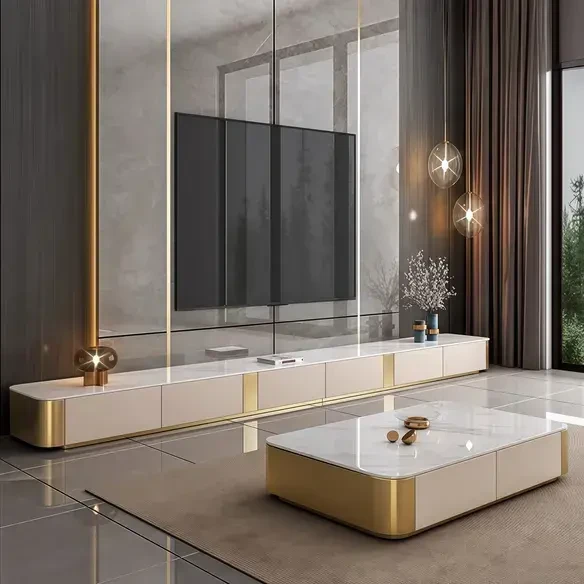
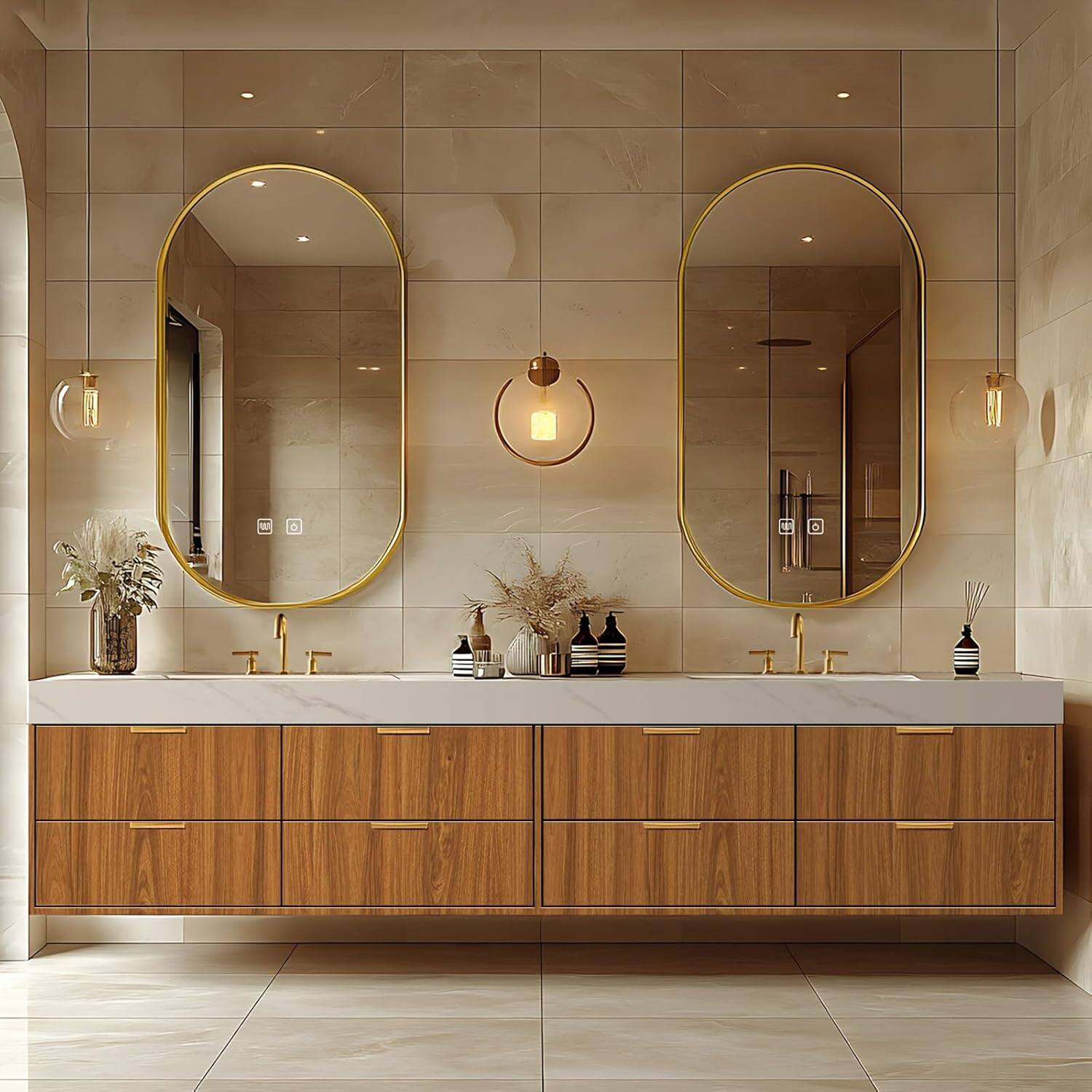
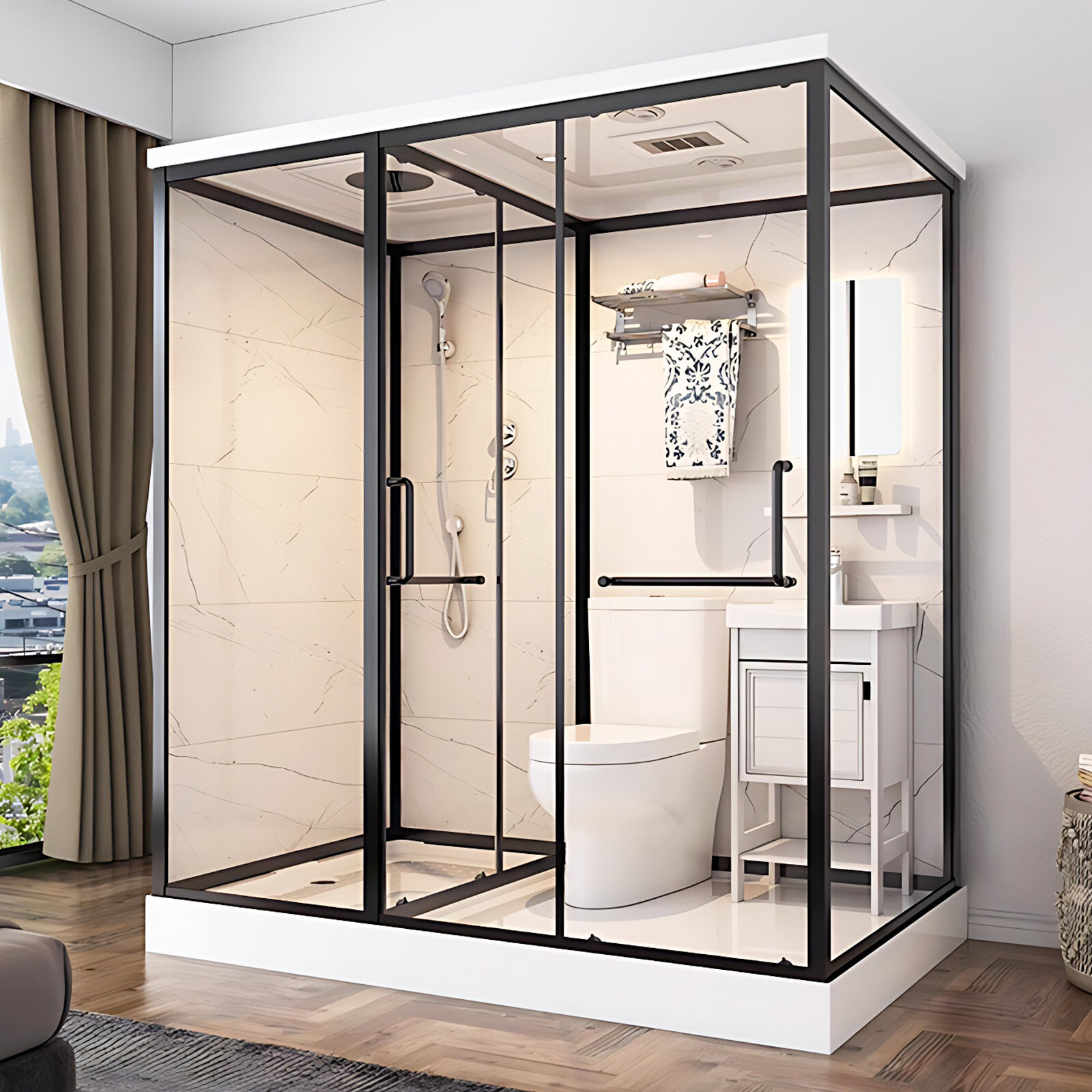
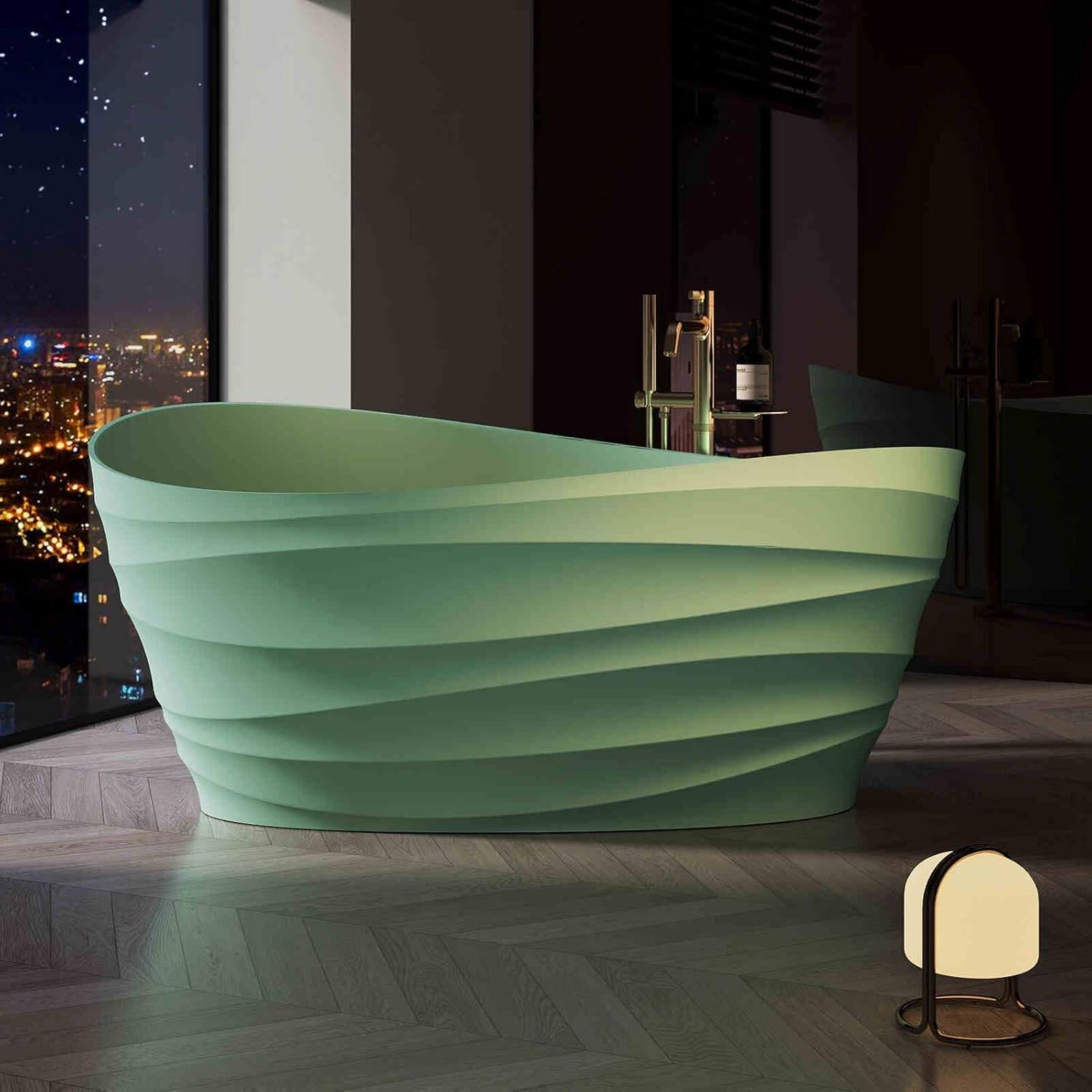
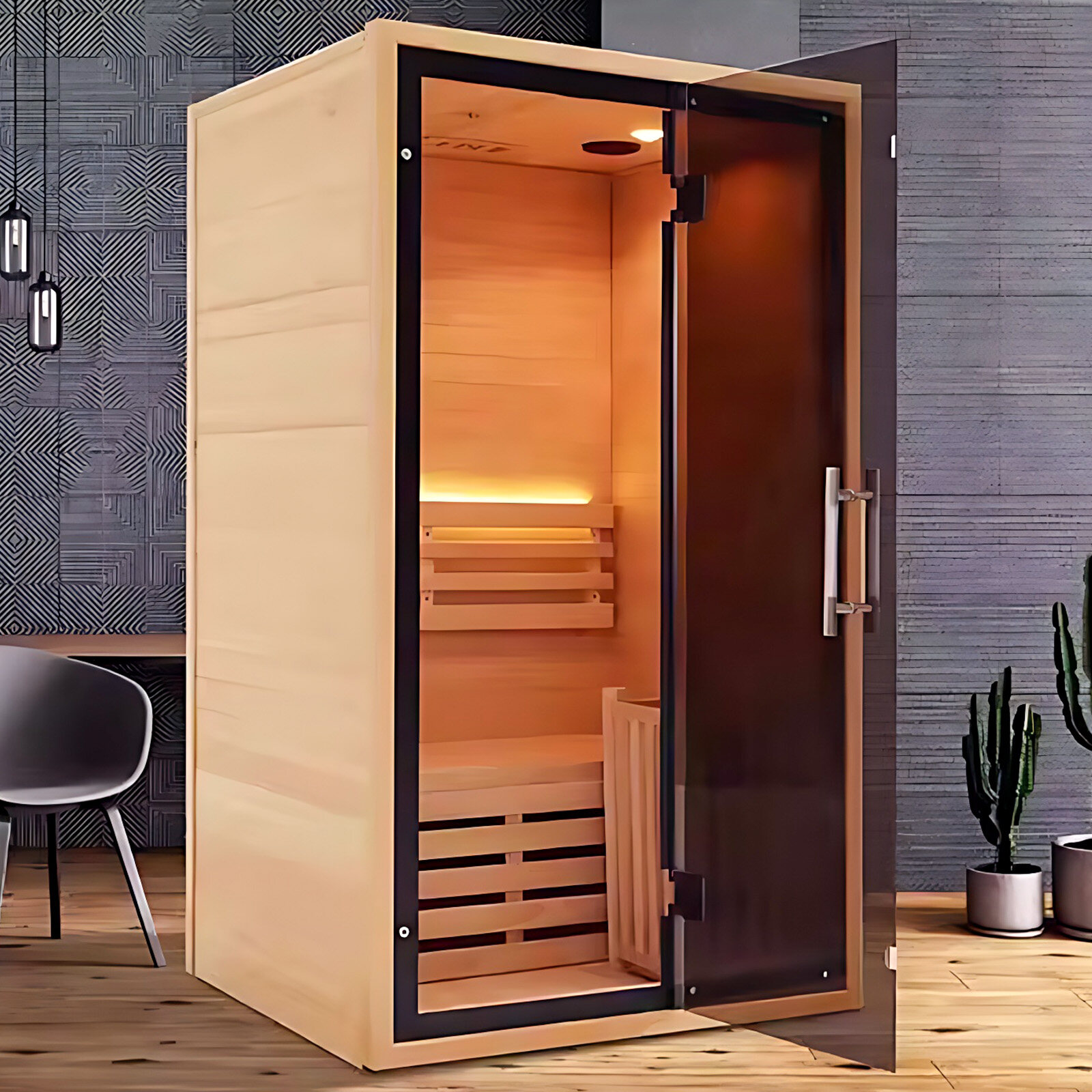
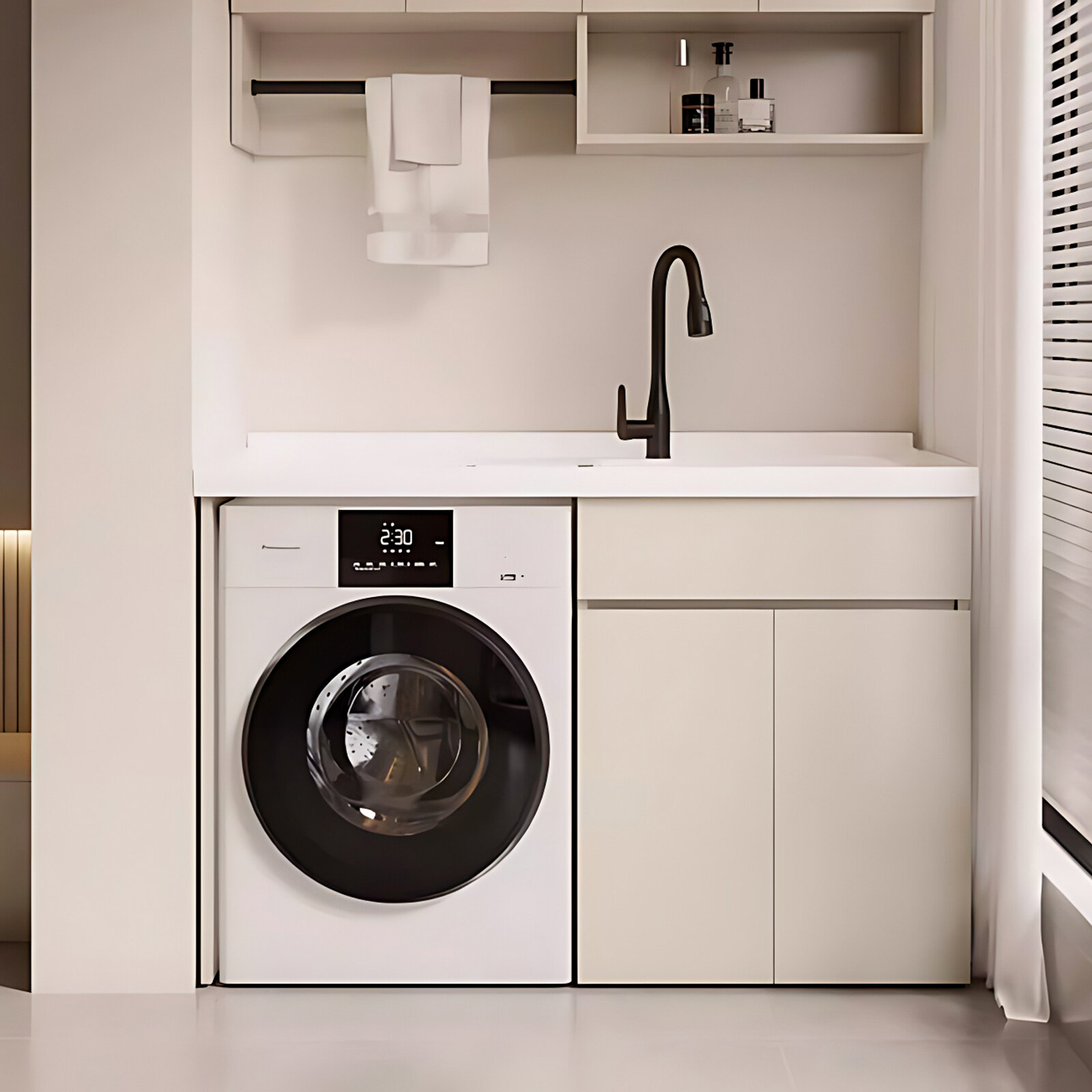
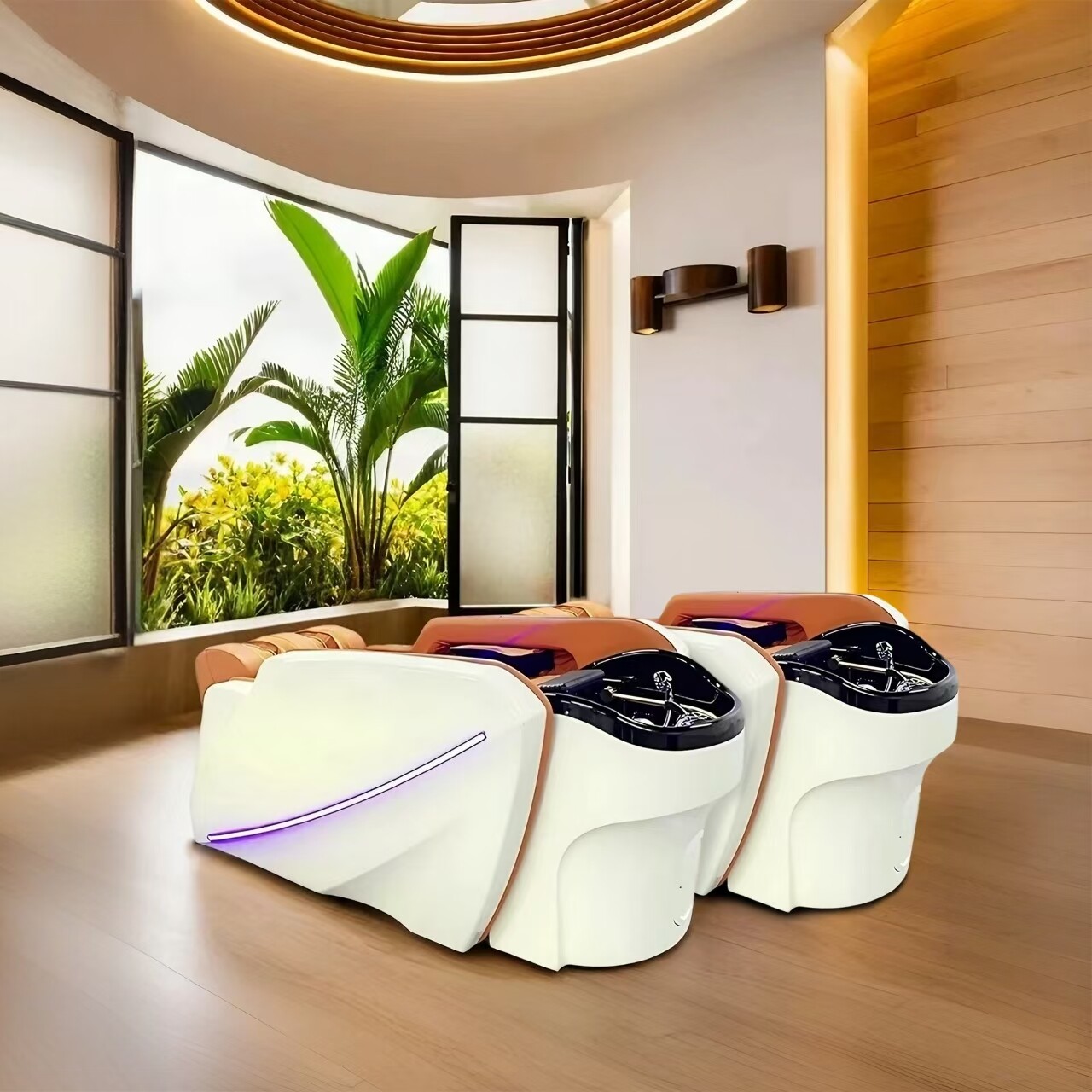
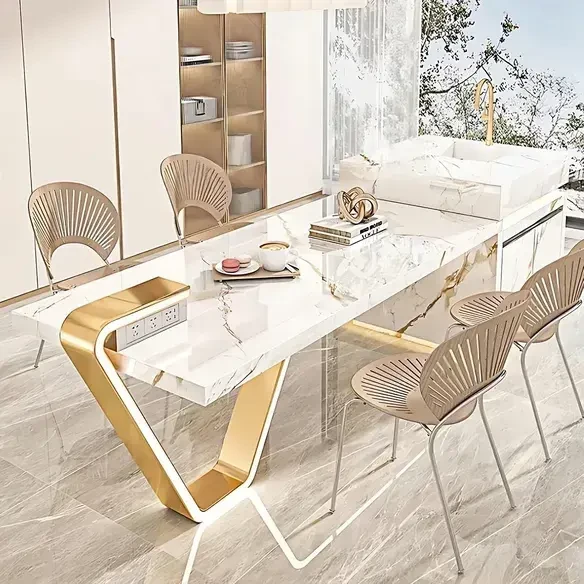
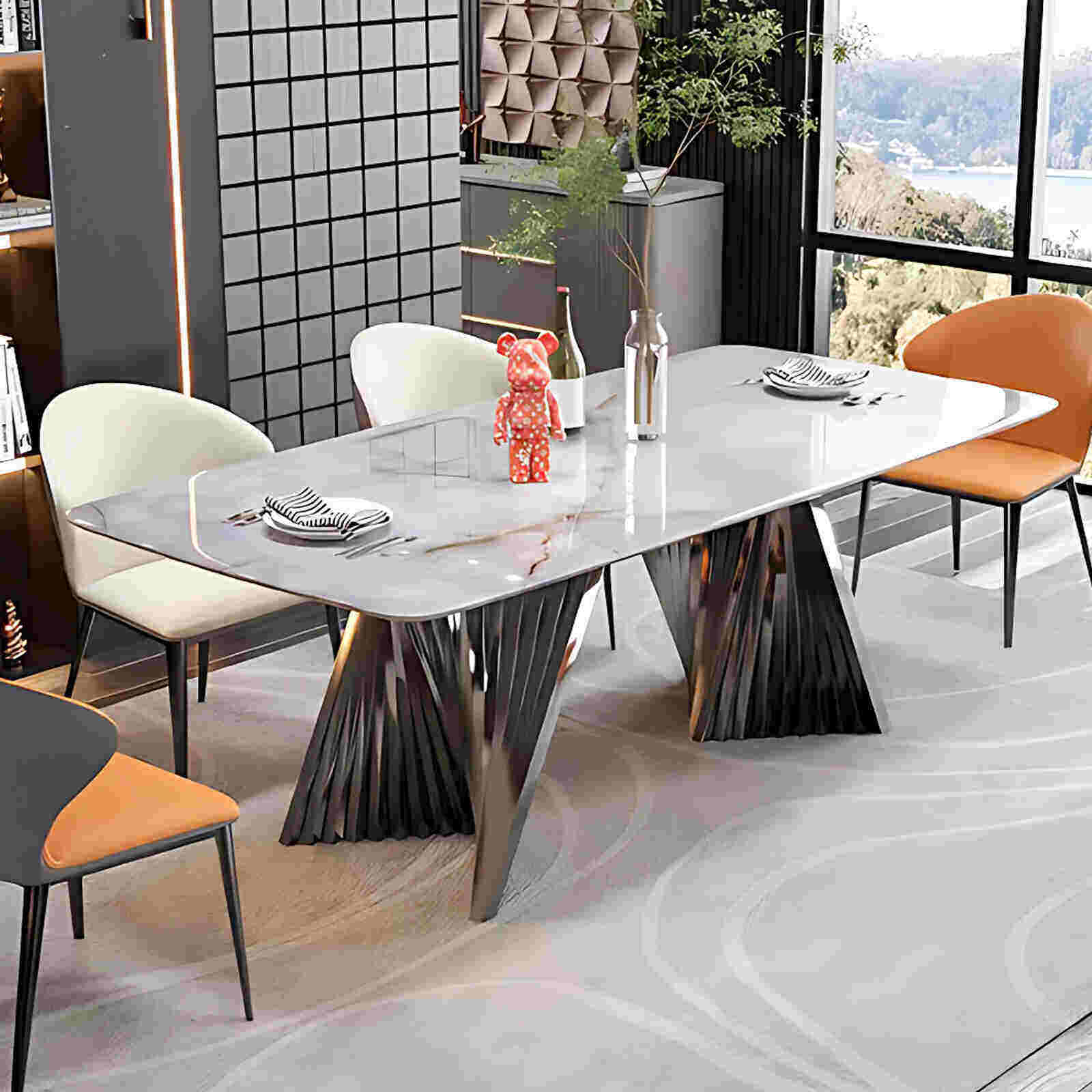
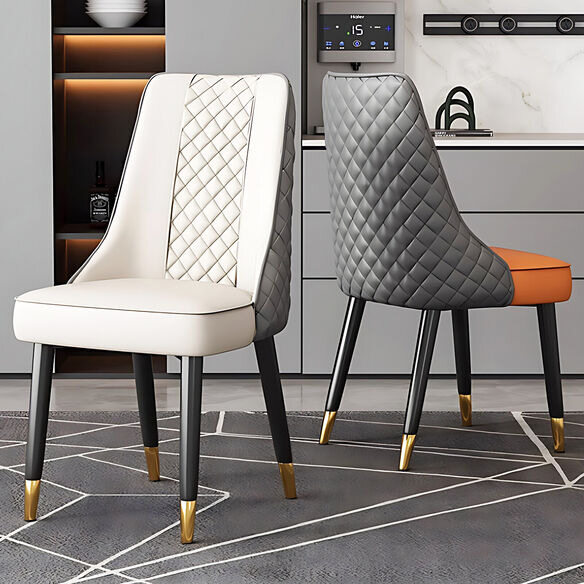
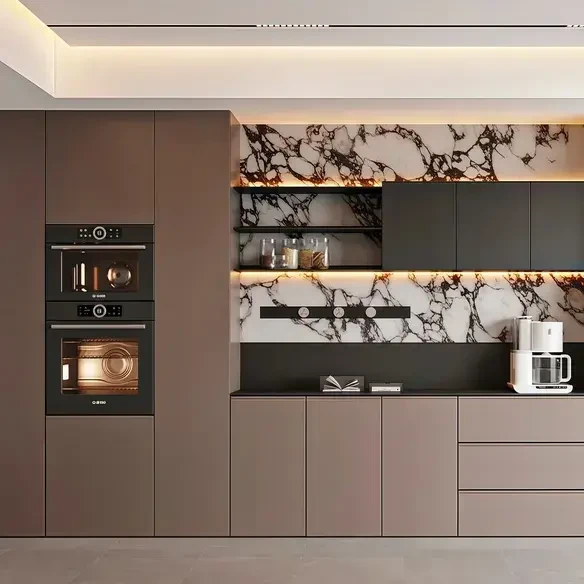
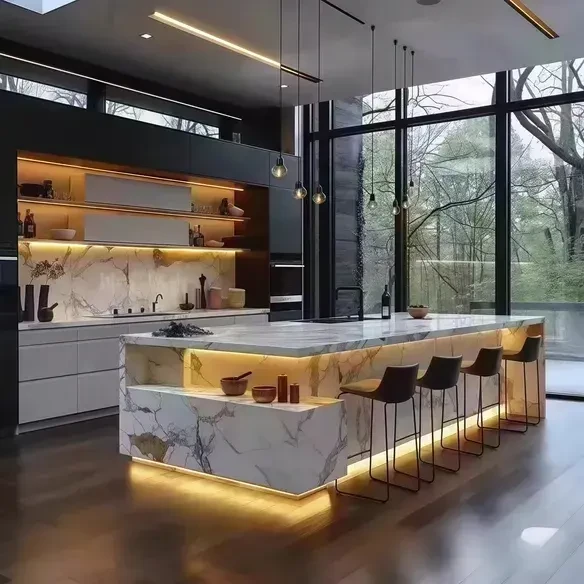
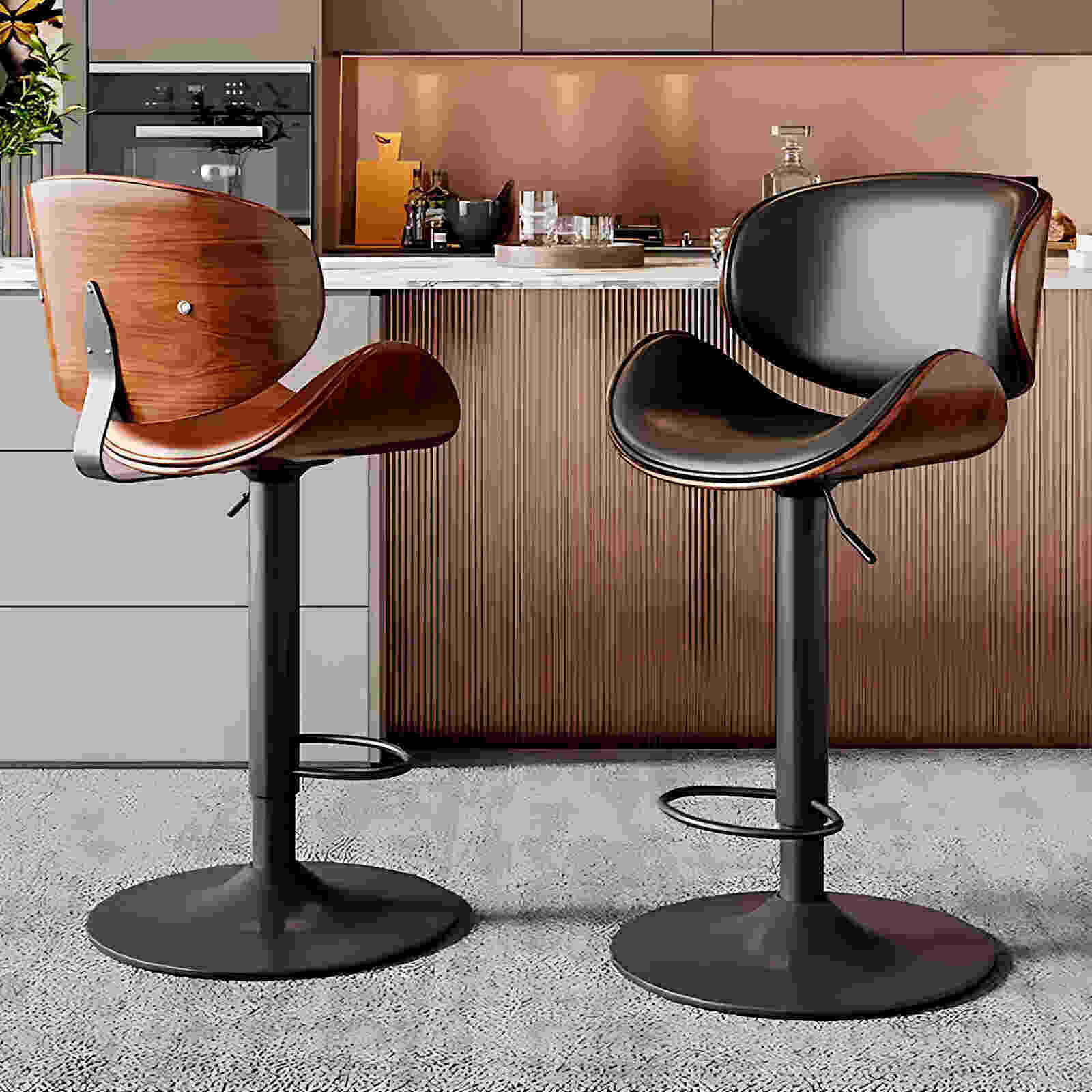
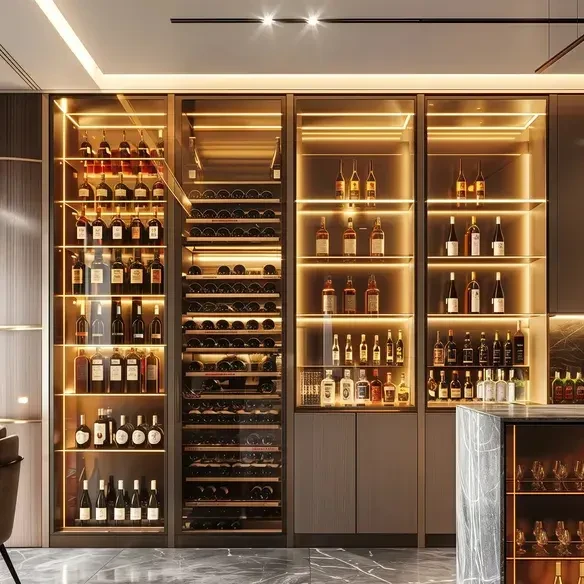
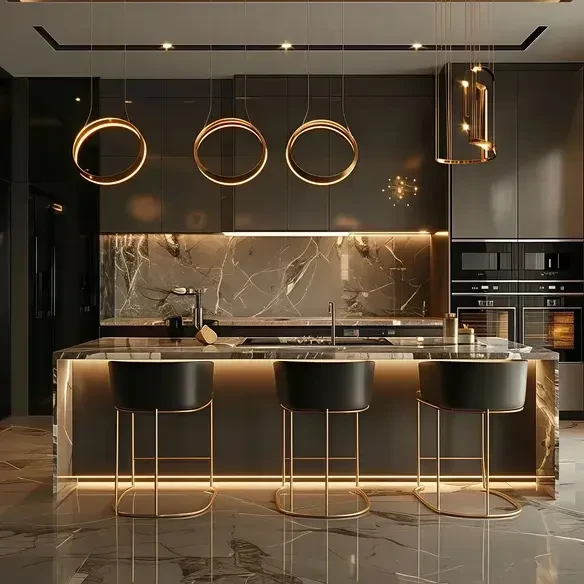

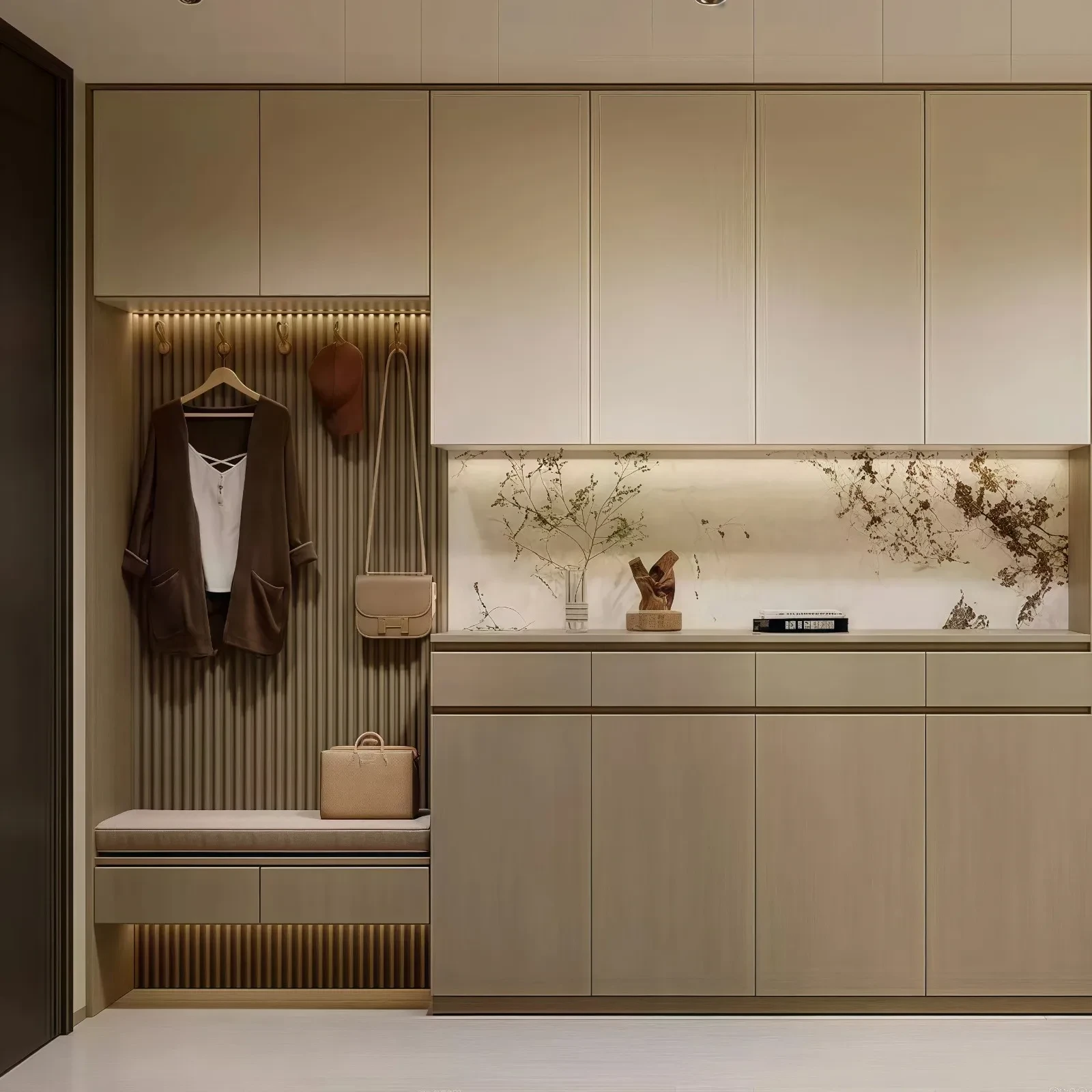
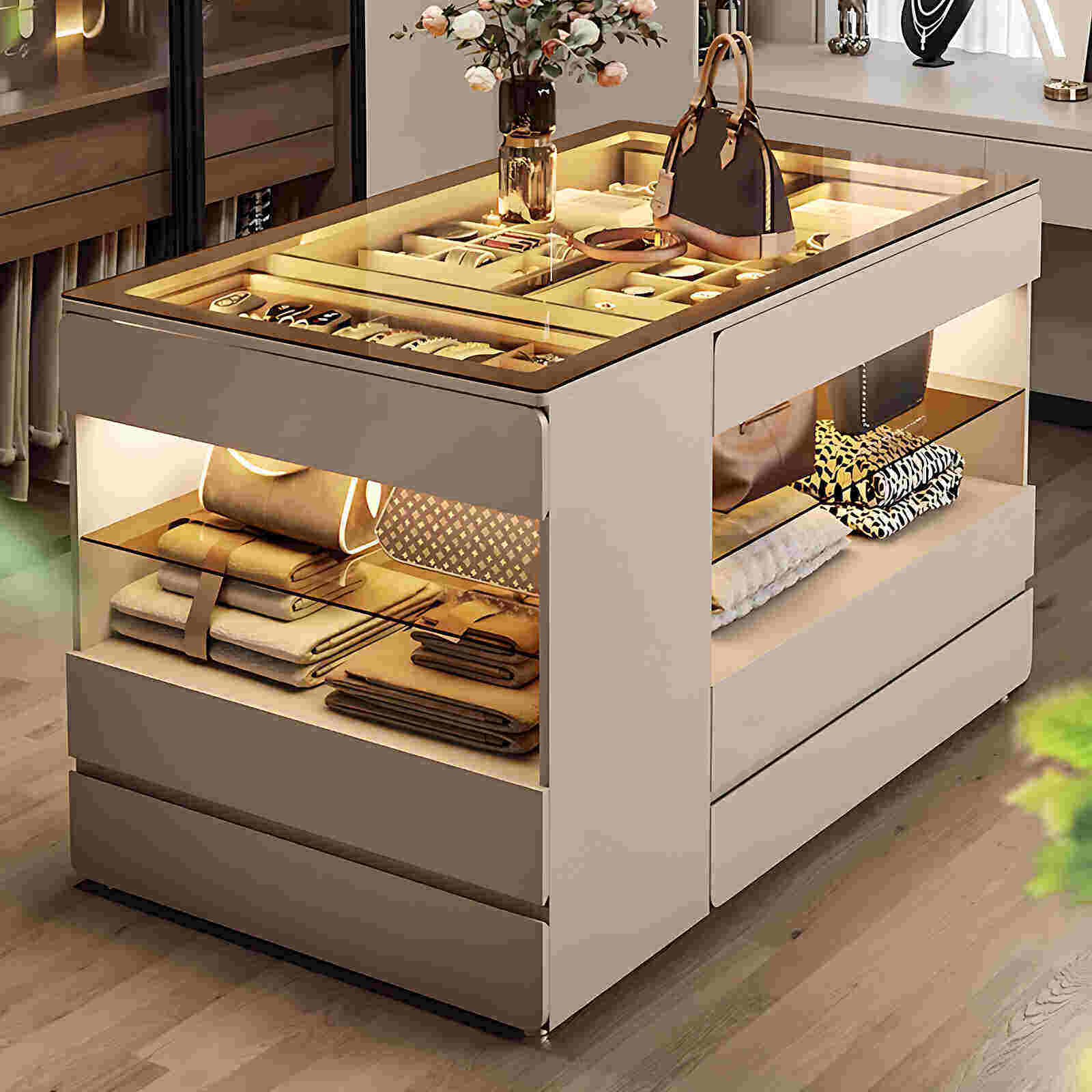
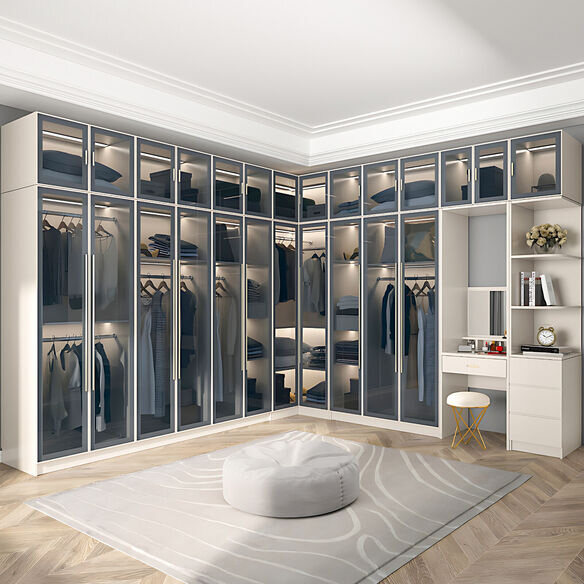
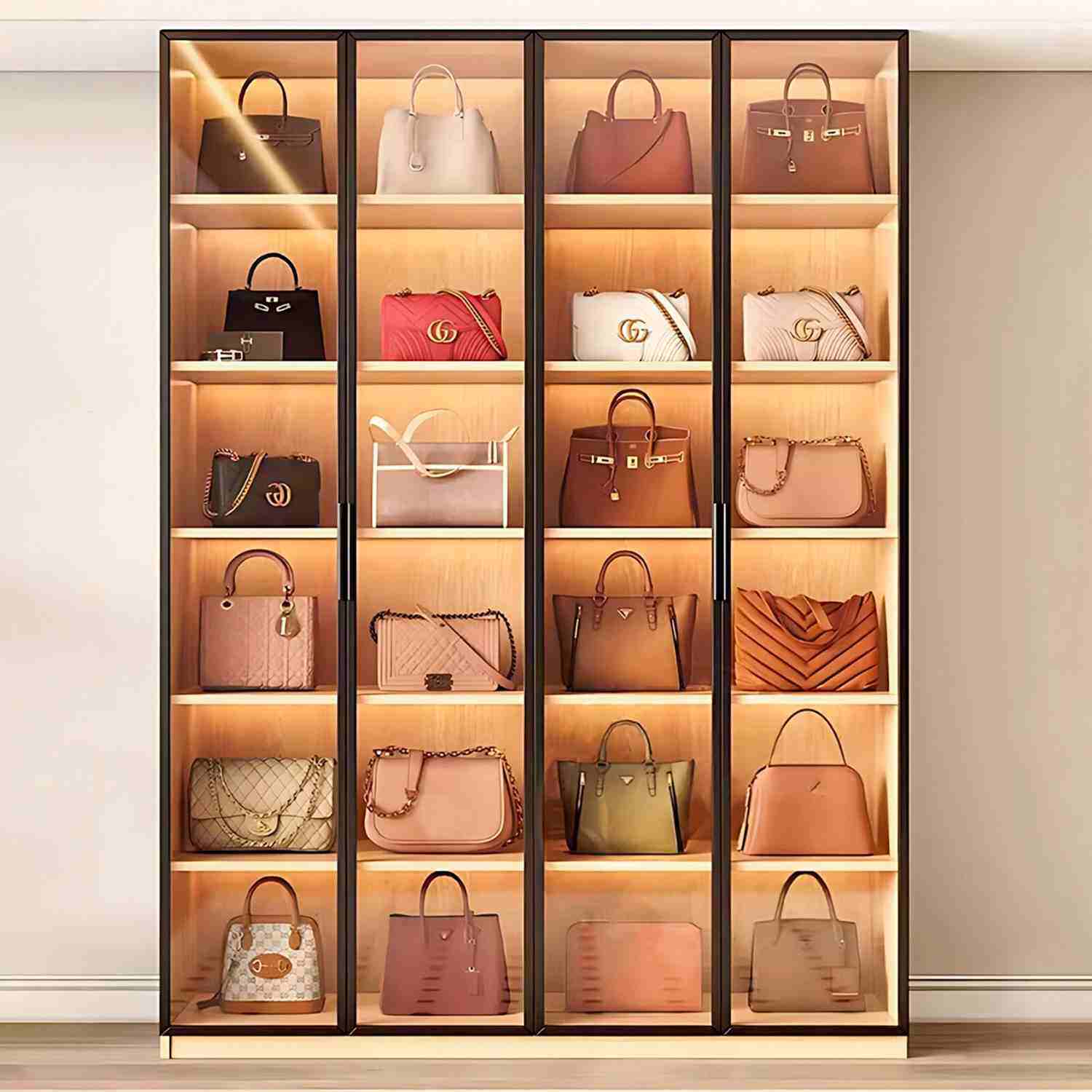
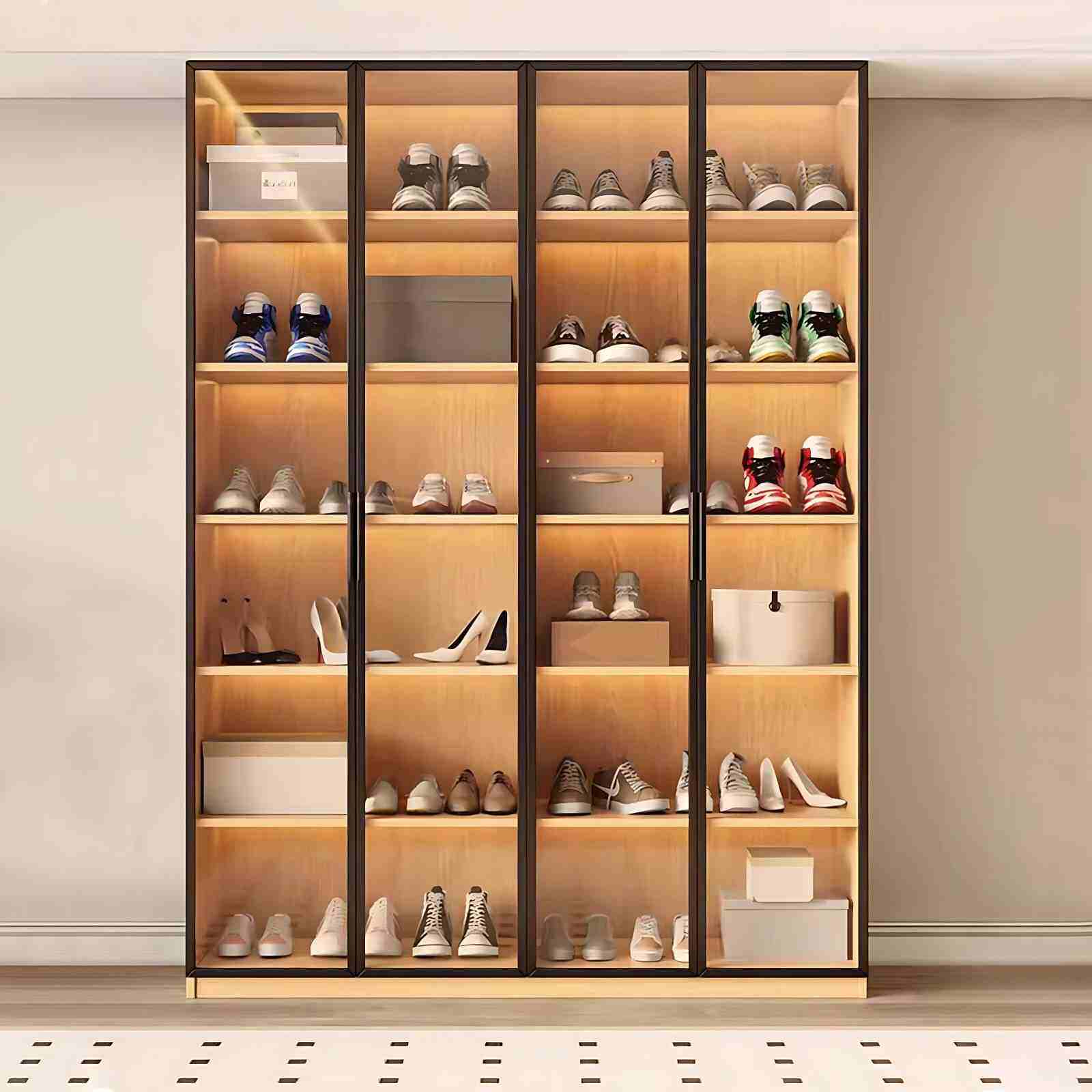
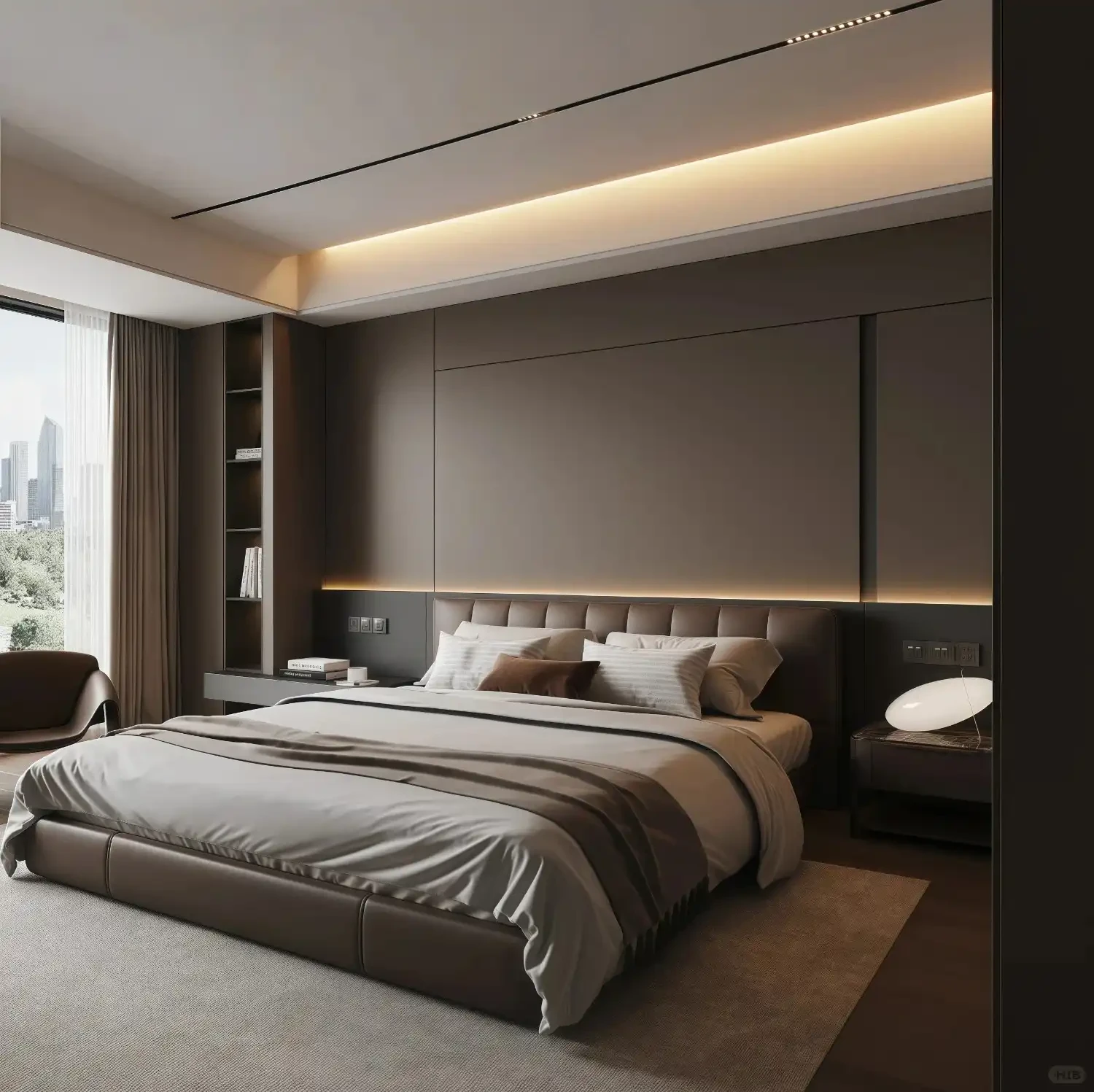
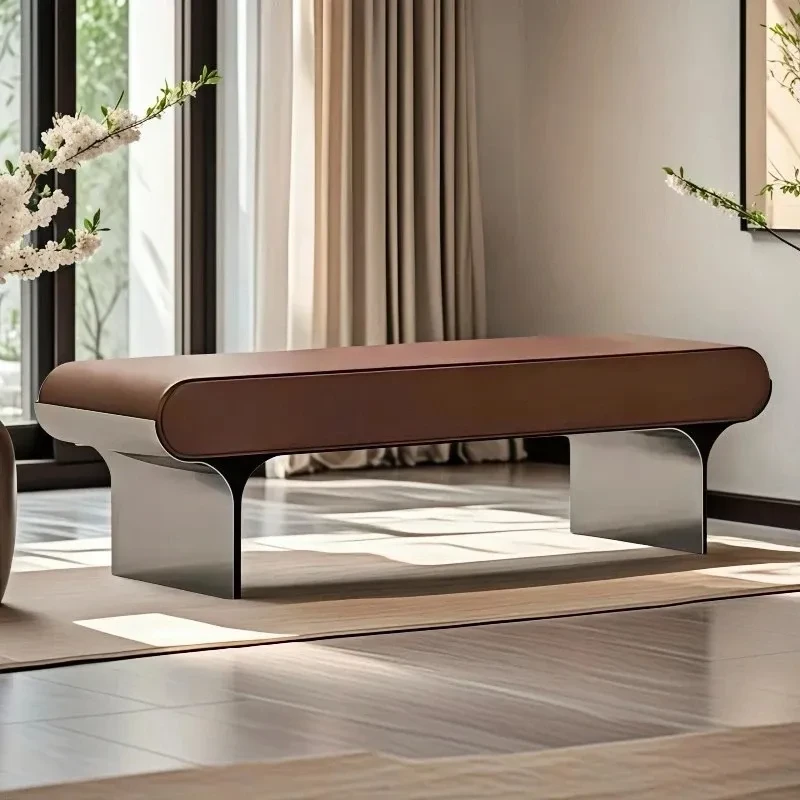
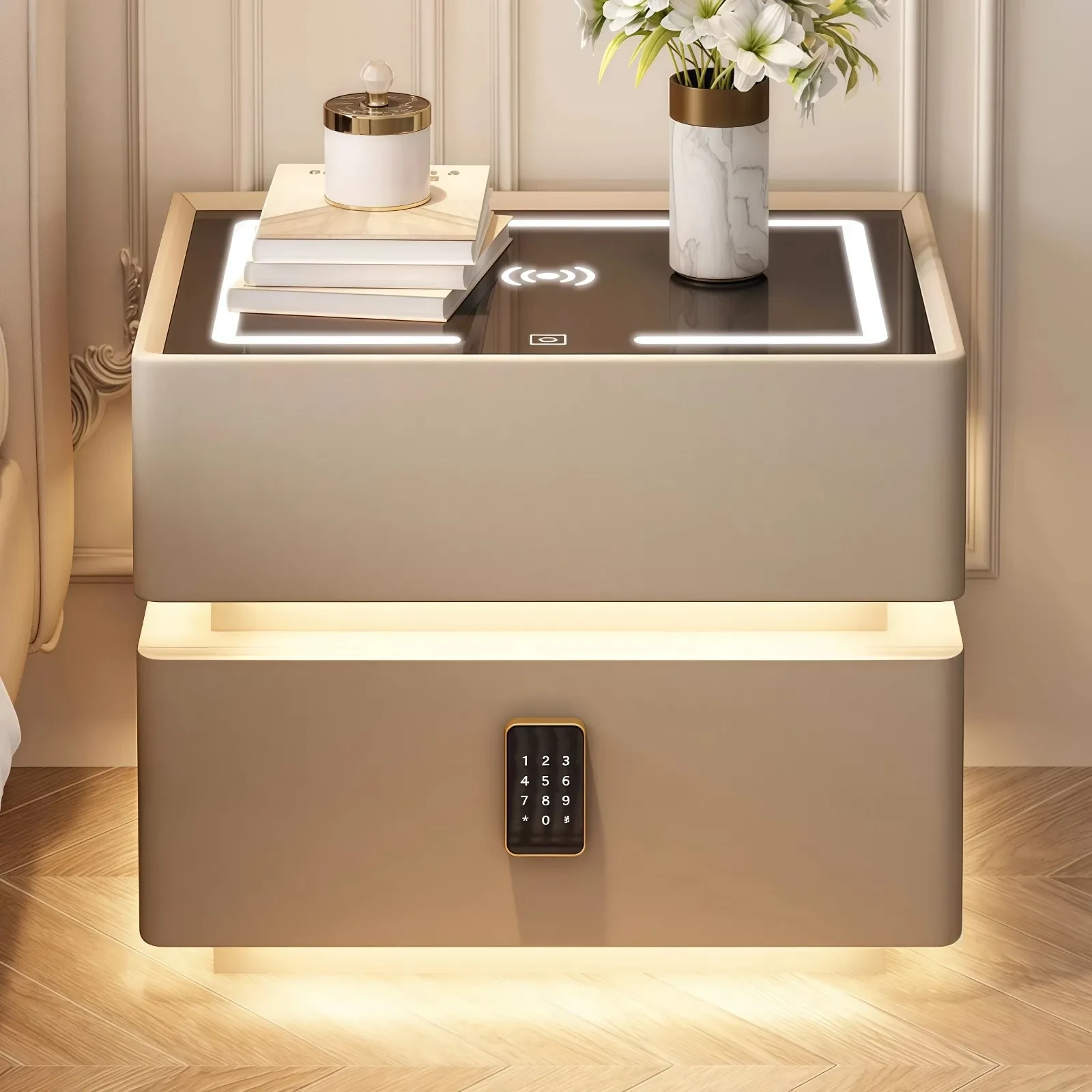
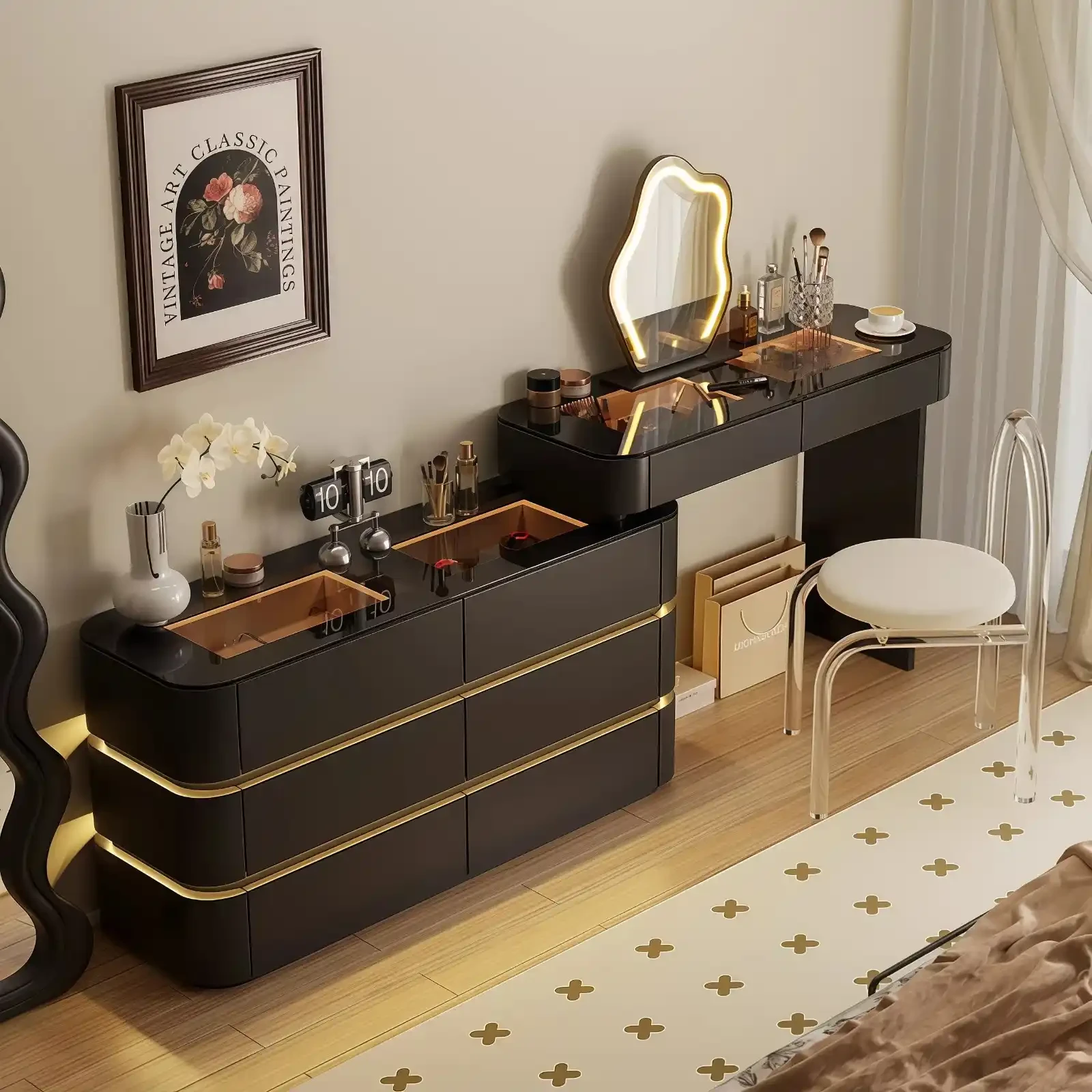
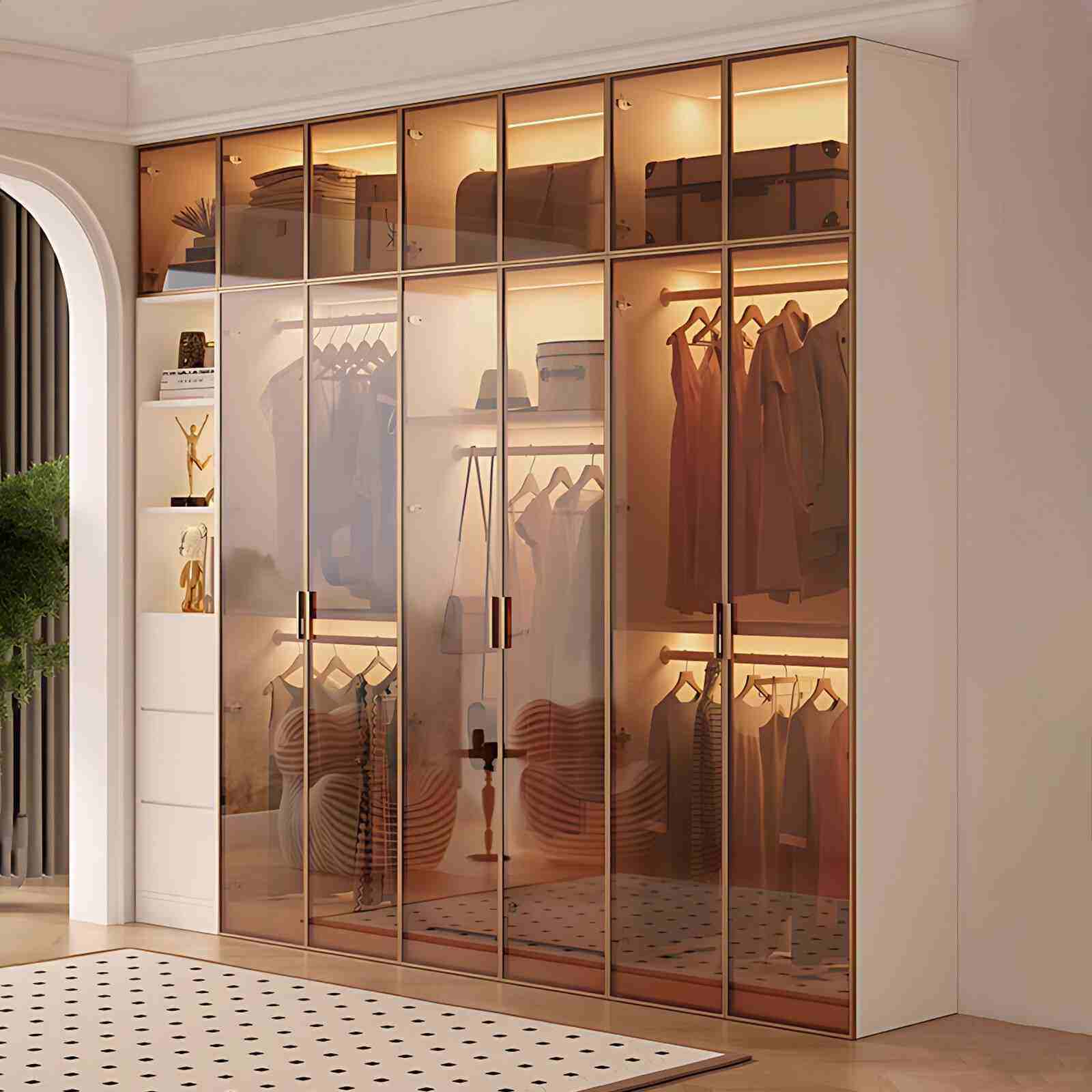
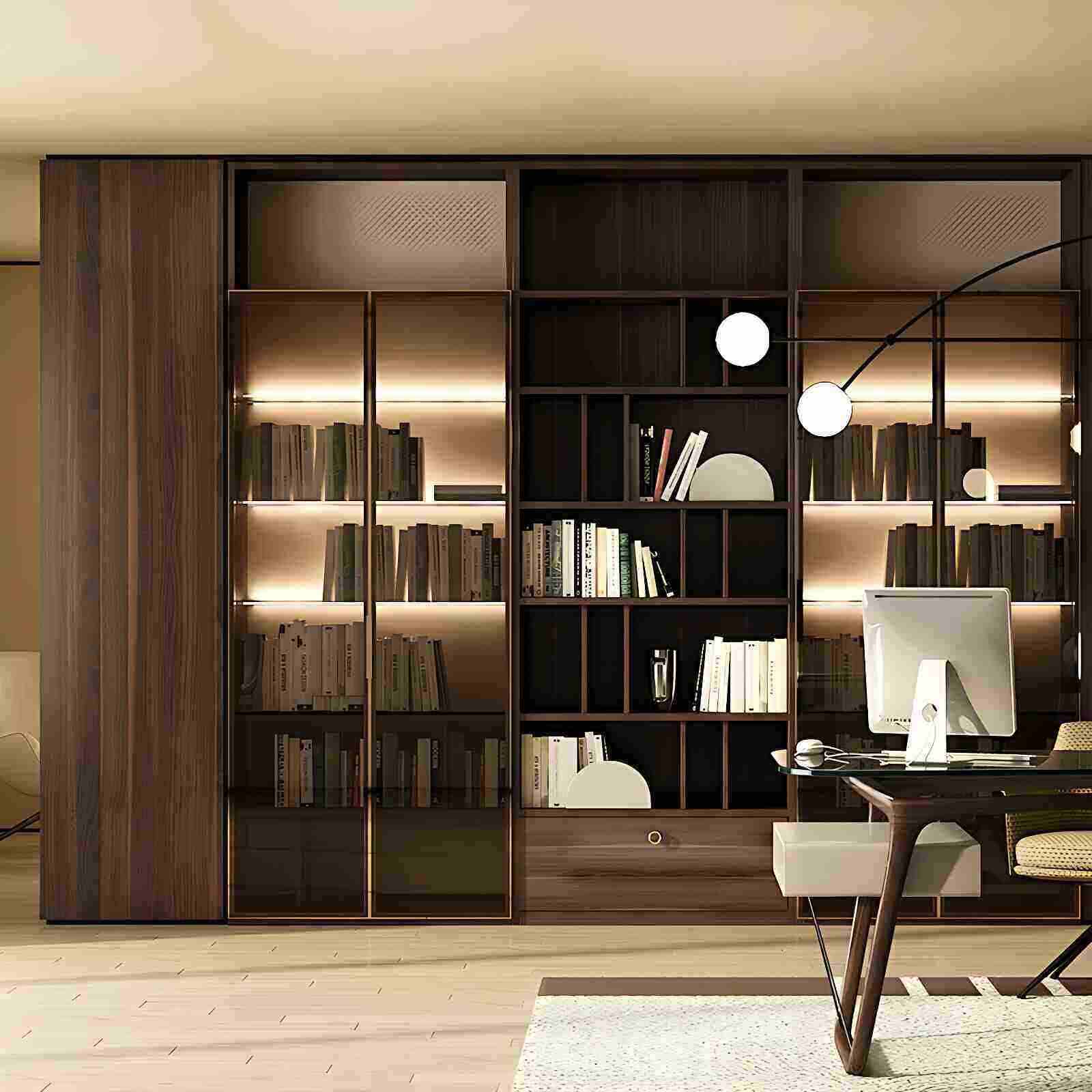
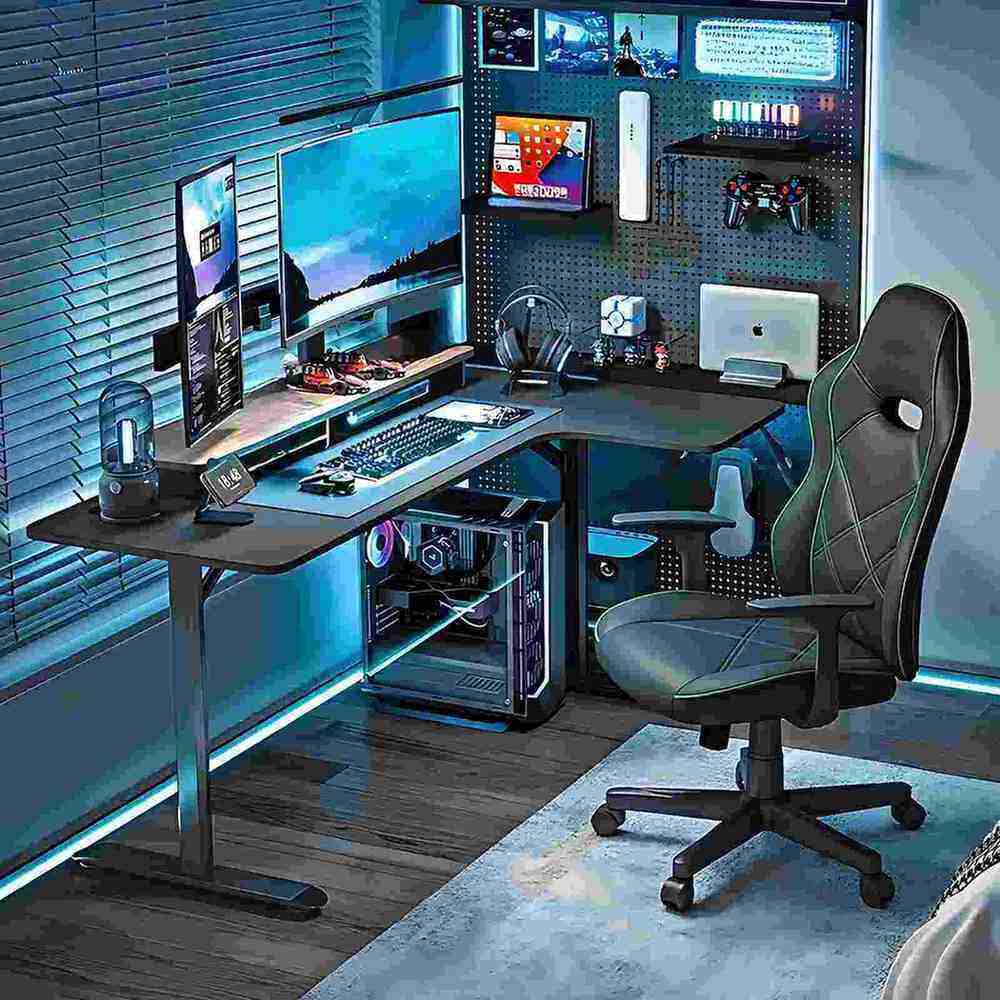
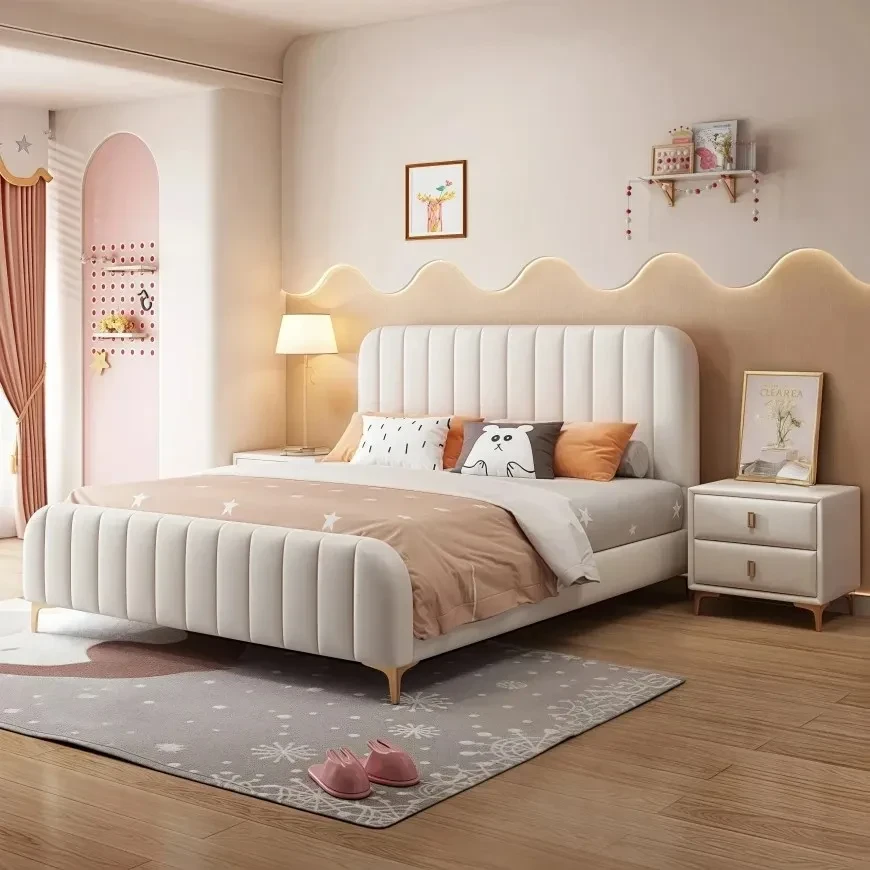
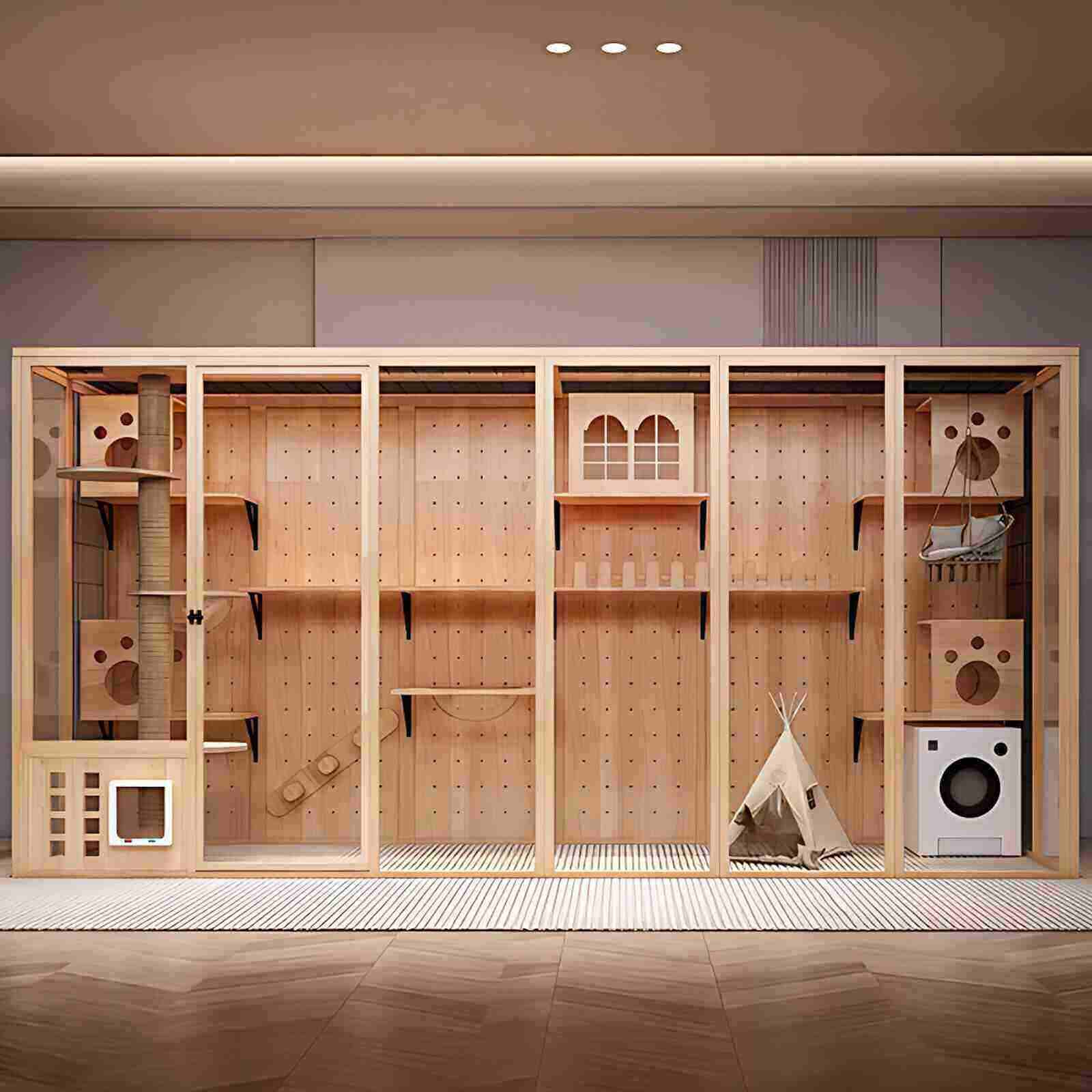
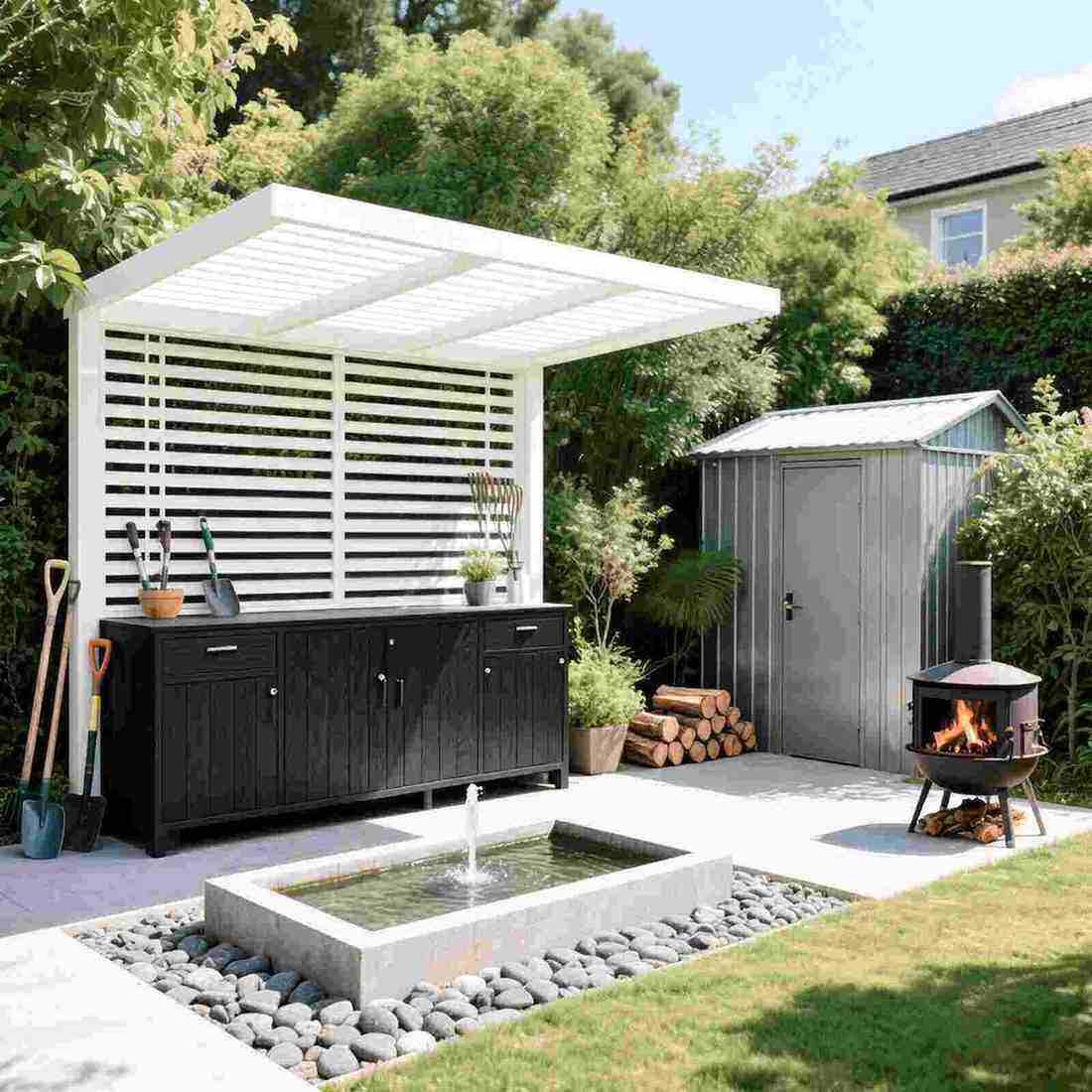
Eco-friendly boards are actually a new type of engineered wood product. They come in many styles and can be customized, so they have been widely welcomed by consumers since their introduction, and their applications are very broad. Compared with traditional boards such as plywood, eco-friendly boards have only been around for a short time, and many people are still not very familiar with their characteristics and functions. Next, we'll discuss the common materials used in eco-friendly boards and their advantages and disadvantages. Let's take a look.
1. What materials are generally used in eco-friendly building materials?
Ecological boards, also known as paint-free boards, are used by many people. Ecological boards do not require painting during use and production. This is because ecological boards do not need to be painted, which greatly reduces the residue and release of harmful substances, making the boards safer. It is a very suitable board material for making furniture.
2. Advantages of eco-friendly building materials
Ecological boards are relatively easy to install because they do not require painting. Therefore, furniture made from ecological boards can be used immediately after installation, which saves a lot of time and reduces costs.
Its performance is very stable. Although eco-boards do not require painting, their stability is in no way inferior to other boards, and the smoothness of eco-boards is very high, with no color difference between each board.
It has a very wide range of applications. Ecological boards have good performance in all aspects, and are very resistant to high temperatures, fire, and moisture. During the manufacturing process, they do not require waterproofing, moisture-proofing, or anti-corrosion treatment. Ecological boards have a wide range of applications, and their surface has a strong solid wood texture, making them suitable for various furniture design styles.
3. Disadvantages of eco-friendly building materials
Eco-friendly boards have a wonderful feel, but their production process is quite complex, especially in areas like specific operations, cutting, and edge banding, which require strict adherence to standards. Rough workmanship can easily lead to chipping, wasting materials and increasing costs. Although eco-friendly boards are highly stable, they will still develop cracks over time.