
 USD
USD GBP
GBP
 EUR
EUR


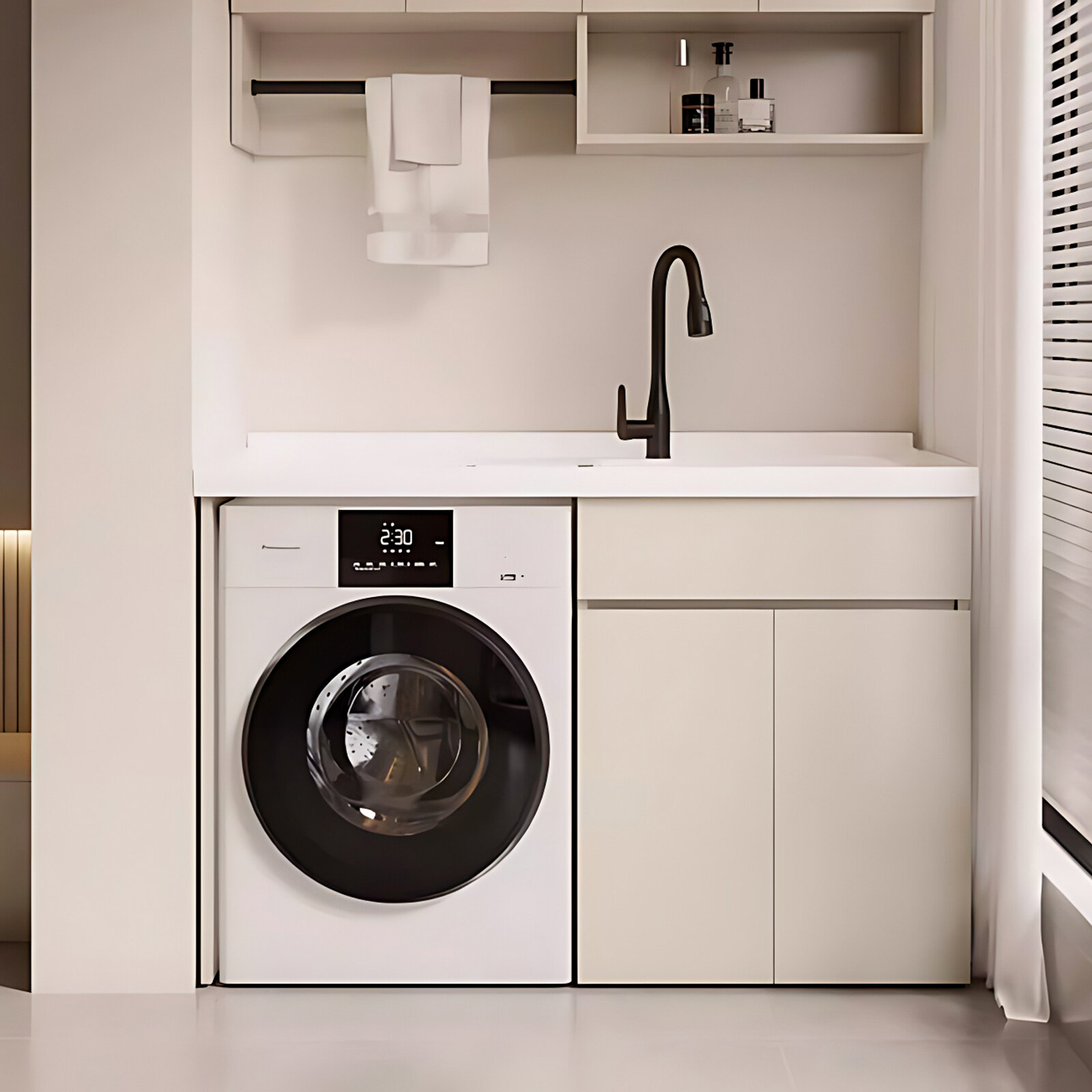
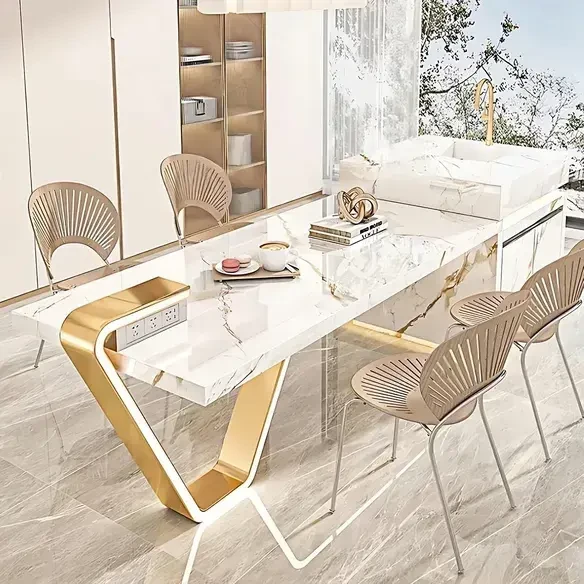
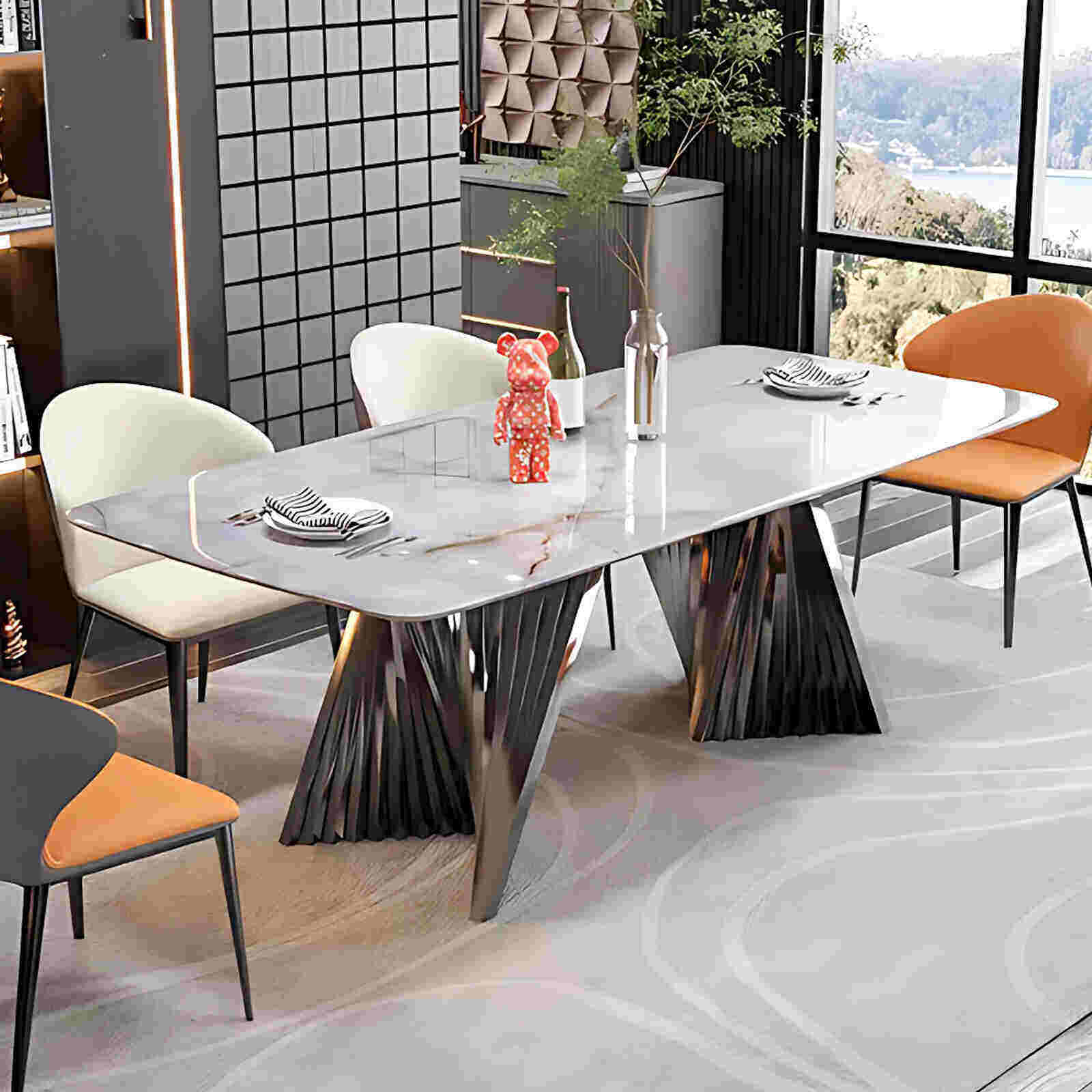
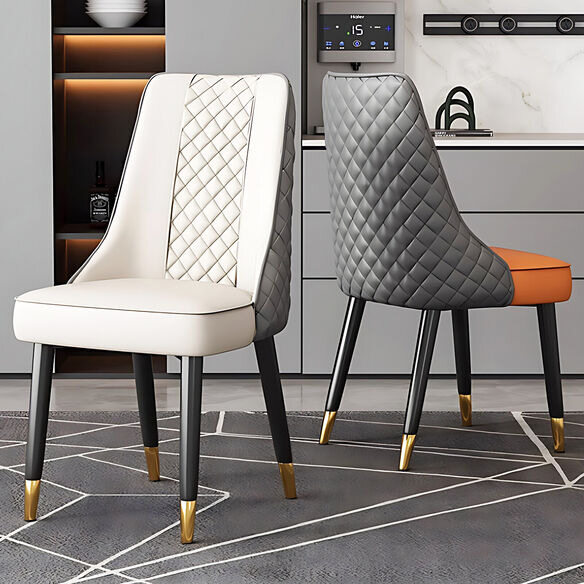
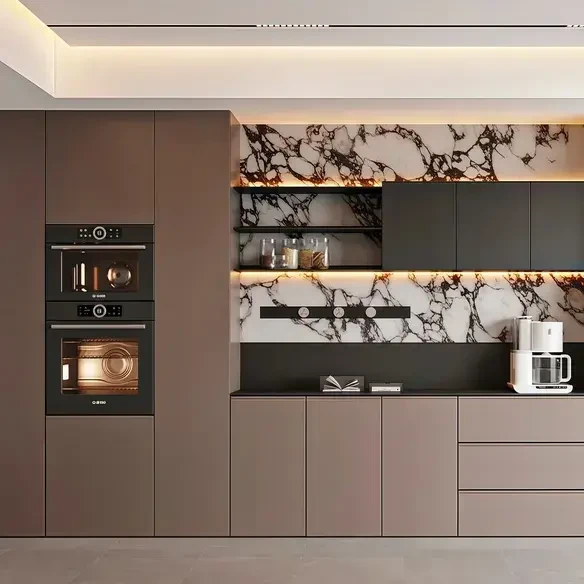
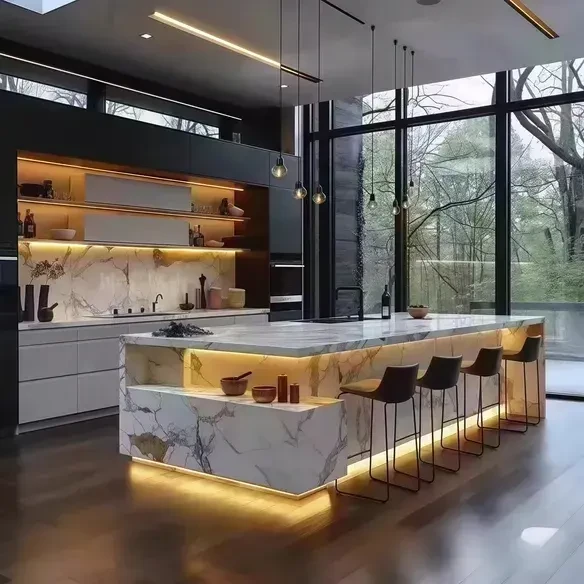
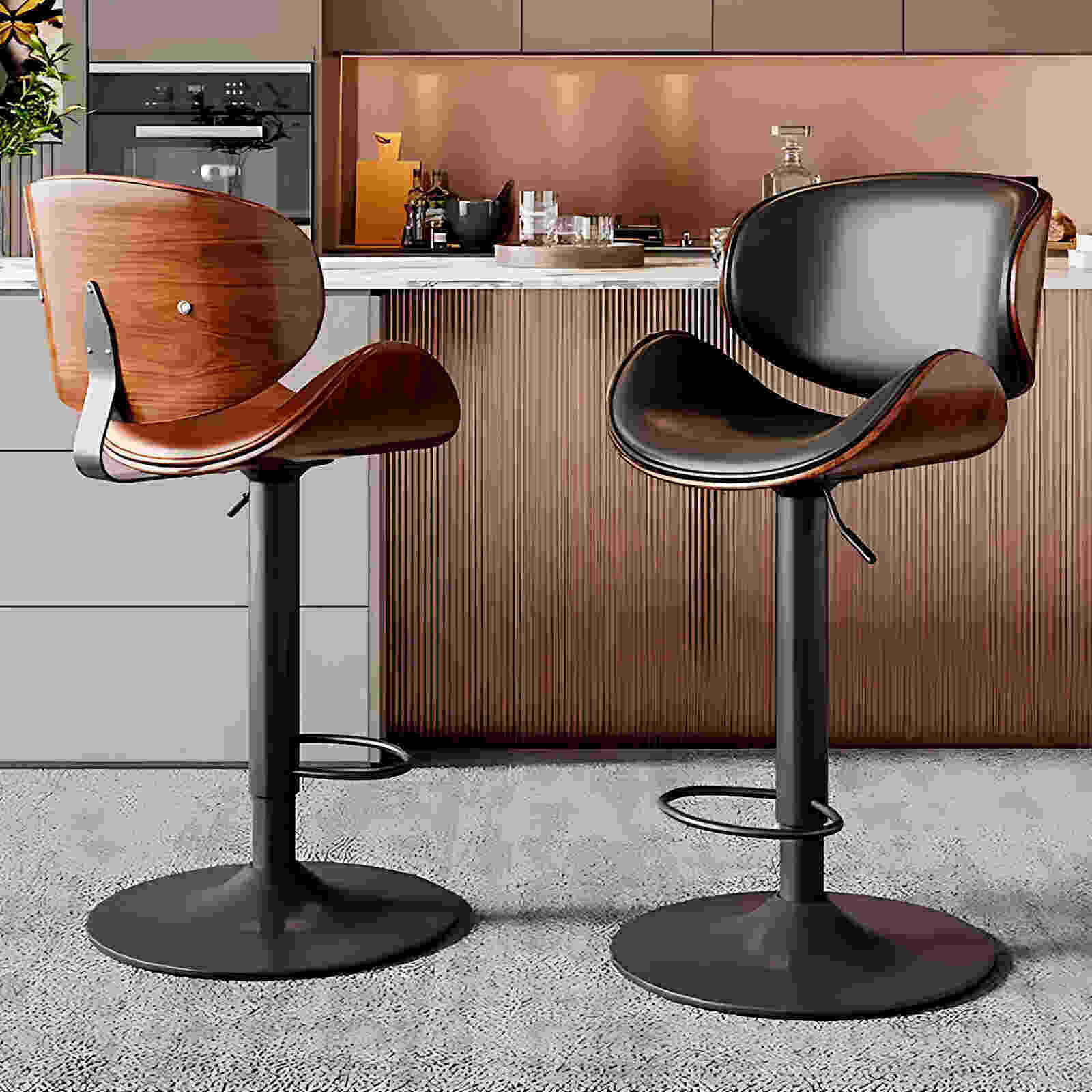
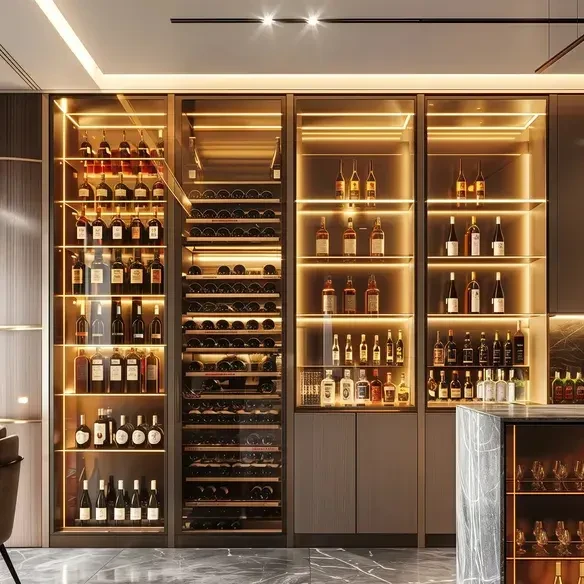
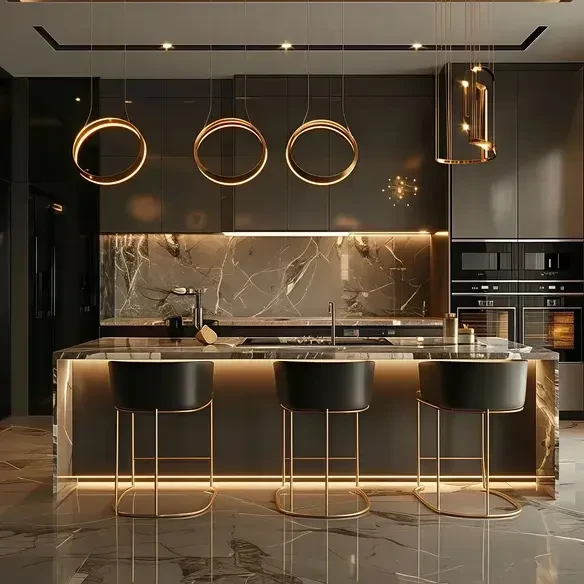

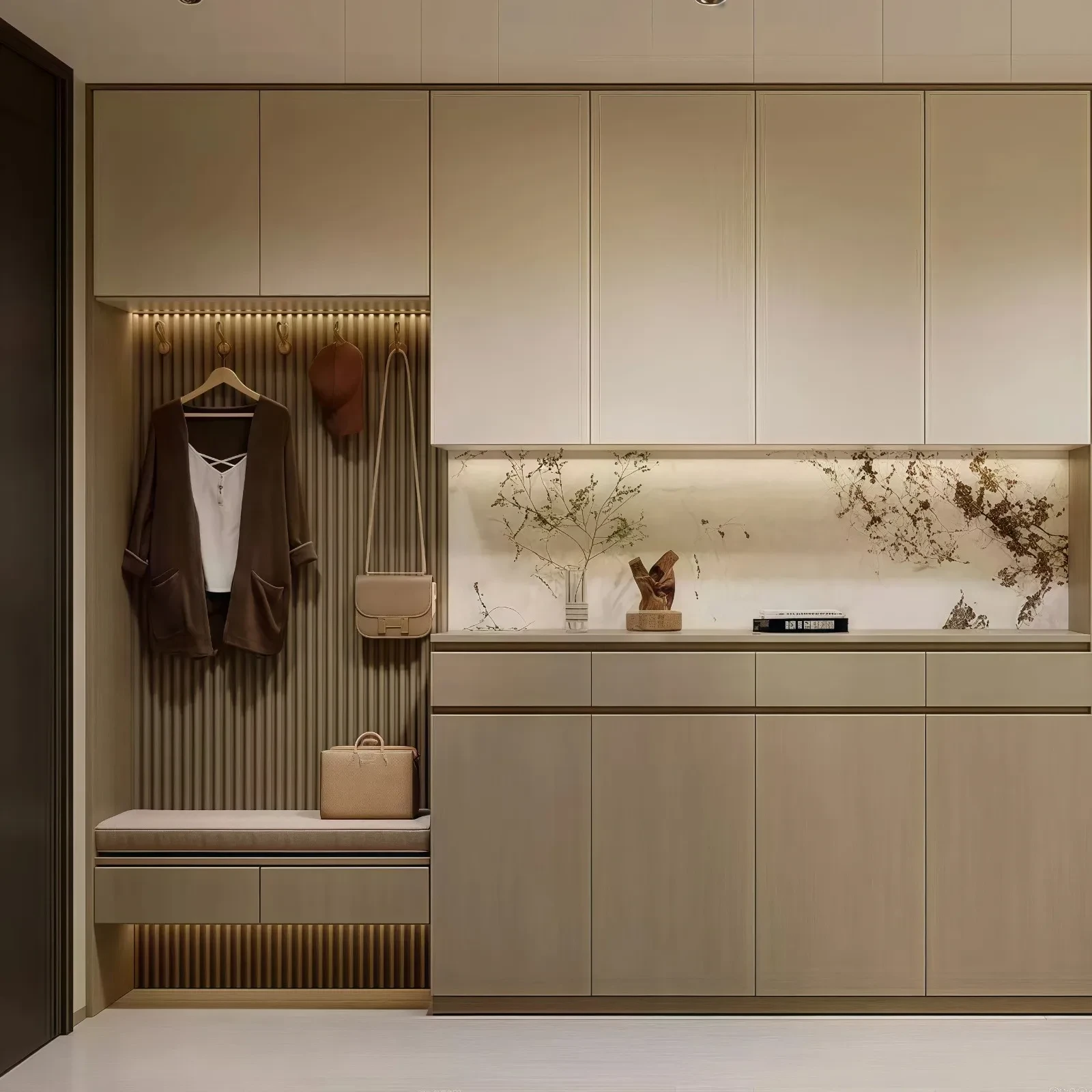
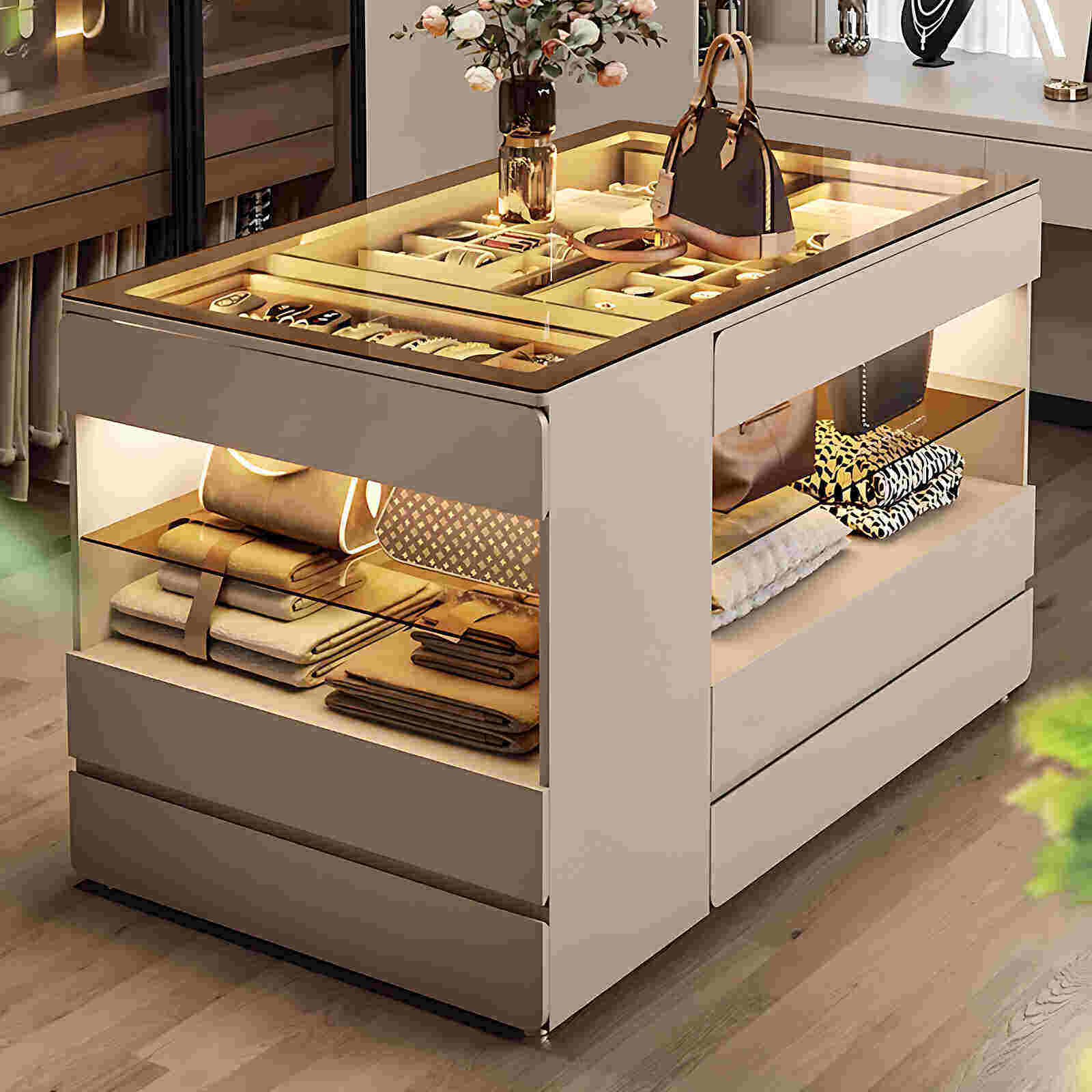




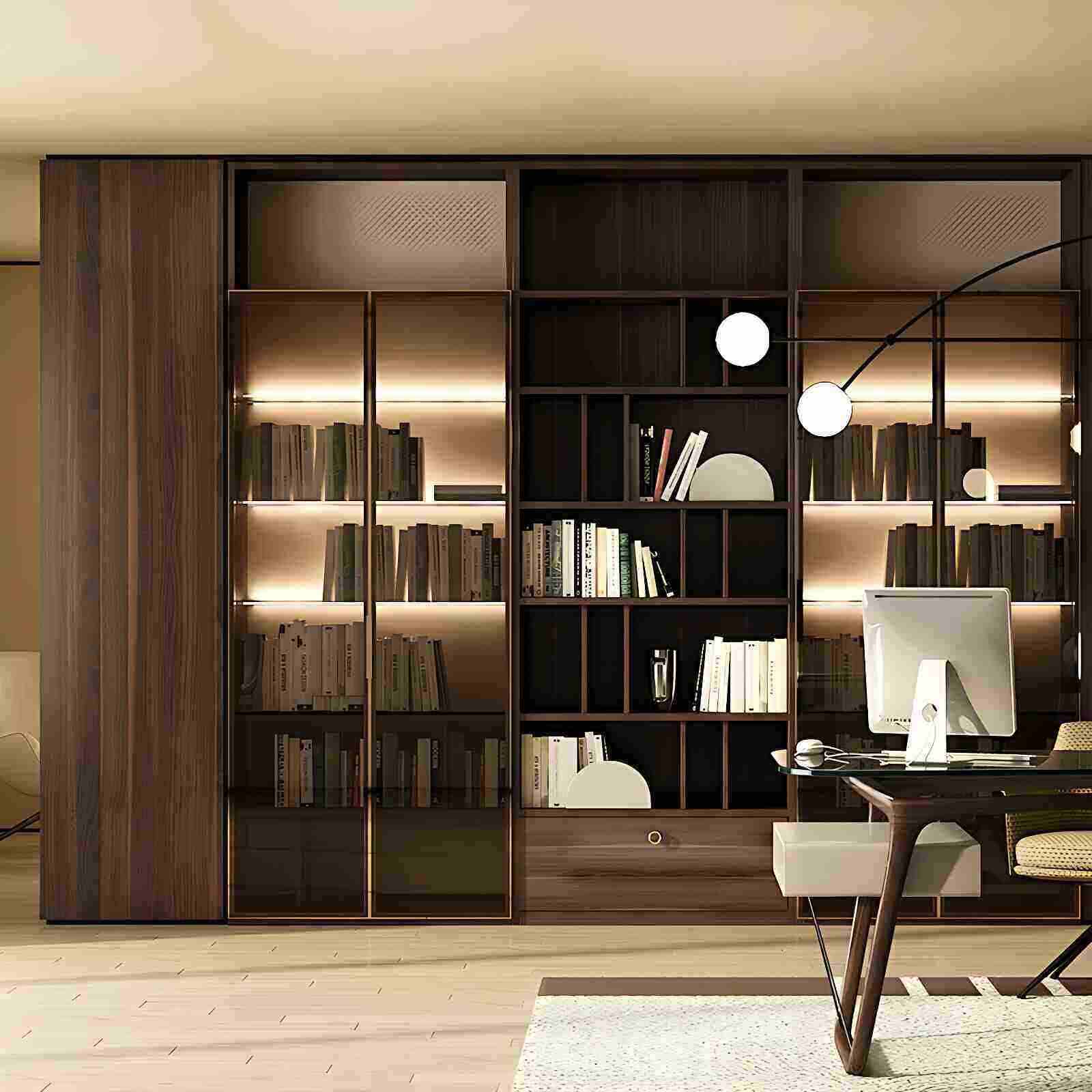

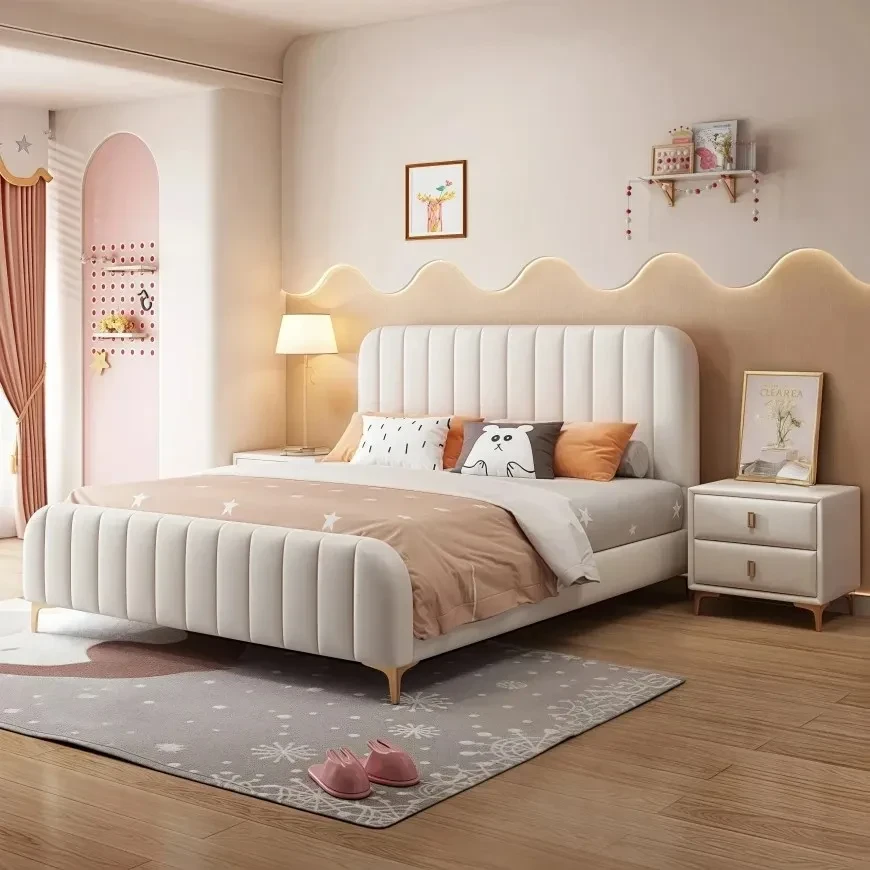
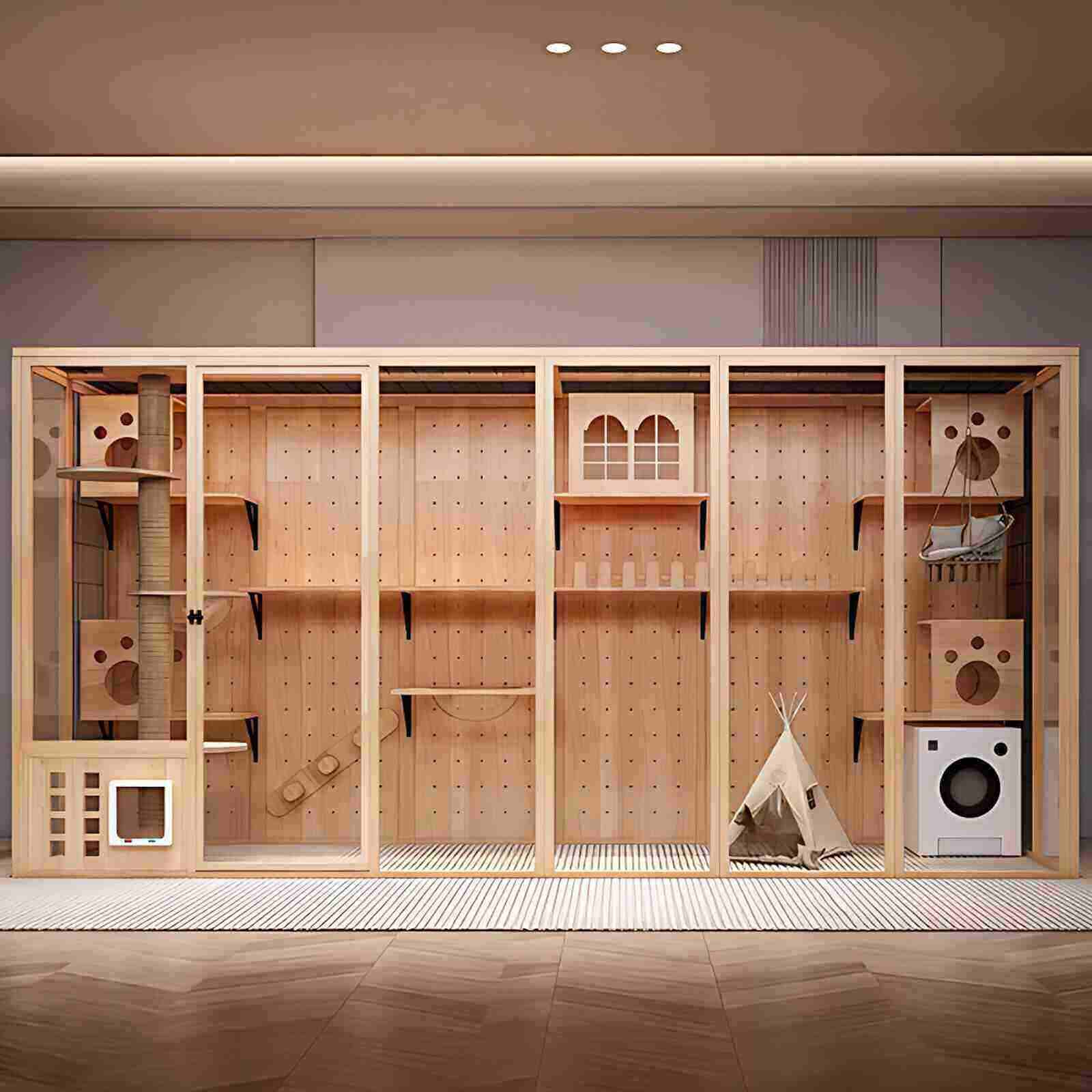
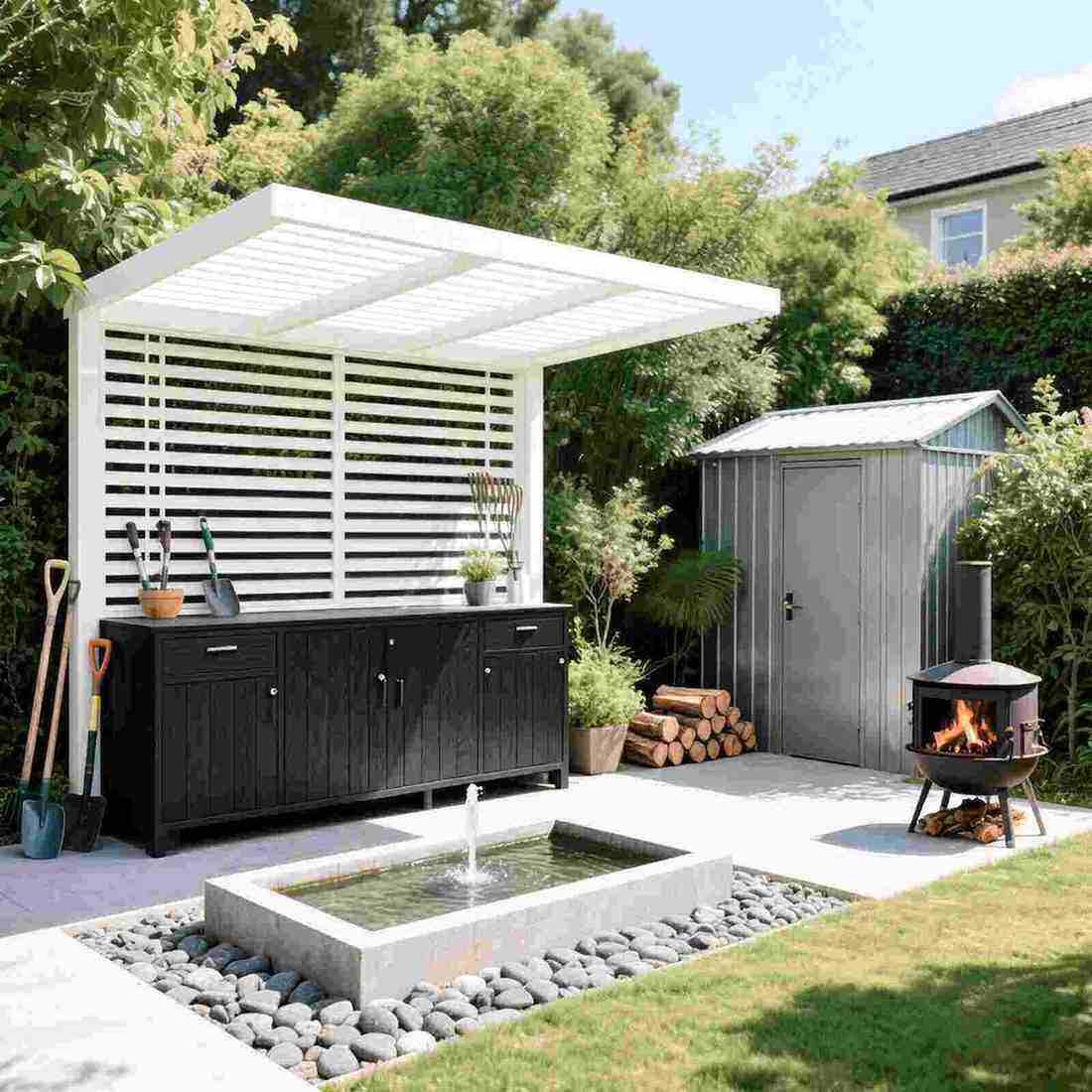
Eco-friendly boards are mainly made by adding colored and textured paper to an eco-friendly board resin adhesive, drying and curing it until it meets the requirements, and then laying it on a substrate mainly made of particleboard, moisture-resistant board, medium-density fiberboard, or plywood. After hot pressing, they form a highly decorative board product. Malacca core and cedar core eco-friendly boards are both excellent. Today, we'll discuss which is better: Malacca core or cedar core eco-friendly boards. Let's take a look.
1. Characteristics of Chinese Fir Core Ecological Board
Chinese cedar core eco-board is a common building material, known for its affordability, durability, and high quality, making it very popular and well-regarded by consumers. The raw material for this board is yellowish-white, with a slightly reddish-brown core. The wood has a fine texture, is relatively soft, and has straight grain, making it easy to process. Furthermore, Chinese cedar is highly insect-resistant and resistant to decay, making it less susceptible to termites and other pests.
The surface of cedar core ecological boards can be decorated with melamine film paper in various colors and stripes, making construction very convenient. They are highly wear-resistant, durable, eco-friendly, and safe, and are commonly used to make high-end furniture or interior decorations. However, cedar core ecological boards do not have good moisture resistance and are not suitable for use in damp areas such as kitchens and bathrooms.
2. Characteristics of Malacca Eco-friendly Building Materials
Malacca plywood has very poor nail-holding power; a fingernail can easily leave a dent. If Malacca plywood is used to make furniture, nails are prone to coming loose at the joints. Therefore, it's best to avoid using Malacca plywood when making door frames, window frames, and ceilings indoors. Malacca plywood contains monophosphate, which has a pungent odor, so it's not recommended for cabinet making. However, the cross-section of Malacca plywood is very regular, resulting in a neat and aesthetically pleasing appearance.
The above information addresses whether Malacca wood core or Chinese cedar wood core is better for eco-friendly boards. After the analysis above, you should now understand which is better. From a practical standpoint, Chinese cedar wood core eco-friendly boards have a wider range of applications. In terms of appearance, Chinese cedar wood core eco-friendly boards are more malleable and can be flexibly processed. From an environmental perspective, Chinese cedar wood core eco-friendly boards are more environmentally friendly, requiring no painting and causing less pollution.