
 USD
USD GBP
GBP
 EUR
EUR
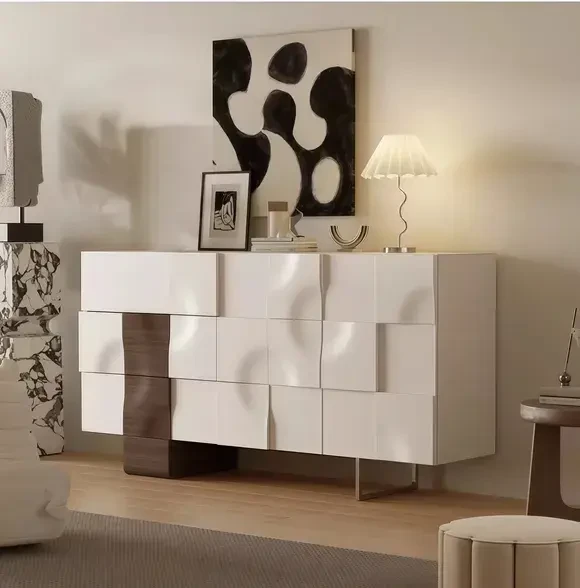
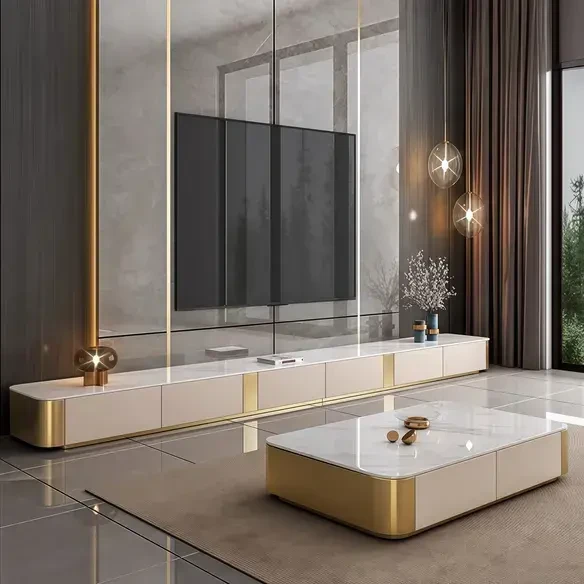
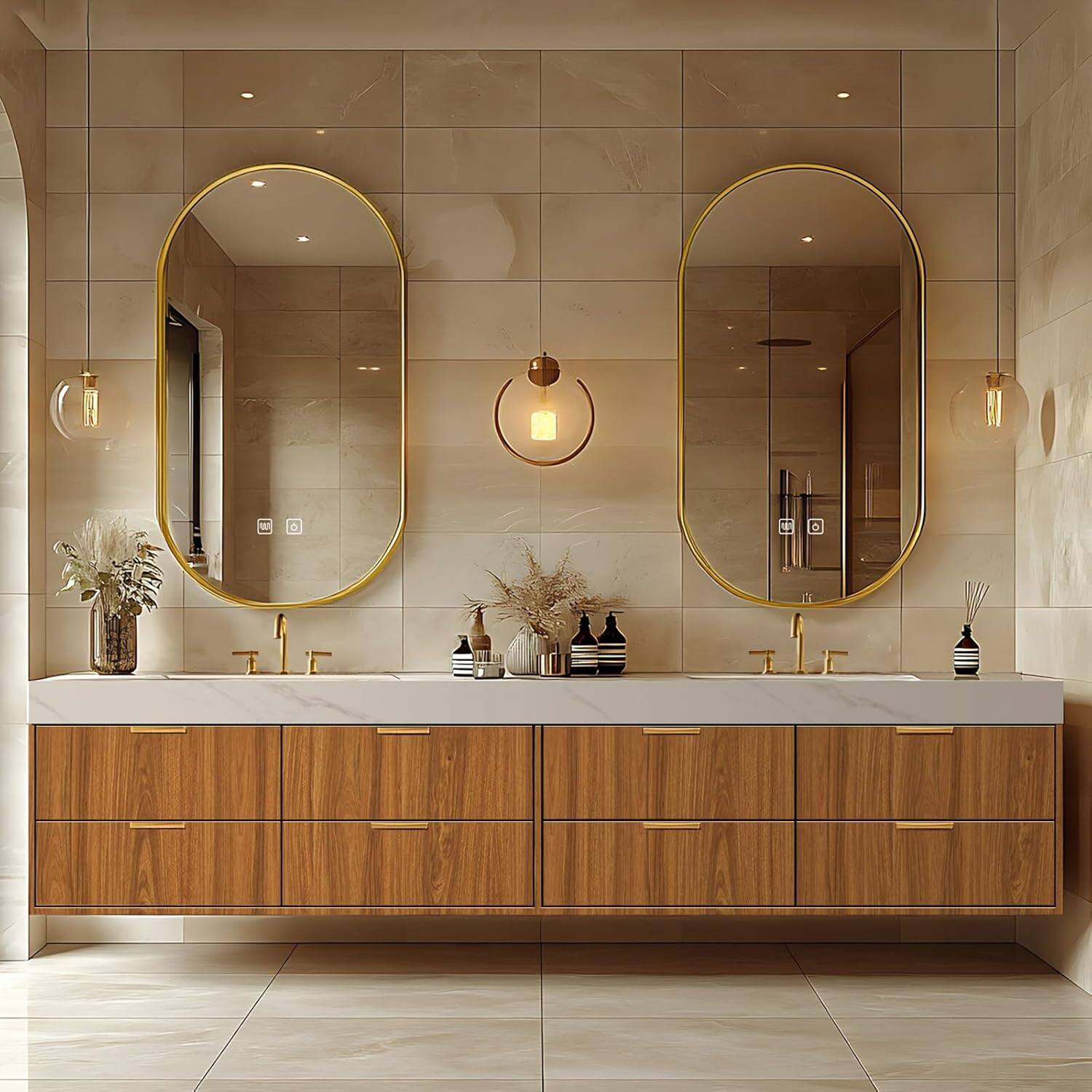
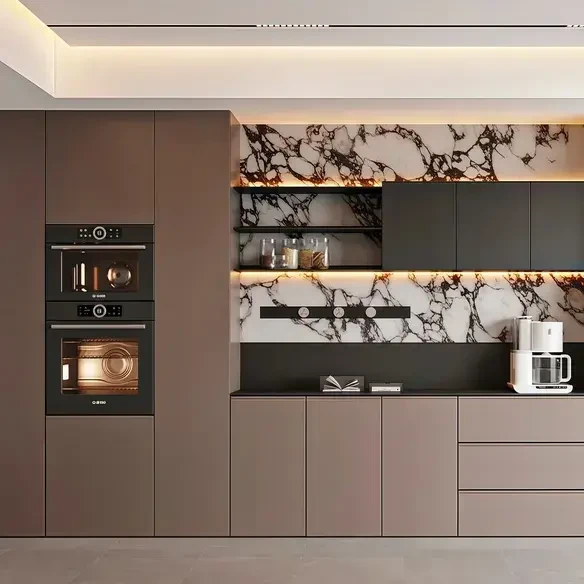
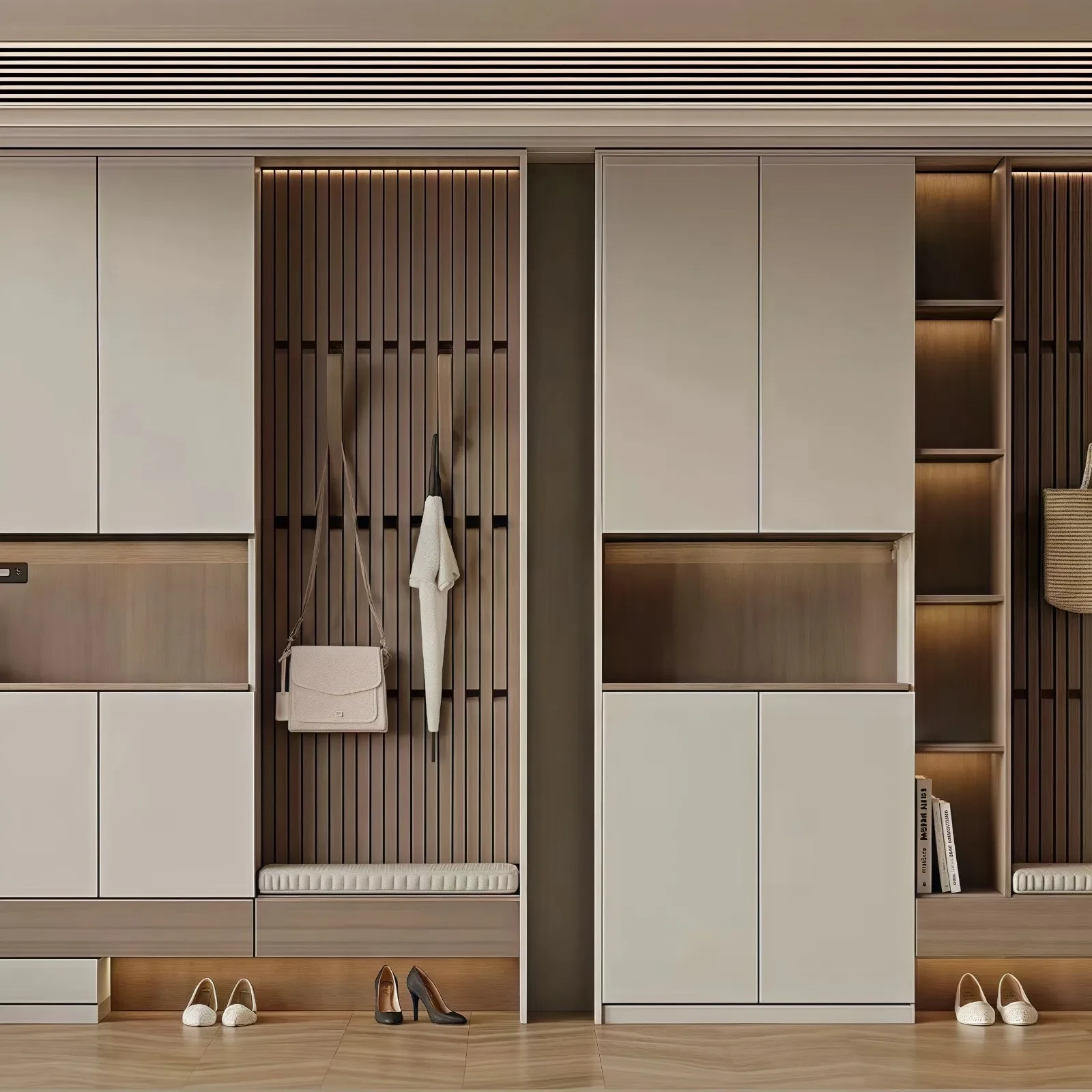
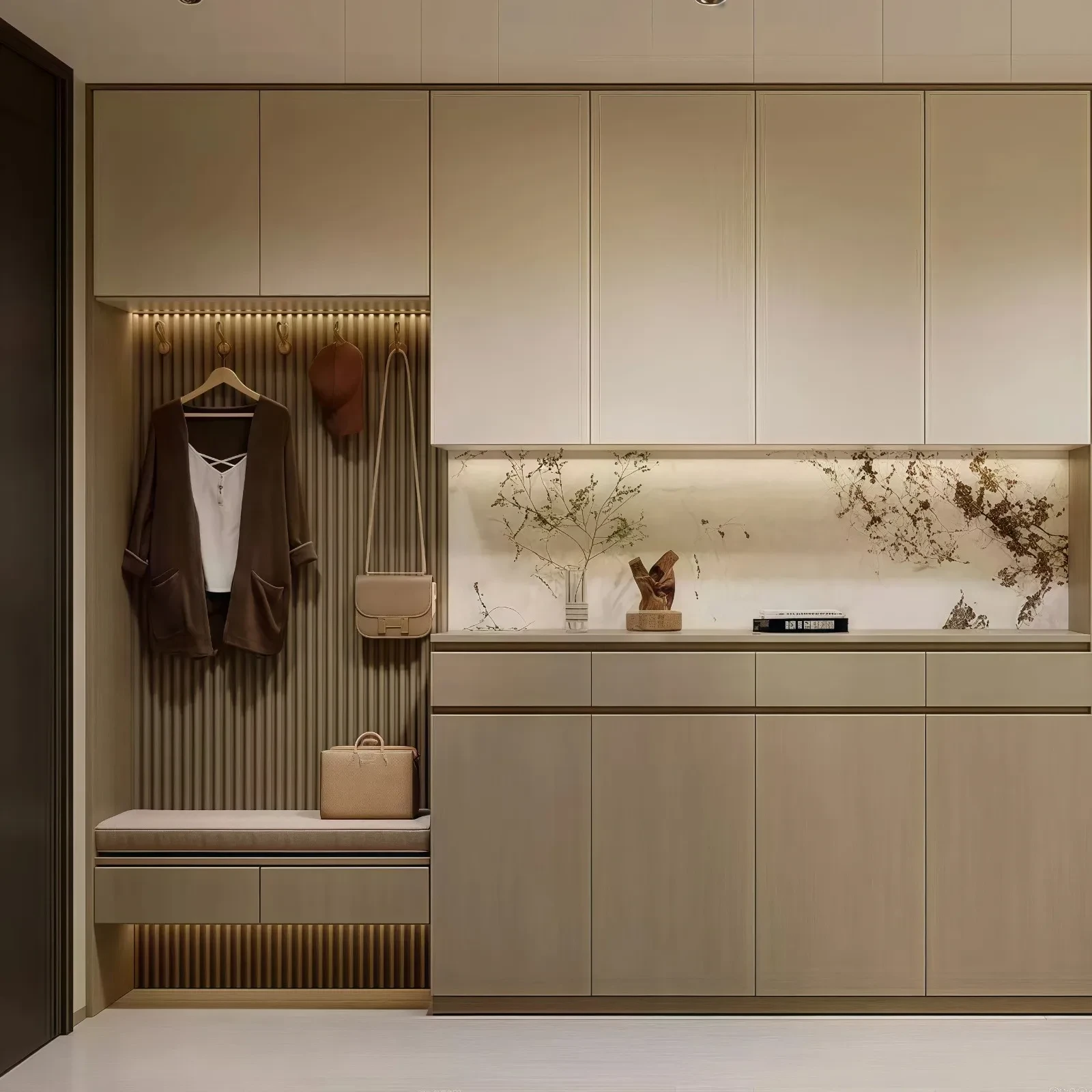
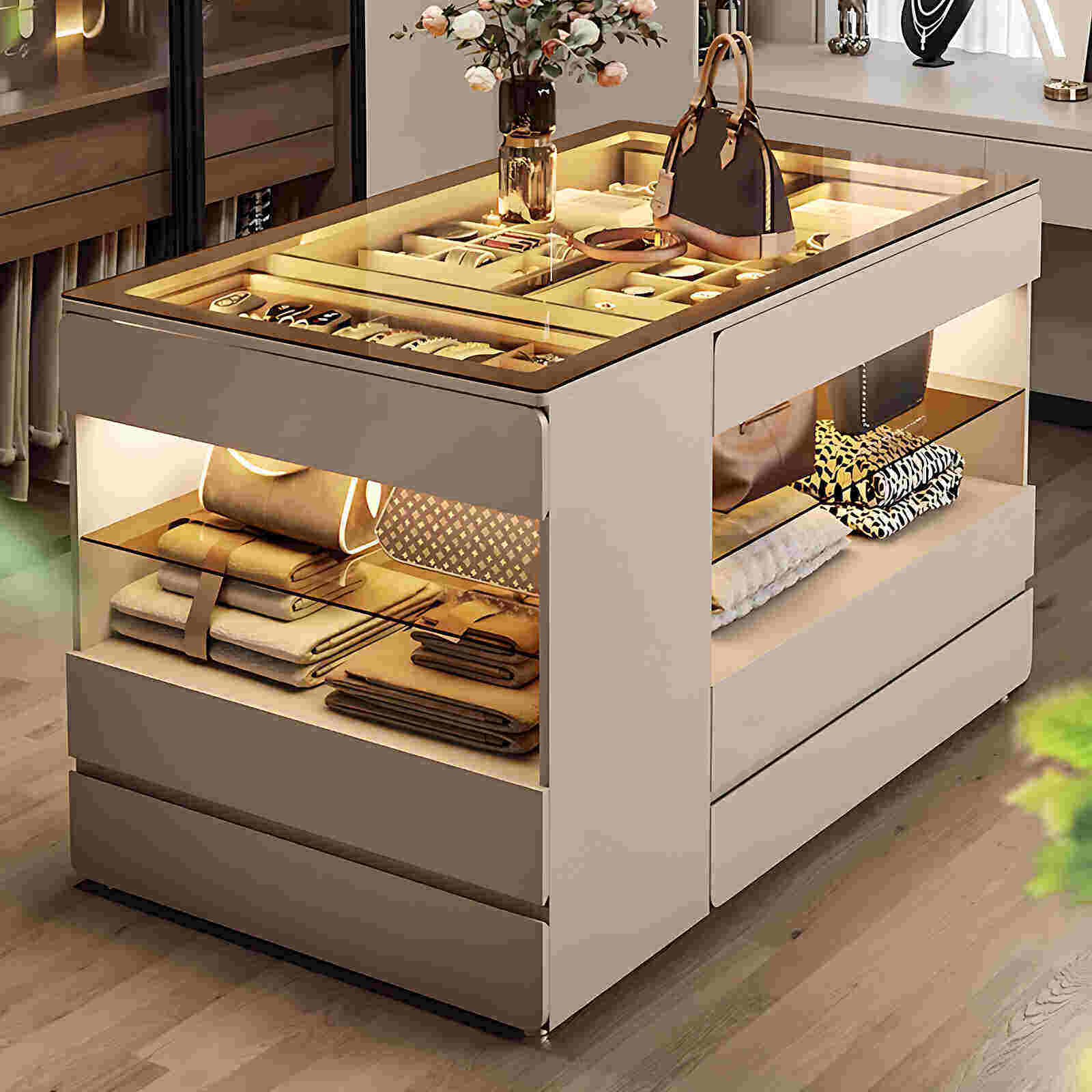
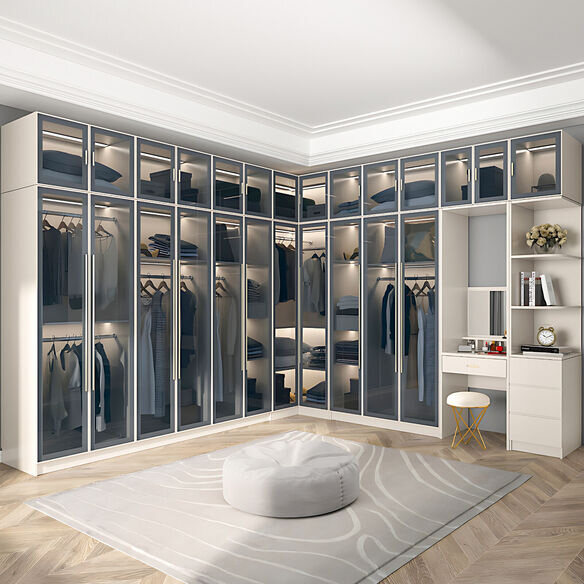
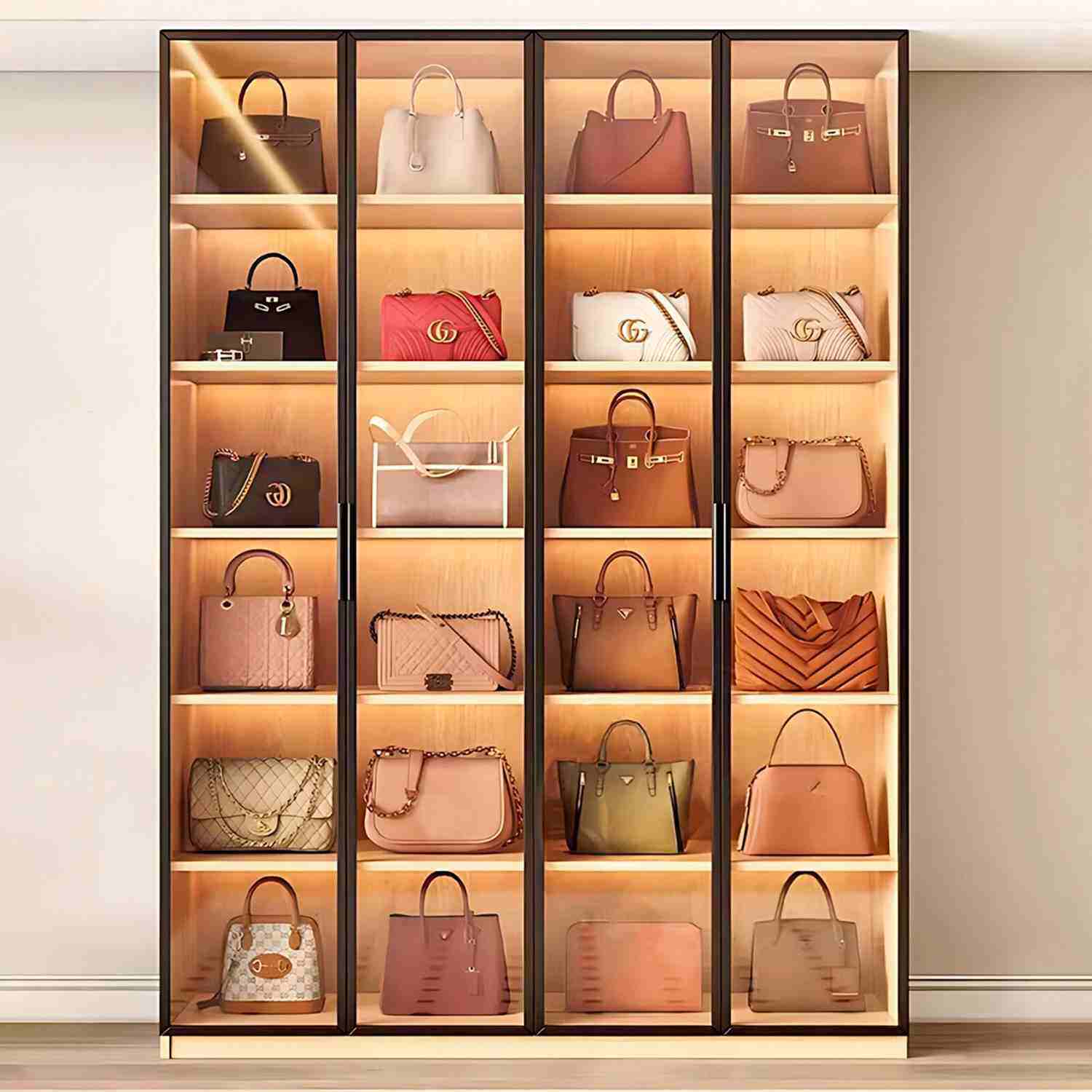
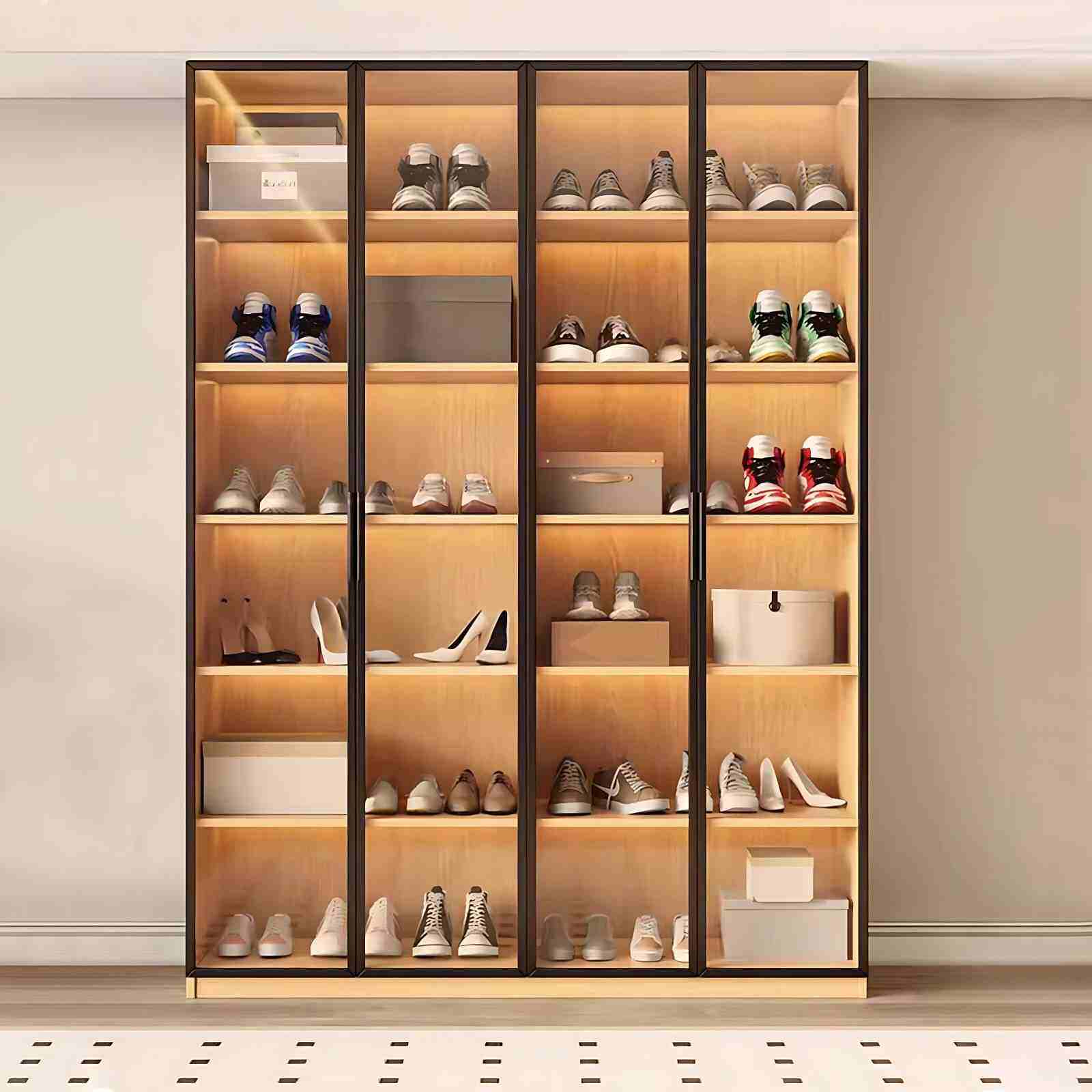
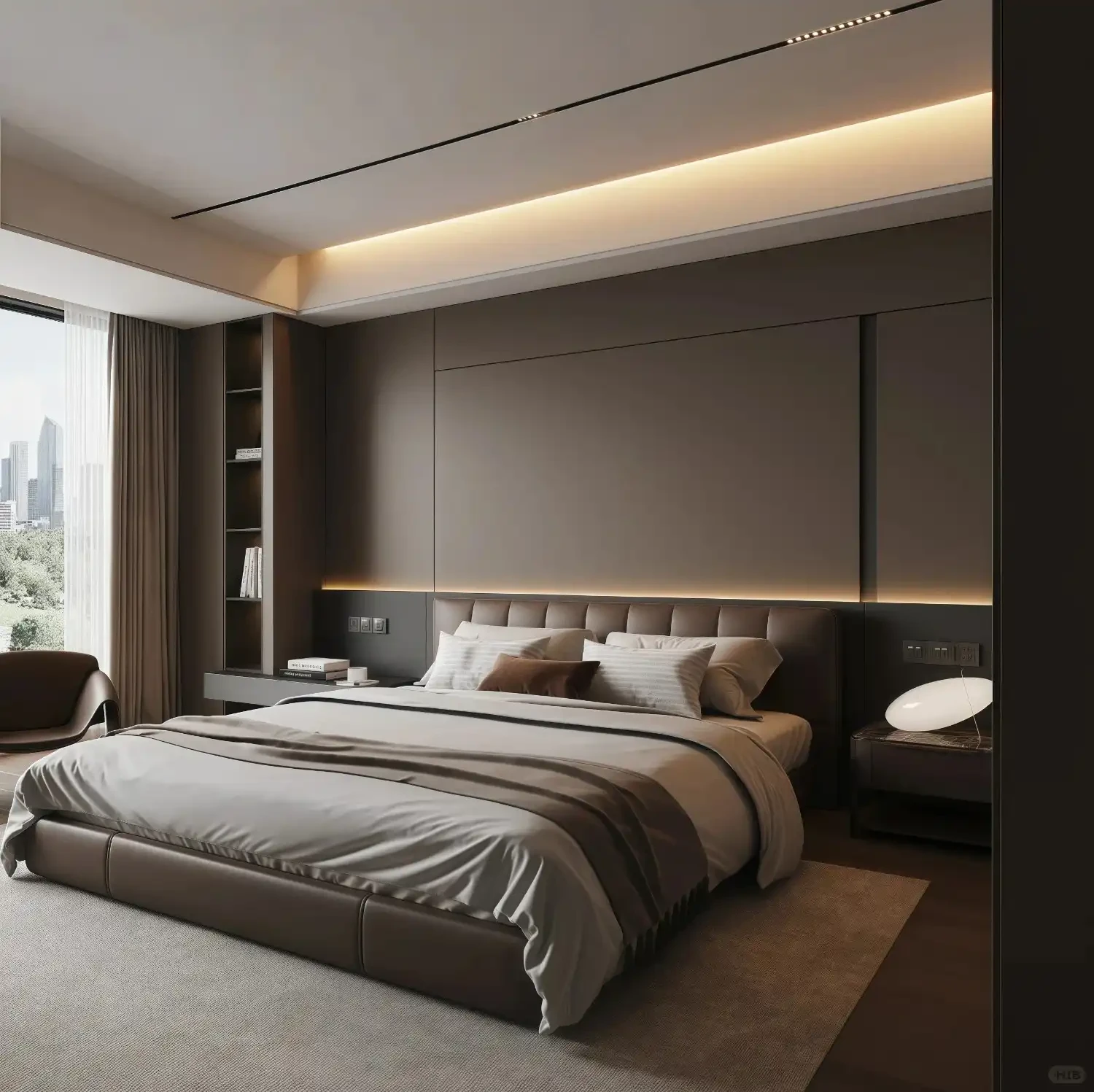
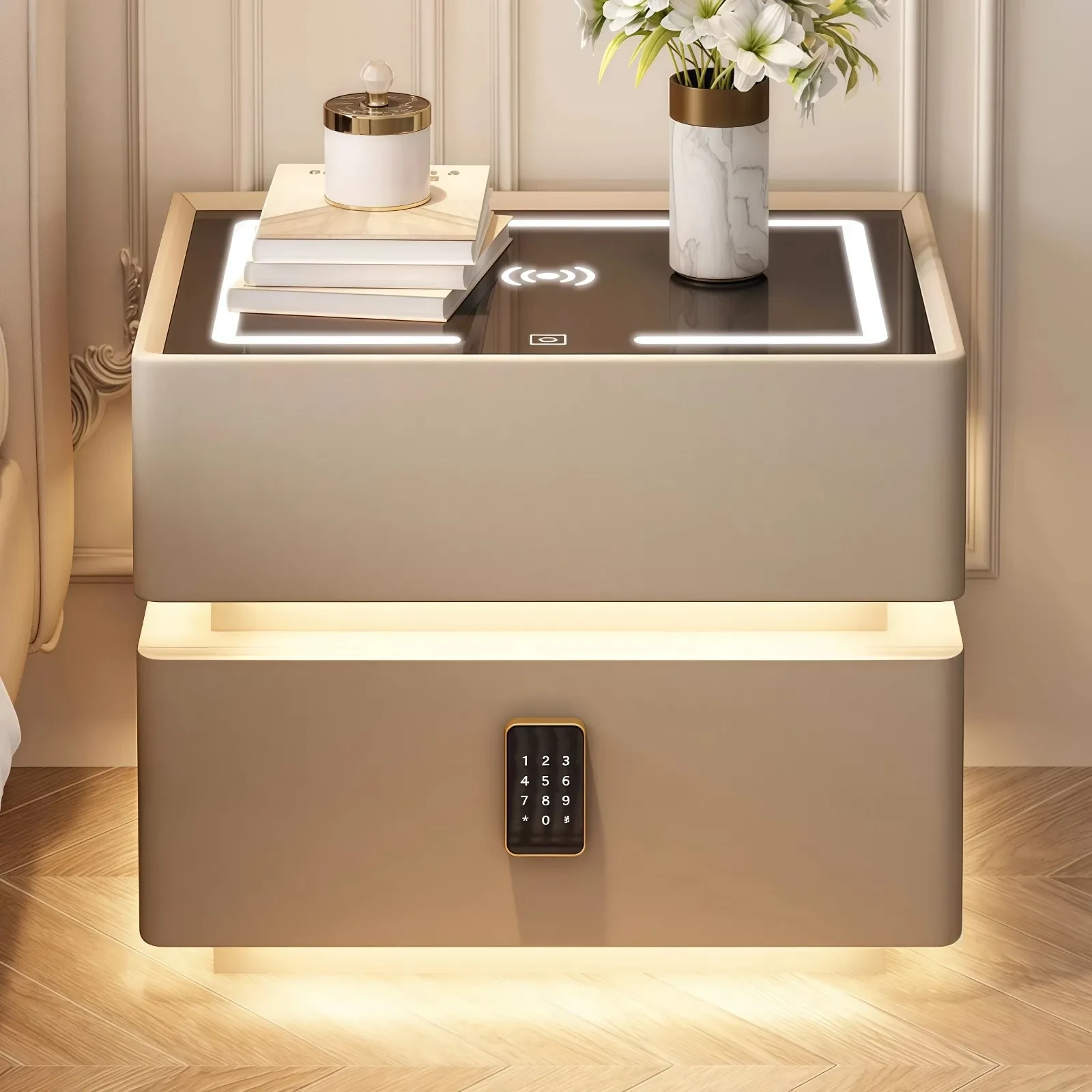
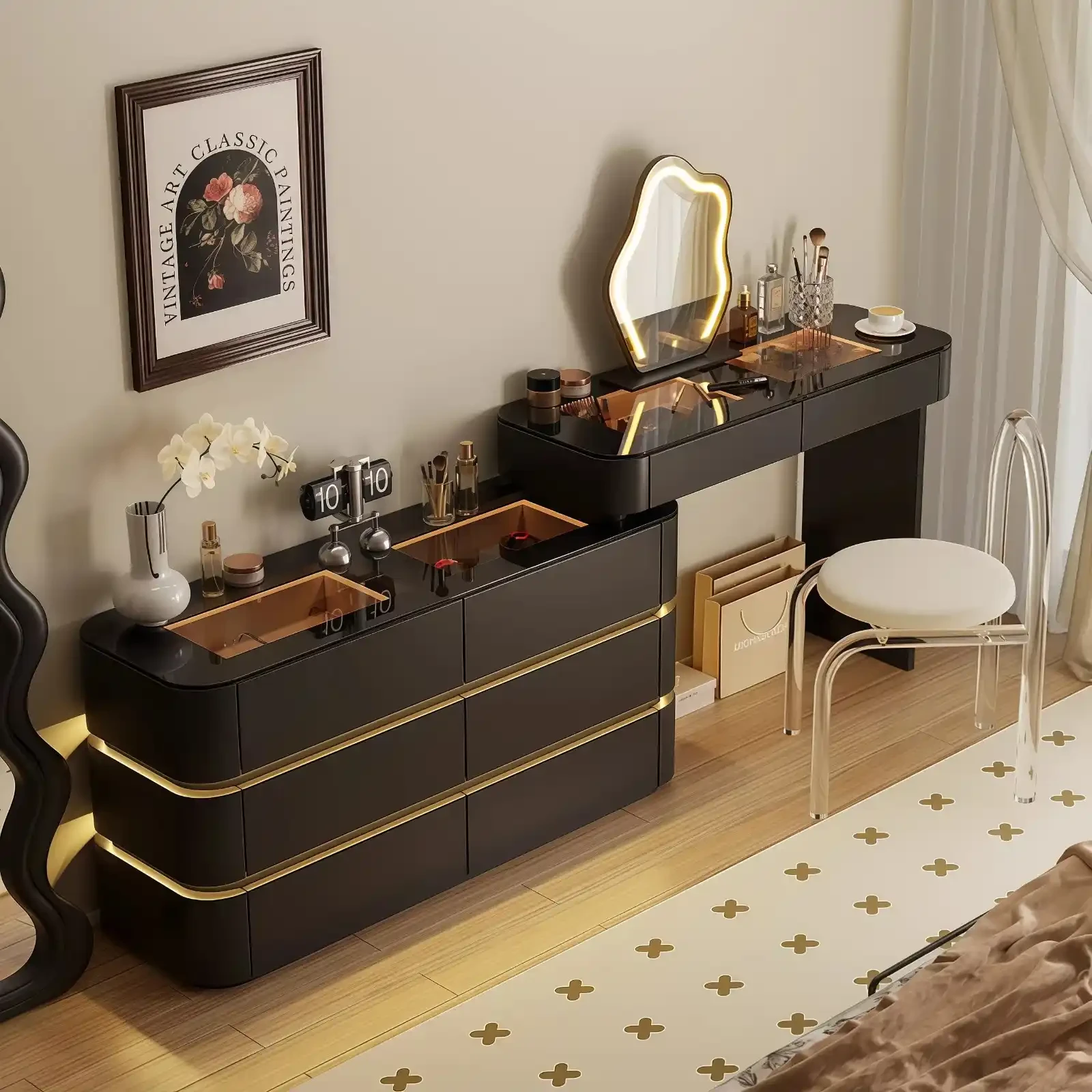
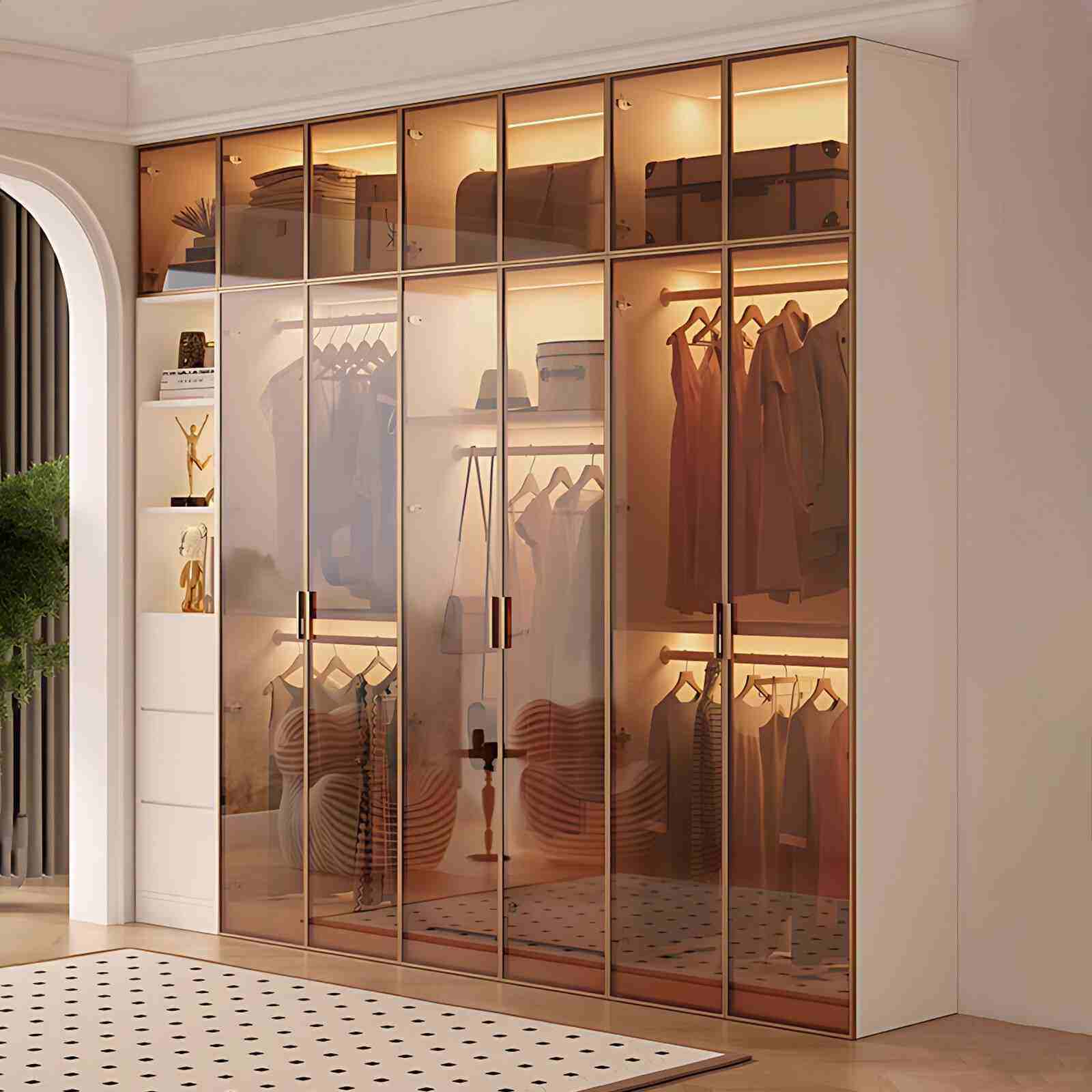
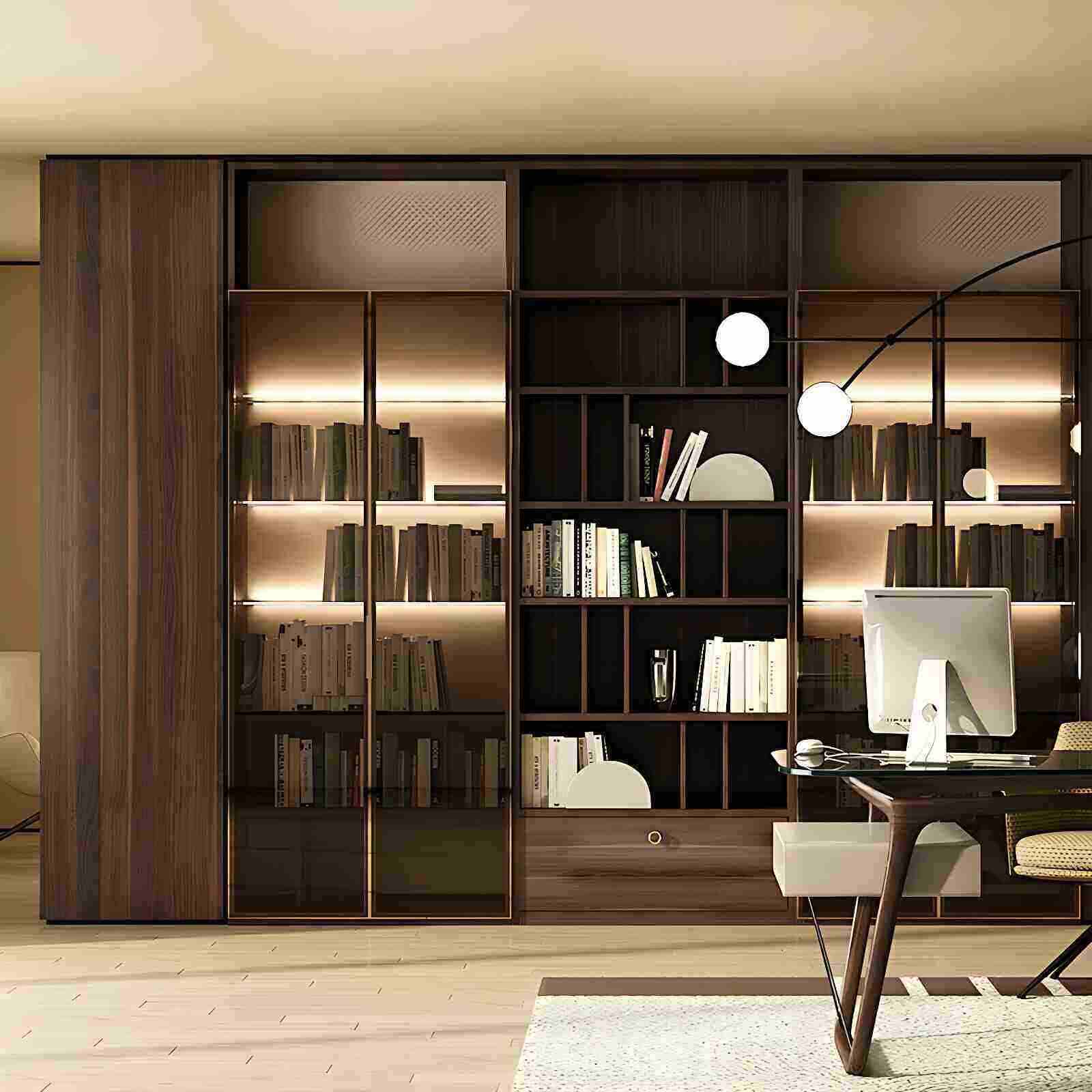
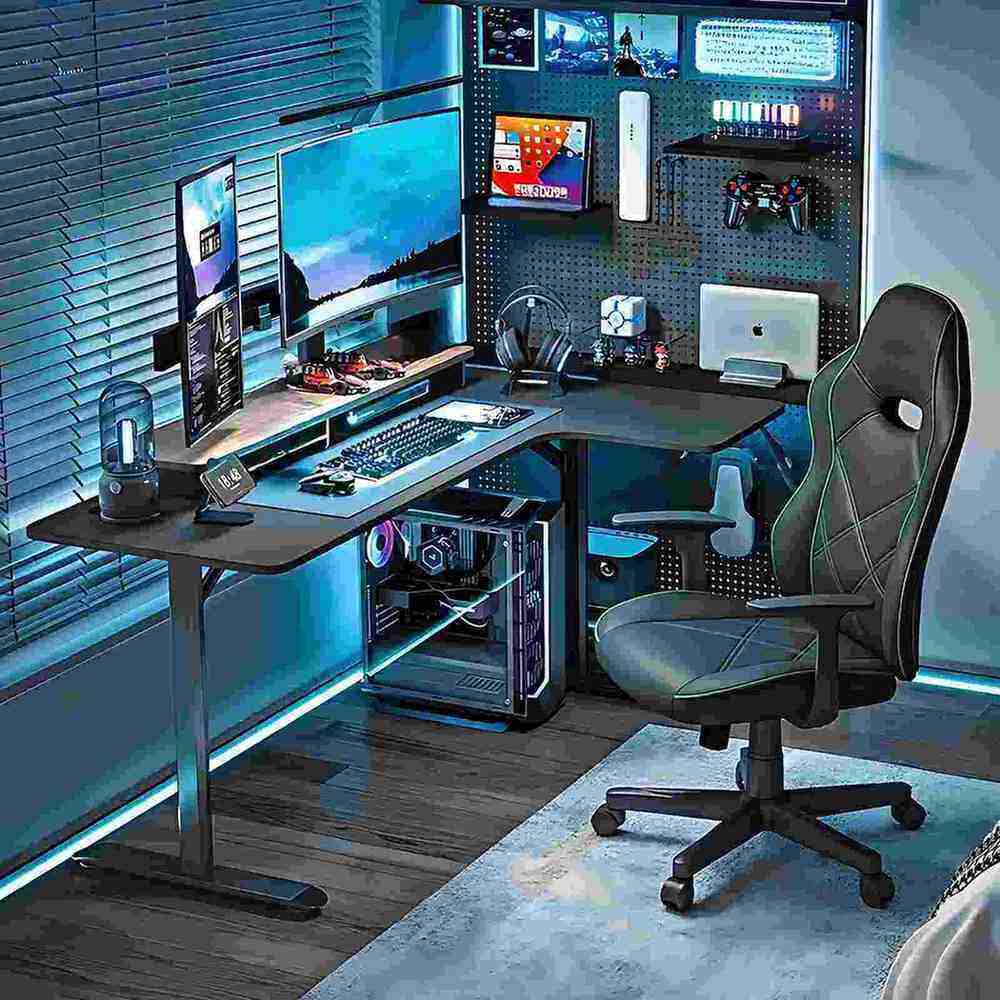
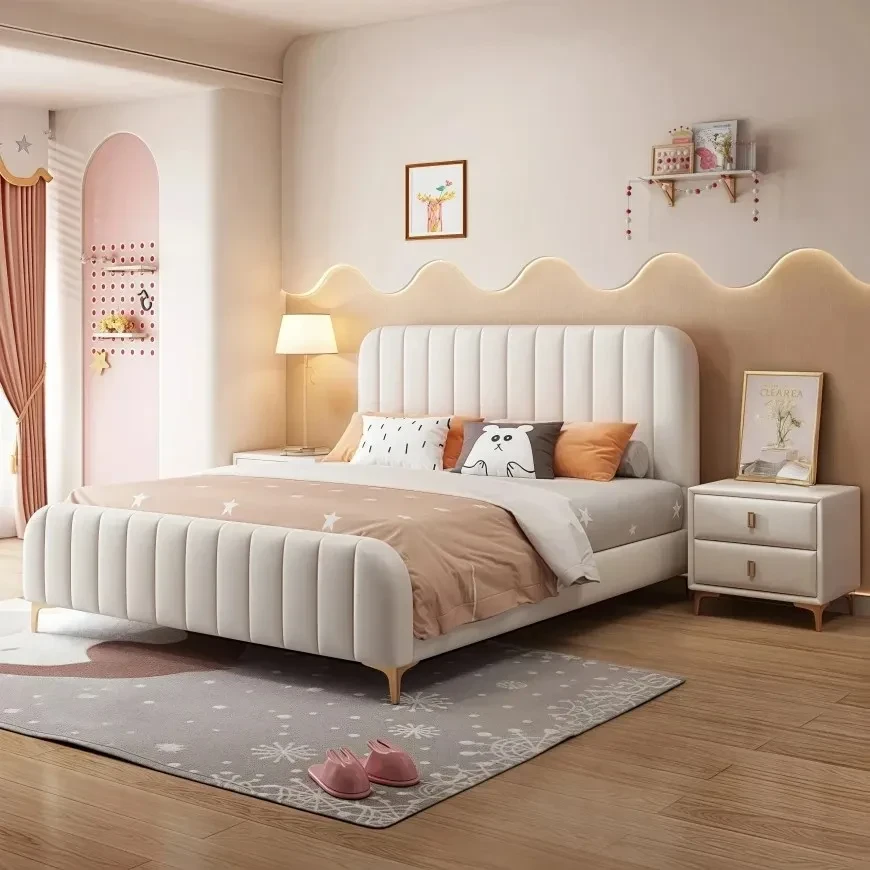
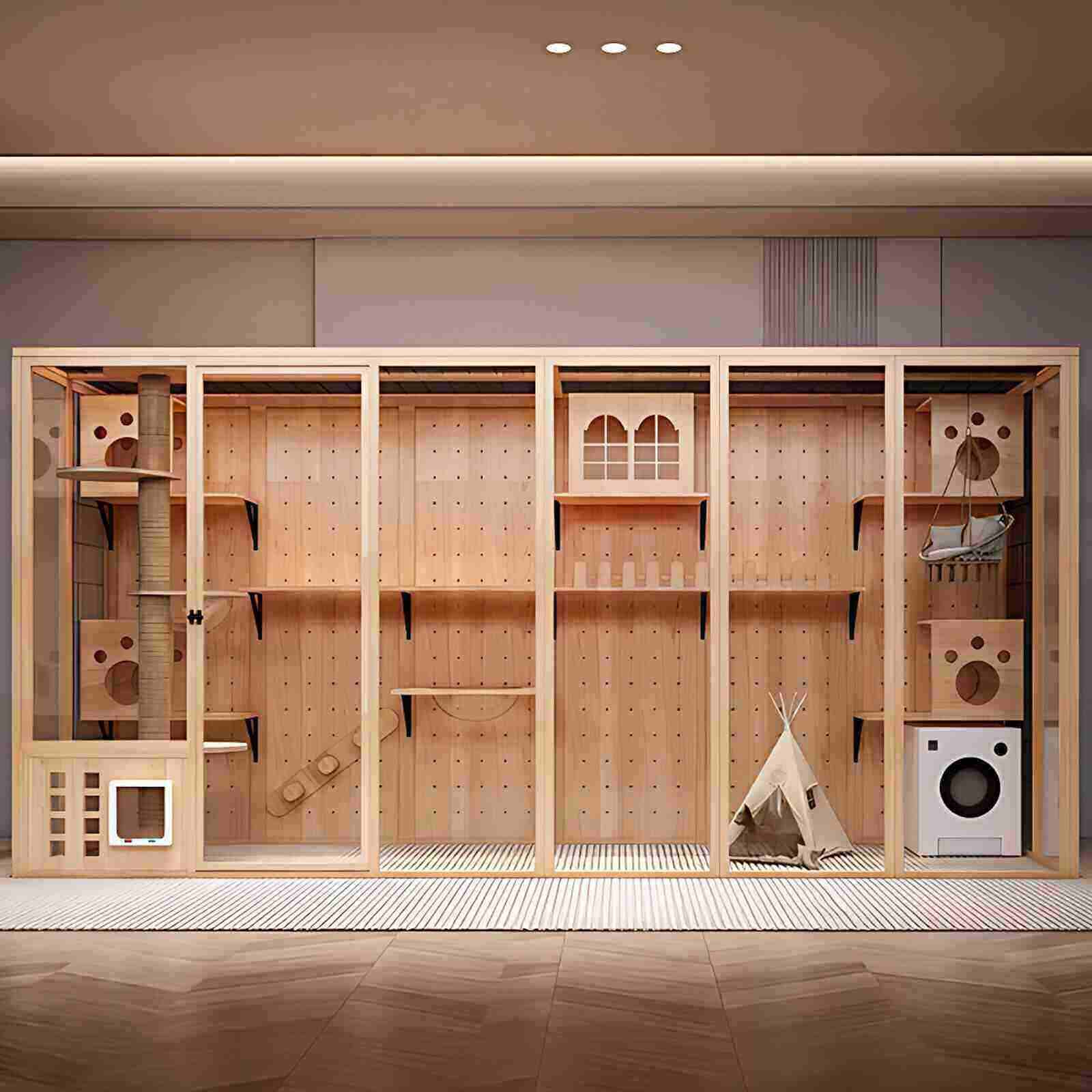
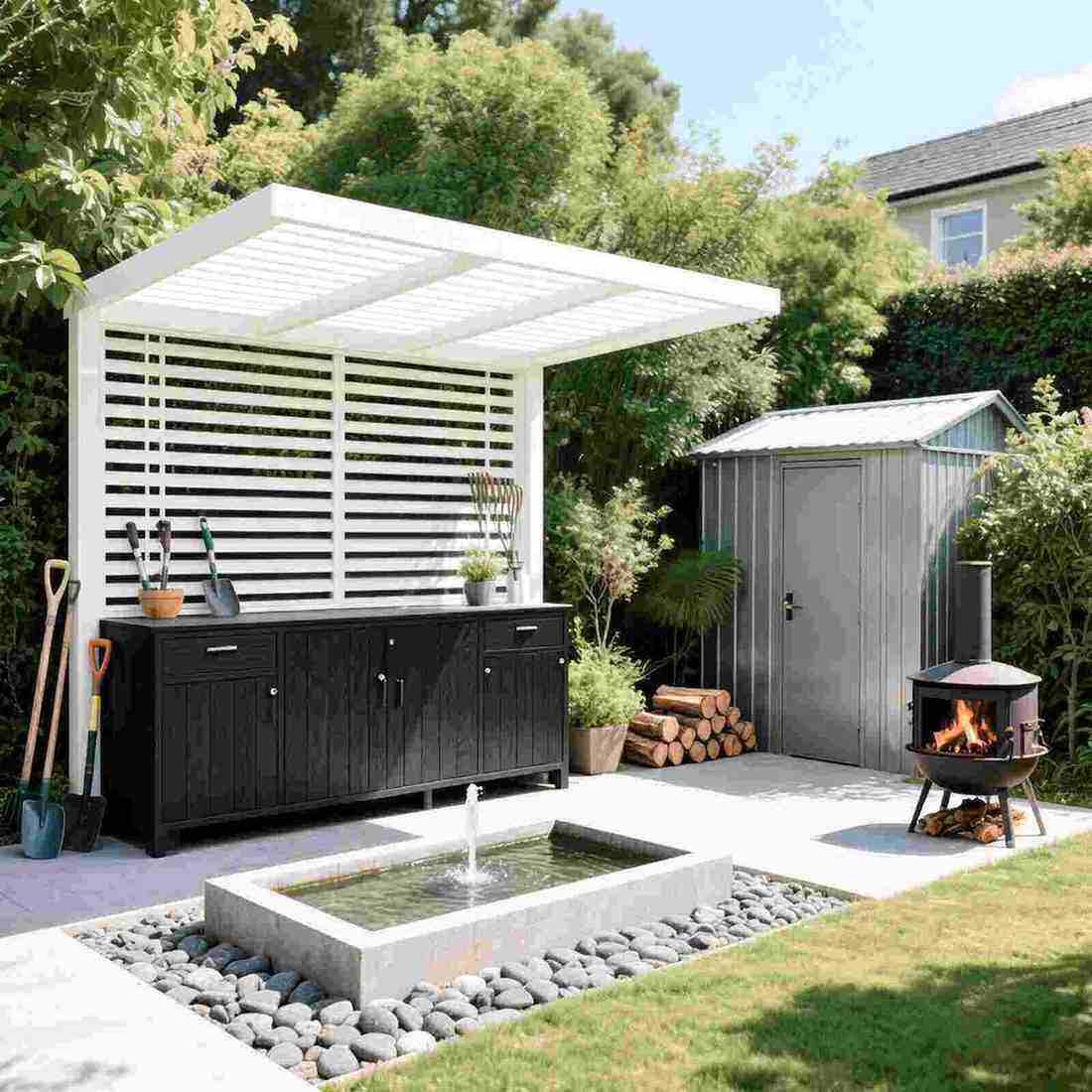
Eco-board and plywood are two types of boards that are frequently used in the decoration industry. They don't look very different, but their production processes and raw materials are quite different.
1. What is an eco-friendly board?
Eco-board, also known as melamine board or coated eco-board, is made by soaking paper of different colors or textures in eco-board resin adhesive, then drying and curing it. This is then laid on the surface of hard fiberboard such as particleboard or moisture-resistant board, and hot-pressed to create a decorative panel. It is currently the best material for making wardrobes, not only because it is environmentally friendly and aesthetically pleasing, but also because it is reasonably priced and has low formaldehyde content, making it very popular with customers.
2. The difference between ecological board and plywood
Comparing eco-boards and plywood, their raw materials differ. Eco-boards are made from plywood, particleboard, MDF, etc., with a melamine veneer decorative layer on the surface. This is a common feature between the two. Plywood is mainly made by hot-pressing and gluing two layers of core boards together. In production and processing, it maximizes the utilization of raw materials, resulting in excellent performance in processing, cutting, and decoration. Eco-boards are a paint-free board and can be used directly, while plywood requires pre-treatment and decoration before use.
The two also differ significantly in their uses. Plywood is primarily used for making wardrobes. However, if plywood is used to make wardrobes, it must first be veneered and decorated, and then sprayed with paint, which increases formaldehyde emissions. This also increases material and labor costs, and requires more time. Therefore, for making children's wardrobes, more environmentally friendly eco-boards are generally chosen. Eco-boards do not require painting, can be used directly, are safe and environmentally friendly, and have low formaldehyde emissions. Many consumers with high environmental standards generally prefer eco-boards.