
 USD
USD GBP
GBP
 EUR
EUR
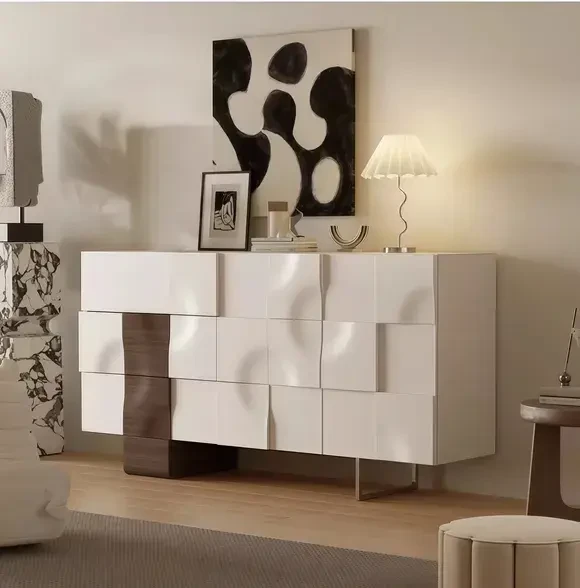
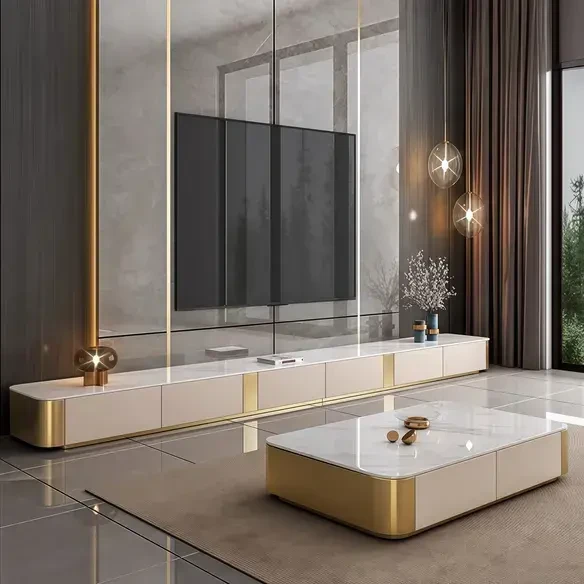
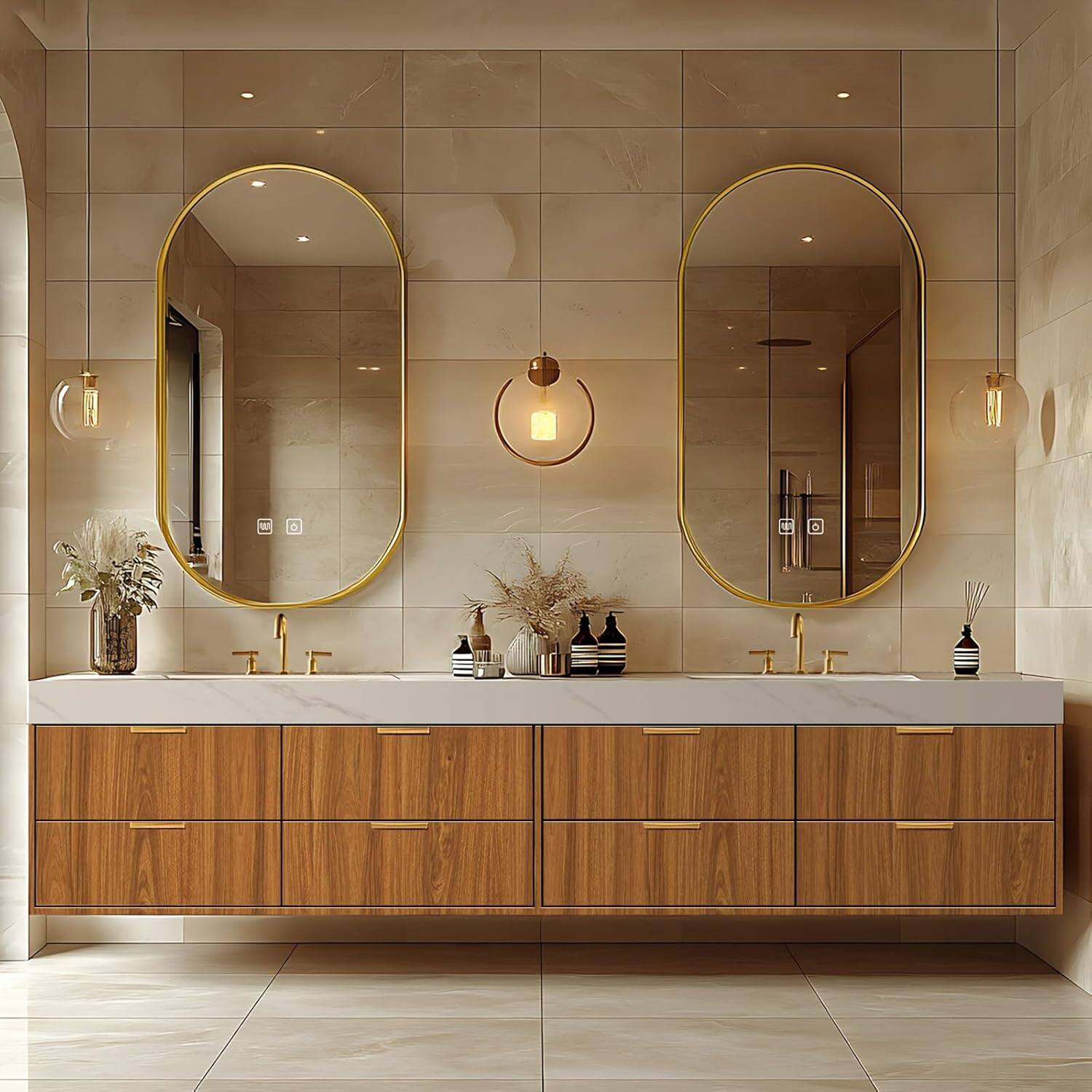
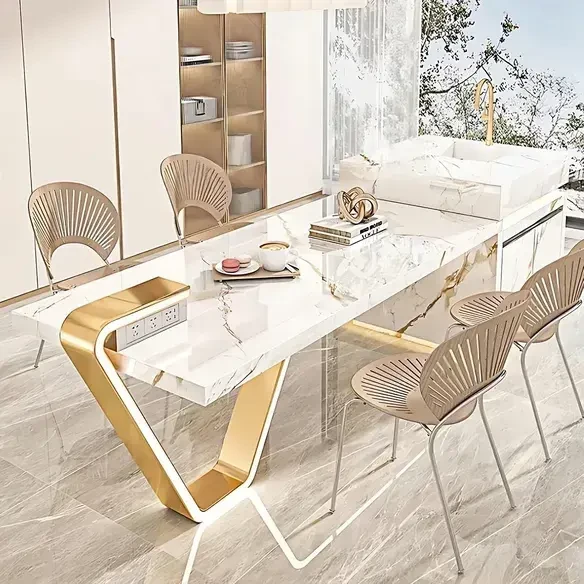
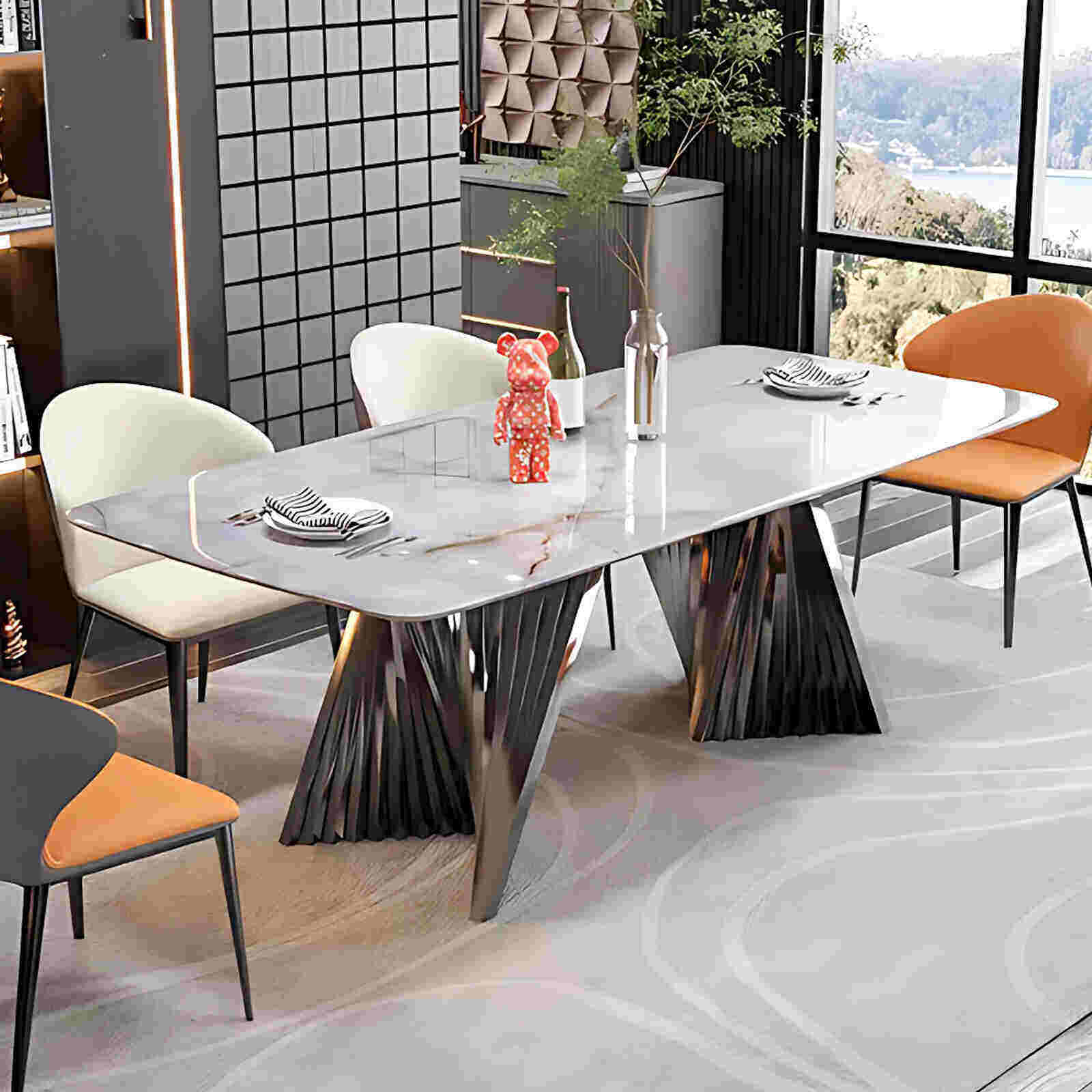
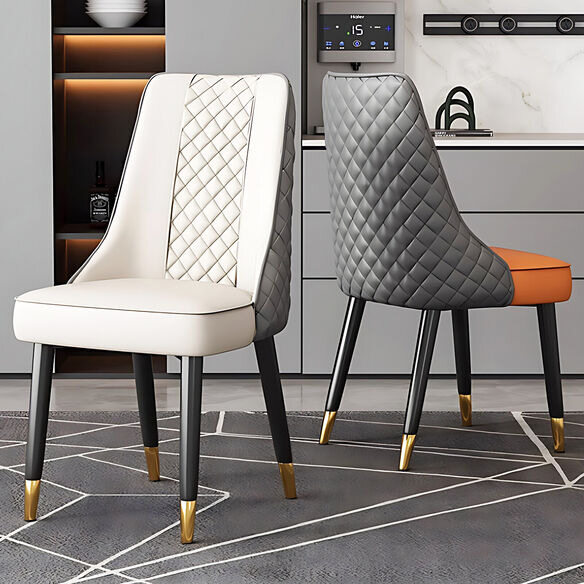
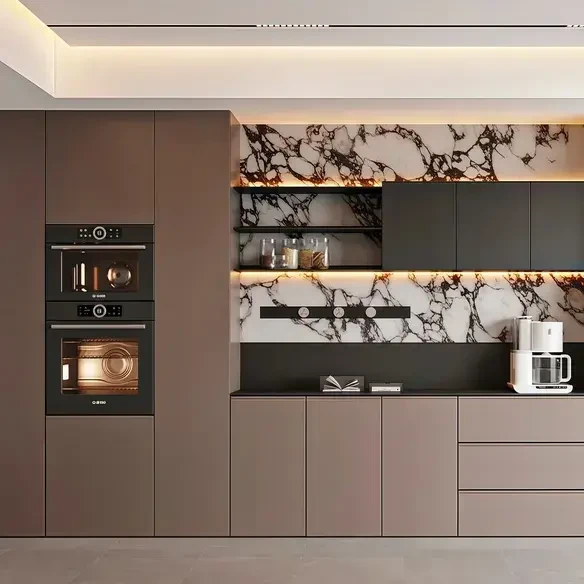
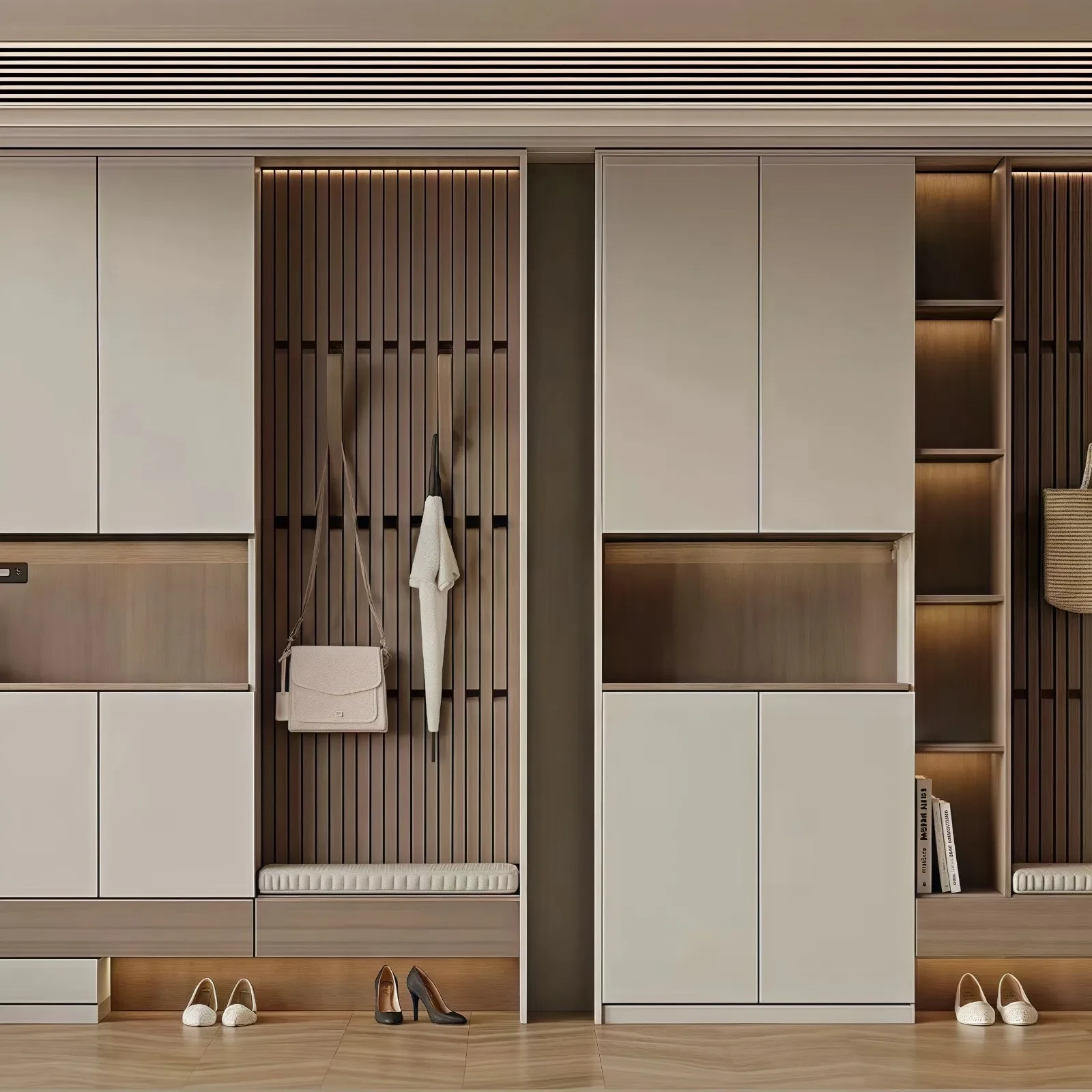
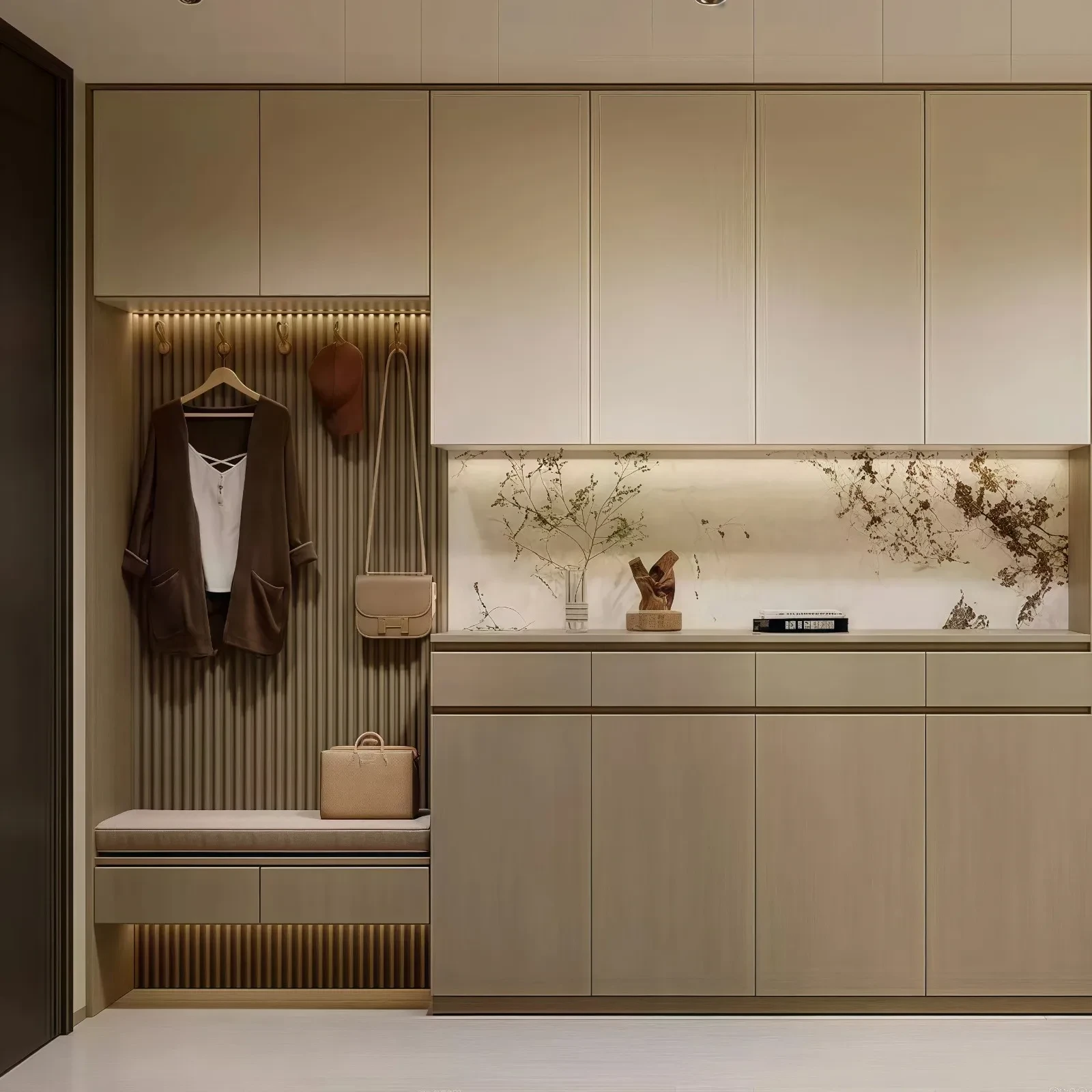
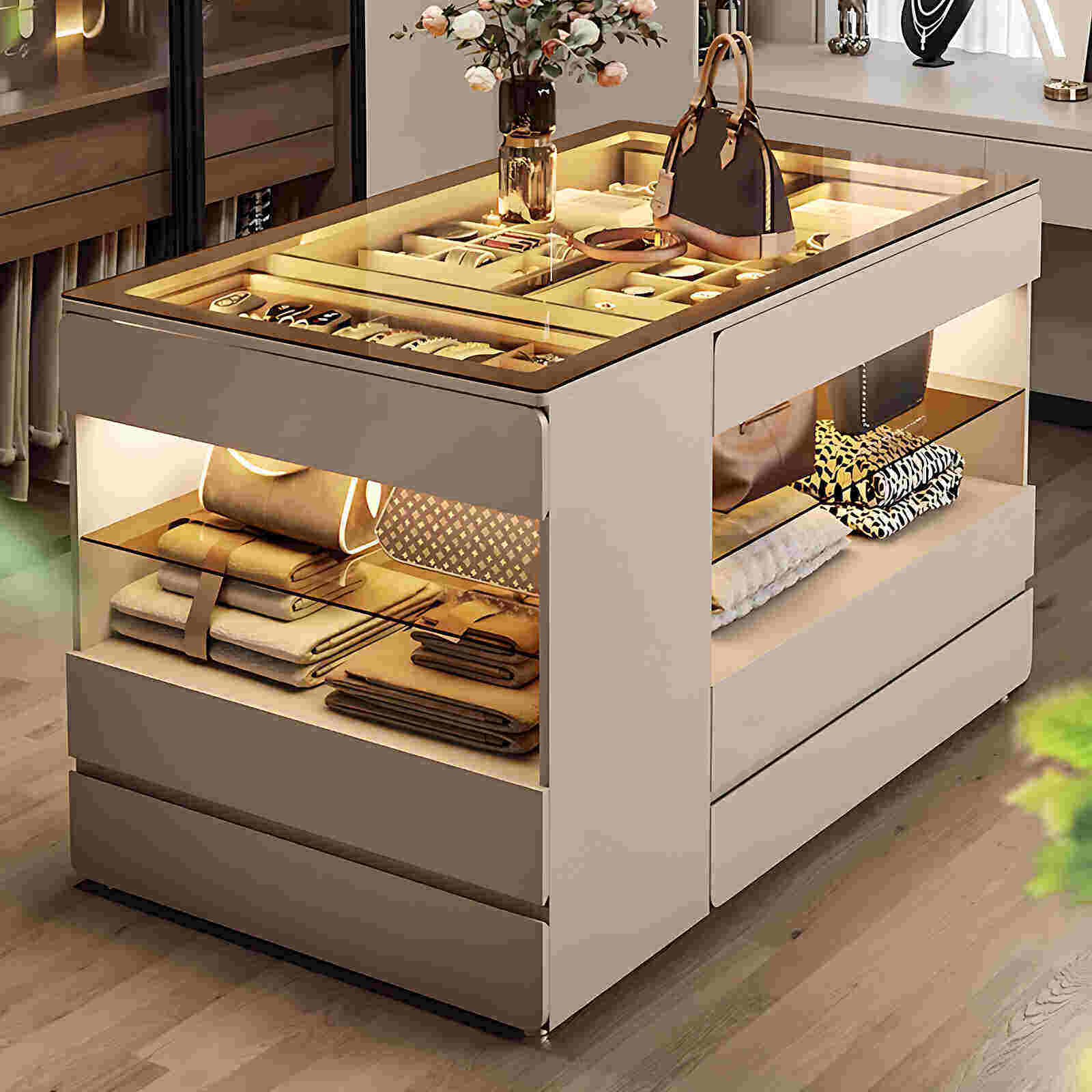
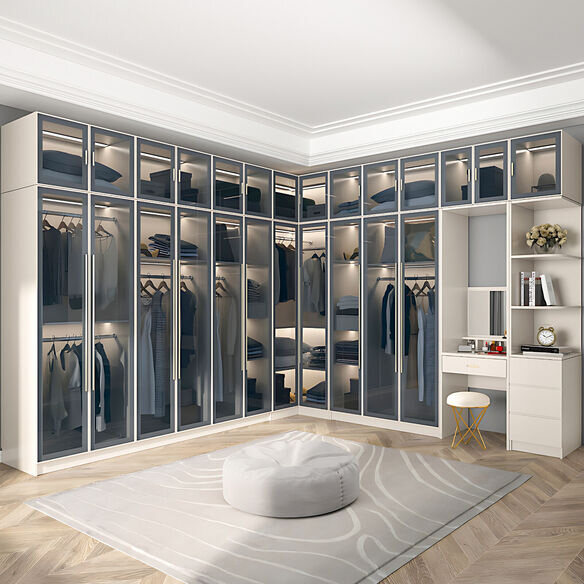
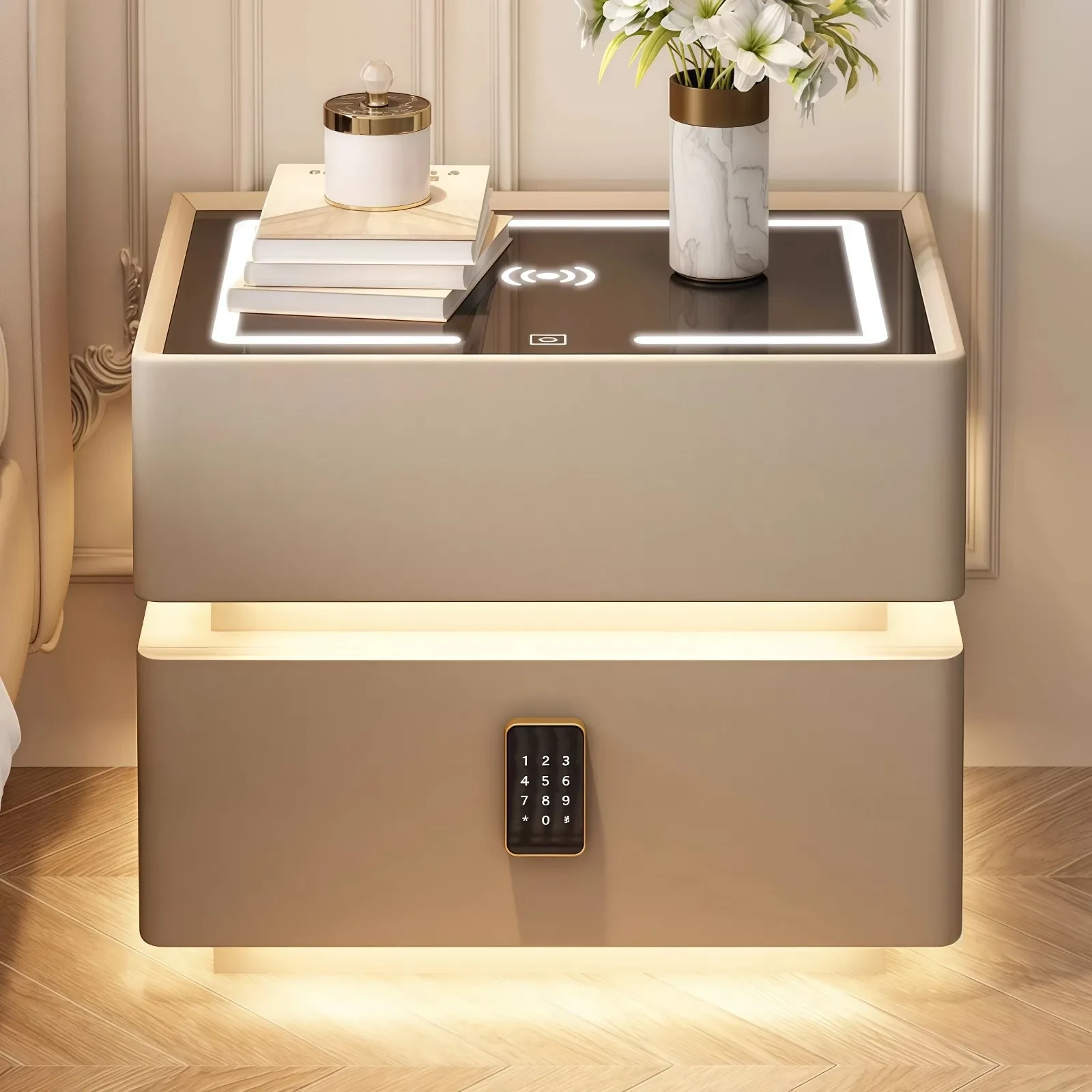
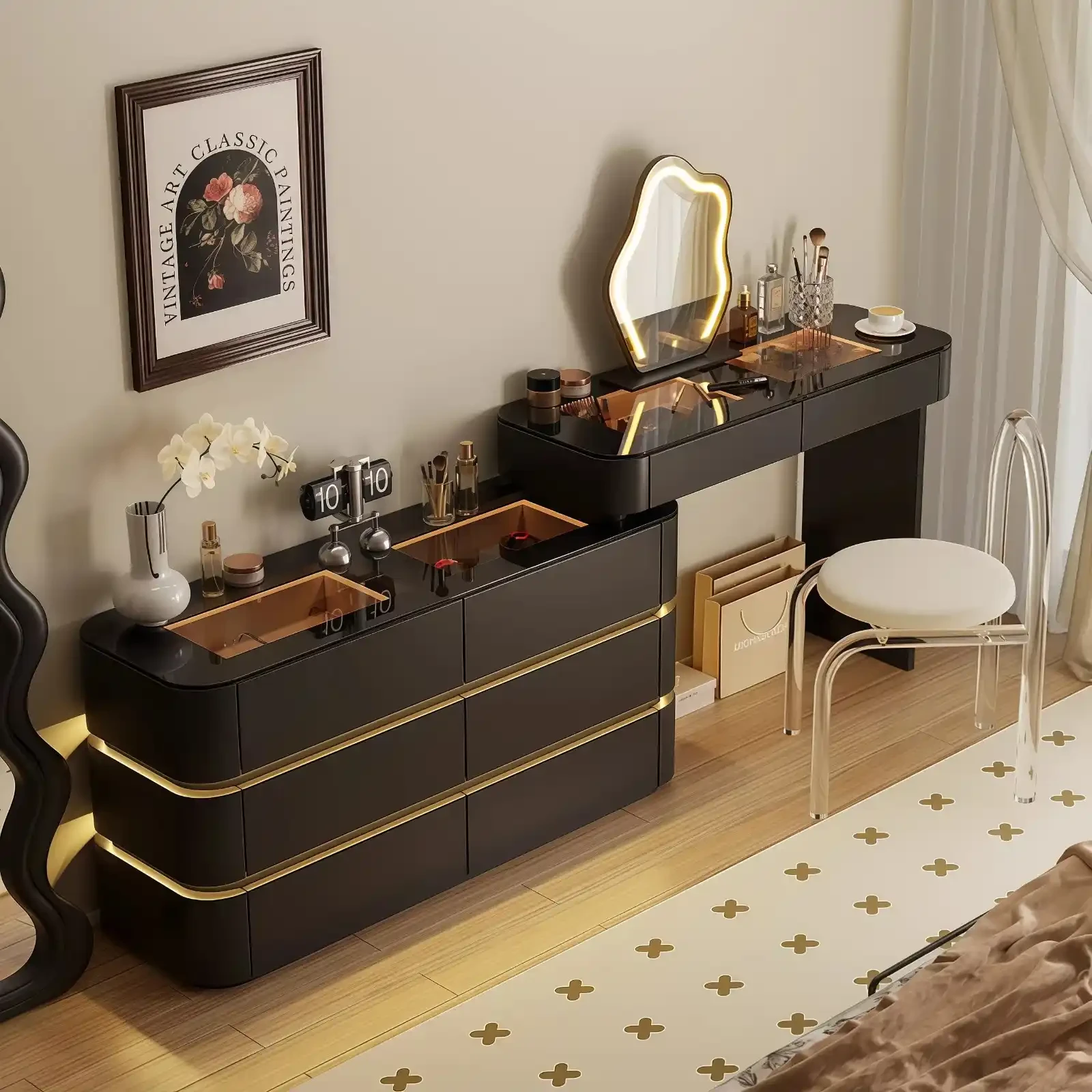
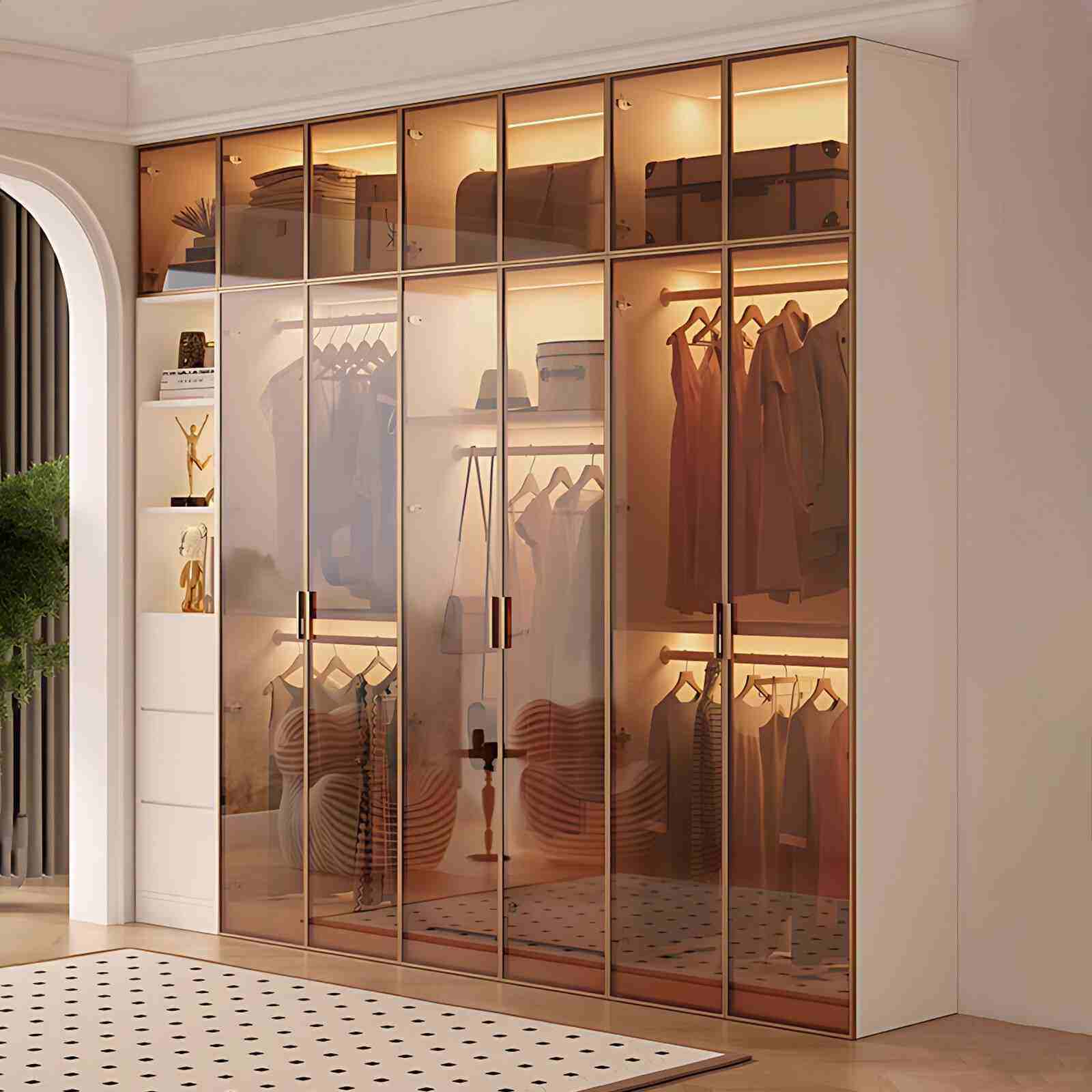
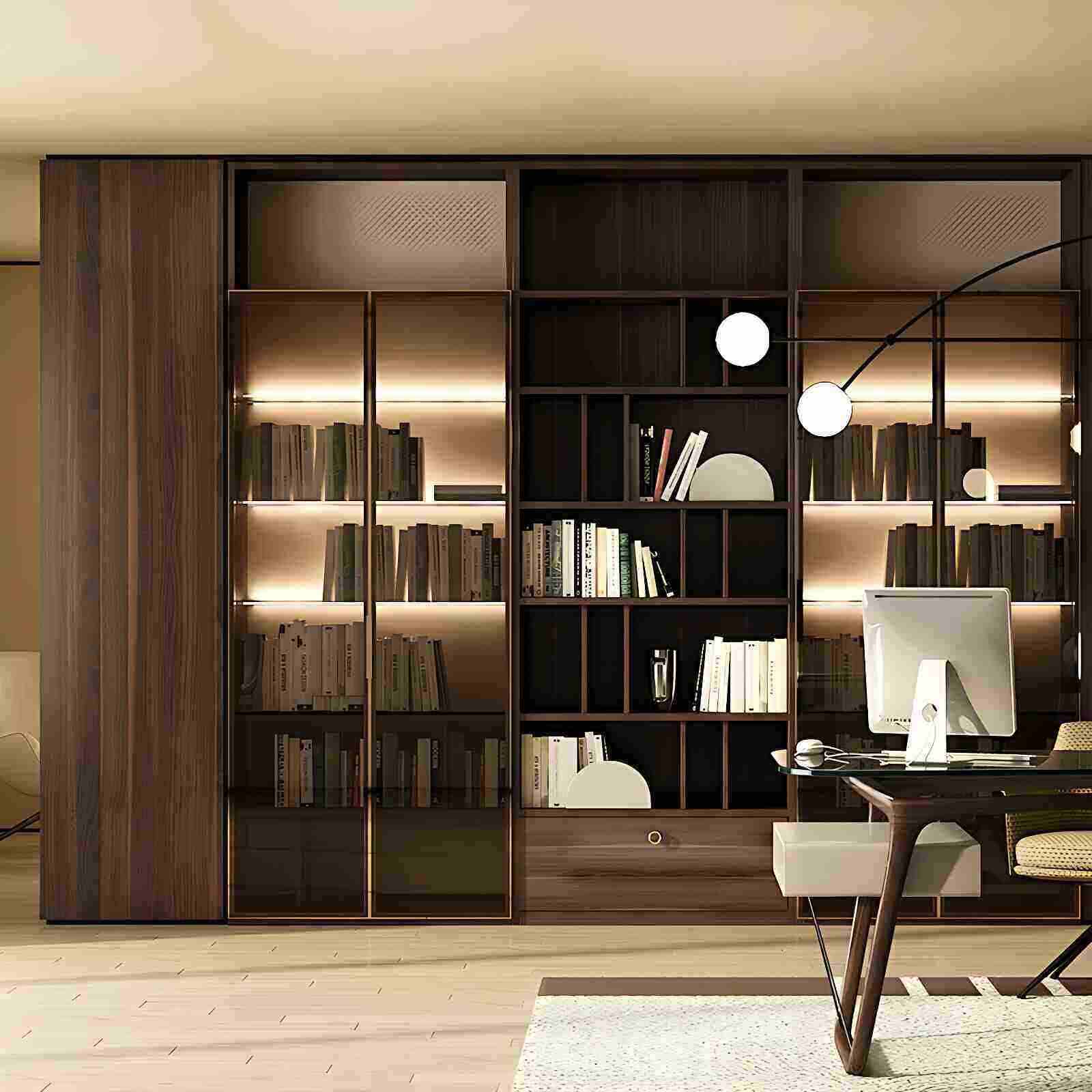
With the increasing use of wood-based panels in home decoration, the problems that arise are also increasing. Panel deformation is one of the most common issues. So, what causes panel deformation? And how can this problem be solved? Let's take a look at the production and transportation processes of Huan wood-based panels to find out.
When a board warps or deforms, it means that the board has poor resistance to deformation. So what causes poor resistance to deformation?
From a mechanical point of view, the warping and deformation of boards is the result of the release of internal stress. If effective measures are not taken during the production process, the boards will not be able to eliminate the basis for the generation of internal stress, which will lead to warping and deformation when the furniture is made and encounters environments with pressure and high humidity.
Deformation of the boards can cause problems such as cabinet doors not closing properly.
Specifically, there are generally six main factors contributing to board deformation:
Firstly, the production process of the boards is not well controlled. High-quality boards need to have consistent laying density and symmetrical structure. If the difference is too large, the expansion and contraction inside the board will be inconsistent, which will generate internal stress.
Secondly, if the moisture content of the board is not properly controlled, warping and deformation problems can easily occur if the moisture content of the board exceeds or falls below the ambient humidity. Therefore, the moisture content needs to be maintained within the normal range.
Third, the density of the board is not up to standard. Low board density will result in an uneven processing surface and make it prone to moisture absorption and deformation.
Fourth, the waterproof performance of the board is not up to standard. The boards used to make furniture must have a certain degree of waterproof performance, otherwise they will easily absorb moisture and deform.
Fifth, improper curing of boards. If boards are not cured or stored in a dry and ventilated environment, their stability will be easily affected, leading to problems such as deformation.
How should Happy Bear boards be made?
01. Selected high-density wood species
The boards are made using the 5A grade material selection method, with density being one of the key indicators. High-density, stable logs at their prime age are selected as raw materials for the boards, laying a solid foundation for their quality.
02. Upgrade production processes and equipment
We continuously upgrade our production equipment and technology, precisely control the operating data of each process, and manufacture boards with symmetrical structure and consistent density to minimize internal stress.
03. Strictly control the moisture content of the boards.
The logs undergo a 10-day constant-temperature drying process to release the wood's properties of swelling and shrinking before production. Moisture content testing is conducted throughout the entire production process to ensure that the moisture content of the boards is evenly controlled within the acceptable range.
04. Strengthen the maintenance of boards
The boards undergo multiple maintenance processes during transportation and production. They are stacked flat in a dry and ventilated environment and allowed to mature over several days, allowing them to fully adapt to the environment and resulting in more stable performance.
By addressing each issue from the source to production to transportation, the board's resistance to deformation is guaranteed.